Antimicrobials
Subcategories of "Antimicrobials"
- Antibiotics(4,138 products)
- Antifungals(906 products)
- Antiparasitics(700 products)
- Antivirals(766 products)
Found 2431 products of "Antimicrobials"
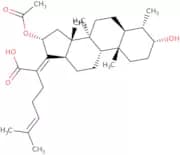
11-Deoxyfusidic acid
CAS:11-Deoxyfusidic acid is a steroidal antibiotic, which is derived from the fermentation broth of certain strains of fungi, specifically within the Fusidium genus. Its mode of action involves inhibiting bacterial protein synthesis by interacting with elongation factor G (EF-G) on the ribosome, thus disrupting essential processes and impeding bacterial growth.Formula:C31H48O5Purity:Min. 95%Molecular weight:500.71 g/molCefotaxime sodium - Sterile grade
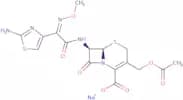
CAS:Cefotaxime sodium - Sterile grade is a cephalosporin antibiotic, which is derived from the beta-lactam class of antibacterial agents. It effectively disrupts bacterial cell wall synthesis by binding to and inhibiting penicillin-binding proteins, leading to cell lysis and death. This mechanism of action is potent against a variety of Gram-positive and Gram-negative bacteria, making it a valuable tool in clinical settings.Formula:C16H17N5O7S2·NaPurity:Min. 95%Molecular weight:478.46 g/molHypothemycin
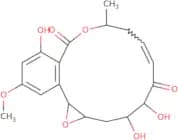
CAS:Hypothemycin is a natural product that serves as a potent inhibitor of protein kinases. It is derived from the fungus Hypomyces subiculosus and belongs to the class of resorcylic acid lactones. Its mode of action involves binding covalently to the ATP-binding site of kinases, leading to the inhibition of their activity. This covalent modification is achieved through the formation of a Michael-type addition with a reactive ene-diene functionality within its structure. By targeting these critical enzymes, hypothemycin disrupts key signaling pathways that are essential for cell growth and proliferation.Purity:Min. 95%Capsimycin
CAS:Capsimycin is an antibiotic product, which is derived from the bacterium Streptomyces. This compound is part of a class of natural products isolated from soil-dwelling actinomycetes, known for their ability to produce a wide array of bioactive molecules. The mode of action of Capsimycin involves the inhibition of cell wall biosynthesis in susceptible bacterial strains. This specific mechanism disrupts the integrity of the bacterial cell wall, ultimately leading to cell lysis and death, making Capsimycin effective against a variety of Gram-positive bacteria.Formula:C30H40N2O6Purity:Min. 95%Molecular weight:524.60 g/molSartorypyrone B
CAS:Sartorypyrone B is a secondary metabolite, which is isolated from certain fungal species, including those in the genus **Aspergillus**. This compound is part of a class of natural products known as polyketides, characterized by their diverse structural complexity and bioactivity. The mode of action of Sartorypyrone B involves the inhibition of microbial growth and disruption of cellular processes, making it a compound of interest in antibacterial and anticancer research.Formula:C30H42O7Purity:Min. 95%Molecular weight:514.6 g/molPSI-352938
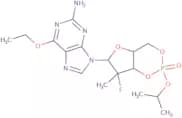
CAS:Please enquire for more information about PSI-352938 including the price, delivery time and more detailed product information at the technical inquiry form on this pageFormula:C16H23FN5O6PPurity:Min. 95%Molecular weight:431.36 g/mol1-(4-Pentyloxy-3-trifluoromethylphenyl)-3-(pyridine-3-carbonyl)thiourea
CAS:1-(4-Pentyloxy-3-trifluoromethylphenyl)-3-(pyridine-3-carbonyl)thiourea is a synthetic compound employed largely in biochemical research and potential medicinal applications. As a small molecule derivative, it is synthesized through meticulous organic chemistry protocols designed to yield compounds with specific biophysical properties. The compound acts primarily by modulating distinct biochemical pathways, interacting with molecular targets such as enzymes or receptors, thereby influencing biological processes at the cellular level.Formula:C19H20F3N3O2SPurity:Min. 95%Molecular weight:411.4 g/molCeftizoxime alapivoxil
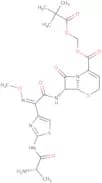
CAS:Ceftizoxime alapivoxil is a prodrug antibiotic, which is derived from ceftizoxime, a third-generation cephalosporin. This semi-synthetic source enables the compound to effectively combat a wide range of bacterial infections by improving oral bioavailability compared to its parent compound. Once administered, ceftizoxime alapivoxil is metabolized in the body to release ceftizoxime, which exerts its antibacterial activity by binding to penicillin-binding proteins (PBPs) on bacterial cell walls. This binding action inhibits the transpeptidation step critical for cell wall synthesis, leading to cell lysis and bacterial death.Purity:Min. 95%3-Descyano fludioxonil 3-carboxylic acid
CAS:3-Descyano fludioxonil 3-carboxylic acid is a synthetic compound, which is derived from chemical modification of fludioxonil, a well-known fungicide. The compound acts by disrupting fungal cell osmoregulation through inhibition of the protein kinase pathway. This disruption inhibits spore germination and mycelial growth, contributing to its antifungal properties.Formula:C12H7F2NO4Purity:Min. 95%Molecular weight:267.18 g/molCefadroxil monohydrate, Antibiotic for Culture Media Use Only
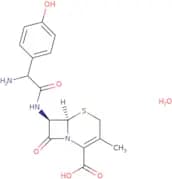
CAS:Cefadroxil is a broad-spectrum bactericidal antibiotic that belongs to the cephalosporin family. It is a semi-synthetic penicillin and inhibits bacterial cell wall synthesis through binding to one or more of the penicillin-binding proteins (PBPs). Cefadroxil monohydrate is used as an antibiotic for culture media and has been proven to be effective against methicillin-resistant Staphylococcus aureus (MRSA). In addition, the drug has been shown to have no significant effect on blood tests or microscopic studies.Formula:C16H19N3O6SPurity:Min. 97.0 Area-%Molecular weight:381.40 g/molClindamycin sulfoxide
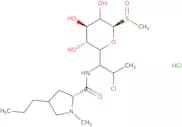
CAS:Clindamycin sulfoxide is a potent metabolite of the lincosamide antibiotic clindamycin, which is derived from the fermentation product of *Streptomyces lincolnensis*. This compound acts by inhibiting bacterial protein synthesis through binding to the 50S ribosomal subunit, thereby interfering with the translocation steps in protein elongation. The mechanism effectively suppresses the growth of a broad range of Gram-positive bacteria, including *Staphylococcus aureus*, *Streptococcus pneumoniae*, and anaerobic microorganisms.Formula:C18H33ClN2O6SPurity:Min. 95%Molecular weight:440.98 g/molThiamethoxam-urea
CAS:Thiamethoxam-urea is an advanced agrochemical formulation, which is a synthetic compound derived from the integration of the neonicotinoid insecticide thiamethoxam and the stabilizing agent urea. This product is engineered from laboratory synthesis, where chemical reactions enable the effective combination of these components to ensure optimal stability and efficacy. The mode of action of Thiamethoxam-urea involves neurotoxic interference within the central nervous system of target organisms, primarily acting as an agonist at nicotinic acetylcholine receptors in insects. This disrupts neural transmission, leading to paralysis and eventual death of the pest.Formula:C8H10ClN3O2SPurity:Min. 95%Molecular weight:247.7 g/mol1,4-Dihydro-2,3-benzodithiine
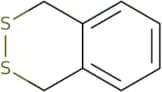
CAS:1,4-Dihydro-2,3-benzodithiine is a synthetic organic compound, which is often utilized in the field of material science and chemical research. It is derived from aromatic dithiins, characterized by a unique heterocyclic structure containing sulfur atoms within its ring system. The compound’s mode of action primarily involves its ability to partake in various cycloaddition reactions due to the electron-rich nature of the dithiine ring, which can facilitate interactions with electrophiles.
Formula:C8H8S2Purity:Min. 95%Molecular weight:168.3 g/molAmidosulfuron-o-desmethyl
CAS:Amidosulfuron-o-desmethyl is a metabolite derivative, which is studied primarily as a secondary product originating from the breakdown of the herbicide amidosulfuron. Synthesized through microbial and environmental degradation processes, it is part of the sulfonylurea class of compounds. The mode of action involves inhibition of the plant enzyme acetolactate synthase (ALS), leading to disrupted synthesis of essential branched-chain amino acids, ultimately affecting plant growth and survival.Formula:C8H13N5O7S2Purity:Min. 95%Molecular weight:355.4 g/molTulathromycin B - 95%
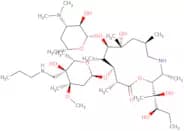
CAS:Inhibitor of protein synthesis; macrolide classFormula:C41H79N3O12Purity:Min. 95%Molecular weight:806.08 g/molSofosbuvir impurity M
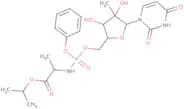
CAS:Sofosbuvir impurity M is a chemical impurity, which is a by-product identified during the synthesis and manufacturing of the antiviral drug Sofosbuvir. This impurity originates from the complex chemical reactions involved in the production of nucleoside analogues, which are crucial in the formation of the active pharmaceutical ingredient.
Formula:C22H30N3O10PPurity:Min. 95%Molecular weight:527.5 g/molN4-Methyl-5-(3,4,5-trimethoxybenzyl)-pyrimidine-2,4-diamine
CAS:N4-Methyl-5-(3,4,5-trimethoxybenzyl)-pyrimidine-2,4-diamine is a synthetic organic compound, classified as an antimicrobial agent. This compound is developed through chemical synthesis processes, derived from pyrimidine analogs, and is commonly used in medicinal chemistry and pharmacology research. It operates by inhibiting key enzymes involved in the folic acid pathway, crucial for bacterial growth and proliferation. By targeting this pathway, the compound prevents nucleic acid synthesis, ultimately leading to bacterial cell death.
Formula:C15H20N4O3Purity:Min. 95%Molecular weight:304.34 g/molAliconazole
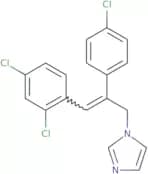
CAS:Aliconazole is a triazole-based antifungal agent, which is a synthetic derivative developed through chemical synthesis. It functions by inhibiting the enzyme lanosterol 14α-demethylase, crucial in the biosynthesis of ergosterol, a vital component of fungal cell membranes. By disrupting ergosterol production, aliconazole compromises the structural integrity of the cell membrane, leading to increased permeability and eventual cell death.
Formula:C18H13Cl3N2Purity:Min. 95%Molecular weight:363.7 g/molNeticonazole hydrochloride
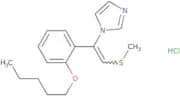
CAS:Neticonazole hydrochloride is an antifungal agent, which is a synthetic imidazole derivative with potent antifungal properties. It is synthesized through a multi-step chemical process in a laboratory setting, designed to enhance its efficacy and stability. Its mode of action involves the inhibition of ergosterol synthesis, a critical component of fungal cell membranes. By hindering this pathway, Neticonazole hydrochloride compromises the integrity and function of the fungal cell membrane, ultimately leading to cell death.
Formula:C17H23ClN2OSPurity:Min. 95%Molecular weight:338.9 g/molTriadimenol-tert-butylhydroxy
CAS:Triadimenol-tert-butylhydroxy is a systemic fungicide, originating from synthetic chemical processes, characterized by its ability to inhibit fungal sterol biosynthesis. This sterol biosynthesis disruption occurs through the demethylation of lanosterol or 24-methylene dihydrolanosterol, which impedes the production of ergosterol, a crucial component in fungal cell membranes. The inhibition results in disrupted cell membrane integrity and impaired fungal growth, leading to effective control over a range of plant-pathogenic fungi.
Formula:C14H18ClN3O3Purity:Min. 95%Molecular weight:311.76 g/molClindamycin-2,3-diphosphate
Clindamycin-2,3-diphosphate is a biochemical compound, which is derived from the antibiotic clindamycin, sourced through chemical modification to include diphosphate groups. Its mode of action involves inhibiting bacterial protein synthesis by binding to the 50S ribosomal subunit, thus interfering with peptide chain initiation and elongation. This disruption effectively halts bacterial growth, particularly in Gram-positive bacteria, and is crucial in combatting infections resistant to other antibiotics.Formula:C18H35ClN2O11P2SPurity:Min. 95%Molecular weight:584.94 g/molPolymyxin E2 sulfate
CAS:Polymyxin E2 sulfate is a cyclic polypeptide antibiotic, which is derived from the bacterium *Paenibacillus polymyxa*. This compound acts by disrupting the bacterial cell membrane, specifically interacting with the lipopolysaccharides and phospholipids in the outer membrane, leading to increased permeability and eventual cell death. It primarily targets gram-negative bacteria, making it effective against a range of pathogens responsible for serious infections.
Formula:C52H98N16O13Purity:Min. 95%Molecular weight:1,155.4 g/molRibocil-C (R enantiomer)
CAS:Ribocil-C (R enantiomer) is a synthetic small molecule, which is designed as an antibacterial agent specifically targeting the bacterial riboflavin synthesis pathway. This compound is derived from chemical synthesis methodologies, tailored to exploit the protonation state and steric configuration unique to the R enantiomer. Ribocil-C functions by selectively inhibiting riboswitch-mediated regulation in the flavin mononucleotide (FMN) riboswitch, disrupting the synthesis of riboflavin in bacteria. This targeted inhibition disrupts essential metabolic processes, critically hampering bacterial growth and viability.
Formula:C21H21N7OSPurity:Min. 95%Molecular weight:419.5 g/molELQ-300
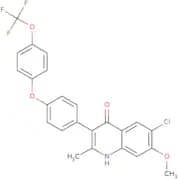
CAS:ELQ-300 is a potent antimalarial compound, which is a synthetic quinolone derivative. As a product of chemical synthesis and medicinal chemistry, it targets the electron transport chain in the mitochondrial cytochrome bc1 complex. This compound acts by selectively inhibiting the cytochrome bc1 complex, a critical component of the parasite's mitochondrial respiratory chain, thus preventing ATP synthesis and ultimately leading to the death of the parasite.Formula:C24H17ClF3NO4Purity:Min. 95%Molecular weight:475.8 g/molPseudomonic acid F
CAS:Pseudomonic acid F is a naturally occurring secondary metabolite, which is derived from the bacterium *Pseudomonas fluorescens*. Its mode of action involves the inhibition of bacterial protein synthesis by targeting the bacterial isoleucyl-tRNA synthetase enzyme. This inhibition disrupts the addition of isoleucine to the growing polypeptide chain, effectively impeding bacterial growth and proliferation.Formula:C24H40O9Purity:Min. 95%Molecular weight:472.60 g/molChlortetracycline-13C-d3 hydrochloride
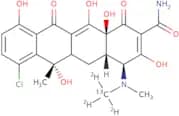
Controlled ProductChlortetracycline-13C-d3 hydrochloride is a stable isotope-labeled antibiotic with action on bacterial protein synthesis inhibition and is used for research in bacterial resistance and analytical studies.Formula:C2113CH21D3Cl2N2O8Color and Shape:PowderMolecular weight:519.35 g/molImipenem Monohydrate, Antibiotic for Culture Media Use Only
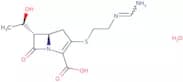
CAS:Imipenem acts as an antimicrobial through inhibiting cell wall synthesis of various gram-positive and gram-negative bacteria. It remains very stable in the presence of beta-lactamase (both penicillinase andcephalosporinase) produced by some bacteria, and is a strong inhibitor of beta-lactamases from some gram-negative bacteria that are resistant to most beta-lactam antibiotics.Formula:C12H19N3O5SPurity:Min. 98.0 Area-%Molecular weight:317.36 g/molML303
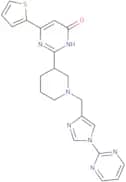
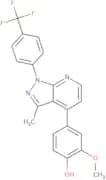
CAS:Please enquire for more information about ML303 including the price, delivery time and more detailed product information at the technical inquiry form on this pageFormula:C21H16F3N3O2Purity:Min. 95%Molecular weight:399.4 g/molBRL 42715
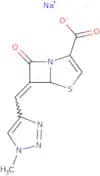
CAS:BRL 42715 is an antibacterial agent, which is a synthetic compound with a unique mechanism of action. This compound is derived from rational drug design aimed at targeting specific bacterial enzymes critical for cell wall synthesis. By irreversibly inhibiting these enzymes, BRL 42715 disrupts the bacterial cell wall formation, leading to cell lysis and death.Formula:C10H7N4NaO3SPurity:Min. 95%Molecular weight:286.24 g/molAnhydro erythromycin A
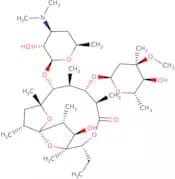
CAS:Anhydro erythromycin A is a semi-synthetic derivative of erythromycin A, which has been shown to be an effective inhibitor of bacterial growth, showing higher selectivity for this inhibition. It is a prodrug that is activated by acid catalysis and can be used as a substitute against methicillin-resistant staphylococcus. Anhydro erythromycin A was developed with the goal of increasing its stability and its potency against methicillin-resistant Staphylococcus aureus, which has been shown to be resistant to erythromycin.Formula:C37H65NO12Purity:Min. 95%Color and Shape:White PowderMolecular weight:715.91 g/molGSK 3532795
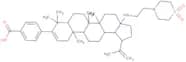
CAS:GSK 3532795 is an investigational antiretroviral compound, which is a synthetic small molecule designed to inhibit HIV-1 capsid function. The source of this compound is GlaxoSmithKline, a pharmaceutical company actively engaged in the development of novel therapeutic agents. GSK 3532795 functions by disrupting the HIV-1 capsid, an essential protein shell that encases the viral RNA and associated enzymes. By targeting this structure, the compound interferes with numerous stages of the viral replication cycle, including disassembly, nuclear import, and encapsidation—thereby effectively inhibiting viral replication.Formula:C42H62N2O4SPurity:Min. 95%Molecular weight:691 g/mol(3aR,4R,5R,7S,8S,9R,9aS,12R)-8-Hydroxy-4,7,9,12-tetramethyl-3-oxo-7-vinyldecahydro-4,9a-propanocyclopenta[8]annulen-5-yl 2-((7-fluor o-1-hydroxy-1,3-dihydrobenzo[C][1,2]-oxaborol-6-yl)oxy)acetate
CAS:(3aR,4R,5R,7S,8S,9R,9aS,12R)-8-Hydroxy-4,7,9,12-tetramethyl-3-oxo-7-vinyldecahydro-4,9a-propanocyclopenta[8]annulen-5-yl 2-((7-fluoro-1-hydroxy-1,3-dihydrobenzo[C][1,2]-oxaborol-6-yl)oxy)acetate is a novel antifungal compound derived from boron chemistry, representing a new class of therapeutic agents in the field of antifungal treatments. The compound primarily originates from the synthesis and refinement of boron-based molecular scaffolds, yielding a structure capable of disrupting fungal growth through a unique mode of action. It functions by inhibiting the fungal enzyme leucyl-tRNA synthetase, which is crucial in protein synthesis and thus vital for fungal cell survival and proliferation. By targeting this specific enzyme, the compound effectively halts the production of essential proteins, leading to the cessation of fungal growth and eventual cell death. The primary application of this compound is in the treatment of a range of fungal infections, particularly those that are resistant to conventional antifungal drugs, offering a potent alternative in clinical settings. The application of this compound spans both topical and systemic treatments, addressing a critical need for more effective antifungal therapies.Formula:C29H38BFO7Purity:Min. 95%Molecular weight:528.4 g/molElsulfavirine
CAS:Elsulfavirine is a non-nucleoside reverse transcriptase inhibitor (NNRTI), which is derived from advanced medicinal chemistry efforts targeting specific interactions with the HIV-1 reverse transcriptase enzyme. The mode of action of Elsulfavirine involves the inhibition of reverse transcriptase activity by binding to an allosteric site on the enzyme, thereby preventing the transcription of viral RNA into DNA, a critical step in the HIV replication process.
Formula:C24H17BrCl2FN3O5SPurity:Min. 95%Molecular weight:629.3 g/molSteffimycin B
CAS:Steffimycin B is an anthracycline antibiotic, which is a metabolite produced by certain Streptomyces species. This compound functions by intercalating into DNA, thereby inhibiting the synthesis of nucleic acids and disrupting essential cellular processes. Its mode of action involves preventing the replication and transcription of bacterial DNA, leading to cell death. Steffimycin B has been primarily explored for its antibiotic properties, particularly in research settings for its potential to combat specific bacterial infections. Additionally, its structural similarities to other anthracyclines suggest potential use in studying mechanisms of drug resistance and interactions with DNA. Further investigation may reveal additional therapeutic applications or synergistic effects in combination with other antimicrobial agents.Formula:C29H32O13Purity:Min. 95%Molecular weight:588.6 g/molAzddmec
CAS:Please enquire for more information about Azddmec including the price, delivery time and more detailed product information at the technical inquiry form on this pageFormula:C10H14N6O3Purity:Min. 95%Molecular weight:266.26 g/molClindamycin palmitate hydrochloride
CAS:Clindamycin palmitate hydrochloride is a semisynthetic antibiotic prodrug, which is derived from the lincomycin family, originally sourced from the bacterium *Streptomyces lincolnensis*. This compound functions through its conversion into the active form, clindamycin, once inside the body. Clindamycin acts by inhibiting bacterial protein synthesis, binding to the 50S subunit of the bacterial ribosome, thereby impeding peptide chain initiation and elongation.Formula:C34H63ClN2O6SPurity:Min. 95%Molecular weight:663.4 g/molBeauvericin
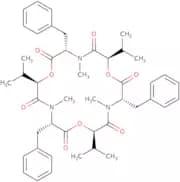
CAS:Beauvericin is a cyclic peptide that is isolated from the fungus Fusarium. It has been shown to have antimicrobial activity against bacteria, as well as a variety of other biological properties. Beauvericin has been shown to inhibit mitochondrial membrane potential and induce toxicity in some animal models. Beauvericin also inhibits protein synthesis and causes cell death by inhibiting DNA polymerase activity. This compound is active against cancer cells, including HL-60 cells, which are derived from human lymphocytes and are used as a model for leukemia. Beauvericin can be extracted from an ETOA extract of the fungus Fusarium oxysporum; this extract has shown anti-cancer effects in vitro assays.
Formula:C45H57N3O9Purity:Min. 95%Molecular weight:783.95 g/mol(±)-Salbutamol
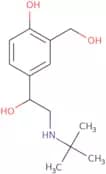
CAS:Controlled Product(±)-Salbutamol is a racemic mixture of a beta-2 adrenergic agonist, which is synthetically derived. This compound functions primarily by selectively stimulating beta-2 adrenergic receptors, which are predominantly located on the smooth muscle cells lining the airways. The activation of these receptors leads to the relaxation of bronchial muscle tissue, resulting in bronchodilation and improved airflow.Formula:C13H21NO3Molecular weight:239.31 g/mol(3R,4R)-A2-32-01
CAS:(3R,4R)-A2-32-01 is an innovative insecticide, which is a synthetic product derived from intensive research in entomology and organic chemistry. It operates by targeting the neurological pathways of specific insect pests, leading to rapid cessation of feeding and, ultimately, death. This mode of action is highly selective, affecting only targeted pest species while minimizing impact on non-target organisms such as beneficial pollinators.Formula:C19H27NO2Purity:Min. 95%Molecular weight:301.4 g/molParecoxib sodium
CAS:Controlled ProductParecoxib sodium is a nonsteroidal anti-inflammatory drug (NSAID) prodrug, which is synthesized pharmaceutically. It exerts its therapeutic effects through the selective inhibition of cyclooxygenase-2 (COX-2) enzymes. This inhibition reduces the synthesis of prostaglandins, compounds involved in the mediation of inflammation and pain, thereby providing analgesic and anti-inflammatory effects.
Formula:C19H17N2NaO4SPurity:Min. 95%Molecular weight:392.4 g/molHaloxyfop-phenol
CAS:Haloxyfop-phenol is a selective herbicide, which is a synthetic chemical compound derived from aryloxyphenoxypropionate. It acts as an acetyl-CoA carboxylase (ACCase) inhibitor, targeting the enzyme critical for fatty acid synthesis in grasses. This mode of action disrupts lipid production in susceptible grass species, leading to cessation of growth and eventual plant death.Formula:C12H7ClF3NO2Purity:Min. 95%Molecular weight:289.64 g/molAurantimycin A
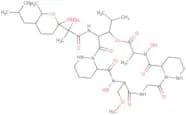
CAS:Aurantimycin A is an antibiotic compound, which is a polypeptide derived from the bacterium genus *Streptomyces*, a type of Actinobacteria. This compound exhibits its mode of action through inhibition of bacterial protein synthesis, specifically by interfering with the ribosomal function, thereby preventing the growth and proliferation of susceptible bacterial strains. The potent activity of Aurantimycin A against Gram-positive bacteria makes it a crucial tool in microbial and biochemical research.Formula:C38H64N8O14Purity:Min. 95%Molecular weight:857 g/mol2-Ethylhexyl 4-(4-chloro-2-methylphenoxy)butyrate
CAS:2-Ethylhexyl 4-(4-chloro-2-methylphenoxy)butyrate is a pre-emergent herbicide, which is synthesized from phenoxyalkanoic acid derivatives. Its mode of action involves inhibiting essential plant lipid synthesis pathways, specifically targeting the acetyl-coenzyme A carboxylase (ACCase) enzyme. This enzyme is pivotal for fatty acid synthesis, which is critical for the development of cellular lipids necessary for plant growth and survival.
Formula:C19H29ClO3Purity:Min. 95%Molecular weight:340.9 g/molCefoxitin EP impurity F
Cefoxitin EP Impurity F is a pharmaceutical reference impurity, which is a derivative of the cefoxitin antibiotic. This impurity arises from the degradation or synthesis processes related to cefoxitin, a semi-synthetic, beta-lactam antibiotic of the cephamycin group. The mode of action of cefoxitin involves interfering with bacterial cell wall synthesis by binding to penicillin-binding proteins, ultimately leading to cell lysis and death.Formula:C17H19N3O8S2Purity:Min. 95%Molecular weight:457.48 g/molMarbofloxacin hydrochloride
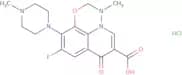
CAS:Marbofloxacin hydrochloride is a synthetic, broad-spectrum antibacterial agent. It is derived from the fluoroquinolone class, which is known for its potent activity against a variety of bacterial pathogens. The mode of action of marbofloxacin hydrochloride involves the inhibition of bacterial DNA gyrase and topoisomerase IV, enzymes critical for DNA replication, transcription, and repair processes. This inhibition disrupts bacterial cell division and ultimately leads to cell death.Formula:C17H20ClFN4O4Purity:Min. 95%Molecular weight:398.8 g/molNybomycin
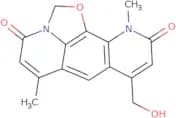
CAS:Nybomycin is a quinolone-based antibiotic, which is a synthetic derivative originally derived from actinomycetes, a type of filamentous bacteria known for producing numerous bioactive compounds. Its mode of action involves targeting and inhibiting bacterial DNA gyrase and topoisomerase IV, enzymes critical for DNA replication and transcription. This mechanism disrupts DNA synthesis, thereby exerting bactericidal effects on susceptible bacterial populations.
Formula:C16H14N2O4Purity:Min. 95%Molecular weight:298.29 g/molValtrate hydrine B4
CAS:Valtrate hydrine B4 is a valepotriate derivative, which is a naturally occurring compound extracted from the roots of Valeriana species. It operates through its interaction with the central nervous system, primarily by modulating gamma-aminobutyric acid (GABA) receptors. This mode of action results in sedative and anxiolytic effects, making it a compound of interest in the research of natural tranquilizers and sleep aids.Formula:C27H40O10Purity:Min. 95%Molecular weight:524.6 g/mol(S)-N-Phenyl-1-((4-(3-(4-(trifluoromethyl)phenyl)ureido)phenyl)sulfonyl)pyrrolidine-2-carboxamide
CAS:(S)-N-Phenyl-1-((4-(3-(4-(trifluoromethyl)phenyl)ureido)phenyl)sulfonyl)pyrrolidine-2-carboxamide is a specialized inhibitor used in biochemical research, which is synthesized through advanced organic chemistry techniques. The compound acts by selectively binding to specific enzymatic or protein targets, disrupting their normal function and allowing scientists to study pathways and interactions at a molecular level.Formula:C25H23F3N4O4SPurity:Min. 95%Molecular weight:532.5 g/molDecoyinine
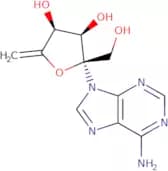
CAS:Decoyinine is an antibiotic compound, which is derived from the bacterium *Streptomyces hygroscopicus*. Its mode of action involves the inhibition of guanine nucleotide synthesis. By targeting the biosynthesis pathway of nucleotides, Decoyinine effectively impedes the growth and proliferation of bacterial cells.Formula:C11H13N5O4Purity:Min. 95%Molecular weight:279.25 g/molSarecycline Hydrochloride
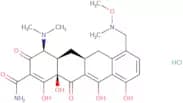
CAS:Sarecycline Hydrochloride is a narrow-spectrum tetracycline antibiotic with action on bacterial protein synthesis inhibition and is used for treating moderate to severe acne vulgaris.Formula:C24H30ClN3O8Purity:Min. 95%Color and Shape:PowderMolecular weight:523.96 g/mol