Antimicrobials
Antimicrobials are agents that destroy or inhibit the growth of microorganisms, including bacteria, viruses, fungi, and parasites. These compounds are essential in the prevention and treatment of infections, playing a crucial role in medicine, agriculture, and the food industry. At CymitQuimica, we offer an extensive range of high-quality, high-purity antimicrobials suitable for various scientific and industrial applications. Our catalog includes antibiotics, antifungals, antivirals, and disinfectants, all designed to meet the needs of research and development, as well as clinical and production applications. With our products, professionals can ensure the effectiveness and safety in infection control and public health protection.
Subcategories of "Antimicrobials"
- Antibiotics(4,114 products)
- Antifungals(836 products)
- Antiparasitics(704 products)
- Antivirals(763 products)
Found 2422 products of "Antimicrobials"
Sort by
Purity (%)
0
100
|
0
|
50
|
90
|
95
|
100
Avermectin a1a
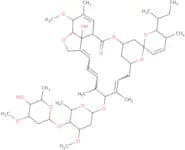
CAS:<p>Avermectin A1a is a macrocyclic lactone used primarily as an anthelmintic and insecticide. It is derived from the fermentation of the soil bacterium *Streptomyces avermitilis*. The compound works through a neurotoxic mode of action, binding to glutamate-gated chloride channels in nerve and muscle cells of invertebrates, leading to paralysis and subsequent death of the parasites. This mechanism is highly specific, primarily affecting nematodes and arthropods.</p>Formula:C49H74O14Purity:90%Molecular weight:887.1 g/molAspartocin D
CAS:<p>Aspartocin D is a peptide antibiotic, which is derived from microbial fermentation of certain actinomycetes. Its mode of action involves disrupting the integrity of fungal cell membranes, leading to increased permeability and eventual cell death. Aspartocin D is specifically effective against a range of fungal pathogens, making it a useful tool in the study and potential treatment of fungal infections.</p>Formula:C57H89N13O20Purity:Min. 95%Molecular weight:1,276.40 g/molTetracycline hydrochloride, Antibiotic for Culture Media Use Only
CAS:<p>Tetracycline hydrochloride is a broad-spectrum antibiotic and is an electron transfer agent. It has been shown to be effective against bacterial infections in humans and has been used in cultures for the prevention of bacterial contamination. As an electron transfer agent, it is used in electron microscopy to study the surface of biological cells. Tetracycline hydrochloride enters bacterial cells by diffusion and interacts with the cytoplasmic membrane, where it induces a redox reaction that leads to cell death. The efficacy of tetracycline hydrochloride in treating candida albicans (yeast) was studied using in-vitro activity and showed that carboxymethyl chitosan nanoparticles were able to enhance the treatment efficiency.</p>Formula:C22H25ClN2O8Purity:Min. 88.0 Area-%Molecular weight:480.90 g/molRef: 3D-T-1961
1kgTo inquire5kgTo inquire10kgTo inquire25kgTo inquire2500gTo inquire-Unit-kgkgTo inquireNybomycin
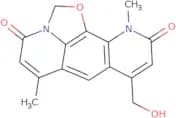
CAS:<p>Nybomycin is a quinolone-based antibiotic, which is a synthetic derivative originally derived from actinomycetes, a type of filamentous bacteria known for producing numerous bioactive compounds. Its mode of action involves targeting and inhibiting bacterial DNA gyrase and topoisomerase IV, enzymes critical for DNA replication and transcription. This mechanism disrupts DNA synthesis, thereby exerting bactericidal effects on susceptible bacterial populations.</p>Formula:C16H14N2O4Purity:Min. 95%Molecular weight:298.29 g/molBentaluron
CAS:<p>Bentaluron is a synthetic fungicide, which is a chemical compound developed to combat fungal pathogens in agriculture. Its source originates from rigorous industrial chemical synthesis, ensuring efficacy and stability. The mode of action of Bentaluron involves disrupting essential biochemical pathways within fungal cells, specifically targeting and inhibiting enzymes critical for fungal growth and metabolism. This precise interference prevents the synthesis of vital cellular components, ultimately halting the proliferation of the fungus.</p>Formula:C11H13N3OSPurity:Min. 95%Molecular weight:235.31 g/molDequalinium chloride
CAS:<p>Dequalinium chloride is a novel, broad spectrum antimicrobial agent with a mechanism of action that inhibits the mitochondria-dependent respiratory chain. Studies have shown that it inhibits the growth of resistant microorganisms in cell-based experiments and in bacterial infections. Dequalinium chloride also has cytopathic effects on thp-1 cells, which are specific for Mycobacterium tuberculosis. In addition to inhibiting mitochondria-dependent respiration, this compound also increases acetylcholine receptor sensitivity in A549 lung cancer cells. Dequalinium chloride is a quaternary ammonium cation and has been shown to be effective against clinical isolates and inhibitory concentrations of a variety of virus species, including human rhinovirus (HRV) and Coxsackie virus type B4 (CoxB4).</p>Formula:C30H40Cl2N4Purity:Min. 95.0 Area-%Molecular weight:527.57 g/molValtrate hydrine B4
CAS:<p>Valtrate hydrine B4 is a valepotriate derivative, which is a naturally occurring compound extracted from the roots of Valeriana species. It operates through its interaction with the central nervous system, primarily by modulating gamma-aminobutyric acid (GABA) receptors. This mode of action results in sedative and anxiolytic effects, making it a compound of interest in the research of natural tranquilizers and sleep aids.</p>Formula:C27H40O10Purity:Min. 95%Molecular weight:524.6 g/mol(S)-N-Phenyl-1-((4-(3-(4-(trifluoromethyl)phenyl)ureido)phenyl)sulfonyl)pyrrolidine-2-carboxamide
CAS:<p>(S)-N-Phenyl-1-((4-(3-(4-(trifluoromethyl)phenyl)ureido)phenyl)sulfonyl)pyrrolidine-2-carboxamide is a specialized inhibitor used in biochemical research, which is synthesized through advanced organic chemistry techniques. The compound acts by selectively binding to specific enzymatic or protein targets, disrupting their normal function and allowing scientists to study pathways and interactions at a molecular level.</p>Formula:C25H23F3N4O4SPurity:Min. 95%Molecular weight:532.5 g/molColistin sulfate, Antibiotic for Culture Media Use Only
CAS:<p>Antibacterial agent with the ability to permeate bacterial membranes and cause cell death. Colistin is a cationic peptide also known as polymyxin E. Colistin is effective in multidrug resistant Gram-positive bacteria such as P. aeruginosa, A. baumannii and K. pneumoniae.</p>Formula:C53H102N16O17SMolecular weight:1,266.73 g/molRef: 3D-Q-200890
1kgTo inquire5kgTo inquire10kgTo inquire25kgTo inquire2500gTo inquire-Unit-kgkgTo inquire(S,S)-Valifenalate
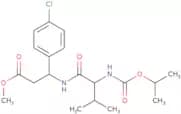
CAS:<p>(S,S)-Valifenalate is a chemical compound that serves as a systemic fungicide, a class of products designed to prevent or eliminate fungal diseases in plants. It is synthetically derived, indicating that its molecular structure is chemically engineered rather than extracted from natural sources. The compound operates by disrupting the fungal life cycle, specifically interfering with cell wall biosynthesis, ultimately inhibiting the growth and reproduction of fungal pathogens.</p>Formula:C19H27ClN2O5Purity:Min. 95%Molecular weight:398.9 g/mol21-Norrapamycin
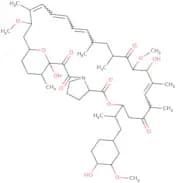
CAS:<p>21-Norrapamycin is a macrocyclic lactone antibiotic, which is derived from the bacterium Streptomyces hygroscopicus. Its chemical structure is closely related to that of rapamycin, a well-known immunosuppressant. The mode of action of 21-Norrapamycin involves the inhibition of the mechanistic target of rapamycin (mTOR) signaling pathway. By binding to the FK506-binding protein 12 (FKBP12), it forms a complex that then inhibits mTOR, a crucial regulator of cell growth, proliferation, and survival.</p>Formula:C50H77NO13Purity:Min. 95%Molecular weight:900.1 g/molIbafloxacin
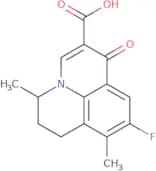
CAS:<p>Ibafloxacin is an antibacterial agent, which is a synthetic fluoroquinolone derived from quinolone compounds. It functions by inhibiting bacterial DNA gyrase and topoisomerase IV, enzymes crucial for DNA replication and transcription in bacteria. By preventing the supercoiling and uncoiling of bacterial DNA, ibafloxacin disrupts essential DNA processes, leading to bacterial cell death.</p>Formula:C15H14FNO3Purity:Min. 95%Molecular weight:275.27 g/molDoxycycline hydrochloride hemiethanolate hemihydrate, Antibiotic for Culture Media Use Only
CAS:<p>Doxycycline is an antibiotic that inhibits bacterial growth by inhibiting protein synthesis, respiratory chain, DNA gyrase, DNA topoisomerase IV. Doxycycline inhibits papaverine by blocking the expression of both cytochrome P450 and epoxide hydrolase. Doxycycline is commonly found in studies for bacterial infections, drug therapy, histopathological studies, cell culture and chemometric analysis.</p>Formula:C22H24N2O8·HClH2OC2H6OPurity:Min. 97.0 Area-%Molecular weight:512.90 g/mol1-(4-Pentyloxy-3-trifluoromethylphenyl)-3-(pyridine-3-carbonyl)thiourea
CAS:<p>1-(4-Pentyloxy-3-trifluoromethylphenyl)-3-(pyridine-3-carbonyl)thiourea is a synthetic compound employed largely in biochemical research and potential medicinal applications. As a small molecule derivative, it is synthesized through meticulous organic chemistry protocols designed to yield compounds with specific biophysical properties. The compound acts primarily by modulating distinct biochemical pathways, interacting with molecular targets such as enzymes or receptors, thereby influencing biological processes at the cellular level.</p>Formula:C19H20F3N3O2SPurity:Min. 95%Molecular weight:411.4 g/molClindamycin 2-palmitate sulfoxide
CAS:<p>Clindamycin 2-palmitate sulfoxide is a semisynthetic antibiotic, which is a derivative of clindamycin. It originates from lincomycin, a natural antibiotic produced by the bacterium *Streptomyces lincolnensis*. This compound functions as a prodrug, which is converted into its active form in the body. Its mode of action involves inhibiting bacterial protein synthesis by binding to the 50S subunit of the ribosome, thereby preventing the growth and replication of susceptible bacteria.</p>Formula:C34H64Cl2N2O7SPurity:Min. 95%Molecular weight:715.9 g/mol10, 11-Dehydrocurvularin
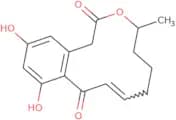
CAS:<p>10, 11-Dehydrocurvularin is a fungal phytotoxin with heat shock response and immune-modulatory activitie. Curvularins inhibit the expression of the inducible nitric oxide synthase (iNOS), thereby acting as anti-inflammatory agents and immune system modulators</p>Purity:Min. 95%Color and Shape:PowderN-Desisobutyl-N-propyl rifabutin
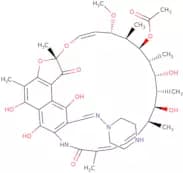
CAS:<p>N-Desisobutyl-N-propyl rifabutin is a synthetic derivative of rifabutin, which is an antibiotic belonging to the rifamycin class. This compound is sourced from modifications of the parent molecule rifabutin, itself derived from the rifamycin family produced by the bacterium Amycolatopsis, traditionally used for its antimicrobial properties. The mode of action involves the inhibition of bacterial RNA polymerase, effectively preventing the transcription process necessary for bacterial replication and protein synthesis. This disruption of RNA synthesis provides potent antimicrobial activity.</p>Formula:C45H60N4O11Purity:Min. 95%Molecular weight:832.98 g/molCarbazomycin B
CAS:<p>Carbazomycin B is a bioactive compound which is an antibiotic derived from the soil bacterium Streptomyces. This compound exhibits its mode of action by interfering with the synthesis of bacterial cell walls, which ultimately restricts the growth and proliferation of bacterial cells. The unique chemical structure of Carbazomycin B allows it to target specific pathways within bacterial organisms, making it an important tool in combating resistant strains.</p>Formula:C15H15NO2Purity:Min. 95%Molecular weight:241.28 g/molMeldonium
CAS:Controlled Product<p>Meldonium is a cardiovascular drug, which is a synthetic compound originating from Latvia. It functions by modulating carnitine metabolism, leading to decreased fatty acid oxidation and augmented glucose oxidation. This shift in energy substrate helps to improve energy efficiency, particularly under conditions of ischemia, which can prevent ischemic damage by balancing oxygen supply and demand.</p>Formula:C6H14N2O2Purity:Min. 95 Area-%Molecular weight:146.19 g/molVicriviroc
CAS:<p>Vicriviroc is an investigational pharmaceutical compound, specifically classified as an HIV entry inhibitor. It originates from a synthetic source, designed to target the CCR5 co-receptor on human immune cells. The mode of action involves blocking this co-receptor, thereby preventing the HIV virus from binding and fusing with the host cell membrane. This inhibition effectively obstructs the virus's ability to enter and infect the host cells, particularly those within the chemokine receptor family.</p>Formula:C28H38F3N5O2Purity:Min. 95%Molecular weight:533.63 g/molDioxohongdenafil
CAS:<p>Dioxohongdenafil is a synthetic compound, which is a type of pharmaceutical analog. It is derived from sildenafil, a well-known phosphodiesterase type 5 (PDE5) inhibitor, originally conceptualized through chemical modification of the parent compound. The mode of action of Dioxohongdenafil involves competitive inhibition of the PDE5 enzyme, leading to an increase in cyclic guanosine monophosphate (cGMP) levels. This biochemical alteration results in vasodilation and increased blood flow, mimicking the therapeutic mechanism observed in sildenafil.</p>Formula:C25H30N6O5Purity:Min. 95%Molecular weight:494.5 g/molVineomycin B2
CAS:<p>Vineomycin B2 is an antitumor antibiotic, which is derived from the fermentation of Streptomyces bacteria. The compound functions through a DNA-binding mode of action, specifically intercalating into the DNA double helix, thus disrupting essential replication and transcription processes. This interference with DNA dynamics inhibits the proliferation of cancerous cells, making it a potent compound in oncology research.</p>Formula:C49H58O18Purity:Min. 95%Molecular weight:935.00 g/mol3-(Dichloroacetyl)-2,2,5-trimethyloxazolidine
CAS:<p>3-(Dichloroacetyl)-2,2,5-trimethyloxazolidine is an oxazolidine derivative, which is a synthetic compound primarily used in the agricultural industry. It is derived through a chemical synthesis process involving the condensation of dichloroacetic acid with trimethyloxazolidine under controlled conditions. This compound functions as a pre-emergent herbicide by inhibiting the biosynthesis of essential enzymes in target plant species.</p>Formula:C8H13Cl2NO2Purity:Min. 95%Molecular weight:226.1 g/molSymetine
CAS:<p>Symetine is a synthetic peptide-based compound, which is a highly selective agonist of the adenosine A2A receptor. This receptor is coupled to G-proteins mainly associated with activating adenylate cyclase, leading to an increase in cyclic adenosine monophosphate (cAMP) levels within the cell. Symetine binds with high affinity to these receptors, inducing a conformational change that facilitates the downstream signaling pathways associated with this receptor family.</p>Formula:C30H48N2O2Purity:Min. 95%Molecular weight:468.7 g/molThiadiazin
CAS:<p>Thiadiazin is a synthetic compound, belonging to the class of heterocyclic chemical substances, which is primarily derived from chemical synthesis processes involving sulfur, nitrogen, and carbon atoms. It is characterized by a five-membered ring structure containing both sulfur and nitrogen atoms, which contributes to its diverse chemical properties.</p>Formula:C12H22N4S4Purity:Min. 95%Molecular weight:350.6 g/mol9-(Tetrahydro-5-methyl-2-furyl)adenine
CAS:<p>9-(Tetrahydro-5-methyl-2-furyl)adenine is a synthetic cytokinin, which is a type of plant growth regulator. This compound is derived from chemical synthesis, rather than extraction from natural sources. The mode of action involves promoting cell division and differentiation in plant tissues, primarily by enhancing the synthesis of proteins crucial for growth and development.</p>Formula:C10H13N5OPurity:Min. 95%Molecular weight:219.24 g/mol7-(3-Aminopyrrolidin-1-yl)-1-(2,4-difluorophenyl)-6-fluoro-4-oxo-1,8-naphthyridine-3-carboxylic acid,hydrate,hydrochloride
CAS:<p>7-(3-Aminopyrrolidin-1-yl)-1-(2,4-difluorophenyl)-6-fluoro-4-oxo-1,8-naphthyridine-3-carboxylic acid, hydrate, hydrochloride is a fluoroquinolone antibiotic, which is a synthetic antimicrobial compound. It operates by inhibiting bacterial DNA gyrase and topoisomerase IV, enzymes critical for the replication, transcription, and repair processes of bacterial DNA. This disruption in DNA activity leads to cell death, providing its bactericidal effect.</p>Formula:C19H16ClF3N4O3Purity:Min. 95%Molecular weight:440.8 g/molSofosbuvir impurity J
CAS:<p>Sofosbuvir impurity J is a chemical impurity that arises during the synthesis of Sofosbuvir, an antiviral medication primarily used in the treatment of hepatitis C. This impurity is a byproduct produced during the manufacturing process of Sofosbuvir, originating from its chemical synthesis pathway.</p>Formula:C22H30FN4O8PPurity:Min. 95%Molecular weight:528.5 g/molClindamycin-2,3-diphosphate
<p>Clindamycin-2,3-diphosphate is a biochemical compound, which is derived from the antibiotic clindamycin, sourced through chemical modification to include diphosphate groups. Its mode of action involves inhibiting bacterial protein synthesis by binding to the 50S ribosomal subunit, thus interfering with peptide chain initiation and elongation. This disruption effectively halts bacterial growth, particularly in Gram-positive bacteria, and is crucial in combatting infections resistant to other antibiotics.</p>Formula:C18H35ClN2O11P2SPurity:Min. 95%Molecular weight:584.94 g/molRSV-IN-1
CAS:<p>RSV-IN-1 is a small molecule inhibitor, which is a synthetic compound with potent antiviral activity against Respiratory Syncytial Virus (RSV). Its primary source is chemical synthesis, designed to specifically target and inhibit the function of RSV’s viral polymerase complex. The mode of action involves the interruption of viral RNA synthesis, thereby preventing the replication and proliferation of RSV within host cells.</p>Formula:C20H21N5O4SPurity:Min. 95%Molecular weight:427.5 g/molMMV008138
CAS:<p>MMV008138 is an antimalarial compound, which is a synthetic chemical entity derived from medicinal chemistry efforts aimed at targeting malaria. The source of MMV008138 is the pharmaceutical research pipeline focused on identifying new antimalarial agents. It operates by inhibiting the Plasmodium falciparum enzyme PfNDH2, an essential component in the parasite’s respiratory chain, disrupting its energy production capabilities and ultimately leading to parasite death.</p>Formula:C18H14Cl2N2O2Purity:Min. 95%Molecular weight:361.2 g/molAzabon
CAS:<p>Azabon is a synthetic terpenoid compound, which is derived from renewable natural sources through a series of hydrogenation and isomerization processes. Its mode of action involves inhibiting specific enzymatic pathways, potentially interfering with cellular processes that are dependent on those enzymes. Primarily, Azabon is investigated for its applications in biochemical research, particularly for its effects on metabolic pathways that involve terpenoid interactions.</p>Formula:C14H20N2O2SPurity:Min. 95%Molecular weight:280.39 g/molFilipin III
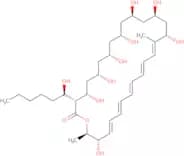
CAS:<p>Filipin III is a polyene macrolide antibiotic, which is extracted from Streptomyces filipinensis. Known for its unique mode of action, Filipin III interferes with cholesterol-rich membranes by binding to ergosterol and cholesterol. This interaction disrupts the membrane structure, altering membrane permeability and ultimately affecting cell viability.</p>Purity:Min. 95%Iohexol
CAS:<p>Iohexol is a non-ionic, water-soluble radiopaque contrast agent, which is synthesized from iodinated organic compounds. With its high iodine content, Iohexol acts as an excellent medium for absorbing X-rays, thereby enhancing the contrast in radiographic images. The compound’s mode of action involves the attenuation of X-ray beams, with its iodine atoms providing the requisite density to create a contrast between different structures and fluids within the body.</p>Formula:C19H26I3N3O9Purity:Min. 98 Area-%Molecular weight:821.14 g/molN-Demethyl rifampin
CAS:<p>N-Demethyl rifampin is a metabolite of rifampin, which is a natural product derivative. Rifampin itself is a well-known antibiotic derived from the bacterium *Amycolatopsis rifamycinica*. N-Demethyl rifampin is formed through the metabolic process where rifampin undergoes demethylation. This transformation occurs primarily in the liver, mediated by the cytochrome P450 enzyme system.</p>Formula:C42H56N4O12Purity:Min. 95%Molecular weight:808.91 g/molValidamycin C
CAS:<p>Validamycin C is an aminoglycoside antifungal antibiotic, which is derived from the soil bacterium Streptomyces hygroscopicus. It functions primarily by inhibiting the synthesis of trehalase, an enzyme crucial for the breakdown of trehalose into glucose monomers. This inhibition disrupts the cellular function of fungi, particularly affecting their osmotic balance and cellular integrity, ultimately leading to the control of fungal growth.</p>Formula:C26H45NO18Purity:Min. 95%Molecular weight:659.6 g/molVancomycin CDP-1
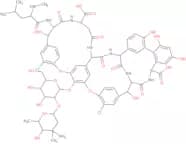
CAS:<p>Vancomycin CDP-1 is a degradation product of vancomycin with no direct therapeutic action but used in research for analytical method development and validation.</p>Formula:C66H74Cl2N8O25Purity:Min. 95%Color and Shape:PowderMolecular weight:1,450.24 g/molPyrasulfotole-desmethyl
CAS:<p>Pyrasulfotole-desmethyl is a metabolite of pyrasulfotole, which is an herbicidal compound derived synthetically. It operates as a 4-hydroxyphenylpyruvate dioxygenase (HPPD) inhibitor, effectively disrupting the biosynthesis of carotenoids. This disruption leads to a depletion in essential pigments necessary for plant growth, ultimately causing chlorosis and plant death.</p>Formula:C13H11F3N2O4SPurity:Min. 95%Molecular weight:348.3 g/mol6-[[(2R)-3,3-Dimethyl-2-oxiranyl]methyl]-7-methoxy-2H-1-benzopyran-2-one
CAS:<p>6-[[(2R)-3,3-Dimethyl-2-oxiranyl]methyl]-7-methoxy-2H-1-benzopyran-2-one is a synthetic anticoagulant compound, which is a derivative of naturally occurring plant metabolites known as coumarins. Coumarins are prevalent in various plant species and are recognized for their diverse biological activities, including anticoagulant properties. Structurally modified to enhance efficacy and specificity, this compound acts by inhibiting vitamin K epoxide reductase, a critical enzyme in the blood coagulation pathway. This results in reduced synthesis of active clotting factors, ultimately decreasing the tendency for blood clot formation.</p>Formula:C15H16O4Purity:Min. 95%Molecular weight:260.28 g/molRestanza
CAS:<p>Restanza is an antibiotic, which is derived from novel sources to combat resistant bacterial strains. It functions through the inhibition of bacterial protein synthesis by binding to the 50S ribosomal subunit, effectively halting the translation process. This mechanism of action is designed to disrupt the proliferation of bacteria, making it a powerful tool in the fight against various infections.</p>Formula:C42H59N3O10Purity:Min. 95%Molecular weight:765.9 g/molAscomycin
CAS:<p>Ascomycin is an immunosuppressive macrolide, which is a product derived from the fermentation of the bacterium *Streptomyces hygroscopicus*. Its mode of action involves binding to the intracellular protein FK506-binding protein (FKBP), inhibiting the calcium-dependent signal transduction pathway that is crucial for T-cell activation. This interference with the immune response is achieved through the inhibition of calcineurin, thus preventing the dephosphorylation and nuclear translocation of nuclear factor of activated T-cells (NF-AT), a necessary step in the activation of genes required for T-cell proliferation.</p>Formula:C43H69NO12Purity:Min. 95%Molecular weight:792.01 g/molCarbovir triphosphate triethylamine
CAS:<p>Carbovir triphosphate triethylamine is a nucleotide analog, which is a derivative of nucleoside analogs designed for antiviral applications. It is synthesized through chemical modification of guanosine analogs, resulting in its active triphosphate form. This compound functions as a potent antiretroviral agent by mimicking natural nucleotides and interfering with viral DNA synthesis. The active triphosphate impedes the action of viral reverse transcriptase by incorporating itself into the viral DNA chain, causing premature termination and effectively halting viral replication.</p>Purity:Min. 95%Macranthoside B
CAS:<p>Macranthoside B is a natural iridoid glycoside, which is derived primarily from the roots of certain plants, such as Rehmannia species. This compound is known for its biological activity, which includes potential anti-inflammatory and antioxidant effects. The mode of action of macranthoside B involves modulation of various cellular pathways, possibly through the inhibition of inflammatory mediators and free radical scavenging.</p>Formula:C53H86O22Purity:Min. 95%Molecular weight:1,075.24 g/molChlortetracycline
CAS:<p>Chlortetracycline is a tetracycline antibiotic, which is derived from the bacterium *Streptomyces aureofaciens*. It functions by inhibiting protein synthesis through binding to the 30S ribosomal subunit, thereby preventing the attachment of aminoacyl-tRNA to the mRNA-ribosome complex. This mechanism effectively impedes the growth and replication of both gram-positive and gram-negative bacteria.</p>Formula:C22H23ClN2O8Purity:Min. 95%Molecular weight:478.88 g/molSilthiofam-des(trimethylsilyl)
CAS:<p>Silthiofam-des(trimethylsilyl) is a synthetic fungicidal compound, serving as a crucial component in the agricultural sector. It originates as a derivative from organic chemistry processes, designed to enhance the fungicide silthiofam by modifying its chemical structure to improve its stability and activity.</p>Formula:C10H13NOSPurity:Min. 95%Molecular weight:195.28 g/molManumycin B
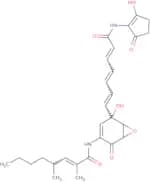
CAS:<p>Manumycin B is a polyketide antibiotic, which is a secondary metabolite isolated from certain Streptomyces species. This compound is known for its complex biosynthetic origin involving iterative cycles of polyketide synthesis, leading to its characteristic structure. The mode of action of Manumycin B primarily involves the inhibition of farnesyltransferase, an enzyme critical for the post-translational modification of various proteins, including the Ras family of GTPases. By hindering this enzyme, Manumycin B disrupts the signaling pathways that are essential for tumor cell growth and proliferation.</p>Formula:C28H34N2O7Purity:Min. 95%Molecular weight:510.6 g/molN-Hexylsilane
CAS:<p>N-Hexylsilane is a silane compound, which is an organosilicon chemical with a hexyl group attached to silicon. This type of product is synthesized through hydroalkoxysilanes in the presence of catalysts. Its mode of action involves acting as a hydrophobic agent, reacting with hydroxyl groups on surfaces to create a silicon-oxygen-silicon link that confers water-resistance properties.</p>Formula:C6H13SiPurity:Min. 95%Molecular weight:113.25 g/molent NAP 226-90
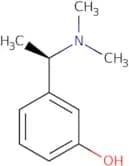
CAS:<p>ent NAP 226-90 is an organic compound functioning as an antibacterial agent, which is derived from a biologically active natural product. Its mode of action involves the inhibition of essential bacterial enzymes, leading to the disruption of cellular processes within susceptible microorganisms. This compound is particularly effective against a broad spectrum of gram-positive bacteria, making it valuable in medical microbiology research for understanding bacterial resistance mechanisms.</p>Formula:C10H15NOPurity:Min. 95%Molecular weight:165.23 g/molQuilseconazole
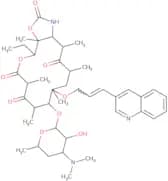
CAS:<p>Please enquire for more information about Quilseconazole including the price, delivery time and more detailed product information at the technical inquiry form on this page</p>Formula:C22H14F7N5O2Purity:Min. 95%Molecular weight:513.4 g/molCefsulodin Sodium Salt Hydrate
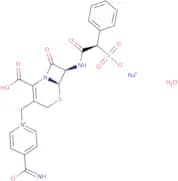
CAS:<p>Cefsulodin Sodium Salt Hydrate is an antibiotic compound, which is derived from synthetic chemical processes, specifically designed as a third-generation cephalosporin. It exhibits a mode of action by inhibiting bacterial cell wall synthesis, effectively targeting certain Gram-negative bacteria, particularly Pseudomonas aeruginosa, through the binding of penicillin-binding proteins. This binding disrupts the transpeptidation process essential for peptidoglycan cross-linking, compromising bacterial cell wall integrity and leading to cell lysis.</p>Formula:C22H19N4NaO8S2·xH2OPurity:Min. 95%Molecular weight:554.52 g/mol
















![6-[[(2R)-3,3-Dimethyl-2-oxiranyl]methyl]-7-methoxy-2H-1-benzopyran-2-one](/_next/image/?url=https%3A%2Fstatic.cymitquimica.com%2Fproducts%2F3D%2Fthumb-webp%2FFDA36868.webp&w=3840&q=75)