Antimicrobials
Subcategories of "Antimicrobials"
- Antibiotics(4,135 products)
- Antifungals(896 products)
- Antiparasitics(696 products)
- Antivirals(766 products)
Found 2434 products of "Antimicrobials"
Nigericin sodium
CAS:Nigericin transports cations across the membrane of the cell and it is used to study anion transport. It can be used as a buffer to control pH value inside of the cell.
Formula:C40H67NaO11Purity:Min. 95%Molecular weight:746.94 g/molRef: 3D-AN34907
Discontinued product6-(2-Chlorophenoxy)-5-fluoro-4(3H)-pyrimidinone
CAS:6-(2-Chlorophenoxy)-5-fluoro-4(3H)-pyrimidinone is a heterocyclic compound, which is a synthetic derivative developed for biochemical research. This compound is synthesized through a series of organic reactions, involving halogenation and cyclization techniques, typically conducted in a controlled laboratory setting. Its design incorporates specific structural features, such as the chlorophenoxy and fluoro groups, which are strategically positioned to enhance its binding affinity and specificity.
Formula:C10H6ClFN2O2Purity:Min. 95%Molecular weight:240.62 g/molRef: 3D-UVA00209
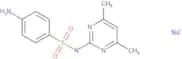
Discontinued productSulfamethazine Sodium Salt
CAS:Sulfamethazine Sodium Salt is a synthetic sulfonamide antibacterial agent derived from sulfanilamide compounds, characterized by its broad-spectrum efficacy against various bacterial pathogens. It operates by interfering with bacterial folic acid synthesis, specifically inhibiting the enzyme dihydropteroate synthase. This action results in the incapacitation of bacterial growth and replication, as folic acid is essential for nucleic acid formation and cell division.
Formula:C12H13N4O2S·NaPurity:Min. 95%Molecular weight:300.31 g/molRef: 3D-BAA98158
Discontinued productButafenacil
CAS:Butafenacil is a herbicide, which is a chemical formulation sourced from synthetic compounds. It acts by inhibiting protoporphyrinogen oxidase (PPO), an enzyme critical in the biosynthesis of chlorophyll. This inhibition disrupts the photosynthetic process, leading to the accumulation of reactive oxygen species that cause cell membrane damage and ultimately result in plant death.
Formula:C17H14ClF3N2O6Purity:Min. 95%Molecular weight:434.7 g/molRef: 3D-JFA60566
Discontinued productQuinocarcin
CAS:Quinocarcin is an antitumor antibiotic, which is a potent chemical compound derived from the bacterium Streptomyces. This compound exhibits its mode of action through interaction with DNA, where it induces DNA cross-linking and inhibits DNA replication, ultimately leading to cell death. The mechanism makes it particularly effective as a cytotoxic agent against rapidly dividing cancer cells.
Formula:C18H22N2O4Purity:Min. 95%Molecular weight:330.4 g/molMetolachlor mercapturate
CAS:Metolachlor mercapturate is a metabolite of the herbicide Metolachlor, which is derived from the degradation of the primary active ingredient found in various agricultural herbicide formulations. It is formed through biotransformation processes in plants, soil, and water, where the parent compound undergoes enzymatic reactions leading to its metabolic products. The primary mode of action involves the inhibition of elongase enzymes, which are crucial for the synthesis of fatty acids in plants, thus preventing cell division and impacting weed growth effectively.
Formula:C20H30N2O5SPurity:Min. 95%Molecular weight:410.5 g/molRef: 3D-JGA95664
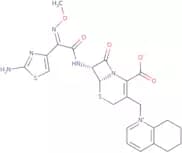
Discontinued productCefquinome
CAS:Cefquinome is a broad-spectrum antibiotic, which is a fourth-generation cephalosporin. It is derived from the β-lactam class of antibiotics and is specifically designed for veterinary applications. Its mode of action involves the inhibition of bacterial cell wall synthesis, leading to cell lysis and death. This action is facilitated through the binding of cefquinome to penicillin-binding proteins, which undermines the structural integrity of bacterial cell walls, proving effective against both Gram-positive and Gram-negative bacteria.
Formula:C23H24N6O5S2Purity:Min. 95%Molecular weight:528.61 g/molDiclobutrazol
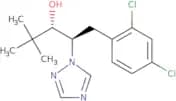
CAS:Diclobutrazol is a plant growth regulator, a synthetic compound primarily derived from chemical synthesis methods. This compound acts by inhibiting the biosynthesis of gibberellins, which are plant hormones that regulate various aspects of growth and development. The inhibition of gibberellin biosynthesis results in reduced plant elongation, leading to more compact growth forms.
Formula:C15H19Cl2N3OPurity:Min. 95%Molecular weight:328.24 g/molRef: 3D-ADA73633
Discontinued productENOblock
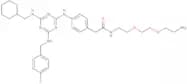
CAS:ENOblock is a biochemical inhibitor, which is synthesized from specific small molecules with the capability to modulate metabolic pathways. This product is derived from a high-throughput screening aimed at identifying novel regulators of enzymatic processes and exhibits unique properties influencing nicotinamide adenine dinucleotide (NAD) metabolism.
Formula:C31H43FN8O3Purity:Min. 95%Molecular weight:594.74 g/molRef: 3D-CXB82773
Discontinued productAcephate d3
CAS:Acephate d3 is an isotopically labeled organophosphorus insecticide, which is a synthetic chemical compound used primarily for its insecticidal properties. It is derived by incorporating deuterium, a stable hydrogen isotope, into the molecular structure of acephate. The inclusion of deuterium isotopes is instrumental in tracing and studying the biochemical pathways and metabolic degradation of acephate within target organisms and ecosystems.
Formula:C4H10NO3PSPurity:Min. 95%Molecular weight:186.19 g/molRef: 3D-QKD32770
Discontinued productSarecycline
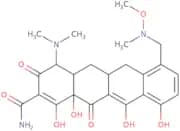
CAS:Sarecycline is a tetracycline-class antibiotic, which is derived from naturally occurring tetracycline antibiotics. Its mode of action involves inhibition of bacterial protein synthesis by binding to the 30S ribosomal subunit, thereby preventing the addition of amino acids to nascent peptide chains. This specific mechanism disrupts bacterial growth, making Sarecycline effective against certain strains of bacteria implicated in dermatological conditions.
Formula:C24H29N3O8Purity:Min. 95 Area-%Molecular weight:487.5 g/molRef: 3D-FS180986
Discontinued productPurfalcamine
CAS:Purfalcamine is a synthetic pharmaceutical compound that belongs to a class of molecules known as small-molecule inhibitors. It is sourced through advanced chemical synthesis, enabling precise structural modifications to optimize its biological activity. The mode of action of Purfalcamine involves selective inhibition of a specific target protein involved in key cellular signaling pathways. This targeted interaction disrupts abnormal cellular processes, making it a promising therapeutic candidate for certain diseases.
Formula:C29H33FN8OPurity:Min. 95%Molecular weight:528.6 g/molRef: 3D-NRB62068
Discontinued productTylosin D
CAS:Tylosin D is an antibiotic product, which is derived from the bacterium *Streptomyces fradiae*. Its mode of action involves binding to the 50S subunit of the bacterial ribosome, thereby inhibiting protein synthesis essential for bacterial growth and replication. This mechanism is particularly effective against Gram-positive bacteria and mycoplasma species, making it a crucial agent in combatting infections in the veterinary field.
Formula:C46H79NO17Purity:Min. 95%Molecular weight:918.1 g/molRef: 3D-BAA40448
Discontinued productViolacein
CAS:Violacein is a model system for studying the effects of hydroxyl groups on cell lysis. It is a fatty acid that contains nitrogen atoms and has antimicrobial properties. Violacein has been shown to cause the loss of mitochondrial membrane potential in HL-60 cells, which may be due to its ability to act as a multidrug efflux pump inhibitor. Violacein also exhibits antimicrobial activity against several bacterial strains, including MRSA and methicillin-sensitive Staphylococcus aureus (MSSA). In addition, violacein has been shown to induce cell lysis in vitro via the degradation of proteins and lipids in the cytoplasm.
Formula:C20H13N3O3Purity:Min. 95%Color and Shape:PowderMolecular weight:343.3 g/molRef: 3D-AAA54854
Discontinued productOxacillin sodium
CAS:Oxacillin sodium is a beta-lactam antibiotic with action on bacterial cell wall synthesis and is used for treating infections caused by penicillin-resistant Staphylococcus aureus.
Formula:C19H18N3NaO5SPurity:Min. 95%Color and Shape:PowderMolecular weight:423.42 g/molRef: 3D-AO158090
Discontinued productN'-Desmethyl azithromycin
CAS:N'-Desmethyl azithromycin is a semi-synthetic derivative antibiotic, which is derived from the chemical modification of azithromycin, a macrolide antibiotic sourced originally from the bacterium *Streptomyces erythreus*. It functions primarily by inhibiting bacterial protein synthesis, binding specifically to the 50S ribosomal subunit, which results in the prevention of transpeptidation and translocation processes during translation. This action effectively halts bacterial growth, rendering it bacteriostatic.
Formula:C37H70N2O12Purity:Min. 95%Molecular weight:734.96 g/molOxpoconazole fumarate
CAS:Oxpoconazole fumarate is a systemic antifungal agent, which is a synthetic compound derived from chemical synthesis. It functions by inhibiting the biosynthesis of ergosterol, a critical component of fungal cell membranes, ultimately disrupting cell growth and replication. This inhibition interferes with the integrity and functionality of the fungal cell membrane, leading to cell death.
Formula:C42H52Cl2N6O8Purity:Min. 95%Molecular weight:839.8 g/molRef: 3D-ZGA21212
Discontinued productPazufloxacin
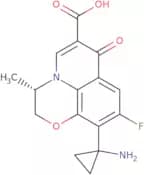
CAS:Pazufloxacin is an antibacterial agent, which is a synthetic derivative originating from the fluoroquinolone class of compounds. This source categorizes it alongside a group of broad-spectrum antibiotics known for their efficacy against a wide variety of bacterial pathogens. The mode of action of pazufloxacin involves the inhibition of bacterial DNA gyrase and topoisomerase IV. These are essential enzymes for bacterial DNA replication, transcription, repair, and recombination processes. By inhibiting these enzymes, pazufloxacin disrupts the bacterial DNA processes, ultimately leading to cell death.
Formula:C16H15FN2O4Purity:Min. 95%Molecular weight:318.3 g/molRef: 3D-AP65124
Discontinued productGentamicin C2 pentaacetate (2 : 1 Mixture of C2 and C2a)
CAS:Controlled ProductGentamicin C2 pentaacetate (2 : 1 Mixture of C2 and C2a) is an aminoglycoside class antibiotic derivative, primarily derived from the fermentation of Micromonospora species. This product is a semi-synthetic compound, combining two closely related gentamicin components, C2 and C2a, in a specified ratio. Its mode of action involves binding to the 30S subunit of the bacterial ribosome, which disrupts protein synthesis resulting in bactericidal activity against a wide spectrum of Gram-negative and some Gram-positive bacteria.
Formula:C30H61N5O17Purity:Min. 95%Molecular weight:763.83 g/molRef: 3D-AG16459
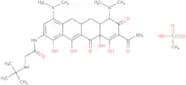
Discontinued productTigecycline mesylate
CAS:Tigecycline mesylate is a novel glycylcycline antibiotic, which is a derivative of the tetracycline class of antibiotics. It is a semi-synthetic product derived from minocycline, exhibiting a broad spectrum of antibacterial activity. Tigecycline mesylate functions through the inhibition of bacterial protein synthesis. It achieves this by binding to the 30S ribosomal subunit, thereby preventing the incorporation of amino acid residues into elongating peptide chains, a crucial step in protein production.
Formula:C30H43N5O11SPurity:Min. 95%Molecular weight:681.8 g/molRef: 3D-KVB87127
Discontinued productNSC-60339
CAS:NSC-60339 is a synthetic antineoplastic agent derived from laboratory synthesis known for its targeted inhibition of specific cancer cell pathways. The compound operates by interfering with crucial cellular processes such as DNA replication or protein synthesis, depending on its exact mode of action.
Formula:C26H23ClN6O2Purity:Min. 95%Molecular weight:487 g/molTromantadine hydrochloride
CAS:Controlled ProductTromantadine hydrochloride is a synthetic antiviral compound, which is a derivative of adamantane. It originates from chemical synthesis, tailored specifically to target viral processes. Tromantadine hydrochloride primarily exerts its effects by inhibiting the penetration of virus particles into host cells and impeding the subsequent stages of viral replication. This mode of action effectively reduces the viral load and hinders the progression of the infection.
Formula:C16H28N2O2•HClPurity:Min. 95%Molecular weight:316.87 g/molClenhexerol
CAS:Clenhexerol is a topical antiseptic, which is a chemically synthesized product with broad-spectrum antimicrobial properties. It is derived from chlorhexidine, commonly used in various medical formulations for its efficacy against both Gram-positive and Gram-negative bacteria. Clenhexerol operates through disrupting microbial cell membranes, leading to leakage of cellular components and cell death, making it highly effective in reducing microbial load on skin and mucous membranes.
Formula:C14H22Cl2N2OPurity:Min. 95%Molecular weight:305.2 g/molRef: 3D-DDA98288
Discontinued productβ-Lactoglobulin A from bovine milk
CAS:β-Lactoglobulin A is a whey protein found predominantly in bovine milk, characterized as a globular protein. It is sourced from the milk of cows and serves as a major component of whey, the liquid by-product of cheese production. The structure of β-Lactoglobulin A allows it to bind hydrophobic molecules, such as fatty acids and vitamins, which may facilitate their transport and absorption in the digestive tract.
Purity:Min. 95%Ref: 3D-ACA86392
Discontinued product3-Chloro-4-(3-chloro-2-nitrophenyl)pyrrole
CAS:3-Chloro-4-(3-chloro-2-nitrophenyl)pyrrole is a synthetic chemical compound, classified as an organochlorine derivative. This compound originates from the modification of pyrrole structures, which are heterocyclic aromatic compounds. The synthesis involves chlorination and nitration processes to enhance its potential activity and specificity.
Formula:C10H6Cl2N2O2Purity:Min. 95%Molecular weight:257.07 g/molRef: 3D-BAA01871
Discontinued product(2RS,4S)-2-[[(phenylacetyl)amino]methyl]-5,5-dimethylthiazolidine-4-carboxylic acid (penilloic acids of benzylpenicillin)
CAS:(2RS,4S)-2-[[(Phenylacetyl)amino]methyl]-5,5-dimethylthiazolidine-4-carboxylic acid, commonly referred to as penilloic acids, is a hydrolytic degradation product of benzylpenicillin. It is derived through the enzymatic or chemical cleavage of the β-lactam ring of benzylpenicillin, which is a classic β-lactam antibiotic.
Formula:C15H20N2O3SPurity:Min. 95%Molecular weight:308.4 g/molRef: 3D-AAA50134
Discontinued productGatifloxacin hydrate
CAS:Gatifloxacin hydrate is a fluoroquinolone antibiotic, which is synthesized chemically. It exerts its bactericidal effects primarily by inhibiting bacterial DNA gyrase and topoisomerase IV. These enzymes are crucial for bacterial DNA replication, transcription, and repair. By preventing these processes, gatifloxacin effectively halts bacterial cell division, ultimately leading to cell death.
Formula:C19H24FN3O5Purity:Min. 95%Molecular weight:393.4 g/molRef: 3D-PZA75180
Discontinued productTyrothricin
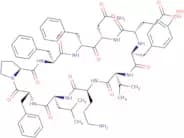
CAS:Tyrothricin is a peptide antibiotic, which is derived from the bacterium Bacillus brevis. This compound comprises a mixture of polypeptides, primarily gramicidin and tyrocidine, both of which are instrumental in its antimicrobial activity. The mode of action of tyrothricin involves disrupting bacterial cell membranes, leading to cell lysis and death. Gramicidin increases the permeability of the bacterial membrane to ions, while tyrocidine promotes disruption of membrane integrity, which together exert bactericidal and bacteriostatic effects.
Formula:C65H85N11O13Purity:Min. 95%Molecular weight:1,228.44 g/molRef: 3D-AT30150
Discontinued productCarbovir monophosphate
CAS:Carbovir monophosphate is an antiviral agent, which is a metabolite derived from the prodrug abacavir. It functions as a nucleotide analog that interferes with viral replication. The source of Carbovir monophosphate is the metabolic conversion of abacavir, an antiretroviral medication used in the treatment of HIV. This conversion occurs primarily in the liver, facilitated by cellular enzymes.
Formula:C11H14N5O5PPurity:Min. 95%Molecular weight:327.23 g/molRef: 3D-UFA49073
Discontinued productCefquinome sulfate
CAS:Cefquinome sulfate is a cephalosporin antibiotic, which is a synthetic, broad-spectrum antimicrobial agent. It is derived from the beta-lactam family, specifically designed to combat Gram-positive and Gram-negative bacterial pathogens. The mode of action involves inhibiting bacterial cell wall synthesis. It achieves this by binding to penicillin-binding proteins (PBPs) within the bacterial cell wall, ultimately leading to cell lysis and death due to the interruption of necessary cell wall components.
Formula:C23H26N6O9S3Purity:Min. 95%Color and Shape:White To Light (Or Pale) Yellow To Beige To Light Brown SolidMolecular weight:626.69 g/molRef: 3D-AC19869
Discontinued product8-Methylpyrido[2,3-d]pyridazin-5(6H)-one
CAS:8-Methylpyrido[2,3-d]pyridazin-5(6H)-one is a heterocyclic compound used in the field of medicinal chemistry. This compound is synthesized through complex organic reactions involving pyridazine and pyridine derivatives. As a molecule, its primary mode of action involves interactions with specific biochemical pathways, potentially influencing enzymatic activity or receptor bindings, leading to modulation of biological activities.
Formula:C8H7N3OPurity:Min. 95%Molecular weight:161.16 g/molPikromycin
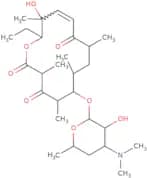
CAS:Pikromycin is an antibiotic, which is derived from the bacterium *Streptomyces venezuelae*. It functions by specifically binding to the 50S ribosomal subunit, thereby inhibiting bacterial protein synthesis. This action effectively blocks peptide chain elongation, leading to the cessation of bacterial growth and proliferation. Pikromycin serves as an important model compound in antibiotic research, particularly in the study of macrolides and polyketides, due to its unique structure and biosynthetic pathway.
Formula:C28H47NO8Purity:Min. 95%Molecular weight:525.7 g/molRef: 3D-UAA72156
Discontinued productSE 563
CAS:SE 563 is a biocontrol agent, which is an organism-based product derived from natural sources. It is sourced from a specific strain of entomopathogenic nematodes known for their effectiveness in targeting and controlling insect pests. The mode of action involves the nematodes seeking out their insect hosts in the soil, entering through natural openings, and releasing symbiotic bacteria that kill the host from within.
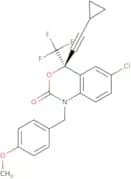
Formula:C22H17ClF3NO3Purity:Min. 95%Molecular weight:435.08491Ref: 3D-AS178055
Discontinued productOmaciclovir
CAS:Please enquire for more information about Omaciclovir including the price, delivery time and more detailed product information at the technical inquiry form on this page
Formula:C10H15N5O3Purity:Min. 95%Molecular weight:253.26 g/molRef: 3D-ZEA26589
Discontinued product1,3,5-Triazine-2,4-diamine
CAS:1,3,5-Triazine-2,4-diamine is a selective herbicide, which is synthesized from chemical feedstocks via a process involving triazine ring formation and chlorination. This compound operates by inhibiting photosynthesis in susceptible plants, specifically targeting the photosystem II complex. When absorbed through the roots and leaves, it disrupts the electron transport chain, leading to chlorophyll loss and subsequent plant death.
Formula:C5H6F3N5OPurity:Min. 95%Molecular weight:209.13 g/molRef: 3D-TGC09528
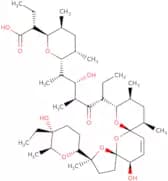
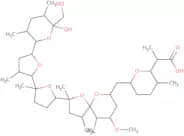
Discontinued productNarasin
CAS:Narasin is an ionophore antibiotic, which is a fermentation product derived from certain strains of the bacterium *Streptomyces aureofaciens*. It functions by disrupting the ion gradients across cell membranes, specifically facilitating the transport of sodium and potassium ions. This action interferes with the energy metabolism of certain pathogenic microorganisms, rendering them unable to proliferate effectively.
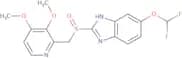
Formula:C43H72O11Purity:Min. 95%Molecular weight:765.03 g/molPantoprazole-d3
CAS:Pantoprazole-d3 is a stable isotope-labeled version of the proton pump inhibitor pantoprazole, which is derived synthetically for scientific research and analytical applications. Isotope labeling involves substituting hydrogen atoms with deuterium, resulting in Pantoprazole-d3 containing three deuterium atoms. This modification preserves the pharmacological profile of the parent compound while enabling precise tracking in biological studies through advanced spectroscopic techniques.
Formula:C16H15F2N3O4SPurity:Min. 95%Molecular weight:386.4 g/molRef: 3D-XLB72737
Discontinued productValidamycin (technical)
CAS:Validamycin (technical) is an antifungal agent, which is a natural product derived from the actinomycete Streptomyces hygroscopicus. This compound functions through a specific mode of action by inhibiting the enzyme trehalase, crucial for the breakdown of trehalose into glucose. Consequently, this disruption in the carbohydrate metabolism weakens fungal structure and growth.
Formula:C20H35NO13Purity:Min. 95%Molecular weight:497.5 g/molRef: 3D-ACA64214
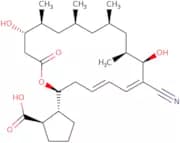
Discontinued productBorrelidin
CAS:Borrelidin is a potent antibiotic of the polyketide class, which is isolated from various Streptomyces species. Its mode of action is characterized by its inhibition of threonyl-tRNA synthetase, effectively disrupting protein synthesis within bacteria. Additionally, Borrelidin is known for its unique anti-angiogenic properties, which result from the inhibition of endothelial cell proliferation, making it a compound of interest in cancer research.
Purity:Min. 95%Ref: 3D-BB162712
Discontinued productClenpenterol d5 hydrochloride
CAS:Clenpenterol d5 hydrochloride is a deuterated chemical compound, which is a stable isotopic variant of the beta-agonist Clenpenterol, commonly used in research and analytical studies. This compound is synthetically derived to enhance specificity and precision in scientific investigations. Deuteration involves the replacement of hydrogen atoms with deuterium, which contributes to the increased stability and differentiation of the isotopes during analysis.
Formula:C13H21Cl3N2OPurity:Min. 95%Molecular weight:332.7 g/molRef: 3D-UWC79320
Discontinued productCycloxydim-sulfone-glutaric acid
CAS:Cycloxydim-sulfone-glutaric acid is a synthesized herbicide, which is a derivative of cycloxydim, a cyclohexanedione compound. It is characterized by its ability to effectively inhibit acetyl-CoA carboxylase, an enzyme crucial in fatty acid biosynthesis within plant systems. The source of this compound is primarily through complex chemical synthesis processes that combine its constituent elements to enhance its stability and efficacy as a herbicide.
Formula:C10H16O6SPurity:Min. 95%Molecular weight:264.3 g/molRef: 3D-UEA72581
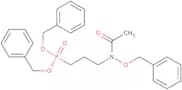
Discontinued productTri-O-benzyl FR 900098
CAS:Tri-O-benzyl FR 900098 is a chemical compound, often referenced in biochemical research contexts. It is a synthetic derivative that originates from complex chemical synthesis, involving multiple benzylation steps to modify the original molecular framework. This structural transformation lends the compound unique chemical properties.
Formula:C26H30NO5PPurity:Min. 95%Molecular weight:467.49 g/molRef: 3D-AT28571
Discontinued productAminosidine
CAS:Aminosidine is a nucleoside analogue that inhibits the HIV-1 reverse transcriptase and the integrase, which are enzymes involved in viral DNA synthesis. Aminosidine is active against Leishmania spp., but not against bacteria. Aminosidine has been shown to be effective in experimental models of human bowel disease and in patients with inflammatory bowel disease. It was also found to be active against wild-type strains of human immunodeficiency virus type 1, but not resistant mutants. The mechanism of action is the inhibition of cellular mitochondrial membrane potential.
Purity:Min. 95%Balapiravir hydrochloride
CAS:Balapiravir hydrochloride is an antiviral agent, which is synthesized through chemical processes. It operates as a prodrug, meaning it is metabolized in the body to produce the active compound that inhibits viral replication. The mode of action of Balapiravir involves targeting the viral RNA polymerase, an essential enzyme for the replication of viral genomes. By inhibiting this enzyme, the drug effectively reduces viral load within the host, impairing the spread and establishment of the virus.
Formula:C21H31ClN6O8Purity:Min. 95%Molecular weight:531 g/molRef: 3D-QCB27065
Discontinued productPiperacillin oxalylamide
CAS:Piperacillin oxalylamide is an investigational antibiotic, which is a synthetic derivative of the widely used β-lactam antibiotic, piperacillin. Its development is rooted in the quest to combat β-lactamase-producing resistant bacterial strains, which are a growing threat in clinical settings. It operates by inhibiting bacterial cell wall synthesis, similar to other β-lactam antibiotics, but possesses a modified structure that enhances its resistance to enzymatic degradation by β-lactamases.
Formula:C23H29N5O8SPurity:Min. 95%Molecular weight:535.57 g/molGatifloxacin related compound E
CAS:Gatifloxacin related compound E is a chemical reference standard, which is often used in pharmaceutical and analytical chemistry research for the identification and quantification of impurities. It is generally synthesized or isolated as part of the quality control and validation process for the production of the antibiotic Gatifloxacin. The mode of action of this compound revolves around its structural similarity to Gatifloxacin, which allows it to serve as a benchmark to ensure the accuracy and reliability of high-performance liquid chromatography (HPLC) and other analytical techniques.
Formula:C19H22FN3O4·HClPurity:Min. 95%Molecular weight:411.86 g/molRef: 3D-UYB09741
Discontinued productL-689502
CAS:L-689502 is a synthetic compound that functions as a selective antagonist for neuropeptide Y1 receptors. It is derived from chemical synthesis processes specifically designed to target and modulate these receptors. As an antagonist, its primary mode of action involves binding to the neuropeptide Y1 receptors and inhibiting their activity, thereby blocking the effects of the naturally occurring ligand, neuropeptide Y (NPY).
Formula:C39H51N3O7Purity:Min. 95%Molecular weight:673.8 g/mol1-Chloro-2,2-bis(4'-chlorophenyl)ethane
CAS:1-Chloro-2,2-bis(4'-chlorophenyl)ethane is an organochlorine pesticide known for its agricultural applications. It is a synthetic product derived from chlorinated hydrocarbons. It functions primarily through its mode of action as an insecticide by interfering with the nervous system of insects. It disrupts normal nerve function by causing prolonged opening of sodium channels in nerve cells, leading to hyperexcitation and eventual paralysis of the target pests.
Formula:C14H11Cl3Purity:Min. 95%Molecular weight:285.6 g/molRef: 3D-CAA64280
Discontinued productCycloxaprid
CAS:Cycloxaprid is an insecticide, which is a chemical derived from natural compounds designed to manage pest populations. Its primary source is based on a modification of the neonicotinoids, a class of neuro-active insecticides modeled after nicotine. Cycloxaprid functions by acting on nicotinic acetylcholine receptors (nAChRs) within the insect’s nervous system. This mode of action involves binding to these receptors, leading to uncontrolled nerve firing and eventually, the insect’s death due to nervous system failure.
Formula:C14H15ClN4O3Purity:Min. 95%Molecular weight:322.75 g/molRef: 3D-DYB79141
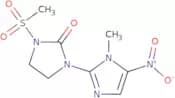
Discontinued productSatranidazole
CAS:Satranidazole is an antimicrobial agent that falls under the category of synthetic nitroimidazoles. It is derived from chemical synthesis and is designed to combat infections caused by specific organisms. The mode of action involves the reduction of the nitro group within the organism, creating reactive intermediates that disrupt DNA synthesis and lead to cell death. This mode of action is notably effective against protozoal infections and anaerobic bacterial infections.
Formula:C8H11N5O5SPurity:Min. 95%Molecular weight:289.27 g/mol









![(2RS,4S)-2-[[(phenylacetyl)amino]methyl]-5,5-dimethylthiazolidine-4-carboxylic acid (penilloic aci…](/_next/image/?url=https%3A%2Fstatic.cymitquimica.com%2Fproducts%2F3D%2Fthumb-webp%2FAAA50134.webp&w=3840&q=75)


![8-Methylpyrido[2,3-d]pyridazin-5(6H)-one](/_next/image/?url=https%3A%2Fstatic.cymitquimica.com%2Fproducts%2F3D%2Fthumb-webp%2FQDA00407.webp&w=3840&q=75)