Antimicrobials
Subcategories of "Antimicrobials"
- Antibiotics(4,135 products)
- Antifungals(896 products)
- Antiparasitics(696 products)
- Antivirals(766 products)
Found 2434 products of "Antimicrobials"
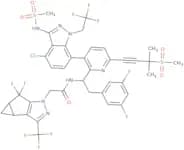
Lenacapavir
CAS:Lenacapavir is a capsid inhibitor with a mode of action that interferes with the HIV capsid protein, disrupting multiple stages of the viral lifecycle. It is used for treating multidrug-resistant HIV infections.
Formula:C39H32ClF10N7O5S2Purity:Min. 95%Color and Shape:PowderMolecular weight:968.28 g/molAldicarb d3
CAS:Aldicarb d3 is an isotopically labeled compound, categorized as a carbamate pesticide, which is derived from chemical synthesis using deuterium labeling. Its mode of action involves the inhibition of acetylcholinesterase, an enzyme essential for nerve function, leading to the disruption of neurological processes in pest organisms.
Formula:C7H14N2O2SPurity:Min. 95%Molecular weight:193.28 g/molRef: 3D-VWC14283
Discontinued productFenpicoxamid-phenol
CAS:Fenpicoxamid-phenol is a fungicide, which is a synthetic chemical compound primarily used in agriculture. It originates from advanced chemical synthesis methods that leverage specific molecular architectures to inhibit fungal growth effectively. The mode of action involves targeting and disrupting fungal respiration at the mitochondrial level, specifically inhibiting complex III of the electron transport chain. This selective interference curtails energy production in the fungal cells, thereby halting their growth and propagation.
Formula:C26H30N2O9Purity:Min. 95%Molecular weight:514.5 g/molRef: 3D-SGA17385
Discontinued productNocardicin G
CAS:Nocardicin G is a monocyclic β-lactam antibiotic, which is sourced from certain strains of the soil-dwelling actinobacterium *Nocardia*. This organism is known for its ability to synthesize various bioactive compounds. The mode of action of Nocardicin G involves inhibiting bacterial cell wall synthesis by targeting penicillin-binding proteins, resulting in the bactericidal effect against susceptible bacterial strains. This compound specifically disrupts the formation of the peptidoglycan layer, which is essential for bacterial integrity and survival.
Formula:C19H19N3O6Purity:Min. 95%Molecular weight:385.4 g/molRef: 3D-QCA30911
Discontinued productPerfluorodecanephosphonic acid
CAS:Perfluorodecanephosphonic acid is a fluorinated organic compound, which is synthesized through the controlled polymerization of fluorinated precursors. It is characterized by its unique perfluorinated alkyl chain and a phosphonic acid group, providing a distinctive combination of hydrophobic and functional properties. Its mode of action involves the strong adsorption onto surfaces through the phosphonic acid moiety, allowing the formation of highly stable self-assembled monolayers (SAMs).
Formula:C10H2F21O3PPurity:Min. 95%Molecular weight:600.06 g/molRef: 3D-CCA29926
Discontinued productClarithromycin - EP
CAS:A macrolide, broad-spectrum antibiotic that targets cytochrome P4503A4 (CYP3A4). Clarithromycin has been used to potentiate the pharmacological effects of some drugs that are metabolised by the cytochrome P450.
Formula:C38H69NO13Purity:Min. 95%Molecular weight:747.95 g/molSafracin B
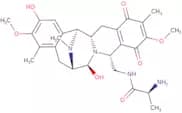
CAS:Exhibits antitumour activity against L1210 and P388 leukemias and B16 melanoma
Formula:C28H36N4O7Purity:Min. 95%Molecular weight:540.61 g/molCoumoxystrobin
CAS:Coumoxystrobin is a fungicide, which is a product of synthetic chemistry with a mode of action that involves the inhibition of mitochondrial respiration. Specifically, it disrupts the electron transport chain by binding to the Qo site in complex III, thereby preventing the transfer of electrons. This action halts ATP production, leading to the death of fungal cells.
Formula:C26H28O6Purity:Min. 95%Molecular weight:436.5 g/molRef: 3D-AJB88170
Discontinued productTebufenozide-hydroxymethyl
CAS:Tebufenozide-hydroxymethyl is an insect growth regulator, which is synthesized chemically to function as an agonist of the molting hormone, ecdysone, in target pest species. It operates by mimicking the effects of ecdysone, leading to premature and lethal molting in lepidopteran larvae. This disruption in the developmental cycle of the insects effectively suppresses their population by preventing them from reaching maturity and reproducing.
Formula:C22H28N2O3Purity:Min. 95%Molecular weight:368.5 g/molRef: 3D-RGA54761
Discontinued productN-Acetyl glyphosate-13C2,15N
CAS:N-Acetyl glyphosate-13C2,15N is a stable isotope-labeled analog of the well-known herbicide glyphosate. This product is synthesized using isotopically enriched carbon and nitrogen sources. Its mode of action involves inhibiting the shikimate pathway by targeting the enzyme 5-enolpyruvylshikimate-3-phosphate synthase (EPSPS), crucial for aromatic amino acid biosynthesis in plants. This pathway is not present in animals, making it a valuable target for selective herbicidal action.
Formula:C5H10NO6PPurity:Min. 95%Molecular weight:214.09 g/molRef: 3D-WDC59831
Discontinued productCefmetazole lactone
CAS:Cefmetazole lactone is an antibiotic, classified as a cephalosporin, which is a type of β-lactam antimicrobial compound. It is derived from the Cephalosporium fungus, known for its progenitor antimicrobial properties. As a second-generation cephalosporin, cefmetazole lactone operates by inhibiting bacterial cell wall synthesis, essentially interfering with the transpeptidation process of peptidoglycan, a critical component of the bacterial cell wall. This disruption leads to cell lysis and eventual bacterial death, mainly affecting Gram-positive and some Gram-negative bacteria.
Formula:C13H13N3O5S2Purity:Min. 95%Molecular weight:355.40 g/molRef: 3D-VCA99370
Discontinued productBromobutide-desbromo
CAS:Bromobutide-desbromo is a chemical compound that functions as a selective herbicide. It is derived from synthetic sources and is specifically formulated to interfere with photosynthesis in target plants. The mode of action of bromobutide-desbromo involves inhibiting photosystem II, a crucial component of the photosynthetic electron transport chain in plants. This inhibition disrupts the energy conversion process, leading to a decrease in ATP and NADPH production, which are essential for plant growth.
Formula:C15H23NOPurity:Min. 95%Molecular weight:233.35 g/molRef: 3D-ADA46373
Discontinued product2,4,5,6-Tetrachlorophenol-13C6
CAS:2,4,5,6-Tetrachlorophenol-13C6 is an isotopically labeled chemical compound, primarily used as a reference standard in analytical chemistry. This compound, derived from its non-labeled counterpart 2,4,5,6-tetrachlorophenol, is synthesized through the incorporation of carbon-13 isotopes. Its primary mode of action involves acting as a stable, traceable marker, facilitating accurate quantification and analysis of environmental samples, particularly in mass spectrometry.
Formula:C6H2Cl4OPurity:Min. 95%Molecular weight:237.8 g/molRef: 3D-WZB82081
Discontinued productCarbovir triphosphate triethylamine
CAS:Carbovir triphosphate triethylamine is a nucleotide analog, which is a derivative of nucleoside analogs designed for antiviral applications. It is synthesized through chemical modification of guanosine analogs, resulting in its active triphosphate form. This compound functions as a potent antiretroviral agent by mimicking natural nucleotides and interfering with viral DNA synthesis. The active triphosphate impedes the action of viral reverse transcriptase by incorporating itself into the viral DNA chain, causing premature termination and effectively halting viral replication.
Purity:Min. 95%Mesosulfuron
CAS:Mesosulfuron is a selective herbicide, which is a synthetic chemical compound with a specific mode of action designed to inhibit acetolactate synthase (ALS). This enzyme inhibition disrupts the biosynthesis of essential amino acids such as valine, leucine, and isoleucine, leading to the cessation of cell division and consequent plant growth arrest. The herbicide is primarily utilized in agricultural settings, particularly for post-emergence control of various grass weeds within cereal crops, including wheat and barley. Its application is crucial for managing weed competition that can significantly impact crop yield and quality. Mesosulfuron is absorbed through the foliage and roots of targeted species, providing systemic action that ensures effective control. Its usage is governed by stringent regulations to minimize environmental impact and to manage herbicide resistance through integrated weed management strategies.
Formula:C16H19N5O9S2Purity:Min. 95%Molecular weight:489.5 g/molRef: 3D-ARA85266
Discontinued productPicarbutrazox
CAS:Picarbutrazox is a fungicide, which is a product derived from chemical synthesis designed to protect crops by inhibiting fungal growth. It works through a specific mode of action that targets and disrupts the biosynthesis of essential lipids within fungal cells. This disruption ultimately leads to the cessation of cell membrane formation, impeding the growth and proliferation of the fungi.
Formula:C20H23N7O3Purity:Min. 95%Molecular weight:409.4 g/molRef: 3D-AVA20704
Discontinued productCephalexin hydrate, Antibiotic for Culture Media Use Only
CAS:Please enquire for more information about Cephalexin hydrate, Antibiotic for Culture Media Use Only including the price, delivery time and more detailed product information at the technical inquiry form on this page
Formula:C16H19N3O5SPurity:Min. 95.0 Area-%Molecular weight:365.41 g/molRef: 3D-Q-200819
Discontinued product1-Anthroylnitrile
CAS:1-Anthroylnitrile is a chemical compound, specifically an organic aromatic compound known as a polycyclic aromatic nitrile, which is synthesized from anthracene via nitrile substitution at the 1-position. With its aromatic structure, 1-Anthroylnitrile exhibits unique photophysical properties, functioning as a significant fluorescent probe due to its strong absorption and emission in the UV-visible spectrum.
Formula:C16H9NOPurity:Min. 95%Molecular weight:231.25 g/molRef: 3D-KDA98543
Discontinued productMalformin C
CAS:Malformin C is a cyclic pentapeptide, which is a secondary metabolite derived from certain strains of the fungus Aspergillus. Its mode of action involves disrupting cellular processes by interfering with cell division. Specifically, it is thought to affect mitotic spindle formation, leading to abnormal cell cycle progression.
Formula:C23H39N5O5S2Purity:Min. 95%Color and Shape:PowderMolecular weight:529.72 g/molRef: 3D-JCA92678
Discontinued productSpiramycin hexanedioate
CAS:Spiramycin hexanedioate is a macrolide antibiotic, which is derived from the bacterium *Streptomyces ambofaciens*. Its mode of action involves binding to the 50S ribosomal subunit of susceptible bacteria, thereby inhibiting protein synthesis. This interaction results in the interruption of bacterial growth and reproduction, particularly effective against Gram-positive organisms.
Formula:C49H84N2O18Purity:Min. 95%Molecular weight:989.2 g/molRef: 3D-LAA03440
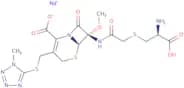
Discontinued productCefminox Sodium
CAS:Cefminox Sodium is a beta-lactam antibiotic, which is synthesized through chemical modification of naturally occurring compounds. This product is classified as a second-generation cephalosporin, derived from cephalosporin C obtained from the fungus Acremonium. It exerts its mode of action by inhibiting bacterial cell wall synthesis. This occurs through the binding to penicillin-binding proteins, ultimately disrupting the cross-linking of peptidoglycan chains which are essential for bacterial cell wall integrity.
Formula:C16H20N7O7S3·NaPurity:Min. 95%Molecular weight:541.56 g/molRef: 3D-ADA49896
Discontinued productNortadalafil-N-(2-hydroxy)propyl
CAS:Nortadalafil-N-(2-hydroxy)propyl is a chemotherapeutic agent, which is synthesized through the chemical modification of tadalafil. It is characterized as a small-molecule inhibitor, derived from the structural alteration of the well-known phosphodiesterase type 5 (PDE5) inhibitor. The mechanism of action involves the attenuation of PDE5 activity, leading to increased levels of cyclic guanosine monophosphate (cGMP) within targeted cellular pathways. This elevation in cGMP concentration results in vasodilation and increased blood flow, primarily investigated within the context of vascular and erectile tissue.
Formula:C24H23N3O5Purity:Min. 95%Molecular weight:433.5 g/molRef: 3D-DEC02085
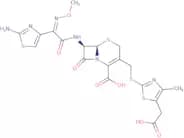
Discontinued productCefodizime
CAS:Cefodizime is a third-generation cephalosporin antibiotic, which is derived from the fungus Acremonium. It exerts its bactericidal effects by inhibiting bacterial cell wall synthesis. This action is achieved through binding to penicillin-binding proteins (PBPs), leading to the interruption of peptidoglycan cross-linking essential for the bacterial cell wall integrity. The breakdown of cell wall synthesis results in the lysis and death of the bacterial cell.
Purity:Min. 95%Ref: 3D-FC35157
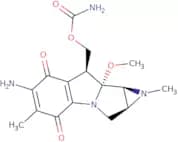
Discontinued productPorfiromycin
CAS:Porfiromycin is an antineoplastic antibiotic with action on DNA alkylation and cross-linking and is used for research on cancer treatment, particularly for hypoxic tumors.
Formula:C16H20N4O5Purity:Min. 95 Area-%Color and Shape:PowderMolecular weight:348.35 g/molRef: 3D-AP27106
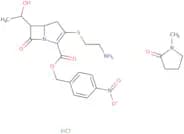
Discontinued productThienamycin p-nitrobenzyl ester, N-methylpyrrolidinone hydrochloride
CAS:Thienamycin p-nitrobenzyl ester, N-methylpyrrolidinone hydrochloride is a synthetic compound commonly utilized in biochemical research, particularly in the study of beta-lactam antibiotics. It is derived through synthetic pathways involving the modification of thienamycin, a naturally occurring beta-lactam antibiotic, to enhance its stability and facilitate its study in various experimental settings. This modification allows for investigation into the structure-activity relationships and potential enhancements of antibiotic function.Formula:C23H31ClN4O7SPurity:Min. 95%Molecular weight:543 g/molRef: 3D-SSA84766
Discontinued productUrdamycin B
CAS:Urdamycin B is an anthracycline antibiotic, which is derived from the bacterium *Streptomyces fradiae*. This compound acts by intercalating into DNA, disrupting the replication and transcription processes, leading to cell death. Its mode of action involves inhibiting topoisomerase II, an enzyme critical for DNA replication and cell cycle progression. This mechanism impairs cellular proliferation, making it effective against rapidly dividing cells.
Formula:C37H44O13Purity:Min. 95%Molecular weight:696.70 g/molRef: 3D-EEA54246
Discontinued productCAP 3
CAS:CAP 3 is an enzymatic product, derived from genetically engineered microorganisms, known for its specificity and efficiency in catalyzing biochemical reactions. This enzyme functions via the hydrolysis of specific chemical bonds, promoting reaction pathways that enhance productivity in various industrial and laboratory settings.
Formula:C52H82N6O11Purity:Min. 95%Molecular weight:967.20 g/molRef: 3D-SRD12303
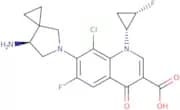
Discontinued productSitafloxacin
CAS:Sitafloxacin is an antibacterial agent belonging to the fluoroquinolone class of antibiotics, which is synthetically derived from chemical processes involving fluorinated quinolones. Its mode of action involves the inhibition of bacterial DNA gyrase and topoisomerase IV, enzymes crucial for bacterial DNA replication and transcription. By interfering with these enzymes, Sitafloxacin effectively hampers bacterial DNA synthesis, leading to the eventual demise of the bacterial cell.
Formula:C19H18ClF2N3O3Purity:Min. 95%Color and Shape:SolidMolecular weight:409.81 g/molRef: 3D-AN63363
Discontinued productTuberculosis inhibitor 3
CAS:Tuberculosis inhibitor 3 is a synthesized chemical compound designed to target the Mycobacterium tuberculosis bacterium, which is the causative agent of tuberculosis. This inhibitor is derived through advanced chemical synthesis techniques, involving the modification of specific molecular structures to enhance its binding affinity and specificity toward the bacterial cellular targets.
Formula:C21H22F6N4O3SPurity:Min. 95%Molecular weight:524.5 g/molRef: 3D-UND32528
Discontinued productDioxohongdenafil
CAS:Dioxohongdenafil is a synthetic compound, which is a type of pharmaceutical analog. It is derived from sildenafil, a well-known phosphodiesterase type 5 (PDE5) inhibitor, originally conceptualized through chemical modification of the parent compound. The mode of action of Dioxohongdenafil involves competitive inhibition of the PDE5 enzyme, leading to an increase in cyclic guanosine monophosphate (cGMP) levels. This biochemical alteration results in vasodilation and increased blood flow, mimicking the therapeutic mechanism observed in sildenafil.
Formula:C25H30N6O5Purity:Min. 95%Molecular weight:494.5 g/molRef: 3D-JPC40533
Discontinued productDidesethyl chloroquine hydroxyacetamide-d4
CAS:Didesethyl chloroquine hydroxyacetamide-d4 is a deuterated pharmaceutical compound, which serves as a stable isotope-labeled analog. Such compounds are often synthesized in specialized laboratories for research purposes, providing insightful data on pharmacokinetics and metabolic pathways. The deuteration, involving the replacement of hydrogen atoms with deuterium, offers enhanced accuracy in mass spectrometry analysis due to its unique isotopic signature.
Formula:C16H20ClN3O2Purity:Min. 95%Molecular weight:325.82 g/molRef: 3D-RYB95686
Discontinued product2-Sec-butyl-1-(decyloxy)-4-tritylbenzene
CAS:2-Sec-butyl-1-(decyloxy)-4-tritylbenzene is a synthetic organic compound, typically utilized in chemical research and development. It is sourced through a series of organic synthesis reactions, involving alkylation, etherification, and aromatic substitution, primarily in a controlled laboratory environment.
Formula:C39H48OPurity:Min. 95%Molecular weight:532.8 g/molRef: 3D-EGC19037
Discontinued productSpiromesifen-alcohol-4-hydroxymethyl
CAS:Spiromesifen-alcohol-4-hydroxymethyl is a selective miticide, which is a derivative of spiromesifen. This compound is sourced from novel chemical synthesis approaches focusing on the manipulation of chemical structures to improve efficacy and selectivity. The mode of action of Spiromesifen-alcohol-4-hydroxymethyl centers on disrupting the lipid biosynthesis pathway within target mites and whiteflies. By inhibiting acetyl-CoA carboxylase, it leads to impaired energy storage and membrane biosynthesis, ultimately causing the mortality of these pests.
Formula:C17H20O4Purity:Min. 95%Molecular weight:288.34 g/molRef: 3D-YJB42307
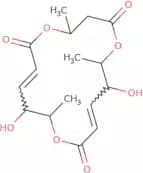
Discontinued productMacrosphelide A
CAS:Macrosphelide A is a bioactive macrocyclic lactone, which is a secondary metabolite derived from the culture of certain fungal species. It functions primarily through the disruption of cell adhesion processes, which is facilitated by its ability to interfere with the function of specific cell surface receptors. This mode of action underlies its potential as an immunosuppressive agent, where it can inhibit the activities of immune cells by altering cellular communication and adhesion.
Formula:C16H22O8Purity:Min. 95%Molecular weight:342.34 g/molRef: 3D-XGA92377
Discontinued productCeratotoxin A
CAS:Ceratotoxin A is a peptide toxin, which is derived from the venom of the female fruit fly *Ceratitis capitata*. This toxin is part of a group of antimicrobial peptides that play a crucial role in the innate immune response of the fly. Ceratotoxin A functions by integrating into the cell membranes of bacteria, leading to membrane disruption and subsequent bacterial cell death.
Formula:C135H243N35O32Purity:Min. 95%Molecular weight:2,868.6 g/molRef: 3D-AGA67104
Discontinued productMecillinam, Antibiotic for Culture Media Use Only
CAS:Mecillinam is a beta-lactam antibiotic specifically designed for use in culture media. It is derived from the amidinopenicillin family, featuring a unique ability to interfere with bacterial cell wall synthesis. Its mode of action involves inhibiting penicillin-binding protein 2 (PBP2), an essential enzyme for cell wall elongation and maintenance in Gram-negative bacteria. This targeted inhibition results in the formation of spherical cells and subsequent cell lysis.
Formula:C15H23N3O3SPurity:Min. 95 Area-%Molecular weight:325.43 g/molTunicamycin V
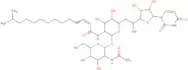
CAS:Tunicamycin V is an antibiotic and nucleoside analog, which is a secondary metabolite derived from various Streptomyces species. It functions predominantly by inhibiting the initial step of N-linked glycosylation, a critical post-translational modification process in eukaryotic cells. This inhibition occurs through the blockage of UDP-N-acetylglucosamine: dolichyl-phosphate N-acetylglucosamine-1-phosphate transferase, thereby preventing the synthesis of dolichol-linked oligosaccharides and ultimately affecting protein folding and quality control mechanisms within the endoplasmic reticulum.
Formula:C38H62N4O16Purity:Min. 95%Molecular weight:830.9 g/molRef: 3D-RCA05436
Discontinued productLoracarbef monohydrate
CAS:Loracarbef monohydrate is a synthetic antibiotic, which is derived from carbacephem compounds with a mode of action that involves inhibiting bacterial cell wall synthesis. This is achieved by binding to penicillin-binding proteins, thereby blocking the cross-linking of peptidoglycan chains which are crucial for bacterial cell wall structural integrity.
Formula:C16H16ClN3O4·H2OPurity:Min. 95%Molecular weight:367.78 g/molCoronarin D ethyl ether
CAS:Coronarin D ethyl ether is a diterpenoid compound, which is derived from the plant Hedychium coronarium, also known as white ginger lily. This compound belongs to a class of naturally occurring chemicals with complex polycyclic structures. The source of Coronarin D ethyl ether is the rhizome of Hedychium coronarium, which is part of the Zingiberaceae family. These plants are often studied for their bioactive properties and potential therapeutic applications.
Formula:C22H34O3Purity:Min. 95%Molecular weight:346.5 g/molRef: 3D-NFA96589
Discontinued productDesmethyl ferroquine
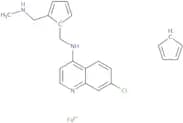
CAS:Desmethyl ferroquine is an antimalarial compound, which is a derivative of ferroquine. It is synthesized through chemical modification processes, specifically designed to enhance its pharmacokinetic and pharmacodynamic properties. This compound exhibits its mode of action by compromising the integrity of the Plasmodium parasite's digestive vacuole. By doing so, it disrupts heme detoxification, which is crucial for the parasite’s survival within red blood cells.
Formula:C22H22ClFeN3Purity:Min. 95%Molecular weight:419.7 g/molRef: 3D-DLB54618
Discontinued productCladosporin
CAS:Cladosporin is a secondary metabolite and natural product, specifically a fungal cyclodepsipeptide, which is isolated from the fungus *Cladosporium cladosporioides*. It exhibits its mode of action by selectively inhibiting the lysyl-tRNA synthetase enzyme in the Plasmodium species, the causative agent of malaria. This inhibition disrupts the protein synthesis pathway crucial for the survival and proliferation of the parasite.
Formula:C16H20O5Purity:Min. 95%Molecular weight:292.33 g/molRef: 3D-KBA81831
Discontinued productFlufenacet-methylsulfone
CAS:Flufenacet-methylsulfone is an herbicidal derivative, which is sourced from the modification of flufenacet metabolites. It operates by inhibiting the biosynthesis of very-long-chain fatty acids, which are crucial components in the formation of cell membranes within target plant species. This biochemical intervention disrupts normal cell division and elongation in weeds, ultimately inhibiting their growth and establishment.
Formula:C12H16FNO3SPurity:Min. 95%Molecular weight:273.33 g/molRef: 3D-LJB39180
Discontinued productVancomycin aglycon
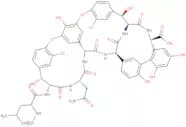
CAS:Vancomycin aglycon is a glycopeptide antibiotic, which is a derivative of vancomycin. It is sourced from the fermentation products of certain Amycolatopsis species, a genus of actinobacteria. The mode of action of vancomycin aglycon involves the inhibition of bacterial cell wall synthesis. It specifically binds to the D-Ala-D-Ala terminus of nascent peptidoglycan chains, thereby preventing the cross-linking that is crucial for maintaining cell wall integrity.
Formula:C53H52Cl2N8O17Purity:Min. 95%Molecular weight:1,143.93 g/molPolymyxin B nonapeptide hydrochloride
CAS:Polymyxin B nonapeptide hydrochloride is a potent antibiotic compound derived from the bacterium *Bacillus polymyxa*. As a cationic polypeptide, it exhibits its antibacterial activity by interacting with the lipopolysaccharides and phospholipids in the bacterial cell membrane, leading to increased permeability and ultimately causing cell lysis. The compound is specifically effective against a broad range of Gram-negative bacteria, making it crucial in studying antibiotic resistance mechanisms.
Formula:C43H74N14O11•(HCl)xPurity:Min. 95%Molecular weight:963.14 g/molRef: 3D-AP182838
Discontinued productVebufloxacin
CAS:Vebufloxacin is an antibacterial agent, which is synthesized as a member of the fluoroquinolone class of antibiotics. This compound is derived from chemical synthesis, specifically designed to target and inhibit bacterial DNA gyrase and topoisomerase IV. These enzymes play crucial roles in DNA replication and transcription, making them ideal targets for disrupting bacterial cell function.
Formula:C19H22FN3O3Purity:Min. 95%Molecular weight:359.4 g/molDicloxacillin sodium salt
CAS:Dicloxacillin is a penicillin antibiotic that is used to treat bacterial infections of the gastrointestinal tract, skin, and urinary tract. It binds to the penicillin-binding proteins in bacterial cell walls by competitive inhibition. Dicloxacillin inhibits bacterial growth by binding to the enzyme cell wall synthesis that is required for cell wall biosynthesis, inhibiting protein synthesis and cell division. This drug also has a toxic effect on respiratory system cells, which may be due to its ability to induce apoptosis. Dicloxacillin sodium salt is available as tablets for oral administration or as an intravenous solution for injection. It can interact with other drugs, such as benzalkonium chloride and matrix effect; it also has analytical methods such as chromatographic analysis and rate constant.
Formula:C19H17Cl2N3O5S·NaPurity:Min. 95%Molecular weight:493.32 g/molButirosin disulfate
CAS:Butirosin disulfate is an aminoglycoside antibiotic, which is derived from a strain of *Bacillus circulans*. Its primary mode of action involves binding to the 30S subunit of the bacterial ribosome, leading to the inhibition of protein synthesis. This interaction results in the misreading of mRNA, ultimately causing bactericidal effects.
Formula:C21H45N5O20S2Purity:Min. 95%Molecular weight:751.7 g/molRef: 3D-BCA02298
Discontinued productGanciclovir, Antibiotic for Culture Media Use Only
CAS:Ganciclovir is an antiviral agent specifically designed for culture media use. It is a synthetic analogue of 2'-deoxy-guanosine, derived from nucleoside compounds, and operates primarily by inhibiting the replication of viral DNA. Its mode of action involves selective phosphorylation by viral kinases, which converts it into ganciclovir triphosphate, a potent inhibitor of viral DNA polymerase, ultimately preventing viral DNA synthesis.
Formula:C9H13N5O4Purity:Min. 98.0 Area-%Molecular weight:255.23 g/molRef: 3D-Q-201148
Discontinued product