Steroids
Subcategories of "Steroids"
Found 1696 products of "Steroids"
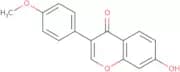
Formononetin
CAS:Formononetin is a naturally occurring isoflavone, which is a type of phytoestrogen found predominantly in legumes like red clover and other related plant species. It is a secondary metabolite that influences various biological processes by interacting with estrogen receptors. Formononetin acts primarily by mimicking or modulating the activity of natural estrogens within the body, binding to estrogen receptors and influencing gene expression and cellular responses.
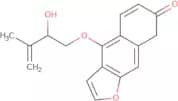
Formula:C16H12O4Purity:Min. 95%Color and Shape:PowderMolecular weight:268.26 g/molPabulenol
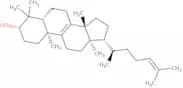
CAS:Pabulenol is an innovative biopolymer, which is synthesized from renewable plant-based resources through advanced biotechnological methods involving enzymatic polymerization. With its unique molecular structure, Pabulenol exhibits specific mode of action by facilitating biodegradation under ambient conditions, catalyzed by naturally occurring microbes. The polymer’s intrinsic ability to break down into non-toxic byproducts makes it an exceptional choice for sustainable environmental applications.Purity:Min. 95%Lanosterol (Isocholesterol) - Lanosterol 60%
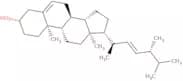
CAS:Controlled ProductComposed of Lanosterol (~65%), dihydrolanosterol, agnosterol,dihydroagnosterol.Extracted from wool.Formula:C30H50OPurity:Min. 60 Area-%Color and Shape:White Off-White PowderMolecular weight:426.72 g/molBrassicasterol
CAS:Controlled ProductBrassicasterol is a phytosterol, which is synthesized by various plant sources, particularly found in the seeds of plants such as rapeseed, mustard, and some algae. As a sterol, it is structurally similar to cholesterol but differs by having a methyl group at C24. This characteristic structure plays a vital role in its mode of action, modulating membrane fluidity and cell signaling pathways in organisms. In mammalian systems, brassicasterol may contribute to the reduction of cholesterol absorption by competing for incorporation into micelles, thus influencing metabolic pathways related to lipid processing and absorption.
Formula:C28H46OPurity:Min. 95 Area-%Color and Shape:Off-White PowderMolecular weight:398.66 g/molTeasterone
CAS:Controlled ProductPlease enquire for more information about Teasterone including the price, delivery time and more detailed product information at the technical inquiry form on this pageFormula:C28H48O4Purity:Min. 95%Molecular weight:448.35526Cholesterol
CAS:Controlled ProductCholesterol is a complex lipid molecule, which is an essential component of cell membranes in animals. It is primarily synthesized in the liver, though it can also be obtained from dietary sources such as meat, dairy, and eggs. Cholesterol's mode of action involves its incorporation into the phospholipid bilayer of cell membranes, where it modulates fluidity and structural integrity, impacting membrane protein function and cellular signaling pathways.Formula:C27H46OPurity:Min. 95 Area-%Color and Shape:White Clear LiquidMolecular weight:386.65 g/molPromegestone
CAS:Controlled ProductPromegestone is a synthetic progestogen, which is derived from progesterone. It functions by mimicking the effects of natural progesterone in the body, acting primarily on progesterone receptors to modulate reproductive processes. This progestogenic agent alters the lining of the uterus and inhibits gonadotropin production, thereby exerting its effects on ovulation and menstrual cycles.Formula:C22H30O2Purity:Min. 95%Molecular weight:326.47 g/molUzarigenin
CAS:Uzarigenin is a steroidal sapogenin, which is a naturally derived chemical compound typically extracted from plants belonging to the Apocynaceae family. It is primarily sourced from species like *Cynanchum* and *Xysmalobium*, where it exists as part of glycosidic complexes. The mode of action of uzarigenin involves its interaction with cellular steroid pathways, providing insights into various biological processes involving steroidal regulation and interaction. Such properties make it valuable in the study of steroid biosynthesis and the pharmacodynamics of cardiotonic steroids.Formula:C23H34O4Purity:Min. 97 Area-%Color and Shape:PowderMolecular weight:374.52 g/molCortisone acetate
CAS:Controlled ProductCortisone acetate is a synthetic corticosteroid, which is a derivative of cortisone, a naturally occurring hormone produced by the adrenal cortex. As a pharmaceutical compound, cortisone acetate acts primarily as an anti-inflammatory and immunosuppressive agent. Its mode of action involves the conversion into cortisol, a glucocorticoid, which then interacts with glucocorticoid receptors to modulate the transcription of responsive genes. This process reduces the production of pro-inflammatory cytokines and inhibits the function of immune cells, thereby producing an anti-inflammatory effect.Formula:C23H30O6Purity:95%MinColor and Shape:PowderMolecular weight:402.48 g/molCholesterol 3-sulfate sodium
CAS:Cholesterol 3-sulfate sodium salt is a fine chemical that is used as a versatile building block and reagent. It is a useful intermediate that can be used in the synthesis of complex compounds, speciality chemicals, and reaction components. Cholesterol 3-sulfate sodium salt can be used to synthesize cholesterol derivatives. This compound has been shown to have high reactivity with nucleophiles and can be used as a building block for other organic compounds. The CAS number for Cholesterol 3-sulfate sodium salt is 2864-50-8.Formula:C27H45NaO4SPurity:Min. 95%Color and Shape:White PowderMolecular weight:488.7 g/molEpibrassinolide
CAS:Epibrassinolide is a plant growth regulator, which is a synthetic analog of brassinosteroids derived from natural plant steroids. It exerts its effects through modulating gene expression and activating signaling pathways that enhance cell elongation, division, and differentiation. Additionally, Epibrassinolide plays a crucial role in improving a plant's tolerance to environmental stresses such as drought, salinity, and temperature extremes. It is widely used in agricultural research and practices to boost crop yield and quality. Researchers apply Epibrassinolide to study its potential in promoting growth, increasing resistance to pathogens, and enhancing overall plant vitality. Its applications extend to various plant species, where it is utilized to explore genetic expressions and physiological adaptations in response to its regulatory effects.Formula:C28H48O6Purity:(%) Min. 85%Color and Shape:White PowderMolecular weight:480.68 g/molCoumestrol-9-methyl ether
CAS:Coumestrol-9-methyl ether is a synthetic estrogen analogue, which is derived from coumestrol, a naturally occurring phytoestrogen found in various plant sources such as soybeans and clover. This compound is synthesized through chemical modification to enhance its stability and bioactivity, differing from its naturally occurring counterpart by the addition of a methyl group.Formula:C16H10O5Purity:Min. 95%Molecular weight:282.25 g/molProtodioscin
CAS:Protodioscin is a steroidal saponin, which is a naturally occurring glycoside. It is predominantly sourced from the plant Tribulus terrestris but can also be found in other medicinal plants such as Dioscorea species. The mode of action of protodioscin involves its ability to influence the levels of dehydroepiandrosterone (DHEA) and other hormones, potentially affecting physiological functions related to vitality and performance.Formula:C51H84O22Purity:Min. 95%Color and Shape:PowderMolecular weight:1,049.22 g/molPregnenolone
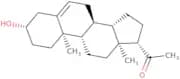
CAS:Controlled ProductPregnenolone is a steroidal hormone precursor, which is synthesized from cholesterol in the mitochondria of adrenal glands and other tissues. Its mode of action involves serving as a precursor for other critical steroid hormones, including progesterone, mineralocorticoids, glucocorticoids, androgens, and estrogens. As a neurosteroid, it plays a significant role in modulating synaptic function and neurogenesis.Formula:C21H32O2Purity:Min. 98 Area-%Color and Shape:PowderMolecular weight:316.48 g/mol9,10-Secocholesta-5,7,10(19)-trien-3beta-ol
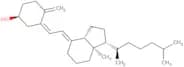
CAS:9,10-Secocholesta-5,7,10(19)-trien-3beta-ol is a secosteroid compound, which is predominantly derived from the photochemical conversion of 7-dehydrocholesterol in the skin upon exposure to ultraviolet B radiation. This compound undergoes a series of hepatic and renal hydroxylations to form active vitamin D metabolites, such as calcitriol. These active forms modulate calcium and phosphate homeostasis through a nuclear receptor-mediated mechanism that governs gene expression relevant to mineral metabolism.
Formula:C27H44OPurity:Min. 97 Area-%Color and Shape:White Yellow PowderMolecular weight:384.64 g/molCoumestrol
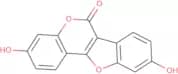
CAS:Coumestrol is a phytoestrogen compound, which is a naturally occurring compound found in a variety of plants, such as soybeans, clover, and alfalfa. It is derived from the metabolic processes within these plants. Coumestrol exhibits estrogenic activity, acting as an agonist for estrogen receptors. This biological activity enables coumestrol to mimic the action of endogenous estrogens, thereby influencing estrogen-responsive pathways.Formula:C15H8O5Purity:Min. 95%Color and Shape:PowderMolecular weight:268.22 g/molPolyphyllin B (Formosanin C)
CAS:Polyphyllin B (Formosanin C) is a natural saponin compound, which is derived from the rhizomes of plants in the genus Paris, particularly Paris polyphylla. Known for its biological activity, Polyphyllin B functions primarily by disrupting cellular membranes and inducing apoptosis in cancer cells through various signaling pathways, including the mitochondrial pathway. This mechanism is attributed to its ability to interfere with cancer cell proliferation and promote cell death, making it a compound of interest in oncological research.
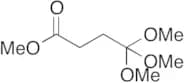
Formula:C51H82O20Purity:Min. 95%Color and Shape:PowderMolecular weight:1,015.19 g/mol4,4,4-Trimethoxybutanoic Acid Methyl Ester
CAS:Controlled ProductApplications 4,4,4-Trimethoxybutanoic Acid Methyl Ester is an substituent in the synthesis of Methyl Prednisolone (M325934).
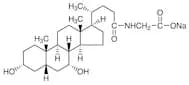
References Ueno, H., et al.: J. Med. Chem., 34, 2468 (1991);Formula:C8H16O5Color and Shape:NeatMolecular weight:192.21Sodium Glycochenodeoxycholate
CAS:Formula:C26H42NNaO5Purity:>95.0%(T)(HPLC)Color and Shape:White to Light yellow powder to crystalMolecular weight:471.61