Terpenoids
Subcategories of "Terpenoids"
- Diterpenes (C₂₀)(671 products)
- Hemiterpenes (C₅)(21 products)
- Monoterpenes (C₁₀)(709 products)
- Sesquiterpenes (C₂₅)(452 products)
- Tetraterpenes (C₄₀)(63 products)
- Triterpenes (C₃₀)(1,128 products)
Found 1423 products of "Terpenoids"
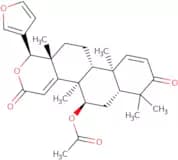
Deoxygedunin
CAS:Deoxygedunin is a natural limonoid, which is a type of chemical compound often derived from plant sources, particularly in the Meliaceae family. This compound is primarily isolated from the seeds of the Indian neem tree (Azadirachta indica) and the African mahogany tree (Khaya senegalensis). It exhibits its biological effects through activation of the Nrf2 pathway, an essential cellular defense mechanism against oxidative stress. By promoting the expression of antioxidant proteins, deoxygedunin enhances cellular resilience to oxidative damage.
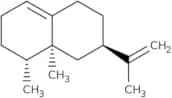
Formula:C28H34O6Purity:Min. 95%Molecular weight:466.57 g/molValencene
CAS:Valencene is a sesquiterpene, which is a naturally occurring terpenoid hydrocarbon. It is primarily sourced from the essential oils of citrus fruits, particularly Valencia oranges. Its mode of action involves its volatile nature, which contributes to its distinctive, sweet, citrusy aroma. Valencene is often synthesized or extracted using advanced biotechnological methods, ensuring high purity and consistency.
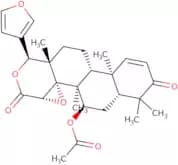
Formula:C15H24Purity:Min. 95%Color and Shape:Colorless Clear LiquidMolecular weight:204.35 g/molGedunin
CAS:Gedunin is a pentacyclic triterpenoid compound which is primarily found in the neem tree (Azadirachta indica) and other plants in the Meliaceae family.Gedunin works by inhibiting heat shock proteins (Hsp), which are involved in protein folding and stress responses in cells. It also triggers apoptosis in cancer cells and modulates inflammatory pathways to reduce inflammation.Gedunin is used for its anticancer, antimalarial, antibacterial, antifungal, anti-inflammatory, and neuroprotective properties. It has shown promise in inducing apoptosis in cancer cells, effectively combating malaria parasites, exhibiting antimicrobial properties, reducing inflammation, and potentially benefiting neurodegenerative diseases like Parkinson's.
Formula:C28H34O7Purity:Min. 95%Color and Shape:PowderMolecular weight:482.57 g/molRef: 3D-XG161760
Discontinued productCineole
CAS:Controlled ProductCineole, often referred to as eucalyptol, is a monoterpenoid and a cyclic ether that represents a key constituent of certain essential oils. It is primarily sourced from the leaves of Eucalyptus species, but also found in smaller quantities within other aromatic plants such as rosemary, sage, and tea tree. Cineole exerts its effects through a multifaceted mode of action, acting predominantly as an antimicrobial and anti-inflammatory agent. This is achieved by disrupting the lipid membrane of microbial pathogens, leading to their destabilization and eventual demise. Additionally, cineole modulates inflammatory pathways by inhibiting the production of pro-inflammatory cytokines, thereby ameliorating symptoms associated with inflammation.
Formula:C10H18OPurity:Min. 95%Color and Shape:Colorless Clear LiquidMolecular weight:154.25 g/molRef: 3D-FC74126
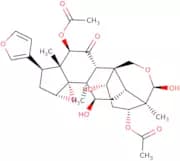
Discontinued productToosendanin
CAS:Toosendanin is a bioinsecticidal compound, which is a natural product isolated from the bark of the Melia toosendan tree, also known as the Chinese Melia. The source of this compound lies in the Meliaceae family, known for its diverse array of bioactive phytochemicals.
Formula:C30H38O11Purity:Min. 95%Color and Shape:Off-White PowderMolecular weight:574.62 g/molRef: 3D-FT65803
Discontinued product(1S)-(-)-(-)-Verbenone
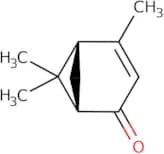
CAS:(1S)-(-)-(-)-Verbenone is a bicyclic monoterpene, which is a type of terpenoid compound. It is naturally sourced from various plants, predominantly from the essential oils of pines and other coniferous trees. The mode of action of Verbenone is intriguing; it acts as an anti-aggregation pheromone in certain beetle species, disrupting their communication and reducing infestation levels. This mechanism is particularly effective against bark beetles, which are known to cause significant damage to forestry ecosystems.
Formula:C10H14OPurity:Min. 98 Area-%Color and Shape:Clear LiquidMolecular weight:150.22 g/molCucurbitacin E
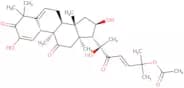
CAS:Controlled ProductCucurbitacin E is a triterpenoid compound, which is a natural product derived from plants in the Cucurbitaceae family. This bioactive compound exerts its effects primarily through the disruption of cytoskeletal integrity, inhibition of the JAK/STAT signaling pathway, and induction of apoptosis. These molecular activities make it a potent agent in research focusing on cellular proliferation and inflammation.
Formula:C32H44O8Purity:Min. 95%Molecular weight:556.69 g/molRef: 3D-FC69737
Discontinued product(+)-Nerolidol
CAS:(+)-Nerolidol is a sesquiterpene alcohol, which is a type of volatile organic compound. It is derived from the essential oils of various plants, including jasmine, tea tree, and lemongrass. As a natural compound, (+)-Nerolidol is synthesized by plants as part of their aromatic profile and may serve as a defense mechanism against pathogens and herbivores.
Formula:C15H26OPurity:Min. 95%Color and Shape:Colorless Clear LiquidMolecular weight:222.37 g/molRef: 3D-FN33788
Discontinued product14-Epitriptolide
CAS:14-Epitriptolide is a diterpenoid epoxide, which is derived from the natural product triptolide. It originates from the plant species *Tripterygium wilfordii*, commonly known in traditional Chinese medicine. The mode of action of 14-Epitriptolide involves the inhibition of RNA polymerase II-mediated transcription, thereby interfering with transcriptional processes essential for cancer cell survival and proliferation. Additionally, it induces oxidative stress and disrupts cellular homeostasis.
Formula:C20H26O7Purity:Min. 95%Color and Shape:SolidMolecular weight:378.42 g/molRef: 3D-FE65706
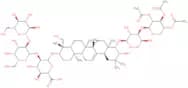
Discontinued productSaikosaponin C
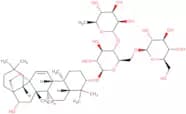
CAS:Saikosaponin C is a triterpene saponin, which is a bioactive compound found in various medicinal plants, particularly those in the genus Bupleurum, often used in traditional Chinese medicine. It is derived from the roots of these plants, where it coexists with other saponins, contributing to their medicinal properties.
Formula:C48H78O17Purity:Min. 95%Color and Shape:PowderMolecular weight:927.12 g/molRef: 3D-OS45923
Discontinued productLoganin
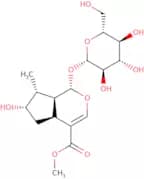
CAS:Loganin is a bioactive iridoid compound, which is a type of secondary metabolite typically found in plants. It is primarily derived from sources such as the genera Strychnos and Gentiana, among others. Loganin operates through various biological pathways, influencing enzymatic and receptor activities that contribute to its pharmacological effects. These activities include anti-inflammatory, antioxidant, and neuroprotective actions, making Loganin a compound of interest in several areas of medical research.
Formula:C17H26O10Purity:Min. 94 Area-%Color and Shape:PowderMolecular weight:390.39 g/molRef: 3D-ML11578
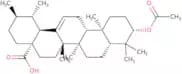
Discontinued productUrsolic acid acetate
CAS:Ursolic acid acetate is a natural triterpenoid compound, which is derived from the acetylation of ursolic acid. This compound is sourced from a variety of medicinal plants, including apples, rosemary, and holy basil. Its mode of action involves modulating multiple cellular pathways, including the inhibition of nuclear factor-kappa B (NF-κB) and the activation of AMP-activated protein kinase (AMPK). These actions contribute to its anti-inflammatory, anticancer, and antioxidant properties.
Formula:C32H50O4Purity:Min. 95 Area-%Color and Shape:PowderMolecular weight:498.74 g/molRef: 3D-FU65546
Discontinued productSoyasaponin III
CAS:Soyasaponin III is a bioactive compound, which is a naturally occurring saponin derived from soybeans. These glycosides are primarily found in the seeds of the soybean plant, Glycine max. Soyasaponins are known for their amphiphilic nature, which enables them to interact with both lipid and aqueous phases, affecting membrane dynamics and cellular processes.
Formula:C42H68O14Purity:Min. 95%Color and Shape:PowderMolecular weight:796.98 g/molRef: 3D-FS137921
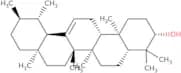
Discontinued productα-Amyrin
CAS:Controlled Productα-Amyrin is a pentacyclic triterpene, which is commonly found in the resins and latex of various plant species. It is primarily sourced from the lipophilic extracts of angiosperms, where it is often present in both the free form and as esters. Its mode of action involves modulation of key signaling pathways involved in inflammation and cellular oxidative stress, particularly through the inhibition of pro-inflammatory enzymes such as cyclooxygenase. α-Amyrin also induces apoptosis via mitochondrial pathways in certain cell types, adding to its therapeutic potential.
Formula:C30H50OPurity:Min. 95%Color and Shape:PowderMolecular weight:426.72 g/molRef: 3D-FA66691
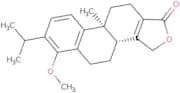
Discontinued productTriptophenolide methyl ether
CAS:Triptophenolide methyl ether is a bioactive compound, classified as a terpene, derived from natural plant sources. It is primarily isolated from the roots of species within the *Tripterygium* genus. Terpenes are a large and varied class of organic compounds produced by a variety of plants, known for their aromatic qualities and biological activity.
Formula:C21H26O3Purity:Min. 95%Molecular weight:326.43 g/molRef: 3D-FT65638
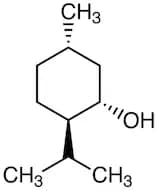
Discontinued product(+)-Menthol
CAS:Formula:C10H20OPurity:>99.0%(GC)Color and Shape:White or Colorless powder to lump to clear liquidMolecular weight:156.27Linalyl Butyrate
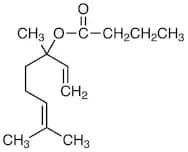
CAS:Formula:C14H24O2Purity:>97.0%(GC)Color and Shape:Colorless to Almost colorless clear liquidMolecular weight:224.34Soyasaponin Aa
CAS:Soyasaponin Aa is a bioactive compound, specifically a type of saponin, which is derived from soybeans. As a secondary metabolite produced by plants, Soyasaponin Aa is characterized by its amphipathic structure, which allows it to interact with both lipid and aqueous environments. Its mode of action involves disrupting lipid membranes, which can lead to various biological effects, including cytotoxicity to certain cancer cells, cholesterol-lowering properties, and the modulation of immune responses.
Formula:C64H100O31Purity:Min. 95 Area-%Color and Shape:PowderMolecular weight:1,365.46 g/molRef: 3D-FS65453
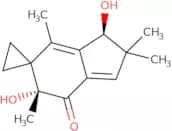
Discontinued productIlludin M
CAS:Illudin M is a natural compound, categorized as a sesquiterpene. It is derived from certain species of mushrooms, notably those in the Omphalotus genus, such as the jack-o'-lantern mushroom (Omphalotus illudens). The mode of action of Illudin M involves targeting and damaging DNA within cells. Due to its cytotoxic nature, it interferes with DNA synthesis, leading to cell death, particularly in rapidly dividing cells.
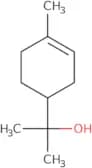
Formula:C15H20O3Purity:Min. 95%Molecular weight:248.14124α-Terpineol
CAS:Alpha-terpineol is a terpene alcohol that exhibits cytotoxic effects on cells. It has been shown to cause cell lysis in both bacteria and mammalian cells, which may be due to its reactive oxygen species (ROS) production. Alpha-terpineol is also an effective agent against infectious diseases such as HIV, tuberculosis, and malaria. This molecule has a high resistance to chemical degradation, making it a promising anticancer agent. Alpha-terpineol can inhibit the polymerase chain reaction (PCR) by binding to the enzyme DNA polymerase, thereby preventing the synthesis of DNA molecules. It can also bind to the enzyme RNA polymerase and inhibit the transcription of mRNA into protein molecules. Lastly, alpha-terpineol is known for its genotoxic effects in vivo and in vitro. The genotoxicity of alpha-terpineol has been demonstrated using several different methods including electron microscopy, chemical stability assays, surface methodology experiments on kidney bean extract,
Formula:C10H18OPurity:Min. 95%Molecular weight:154.25 g/mol