Carotenoids
Carotenoids are a class of tetraterpenes (C₄₀) that are naturally occurring pigments found in plants, algae, and photosynthetic bacteria. They play crucial roles in photosynthesis and provide vibrant colors ranging from yellow to red in various fruits and vegetables. Carotenoids are known for their antioxidant properties and potential health benefits, including promoting eye health and reducing the risk of certain diseases. At CymitQuimica, you can find a variety of carotenoids for research applications in nutrition, plant biology, and pharmaceutical science
Found 59 products of "Carotenoids"
Sort by
Purity (%)
0
100
|
0
|
50
|
90
|
95
|
100
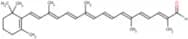
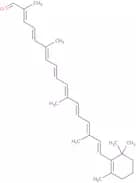
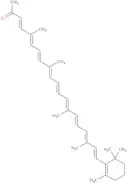
Apocarotenal
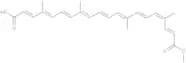
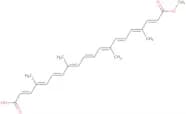
CAS:Apocarotenal analytical standard provided with w/w absolute assay, to be used for quantitative titration.Formula:C30H40OPurity:(HPLC) ≥95%Color and Shape:PowderMolecular weight:416.659'-cis-Norbixin
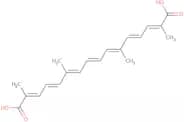
CAS:9'-cis-Norbixin analytical standard provided with w/w absolute assay, to be used for quantitative titration.Formula:C24H28O4Purity:(HPLC) ≥95%Color and Shape:PowderMolecular weight:380.4915-cis-Phytoene
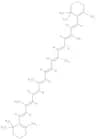
CAS:15-cis-Phytoene analytical standard provided with w/w absolute assay, to be used for quantitative titration.Formula:C40H64Purity:(HPLC) ≥97%Color and Shape:OilMolecular weight:544.95β-Carotene
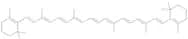
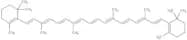
CAS:beta-Carotene analytical standard provided with UV assay for quantitative titration.Formula:C40H56Purity:(HPLC) ≥95%Color and Shape:PowderMolecular weight:536.89Capsanthin
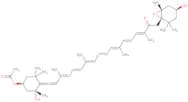
CAS:Capsanthin analytical standard provided with UV assay for quantitative titration.Formula:C40H56O3Purity:(HPLC) ≥95%Color and Shape:PowderMolecular weight:584.89Lycopene
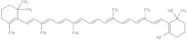
CAS:Lycopene analytical standard provided with UV assay for quantitative titration.Formula:C40H56Purity:(HPLC) ≥95%Color and Shape:PowderMolecular weight:536.899'-cis-Bixin
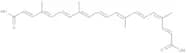
CAS:9'-cis-Bixin analytical standard provided with w/w absolute assay, to be used for quantitative titration.Formula:C25H30O4Purity:(HPLC) ≥95%Color and Shape:PowderMolecular weight:394.51Lutein
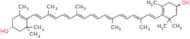
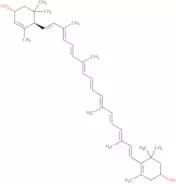
CAS:Lutein analytical standard provided with UV assay for quantitative titration.Formula:C40H56O2Purity:(HPLC) ≥92%Color and Shape:PowderMolecular weight:568.89Physalien
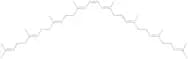
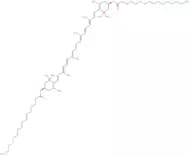
CAS:Physalien analytical standard provided with UV assay for quantitative titration.Formula:C72H116O4Purity:(HPLC) ≥95%Color and Shape:PowderMolecular weight:1045.72β-Cryptoxanthin
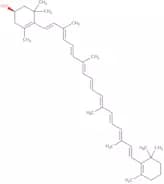
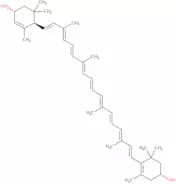
CAS:beta-Cryptoxanthin analytical standard provided with UV assay for quantitative titration.Formula:C40H56OPurity:(HPLC) ≥95%Color and Shape:PowderMolecular weight:552.89Zeaxanthin
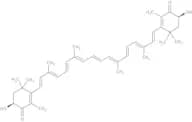
CAS:Zeaxanthin analytical standard provided with UV assay for quantitative titration.Formula:C40H56O2Purity:(HPLC) ≥95%Color and Shape:PowderMolecular weight:568.89Bixin, 98.0%
CAS:Formula:C25H30O4Purity:(HPLC) ≥ 98.0%Color and Shape:Red to dark purple powderMolecular weight:394.50Lycopene
CAS:Formula:C40H56Purity:≥ 90.0% (dried basis)Color and Shape:Red to dark brown powderMolecular weight:536.87Crocetin
CAS:Formula:C20H24O4Purity:≥ 95.0%Color and Shape:Red to dark red solidMolecular weight:328.40Fucoxanthin
CAS:Formula:C42H58O6Purity:≥ 98.0%Color and Shape:Red to very dark powderMolecular weight:658.91Xanthophyll
CAS:Formula:C40H56O2Purity:≥ 88.0%Color and Shape:Orange to red or brown powderMolecular weight:568.87Zeaxanthin
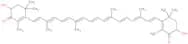
CAS:Formula:C40H56O2Purity:≥ 35.0%Color and Shape:Orange to red powderMolecular weight:568.87Astaxanthin
CAS:Formula:C40H52O4Purity:≥ 98.0%Color and Shape:Light to dark purple powderMolecular weight:596.84β-Carotene
CAS:Formula:C40H56Purity:≥ 98.0%Color and Shape:Red to dark red, orange or brown-red powderMolecular weight:536.87β-Apo-8'-carotenal
CAS:<p>β-Apo-8'-carotenal (Apocarotenal) is a carotenoid found in spinach and citrus fruits. Apocarotenal is used in fat-based food, dairy products, and sweets.</p>Formula:C30H40OPurity:96.56% - ≥95%Color and Shape:SolidMolecular weight:416.64Zeaxanthin
CAS:<p>Zeaxanthin is a dietary carotenoid that accumulates in the retina (particularly the macula) and has antioxidant activity.Cost-effective and quality-assured.</p>Formula:C40H56O2Purity:98.15% - 99.44%Color and Shape:SolidMolecular weight:568.87Rubixanthin
CAS:<p>Rubixanthin is a natural red carotenoid pigment, which is derived primarily from plant sources such as rose hips and certain types of flowers and fruits. It is a member of the xanthophyll family of carotenoids, compounds renowned for their vibrant colors and antioxidant properties.</p>Formula:C40H56OPurity:Min. 95%Color and Shape:Yellow To Red SolidMolecular weight:552.87 g/molCrocin II
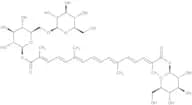
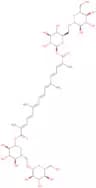
CAS:<p>Crocin II is a hydrophilic carotenoid that is a mono-glycosyl polyene ester of crocetin, in which D-gentiobiose occurs as the carbohydrate residue. A number of studies clearly highlight the role of crocin in preventing, treating or alleviating various health related conditions. Most in vivo studies were carried out on the effects of crocin against CNS and cardiovascular related diseases; however research projects on other organs including the liver and kidney have also been undertaken. These findings have not yet been verified by clinical trials on humans.</p>Formula:C38H54O19Purity:Min. 95%Color and Shape:Red PowderMolecular weight:814.42 g/moltrans-Crocetin - 70%
CAS:<p>trans-Crocetin - 70% is a highly purified carotenoid compound, which is derived from saffron (Crocus sativus) stigmas. Its molecular structure allows it to act as a potent antioxidant, disrupting oxidative stress pathways by scavenging free radicals and inhibiting lipid peroxidation. This mode of action is critical because it can potentially protect cellular components from damage and modulate various biochemical pathways.</p>Formula:C20H24O4Purity:Min. 95%Color and Shape:PowderMolecular weight:328.4 g/molCrocin I
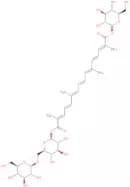
CAS:<p>Crocin is a pharmaceutical product which is an antipyretic and analgesic medication, primarily composed of paracetamol (acetaminophen). It is synthesized through chemical processes originally derived from coal tar, although modern production predominantly utilizes petrochemical sources. The mode of action of Crocin involves the inhibition of cyclooxygenase (COX) enzymes, particularly COX-2, in the central nervous system. This action leads to a decrease in the synthesis of prostaglandins, which are responsible for pain and fever.</p>Formula:C44H64O24Purity:Min. 98.0 Area-%Color and Shape:PowderMolecular weight:976.96 g/molFucoxanthine - 10%
CAS:<p>Fucoxanthine - 10% is a carotenoid compound, which is extracted from brown seaweeds such as Undaria pinnatifida and Laminaria japonica. This compound is known for its unique structure and biochemistry, which allows it to influence metabolic processes within the body. Fucoxanthine primarily functions by increasing the expression of uncoupling protein 1 (UCP1) in white adipose tissue, which in turn enhances lipid metabolism and thermogenesis. This action leads to a potential increase in energy expenditure and fat oxidation.</p>Formula:C42H58O6Purity:Min. 95%Color and Shape:Yellow PowderMolecular weight:658.91 g/molAstaxanthin
CAS:<p>A xanthophyll pigment with characteristic reddish-orange colour. Often added to fish food since it is an essential nutrient for healthy fish growth and reproduction. A strong anti-oxidant with suggested preventative roles in cancer as well as cardiovascular and immunological disease.</p>Formula:C40H52O4Purity:Min. 88.0 Area-%Color and Shape:Purple PowderMolecular weight:596.84 g/molViolaxanthin - solution in ethanol
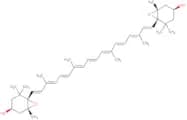
CAS:<p>Violaxanthin - solution in ethanol is a carotenoid compound, typically used in biochemical and physiological research. This product is derived from natural sources, such as plants and algae, where violaxanthin plays a crucial role in the xanthophyll cycle, contributing to thermal energy dissipation and photoprotection in photosynthetic organisms. The mode of action involves the reversible conversion of violaxanthin to other xanthophylls such as antheraxanthin and zeaxanthin, depending on light conditions, to regulate energy flux and protect against photooxidative damage.</p>Formula:C40H56O4Purity:Min. 98 Area-%Color and Shape:Clear LiquidMolecular weight:600.87 g/molZeaxanthin - 50%
CAS:<p>Zeaxanthin - 50% is a carotenoid compound, which is a type of naturally occurring pigment found in various fruits and vegetables, especially in corn, saffron, and leafy greens. It belongs to a class of phytochemicals known as xanthophylls, which are crucial for light absorption and protection against photooxidative damage in plants. This particular version is typically derived from natural sources like marigold petals or synthesized for high purity and concentration.</p>Formula:C40H56O2Purity:Min. 50 Area-%Color and Shape:PowderMolecular weight:568.87 g/molAstaxanthin - 95%
CAS:<p>A xanthophyll pigment with characteristic reddish-orange colour. Often added to fish food since it is an essential nutrient for healthy fish growth and reproduction. A strong anti-oxidant with suggested preventative roles in cancer as well as cardiovascular and immunological disease.</p>Formula:C40H52O4Purity:(%) Min. 97%Color and Shape:PowderMolecular weight:596.84 g/molLutein - 95%
CAS:<p>Lutein - 95% is a purified carotenoid compound, which is derived primarily from the petals of the marigold plant, Tagetes erecta. This high-purity extract contains a significant concentration of lutein, a naturally occurring pigment known for its role in the human body, particularly in the eyes. The primary mode of action of lutein involves its antioxidant properties; it functions by neutralizing free radicals, thus protecting cellular structures from oxidative damage. Within the human eye, lutein is concentrated in the macular region of the retina where it helps to filter harmful high-energy blue wavelengths of light and maintains healthy cells.</p>Formula:C40H56O2Purity:Uv Wavelength 441 To 451 NmColor and Shape:Red PowderMolecular weight:568.87 g/molFucoxanthine
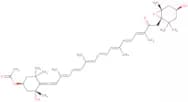
CAS:<p>Fucoxanthine is a marine carotenoid, which is predominantly found in various species of brown seaweed, such as Undaria pinnatifida and Laminaria japonica. Its molecular structure includes an allenic bond, which distinguishes it from other carotenoids and contributes to its unique mode of action. Fucoxanthine exerts its effects primarily through antioxidant activity, where it neutralizes free radicals, thus reducing oxidative stress. Additionally, it modulates metabolic processes by influencing genes involved in lipid metabolism and adipose tissue differentiation.</p>Formula:C42H58O6Purity:Min. 95%Color and Shape:Red PowderMolecular weight:658.91 g/molβ-Carotene - 90%
CAS:<p>Antioxidant; antineoplastic; inudces cell differentiation</p>Formula:C40H56Purity:Min. 90 Area-%Color and Shape:PowderMolecular weight:536.87 g/molLutein, 88%
CAS:<p>Natural yellow carotenoid; lipid-soluble antioxidant</p>Formula:C40H56O2Purity:(%) Min. 88%Color and Shape:Red PowderMolecular weight:568.87 g/molApocarotenal
CAS:<p>Apocarotenal is a carotenoid-derived pigment, which is a natural carotenoid with a bright orange-red hue. It is derived from beta-carotene, primarily found in fruits and vegetables. This compound is biosynthesized from plant sources, commonly extracted from carrots and citrus fruits. Apocarotenal functions through its conjugated double-bond system, which absorbs light in the visible range, imparting color to formulations.</p>Formula:C30H40OPurity:Min. 96 Area-%Color and Shape:PowderMolecular weight:416.64 g/molβ-Cryptoxanthin - 95%
CAS:<p>Beta-Cryptoxanthin - 95% is a high-purity carotenoid product, which is a naturally occurring pigment found in various fruits and vegetables, such as papayas, tangerines, and red peppers. This compound is integral to the human diet and serves as a precursor to vitamin A, contributing to its provitamin A activity.</p>Formula:C40H56OPurity:Min. 95 Area-%Color and Shape:Red PowderMolecular weight:552.87 g/molPicrocrocin
CAS:<p>Picrocrocin is a natural compound, specifically a monoterpene glycoside. It is derived from the Crocus sativus L. plant, commonly known as saffron. Picrocrocin is formed during the dehydration of the zeaxanthin carotenoid and is stored in the saffron stigmas. As a glycosidic precursor to the volatile compound safranal, it contributes significantly to the characteristic bitter taste of saffron.</p>Formula:C16H26O7Purity:Min. 95 Area-%Color and Shape:PowderMolecular weight:330.37 g/molLutein - 50%
CAS:<p>Lutein - 50% is a carotenoid compound, specifically a xanthophyll, which is derived from marigold flowers (Tagetes erecta). Carotenoids like lutein are pigmented compounds that occur naturally in plants and are responsible for their vibrant colors. Lutein is isolated and then concentrated to achieve a 50% purity, typically using processes such as saponification and crystallization.</p>Formula:C40H56O2Purity:Min. 95%Color and Shape:PowderMolecular weight:568.87 g/molLutein - 10%
CAS:<p>Lutein - 10% is a dietary carotenoid, which is derived primarily from marigold flowers. It functions through its antioxidant properties, specifically targeting oxidative stress in ocular tissues. This antioxidant activity is crucial for protecting the eyes against damage from free radicals. By absorbing excess light energy, it helps mitigate damage caused by blue and ultraviolet light exposure.</p>Formula:C40H56O2Purity:Min. 95%Molecular weight:568.87 g/molZeaxanthin dipalmitate
CAS:<p>Zeaxanthin dipalmitate is a carotenoid ester, which is derived primarily from natural sources such as marigold flowers. This compound is an esterified form of the carotenoid zeaxanthin, which enhances its stability and bioavailability. The mode of action involves the deposition of zeaxanthin dipalmitate in the macular region of the retina, where it acts as a protective antioxidant and filters high-energy blue light.</p>Formula:C72H116O4Purity:(Uv) Min. 95%Color and Shape:PowderMolecular weight:1,045.69 g/molCitranaxanthin
CAS:<p>Citranaxanthin is a carotenoid feed additive, which is a naturally occurring pigment found in certain plants and microorganisms. Its primary mode of action is through deposition into the tissues of animals, particularly in the egg yolks of poultry, where it enhances color. This enhancement occurs as citranaxanthin integrates into the lipid structures, contributing to a deeper yellow or orange hue due to its strong pigmenting properties.</p>Formula:C33H44OPurity:Min. 98 Area-%Color and Shape:PowderMolecular weight:456.7 g/molBixin
CAS:<p>Bixin is an organic compound that serves as a natural antioxidant and colorant, which is derived from the seeds of the annatto tree (Bixa orellana). The mode of action of bixin involves its ability to scavenge free radicals, thereby preventing oxidative stress and lipid peroxidation. Its chemical structure allows it to efficiently stabilize reactive oxygen species, making it highly effective in preserving the integrity of biological and chemical systems.</p>Formula:C25H30O4Purity:Min. 95%Color and Shape:Red PowderMolecular weight:394.5 g/mola-Carotene - 10%
CAS:<p>α-Carotene - 10% is a carotenoid compound, which is a natural pigment found predominantly in the orange and yellow fruits and vegetables such as pumpkins and carrots. This compound is synthesized by plants and microorganisms through the isoprenoid biosynthetic pathway. It works primarily as an antioxidant, neutralizing free radicals and protecting cells from oxidative stress, which can lead to cellular damage.</p>Formula:C40H56Purity:Min. 95%Molecular weight:536.87 g/molα-Carotene
CAS:<p>α-Carotene is a carotenoid antioxidant, which is a naturally occurring pigment found primarily in fruits and vegetables. It is derived from plant sources, prominently present in carrots, pumpkins, and other orange-colored produce. As an isomer of β-carotene, α-carotene shares similar properties yet exhibits distinct biological activities due to its unique structure.</p>Formula:C40H56Purity:Min. 95%Molecular weight:536.87 g/molLutein - 20%
CAS:<p>Lutein - 20% is a carotenoid product, which is an extract derived from natural plant sources, such as marigold flowers (Tagetes erecta). It functions through its antioxidant capabilities, which involve scavenging free radicals and protecting cells from oxidative damage. This mode of action is critical for maintaining eye health, as lutein preferentially accumulates in the macula of the human eye, where it filters harmful blue light and supports visual function.</p>Formula:C40H56O2Purity:Min. 95%Molecular weight:568.87 g/molVioloxanthin
CAS:<p>Violoxanthin is a naturally occurring carotenoid, which is a type of pigment found primarily in plants. As a product of the xanthophyll cycle, it plays a significant role in photosynthesis by protecting plants from photooxidative damage. Violoxanthin is derived from plant sources, including various fruits and vegetables that exhibit vivid colors due to the presence of carotenoids.</p>Formula:C40H56O4Purity:Min. 95%Molecular weight:600.89 g/molZeaxanthin - 10%
CAS:<p>Zeaxanthin - 10% is a concentrated carotenoid formulation, specifically derived from natural sources such as marigold flowers. It functions primarily as a potent antioxidant within the human body, playing an essential role in quenching free radicals and reducing oxidative stress. This protective action is particularly concentrated in the macular region of the eye, where zeaxanthin and its isomer lutein are vital components.</p>Formula:C40H56O2Purity:Min. 95%Molecular weight:568.87 g/molLutein - 5%
CAS:<p>Lutein - 5% is a carotenoid compound, which is derived primarily from the petals of marigold flowers (Tagetes erecta). This natural source is known for its high concentration of xanthophylls, which are essential for the product's activity. The mode of action of Lutein involves its capacity to absorb blue light and quench reactive oxygen species, thereby exerting protective antioxidant effects. This mechanism is vital in preventing oxidative stress in biological tissues.</p>Formula:C40H56O2Purity:Min. 95%Molecular weight:568.87 g/moltrans-Crocetin-98%
CAS:<p>trans-Crocetin-98% is a high-purity carotenoid, which is a type of organic pigment. It is derived from the stigmas of the saffron (Crocus sativus) flower, where it is obtained through meticulous extraction processes to ensure its purity and efficacy. trans-Crocetin acts primarily as an antioxidant, neutralizing free radicals and reducing oxidative stress within biological systems. It modulates various signaling pathways, which can result in neuroprotective, anti-inflammatory, and potential anti-cancer activities.</p>Formula:C20H24O4Purity:Min. 95%Color and Shape:Orange Red PowderMolecular weight:328.4 g/molFucoxanthine - 50%
CAS:<p>Fucoxanthine - 50% is a carotenoid compound typically derived from brown seaweeds, such as Undaria pinnatifida and Laminaria japonica. This naturally occurring xanthophyll is recognized for its role in promoting metabolic health due to its unique mode of action. Fucoxanthine enhances the expression of uncoupling protein 1 (UCP1) in white adipose tissue, leading to increased thermogenesis and fat oxidation. This process is largely mediated through the activation of antioxidant pathways and modulation of metabolic regulators.</p>Formula:C42H58O6Purity:Min. 95%Color and Shape:PowderMolecular weight:658.91 g/molβ-Carotene - >95%
CAS:<p>beta-Carotene - >95% is a high-purity carotenoid compound, which is a naturally occurring pigment found in plants and fruits. This compound is primarily sourced from natural plant derivatives, such as carrots, sweet potatoes, and other colorful vegetables and fruits, where it functions as a photosynthetic pigment. The mode of action of beta-Carotene lies in its ability to convert enzymatically into retinol (vitamin A) in the human body, a crucial component for vision, immune function, and skin health.</p>Formula:C40H56Purity:>95%Molecular weight:536.87 g/molSpheroidenone
CAS:<p>Spheroidenone is a fatty acid-derived carotenoid and hydroxyl group that is found in low light environments. It has been shown to be an effective dose for the treatment of certain types of cancer, such as breast cancer. Spheroidenone is an analog of astaxanthin, a type of molecule that contains a carbonyl group. The wild-type strain of this molecule is found in the genus "Cyanobacteria." The growth factor and syndrome type are unknown at this time.</p>Formula:C41H58O2Purity:Min. 95%Color and Shape:PowderMolecular weight:582.9 g/molall-trans-Canthaxanthin - Technical grade
CAS:<p>All-trans-Canthaxanthin - Technical grade is a carotenoid compound, which is a naturally occurring pigment. It is typically sourced through chemical synthesis or extraction from microorganisms such as algae or fungi. This compound functions as an antioxidant, donating electrons to neutralize free radicals, thereby preventing oxidative damage within cellular structures.</p>Formula:C40H52O2Purity:Min. 95%Color and Shape:Red PowderMolecular weight:564.84 g/molZeaxanthin
CAS:<p>Zeaxanthin is a naturally occurring carotenoid, which is primarily derived from various plant sources such as leafy green vegetables, corn, and yellow fruits. As a xanthophyll carotenoid, Zeaxanthin plays a significant role in the light-absorption processes of plants, contributing to their photosynthetic efficiency and protection against light-induced oxidative damage.</p>Formula:C40H56O2Purity:(%) Min. 80%Color and Shape:PowderMolecular weight:568.87 g/molRef: 3D-FZ16169
Discontinued product