Phenylpropanoids
Subcategories of "Phenylpropanoids"
Found 1293 products of "Phenylpropanoids"
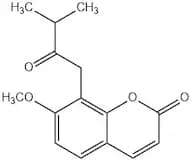
Isomeranzin
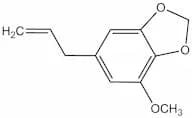
CAS:LactoneFormula:C15H16O4Purity:≥ 90.0 % (HPLC)Color and Shape:PowderMolecular weight:260.29Myristicine
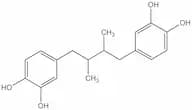
CAS:Aromatic etherFormula:C11H12O3Purity:≥ 90.0 % (GC)Color and Shape:LiquidMolecular weight:192.22Nordihydroguaiaretic acid
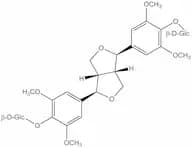
CAS:PolyphenolFormula:C18H22O4Purity:≥ 98.0 % (HPLC)Color and Shape:PowderMolecular weight:302.37(-)-syringaresinol 4,4'-di-o-β-d-glucoside
CAS:Natural glycosideFormula:C34H46O18Purity:≥ 95.0 % (HPLC)Color and Shape:PowderMolecular weight:742.72Pinosylvin monomethyl ether
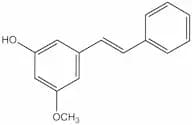
CAS:Ether phenolFormula:C15H14O2Purity:≥ 95.0 % (HPLC)Color and Shape:PowderMolecular weight:226.28Cubebin
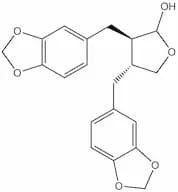
CAS:Oxygen-heterocyclic compoundFormula:C20H20O6Purity:≥ 98.0 % (HPLC)Color and Shape:PowderMolecular weight:356.37Demethoxycurcumin
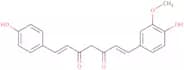
CAS:Demethoxycurcumin is a natural bioactive compound, which is a type of curcuminoid. It is derived from the rhizomes of the plant Curcuma longa, commonly known as turmeric, a member of the ginger family. Demethoxycurcumin is one of the primary components contributing to the characteristic yellow color of turmeric.Formula:C20H18O5Purity:Min. 98 Area-%Color and Shape:PowderMolecular weight:338.35 g/moltrans-Resveratrol-3,4'-disulfate
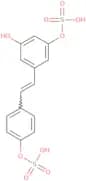
CAS:Trans-Resveratrol-3,4'-disulfate is a sulfate conjugate of resveratrol, which is a natural polyphenolic compound. It is commonly derived from the metabolic processes involving resveratrol, a compound found in the skin of grapes, berries, and peanuts. As a metabolite, it is typically produced in the liver through sulfation, mediated by sulfotransferase enzymes. This conversion enhances the solubility and stability of resveratrol, potentially increasing its bioavailability compared to its parent compound.
Formula:C14H12O9S2Purity:Min. 95%Molecular weight:388.37 g/molResveratrol
CAS:Resveratrol is a natural phenylpropanoid of the family of stilbenoids and is present in red wines and certain foods. Resveratrol has been deeply studied for its antioxidant, anti-inflammatory and antimicrobial properties. In Vero cells, resveratrol at 50 μM has shown to have the ability to inhibit SARS-CoV-2 replication by 98% when added after infection. Featured reference paper: Rossi et al, 2021; Yang et al, 2021.Formula:C14H12O3Purity:Min. 98 Area-%Color and Shape:White PowderMolecular weight:228.24 g/molSinapaldehyde
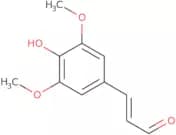
CAS:Sinapaldehyde is a phenolic aldehyde, which is a secondary metabolite derived from lignin biosynthesis in plants. It is primarily sourced from lignin, a complex polymer found in the cell walls of various plants, often extracted through biochemical refinement processes from lignocellulosic biomass. The mode of action of Sinapaldehyde involves its function as an antioxidant, where it participates in redox reactions that mitigate oxidative stress by scavenging free radicals. Its structural characteristics enable it to interact with various biological molecules, contributing to its effectiveness in these reactions.Formula:C11H12O4Purity:Min. 98 Area-%Color and Shape:Yellow PowderMolecular weight:208.21 g/mol1,3-Dicaffeoylquinic acid
CAS:1,3-Dicaffeoylquinic acid is a bioactive compound, which is a type of caffeoylquinic acid. This compound is commonly found in various plant sources, including coffee, artichokes, and certain herbal extracts. It is part of a larger family of polyphenolic compounds that are notable for their diverse biological activities.
Formula:C25H24O12Purity:Min. 95%Color and Shape:White PowderMolecular weight:516.45 g/molMalabaricone A
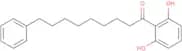
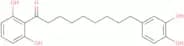
CAS:Malabaricone A is a naturally occurring compound, which is a diarylnonanoid isolated from the fruits of Myristica malabarica, commonly known as the Malabar nutmeg tree. This compound exhibits diverse biological activities due to its unique chemical structure, primarily contributing to its mode of action as an antioxidant and anti-inflammatory agent. Malabaricone A scavenges free radicals and modulates cellular pathways involved in the inflammatory response, making it a potential therapeutic candidate in the management of oxidative stress-related disorders.
Formula:C21H26O3Purity:Min. 98 Area-%Color and Shape:White Off-White PowderMolecular weight:326.43 g/molIsoliquiritigenin
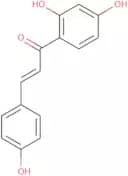
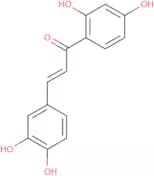
CAS:Isoliquiritigenin is a flavonoid compound, which is derived primarily from the root of the licorice plant (Glycyrrhiza spp.). Known for its yellow coloration, isoliquiritigenin is a chalcone, a type of compound found in many types of fruits, vegetables, and other plants. This natural product is extracted and purified from plant sources for research and potential therapeutic applications.Formula:C15H12O4Purity:Min. 95%Color and Shape:PowderMolecular weight:256.25 g/molChicoric acid
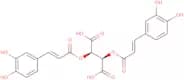
CAS:Chicoric acid is a polyphenolic compound, which is primarily derived from chicory (Cichorium intybus) and echinacea (Echinacea purpurea). It serves as a secondary metabolite in these plants, contributing to their defense mechanisms. The mode of action of chicoric acid involves the inhibition of enzymes involved in the degradation of key cellular components, effectively reducing oxidative stress and modulating inflammatory responses.Formula:C22H18O12Purity:Min. 95 Area-%Color and Shape:White PowderMolecular weight:474.37 g/molButein
CAS:Butein is a chalcone compound, which is a naturally occurring flavonoid found primarily in plants such as Rhus verniciflua and other members of the Anacardiaceae family. It is characterized by its notable biological activities, particularly due to its antioxidant and anti-inflammatory properties. Butein exerts its effects through various modes of action, including the inhibition of specific enzyme activities like tyrosinase and cyclooxygenase, as well as the downregulation of pro-inflammatory cytokines.Formula:C15H12O5Purity:Min. 98 Area-%Color and Shape:PowderMolecular weight:272.25 g/molSesamin
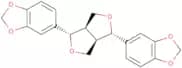
CAS:Sesamin is a lignan compound, which is a type of phytoestrogen, derived from sesame seeds (Sesamum indicum). It is a naturally occurring substance with potent biological efficacy. Sesamin functions primarily through its antioxidant and anti-inflammatory mechanisms. It scavenges free radicals, thereby protecting cellular components from oxidative stress. Additionally, sesamin interacts with various metabolic pathways, modulating lipid metabolism and enhancing the body's anti-inflammatory response.Formula:C20H18O6Purity:Min. 95%Color and Shape:PowderMolecular weight:354.35 g/molNeohesperidin dihydrochalcone hydrate
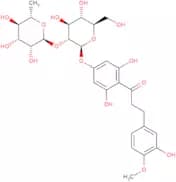
CAS:Neohesperidin dihydrochalcone hydrate is a high-intensity sweetener, which is derived from the bitter flavonoids found in citrus fruits, particularly from the peel and pulp of oranges and grapefruits. It is produced through a chemical hydrogenation process that transforms neohesperidin into a non-caloric sweetener. This unique compound acts as a potent flavor enhancer by intensifying sweetness and masking undesirable flavors, such as bitterness.Formula:C28H36O15Purity:Min. 95%Color and Shape:Off-White PowderMolecular weight:612.58 g/molMalabaricone C
CAS:Malabaricone C is a bioactive compound which is extracted from the roots of trees belonging to the genus Myristica. These trees are well-known for producing a diverse array of secondary metabolites with unique biological activities. Derived primarily through careful extraction processes from these natural sources, Malabaricone C has been characterized by its distinct ability to modulate inflammatory pathways and exhibit antimicrobial properties. The compound is known to interfere with specific biochemical targets, potentially inhibiting the expression of pro-inflammatory cytokines and disrupting microbial cell mechanisms.Formula:C21H26O5Purity:Min. 95%Color and Shape:SolidMolecular weight:358.43 g/mol4,5-Dicaffeoylquinic acid
CAS:4,5-Dicaffeoylquinic acid is a polyphenolic compound, which is primarily a derivative of chlorogenic acids found in various plants, notably within the Asteraceae family. It is naturally sourced from leaves, fruits, and other plant tissues where it plays a critical role in the plant's defense mechanisms. It functions through its ability to scavenge free radicals, thereby exhibiting significant antioxidant activity. This compound can inhibit oxidative stress by neutralizing reactive oxygen species (ROS), thus protecting cellular structures from damage.
Formula:C25H24O12Purity:Min. 98 Area-%Color and Shape:PowderMolecular weight:516.45 g/molDimethylcurcumin
CAS:Dimethylcurcumin is a synthetic, small-molecule compound that is a derivative of curcumin, a naturally occurring polyphenol found in the spice turmeric. Curcumin is known for its various biological activities, but its clinical use is limited due to poor bioavailability. Dimethylcurcumin is chemically modified to enhance its stability and bioavailability, making it a more potent alternative.Formula:C23H24O6Purity:Min. 95%Molecular weight:396.43 g/mol