Xanthones
Found 118 products of "Xanthones"
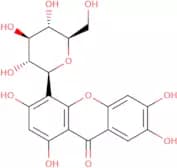
Isomangiferin
CAS:Isomangiferin is a C-glucosyl xanthone, which is a naturally occurring polyphenolic compound derived primarily from the leaves of the mango tree, Mangifera indica. This compound is one of the many bioactive components found in mangoes, renowned for its contribution to the plant's defense system against environmental stress.
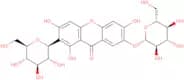
Formula:C19H18O11Purity:Min. 95%Color and Shape:PowderMolecular weight:422.34 g/molNeomangiferin
CAS:Neomangiferin is a bioactive compound, which is a xanthone glucoside derived from the leaves, bark, or roots of Mangifera indica, commonly known as the mango tree. Its molecular structure enables it to engage in multiple biochemical interactions, primarily through antioxidant, anti-inflammatory, and immunomodulatory mechanisms. The compound's antioxidant properties result from its ability to scavenge free radicals and reduce oxidative stress, while its anti-inflammatory action is associated with the inhibition of key inflammatory mediators.Formula:C25H28O16Purity:Min. 95%Color and Shape:PowderMolecular weight:584.48 g/molMaclurin
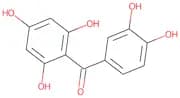
CAS:Maclurin (NSC-83240) is a phenolic component of mulberry twigs, exerts anti-metastatic effects.Formula:C13H10O6Purity:99.71%Color and Shape:SolidMolecular weight:262.21Ref: TM-T20578
2mg34.00€5mg50.00€10mg71.00€25mg101.00€50mg145.00€100mg197.00€200mg293.00€1mL*10mM (DMSO)55.00€Morellic acid
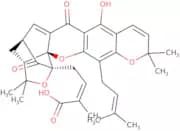
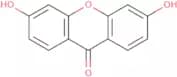
CAS:Morellic acid is a naturally occurring compound that is classified as an organic acid, specifically a depsidone. It is derived primarily from the lichen species of the Parmelia genus. Lichens are symbiotic associations between fungi and photosynthetic organisms, typically algae or cyanobacteria, found in a variety of environmental conditions.Purity:Min. 95%3,6-Dihydroxyxanthone
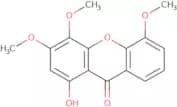
CAS:3,6-Dihydroxyxanthone is a naturally occurring compound classified as a xanthone, which is a type of polyphenolic compound. It is primarily sourced from various plant species, notably those within the Gentianaceae family. This compound exhibits a range of biological activities due to its ability to interact with multiple molecular targets within biological systems. The mode of action of 3,6-Dihydroxyxanthone involves its function as an antioxidant, as well as its potential to inhibit specific enzymes and modulate signaling pathways, contributing to its diverse biological effects.Formula:C13H8O4Purity:Min. 95%Molecular weight:228.2 g/mol1-Hydroxy-3,4,5-trimethoxyxanthone
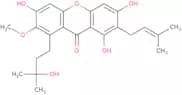
CAS:1-Hydroxy-3,4,5-trimethoxyxanthone is a naturally occurring xanthone compound, which is derived from various plant sources, particularly in the Gentianaceae and Hypericaceae families. The plant-based origin allows it to be isolated through extraction and purification processes from medicinal herbs known for their bioactive properties.Formula:C16H14O6Purity:Min. 95%Molecular weight:302.28 g/molGarcinone D
CAS:Garcinone D is a xanthone derivative, which is a naturally occurring compound extracted from the fruit rind of the Garcinia species, notably Garcinia mangostana. This compound is characterized by its bioactive profile, which has been studied for various pharmacological effects.Purity:Min. 95%Gentisein
CAS:Gentisein (NSC-329491), a primary metabolite of Mangiferin, exhibits significant inhibition of serotonin uptake, demonstrating potency with an IC50 value of 4.7Formula:C13H8O5Purity:96.89%Color and Shape:SolidMolecular weight:244.23,8-Dimethoxyxanthone
CAS:3,8-Dimethoxyxanthone is an organic compound, which is a type of xanthone derivative. It is primarily sourced from natural plant extracts, particularly those found in certain tropical and subtropical regions. This compound is synthesized via the oxidative coupling of phenolic precursors and subsequent methylation, a process leveraged due to its presence in various plant species.Formula:C15H12O4Purity:Min. 95%Molecular weight:256.25 g/molCowanin
CAS:Notch and gamma-secretase inhibitor
Formula:C29H34O6Purity:Min. 95%Color and Shape:PowderMolecular weight:478.58 g/mol3,8-Dihydroxy-6-methylxanthone
CAS:3,8-Dihydroxy-6-methylxanthone is a bioactive compound, classified as a xanthone derivative, which is primarily sourced from various plants, including those in the Gentianaceae and Clusiaceae families. Xanthones are polyphenolic compounds known for their diverse pharmacological activities. This particular derivative exhibits a range of biological activities owing to its unique chemical structure.
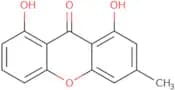
Formula:C14H10O4Purity:Min. 95%Molecular weight:242.23 g/mol1,8-Dihydroxy-3-methylxanthone
CAS:1,8-Dihydroxy-3-methylxanthone is a naturally occurring xanthone derivative, which is often sourced from plants known for their therapeutic properties. This compound is distinguished by its aromatic and polyphenolic structure, typically extracted from the roots or bark of certain plant species. Its mode of action is largely attributed to its ability to interact with biological membranes and proteins, often resulting in antioxidant, anti-inflammatory, and potential anticancer activities.
Formula:C14H10O4Purity:Min. 95%Molecular weight:242.23 g/mol2,3,5,6,7,8-Pentamethoxyxanthone
CAS:2,3,5,6,7,8-Pentamethoxyxanthone is a xanthone derivative, which is a class of polyphenolic compounds typically sourced from various plant species, particularly those in the Guttiferae family. These compounds are naturally occurring and often found in medicinal plants known for their diverse pharmacological properties.
Formula:C19H20O8Purity:Min. 95%Molecular weight:376.36 g/molTovophyllin A
CAS:Tovophyllin A is a methylxanthine compound, which is an alkaloid derived from natural plant sources. It is primarily found in abundance within the seeds, leaves, and fruit of various plants, including coffee beans, tea leaves, and cocoa seeds. The mode of action of Tovophyllin A involves the inhibition of phosphodiesterase enzymes, which leads to an increase in cyclic adenosine monophosphate (cAMP) levels. This biochemical action results in smooth muscle relaxation, notably within the bronchial airways, thereby exhibiting bronchodilator effects.
Formula:C28H30O6Purity:Min. 95%Molecular weight:462.53 g/mol1-Hydroxyxanthone
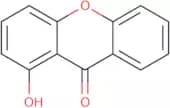
CAS:1-Hydroxyxanthone is a synthetic xanthone derivative, which is a type of organic compound known for its diverse bioactive properties. Derived from natural sources such as plants in the Guttiferae family, xanthones are renowned for their therapeutic potential. 1-Hydroxyxanthone specifically is obtained through chemical synthesis, allowing for greater purity and batch-to-batch consistency, which is beneficial for scientific research.
Formula:C13H8O3Purity:Min. 95%Color and Shape:PowderMolecular weight:212.2 g/mol7-O-Methylgarcinone E
CAS:7-O-Methylgarcinone E is a bioactive compound, specifically a xanthone derivative, which is sourced from various Garcinia species, a genus of tropical trees and shrubs. This compound is structurally characterized by its xanthone core and the presence of a methoxy group at the seventh position, contributing to its biological activity.
Formula:C29H34O6Purity:Min. 95%Molecular weight:478.58 g/mol1,5,6-Trihydroxyxanthone
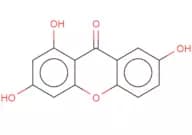
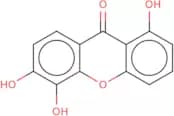
CAS:1,5,6-Trihydroxyxanthone is a natural xanthone derivative, which is commonly isolated from various plant sources, particularly in the family Gentianaceae. This compound is characterized by its polyhydroxylated xanthone structure, contributing to its diverse biological functionalities. Xanthones, including 1,5,6-Trihydroxyxanthone, are known for their ability to modulate oxidative pathways and interact with cellular signaling mechanisms.
Formula:C13H8O5Purity:Min. 95%Molecular weight:244.2 g/molRef: 3D-FT106516
Discontinued productCowaxanthone B
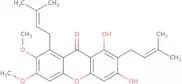
CAS:Cowaxanthone B is a naturally occurring xanthone compound, which is isolated from the fruiting bodies of Garcinia species, a genus known for its diverse range of biologically active phytochemicals. This compound is characterized by its tetracyclic chemical structure, which contributes to its unique biological properties. The mode of action of Cowaxanthone B involves modulation of various cellular pathways, including apoptosis induction, and inhibition of cell proliferation, which is mediated through interaction with specific molecular targets within the cell.
Purity:Min. 95%Ref: 3D-FC145221
Discontinued product