Kavalactones
Found 8 products of "Kavalactones"
Methysticin
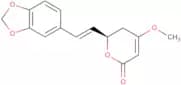
CAS:Methysticin is one of the major kavalactones found in the roots of the kava plant, which is scientifically known as *Piper methysticum*. This compound is derived from the rhizomes of the South Pacific plant, where it exists alongside other kavalactones that collectively contribute to the plant’s bioactive profile. Methysticin's primary mode of action is believed to involve modulation of neurotransmitter systems, particularly through interactions with GABAergic pathways, leading to its anxiolytic and sedative effects.Formula:C15H14O5Purity:Min. 98 Area-%Color and Shape:White PowderMolecular weight:274.27 g/molKaempferol-7-O-β-D-glucopyranoside
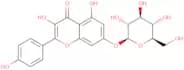
CAS:Kaempferol-7-O-beta-D-glucopyranoside is a flavonoid glycoside, which is a type of phytochemical compound. It is primarily sourced from a variety of plants, including fruits, vegetables, and medicinal herbs. This compound exerts its biological activity through several mechanisms, most notably its ability to scavenge free radicals and mitigate oxidative stress. Additionally, it inhibits key inflammatory pathways by downregulating the expression of pro-inflammatory cytokines and enzymes.Formula:C21H20O11Purity:Min. 95%Color and Shape:Yellow SolidMolecular weight:448.38 g/molL-Kawain
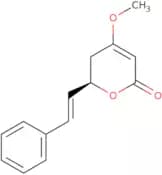
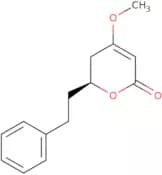
CAS:**L-Kawain** is a kavalactone compound, which is a bioactive component extracted from the root of the kava plant, Piper methysticum. This plant is traditionally found in the Pacific Islands and has been used in ceremonial drinks to promote relaxation and socialization due to its psychoactive effects.
Formula:C14H14O3Purity:Min. 98 Area-%Color and Shape:White Off-White PowderMolecular weight:230.26 g/molYangonin
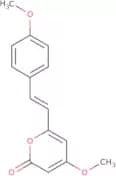
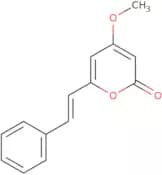
CAS:Yangonin is a kavalactone, which is a type of compound found in the roots of the Piper methysticum plant, commonly known as kava. This product is derived through the extraction of kavalactones from the kava root, a process that isolates its active psychoactive components. Yangonin is known for its interaction with the brain's neuroreceptor systems, particularly the cannabinoid CB1 receptors. This interaction may contribute to its psychoactive effects, influencing mood and perception.Formula:C15H14O4Purity:Min. 95%Color and Shape:PowderMolecular weight:258.27 g/molDihydrokawain
CAS:Dihydrokawain is a bioactive compound, which is an essential kavalactone found in the roots of the kava plant (Piper methysticum). This compound is derived from the extraction and processing of kava root materials, traditionally utilized in Pacific Island cultures for its psychoactive properties.Formula:C14H16O3Purity:Min. 95%Color and Shape:PowderMolecular weight:232.28 g/molDL-Kawain
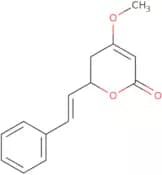
CAS:DL-Kawain is a bioactive compound, specifically a sesquiterpene, which is derived from the kava plant (Piper methysticum). It contains a chiral center and exists as a racemic mixture of both stereoisomers, which contributes to its diverse biological activity. As a secondary metabolite of kava root, DL-Kawain originates from a geographical region rich in traditional medicinal plants, primarily in the South Pacific.Formula:C14H14O3Purity:Min. 95 Area-%Color and Shape:PowderMolecular weight:230.26 g/molDesmethoxy yangonin
CAS:Desmethoxy yangonin is a bioactive compound, classified as a kavalactone, which is sourced from the kava plant (Piper methysticum). This compound is primarily found in the roots of the plant and is one of several kavalactones responsible for the psychoactive properties of kava. Desmethoxy yangonin interacts with the central nervous system, mainly by modulating GABA receptors, which are pivotal in mediating inhibitory neurotransmission. It also influences certain dopaminergic pathways, suggesting a unique mechanism of action that could explain its anxiolytic and mood-enhancing effects.Formula:C14H12O3Purity:Min. 95%Color and Shape:SolidMolecular weight:228.24 g/molDihydromethysticin
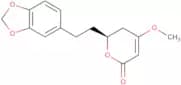
CAS:Dihydromethysticin is a kavalactone, which is a naturally occurring compound found in the root of the kava plant (Piper methysticum). This compound is isolated from the kava root, a plant native to the South Pacific, where it has been traditionally used in cultural rituals and as a medicinal herb. Dihydromethysticin functions through modulation of the gamma-aminobutyric acid (GABA) pathways in the brain, influencing neurotransmitter activity that can lead to anxiolytic and sedative effects.
Purity:Min. 95%