Flavonoids
Flavonoids are a group of plant metabolites with antioxidant properties that contribute to the color of fruits and flowers. They play a significant role in protecting plants from UV radiation and pathogens. Flavonoids are studied for their potential health benefits, including anti-inflammatory, antiviral, and anticancer properties. They are widely researched in the fields of pharmacology, nutrition, and molecular biology.
Subcategories of "Flavonoids"
- Anthocyanidins(46 products)
- Anthocyanin(46 products)
- Catechin(88 products)
- Chalcones(237 products)
- Pterocarpan(28 products)
Found 2408 products of "Flavonoids"
Sort by
Purity (%)
0
100
|
0
|
50
|
90
|
95
|
100
Phaseollinisoflavan
CAS:<p>Phaseollinisoflavan is a naturally occurring isoflavone compound, which is derived from the legume plant, Phaseolus vulgaris, commonly known as the common bean. Its mode of action primarily involves the inhibition of enzymatic activity, particularly affecting pathways related to oxidative stress and various metabolic processes. This isoflavone exerts its effects by modulating signal transduction pathways, which are critical in cellular response mechanisms.</p>Formula:C20H20O4Purity:Min. 95%Molecular weight:324.37 g/mol5-Methyl-7-hydroxyisoflavone ethylcarbonate ester
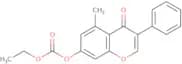
CAS:<p>5-Methyl-7-hydroxyisoflavone ethylcarbonate ester is a synthetic isoflavone derivative, which is structurally derived from naturally occurring flavonoids commonly found in plants such as soy and red clover. This compound is designed to retain the biological activity of its parent isoflavones while enhancing certain pharmacokinetic properties, particularly stability and bioavailability.</p>Formula:C19H16O5Purity:Min. 95%Color and Shape:PowderMolecular weight:324.33 g/molOroxylin A
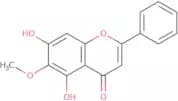
CAS:Oroxylin A is a natural flavonoid compound, which is derived from the root of Scutellaria baicalensis, commonly known as Baikal skullcap. It is primarily recognized for its bioactive properties, attributed to its modulation of various biochemical pathways. Oroxylin A acts by inhibiting the activity of certain enzymes, such as cyclooxygenase, and influencing signaling pathways like NF-kB, which are integral to inflammatory responses. It also exhibits potent neuroprotective effects by interacting with GABA_A receptors, thereby influencing neurotransmission.Formula:C16H12O5Purity:Min. 98 Area-%Color and Shape:PowderMolecular weight:284.26 g/mol3',4',7-Trihydroxyflavone
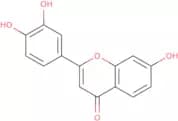
CAS:<p>3',4',7-Trihydroxyflavone is a naturally occurring flavonoid compound, which is derived from a variety of plant sources. It is a type of secondary metabolite commonly found in fruits, vegetables, and certain herbs. This compound exerts its effects primarily through its antioxidant properties, which involve scavenging free radicals and modulating oxidative stress pathways in biological systems.</p>Formula:C15H10O5Purity:Min. 95%Color and Shape:Slightly Yellow PowderMolecular weight:270.24 g/mol3',4',5',5,7-Pentamethoxyflavone
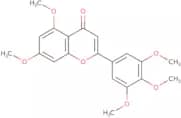
CAS:<p>3',4',5',5,7-Pentamethoxyflavone is a synthetic flavonoid compound, which is derived from the structural modification of naturally occurring flavonoids found in various plants. The compound is specifically produced for research and development purposes, exploring its biological and pharmacological potential. The mode of action involves interaction with various cellular pathways, including modulation of enzyme activity, influence on cell signaling pathways, and potential antioxidant properties due to its polyphenolic structure.</p>Formula:C20H20O7Purity:Min. 95%Color and Shape:PowderMolecular weight:372.37 g/molQuercetin-7,4'-diglucoside
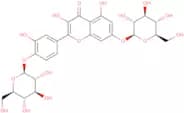
CAS:<p>Quercetin-7,4'-diglucoside is a flavonoid glycoside, which is a bioactive compound derived from various plants, particularly in fruits, vegetables, and certain leaves. It functions through its ability to modulate cellular pathways related to oxidative stress and inflammation, acting as a potent antioxidant and anti-inflammatory agent. These modes of action are primarily attributed to its capacity to scavenge free radicals and attenuate the expression of pro-inflammatory cytokines by interfering with signaling pathways, such as NF-κB and MAPK.</p>Formula:C27H30O17Purity:Min. 90%Color and Shape:Clear LiquidMolecular weight:626.52 g/mol3'-Benzyloxy-5,7-dihydroxy-3,4'-dimethoxyflavone
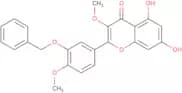
CAS:<p>3'-Benzyloxy-5,7-dihydroxy-3,4'-dimethoxyflavone is a synthetic flavone derivative, which is primarily obtained through targeted chemical synthesis in laboratory settings. This compound belongs to a broader class of polyphenolic flavonoids, which are known for their potential bioactive properties.</p>Formula:C24H20O7Purity:Min. 95%Molecular weight:420.41 g/molPinocembrin
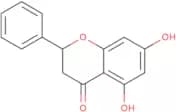
CAS:<p>Pinocembrin is a flavonoid compound, which is a type of polyphenolic molecule, extracted primarily from honey, propolis, and various plants. It is characterized by its unique structure allowing it to function effectively as an antioxidant. The mode of action of Pinocembrin involves scavenging free radicals and reducing oxidative stress, which contributes to its protective effects on cells and tissues.</p>Formula:C15H12O4Purity:Min. 98 Area-%Color and Shape:White PowderMolecular weight:256.25 g/molNeoschaftoside
CAS:<p>Neoschaftoside is a naturally occurring bioactive compound, which is an acylated flavonoid C-glycoside. It is primarily sourced from various plant species, including members of the Poaceae and Fabaceae families. The compound functions through its antioxidant and anti-inflammatory properties, interacting with cellular pathways to mitigate oxidative stress and modulate immune responses. These actions make neoschaftoside a compound of interest in pharmacological research, particularly in the study of chronic diseases where inflammation and oxidative damage are key pathological features. Its applications extend to potential therapeutic development in areas such as cardiovascular health, neuroprotection, and metabolic disorders. The ongoing investigation into its modes of action and bioavailability continues to reveal insights into its efficacy and potential as a natural therapeutic agent.</p>Formula:C26H28O14Purity:Min. 95%Molecular weight:564.49 g/mol7,3'-Dimethoxy-3-methylflavone
7,3'-Dimethoxy-3-methylflavone is a synthetic flavonoid compound, which is based on the structural class of flavones known for their diverse biological activities. Flavonoids are primarily found in plants, where they contribute to pigmentation, UV filtration, symbiotic nitrogen fixation, and plant growth regulation. This particular compound, however, is synthesized in laboratory settings to replicate and modify these natural attributes for specific research purposes.Formula:C18H16O4Purity:Min. 95%Molecular weight:296.32 g/molQuercetin hydrate
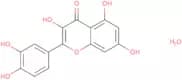
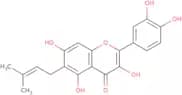
CAS:Inhibitor of HSP70 and HSP27 expressionFormula:C15H10O7·xH2OPurity:Min. 95%Color and Shape:Yellow Green PowderMolecular weight:302.24 g/mol6-Prenylquercetin
CAS:<p>6-Prenylquercetin is a prenylated flavonoid, which is a type of natural compound known for its diverse biological activities. This compound is derived from the prenylation of quercetin, a flavonoid commonly found in fruits and vegetables, particularly in onions, apples, and berries. The addition of a prenyl group to quercetin alters its physicochemical properties, enhancing its bioavailability and specific biological interactions.</p>Purity:Min. 95%Luteone
CAS:Luteone is a natural compound, which is a plant-derived flavonoid isolated from various botanical sources. It exhibits a range of biological activities primarily due to its ability to modulate key cellular mechanisms. Luteone functions through its interaction with multiple molecular targets, demonstrating antioxidant, anti-inflammatory, and anti-cancer properties by influencing signaling pathways and gene expression related to cellular stress responses and apoptosis.Formula:C20H18O6Purity:Min. 95%Molecular weight:354.35 g/molEupatorin - 98%
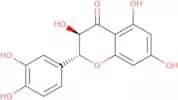
CAS:<p>Eupatorin - 98% is a high-purity flavonoid compound, which is extracted primarily from various plant species such as Eupatorium. This compound is renowned for its bioactive properties, engaging in numerous biochemical interactions that contribute to its therapeutic potentials. Eupatorin operates through multiple biochemical pathways as an inhibitor of specific enzymes like cytochrome P450s and as a modulator of cellular signaling pathways. This enables it to exert anti-inflammatory, anticancer, and antioxidant effects, making it a valuable subject of study in pharmaceutical and clinical research.</p>Formula:C18H16O7Purity:Min. 95%Color and Shape:White PowderMolecular weight:344.32 g/mol(+)-trans-Taxifolin
CAS:<p>(+)-trans-Taxifolin is a flavonoid compound, which is a type of plant secondary metabolite. It is naturally found in various plant sources, including the bark of Douglas fir (Pseudotsuga menziesii) and Siberian larch (Larix sibirica), as well as in milk thistle. The primary mode of action of this compound is its antioxidant activity, which involves scavenging free radicals and reducing oxidative stress within cells. This activity is facilitated by its ability to donate hydrogen atoms or electrons to neutralize reactive oxygen species, thus preventing cellular damage.</p>Formula:C15H12O7Purity:Min. 95%Color and Shape:PowderMolecular weight:304.25 g/molConrauinone A
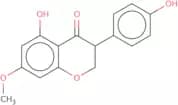
CAS:Conrauinone A is a naturally derived compound, which is a specialized natural product extracted from a specific plant source. This compound is known for its unique structural properties and potential biological activities. Conrauinone A functions primarily through a mode of action that involves interaction with specific cellular targets, leading to modulation of biochemical pathways that are crucial for certain cellular processes.Formula:C24H22O8Purity:Min. 95%Molecular weight:438.43 g/molDihydroprunetin
CAS:<p>Dihydroprunetin is a synthetic analog of natural flavonoid compounds, which is derived from chemical modifications of prunetin, originally sourced from various plant species. It functions primarily as an antioxidant by inhibiting oxidative stress pathways and scavenging free radicals. This activity is attributed to modifications that enhance its stability and bioavailability compared to its natural counterparts.</p>Formula:C16H14O5Purity:Min. 95%Molecular weight:286.28 g/molDehydroequol
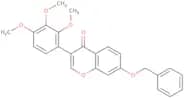
CAS:<p>Dehydroequol is a dietary supplement ingredient, which is a metabolite of the soy isoflavone daidzein. It is produced through the biotransformation by certain gut bacteria that convert daidzein into equol compounds, specifically the dehydrogenated form. This compound is noted for its estrogenic activity, acting primarily as a selective estrogen receptor modulator (SERM). Dehydroequol binds to estrogen receptors with a preference for the beta subtype, exerting moderate estrogenic effects.</p>Formula:C15H12O3Purity:Min. 95%Molecular weight:240.25 g/mol7-Benzyloxy-2',3',4'-trimethoxyisoflavone
CAS:<p>7-Benzyloxy-2',3',4'-trimethoxyisoflavone is a synthetic isoflavone, which is a type of flavonoid compound often derived from plant secondary metabolites. Its source lies in laboratory synthesis, using specific chemical reactions to obtain the desired isoflavone structure with a benzyloxy group and methoxy groups at specified positions on the molecule.</p>Formula:C25H22O6Purity:Min. 95%Molecular weight:418.44 g/molLiquiritin
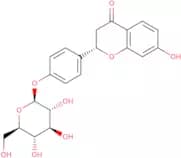
CAS:<p>Natually produced by plants such as liquorice, liquiritin is formed by the linkage between liquiritigenin and a beta-D-glucopyranosyl residue at position 4. Liquiritin clinical relevance has been as an antiviral and anti-inflammatory agent. In 2020, an artificial intelligent approach has indicated that liquiritin might inhibit SARS-CoV-2 by acting similarly to type I interferon.</p>Formula:C21H22O9Purity:Min. 95%Color and Shape:White PowderMolecular weight:418.39 g/mol