Flavonoids
Subcategories of "Flavonoids"
- Anthocyanidins(46 products)
- Anthocyanin(46 products)
- Catechin(88 products)
- Chalcones(237 products)
- Pterocarpan(28 products)
Found 2410 products of "Flavonoids"
7,4'-Dihydroxyhomoisoflavanone
CAS:Controlled Product7,4'-Dihydroxyhomoisoflavanone is a naturally occurring compound, classified as a homoisoflavanone, which is a type of polyphenolic compound. It is primarily sourced from plants, specifically found in certain species of the Fabaceae family. The compound is characterized by its unique structural configuration, which contributes to its bioactivity.Formula:C16H14O4Purity:Min. 95%Molecular weight:270.28 g/molFarnisin
CAS:Please enquire for more information about Farnisin including the price, delivery time and more detailed product information at the technical inquiry form on this page
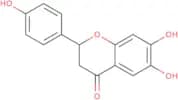
Formula:C16H12O5Purity:Min. 95%Molecular weight:284.26 g/mol6,7,4'-Trihydroxyflavanone
CAS:6,7,4'-Trihydroxyflavanone is a naturally occurring flavonoid, which is found in various plant sources, particularly in citrus fruits and certain medicinal herbs. This compound is characterized by its presence of hydroxyl groups, enhancing its reactivity and interaction with biological systems. The mode of action of 6,7,4'-Trihydroxyflavanone primarily involves its antioxidant activity. It can scavenge free radicals and chelate metal ions, thereby reducing oxidative stress within cellular environments. This property is critical in maintaining cellular integrity and preventing damage caused by reactive oxygen species.
Formula:C15H12O5Purity:Min. 95%Molecular weight:272.25 g/mol5,7-Dimethoxyflavanone
CAS:5,7-Dimethoxyflavanone is a flavonoid derivative, which is a type of polyphenolic compound predominantly found in plants. This compound is often isolated from various botanical sources, where it contributes to the plant's adaptive defense mechanisms against environmental stressors. The mode of action of 5,7-Dimethoxyflavanone involves interaction with cellular signaling pathways, potentially influencing antioxidant, anti-inflammatory, and enzyme inhibition activities through modulation of molecular targets.Formula:C17H16O4Purity:Min. 95%Molecular weight:284.31 g/molOmbuin
CAS:Ombuin is a flavonoid compound, which is a naturally occurring substance found in a variety of plants. It functions primarily as an antioxidant by scavenging free radicals and inhibiting oxidative stress within biological systems. This mode of action is pivotal in mitigating cellular damage, thereby contributing to anti-inflammatory processes.Formula:C17H14O7Purity:Min. 95%Color and Shape:SolidMolecular weight:330.29 g/molAromadendrin 7-O-methyl ether
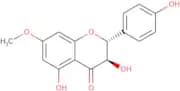
CAS:Aromadendrin 7-O-methyl ether is a flavonoid compound, which is a type of bioactive molecule. It is sourced primarily from plant materials, where it occurs naturally as a secondary metabolite. The mode of action of Aromadendrin 7-O-methyl ether involves interaction with various biological pathways, potentially affecting enzyme activity and cell signaling mechanisms. Such interactions may contribute to its reported antioxidant and anti-inflammatory properties.
Formula:C16H14O6Purity:Min. 95%Color and Shape:PowderMolecular weight:302.28 g/molCinnamtannin B-1
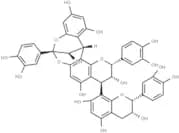
CAS:Cinnamtannin B-1 (LDN 0022358) is an A-type proanthocyanidin contained in several plant species such as Vaccinium vitis-idaea, Laurus nobilis L., CinnamomumFormula:C45H36O18Purity:99.72%Color and Shape:SolidMolecular weight:864.76Jamaicin
CAS:Jamaicin (AnCoA4), an isoflavone derived from the chickweed plant, is an inhibitor of the STIM1-Orai1 channel that blocks calcium ion influx.Formula:C22H18O6Purity:99.32%Color and Shape:SolidMolecular weight:378.37Baicalin 7-b-D-glucuronide
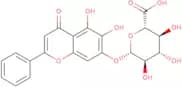
CAS:Baicalin 7-b-D-glucuronide is a flavonoid metabolite, which is primarily derived from the root of the plant *Scutellaria baicalensis*, commonly known as Chinese skullcap. This compound occurs as part of the extensive array of flavonoids in traditional medicinal plants used in various ethnic medicine systems.Formula:C21H18O11Purity:Min. 95 Area-%Color and Shape:White PowderMolecular weight:446.36 g/mol3,7-Dimethoxy-3',4',5-Trihydroxyflavone
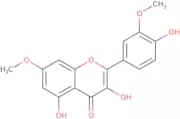
CAS:3,7-Dimethoxy-3',4',5-Trihydroxyflavone is a flavonoid compound, which is derived from various plant sources known for their bioactive compounds. These plants are rich in polyphenolic substances, contributing to the compound's complex structure and functionality. The mode of action of 3,7-Dimethoxy-3',4',5-Trihydroxyflavone involves its ability to act as a potent antioxidant. It scavenges free radicals and reduces oxidative stress by neutralizing reactive oxygen species at the molecular level. Additionally, its molecular configuration allows for interactions with cellular signaling pathways, potentially influencing various biochemical processes.Formula:C17H14O7Purity:Min. 95%Molecular weight:330.29 g/molIsoscutellarein
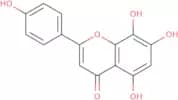
CAS:Isoscutellarein is a flavonoid compound, which is naturally derived from various plant sources, including herbs and certain vegetables. It functions primarily as an antioxidant, scavenging free radicals and reducing oxidative stress within biological systems. This activity is attributed to its ability to donate hydrogen atoms or electrons, thus stabilizing reactive oxygen species (ROS).
Formula:C15H10O6Purity:Min. 95 Area-%Color and Shape:PowderMolecular weight:286.24 g/mol6-Methoxyflavone
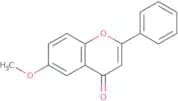
CAS:6-Methoxyflavone is a flavonoid compound, which is a naturally occurring product found in certain plants. It is characterized by the presence of a methoxy group attached to the flavone backbone. This compound is typically extracted from plant sources such as citrus fruits and certain herbs that have a high content of polyphenolic compounds. Its mode of action involves modulating various biochemical pathways, including the inhibition of specific enzymes and interaction with cellular receptors, potentially affecting oxidative stress and inflammation pathways.Formula:C16H12O3Purity:Min. 95%Color and Shape:White PowderMolecular weight:252.26 g/molDimoxystrobin
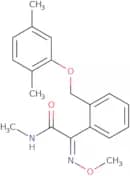
CAS:Dimoxystrobin is a fungicidal compound, which is a synthetic chemical derived from the strobilurin class of fungicides. It is sourced from natural antifungal compounds originally discovered in certain mushroom species. Dimoxystrobin's mode of action involves inhibiting mitochondrial respiration in fungi by binding to the Qo site of the cytochrome bc1 complex. This interference disrupts energy production in fungal cells, leading to their effective control and eventual death.Formula:C19H22N2O3Purity:Min. 95%Molecular weight:326.39 g/molMyricetin-3-galactoside
CAS:Myricetin-3-galactoside is a flavonoid glycoside, which is a type of secondary metabolite originating from various plant sources, including fruits, vegetables, and certain herbs. This compound forms when the flavonol, myricetin, is glycosylated with a galactose molecule. Its structure enhances the stability and solubility of myricetin, thereby modulating its bioavailability and biological activity.Formula:C21H20O13Purity:Min. 95%Color and Shape:Slightly Yellow PowderMolecular weight:480.38 g/mol4'-Hydroxy-7-methoxyisoflavone
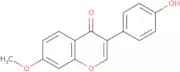
CAS:4'-Hydroxy-7-methoxyisoflavone is a naturally occurring isoflavone, which is a type of phytoestrogen found in various plants. It is synthesized typically from plant sources and is part of a broader class of compounds known for their presence in legumes, especially soy and red clover. The mode of action of 4'-Hydroxy-7-methoxyisoflavone is primarily through its interaction with estrogen receptors, where it can exhibit weak estrogenic activity. This attribute allows it to modulate estrogenic signaling pathways, influencing cellular processes related to growth and metabolism.Formula:C16H12O4Purity:Min. 95%Color and Shape:PowderMolecular weight:268.26 g/mol3'-Prenylnaringenin
CAS:3'-Prenylnaringenin is a potent phytoestrogen, a type of compound that is found in hops (Humulus lupulus), specifically in the female flowers or cones. This prenylflavonoid is particularly notable for its strong estrogenic activity attributed to its binding affinity to estrogen receptors. As such, it functions as an agonist, modulating estrogen receptor-mediated pathways and influencing gene expression related to estrogenic activity.Purity:Min. 95%Isoflavone - 40%
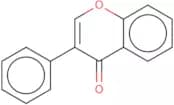
CAS:Isoflavone - 40% is a phytochemical compound, specifically classified as a type of polyphenolic plant-derived compound. It is sourced primarily from soybeans and other legumes, where it naturally occurs as part of the plant's secondary metabolites. The mode of action of isoflavones involves their ability to mimic estrogen. Due to their structural similarity to estrogen, isoflavones can bind to estrogen receptors and exert weak estrogenic effects, which are particularly relevant in humans and animals.Formula:C15H10O2Purity:Min. 95%Color and Shape:Off-White Clear LiquidMolecular weight:222.24 g/molQuercetagetin-7-O-glucoside
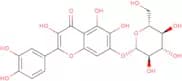
CAS:Quercetagetin-7-O-glucoside is a flavonoid glycoside, which is a type of phytochemical compound. It is derived from various plant sources, notably plants in the Asteraceae family. The compound consists of the flavonoid quercetagetin and a glucose molecule, forming a glycoside linkage. Its mode of action primarily involves antioxidant activity, where it scavenges free radicals and chelates metal ions, thus potentially reducing oxidative stress in biological systems.Formula:C21H20O13Purity:Min. 95%Molecular weight:480.38 g/molQuercetin 3,4'-diglucoside
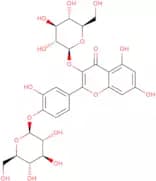
CAS:Quercetin 3,4'-diglucoside is a flavonoid glycoside, which is a compound naturally derived from various plant sources, including certain fruits and vegetables. This compound is known for its significant role as an antioxidant. It operates by scavenging free radicals, thereby mitigating oxidative stress at the cellular level. This mode of action makes it a compound of interest in studies related to inflammation, aging, and chronic diseases.Formula:C27H30O17Purity:Min. 95%Color and Shape:PowderMolecular weight:626.52 g/molKaempferol-3-O-glucorhamnoside
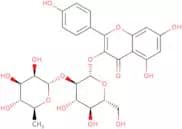
CAS:Kaempferol-3-O-glucorhamnoside is a bioactive flavonoid glycoside, which is a naturally occurring compound found in a variety of plants. It serves as a significant molecule in the study of plant biochemistry and pharmacology. This compound is sourced from various plant species such as tea, broccoli, and other common vegetables and fruits, where it contributes to the plant's defense mechanisms against environmental stresses.Formula:C27H30O15Purity:Min. 95%Color and Shape:PowderMolecular weight:594.52 g/mol