Flavonoids
Subcategories of "Flavonoids"
- Anthocyanidins(46 products)
- Anthocyanin(46 products)
- Catechin(88 products)
- Chalcones(237 products)
- Pterocarpan(28 products)
Found 2409 products of "Flavonoids"
beta-Naphthoflavone
CAS:Beta-Naphthoflavone is a synthetic polycyclic aromatic compound, which is a laboratory-created substance designed to mimic naturally occurring compounds. It is a model compound widely used in scientific research due to its ability to induce specific enzyme pathways. Beta-Naphthoflavone primarily affects the aryl hydrocarbon receptor (AhR) pathway. Upon binding to this receptor, it modulates the expression of genes involved in xenobiotic metabolism, particularly influencing the cytochrome P450 enzymes. These enzymes play a crucial role in the metabolism of various xenobiotics and endogenous compounds.
Formula:C19H12O2Purity:Min. 95%Color and Shape:White PowderMolecular weight:272.3 g/mol4'-Geranyloxyisoliquiritigenin
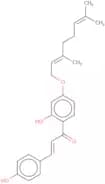
CAS:4'-Geranyloxyisoliquiritigenin is a prenylated chalcone, which is naturally derived from certain plants, especially those belonging to the Fabaceae family. It is a bioactive compound that emerges from the prenylation of isoliquiritigenin, a chalcone found in licorice root. This modification enhances the lipophilicity and bioavailability of the molecule.
Formula:C25H28O4Purity:Min. 95%Molecular weight:392.49 g/molDillenetin
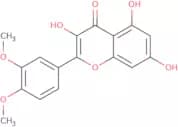
CAS:Dillenetin is a flavonoid compound, which is derived from natural plant sources, particularly found in the genus Dillenia. It exhibits significant bioactivity with a mode of action primarily involving the modulation of cell signaling pathways. Dillenetin is known to bind to specific enzymes and receptors, influencing cellular processes such as proliferation, apoptosis, and oxidative stress responses.
Formula:C17H14O7Purity:Min. 95%Color and Shape:PowderMolecular weight:330.29 g/molNeohesperidin
CAS:Neohesperidin is a flavonoid-based natural sweetener, which is derived from the bitter orange and other citrus fruits. The mode of action of neohesperidin involves its conversion into neohesperidin dihydrochalcone (NHDC), which is an intensely sweet compound. This transformation occurs through hydrogenation, enhancing its sweetening properties. As a sweetener, NHDC exhibits around 1,500 to 1,800 times the sweetness of sucrose depending on the concentration and pH of the medium.
Formula:C28H34O15Purity:Min. 95 Area-%Color and Shape:White PowderMolecular weight:610.56 g/molKaempferol-3-glucoside-7-rhamnoside
CAS:Kaempferol-3-glucoside-7-rhamnoside is a flavonoid glycoside, which is a natural compound found in several plant species, including tea, broccoli, and propolis. It is synthesized through glycosylation, where sugar moieties are enzymatically attached to the kaempferol backbone. This compound is known for its potent antioxidant activity, capable of scavenging free radicals and protecting cells from oxidative stress.
Formula:C27H30O15Purity:Min. 95%Color and Shape:PowderMolecular weight:594.52 g/molCirsimaritin
CAS:Cirsimaritin is a natural product that is classified as a flavonoid, which is derived from various plants, particularly those belonging to the Asteraceae family. As a plant metabolite, Cirsimaritin plays a significant role in the plant’s own defense mechanisms against microbial infections and environmental stressors.
Formula:C17H14O6Purity:Min. 98 Area-%Color and Shape:Yellow PowderMolecular weight:314.29 g/molRef: 3D-FC69723
Discontinued productHinokiflavone pentamethyl ether
CAS:Hinokiflavone pentamethyl ether is a synthetic flavonoid derivative, which is a chemically modified compound sourced from the natural biflavonoid, hinokiflavone. It is characterized by the methylation of phenolic hydroxyl groups, enhancing its stability and solubility. This compound can be derived through organic synthesis techniques involving the catalytic methylation of hinokiflavone.
Formula:C35H28O10Purity:Min. 95%Molecular weight:608.59 g/mol7,8-Dibenzyloxy-4'-methoxyisoflavone
CAS:7,8-Dibenzyloxy-4'-methoxyisoflavone is a synthetic isoflavone derivative, which is a type of organic compound often studied for its potential pharmacological properties. Isoflavones are primarily sourced from certain leguminous plants, where they are naturally occurring phytoestrogens and have been associated with various biological activities.
Formula:C30H24O5Purity:Min. 95%Molecular weight:464.51 g/molPrunetin
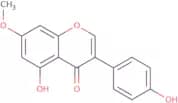
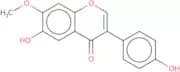
CAS:Prunetin is a naturally occurring isoflavone, which is an organic compound derived from plant sources. It is primarily found in legumes and other plant materials where it naturally occurs as part of the plant's phytochemical arsenal. The mode of action of prunetin involves modulating various biochemical pathways, including acting as an antioxidant, influencing estrogenic activity, and affecting cellular signaling pathways. Its biochemical properties allow it to interact with multiple cellular targets, leading to its diverse biological activities.
Formula:C16H12O5Purity:Min. 95%Color and Shape:Slightly Brown PowderMolecular weight:284.26 g/molKakkatin
CAS:Kakkatin is a natural antimicrobial agent, which is derived from specific plant extracts known for their inherent bioactive properties. It functions by disrupting the cellular membranes of pathogenic microorganisms, leading to their subsequent inactivation. This mode of action is attributed to its unique phytochemical constituents, which interact with microbial cell structures to inhibit growth and proliferation.
Formula:C16H12O5Purity:Min. 95%Molecular weight:284.26 g/molRef: 3D-FK65369
Discontinued productPodocarpusflavone A
CAS:Podocarpusflavone A is a flavonoid compound, which is a type of polyphenolic molecule. It is isolated from the Podocarpus genus, a source known for yielding bioactive phytochemicals. The mode of action of Podocarpusflavone A involves modulation of various cellular signaling pathways, including antioxidative and anti-inflammatory mechanisms, which can influence cell proliferation and apoptosis.
Formula:C31H20O10Purity:Min. 95%Color and Shape:PowderMolecular weight:552.48 g/molRef: 3D-FP74971
Discontinued productLupinisoflavone D
CAS:Lupinisoflavone D is a bioactive isoflavone compound, which is derived from natural plant sources, specifically belonging to the lupin species. This compound is meticulously extracted and characterized through advanced chromatographic and spectroscopic techniques, commonly sourced from Lupinus albus or other related legumes, where it is naturally present in small quantities.
Formula:C20H18O7Purity:Min. 95%Molecular weight:370.35 g/molKaempferol 7-O-neohesperidoside
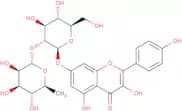
CAS:Kaempferol 7-O-neohesperidoside is a flavonoid glycoside, which is commonly derived from various plant sources, including fruits, vegetables, and certain herbs. This compound is part of the broader flavonoid family, known for their bioactive properties, and can be extracted using advanced chromatographic techniques.
Formula:C27H30O15Purity:Min. 95 Area-%Color and Shape:PowderMolecular weight:594.52 g/molTaxifolin 3-O-rhamnoside
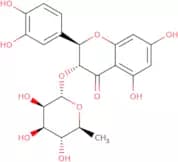
CAS:Taxifolin 3-O-rhamnoside is a natural flavonoid glycoside, which is primarily sourced from certain plant species, including members of the Pinaceae family. This compound is recognized for its unique chemical structure, comprising taxifolin attached to a rhamnose sugar moiety. Its mode of action predominantly involves the scavenging of free radicals, thanks to its potent antioxidant properties. Taxifolin 3-O-rhamnoside exhibits the ability to neutralize reactive oxygen species, thereby contributing to the protection of cellular components from oxidative stress.
Formula:C21H22O11Purity:Min. 95%Color and Shape:PowderMolecular weight:450.39 g/molRef: 3D-FT65587
Discontinued productNeoisoliquiritin
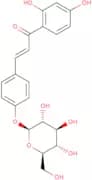
CAS:Neoisoliquiritin is a bioactive flavonoid glycoside, which is a derivative of isoliquiritin. It is primarily sourced from the roots of Glycyrrhiza species, commonly known as licorice plants. This compound is formed through the natural modifications of flavonoids within the plant, involving glycosylation processes that enhance its solubility and stability.
Formula:C21H11O9Purity:Min. 95%Color and Shape:PowderMolecular weight:418.39 g/molRef: 3D-FN74246
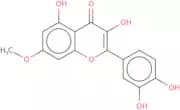
Discontinued product7-O-Methyl quercetin
CAS:7-O-Methyl quercetin is a flavonoid derivative, which is a naturally occurring compound found in several plant species, often referred to as a methylated form of the flavonoid quercetin. It is primarily sourced from plants such as onion, green tea, and various berries, where it serves diverse ecological roles, including defense mechanisms against herbivores and pathogens.
Formula:C16H12O7Purity:90%Color and Shape:PowderMolecular weight:316.26 g/molIcariin
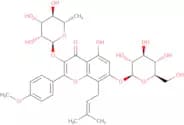
CAS:Icariin is a bioactive flavonoid compound, which is primarily derived from plants in the genus Epimedium, commonly known as Horny Goat Weed. This compound is a prenylated flavonol glycoside that is found in varying concentrations depending on the specific species of Epimedium used. Icariin exerts its effects through multiple biochemical pathways, most notably by inhibiting phosphodiesterase type 5 (PDE5), which leads to an increase in nitric oxide levels and the subsequent vasodilation of blood vessels.
Formula:C33H40O15Purity:Min. 95%Color and Shape:Slightly Yellow PowderMolecular weight:676.66 g/molRef: 3D-MI08119
Discontinued productCannflavin B
CAS:Cannflavin B is a specialized flavonoid compound, which is a secondary metabolite derived from Cannabis sativa. It exhibits a distinct mode of action as a potent anti-inflammatory agent. Cannflavin B exerts its effects through the inhibition of pro-inflammatory mediators such as prostaglandins and leukotrienes. These biochemical pathways are typically linked with the cyclooxygenase (COX) and lipoxygenase (LOX) enzymes, and Cannflavin B effectively interferes with these enzymatic processes to reduce inflammation at the molecular level.
Formula:C21H20O6Purity:Min. 95 Area-%Color and Shape:PowderMolecular weight:368.38 g/molRef: 3D-XC176307
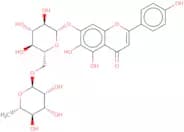
Discontinued productScutellarein 7-O-rutinoside
CAS:Scutellarein 7-O-rutinoside is a flavonoid glycoside, which is a type of organic compound found predominantly in various plant species. This compound is mainly extracted from plants such as Scutellaria and Verbena, known for their rich flavonoid content. Its mode of action involves modulating various cellular pathways due to its antioxidant properties, which can scavenge free radicals and reduce oxidative stress in biological systems.
Formula:C27H30O15Purity:Min. 95%Molecular weight:594.52 g/molRhamnetin 3-rhamnoside
CAS:Rhamnetin 3-rhamnoside is a flavonoid glycoside, which is a type of polyphenolic compound typically found in plants. It is primarily derived from natural sources such as fruits, vegetables, and certain medicinal plants, where it often contributes to the plant's natural defense mechanisms. The compound acts as a potent antioxidant due to its capability to scavenge free radicals, thereby protecting cells from oxidative stress and potential damage.
Formula:C22H22O11Purity:Min. 95%Molecular weight:462.4 g/mol