Flavonoids
Subcategories of "Flavonoids"
- Anthocyanidins(46 products)
- Anthocyanin(46 products)
- Catechin(88 products)
- Chalcones(237 products)
- Pterocarpan(28 products)
Found 2409 products of "Flavonoids"
Pinocembrin 7-O-beta-D-glucoside
CAS:Pinocembrin 7-O-beta-D-glucoside is a flavonoid glucoside, which is a specialized type of plant secondary metabolite. This compound is primarily sourced from the plant genus *Eremurus*. The mode of action of Pinocembrin 7-O-beta-D-glucoside involves its interaction with various biological pathways, where it exhibits antioxidant, anti-inflammatory, and neuroprotective properties. It functions by modulating oxidative stress and reducing inflammation, which contributes to its protective roles in cellular systems.
Formula:C21H22O9Purity:Min. 95%Color and Shape:SolidMolecular weight:418.39 g/molDihydromyricetin
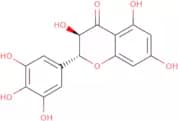
CAS:Dihydromyricetin is a flavonoid compound, which is derived from the tree Hovenia dulcis. This plant, commonly known as the Japanese raisin tree, serves as the primary natural source for this bioactive substance. The mode of action of dihydromyricetin involves modulation of neurotransmitter receptors, particularly GABA_A receptors, wherein it contributes to alleviating alcohol-induced neuroinhibition. Additionally, it enhances the liver's ability to metabolize alcohol and reduces oxidative stress by acting as an antioxidant.
Formula:C15H12O8Purity:Min. 95%Color and Shape:PowderMolecular weight:320.25 g/molRef: 3D-FD65613
Discontinued product3'-Hydroxy-5'-prenylbiochanin A
CAS:3'-Hydroxy-5'-prenylbiochanin A is a prenylated isoflavone, which is a type of naturally occurring polyphenolic compound. It is predominantly sourced from various plant species, particularly those belonging to the Fabaceae family, such as legumes and soy. These compounds are often found in the plant's roots, stems, and leaves and play crucial roles in plant defense mechanisms.
Formula:C21H20O6Purity:Min. 95%Molecular weight:368.38 g/molDihydrorobinetin
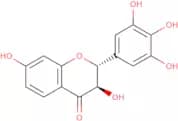
CAS:Dihydrorobinetin is a flavonoid derivative, which is a naturally occurring compound found in certain plant sources. It belongs to the larger group of polyphenolic compounds known for their diverse biological activities. Dihydrorobinetin is primarily extracted from plants such as locust trees, where it occurs as a secondary metabolite.
Formula:C15H12O7Purity:Min. 95%Color and Shape:PowderMolecular weight:304.25 g/mol7,2',4'-Tribenzyloxyisoflavone
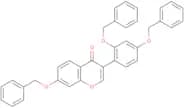
CAS:7,2',4'-Tribenzyloxyisoflavone is a synthetic compound, which is a derivative of isoflavones, known for its potential role in biochemical and pharmacological research. This compound is primarily sourced through chemical synthesis involving the modification of the isoflavone structure by introducing benzyloxy groups, which alters its physicochemical properties and enhances its stability and solubility for research purposes.
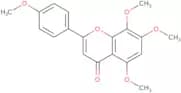
Formula:C36H28O5Purity:Min. 95%Molecular weight:540.6 g/mol5,7,8,4'-Tetramethoxyflavone
CAS:5,7,8,4'-Tetramethoxyflavone is a naturally occurring flavone, which is a type of plant-derived polyphenolic compound. It is found in various plants, particularly those belonging to the genus Scutellaria. The compound acts primarily by modulating various cellular signaling pathways, including those involved in inflammation, apoptosis, and oxidative stress. Through its interaction with these pathways, it exhibits potential anti-inflammatory, antioxidant, and anti-cancer properties.
Formula:C19H18O6Purity:Min. 95%Color and Shape:White PowderMolecular weight:342.34 g/molRef: 3D-FT65329
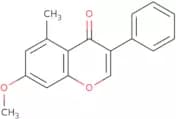
Discontinued product5-Methyl 7-methoxyisoflavone
CAS:5-Methyl 7-methoxyisoflavone is a synthetic isoflavone derivative, which is typically sourced in the laboratory through chemical synthesis processes involving the modification of plant-derived isoflavones. This compound is structurally similar to certain natural flavonoids but is characterized by the addition of the methyl and methoxy groups, which are not found in its natural counterparts.
Formula:C17H14O3Purity:Min. 95%Color and Shape:White PowderMolecular weight:266.29 g/molRef: 3D-FM70899
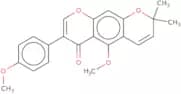
Discontinued productAlpinumisoflavone dimethyl ether
CAS:Alpinumisoflavone dimethyl ether is a naturally occurring isoflavonoid, which is a type of phytochemical compound. It is derived from the plant family Leguminosae, particularly found in some species of the genus Millettia. This compound acts primarily through the modulation of cellular pathways associated with inflammation and cell proliferation, often involving the inhibition of specific kinases and signaling molecules that are active in both cancerous and inflammatory processes.
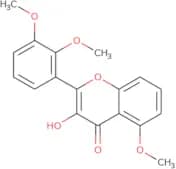
Formula:C22H20O5Purity:Min. 95%Molecular weight:364.39 g/mol3-Hydroxy-5,2',3'-trimethoxyflavone
CAS:3-Hydroxy-5,2',3'-trimethoxyflavone is a naturally occurring flavone, which is a type of polyphenolic compound found in various plants. This compound is derived from natural sources and is often isolated from specific plant species such as certain herbs and fruits. The mode of action of 3-Hydroxy-5,2',3'-trimethoxyflavone often involves interaction with biological pathways at the cellular level, potentially including antioxidant activity, modulation of enzyme function, and influence on signal transduction pathways.
Formula:C18H16O6Purity:Min. 95%Molecular weight:328.32 g/molRef: 3D-XH183011
Discontinued productalpha-Naphthoflavanol
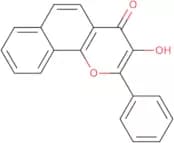
CAS:**Alpha-Naphthoflavanol** is a synthetic compound, which is categorized as a flavanol derivative. It is synthesized from the naphthalene compound, a polycyclic aromatic hydrocarbon, through a series of chemical reactions involving hydroxylation and other functional group modifications. This compound is designed to specifically interfere with biological pathways by acting as an inhibitor or modulator in cellular processes.
Formula:C19H12O3Purity:Min. 95%Molecular weight:288.30 g/molRef: 3D-FN66404
Discontinued productRobinin
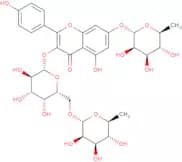
CAS:Robinin is a flavonoid glycoside, which is a naturally occurring phytochemical compound. It is derived from plant sources, particularly within the Fabaceae family, such as Robinia pseudoacacia. The mode of action of Robinin involves its interaction with various cellular and molecular pathways, exhibiting properties such as antioxidant and anti-inflammatory effects.
Formula:C33H40O19Purity:Min. 95 Area-%Color and Shape:PowderMolecular weight:740.66 g/molSwertisin
CAS:Swertisin is a naturally occurring flavonoid, which is extracted primarily from medicinal plants like Swertia and Enicostemma species. This compound is a C-glycosyl flavone, found in various herbs traditionally used in different cultural medicinal practices. The mode of action of Swertisin involves its interaction with cellular pathways, leading to anti-inflammatory, antioxidant, and potential anti-diabetic effects. These bioactivities are primarily mediated through modulation of enzyme activity and gene expression related to oxidative stress and inflammation.
Formula:C22H22O10Purity:Min. 98 Area-%Color and Shape:PowderMolecular weight:446.4 g/molRef: 3D-FS74200
Discontinued productIsoliquiritin
CAS:Isoliquiritin is a bioactive compound, specifically a flavonoid, which is derived from the roots of Glycyrrhiza glabra, commonly known as licorice. It possesses diverse pharmacological properties with multiple modes of action, notably influencing pathways involved in oxidative stress and inflammation. Isoliquiritin acts as an antioxidant, scavenging free radicals and reducing oxidative damage at the cellular level. Additionally, it exhibits anti-inflammatory effects by modulating the expression of inflammatory cytokines and inhibiting specific signaling pathways like NF-κB.Formula:C21H22O9Purity:Min. 95%Color and Shape:PowderMolecular weight:418.39 g/molRef: 3D-FN42767
Discontinued productSalvigenin
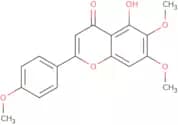
CAS:Salvigenin is a flavone compound, which is found in various species of the Salvia plant. It is a naturally occurring phytochemical characterized by its potential to modulate biological pathways. Salvigenin primarily acts by interacting with biochemical pathways, exhibiting antioxidant and anti-inflammatory activities. These activities are thought to result from its ability to modulate enzyme activity, influence signaling pathways, and scavenge free radicals.
Formula:C18H16O6Purity:Min. 95%Color and Shape:Off-White PowderMolecular weight:328.32 g/mol4'-O-Methylpunctatin
CAS:4'-O-Methylpunctatin is a specialized natural product, classified as a methoxyflavone, which is derived from specific plant sources known for their diverse phytochemical compositions. Structurally, it is a derivative of punctatin, modified through methylation, enhancing its biological properties and stability. This compound acts through various mechanisms, primarily influencing glucose metabolism pathways. It exhibits inhibitory effects on enzymes like α-glucosidase and provides antioxidant properties that protect pancreatic β-cells from oxidative stress.
Formula:C18H16O6Purity:Min. 95%Molecular weight:328.32 g/mol5-Hydroxy-3',3,4',5',7-pentamethoxyflavone
CAS:5-Hydroxy-3',3,4',5',7-pentamethoxyflavone is a naturally occurring flavone, which is a type of flavonoid found primarily in plants. These compounds often serve as plant secondary metabolites, with potential roles in various physiological and ecological functions. This particular flavone is primarily derived from certain species within the plant kingdom, where it acts as part of the plant’s defense mechanism against pathogens and herbivores.
Formula:C20H20O8Purity:Min. 95%Color and Shape:PowderMolecular weight:388.37 g/molRef: 3D-FH66128
Discontinued productIsoneorautenol
CAS:Isoneorautenol is a synthetic compound, which is derived from complex organic synthesis processes. Its unique chemical structure allows it to interact specifically with certain molecular targets, making it an intriguing candidate for various biological and chemical applications. The mode of action of Isoneorautenol involves the modulation of specific biochemical pathways, potentially influencing cellular behavior and function.
Formula:C20H18O4Purity:Min. 95%Color and Shape:PowderMolecular weight:322.35 g/mol4'-Hydroxy-3'-methoxyflavanone
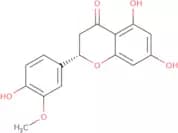
CAS:4'-Hydroxy-3'-Methoxyflavanone is a flavanone, which is a type of polyphenolic compound. It is extracted from various plant sources, particularly those belonging to the citrus family. The compound displays a characteristic structural arrangement that includes an aromatic ring with hydroxy and methoxy substituents, imparting unique bioactive properties.
Formula:C16H14O4Purity:Min. 95%Molecular weight:270.28 g/molRef: 3D-XH182835
Discontinued product3,3',4',7-Tetrahydroxyflavanone
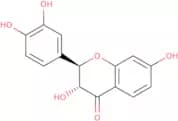
CAS:3,3',4',7-Tetrahydroxyflavanone is a flavanone compound, which is a type of polyphenolic molecule. This compound is primarily derived from various plant sources, where it occurs naturally in fruits, vegetables, and certain herbs. Its structure is characterized by its multiple hydroxyl groups, which contribute to its chemical reactivity and biological interactions.
Formula:C15H12O6Purity:Min. 95%Color and Shape:White PowderMolecular weight:288.25 g/molRef: 3D-FT66081
Discontinued product3'-Methoxy-5,7,4'-trihydroxyflavanone
CAS:3'-Methoxy-5,7,4'-trihydroxyflavanone is a flavanone compound, which is a type of flavonoid commonly found in various plants. Flavanones are known for their diverse biological activities and are part of the polyphenol family. This particular compound is often sourced from natural plant extracts, such as those of fruits and herbs, which are rich in flavonoids.
Formula:C16H14O6Purity:Min. 97 Area-%Color and Shape:PowderMolecular weight:302.28 g/molRef: 3D-FM65712
Discontinued product