Flavonoids
Flavonoids are a group of plant metabolites with antioxidant properties that contribute to the color of fruits and flowers. They play a significant role in protecting plants from UV radiation and pathogens. Flavonoids are studied for their potential health benefits, including anti-inflammatory, antiviral, and anticancer properties. They are widely researched in the fields of pharmacology, nutrition, and molecular biology.
Subcategories of "Flavonoids"
- Anthocyanidins(46 products)
- Anthocyanin(46 products)
- Catechin(88 products)
- Chalcones(237 products)
- Pterocarpan(28 products)
Found 2404 products of "Flavonoids"
Sort by
Purity (%)
0
100
|
0
|
50
|
90
|
95
|
100
Vicenin III
CAS:<p>Vicenin III is a natural flavonoid compound, which is a type of polyphenolic metabolite commonly found in various plant species. It is primarily extracted from herbaceous plants and certain fruits and vegetables, where it acts as a secondary metabolite contributing to the plant's defense mechanisms. The compound exerts its effects through antioxidant properties, which involve scavenging free radicals and reducing oxidative stress at the cellular level. Additionally, it demonstrates anti-inflammatory activity by modulating key signaling pathways and inhibiting pro-inflammatory mediators.</p>Formula:C26H28O14Purity:Min. 95%Color and Shape:PowderMolecular weight:564.49 g/molPinocembrin dimethylether
CAS:<p>Pinocembrin dimethylether is a flavonoid derivative, which is synthesized from natural sources such as honey, propolis, and certain plants. It retains the core flavonoid structure while being modified to enhance its bioavailability and stability. This compound acts primarily as a neuroprotective agent through its antioxidative and anti-inflammatory properties. It interacts with various molecular pathways to mitigate oxidative stress and reduce neuroinflammation, contributing to cellular protection.</p>Formula:C17H16O4Purity:Min. 95%Color and Shape:PowderMolecular weight:284.31 g/molKaempferol-3,7,4'-trimethyl ether
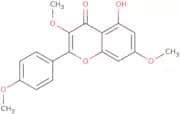
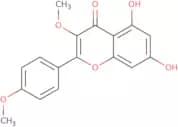
CAS:<p>Kaempferol-3,7,4'-trimethyl ether is a methylated flavonoid compound, which is naturally derived from various plant sources known for their rich polyphenol content. This compound is characterized by its three methoxy groups attached to the kaempferol structure, enhancing its hydrophobic nature and overall stability. The primary mode of action of Kaempferol-3,7,4'-trimethyl ether involves modulation of various cellular signaling pathways, including those related to antioxidant and anti-inflammatory processes. It exerts its effects by interacting with key enzymes and receptors, leading to the modulation of gene expression linked to cellular stress responses.</p>Formula:C18H16O6Purity:Min. 98 Area-%Color and Shape:PowderMolecular weight:328.32 g/molIsoliquiritin
CAS:<p>Isoliquiritin is a flavonoid compound, which is primarily extracted from the roots of the Glycyrrhiza glabra plant, commonly known as licorice. The compound is characterized by its unique chemical structure that plays a significant role in its biological activity. The mode of action of isoliquiritin is tied to its ability to interact with various cellular signaling pathways. It exhibits antioxidant, anti-inflammatory, and antimicrobial properties by modulating the expression of specific enzymes and inhibiting the activity of pro-inflammatory cytokines. Additionally, its potential in modulating cellular pathways makes it an intriguing subject for research related to metabolic and cardiovascular health.</p>Formula:C21H22O9Purity:Min. 85.0 Area-%Molecular weight:418.39 g/molRef: 3D-Q-100563
10mgTo inquire25mgTo inquire50mgTo inquire100mgTo inquire250mgTo inquire-Unit-mgmgTo inquireButin
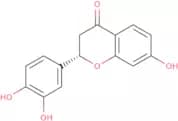
CAS:<p>Butin is a flavonoid compound, which is naturally derived from certain plants and is characterized by a chalcone structure. This compound acts as an antifungal agent by disrupting the cell membrane integrity of pathogenic fungi, ultimately inhibiting their growth and reproduction. The mechanism is thought to involve interference with key enzymatic pathways essential for cell wall synthesis, though precise molecular interactions are still under investigation.</p>Formula:C15H12O5Purity:Min. 95%Color and Shape:PowderMolecular weight:272.25 g/mol5-Methoxyflavanone
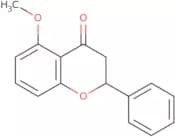
CAS:<p>5-Methoxyflavanone is a synthetic flavonoid compound, which is derived from chemical modifications of naturally occurring flavonoids. These modifications often enhance bioavailability and activity compared to their natural counterparts. This compound functions primarily through its antioxidant activity, scavenging free radicals and reducing oxidative stress within biological systems. This mode of action is vital in cellular protection against damage caused by oxidative agents.</p>Formula:C16H14O3Purity:Min. 95%Color and Shape:White PowderMolecular weight:254.28 g/mol3',4',5,7-Tetramethoxyflavone
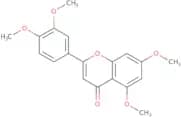
CAS:<p>3',4',5,7-Tetramethoxyflavone is a polyphenolic compound, which is a specific type of flavonoid. It is derived from various plant sources, where it occurs naturally as part of the plant's defense mechanism against environmental stressors. This compound exerts its activity through various biochemical pathways, including modulation of enzyme activities and interference with cellular signaling pathways. Studies suggest it may inhibit certain enzymes involved in inflammation and oxidative stress, thereby playing a potential role in therapeutic applications.</p>Formula:C19H18O6Purity:Min. 95%Color and Shape:White PowderMolecular weight:342.34 g/molLotisoflavan
CAS:<p>Phytoalexin isolated from the fungus-inoculated leaflets of Lotus angustissimus</p>Formula:C17H18O5Purity:Min. 95%Color and Shape:PowderMolecular weight:302.32 g/mol5,7-Dihydroxyflavone
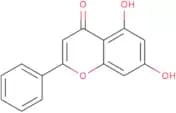
CAS:<p>5,7-Dihydroxyflavone is a naturally occurring flavonoid, which is derived from various plant sources, including herbs and fruits. With its structure characterized by hydroxyl groups at positions 5 and 7, it serves as a bioactive compound with strong antioxidant properties. This flavonoid is known to interact with cellular pathways by scavenging free radicals and modulating enzyme activity, thereby protecting cells from oxidative stress and potential damage.</p>Formula:C15H10O4Purity:Min. 95%Color and Shape:Yellow PowderMolecular weight:254.24 g/mol2'-Hydroxyflavanone
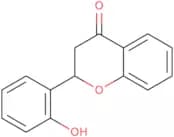
CAS:<p>2'-Hydroxyflavanone is a flavonoid, which is a type of polyphenolic compound found naturally in a variety of plants. These compounds are widely distributed in the plant kingdom and are particularly abundant in fruits, vegetables, and certain herbs. The source of 2'-Hydroxyflavanone can be traced back to its presence in citrus fruits and other plant materials, where it serves as a secondary metabolite.</p>Formula:C15H12O3Purity:Min. 98 Area-%Color and Shape:PowderMolecular weight:240.25 g/molGenistin
CAS:<p>Genistin is a naturally occurring isoflavone glycoside, which is derived primarily from soybeans and other legumes. It serves as a glycoside form of genistein, a well-known phytoestrogen. The mode of action of Genistin involves its bioconversion into genistein through hydrolysis. Once converted, it functions by binding to estrogen receptors, exhibiting estrogenic activity that can modulate various biological pathways.</p>Formula:C21H20O10Purity:Min. 97 Area-%Color and Shape:Off-White PowderMolecular weight:432.38 g/mol5-Methyl 7-methoxyisoflavone
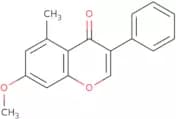
CAS:<p>5-Methyl 7-methoxyisoflavone is a synthetic isoflavone derivative, which is typically sourced in the laboratory through chemical synthesis processes involving the modification of plant-derived isoflavones. This compound is structurally similar to certain natural flavonoids but is characterized by the addition of the methyl and methoxy groups, which are not found in its natural counterparts.</p>Formula:C17H14O3Purity:Min. 95%Color and Shape:White PowderMolecular weight:266.29 g/mol3'-Prenyldaidzein
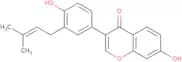
CAS:<p>3'-Prenyldaidzein is a prenylated isoflavone, which is a naturally occurring compound typically derived from plants such as those found in the Fabaceae family. Prenylated isoflavones are characterized by the attachment of a prenyl group to the isoflavone structure, which often enhances their biological activity compared to their non-prenylated counterparts.</p>Formula:C20H18O4Purity:Min. 95%Color and Shape:PowderMolecular weight:322.35 g/molIsoneorautenol
CAS:<p>Isoneorautenol is a synthetic compound, which is derived from complex organic synthesis processes. Its unique chemical structure allows it to interact specifically with certain molecular targets, making it an intriguing candidate for various biological and chemical applications. The mode of action of Isoneorautenol involves the modulation of specific biochemical pathways, potentially influencing cellular behavior and function.</p>Formula:C20H18O4Purity:Min. 95%Color and Shape:PowderMolecular weight:322.35 g/molKaempferol-3,4'-dimethyl ether
CAS:<p>Kaempferol-3,4'-dimethyl ether is a naturally occurring flavonoid compound which is primarily found in various plants. This compound is known for its structural classification as a methylated flavonol, distinguished by the presence of ether groups at the 3 and 4' positions of kaempferol. Derived mainly from botanical sources such as herbs and traditional medicinal plants, it plays a critical role in plant defense mechanisms.</p>Formula:C17H14O6Purity:Min. 95%Color and Shape:PowderMolecular weight:314.29 g/molOmbuoside
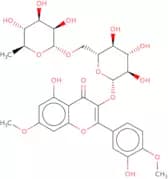
CAS:<p>Please enquire for more information about Ombuoside including the price, delivery time and more detailed product information at the technical inquiry form on this page</p>Formula:C29H34O16Purity:Min. 95%Color and Shape:Off-White To Yellow SolidMolecular weight:638.57 g/molMethyl hesperidine
CAS:<p>Methyl hesperidine is a flavonoid derivative, which is a chemical compound sourced from citrus fruits, particularly from the peels. It is a modified form of hesperidin, a natural flavonoid found predominantly in oranges and other citrus species. The mode of action for methyl hesperidine involves its antioxidant and anti-inflammatory properties. It works by scavenging free radicals and reducing oxidative stress, which can help protect cells and tissues from damage.</p>Formula:C29H36O15Purity:Min. 95%Color and Shape:PowderMolecular weight:624.59 g/molQuercetin 3-b-D-glucopyranoside
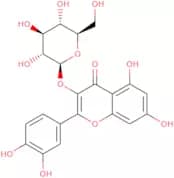
CAS:<p>Quercetin 3-b-D-glucopyranoside is a naturally occurring flavonoid, which is found predominantly in a variety of fruits and vegetables. Its primary source includes apples, onions, and tea, where it is often present as a glycoside conjugate. This compound exerts its effects through its mode of action as an antioxidant, scavenging free radicals, and modulating signaling pathways that influence cellular processes such as apoptosis and inflammation.</p>Formula:C21H20O12Purity:Min. 98 Area-%Color and Shape:PowderMolecular weight:464.38 g/mol3,7-Dihydroxy-5,8-dimethoxyflavanone
CAS:<p>3,7-Dihydroxy-5,8-dimethoxyflavanone is a flavonoid derivative, which is a type of polyphenolic compound commonly found in various plants. Flavonoids are known for their wide-ranging biological activities and are often studied for their roles in plant defense mechanisms. This compound can be sourced from plants such as those in the genus Citrus, where it contributes to the plant's metabolic pathways and confers resistance against pathogens.</p>Formula:C17H16O6Purity:Min. 95%Molecular weight:316.31 g/mol7,2',4'-Tribenzyloxyisoflavone
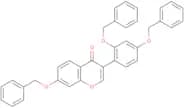
CAS:<p>7,2',4'-Tribenzyloxyisoflavone is a synthetic compound, which is a derivative of isoflavones, known for its potential role in biochemical and pharmacological research. This compound is primarily sourced through chemical synthesis involving the modification of the isoflavone structure by introducing benzyloxy groups, which alters its physicochemical properties and enhances its stability and solubility for research purposes.</p>Formula:C36H28O5Purity:Min. 95%Molecular weight:540.6 g/mol