Flavonoids
Flavonoids are a group of plant metabolites with antioxidant properties that contribute to the color of fruits and flowers. They play a significant role in protecting plants from UV radiation and pathogens. Flavonoids are studied for their potential health benefits, including anti-inflammatory, antiviral, and anticancer properties. They are widely researched in the fields of pharmacology, nutrition, and molecular biology.
Subcategories of "Flavonoids"
- Anthocyanidins(46 products)
- Anthocyanin(46 products)
- Catechin(88 products)
- Chalcones(237 products)
- Pterocarpan(28 products)
Found 2404 products of "Flavonoids"
Sort by
Purity (%)
0
100
|
0
|
50
|
90
|
95
|
100
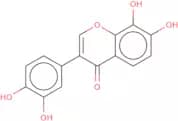
8,3'-Dihydroxydaidzein
CAS:<p>8,3'-Dihydroxydaidzein is a naturally occurring isoflavonoid compound, which is a type of phytoestrogen predominantly found in soy and other leguminous plants. This compound is biosynthesized through the pathways involving the hydroxylation of daidzein, a well-known isoflavone. As a phytoestrogen, 8,3'-Dihydroxydaidzein mimics estrogenic activity by binding to estrogen receptors, thereby influencing various physiological processes in organisms.</p>Formula:C15H10O6Purity:(Hplc-Ms) Min. 80 Area-%Color and Shape:PowderMolecular weight:286.24 g/molRotenone
CAS:<p>Rotenone is a naturally occurring insecticide and piscicide, which is derived from the roots of several tropical and subtropical plant species, primarily from the Leguminosae family. Its primary source includes plants such as *Derris* and *Lonchocarpus*. Rotenone works by inhibiting cellular respiration. Specifically, it interferes with the mitochondrial electron transport chain by binding to complex I, blocking the production of ATP and ultimately leading to cell death.</p>Formula:C23H22O6Purity:Min. 98 Area-%Color and Shape:Beige PowderMolecular weight:394.42 g/molLoureirin B
CAS:<p>Loureirin B is a natural polyphenolic compound, which is derived from the resin of Dracaena cochinchinensis, commonly known as Dragon's Blood. This compound exhibits its mode of action primarily through the inhibition of key inflammatory pathways, including the suppression of cyclooxygenase-2 (COX-2) and the reduction of pro-inflammatory cytokines. Such mechanisms suggest its potential in modulating inflammatory responses effectively.</p>Formula:C18H20O5Purity:Min. 95%Color and Shape:White PowderMolecular weight:316.35 g/molFlavone
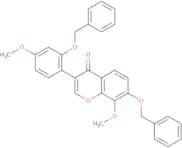
CAS:<p>Flavone is a type of flavonoid, which is a naturally occurring compound found in various plant sources. As a subgroup of polyphenolic compounds, flavones are primarily derived from the leaves, stems, and seeds of plants like parsley, thyme, and celery. The mode of action of flavones involves their ability to act as antioxidant agents, scavenging free radicals and reducing oxidative stress in biological systems. This mechanism plays a crucial role in protecting cells from damage and maintaining cellular integrity.</p>Formula:C15H10O2Purity:Min. 98 Area-%Color and Shape:PowderMolecular weight:222.24 g/mol7,2'-Dibenzyloxy-8,4'-dimethoxyisoflavone
CAS:<p>7,2'-Dibenzyloxy-8,4'-dimethoxyisoflavone is a complex flavonoid derivative, which is a synthetic isoflavone compound with potential applications in medical and biochemical research. It is derived from the modification of naturally occurring isoflavones, typically found in various plants, including soybeans. Isoflavones like this compound are of significant interest due to their estrogenic activities, as they can mimic or influence estrogen action in biological systems.</p>Formula:C31H26O6Purity:Min. 95%Molecular weight:494.53 g/molTheaflavin-3-O-gallate
CAS:<p>Theaflavin-3-O-gallate is a polyphenolic compound, which is derived from the oxidation of specific catechins found predominantly in black tea (Camellia sinensis). This compound is a significant member of the theaflavins, which are formed during the fermentation process of tea leaves. The bioactivity of Theaflavin-3-O-gallate is attributed to its ability to interact with and modulate various biological pathways, mainly through its antioxidant properties and its role in modulating cellular oxidative stress responses.</p>Formula:C36H28O16Purity:Min. 95%Color and Shape:Red PowderMolecular weight:716.6 g/mol3,7,8,3',4'-Pentahydroxyflavone
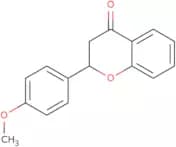
CAS:<p>3,7,8,3',4'-Pentahydroxyflavone is a naturally occurring flavonoid, which is commonly found in plants and contributes to their defensive mechanisms. This compound is sourced from a variety of plant materials, where it acts as a potent antioxidant by scavenging free radicals and inhibiting oxidative stress pathways.</p>Formula:C15H10O7Purity:Min. 95%Color and Shape:PowderMolecular weight:302.24 g/mol4'-Methoxyflavanone
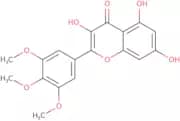
CAS:<p>4'-Methoxyflavanone is a methoxy-substituted flavanone, which is a specialized class of flavonoids. These compounds are primarily derived from plant sources and are known for their diverse biological activities. The modification of the flavanone structure with a methoxy group can significantly influence its biochemical interactions and properties.</p>Formula:C16H14O3Purity:Min. 95%Color and Shape:PowderMolecular weight:254.28 g/molMyricetin trimethyl ether
CAS:<p>Myricetin trimethyl ether is a flavonoid derivative, which is a metabolite of myricetin, a naturally occurring flavonoid found in various fruits, vegetables, and herbs. This compound is of significant interest due to its potential bioactive properties. It is commonly studied within the context of its antioxidative mechanisms, where it functions by neutralizing free radicals and attenuating oxidative stress, a key factor implicated in the pathogenesis of numerous chronic diseases.</p>Formula:C18H16O8Color and Shape:PowderMolecular weight:360.31 g/molEupatorin - 94%
CAS:<p>Eupatorin - 94% is a bioactive flavonoid compound, which is a natural extract primarily derived from the plant species Eupatorium. This compound is characterized by its high degree of purity, standing at 94%, making it suitable for rigorous scientific investigation. Eupatorin is widely recognized for its pharmacological potential due to its ability to modulate various biochemical pathways.</p>Formula:C18H16O7Purity:Min. 95%Color and Shape:White PowderMolecular weight:344.32 g/molChrysin dimethyl ether
CAS:<p>Chrysin dimethyl ether is a methylated flavonoid derivative, which is naturally sourced from various plants. This compound is synthesized by methylation of the hydroxyl groups on the chrysin molecule, a process often accomplished using organic synthesis methods. The mode of action for Chrysin dimethyl ether involves modulation of various biological pathways, including antioxidant activity and interaction with cell signaling pathways. Its phenolic structure confers radical scavenging properties, potentially influencing oxidative stress processes in biological systems.</p>Formula:C17H14O4Purity:Min. 95%Color and Shape:White PowderMolecular weight:282.29 g/molLuteone
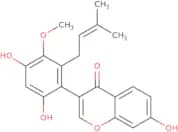
CAS:<p>Luteone is a natural compound, which is a plant-derived flavonoid isolated from various botanical sources. It exhibits a range of biological activities primarily due to its ability to modulate key cellular mechanisms. Luteone functions through its interaction with multiple molecular targets, demonstrating antioxidant, anti-inflammatory, and anti-cancer properties by influencing signaling pathways and gene expression related to cellular stress responses and apoptosis.</p>Formula:C20H18O6Purity:Min. 95%Molecular weight:354.35 g/mol7,3'-Dimethoxyflavone
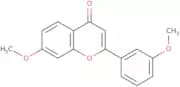
CAS:<p>7,3'-Dimethoxyflavone is a flavonoid compound, which is a type of secondary metabolite found in various plants. This compound is primarily sourced from the leaves and stems of certain plant species, where it acts as a natural protector against pathogens and contributes to the plant's development and survival mechanisms.</p>Formula:C17H14O4Purity:Min. 95%Color and Shape:PowderMolecular weight:282.29 g/molKwakhurin
CAS:<p>Kwakhurin is a natural compound, characterized as an isoflavone, which is derived from the plant Pueraria mirifica. This plant is traditionally found in Southeast Asia and has been used in traditional medicine for various health benefits. Kwakhurin acts primarily as a phytoestrogen, meaning it can mimic the activity of estrogen in the body by binding to estrogen receptors. This behavior enables it to potentially modulate hormonal balances and exert estrogenic effects.</p>Formula:C21H20O6Purity:(%) Min. 95%Color and Shape:White/Off-White SolidMolecular weight:368.38 g/molVestitol
CAS:<p>Vestitol is a naturally occurring flavonoid, which is a bioactive compound derived from various plant species. As a flavonoid, vestitol is synthesized by plants during their metabolic processes and is found predominantly in legumes such as red clover. Its biochemical mode of action includes modulation of reactive oxygen species (ROS) and interactions with cellular signaling pathways that regulate oxidative stress. By scavenging free radicals, vestitol contributes to the protection of cellular structures and biomolecules from oxidative damage.</p>Formula:C16H16O4Purity:Min. 95%Color and Shape:White Off-White PowderMolecular weight:272.3 g/molQuercetin-3-arabinoside
CAS:<p>Quercetin-3-arabinoside is a flavonoid glycoside, which is a naturally occurring compound found in various plants including fruits and vegetables. It is derived from quercetin, a flavonoid widely distributed in the plant kingdom. The arabinoside component is a sugar moiety that enhances the solubility and stability of the compound. Quercetin-3-arabinoside exerts its effects through antioxidant activity, where it scavenges free radicals and chelates metal ions, thus protecting cells from oxidative stress and potential damage.</p>Formula:C20H18O11Purity:Min. 95%Color and Shape:PowderMolecular weight:434.35 g/molCyrtopterinetin
CAS:<p>Cyrtopterinetin is a naturally occurring flavonoid compound, which is derived from specific plant sources such as Cyrtomium species in Pteridaceae. This compound exerts its biological effects primarily through the modulation of various signaling pathways. It affects key molecular targets involved in the regulation of cell proliferation, apoptosis, and inflammation. The ability of cyrtopterinetin to influence these pathways is attributed to its capacity to bind with cellular proteins and alter gene expression.</p>Formula:C17H16O5Purity:Min. 98 Area-%Molecular weight:300.31 g/molNaringenin-7-glucoside
CAS:<p>Naringenin-7-glucoside is a flavonoid glycoside, which is primarily sourced from citrus fruits and certain herbs. This compound is a glucoside derivative of naringenin, a type of flavanone commonly found in a variety of plant species. With its distinct chemical structure, Naringenin-7-glucoside exerts its effects primarily through antioxidant and anti-inflammatory mechanisms. The compound works by scavenging free radicals and modulating cell signaling pathways, thereby reducing oxidative stress and inflammation at the cellular level.</p>Formula:C21H22O10Purity:Min. 95%Color and Shape:White Off-White PowderMolecular weight:434.39 g/molKaempferol-3-glucoside(6”-O-acetate)-7-glucoside
CAS:<p>Kaempferol-3-glucoside(6”-O-acetate)-7-glucoside is a flavonoid glycoside, which is a naturally occurring compound found in various plants and foods. This compound originates from plant sources, notably in fruits, vegetables, and certain traditional medicines, where it is biosynthesized as a secondary metabolite.</p>Formula:C29H32O17Purity:Min. 95%Molecular weight:652.55 g/mol3'-Hydroxy-5'-prenylbiochanin A
CAS:<p>3'-Hydroxy-5'-prenylbiochanin A is a prenylated isoflavone, which is a type of naturally occurring polyphenolic compound. It is predominantly sourced from various plant species, particularly those belonging to the Fabaceae family, such as legumes and soy. These compounds are often found in the plant's roots, stems, and leaves and play crucial roles in plant defense mechanisms.</p>Formula:C21H20O6Purity:Min. 95%Molecular weight:368.38 g/mol