Flavonoids
Flavonoids are a group of plant metabolites with antioxidant properties that contribute to the color of fruits and flowers. They play a significant role in protecting plants from UV radiation and pathogens. Flavonoids are studied for their potential health benefits, including anti-inflammatory, antiviral, and anticancer properties. They are widely researched in the fields of pharmacology, nutrition, and molecular biology.
Subcategories of "Flavonoids"
- Anthocyanidins(46 products)
- Anthocyanin(46 products)
- Catechin(88 products)
- Chalcones(237 products)
- Pterocarpan(28 products)
Found 2404 products of "Flavonoids"
Sort by
Purity (%)
0
100
|
0
|
50
|
90
|
95
|
100
Calopogoniumisoflavone A
CAS:<p>Calopogoniumisoflavone A is a naturally occurring isoflavone compound, which is derived from the plant species Calopogonium, commonly found in tropical regions. This compound is primarily isolated from the leaves and roots of the plant, where it accumulates as a secondary metabolite. The mode of action of Calopogoniumisoflavone A involves the modulation of biological pathways influenced by its isoflavonoid structure, which can interact with cellular receptors, potentially exhibiting estrogenic or antioxidant properties.</p>Formula:C21H18O4Purity:Min. 95%Molecular weight:334.37 g/molKaempferol-3-glucoside(6”-O-acetate)-7-rhamnoside
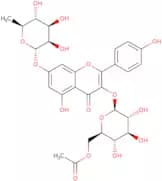
CAS:<p>Kaempferol-3-glucoside(6”-O-acetate)-7-rhamnoside is a flavonoid glycoside derivative, which is naturally sourced from various plants, particularly those in the Brassicaceae family. This compound is known for its significant antioxidant properties, allowing it to scavenge free radicals and reduce oxidative stress within biological systems. Its mode of action involves the modulation of several cellular pathways, including the inhibition of protein kinases and the regulation of anti-inflammatory responses. This results in potential therapeutic benefits in conditions related to oxidative stress and inflammation.</p>Formula:C29H32O16Purity:Min. 95%Color and Shape:PowderMolecular weight:636.55 g/molGlabridin
CAS:<p>Glabridin is a flavonoid compound, which is primarily isolated from the root of the licorice plant, Glycyrrhiza glabra. It functions as a potent skin-lightening and anti-inflammatory agent through its ability to inhibit melanin synthesis in the skin. This mode of action is primarily achieved by inhibiting the activity of tyrosinase, an enzyme crucial in the melanin biosynthesis pathway. Additionally, Glabridin exhibits antioxidant properties, which help to protect skin cells from oxidative damage.</p>Formula:C20H20O4Purity:Min. 98 Area-%Color and Shape:PowderMolecular weight:324.37 g/molLuteolin-6-C-glucoside
CAS:<p>Luteolin-6-C-glucoside is a flavonoid glycoside, which is a bioactive compound derived from various plant sources, including celery, parsley, and certain herbs. This compound is characterized by the attachment of a glucose molecule at the C-6 position of luteolin, a naturally occurring flavonoid. The mode of action of luteolin-6-C-glucoside primarily involves its antioxidant properties, where it neutralizes free radicals and reduces oxidative stress within biological systems.</p>Formula:C21H20O11Purity:Min. 98 Area-%Color and Shape:PowderMolecular weight:448.38 g/molRetusin
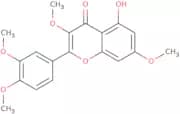
CAS:<p>Retusin is an alkaloid compound, which is derived from organic botanical sources, specifically certain plant species known for their medicinal properties. It functions primarily through a bactericidal mode of action by interfering with bacterial cell wall synthesis and disrupting critical metabolic pathways essential for bacterial survival. This interference effectively inhibits bacterial growth and proliferation, leading to cell death.</p>Formula:C19H18O7Purity:Min. 95%Color and Shape:SolidMolecular weight:358.34 g/mol7-Hydroxy-5-methylflavone
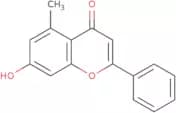
CAS:<p>7-Hydroxy-5-methylflavone is a flavonoid compound, which is a diverse group of phytonutrients present in a variety of plants. These compounds are derived from flavonoid biosynthesis pathways that commonly occur in fruits, vegetables, and certain beverages like tea. Flavonoids are well-regarded for their roles in plant defense mechanisms and their antioxidative properties.</p>Formula:C16H12O3Purity:Min. 95%Color and Shape:PowderMolecular weight:252.26 g/molFerreirin
CAS:<p>Ferreirin is an iron chelator, which is derived from natural sources. It functions by binding to excess iron ions in biological systems, forming a stable complex that can be excreted from the body. This mode of action is critical in managing iron overload conditions, often seen in various pathological states such as thalassemia or hemochromatosis where excess iron poses a risk of oxidative damage to cells and tissues.</p>Formula:C16H14O6Purity:Min. 95%Molecular weight:302.28 g/molNeoisoliquiritin
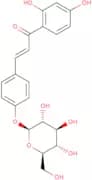
CAS:<p>Neoisoliquiritin is a bioactive flavonoid glycoside, which is a derivative of isoliquiritin. It is primarily sourced from the roots of Glycyrrhiza species, commonly known as licorice plants. This compound is formed through the natural modifications of flavonoids within the plant, involving glycosylation processes that enhance its solubility and stability.</p>Formula:C21H11O9Purity:Min. 95%Color and Shape:PowderMolecular weight:418.39 g/mol5-Hydroxy-4'-methoxyflavone
CAS:<p>5-Hydroxy-4'-methoxyflavone is a naturally occurring flavone, which is a type of polyphenolic compound found in various plants. It is derived from natural sources such as fruits, vegetables, and certain herbs. This compound is part of the larger class of flavonoids, which are known for their various biological activities and potential health benefits.</p>Formula:C16H12O4Purity:Min. 95%Molecular weight:268.26 g/molWogonin
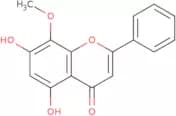
CAS:<p>Wogonin is a bioactive flavonoid compound, which is isolated from the roots of the plant Scutellaria baicalensis, commonly known as Baikal skullcap. Its mode of action involves modulating various signaling pathways, including the inhibition of pro-inflammatory cytokines and the suppression of cancer cell proliferation through the induction of apoptosis and cell cycle arrest. By influencing these molecular pathways, Wogonin exhibits significant pharmacological potential.</p>Formula:C16H12O5Purity:Min. 98 Area-%Color and Shape:Yellow PowderMolecular weight:284.26 g/mol6-Prenyl-3'-methoxydaidzein
<p>6-Prenyl-3'-methoxydaidzein is a prenylated isoflavonoid, which is a secondary metabolite frequently found in the Leguminosae family, particularly in the roots of certain plant species. This compound exhibits a unique structural modification that involves the addition of a prenyl group, which can enhance its biological activity. Known for its potential antioxidant properties, 6-Prenyl-3'-methoxydaidzein acts by scavenging free radicals and reducing oxidative stress within cellular systems.</p>Formula:C21H20O5Purity:Min. 95%Molecular weight:352.38 g/molMosloflavone
CAS:<p>Mosloflavone is a naturally occurring flavonoid, which is derived from certain plant sources, particularly those belonging to the Moraceae family. This compound is recognized for its bioactive properties, functioning primarily through antioxidant and anti-inflammatory mechanisms. The mode of action involves the scavenging of free radicals and the inhibition of various pro-inflammatory pathways, thereby reducing oxidative stress and inflammation at the cellular level.</p>Formula:C17H14O5Purity:Min. 98 Area-%Color and Shape:PowderMolecular weight:298.29 g/molGenistein
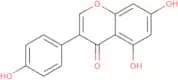
CAS:<p>Genistein is a naturally occurring isoflavone, which is derived primarily from soy products and other legumes. Its chemical structure allows it to mimic the function of 17-beta-estradiol, a form of estrogen, by binding to estrogen receptors. This selective binding primarily targets estrogen receptor beta, leading to a range of biological effects. Moreover, Genistein exhibits antioxidant properties by scavenging free radicals and inhibiting oxidative stress.</p>Formula:C15H10O5Purity:Min. 95%Color and Shape:White PowderMolecular weight:270.24 g/molNevadensin
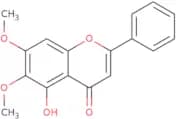
CAS:<p>Nevadensin is a naturally occurring flavonoid compound, which is isolated from the plant *Rosmarinus officinalis*, commonly known as rosemary. Rosemary is a member of the Lamiaceae family and is widely recognized for its antioxidant and aromatic properties. The active ingredient, nevadensin, exerts its effects primarily through the inhibition of the cyclooxygenase (COX) enzymes, particularly COX-2, which are key players in the inflammatory process. This inhibition reduces the production of pro-inflammatory mediators, contributing to its anti-inflammatory activity.</p>Formula:C18H16O7Purity:Min. 98 Area-%Color and Shape:Yellow PowderMolecular weight:344.32 g/mol3,7,3'-Trimethoxyflavone
CAS:<p>3,7,3'-Trimethoxyflavone is a type of flavonoid, which is a class of polyphenolic compounds. It is naturally occurring and can be derived from certain plant species. Flavonoids are well-known for their presence in fruits, vegetables, and various other plant sources, contributing to the plants' color, flavor, and disease resistance.</p>Formula:C18H16O5Purity:Min. 95%Molecular weight:312.32 g/mol7-Hydroxy-2',3',4'-trimethoxyisoflavone
CAS:<p>7-Hydroxy-2',3',4'-trimethoxyisoflavone is a naturally occurring isoflavone, which is a type of flavonoid commonly found in certain plants. It is typically sourced from various botanical species known for their rich flavonoid content. Isoflavones are derived from plants such as soybeans, and in some cases, isolated from other legumes and herbs.</p>Formula:C18H16O6Purity:Min. 95%Molecular weight:328.32 g/mol5,7-Dihydroxyisoflavone
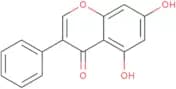
CAS:<p>5,7-Dihydroxyisoflavone is a naturally occurring isoflavone, which is a type of flavonoid compound commonly found in various plants. It is primarily derived from sources such as soybeans and other legumes, which are known to contain a wide array of phytonutrients. The mode of action of 5,7-Dihydroxyisoflavone involves its ability to act as an antioxidant, scavenging free radicals and thereby reducing oxidative stress within biological systems. This function is crucial in preserving cellular health and preventing damage that can lead to chronic diseases.</p>Formula:C15H10O4Purity:Min. 95%Color and Shape:PowderMolecular weight:254.24 g/mol7-O-Methyl quercetin
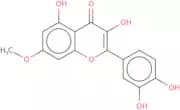
CAS:<p>7-O-Methyl quercetin is a flavonoid derivative, which is a naturally occurring compound found in several plant species, often referred to as a methylated form of the flavonoid quercetin. It is primarily sourced from plants such as onion, green tea, and various berries, where it serves diverse ecological roles, including defense mechanisms against herbivores and pathogens.</p>Formula:C16H12O7Purity:90%Color and Shape:PowderMolecular weight:316.26 g/molHinokiflavone pentamethyl ether
CAS:<p>Hinokiflavone pentamethyl ether is a synthetic flavonoid derivative, which is a chemically modified compound sourced from the natural biflavonoid, hinokiflavone. It is characterized by the methylation of phenolic hydroxyl groups, enhancing its stability and solubility. This compound can be derived through organic synthesis techniques involving the catalytic methylation of hinokiflavone.</p>Formula:C35H28O10Purity:Min. 95%Molecular weight:608.59 g/mol3-Methylflavone-8-carboxylic acid
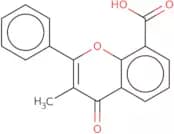
CAS:<p>3-Methylflavone-8-carboxylic acid is a synthetic compound, which is known primarily as an antagonist of the gamma-aminobutyric acid (GABA) receptor system. This product is derived from chemical synthesis processes involving flavone derivatives. The mode of action involves competitive inhibition at the GABA-A receptor sites, thereby modulating neurotransmitter activity within the central nervous system.</p>Formula:C17H12O4Purity:Min. 95%Color and Shape:PowderMolecular weight:280.27 g/mol