Flavonoids
Subcategories of "Flavonoids"
- Anthocyanidins(46 products)
- Anthocyanin(46 products)
- Catechin(88 products)
- Chalcones(237 products)
- Pterocarpan(28 products)
Found 2410 products of "Flavonoids"
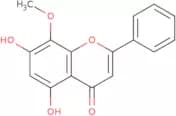
Wogonin
CAS:Wogonin is a bioactive flavonoid compound, which is isolated from the roots of the plant Scutellaria baicalensis, commonly known as Baikal skullcap. Its mode of action involves modulating various signaling pathways, including the inhibition of pro-inflammatory cytokines and the suppression of cancer cell proliferation through the induction of apoptosis and cell cycle arrest. By influencing these molecular pathways, Wogonin exhibits significant pharmacological potential.
Formula:C16H12O5Purity:Min. 98 Area-%Color and Shape:Yellow PowderMolecular weight:284.26 g/molRetusin
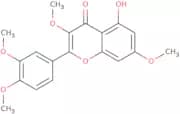
CAS:Retusin is an alkaloid compound, which is derived from organic botanical sources, specifically certain plant species known for their medicinal properties. It functions primarily through a bactericidal mode of action by interfering with bacterial cell wall synthesis and disrupting critical metabolic pathways essential for bacterial survival. This interference effectively inhibits bacterial growth and proliferation, leading to cell death.
Formula:C19H18O7Purity:Min. 95%Color and Shape:SolidMolecular weight:358.34 g/molCalopogoniumisoflavone A
CAS:Calopogoniumisoflavone A is a naturally occurring isoflavone compound, which is derived from the plant species Calopogonium, commonly found in tropical regions. This compound is primarily isolated from the leaves and roots of the plant, where it accumulates as a secondary metabolite. The mode of action of Calopogoniumisoflavone A involves the modulation of biological pathways influenced by its isoflavonoid structure, which can interact with cellular receptors, potentially exhibiting estrogenic or antioxidant properties.Formula:C21H18O4Purity:Min. 95%Molecular weight:334.37 g/molSativan
CAS:Sativan is a pharmaceutical product derived from cannabis, which is sourced from the Cannabis sativa plant. It exerts its effects primarily through modulation of the endocannabinoid system, interacting with cannabinoid receptors such as CB1 and CB2 located throughout the central and peripheral nervous systems. The resulting biochemical cascade influences neurotransmitter release, which can alter mood, perception, and various physiological processes.
Formula:C17H18O4Purity:Min. 95%Color and Shape:PowderMolecular weight:286.32 g/molSigmoidin A
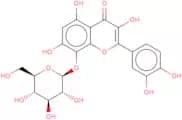
CAS:Sigmoidin A is a diterpenoid compound, which is a plant-derived natural product. It originates from the Alpinia genus, a group of plants known for their diverse bioactive compounds. With its intricate molecular structure, Sigmoidin A is identified primarily for its potential anti-inflammatory properties. The mode of action involves modulation of signaling pathways and inhibition of pro-inflammatory mediators, which suggests its potential utility in therapeutic contexts.Formula:C25H28O6Purity:Min. 95%Molecular weight:424.49 g/molGossypin
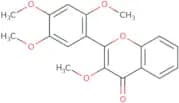
CAS:Gossypin is a flavonoid compound, which is a type of polyphenol found in various natural sources, such as plants. It is primarily isolated from the flowers of Hibiscus species. The mode of action of gossypin involves various biochemical pathways, including its role as a free-radical scavenger and modulator of several enzymes. It exhibits antioxidant, anti-inflammatory, and neuroprotective properties through interactions with cellular receptors and signaling pathways.Formula:C21H20O13Color and Shape:Yellow PowderMolecular weight:480.38 g/mol3,2',4',5'-Tetra methoxyflavone
CAS:3,2',4',5'-Tetra methoxyflavone is a specialized flavonoid compound, which is derived primarily from various plant sources, such as those belonging to the genus Kaempferia, a member of the ginger family. This compound is characterized by its four methoxy groups attached to its flavonoid backbone, which significantly influences its biological activity and solubility.Formula:C19H18O6Purity:Min. 95%Molecular weight:342.34 g/mol(-)-Pinostrobin
CAS:(-)-Pinostrobin is a natural flavonoid compound, which is predominantly found in various plant species, including members of the genus *Cajanus* and *Zingiber*. As a chiral molecule, it exhibits bioactive properties leading to multiple pharmacological effects. The mode of action of (-)-Pinostrobin involves modulation of various biochemical pathways, including antioxidant, anti-inflammatory, and antimicrobial activities. It interacts with cellular enzymes and receptors, exerting its effects through inhibition of pro-inflammatory cytokines and enhancing cellular antioxidant defenses.Formula:C16H14O4Purity:Min. 98 Area-%Color and Shape:PowderMolecular weight:270.28 g/mol7,8,4'-Trihydroxyflavone
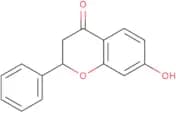
CAS:7,8,4'-Trihydroxyflavone is a synthetic flavonoid compound, which is a type of polyphenolic molecule derived through chemical synthesis. Its structure mimics naturally occurring flavonoids found in various plants but is specifically designed and manufactured in laboratory settings to achieve precise molecular composition and enhanced activity.Formula:C15H10O5Purity:Min. 95%Color and Shape:PowderMolecular weight:270.24 g/mol7-Hydroxyflavanone
CAS:7-Hydroxyflavanone is a naturally occurring flavonoid compound, which is predominantly isolated from plants, particularly citrus fruits. Its biochemical significance stems from its ability to exert various physiological effects, likely due to its structural characteristics. As a flavonoid, it possesses a range of hydroxyl groups, which contribute to its antioxidant properties. This compound interacts with biological molecules, influencing cellular pathways and modulating enzyme activities.Formula:C15H12O3Purity:Min. 95%Color and Shape:PowderMolecular weight:240.25 g/molCitrus bioflavonoids
CAS:Citrus bioflavonoids are a complex of compounds, which are derived from the peel and pulp of citrus fruits such as oranges, lemons, and grapefruits. These bioflavonoids function primarily as antioxidants, neutralizing free radicals and reducing oxidative stress within biological systems. By supporting the integrity of cellular structures, they contribute to the maintenance of optimal physiological conditions.
Purity:Min. 95%Daidzein
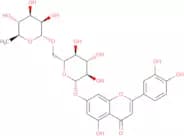
CAS:Daidzein is an isoflavone compound, which is a type of phytoestrogen primarily sourced from soybeans and other legumes. It exhibits estrogenic activity through its ability to bind to estrogen receptors, albeit with less potency than endogenous estrogens. This selective estrogen receptor modulator (SERM) can mimic or modulate natural estrogen effects in the body, depending on the physiological context.Formula:C15H12O4Purity:Min. 95%Color and Shape:White PowderMolecular weight:256.25 g/molLuteolin-7-rutinoside
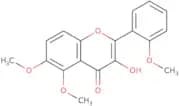
CAS:Luteolin-7-rutinoside is a flavonoid glycoside, which is typically sourced from various plant species, including Japanese honeysuckle and passionflower. This compound is known for its strong antioxidant and anti-inflammatory activities. The mode of action of Luteolin-7-rutinoside involves the modulation of several signaling pathways and inhibition of oxidative stress at the molecular level. This is achieved by scavenging free radicals and reducing the expression of pro-inflammatory cytokines. As a result, it can mitigate cellular damage and inflammation.Formula:C27H30O15Purity:Min. 95%Color and Shape:Off-White PowderMolecular weight:594.52 g/mol3-Hydroxy-5,6,2'-trimethoxyflavone
CAS:3-Hydroxy-5,6,2'-trimethoxyflavone is a naturally occurring flavonoid, which is a type of polyphenolic compound found predominantly in various plants. These compounds are known for their diverse biological activities, often exerting significant pharmacological effects. This particular flavonoid is commonly sourced from medicinal plants and has been the subject of research due to its potential therapeutic benefits.Formula:C18H16O6Purity:Min. 95%Molecular weight:328.32 g/mol3,7-Dihydroxy-3',4'-dimethoxyflavone
CAS:3,7-Dihydroxy-3',4'-dimethoxyflavone is a flavonoid compound, which is a type of polyphenolic molecule known for its diverse roles in biological systems. This compound is naturally sourced from various plants, where it functions as a secondary metabolite contributing to the plant's defense mechanisms. Its biochemical mode of action primarily involves scavenging free radicals, thereby exerting antioxidant effects. In addition, it modulates key signaling pathways to exhibit anti-inflammatory effects.Formula:C17H14O6Purity:Min. 95%Color and Shape:White PowderMolecular weight:314.29 g/molQuercetin 3-b-D-galactoside
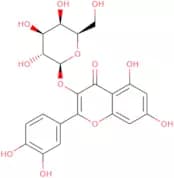
CAS:Quercetin 3-b-D-galactoside is a flavonoid glycoside, which is a type of polyphenolic compound. It is derived primarily from various fruits and vegetables, as it is a naturally occurring plant metabolite. This compound acts as an antioxidant, scavenging free radicals and reducing oxidative stress.Formula:C21H20O12Purity:Min. 98 Area-%Color and Shape:Yellow PowderMolecular weight:464.38 g/mol5-Methyl-7-hydroxyisoflavone
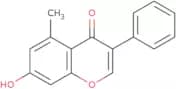
CAS:5-Methyl-7-hydroxyisoflavone is a naturally occurring isoflavone metabolite, which is derived primarily from the metabolic process of certain plant-derived flavonoids. Its source includes various legumes and other plants known for their rich isoflavone profiles. The compound acts principally by modulating cellular signaling pathways, including those involved in inflammation and oxidative stress response.Formula:C16H12O3Purity:Min. 95%Color and Shape:White PowderMolecular weight:252.26 g/molOrobol-3'-methyl ether
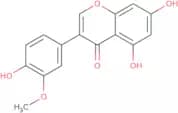
CAS:Orobol-3'-methyl ether is a synthetic flavonoid compound, which is derived from natural flavonoids that are typically extracted from plants. Flavonoids like Orobol-3'-methyl ether are important due to their roles in various biological processes. This compound operates primarily by interacting with enzymes, potentially inhibiting or modifying their activity. The methyl ether modification can enhance its biological activity or stability, making it a valuable tool in biochemical research.Formula:C16H12O6Purity:Min. 98 Area-%Molecular weight:300.26 g/mol3,7,8,3'-Tetramethoxyflavone
CAS:3,7,8,3'-Tetramethoxyflavone is a naturally occurring flavonoid compound, which is derived from various plant sources, particularly those in the genus Kaempferia and others known for their rich phytochemical profiles. As a secondary metabolite, it has been studied for its potential pharmacological benefits and biological activities. The mode of action of 3,7,8,3'-Tetramethoxyflavone includes modulation of signaling pathways and interaction with specific enzymes and receptors, contributing to its anti-inflammatory, antioxidant, and potential anticancer properties. Researchers have explored its effects on cellular processes such as apoptosis and cell cycle regulation, making it a compound of interest in drug discovery and development. Additionally, 3,7,8,3'-Tetramethoxyflavone has been investigated for its role in neuroprotection and its capacity to interact with biochemical pathways involved in neurodegenerative diseases. This compound continues to be a focal point in studies aimed at understanding its contributions to health and disease prevention at the molecular level.
Formula:C19H18O6Purity:Min. 95%Color and Shape:PowderMolecular weight:342.34 g/mol7,2',4'-Trimethoxyisoflavone
CAS:7,2',4'-Trimethoxyisoflavone is a naturally occurring isoflavone, which is primarily found in certain plant species. As a derivative of the isoflavone family, it is sourced from botanical origins known for their rich content of phytoestrogens. The mode of action of 7,2',4'-Trimethoxyisoflavone is linked to its potential antioxidant properties, where it may interact with cellular mechanisms to mitigate oxidative stress by neutralizing free radicals.Formula:C18H16O5Purity:Min. 95%Molecular weight:312.32 g/molQuercetin 3-O-glucoside-7-O-rhamnoside
CAS:Quercetin 3-O-glucoside-7-O-rhamnoside is a flavonoid glycoside, which is a type of secondary metabolite present in many plants. It is derived from natural sources such as fruits, vegetables, and certain grains. These compounds are known for their potential health benefits and are widely studied in the context of plant biochemistry and physiology.Formula:C27H30O16Purity:Min. 95%Color and Shape:PowderMolecular weight:610.52 g/molPinocembrin
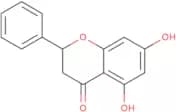
CAS:Pinocembrin is a flavonoid compound, which is a type of polyphenolic molecule, extracted primarily from honey, propolis, and various plants. It is characterized by its unique structure allowing it to function effectively as an antioxidant. The mode of action of Pinocembrin involves scavenging free radicals and reducing oxidative stress, which contributes to its protective effects on cells and tissues.Formula:C15H12O4Purity:Min. 98 Area-%Color and Shape:White PowderMolecular weight:256.25 g/mol7,8-Dihydroxyisoflavone
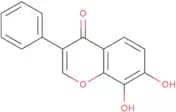
CAS:7,8-Dihydroxyisoflavone is an isoflavone compound, which is a naturally derived product found predominantly in plants like Trifolium pratense, also known as red clover. It is classified as a selective tyrosine receptor kinase B (TrkB) agonist, which means it can mimic the action of brain-derived neurotrophic factor (BDNF), a protein crucial for neuronal survival, growth, and differentiation in the central nervous system.Formula:C15H10O4Purity:Min. 95%Molecular weight:254.24 g/molSchaftoside
CAS:Schaftoside is a naturally occurring flavonoid glycoside, which is derived from a variety of plant sources, particularly within the Leguminosae and Poaceae families. As a compound, it features a structural integration of apigenin linked to two units of glucose, establishing its classification within the group of C-glycosyl flavonoids. Its mode of action involves interactions with various molecular pathways, implying antioxidant and anti-inflammatory effects. This is attributed to its capacity to scavenge free radicals and modulate signal transduction processes involving cytokines and transcription factors.Formula:C26H28O14Purity:Min. 98 Area-%Color and Shape:PowderMolecular weight:564.49 g/molDaidzin
CAS:Daidzin is an isoflavone compound, which is a naturally occurring chemical extracted from the root of the plant Pueraria lobata, commonly known as kudzu. Its primary mode of action involves the inhibition of the enzyme aldehyde dehydrogenase (ALDH). This enzyme plays a significant role in the metabolism of alcohol, as it converts acetaldehyde, a toxic intermediate, into acetic acid, which is less harmful to the body.
Formula:C21H20O9Purity:Min. 95%Color and Shape:White Off-White PowderMolecular weight:416.38 g/molVicenin-2
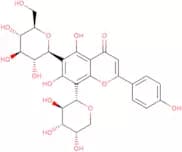
CAS:Vicenin-2 is a flavonoid glycoside, which is naturally found in various medicinal plants, particularly those belonging to the Asteraceae family. As a product of plant metabolism, it acts as a secondary metabolite with significant biological activities. Derived from sources like Ocimum sanctum (holy basil) and other botanicals, Vicenin-2's mode of action involves free radical scavenging and the modulation of enzymatic activity, contributing to its robust antioxidant properties.Formula:C27H30O15Purity:Min. 97 Area-%Color and Shape:Yellow PowderMolecular weight:594.52 g/mol3,6-Dimethoxyflavone
CAS:3,6-Dimethoxyflavone is a synthetic flavonoid derivative, which is a type of naturally occurring compound often found in a variety of plants. This methoxylated compound is characterized by the presence of two methoxy groups, which enhance its lipophilicity and bioavailability. Flavonoids, as a class, are well-known for their diverse biological activities, and 3,6-Dimethoxyflavone builds on this inherent property.
Formula:C17H14O4Purity:Min. 95%Molecular weight:282.29 g/molGenkwanin
CAS:Genkwanin is a flavonoid compound, which is a type of natural phenolic compound, often found in various plant sources, such as herbs like Daphne genkwa. This compound originates from plants known for their medicinal properties and is derived through the extraction and isolation of specific phytochemical constituents.Formula:C16H12O5Purity:Min. 98 Area-%Color and Shape:Yellow PowderMolecular weight:284.26 g/molIsopomiferin-3',4'-dimethyl ether
Isopomiferin-3',4'-dimethyl ether is a bioactive compound, which is a naturally-occurring flavonoid derivative. It is sourced from various plant species, often found in traditional medicinal plants, exhibiting diverse biological activities due to its complex chemical structure. The mode of action involves interaction with cellular pathways, potentially influencing enzymes and receptor signaling, offering valuable insight into its biochemical and pharmacological properties.Formula:C27H28O6Purity:Min. 95%Color and Shape:PowderMolecular weight:448.51 g/molLuteolin-7-glucuronide
CAS:Luteolin-7-glucuronide is a flavonoid glucuronide, which is a metabolite of luteolin found in various plants. It is a naturally occurring compound sourced primarily from herbs and vegetables such as celery, parsley, and artichokes. Its mode of action involves the modulation of oxidative stress and inflammation through its capacity to scavenge free radicals and inhibit inflammatory pathways. This compound exerts its effects by modulating signaling pathways, such as NF-κB and MAPK, contributing to its anti-inflammatory properties.
Formula:C21H18O12Purity:Min. 98 Area-%Color and Shape:PowderMolecular weight:462.36 g/molFlavanone diacetyl hydrazone
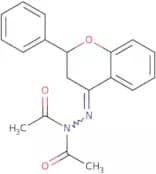
CAS:Flavanone diacetyl hydrazone is a hydrogenated flavonoid derivative, which is synthesized from natural flavonoid sources. This compound exhibits its mode of action primarily through its ability to donate hydrogen atoms, effectively scavenging free radicals and inhibiting oxidative stress. Furthermore, it interacts with various cellular pathways to exert anti-inflammatory effects, making it a potential therapeutic agent in oxidative stress-related disorders.
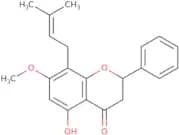
Formula:C19H18N2O3Purity:Min. 95%Molecular weight:322.36 g/mol5-Hydroxy-7-methoxy-8-prenylflavanone
CAS:5-Hydroxy-7-methoxy-8-prenylflavanone is a flavanone compound, a type of polyphenolic molecule. This compound is typically derived from certain plant sources, such as medicinal herbs, known for their rich flavonoid content. The mode of action of 5-Hydroxy-7-methoxy-8-prenylflavanone involves modulating biological pathways, potentially through antioxidant activities and interactions with cellular receptors and enzymes. Its bioactive properties contribute to its potential as a therapeutic agent.Formula:C21H22O4Purity:Min. 95%Molecular weight:338.4 g/mol7,3',4'-Trihydroxy-3,5-dimethoxyflavone
CAS:7,3',4'-Trihydroxy-3,5-dimethoxyflavone is a flavonoid compound, which is a type of naturally occurring polyphenol. It is primarily derived from various plant sources, including medicinal herbs and fruits, known for their bioactive properties. The mode of action of this compound is associated with its antioxidant activity, which involves scavenging free radicals and reducing oxidative stress in biological systems.Formula:C17H14O7Purity:Min. 95%Color and Shape:PowderMolecular weight:330.29 g/mol5-Hydroxyflavone
CAS:5-Hydroxyflavone is a naturally occurring flavonoid, which is a type of polyphenolic compound found in various plants. It is primarily derived from sources such as fruits, vegetables, and certain herbs. The mode of action of 5-Hydroxyflavone involves its ability to act as an antioxidant, scavenging free radicals and thereby protecting cells from oxidative stress. This compound may also interact with and modulate various signaling pathways in the body, influencing cellular functions and health outcomes.Formula:C15H10O3Purity:Min. 95%Color and Shape:PowderMolecular weight:238.24 g/mol2'-Hydroxydaidzein
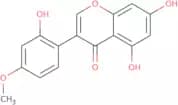
CAS:2'-Hydroxydaidzein is a naturally occurring isoflavone, which is a type of phytoestrogen found primarily in soybeans and other legumes. This compound is derived from plant sources, where it functions as a secondary metabolite with potential benefits to human health. Its mode of action is chiefly through its estrogenic activity, where it can bind to estrogen receptors and exert weak estrogen-like effects in the body. Additionally, 2'-Hydroxydaidzein exhibits antioxidative properties by neutralizing free radicals, thereby protecting cells from oxidative stress and potential damage.
Formula:C15H10O5Purity:Min. 95%Molecular weight:270.24 g/mol2'-Hydroxybiochanin A
CAS:2'-Hydroxybiochanin A is a naturally occurring isoflavone, which is a type of flavonoid typically derived from various plant sources, particularly legumes like red clover and soy. This compound is known for its potential therapeutic properties, functioning primarily through the modulation of various biochemical pathways. It acts as an antioxidant and may influence enzyme activity related to steroid metabolism, potentially impacting estrogenic activity and exhibiting anti-inflammatory effects.Formula:C16H12O6Purity:Min. 95%Color and Shape:PowderMolecular weight:300.26 g/molApiin
CAS:An anti-inflammatory natural productFormula:C26H28O14Purity:Min. 95%Color and Shape:Yellow PowderMolecular weight:564.5 g/mol5-Demethylnobiletin
CAS:5-Demethylnobiletin is a bioactive flavonoid compound, which is primarily isolated from citrus peels, particularly those of the genus Citrus. This compound belongs to the polymethoxyflavone class, well-known for their diverse biological activities. 5-Demethylnobiletin exerts its effects primarily through the modulation of cellular signaling pathways, particularly those involved in inflammatory responses. It has been shown to influence the expression of cytokines and enzymes associated with inflammation, potentially impacting pathways such as NF-kB and MAPK.
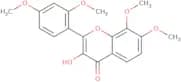
Formula:C20H20O8Purity:Min. 95%Color and Shape:SolidMolecular weight:388.37 g/mol3-Hydroxy-7,8,2',4'-tetramethoxyflavone
CAS:3-Hydroxy-7,8,2',4'-tetramethoxyflavone is a specialized flavonoid compound, which is a type of polyphenolic metabolite derived primarily from certain plant sources. This compound belongs to a class of naturally occurring flavones that are isolated from plants known for their diverse biological activities. Its mode of action involves interacting with cellular pathways and receptors, potentially modulating enzymatic activity and affecting signal transduction processes.
Formula:C19H18O7Purity:Min. 95%Molecular weight:358.34 g/molGenkwanin-4'-glucoside
CAS:Genkwanin-4'-glucoside is a flavonoid glycoside, which is a natural compound derived from various plant sources, including members of the Thymelaeaceae family such as Daphne and Wikstroemia species. This compound is characterized by the attachment of a glucose molecule to the aglycone genkwanin, enhancing its solubility and bioavailability.Formula:C22H22O10Purity:Min. 95%Molecular weight:446.4 g/molDihydrowogonin
CAS:Dihydrowogonin is a flavonoid compound, predominantly sourced from plants such as Scutellaria baicalensis. It is a derivative of wogonin, exhibiting significant pharmacological properties. As a bioactive compound, dihydrowogonin interacts with various molecular targets, modulating intracellular signaling pathways, thereby exerting anti-inflammatory and neuroprotective effects.Formula:C16H14O5Purity:Min. 95%Molecular weight:286.28 g/molOrobol 3',4'-dimethyl ether
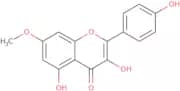
CAS:Orobol 3',4'-dimethyl ether is a synthetic flavonoid compound, which is derived from chemical modifications of naturally occurring flavonoids. These compounds are typically found in a variety of plants and are well-known for their diverse biological activities. Orobol 3',4'-dimethyl ether is specifically engineered to enhance or modify these natural properties for potential therapeutic use.Formula:C17H14O6Purity:Min. 95 Area-%Color and Shape:PowderMolecular weight:314.29 g/mol3,5,4'-Trihydroxy-7-methoxyflavone
CAS:3,5,4'-Trihydroxy-7-methoxyflavone is a naturally occurring flavonoid compound, which is a type of polyphenolic compound found in various plants. This flavonoid is often isolated from plant sources and is of significant interest due to its potential biochemical and therapeutic properties.Formula:C16H12O6Purity:Min. 98 Area-%Color and Shape:PowderMolecular weight:300.26 g/molGalangin-3-rutinoside
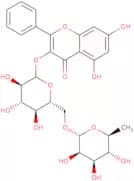
CAS:Galangin-3-rutinoside is a flavonoid glycoside, which is derived from natural plant sources such as members of the Zingiberaceae family, often found in various medicinal herbs. The mode of action of Galangin-3-rutinoside involves its ability to scavenge free radicals and inhibit oxidative stress, while also modulating inflammatory pathways by downregulating pro-inflammatory cytokines and enzymes.
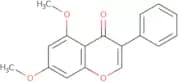
Formula:C27H30O14Purity:Min. 95%Color and Shape:PowderMolecular weight:578.52 g/mol5,7-Dimethoxyisoflavone
CAS:5,7-Dimethoxyisoflavone is a synthetic isoflavone compound, which is derived from the chemical structure of naturally occurring isoflavones typically found in plants such as soy. It is designed to mimic certain properties of these plant-derived compounds with specific enhancements in its biochemical activity due to the addition of methoxy groups.Formula:C17H14O4Purity:Min. 95%Color and Shape:White To Beige SolidMolecular weight:282.29 g/mol3-Hydroxy-7,8,2'-trimethoxyflavone
CAS:3-Hydroxy-7,8,2'-trimethoxyflavone is a specialized flavone compound, which is a naturally occurring polyphenolic product found in certain plants. It is derived from various botanical sources, where it functions as a secondary metabolite, contributing to the plant's defense mechanisms against pathogens and environmental stress.Formula:C18H16O6Purity:Min. 95%Molecular weight:328.32 g/molEriocitrin
CAS:Eriocitrin is a flavonoid compound, which is derived from citrus fruits, particularly lemons and limes. It is isolated from the peels and juice of these fruits, where it serves as one of the key constituents contributing to their nutritional and functional properties. The mode of action of eriocitrin involves its potent antioxidant activity. It acts by scavenging free radicals and reducing oxidative stress at the cellular level, thereby imparting protective effects on cells and tissues.Formula:C27H32O15Purity:Min. 98 Area-%Color and Shape:Off-White PowderMolecular weight:596.53 g/molQuercetin-3-O-sophoroside
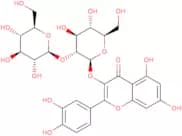
CAS:Quercetin-3-O-sophoroside is a flavonoid glycoside, which is a naturally occurring compound found in various plant sources, such as fruits, vegetables, and herbs. This compound is formed by the binding of the flavonoid quercetin with the disaccharide sophorose. The molecular structure of this compound enables it to exert potent antioxidant effects, scavenging free radicals and reducing oxidative stress at a cellular level.
Formula:C27H30O17Purity:Min. 95%Color and Shape:PowderMolecular weight:626.52 g/molLuteolin-7-O-D-glucopyranoside
CAS:Luteolin-7-O-D-glucopyranoside is a flavonoid glycoside, which is a type of naturally occurring compound found predominantly in plants. It serves as a significant bioactive compound and is usually sourced from various plant species, including leaves, flowers, and fruits. The mode of action of Luteolin-7-O-D-glucopyranoside primarily involves its ability to scavenge free radicals, thereby exhibiting strong antioxidant properties. This glycoside form enhances the solubility and stability of luteolin, facilitating its biological activities.Formula:C21H20O11Purity:Min. 98 Area-%Color and Shape:Yellow PowderMolecular weight:448.38 g/molKievitone
CAS:Please enquire for more information about Kievitone including the price, delivery time and more detailed product information at the technical inquiry form on this pageFormula:C20H19O6Purity:Min. 95%Molecular weight:355.36 g/mol