Flavonoids
Subcategories of "Flavonoids"
- Anthocyanidins(46 products)
- Anthocyanin(46 products)
- Catechin(88 products)
- Chalcones(237 products)
- Pterocarpan(28 products)
Found 2410 products of "Flavonoids"
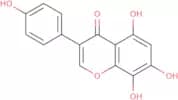
8-Hydroxygenistein
CAS:8-Hydroxygenistein is a naturally occurring isoflavone, which is a type of polyphenolic compound. It is derived primarily from plants, particularly soybeans and other legumes. This compound exhibits its mode of action through selective inhibition of tyrosine kinase enzymes, interference with the cell cycle, and modulation of signal transduction pathways. It also acts as a potent antioxidant, scavenging free radicals and reducing oxidative stress within cells.
Formula:C15H10O6Purity:Min. 95%Color and Shape:Yellow PowderMolecular weight:286.24 g/molTheaflavin-3'-gallate (TF-3'-G)
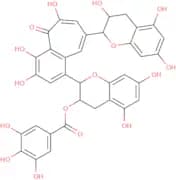
CAS:Induces cell death in human prostate cancer by disrupting mitochondria function
Formula:C36H28O16Purity:Min. 95%Color and Shape:Red PowderMolecular weight:716.6 g/molIsorhamnetin-5-O-methyl ether-3-glucoside
CAS:Isorhamnetin-5-O-methyl ether-3-glucoside is a flavonoid glycoside, which is a secondary metabolite typically found in various plant sources such as fruits, vegetables, and certain herbs. It is part of a larger class of compounds known as flavonoids, which are well-known for their diverse biological activities. The mode of action of Isorhamnetin-5-O-methyl ether-3-glucoside primarily involves its antioxidant properties, which allow it to neutralize free radicals and reduce oxidative stress.Formula:C22H22O13Purity:Min. 95%Molecular weight:494.4 g/molLinarin
CAS:Linarin is a naturally occurring flavonoid compound, which is primarily extracted from plant sources such as the leaves of *Buddleja davidii* and *Mentha aquatica*. This flavonoid is notable for its biological activity, which is characterized by its interaction with various enzymes and receptors involved in cellular processes.Formula:C28H33O14Purity:Min. 95%Color and Shape:PowderMolecular weight:593.55 g/molAcacetin-7-neohesperidoside
CAS:Acacetin-7-neohesperidoside is a chemical compound that is classified as a flavonoid glycoside. Derived from various plant sources, particularly those within the Asteraceae family, it serves as a key subject in scientific investigations due to its diverse biological activities. The mode of action is primarily linked to its ability to modulate signaling pathways within cells, exhibiting potential anti-inflammatory and antioxidant effects. As a researcher, understanding its interaction with cellular pathways is crucial for advancing therapeutic applications.Formula:C28H32O14Purity:Min. 98 Area-%Color and Shape:Pale yellow solid.Molecular weight:592.55 g/molPinocembrin dimethylether
CAS:Pinocembrin dimethylether is a flavonoid derivative, which is synthesized from natural sources such as honey, propolis, and certain plants. It retains the core flavonoid structure while being modified to enhance its bioavailability and stability. This compound acts primarily as a neuroprotective agent through its antioxidative and anti-inflammatory properties. It interacts with various molecular pathways to mitigate oxidative stress and reduce neuroinflammation, contributing to cellular protection.
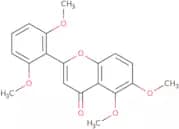
Formula:C17H16O4Purity:Min. 95%Color and Shape:PowderMolecular weight:284.31 g/molZapotin
CAS:Zapotin is a natural compound, which is sourced from the seeds of the Sapote Blanco (Casimiroa edulis). This organic compound exhibits its mode of action primarily through its interaction with cancerous cells. Zapotin induces apoptosis in these cells by modulating key signaling pathways, thereby preventing cell proliferation and enhancing programmed cell death. This mechanism underscores its potential as a chemopreventive agent.Formula:C19H18O6Purity:Min. 95%Color and Shape:PowderMolecular weight:342.34 g/mol7,4'-Dimethoxyflavone
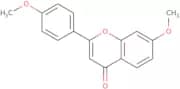
CAS:7,4'-Dimethoxyflavone is a naturally occurring flavonoid derivative, which is found predominantly in certain plants, particularly within the citrus family. This compound is characterized by the presence of two methoxy groups attached to its flavone backbone. It functions by interacting with various biological pathways, including those involved in antioxidant and anti-inflammatory responses. Its molecular structure allows it to modulate enzyme activities and receptor interactions, although the exact mechanisms are still under study.Formula:C17H14O4Purity:Min. 98 Area-%Color and Shape:PowderMolecular weight:282.29 g/mol4'-Methoxyflavanone
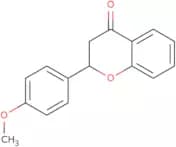
CAS:4'-Methoxyflavanone is a methoxy-substituted flavanone, which is a specialized class of flavonoids. These compounds are primarily derived from plant sources and are known for their diverse biological activities. The modification of the flavanone structure with a methoxy group can significantly influence its biochemical interactions and properties.Formula:C16H14O3Purity:Min. 95%Color and Shape:PowderMolecular weight:254.28 g/molQuercetin-3-arabinoglucoside
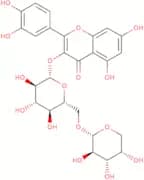
CAS:Quercetin-3-arabinoglucoside is a flavonoid glycoside, which is a phytochemical derived primarily from a variety of plant sources, including fruits, vegetables, and medicinal plants. This compound acts as a potent antioxidant by scavenging free radicals, thereby protecting cells from oxidative stress, which can lead to cellular damage and various diseases.Formula:C26H28O16Purity:Min. 95%Color and Shape:PowderMolecular weight:596.49 g/molPiscerythrone
CAS:Piscerythrone is a specialized chemical compound derived from certain marine organisms, which is primarily sourced from vibrant crustaceans. It acts through biochemical interactions that modulate pigmentation processes at the cellular level. The compound's mode of action involves binding to specific receptors involved in the enzymatic pathways of pigment production, influencing the synthesis and deposition of pigments such as astaxanthin.Formula:C21H20O7Purity:Min. 95%Molecular weight:384.38 g/mol7,3',4',5'-Tetra methoxyflavone
CAS:7,3',4',5'-Tetra methoxyflavone is a polymethoxyflavone, which is a type of flavonoid compound. This compound is typically derived from various plant sources, particularly those in the Citrus genus. It possesses structural complexity due to its four methoxy groups, which contribute to its biological activity.Formula:C19H18O6Purity:Min. 95%Molecular weight:342.34 g/mol7,3'-Dimethoxyflavone
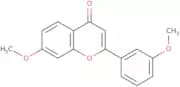
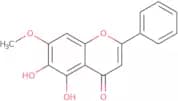
CAS:7,3'-Dimethoxyflavone is a flavonoid compound, which is a type of secondary metabolite found in various plants. This compound is primarily sourced from the leaves and stems of certain plant species, where it acts as a natural protector against pathogens and contributes to the plant's development and survival mechanisms.Formula:C17H14O4Purity:Min. 95%Color and Shape:PowderMolecular weight:282.29 g/mol5,6-Dihydroxy-7-methoxyflavone
CAS:5,6-Dihydroxy-7-methoxyflavone is a naturally occurring flavonoid compound, which is predominantly sourced from various plants, often found in the leaves, stems, or roots. This compound belongs to the broader class of flavonoids, which are known for their diverse biochemical activities. As a flavone derivative, its structure includes hydroxyl and methoxy functional groups that contribute to its biological activity.
Formula:C16H12O5Purity:Min. 95%Color and Shape:Yellow PowderMolecular weight:284.26 g/molTilianin
CAS:Tilianin is a flavonoid glycoside, which is a natural compound derived from the plant **Dracocephalum moldavica**. It is primarily sourced from the leaves and flowers of this herbaceous plant, belonging to the Lamiaceae family. Tilianin exerts its effects through several biochemical pathways, most notably by inhibiting inflammatory mediators and modulating oxidative stress pathways. This mode of action suggests its potential as an anti-inflammatory and antioxidant agent.Formula:C22H22O10Purity:Min. 98 Area-%Color and Shape:White Off-White PowderMolecular weight:446.4 g/molTectochrysin
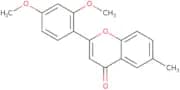
CAS:Tectochrysin is a naturally occurring flavonoid, which is derived from the heartwood of certain trees, such as those from the genus Albizzia. This compound exhibits its effects primarily through antioxidant and anti-inflammatory activities, mediated by the modulation of various signaling pathways. Specifically, Tectochrysin has been shown to inhibit the activity of nuclear factor-kappa B (NF-κB) and other pro-inflammatory mediators, while also enhancing the expression of antioxidative enzymes.Formula:C16H12O4Purity:Min. 95%Color and Shape:PowderMolecular weight:268.26 g/mol2',4'-Dimethoxy-6-methylflavanol
CAS:2',4'-Dimethoxy-6-methylflavanol is a specialized flavonoid compound, which is a type of secondary metabolite primarily found in various plants. These compounds are often extracted from plants recognized for their rich phytochemical profiles, such as those in the Fabaceae or Rutaceae families. Flavonoids, including 2',4'-Dimethoxy-6-methylflavanol, are known for their diverse biological activities, including antioxidant, anti-inflammatory, and potential anti-cancer properties.Formula:C18H16O4Purity:Min. 95%Molecular weight:296.32 g/mol3-Hydroxy-6,2',4',5'-tetramethoxyflavone
CAS:3-Hydroxy-6,2',4',5'-tetramethoxyflavone is a naturally occurring flavone, which is a type of polyphenolic compound predominantly found in certain plants. This compound belongs to the broader class of flavonoids, often isolated from plant sources like tropical herbs and medicinal plants renowned for their rich bioactive profiles.Formula:C19H18O7Purity:Min. 95%Molecular weight:358.34 g/molCyrtopterinetin
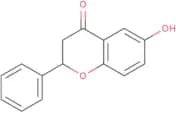
CAS:Cyrtopterinetin is a naturally occurring flavonoid compound, which is derived from specific plant sources such as Cyrtomium species in Pteridaceae. This compound exerts its biological effects primarily through the modulation of various signaling pathways. It affects key molecular targets involved in the regulation of cell proliferation, apoptosis, and inflammation. The ability of cyrtopterinetin to influence these pathways is attributed to its capacity to bind with cellular proteins and alter gene expression.Formula:C17H16O5Purity:Min. 98 Area-%Molecular weight:300.31 g/mol6-Hydroxyflavanone
CAS:6-Hydroxyflavanone is a flavonoid derivative, which is a naturally occurring compound found in various plants. It is primarily extracted from citrus fruits and other botanicals rich in flavonoids. The compound acts through its antioxidant and anti-inflammatory properties, effectively scavenging free radicals and modulating inflammatory pathways. This mechanism is crucial in reducing oxidative stress and moderating immune responses, which has implications for both cellular protection and therapeutic applications.Formula:C15H12O3Purity:Min. 95%Color and Shape:PowderMolecular weight:240.25 g/mol7-O-Prenyloxyflavanone
CAS:7-O-Prenyloxyflavanone is a bioactive compound, specifically a flavanone, which is isolated from various plant sources known for their rich flavonoid content. The compound is characterized by the attachment of a prenyl group at the 7-O position of the flavanone structure, which imparts unique biological activities.Formula:C20H20O3Purity:Min. 95%Molecular weight:308.37 g/mol6,2',3'-Trimethoxyflavanone
CAS:6,2',3'-Trimethoxyflavanone is a type of flavonoid compound, specifically a flavanone, which is derived from natural sources, commonly plants. These compounds are often extracted from various parts of plants such as leaves, stems, or seeds, where they naturally occur in small quantities. The structure of flavanones, characterized by their three-ring system and methoxy groups, contributes to their biochemical activity.Formula:C18H16O5Purity:Min. 95%Color and Shape:PowderMolecular weight:312.3 g/mol6-Methylflavone
CAS:6-Methylflavone is a synthetic flavonoid, which is derived from the structural modification of natural flavonoids commonly found in various plants. This compound has garnered interest due to its pharmacological potential, particularly as a modulator of the central nervous system. The mode of action of 6-Methylflavone involves its interaction with the GABA_A receptors, where it is believed to function as a positive allosteric modulator. This interaction enhances the inhibitory effects of GABA, a primary neurotransmitter in the brain, thereby potentially exerting anxiolytic (anxiety-reducing) effects.Formula:C16H12O2Purity:Min. 95%Color and Shape:PowderMolecular weight:236.27 g/mol2',3'-Dimethoxyflavone
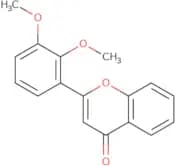
CAS:2',3'-Dimethoxyflavone is a synthetic flavone derivative, which is naturally sourced from plants, particularly those containing flavonoid compounds. Its mode of action involves modulating various biochemical pathways, including enzyme inhibition and interaction with cellular receptors. This modulation can alter cell signaling, affecting processes such as inflammation and cancer cell proliferation.Formula:C17H14O4Purity:Min. 95%Color and Shape:PowderMolecular weight:282.29 g/molFujikinetin
CAS:Isoflavone from processed leaves and stems of Cyclopia intermedia
Formula:C17H12O6Purity:Min. 95%Color and Shape:PowderMolecular weight:312.27 g/mol3',4',5',6,7,8-Hexamethoxy-5-hydroxyflavone
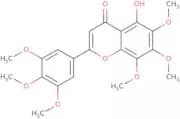
CAS:3',4',5',6,7,8-Hexamethoxy-5-hydroxyflavone is a methoxylated flavonoid, which is a type of polyphenolic compound derived from various plant sources. These compounds are often synthesized naturally within the plant kingdom, and their structures are characterized by multiple methoxy groups that contribute to their distinct bioactive properties.Formula:C21H22O9Purity:Min. 95%Color and Shape:PowderMolecular weight:418.39 g/molChrysoeriol
CAS:Chrysoeriol is a flavonoid compound, which is derived from various plant sources, including many herbs and flowers such as chamomile and tarragon. It functions through inhibition of certain cellular pathways that lead to inflammation, such as the suppression of NF-kB and cyclooxygenase activity. Additionally, chrysoeriol exhibits antioxidative effects by scavenging free radicals and enhancing the body's natural antioxidant enzyme systems.Formula:C16H12O6Purity:Min. 95%Color and Shape:Yellow PowderMolecular weight:300.26 g/mol7,3',4',5'-Tetrahydroxyflavone
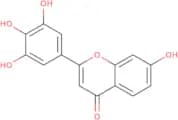
CAS:7,3',4',5'-Tetrahydroxyflavone is a bioactive flavonoid, which is a type of polyphenolic compound. It is derived from natural sources such as plants, where flavonoids are abundant and play crucial roles in plant physiology, including pigmentation and UV filtration. The mode of action of 7,3',4',5'-Tetrahydroxyflavone involves scavenging free radicals and inhibiting pathways that lead to oxidative stress and inflammation. This compound can modulate cellular signaling pathways and gene expression, contributing to its potential therapeutic effects.Formula:C15H10O6Purity:Min. 95%Color and Shape:PowderMolecular weight:286.24 g/mol3-Hydroxy-2',4',5'-trimethoxyflavone
CAS:3-Hydroxy-2',4',5'-trimethoxyflavone is a naturally occurring flavone, which is a type of polyphenolic compound. This compound is typically derived from plant sources, where it is biosynthesized as part of the plant’s secondary metabolism. The mode of action for flavones like 3-Hydroxy-2',4',5'-trimethoxyflavone involves modulating various biochemical pathways, including antioxidant activity and enzyme inhibition, which may affect various metabolic and cellular processes.Formula:C18H16O6Purity:Min. 95%Molecular weight:328.32 g/mol4',6,7-Trihydroxyisoflavone
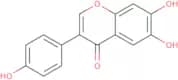
CAS:4',6,7-Trihydroxyisoflavone is a naturally occurring isoflavone, which is a type of phytochemical commonly found in plants. It is primarily derived from legumes and soy products and is known for its presence in various plant-based foods. Isoflavones like 4',6,7-Trihydroxyisoflavone possess a polyphenolic structure, endowing them with significant biological activity, such as antioxidant properties.Formula:C15H10O5Purity:Min. 95%Color and Shape:PowderMolecular weight:270.24 g/mol7,8,2',4'-Tetrabenzyloxyisoflavone
7,8,2',4'-Tetrabenzyloxyisoflavone is a synthetic chemical compound derived from the modification of the isoflavone structure. It is designed for research purposes and acts as a biochemical tool in studying the effects and interactions of isoflavones and their derivatives. The compound is synthesized through a series of benzylation reactions involving isoflavone, sourced primarily from plant-based materials like soybeans, known for their phytoestrogen properties.
Formula:C43H34O6Purity:Min. 95%Molecular weight:646.73 g/molNaringin
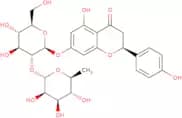
CAS:Naringin is a bioflavonoid, which is a secondary metabolite predominantly found in citrus fruits, particularly in grapefruits and oranges. This compound is sourced from the peels and juices of these fruits, where it serves as a major constituent contributing to their distinct bitter taste.Formula:C27H32O14Purity:Min. 95.0 Area-%Color and Shape:White PowderMolecular weight:580.53 g/molKaempferol-3-O-glucorhamnoside - 65%
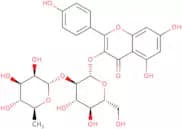
CAS:Kaempferol-3-O-glucorhamnoside - 65% is a flavonoid glycoside, which is derived from various plant sources such as tea, broccoli, and apples. This compound is a conjugate of the flavonoid kaempferol with sugar moieties, specifically glucose and rhamnose. Its biochemical mode of action involves modulating various signaling pathways, including those related to oxidative stress and inflammation. By influencing these pathways, it may inhibit the production of reactive oxygen species (ROS) and regulate the expression of inflammatory cytokines.Formula:C27H30O15Purity:Min. 95%Color and Shape:PowderMolecular weight:594.52 g/molEriodictyol - 98%
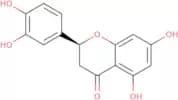
CAS:Eriodictyol - 98% is a flavonoid compound, which is a type of plant-based molecule. It is primarily sourced from multiple plant species, including certain herbs and bark, notably from the Eriodictyon genus. As a bioactive compound, eriodictyol functions by modulating cellular oxidative stress responses through its ability to scavenge free radicals and inhibit reactive oxygen species.Formula:C15H12O6Purity:Min. 98 Area-%Color and Shape:White PowderMolecular weight:288.25 g/molIsorhoifolin
CAS:Anti-diabetic; anti-hyperlipidemic; antioxidantImage taken by Jin-Yao Ong 台灣山豆根 Euchresta formosana (Hayata) OhwiOhwi, J. Jap. Bot. 12(9): 659. 1936.Formula:C27H30O14Purity:Min. 98 Area-%Color and Shape:White PowderMolecular weight:578.52 g/molKaempferol-3-(p-coumaryl)glucoside
CAS:Kaempferol-3-(p-coumaryl)glucoside is a bioactive phenolic compound found in the plant Tilia tomentosa. It has been shown to have hypoglycemic and anti-inflammatory effects, as well as an ability to inhibit the production of cytokines that are important for the development of inflammatory bowel disease. Kaempferol-3-(p-coumaryl)glucoside has also been shown to have an antiviral effect against infectious diseases such as HIV and herpes simplex virus type 2 (HSV2). This compound binds to the signal pathways that regulate apoptosis, which leads to cell death. Kaempferol-3-(p-coumaryl)glucoside can also cause DNA damage and genotoxic activity in bacteria.
Formula:C30H26O13Purity:Min. 95%Color and Shape:PowderMolecular weight:594.52 g/mol3,6,2',3'-Tetrahydroxyflavone
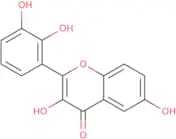
CAS:3,6,2',3'-Tetrahydroxyflavone is a naturally occurring flavonoid, which is a type of phytochemical found in various plants. As a secondary metabolite, flavonoids like this one are primarily sourced from the polyphenolic compounds prevalent in fruits, vegetables, and certain herbs.Formula:C15H10O6Purity:Min. 95%Molecular weight:286.24 g/molTernatin B
CAS:Ternatin B is a naturally derived compound, which is a cyclic peptide sourced from plant-based materials. It functions predominantly by inhibiting the mechanistic target of rapamycin complex 1 (mTORC1), a critical pathway involved in the regulation of cell growth and autophagy. This mode of action positions Ternatin B as a potent inhibitor of autophagy, the cellular process responsible for the degradation and recycling of cellular components.Formula:C75H81O41Purity:Min. 95%Molecular weight:1,638.42 g/mol5,3',4'-Trimethoxyflavone
CAS:5,3',4'-Trimethoxyflavone is a polyphenolic compound, which is categorized as a flavonoid. This compound is naturally sourced from certain plant species in the Asteraceae family, known for their rich flavonoid content. As a flavonoid, it functions primarily by modulating various biological pathways, including antioxidant, anti-inflammatory, and neuroprotective mechanisms.Formula:C18H16O5Purity:Min. 95%Color and Shape:PowderMolecular weight:312.32 g/mol5-Methoxyflavone
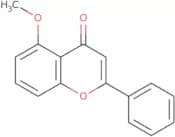
CAS:5-Methoxyflavone is a flavonoid compound, which is a type of polyphenolic compound found in various plants. This natural compound is synthesized primarily through the biosynthetic pathways of plants, involving the condensation of a phenylpropanoid with a polyketide. The mode of action of 5-Methoxyflavone involves interactions with cellular pathways, including modulation of oxidative stress and influences on cell signaling mechanisms.Formula:C16H12O3Purity:Min. 95%Color and Shape:PowderMolecular weight:252.26 g/mol3,7-Dihydroxy-3',4',5'-trimethoxyflavone
CAS:3,7-Dihydroxy-3',4',5'-trimethoxyflavone is a flavone derivative, which is a type of polyphenolic compound. It is primarily derived from various plant sources, particularly those known for high polyphenolic content, such as certain fruits, vegetables, and medicinal herbs. The mode of action of 3,7-Dihydroxy-3',4',5'-trimethoxyflavone involves modulation of oxidative stress pathways and inhibition of inflammatory mediators, making it a compound of interest in biochemical and pharmacological research.
Formula:C18H16O7Purity:Min. 98 Area-%Color and Shape:PowderMolecular weight:344.32 g/molTheaflavin
CAS:Theaflavin is a polyphenolic compound, which is derived from the oxidation of catechins in black tea leaves. This compound acts as an antioxidant by scavenging free radicals and reducing oxidative stress. Theaflavin modulates various signaling pathways, influencing cellular processes such as apoptosis and inflammation. Its antioxidant capabilities are attributed to its ability to donate electrons and stabilize radical species, thus protecting cellular components from damage.Formula:C29H24O12Purity:Min. 95%Color and Shape:Red PowderMolecular weight:564.49 g/mol2',3',6-Trihydroxyflavone
CAS:2',3',6-Trihydroxyflavone is a flavonoid compound, which is naturally derived from various plant sources such as fruits, vegetables, and certain herbs. It exists as a small molecule flavonoid within the polyphenolic family, known for its diverse biological activities. The compound acts primarily through antioxidant mechanisms, scavenging free radicals and reducing oxidative stress, which can mitigate cellular damage and inflammation.Formula:C15H10O5Purity:Min. 95%Molecular weight:312.32 g/molRobustigenin
CAS:Robustigenin is a naturally occurring compound, classified as a cardenolide, which is derived from plant sources, specifically from the Apocynaceae family. It is characterized by its distinct steroidal structure, which is integral to its biological activity. The mode of action of Robustigenin involves inhibition of the sodium-potassium ATPase enzyme, leading to increased intracellular sodium levels. This, in turn, affects calcium ion concentrations through sodium-calcium exchange mechanisms, impacting cellular processes, particularly in cardiac tissues.
Formula:C19H18O7Purity:Min. 95%Molecular weight:358.34 g/molHerbacetin-8-glucoside
CAS:Herbacetin-8-glucoside is a flavonoid compound, which is a naturally occurring glucoside derived from various plant sources, predominantly found in flaxseed and some other plant species. The glycosidic linkage occurs at the 8th position on the herbacetin structure, contributing to its unique biochemical profile. Herbacetin-8-glucoside functions primarily through its potent antioxidant and anti-inflammatory mechanisms, effectively scavenging free radicals and modulating inflammatory pathways.Formula:C21H20O12Purity:Min. 95%Molecular weight:464.38 g/mol6-Hydroxy-2'-methoxyflavone
CAS:6-Hydroxy-2'-methoxyflavone is a naturally-derived flavonoid compound, primarily sourced from various plants. Its structure, a modification of the flavone backbone, incorporates hydroxy and methoxy functional groups that contribute to its unique chemical properties. The mode of action of 6-Hydroxy-2'-methoxyflavone involves interactions with specific cellular pathways and receptors, potentially influencing antioxidant and anti-inflammatory responses. This compound may modulate enzyme activity and participate in scavenging free radicals, offering insights into its biochemical versatility.
Formula:C16H12O4Purity:Min. 95%Molecular weight:268.26 g/molTangeretin
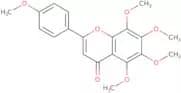
CAS:Tangeretin is a polymethoxylated flavonoid, which is derived primarily from the peels of citrus fruits, particularly oranges and tangerines. As a naturally occurring compound, it exerts its effects through several biochemical pathways. Tangeretin has been shown to modulate cellular signaling pathways, inhibit inflammatory mediators, and scavenge free radicals, highlighting its antioxidant and anti-inflammatory potential.Formula:C20H20O7Purity:Min. 97 Area-%Color and Shape:PowderMolecular weight:372.37 g/mol3,7,8,2'-Tetrahydroxyflavone
CAS:3,7,8,2'-Tetrahydroxyflavone is a polyphenolic compound, which is a type of flavonoid. These compounds are known for their presence in various plants as secondary metabolites. This particular flavone is naturally sourced from specific plant species, contributing to the plant's defense mechanisms against environmental stressors.Formula:C15H10O6Purity:Min. 95%Molecular weight:286.24 g/mol3,7,8,2',3'-Pentamethoxyflavone
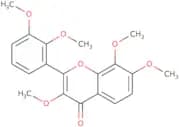
CAS:3,7,8,2',3'-Pentamethoxyflavone is a synthetic flavone derivative, which is primarily isolated from certain plant species known for their rich flavonoid content. This compound is notable for its potential biological and pharmaceutical applications, resulting from its molecular structure that allows it to interact with various cellular pathways.Formula:C20H20O7Purity:Min. 95%Molecular weight:372.37 g/mol3-Hydroxy-7,2',4',5'-tetramethoxyflavone
CAS:3-Hydroxy-7,2',4',5'-tetramethoxyflavone is a naturally occurring flavonoid, which is derived from plant sources, particularly within the family of citrus fruits. Its chemical structure consists of a hydroxyl group and multiple methoxy groups, contributing to its biological activity. As a flavonoid, it is primarily involved in mediating anti-inflammatory, antioxidant, and potential anticancer effects by modulating various cellular pathways.
Formula:C19H18O7Purity:Min. 95%Molecular weight:358.34 g/mol