Flavonoids
Subcategories of "Flavonoids"
- Anthocyanidins(46 products)
- Anthocyanin(46 products)
- Catechin(88 products)
- Chalcones(237 products)
- Pterocarpan(28 products)
Found 2410 products of "Flavonoids"
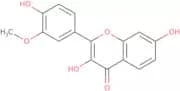
3'-Methoxy-3,7,4'-trihydroxyflavone
CAS:3'-Methoxy-3,7,4'-trihydroxyflavone is a naturally occurring flavonoid compound, which is derived from various plant sources, such as fruits, vegetables, and medicinal herbs. This compound is known for its potent antioxidant activity, which is primarily achieved through the scavenging of reactive oxygen species and the inhibition of oxidative stress pathways.Formula:C16H12O6Purity:Min. 95%Color and Shape:PowderMolecular weight:300.26 g/mol6-Methoxyflavone
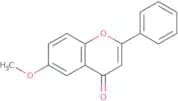
CAS:6-Methoxyflavone is a flavonoid compound, which is a naturally occurring product found in certain plants. It is characterized by the presence of a methoxy group attached to the flavone backbone. This compound is typically extracted from plant sources such as citrus fruits and certain herbs that have a high content of polyphenolic compounds. Its mode of action involves modulating various biochemical pathways, including the inhibition of specific enzymes and interaction with cellular receptors, potentially affecting oxidative stress and inflammation pathways.Formula:C16H12O3Purity:Min. 95%Color and Shape:White PowderMolecular weight:252.26 g/mol(+)-Pinocembrin
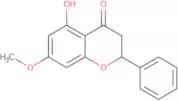
CAS:(+)-Pinocembrin is a flavonoid compound, which is a naturally occurring phytochemical. It is predominantly sourced from propolis, a resinous substance produced by bees, and also found in various plants such as honey and ginger root. The mode of action of (+)-Pinocembrin involves its potent antioxidant and antimicrobial properties. It acts by scavenging free radicals, thereby protecting cells from oxidative stress, and it also interferes with microbial cell membranes, leading to antimicrobial effects.Formula:C15H12O4Purity:Min. 98 Area-%Color and Shape:PowderMolecular weight:256.25 g/molKaempferol-7,4'-dimethyl ether
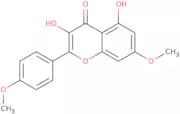
CAS:Kaempferol-7,4'-dimethyl ether is a flavonoid derivative, which is a naturally occurring compound predominantly found in certain plant species. As a derivative of kaempferol, it is an O-methylated flavonoid, often isolated from various members of the Leguminosae family. Its mode of action involves interacting with multiple biological pathways, typically exhibiting antioxidant and anti-inflammatory properties. This potent flavonoid modulates signaling pathways and can influence cellular energy metabolism, often impacting reactive oxygen species (ROS) levels.Formula:C17H14O6Purity:Min. 95 Area-%Color and Shape:PowderMolecular weight:314.29 g/molVelutin
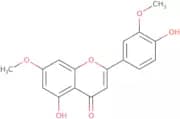
CAS:Velutin is a natural flavonoid, which is derived from the leaves of certain plant species, specifically from the Asteraceae family. This compound demonstrates a unique mode of action by modulating various signaling pathways involved in inflammation and oxidative stress. Velutin effectively inhibits the activation of nuclear factor kappa-light-chain-enhancer of activated B cells (NF-κB) and reduces the expression of pro-inflammatory cytokines, contributing to its anti-inflammatory properties.
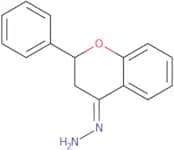
Formula:C17H14O6Purity:Min. 95%Color and Shape:PowderMolecular weight:314.29 g/molFlavanone hydrazone, 93%
CAS:Flavanone hydrazone (FH) is a natural compound that has been found to have antiviral activity against a number of viruses, including the papilloma virus and picornavirus. The antiviral activity of FH is due to its ability to inhibit the shikimate pathway, which is required for the synthesis of aromatic amino acids from chorismate. This inhibition prevents the production of viral proteins, leading to cell death. FH also has an inhibitory effect on hepatitis C virus and leukoplakia by inhibiting fatty acid synthesis. It may also be used in the treatment of inflammatory diseases such as rheumatoid arthritis and ulcerative colitis.
Formula:C15H14N2OPurity:(%) Min. 93%Color and Shape:PowderMolecular weight:238.28 g/molMyricetin-3-galactoside
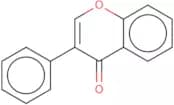
CAS:Myricetin-3-galactoside is a flavonoid glycoside, which is a type of secondary metabolite originating from various plant sources, including fruits, vegetables, and certain herbs. This compound forms when the flavonol, myricetin, is glycosylated with a galactose molecule. Its structure enhances the stability and solubility of myricetin, thereby modulating its bioavailability and biological activity.Formula:C21H20O13Purity:Min. 95%Color and Shape:Slightly Yellow PowderMolecular weight:480.38 g/molIsoflavone - 40%
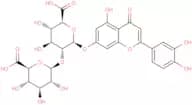
CAS:Isoflavone - 40% is a phytochemical compound, specifically classified as a type of polyphenolic plant-derived compound. It is sourced primarily from soybeans and other legumes, where it naturally occurs as part of the plant's secondary metabolites. The mode of action of isoflavones involves their ability to mimic estrogen. Due to their structural similarity to estrogen, isoflavones can bind to estrogen receptors and exert weak estrogenic effects, which are particularly relevant in humans and animals.Formula:C15H10O2Purity:Min. 95%Color and Shape:Off-White Clear LiquidMolecular weight:222.24 g/molLuteolin 7-diglucuronide
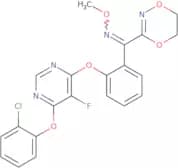
CAS:Luteolin 7-diglucuronide is the major flavonoid isolated from Verbena officinalis and Aloysia triphylla.Formula:C27H26O18Purity:98.24% - 98.44%Color and Shape:SolidMolecular weight:638.48Fluoxastrobin
CAS:Fluoxastrobin is a fungicide, which is a synthetic agricultural chemical developed primarily to combat fungal infections in crops. It belongs to the strobilurin class, derived from natural compounds produced by certain fungi. The mode of action of fluoxastrobin involves the inhibition of mitochondrial respiration in fungal cells. By targeting the cytochrome bc1 complex in the mitochondria, it effectively disrupts energy production within the pathogen, leading to its death.Formula:C21H16CIFN4O5Purity:Min. 95%Molecular weight:562.29 g/mol5,7,3'-Trihydroxyflavone
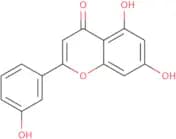
CAS:5,7,3'-Trihydroxyflavone is a flavonoid compound, which is a type of polyphenolic molecule found in plants. This compound is derived from various plant sources such as fruits, vegetables, and certain herbs, where it naturally occurs as part of the plant's secondary metabolites. It exhibits several biochemical actions, predominantly due to its antioxidant properties. This involves scavenging free radicals and chelating metal ions, which contribute to oxidative stress reduction. Additionally, it may influence various signaling pathways related to cell survival and inflammation.
Formula:C15H10O5Purity:Min. 95%Molecular weight:270.24 g/molKaempferol 6-C-glucoside
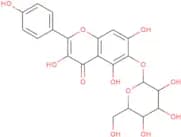
CAS:Kaempferol 6-C-glucoside is a flavonoid glycoside, which is a natural compound found in various plant sources, particularly in leaves and fruits. It is a type of C-glycosyl flavonoid, where the glucose moiety is bound directly to the carbon atom of the flavonoid skeleton, differentiating it from the more common O-glycosides.
Formula:C21H20O11Purity:Min. 95%Molecular weight:448.38 g/molVitexin-4'-rhamnoside
CAS:Vitexin-4'-rhamnoside is a flavonoid glycoside, which is a compound derived from plants such as hawthorn and certain types of buckwheat. This compound belongs to the class of natural products known as flavonoid glycosides, which are well-regarded for their diverse biological activities. Vitexin-4'-rhamnoside is characterized by its ability to scavenge free radicals, thanks to its antioxidant properties. This action is primarily achieved by donating hydrogen atoms or electrons to neutralize reactive oxygen species, thereby mitigating oxidative stress.Purity:Min. 95%7-Hydroxy-2',4'-dimethoxyisoflavone
CAS:7-Hydroxy-2',4'-dimethoxyisoflavone is a synthetic isoflavone, which is derived from the structural modification of natural isoflavones found in various plants, such as soybeans and other legumes. It exerts its biological activity primarily through its interaction with cellular signaling pathways related to oxidative stress and inflammation. This compound functions by modulating enzyme activity, influencing the expression of genes involved in antioxidant defenses, and suppressing pro-inflammatory cytokines.
Formula:C17H14O5Purity:Min. 95%Molecular weight:298.29 g/molBromoflavone
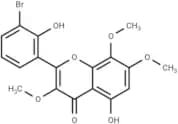
CAS:Bromoflavone (CJ-19784) is a flavonoid isolated from Aspergillus candidus. It demonstrates antitubercular activity against Mycobacterium tuberculosis (MTB) with an MIC90 of 1.2 μM. Additionally, Bromoflavone acts as an antifungal agent, inhibiting the growth of pathogenic fungi such as Candida albicans, Cryptococcus neoformans, and Aspergillus fumigatus with IC50 values of 0.11 μg/mL, 20 μg/mL, and 0.54 μg/mL, respectively.Formula:C18H15BrO7Color and Shape:SolidMolecular weight:423.21Azicemicin B
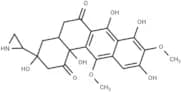
CAS:Azicemicin B exhibits mild antibacterial activity, and when administered to mice via intraperitoneal injection at a dosage of 150 mg/kg, it does not result in any acute toxicity.Formula:C22H23NO9Color and Shape:SolidMolecular weight:445.419Hispidulin-7-O-glucoside
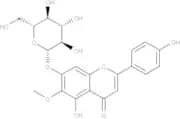
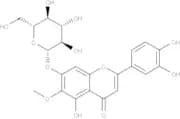
CAS:Hispidulin-7-O-glucoside analytical standard provided with w/w absolute assay, to be used for quantitative titration.
Formula:C22H22O11Purity:(HPLC) ≥98%Color and Shape:PowderMolecular weight:462.41Hispidulin
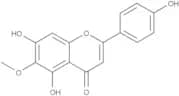
CAS:Hispidulin analytical standard provided with w/w absolute assay, to be used for quantitative titration.
Formula:C16H12O6Purity:(HPLC) ≥98%Color and Shape:PowderMolecular weight:300.27Prunetin
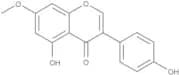
CAS:Prunetin analytical standard provided with chromatographic purity, to be used as reference material for qualitative determination.
Formula:C16H12O5Purity:(HPLC) ≥95%Color and Shape:PowderMolecular weight:284.28Flavone
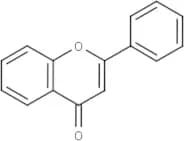
CAS:Flavone analytical standard provided with chromatographic purity, to be used as reference material for qualitative determination.Formula:C15H10O2Purity:(HPLC) ≥95%Color and Shape:PowderMolecular weight:222.25Nepetin-7-O-glucoside
CAS:Nepetin-7-O-glucoside analytical standard provided with w/w absolute assay, to be used for quantitative titration.
Formula:C22H22O12Purity:(HPLC) ≥98%Color and Shape:PowderMolecular weight:478.41Ipriflavone
CAS:Ipriflavone analytical standard provided with chromatographic purity, to be used as reference material for qualitative determination.
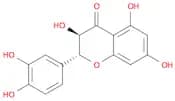
Formula:C18H16O3Purity:(HPLC) ≥90%Color and Shape:PowderMolecular weight:280.33(2R,3R)-3,3',4',5,7-Pentahydroxyflavanone
CAS:Formula:C15H12O7Purity:98%Color and Shape:SolidMolecular weight:304.2516Quercetin-3-arabinofuranoside
CAS:Quercetin-3-arabinofuranoside is a flavonoid, a type of plant-derived polyphenolic compound. It is sourced from various plant species, particularly fruits, vegetables, and grains, where it functions as a secondary metabolite. This compound acts primarily through antioxidant mechanisms, neutralizing free radicals and reducing oxidative stress in biological systems. Additionally, it may interact with various cellular signaling pathways, modulating enzyme activities and gene expression.
Formula:C20H20O11Purity:Min. 95%Molecular weight:436.37 g/molPinostrobin
CAS:Pinostrobin is a natural flavonoid compound, which is derived primarily from the rhizomes of plants such as the fingerroot (Boesenbergia rotunda) and various species of the Pinus genus. Its mode of action involves potent antioxidant activity, where it scavenges free radicals, thus reducing oxidative stress. Additionally, Pinostrobin exhibits antimicrobial properties by disrupting microbial cell membranes and inhibiting essential microbial enzymes.
Formula:C16H14O4Color and Shape:PowderMolecular weight:270.28 g/molRef: 3D-FP66572
Discontinued product4'-O-Methylpunctatin
CAS:4'-O-Methylpunctatin is a specialized natural product, classified as a methoxyflavone, which is derived from specific plant sources known for their diverse phytochemical compositions. Structurally, it is a derivative of punctatin, modified through methylation, enhancing its biological properties and stability. This compound acts through various mechanisms, primarily influencing glucose metabolism pathways. It exhibits inhibitory effects on enzymes like α-glucosidase and provides antioxidant properties that protect pancreatic β-cells from oxidative stress.
Formula:C18H16O6Purity:Min. 95%Molecular weight:328.32 g/molRobinin
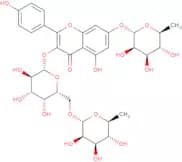
CAS:Robinin is a flavonoid glycoside, which is a naturally occurring phytochemical compound. It is derived from plant sources, particularly within the Fabaceae family, such as Robinia pseudoacacia. The mode of action of Robinin involves its interaction with various cellular and molecular pathways, exhibiting properties such as antioxidant and anti-inflammatory effects.
Formula:C33H40O19Purity:Min. 95 Area-%Color and Shape:PowderMolecular weight:740.66 g/molα-Naphthoflavanone
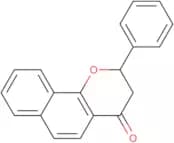
CAS:**α-Naphthoflavanone** is a synthetic flavanone compound, which is derived from natural plant polyphenols. It exhibits its mode of action primarily through the modulation of various biochemical pathways, potentially influencing enzyme activity, receptor binding, and signaling cascades. As a flavanone, it interacts with specific molecular targets, leading to possible antioxidant and anti-inflammatory effects.Formula:C19H14O2Purity:Min. 95%Color and Shape:SolidMolecular weight:274.31 g/molCannflavin B
CAS:Cannflavin B is a specialized flavonoid compound, which is a secondary metabolite derived from Cannabis sativa. It exhibits a distinct mode of action as a potent anti-inflammatory agent. Cannflavin B exerts its effects through the inhibition of pro-inflammatory mediators such as prostaglandins and leukotrienes. These biochemical pathways are typically linked with the cyclooxygenase (COX) and lipoxygenase (LOX) enzymes, and Cannflavin B effectively interferes with these enzymatic processes to reduce inflammation at the molecular level.
Formula:C21H20O6Purity:Min. 95 Area-%Color and Shape:PowderMolecular weight:368.38 g/molRef: 3D-XC176307
Discontinued product7-Hydroxy-2',4',5'-trimethoxyisoflavone
CAS:7-Hydroxy-2',4',5'-trimethoxyisoflavone is a naturally occurring flavonoid, which is commonly isolated from various plant sources, including legumes and other flavonoid-rich botanical species. This compound exhibits a unique structural configuration characterized by hydroxyl and methoxy functional groups, contributing to its notable bioactivity.
Formula:C18H16O6Purity:Min. 95%Color and Shape:PowderMolecular weight:328.32 g/molHinokiflavone pentamethyl ether
CAS:Hinokiflavone pentamethyl ether is a synthetic flavonoid derivative, which is a chemically modified compound sourced from the natural biflavonoid, hinokiflavone. It is characterized by the methylation of phenolic hydroxyl groups, enhancing its stability and solubility. This compound can be derived through organic synthesis techniques involving the catalytic methylation of hinokiflavone.
Formula:C35H28O10Purity:Min. 95%Molecular weight:608.59 g/molQuercetin-3-arabinoside
CAS:Quercetin-3-arabinoside is a flavonoid glycoside, which is a naturally occurring compound found in various plants including fruits and vegetables. It is derived from quercetin, a flavonoid widely distributed in the plant kingdom. The arabinoside component is a sugar moiety that enhances the solubility and stability of the compound. Quercetin-3-arabinoside exerts its effects through antioxidant activity, where it scavenges free radicals and chelates metal ions, thus protecting cells from oxidative stress and potential damage.
Formula:C20H18O11Purity:Min. 95%Color and Shape:PowderMolecular weight:434.35 g/molRef: 3D-FQ65464
Discontinued product6,7-Dimethoxy-2',4'-dihydroxyisoflavone
CAS:6,7-Dimethoxy-2',4'-dihydroxyisoflavone is a naturally occurring isoflavone, which is typically derived from various plant sources, such as legumes or medicinal herbs. It belongs to a class of polyphenolic compounds known for their antioxidative capabilities. This compound acts primarily by scavenging free radicals and reducing oxidative stress, thus protecting cellular structures from damage. Its mode of action involves the modulation of cellular antioxidant pathways and potential interaction with estrogen receptors, contributing to its biological effects.
Formula:C17H14O6Purity:Min. 95%Molecular weight:314.29 g/mol4'-Methoxyflavone
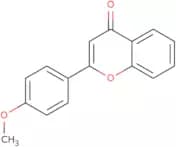
CAS:4'-Methoxyflavone is a synthetic flavonoid, which is derived from modifications of naturally occurring flavonoid structures. It is synthesized through chemical processes involving the methoxylation of flavonoids, commonly found in plants. The compound exhibits its mode of action primarily through antioxidant activity. By scavenging free radicals, 4'-Methoxyflavone helps to prevent oxidative stress at the cellular level, which can damage DNA, proteins, and lipids.
Formula:C16H12O3Purity:Min. 95%Color and Shape:PowderMolecular weight:252.26 g/molRef: 3D-FM67346
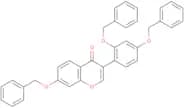
Discontinued product7,2',4'-Tribenzyloxyisoflavone
CAS:7,2',4'-Tribenzyloxyisoflavone is a synthetic compound, which is a derivative of isoflavones, known for its potential role in biochemical and pharmacological research. This compound is primarily sourced through chemical synthesis involving the modification of the isoflavone structure by introducing benzyloxy groups, which alters its physicochemical properties and enhances its stability and solubility for research purposes.
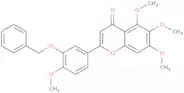
Formula:C36H28O5Purity:Min. 95%Molecular weight:540.6 g/mol3'-Benzyloxy-4',5,6,7-tetramethoxyflavone
CAS:3'-Benzyloxy-4',5,6,7-tetramethoxyflavone is a synthetic flavone derivative, which is structurally modified from naturally occurring flavonoids. These compounds are often sourced from various plant species or created synthetically to mimic the beneficial components found in plant matter. The mode of action of this compound primarily hinges on its ability to interact with cellular pathways due to its polyphenolic structure. Such interactions may include the inhibition of certain enzymes, modulation of receptor activities, or altering oxidative states within cells.
Formula:C26H24O7Purity:Min. 95%Molecular weight:448.46 g/molRef: 3D-FB66452
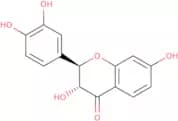
Discontinued product3,3',4',7-Tetrahydroxyflavanone
CAS:3,3',4',7-Tetrahydroxyflavanone is a flavanone compound, which is a type of polyphenolic molecule. This compound is primarily derived from various plant sources, where it occurs naturally in fruits, vegetables, and certain herbs. Its structure is characterized by its multiple hydroxyl groups, which contribute to its chemical reactivity and biological interactions.
Formula:C15H12O6Purity:Min. 95%Color and Shape:White PowderMolecular weight:288.25 g/molRef: 3D-FT66081
Discontinued product7,2'-Dibenzyloxy-4'-methoxyisoflavone
CAS:7,2'-Dibenzyloxy-4'-methoxyisoflavone is a synthetic isoflavone compound, which is derived from chemical synthesis processes rather than natural sources. Isoflavones are a class of flavonoids often studied for their diverse biological activities, including antioxidant, anti-inflammatory, and potential anticancer properties. This compound is characterized by its unique chemical structure that incorporates benzyl and methoxy groups, possibly enhancing its pharmacokinetic profile and efficacy.
Formula:C30H24O5Purity:Min. 95%Molecular weight:464.51 g/molSilicristin
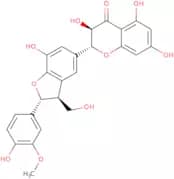
CAS:Silicristin is a flavonolignan compound, which is derived from the seeds of the milk thistle plant, Silybum marianum. This compound is one of the key constituents of silymarin, a complex group of flavonolignans used extensively in herbal medicine. Silicristin is isolated through advanced chromatographic techniques, ensuring high purity and specificity for research applications.
Formula:C25H22O10Purity:Min. 95%Color and Shape:White PowderMolecular weight:482.44 g/molRef: 3D-FS31958
Discontinued product5-Methyl 7-methoxyisoflavone
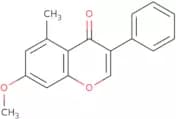
CAS:5-Methyl 7-methoxyisoflavone is a synthetic isoflavone derivative, which is typically sourced in the laboratory through chemical synthesis processes involving the modification of plant-derived isoflavones. This compound is structurally similar to certain natural flavonoids but is characterized by the addition of the methyl and methoxy groups, which are not found in its natural counterparts.
Formula:C17H14O3Purity:Min. 95%Color and Shape:White PowderMolecular weight:266.29 g/molRef: 3D-FM70899
Discontinued productAmentoflavone
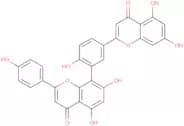
CAS:Amentoflavone is a biflavonoid compound, which is a naturally occurring substance found in various plants such as Ginkgo biloba and Hypericum perforatum. Its molecular structure consists of two flavonoid units joined together, contributing to its unique biochemical characteristics. The source of amentoflavone spans across several medicinal plants, where it plays roles in the plants’ defense mechanisms.
Formula:C30H18O10Purity:Min. 95%Color and Shape:White PowderMolecular weight:538.46 g/molRef: 3D-FA65485
Discontinued productVicenin III
CAS:Vicenin III is a natural flavonoid compound, which is a type of polyphenolic metabolite commonly found in various plant species. It is primarily extracted from herbaceous plants and certain fruits and vegetables, where it acts as a secondary metabolite contributing to the plant's defense mechanisms. The compound exerts its effects through antioxidant properties, which involve scavenging free radicals and reducing oxidative stress at the cellular level. Additionally, it demonstrates anti-inflammatory activity by modulating key signaling pathways and inhibiting pro-inflammatory mediators.
Formula:C26H28O14Purity:Min. 95%Color and Shape:PowderMolecular weight:564.49 g/molRef: 3D-FV145283
Discontinued product8-Prenylgenistein
CAS:8-Prenylgenistein is a prenylated isoflavone, which is a type of naturally occurring polyphenolic compound. It is primarily sourced from plants, particularly legumes, and is a derivative of genistein, an isoflavone commonly found in soy products. The addition of a prenyl group distinguishes 8-prenylgenistein from its parent compound, potentially enhancing its bioactivity and pharmacokinetics.
Formula:C20H18O5Purity:Min. 95%Color and Shape:PowderMolecular weight:338.35 g/molRef: 3D-FP137754
Discontinued product4'-Geranyloxyisoliquiritigenin
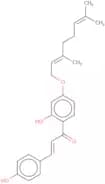
CAS:4'-Geranyloxyisoliquiritigenin is a prenylated chalcone, which is naturally derived from certain plants, especially those belonging to the Fabaceae family. It is a bioactive compound that emerges from the prenylation of isoliquiritigenin, a chalcone found in licorice root. This modification enhances the lipophilicity and bioavailability of the molecule.
Formula:C25H28O4Purity:Min. 95%Molecular weight:392.49 g/molKaempferol 3-O-neohesperidoside
CAS:Kaempferol 3-O-neohesperidoside is a flavonoid glycoside, which is a plant-derived secondary metabolite. It is commonly found in various fruits, vegetables, and herbs, including citrus fruits and certain medicinal plants. The compound consists of the flavonoid kaempferol linked to a neohesperidose sugar moiety.
Formula:C27H30O15Purity:Min. 95%Color and Shape:SolidMolecular weight:594.52 g/mol3,3',4',5,5',8-Hexahydroxyflavone
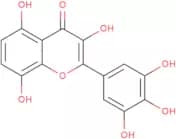
CAS:3,3',4',5,5',8-Hexahydroxyflavone is a naturally occurring flavonoid, which is a type of polyphenolic compound. It is derived from various plant sources, including fruits, vegetables, and certain medicinal herbs. The compound is characterized by its chemical structure, which includes multiple hydroxyl groups, contributing to its biological activity.
The mode of action of 3,3',4',5,5',8-Hexahydroxyflavone involves its interaction with various cellular pathways and enzymes. Primarily, it is known for its antioxidant properties, where it scavenges free radicals and reactive oxygen species, thereby reducing oxidative stress. Additionally, it may exhibit anti-inflammatory effects by modulating signaling pathways involved in inflammation.
In terms of uses and applications, 3,3',4',5,5',8-Hexahydroxyflavone is primarily explored in scientific research focusing on its potential health benefits. Studies investigate its role in disease prevention, particularly conditions associated with oxidative stress and inflammation, such as cardiovascular diseases and neurodegenerative disorders. While it holds promise in these areas, further research is necessary to fully understand its mechanisms and therapeutic potential.Formula:C15H10O8Purity:Min. 95%Molecular weight:318.24 g/molPhaseollinisoflavan
CAS:Phaseollinisoflavan is a naturally occurring isoflavone compound, which is derived from the legume plant, Phaseolus vulgaris, commonly known as the common bean. Its mode of action primarily involves the inhibition of enzymatic activity, particularly affecting pathways related to oxidative stress and various metabolic processes. This isoflavone exerts its effects by modulating signal transduction pathways, which are critical in cellular response mechanisms.
Formula:C20H20O4Purity:Min. 95%Molecular weight:324.37 g/molDillenetin
CAS:Dillenetin is a flavonoid compound, which is derived from natural plant sources, particularly found in the genus Dillenia. It exhibits significant bioactivity with a mode of action primarily involving the modulation of cell signaling pathways. Dillenetin is known to bind to specific enzymes and receptors, influencing cellular processes such as proliferation, apoptosis, and oxidative stress responses.
Formula:C17H14O7Purity:Min. 95%Color and Shape:PowderMolecular weight:330.29 g/mol7-O-Methyl quercetin
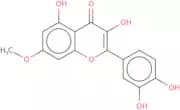
CAS:7-O-Methyl quercetin is a flavonoid derivative, which is a naturally occurring compound found in several plant species, often referred to as a methylated form of the flavonoid quercetin. It is primarily sourced from plants such as onion, green tea, and various berries, where it serves diverse ecological roles, including defense mechanisms against herbivores and pathogens.
Formula:C16H12O7Purity:90%Color and Shape:PowderMolecular weight:316.26 g/molbeta-Naphthoflavone
CAS:Beta-Naphthoflavone is a synthetic polycyclic aromatic compound, which is a laboratory-created substance designed to mimic naturally occurring compounds. It is a model compound widely used in scientific research due to its ability to induce specific enzyme pathways. Beta-Naphthoflavone primarily affects the aryl hydrocarbon receptor (AhR) pathway. Upon binding to this receptor, it modulates the expression of genes involved in xenobiotic metabolism, particularly influencing the cytochrome P450 enzymes. These enzymes play a crucial role in the metabolism of various xenobiotics and endogenous compounds.
Formula:C19H12O2Purity:Min. 95%Color and Shape:White PowderMolecular weight:272.3 g/mol