Flavonoids
Flavonoids are a group of plant metabolites with antioxidant properties that contribute to the color of fruits and flowers. They play a significant role in protecting plants from UV radiation and pathogens. Flavonoids are studied for their potential health benefits, including anti-inflammatory, antiviral, and anticancer properties. They are widely researched in the fields of pharmacology, nutrition, and molecular biology.
Subcategories of "Flavonoids"
- Anthocyanidins(46 products)
- Anthocyanin(46 products)
- Catechin(88 products)
- Chalcones(237 products)
- Pterocarpan(28 products)
Found 2404 products of "Flavonoids"
Sort by
Purity (%)
0
100
|
0
|
50
|
90
|
95
|
100
3,5,7,2',6'-Pentahydroxyflavanone
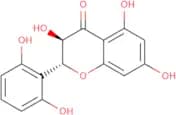
CAS:<p>3,5,7,2',6'-Pentahydroxyflavanone is a flavonoid derivative, which is a type of polyphenolic compound known for its potential health benefits. Typically sourced from various plants, flavonoids like 3,5,7,2',6'-Pentahydroxyflavanone are abundant in fruits, vegetables, and certain medicinal herbs. The mode of action of this compound primarily involves its ability to exert antioxidant and anti-inflammatory effects. It achieves this by scavenging free radicals and modulating pathways associated with oxidative stress and inflammation.</p>Formula:C15H12O7Purity:Min. 95%Molecular weight:304.25 g/mol5-Hydroxy-7,8,2'-trimethoxyflavone
CAS:<p>5-Hydroxy-7,8,2'-trimethoxyflavone is a flavonoid compound, which is a type of polyphenolic molecule. Flavonoids are primarily derived from plants, where they function in various biological roles, including pigmentation, UV filtration, and symbiotic nitrogen fixation. The source of 5-Hydroxy-7,8,2'-trimethoxyflavone is often plants, particularly those known for their medicinal properties.</p>Formula:C18H16O6Purity:Min. 95%Color and Shape:PowderMolecular weight:328.32 g/molCudraflavanone B
CAS:<p>Cudraflavanone B is a bioactive flavonoid, which is a type of polyphenolic compound. It is derived from natural sources, prominently found in the roots of Cudrania tricuspidata, a plant known for its traditional use in herbal medicine. The mode of action of Cudraflavanone B involves various biochemical pathways, including the modulation of enzyme activity and signaling pathways. It exhibits antioxidant, anti-inflammatory, and antimicrobial properties by interacting with cellular mechanisms that regulate oxidative stress and inflammatory responses.</p>Formula:C20H20O6Purity:Min. 95%Molecular weight:356.40 g/molVitexin 4'-glucoside
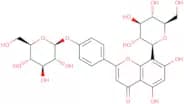
CAS:<p>Vitexin 4'-glucoside is a natural flavonoid glycoside, which is a type of secondary metabolite found in plants. It is derived from various plant sources, particularly in the leaves, stems, and seeds of certain medicinal plants, where it plays roles in plant defense mechanisms and stress responses. As a flavonoid, its mode of action primarily involves antioxidant activity, scavenging free radicals, and modulating oxidative stress. This is significant in the interaction with cellular signaling pathways and enzyme inhibition.</p>Purity:Min. 95%Podocarpus flavanone
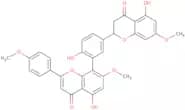
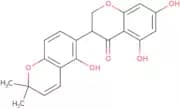
CAS:<p>Podocarpus flavanone is a naturally occurring flavonoid derivative, which is sourced from the Podocarpus genus, a group of coniferous trees native to the Southern Hemisphere. The compound is characterized by its polyphenolic structure, contributing to its ability to engage in a range of biochemical interactions. Its mode of action primarily involves the inhibition of microbial growth through disruption of microbial cell membranes and interference with key enzymatic pathways necessary for cell survival.</p>Formula:C33H26O10Purity:Min. 95%Molecular weight:582.6 g/molLicoisoflavanone
CAS:<p>Licoisoflavanone is a naturally occurring flavonoid compound, which is derived from the roots of plants such as Glycyrrhiza glabra, commonly known as licorice. This phytochemical is primarily obtained through extraction and isolation from licorice roots, where it is present as part of a complex mixture of bioactive compounds. The mode of action of licoisoflavanone involves its ability to interact with various biological pathways, including inhibitory effects on bacterial cell wall synthesis and disruption of microbial cellular functions, as well as scavenging free radicals to exert antioxidant effects.</p>Formula:C20H18O6Purity:Min. 95%Molecular weight:354.4 g/mol2',7-Dihydroxy-5,8-dimethoxyflavanone
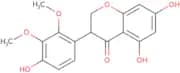
CAS:<p>2',7-Dihydroxy-5,8-dimethoxyflavanone is a natural flavanone, which is a type of polyphenolic compound. It is derived from various plant sources where flavonoids are commonly found, such as fruits, vegetables, and certain herbs. This particular flavanone exhibits a unique chemical structure characterized by dihydroxy and dimethoxy functional groups, which contribute to its biological activity.</p>Formula:C17H16O6Purity:Min. 95%Molecular weight:316.30 g/mol6-Methoxykaempferol 3-O-rutinoside
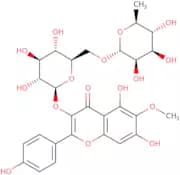
CAS:<p>6-Methoxykaempferol 3-O-rutinoside is a flavonoid glucoside, which is derived from various plants, particularly those belonging to the Leguminosae family. This compound is of significant interest due to its potential biological activities and natural occurrence. The mode of action of 6-Methoxykaempferol 3-O-rutinoside primarily involves its antioxidant properties, which may help in neutralizing free radicals and reducing oxidative stress in biological systems.</p>Purity:Min. 95%Protogenkwanin 4'-glucoside
CAS:<p>Protogenkwanin 4'-glucoside is a flavonoid glucoside, which is a naturally occurring compound derived from various plant sources, particularly known to be present in certain medicinal herbs used in traditional medicine. As a flavonoid glucoside, it interacts with biological systems primarily through its antioxidant properties, which help in scavenging free radicals and reducing oxidative stress. This mode of action is crucial in mitigating cell damage and inflammation.</p>Formula:C22H24O11Purity:Min. 95%Molecular weight:464.42 g/molParvisoflavanone
CAS:<p>Parvisoflavanone is a naturally occurring flavanone, which is a type of plant-derived polyphenolic compound. It is sourced from various botanical origins, particularly within certain species of the plant kingdom known for their traditional medicinal uses. The mode of action of Parvisoflavanone involves its interaction with biological pathways that are implicated in antioxidative stress responses and anti-inflammatory mechanisms. It may act as a regulator of cellular signaling processes, thereby influencing cell proliferation and apoptosis.</p>Formula:C17H16O7Purity:Min. 95%Molecular weight:332.3 g/molR-Equol
CAS:<p>R-Equol is a chiral compound classified as an isoflavandiol, which is a type of non-steroidal estrogen. It is derived from the metabolic conversion of daidzein, an isoflavone predominantly found in soy products, by intestinal microbiota in some individuals. The presence of equol-producing bacteria is necessary for this biotransformation process.</p>Purity:Min. 95%Genistein 7,4'-di-O-glucoside
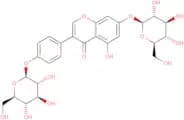
CAS:<p>Genistein 7,4'-di-O-glucoside is a naturally occurring isoflavone glucoside, which is derived from plant sources such as soybeans and other legumes. As an isoflavone, it belongs to a class of phytoestrogens, compounds that are structurally similar to estrogens but are derived from plants. The mode of action of Genistein 7,4'-di-O-glucoside primarily involves its ability to interact with estrogen receptors in the body, exhibiting both estrogenic and anti-estrogenic effects depending on the physiological context. This interaction can modulate various signaling pathways, potentially impacting cellular growth, apoptosis, and differentiation.</p>Formula:C27H30O15Purity:Min. 95%Molecular weight:594.52 g/mol4'-Hydroxywogonin
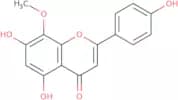
CAS:<p>4'-Hydroxywogonin is a bioactive flavonoid, which is derived primarily from the roots of the plant *Scutellaria baicalensis*. This compound is a naturally occurring flavone, a subclass of flavonoids, known for its potential therapeutic properties. The mode of action of 4'-Hydroxywogonin involves its ability to modulate various cellular signaling pathways. It is particularly noted for its anti-inflammatory and antioxidant effects, which are mediated through the inhibition of pro-inflammatory cytokines and the scavenging of free radicals, respectively.</p>Formula:C16H12O6Purity:Min. 95%Color and Shape:SolidMolecular weight:300.26 g/molLeucoside
CAS:<p>Leucoside is a biochemical compound, which is derived from activated human leucocytes. This product is obtained through a meticulous extraction process that isolates specific bioactive molecules. Its mode of action involves the modulation of immune responses, potentially by influencing cytokine signaling pathways. Leucoside interacts with immune cells, potentially enhancing or dampening specific activities to achieve desired immunomodulatory effects.</p>Purity:Min. 95%Milldurone
CAS:<p>Please enquire for more information about Milldurone including the price, delivery time and more detailed product information at the technical inquiry form on this page</p>Formula:C19H16O7Purity:Min. 95%Color and Shape:PowderMolecular weight:356.33 g/mol(-)-Epiafzelechin
CAS:<p>(-)-Epiafzelechin is a flavan-3-ol compound, which is a type of flavonoid. It is derived primarily from plant sources, including various tea leaves and cocoa. The compound is known for its potent antioxidant properties, which act by neutralizing free radicals and thereby reducing oxidative stress within biological systems. This action helps in maintaining cellular integrity and function, which is crucial in preventing various oxidative damage-related diseases.</p>Formula:C15H14O5Purity:Min. 95%Color and Shape:PowderMolecular weight:274.27 g/molSophoraflavanone C
CAS:<p>Sophoraflavanone C is a flavonoid compound, which is derived from the root of the Sophora flavescens plant. This natural product is categorized as a prenylated flavonoid, a group known for diverse biological activities. Sophoraflavanone C exerts its effects through multiple modes of action, including the inhibition of microbial growth and anti-inflammatory pathways. Its antimicrobial properties are attributed to the disruption of bacterial cell walls and inhibition of critical microbial enzymes. Additionally, its anti-inflammatory effects are mediated by the suppression of pro-inflammatory cytokines and inhibition of key signaling pathways such as NF-kB.</p>Formula:C25H28O6Purity:Min. 95%Molecular weight:424.50 g/mol7,4'-Dibenzyl daidzein
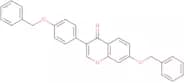
CAS:<p>7,4'-Dibenzyl daidzein is a synthetic isoflavonoid, derived from the modification of natural isoflavones commonly found in soy products. These isoflavones are known for their estrogenic activity and potential therapeutic benefits. The source of inspiration for this compound lies in natural phytoestrogens, which exhibit significant interaction with human estrogen receptors. This synthetic analog is designed to enhance specific bioactivities beyond those of its natural counterparts.</p>Formula:C29H22O4Purity:Min. 95%Molecular weight:434.48 g/mol6-Methoxy-3,5,7,4'-tetrahydroxyflavone
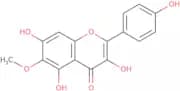
CAS:<p>6-Methoxy-3,5,7,4'-tetrahydroxyflavone is a natural flavonoid derivative, which is primarily sourced from various plants known for their high polyphenolic content. It plays a significant role in the plant's defense mechanism due to its ability to scavenge free radicals and protect against oxidative stress. This compound exerts its mode of action through its potent antioxidant and anti-inflammatory capabilities, primarily by modulating signaling pathways and inhibiting the activity of enzymes involved in inflammation.</p>Formula:C16H12O7Purity:Min. 95%Molecular weight:316.26 g/molQuercetin 3-O-rutinoside-7-O-glucoside
CAS:<p>Quercetin 3-O-rutinoside-7-O-glucoside is a flavonoid derivative, which is a specialized plant metabolite known for its diverse bioactive properties. Extracted primarily from plant sources, this compound is a glycoside derivative of quercetin, a well-known flavonoid found abundantly in fruits and vegetables. The specific glycosylation at the 3-O-rutinoside and 7-O-glucoside positions enhances its solubility and bioavailability compared to its aglycone form.</p>Formula:C33H40O21Purity:Min. 95%Molecular weight:772.66 g/mol