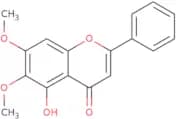
Flavonoids
Flavonoids are a group of plant metabolites with antioxidant properties that contribute to the color of fruits and flowers. They play a significant role in protecting plants from UV radiation and pathogens. Flavonoids are studied for their potential health benefits, including anti-inflammatory, antiviral, and anticancer properties. They are widely researched in the fields of pharmacology, nutrition, and molecular biology.
Subcategories of "Flavonoids"
- Anthocyanidins(46 products)
- Anthocyanin(46 products)
- Catechin(88 products)
- Chalcones(237 products)
- Pterocarpan(28 products)
Found 2408 products of "Flavonoids"
Sort by
Purity (%)
0
100
|
0
|
50
|
90
|
95
|
100
Eriocitrin
CAS:<p>Eriocitrin is a flavonoid compound, which is derived from citrus fruits, particularly lemons and limes. It is isolated from the peels and juice of these fruits, where it serves as one of the key constituents contributing to their nutritional and functional properties. The mode of action of eriocitrin involves its potent antioxidant activity. It acts by scavenging free radicals and reducing oxidative stress at the cellular level, thereby imparting protective effects on cells and tissues.</p>Formula:C27H32O15Purity:Min. 98 Area-%Color and Shape:Off-White PowderMolecular weight:596.53 g/molGossypin
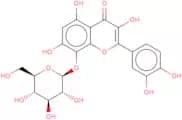
CAS:<p>Gossypin is a flavonoid compound, which is a type of polyphenol found in various natural sources, such as plants. It is primarily isolated from the flowers of Hibiscus species. The mode of action of gossypin involves various biochemical pathways, including its role as a free-radical scavenger and modulator of several enzymes. It exhibits antioxidant, anti-inflammatory, and neuroprotective properties through interactions with cellular receptors and signaling pathways.</p>Formula:C21H20O13Color and Shape:Yellow PowderMolecular weight:480.38 g/molSativan
CAS:<p>Sativan is a pharmaceutical product derived from cannabis, which is sourced from the Cannabis sativa plant. It exerts its effects primarily through modulation of the endocannabinoid system, interacting with cannabinoid receptors such as CB1 and CB2 located throughout the central and peripheral nervous systems. The resulting biochemical cascade influences neurotransmitter release, which can alter mood, perception, and various physiological processes.</p>Formula:C17H18O4Purity:Min. 95%Color and Shape:PowderMolecular weight:286.32 g/molDihydro daidzein
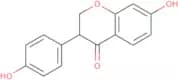
CAS:<p>Dihydro daidzein is an isoflavonoid derivative, which is a naturally occurring compound primarily sourced from the metabolic biotransformation of daidzein, a soy isoflavone. This metabolite is generated through the fermentation process by intestinal microbiota, highlighting its origin from dietary sources, particularly soy products.</p>Formula:C15H12O4Purity:Min. 95%Color and Shape:PowderMolecular weight:256.25 g/molKievitone
CAS:<p>Please enquire for more information about Kievitone including the price, delivery time and more detailed product information at the technical inquiry form on this page</p>Formula:C20H19O6Purity:Min. 95%Molecular weight:355.36 g/molCalopogoniumisoflavone A
CAS:<p>Calopogoniumisoflavone A is a naturally occurring isoflavone compound, which is derived from the plant species Calopogonium, commonly found in tropical regions. This compound is primarily isolated from the leaves and roots of the plant, where it accumulates as a secondary metabolite. The mode of action of Calopogoniumisoflavone A involves the modulation of biological pathways influenced by its isoflavonoid structure, which can interact with cellular receptors, potentially exhibiting estrogenic or antioxidant properties.</p>Formula:C21H18O4Purity:Min. 95%Molecular weight:334.37 g/mol3,2'-Dimethoxyflavone
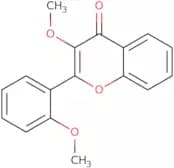
CAS:<p>3,2'-Dimethoxyflavone is a specialized type of naturally occurring flavone, which is commonly derived from various plant sources such as leaves, stems, and roots. As a flavonoid compound, it is part of a larger class of polyphenolic substances known for their diverse biological activities. The mode of action of 3,2'-Dimethoxyflavone primarily involves its interaction with cellular oxidative pathways, where it exhibits potential antioxidant properties. Additionally, it may act as an enzyme inhibitor, possibly affecting pathways tied to signal transduction and metabolism.</p>Formula:C17H14O4Purity:Min. 95%Molecular weight:282.29 g/mol6-Hydroxyflavone
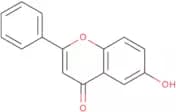
CAS:<p>6-Hydroxyflavone is a flavonoid compound, which is a type of secondary metabolite derived from plants. It is commonly found in various plant species and is known for its diverse array of biological activities. The mode of action of 6-Hydroxyflavone involves its interaction with various enzymatic systems and receptors, including modulation of signaling pathways and antioxidant activity. This compound acts primarily through the inhibition of enzymes such as phosphodiesterases and by exhibiting potential neuroprotective effects through GABAergic and serotonergic systems.</p>Formula:C15H10O3Purity:Min. 95%Color and Shape:PowderMolecular weight:238.24 g/molPunctatin
CAS:<p>Punctatin is a naturally occurring anthraquinone, which is primarily sourced from various plant species. This compound is characterized by its unique chemical structure, which contributes to its potent bioactivity. The mode of action of Punctatin involves the disruption of microbial cell wall synthesis and interference with essential enzymatic functions, rendering it effective against a wide range of microbial pathogens.</p>Formula:C17H14O6Purity:Min. 95%Molecular weight:314.29 g/molRobinetin
CAS:<p>Robinetin is a flavonoid, which is a type of polyphenolic compound, isolated primarily from the black locust tree (Robinia pseudoacacia). As a naturally occurring compound, it is biosynthesized within the plant's tissues and is responsible for various physiological activities. The mode of action of Robinetin primarily involves its antioxidant properties, where it interacts with free radicals to neutralize oxidative stress, thus protecting cells from damage. Additionally, it has been observed to modulate enzyme activities and may influence signaling pathways related to inflammation and cellular responses.</p>Formula:C15H10O7Purity:Min. 95%Color and Shape:Yellow PowderMolecular weight:302.24 g/molAbyssinone IV
CAS:<p>Abyssinone IV is a naturally occurring isoflavonoid, which is derived from plants, particularly those in the genus Erythrina. Isoflavonoids are a class of secondary metabolites known for their diverse pharmacological properties. The source of Abyssinone IV is primarily the Erythrina species, which have been traditionally used in various ethnomedicinal practices.</p>Formula:C25H28O4Purity:Min. 95%Molecular weight:392.49 g/molRetusin
CAS:<p>Retusin is an alkaloid compound, which is derived from organic botanical sources, specifically certain plant species known for their medicinal properties. It functions primarily through a bactericidal mode of action by interfering with bacterial cell wall synthesis and disrupting critical metabolic pathways essential for bacterial survival. This interference effectively inhibits bacterial growth and proliferation, leading to cell death.</p>Formula:C19H18O7Purity:Min. 95%Color and Shape:SolidMolecular weight:358.34 g/molCarthamidin tetramethyl ether
CAS:<p>Carthamidin tetramethyl ether is a chemical compound classified as a flavonoid, which is a naturally occurring phytochemical. It is derived from the safflower plant (Carthamus tinctorius), which belongs to the Asteraceae family. The primary mode of action of Carthamidin tetramethyl ether involves its antioxidant properties, which allow it to scavenge free radicals and reduce oxidative stress. Additionally, it may interact with specific cellular pathways, influencing gene expression and enzyme activities related to inflammatory responses and cellular metabolism.</p>Formula:C19H20O6Purity:Min. 95%Molecular weight:344.36 g/mol6,3'-Dihydroxyflavone
CAS:<p>6,3'-Dihydroxyflavone is a naturally occurring flavonoid, which is a type of polyphenolic compound. It is sourced from various plant species known for their beneficial phytochemicals. This compound acts primarily as a selective TrkB agonist, mimicking the effects of brain-derived neurotrophic factor (BDNF), thereby influencing neurotrophic signaling pathways. By promoting TrkB phosphorylation, 6,3'-Dihydroxyflavone supports neuronal survival, differentiation, and synaptic plasticity.</p>Formula:C15H10O4Purity:Min. 95%Color and Shape:PowderMolecular weight:254.24 g/molWogonin
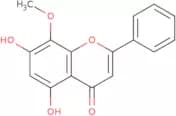
CAS:<p>Wogonin is a bioactive flavonoid compound, which is isolated from the roots of the plant Scutellaria baicalensis, commonly known as Baikal skullcap. Its mode of action involves modulating various signaling pathways, including the inhibition of pro-inflammatory cytokines and the suppression of cancer cell proliferation through the induction of apoptosis and cell cycle arrest. By influencing these molecular pathways, Wogonin exhibits significant pharmacological potential.</p>Formula:C16H12O5Purity:Min. 98 Area-%Color and Shape:Yellow PowderMolecular weight:284.26 g/mol4'-Hydroxyflavonol
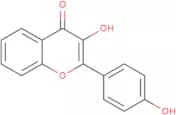
CAS:<p>4'-Hydroxyflavonol is a flavonoid compound, which is a naturally occurring phenolic structure commonly found in various plants. It is derived from sources such as fruits, vegetables, and certain medicinal herbs known for their rich polyphenolic content. The mode of action of 4'-Hydroxyflavonol primarily involves its antioxidant properties. It is capable of scavenging free radicals and chelating metal ions, thus protecting cells from oxidative stress and potential damage. Additionally, it may influence signaling pathways related to inflammation and immune response.</p>Formula:C15H10O4Color and Shape:Slightly Yellow PowderMolecular weight:254.24 g/mol5',8''-Biluteolin
CAS:<p>5',8''-Biluteolin is a naturally occurring flavonoid, which is a specific type of plant-derived polyphenolic compound. It is primarily sourced from various plant species known for their rich flavonoid content, including certain herbs and fruits. This compound exerts its effects by modulating key signaling pathways, including the inhibition of specific kinases and transcription factors, which are critical in the regulation of cellular inflammation and proliferation.</p>Formula:C30H18O12Purity:Min. 95%Color and Shape:Orange PowderMolecular weight:570.46 g/molHispidulin
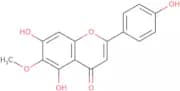
CAS:Hispidulin is a naturally occurring flavonoid compound, which is predominantly derived from plants such as Salvia and Artemisia species. This bioactive compound exhibits a broad spectrum of pharmacological activities that have garnered attention in the scientific community. Its mode of action involves the modulation of cellular pathways, including the inhibition of enzymes like cyclooxygenases, which are pivotal in inflammatory responses. Furthermore, Hispidulin has been shown to influence neurotransmitter systems, including GABAergic activity, indicating potential neuroprotective effects.Formula:C16H12O6Purity:Min. 98 Area-%Color and Shape:Off-White PowderMolecular weight:300.26 g/molNarcissin
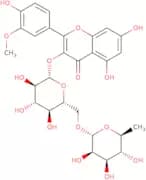
CAS:<p>Narcissin is a flavonoid glycoside, which is a bioactive compound isolated from the Narcissus species, particularly found in various plant parts of the genus Narcissus. The source of narcissin is primarily within the botanical family Amaryllidaceae, known for its diverse metabolic profile and prominent ornamental species.</p>Formula:C28H32O16Purity:Min. 95%Color and Shape:PowderMolecular weight:624.54 g/molMosloflavone
CAS:<p>Mosloflavone is a naturally occurring flavonoid, which is derived from certain plant sources, particularly those belonging to the Moraceae family. This compound is recognized for its bioactive properties, functioning primarily through antioxidant and anti-inflammatory mechanisms. The mode of action involves the scavenging of free radicals and the inhibition of various pro-inflammatory pathways, thereby reducing oxidative stress and inflammation at the cellular level.</p>Formula:C17H14O5Purity:Min. 98 Area-%Color and Shape:PowderMolecular weight:298.29 g/mol