


Primary Antibodies
Primary antibodies are immunoglobulins that bind specifically to an antigen of interest, allowing for the detection and quantification of proteins, peptides, or other biomolecules. These antibodies are critical tools in a wide range of applications, including Western blotting, immunohistochemistry, and ELISA. At CymitQuimica, we offer an extensive selection of high-quality primary antibodies that provide specificity and sensitivity for various research needs, including cancer, immunology, and cell biology studies.
Subcategories of "Primary Antibodies"
- Cancer Research Antibodies(3,620 products)
- Cardiovascular Antibodies(2 products)
- Developmental Biology(751 products)
- Epigenetics Antibodies(162 products)
- Immunology Antibodies(2,494 products)
- Metabolism Antibodies(279 products)
- Microbiology Antibodies(736 products)
- Signal Transduction(2,717 products)
- Tags & Cellular Markers(33 products)
Show 1 more subcategories
Found 75302 products of "Primary Antibodies"
Sort by
Purity (%)
0
100
|
0
|
50
|
90
|
95
|
100
Sodium 3-[Ethyl(m-tolyl)amino]-2-hydroxy-1-propanesulfonate
CAS:Formula:C12H18NNaO4SPurity:>98.0%(HPLC)Color and Shape:White to Almost white powder to crystalMolecular weight:295.33SGN
CAS:Formula:C88H144N8O64Purity:>90.0%(HPLC)Color and Shape:White to Light yellow powder to crystalMolecular weight:2,338.113-Methyl-2-benzothiazolinonehydrazone Hydrochloride [for Biochemical Research]
CAS:Formula:C8H9N3S·HClPurity:>98.0%(T)(HPLC)Color and Shape:White to Light yellow to Light orange powder to crystalMolecular weight:215.70SialylGb5 Ceramide
Formula:C77H136N3NaO36Purity:>95.0%(HPLC)Color and Shape:White to Light yellow powder to crystalMolecular weight:1,702.91N,N-Dimethyl-1,4-phenylenediamine Dihydrochloride [for Biochemical Research]
CAS:Formula:C8H12N2·2HClPurity:>99.0%(T)(HPLC)Color and Shape:White to Light yellow to Dark green powder to crystalMolecular weight:209.11Recombinant Griffithsia sp. lectin (= rGRFT) expressed in Escherichia coli
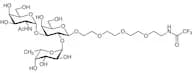
Color and Shape:Colorless to Light yellow to Light orange clear liquidSialyl Lewis X-Lactose Ethylazide
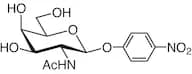
Formula:C45H75N5O33Purity:min. 95.0 area%(HPLC)Color and Shape:SolidMolecular weight:1,214.104-Nitrophenyl 2-Acetamido-2-deoxy-β-D-galactopyranoside
CAS:Formula:C14H18N2O8Purity:min. 98.0 area%(HPLC)Color and Shape:White to Almost white powder to crystalineMolecular weight:342.30α-Amylase diluted with Starch, from Bacillus amyloliquefaciens
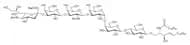
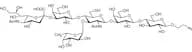
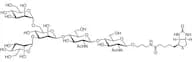
CAS:Color and Shape:White to Almost white powder to crystalNeu5Acα(2-6)Galβ(1-4)GlcNAcβ(1-3)Galβ(1-4)GlcNAcβ(1-3)Galβ(1-4)GlcNAc-β-propylamine
CAS:Formula:C56H95N5O39Purity:min. 95.0 area%(HPLC)Color and Shape:SolidMolecular weight:1,462.37Glucoamylase from Rhizopus (contains 50% Diatomaceous earth)
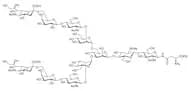
CAS:Color and Shape:White to Gray to Red powder to crystalDisialylnonasaccharide-β-pNP
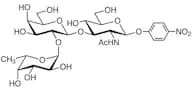
CAS:Formula:C90H141N7O64Purity:>98.0%(HPLC)Color and Shape:White to Light yellow powder to crystalMolecular weight:2,345.10Fucα(1-2)Galβ(1-3)GlcNAc-β-pNP (=H type 1 β-pNP Glycoside)
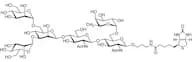
CAS:Formula:C26H38N2O17Color and Shape:SolidMolecular weight:650.59M3(Fuc6)-biotin
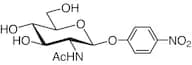
CAS:Formula:C53H89N5O32SPurity:min. 95.0 area%(HPLC)Color and Shape:SolidMolecular weight:1,340.364-Nitrophenyl 2-Acetamido-2-deoxy-β-D-glucopyranoside
CAS:Formula:C14H18N2O8Purity:>98.0%(HPLC)(N)Color and Shape:White to Almost white powder to crystalMolecular weight:342.301,2-Phenylenediamine [for Biochemical Research]
CAS:Formula:C6H8N2Purity:>98.0%(GC)(T)Color and Shape:White to Almost white powder to crystalMolecular weight:108.14Isomaltose
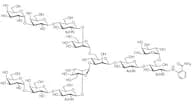
CAS:Formula:C12H22O11Purity:>97.0%(HPLC)Color and Shape:White to Almost white powder to crystalMolecular weight:342.30Galα(1-3) core 6-Fucosylated N-Glycan 2AB (500pmol/vial)
Formula:C87H142N6O60Purity:>98.0%(HPLC)Color and Shape:White to Almost white powder to crystalMolecular weight:2,232.081-Naphthol [for Biochemical Research]
CAS:Formula:C10H8OPurity:>98.0%(GC)Color and Shape:White to Gray to Red powder to crystalMolecular weight:144.17Anti-DTBTA-Eu3+ Rabbit Polyclonal Antibody [2.5mg/mL in PBS(-)] (Preservative : 0.1% NaN3)
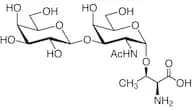
Color and Shape:White or Colorless to Almost white or Almost colorless powder to lump to clear liquidGalβ(1-3)GalNAc-α-Thr
CAS:Formula:C18H32N2O13Purity:>97.0%(HPLC)Color and Shape:White to Almost white powder to crystalMolecular weight:484.467-Hydroxycoumarin-3-carboxylic Acid
CAS:Formula:C10H6O5Purity:>98.0%(HPLC)Color and Shape:White to Light yellow powder to crystalMolecular weight:206.15M3-biotin
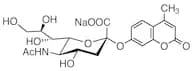
CAS:Formula:C47H79N5O28SPurity:min. 95.0 area%(HPLC)Color and Shape:SolidMolecular weight:1,194.224-Methylumbelliferyl-N-acetyl-α-D-neuraminic Acid Sodium Salt
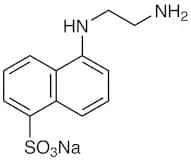
CAS:Formula:C21H24NNaO11Purity:>93.0%(HPLC)Color and Shape:White to Light yellow powder to crystalMolecular weight:489.41Sodium 5-(2-Aminoethylamino)-1-naphthalenesulfonate
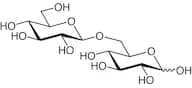
CAS:Formula:C12H13N2NaO3SPurity:>98.0%(HPLC)Color and Shape:Light orange to Yellow to Green powder to crystalMolecular weight:288.30Gentiobiose
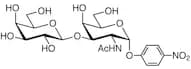
CAS:Formula:C12H22O11Purity:>96.0%(HPLC)Color and Shape:White to Almost white powder to crystalMolecular weight:342.30Galβ(1-3)GalNAc-α-pNP
CAS:Formula:C20H28N2O13Purity:>97.0%(HPLC)Color and Shape:White to Almost white powder to crystalMolecular weight:504.45Sodium 3-(N-Ethylanilino)propanesulfonate [for Biochemical Research]
CAS:Formula:C11H16NNaO3SPurity:>98.0%(HPLC)Color and Shape:White to Almost white powder to crystalMolecular weight:265.302-Nitrophenyl β-D-Galactopyranoside [Substrate for β-D-Galactosidase]
CAS:Formula:C12H15NO8Purity:>98.0%(HPLC)Color and Shape:White to Light yellow powder to crystalineMolecular weight:301.254-Nitrophenyl β-D-Glucuronide [Substrate for β-Glucuronidase]
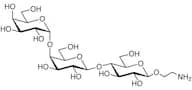
CAS:Formula:C12H13NO9Purity:>98.0%(HPLC)Color and Shape:White to Yellow to Orange powder to crystalMolecular weight:315.23Gb3-β-MP
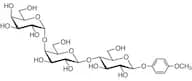
CAS:Formula:C25H38O17Purity:>95.0%(HPLC)Color and Shape:White to Almost white powder to crystalMolecular weight:610.566-Carboxyfluorescein
CAS:Formula:C21H12O7Purity:>97.0%(HPLC)Color and Shape:Light yellow to Brown powder to crystalMolecular weight:376.324-Nitrophenyl α-D-Galactopyranoside [Substrate for α-D-Galactosidase]
CAS:Formula:C12H15NO8Purity:>98.0%(HPLC)Color and Shape:White to Orange to Green powder to crystalMolecular weight:301.25HSP 75 rabbit pAb
This gene encodes a mitochondrial chaperone protein that is member of the heat shock protein 90 (HSP90) family. The encoded protein has ATPase activity and interacts with tumor necrosis factor type I. This protein may function in regulating cellular stress responses. Alternate splicing results in multiple transcript variants. [provided by RefSeq, Jan 2013],MIB2 rabbit pAb
function:E3 ubiquitin-protein ligase that mediates ubiquitination of Delta receptors, which act as ligands of Notch proteins. Positively regulates the Delta-mediated Notch signaling by ubiquitinating the intracellular domain of Delta, leading to endocytosis of Delta receptors.,induction:Down-regulated in many primary skin melanomas. Treatment with a demethylating agent, 5'-aza-2-deoxycytidine, restores expression, suggesting that down-regulation is the result of methylation of the gene.,pathway:Protein modification; protein ubiquitination.,PTM:Ubiquitinated. Possibly via autoubiquitination.,similarity:Contains 1 ZZ-type zinc finger.,similarity:Contains 2 MIB/HERC2 domains.,similarity:Contains 2 RING-type zinc fingers.,similarity:Contains 9 ANK repeats.,subcellular location:Colocalizes with endosomal compartments.,subunit:Interacts with actin monomer.,tissue specificity:Expressed in skeletal muscle, and to a lesser extent in heart, brain and kidney.,Prolactin rabbit pAb
This gene encodes the anterior pituitary hormone prolactin. This secreted hormone is a growth regulator for many tissues, including cells of the immune system. It may also play a role in cell survival by suppressing apoptosis, and it is essential for lactation. Alternative splicing results in multiple transcript variants that encode the same protein. [provided by RefSeq, Aug 2011],SEC61B Polyclona Antibody
The Sec61 complex is the central component of the protein translocation apparatus of the endoplasmic reticulum (ER) membrane. Oligomers of the Sec61 complex form a transmembrane channel where proteins are translocated across and integrated into the ER membrane. This complex consists of three membrane proteins- alpha, beta, and gamma. This gene encodes the beta-subunit protein. The Sec61 subunits are also observed in the post-ER compartment, suggesting that these proteins can escape the ER and recycle back. There is evidence for multiple polyadenylated sites for this transcript. [provided by RefSeq, Jul 2008],MEK-6 (phospho Ser207) rabbit pAb
This gene encodes a member of the dual specificity protein kinase family, which functions as a mitogen-activated protein (MAP) kinase kinase. MAP kinases, also known as extracellular signal-regulated kinases (ERKs), act as an integration point for multiple biochemical signals. This protein phosphorylates and activates p38 MAP kinase in response to inflammatory cytokines or environmental stress. As an essential component of p38 MAP kinase mediated signal transduction pathway, this gene is involved in many cellular processes such as stress induced cell cycle arrest, transcription activation and apoptosis. [provided by RefSeq, Jul 2008],ZFHX4 rabbit pAb
disease:A chromosomal aberration involving [ZFHX4] is found in one patient with ptosis. Translocation t(1;8)(p34.3;q21.12).,function:May play a role in neural and muscle differentiation (By similarity). May be involved in transcriptional regulation.,similarity:Belongs to the krueppel C2H2-type zinc-finger protein family.,similarity:Contains 20 C2H2-type zinc fingers.,similarity:Contains 4 homeobox DNA-binding domains.,tissue specificity:Expressed in brain, skeletal muscle and liver. Very low expression in stomach.,SRA1 rabbit pAb
Both long non-coding and protein-coding RNAs are transcribed from this gene, and they represent alternatively spliced transcript variants. This gene was initially defined as a non-coding RNA, which is a coactivator for several nuclear receptors (NRs) and is associated with breast cancer. It has now been found that this gene is involved in the regulation of many NR and non-NR activities, including metabolism, adipogenesis and chromatin organization. The long non-coding RNA transcripts interact with a variety of proteins, including the protein encoded by this gene. The encoded protein acts as a transcriptional repressor by binding to the non-coding RNA. [provided by RefSeq, Mar 2012],GGT1 rabbit pAb
The enzyme encoded by this gene is a type I gamma-glutamyltransferase that catalyzes the transfer of the glutamyl moiety of glutathione to a variety of amino acids and dipeptide acceptors. The enzyme is composed of a heavy chain and a light chain, which are derived from a single precursor protein. It is expressed in tissues involved in absorption and secretion and may contribute to the etiology of diabetes and other metabolic disorders. Multiple alternatively spliced variants have been identified. There are a number of related genes present on chromosomes 20 and 22, and putative pseudogenes for this gene on chromosomes 2, 13, and 22. [provided by RefSeq, Jan 2014],CDH17 rabbit pAb
This gene is a member of the cadherin superfamily, genes encoding calcium-dependent, membrane-associated glycoproteins. The encoded protein is cadherin-like, consisting of an extracellular region, containing 7 cadherin domains, and a transmembrane region but lacking the conserved cytoplasmic domain. The protein is a component of the gastrointestinal tract and pancreatic ducts, acting as an intestinal proton-dependent peptide transporter in the first step in oral absorption of many medically important peptide-based drugs. The protein may also play a role in the morphological organization of liver and intestine. Alternative splicing results in multiple transcript variants. [provided by RefSeq, Jan 2009],GRK 4 rabbit pAb
This gene encodes a member of the guanine nucleotide-binding protein (G protein)-coupled receptor kinase subfamily of the Ser/Thr protein kinase family. The protein phosphorylates the activated forms of G protein-coupled receptors thus initiating its deactivation. This gene has been linked to both genetic and acquired hypertension. Several transcript variants encoding different isoforms have been found for this gene. [provided by RefSeq, Nov 2013],MKP-4 rabbit pAb
The protein encoded by this gene is a member of the dual specificity protein phosphatase subfamily. These phosphatases inactivate their target kinases by dephosphorylating both the phosphoserine/threonine and phosphotyrosine residues. They negatively regulate members of the mitogen-activated protein (MAP) kinase superfamily (MAPK/ERK, SAPK/JNK, p38), which is associated with cellular proliferation and differentiation. Different members of the family of dual specificity phosphatases show distinct substrate specificities for various MAP kinases, different tissue distribution and subcellular localization, and different modes of inducibility of their expression by extracellular stimuli. This gene product shows selectivity for members of the ERK family of MAP kinases and is localized to the cytoplasm and nucleus. Aberrant expression of this gene is associated with type 2 diabetes and cancer progrNeurexophilin-3 rabbit pAb
function:May be signaling molecules that resemble neuropeptides. Ligand for alpha-neurexins.,PTM:May be proteolytically processed at the boundary between the N-terminal non-conserved and the central conserved domain in neuron-like cells.,similarity:Belongs to the neurexophilin family.,tissue specificity:Highest level in brain.,cGKII rabbit pAb
This gene encodes a protein that belongs to the serine/threonine protein kinase family of proteins. The encoded protein plays a role in the regulation of fluid balance in the intestine. A similar protein in mouse is thought to regulate differentiation and proliferation of cells in the colon. Alternate splicing results in multiple transcript variants. [provided by RefSeq, Sep 2013],RNAS7 rabbit pAb
The protein encoded by this gene belongs to the pancreatic ribonuclease family, a subset of the ribonuclease A superfamily. The protein has broad-spectrum antimicrobial activity against bacteria and fungi. [provided by RefSeq, Oct 2014],Hint1 rabbit pAb
This gene encodes a protein that hydrolyzes purine nucleotide phosphoramidates substrates, including AMP-morpholidate, AMP-N-alanine methyl ester, AMP-alpha-acetyl lysine methyl ester, and AMP-NH2. The encoded protein interacts with these substrates via a histidine triad motif. This gene is considered a tumor suppressor gene. In addition, mutations in this gene can cause autosomal recessive neuromyotonia and axonal neuropathy. There are several related pseudogenes on chromosome 7. Several transcript variants have been observed. [provided by RefSeq, Dec 2015],RPIA rabbit pAb
The protein encoded by this gene is an enzyme, which catalyzes the reversible conversion between ribose-5-phosphate and ribulose-5-phosphate in the pentose-phosphate pathway. This gene is highly conserved in most organisms. The enzyme plays an essential role in the carbohydrate metabolism. Mutations in this gene cause ribose 5-phosphate isomerase deficiency. A pseudogene is found on chromosome 18. [provided by RefSeq, Mar 2010],Cbl (phospho Tyr700) rabbit pAb
Cbl proto-oncogene(CBL) Homo sapiens This gene is a proto-oncogene that encodes a RING finger E3 ubiquitin ligase. The encoded protein is one of the enzymes required for targeting substrates for degradation by the proteasome. This protein mediates the transfer of ubiquitin from ubiquitin conjugating enzymes (E2) to specific substrates. This protein also contains an N-terminal phosphotyrosine binding domain that allows it to interact with numerous tyrosine-phosphorylated substrates and target them for proteasome degradation. As such it functions as a negative regulator of many signal transduction pathways. This gene has been found to be mutated or translocated in many cancers including acute myeloid leukaemia, and expansion of CGG repeats in the 5' UTR has been associated with Jacobsen syndrome. Mutations in this gene are also the cause of Noonan syndrome-like disorder. [provided by RefSeq, Jul 2016],OSR2 rabbit pAb
odd-skipped related transciption factor 2(OSR2) Homo sapiens OSR2 is a mammalian homolog of the Drosophila odd-skipped family of transcription factors (Lan et al., 2004 [PubMed 15175245]).[supplied by OMIM, Mar 2008],PTPRH rabbit pAb
The protein encoded by this gene is a member of the protein tyrosine phosphatase (PTP) family. PTPs are known to be signaling molecules that regulate a variety of cellular processes including cell growth, differentiation, mitotic cycle, and oncogenic transformation. This PTP possesses an extracellular region, a single transmembrane region, and a single intracytoplasmic catalytic domain, and thus represents a receptor-type PTP. The extracellular region contains eight fibronectin type III-like repeats and multiple N-glycosylation sites. The gene was shown to be expressed primarily in brain and liver, and at a lower level in heart and stomach. It was also found to be expressed in several cancer cell lines, but not in the corresponding normal tissues. Alternative splicing results in multiple transcript variants. [provided by RefSeq, Jun 2009],GPRC6A rabbit pAb
Members of family C of the G protein-coupled receptor (GPCR) superfamily, such as GPRC6A, are characterized by an evolutionarily conserved amino acid-sensing motif linked to an intramembranous 7-transmembrane loop region. Several members of GPCR family C, including GPRC6A, also have a long N-terminal domain (summary by Pi et al., 2005 [PubMed 16199532]).[supplied by OMIM, Nov 2010],PITPβ rabbit pAb
This gene encodes a cytoplasmic protein that catalyzes the transfer of phosphatidylinositol and phosphatidylcholine between membranes. This transfer activity is required for COPI complex-mediated retrograde transport from the Golgi apparatus to the endoplasmic reticulum. Alternative splicing of this gene results in multiple transcript variants. [provided by RefSeq, Sep 2013],Collagen XVIII α1 (Cleaved-His1572) rabbit pAb
This gene encodes the alpha chain of type XVIII collagen. This collagen is one of the multiplexins, extracellular matrix proteins that contain multiple triple-helix domains (collagenous domains) interrupted by non-collagenous domains. A long isoform of the protein has an N-terminal domain that is homologous to the extracellular part of frizzled receptors. Proteolytic processing at several endogenous cleavage sites in the C-terminal domain results in production of endostatin, a potent antiangiogenic protein that is able to inhibit angiogenesis and tumor growth. Mutations in this gene are associated with Knobloch syndrome. The main features of this syndrome involve retinal abnormalities, so type XVIII collagen may play an important role in retinal structure and in neural tube closure. Alternative splicing results in multiple transcript variants. [provided by RefSeq, Dec 2014],Mcl-1 rabbit pAb
This gene encodes an anti-apoptotic protein, which is a member of the Bcl-2 family. Alternative splicing results in multiple transcript variants. The longest gene product (isoform 1) enhances cell survival by inhibiting apoptosis while the alternatively spliced shorter gene products (isoform 2 and isoform 3) promote apoptosis and are death-inducing. [provided by RefSeq, Oct 2010],Connexin 43 rabbit pAb
This gene is a member of the connexin gene family. The encoded protein is a component of gap junctions, which are composed of arrays of intercellular channels that provide a route for the diffusion of low molecular weight materials from cell to cell. The encoded protein is the major protein of gap junctions in the heart that are thought to have a crucial role in the synchronized contraction of the heart and in embryonic development. A related intronless pseudogene has been mapped to chromosome 5. Mutations in this gene have been associated with oculodentodigital dysplasia, autosomal recessive craniometaphyseal dysplasia and heart malformations. [provided by RefSeq, May 2014],POLR3D rabbit pAb
This gene complements a temperature-sensitive mutant isolated from the BHK-21 Syrian hamster cell line. It leads to a block in progression through the G1 phase of the cell cycle at nonpermissive temperatures. [provided by RefSeq, Jul 2008],FA11 rabbit pAb
This gene encodes coagulation factor XI of the blood coagulation cascade. This protein is present in plasma as a zymogen, which is a unique plasma coagulation enzyme because it exists as a homodimer consisting of two identical polypeptide chains linked by disulfide bonds. During activation of the plasma factor XI, an internal peptide bond is cleaved by factor XIIa (or XII) in each of the two chains, resulting in activated factor XIa, a serine protease composed of two heavy and two light chains held together by disulfide bonds. This activated plasma factor XI triggers the middle phase of the intrisic pathway of blood coagulation by activating factor IX. Defects in this factor lead to Rosenthal syndrome, a blood coagulation abnormality. [provided by RefSeq, Jul 2008],Cyclin E1 (phospho Thr77) rabbit pAb
The protein encoded by this gene belongs to the highly conserved cyclin family, whose members are characterized by a dramatic periodicity in protein abundance through the cell cycle. Cyclins function as regulators of CDK kinases. Different cyclins exhibit distinct expression and degradation patterns which contribute to the temporal coordination of each mitotic event. This cyclin forms a complex with and functions as a regulatory subunit of CDK2, whose activity is required for cell cycle G1/S transition. This protein accumulates at the G1-S phase boundary and is degraded as cells progress through S phase. Overexpression of this gene has been observed in many tumors, which results in chromosome instability, and thus may contribute to tumorigenesis. This protein was found to associate with, and be involved in, the phosphorylation of NPAT protein (nuclear protein mapped to the ATM locus), which participates inSIA8B rabbit pAb
The protein encoded by this gene is a type II membrane protein that is thought to catalyze the transfer of sialic acid from CMP-sialic acid to N-linked oligosaccharides and glycoproteins. The encoded protein may be found in the Golgi apparatus and may be involved in the production of polysialic acid, a modulator of the adhesive properties of neural cell adhesion molecule (NCAM1). This protein is a member of glycosyltransferase family 29. [provided by RefSeq, Jul 2008],CIB3 rabbit pAb
This gene product shares a high degree of sequence similarity with DNA-dependent protein kinase catalytic subunit-interacting protein 2 in human and mouse, and like them may bind the catalytic subunit of DNA-dependent protein kinases. The exact function of this gene is not known. Alternative splicing results in multiple transcript variants. [provided by RefSeq, Jul 2014],PON1 rabbit pAb
The enzyme encoded by this gene is an arylesterase that mainly hydrolyzes paroxon to produce p-nitrophenol. Paroxon is an organophosphorus anticholinesterase compound that is produced in vivo by oxidation of the insecticide parathion. Polymorphisms in this gene are a risk factor in coronary artery disease. The gene is found in a cluster of three related paraoxonase genes at 7q21.3. [provided by RefSeq, Oct 2008],eEF2K (phospho Ser366) rabbit pAb
This gene encodes a highly conserved protein kinase in the calmodulin-mediated signaling pathway that links activation of cell surface receptors to cell division. This kinase is involved in the regulation of protein synthesis. It phosphorylates eukaryotic elongation factor 2 (EEF2) and thus inhibits the EEF2 function. The activity of this kinase is increased in many cancers and may be a valid target for anti-cancer treatment. [provided by RefSeq, Jul 2008],ACADL rabbit pAb
The protein encoded by this gene belongs to the acyl-CoA dehydrogenase family, which is a family of mitochondrial flavoenzymes involved in fatty acid and branched chain amino-acid metabolism. This protein is one of the four enzymes that catalyze the initial step of mitochondrial beta-oxidation of straight-chain fatty acid. Defects in this gene are the cause of long-chain acyl-CoA dehydrogenase (LCAD) deficiency, leading to nonketotic hypoglycemia. [provided by RefSeq, Jul 2008],TCP-1 α rabbit pAb
The protein encoded by this gene is a molecular chaperone that is a member of the chaperonin containing TCP1 complex (CCT), also known as the TCP1 ring complex (TRiC). This complex consists of two identical stacked rings, each containing eight different proteins. Unfolded polypeptides enter the central cavity of the complex and are folded in an ATP-dependent manner. The complex folds various proteins, including actin and tubulin. Alternate transcriptional splice variants of this gene, encoding different isoforms, have been characterized. In addition, three pseudogenes that appear to be derived from this gene have been found. [provided by RefSeq, Jun 2010],ARHGAP23 rabbit pAb
The RHO (see ARHA; MIM 165390) family of small GTPases are involved in signal transduction through transmembrane receptors, and they are inactive in the GDP-bound form and active in the GTP-bound form. GTPase-activating proteins, such as ARHGAP23, inactivate RHO family proteins by stimulating their hydrolysis of GTP (Katoh and Katoh, 2004 [PubMed 15254754]).[supplied by OMIM, Mar 2008],RPA14 rabbit pAb
function:Required for DNA recombination, repair and replication. The activity of RP-A is mediated by single-stranded DNA binding and protein interactions.,subunit:Heterotrimer of 70, 32 and 14 kDa chains. The DNA-binding activity may reside exclusively on the 70 kDa subunit. Interacts with RPA4.,HES3 rabbit pAb
domain:Has a particular type of basic domain (presence of a helix-interrupting proline) that binds to the N-box (CACNAG), rather than the canonical E-box (CANNTG).,domain:The C-terminal WRPW motif is a transcriptional repression domain necessary for the interaction with Groucho/TLE family members, transcriptional corepressors recruited to specific target DNA by Hairy-related proteins.,function:Transcriptional repressor of genes that require a bHLH protein for their transcription.,similarity:Contains 1 basic helix-loop-helix (bHLH) domain.,similarity:Contains 1 Orange domain.,subunit:Transcription repression requires formation of a complex with a corepressor protein of the Groucho/TLE family.,AMRP rabbit pAb
This gene encodes a protein that interacts with the low density lipoprotein (LDL) receptor-related protein and facilitates its proper folding and localization by preventing the binding of ligands. Mutations in this gene have been identified in individuals with myopia 23. Alternative splicing results in multiple transcript variants. [provided by RefSeq, Dec 2013],Olfactory receptor 4K2 rabbit pAb
olfactory receptor family 4 subfamily K member 2(OR4K2) Homo sapiens Olfactory receptors interact with odorant molecules in the nose, to initiate a neuronal response that triggers the perception of a smell. The olfactory receptor proteins are members of a large family of G-protein-coupled receptors (GPCR) arising from single coding-exon genes. Olfactory receptors share a 7-transmembrane domain structure with many neurotransmitter and hormone receptors and are responsible for the recognition and G protein-mediated transduction of odorant signals. The olfactory receptor gene family is the largest in the genome. The nomenclature assigned to the olfactory receptor genes and proteins for this organism is independent of other organisms. [provided by RefSeq, Jul 2008],Cleaved-Integrin α5 LC (E895) rabbit pAb
integrin subunit alpha 5(ITGA5) Homo sapiens The product of this gene belongs to the integrin alpha chain family. Integrins are heterodimeric integral membrane proteins composed of an alpha subunit and a beta subunit that function in cell surface adhesion and signaling. The encoded preproprotein is proteolytically processed to generate light and heavy chains that comprise the alpha 5 subunit. This subunit associates with the beta 1 subunit to form a fibronectin receptor. This integrin may promote tumor invasion, and higher expression of this gene may be correlated with shorter survival time in lung cancer patients. Note that the integrin alpha 5 and integrin alpha V subunits are encoded by distinct genes. [provided by RefSeq, Oct 2015],ANXA5 rabbit pAb
The protein encoded by this gene belongs to the annexin family of calcium-dependent phospholipid binding proteins some of which have been implicated in membrane-related events along exocytotic and endocytotic pathways. Annexin 5 is a phospholipase A2 and protein kinase C inhibitory protein with calcium channel activity and a potential role in cellular signal transduction, inflammation, growth and differentiation. Annexin 5 has also been described as placental anticoagulant protein I, vascular anticoagulant-alpha, endonexin II, lipocortin V, placental protein 4 and anchorin CII. The gene spans 29 kb containing 13 exons, and encodes a single transcript of approximately 1.6 kb and a protein product with a molecular weight of about 35 kDa. [provided by RefSeq, Jul 2008],VP33B rabbit pAb
Vesicle mediated protein sorting plays an important role in segregation of intracellular molecules into distinct organelles. Genetic studies in yeast have identified more than 40 vacuolar protein sorting (VPS) genes involved in vesicle transport to vacuoles. This gene is a member of the Sec-1 domain family, and encodes the human ortholog of rat Vps33b which is homologous to the yeast class C Vps33 protein. The mammalian class C vacuolar protein sorting proteins are predominantly associated with late endosomes/lysosomes, and like their yeast counterparts, may mediate vesicle trafficking steps in the endosome/lysosome pathway. Mutations in this gene are associated with arthrogryposis-renal dysfunction-cholestasis syndrome. Alternative splicing results in multiple transcript variants. [provided by RefSeq, Jan 2014],CD88 rabbit pAb
function:Receptor for the chemotactic and inflammatory peptide anaphylatoxin C5a. This receptor stimulates chemotaxis, granule enzyme release and superoxide anion production.,PTM:Sulfation plays a critical role in the association of the receptor with C5a, but no significant role in the ability of the receptor to transduce a signal and mobilize calcium in response to a small peptide agonist.,similarity:Belongs to the G-protein coupled receptor 1 family.,EPYC rabbit pAb
epiphycan(EPYC) Homo sapiens Dermatan sulfate proteoglycan 3 is a member of the small leucine-rich repeat proteoglycan family. This gene is composed of seven exons. It regulates fibrillogenesis by interacting with collagen fibrils and other extracellular matrix proteins. [provided by RefSeq, Jul 2008],Tau (phospho-Ser202) rabbit pAb
This gene encodes the microtubule-associated protein tau (MAPT) whose transcript undergoes complex, regulated alternative splicing, giving rise to several mRNA species. MAPT transcripts are differentially expressed in the nervous system, depending on stage of neuronal maturation and neuron type. MAPT gene mutations have been associated with several neurodegenerative disorders such as Alzheimer's disease, Pick's disease, frontotemporal dementia, cortico-basal degeneration and progressive supranuclear palsy. [provided by RefSeq, Jul 2008],Histone H2A.Z (Acetyl Lys12) rabbit pAb
function:Variant histone H2A which replaces conventional H2A in a subset of nucleosomes. Nucleosomes wrap and compact DNA into chromatin, limiting DNA accessibility to the cellular machineries which require DNA as a template. Histones thereby play a central role in transcription regulation, DNA repair, DNA replication and chromosomal stability. DNA accessibility is regulated via a complex set of post-translational modifications of histones, also called histone code, and nucleosome remodeling. May be involved in the formation of constitutive heterochromatin. May be required for chromosome segregation during cell division.,mass spectrometry:Monoisotopic, not modified PubMed:16457589,PTM:Acetylated on Lys-5, Lys-8 and Lys-12 during interphase. Acetylation disappears at mitosis.,PTM:Monoubiquitination of Lys-122 gives a specific tag for epigenetic transcriptional repression.,PTM:Not phosphorylated.,similarity:Belongs to the histone H2A family.,subunit:The nucleosome is a histone octamer containing two molecules each of H2A, H2B, H3 and H4 assembled in one H3-H4 heterotetramer and two H2A-H2B heterodimers. The octamer wraps approximately 147 bp of DNA. H2A or its variant H2AFZ forms an heterodimer with H2B. H2AFZ interacts with INCENP.,LAT (Phospho Tyr255) rabbit pAb
function:Required for TCR (T-cell antigen receptor)- and pre-TCR-mediated signaling, both in mature T-cells and during their development. Involved in FCGR3 (low affinity immunoglobulin gamma Fc region receptor III)-mediated signaling in natural killer cells and FCER1 (high affinity immunoglobulin epsilon receptor)-mediated signaling in mast cells. Couples activation of these receptors and their associated kinases with distal intracellular events such as mobilization of intracellular calcium stores, PKC activation, MAPK activation or cytoskeletal reorganization through the recruitment of PLCG1, GRB2, GRAP2, and other signaling molecules.,miscellaneous:Engagement of killer inhibitory receptors (KIR) disrupts the interaction of PLCG1 with LAT and blocks target cell-induced activation of PLC, maybe by inducing the dephosphorylation of LAT.,PTM:Palmitoylation of Cys-26 and Cys-29 is required for raft targeting and efficient phosphorylation.,PTM:Phosphorylated on tyrosines by ZAP-70 upon TCR activation, or by SYK upon other immunoreceptor activation; which leads to the recruitment of multiple signaling molecules. Is one of the most prominently tyrosine-phosphorylated proteins detected following TCR engagement.,subcellular location:Present in lipid rafts.,subunit:When phosphorylated, interacts directly with the PIK3R1 subunit of phosphoinositide 3-kinase and the SH2 domains of GRB2, GRAP, GRAP2, PLCG1 and PLCG2. Interacts indirectly with CBL, SOS, VAV, and LCP2. Interacts with SHB, SKAP2 and CLNK (By similarity). Interacts with FCGR1A.,tissue specificity:Expressed in thymus, T-cells, NK cells, mast cells and, at lower levels, in spleen. Present in T-cells but not B-cells (at protein level).,
![Sodium 3-[Ethyl(m-tolyl)amino]-2-hydroxy-1-propanesulfonate](/_next/image/?url=https%3A%2Fstatic.cymitquimica.com%2Fproducts%2F3B%2Fthumb-webp%2FS0805.webp&w=3840&q=75)

![3-Methyl-2-benzothiazolinonehydrazone Hydrochloride [for Biochemical Research]](/_next/image/?url=https%3A%2Fstatic.cymitquimica.com%2Fproducts%2F3B%2Fthumb-webp%2FM2155.webp&w=3840&q=75)
![N,N-Dimethyl-1,4-phenylenediamine Dihydrochloride [for Biochemical Research]](/_next/image/?url=https%3A%2Fstatic.cymitquimica.com%2Fproducts%2F3B%2Fthumb-webp%2FD3931.webp&w=3840&q=75)



![1,2-Phenylenediamine [for Biochemical Research]](/_next/image/?url=https%3A%2Fstatic.cymitquimica.com%2Fproducts%2F3B%2Fthumb-webp%2FP1805.webp&w=3840&q=75)

![1-Naphthol [for Biochemical Research]](/_next/image/?url=https%3A%2Fstatic.cymitquimica.com%2Fproducts%2F3B%2Fthumb-webp%2FN0864.webp&w=3840&q=75)
![Anti-DTBTA-Eu3+ Rabbit Polyclonal Antibody [2.5mg/mL in PBS(-)] (Preservative : 0.1% NaN3)](/_next/image/?url=https%3A%2Fstatic.cymitquimica.com%2Fproducts%2F3B%2Fthumb-webp%2FA2239.webp&w=3840&q=75)


![TMB [for ELISA] (Ready-to-use solution)](/_next/image/?url=https%3A%2Fstatic.cymitquimica.com%2Fproducts%2F3B%2Fthumb-webp%2FT3854.webp&w=3840&q=75)



![Sodium 3-(N-Ethylanilino)propanesulfonate [for Biochemical Research]](/_next/image/?url=https%3A%2Fstatic.cymitquimica.com%2Fproducts%2F3B%2Fthumb-webp%2FS0817.webp&w=3840&q=75)

![2-Nitrophenyl β-D-Galactopyranoside [Substrate for β-D-Galactosidase]](/_next/image/?url=https%3A%2Fstatic.cymitquimica.com%2Fproducts%2F3B%2Fthumb-webp%2FN0418.webp&w=3840&q=75)
![4-Nitrophenyl β-D-Glucuronide [Substrate for β-Glucuronidase]](/_next/image/?url=https%3A%2Fstatic.cymitquimica.com%2Fproducts%2F3B%2Fthumb-webp%2FN0618.webp&w=3840&q=75)

![4-Nitrophenyl α-D-Galactopyranoside [Substrate for α-D-Galactosidase]](/_next/image/?url=https%3A%2Fstatic.cymitquimica.com%2Fproducts%2F3B%2Fthumb-webp%2FN0492.webp&w=3840&q=75)

