Primary Antibodies
Primary antibodies are immunoglobulins that bind specifically to an antigen of interest, allowing for the detection and quantification of proteins, peptides, or other biomolecules. These antibodies are critical tools in a wide range of applications, including Western blotting, immunohistochemistry, and ELISA. At CymitQuimica, we offer an extensive selection of high-quality primary antibodies that provide specificity and sensitivity for various research needs, including cancer, immunology, and cell biology studies.
Subcategories of "Primary Antibodies"
- Cancer Research Antibodies(3,620 products)
- Cardiovascular Antibodies(2 products)
- Developmental Biology(751 products)
- Epigenetics Antibodies(162 products)
- Immunology Antibodies(2,551 products)
- Metabolism Antibodies(279 products)
- Microbiology Antibodies(739 products)
- Signal Transduction(2,717 products)
- Tags & Cellular Markers(33 products)
Show 1 more subcategories
Found 75447 products of "Primary Antibodies"
Sort by
Purity (%)
0
100
|
0
|
50
|
90
|
95
|
100
ZC3H4 rabbit pAb
This gene encodes a member of a family of CCCH (C-x8-C-x5-C-x3-H type) zinc finger domain-containing proteins. These zinc finger domains, which coordinate zinc finger binding and are characterized by three cysteine residues and one histidine residue, are nucleic acid-binding. Other family members are known to function in post-transcriptional regulation. [provided by RefSeq, Aug 2011],TAP2 rabbit pAb
The membrane-associated protein encoded by this gene is a member of the superfamily of ATP-binding cassette (ABC) transporters. ABC proteins transport various molecules across extra- and intra-cellular membranes. ABC genes are divided into seven distinct subfamilies (ABC1, MDR/TAP, MRP, ALD, OABP, GCN20, White). This protein is a member of the MDR/TAP subfamily. Members of the MDR/TAP subfamily are involved in multidrug resistance. This gene is located 7 kb telomeric to gene family member ABCB2. The protein encoded by this gene is involved in antigen presentation. This protein forms a heterodimer with ABCB2 in order to transport peptides from the cytoplasm to the endoplasmic reticulum. Mutations in this gene may be associated with ankylosing spondylitis, insulin-dependent diabetes mellitus, and celiac disease. Alternative splicing of this gene produces products which differ in peptide selectivity and level of restoration of surface expression of MHC class I molecules. [provided by RefSeq, Feb 2014],SIG14 rabbit pAb
function:Putative adhesion molecule. Sialic acid-binding paired receptor which may activate associated receptors.,similarity:Belongs to the immunoglobulin superfamily. SIGLEC (sialic acid binding Ig-like lectin) family.,similarity:Contains 1 Ig-like V-type (immunoglobulin-like) domain.,similarity:Contains 2 Ig-like C2-type (immunoglobulin-like) domains.,subunit:Interacts with TYROBP.,tissue specificity:Mainly expressed in hematopoietic tissues including bone marrow, spleen and fetal liver. Also detected in lung and testis.,Cleaved-Factor Xa activated HC (I235) rabbit pAb
This gene encodes the vitamin K-dependent coagulation factor X of the blood coagulation cascade. This factor undergoes multiple processing steps before its preproprotein is converted to a mature two-chain form by the excision of the tripeptide RKR. Two chains of the factor are held together by 1 or more disulfide bonds; the light chain contains 2 EGF-like domains, while the heavy chain contains the catalytic domain which is structurally homologous to those of the other hemostatic serine proteases. The mature factor is activated by the cleavage of the activation peptide by factor IXa (in the intrisic pathway), or by factor VIIa (in the extrinsic pathway). The activated factor then converts prothrombin to thrombin in the presence of factor Va, Ca+2, and phospholipid during blood clotting. Mutations of this gene result in factor X deficiency, a hemorrhagic condition of variable severity. Alternative spHEM6 rabbit pAb
The protein encoded by this gene is the sixth enzyme of the heme biosynthetic pathway. The encoded enzyme is soluble and found in the intermembrane space of mitochondria. This enzyme catalyzes the stepwise oxidative decarboxylation of coproporphyrinogen III to protoporphyrinogen IX, a precursor of heme. Defects in this gene are a cause of hereditary coproporphyria (HCP).[provided by RefSeq, Oct 2009],APOC2 Polyclona Antibody
This gene encodes a lipid-binding protein belonging to the apolipoprotein gene family. The protein is secreted in plasma where it is a component of very low density lipoprotein. This protein activates the enzyme lipoprotein lipase, which hydrolyzes triglycerides and thus provides free fatty acids for cells. Mutations in this gene cause hyperlipoproteinemia type IB, characterized by hypertriglyceridemia, xanthomas, and increased risk of pancreatitis and early atherosclerosis. This gene is present in a cluster with other related apolipoprotein genes on chromosome 19. Naturally occurring read-through transcription exists between this gene and the neighboring upstream apolipoprotein C-IV (APOC4) gene. [provided by RefSeq, Mar 2011],PRRX2 rabbit pAb
The DNA-associated protein encoded by this gene is a member of the paired family of homeobox proteins. Expression is localized to proliferating fetal fibroblasts and the developing dermal layer, with downregulated expression in adult skin. Increases in expression of this gene during fetal but not adult wound healing suggest a possible role in mechanisms that control mammalian dermal regeneration and prevent formation of scar response to wounding. The expression patterns provide evidence consistent with a role in fetal skin development and a possible role in cellular proliferation. [provided by RefSeq, Jul 2008],AChRα1 rabbit pAb
The muscle acetylcholine receptor consiststs of 5 subunits of 4 different types: 2 alpha subunits and 1 each of the beta, gamma, and delta subunits. This gene encodes an alpha subunit that plays a role in acetlycholine binding/channel gating. Alternatively spliced transcript variants encoding different isoforms have been identified. [provided by RefSeq, Nov 2012],UBE2B rabbit pAb
The modification of proteins with ubiquitin is an important cellular mechanism for targeting abnormal or short-lived proteins for degradation. Ubiquitination involves at least three classes of enzymes: ubiquitin-activating enzymes, or E1s, ubiquitin-conjugating enzymes, or E2s, and ubiquitin-protein ligases, or E3s. This gene encodes a member of the E2 ubiquitin-conjugating enzyme family. This enzyme is required for post-replicative DNA damage repair. Its protein sequence is 100% identical to the mouse, rat, and rabbit homologs, which indicates that this enzyme is highly conserved in eukaryotic evolution. [provided by RefSeq, Jul 2008],Cav1.3 Rabbit pAb
Voltage-gated Ca2+ channels (CaV), enable the passage of Ca2+ ions in a voltage dependent manner. These heteromeric entities are formed in part by the pore-forming α1 subunit which determines the biophysical and pharmacological properties of the channel.HSPB7 rabbit pAb
similarity:Belongs to the small heat shock protein (HSP20) family.,subunit:Interacts with C-terminal domain of actin-binding protein 280.,tissue specificity:Isoform 1 is highly expressed in adult and fetal heart, skeletal muscle, and at a much lower levels in adipose tissue and in aorta. Undetectable in other tissues. Isoform 2 and isoform 3 are poorly detected in heart.,CaSR (phospho Thr888) rabbit pAb
The protein encoded by this gene is a G protein-coupled receptor that is expressed in the parathyroid hormone (PTH)-producing chief cells of the parathyroid gland, and the cells lining the kidney tubule. It senses small changes in circulating calcium concentration and couples this information to intracellular signaling pathways that modify PTH secretion or renal cation handling, thus this protein plays an essential role in maintaining mineral ion homeostasis. Mutations in this gene cause familial hypocalciuric hypercalcemia, familial, isolated hypoparathyroidism, and neonatal severe primary hyperparathyroidism. [provided by RefSeq, Jul 2008],SRC-1 (Phospho Thr1179) rabbit pAb
The protein encoded by this gene acts as a transcriptional coactivator for steroid and nuclear hormone receptors. It is a member of the p160/steroid receptor coactivator (SRC) family and like other family members has histone acetyltransferase activity and contains a nuclear localization signal, as well as bHLH and PAS domains. The product of this gene binds nuclear receptors directly and stimulates the transcriptional activities in a hormone-dependent fashion. Alternatively spliced transcript variants encoding different isoforms have been identified. [provided by RefSeq, Jul 2008],NDUAD rabbit pAb
This gene encodes a subunit of the mitochondrial membrane respiratory chain NADH dehydrogenase (Complex I), which functions in the transfer of electrons from NADH to the respiratory chain. The protein is required for complex I assembly and electron transfer activity. The protein binds the signal transducers and activators of transcription 3 (STAT3) transcription factor, and can function as a tumor suppressor. The human protein purified from mitochondria migrates at approximately 16 kDa. Transcripts originating from an upstream promoter and capable of expressing a protein with a longer N-terminus have been found, but their biological validity has not been determined. [provided by RefSeq, Oct 2009],Cdc6 (phospho Ser54) rabbit pAb
The protein encoded by this gene is highly similar to Saccharomyces cerevisiae Cdc6, a protein essential for the initiation of DNA replication. This protein functions as a regulator at the early steps of DNA replication. It localizes in cell nucleus during cell cyle G1, but translocates to the cytoplasm at the start of S phase. The subcellular translocation of this protein during cell cyle is regulated through its phosphorylation by Cdks. Transcription of this protein was reported to be regulated in response to mitogenic signals through transcriptional control mechanism involving E2F proteins. [provided by RefSeq, Jul 2008],AIRE-1 rabbit pAb
This gene encodes a transcriptional regulator that forms nuclear bodies and interacts with the transcriptional coactivator CREB binding protein. The encoded protein plays an important role in immunity by regulating the expression of autoantigens and negative selection of autoreactive T-cells in the thymus. Mutations in this gene cause the rare autosomal-recessive systemic autoimmune disease termed autoimmune polyendocrinopathy with candidiasis and ectodermal dystrophy (APECED). [provided by RefSeq, Jun 2012],Cystatin A rabbit pAb
The cystatin superfamily encompasses proteins that contain multiple cystatin-like sequences. Some of the members are active cysteine protease inhibitors, while others have lost or perhaps never acquired this inhibitory activity. There are three inhibitory families in the superfamily, including the type 1 cystatins (stefins), type 2 cystatins, and kininogens. This gene encodes a stefin that functions as a cysteine protease inhibitor, forming tight complexes with papain and the cathepsins B, H, and L. The protein is one of the precursor proteins of cornified cell envelope in keratinocytes and plays a role in epidermal development and maintenance. Stefins have been proposed as prognostic and diagnostic tools for cancer. [provided by RefSeq, Jul 2008],MIF rabbit pAb
This gene encodes a lymphokine involved in cell-mediated immunity, immunoregulation, and inflammation. It plays a role in the regulation of macrophage function in host defense through the suppression of anti-inflammatory effects of glucocorticoids. This lymphokine and the JAB1 protein form a complex in the cytosol near the peripheral plasma membrane, which may indicate an additional role in integrin signaling pathways. [provided by RefSeq, Jul 2008],CCL18 Polyclona Antibody
This antimicrobial gene is one of several Cys-Cys (CC) cytokine genes clustered on the q arm of chromosome 17. Cytokines are a family of secreted proteins involved in immunoregulatory and inflammatory processes. The CC cytokines are proteins characterized by two adjacent cysteines. The cytokine encoded by this gene displays chemotactic activity for naive T cells, CD4+ and CD8+ T cells and nonactivated lymphocytes, but not for monocytes or granulocytes. This chemokine attracts naive T lymphocytes toward dendritic cells and activated macrophages in lymph nodes. It may play a role in both humoral and cell-mediated immunity responses. [provided by RefSeq, Sep 2014],SNAI 1 (phospho Ser246) rabbit pAb
snail family transcriptional repressor 1(SNAI1) Homo sapiens The Drosophila embryonic protein snail is a zinc finger transcriptional repressor which downregulates the expression of ectodermal genes within the mesoderm. The nuclear protein encoded by this gene is structurally similar to the Drosophila snail protein, and is also thought to be critical for mesoderm formation in the developing embryo. At least two variants of a similar processed pseudogene have been found on chromosome 2. [provided by RefSeq, Jul 2008],GBLP rabbit pAb
domain:The WD repeats domain 5 mediates interaction with TRIM63.,function:Seems to bind protein kinase C acting as an intracellular receptor to anchor the activated PKC to the cytoskeleton. May be involved in up-regulation of the activity of kinases such as PKC via binding to KRT1. Together with KRT1 and ITGB1, serves as a platform for SRC activation or inactivation. May play an important role in the developing brain and neuronal differentiation.,similarity:Belongs to the WD repeat G protein beta family.,similarity:Contains 7 WD repeats.,subcellular location:Located on plasma membrane of neuroblastoma NMB7 cells.,subunit:Binds SLC9A3R1. Forms a ternary complex with TRIM63 and PRKCE. Interacts with HABP4 and KRT1.,SNX4 rabbit pAb
This gene encodes a member of the sorting nexin family. Members of this family contain a phox (PX) domain, which is a phosphoinositide binding domain, and are involved in intracellular trafficking. This protein associated with the long isoform of the leptin receptor and with receptor tyrosine kinases for platelet-derived growth factor, insulin, and epidermal growth factor in cell cultures, but its function is unknown. This protein may form oligomeric complexes with family members. Two transcript variants, one protein coding and the other non-protein coding, have been found for this gene. [provided by RefSeq, Nov 2012],IGF2 rabbit pAb
This gene encodes a member of the insulin family of polypeptide growth factors, which are involved in development and growth. It is an imprinted gene, expressed only from the paternal allele, and epigenetic changes at this locus are associated with Wilms tumour, Beckwith-Wiedemann syndrome, rhabdomyosarcoma, and Silver-Russell syndrome. A read-through INS-IGF2 gene exists, whose 5' region overlaps the INS gene and the 3' region overlaps this gene. Alternatively spliced transcript variants encoding different isoforms have been found for this gene. [provided by RefSeq, Oct 2010],LDHA (phospho-Tyr10) rabbit pAb
The protein encoded by this gene catalyzes the conversion of L-lactate and NAD to pyruvate and NADH in the final step of anaerobic glycolysis. The protein is found predominantly in muscle tissue and belongs to the lactate dehydrogenase family. Mutations in this gene have been linked to exertional myoglobinuria. Multiple transcript variants encoding different isoforms have been found for this gene. The human genome contains several non-transcribed pseudogenes of this gene. [provided by RefSeq, Sep 2008],RUNX1 (Acetyl Lys24) rabbit pAb
alternative products:Additional isoforms seem to exist,caution:The fusion of AML1 with EAP in T-MDS induces a change of reading frame in the latter resulting in 17 AA unrelated to those of EAP.,disease:A chromosomal aberration involving RUNX1/AML1 is a cause of chronic myelogenous leukemia (CML). Translocation t(3;21)(q26;q22) with EAP, MSD1 or EVI1.,disease:A chromosomal aberration involving RUNX1/AML1 is a cause of chronic myelomonocytic leukemia. Inversion inv(21)(q21;q22) with USP16.,disease:A chromosomal aberration involving RUNX1/AML1 is a cause of M2 type acute myeloid leukemia (AML-M2). Translocation t(8;21)(q22;q22) with RUNX1T1/MTG8/ETO.,disease:A chromosomal aberration involving RUNX1/AML1 is a cause of therapy-related myelodysplastic syndrome (T-MDS). Translocation t(3;21)(q26;q22) with EAP, MSD1 or EVI1.,disease:A chromosomal aberration involving RUNX1/AML1 is found in childhood acute lymphoblastic leukemia (ALL). Translocation t(12;21)(p13;q22) with TEL. The translocation fuses the 3'-end of TEL to the alternate 5'-exon of AML-1H.,disease:A chromosomal aberration involving RUNX1/AML1 is found in therapy-related myeloid malignancies. Translocation t(16;21)(q24;q22) that forms a RUNX1-CBFA2T3 fusion protein.,disease:Defects in RUNX1 are the cause of familial platelet disorder with associated myeloid malignancy (FPDMM) [MIM:601399]. FPDMM is an autosomal dominant disease characterized by qualitative and quantitative platelet defects, and propensity to develop acute myelogenous leukemia.,domain:A proline/serine/threonine rich region at the C-terminus is necessary for transcriptional activation of target genes.,function:CBF binds to the core site, 5'-PYGPYGGT-3', of a number of enhancers and promoters, including murine leukemia virus, polyomavirus enhancer, T-cell receptor enhancers, LCK, IL-3 and GM-CSF promoters. The alpha subunit binds DNA and appears to have a role in the development of normal hematopoiesis. Isoform AML-1L interferes with the transactivation activity of RUNX1. Acts synergistically with ELF4 to transactivate the IL-3 promoter and with ELF2 to transactivate the mouse BLK promoter. Inhibits MYST4-dependent transcriptional activation.,PTM:Methylated.,PTM:Phosphorylated in its C-terminus upon IL-6 treatment. Phosphorylation enhances interaction with MYST3.,similarity:Contains 1 Runt domain.,subunit:Heterodimer with CBFB. RUNX1 binds DNA as a monomer and through the Runt domain. DNA-binding is increased by heterodimerization. Isoform AML-1L can neither bind DNA nor heterodimerize. Interacts with TLE1 and THOC4. Interacts with ELF1, ELF2 and SPI1. Interacts via its Runt domain with the ELF4 N-terminal region. Interaction with ELF2 isoform 2 (NERF-1a) may act to repress RUNX1-mediated transactivation. Interacts with MYST3 and MYST4. Interacts with SUV39H1, leading to abrogate the transactivating and DNA-binding properties of RUNX1.,tissue specificity:Expressed in all tissues examined except brain and heart. Highest levels in thymus, bone marrow and peripheral blood.,MUC4 rabbit pAb
The major constituents of mucus, the viscous secretion that covers epithelial surfaces such as those in the trachea, colon, and cervix, are highly glycosylated proteins called mucins. These glycoproteins play important roles in the protection of the epithelial cells and have been implicated in epithelial renewal and differentiation. This gene encodes an integral membrane glycoprotein found on the cell surface, although secreted isoforms may exist. At least two dozen transcript variants of this gene have been found, although for many of them the full-length transcript has not been determined or they are found only in tumor tissues. This gene contains a region in the coding sequence which has a variable number (>100) of 48 nt tandem repeats. [provided by RefSeq, Jul 2008],Dyrk1B rabbit pAb
This gene encodes a member of a family of nuclear-localized protein kinases. The encoded protein participates in the regulation of the cell cycle. Expression of this gene may be altered in tumor cells, and mutations in this gene were found to cause abdominal obesity-metabolic syndrome 3. Alternative splicing results in multiple transcript variants. [provided by RefSeq, Jun 2014],AATC rabbit pAb
Glutamic-oxaloacetic transaminase is a pyridoxal phosphate-dependent enzyme which exists in cytoplasmic and mitochondrial forms, GOT1 and GOT2, respectively. GOT plays a role in amino acid metabolism and the urea and tricarboxylic acid cycles. The two enzymes are homodimeric and show close homology. [provided by RefSeq, Jul 2008],Bag-3 rabbit pAb
BAG proteins compete with Hip for binding to the Hsc70/Hsp70 ATPase domain and promote substrate release. All the BAG proteins have an approximately 45-amino acid BAG domain near the C terminus but differ markedly in their N-terminal regions. The protein encoded by this gene contains a WW domain in the N-terminal region and a BAG domain in the C-terminal region. The BAG domains of BAG1, BAG2, and BAG3 interact specifically with the Hsc70 ATPase domain in vitro and in mammalian cells. All 3 proteins bind with high affinity to the ATPase domain of Hsc70 and inhibit its chaperone activity in a Hip-repressible manner. [provided by RefSeq, Jul 2008],JIP4 rabbit pAb
This gene encodes a member of the cancer testis antigen gene family. The encoded protein functions as a scaffold protein that structurally organizes mitogen-activated protein kinases and mediates c-Jun-terminal kinase signaling. This protein also binds to kinesin-1 and may be involved in microtubule-based membrane transport. This protein may play a role in tumor growth and development. Alternate splicing results in multiple transcript variants. [provided by RefSeq, Oct 2011],AOC3 rabbit pAb
This gene encodes a member of the semicarbazide-sensitive amine oxidase family. Copper amine oxidases catalyze the oxidative conversion of amines to aldehydes in the presence of copper and quinone cofactor. The encoded protein is localized to the cell surface, has adhesive properties as well as monoamine oxidase activity, and may be involved in leukocyte trafficking. Alterations in levels of the encoded protein may be associated with many diseases, including diabetes mellitus. A pseudogene of this gene has been described and is located approximately 9-kb downstream on the same chromosome. Alternative splicing results in multiple transcript variants. [provided by RefSeq, Apr 2013],CPI-17 (phospho Thr38) rabbit pAb
The protein encoded by this gene belongs to the protein phosphatase 1 (PP1) inhibitor family. This protein is an inhibitor of smooth muscle myosin phosphatase, and has higher inhibitory activity when phosphorylated. Inhibition of myosin phosphatase leads to increased myosin phosphorylation and enhanced smooth muscle contraction. Alternatively spliced transcript variants encoding different isoforms have been noted for this gene. [provided by RefSeq, Sep 2011],NTT4 rabbit pAb
The SLC6 family of proteins, which includes SLC6A17, acts as specific transporters for neurotransmitters, amino acids, and osmolytes like betaine, taurine, and creatine. SLC6 proteins are sodium cotransporters that derive the energy for solute transport from the electrochemical gradient for sodium ions (Hoglund et al., 2005 [PubMed 16125675]).[supplied by OMIM, Mar 2008],CASPR3 rabbit pAb
The protein encoded by this gene belongs to the NCP family of cell-recognition molecules. This family represents a distinct subgroup of the neurexins. NCP proteins mediate neuron-glial interactions in vertebrates and glial-glial contact in invertebrates. The protein encoded by this gene may play a role in cell recognition within the nervous system. Alternatively spliced transcript variants encoding different isoforms have been described but their biological nature has not been determined. [provided by RefSeq, Jul 2008],Radixin rabbit pAb
Radixin is a cytoskeletal protein that may be important in linking actin to the plasma membrane. It is highly similar in sequence to both ezrin and moesin. The radixin gene has been localized by fluorescence in situ hybridization to 11q23. A truncated version representing a pseudogene (RDXP2) was assigned to Xp21.3. Another pseudogene that seemed to lack introns (RDXP1) was mapped to 11p by Southern and PCR analyses. Multiple alternatively spliced transcript variants encoding different isoforms have been found for this gene. [provided by RefSeq, May 2012],NRF-1 rabbit pAb
This gene encodes a protein that homodimerizes and functions as a transcription factor which activates the expression of some key metabolic genes regulating cellular growth and nuclear genes required for respiration, heme biosynthesis, and mitochondrial DNA transcription and replication. The protein has also been associated with the regulation of neurite outgrowth. Alternative splicing results in multiple transcript variants. Confusion has occurred in bibliographic databases due to the shared symbol of NRF1 for this gene and for "nuclear factor (erythroid-derived 2)-like 1" which has an official symbol of NFE2L1. [provided by RefSeq, May 2014],Rb (phospho Ser249) rabbit pAb
The protein encoded by this gene is a negative regulator of the cell cycle and was the first tumor suppressor gene found. The encoded protein also stabilizes constitutive heterochromatin to maintain the overall chromatin structure. The active, hypophosphorylated form of the protein binds transcription factor E2F1. Defects in this gene are a cause of childhood cancer retinoblastoma (RB), bladder cancer, and osteogenic sarcoma. [provided by RefSeq, Jul 2008],Tensin-1 (phospho Tyr1326) rabbit pAb
The protein encoded by this gene localizes to focal adhesions, regions of the plasma membrane where the cell attaches to the extracellular matrix. This protein crosslinks actin filaments and contains a Src homology 2 (SH2) domain, which is often found in molecules involved in signal transduction. This protein is a substrate of calpain II. Alternative splicing results in multiple transcript variants encoding different isoforms. [provided by RefSeq, Apr 2015],B3GT5 rabbit pAb
This gene encodes a member of a family of membrane-bound glycoproteins. The encoded protein may synthesize type 1 Lewis antigens, which are elevated in gastrointestinal and pancreatic cancers. Alternatively spliced transcript variants have been observed for this gene, but the full-length nature of some of these variants has not been determined. [provided by RefSeq, Jul 2013],ZIM2 rabbit pAb
In human, ZIM2 and PEG3 (GeneID:5178) are two distinct genes that share a set of 5' exons and have a common promoter, and both genes are paternally expressed. Alternative splicing events connect the shared exons either with the remaining 4 exons unique to ZIM2, or with the remaining 2 exons unique to PEG3. This is in contrast to mouse and cow, where ZIM2 and PEG3 genes do not share exons in common, and the imprinting status of ZIM2 is also not conserved amongst mammals. Additional 5' alternatively spliced transcripts encoding the same protein have been found for the human ZIM2 gene. [provided by RefSeq, Oct 2010],CD47 rabbit pAb
This gene encodes a membrane protein, which is involved in the increase in intracellular calcium concentration that occurs upon cell adhesion to extracellular matrix. The encoded protein is also a receptor for the C-terminal cell binding domain of thrombospondin, and it may play a role in membrane transport and signal transduction. This gene has broad tissue distribution, and is reduced in expression on Rh erythrocytes. Alternatively spliced transcript variants have been found for this gene. [provided by RefSeq, Jul 2010],Tyk 2 (Phospho Tyr292) rabbit pAb
tyrosine kinase 2(TYK2) Homo sapiens This gene encodes a member of the tyrosine kinase and, more specifically, the Janus kinases (JAKs) protein families. This protein associates with the cytoplasmic domain of type I and type II cytokine receptors and promulgate cytokine signals by phosphorylating receptor subunits. It is also component of both the type I and type III interferon signaling pathways. As such, it may play a role in anti-viral immunity. A mutation in this gene has been associated with hyperimmunoglobulin E syndrome (HIES) - a primary immunodeficiency characterized by elevated serum immunoglobulin E. [provided by RefSeq, Jul 2008],CD15 rabbit pAb
The product of this gene transfers fucose to N-acetyllactosamine polysaccharides to generate fucosylated carbohydrate structures. It catalyzes the synthesis of the non-sialylated antigen, Lewis x (CD15). [provided by RefSeq, Jan 2009],GP128 rabbit pAb
function:Orphan receptor.,similarity:Belongs to the G-protein coupled receptor 2 family. LN-TM7 subfamily.,similarity:Contains 1 GPS domain.,Raf-1 (phospho Tyr341) rabbit pAb
This gene is the cellular homolog of viral raf gene (v-raf). The encoded protein is a MAP kinase kinase kinase (MAP3K), which functions downstream of the Ras family of membrane associated GTPases to which it binds directly. Once activated, the cellular RAF1 protein can phosphorylate to activate the dual specificity protein kinases MEK1 and MEK2, which in turn phosphorylate to activate the serine/threonine specific protein kinases, ERK1 and ERK2. Activated ERKs are pleiotropic effectors of cell physiology and play an important role in the control of gene expression involved in the cell division cycle, apoptosis, cell differentiation and cell migration. Mutations in this gene are associated with Noonan syndrome 5 and LEOPARD syndrome 2. [provided by RefSeq, Jul 2008],MARCH1 rabbit pAb
MARCH1 is a member of the MARCH family of membrane-bound E3 ubiquitin ligases (EC 6.3.2.19). MARCH proteins add ubiquitin (see MIM 191339) to target lysines in substrate proteins, thereby signaling their vesicular transport between membrane compartments. MARCH1 downregulates the surface expression of major histocompatibility complex (MHC) class II molecules (see MIM 142880) and other glycoproteins by directing them to the late endosomal/lysosomal compartment (Bartee et al., 2004 [PubMed 14722266]; Thibodeau et al., 2008 [PubMed 18389477]; De Gassart et al., 2008 [PubMed 18305173]).[supplied by OMIM, Mar 2010],Defensin α4 rabbit pAb
defensin alpha 4(DEFA4) Homo sapiens Defensins are a family of antimicrobial and cytotoxic peptides thought to be involved in host defense. They are abundant in the granules of neutrophils and also found in the epithelia of mucosal surfaces such as those of the intestine, respiratory tract, urinary tract, and vagina. Members of the defensin family are highly similar in protein sequence and distinguished by a conserved cysteine motif. Several alpha defensin genes are clustered on chromosome 8. This gene differs from other genes of this family by an extra 83-base segment that is apparently the result of a recent duplication within the coding region. The protein encoded by this gene, defensin, alpha 4, is found in the neutrophils; it exhibits corticostatic activity and inhibits corticotropin stimulated corticosterone production. [provided by RefSeq, Oct 2014],NFκB-p65 (phospho Ser276) rabbit pAb
NF-kappa-B is a ubiquitous transcription factor involved in several biological processes. It is held in the cytoplasm in an inactive state by specific inhibitors. Upon degradation of the inhibitor, NF-kappa-B moves to the nucleus and activates transcription of specific genes. NF-kappa-B is composed of NFKB1 or NFKB2 bound to either REL, RELA, or RELB. The most abundant form of NF-kappa-B is NFKB1 complexed with the product of this gene, RELA. Four transcript variants encoding different isoforms have been found for this gene. [provided by RefSeq, Sep 2011],Connexin 25 rabbit pAb
Connexins, such as GJB7, are involved in the formation of gap junctions, intercellular conduits that directly connect the cytoplasms of contacting cells. Each gap junction channel is formed by docking of 2 hemichannels, each of which contains 6 connexin subunits (Sohl et al., 2003 [PubMed 12881038]).[supplied by OMIM, Mar 2008],USH2A rabbit pAb
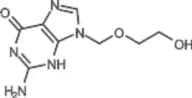
This gene encodes a protein that contains laminin EGF motifs, a pentaxin domain, and many fibronectin type III motifs. The protein is found in the basement membrane, and may be important in development and homeostasis of the inner ear and retina. Mutations within this gene have been associated with Usher syndrome type IIa and retinitis pigmentosa. Multiple transcript variants encoding different isoforms have been found for this gene. [provided by RefSeq, Dec 2008],Acyclovir
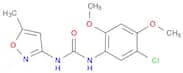
CAS:Acyclovir (Aciclovir) is a synthetic analog of the purine nucleoside, guanosine, with potent antiviral activity against herpes simplex viruses type 1 and 2,Formula:C8H11N5O3Purity:99.77% - >99.99%Color and Shape:Crystals From Methanol SolidMolecular weight:225.2N-(5-CHLORO-2,4-DIMETHOXYPHENYL)-N'-(5-METHYL-3-ISOXAZOLYL)-UREA
CAS:Formula:C13H14ClN3O4Purity:98%Color and Shape:SolidMolecular weight:311.7210c-Abl (phospho-Thr735) rabbit pAb
This gene is a protooncogene that encodes a protein tyrosine kinase involved in a variety of cellular processes, including cell division, adhesion, differentiation, and response to stress. The activity of the protein is negatively regulated by its SH3 domain, whereby deletion of the region encoding this domain results in an oncogene. The ubiquitously expressed protein has DNA-binding activity that is regulated by CDC2-mediated phosphorylation, suggesting a cell cycle function. This gene has been found fused to a variety of translocation partner genes in various leukemias, most notably the t(9;22) translocation that results in a fusion with the 5' end of the breakpoint cluster region gene (BCR; MIM:151410). Alternative splicing of this gene results in two transcript variants, which contain alternative first exons that are spliced to the remaining common exons. [prBAGE3 rabbit pAb
function:Unknown. Candidate gene encoding tumor antigens.,miscellaneous:The ancestral BAGE gene was generated by juxtacentromeric reshuffling of the MLL3 gene. The BAGE family was expanded by juxtacentromeric movement and/or acrocentric exchanges. BAGE family is composed of expressed genes that map to the juxtacentromeric regions of chromosomes 13 and 21 and of unexpressed gene fragments that scattered in the juxtacentromeric regions of several chromosomes, including chromosomes 9, 13, 18 and 21.,similarity:Belongs to the BAGE family.,tissue specificity:Not expressed in normal tissues except in testis. Expressed in 22% of melanomas, in bladder and lung carcinomas.,tissue specificity:Not expressed in normal tissues except in testis. Expressed in melanoma, bladder and lung carcinomas.,EDG-4 rabbit pAb
lysophosphatidic acid receptor 2(LPAR2) Homo sapiens This gene encodes a member of family I of the G protein-coupled receptors, as well as the EDG family of proteins. This protein functions as a lysophosphatidic acid (LPA) receptor and contributes to Ca2+ mobilization, a critical cellular response to LPA in cells, through association with Gi and Gq proteins. An alternative splice variant has been described but its full length sequence has not been determined. [provided by RefSeq, Jul 2008],EphA2 (phospho-Ser897) rabbit pAb
This gene belongs to the ephrin receptor subfamily of the protein-tyrosine kinase family. EPH and EPH-related receptors have been implicated in mediating developmental events, particularly in the nervous system. Receptors in the EPH subfamily typically have a single kinase domain and an extracellular region containing a Cys-rich domain and 2 fibronectin type III repeats. The ephrin receptors are divided into 2 groups based on the similarity of their extracellular domain sequences and their affinities for binding ephrin-A and ephrin-B ligands. This gene encodes a protein that binds ephrin-A ligands. Mutations in this gene are the cause of certain genetically-related cataract disorders.[provided by RefSeq, May 2010],p53 (Mono Methyl Lys370) rabbit pAb
tumor protein p53(TP53) Homo sapiens This gene encodes a tumor suppressor protein containing transcriptional activation, DNA binding, and oligomerization domains. The encoded protein responds to diverse cellular stresses to regulate expression of target genes, thereby inducing cell cycle arrest, apoptosis, senescence, DNA repair, or changes in metabolism. Mutations in this gene are associated with a variety of human cancers, including hereditary cancers such as Li-Fraumeni syndrome. Alternative splicing of this gene and the use of alternate promoters result in multiple transcript variants and isoforms. Additional isoforms have also been shown to result from the use of alternate translation initiation codons (PMIDs: 12032546, 20937277). [provided by RefSeq, Feb 2013],cGKII rabbit pAb
This gene encodes a protein that belongs to the serine/threonine protein kinase family of proteins. The encoded protein plays a role in the regulation of fluid balance in the intestine. A similar protein in mouse is thought to regulate differentiation and proliferation of cells in the colon. Alternate splicing results in multiple transcript variants. [provided by RefSeq, Sep 2013],LMA2L rabbit pAb
This gene encodes a protein belonging to the L-type lectin group of type 1 membrane proteins, which function in the mammalian early secretory pathway. These proteins contain luminal carbohydrate recognition domains, which display homology to leguminous lectins. Unlike other proteins of the group, which cycle in the early secretory pathway and are predominantly associated with post endoplasmic reticulum membranes, the protein encoded by this gene is a non-cycling resident protein of the ER, where it functions as a cargo receptor for glycoproteins. It is proposed to regulate exchange of folded proteins for transport to the Golgi and exchange of misfolded glycoproteins for transport to the ubiquitin-proteasome pathway. [provided by RefSeq, Apr 2016],Nesprin-3 rabbit pAb
function:Involved in the maintenance of nuclear organization and structural integrity. Probable anchoring protein which theters the nucleus to the cytoskeleton by binding PLEC1/Plectin which can associate with the intermediate filament system.,similarity:Belongs to the nesprin family.,similarity:Contains 1 KASH domain.,similarity:Contains 2 spectrin repeats.,subcellular location:Located at the rough reticulum endoplasmic (RER) in some cells.,subunit:Interacts with actin-binding domain of PLEC1/plectin.,(2S,3S,4S,5R,6R)-3,4,5-Trihydroxy-6-(4-nitrophenoxy)tetrahydro-2H-pyran-2-carboxylic acid
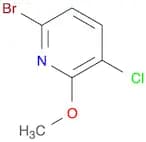
CAS:Formula:C12H13NO9Purity:97%Color and Shape:SolidMolecular weight:315.23296-Bromo-3-chloro-2-methoxypyridine
CAS:Formula:C6H5BrClNOPurity:96%Color and Shape:SolidMolecular weight:222.4670ERAP1 rabbit pAb
The protein encoded by this gene is an aminopeptidase involved in trimming HLA class I-binding precursors so that they can be presented on MHC class I molecules. The encoded protein acts as a monomer or as a heterodimer with ERAP2. This protein may also be involved in blood pressure regulation by inactivation of angiotensin II. Three transcript variants encoding two different isoforms have been found for this gene.[provided by RefSeq, Oct 2010],A Cyclase I rabbit pAb
This gene encodes a member of the of adenylate cyclase gene family that is primarily expressed in the brain. This protein is regulated by calcium/calmodulin concentration and may be involved in brain development. Alternate splicing results in multiple transcript variants. [provided by RefSeq, Aug 2013],CD40 (phospho Thr254) rabbit pAb
This gene is a member of the TNF-receptor superfamily. The encoded protein is a receptor on antigen-presenting cells of the immune system and is essential for mediating a broad variety of immune and inflammatory responses including T cell-dependent immunoglobulin class switching, memory B cell development, and germinal center formation. AT-hook transcription factor AKNA is reported to coordinately regulate the expression of this receptor and its ligand, which may be important for homotypic cell interactions. Adaptor protein TNFR2 interacts with this receptor and serves as a mediator of the signal transduction. The interaction of this receptor and its ligand is found to be necessary for amyloid-beta-induced microglial activation, and thus is thought to be an early event in Alzheimer disease pathogenesis. Mutations affecting this gene are the cause of autosomal recessive hyper-IgM immunodeficiency type 3 (HIGBLMH rabbit pAb
Bleomycin hydrolase (BMH) is a cytoplasmic cysteine peptidase that is highly conserved through evolution; however, the only known activity of the enzyme is metabolic inactivation of the glycopeptide bleomycin (BLM), an essential component of combination chemotherapy regimens for cancer. The protein contains the signature active site residues of the cysteine protease papain superfamily. [provided by RefSeq, Jul 2008],SYT8 rabbit pAb
This gene encodes a member of the synaptotagmin protein family. Synaptotagmins are membrane proteins that are important in neurotransmission and hormone secretion, both of which involve regulated exocytosis. Expression of the encoded protein in human pancreatic islets has been connected to activity of the promoter for the insulin gene, on the same chromosome several hundred kilobases away (PMID: 21336277 and 22928559). This association would link response to gluclose to insulin secretion. Alternative splicing results in multiple transcript variants encoding different isoforms. [provided by RefSeq, Mar 2014],p53 (phospho Thr387) rabbit pAb
tumor protein p53(TP53) Homo sapiens This gene encodes a tumor suppressor protein containing transcriptional activation, DNA binding, and oligomerization domains. The encoded protein responds to diverse cellular stresses to regulate expression of target genes, thereby inducing cell cycle arrest, apoptosis, senescence, DNA repair, or changes in metabolism. Mutations in this gene are associated with a variety of human cancers, including hereditary cancers such as Li-Fraumeni syndrome. Alternative splicing of this gene and the use of alternate promoters result in multiple transcript variants and isoforms. Additional isoforms have also been shown to result from the use of alternate translation initiation codons (PMIDs: 12032546, 20937277). [provided by RefSeq, Feb 2013],OR2V1 rabbit pAb
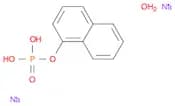
olfactory receptor family 2 subfamily V member 1(OR2V1) Homo sapiens Olfactory receptors interact with odorant molecules in the nose, to initiate a neuronal response that triggers the perception of a smell. The olfactory receptor proteins are members of a large family of G-protein-coupled receptors (GPCR) arising from single coding-exon genes. Olfactory receptors share a 7-transmembrane domain structure with many neurotransmitter and hormone receptors and are responsible for the recognition and G protein-mediated transduction of odorant signals. The olfactory receptor gene family is the largest in the genome. The nomenclature assigned to the olfactory receptor genes and proteins for this organism is independent of other organisms. [provided by RefSeq, Jul 2008],Sodium naphthalen-1-yl phosphate hydrate
CAS:Formula:C10H9Na2O5PPurity:95%Color and Shape:SolidMolecular weight:286.1288O5AK2 rabbit pAb
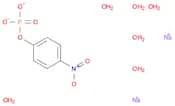
Olfactory receptors interact with odorant molecules in the nose, to initiate a neuronal response that triggers the perception of a smell. The olfactory receptor proteins are members of a large family of G-protein-coupled receptors (GPCR) arising from single coding-exon genes. Olfactory receptors share a 7-transmembrane domain structure with many neurotransmitter and hormone receptors and are responsible for the recognition and G protein-mediated transduction of odorant signals. The olfactory receptor gene family is the largest in the genome. The nomenclature assigned to the olfactory receptor genes and proteins for this organism is independent of other organisms. [provided by RefSeq, Jul 2008],Phosphoric acid, mono(4-nitrophenyl) ester, sodium salt, hydrate(1:2:6)OTHER CA INDEX NAMES:Phosphoric acid, mono(4-nitrophenyl) ester, disodium salt, hexahydrate
CAS:Formula:C6H16NNa2O12PPurity:97%Color and Shape:SolidMolecular weight:371.1440Crystallin-αB rabbit pAb
Mammalian lens crystallins are divided into alpha, beta, and gamma families. Alpha crystallins are composed of two gene products: alpha-A and alpha-B, for acidic and basic, respectively. Alpha crystallins can be induced by heat shock and are members of the small heat shock protein (HSP20) family. They act as molecular chaperones although they do not renature proteins and release them in the fashion of a true chaperone; instead they hold them in large soluble aggregates. Post-translational modifications decrease the ability to chaperone. These heterogeneous aggregates consist of 30-40 subunits; the alpha-A and alpha-B subunits have a 3:1 ratio, respectively. Two additional functions of alpha crystallins are an autokinase activity and participation in the intracellular architecture. The encoded protein has been identified as a moonlighting protein based on its ability to perform mechanistically distinP2RY2 rabbit pAb
purinergic receptor P2Y2(P2RY2) Homo sapiens The product of this gene belongs to the family of P2 receptors, which is activated by extracellular nucleotides and subdivided into P2X ligand-gated ion channels and P2Y G-protein coupled receptors. This family has several receptor subtypes with different pharmacological selectivity, which overlaps in some cases, for various adenosine and uridine nucleotides. This receptor, found on many cell types, is activated by ATP and UTP and is reported to be overexpressed on some cancer cell types. It is involved in many cellular functions, such as proliferation, apoptosis and inflammation. Three transcript variants encoding the same protein have been identified for this gene. [provided by RefSeq, Mar 2013],KV9.2 rabbit pAb
domain:The segment S4 is probably the voltage-sensor and is characterized by a series of positively charged amino acids at every third position.,function:Potassium channel subunit. Modulates channel activity and reduces the ion flow.,similarity:Belongs to the potassium channel family. S subfamily.,subcellular location:May not reach the plasma membrane but remain in an intracellular compartment in the absence of KCNB1.,subunit:Heteromultimer with KCNB1 and with KCNB2. Does not form homomultimers. Might also bind to other channel proteins.,CD107b rabbit pAb
The protein encoded by this gene is a member of a family of membrane glycoproteins. This glycoprotein provides selectins with carbohydrate ligands. It may play a role in tumor cell metastasis. It may also function in the protection, maintenance, and adhesion of the lysosome. Alternative splicing of this gene results in multiple transcript variants encoding distinct proteins. [provided by RefSeq, Jul 2008],CD203c rabbit pAb
The protein encoded by this gene belongs to a series of ectoenzymes that are involved in hydrolysis of extracellular nucleotides. These ectoenzymes possess ATPase and ATP pyrophosphatase activities and are type II transmembrane proteins. Expression of the related rat mRNA has been found in a subset of immature glial cells and in the alimentary tract. The corresponding rat protein has been detected in the pancreas, small intestine, colon, and liver. The human mRNA is expressed in glioma cells, prostate, and uterus. Expression of the human protein has been detected in uterus, basophils, and mast cells. Two transcript variants, one protein coding and the other non-protein coding, have been found for this gene. [provided by RefSeq, Oct 2015],GRK 1 rabbit pAb
This gene encodes a member of the guanine nucleotide-binding protein (G protein)-coupled receptor kinase subfamily of the Ser/Thr protein kinase family. The protein phosphorylates rhodopsin and initiates its deactivation. Defects in GRK1 are known to cause Oguchi disease 2 (also known as stationary night blindness Oguchi type-2). [provided by RefSeq, Jul 2008],Ref: IN-DA00IA14
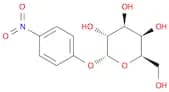
1g63.00€5g120.00€10g208.00€1kgTo inquire25g255.00€250g503.00€500gTo inquire250mg39.00€4-Nitrophenyl a-D-galactopyranoside
CAS:Formula:C12H15NO8Purity:97%Color and Shape:SolidMolecular weight:301.2494ATG5 (3C7) Mouse mAb
Autophagy is generally activated by conditions of nutrient deprivation but has also been associated with a number of physiological processes including development, differentiation, neurodegeneration, infection, and cancer. Formation of the autophagosome involves a ubiquitin-like conjugation system in which Atg12 is covalently bound to Atg5 and targeted to autophagosome vesicles. This conjugation reaction is mediated by the ubiquitin E1-like enzyme Atg7 and the E2-like enzyme Atg10.Nup160 rabbit pAb
nucleoporin 160(NUP160) Homo sapiens NUP160 is 1 of up to 60 proteins that make up the 120-MD nuclear pore complex, which mediates nucleoplasmic transport.[supplied by OMIM, Apr 2004],Tuberin/TSC2 (phospho-Ser1387) rabbit pAb
Mutations in this gene lead to tuberous sclerosis complex. Its gene product is believed to be a tumor suppressor and is able to stimulate specific GTPases. The protein associates with hamartin in a cytosolic complex, possibly acting as a chaperone for hamartin. Alternative splicing results in multiple transcript variants encoding different isoforms. [provided by RefSeq, Jul 2008],TCPG rabbit pAb
The protein encoded by this gene is a molecular chaperone that is a member of the chaperonin containing TCP1 complex (CCT), also known as the TCP1 ring complex (TRiC). This complex consists of two identical stacked rings, each containing eight different proteins. Unfolded polypeptides enter the central cavity of the complex and are folded in an ATP-dependent manner. The complex folds various proteins, including actin and tubulin. Alternate transcriptional splice variants have been characterized for this gene. In addition, a pseudogene of this gene has been found on chromosome 8. [provided by RefSeq, Aug 2010],Paxillin rabbit pAb
This gene encodes a cytoskeletal protein involved in actin-membrane attachment at sites of cell adhesion to the extracellular matrix (focal adhesion). Alternatively spliced transcript variants encoding different isoforms have been described for this gene. These isoforms exhibit different expression pattern, and have different biochemical, as well as physiological properties (PMID:9054445). [provided by RefSeq, Aug 2011],SIGIR rabbit pAb
function:Acts as a negative regulator of the Toll-like and IL-1R receptor signaling pathways. Attenuates the recruitment of receptor-proximal signaling components to the TLR4 receptor, probably through an TIR-TIR domain interaction with TLR4. Through its extracellular domain interferes with the heterodimerization of Il1R1 and IL1RAP.,similarity:Belongs to the interleukin-1 receptor family.,similarity:Contains 1 Ig-like C2-type (immunoglobulin-like) domain.,similarity:Contains 1 TIR domain.,subunit:Interacts with IL1R1, IRAK1, TLR4, TLR5, TLR9 and TRAF6. Upon IL-1 stimulation found in a complex at least composed of IL1R1, SIGIRR, MYD88, IRAK1 and TRAF6. Upon stimulation with LPC found in a complex at least composed of TLR4, SIG1IR, MYD88, IRAK1 and TRAF6.,tissue specificity:Mainly expressed in epithelial tissues such as kidney, lung and gut.,ATG3 rabbit pAb
This gene encodes a ubiquitin-like-conjugating enzyme and is a component of ubiquitination-like systems involved in autophagy, the process of degradation, turnover and recycling of cytoplasmic constituents in eukaryotic cells. This protein is known to play a role in regulation of autophagy during cell death. A pseudogene of this gene is located on chromosome 20. Alternative splicing results in multiple transcript variants encoding different isoforms. [provided by RefSeq, Jul 2013],