Primary Antibodies
Primary antibodies are immunoglobulins that bind specifically to an antigen of interest, allowing for the detection and quantification of proteins, peptides, or other biomolecules. These antibodies are critical tools in a wide range of applications, including Western blotting, immunohistochemistry, and ELISA. At CymitQuimica, we offer an extensive selection of high-quality primary antibodies that provide specificity and sensitivity for various research needs, including cancer, immunology, and cell biology studies.
Subcategories of "Primary Antibodies"
- Cancer Research Antibodies(3,721 products)
- Cardiovascular Antibodies(2 products)
- Developmental Biology(764 products)
- Epigenetics Antibodies(162 products)
- Immunology Antibodies(2,585 products)
- Metabolism Antibodies(286 products)
- Microbiology Antibodies(741 products)
- Signal Transduction(2,765 products)
- Tags & Cellular Markers(34 products)
Show 1 more subcategories
Found 75562 products of "Primary Antibodies"
Sort by
Purity (%)
0
100
|
0
|
50
|
90
|
95
|
100
FAM9C rabbit pAb
This gene is a member of a gene family which arose through duplication on the X chromosome. The encoded protein may be localized to the nucleus as the protein contains several nuclear localization signals, and has similarity to a synaptonemal complex protein. [provided by RefSeq, Aug 2011],Ghrelin rabbit pAb
This gene encodes the ghrelin-obestatin preproprotein that is cleaved to yield two peptides, ghrelin and obestatin. Ghrelin is a powerful appetite stimulant and plays an important role in energy homeostasis. Its secretion is initiated when the stomach is empty, whereupon it binds to the growth hormone secretagogue receptor in the hypothalamus which results in the secretion of growth hormone (somatotropin). Ghrelin is thought to regulate multiple activities, including hunger, reward perception via the mesolimbic pathway, gastric acid secretion, gastrointestinal motility, and pancreatic glucose-stimulated insulin secretion. It was initially proposed that obestatin plays an opposing role to ghrelin by promoting satiety and thus decreasing food intake, but this action is still debated. Recent reports suggest multiple metabolic roles for obestatin, including regulating adipocyte functionHXB7 rabbit pAb
This gene is a member of the Antp homeobox family and encodes a protein with a homeobox DNA-binding domain. It is included in a cluster of homeobox B genes located on chromosome 17. The encoded nuclear protein functions as a sequence-specific transcription factor that is involved in cell proliferation and differentiation. Increased expression of this gene is associated with some cases of melanoma and ovarian carcinoma. [provided by RefSeq, Jul 2008],PKD1 (phospho Ser910) rabbit pAb
PRKD1 is a serine/threonine kinase that regulates a variety of cellular functions, including membrane receptor signaling, transport at the Golgi, protection from oxidative stress at the mitochondria, gene transcription, and regulation of cell shape, motility, and adhesion (summary by Eiseler et al., 2009 [PubMed 19329994]).[supplied by OMIM, Nov 2010],MAVS rabbit pAb
mitochondrial antiviral signaling protein(MAVS) Homo sapiens This gene encodes an intermediary protein necessary in the virus-triggered beta interferon signaling pathways. It is required for activation of transcription factors which regulate expression of beta interferon and contributes to antiviral immunity. Multiple transcript variants encoding different isoforms have been found for this gene. [provided by RefSeq, Sep 2011],A Cyclase V/VI rabbit pAb
This gene encodes a member of the adenylyl cyclase family of proteins, which are required for the synthesis of cyclic AMP. All members of this family have an intracellular N-terminus, a tandem repeat of six transmembrane domains separated by a cytoplasmic loop, and a C-terminal cytoplasmic domain. The two cytoplasmic regions bind ATP and form the catalytic core of the protein. Adenylyl cyclases are important effectors of transmembrane signaling pathways and are regulated by the activity of G protein coupled receptor signaling. This protein belongs to a small subclass of adenylyl cyclase proteins that are functionally related and are inhibited by protein kinase A, calcium ions and nitric oxide. A mutation in this gene is associated with arthrogryposis multiplex congenita. [provided by RefSeq, May 2015],NOL7 rabbit pAb
The protein encoded by this gene localizes to the nucleolus, where it maintains nucleolar structure and cell growth rates. The encoded protein also functions as a tumor suppressor and regulator of angiogenesis. The RB tumor suppressor gene recruits transcription factors to this gene and positively regulates its expression. Two transcript variants encoding the same protein have been found for this gene. [provided by RefSeq, Dec 2015],CD13 rabbit pAb
Aminopeptidase N is located in the small-intestinal and renal microvillar membrane, and also in other plasma membranes. In the small intestine aminopeptidase N plays a role in the final digestion of peptides generated from hydrolysis of proteins by gastric and pancreatic proteases. Its function in proximal tubular epithelial cells and other cell types is less clear. The large extracellular carboxyterminal domain contains a pentapeptide consensus sequence characteristic of members of the zinc-binding metalloproteinase superfamily. Sequence comparisons with known enzymes of this class showed that CD13 and aminopeptidase N are identical. The latter enzyme was thought to be involved in the metabolism of regulatory peptides by diverse cell types, including small intestinal and renal tubular epithelial cells, macrophages, granulocytes, and synaptic membranes from the CNS. Human aminopeptidase N isRGPA1 rabbit pAb
This gene encodes a major subunit of the RAL-GTPase activating protein. A similar protein in mouse binds E12, a transcriptional regulator of immunoglobulin genes. The mouse protein also functions in skeletal muscle by binding to the regulatory 14-3-3 proteins upon stimulation with insulin or muscle contraction. A pseudogene of this gene has been identified on chromosome 9. [provided by RefSeq, Oct 2016],ARAP1 rabbit pAb
The protein encoded by this gene contains SAM, ARF-GAP, RHO-GAP, ankyrin repeat, RAS-associating, and pleckstrin homology (PH) domains. In vitro, this protein displays RHO-GAP and phosphatidylinositol (3,4,5) trisphosphate (PIP3)-dependent ARF-GAP activity. The encoded protein associates with the Golgi, and the ARF-GAP activity mediates changes in the Golgi and the formation of filopodia. It is thought to regulate the cell-specific trafficking of a receptor protein involved in apoptosis. Multiple transcript variants encoding different isoforms have been found for this gene. [provided by RefSeq, Sep 2008],p70 S6 kinase β rabbit pAb
ribosomal protein S6 kinase B2(RPS6KB2) Homo sapiens This gene encodes a member of the RSK (ribosomal S6 kinase) family of serine/threonine kinases. This kinase contains a kinase catalytic domain and phosphorylates the S6 ribosomal protein and eukaryotic translation initiation factor 4B (eIF4B). Phosphorylation of S6 leads to an increase in protein synthesis and cell proliferation. [provided by RefSeq, Jan 2015],GGPPS rabbit pAb
This gene is a member of the prenyltransferase family and encodes a protein with geranylgeranyl diphosphate (GGPP) synthase activity. The enzyme catalyzes the synthesis of GGPP from farnesyl diphosphate and isopentenyl diphosphate. GGPP is an important molecule responsible for the C20-prenylation of proteins and for the regulation of a nuclear hormone receptor. Alternate transcriptional splice variants, both protein-coding and non-protein-coding, have been found for this gene. [provided by RefSeq, Sep 2010],SAP18 rabbit pAb
Histone acetylation plays a key role in the regulation of eukaryotic gene expression. Histone acetylation and deacetylation are catalyzed by multisubunit complexes. The protein encoded by this gene is a component of the histone deacetylase complex, which includes SIN3, SAP30, HDAC1, HDAC2, RbAp46, RbAp48, and other polypeptides. This protein directly interacts with SIN3 and enhances SIN3-mediated transcriptional repression when tethered to the promoter. A pseudogene has been identified on chromosome 2. [provided by RefSeq, Dec 2008],p47-phox rabbit pAb
The protein encoded by this gene is a 47 kDa cytosolic subunit of neutrophil NADPH oxidase. This oxidase is a multicomponent enzyme that is activated to produce superoxide anion. Mutations in this gene have been associated with chronic granulomatous disease. [provided by RefSeq, Jul 2008],TGM3 rabbit pAb
Transglutaminases are enzymes that catalyze the crosslinking of proteins by epsilon-gamma glutamyl lysine isopeptide bonds. While the primary structure of transglutaminases is not conserved, they all have the same amino acid sequence at their active sites and their activity is calcium-dependent. The protein encoded by this gene consists of two polypeptide chains activated from a single precursor protein by proteolysis. The encoded protein is involved the later stages of cell envelope formation in the epidermis and hair follicle. [provided by RefSeq, Jul 2008],Ribosomal Protein L36 rabbit pAb
Ribosomes, the organelles that catalyze protein synthesis, consist of a small 40S subunit and a large 60S subunit. Together these subunits are composed of 4 RNA species and approximately 80 structurally distinct proteins. This gene encodes a ribosomal protein that is a component of the 60S subunit. The protein belongs to the L36E family of ribosomal proteins. It is located in the cytoplasm. Transcript variants derived from alternative splicing exist; they encode the same protein. As is typical for genes encoding ribosomal proteins, there are multiple processed pseudogenes of this gene dispersed through the genome. [provided by RefSeq, Jul 2008],RFX2 rabbit pAb
This gene is a member of the regulatory factor X gene family, which encodes transcription factors that contain a highly-conserved winged helix DNA binding domain. The protein encoded by this gene is structurally related to regulatory factors X1, X3, X4, and X5. It is a transcriptional activator that can bind DNA as a monomer or as a heterodimer with other RFX family members. This protein can bind to cis elements in the promoter of the IL-5 receptor alpha gene. Two transcript variants encoding different isoforms have been described for this gene, and both variants utilize alternative polyadenylation sites. [provided by RefSeq, Jul 2008],Histone H3.3 (phospho Ser31) rabbit pAb
Histones are basic nuclear proteins that are responsible for the nucleosome structure of the chromosomal fiber in eukaryotes. Two molecules of each of the four core histones (H2A, H2B, H3, and H4) form an octamer, around which approximately 146 bp of DNA is wrapped in repeating units, called nucleosomes. The linker histone, H1, interacts with linker DNA between nucleosomes and functions in the compaction of chromatin into higher order structures. This gene contains introns and its mRNA is polyadenylated, unlike most histone genes. The protein encoded is a replication-independent member of the histone H3 family. [provided by RefSeq, Jul 2008],FOLR3 rabbit pAb
This gene encodes a member of the folate receptor (FOLR) family of proteins, which have a high affinity for folic acid and for several reduced folic acid derivatives, and mediate delivery of 5-methyltetrahydrofolate to the interior of cells. Expression of this gene may be elevated in ovarian and primary peritoneal carcinoma. This gene is present in a gene cluster on chromosome 11. Alternative splicing results in multiple transcript variants. [provided by RefSeq, Dec 2015],OR1E2 rabbit pAb
olfactory receptor family 1 subfamily E member 2(OR1E2) Homo sapiens Olfactory receptors interact with odorant molecules in the nose, to initiate a neuronal response that triggers the perception of a smell. The olfactory receptor proteins are members of a large family of G-protein-coupled receptors (GPCR) arising from single coding-exon genes. Olfactory receptors share a 7-transmembrane domain structure with many neurotransmitter and hormone receptors and are responsible for the recognition and G protein-mediated transduction of odorant signals. The olfactory receptor gene family is the largest in the genome. The nomenclature assigned to the olfactory receptor genes and proteins for this organism is independent of other organisms. [provided by RefSeq, Jul 2008],RIP2 rabbit pAb
This gene encodes a member of the receptor-interacting protein (RIP) family of serine/threonine protein kinases. The encoded protein contains a C-terminal caspase activation and recruitment domain (CARD), and is a component of signaling complexes in both the innate and adaptive immune pathways. It is a potent activator of NF-kappaB and inducer of apoptosis in response to various stimuli. [provided by RefSeq, Jul 2008],TLR8 Rabbit pAb
Toll-like receptor 8 is a protein that in humans is encoded by the TLR8 gene. TLR8 has also been designated as CD288.Tom20 rabbit pAb
function:Central component of the receptor complex responsible for the recognition and translocation of cytosolically synthesized mitochondrial preproteins. Together with tom22 functions as the transit peptide receptor at the surface of the mitochondrion outer membrane and facilitates the movement of preproteins into the tom40 translocation pore.,similarity:Belongs to the Tom20 family.,subunit:Forms part of the preprotein translocase complex of the outer mitochondrial membrane (TOM complex) which consists of at least 7 different proteins (TOMM5, TOMM6, TOMM7, TOMM20, TOMM22, TOMM40 and TOMM70). Interacts with TOM22.,PLIN5 rabbit pAb
Members of the perilipin family, such as PLIN5, coat intracellular lipid storage droplets and protect them from lipolytic degradation (Dalen et al., 2007 [PubMed 17234449]).[supplied by OMIM, Feb 2010],MEK-6 rabbit pAb
This gene encodes a member of the dual specificity protein kinase family, which functions as a mitogen-activated protein (MAP) kinase kinase. MAP kinases, also known as extracellular signal-regulated kinases (ERKs), act as an integration point for multiple biochemical signals. This protein phosphorylates and activates p38 MAP kinase in response to inflammatory cytokines or environmental stress. As an essential component of p38 MAP kinase mediated signal transduction pathway, this gene is involved in many cellular processes such as stress induced cell cycle arrest, transcription activation and apoptosis. [provided by RefSeq, Jul 2008],p70 S6 kinase α (phospho Thr421) rabbit pAb
ribosomal protein S6 kinase B1(RPS6KB1) Homo sapiens This gene encodes a member of the ribosomal S6 kinase family of serine/threonine kinases. The encoded protein responds to mTOR (mammalian target of rapamycin) signaling to promote protein synthesis, cell growth, and cell proliferation. Activity of this gene has been associated with human cancer. Alternatively spliced transcript variants have been observed. The use of alternative translation start sites results in isoforms with longer or shorter N-termini which may differ in their subcellular localizations. There are two pseudogenes for this gene on chromosome 17. [provided by RefSeq, Jan 2013],Laminin-R rabbit pAb
Laminins, a family of extracellular matrix glycoproteins, are the major noncollagenous constituent of basement membranes. They have been implicated in a wide variety of biological processes including cell adhesion, differentiation, migration, signaling, neurite outgrowth and metastasis. Many of the effects of laminin are mediated through interactions with cell surface receptors. These receptors include members of the integrin family, as well as non-integrin laminin-binding proteins. This gene encodes a high-affinity, non-integrin family, laminin receptor 1. This receptor has been variously called 67 kD laminin receptor, 37 kD laminin receptor precursor (37LRP) and p40 ribosome-associated protein. The amino acid sequence of laminin receptor 1 is highly conserved through evolution, suggesting a key biological function. It has been observed that the level of the laminin receptor transcript is higher inNSE2 rabbit pAb
similarity:Belongs to the FAM84 family.,tissue specificity:Expressed in esophageal squamous cell carcinomas.,DDX3 rabbit pAb
The protein encoded by this gene is a member of the large DEAD-box protein family, that is defined by the presence of the conserved Asp-Glu-Ala-Asp (DEAD) motif, and has ATP-dependent RNA helicase activity. This protein has been reported to display a high level of RNA-independent ATPase activity, and unlike most DEAD-box helicases, the ATPase activity is thought to be stimulated by both RNA and DNA. This protein has multiple conserved domains and is thought to play roles in both the nucleus and cytoplasm. Nuclear roles include transcriptional regulation, mRNP assembly, pre-mRNA splicing, and mRNA export. In the cytoplasm, this protein is thought to be involved in translation, cellular signaling, and viral replication. Misregulation of this gene has been implicated in tumorigenesis. This gene has a paralog located in the nonrecombining region of the Y chromosome. Pseudogenes sharing similaritSCAMP1 rabbit pAb
This gene product belongs to the SCAMP family of proteins, which are secretory carrier membrane proteins. They function as carriers to the cell surface in post-golgi recycling pathways. Different family members are highly related products of distinct genes, and are usually expressed together. These findings suggest that these protein family members may function at the same site during vesicular transport rather than in separate pathways. A pseudogene of this gene has been defined on chromosome 1. Alternative splicing results in multiple transcript variants. [provided by RefSeq, Mar 2014],IL-17RC rabbit pAb
This gene encodes a single-pass type I membrane protein that shares similarity with the interleukin-17 receptor (IL-17RA). Unlike IL-17RA, which is predominantly expressed in hemopoietic cells, and binds with high affinity to only IL-17A, this protein is expressed in nonhemopoietic tissues, and binds both IL-17A and IL-17F with similar affinities. The proinflammatory cytokines, IL-17A and IL-17F, have been implicated in the progression of inflammatory and autoimmune diseases. Multiple alternatively spliced transcript variants encoding different isoforms have been detected for this gene, and it has been proposed that soluble, secreted proteins lacking transmembrane and intracellular domains may function as extracellular antagonists to cytokine signaling. [provided by RefSeq, Feb 2011],HURP rabbit pAb
developmental stage:Elevated levels of expression detected in the G2/M phase of synchronized cultures of HeLa cells.,function:Potential cell cycle regulator that may play a role in carcinogenesis of cancer cells. Mitotic phosphoprotein regulated by the ubiquitin-proteasome pathway. Key regulator of adherens junction integrity and differentiation that may be involved in CDH1-mediated adhesion and signaling in epithelial cells.,PTM:Phosphorylated upon DNA damage, probably by ATM or ATR. Decreased phosphorylation levels are associated with the differentiation of intestinal epithelial cells.,PTM:Ubiquitinated, leading to its degradation.,similarity:Belongs to the SAPAP family.,subcellular location:Localizes to the spindle poles in mitotic cells. Colocalizes with CDH1 at sites of cell-cell contact in intestinal epithelial cells.,subunit:Interacts with CDC2. Interacts with the C-terminal proline-rich region of FBXO7. Recruited by FBXO7 to a SCF (SKP1-CUL1-F-box) protein complex in a CDC2/Cyclin B-phosphorylation dependent manner. Interacts with CDH1.,tissue specificity:Abundantly expressed in fetal liver. Expressed at lower levels in bone marrow, testis, colon, and placenta.,CD158k rabbit pAb
killer cell immunoglobulin like receptor, three Ig domains and long cytoplasmic tail 2(KIR3DL2) Homo sapiens Killer cell immunoglobulin-like receptors (KIRs) are transmembrane glycoproteins expressed by natural killer cells and subsets of T cells. The KIR genes are polymorphic and highly homologous and they are found in a cluster on chromosome 19q13.4 within the 1 Mb leukocyte receptor complex (LRC). The gene content of the KIR gene cluster varies among haplotypes, although several "framework" genes are found in all haplotypes (KIR3DL3, KIR3DP1, KIR3DL4, KIR3DL2). The KIR proteins are classified by the number of extracellular immunoglobulin domains (2D or 3D) and by whether they have a long (L) or short (S) cytoplasmic domain. KIR proteins with the long cytoplasmic domain transduce inhibitory signals upon ligand binding via an immune tyrosine-based inhibitory motif (ITIM), while KIR proteins with the short cytoplasmic domain lack theTEFF2 rabbit pAb
This gene encodes a member of the tomoregulin family of transmembrane proteins. This protein has been shown to function as both an oncogene and a tumor suppressor depending on the cellular context and may regulate prostate cancer cell invasion. Multiple soluble forms of this protein have been identified that arise from both an alternative splice variant and ectodomain shedding. Additionally, this gene has been found to be hypermethylated in multiple cancer types. Alternative splicing results in multiple transcript variants. [provided by RefSeq, Feb 2015],BMP-2 rabbit pAb
This gene encodes a secreted ligand of the TGF-beta (transforming growth factor-beta) superfamily of proteins. Ligands of this family bind various TGF-beta receptors leading to recruitment and activation of SMAD family transcription factors that regulate gene expression. The encoded preproprotein is proteolytically processed to generate each subunit of the disulfide-linked homodimer, which plays a role in bone and cartilage development. Duplication of a regulatory region downstream of this gene causes a form of brachydactyly characterized by a malformed index finger and second toe in human patients. [provided by RefSeq, Jul 2016],LFTY1 rabbit pAb
This gene encodes a secreted ligand of the TGF-beta (transforming growth factor-beta) superfamily of proteins. Ligands of this family bind various TGF-beta receptors leading to recruitment and activation of SMAD family transcription factors that regulate gene expression. The encoded preproprotein is proteolytically processed to generate the mature protein, which plays a role in left-right asymmetry determination of organ systems during development. This gene is closely linked to both a related family member and a related pseudogene. [provided by RefSeq, Aug 2016],NFκB-p65 (phospho Ser311) rabbit pAb
NF-kappa-B is a ubiquitous transcription factor involved in several biological processes. It is held in the cytoplasm in an inactive state by specific inhibitors. Upon degradation of the inhibitor, NF-kappa-B moves to the nucleus and activates transcription of specific genes. NF-kappa-B is composed of NFKB1 or NFKB2 bound to either REL, RELA, or RELB. The most abundant form of NF-kappa-B is NFKB1 complexed with the product of this gene, RELA. Four transcript variants encoding different isoforms have been found for this gene. [provided by RefSeq, Sep 2011],MY18A rabbit pAb
caution:The TIAF1 protein is coded in the 3'-UTR region of MYO18A.,function:May be involved in the maintenance of the stromal cell architectures required for cell to cell contact.,similarity:Contains 1 IQ domain.,similarity:Contains 1 myosin head-like domain.,similarity:Contains 1 PDZ (DHR) domain.,subcellular location:Colocalizes with actin.,subcellular location:Lacks the PDZ domain. Diffusely localized in the cytoplasm.,subunit:Homodimer. Interacts with JAK3 and actin.,PAR12 rabbit pAb
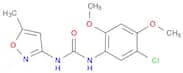
catalytic activity:NAD(+) + (ADP-D-ribosyl)(n)-acceptor = nicotinamide + (ADP-D-ribosyl)(n+1)-acceptor.,similarity:Contains 1 PARP catalytic domain.,similarity:Contains 2 WWE domains.,similarity:Contains 4 C3H1-type zinc fingers.,N-(5-CHLORO-2,4-DIMETHOXYPHENYL)-N'-(5-METHYL-3-ISOXAZOLYL)-UREA
CAS:Formula:C13H14ClN3O4Purity:98%Color and Shape:SolidMolecular weight:311.7210B23 (phospho Thr234) rabbit pAb
This gene encodes a phosphoprotein which moves between the nucleus and the cytoplasm. The gene product is thought to be involved in several processes including regulation of the ARF/p53 pathway. A number of genes are fusion partners have been characterized, in particular the anaplastic lymphoma kinase gene on chromosome 2. Mutations in this gene are associated with acute myeloid leukemia. More than a dozen pseudogenes of this gene have been identified. Alternative splicing results in multiple transcript variants.[provided by RefSeq, Nov 2009],Troponin I-C rabbit pAb
Troponin I (TnI), along with troponin T (TnT) and troponin C (TnC), is one of 3 subunits that form the troponin complex of the thin filaments of striated muscle. TnI is the inhibitory subunit; blocking actin-myosin interactions and thereby mediating striated muscle relaxation. The TnI subfamily contains three genes: TnI-skeletal-fast-twitch, TnI-skeletal-slow-twitch, and TnI-cardiac. This gene encodes the TnI-cardiac protein and is exclusively expressed in cardiac muscle tissues. Mutations in this gene cause familial hypertrophic cardiomyopathy type 7 (CMH7) and familial restrictive cardiomyopathy (RCM). [provided by RefSeq, Jul 2008],Bmx (phospho Tyr40) rabbit pAb
This gene encodes a non-receptor tyrosine kinase belonging to the Tec kinase family. The protein contains a PH-like domain, which mediates membrane targeting by binding to phosphatidylinositol 3,4,5-triphosphate (PIP3), and a SH2 domain that binds to tyrosine-phosphorylated proteins and functions in signal transduction. The protein is implicated in several signal transduction pathways including the Stat pathway, and regulates differentiation and tumorigenicity of several types of cancer cells. Alternatively spliced transcript variants have been found for this gene. [provided by RefSeq, Mar 2016],CKLF7 rabbit pAb
This gene belongs to the chemokine-like factor gene superfamily, a novel family that is similar to the chemokine and transmembrane 4 superfamilies. This gene is one of several chemokine-like factor genes located in a cluster on chromosome 3. This gene acts as a tumor suppressor that regulates G1/S transition in the cell cycle, and epidermal growth factor receptor/protein kinase B signaling during tumor pathogenesis. Alternative splicing results in multiple transcript variants encoding different isoforms. [provided by RefSeq, Feb 2016],Progesterone Receptor Mouse mAb
The steroid hormones and their receptors are involved in the regulation of eukaryotic gene expression and affect cellular proliferation and differentiation in target tissues. Human progesterone receptor (PR) is expressed as two forms: the full length PR-B and the short form PR-A. PR-A lacks the first 164 amino acid residues of PR-B.PLXB1 rabbit pAb
disease:Overexpressed and constitutively tyrosine phosphorylated in colon, liver, pancreas and gastric carcinoma cell lines. Overexpression increases MET activation and promotes invasive growth.,function:Receptor for SEMA4D. Plays a role in RHOA activation and subsequent changes of the actin cytoskeleton. Plays a role in axon guidance, invasive growth and cell migration.,PTM:Phosphorylated on tyrosine residues by ERBB2 and MET upon SEMA4D binding.,PTM:Proteolytic processing favors heterodimerization with PLXNB2 and SEMA4D binding.,similarity:Belongs to the plexin family.,similarity:Contains 1 Sema domain.,similarity:Contains 3 IPT/TIG domains.,subunit:Monomer, and heterodimer with PLXNB2 after proteolytic processing. Binds RAC1 that has been activated by GTP binding. Interaction with SEMA4D promotes binding of cytoplasmic ligands. Binds PLXNA1 (By similarity). Binds ARHGEF11, ARHGEF12, ERBB2, MET, MST1R, RND1, NRP1 and NRP2.,tissue specificity:Highly expressed in fetal kidney, and at slightly lower levels in fetal brain, lung and liver.,OATP-C rabbit pAb
This gene encodes a liver-specific member of the organic anion transporter family. The encoded protein is a transmembrane receptor that mediates the sodium-independent uptake of numerous endogenous compounds including bilirubin, 17-beta-glucuronosyl estradiol and leukotriene C4. This protein is also involved in the removal of drug compounds such as statins, bromosulfophthalein and rifampin from the blood into the hepatocytes. Polymorphisms in the gene encoding this protein are associated with impaired transporter function. [provided by RefSeq, Mar 2009],Tropomyosin α rabbit pAb
This gene is a member of the tropomyosin family of highly conserved, widely distributed actin-binding proteins involved in the contractile system of striated and smooth muscles and the cytoskeleton of non-muscle cells. Tropomyosin is composed of two alpha-helical chains arranged as a coiled-coil. It is polymerized end to end along the two grooves of actin filaments and provides stability to the filaments. The encoded protein is one type of alpha helical chain that forms the predominant tropomyosin of striated muscle, where it also functions in association with the troponin complex to regulate the calcium-dependent interaction of actin and myosin during muscle contraction. In smooth muscle and non-muscle cells, alternatively spliced transcript variants encoding a range of isoforms have been described. Mutations in this gene are associated with type 3 familial hypertrophic cardiomyopathy. [provided byDCAMKL3 rabbit pAb
catalytic activity:ATP + a protein = ADP + a phosphoprotein.,similarity:Belongs to the protein kinase superfamily.,similarity:Belongs to the protein kinase superfamily. CAMK Ser/Thr protein kinase family. CaMK subfamily.,similarity:Contains 1 protein kinase domain.,(2S,3S,4S,5R,6R)-3,4,5-Trihydroxy-6-(4-nitrophenoxy)tetrahydro-2H-pyran-2-carboxylic acid
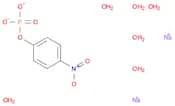
CAS:Formula:C12H13NO9Purity:97%Color and Shape:SolidMolecular weight:315.2329Phosphoric acid, mono(4-nitrophenyl) ester, sodium salt, hydrate(1:2:6)OTHER CA INDEX NAMES:Phosphoric acid, mono(4-nitrophenyl) ester, disodium salt, hexahydrate
CAS:Formula:C6H16NNa2O12PPurity:97%Color and Shape:SolidMolecular weight:371.1440RIP3 (phospho-Ser227) rabbit pAb
The product of this gene is a member of the receptor-interacting protein (RIP) family of serine/threonine protein kinases, and contains a C-terminal domain unique from other RIP family members. The encoded protein is predominantly localized to the cytoplasm, and can undergo nucleocytoplasmic shuttling dependent on novel nuclear localization and export signals. It is a component of the tumor necrosis factor (TNF) receptor-I signaling complex, and can induce apoptosis and weakly activate the NF-kappaB transcription factor. [provided by RefSeq, Jul 2008],NMDAζ1 (phospho Ser896) rabbit pAb
The protein encoded by this gene is a critical subunit of N-methyl-D-aspartate receptors, members of the glutamate receptor channel superfamily which are heteromeric protein complexes with multiple subunits arranged to form a ligand-gated ion channel. These subunits play a key role in the plasticity of synapses, which is believed to underlie memory and learning. Cell-specific factors are thought to control expression of different isoforms, possibly contributing to the functional diversity of the subunits. Alternatively spliced transcript variants have been described. [provided by RefSeq, Jul 2008],RM23 rabbit pAb
Mammalian mitochondrial ribosomal proteins are encoded by nuclear genes and help in protein synthesis within the mitochondrion. Mitochondrial ribosomes (mitoribosomes) consist of a small 28S subunit and a large 39S subunit. They have an estimated 75% protein to rRNA composition compared to prokaryotic ribosomes, where this ratio is reversed. Another difference between mammalian mitoribosomes and prokaryotic ribosomes is that the latter contain a 5S rRNA. Among different species, the proteins comprising the mitoribosome differ greatly in sequence, and sometimes in biochemical properties, which prevents easy recognition by sequence homology. This gene encodes a 39S subunit protein. The gene is biallelically expressed, despite its location within a region of imprinted genes on chromosome 11. [provided by RefSeq, Jul 2008],Ref: IN-DA00IA14
1g63.00€5g120.00€10g208.00€1kgTo inquire25g255.00€250g503.00€500gTo inquire250mg39.00€Ku-70 (Acetyl Lys542) rabbit pAb
The p70/p80 autoantigen is a nuclear complex consisting of two subunits with molecular masses of approximately 70 and 80 kDa. The complex functions as a single-stranded DNA-dependent ATP-dependent helicase. The complex may be involved in the repair of nonhomologous DNA ends such as that required for double-strand break repair, transposition, and V(D)J recombination. High levels of autoantibodies to p70 and p80 have been found in some patients with systemic lupus erythematosus. [provided by RefSeq, Jul 2008],TPPC4 rabbit pAb
function:May play a role in vesicular transport from endoplasmic reticulum to Golgi.,similarity:Belongs to the TRAPP small subunits family. TRAPPC4 subfamily.,subunit:Part of the multisubunit TRAPP (transport protein particle) complex. Interacts with SDC2.,IGFL1 rabbit pAb
IGF like family member 1(IGFL1) Homo sapiens The protein encoded by this gene is a member of the insulin-like growth factor family of signaling molecules. The encoded protein is synthesized as a precursor protein and is proteolytically cleaved to form a secreted mature peptide. The mature peptide binds to a receptor, which in mouse was found on the cell surface of T cells. Increased expression of this gene may be linked to psoriasis. [provided by RefSeq, Aug 2016],PKC θ (phospho Thr538) rabbit pAb
Protein kinase C (PKC) is a family of serine- and threonine-specific protein kinases that can be activated by calcium and the second messenger diacylglycerol. PKC family members phosphorylate a wide variety of protein targets and are known to be involved in diverse cellular signaling pathways. PKC family members also serve as major receptors for phorbol esters, a class of tumor promoters. Each member of the PKC family has a specific expression profile and is believed to play a distinct role. The protein encoded by this gene is one of the PKC family members. It is a calcium-independent and phospholipid-dependent protein kinase. This kinase is important for T-cell activation. It is required for the activation of the transcription factors NF-kappaB and AP-1, and may link the T cell receptor (TCR) signaling complex to the activation of the transcription factors. [provided by RefSeq, Jul 2008],CHSTF rabbit pAb
Chondroitin sulfate (CS) is a glycosaminoglycan which is an important structural component of the extracellular matrix and which links to proteins to form proteoglycans. Chondroitin sulfate E (CS-E) is an isomer of chondroitin sulfate in which the C-4 and C-6 hydroxyl groups are sulfated. This gene encodes a type II transmembrane glycoprotein that acts as a sulfotransferase to transfer sulfate to the C-6 hydroxal group of chondroitin sulfate. This gene has also been identified as being co-expressed with RAG1 in B-cells and as potentially acting as a B-cell surface signaling receptor. Alternative splicing results in multiple transcript variants encoding distinct isoforms. [provided by RefSeq, Jul 2012],RB40L rabbit pAb
This gene encodes a member of the Rab40 subfamily of Rab small GTP-binding proteins that contains a C-terminal suppressors of cytokine signaling box. Disruptions in this gene are associated with Duchenne muscular dystrophy. [provided by RefSeq, Apr 2010],ZFY26 rabbit pAb
This gene encodes a protein which contains a FYVE zinc finger binding domain. The presence of this domain is thought to target these proteins to membrane lipids through interaction with phospholipids in the membrane. Mutations in this gene are associated with autosomal recessive spastic paraplegia-15. [provided by RefSeq, Oct 2008],Cyclin B1 (1A5) Mouse mAb
Cyclin B1 is a regulatory protein involved in mitosis. The gene product complexes with p34 (Cdk1) to form the maturation-promoting factor (MPF). Two alternative transcripts have been found, a constitutively expressed transcript and a cell cycle-regulated transcript that is expressed predominantly during G2/M phase of the cell cycle.USP11 rabbit pAb
Protein ubiquitination controls many intracellular processes, including cell cycle progression, transcriptional activation, and signal transduction. This dynamic process, involving ubiquitin conjugating enzymes and deubiquitinating enzymes, adds and removes ubiquitin. Deubiquitinating enzymes are cysteine proteases that specifically cleave ubiquitin from ubiquitin-conjugated protein substrates. This gene encodes a deubiquitinating enzyme which lies in a gene cluster on chromosome Xp11.23 [provided by RefSeq, Jul 2008],MYO3B rabbit pAb
This gene encodes one of the class III myosins. Myosins are ATPases, activated by actin, that move along actin filaments in the cell. This class of myosins are characterized by an amino-terminal kinase domain and shown to be present in photoreceptors. Alternative splicing results in multiple transcript variants encoding different isoforms. [provided by RefSeq, Mar 2014],HGFL rabbit pAb
The protein encoded by this gene contains four kringle domains and a serine protease domain, similar to that found in hepatic growth factor. Despite the presence of the serine protease domain, the encoded protein may not have any proteolytic activity. The receptor for this protein is RON tyrosine kinase, which upon activation stimulates ciliary motility of ciliated epithelial lung cells. This protein is secreted and cleaved to form an alpha chain and a beta chain bridged by disulfide bonds. [provided by RefSeq, Jan 2010],EGFR (phospho Tyr1172) rabbit pAb
The protein encoded by this gene is a transmembrane glycoprotein that is a member of the protein kinase superfamily. This protein is a receptor for members of the epidermal growth factor family. EGFR is a cell surface protein that binds to epidermal growth factor. Binding of the protein to a ligand induces receptor dimerization and tyrosine autophosphorylation and leads to cell proliferation. Mutations in this gene are associated with lung cancer. [provided by RefSeq, Jun 2016],Nek9 rabbit pAb
This gene encodes a member of the NimA (never in mitosis A) family of serine/threonine protein kinases. The encoded protein is activated in mitosis and, in turn, activates other family members during mitosis. This protein also mediates cellular processes that are essential for interphase progression. [provided by RefSeq, Jul 2016],Ub (Acetyl Lys48) rabbit pAb
Ubiquitin is a highly conserved nuclear and cytoplasmic protein that has a major role in targeting cellular proteins for degradation by the 26S proteosome. It is also involved in the maintenance of chromatin structure, the regulation of gene expression, and the stress response. Ubiquitin is synthesized as a precursor protein consisting of either polyubiquitin chains or a single ubiquitin moiety fused to an unrelated protein. This gene encodes a fusion protein consisting of ubiquitin at the N terminus and ribosomal protein L40 at the C terminus, a C-terminal extension protein (CEP). Multiple processed pseudogenes derived from this gene are present in the genome. [provided by RefSeq, Jul 2008],NFκB-p105/p50 rabbit pAb
nuclear factor kappa B subunit 1(NFKB1) Homo sapiens This gene encodes a 105 kD protein which can undergo cotranslational processing by the 26S proteasome to produce a 50 kD protein. The 105 kD protein is a Rel protein-specific transcription inhibitor and the 50 kD protein is a DNA binding subunit of the NF-kappa-B (NFKB) protein complex. NFKB is a transcription regulator that is activated by various intra- and extra-cellular stimuli such as cytokines, oxidant-free radicals, ultraviolet irradiation, and bacterial or viral products. Activated NFKB translocates into the nucleus and stimulates the expression of genes involved in a wide variety of biological functions. Inappropriate activation of NFKB has been associated with a number of inflammatory diseases while persistent inhibition of NFKB leads to inappropriate immune cell development or delayed cell growth. Alternative splicing results in multiple transcript variants encoding different isofOx40L rabbit pAb
This gene encodes a cytokine of the tumor necrosis factor (TNF) ligand family. The encoded protein functions in T cell antigen-presenting cell (APC) interactions and mediates adhesion of activated T cells to endothelial cells. Polymorphisms in this gene have been associated with Sjogren's syndrome and systemic lupus erythematosus. Alternative splicing results in multiple transcript variants. [provided by RefSeq, Jul 2014],TIG3 rabbit pAb
Retinoids exert biologic effects such as potent growth inhibitory and cell differentiation activities and are used in the treatment of hyperproliferative dermatological diseases. These effects are mediated by specific nuclear receptor proteins that are members of the steroid and thyroid hormone receptor superfamily of transcriptional regulators. RARRES1, RARRES2, and RARRES3 are genes whose expression is upregulated by the synthetic retinoid tazarotene. RARRES3 is thought act as a tumor suppressor or growth regulator. [provided by RefSeq, Jul 2008],OSGI1 rabbit pAb
This gene encodes an oxidative stress response protein that regulates cell death. Expression of the gene is regulated by p53 and is induced by DNA damage. The protein regulates apoptosis by inducing cytochrome c release from mitochondria. It also appears to be a key regulator of both inflammatory and anti-inflammatory molecules. The loss of this protein correlates with uncontrolled cell growth and tumor formation. Naturally occurring read-through transcription exists between this gene and the neighboring upstream malonyl-CoA decarboxylase (MLYCD) gene, but the read-through transcripts are unlikely to produce a protein product. [provided by RefSeq, Aug 2011],Arg rabbit pAb
This gene encodes a member of the Abelson family of nonreceptor tyrosine protein kinases. The protein is highly similar to the c-abl oncogene 1 protein, including the tyrosine kinase, SH2 and SH3 domains, and it plays a role in cytoskeletal rearrangements through its C-terminal F-actin- and microtubule-binding sequences. This gene is expressed in both normal and tumor cells, and is involved in translocation with the ets variant 6 gene in leukemia. Multiple alternatively spliced transcript variants encoding different protein isoforms have been found for this gene. [provided by RefSeq, Nov 2009],PAK4/5/6 rabbit pAb
PAK proteins, a family of serine/threonine p21-activating kinases, include PAK1, PAK2, PAK3 and PAK4. PAK proteins are critical effectors that link Rho GTPases to cytoskeleton reorganization and nuclear signaling. They serve as targets for the small GTP binding proteins Cdc42 and Rac and have been implicated in a wide range of biological activities. PAK4 interacts specifically with the GTP-bound form of Cdc42Hs and weakly activates the JNK family of MAP kinases. PAK4 is a mediator of filopodia formation and may play a role in the reorganization of the actin cytoskeleton. Multiple alternatively spliced transcript variants encoding distinct isoforms have been found for this gene. [provided by RefSeq, Jul 2008],Frizzled-6 rabbit pAb
frizzled class receptor 6(FZD6) Homo sapiens This gene represents a member of the 'frizzled' gene family, which encode 7-transmembrane domain proteins that are receptors for Wnt signaling proteins. The protein encoded by this family member contains a signal peptide, a cysteine-rich domain in the N-terminal extracellular region, and seven transmembrane domains, but unlike other family members, this protein does not contain a C-terminal PDZ domain-binding motif. This protein functions as a negative regulator of the canonical Wnt/beta-catenin signaling cascade, thereby inhibiting the processes that trigger oncogenic transformation, cell proliferation, and inhibition of apoptosis. Alternative splicing results in multiple transcript variants, some of which do not encode a protein with a predicted signal peptide.[provided by RefSeq, Aug 2011],PDLIM5 rabbit pAb
This gene encodes a member of a family of proteins that possess a 100-amino acid PDZ domain at the N terminus and one to three LIM domains at the C-terminus. This family member functions as a scaffold protein that tethers protein kinases to the Z-disk in striated muscles. It is thought to function in cardiomyocyte expansion and in restraining postsynaptic growth of excitatory synapses. Alternative splicing of this gene results in multiple transcript variants. [provided by RefSeq, Jan 2012],BOCT rabbit pAb
similarity:Belongs to the major facilitator superfamily. Organic cation transporter family.,tissue specificity:Expressed in brain.,Inhibin β-E rabbit pAb
This gene encodes a member of the TGF-beta (transforming growth factor-beta) superfamily of proteins. The encoded preproprotein is proteolytically processed to generate an inhibin beta subunit. Inhibins have been implicated in regulating numerous cellular processes including cell proliferation, apoptosis, immune response and hormone secretion. This gene may be upregulated under conditions of endoplasmic reticulum stress, and this protein may inhibit cellular proliferation and growth in pancreas and liver. [provided by RefSeq, Sep 2016],NFκB-p52 (Cleaved-A454) rabbit pAb
disease:A chromosomal aberration involving NFKB2 is found in a case of B-cell non Hodgkin lymphoma (B-NHL). Translocation t(10;14)(q24;q32) with IGHA1. The resulting oncogene is also called Lyt-10C alpha variant.,disease:A chromosomal aberration involving NFKB2 is found in a cutaneous T-cell leukemia (C-TCL) cell line. This rearrangement produces the p80HT gene which encodes for a truncated 80 kDa protein (p80HT).,disease:In B-cell leukemia (B-CLL) cell line, LB40 and EB308, can be found after heterogeneous chromosomal aberrations, such as internal deletions.,domain:The C-terminus of p100 might be involved in cytoplasmic retention, inhibition of DNA-binding by p52 homodimers, and/or transcription activation.,domain:The glycine-rich region (GRR) appears to be a critical element in the generation of p52.,function:NF-kappa-B is a pleiotropic transcription factor which is present in almost all cell types and is involved in many biological processed such as inflammation, immunity, differentiation, cell growth, tumorigenesis and apoptosis. NF-kappa-B is a homo- or heterodimeric complex formed by the Rel-like domain-containing proteins RELA/p65, RELB, NFKB1/p105, NFKB1/p50, REL and NFKB2/p52. The dimers bind at kappa-B sites in the DNA of their target genes and the individual dimers have distinct preferences for different kappa-B sites that they can bind with distinguishable affinity and specificity. Different dimer combinations act as transcriptional activators or repressors, respectively. NF-kappa-B is controlled by various mechanisms of post-translational modification and subcellular compartmentalization as well as by interactions with other cofactors or corepressors. NF-kappa-B complexes are held in the cytoplasm in an inactive state complexed with members of the NF-kappa-B inhibitor (I-kappa-B) family. In a conventional activation pathway, I-kappa-B is phosphorylated by I-kappa-B kinases (IKKs) in response to different activators, subsequently degraded thus liberating the active NF-kappa-B complex which translocates to the nucleus. In a non-canonical activation pathway, the MAP3K14-activated CHUK/IKKA homodimer phosphorylates NFKB2/p100 associated with RelB, inducing its proteolytic processing to NFKB2/p52 and the formation of NF-kappa-B RelB-p52 complexes. The NF-kappa-B heterodimeric RelB-p52 complex is a transcriptional activator. The NF-kappa-B p52-p52 homodimer is a transcriptional repressor. NFKB2 appears to have dual functions such as cytoplasmic retention of attached NF-kappa-B proteins by p100 and generation of p52 by a cotranslational processing. The proteasome-mediated process ensures the production of both p52 and p100 and preserves their independent function. p52 binds to the kappa-B consensus sequence 5'-GGRNNYYCC-3', located in the enhancer region of genes involved in immune response and acute phase reactions. p52 and p100 are respectively the minor and major form; the processing of p100 being relatively poor. Isoform p49 is a subunit of the NF-kappa-B protein complex, which stimulates the HIV enhancer in synergy with p65.,PTM:Constitutive processing is tightly suppressed by its C-terminal processing inhibitory domain, named PID, which contains the death domain.,PTM:Subsequent to MAP3K14-dependent serine phosphorylation, p100 polyubiquitination occurs then triggering its proteasome-dependent processing.,PTM:While translation occurs, the particular unfolded structure after the GRR repeat promotes the generation of p52 making it an acceptable substrate for the proteasome. This process is known as cotranslational processing. The processed form is active and the unprocessed form acts as an inhibitor (I kappa B-like), being able to form cytosolic complexes with NF-kappa B, trapping it in the cytoplasm. Complete folding of the region downstream of the GRR repeat precludes processing.,similarity:Contains 1 death domain.,similarity:Contains 1 RHD (Rel-like) domain.,similarity:Contains 7 ANK repeats.,subcellular location:Nuclear, but also found in the cytoplasm in an inactive form complexed to an inhibitor (I-kappa-B).,subunit:Component of the NF-kappa-B RelB-p52 complex. Homodimer; component of the NF-kappa-B p52-p52 complex. Component of the NF-kappa-B p65-p52 complex. Component of the NF-kappa-B p52-c-Rel complex. NFKB2/p52 interacts with NFKBIE. Component of a complex consisting of the NF-kappa-B p50-p50 homodimer and BCL3.,CYP4X1 rabbit pAb
This gene encodes a member of the cytochrome P450 superfamily of enzymes and is located within a cluster of genes belonging to this superfamily on chromosome 1. The cytochrome P450 proteins are monooxygenases which catalyze many reactions involved in drug metabolism and synthesis of cholesterol, steroids and other lipids. The expression pattern of a similar rat protein suggests that this protein may be involved in neurovascular function in the brain. Alternative splicing results in multiple transcript variants. [provided by RefSeq, Feb 2016],Urotensin II rabbit pAb
This gene encodes a mature peptide that is an active cyclic heptapeptide absolutely conserved from lamprey to human. The active peptide acts as a vasoconstrictor and is expressed only in brain tissue. Despite the gene family name similarity, this gene is not homologous to urocortin, a member of the sauvagine/corticotropin-releasing factor/urotensin I family. Most of the proprotein is cleaved to make the mature peptide. Transcript variants encoding different preproprotein isoforms have been described for this gene. [provided by RefSeq, Jul 2008],NAA20 rabbit pAb
NAT5 is a component of N-acetyltransferase complex B (NatB). Human NatB performs cotranslational N(alpha)-terminal acetylation of methionine residues when they are followed by asparagine (Starheim et al., 2008 [PubMed 18570629]).[supplied by OMIM, Apr 2009],AKAP9 rabbit pAb
The A-kinase anchor proteins (AKAPs) are a group of structurally diverse proteins which have the common function of binding to the regulatory subunit of protein kinase A (PKA) and confining the holoenzyme to discrete locations within the cell. This gene encodes a member of the AKAP family. Alternate splicing of this gene results in at least two isoforms that localize to the centrosome and the Golgi apparatus, and interact with numerous signaling proteins from multiple signal transduction pathways. These signaling proteins include type II protein kinase A, serine/threonine kinase protein kinase N, protein phosphatase 1, protein phosphatase 2a, protein kinase C-epsilon and phosphodiesterase 4D3. [provided by RefSeq, Aug 2008],NF-L rabbit pAb
Neurofilaments are type IV intermediate filament heteropolymers composed of light, medium, and heavy chains. Neurofilaments comprise the axoskeleton and they functionally maintain the neuronal caliber. They may also play a role in intracellular transport to axons and dendrites. This gene encodes the light chain neurofilament protein. Mutations in this gene cause Charcot-Marie-Tooth disease types 1F (CMT1F) and 2E (CMT2E), disorders of the peripheral nervous system that are characterized by distinct neuropathies. A pseudogene has been identified on chromosome Y. [provided by RefSeq, Oct 2008],RAPSN rabbit pAb
This gene encodes a member of a family of proteins that are receptor associated proteins of the synapse. The encoded protein contains a conserved cAMP-dependent protein kinase phosphorylation site, and plays a critical role in clustering and anchoring nicotinic acetylcholine receptors at synaptic sites by linking the receptors to the underlying postsynaptic cytoskeleton, possibly by direct association with actin or spectrin. Mutations in this gene may play a role in postsynaptic congenital myasthenic syndromes. Alternatively spliced transcript variants encoding multiple isoforms have been observed for this gene. [provided by RefSeq, Apr 2011],Elk-1 (phospho Ser389) rabbit pAb
This gene is a member of the Ets family of transcription factors and of the ternary complex factor (TCF) subfamily. Proteins of the TCF subfamily form a ternary complex by binding to the the serum response factor and the serum response element in the promoter of the c-fos proto-oncogene. The protein encoded by this gene is a nuclear target for the ras-raf-MAPK signaling cascade. This gene produces multiple isoforms by using alternative translational start codons and by alternative splicing. Related pseudogenes have been identified on chromosomes 7 and 14. [provided by RefSeq, Mar 2012],MRP-L22 rabbit pAb
Mammalian mitochondrial ribosomal proteins are encoded by nuclear genes and help in protein synthesis within the mitochondrion. Mitochondrial ribosomes (mitoribosomes) consist of a small 28S subunit and a large 39S subunit. They have an estimated 75% protein to rRNA composition compared to prokaryotic ribosomes, where this ratio is reversed. Another difference between mammalian mitoribosomes and prokaryotic ribosomes is that the latter contain a 5S rRNA. Among different species, the proteins comprising the mitoribosome differ greatly in sequence, and sometimes in biochemical properties, which prevents easy recognition by sequence homology. This gene encodes a 39S subunit protein that belongs to the L22 ribosomal protein family. A pseudogene corresponding to this gene is found on chromosome 4q. Two transcript variants encoding different isoforms have been found for this gene. [provideOR9I1 rabbit pAb
olfactory receptor family 9 subfamily I member 1(OR9I1) Homo sapiens Olfactory receptors interact with odorant molecules in the nose, to initiate a neuronal response that triggers the perception of a smell. The olfactory receptor proteins are members of a large family of G-protein-coupled receptors (GPCR) arising from single coding-exon genes. Olfactory receptors share a 7-transmembrane domain structure with many neurotransmitter and hormone receptors and are responsible for the recognition and G protein-mediated transduction of odorant signals. The olfactory receptor gene family is the largest in the genome. The nomenclature assigned to the olfactory receptor genes and proteins for this organism is independent of other organisms. [provided by RefSeq, Jul 2008],NIBAN rabbit pAb
This gene encodes a member of the family with sequence similarity 129 protein family. This gene is highly expressed in several cancer cells and may serve as a prognostic marker for certain cancers. The encoded protein may play a role in regulating p53-mediated apoptosis. [provided by RefSeq, Sep 2016],CD200 rabbit pAb
This gene encodes a type I membrane glycoprotein containing two extracellular immunoglobulin domains, a transmembrane and a cytoplasmic domain. This gene is expressed by various cell types, including B cells, a subset of T cells, thymocytes, endothelial cells, and neurons. The encoded protein plays an important role in immunosuppression and regulation of anti-tumor activity. Alternative splicing results in multiple transcript variants encoding different isoforms. [provided by RefSeq, Jan 2016],GRHPR rabbit pAb
This gene encodes an enzyme with hydroxypyruvate reductase, glyoxylate reductase, and D-glycerate dehydrogenase enzymatic activities. The enzyme has widespread tissue expression and has a role in metabolism. Type II hyperoxaluria is caused by mutations in this gene. [provided by RefSeq, Jul 2008],PPP1R3A rabbit pAb
The glycogen-associated form of protein phosphatase-1 (PP1) derived from skeletal muscle is a heterodimer composed of a 37-kD catalytic subunit and a 124-kD targeting and regulatory subunit. This gene encodes the regulatory subunit which binds to muscle glycogen with high affinity, thereby enhancing dephosphorylation of glycogen-bound substrates for PP1 such as glycogen synthase and glycogen phosphorylase kinase. [provided by RefSeq, Jul 2008],MLKL (8H7) Mouse mAb
Mixed lineage kinase domain-like protein (MLKL) is a pseudokinase that was identified as downstream target of RIP3 in the necroptosis pathway. During necroptosis RIP3 is phosphorylated at Ser227, which recruits MLKL and leads to its phosphorylation at Thr357 and Ser358.DNJB2 rabbit pAb
This gene is almost exclusively expressed in the brain, mainly in the neuronal layers. It encodes a protein that shows sequence similarity to bacterial DnaJ protein and the yeast homologs. In bacteria, this protein is implicated in protein folding and protein complex dissociation. Alternatively spliced transcript variants encoding different isoforms have been described for this gene. [provided by RefSeq, Jul 2011],CRIS2 rabbit pAb
function:May regulate some ion channels' activity and therebye regulate calcium fluxes during sperm capacitation.,similarity:Belongs to the CRISP family.,tissue specificity:Testis and epididymis.,PSD13 rabbit pAb
The 26S proteasome is a multicatalytic proteinase complex with a highly ordered structure composed of 2 complexes, a 20S core and a 19S regulator. The 20S core is composed of 4 rings of 28 non-identical subunits; 2 rings are composed of 7 alpha subunits and 2 rings are composed of 7 beta subunits. The 19S regulator is composed of a base, which contains 6 ATPase subunits and 2 non-ATPase subunits, and a lid, which contains up to 10 non-ATPase subunits. Proteasomes are distributed throughout eukaryotic cells at a high concentration and cleave peptides in an ATP/ubiquitin-dependent process in a non-lysosomal pathway. An essential function of a modified proteasome, the immunoproteasome, is the processing of class I MHC peptides. This gene encodes a non-ATPase subunit of the 19S regulator. Two transcripts encoding different isoforms have been described. [provided by RefSeq, Jul 2008],COX1/Cyclooxygenase 1 Rabbit pAb
Cyclooxygenase-1 (COX-1), also known as prostaglandin G/H synthase 1, prostaglandin-endoperoxide synthase 1 or prostaglandin H2 synthase 1, is an enzyme that in humans is encoded by the PTGS1 gene. There are two isozymes of COX encoded by distinct gene products: a constitutive COX-1 (this enzyme) and an inducible COX-2, which differ in their regulation of expression and tissue distribution. The expression of these two transcripts is differentially regulated by relevant cytokines and growth factors. A splice variant of COX-1 termed COX-3 was identified in the CNS of dogs, but does not result in a functional protein in humans. Two smaller COX-1-derived proteins (the partial COX-1 proteins PCOX-1A and PCOX-1B) have also been discovered, but their precise roles are yet to be describedGalectin 3 is one of the more extensively studied members of this family and is a 30 kDa protein. Due to a C-terminal carbohydrate binding site, Galectin 3 is capable of binding IgE and mammalian cell surfaces only when homodimerized or homooligomerized. Galectin 3 is normally distributed in epithelia of many organs, in various inflammatory cells, including macrophages, as well as dendritic cells and Kupffer cells. The expression of this lectin is up-regulated during inflammation, cell proliferation, cell differentiation and through trans-activation by viral proteins.FLRT3 rabbit pAb
fibronectin leucine rich transmembrane protein 3(FLRT3) Homo sapiens This gene encodes a member of the fibronectin leucine rich transmembrane protein (FLRT) family. FLRTs may function in cell adhesion and/or receptor signalling. Their protein structures resemble small leucine-rich proteoglycans found in the extracellular matrix. This gene is expressed in many tissues. Two alternatively spliced transcript variants encoding the same protein have been described for this gene. [provided by RefSeq, Jul 2010],Met (phospho-Tyr1234/1235) rabbit pAb
This gene encodes a member of the receptor tyrosine kinase family of proteins and the product of the proto-oncogene MET. The encoded preproprotein is proteolytically processed to generate alpha and beta subunits that are linked via disulfide bonds to form the mature receptor. Further processing of the beta subunit results in the formation of the M10 peptide, which has been shown to reduce lung fibrosis. Binding of its ligand, hepatocyte growth factor, induces dimerization and activation of the receptor, which plays a role in cellular survival, embryogenesis, and cellular migration and invasion. Mutations in this gene are associated with papillary renal cell carcinoma, hepatocellular carcinoma, and various head and neck cancers. Amplification and overexpression of this gene are also associated with multiple human cancers. [provided by RefSeq, May 2016],CTBL1 rabbit pAb
The protein encoded by this gene is a component of the pre-mRNA-processing factor 19-cell division cycle 5-like (PRP19-CDC5L) protein complex, which activates pre-mRNA splicing and is an integral part of the spliceosome. The encoded protein is also a nuclear localization sequence binding protein, and binds to activation-induced deaminase and is important for antibody diversification. This gene may also be associated with the development of obesity. Alternative splicing results in multiple transcript variants. A pseudogene of this gene has been defined on the X chromosome. [provided by RefSeq, Jul 2013],MYBPC1 rabbit pAb
This gene encodes a member of the myosin-binding protein C family. Myosin-binding protein C family members are myosin-associated proteins found in the cross-bridge-bearing zone (C region) of A bands in striated muscle. The encoded protein is the slow skeletal muscle isoform of myosin-binding protein C and plays an important role in muscle contraction by recruiting muscle-type creatine kinase to myosin filaments. Mutations in this gene are associated with distal arthrogryposis type I. Alternatively spliced transcript variants encoding multiple isoforms have been observed for this gene. [provided by RefSeq, Dec 2011],CD38 rabbit pAb
The protein encoded by this gene is a non-lineage-restricted, type II transmembrane glycoprotein that synthesizes and hydrolyzes cyclic adenosine 5'-diphosphate-ribose, an intracellular calcium ion mobilizing messenger. The release of soluble protein and the ability of membrane-bound protein to become internalized indicate both extracellular and intracellular functions for the protein. This protein has an N-terminal cytoplasmic tail, a single membrane-spanning domain, and a C-terminal extracellular region with four N-glycosylation sites. Crystal structure analysis demonstrates that the functional molecule is a dimer, with the central portion containing the catalytic site. It is used as a prognostic marker for patients with chronic lymphocytic leukemia. Alternative splicing results in multiple transcript variants. [provided by RefSeq, Sep 2015],O10G3 rabbit pAb
Olfactory receptors interact with odorant molecules in the nose, to initiate a neuronal response that triggers the perception of a smell. The olfactory receptor proteins are members of a large family of G-protein-coupled receptors (GPCR) arising from single coding-exon genes. Olfactory receptors share a 7-transmembrane domain structure with many neurotransmitter and hormone receptors and are responsible for the recognition and G protein-mediated transduction of odorant signals. The olfactory receptor gene family is the largest in the genome. The nomenclature assigned to the olfactory receptor genes and proteins for this organism is independent of other organisms. [provided by RefSeq, Jul 2008],PAGE-3 rabbit pAb
This gene is a member of family of proteins that are expressed in a variety of tumors and in some fetal and reproductive tissues. Multiple alternatively spliced transcript variants have been observed. [provided by RefSeq, Jan 2015],BMAL1 (phospho-Ser42) rabbit pAb
The protein encoded by this gene is a basic helix-loop-helix protein that forms a heterodimer with CLOCK. This heterodimer binds E-box enhancer elements upstream of Period (PER1, PER2, PER3) and Cryptochrome (CRY1, CRY2) genes and activates transcription of these genes. PER and CRY proteins heterodimerize and repress their own transcription by interacting in a feedback loop with CLOCK/ARNTL complexes. Defects in this gene have been linked to infertility, problems with gluconeogenesis and lipogenesis, and altered sleep patterns. Several transcript variants encoding different isoforms have been found for this gene. [provided by RefSeq, Jul 2014],ECA39 rabbit pAb
branched chain amino acid transaminase 1(BCAT1) Homo sapiens This gene encodes the cytosolic form of the enzyme branched-chain amino acid transaminase. This enzyme catalyzes the reversible transamination of branched-chain alpha-keto acids to branched-chain L-amino acids essential for cell growth. Two different clinical disorders have been attributed to a defect of branched-chain amino acid transamination: hypervalinemia and hyperleucine-isoleucinemia. As there is also a gene encoding a mitochondrial form of this enzyme, mutations in either gene may contribute to these disorders. Alternatively spliced transcript variants have been described. [provided by RefSeq, May 2010],C-Jun (Hydroxylated-p244) rabbit pAb
function:Transcription factor that recognizes and binds to the enhancer heptamer motif 5'-TGA[CG]TCA-3'.,PTM:Phosphorylation enhances the transcriptional activity. Phosphorylated by PRKDC.,similarity:Belongs to the bZIP family.,similarity:Belongs to the bZIP family. Jun subfamily.,similarity:Contains 1 bZIP domain.,subunit:Heterodimer with either FOS or BATF3. Interacts with HIVEP3 (By similarity). Interacts with SMAD3/SMAD4 heterodimers. Interacts with MYBBP1A, SPIB and TCF20. Interacts with COPS5; indirectly leading to its phosphorylation. Interacts with DSIPI; this interaction inhibits the binding of active AP1 to its target DNA.,Kv4.2 rabbit pAb
Voltage-gated potassium (Kv) channels represent the most complex class of voltage-gated ion channels from both functional and structural standpoints. Their diverse functions include regulating neurotransmitter release, heart rate, insulin secretion, neuronal excitability, epithelial electrolyte transport, smooth muscle contraction, and cell volume. Four sequence-related potassium channel genes - shaker, shaw, shab, and shal - have been identified in Drosophila, and each has been shown to have human homolog(s). This gene encodes a member of the potassium channel, voltage-gated, shal-related subfamily, members of which form voltage-activated A-type potassium ion channels and are prominent in the repolarization phase of the action potential. This member mediates a rapidly inactivating, A-type outward potassium current which is not under the control of the N terminus as iDPP7 rabbit pAb
The protein encoded by this gene is a post-proline cleaving aminopeptidase expressed in quiescent lymphocytes. The resting lymphocytes are maintained through suppression of apoptosis, a state which is disrupted by inhibition of this novel serine protease. The enzyme has strong sequence homology with prolylcarboxypeptidase and is active at both acidic and neutral pH. [provided by RefSeq, Jul 2008],OR5MA rabbit pAb
Olfactory receptors interact with odorant molecules in the nose, to initiate a neuronal response that triggers the perception of a smell. The olfactory receptor proteins are members of a large family of G-protein-coupled receptors (GPCR) arising from single coding-exon genes. Olfactory receptors share a 7-transmembrane domain structure with many neurotransmitter and hormone receptors and are responsible for the recognition and G protein-mediated transduction of odorant signals. The olfactory receptor gene family is the largest in the genome. The nomenclature assigned to the olfactory receptor genes and proteins for this organism is independent of other organisms. [provided by RefSeq, Jul 2008],Neu (phospho Tyr1221/Y1222) rabbit pAb
This gene encodes a member of the epidermal growth factor (EGF) receptor family of receptor tyrosine kinases. This protein has no ligand binding domain of its own and therefore cannot bind growth factors. However, it does bind tightly to other ligand-bound EGF receptor family members to form a heterodimer, stabilizing ligand binding and enhancing kinase-mediated activation of downstream signalling pathways, such as those involving mitogen-activated protein kinase and phosphatidylinositol-3 kinase. Allelic variations at amino acid positions 654 and 655 of isoform a (positions 624 and 625 of isoform b) have been reported, with the most common allele, Ile654/Ile655, shown here. Amplification and/or overexpression of this gene has been reported in numerous cancers, including breast and ovarian tumors. Alternative splicing results in several additional transcript variants, some encoding dCD300d rabbit pAb
similarity:Belongs to the CD300 family.,similarity:Contains 1 Ig-like V-type (immunoglobulin-like) domain.,GH rabbit pAb
The protein encoded by this gene is a member of the somatotropin/prolactin family of hormones which play an important role in growth control. The gene, along with four other related genes, is located at the growth hormone locus on chromosome 17 where they are interspersed in the same transcriptional orientation; an arrangement which is thought to have evolved by a series of gene duplications. The five genes share a remarkably high degree of sequence identity. Alternative splicing generates additional isoforms of each of the five growth hormones, leading to further diversity and potential for specialization. This particular family member is expressed in the pituitary but not in placental tissue as is the case for the other four genes in the growth hormone locus. Mutations in or deletions of the gene lead to growth hormone deficiency and short stature. [provided by RefSeq, Jul 2008],IFN14 rabbit pAb
function:Produced by macrophages, IFN-alpha have antiviral activities. Interferon stimulates the production of two enzymes: a protein kinase and an oligoadenylate synthetase.,similarity:Belongs to the alpha/beta interferon family.,LECT2 rabbit pAb
This gene encodes a secreted, 16 kDa protein that acts as a chemotactic factor to neutrophils and stimulates the growth of chondrocytes and osteoblasts. This protein has high sequence similarity to the chondromodulin repeat regions of the chicken myb-induced myeloid 1 protein. A polymorphism in this gene may be associated with rheumatoid arthritis. [provided by RefSeq, Jul 2008],ITSN2 rabbit pAb
This gene encodes a cytoplasmic protein which contains SH3 domains. This protein is a member of a family of proteins involved in clathrin-mediated endocytosis. Intersectin 2 is thought to regulate the formation of clathrin-coated vesicles and also may function in the induction of T cell antigen receptor (TCR) endocytosis. Alternatively spliced transcript variants have been found for this gene that encode three distinct isoforms. Additional variants have been found but their full length nature has not been determined. [provided by RefSeq, Jul 2008],ACTR-IIA rabbit pAb
This gene encodes a receptor that mediates the functions of activins, which are members of the transforming growth factor-beta (TGF-beta) superfamily involved in diverse biological processes. The encoded protein is a transmembrane serine-threonine kinase receptor which mediates signaling by forming heterodimeric complexes with various combinations of type I and type II receptors and ligands in a cell-specific manner. The encoded type II receptor is primarily involved in ligand-binding and includes an extracellular ligand-binding domain, a transmembrane domain and a cytoplasmic serine-threonine kinase domain. This gene may be associated with susceptibility to preeclampsia, a pregnancy-related disease which can result in maternal and fetal morbidity and mortality. Alternative splicing results in multiple transcript variants of this gene. [provided by RefSeq, Jun 2013],Casein Kinase Iε rabbit pAb
casein kinase 1 epsilon(CSNK1E) Homo sapiens The protein encoded by this gene is a serine/threonine protein kinase and a member of the casein kinase I protein family, whose members have been implicated in the control of cytoplasmic and nuclear processes, including DNA replication and repair. The encoded protein is found in the cytoplasm as a monomer and can phosphorylate a variety of proteins, including itself. This protein has been shown to phosphorylate period, a circadian rhythm protein. Two transcript variants encoding the same protein have been found for this gene. [provided by RefSeq, Feb 2014],Hexim1 rabbit pAb
Expression of this gene is induced by hexamethylene-bis-acetamide in vascular smooth muscle cells. This gene has no introns. [provided by RefSeq, Jul 2008],CLK4 rabbit pAb
CDC like kinase 4(CLK4) Homo sapiens The protein encoded by this gene belongs to the CDC2-like protein kinase (CLK) family. This protein kinase can interact with and phosphorylate the serine- and arginine-rich (SR) proteins, which are known to play an important role in the formation of spliceosomes, and thus may be involved in the regulation of alternative splicing. Studies in the Israeli sand rat Psammomys obesus suggested that the ubiquitin-like 5 (UBL5/BEACON), a highly conserved ubiquitin-like protein, may interact with and regulate the activity of this kinase. Multiple alternatively spliced transcript variants have been observed, but the full-length natures of which have not yet been determined. [provided by RefSeq, Jul 2008],Annexin I rabbit pAb
This gene encodes a membrane-localized protein that binds phospholipids. This protein inhibits phospholipase A2 and has anti-inflammatory activity. Loss of function or expression of this gene has been detected in multiple tumors. [provided by RefSeq, Dec 2014],IDE/Insulin Degrading Enzyme Mouse mAb
Insulin Degrading Enzyme (IDE) is a large zinc-binding protease of the M16A metalloprotease subfamily known to cleave multiple short polypeptides that vary considerably in sequence. IDE was first identified by its ability to degrade the B chain of the hormone insulin. This activity was observed over fifty years ago, though the enzyme specifically responsible for B chain cleavage was identified more recently.EDG-5 rabbit pAb
This gene encodes a member of the G protein-coupled receptors, as well as the EDG family of proteins. The encoded protein is a receptor for sphingosine 1-phosphate, which participates in cell proliferation, survival, and transcriptional activation. Defects in this gene have been associated with congenital profound deafness. [provided by RefSeq, Mar 2016],NID2 rabbit pAb
nidogen 2(NID2) Homo sapiens This gene encodes a member of the nidogen family of basement membrane proteins. This protein is a cell-adhesion protein that binds collagens I and IV and laminin and may be involved in maintaining the structure of the basement membrane.[provided by RefSeq, Jun 2010],CD1C rabbit pAb
This gene encodes a member of the CD1 family of transmembrane glycoproteins, which are structurally related to the major histocompatibility complex (MHC) proteins and form heterodimers with beta-2-microglobulin. The CD1 proteins mediate the presentation of primarily lipid and glycolipid antigens of self or microbial origin to T cells. The human genome contains five CD1 family genes organized in a cluster on chromosome 1. The CD1 family members are thought to differ in their cellular localization and specificity for particular lipid ligands. The protein encoded by this gene is broadly distributed throughout the endocytic system via a tyrosine-based motif in the cytoplasmic tail. Alternatively spliced transcript variants of this gene have been observed, but their full-length nature is not known. [provided by RefSeq, Jul 2008],AP-1 (phospho Ser63) rabbit pAb
This gene is the putative transforming gene of avian sarcoma virus 17. It encodes a protein which is highly similar to the viral protein, and which interacts directly with specific target DNA sequences to regulate gene expression. This gene is intronless and is mapped to 1p32-p31, a chromosomal region involved in both translocations and deletions in human malignancies. [provided by RefSeq, Jul 2008],CREG2 rabbit pAb
PTM:It is not sure whether N-glycosylation is on Asn-165 and/or Asn-166.,similarity:Belongs to the CREG family.,tissue specificity:Brain specific mainly in the limbic system and faintly in the spinal cord but not in cerebellum.,Tcl1 rabbit pAb
Overexpression of the TCL1 gene in humans has been implicated in the development of mature T cell leukemia, in which chromosomal rearrangements bring the TCL1 gene in close proximity to the T-cell antigen receptor (TCR)-alpha (MIM 186880) or TCR-beta (MIM 186930) regulatory elements (summarized by Virgilio et al., 1998 [PubMed 9520462]). In normal T cells TCL1 is expressed in CD4-/CD8- cells, but not in cells at later stages of differentiation. TCL1 functions as a coactivator of the cell survival kinase AKT (MIM 164730) (Laine et al., 2000 [PubMed 10983986]).[supplied by OMIM, Jul 2010],ZNF420 rabbit pAb
zinc finger protein 420(ZNF420) Homo sapiens The protein encoded by this gene is a KRAB-type zinc finger protein that negatively-regulates p53-mediated apoptosis. Under stress conditions, the encoded protein is phosphorylated by ATM and dissociates from p53, which activates p53 and initiates apoptosis. [provided by RefSeq, Jul 2016],NEUR3 rabbit pAb
This gene product belongs to a family of glycohydrolytic enzymes which remove sialic acid residues from glycoproteins and glycolipids. It is localized in the plasma membrane, and its activity is specific for gangliosides. It may play a role in modulating the ganglioside content of the lipid bilayer. [provided by RefSeq, Jul 2008],PCNT rabbit pAb
The protein encoded by this gene binds to calmodulin and is expressed in the centrosome. It is an integral component of the pericentriolar material (PCM). The protein contains a series of coiled-coil domains and a highly conserved PCM targeting motif called the PACT domain near its C-terminus. The protein interacts with the microtubule nucleation component gamma-tubulin and is likely important to normal functioning of the centrosomes, cytoskeleton, and cell-cycle progression. Mutations in this gene cause Seckel syndrome-4 and microcephalic osteodysplastic primordial dwarfism type II. Two transcript variants encoding different isoforms have been found for this gene. [provided by RefSeq, Oct 2015],DB118 rabbit pAb
This gene encodes a member of the beta subfamily of defensins. Beta-defensins are antimicrobial peptides that protect tissues and organs from infection by a variety of microorganisms. Expression of this gene is regulated by androgen, and the encoded protein binds to sperm and exhibits antibacterial activity against E. coli. This gene is found in a cluster with other beta-defensin genes on the long arm of chromosome 20. [provided by RefSeq, Nov 2014],EWS rabbit pAb
This gene encodes a multifunctional protein that is involved in various cellular processes, including gene expression, cell signaling, and RNA processing and transport. The protein includes an N-terminal transcriptional activation domain and a C-terminal RNA-binding domain. Chromosomal translocations between this gene and various genes encoding transcription factors result in the production of chimeric proteins that are involved in tumorigenesis. These chimeric proteins usually consist of the N-terminal transcriptional activation domain of this protein fused to the C-terminal DNA-binding domain of the transcription factor protein. Mutations in this gene, specifically a t(11;22)(q24;q12) translocation, are known to cause Ewing sarcoma as well as neuroectodermal and various other tumors. Alternative splicing of this gene results in multiple transcript variants. Related pseudogenes have been idUSP43 rabbit pAb
catalytic activity:Ubiquitin C-terminal thioester + H(2)O = ubiquitin + a thiol.,function:May recognize and hydrolyze the peptide bond at the C-terminal Gly of ubiquitin. Involved in the processing of poly-ubiquitin precursors as well as that of ubiquinated proteins.,similarity:Belongs to the peptidase C19 family.,tissue specificity:Expressed in brain, aorta and lung at low levels.,SCYL1BP1 rabbit pAb
golgin, RAB6 interacting(GORAB) Homo sapiens This gene encodes a member of the golgin family, a group of coiled-coil proteins localized to the Golgi. The encoded protein may function in the secretory pathway. The encoded protein, which also localizes to the cytoplasm, was identified by interactions with the N-terminal kinase-like protein, and thus it may function in mitosis. Mutations in this gene have been associated with geroderma osteodysplastica. Alternatively spliced transcript variants have been described. [provided by RefSeq, Mar 2009],Ran BP-6 rabbit pAb
function:May function in nuclear protein import as nuclear transport receptor.,similarity:Belongs to the importin beta family.,similarity:Contains 7 HEAT repeats.,ZnT-1 rabbit pAb
function:May be involved in zinc transport out of the cell.,similarity:Belongs to the cation diffusion facilitator (CDF) transporter (TC 2.A.4) family. SLC30A subfamily.,subunit:Multimer.,RPGF4 rabbit pAb
domain:The DEP domain is involved in membrane localization independent from regulation by cAMP.,domain:The N-terminal nucleotide phosphate binding region cAMP 1 has a much lower affinity for cAMP as compared to cAMP 2.,function:Guanine nucleotide exchange factor (GEF) for RAP1A, RAP1B and RAP2A small GTPases that is activated by binding cAMP. Seems not to activate RAB3A. Involved in cAMP-dependent, PKA-independent exocytosis through interaction with RIMS2.,similarity:Contains 1 DEP domain.,similarity:Contains 1 N-terminal Ras-GEF domain.,similarity:Contains 1 Ras-GEF domain.,similarity:Contains 2 cyclic nucleotide-binding domains.,subunit:Interacts with RIMS1 and RIMS2. Probably part of a complex with RIMS2 and GTP-activated RAB3A.,tissue specificity:Predominantly expressed in brain and adrenal gland. Isoform 2 is expressed in liver. Isoform 1 is expressed in liver at very low levels.,MYPT1 (phospho Thr853) rabbit pAb
Myosin phosphatase target subunit 1, which is also called the myosin-binding subunit of myosin phosphatase, is one of the subunits of myosin phosphatase. Myosin phosphatase regulates the interaction of actin and myosin downstream of the guanosine triphosphatase Rho. The small guanosine triphosphatase Rho is implicated in myosin light chain (MLC) phosphorylation, which results in contraction of smooth muscle and interaction of actin and myosin in nonmuscle cells. The guanosine triphosphate (GTP)-bound, active form of RhoA (GTP.RhoA) specifically interacted with the myosin-binding subunit (MBS) of myosin phosphatase, which regulates the extent of phosphorylation of MLC. Rho-associated kinase (Rho-kinase), which is activated by GTP. RhoA, phosphorylated MBS and consequently inactivated myosin phosphatase. Overexpression of RhoA or activated RhoA in NIH 3T3 cells increased phosphRaf-B (phospho Thr753) rabbit pAb
This gene encodes a protein belonging to the raf/mil family of serine/threonine protein kinases. This protein plays a role in regulating the MAP kinase/ERKs signaling pathway, which affects cell division, differentiation, and secretion. Mutations in this gene are associated with cardiofaciocutaneous syndrome, a disease characterized by heart defects, mental retardation and a distinctive facial appearance. Mutations in this gene have also been associated with various cancers, including non-Hodgkin lymphoma, colorectal cancer, malignant melanoma, thyroid carcinoma, non-small cell lung carcinoma, and adenocarcinoma of lung. A pseudogene, which is located on chromosome X, has been identified for this gene. [provided by RefSeq, Jul 2008],Tollip rabbit pAb
This gene encodes a ubiquitin-binding protein that interacts with several Toll-like receptor (TLR) signaling cascade components. The encoded protein regulates inflammatory signaling and is involved in interleukin-1 receptor trafficking and in the turnover of IL1R-associated kinase. Several transcript variants encoding different isoforms have been found for this gene. [provided by RefSeq, Jan 2016],COX4 rabbit pAb
Cytochrome c oxidase (COX) is the terminal enzyme of the mitochondrial respiratory chain. It is a multi-subunit enzyme complex that couples the transfer of electrons from cytochrome c to molecular oxygen and contributes to a proton electrochemical gradient across the inner mitochondrial membrane. The complex consists of 13 mitochondrial- and nuclear-encoded subunits. The mitochondrially-encoded subunits perform the electron transfer and proton pumping activities. The functions of the nuclear-encoded subunits are unknown but they may play a role in the regulation and assembly of the complex. This gene encodes the nuclear-encoded subunit IV isoform 1 of the human mitochondrial respiratory chain enzyme. It is located at the 3' of the NOC4 (neighbor of COX4) gene in a head-to-head orientation, and shares a promoter with it. Pseudogenes related to this gene are located on chromosomesHDAC3 rabbit pAb
Histones play a critical role in transcriptional regulation, cell cycle progression, and developmental events. Histone acetylation/deacetylation alters chromosome structure and affects transcription factor access to DNA. The protein encoded by this gene belongs to the histone deacetylase/acuc/apha family. It has histone deacetylase activity and represses transcription when tethered to a promoter. It may participate in the regulation of transcription through its binding with the zinc-finger transcription factor YY1. This protein can also down-regulate p53 function and thus modulate cell growth and apoptosis. This gene is regarded as a potential tumor suppressor gene. [provided by RefSeq, Jul 2008],A-Raf (phospho Ser299) rabbit pAb
This proto-oncogene belongs to the RAF subfamily of the Ser/Thr protein kinase family, and maybe involved in cell growth and development. Alternatively spliced transcript variants encoding different isoforms have been found for this gene.[provided by RefSeq, Jan 2012],GALT2 rabbit pAb
This gene encodes a member of the glycosyltransferase 2 protein family. Members of this family initiate mucin-type O-glycoslation of peptides in the Golgi apparatus. The encoded protein may be involved in O-linked glycosylation of the immunoglobulin A1 hinge region. This gene may influence triglyceride levels, and may be involved Type 2 diabetes, as well as several types of cancer. Alternative splicing results in multiple transcript variants. [provided by RefSeq, May 2014],STAC2 rabbit pAb
similarity:Contains 1 phorbol-ester/DAG-type zinc finger.,similarity:Contains 1 SH3 domain.,BNIPL rabbit pAb
The protein encoded by this gene interacts with several other proteins, such as BCL2, ARHGAP1, MIF and GFER. It may function as a bridge molecule between BCL2 and ARHGAP1/CDC42 in promoting cell death. Alternatively spliced transcript variants encoding different isoforms have been described for this gene. [provided by RefSeq, Aug 2011],Cyclin B1 rabbit pAb
The protein encoded by this gene is a regulatory protein involved in mitosis. The gene product complexes with p34(cdc2) to form the maturation-promoting factor (MPF). Two alternative transcripts have been found, a constitutively expressed transcript and a cell cycle-regulated transcript, that is expressed predominantly during G2/M phase. The different transcripts result from the use of alternate transcription initiation sites. [provided by RefSeq, Jul 2008],Cleaved-Kininogen-1 HC (K380) rabbit pAb
This gene uses alternative splicing to generate two different proteins- high molecular weight kininogen (HMWK) and low molecular weight kininogen (LMWK). HMWK is essential for blood coagulation and assembly of the kallikrein-kinin system. Also, bradykinin, a peptide causing numerous physiological effects, is released from HMWK. Bradykinin also functions as an antimicrobial peptide with antibacterial and antifungal activity. In contrast to HMWK, LMWK is not involved in blood coagulation. Three transcript variants encoding different isoforms have been found for this gene.[provided by RefSeq, Nov 2014],KPCI rabbit pAb
This gene encodes a member of the protein kinase C (PKC) family of serine/threonine protein kinases. The PKC family comprises at least eight members, which are differentially expressed and are involved in a wide variety of cellular processes. This protein kinase is calcium-independent and phospholipid-dependent. It is not activated by phorbolesters or diacylglycerol. This kinase can be recruited to vesicle tubular clusters (VTCs) by direct interaction with the small GTPase RAB2, where this kinase phosphorylates glyceraldehyde-3-phosphate dehydrogenase (GAPD/GAPDH) and plays a role in microtubule dynamics in the early secretory pathway. This kinase is found to be necessary for BCL-ABL-mediated resistance to drug-induced apoptosis and therefore protects leukemia cells against drug-induced apoptosis. There is a single exon pseudogene mapped on chromosome X. [provided by RefSeq, Jul 2008],SG494 rabbit pAb
catalytic activity:ATP + a protein = ADP + a phosphoprotein.,similarity:Belongs to the protein kinase superfamily. Ser/Thr protein kinase family.,similarity:Contains 1 protein kinase domain.,XE7 rabbit pAb
A-kinase anchoring protein 17A(AKAP17A) Homo sapiens This locus encodes a protein kinase A anchoring protein. The encoded protein is part of the spliceosome complex and is involved in the regulation of alternate splicing in some mRNA precursors. Alternatively spliced transcript variants have been identified for this gene.[provided by RefSeq, Sep 2010],PTPRU rabbit pAb
The protein encoded by this gene is a member of the protein tyrosine phosphatase (PTP) family. PTPs are known to be signaling molecules that regulate a variety of cellular processes including cell growth, differentiation, mitotic cycle, and oncogenic transformation. This PTP possesses an extracellular region, a single transmembrane region, and two tandem intracellular catalytic domains, and thus represents a receptor-type PTP. The extracellular region contains a meprin-A5 antigen-PTP (MAM) domain, Ig-like and fibronectin type III-like repeats. This PTP was thought to play roles in cell-cell recognition and adhesion. Studies of the similar gene in mice suggested the role of this PTP in early neural development. The expression of this gene was reported to be regulated by phorbol myristate acetate (PMA) or calcium ionophore in Jurkat T lymphoma cells. Alternatively spliced transMBP-Tag Mouse mAb
Maltose binding protein (MBP) is a useful affinity tag that can increase the expression level and solubility of the MBP tagged protein. It promotes proper folding of the fusion protein, and it can be also used to prevent an insoluble form (inclusion bodies). MBP is used to increase the solubility of recombinant proteins expressed in E. coli. In these systems, the protein of interest is often expressed as a MBP-fusion protein, preventing aggregation of the protein of interest.JAK2/3 (Phospho-Tyr966/939) Antibody
This gene product is a protein tyrosine kinase involved in a specific subset of cytokine receptor signaling pathways. It has been found to be constituitively associated with the prolactin receptor and is required for responses to gamma interferon. Mice that do not express an active protein for this gene exhibit embryonic lethality associated with the absence of definitive erythropoiesis. [provided by RefSeq, Jul 2008],IK1 rabbit pAb
potassium calcium-activated channel subfamily N member 4(KCNN4) Homo sapiens The protein encoded by this gene is part of a potentially heterotetrameric voltage-independent potassium channel that is activated by intracellular calcium. Activation is followed by membrane hyperpolarization, which promotes calcium influx. The encoded protein may be part of the predominant calcium-activated potassium channel in T-lymphocytes. This gene is similar to other KCNN family potassium channel genes, but it differs enough to possibly be considered as part of a new subfamily. [provided by RefSeq, Jul 2008],ROAA rabbit pAb
This gene belongs to the subfamily of ubiquitously expressed heterogeneous nuclear ribonucleoproteins (hnRNPs). The hnRNPs are produced by RNA polymerase II and are components of the heterogeneous nuclear RNA (hnRNA) complexes. They are associated with pre-mRNAs in the nucleus and appear to influence pre-mRNA processing and other aspects of mRNA metabolism and transport. While all of the hnRNPs are present in the nucleus, some seem to shuttle between the nucleus and the cytoplasm. The hnRNP proteins have distinct nucleic acid binding properties. The protein encoded by this gene, which binds to one of the components of the multiprotein editosome complex, has two repeats of quasi-RRM (RNA recognition motif) domains that bind to RNAs. Two alternatively spliced transcript variants encoding different isoforms have been described for this gene. [provided by RefSeq, Jul 2008],CYP19A1 rabbit pAb
cytochrome P450 family 19 subfamily A member 1(CYP19A1) Homo sapiens This gene encodes a member of the cytochrome P450 superfamily of enzymes. The cytochrome P450 proteins are monooxygenases which catalyze many reactions involved in drug metabolism and synthesis of cholesterol, steroids and other lipids. This protein localizes to the endoplasmic reticulum and catalyzes the last steps of estrogen biosynthesis. Mutations in this gene can result in either increased or decreased aromatase activity; the associated phenotypes suggest that estrogen functions both as a sex steroid hormone and in growth or differentiation. Alternative splicing results in multiple transcript variants. [provided by RefSeq, May 2014],KDM5B rabbit pAb
This gene encodes a lysine-specific histone demethylase that belongs to the jumonji/ARID domain-containing family of histone demethylases. The encoded protein is capable of demethylating tri-, di- and monomethylated lysine 4 of histone H3. This protein plays a role in the transcriptional repression or certain tumor suppressor genes and is upregulated in certain cancer cells. This protein may also play a role in genome stability and DNA repair. Alternate splicing resultsi n multiple transcript variants. [provided by RefSeq, Sep 2015],ADD1 rabbit pAb
adducin 1(ADD1) Homo sapiens Adducins are a family of cytoskeleton proteins encoded by three genes (alpha, beta, gamma). Adducin is a heterodimeric protein that consists of related subunits, which are produced from distinct genes but share a similar structure. Alpha- and beta-adducin include a protease-resistant N-terminal region and a protease-sensitive, hydrophilic C-terminal region. Alpha- and gamma-adducins are ubiquitously expressed. In contrast, beta-adducin is expressed at high levels in brain and hematopoietic tissues. Adducin binds with high affinity to Ca(2+)/calmodulin and is a substrate for protein kinases A and C. Alternative splicing results in multiple variants encoding distinct isoforms; however, not all variants have been fully described. [provided by RefSeq, Jul 2008],PGDH rabbit pAb
This gene encodes a member of the short-chain nonmetalloenzyme alcohol dehydrogenase protein family. The encoded enzyme is responsible for the metabolism of prostaglandins, which function in a variety of physiologic and cellular processes such as inflammation. Mutations in this gene result in primary autosomal recessive hypertrophic osteoarthropathy and cranioosteoarthropathy. Multiple transcript variants encoding different isoforms have been found for this gene. [provided by RefSeq, Mar 2009],ITK rabbit pAb
This gene encodes an intracellular tyrosine kinase expressed in T-cells. The protein contains both SH2 and SH3 domains which are often found in intracellular kinases. It is thought to play a role in T-cell proliferation and differentiation. [provided by RefSeq, Jul 2008],IRAK-1 (phospho Ser376) rabbit pAb
This gene encodes the interleukin-1 receptor-associated kinase 1, one of two putative serine/threonine kinases that become associated with the interleukin-1 receptor (IL1R) upon stimulation. This gene is partially responsible for IL1-induced upregulation of the transcription factor NF-kappa B. Alternatively spliced transcript variants encoding different isoforms have been found for this gene. [provided by RefSeq, Jul 2008],NRSN2 rabbit pAb
caution:It is uncertain whether Met-1 or Met-2 is the initiator.,function:May play a role in maintenance and/or transport of vesicles.,similarity:Belongs to the VMP family.,PRIC285 rabbit pAb
The protein encoded by this gene is a nuclear transcriptional co-activator for peroxisome proliferator activated receptor alpha. The encoded protein contains a zinc finger and is a helicase that appears to be part of the peroxisome proliferator activated receptor alpha interacting complex. This gene is a member of the DNA2/NAM7 helicase gene family. Alternatively spliced transcript variants encoding different isoforms have been found for this gene. [provided by RefSeq, Jul 2008],RL13A rabbit pAb
Ribosomes, the organelles that catalyze protein synthesis, consist of a small 40S subunit and a large 60S subunit. Together these subunits are composed of 4 RNA species and approximately 80 structurally distinct proteins. This gene encodes a member of the L13P family of ribosomal proteins that is a component of the 60S subunit. The encoded protein also plays a role in the repression of inflammatory genes as a component of the IFN-gamma-activated inhibitor of translation (GAIT) complex. This gene is co-transcribed with the small nucleolar RNA genes U32, U33, U34, and U35, which are located in the second, fourth, fifth, and sixth introns, respectively. As is typical for genes encoding ribosomal proteins, there are multiple processed pseudogenes of this gene dispersed throughout the genome. Alternatively spliced transcript variants encoding multiple isoforms have been observed for this gene. [providedERK 5 rabbit pAb
The protein encoded by this gene is a member of the MAP kinase family. MAP kinases act as an integration point for multiple biochemical signals, and are involved in a wide variety of cellular processes such as proliferation, differentiation, transcription regulation and development. This kinase is specifically activated by mitogen-activated protein kinase kinase 5 (MAP2K5/MEK5). It is involved in the downstream signaling processes of various receptor molecules including receptor type kinases, and G protein-coupled receptors. In response to extracelluar signals, this kinase translocates to cell nucleus, where it regulates gene expression by phosphorylating, and activating different transcription factors. Four alternatively spliced transcript variants of this gene encoding two distinct isoforms have been reported. [provided by RefSeq, Jul 2008],