Nucleotides
Subcategories of "Nucleotides"
Found 2637 products of "Nucleotides"
Thymidine-5'-diphosphate-L-rhamnose disodium
CAS:Thymidine-5'-diphosphate-L-rhamnose disodium is a nucleoside that belongs to the class of modified nucleosides. It is a synthetic, modified thymidine with a phosphate group at the 5'-position and L-rhamnose at the 2' position. Thymidine-5'-diphosphate-L-rhamnose disodium has antiviral and anticancer activities, as well as high purity and high quality. This compound has been shown to inhibit HIV replication in vitro and in vivo. Thymidine-5'-diphosphate-L-rhamnose disodium is also used in the synthesis of DNA and RNA.Formula:C16H24N2O15P2Na2Purity:Min. 95 Area-%Color and Shape:PowderMolecular weight:592.29 g/mol2'-Azido-2'-deoxyadenosine
CAS:2'-Azido-2'-deoxyadenosine is a synthetic nucleoside analog of adenosine in which the 2'-hydroxyl group of the ribose sugar is replaced by an azido group (–N₃), and the 3'- and 5'-hydroxyl groups remain intact. This modification confers unique chemical properties, including the ability to participate in bioorthogonal "click" chemistry reactions, particularly azide-alkyne cycloadditions, making it useful for labeling and tracking nucleic acids in biochemical studies. Additionally, the azido substitution can influence enzymatic recognition and incorporation by polymerases, allowing its use in studying nucleic acid metabolism, drug design, and therapeutic nucleoside analog development.Formula:C10H12N8O3Purity:Min. 95%Color and Shape:PowderMolecular weight:292.25 g/mol2'-C-Methyluridine
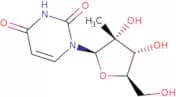
CAS:2'-C-Methyluridine is a synthetic nucleoside analog derived from uridine, modified with a methyl group at the 2'-carbon of the ribose sugar. This small chemical change has important implications for RNA biology, antiviral drug development, and biochemical research, especially in targeting RNA viruses.Formula:C10H14N2O6Purity:Min. 95%Color and Shape:PowderMolecular weight:258.23 g/mol5'-O-DMT-5-[N-(6-(trifluoroacetamido)hexyl)-3-E-acrylamido]-2'-deoxyuridine
CAS:5'-O-DMT-5-[N-(6-(trifluoroacetamido)hexyl)-3-E-acrylamido]-2'-deoxyuridine is a novel phosphoramidate nucleoside monophosphate, which is a phosphate analog of 2'-deoxyuridine. It has been shown to be an activator for DNA polymerases and is able to inhibit the replication of DNA in vitro. It also has antiviral properties, as it inhibits the synthesis of viral RNA. 5'-O-DMT-5-[N-(6-(trifluoroacetamido)hexyl)-3-E-acrylamido]-2'-deoxyuridine also has anti-inflammatory effects, as it inhibits prostaglandin synthesis.Formula:C41H45F3N4O9Purity:Min. 95%Color and Shape:White PowderMolecular weight:794.83 g/mol3'-O-Methylcytidine
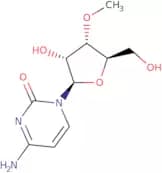
CAS:3'-O-Methylcytidine is an acidic guanine nucleoside that is a component of RNA. It is a biochemical building block and a co-substrate in the synthesis of DNA and RNA. 3'-O-Methylcytidine has been shown to be hydroxylated by the enzyme cytidine 5'-monophosphate, which leads to its termination when it reaches the ribosome. This nucleoside also inhibits bacterial growth through inhibition of ribosomal function, leading to reduced protein synthesis. 3'-O-Methylcytidine can act as an environmental pollutant, especially in chloride environments such as seawater. It has been found to be globally distributed in dinucleotides and monomethylated forms, with biosynthetic pathways similar to other nucleic acids.
Formula:C10H15N3O5Purity:Min. 98 Area-%Color and Shape:White PowderMolecular weight:257.24 g/molADP monosodium salt - Bio-X ™
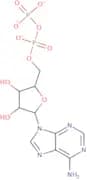
CAS:Adenosine 5'-diphosphate monosodium salt (ADP) is an adenine nucleotide which is phosphorylated into ATP by the enzyme ATPase. This phosphorylation is essential in cellular homeostasis due to its role in energy storage and nucleic acid metabolism.
Formula:C10H15N5O10P2•NaPurity:Min. 95%Color and Shape:PowderMolecular weight:449.18 g/mol2'-Deoxy-5'-O-DMT-2'-fluoro-N4-phenoxyacetylcytidine
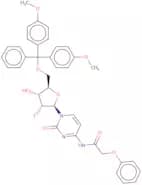
2'-Deoxy-5'-O-DMT-2'-fluoro-N4-phenoxyacetylcytidine is a monophosphate nucleotide analog that is used as an antiviral agent. It inhibits viral replication by inhibiting the activity of DNA polymerase, which is needed to synthesize DNA. 2'-Deoxy-5'-O-DMT-2'-fluoro-N4-phenoxyacetylcytidine has been shown to be effective against HIV and HSV in vitro and in vivo. This nucleotide analog has also been shown to be potent against Hepatitis B viruses and adenovirus type 3.
2'-Deoxy-5'-O-DMT-2'-fluoro-N4-phenoxyacetylcytidine is phosphoramidate derivative of cytosine with a fluorine substitution at the 2' position on the sugar moiety, making it a novel compound. The pyridFormula:C38H36FN3O8Purity:Min. 98 Area-%Color and Shape:Yellow PowderMolecular weight:681.71 g/mol2'-Deoxy-5-propynylcytidine
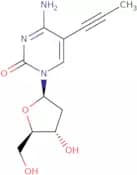
CAS:Deoxynucleoside with an alkyne handle on the base which can be used for conjugation via click chemistry.Formula:C12H15N3O4Purity:Min. 95%Color and Shape:PowderMolecular weight:265.27 g/mol2'-Deoxyguanosine 3'-monophosphate sodium
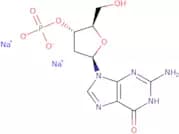
CAS:2'-Deoxyguanosine 3'-monophosphate sodium is a novel, synthetic nucleoside that inhibits DNA replication and transcription. It has been shown to be a potent inhibitor of human immunodeficiency virus type 1 (HIV-1) and human T-cell leukemia virus type I (HTLV-I). 2'-Deoxyguanosine 3'-monophosphate sodium is in the category of nucleosides, which are phosphorylated compounds that can be incorporated into DNA by DNA polymerase. This product has a high purity and is synthesized from diphosphate.Formula:C10H12Na2N5O7PPurity:Min. 95%Color and Shape:White Off-White PowderMolecular weight:391.19 g/molN-Succinyl-5-aminoimidazole-4-carboxamide ribose disodium salt
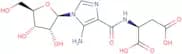
CAS:N-Succinyl-5-aminoimidazole-4-carboxamide ribose disodium salt is a novel modified nucleoside with anticancer activity. The compound is a monophosphate, which activates DNA and RNA synthesis. This agent also has antiviral and antifungal effects. N-Succinyl-5-aminoimidazole-4-carboxamide ribose disodium salt is synthesized from diphosphate and deoxyribonucleosides. It was first patented in 1979 and has been approved by the US Food and Drug Administration (FDA) for use as a pharmaceutical agent. N-Succinyl-5-aminoimidazole-4-carboxamide ribose disodium salt can be used to produce phosphoramidites, which are synthetic DNA building blocks that are used in the production of DNA and RNA synthesis.Formula:C13H16N4O9Na2Purity:Min. 95 Area-%Color and Shape:Off-White PowderMolecular weight:418.27 g/mol1-(3',5'-Di-O-benzoyl-2'-chloro-2'-deoxy-beta-L-arabinofuranosyl)thymine
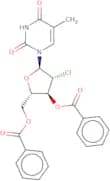
CAS:1-(3`,5`-Di-O-benzoyl-2`-chloro-2`-deoxy-beta-L-arabinofuranosyl)thymine is a nucleoside analog for research applications. This compound is made up of a thymine base and the sugar 2'-Chloro-2'-deoxy-β-L-arabinofuranose. The sugar has the L-arabinose configuration and a 2'-Chloro substitution which can alter its interactions with enzymes and enhance resistance to degradation. It also contains benzoyl groups that protect the hydroxyls during chemical synthesis.
Formula:C24H21FN2O7Purity:Min. 95%Molecular weight:468.43 g/molUridine-5-oxyacetic acid methyl ester
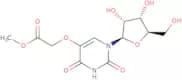
CAS:Uridine-5-oxyacetic acid methyl ester is a modified nucleotide that is an intermediate in the biosynthesis of uridine. This molecule can be synthesized from 5-hydroxymethyluridine and malonic acid by a methyltransferase. Uridine-5-oxyacetic acid methyl ester can also be obtained from the metabolism of deoxyribose. Analysis of this molecule is possible with spectrometric, mass spectrometric, and chemical structures methods. It has been shown to have a function in translation and protein synthesis. The chemical structure of uridine-5-oxyacetic acid methyl ester has been determined to be guanosine-3',5'-bis(2'-carboxyethyl)phosphate, which is different from that found in DNA or RNA.Formula:C12H16N2O9Purity:Min. 95%Color and Shape:PowderMolecular weight:332.26 g/mol2'-O-Methyl-5-propynylcytidine
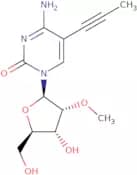
CAS:2'-O-Methyl-5-propynylcytidine is an antiviral drug that inhibits the replication of retroviruses by competitive inhibition of the viral RNA polymerase. It has been shown to be effective against HIV, HSV and CMV. This drug also has shown anticancer activity in vitro and in vivo. 2'-O-Methyl-5-propynylcytidine has a novel mechanism of action and is used as a building block for oligonucleotide synthesis because it is resistant to degradation by nucleases.Formula:C13H17N3O5Purity:Min. 95%Color and Shape:PowderMolecular weight:295.29 g/molRiboflavin 5'-adenosine diphosphate disodium salt hydrate
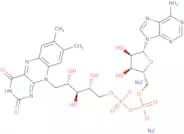
CAS:Riboflavin 5'-adenosine diphosphate disodium salt hydrate is a chemical compound that can be used as a substrate for nitrate reductase in the presence of molecular oxygen. It can be used to identify mollicutes and diagnose radiation-induced lesions. The reaction mechanism involves the conversion of riboflavin 5'-adenosine monophosphate to riboflavin 5'-adenosine diphosphate by an enzyme called nitrate reductase, which is present in the microorganism. This reaction is accompanied by the release of electrons, which are detected by a fluorescence detector. The rate constant for this reaction is k=1.5x10^-4/s at pH 7 and 37 degrees Celsius with an electrochemical detector and k=2.0x10^-3/s at pH 7 and 37 degrees Celsius with a carbonyl oxygens detector. Riboflavin 5'-Formula:C27H31N9Na2O15P2·xH2OPurity:(Uv) Min. 95%Color and Shape:Yellow Orange PowderMolecular weight:829.51 g/mol2'-Deoxy-N2-DMF-5'-O-DMT-guanosine
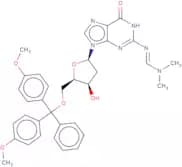
CAS:2'-Deoxy-N2-DMF-5'-O-DMT-guanosine is a monophosphate nucleoside that has antiviral, anticancer, and high purity properties. It is synthesized by the phosphoramidite method from 2'-deoxy-N2-DMF and 5'-O-DMT guanosine. This compound has been shown to inhibit the growth of human cancer cells in vitro and in vivo. It also inhibits HIV replication in vitro and is not toxic to normal cells.Formula:C34H36N6O6Purity:Min. 95%Color and Shape:White PowderMolecular weight:624.7 g/mol1-(2'-Deoxy-5'-O-DMT-2'-fluoro-b-D-arabinofuranosyl)uracil
CAS:1-(2'-Deoxy-5'-O-DMT-2'-fluoro-b-D-arabinofuranosyl)uracil is a nucleoside analog and contains a uracil base, and a 2'-deoxy-5'-O-DMT-2'-fluoro-b-D-arabinofuranosyl sugar moiety. The 2'-fluoro modification is of particular interest due to its potential to alter the chemical and biological properties of the resulting oligonucleotides. Fluorinated nucleosides and their analogs have been extensively studied for their antiviral and anticancer activities. The incorporation of fluorine into nucleoside analogs can also affect their interaction with DNA and RNA, leading to changes in their therapeutic potential.Formula:C30H29FN2O7Purity:Min. 95%Color and Shape:White To Off-White SolidMolecular weight:548.56 g/mol1-Methylpseudouridine
CAS:1-Methylpseudouridine is a substitute for uridine in modified mRNA. This substitution has shown to increase transfection by reducing immuogenicity. The 1-methylpseudouridine substituted mRNA increases protein expression due to low immune stimulation as it evades detection by the edosomal Toll-like receptor (TLR3).Formula:C10H14N2O6Purity:Min. 98.0 Area-%Molecular weight:258.23 g/molRef: 3D-M-4320
1gTo inquire5gTo inquire250mgTo inquire500mgTo inquire2500mgTo inquire-Unit-ggTo inquire1-(2'-Deoxy-2'-fluoro-β-D-arabinofuranosyl)-5-iodouracil
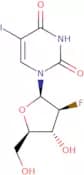
CAS:1-(2'-Deoxy-2'-fluoro-β-D-arabinofuranosyl)-5-iodouracil is a nucleoside analog with antiviral properties. It consists of a modified uracil base (5-iodouracil) attached to a fluorinated arabinofuranosyl sugar moiety. In cell culture, it inhibits the replication of varicella-zoster virus, herpes simplex virus type 1 and 2 and cytomegalovirus.Formula:C9H10FIN2O5Purity:Min. 98 Area-%Color and Shape:White Off-White PowderMolecular weight:372.09 g/mol9-(b-D-Ribofuranosyl)purine
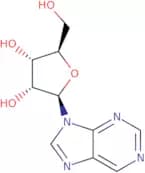
CAS:9-(b-D-Ribofuranosyl)purine (9-BRP) is a purine nucleoside that is used in the synthesis of dyes. It has been shown to be an effective inhibitor of the enzyme phosphodiesterase 3B, which breaks down cyclic adenosine monophosphate (cAMP), and therefore can prevent kidney fibrosis. 9-BRP has also been shown to inhibit the synthesis of collagen by binding to cAMP. In addition, 9-BRP binds to DNA and forms hydrogen bonds with nitrogen atoms on the phosphate groups in DNA. This interaction prevents the formation of hydrogen bonds between water molecules in water vapor and phosphate groups, thus slowing down their rate of dissociation from each other. 9-BRP also has a high affinity for Toll-like receptor 4 (TLR4), which is involved in the inflammatory response, making it an ideal therapeutic candidate for treating inflammation and renal fibrosis.Formula:C10H12N4O4Purity:Min. 97 Area-%Color and Shape:PowderMolecular weight:252.23 g/molb-Nicotinamide mononucleotide
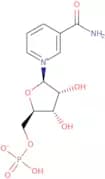
CAS:b-Nicotinamide mononucleotide, or NMN, is a precursor to nicotinamide adenine dinucleotide (NAD+), a coenzyme found in all living cells that is essential for various metabolic processes. NAD+ is involved in critical functions such as DNA repair, gene expression, and cellular stress responses.Formula:C11H15N2O8PPurity:Min. 95 Area-%Color and Shape:PowderMolecular weight:334.22 g/mol3-Methyl-2-nitropyridine
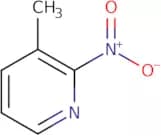
CAS:3-Methyl-2-nitropyridine is a high yield byproduct of formamide, which can be activated to form an intermediate for the synthesis of nucleosides. The kinetics and labeling of this intermediate were studied using a transfer experiment. 3-Methyl-2-nitropyridine is acidic, with a pKa value of 3.6, and is reactive towards nucleophiles. It is also catalytic, yielding methyl groups and dioxane as products when heated at temperatures between 180°C and 220°C. In addition, it undergoes nucleophilic substitutions at methoxy groups.
Formula:C6H6N2O2Purity:Min. 95%Color and Shape:PowderMolecular weight:138.12 g/molN2-Isobutyryl-3',5'-O-(1,1,3,3-tetraisopropyl-1,3-disiloxanediyl)guanosine
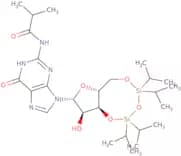
CAS:N2-Isobutyryl-3',5'-O-(1,1,3,3-tetraisopropyl-1,3-disiloxane-diyl)guanosine is a nucleoside that is activated by phosphorylation. It has been shown to be an inhibitor of cancer cell growth and proliferation in vitro. This compound was also found to inhibit the expression of two oncogenes (c-MYC and c-Ki67) and induce the expression of the tumor suppressor gene p53. This nucleoside is synthesized from 2'-deoxyadenosine monophosphate (2'-DAMP) with a modified DNA synthesis protocol.Formula:C26H45N5O7Si2Purity:Min. 95 Area-%Color and Shape:White Off-White PowderMolecular weight:595.84 g/mol2-Aminoadenosine
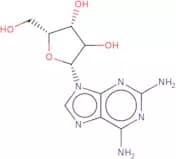
CAS:2-Aminoadenosine is a synthetic nucleoside analog of adenosine in which the purine base is 2,6-diaminopurine, featuring an additional amino group at the C2 position. This modification enhances hydrogen bonding potential and alters base-pairing specificity, allowing it to form three hydrogen bonds with uracil or thymine, in contrast to adenine's two. As a result, 2-aminoadenosine has been studied for its impact on nucleic acid stability, replication fidelity, and enzymatic recognition. It has also shown potential in antiviral and anticancer research due to its ability to disrupt normal RNA and DNA metabolism.Formula:C10H14N6O4Purity:Min. 98 Area-%Color and Shape:White PowderMolecular weight:282.26 g/mol5-Chloro-2-iodopyrimidine
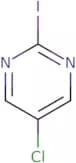
CAS:5-Chloro-2-iodopyrimidine is an organic molecule that belongs to the class of trifluoromethylated molecules. It was discovered by a team of chemists in 2006 and has been used as a reagent for the efficient trifluoromethylation of organic molecules. 5-Chloro-2-iodopyrimidine can be catalyzed with copper, which is responsible for its unique reactivity. The synthesis of this molecule has been shown to be efficient in organic chemistry. END>Formula:C4H2ClIN2Purity:Min. 95%Color and Shape:PowderMolecular weight:240.43 g/mol2,8-Dimethyladenosine
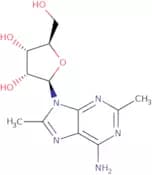
CAS:2,8-Dimethyladenosine is a methylated derivative of the purine nucleoside adenosine, in which methyl groups are added at the 2-position and 8-position of the adenine base.Formula:C12H17N5O4Purity:Min. 95%Color and Shape:White PowderMolecular weight:295.29 g/mol3'-Deoxythymidine
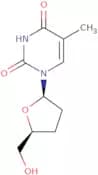
CAS:3'-Deoxythymidine (3DT) is a nucleoside analog that has high resistance to HIV. It is an analogue of the human insulin-like growth factor-1 (IGF-1), which binds to the IGF-1 receptor and inhibits the binding of IGF-1 to its receptor, thereby inhibiting the growth of cells. 3DT has been shown to have a protective effect against radiation in mice, with an LD50 at a dose of 5.0 mg/kg for radiation exposure. 3DT also has antiviral activity against murine sarcoma virus, as well as other biological properties such as enzyme activities and disease activity. This drug may be used in future research on polymerase chain reactions (PCRs) and DNA sequencing, since it is chemically stable and can be easily synthesized.Formula:C10H14N2O4Purity:Min. 95%Color and Shape:White PowderMolecular weight:226.23 g/mol2’-Deoxyisoguanosine
CAS:Incorporated in DNA/RNA hybrids and mismatch pairs to analyse helix stabilityFormula:C10H13N5O4Purity:Min. 95%Color and Shape:PowderMolecular weight:267.24 g/mol3'-Deoxycytidine
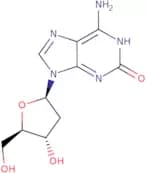
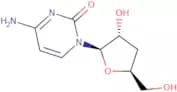
CAS:3'-Deoxycytidine is a nucleoside analog used to treat hepatitis. It is an inhibitor of the viral enzyme reverse transcriptase and prevents the synthesis of viral DNA by blocking the formation of low-energy hydrogen bonds between the 3'-hydroxyl group and the 5'-phosphate group of deoxyribonucleotide triphosphates. 3'-Deoxycytidine can be synthesized using solid-phase methods, and has been shown to inhibit human immunodeficiency virus (HIV) in control experiments. This drug also has been shown to have anti-inflammatory effects in experimental bladder inflammation models.Formula:C9H13N3O4Purity:Min. 95%Color and Shape:White PowderMolecular weight:227.22 g/mol7-Deaza-2',3'-dideoxyguanosine
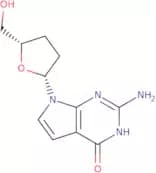
CAS:7-Deaza-2',3'-dideoxyguanosine is a nucleoside analogue that is silylated on the 2' and 3' hydroxyl groups. It is also substituted with a deoxygenated 7-deaza-2',3'-dideoxyribose moiety. The substitution of the ribose sugar with deoxygenated 7-deaza-2',3'-dideoxyribose prevents the formation of hydrogen bonds between the sugar and phosphate backbones, which inhibits the enzyme ribonucleotide reductase from catalyzing the conversion of ribonucleotides to deoxynucleotides. This in turn blocks DNA synthesis, leading to cell death.br>
7-Deaza-2',3'-dideoxyguanosine has been shown to be effective against Mycobacterium tuberculosis and Mycobacterium avium complex.Formula:C11H14N4O3Purity:Min. 95%Color and Shape:PowderMolecular weight:250.26 g/mol2,2'-Anhydrocytidine HCl
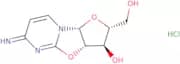
CAS:2,2'-Anhydrocytidine HCl is a nucleoside for use as a DNA synthesis inhibitor
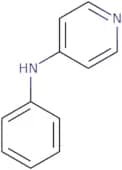
Formula:C9H11N3O4·HClPurity:Min. 98 Area-%Color and Shape:White PowderMolecular weight:261.66 g/molN-Phenylpyridin-4-amine
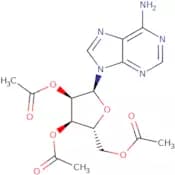
CAS:N-Phenylpyridin-4-amine is a tautomeric compound that has been shown to inhibit the growth of cancer cells. It is able to bind to tyrosine kinase and inhibit its activity, which affects the proliferation of cancer cells. N-Phenylpyridin-4-amine also inhibits mitochondrial functions by inhibiting cytochrome c oxidase. This drug also has an anti-inflammatory effect, inhibiting the production of cytokines such as IL1β, IL6, and TNFα. The biological function of N-Phenylpyridin-4-amine is not yet fully understood. It may be due to the inhibition of protein tyrosine phosphatases (such as PTP1B), which are involved in insulin signalling pathways.Formula:C11H10N2Purity:Min. 95%Color and Shape:White Off-White PowderMolecular weight:170.21 g/mol2,3,5-Tri-O-acetyl α-adenosine
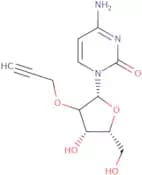
CAS:2,3,5-Tri-O-acetyl α-adenosine is a nucleoside analog of adenosine that has been tri-acetylated. This molecule can be used in research.Formula:C16H19N5O7Purity:Min. 95%Color and Shape:PowderMolecular weight:393.35 g/mol2'-O-Propargylcytidine
CAS:2'-O-Propargylcytidine is a novel nucleoside that has been modified from cytidine. It is designed to inhibit the activity of RNA polymerase and to be used in anticancer therapy. The synthesis of 2'-O-propargylcytidine has been achieved by modifying the nucleotide with propargylic chloride, which is then reacted with sodium cyanide. The resulting product is purified by column chromatography and recrystallization.
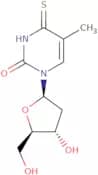
2'-O-Propargylcytidine is a phosphoramidite that can be used for DNA synthesis or as a monophosphate in RNA synthesis. This high purity product has a CAS number of 206552-85-4 and it can be used as an activator for ribonucleosides, such as adenosine, guanosine, uridine, cytidine, and thymidine.Formula:C12H15N3O5Purity:Min. 95%Color and Shape:PowderMolecular weight:281.26 g/mol4-Thiothymidine
CAS:4-Thiothymidine is a nucleoside analog that is converted to thymidine by the enzyme thymidine kinase. It has been shown to inhibit the growth of human skin cancer cells by binding to DNA duplexes and inhibiting the synthesis of new DNA strands. 4-Thiothymidine has also been shown to be effective against radiation-induced damage in cultured human cells and inhibits tumor growth in mice bearing a transplantable mouse skin cancer. 4-Thiothymidine can be used as an inhibitor for chemotherapy or radiation therapy for cancer patients. It is active on both site-specific and cell-specific gene targets, with a reactive hydrogen bond that helps stabilize its formation.Formula:C10H14N2O4SPurity:Min. 98 Area-%Color and Shape:Yellow PowderMolecular weight:258.3 g/molN6-Methyl-2'-O-methyladenosine
CAS:N6-Methyl-2'-O-methyladenosine is a nucleoside that is found in DNA. In some cases, the methyl group in this molecule can be modified, which can change its biological activity. N6-Methyl-2'-O-methyladenosine has been shown to reduce the severity of bowel disease and myocardial infarcts in experimental models. The structural analysis of vessels from patients with atherosclerosis revealed that this molecule inhibits vascular calcification. It also decreases expression of MMP-9, a protein involved in nephropathy and diabetic kidney disease. N6-Methyl-2'-O-methyladenosine is able to inhibit the development of vascular injury by blocking the activation of cells and reducing inflammation through pharmacological agents that are used in experimental models for blood vessel injury.Formula:C12H17N5O4Purity:Min. 97 Area-%Color and Shape:White PowderMolecular weight:295.29 g/molCytidine 5'-monophosphate free acid
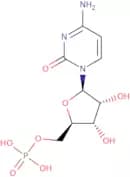
CAS:Cytidine 5'-monophosphate is a nucleotide that is important in the synthesis of DNA and RNA. It is a precursor to uridine monophosphate (UMP) and uridylic acid (UDP). Cytidine 5'-monophosphate has been found to inhibit the growth of antibiotic-resistant strains of bacteria, such as those resistant to ampicillin, chloramphenicol, tetracycline, kanamycin, and streptomycin. Cytidine 5'-monophosphate also has inhibitory properties against energy metabolism and protein oxidation in bowel disease. This nucleotide has been shown to increase the rate constant for polymerase chain reaction (PCR) by up to 10-fold.Formula:C9H14N3O8PPurity:Min. 98 Area-%Color and Shape:White Off-White PowderMolecular weight:323.2 g/molN2,2'-O-Dimethylguanosine
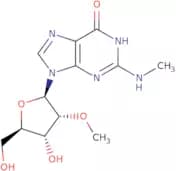
CAS:N2,2'-O-Dimethylguanosine is a nucleoside that belongs to the category of modified bases. It is synthesized from adenosine and a methyl group by a mutant strain of Escherichia coli. N2,2'-O-Dimethylguanosine can be identified by its characteristic UV-visible spectrum and high retention time on chromatographic columns. It has been shown to inhibit translation in E. coli at concentrations as low as 1 mM and also inhibits growth rate at concentrations as low as 2 mM. The chemical structure of this compound is similar to that of guanosine, but it contains an extra methyl group on its 2' carbon atom. This chemical modification may result in changes in the way the molecule interacts with other molecules or how it functions in the cell. N2,2'-O-Dimethylguanosine was first identified from a mutant strain of Escherichia coli that had been subjected to mutagenesisFormula:C12H17N5O5Purity:Min. 95%Molecular weight:311.29 g/mol3-Methylpseudouridine
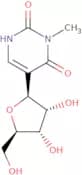
CAS:3-Methylpseudouridine is a uridine analog that inhibits the enzyme RNA polymerase. It has been shown to inhibit protein synthesis and can be used in the treatment of bacterial infections. 3-Methylpseudouridine is synthesized by solid-phase chemistry on a polymeric support and purified by high-performance liquid chromatography. It has been shown to inhibit the growth of bacteria in cell culture, but its effects on human cells are not known. 3-Methylpseudouridine also binds with high affinity to calf thymus DNA and it can be used as a substrate for aminoglycoside modification studies.Formula:C10H14N2O6Purity:Min. 95 Area-%Color and Shape:White PowderMolecular weight:258.23 g/molN6,N6,2'-O-Trimethyladenosine
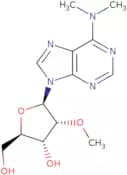
CAS:N6,N6,2'-O-Trimethyladenosine is a nucleoside that is found in small quantities in human tissues. It is synthesized by the enzyme polymerase from adenosine and S-adenosyl-L-methionine. N6,N6,2'-O-Trimethyladenosine is structurally similar to guanosine and cytidine and can be modified by nature or synthetic strategies. N6,N6,2'-O-Trimethyladenosine has been shown to have effects on fertility and may be involved in epigenetics as well as tuberculosis. Its role as an epigenetic marker for gene regulation has not been fully determined.Formula:C13H19N5O4Purity:Min. 88 Area-%Color and Shape:White PowderMolecular weight:309.32 g/mol1', 2', 3', 4', 5'- ¹³C5-Adenosine
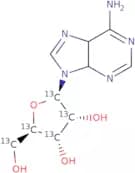
CAS:1', 2', 3', 4', 5'- ¹³C5-Adenosine is adenosine which has all five carbon atoms of the ribose sugar replaced with the stable isotope carbon-13 (^13C). Possible applications are in proteomics studies.Formula:C5C5H13N5O4Purity:Min. 97 Area-%Color and Shape:White PowderMolecular weight:272.2 g/molPseudouridine
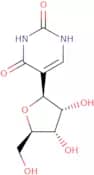
CAS:Uridine isomer; found in tRNAFormula:C9H12N2O6Purity:Min. 98 Area-%Color and Shape:White PowderMolecular weight:244.2 g/molCytidine
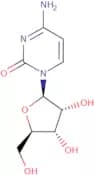
CAS:Cytidine is a nucleoside that belongs to the group of pyrimidine nucleosides. It can be absorbed from the intestine and hydrolyzed to uridine by intestinal enzymes. Cytidine has been shown to inhibit angiogenesis in animal model systems and transfection experiments, as well as being genotoxic in vitro. Cytidine has also been shown to inhibit polymerase chain reactions (PCR) and enzyme activities, such as cytidine deaminase, which converts cytidine into uracil.
Formula:C9H13N3O5Purity:Min. 99 Area-%Color and Shape:White Off-White PowderMolecular weight:243.22 g/molO6-Methylguanosine
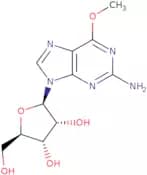
CAS:Intermediate in the synthesis of nelarabineFormula:C11H15N5O5Purity:Min. 95%Color and Shape:PowderMolecular weight:297.27 g/molN4,N4,2’-O-Trimethylcytidine
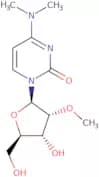
CAS:N4,N4,2’-O-Trimethylcytidine is a novel nucleoside that has been shown to be an anticancer drug. It inhibits the growth of cells by selectively inhibiting their DNA synthesis. N4,N4,2’-O-Trimethylcytidine is also active against viruses and is able to inhibit viral replication by blocking the synthesis of deoxyribonucleosides and phosphoramidites. This compound has been synthesized in high purity and quality with CAS No. 34218-81-0.Formula:C12H19N3O5Purity:Min. 95%Color and Shape:White PowderMolecular weight:285.3 g/molN2,N2-Dimethylguanosine
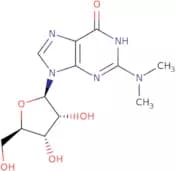
CAS:N2,N2-Dimethylguanosine is a purine nucleoside that is found in human serum. It belongs to the group of purines and has been shown to be involved in energy metabolism. N2,N2-Dimethylguanosine has been shown to be present at high levels in patients with autoimmune diseases such as rheumatoid arthritis. The x-ray crystal structures of wild-type strains of Escherichia coli and Streptococcus pneumoniae have been determined, which revealed that this compound interacts with the enzyme activity for primary sclerosing cholangitis. This nucleoside can also be detected by LC-MS/MS methods and multivariate logistic regression analysis.Formula:C12H17N5O5Purity:Min. 98 Area-%Color and Shape:Off-White PowderMolecular weight:311.3 g/mol5-Bromo-2'-deoxy-5'-O-DMT-uridine
5-Bromo-2'-deoxy-5'-O-DMT-uridine is an antiviral nucleoside that is a monophosphate analog of deoxyuridine. 5-Bromo-2'-deoxy-5'-O-DMT-uridine can be used to treat patients with leukemia and other cancers. 5-Bromo-2'-deoxy-5'-O-DMT-uridine has been shown to induce tumor cell apoptosis in vitro and in vivo, as well as inhibit the proliferation of tumor cells by blocking the synthesis of DNA. This drug also has anticancer properties, which are due to its ability to block RNA synthesis.Formula:C30H29BrN2O7Purity:Min. 95%Color and Shape:Off-white to beige solid.Molecular weight:609.48 g/mol2'-Deoxy-N4-methylcytidine
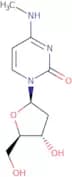
CAS:2'-Deoxy-N4-methylcytidine is a modified nucleoside that is used to inhibit the activity of protein kinases. It has been shown to inhibit the function of two different types of enzymes, eukaryotic protein kinase and bacterial RNA polymerase. 2'-Deoxy-N4-methylcytidine inhibits the activity of these enzymes by modifying their structure, which in turn prevents them from carrying out their normal functions. This modification can be achieved through deamination or protonation reactions with this drug. The effects of this drug are nonparametric and are observed at transcript levels.Formula:C10H15N3O4Purity:Min. 97 Area-%Color and Shape:White PowderMolecular weight:241.24 g/mol2'-Deoxy-3'-O-DMT-N2-Isobutyrylguanosine
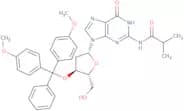
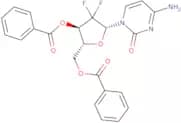
CAS:2'-Deoxy-3'-O-DMT-N2-Isobutyrylguanosine is a synthetic nucleoside that has the ability to activate and inhibit the growth of cancer cells. This compound is a phosphoramidite, and it has been modified by the addition of an isobutyrate group at the 2' position. The structure of this nucleoside is similar to that of natural guanosine, but with an additional 2' oxygen atom. This modification can be used for inhibition of DNA synthesis in cells and may have antiviral effects.Formula:C35H37N5O7Purity:Min. 97 Area-%Molecular weight:639.71 g/mol3',5'-Di-O-benzoyl-2'-deoxy-2',2'-difluorocytidine
CAS:Used as an intermediate for the preparation of modified oligonucleotides and other cytidine derivatives containing a 2',2'-difluoro modification.Formula:C23H19F2N3O6Purity:Min. 95%Color and Shape:White PowderMolecular weight:471.42 g/mol2'-Deoxyadenosine-5'-triphosphate trisodium
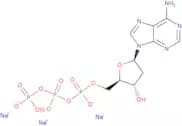
CAS:2'-Deoxyadenosine-5'-triphosphate or dATP, is a nucleotide used by cells to synthesize DNA molecules. 2'-Deoxyadenosine-5'-triphosphate is used in molecular biology techniques and assays as a substrate of the enzyme DNA polymerase, e.g. polymerase chain reaction (PCR), DNA sequencing, pyrosequencing reactions. Salt form of 2'-deoxyadenosine-5'-triphosphate has been used in a newly developed detection system for SARS-CoV-2 that combines bioluminescence in real-time (BART) with reverse-transcriptase loop-mediated amplification (RT-LAMP).Formula:C10H13N5O12P3·3NaPurity:Min. 97 Area-%Color and Shape:White PowderMolecular weight:557.13 g/mol


![5'-O-DMT-5-[N-(6-(trifluoroacetamido)hexyl)-3-E-acrylamido]-2'-deoxyuridine](/_next/image/?url=https%3A%2Fstatic.cymitquimica.com%2Fproducts%2F3D%2Fthumb-webp%2FND08237.webp&w=3840&q=75)