Nucleosides
Nucleosides are fundamental building blocks of nucleic acids, composed of a nitrogenous base attached to a sugar molecule. In this section, you can find a wide variety of nucleosides essential for research in molecular biology, biochemistry, and pharmacology. These compounds play crucial roles in the synthesis of DNA and RNA, and are also vital in various metabolic processes. Nucleosides are used in studying genetic material, developing antiviral and anticancer therapies, and understanding cellular mechanisms. At CymitQuimica, we provide high-quality nucleosides to support your research and development needs, ensuring purity and reliability for your experimental applications.
Found 3567 products of "Nucleosides"
Sort by
Purity (%)
0
100
|
0
|
50
|
90
|
95
|
100
3',5'-Di-O-acetyl-N2-acetyl-O6-diphenylcarbamoyl-2'-deoxy-D-guanosine
<p>3',5'-Di-O-acetyl-N2-acetyl-O6-diphenylcarbamoyl-2'-deoxy-D-guanosine is a synthetic nucleoside that has been modified with an acetyl group at the 3' and 5' positions of the sugar. It has antiviral, anticancer, and antiretroviral activities against HIV. This nucleoside has also been shown to inhibit human leukemia cells in vitro by binding to DNA, inhibiting its synthesis. The drug is currently undergoing clinical trials for the treatment of AIDS patients.</p>Purity:Min. 95%3'-Amino-2',3'-dideoxy-2-fluoroadenosine
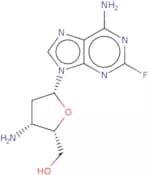
<p>3'-Amino-2',3'-dideoxy-2-fluoroadenosine is a novel compound that inhibits the enzyme ribonucleotide reductase, which is involved in the synthesis of DNA. It also has antiviral and anticancer activities. 3'-Amino-2',3'-dideoxy-2-fluoroadenosine has high purity and high quality and can be used as an activator for phosphoramidite synthesis.</p>Formula:C10H13FN6O2Purity:Min. 95%Color and Shape:PowderMolecular weight:268.25 g/mol8-(4-Chlorophenylthio)guanosine 3',5'-cyclic monophosphothioate Sp-isomer sodium salt
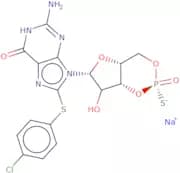
CAS:<p>8-(4-Chlorophenylthio)guanosine 3',5'-cyclic monophosphothioate Sp-isomer sodium salt (8-chloro-GTP) is a modified nucleoside that inhibits the synthesis of DNA by preventing the addition of nucleotides to the 3' end of DNA. It is an antiviral and anticancer agent, and can be used as a phosphoramidite in the synthesis of DNA. 8-chloro-GTP has shown high purity and high quality in synthesized DNA. Research on this compound is still ongoing, but it has been shown to be novel and modified compared to other nucleosides.</p>Formula:C16H14ClN5O6PS2·NaPurity:Min. 95%Molecular weight:525.86 g/molBiotinyl coenzyme A
<p>Biotinyl coenzyme A is a novel, synthetic nucleotide that has activity against cancer cells. It is an analogue of biotin-diphosphate with a ribonucleoside moiety attached to the diphosphate. Biotinyl coenzyme A is phosphoramidite monophosphate, which can be synthesized by modifying the 5'-terminus of the anticancer drug gemcitabine.</p>Formula:C43H82N13O19P3S2Purity:Min. 95%Molecular weight:1,242.24 g/molN4-Benzoyl-5'-O-DMT-2'-O-methyl-5-methylcytidine
CAS:<p>N4-Benzoyl-5'-O-DMT-2'-O-methyl-5-methylcytidine is a modified nucleoside that is used as an antiviral. It is phosphorylated by the enzyme kinase to form a diphosphate, which inhibits viral DNA synthesis by inhibiting the action of DNA polymerases. N4-Benzoyl-5'-O-DMT-2'-O-methyl-5-methylcytidine has been shown to have anticancer activity in vitro and in vivo. The drug also has high purity and quality, making it suitable for use in laboratory research.</p>Formula:C39H39N3O8Purity:Min. 95%Color and Shape:Slightly Yellow PowderMolecular weight:677.74 g/molN6-Propargyladenosine
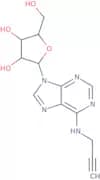
CAS:<p>N6-Propargyladenosine is an alkyne functionalised nucleoside.</p>Formula:C13H15N5O4Purity:Min. 95%Color and Shape:PowderMolecular weight:305.29 g/mol5-Iodo-1-(2',3',5'-tri-O-acetyl-b-D-ribofuranosyl)-imidazo-4-carbonitrile
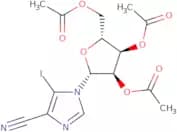
CAS:<p>5-Iodo-1-(2',3',5'-tri-O-acetyl-b-D-ribofuranosyl)-imidazo-4-carbonitrile is a nucleoside phosphoramidite that is synthesized from 2'-deoxyribose, 5'-iodoimidazole and triacetic acid. This compound is a novel phosphoramidite and can be used to synthesize DNA or RNA molecules. It has been shown to have anticancer properties, which may be due to its ability to inhibit DNA replication. 5-Iodo-1-(2',3',5'-tri-O-acetyl-b-D-ribofuranosyl)-imidazo-4-carbonitrile also has antiviral properties and can be used as an activator in the synthesis of modified nucleosides.</p>Formula:C15H16IN3O7Purity:Min. 95%Molecular weight:477.21 g/mol5'-O-DMT-thymidine 3'-O-[(S-acetyl-6-thiohexyl) N,N-diisopropylphosphoramidite
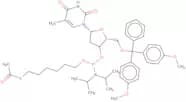
<p>5'-O-DMT-thymidine 3'-O-[(S-acetyl-6-thiohexyl) N,N-diisopropylphosphoramidite] is a novel compound that has been modified to enhance antiviral activity and provide protection against influenza virus. The phosphoramidite monophosphate is prepared by coupling of the 5'-O-DMT-thymidine 3'-O-[(S-acetyl-6-thiohexyl) N,N-diisopropylphosphoramidite] with an appropriate nucleoside phosphorylating agent, such as a thiophosphorylating agent. This product has high purity and quality.</p>Purity:Min. 95%Uridylyl-3'-5'-adenosine ammonium salt
<p>Uridylyl-3'-5'-adenosine ammonium salt is a novel antiviral agent that is used to treat hepatitis B. It is an analogue of nucleoside monophosphate, which is activated by adenylyltransferase, and inhibits viral DNA synthesis. Uridylyl-3'-5'-adenosine ammonium salt has been shown to inhibit the growth of cancer cells in vitro and in vivo. This drug also has anticancer activity against various types of cancer cell lines.</p>Formula:C19H27N8O12PPurity:Min. 95%Molecular weight:590.44 g/mol2-Benzylthio-6-chloropurine
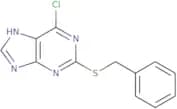
CAS:<p>2-Benzylthio-6-chloropurine is a synthetic nucleoside analogue that is an antiviral agent. It inhibits the synthesis of viral DNA by competitive inhibition of thymidine kinase, which is an enzyme necessary for the conversion of deoxyribonucleotides to their monophosphate form. 2-Benzylthio-6-chloropurine has been found to be effective against herpes simplex virus 1 and 2 (HSV1 and HSV2). The drug is also active against HIV, influenza A virus, and cytomegalovirus.</p>Formula:C15H9CIN4SPurity:Min. 95%Molecular weight:416.24 g/molN2-Isobutyl-2'-deoxyguanosine
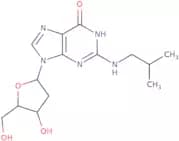
CAS:<p>N2-Isobutyl-2'-deoxyguanosine is a novel, synthetic nucleoside analogue that has been shown to inhibit cancer cells and also to be an antiviral and anticancer agent. It has been shown to induce dsDNA breaks in DNA strands of human leukemia cells and also inhibits the replication of the Influenza A virus. N2-Isobutyl-2'-deoxyguanosine is a high purity, deoxyribonucleoside with a CAS number of 142554-22-1.</p>Formula:C14H21N5O4Purity:Min. 95%Molecular weight:323.35 g/mol4-(2-Methoxyethylamino)-2-(Methylthio)Pyrimidine-5-Carboxylic Acid
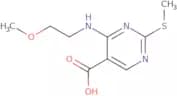
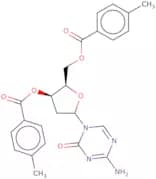
CAS:<p>4-(2-Methoxyethylamino)-2-(methylthio)pyrimidine-5-carboxylic acid (4MEAP) is a novel phosphoramidite that can be used in the synthesis of ribonucleosides and deoxyribonucleosides. 4MEAP has antiviral activity, cytotoxicity, and anticancer properties. It may also have potential as an anti-inflammatory agent due to its ability to inhibit prostaglandin production.</p>Formula:C9H13N3O3SPurity:Min. 95%Molecular weight:243.28 g/mol1-(2'-Deoxy-3',5'-di-O-toluoyl-D-ribofuranosyl)-4-amino-1,3-dihydro-2-oxo-1,3,5-triazine
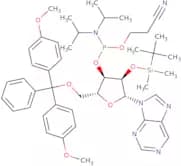
<p>1-(2'-Deoxy-3',5'-di-O-toluoyl-D-ribofuranosyl)-4-amino-1,3-dihydro-2-oxo-1,3,5-triazine is a nucleoside that is used as an anticancer drug. It is a modified nucleotide with a 2'-deoxyribofuranosyl group attached to the 3' carbon of the sugar moiety. It has been shown to be active against viruses and cancer cells. 1-(2'-Deoxy-3',5'-di-O-toluoyl-D-ribofuranosyl)-4-amino -1,3 -dihydro -2 -oxo -1,3,5 -triazine inhibits the replication of DNA by inhibiting DNA polymerase. This in turn prevents RNA synthesis and protein synthesis.</p>Formula:C24H24N4O6Purity:Min. 95%Molecular weight:464.48 g/mol2'-O-tert-Butyldimethylsilyl-5-O-DMT-nebularine 3'-CE phosphoramidite
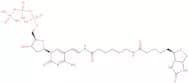
CAS:<p>2'-O-tert-Butyldimethylsilyl-5-O-DMT-nebularine 3'-CE phosphoramidite is a monophosphate nucleoside analog. It has been shown to have anticancer and antiviral activity. This compound is synthesized by reacting 5'-O-DMT-nebularine with 2'-deoxyribonucleosides with an activator, such as pyridine. The resulting product can be used as a building block in the synthesis of DNA or RNA.</p>Formula:C46H61N6O7PSiPurity:Min. 95 Area-%Color and Shape:PowderMolecular weight:869.07 g/molBiotin-11-deoxycytidine-5'-triphosphate, lithium salt - 1 mM aqueous solution
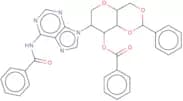
CAS:<p>Biotin-11-deoxycytidine-5'-triphosphate, lithium salt - 1 mM aqueous solution is an antiviral nucleoside that has been shown to inhibit HIV and HCV replication in vitro. It also inhibits the proliferation of cancer cells in vitro and induces apoptosis in vivo.<br>Biotin-11-deoxycytidine-5'-triphosphate, lithium salt - 1 mM aqueous solution is a novel nucleoside that was designed for use as an anticancer agent. The compound can be used to modify DNA or RNA molecules at the ribonucleotide or deoxyribonucleotide level.</p>Formula:C28H46N7O16P3SPurity:Min. 95%Molecular weight:861.69 g/mol1,5-Anhydro-3-O-benzoyl-4,6-O-benzylidene-2-deoxy-2-(N6-benzoyladenin-1-yl)-D-altro-hexitol
CAS:<p>1,5-Anhydro-3-O-benzoyl-4,6-O-benzylidene-2-deoxy-2-(N6-benzoyladenin-1)-yl)-D-altrohexitol is a novel anticancer and antiviral agent. It is a phosphoramidate nucleotide analog that inhibits viral replication by blocking the synthesis of viral DNA. It also has an inhibitory effect on cancer cells, which may be due to its ability to activate natural killer cells or cytotoxic T lymphocytes.</p>Formula:C32H27N5O6Purity:Min. 95%Color and Shape:SolidMolecular weight:577.6 g/mol3'-O-tert-Butyldimethylsilyl-2'-deoxy-5'-O-DMT-adenosine
CAS:<p>3'-O-tert-Butyldimethylsilyl-2'-deoxy-5'-O-DMT-adenosine is a nucleoside with a novel chemical structure. It is a deoxyribonucleoside monophosphate, which has antiviral and anticancer properties. 3'-O-tert-Butyldimethylsilyl-2'-deoxy-5'-O-DMT-adenosine inhibits the formation of diphosphate from ATP, which prevents DNA and RNA synthesis in cells. This drug also binds to the enzyme ribonuclease, preventing the breakdown of RNA. The phosphoramidites used for synthesizing 3'-O-tert-Butyldimethylsilyl-2'-deoxy-5'-O-DMT adenosine are of high quality and can be used for making other nucleosides.</p>Formula:C37H45N5O5SiPurity:Min. 95%Molecular weight:667.87 g/molAdenosine-5'-O-diphospho-(1''-(4-nitrophenoxy)-ribose) sodium
CAS:<p>Adenosine-5'-O-diphospho-(1''-(4-nitrophenoxy)-ribose) sodium is a nucleic acid analog that is used in antiviral, anticancer, and gene therapy. It is a modified nucleotide with a phosphoramidite group at the 5' position. The phosphoramidite group is used for the synthesis of DNA or RNA. It has been shown to activate cellular processes such as transcription, translation, and replication in vitro. This compound also inhibits cancer cell growth in vivo and has been shown to be effective against bacterial infections caused by Mycobacterium tuberculosis and Mycobacterium avium complex.</p>Formula:C21H26N6O16P2·xNaPurity:Min. 95%Molecular weight:680.41 g/mol5'-O-DMT-N4-isobutyryl-2'-O-methyl-5-methylcytidine
<p>5'-O-DMT-N4-isobutyryl-2'-O-methyl-5-methylcytidine, also known as 5'-O-(4,4'-dimethoxytrityl)-N4-isobutyryl-2'-O-methyl-5-methylcytidine, is a nucleoside and nucleotide analog. It is an antiviral agent with anticancer activity. This compound has been shown to be highly active against herpes simplex virus type 1 (HSV1) in vitro. The mechanism of action is not yet fully understood but may involve modification of the viral DNA polymerase.</p>Formula:C36H41N3O8Purity:Min. 95%Molecular weight:643.73 g/molN4-Benzoyl-2'-deoxy-5'-O-DMT-cytidine-3'-lcaa-CPG
<p>N4-Benzoyl-2'-deoxy-5'-O-DMT-cytidine-3'-lcaa-CPG is an antiviral agent that inhibits the RNA polymerase of the virus. It is a phosphoramidite, which is a nucleoside with a phosphate group at the 5' position. N4-Benzoyl-2'-deoxy-5'-O-DMT-cytidine has been shown to be cytotoxic against cancer cells, and have less side effects than other nucleosides. It has been shown to selectively bind to ribonucleosides and deoxyribonucleosides and inhibit their synthesis by binding to the enzyme DNA polymerase. This stops DNA replication and causes cell death.</p>Purity:Min. 95%4-Chloro-6-imidazol-1-yl-pyrimidine
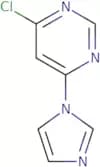
CAS:<p>4-Chloro-6-imidazol-1-yl-pyrimidine is a quaternary ammonium compound that can be used to make antireflection coatings. It has been shown to have a high degree of compatibility with polymers, such as allyl carbonate, which are used in functional groups. 4-Chloro-6-imidazol-1-yl-pyrimidine has also been shown to react with stannous octoate, and the reaction time is dependent on the concentration of both compounds. This molecule has been found to be biodegradable and liquid crystal compositions can be made from it by changing the ratio of molecules to liquid crystals. 4-Chloro-6-imidazol-1-yl pyrimidine reacts with hydroxyl groups in epoxy resins and diolefinic hydrocarbons, forming crosslinks in sealants or coatings. The sealant</p>Formula:C7H5ClN4Purity:Min. 95%Molecular weight:180.59 g/molLamivudine 5'-diphosphate ammonium salt
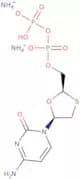
CAS:<p>Lamivudine is a monophosphate antiviral drug that inhibits the synthesis of DNA. It has been shown to inhibit the replication of human immunodeficiency virus-1 (HIV-1) in vitro, and to protect monkeys from simian acquired immune deficiency syndrome (SAIDS). Lamivudine 5'-diphosphate ammonium salt is an antiviral agent that belongs to the group of deoxyribonucleosides. It has been shown to be effective against HIV-1 and SAIDS in animals. The mechanism of action is not fully understood, but it may work by inhibiting viral RNA synthesis or by preventing viral DNA integration into host cell DNA.</p>Formula:C8H19N5O9P2SPurity:Min. 95%Molecular weight:423.28 g/molm7G(5')ppp(5')Guanosine
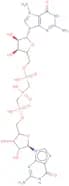
CAS:<p>A cap analog that can incorporated into mRNA</p>Formula:C21H29N10O18P3Purity:Min. 95%Molecular weight:802.43 g/mol3',5'-Di-O-benzoyl-2'-deoxy-2'-fluorouridine
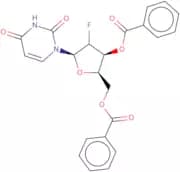
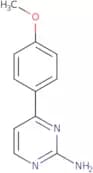
<p>3',5'-Di-O-benzoyl-2'-deoxy-2'-fluorouridine is a novel nucleoside analog that has been shown to have anticancer activity in vitro. The compound is a monophosphate, which is synthesized from 2'-deoxyuridine and benzoyl chloride. 3',5'-Di-O-benzoyl-2'-deoxy-2'-fluorouridine was found to have antiviral activity against herpes simplex virus type 1 (HSV1) and cytomegalovirus (CMV). It also inhibited the production of HIV in human lymphocytes. This nucleoside analog can be activated by phosphorylation at the 5' position to form a diphosphate, which inhibits DNA synthesis by incorporating into the growing DNA chain and preventing the movement of RNA polymerase along the template strand.</p>Formula:C23H19FN2O7Purity:Min. 95%Molecular weight:454.42 g/mol2-Amino-4-(4-methoxyphenyl)pyrimidine
CAS:<p>2-Amino-4-(4-methoxyphenyl)pyrimidine (AMP) is a synthetic nucleoside analog. It has antiviral activity and is used for the treatment of hepatitis B virus infection. AMP inhibits viral DNA polymerase and prevents the synthesis of viral DNA and RNA. It has been modified to include a methoxy group at the 4 position, which provides additional stability against the enzyme ribonuclease. AMP is also an activator of ribonucleotide reductase and can be used as a substrate to synthesize deoxyribonucleosides, phosphoramidites, diphosphate, or monophosphate nucleotides for DNA synthesis.<br>AMP has CAS number 99844-02-7 and is available in high purity.</p>Formula:C11H11N3OPurity:Min. 95%Molecular weight:201.22 g/mol2'-Deoxy-5'-O-DMT-uridine succinyl 3'-CPG
<p>2'-Deoxy-5'-O-DMT-uridine succinyl 3'-CPG is a novel, synthetic, high purity, and high quality activator for oligonucleotide synthesis. It is a modified nucleoside with a 2' -deoxy-5'-O-dimethoxytrityl group attached to the sugar moiety. This product is used in monophosphate form and can be used as an anticancer agent. This product has antiviral activity, which may be due to its ability to inhibit viral DNA and RNA synthesis.</p>Purity:Min. 95%N6-Benzoyl-7-deaza-2'-deoxyadenosine
CAS:<p>N6-Benzoyl-7-deaza-2'-deoxyadenosine is a novel synthetic monophosphate activator that can be used to induce cell death in cancer cells. It is structurally similar to the natural nucleotide adenosine, and it binds to the same receptors on cells as adenosine. N6-Benzoyl-7-deaza-2'-deoxyadenosine has been shown to inhibit viral replication by interfering with DNA synthesis and RNA transcription, which are essential for viral reproduction.</p>Formula:C18H18N4O4Purity:Min. 95%Molecular weight:354.36 g/molantisense
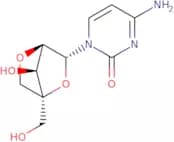
<p>Antisense is a type of experimental therapy that uses a single-stranded RNA molecule to bind to complementary RNA molecules, blocking their function. Antisense rna is often used in gene regulation and chromatin remodeling. It also regulates the transcription of mRNA by binding to the messenger RNA molecule as it leaves the nucleus. The main output of antisense is an increase in the production of one type of protein or a decrease in another. Antisense has been shown to be effective in regulating gene expression and can be used to treat diseases such as cancer and autoimmune disorders.</p>Purity:Min. 95%2’-O,4’-C-Methylenecytidine
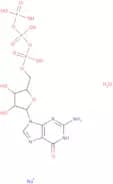
CAS:<p>2’-O,4’-C-Methylenecytidine is a nucleoside that has been used to synthesize oligonucleotides. It has been shown to form duplexes with complementary DNA and RNA strands. 2’-O,4’-C-Methylenecytidine forms bicyclic analogues with high efficiency and can be used as an n-type structural probe.</p>Purity:Min. 95%Guanosine 5'-triphosphate trisodium hydrate
CAS:<p>Guanosine 5'-triphosphate trisodium hydrate is a novel antiviral agent that was discovered in the course of a research program to find new antiviral agents. It is an activator of guanylyl cyclase and it has been shown to have high quality and high purity. Guanosine 5'-triphosphate trisodium hydrate binds to ribonucleosides and deoxyribonucleosides, preventing their incorporation into viral DNA or RNA. This compound also has anticancer activity.</p>Formula:C10H18N5NaO15P3Purity:Min. 95%Molecular weight:564.19 g/mol8-Azidocyclic adenosine diphosphate ribose
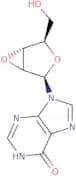
CAS:<p>8-Azidocyclic adenosine diphosphate ribose (8AADPR) is a molecule that is synthesized from ATP and ribose. It has been shown to inhibit the endoplasmic reticulum Ca2+-ATPase, which transports calcium ions out of the cell, leading to increased concentrations of calcium ions in the cytosol. 8AADPR also inhibits mitochondrial ATPase, which leads to an accumulation of ADP-ribose within mitochondria. This accumulation leads to the inhibition of protein synthesis within mitochondria and an activation of ryanodine receptors. There are no known adverse effects associated with 8AADPR at this time, but it should be used with caution due to its potential effects on cardiac function.</p>Formula:C15H20N8O13P2Purity:Min. 95%Molecular weight:582.31 g/mol2',3'-Anhydroinosine
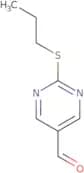
CAS:<p>2',3'-Anhydroinosine is an analog of the purine nucleoside inosine, which has been synthesized by catalytic dehalogenation of 2-fluoro-adenosine. The synthesis of this compound is based on a chemical reaction between 2-fluoro-adenosine and sodium hydroxide. This reaction produces 2',3'-anhydroinosine as a byproduct. 2',3'-Anhydroinosine inhibits the enzyme purine nucleoside phosphorylase, which prevents the conversion of inosine to hypoxanthine. This prevents purines from being used for protein synthesis, leading to cell death.</p>Formula:C10H10N4O4Purity:Min. 95%Molecular weight:250.21 g/mol2-(Propylthio)pyrimidine-5-carbaldehyde
CAS:<p>2-(Propylthio)pyrimidine-5-carbaldehyde (2-PSPCA) is a novel, modified ribonucleoside that has been shown to activate the DNA polymerase. 2-PSPCA has been used in the synthesis of deoxyribonucleosides and phosphoramidites for use in the research and development of antiviral agents and anticancer drugs. 2-PSPCA is a monophosphate with an IC50 of 0.6 mM against human leukemia cells.</p>Formula:C8H10N2OSPurity:Min. 95%Molecular weight:182.24 g/molN5-Benzoyl-2'-deoxy-5'-O-DMT-adenosine 3'-succinyl CPG 500 Å
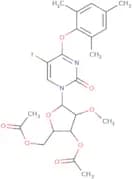
<p>N5-Benzoyl-2'-deoxy-5'-O-DMT-adenosine 3'-succinyl CPG 500 Å is a modified nucleoside that is used for the synthesis of DNA and RNA. It is an activator of antiviral and anticancer drugs. N5-Benzoyl-2'-deoxy-5'-O-DMT-adenosine 3'-succinyl CPG 500 Å has been shown to be an effective cancer treatment agent in vivo, as well as an inhibitor of viral replication. It can also be used in the synthesis of nucleosides and phosphoramidites.</p>Purity:Min. 95%Color and Shape:Powder3',5'-Di-o-acetyl-5-fluoro-O4-(2,4,6-trimethylphenyl)-2'-o-methyluridine
CAS:<p>3',5'-Di-O-acetyl-5-fluoro-O4-(2,4,6-trimethylphenyl)-2'-O-methyluridine is a novel monophosphate nucleoside analog that is activated by T4 polynucleotide kinase. It is synthesized from the corresponding phosphoramidite and reacts with the 5'-OH group of a ribonucleoside to form a 3',5'-di-O-acetylribonucleoside. The diacetyl group confers increased stability to the molecule and also provides an acetyl group for incorporation into DNA. This compound has antiviral activity against herpes simplex virus type 1 (HSV1) in cell culture and has shown anticancer properties in animal studies.</p>Formula:C23H27FN2O8Purity:Min. 95%Molecular weight:478.5 g/mol3’-O-tert-Butyldiphenylsilylthymidine
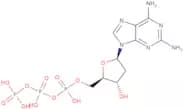
CAS:<p>Used as a protected thymidine nucleoside in chemical synthesis, specifically as an intermediate in the preparation of other thymidine derivatives, particularly 5'-modified nucleosides and oligonucleotides. The tert-butyldiphenylsilyl (TBDPS) group is a silyl protecting group selectively attached to the 3' hydroxyl group of thymidine.</p>Formula:C26H32N2O5SiPurity:Min. 95%Color and Shape:White PowderMolecular weight:480.63 g/mol2-Amino-2'-deoxyadenosine 5'-triphosphate
CAS:<p>2-Amino-2'-deoxyadenosine 5'-triphosphate (2ADP) is a nucleotide that is involved in the synthesis of DNA. It is an important part of the process of DNA replication, as it provides the necessary energy to drive reactions that synthesize new DNA strands. It also has anti-viral properties and can be used as a molecular probe to detect acid. 2ADP is detectable with most common detection methods, such as UV/visible absorbance spectroscopy, fluorescence spectroscopy, and chemiluminescence. It is one of the three triphosphates found in cells and can be used to polymerize RNA by adding ribose phosphate groups to the sugar molecule in RNA. This reaction requires ATP, which produces AMP, ADP, and 2ADP.</p>Formula:C10H17N6O12P3Purity:Min. 95%Molecular weight:506.2 g/mol2'-Deoxy-5'-S-DMT-5'-thioinosine 3'-CE phosphoramidite
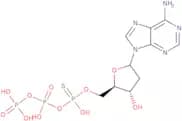
<p>2'-Deoxy-5'-S-DMT-5'-thioinosine 3'-CE phosphoramidite is a novel nucleoside analogue that has antiviral activity. It can be synthesized from 2'-deoxyribonucleosides and 5'-thioinosine monophosphate. This compound inhibits viral replication by inhibiting the synthesis of viral diphosphate, which is required for DNA synthesis. The compound also has anticancer properties and can inhibit the growth of tumor cells by blocking the process of DNA synthesis.</p>Purity:Min. 95%2'-Deoxyadenosine-5'-O-(1-thiotriphosphate) lithium salt - 100 mM aqueous solution
CAS:<p>2'-Deoxyadenosine-5'-O-(1-thiotriphosphate) lithium salt is a circularization agent that can be used in the efficient method for the synthesis of DNA. It inhibits the growth of bacteria by binding to their DNA and preventing transcription. 2'-Deoxyadenosine-5'-O-(1-thiotriphosphate) lithium salt has shown inhibitory effects against tuberculosis and other infectious diseases, including diphtheria, tetanus, typhoid fever, and malaria. This drug also prevents the replication of viral RNA. The inhibition occurs through an analog mechanism at the level of nucleic acid synthesis or polymerase chain reaction (PCR). The thiophosphate group is cleaved from the triphosphate moiety in the presence of metal ions such as Zn2+, Mg2+, Mn2+, or Ca2+. The active form is enzymatically hydrolyzed by covalent enzyme activity to</p>Formula:C10H16N5O11P3S·xLiPurity:Min. 95%Molecular weight:507.25 g/molAristeromycin
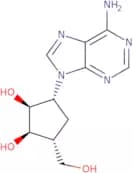
CAS:<p>Carbocyclic nucleoside antibiotic</p>Formula:C11H15N5O3Purity:Min. 95%Molecular weight:265.27 g/mol2',3',5'-Tri-O-acetyl-5-methyluridine
<p>2',3',5'-Tri-O-acetyl-5-methyluridine is a nucleoside that is used as a substrate for the enzyme, methylmagnesium (MeMg) nucleotides. It has been shown to have a high basicity and is a good substrate for the enzyme, MeMg nucleotides. 2',3',5'-Tri-O-acetyl-5-methyluridine also has stereoselectivity and can be synthesized with high purity.</p>Purity:Min. 95%Cytidine-5'-phosphate-3'-(6-aminohexyl)phosphate-biotin triethylammonium salt - 1 mM aqueous solution (10 mM Tris-HCl)
<p>Cytidine-5'-phosphate-3'-(6-aminohexyl)phosphate-biotin triethylammonium salt - 1 mM aqueous solution (10 mM Tris-HCl) is a nucleoside phosphate activator with antiviral effects. It has been successfully synthesized and shown to be an effective anticancer agent. Cytidine-5'-phosphate-3'-(6-aminohexyl)phosphate-biotin triethylammonium salt - 1 mM aqueous solution (10 mM Tris-HCl) is modified from cytidine, which contains the amino acid L-alanine in place of D-alanine. This modification increases the stability and bioavailability of this molecule. Cytidine, or cytidylate, is a nucleoside phosphate that is widely used in biochemistry as an activator for other nucleosides or as a substrate for enzymes</p>Formula:C25H42N6O13P2S1Purity:Min. 95%Color and Shape:Colorless PowderMolecular weight:728.65 g/mol6-Amino-1-methyluracil
CAS:<p>6-Amino-1-methyluracil is a synthetic drug that is used in the treatment of inflammatory diseases, including rheumatoid arthritis and psoriasis. It is also used to treat cancer, such as leukemia and in the treatment of bacterial infections. 6-Amino-1-methyluracil inhibits the synthesis of DNA by inhibiting the enzyme thymidylate synthetase. This inhibition prevents DNA replication and transcription, which leads to cell death. 6-Amino-1-methyluracil binds to cellular proteins through its amino group and hydroxyl group, which are not involved in its chemical reactions. 6-Amino-1-methyluracil has shown great promise as a template molecule for the synthesis of new drugs.</p>Purity:Min. 95%5'-o-Methyl-dt cep
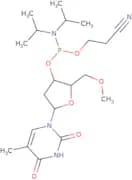
CAS:<p>5'-o-Methyl-dt cep is a modified phosphoramidite that has been synthesized to provide a novel, highly active anticancer and antiviral agent. It is used as an activator for the synthesis of DNA or RNA in the nucleoside or deoxyribonucleoside pathway. 5'-o-Methyl-dt cep could be used in the treatment of HIV, Hepatitis C, and other viral infections.</p>Formula:C20H33N4O6PPurity:Min. 95%Molecular weight:456.5 g/mol2'-O-tert-Butyldimethylsilyl-5-methyluridine
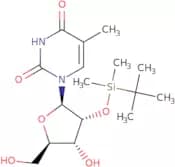
CAS:<p>2'-O-tert-Butyldimethylsilyl-5-methyluridine is a monophosphate of 5-methyluridine. It is an analog of uracil and has been used as an antiviral agent, as well as for the prevention of colorectal cancer. 2'-O-tert-Butyldimethylsilyl-5-methyluridine is also known to be a potent activator of the ribonucleotide reductase enzyme, which may contribute to its anticancer effects. This compound has a high purity and quality, making it easy to use in various applications.</p>Formula:C16H28N2O6SiPurity:Min. 95%Molecular weight:372.49 g/molBiotin-11-deoxyuridine-5'-triphosphate, triethylammonium salt - 1 mM aqueous solution
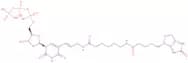
CAS:<p>Biotin-11-deoxyuridine-5'-triphosphate, triethylammonium salt (Biotin-11-dUTP) is a nucleotide analog that is used as a fluorescent substrate for detection of DNA. It is nonradioactive and can be detected in aqueous solution. Biotin-11-dUTP binds to the 3' end of a DNA strand and becomes incorporated into the newly synthesized DNA strand during DNA replication. The incorporation of Biotin-11-dUTP into the newly synthesized strand causes an increase in fluorescence intensity, which can be detected by chemiluminescence. This nucleotide analog has been shown to have high sensitivity for detecting low levels of dsDNA in diploid cells and can be used for detection of bacterial strain, such as Salmonella enterica serovar Typhimurium.</p>Formula:C34H56N7O18P3SPurity:Min. 95%Molecular weight:975.83 g/mol2'-Deoxy-5'-O-DMT-2-thio-N4-toluoylthymidine 3'-CE phosphoramidite
CAS:<p>2'-Deoxy-5'-O-DMT-2-thio-N4-toluoylthymidine 3'-CE phosphoramidite is a novel nucleoside analogue with anticancer activity. It has been shown to inhibit the proliferation of human colon cancer cells in vitro, and inhibits the growth of HIV in cultured T-cells. In addition, this compound was found to be active against herpes virus.<br>2'-Deoxy-5'-O-DMT-2-thio-N4-toluoylthymidine 3'-CE phosphoramidite is a nucleoside analogue with ribonucleosides at the 2' and 5' positions, while the 4' position is modified by an acetyl group. This modification prevents incorporation into DNA or RNA, and so prevents viral replication.</p>Formula:C48H56N5O7PSPurity:Min. 95%Molecular weight:878.05 g/mol3'-O-DMT-thymidine 3'-succinyl CPG 1000 Å
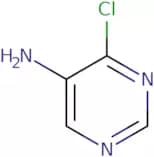
<p>3'-O-DMT-thymidine 3'-succinyl CPG 1000 Å is a monophosphate nucleoside that is used in the synthesis of DNA. It is an antiviral and anticancer drug that inhibits viral replication by competing with natural diphosphate nucleosides. 3'-O-DMT-thymidine 3'-succinyl CPG 1000 Å also has shown to be effective against leukemia cells in vitro and has been shown to inhibit angiogenesis, which may be due to its ability to inhibit the proliferation of endothelial cells.</p>Purity:Min. 95%4-Chloro-5-aminopyrimidine
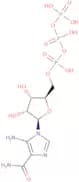
CAS:<p>4-Chloro-5-aminopyrimidine (4CAP) is an inhibitor of the enzyme purine nucleoside phosphorylase, which is involved in the synthesis of purines and pyrimidines. 4CAP has potent inhibitory activity with a Ki value of 0.06 μM, which is comparable to that of zebularine. 4CAP has also been shown to have antiinflammatory properties in lung tissue. The molecular modeling studies show that 4CAP binds to the hydroxyl group on the enzyme and prevents it from forming a covalent bond with its substrate. This causes a decrease in the rate of reaction time for the enzyme, resulting in decreased production of purines and pyrimidines.</p>Formula:C4H4ClN3Purity:Min. 95%Molecular weight:129.55 g/mol5-Aminoimidazole-4-carboxamide-1-b-D-ribofuranosyl 5'-triphosphate
CAS:<p>5-Aminoimidazole-4-carboxamide-1-b-D-ribofuranosyl 5'-triphosphate (AICAR) is a bifunctional agent that has been shown to stimulate the activity of adenylosuccinate synthetase, an enzyme that catalyzes the conversion of adenosine monophosphate (AMP) to adenosine triphosphate (ATP). AICAR is also a substrate for adenylosuccinate synthetase. The use of AICAR as a pharmacological agent has been associated with increased levels of nucleotides in cells and tissues. This may be due to the activation of AMPK, which stimulates ATP production by breaking down ATP through oxidative phosphorylation.<br>AICAR can be detected using chromatographic techniques, such as high performance liquid chromatography or thin layer chromatography.</p>Formula:C9H17N4O14P3Purity:Min. 95%Molecular weight:498.17 g/mol