Nucleosides
Found 3569 products of "Nucleosides"
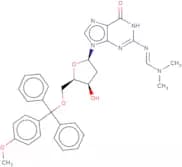
2'-Deoxy-N2-DMF-5'-O-MMT-guanosine
2'-Deoxy-N2-DMF-5'-O-MMT-guanosine, also known as 2'-deoxy-N2,5'-O-(dimethoxytrityl)-guanosine, is a high quality, novel nucleoside analog that has been shown to be an effective antiviral. It was synthesized in 1972 by the group of E.J. Corey and is structurally similar to other nucleosides such as ribonucleosides or deoxyribonucleosides. It is a monophosphate that can be converted into a diphosphate by adding phosphorus ions and ATP. 2'-Deoxy-N2,5'-O-(dimethoxytrityl)-guanosine is not found in nature but can be used as an antiviral agent because it inhibits the replication of RNA viruses such as HIV and influenza A virus.
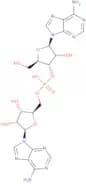
Formula:C33H34N6O5Purity:Min. 95%Molecular weight:594.66 g/molAdenylyl-3'-5'-adenosine ammonium salt
CAS:Adenylyl-3'-5'-adenosine ammonium salt is a novel and activator. CAS No. 21027-46-3. Ribonuclesides, Deoxyribonucleosides, diphosphate, Phosphoramidites, Modified, Anticancer, Antiviral, monophosphate, Nucleosides, Synthetic. High quality and high purity.
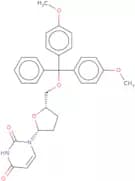
Formula:C20H25N10O10PPurity:Min. 95%Molecular weight:596.45 g/mol2',3'-Dideoxy-5'-O-DMT-uridine
CAS:2',3'-Dideoxy-5'-O-DMT-uridine is a nucleoside for use in research applications
Formula:C30H30N4O6Purity:Min. 95%Color and Shape:White To Off-White SolidMolecular weight:514.58 g/molRef: 3D-ND08411
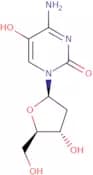
Discontinued product2'-Deoxy-5-hydroxycytidine
CAS:2'-Deoxy-5-hydroxycytidine is a nucleoside analog that is used to treat human immunodeficiency virus (HIV). It inhibits the synthesis of HIV by inhibiting the enzyme reverse transcriptase. This drug binds to DNA duplexes, and has been shown to be reactive with damaged DNA. The compound has been shown to inhibit viral replication in a model system, and also inhibits the polymerase chain reaction. 2'-Deoxy-5-hydroxycytidine may also have thermodynamic properties that are related to its potential for reactivity with oxidative DNA.
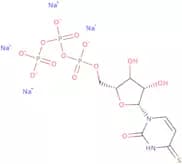
2'-Deoxy-5-hydroxycytidine is an analog of cytidine. It can be synthesized using solid phase synthesis on a resin support.Formula:C9H13N3O5Purity:Min. 95%Color and Shape:White PowderMolecular weight:243.22 g/mol4-Thiouridine-5'-triphosphate sodium salt - aqueous solution
CAS:4-Thiouridine-5'-triphosphate sodium salt - aqueous solution (4TUTP) is an analog of uridine and can be used as a template for the synthesis of single-stranded DNA. 4TUTP has been shown to have a high affinity for dsDNA, allowing it to form a ternary complex with DNA polymerase and single-stranded DNA template. 4TUTP can also be used to prepare samples for profiling experiments or other molecular studies. It is reactive, so should be handled with caution in order to avoid unwanted crosslinking. 4TUTP may also be used in chloroplast research.Formula:C9H15N2O14P3S·xNaPurity:Min. 95 Area-%Color and Shape:Clear LiquidMolecular weight:500.20 g/molRef: 3D-NT34810
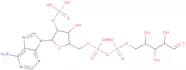
Discontinued productAdenosine-5'-O-diphosphoribose phosphate
CAS:Potential metabolite of NADP+
Formula:C15H24N5O17P3Purity:Min. 95 Area-%Color and Shape:PowderMolecular weight:639.3 g/molRef: 3D-NA63573
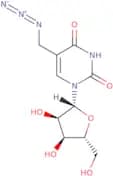
Discontinued product5-(Azidomethyl)uridine
CAS:5-(Azidomethyl)uridine (5-AZA-U) is a cytosolic nucleoside analog that inhibits the replication of herpes simplex virus type 1 (HSV-1). It is resistant to degradation by cellular nucleases and is fluorescent, making it a clickable substrate for microscopy. 5-AZA-U has been shown to inhibit the transcription of viral DNA and the synthesis of viral proteins in mammalian cells. This drug has also been shown to be effective against cancer and hepatitis B virus (HBV). 5-AZA-U can be used as an antiviral agent because of its ability to inhibit the posttranscriptional gene expression of HSV-1. 5-(Azidomethyl)uridine is also an analog of uridine, which can be used to study intracellular signaling pathways that regulate proliferation, differentiation, or apoptosis in mammalian cells.
Formula:C10H13N5O6Purity:Min. 95%Color and Shape:PowderMolecular weight:299.24 g/molO6-Methylguanosine-5'-monophosphate
CAS:O6-Methylguanosine-5'-monophosphate is an antiviral agent that is modified ribonucleoside. It has been shown to inhibit the replication of human cytomegalovirus (HCMV) and herpes simplex virus type 1 (HSV-1) in cell culture. O6-Methylguanosine-5'-monophosphate inhibits viral DNA synthesis by competitively inhibiting the activity of diphosphorylated guanosine triphosphate, which is needed for DNA synthesis. This drug also inhibits the growth of cancer cells in culture and can be used as a potential anticancer agent.
Purity:Min. 95%2',5'-Dideoxyadenosine
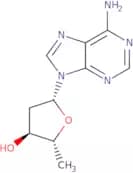
CAS:2',5'-Dideoxyadenosine is a nucleotide analog that inhibits the enzyme adenylate cyclase, by binding non-competitively via the P-site
Formula:C10H13N5O2Purity:Min. 95%Color and Shape:White Off-White PowderMolecular weight:235.25 g/molRef: 3D-ND07997
Discontinued productGemcitabine HCl
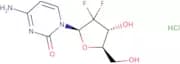
CAS:Anticancer nucleoside; DNA synthesis interference
Formula:C9H11F2N3O4·HClPurity:Min. 98 Area-%Color and Shape:White PowderMolecular weight:299.66 g/molN6-Benzoyl-3'-O-tert-butyldimethylsilyl-2'-O-(2-methoxyethyl)adenosine
N6-Benzoyl-3'-O-tert-butyldimethylsilyl-2'-O-(2-methoxyethyl)adenosine is a modified nucleoside with antiviral activity. This compound is synthesized by a modified method that avoids the use of phosphoramidites, which are usually used to synthesize nucleosides. N6-Benzoyl-3'-O-tert-butyldimethylsilyl-2'-O-(2-methoxyethyl)adenosine is an activator of viral RNA polymerase and has been shown to be active against HIV and herpes simplex virus type 1.
Purity:Min. 95%2'-Deoxy-2'-fluoro-5-methylcytidine 5'-triphosphate
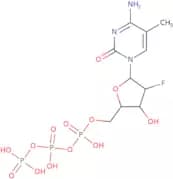
CAS:2'-Deoxy-2'-fluoro-5-methylcytidine 5'-triphosphate is a novel antiviral and antitumor agent, which is synthesized from 2'-deoxy-2'-fluoro-5-methylcytidine. This compound is a cytosine ribonucleotide analog that can be activated to form the corresponding triphosphate. Its chemical name is 5'-O-(4,4'-dimethoxytrityl)-2'-deoxy-2'-fluoro-5-methylcytidine 5',3' -O-(1,1,3,3,-tetraisopropyldisiloxanyl) diphosphate. The CAS number for this compound is 847647-94-3.
Formula:C10H17FN3O13P3Purity:Min. 95%Molecular weight:499.17 g/mol3'-Deoxyinosine
CAS:3'-Deoxyinosine is a nucleoside analog that is used in the treatment of leukemia, lymphoma, and AIDS-related Kaposi's sarcoma. The drug inhibits DNA synthesis by inhibiting enzymes such as ribonucleotide reductase, thymidylate synthase, and dihydrofolate reductase. 3'-Deoxyinosine has minimal toxicity and may be administered orally or intravenously. It has been shown to have an inhibitory effect on the growth of skin cancer cells and leishmania parasites in cell culture. This drug also lowers blood pressure by interfering with the synthesis of angiotensin II and may be useful for treating hypertension. The drug is synthetically prepared in a laboratory by chemists.
Formula:C10H12N4O4Purity:Min. 95%Color and Shape:PowderMolecular weight:252.23 g/molRef: 3D-ND166260
Discontinued product5-Formyl- 2'- O- methyluridine
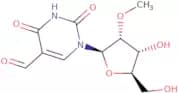
CAS:5-Formyl-2'-O-methyluridine is a nucleoside that can be used as an antiviral and anticancer agent. It is a novel modified monophosphate nucleotide analog with high purity and high quality. 5-Formyl-2'-O-methyluridine has shown to inhibit the growth of cancer cells in vitro and to reduce tumor size in vivo. It also inhibits viral replication by inhibiting viral DNA synthesis. 5-Formyl-2'-O-methyluridine has been shown to be an effective inhibitor of HIV and HSV, where it has been found to inhibit the synthesis of viral RNA, which prevents the virus from replicating.
Formula:C11H14N2O7Purity:Min. 95%Molecular weight:286.24 g/mol2’C-Methyl-2-thiouridine
CAS:2’C-Methyl-2-thiouridine is a novel nucleoside phosphoramidite that has been synthesized to serve as an activator for DNA polymerases. 2’C-Methyl-2-thiouridine is a potent antiviral agent that inhibits the replication of the hepatitis C virus in vitro. It also has antiproliferative effects against certain cancer cells and can be used as an anticancer drug. 2’C-Methyl-2-thiouridine contains a methylated thiol group, which confers a high degree of resistance to degradation by thiols, including glutathione (GSH). This compound is stable to hydrolysis and may be used in the synthesis of deoxyribonucleosides or monophosphate nucleotides.
Purity:Min. 95%2'-Deoxy-2'-fluoro-L-uridine
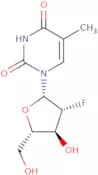
CAS:2'-Deoxy-2'-fluoro-L-uridine is a synthetic nucleoside analog of uridine where the sugar is both fluorinated at the 2' position and in the L-configuration, which is the mirror image of naturally occurring D-nucleosides. This modification makes it structurally distinct and biologically significant for certain applications in drug development and biochemical research.
Formula:C9H11FN2O5Purity:Min. 95%Color and Shape:White PowderMolecular weight:246.2 g/molRef: 3D-ND02886
Discontinued productFluorescein-5(6)-carboxamidocaproyl-[5(3-aminoallyl)2-deoxyuridine-5-tr
Fluorescein-5(6)-carboxamidocaproyl-[5(3-aminoallyl)2-deoxyuridine-5-triphosphate] is a modified nucleoside analog that is used as an antiviral agent against herpesviruses. This compound is phosphorylated by the virus encoded thymidine kinase, which converts it to the monophosphate form. Fluorescein-5(6)-carboxamidocaproyl-[5(3-aminoallyl)2-deoxyuridine-5-triphosphate] inhibits DNA synthesis by inhibiting viral DNA polymerase and has been shown to be active against human papillomavirus type 16 (HPV16) in vitro. It has also been shown to inhibit tumor cell proliferation and induce apoptosis in some types of cancer cells.
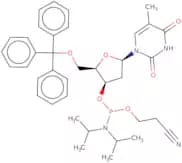
Purity:Min. 95%5'-O-Tritylthymidine 3'-CE phosphoramidite
CAS:5'-O-Tritylthymidine 3'-CE phosphoramidite is a synthetic, modified nucleoside. It is an ester of thymidine and trityl chloride. 5'-O-Tritylthymidine 3'-CE phosphoramidite is used as an anticancer drug and has been shown to activate the transcription of ribonucleic acid (RNA) in vitro, which may be due to inhibition of the enzyme RNA polymerase II. This product has also been shown to have antitumour activity against human colon and ovarian cancer cells in vivo.
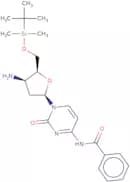
Formula:C38H45N4O6PPurity:Min. 95%Molecular weight:684.78 g/mol3'-Amino-N4-benzoyl-5'-O-tert-butyldimethylsilyl-2',3'-dideoxycytidine
CAS:3'-Amino-N4-benzoyl-5'-O-tert-butyldimethylsilyl-2',3'-dideoxycytidine (3'-ABT) is a novel diphosphate nucleoside that has been used in clinical trials as an activator of anticancer drugs. 3'-ABT is also used as a building block for synthesis of 2',3'-dideoxyuridine, which has antiviral properties. 3'-ABT can be synthesized by reacting N4-benzoyl-5'-O-tert-butyldimethylsilylcytosine with sodium bis(trimethylsilyl)amide and 2,6,8,10,-dodecatriene.
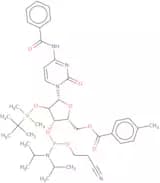
Formula:C22H32N4O4SiPurity:Min. 95%Molecular weight:444.6 g/molN4-Benzoyl-2'-O-tert-butyldimethylsilyl-5'-O-toluoylcytidine 3'-CE phosphoramidite
N4-Benzoyl-2'-O-tert-butyldimethylsilyl-5'-O-toluoylcytidine 3'-CE phosphoramidite is an anticancer agent that acts by inhibiting the formation of DNA and RNA. It is a nucleoside analogue that has been modified to contain a benzoyl group at the 2' carbon atom, which leads to increased cytotoxicity. N4-Benzoyl-2'-O-tert-butyldimethylsilyl-5'-O-toluoylcytidine 3'-CE phosphoramidite is a synthetic nucleoside analogue with novel properties. It inhibits the synthesis of DNA and RNA in cells, which may be due to its ability to inhibit DNA polymerases and ribonucleases.
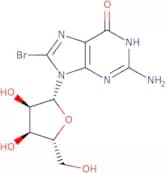
Formula:C39H54N5O8PSiPurity:Min. 95%Molecular weight:779.95 g/mol8-Bromoguanosine
CAS:8-Bromoguanosine (8BrG) is a potent inhibitor of cyclase enzymes that lead to the formation of cyclic guanosine monophosphate (cGMP). It has been shown to inhibit signal pathways, such as those regulated by the G protein-coupled receptor (GPCR), which are activated by the 2-adrenergic receptor. 8BrG has been shown to be effective against C. glabrata and other fungi and has been used in experimental models for infectious diseases.
Formula:C10H12BrN5O5Purity:Min. 95%Color and Shape:White PowderMolecular weight:362.14 g/mol3'-O-Acetyl-5'-tert-butyldiphenylsilyl-2'-deoxy-2'-fluoro-5-methyluridine
3'-O-Acetyl-5'-tert-butyldiphenylsilyl-2'-deoxy-2'-fluoro-5-methyluridine is a synthetic nucleoside that has antiviral activity. It is a modified nucleoside that contains a monophosphate group, which makes it an activator of DNA polymerase. 3'-O-Acetyl-5'-tert-butyldiphenylsilyl-2'-deoxy-2'-fluoro-5-methyluridine is novel because it contains an acetyl group at the 3' position and a silyl ether on the 2' oxygen atom. 3'-O-Acetyl-5'-tert-butyldiphenylsilyl-2'-deoxy-2'-fluoro -5 -methyluridine has CAS No. 62768‑36‑3 and is available in high purity.Purity:Min. 95%Allopurinol riboside
CAS:Allopurinol riboside is a hydroxyl analog of allopurinol. Allopurinol riboside has minimal toxicity in tissue culture and exhibits no cytotoxicity in human serum. It is a potent inhibitor of microbial infection, including infections caused by Hepatitis C virus (HCV), Leishmania amazonensis, and Mycobacterium tuberculosis. Allopurinol riboside binds to adenine nucleotide and inhibits the synthesis of purines, which are necessary for DNA replication. This binding also inhibits the production of ATP, leading to cell death. In addition, allopurinol riboside inhibits the growth of human macrophages in vitro by inhibiting protein synthesis. Allopurinol riboside may be useful for treating HCV-induced liver disease or leishmaniasis.
Formula:C10H12N4O5Purity:Min. 97 Area-%Color and Shape:White PowderMolecular weight:268.23 g/molRef: 3D-NA07960
Discontinued productOBEA-Fluorescein-2'-deoxy-5'-O-DMT-cytidine 3'CE-amidite
OBEA-Fluorescein-2'-deoxy-5'-O-DMT-cytidine 3'CE-amidite is an anticancer drug that belongs to the class of deoxyribonucleosides. It is a novel nucleoside analogue that has been modified with fluorescein and a cytidine derivative. The synthesis of this compound is carried out by coupling a cytidine derivative with fluorescein and the phosphoramidite of the corresponding ribonucleotide. OBEA-Fluorescein-2'-deoxy-5'-O-DMT-cytidine 3'CE amidite has antiviral activity against DNA viruses, such as hepatitis B virus and human immunodeficiency virus, as well as RNA viruses, such as influenza A virus. This compound also has antiinflammatory activities.
Purity:Min. 95%3-Cyanovinylcarbazole phosphoramidite
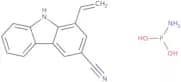
CAS:3-Cyanovinylcarbazole phosphoramidite is a novel compound that has not been previously described. It is a deoxyribonucleoside monophosphate and can be used as an anticancer agent. 3-Cyanovinylcarbazole phosphoramidite is also an antiviral, which can inhibit the synthesis of viral DNA. The modified nucleosides in this compound are synthesized by modifying the ribonucleotide with a cyanovinyl group at the C-3 position, which can be used as phosphoramidites for DNA synthesis.
Formula:C50H53N4O6PPurity:Min. 95%Color and Shape:PowderMolecular weight:836.95 g/molRef: 3D-PC31915
Discontinued product8-Azido-2'-deoxyadenosine
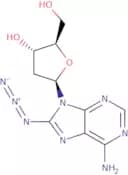
CAS:8-azido-2-deoxyadenosine is an azide funcationalised nuceleoside
Formula:C10H12N8O3Purity:Min. 95%Color and Shape:PowderMolecular weight:292.25 g/molRef: 3D-NA44903
Discontinued productCapecitabine
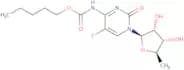
CAS:Pro-drug of 5-FU; anti-cancer agent
Formula:C15H22FN3O6Purity:Min. 95%Color and Shape:PowderMolecular weight:359.35 g/molRef: 3D-ND09160
Discontinued productClevudine
CAS:Clevudine is a synthetic pyrimidine analogue effective against the hepatitis B virus (HBV). Once inside the cell, it is converted into its active forms, clevudine monophosphate and clevudine triphosphate. The triphosphate form competes with thymidine to be incorporated into viral DNA, leading to DNA chain termination and inhibition of the HBV DNA polymerase (reverse transcriptase). Due to its long half-life, clevudine significantly reduces covalently closed circular DNA (cccDNA), making relapse less likely after treatment ends.
Formula:C10H13FN2O5Purity:Min. 95%Color and Shape:White PowderMolecular weight:260.22 g/molRef: 3D-NC09470
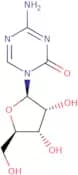
Discontinued product5-Azacytidine
CAS:An azanucleoside and epigenetic modulator that interferes with nucleic acid metabolism. The compound gets incorporated into RNA and inhibits ribonucleotide reductase subunit RRM2 in leukemia cell lines. Intracellularly, 5-azacytidine can get converted into 2′-deoxy-5-azacytidine (decitabine) and subsequently incorporated in DNA, where it irreversibly inhibits DNMT1 methyltransferase. In human epithelial cell lines, this compound decreases Src-activated expression of a histone chaperone CAF1 and inhibits cell motility and invasiveness.
Formula:C8H12N4O5Purity:Min. 95%Color and Shape:White Off-White PowderMolecular weight:244.21 g/molThymidine-5'-triphosphate trisodium
CAS:Thymidine-5'-triphosphate or dTTP, is a nucleotide used by the cell to synthesize DNA molecules. Thymidine-5'-triphosphate is used in molecular biology techniques and assays as a substrate of the enzyme DNA polymerase, e.g. polymerase chain reaction (PCR), DNA sequencing, pyrosequencing reactions. Salt form of thymidine-5'-triphosphate has been used in a newly developed detection system for SARS-CoV-2 that combines bioluminescence in real-time (BART) with reverse-transcriptase loop-mediated amplification (RT-LAMP).Formula:C10H17N2O14P3•Na3Purity:(%) Min. 90%Color and Shape:White PowderMolecular weight:551.14 g/molRef: 3D-NT05748
Discontinued product2'-Deoxy-5-iodocytidine
CAS:2'-Deoxy-5-iodocytidine is a modified monophosphate of deoxyribonucleosides. It is used as an activator in the synthesis of phosphoramidites and nucleosides, as well as in antiviral and anticancer drug development. This product has been shown to have high purity and quality. 2'-Deoxy-5-iodocytidine has also been shown to be active against HIV, hepatitis B, herpes simplex virus type 1, and cytomegalovirus.
Formula:C9H12IN3O4Purity:Min. 98 Area-%Molecular weight:353.11 g/molRef: 3D-W-203284
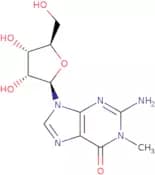
Discontinued productN1-Methylguanosine
CAS:Controlled ProductN1-Methylguanosine is a methylated nucleotide that is incorporated into the growing DNA chain during protein synthesis. The incorporation of N1-methylguanosine into the growing DNA chain can cause frameshifting, which creates an unusual amino acid sequence. This effect has been shown in model organisms, such as Saccharomyces cerevisiae and Escherichia coli. In these organisms, N1-methylguanosine has been shown to induce cancer when added to the growth medium. It is also found in urine samples from people with bladder cancer and has been used to identify urinary tract cancers. Titration calorimetry studies have shown that N1-methylguanosine binds to a chelate ligand and forms a disulfide bond with cysteine residues on proteins or peptides, which may lead to mitochondrial dysfunction by interfering with hydrogen bonding interactions. Messenger RNA studies show that N1-methylguanosine inhibits translation of mRNA by binding to
Formula:C11H15N5O5Purity:Min. 95%Color and Shape:White PowderMolecular weight:297.27 g/mol5-Carboxy-2’-deoxycytidine
CAS:Please enquire for more information about 5-Carboxy-2’-deoxycytidine including the price, delivery time and more detailed product information at the technical inquiry form on this page
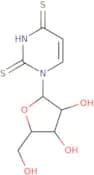
Formula:C10H13N3O6Molecular weight:271.23 g/mol2,4-Dithiouridine
CAS:2,4-Dithiouridine is a nucleoside for use in a variety of applications
Formula:C9H12N2O4S2Purity:Min. 95%Color and Shape:PowderMolecular weight:276.33 g/molRef: 3D-ND10281
Discontinued productChloro-AlaOiPr-amidite
Chloro-AlaOiPr-amidite is an anticancer drug that is a modified form of the nucleoside 2'-deoxyadenosine. It has been shown to be active against both DNA and RNA tumor cells in vitro. Chloro-AlaOiPr-amidite was also found to be effective against HIV-1 when tested in vivo, showing antiviral activity. The drug is synthesized by reacting an acid chloride with the amine group of AlaOiPr. In this reaction, the chloride ion attacks the amine group, displacing a proton from the nitrogen atom and forming a chloroamine species. The chloramine then reacts with the nucleoside to give rise to an intermediate called chloro-AlaOiPr-amidite which can then be reacted with a phosphoramidite or ribonucleotide to yield chloro-AlaOiPr-phosphoramidite
Purity:Min. 95%3'-b-Amino-2',3'-dideoxy-5'-O-trityl-5-methyluridine
3'-b-Amino-2',3'-dideoxy-5'-O-trityl-5-methyluridine is a phosphoramidite, which is an intermediate in the synthesis of nucleosides. It is a novel deoxyribonucleoside that has been modified to include a methyl group at the 5' position. 3'-b-Amino-2',3'-dideoxy-5'-O-trityl-5-methyluridine is often used as an activator for DNA polymerases and ribonucleases, as well as for the synthesis of ribonucleosides. This product has shown anticancer activity by inhibiting RNA synthesis.
Purity:Min. 95%Molecular weight:227.22 g/mol3'-Deoxyuridine
CAS:3'-Deoxyuridine is a synthetic antibiotic that is used in the treatment of viral infections, such as hepatitis B and C, and HIV. 3'-Deoxyuridine competitively inhibits the synthesis of RNA by binding to the enzyme RNA polymerase. This drug also has antiviral activity against the human cytomegalovirus (CMV) and Hepatitis C virus (HCV). 3'-Deoxyuridine is synthesized from uracil in an organic solvent, trifluoroacetic acid, at low temperatures. The incorporation of deoxynucleoside triphosphates into DNA occurs after cleavage of the terminal phosphate group by water vapor.
Formula:C9H12N2O5Purity:Min. 95%Color and Shape:PowderMolecular weight:228.21 g/molRef: 3D-ND05963
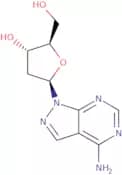
Discontinued product6-Amino-4-hydrazino-1-(b-D-ribofuranosyl)-1H-pyrazolo[3,4-d]pyrimidine
6-Amino-4-hydrazino-1-(b-D-ribofuranosyl)-1H-pyrazolo[3,4-d]pyrimidine is a nucleoside phosphoramidite which is used in the synthesis of oligonucleotides. It is a novel modified nucleoside and has antiviral and anticancer activities. 6-Amino-4-hydrazino-1-(b-D ribofuranosyl)-1H pyrazolo[3,4 d]pyrimidine can be used as an activator for 2'-deoxyribonucleotide synthesis and an inhibitor of ribonucleotide synthesis.
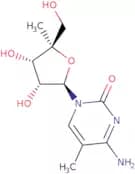
Purity:Min. 95%4’-C-Methyl-5-methylcytidine
CAS:4’-C-Methyl-5-methylcytidine is a phosphoramidite nucleoside that is used as a reagent in the synthesis of DNA. It is modified with a 4′-methyl and 5′-methyl group at the C4 and C5 positions of the cytosine base, respectively. The 4′-C methyl group is an antiviral agent that inhibits viral replication by inhibiting reverse transcriptase. The 5′-methyl group prevents deamination of cytosine residues by inhibiting uracil glycosylase. This product has anticancer properties due to its ability to inhibit cell division and activate apoptosis in tumor cells.
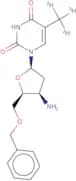
Purity:Min. 95%3'-Amino-5'-O-benzyl-3'-deoxy-D3-thymidine
Controlled Product3'-Amino-5'-O-benzyl-3'-deoxy-D3-thymidine is a novel antiviral agent that inhibits the replication of retroviruses. It is an activator of ribonucleotide reductase, which converts ribonucleotides to deoxyribonucleotides. The drug has been shown to inhibit DNA and RNA synthesis in vitro. 3'-Amino-5'-O-benzyl-3'-deoxy-D3-thymidine is also being studied for its anticancer properties.
Formula:C17H18N3O4D3Purity:Min. 95%Molecular weight:334.39 g/molN6-Benzoyl-2’-chloro-2’-deoxyadenosine
CAS:N6-Benzoyl-2’-chloro-2’-deoxyadenosine is a synthetic nucleoside that has antiviral properties. It is used to treat viral diseases, such as herpes and hepatitis B. N6-Benzoyl-2’-chloro-2’-deoxyadenosine can be used in the synthesis of DNA or RNA, and it is also used as an activator for other phosphoramidites. This product has been shown to have high purity and quality.
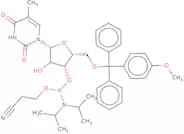
Formula:C17H16ClN5O4Purity:Min. 95%Molecular weight:389.79 g/mol5'-O-Methoxytrityluridine 3'-CE phosphoramidite
5'-O-Methoxytrityluridine 3'-CE phosphoramidite is a modified nucleoside that can be used in the synthesis of DNA and RNA. It is an activator that activates ribonucleotides to diphosphates. 5'-O-Methoxytrityluridine 3'-CE phosphoramidite has been shown to have antiviral, anticancer, and novel activities. This product is CAS No. 57747-00-2, High purity, deoxyribonucleosides, and high quality.
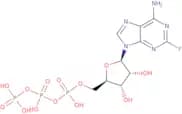
Formula:C39H47N4O8PPurity:Min. 95%Molecular weight:730.81 g/mol2-Fluoroadenosine 5'-triphosphate sodium
CAS:2-Fluoroadenosine 5'-triphosphate sodium salt is an analog of adenosine 5'-triphosphate (ATP) that has been used as a target molecule in binding experiments to identify cells that express the ATP receptor. 2-Fluoroadenosine 5'-triphosphate sodium salt binds to the surface glycoprotein on target cells and is internalized by endocytosis, resulting in cell death. This drug has also been shown to be effective against cancer cells grown in culture.Formula:C10H15FN5O13P3•Na3Purity:Min. 95%Color and Shape:PowderMolecular weight:594.12 g/molRef: 3D-NF77069
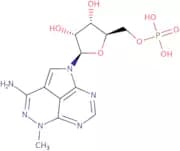
Discontinued productTricyclic nucleoside phosphate
CAS:Akt activation inhibitor
Formula:C13H17N6O7PPurity:Min. 95%Molecular weight:400.28 g/molRef: 3D-NT44794
Discontinued product8-Aza-7-deaza-2'-deoxyadenosine
CAS:8-Aza-7-deaza-2'-deoxyadenosine is a single-stranded DNA analogue that is used as a conjugate to deliver drugs to cells. It has been shown to be effective in the treatment of HIV by suppressing viral replication and the production of infectious virions. The drug is photolabile, which means it can be activated with light and then delivered to cells. 8-Aza-7-deaza-2'-deoxyadenosine has also been shown to inhibit the growth of human immunodeficiency virus (HIV) in vitro, but does not inhibit the growth of other viruses such as herpes simplex virus type 1 or adenovirus.
Formula:C10H13N5O3Purity:Min. 95%Color and Shape:PowderMolecular weight:251.24 g/molRef: 3D-NA141793
Discontinued product3-Cyanovinyl-9-(5’-O-DMT-2’-deoxyribofuranosyl)carbazole
CAS:3-Cyanovinyl-9-(5’-O-DMT-2’-deoxyribofuranosyl)carbazole is a nucleoside analog that is an antiviral and anticancer agent. It is a monophosphate, which has been shown to inhibit the replication of DNA by binding to the enzyme DNA polymerase. 3-Cyanovinyl-9-(5’-O-DMT-2’-deoxyribofuranosyl)carbazole also inhibits protein synthesis and cell division by preventing the production of proteins vital for cell division. This drug has shown high purity and quality, as well as novel properties.
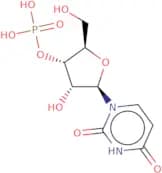
Formula:C41H36N2O5Purity:Min. 95%Molecular weight:636.74 g/mol3′-UMP
CAS:3′-UMP is a modified nucleoside that has antiviral activity, and is synthesized by the phosphoramidite method. It is a novel compound, which has not been previously reported. 3′-UMP is an activator of ribonucleotide reductase and can be used to treat viral infections. This drug also has anticancer effects and can be used as a chemotherapeutic agent for the treatment of leukemia. 3′-UMP has high purity and high quality.
Formula:C9H13N2O9PPurity:Min. 95%Molecular weight:324.18 g/mol9-[2'-O-Acetyl-3'-azido-3'-deoxy-5'-O-toluoyl-b-L-ribofuranosyl)-6-chloropurine
CAS:9-[2'-O-Acetyl-3'-azido-3'-deoxy-5'-O-toluoyl-b-L-ribofuranosyl)-6-chloropurine is a modified nucleoside. It is synthesized by attaching an acetyl group to the 2' position of the sugar moiety and a toluoyl group to the 3' position of the ribose moiety. 9-[2'-O-Acetyl-3'-azido-3'-deoxy-5'-O-toluoyl]-6 chloropurine has been shown to be an activator of RNA polymerase II and III, which are involved in transcription and replication. This drug also has antiviral properties against influenza virus, herpes simplex virus type 1, Epstein Barr Virus (EBV), and HIV as well as anticancer activity against human cells. 9-[2'-O-Acetyl]-6 chlor
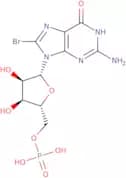
Purity:Min. 95%8-Bromoguanosine-5'-monophosphate
CAS:8-Bromoguanosine-5'-monophosphate (8BrGMP) is a nucleotide analog that modulates the expression of genes involved in circulatory and metabolic processes. 8BrGMP has been shown to be effective in clinical studies, including neonates with hypoxemia or low blood pressure. It also has a dose-dependent effect on the newborn's circulation and blood pressure, and can be used to treat neonatal transition. 8BrGMP is an advance in neonatal care due to its ability to improve oxygenation and promote better cardiovascular stability.
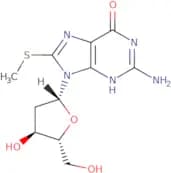
Formula:C10H13BrN5O8PPurity:Min. 95%Molecular weight:442.12 g/mol2’-Deoxy-8-methylthioguanosine
CAS:2’-Deoxy-8-methylthioguanosine is a synthetic nucleoside, which is an activator of DNA polymerase. It has shown anticancer and antiviral properties in vitro. 2’-Deoxy-8-methylthioguanosine is a modified nucleotide with high quality and novel structures for use as a potential anticancer and antiviral drug. This compound has not been tested in vivo, but its mechanism of action suggests that it may be safe for human use.
Purity:Min. 95%
















![6-Amino-4-hydrazino-1-(b-D-ribofuranosyl)-1H-pyrazolo[3,4-d]pyrimidine](/_next/image/?url=https%3A%2Fstatic.cymitquimica.com%2Fproducts%2F3D%2Fthumb-webp%2FNA162943.webp&w=3840&q=75)