


Natural and semi-synthetic antibiotics
Natural and semisynthetic antibiotics are characterised by chemical structures with heterocyclic rings and active functional groups that inhibit the growth of microorganisms. Their structures allow them to interact with vital bacterial processes, making them useful treatments for bacterial infections. Semisynthetic antibiotics can be modified to enhance their spectrum of activity or resistance to degradation.
At CymitQuimica, we offer high-quality natural and semisynthetic antibiotics for research in microbiology and pharmaceutical development.
Found 6364 products of "Natural and semi-synthetic antibiotics"
Sort by
Purity (%)
0
100
|
0
|
50
|
90
|
95
|
100
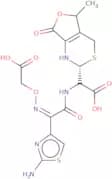
Cefixime Impurity A
CAS:<p>Cefixime Impurity A is a drug product that is used for analytical purposes. It is an impurity of cefixime.</p>Formula:C16H17N5O8S2Purity:Technical GradeColor and Shape:PowderMolecular weight:471.47 g/molN-[(2E)-6,6-Dimethyl-2-hepten-4-ynyl]-1-naphthalenemethanamine
CAS:<p>N-[(2E)-6,6-Dimethyl-2-hepten-4-ynyl]-1-naphthalenemethanamine (DHEA) is a human metabolite and an endogenous hormone. DHEA has been shown to have antifungal activity against Candida albicans in vitro. It also possesses an inhibitory effect on the growth of some fungi that are resistant to azole drugs, such as Coccidioides immitis, Cryptococcus neoformans and Blastomyces dermatitidis. DHEA has been used in the treatment of pediatric patients with chronic granulomatous disease and is currently being evaluated for use in other pediatric conditions.</p>Formula:C20H23NPurity:Min. 95%Molecular weight:277.4 g/mol(5E)-2,2-Dimethyl-7-[methyl(1-naphthalenylmethyl)amino]-5-hepten-3-ynoic acid
CAS:<p>(5E)-2,2-Dimethyl-7-[methyl(1-naphthalenylmethyl)amino]-5-hepten-3-ynoic acid is a drug product that has been custom synthesized. It is available in high purity (>98%) and with analytical data. This chemical is metabolized through a number of metabolic transformations, including hydrolysis by esterases or glucuronidases, oxidation by cytochrome P450 enzymes, reduction by glutathione reductase, or conjugation with glucuronic acid. (5E)-2,2-Dimethyl-7-[methyl(1-naphthalenylmethyl)amino]-5-hepten-3-ynoic acid has been shown to have pharmacological activity on the central nervous system and may be used as an antidepressant drug candidate.</p>Formula:C21H23NO2Purity:Min. 95%Molecular weight:321.41 g/mol5-Deoxy-Δ5,6-8-epi-tacrolimus
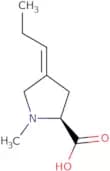
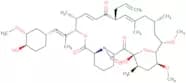
CAS:<p>Please enquire for more information about 5-Deoxy-Δ5,6-8-epi-tacrolimus including the price, delivery time and more detailed product information at the technical inquiry form on this page</p>Formula:C44H67NO11Purity:Min. 95%Molecular weight:786 g/mol(trans)-4-Propyl-1-methyl-L-proline
CAS:<p>(trans)-4-Propyl-1-methyl-L-proline is a synthetic compound that has been used in the past as an impurity standard in the synthesis of several drugs, including metaxalone and aminopyrine. It is also found to have pharmacological effects on its own and was used as a drug product for the treatment of rheumatoid arthritis. (trans)-4-Propyl-1-methyl-L-proline is not listed in any pharmacopoeia or international list of approved drugs.</p>Formula:C9H17NO2Purity:Min. 95%Color and Shape:White/Off-White SolidMolecular weight:171.24 g/mol(5S)-5-(Aminomethyl)-3-[3-fluoro-4-(4-morpholinyl)phenyl]-1,3-oxazolidin-2-one
CAS:<p>(5S)-5-(Aminomethyl)-3-[3-fluoro-4-(4-morpholinyl)phenyl]-1,3-oxazolidin-2-one is a molecule with a broad spectrum of antimicrobial activity. It is a potent inhibitor of the enzyme metallo-β-lactamase, which is found in Streptococcus faecalis and other bacteria. This molecule also has antibacterial activity against Streptococcus pyogenes and Staphylococcus aureus. (5S)-5-(Aminomethyl)-3-[3-fluoro-4-(4-morpholinyl)phenyl]-1,3-oxazolidin-2 -one is an amide with mass spectrometric and spectroscopic properties that can be used as analytical methods to identify it in biological samples.</p>Formula:C14H18FN3O3Purity:Min. 95%Color and Shape:Off-White PowderMolecular weight:295.31 g/molCefixime EP impurity B acetic acid
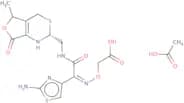
CAS:Controlled Product<p>Cefixime EP impurity B acetic acid is a research and development product. It is an impurity of cefixime EP that has been synthesized for use as an impurity standard. This compound is a metabolite of the drug cefixime EP. Cefixime EP impurity B acetic acid can be used to determine drug metabolism by studying the formation, detection and identification of metabolites in biological samples. It also can be used to develop analytical methods for the determination of metabolites in biological samples.<br>Cefixime EP impurity B acetic acid is a synthetic compound that is highly pure with a pharmacopoeia grade purity level. This product is suitable for use in drug product, custom synthesis, and HPLC standard applications.</p>Formula:C17H21N5O8S2Purity:Min. 95%Color and Shape:PowderMolecular weight:487.5 g/molClindamycin phosphate EP impurity G
<p>Clindamycin phosphate EP impurity G is a metabolite of clindamycin that can be found in the urine of patients taking clindamycin. It is a white to off-white crystalline solid with a melting point of about 205°C. Clindamycin phosphate EP impurity G has been used as an analytical reference standard for clindamycin, and it is also used as a synthetic intermediate in the drug development process. The CAS number for this compound is 719-72-4.</p>Formula:C18H33N2O8PSPurity:Min. 95%Molecular weight:468.5 g/molAzithromycin impurity J
CAS:<p>Azithromycin impurity J, also known as Azithromycin P-Toluenesulfonate, is an impurity of the drug azithromycin. It is an antibiotic that has been shown to be effective in the treatment of protozoal infections, cancer and parasites. Azithromycin impurity J has been shown to bind to DNA gyrase and topoisomerase IV enzymes, which are necessary for bacterial replication. Azithromycin impurity J is a protozoan inhibitor that acts by blocking the synthesis of RNA and DNA. This impurity binds to DNA gyrase and topoisomerase IV enzymes, which are necessary for bacterial replication. Azithromycin impurity J is a protozoan inhibitor that acts by blocking the synthesis of RNA and DNA.</p>Formula:C30H58N2O9Purity:Min. 95%Color and Shape:Off-White PowderMolecular weight:590.79 g/molδ 2 Cefdinir
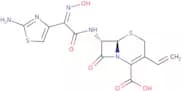
CAS:<p>Delta 2 Cefdinir is a cephalosporin antibiotic used for the treatment of respiratory tract infections and skin infections. The drug product is an analytical standard that has been custom synthesized for metabolism studies. It is also used as an impurity standard for synthesis in research and development, as well as for HPLC analysis. Delta 2 Cefdinir is a high-purity, pharmacopoeia grade API with a purity of >98% and contains no detectable levels of natural impurities.</p>Formula:C14H13N5O5S2Purity:Min. 95%Molecular weight:395.42 g/mol(9Z)-Roxithromycin
CAS:<p>Roxithromycin is a macrolide antibiotic that inhibits protein synthesis in bacteria. It binds to the 50S ribosomal subunit, thereby inhibiting bacterial growth. Roxithromycin has been used to diagnose intestinal and esophageal diseases, inflammatory diseases, and cancer. There are some cardiac effects associated with Roxithromycin that may be related to its ability to inhibit serotonin reuptake. This drug also has anti-inflammatory properties and has been shown to be effective against influenza virus infections as well as other infectious diseases such as tuberculosis and HIV/AIDS.</p>Formula:C41H76N2O15Purity:Min. 95%Molecular weight:837.05 g/mol3'-Des(dimethylamino)-3'-keto azithromycin
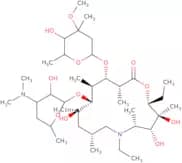
CAS:<p>3'-Des(dimethylamino)-3'-keto azithromycin is a prodrug that is hydrolyzed in vivo to the active form of azithromycin. 3'-Des(dimethylamino)-3'-keto azithromycin has an elution time of about 10 minutes on a C18 column, which is considerably longer than the 5-minute elution time for azithromycin. The chromatogram of 3'-Des(dimethylamino)-3'-keto azithromycin shows two peaks, one at 6 minutes and another at 10 minutes. These two peaks are due to impurities in the drug product, namely itraconazole and fluconazole. 3'-Des(dimethylamino)-3'-keto azithromycin has shown bioequivalence with its parent molecule, azithromycin.</p>Formula:C36H65NO13Purity:Min. 95%Molecular weight:719.9 g/molRoxithromycin impurity H
CAS:<p>Roxithromycin impurity H is an analytical standard for Roxithromycin. It is a metabolite that has been identified in human urine and bile samples as well as in rat plasma following oral administration of Roxithromycin. It is also a byproduct of the synthesis of Roxithromycin, which can be eliminated through purification steps. This compound has not yet been evaluated in humans or animals, but it may cause adverse effects such as gastrointestinal disturbances, headache, or hepatotoxicity.</p>Formula:C41H76N2O14Purity:Min. 95%Molecular weight:821.05 g/molCeftazidime t-butyl ester
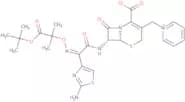
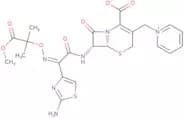
CAS:<p>Ceftazidime t-butyl ester is a prodrug of ceftazidime. It is a crystalline, stable form of the drug that can be dissolved in an organic solvent. Ceftazidime t-butyl ester has an average UV detection wavelength with a linear range of 200-600 nm and can be detected at a wavelength of 220 nm. This drug is used to treat infections caused by bacteria, including those that are resistant to other antibiotics, such as penicillin or ampicillin. Ceftazidime t-butyl ester has been shown to be effective against methicillin-resistant Staphylococcus aureus (MRSA) and Clostridium perfringens, although is not active against acid-fast bacteria such as Mycobacterium tuberculosis or Mycobacterium avium complex.</p>Formula:C26H30N6O7S2Purity:Min. 95%Molecular weight:602.68 g/molMicafungin Metabolite M1
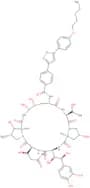
CAS:<p>Micafungin Metabolite M1 is a metabolite of Micafungin. It is an impurity in the drug product and is not active. Micafungin Metabolite M1 has been proposed as a pharmacopoeia reference standard for HPLC quantification of Micafungin.</p>Formula:C56H71N9O20Purity:Min. 95%Molecular weight:1,190.21 g/molPiperacillin impurity N
CAS:<p>Please enquire for more information about Piperacillin impurity N including the price, delivery time and more detailed product information at the technical inquiry form on this page</p>Formula:C46H54N10O14S2Purity:Min. 95%Molecular weight:1,035.11 g/mol3-HABA kanamycin A sulfate
CAS:<p>Please enquire for more information about 3-HABA kanamycin A sulfate including the price, delivery time and more detailed product information at the technical inquiry form on this page</p>Formula:C22H43N5O13•(H2SO4)xPurity:Min. 95%Azithromycin N-ethyl
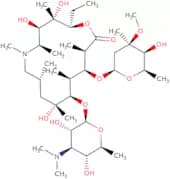
CAS:<p>Azithromycin N-ethyl is a drug development and analytical impurity standard. It is used as an analytical reference material for high-performance liquid chromatography (HPLC) and nuclear magnetic resonance spectroscopy (NMR). Azithromycin N-ethyl has been shown to be a metabolite of azithromycin, which is a niche antibiotic with broad activity against Gram-positive bacteria. This product can also be synthesized from erythromycins using methylation. CAS Number: 92594-45-1</p>Formula:C39H74N2O12Purity:Min. 95%Molecular weight:763.01 g/mol7 S-Cefdinir
CAS:<p>7 S-Cefdinir is an oral cephalosporin antibiotic that binds to penicillin-binding proteins in the bacterial cell wall by competitive inhibition. This binding prevents the formation of an antibiotic-inhibitor complex with transpeptidase and transpeptidase, which are enzymes involved in peptidoglycan synthesis. 7 S-Cefdinir also inhibits pentapeptide cross-linking, which is necessary for the formation of peptidoglycan chains. 7 S-Cefdinir has bactericidal activity against a wide range of bacteria and acts as an antibacterial agent. It is active against erythromycin-resistant strains of Streptococcus pneumoniae and Mycoplasma pneumoniae, but not against methicillin-resistant Staphylococcus aureus (MRSA).</p>Formula:C14H13N5O5S2Purity:Min. 95%Molecular weight:395.42 g/molCeftazidime impurity H
CAS:<p>Ceftazidime impurity H is a by-product that can be found in the synthesis of ceftazidime. It has been detected using magnetic separation and UV detection. Ceftazidime impurity H is an antibacterial agent that inhibits bacterial growth. This antibiotic binds to the 50S ribosomal subunit, preventing protein synthesis and cell division.</p>Formula:C23H24N6O7S2Purity:Min. 95%Molecular weight:560.6 g/molClarithromycin (9E)-O-Methyloxime
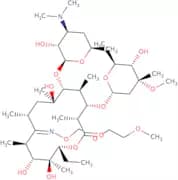
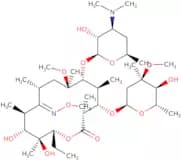
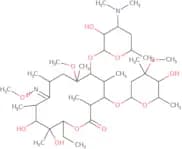
CAS:<p>Clarithromycin (9E)-O-Methyloxime is an analytical standard for Clarithromycin. It is a metabolite of Clarithromycin and has been shown to be a potent inhibitor of cytochrome P450 3A4 in human liver microsomes. Clarithromycin (9E)-O-Methyloxime is also an impurity in the drug product, which is used to treat bacterial infections.</p>Formula:C39H72N2O13Purity:Min. 95%Molecular weight:776.99 g/molClarithromycin impurity O
CAS:<p>Clarithromycin impurity O is a crystalline form of clarithromycin that is obtained by the sulfation of the free base. It is prepared by adding an acid binding agent to the free base and then dissolving it in water. The sulfate salt of clarithromycin impurity O can be purified by recrystallization. Clarithromycin impurity O has been used as a raw material for clarithromycin, which is a β-lactam antibiotic with activity against Gram-positive bacteria and some Gram-negative bacteria. Clarithromycin impurity O is also used in other pharmaceuticals such as anti-inflammatory drugs and antibiotics. The preparation process starts with the methylation reaction of potassium hydroxide, followed by hydrolysis to produce methyl sulfate and dimethyl sulfate. The methylated product is purified through distillation, vacuum drying, or crystallization, yielding a pure form of methylated product that can be further processed into other</p>Formula:C39H72N2O13Purity:Min. 95%Molecular weight:776.99 g/mol4-Hydroxy azithromycin
CAS:<p>4-Hydroxy azithromycin is an impurity of Azithromycin that is a metabolite of the drug. 4-Hydroxy azithromycin is a synthetic product, which has been synthesized for use as an analytical standard for HPLC and LC-MS/MS. It has also been used as a pharmacopoeia standard for testing antibiotic purity and quality. Metabolism studies have shown that 4-hydroxy azithromycin is not absorbed from the gastrointestinal tract, but is found in the urine and feces.</p>Formula:C38H72N2O13Purity:Min. 95%Molecular weight:764.98 g/molEnrofloxacin impurity E
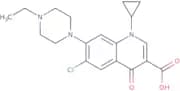
CAS:<p>Enrofloxacin impurity E is a product of the synthesis of enrofloxacin, with high purity and analytical standards. It is synthesized from natural products, and it can be used as an impurity standard for HPLC analysis. Enrofloxacin impurity E also has pharmacopoeia and CAS number 1369495-59-9. This substance is used in drug development and research to study metabolism.</p>Formula:C19H22ClN3O3Purity:Min. 95%Molecular weight:375.85 g/molNMP-ACA (cefepime impurity)
CAS:<p>NMP-ACA is a metabolite of cefepime. It is a synthetic, impurity standard for use in HPLC. It has an analytical purity of >98%. The metabolites of NMP-ACA are not known at this time.</p>Formula:C13H19N3O3SPurity:Min. 95%Molecular weight:297.37 g/molCiprofloxacin impurity D hydrochloride
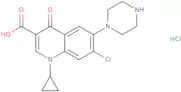
CAS:<p>Ciprofloxacin impurity D hydrochloride is a drug product that is an analytical standard. It is also a natural impurity found in Ciprofloxacin. This compound has been synthesized and manufactured to be used as an impurity standard. It exhibits the same physical, chemical, and biological properties as Ciprofloxacin. The CAS number for this substance is 526204-10-4. Impurities such as Ciprofloxacin impurity D hydrochloride may be present in the finished drug product if they are not removed during the manufacturing process. Chemical reactions may also lead to the formation of these substances. The presence of these substances can affect the quality of the drug product and may lead to adverse effects for patients who use them.<br>CAS No.: 526204-10-4<br>Molecular Weight: 258.25<br>Formula: (C8H6ClF2NOS)</p>Formula:C17H18ClN3O3·HClPurity:Min. 95%Molecular weight:384.26 g/molDecladinose roxithromycin
CAS:<p>Decladinose roxithromycin is a novel drug that can be used for the diagnosis and treatment of disorders related to the mutation. Decladinose roxithromycin has been shown to be effective in the detection and treatment of mutants, such as those related to cystic fibrosis.</p>Formula:C33H62N2O12Purity:Min. 95%Molecular weight:678.85 g/molN-Demethyl-N-(ethylsuccinyl) erythromycin
<p>Please enquire for more information about N-Demethyl-N-(ethylsuccinyl) erythromycin including the price, delivery time and more detailed product information at the technical inquiry form on this page</p>Formula:C42H73NO16Purity:Min. 95%Molecular weight:848.03 g/mol4-Epiminocycline
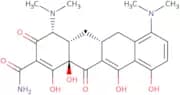
CAS:<p>4-Epiminocycline is a pharmaceutical preparation that belongs to the class of antibiotics. It is a drug substance that is used in the manufacture of other drugs and as an individual drug for the treatment of various skin conditions and for the prevention of malaria. 4-Epiminocycline has been shown to be effective against bacteria by binding to DNA, preventing transcription and replication. The drug binds to plasma proteins and erythrocytes with high affinity, but it does not bind well to intestinal cells or lung tissue. 4-Epiminocycline has been shown to be effective against Mycobacterium tuberculosis, Mycobacterium avium complex, Staphylococcus aureus, Streptococcus pyogenes, and Enterococcus faecalis. This antibiotic also prevents the formation of biofilms by these bacteria.</p>Formula:C23H27N3O7Purity:Min. 95%Color and Shape:Yellow PowderMolecular weight:457.48 g/molMonic acid A
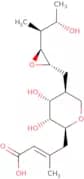
CAS:<p>Metabolite of mupirocin</p>Formula:C17H28O7Purity:Min. 95%Molecular weight:344.4 g/molErythromycin EP impurity L
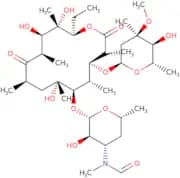
CAS:<p>Erythromycin EP impurity L is a metabolite of erythromycin that is found in the urine of patients taking erythromycin. It is a white to light yellow crystalline powder. Erythromycin EP impurity L has been used as an analytical standard for HPLC and GC-MS, and as a pharmacopoeia reference material. Erythromycin EP impurity L is also known to have anti-inflammatory properties.</p>Purity:Min. 95%Linezolid N-oxide
CAS:<p>Please enquire for more information about Linezolid N-oxide including the price, delivery time and more detailed product information at the technical inquiry form on this page</p>Formula:C16H20FN3O5Purity:Min. 95%Molecular weight:353.35 g/molRoxithromycin impurity I
CAS:<p>Roxithromycin impurity I is a natural metabolite of roxithromycin. The substance has been synthesized in order to serve as an analytical impurity standard for HPLC. Roxithromycin impurity 1 is also a metabolite of roxithromycin, which has been shown to produce pharmacological effects similar to those seen with the parent compound. Roxithromycin impurity I is not an API, but has been developed as a HPLC analytical impurity standard and will be used for metabolism studies.</p>Formula:C45H84N2O17Purity:Min. 95%Color and Shape:PowderMolecular weight:925.15 g/mol(5E)-2,2-Dimethyl-7-[(1-naphthalenylmethyl)amino]-5-hepten-3-ynoic acid
CAS:<p>The compound (5E)-2,2-dimethyl-7-[(1-naphthalenylmethyl)amino]-5-hepten-3-ynoic acid is a chiral antifungal agent. It was developed to be used as an analytical tool for the determination of plasma concentrations and it can be used in profiling and chiral chromatography. This compound has been shown to have excellent solubility in water and good stability in most organic solvents. The compound is metabolized by the liver and excreted via the kidneys, with a half life of approximately 6 hours. The compound also shows linearity over a wide concentration range, which makes it useful for measuring quantitative changes in plasma concentrations.</p>Formula:C20H21NO2Purity:Min. 95%Molecular weight:307.39 g/mol2′,4′′-Bis-O-(trimethylsilyl)-erythromycin 9-[O-(1-ethoxy-1-methylethyl)oxime]
CAS:<p>Please enquire for more information about 2′,4′′-Bis-O-(trimethylsilyl)-erythromycin 9-[O-(1-ethoxy-1-methylethyl)oxime] including the price, delivery time and more detailed product information at the technical inquiry form on this page</p>Formula:C48H94N2O14Si2Purity:Min. 95%Molecular weight:979.44 g/molN-Desmethyl azithromycin B
CAS:<p>N-Desmethyl azithromycin B is a metabolite of the macrolide antibiotic azithromycin. It is an impurity in the drug product, and is present as an analytical standard for HPLC. N-Desmethyl azithromycin B can be found in the urine of patients taking azithromycin, but at much lower concentrations than the parent drug. This impurity is not toxicologically relevant, but may interfere with some analytical methods.</p>Formula:C37H70N2O11Purity:Min. 95%Molecular weight:718.96 g/molCefixime EP Impurity C disodium
CAS:<p>Cefixime EP Impurity C disodium is an impurity in the drug Cefixime EP. It is a by-product of the synthesis process, which can be removed by a purification process. This product is an analytical standard and is used for qualitative analysis in HPLC. It is also used as a research and development standard for drug development. This product has been classified as a niche impurity since it only occurs at trace levels in the drug product, but it may have pharmacological relevance to some patients. This impurity can be synthesized from natural or synthetic sources and is available for custom synthesis to meet specific customer needs.</p>Formula:C16H15N5O7S2•Na2Purity:Min. 95%Molecular weight:499.43 g/mol(Z)-2-(2-Aminothiazol-4-yl)-2-(hydroxyimino)-N-{[(2RS,5RS)-5-methyl-7-oxo-2,4,5,7-tetrahydro-1H-furo[3,4-d][1,3]thiazin-2-yl]methyl} acetamide dihydrochloride - >80%, Mixture of Diastereomers
<p>(Z)-2-(2-Aminothiazol-4-yl)-2-(hydroxyimino)-N-[(2RS,5RS)-5-methyl-7-oxo-2,4,5,7-tetrahydro-1H-furo[3,4-d][1,3]thiazin-2-yl]methyl} acetamide dihydrochloride is a drug product with purity of >80%. It is a mixture of diastereomers. The impurities are not detected by HPLC. This compound is used in the development of drugs. Its metabolite is also available to purchase.</p>Formula:C13H15N5O4S2·2HClPurity:Min. 95%Molecular weight:442.34 g/mol23,24-Anhydro tacrolimus
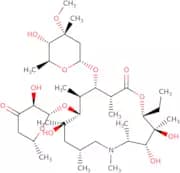
CAS:<p>23,24-Anhydro tacrolimus is a synthetic prodrug of the immunosuppressant drug tacrolimus. It has the same pharmacological effects as the parent compound and can be used in its place to avoid adverse reactions. The metabolite of 23,24-anhydro tacrolimus is a natural metabolite of tacrolimus and has been synthesized for research purposes or for use as an analytical standard. 23,24-Anhydro tacrolimus is not an impurity standard, but rather a niche product that is not commercially available from suppliers.</p>Formula:C44H67NO11Purity:Min. 95%Color and Shape:White PowderMolecular weight:786 g/molLincomycin EP impurity B
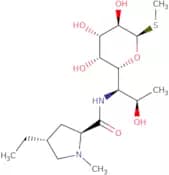
CAS:<p>Lincomycin impurity B is a chemical substance which is the result of the metabolism of lincomycin. It is found in the urine and feces of patients who have taken lincomycin orally. Lincomycin impurity B has been detected in various commercial formulations of lincomycin, but its concentration varies with different batches. The HPLC standard purity for lincomycin impurity B is up to 99%. Lincomycin impurity B can be used as an analytical standard for HPLC analysis and as an API impurity in drug development. It also may be used as a research metabolite or pharmacopoeia reference material.</p>Formula:C18H32N2O6SPurity:Min. 95%Molecular weight:404.52 g/molPseudomonic acid D sodium
CAS:<p>Pseudomonic acid D sodium is a drug product that is used for the development of novel drugs. It is a natural metabolite of pseudomonic acid A, which is found in the fungus Pseudomonas sp. Pseudomonic acid D sodium is used as an analytical standard to aid in the identification of pseudomonic acid A and its metabolites. Pseudomonic acid D sodium can be synthesized by reacting 2-chloro-4-nitrobenzene with sodium bisulfate. The synthesis proceeds through a sequence of three reactions, namely nucleophilic substitution, electrophilic substitution, and hydrolysis. The structure of pseudomonic acid D sodium has been confirmed using nuclear magnetic resonance spectroscopy (NMR) and mass spectrometry (MS).</p>Formula:C26H41NaO9Purity:90%MinMolecular weight:520.59 g/molLincomycin B
CAS:<p>Lincomycin B is a chemical compound that belongs to the group of antimicrobial agents. It is used in the treatment of viral infections and has been shown to have an effect against HIV-1, herpes simplex virus, and influenza A virus. Lincomycin B inhibits protein synthesis by binding to the ribosomes in bacteria and inhibiting peptide elongation. The optimum concentration for this compound is 0.2 mM with a minimum inhibitory concentration of 1 mM. Lincomycin B can be synthesized by reacting sodium hydroxide solution with hydrochloric acid or hydroxide solution at a temperature range from 30 °C to 70 °C.</p>Formula:C17H32N2O6SPurity:Min. 95%Molecular weight:392.51 g/molClarithromycin-N-methyl-d3
CAS:Controlled Product<p>Please enquire for more information about Clarithromycin-N-methyl-d3 including the price, delivery time and more detailed product information at the technical inquiry form on this page</p>Formula:C38H66D3NO13Purity:Min. 95%Molecular weight:750.97 g/molCefazolinamide
CAS:<p>Please enquire for more information about Cefazolinamide including the price, delivery time and more detailed product information at the technical inquiry form on this page</p>Formula:C14H15N9O3S3Purity:Min. 95%Molecular weight:453.5 g/molCefixiMe EP IMpurity A
CAS:<p>Cefixime is a broad-spectrum oral antibiotic used to treat bacterial infections, including respiratory tract and ear infections. Cefixime is the prodrug of cefixime acid, which is hydrolyzed in vivo to cefixime. This impurity is an analytical standard that can be used for research and development, high purity drug product, API impurity, HPLC standard and niche drugs. It can also be used as a metabolite and an impurity standard. The CAS number for this compound is 1335475-08-5. This chemical has natural or synthetic origins but is not specified.</p>Formula:C16H17N5O8S2Purity:Min. 95%Molecular weight:471.47 g/mol(E/Z)-FK-506 26,28-Allylic Ester Rearrangement Impurity
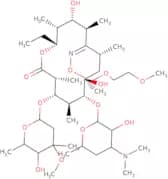
CAS:<p>The impurity is a natural product and an API impurity. The impurity is synthesized by the rearrangement of (E/Z)-FK-506 26,28-allylic ester. This impurity has been shown to be present in drug products at concentrations up to 0.0025% w/w. It is found in analytical samples at concentrations up to 0.02% w/w, which may be due to its use as a HPLC standard. The impurity has been studied for metabolism in rats and rabbits and is not metabolized by microsomal enzymes or conjugated with glucuronic acid. The compound has also been shown to have anti-inflammatory properties in mice models and has no cardiotoxic effects on Balb/c mice.</p>Formula:C44H69NO12Purity:Min. 95%Molecular weight:804.02 g/molImpurity G
<p>Impurity G is an impurity found in the drug Iohexol. It is a synthetic, amide, propylamine, diacetate and methyl anthranilate. Impurity G has been shown to be a catalyst for the production of iodinated contrast media with high yield. This can be used to make the drug Moxifloxacin hydrochloride, which is used to treat bacterial infections such as pneumonia and bronchitis caused by Legionella pneumophila or Mycoplasma pneumoniae. The chemical compound moxifloxacin has anti-inflammatory properties that are due to its ability to inhibit prostaglandin synthesis.</p>Purity:Min. 95%4-[2-[[(6R,7R)-7-Amino-2-carboxy-8-oxo-5-thia-1-azabicyclo[4.2.0]oct-2-en-3-yl]thio]-4-thiazolyl]-1-methyl-pyridinium Chloride Monoh ydrochloride
CAS:<p>4-[2-[[(6R,7R)-7-Amino-2-carboxy-8-oxo-5-thia-1-azabicyclo[4.2.0]oct-2-en-3-yl]thio]-4-thiazolyl]-1-methylpyridinium Chloride Monohydrochloride is a drug product under development for the treatment of bacterial infections. 4-[2-[(6R,7R)-7Amino--2carboxy8oxo5thia1azabicyclo[4.2.0]oct2en3yl]thio]-4thiazolyl]-1methylpyridinium Chloride Monohydrochloride is an impurity in the API Methicillin (CAS No. 40082764). Impurities are not necessarily undesirable and may have substantial therapeutic value or provide a desired</p>Formula:C16H15N4O3S3·Cl·HClPurity:Min. 95%Molecular weight:479.43 g/molDecarboxy ciprofloxacin
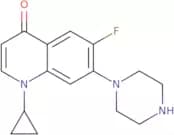
CAS:<p>Decarboxy ciprofloxacin is a prodrug that is active against bacteria and other microorganisms. It has been shown to have an affinity for the fluoroquinolone binding site on the bacterial ribosome, inhibiting protein synthesis and cell division. Decarboxy ciprofloxacin has been used in animals to treat infections caused by Escherichia coli, Klebsiella pneumoniae, Salmonella enterica, Proteus mirabilis, and Pseudomonas aeruginosa. Decarboxy ciprofloxacin is administered orally in the form of tablets or capsules. The drug binds to metal ions and can be detected with a biosensor that uses an aptamer-coated electrode. This sensor can be used for the detection of both metal ions and fluoroquinolones. <br>Decarboxy ciprofloxacin is also used as a research tool to</p>Formula:C16H18FN3OPurity:Min. 95%Color and Shape:PowderMolecular weight:287.33 g/molN-[(2R)-3-{[3-Fluoro-4-(4-morpholinyl)phenyl]amino}-2-hydroxypropyl]acetamide
CAS:<p>N-[(2R)-3-{[3-Fluoro-4-(4-morpholinyl)phenyl]amino}-2-hydroxypropyl]acetamide is an impurity in a high purity analytical reference standard of 3-fluoro-4-(4-morpholinyl)aniline. It is also a metabolite that may be present in drug products containing 3-fluoro-4-(4-morpholinyl)aniline as the active ingredient, such as fluoroquinolones. N-[(2R)-3-{[3-Fluoro-4-(4-morpholinyl)phenyl]amino}-2-hydroxypropyl]acetamide has been shown to inhibit DNA gyrase and topoisomerase IV, which are enzymes that maintain the integrity of bacterial DNA. It binds to bacterial 16S ribosomal RNA and inhibits protein synthesis, leading to cell death by inhib</p>Formula:C15H22FN3O3Purity:Min. 95%Molecular weight:311.35 g/mol

![N-[(2E)-6,6-Dimethyl-2-hepten-4-ynyl]-1-naphthalenemethanamine](/_next/image/?url=https%3A%2Fstatic.cymitquimica.com%2Fproducts%2F3D%2Fthumb-webp%2FID21330.webp&w=3840&q=75)
![(5E)-2,2-Dimethyl-7-[methyl(1-naphthalenylmethyl)amino]-5-hepten-3-ynoic acid](/_next/image/?url=https%3A%2Fstatic.cymitquimica.com%2Fproducts%2F3D%2Fthumb-webp%2FID19739.webp&w=3840&q=75)

![(5S)-5-(Aminomethyl)-3-[3-fluoro-4-(4-morpholinyl)phenyl]-1,3-oxazolidin-2-one](/_next/image/?url=https%3A%2Fstatic.cymitquimica.com%2Fproducts%2F3D%2Fthumb-webp%2FIA58038.webp&w=3840&q=75)



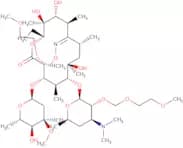
![(5E)-2,2-Dimethyl-7-[(1-naphthalenylmethyl)amino]-5-hepten-3-ynoic acid](/_next/image/?url=https%3A%2Fstatic.cymitquimica.com%2Fproducts%2F3D%2Fthumb-webp%2FID21358.webp&w=3840&q=75)
![2′,4′′-Bis-O-(trimethylsilyl)-erythromycin 9-[O-(1-ethoxy-1-methylethyl)oxime]](/_next/image/?url=https%3A%2Fstatic.cymitquimica.com%2Fproducts%2F3D%2Fthumb-webp%2FIB183163.webp&w=3840&q=75)
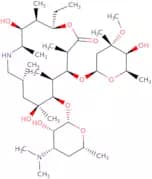


![4-[2-[[(6R,7R)-7-Amino-2-carboxy-8-oxo-5-thia-1-azabicyclo[4.2.0]oct-2-en-3-yl]thio]-4-thiazolyl]-…](/_next/image/?url=https%3A%2Fstatic.cymitquimica.com%2Fproducts%2F3D%2Fthumb-webp%2FIA172859.webp&w=3840&q=75)
![N-[(2R)-3-{[3-Fluoro-4-(4-morpholinyl)phenyl]amino}-2-hydroxypropyl]acetamide](/_next/image/?url=https%3A%2Fstatic.cymitquimica.com%2Fproducts%2F3D%2Fthumb-webp%2FIF58040.webp&w=3840&q=75)