Carbohydrates and glycoconjugates
Carbohydrates are organic compounds composed of carbon, hydrogen, and oxygen, with a basic structure formed by monosaccharides. These can combine to form disaccharides, oligosaccharides, or polysaccharides, depending on the number of monomeric units. Carbohydrates play a fundamental role in energy storage, cell structure, and cellular communication. Their derivatives are used in pharmaceutical products, such as sweeteners and excipients.
At CymitQuimica, we offer a wide range of carbohydrates and their derivatives for research and industrial applications.
Found 5010 products of "Carbohydrates and glycoconjugates"
Sort by
Purity (%)
0
100
|
0
|
50
|
90
|
95
|
100
Blood Group A type I linear trisaccharide
CAS:<p>GalNAca1-3Galb1-3GlcNAc</p>Formula:C22H38N2O16Purity:Min. 95%Molecular weight:586.54 g/molHyaluronate biotin - Molecular Weight - 250kDa
<p>Hyaluronate biotin (HB) is a modified form of hyaluronic acid. It is produced by the methylation and glycosylation of hyaluronic acid and it has an average molecular weight of 250 kDa. HB is used in tissue engineering, cell culture, and as a contrast agent for magnetic resonance imaging. The modification of hyaluronate with biotin allows for the visualization of HB using immunofluorescence microscopy. Hyaluronate biotin is a synthetic product that can be custom-synthesized to customer specifications, such as purity level, oligosaccharide content, and monosaccharide content.</p>Purity:Min. 95%2-Acetamido-3-O-(2,3,4,6-tetra-O-acetyl-b-D-galactopyranosyl)-2-deoxy-D-glucopyranose
CAS:<p>2-Acetamido-3-O-(2,3,4,6-tetra-O-acetyl-b-D-galactopyranosyl)-2-deoxy-D-glucopyranose is a custom synthesis of an oligosaccharide. It is fluorinated at the 2 position and methylated on the 3 position. This glycosylation product has been shown to be resistant to degradation by enzymes that hydrolyze glycosidic bonds.</p>Formula:C22H33NO15Purity:Min. 95%Molecular weight:551.5 g/molHeparin derived dp22 saccharide ammonium salt
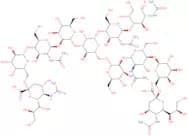
<p>Heparin derived dp22 saccharide ammonium salt is a complex carbohydrate that is synthesized with the click chemistry. It is a high purity, fluorinated compound. This modified heparin has an average molecular weight of approximately 5,400 Da and contains an average of 15 saccharide units. Heparin derived dp22 saccharide ammonium salt has been modified by methylation and glycosylation to produce a heparin-like compound that can be used as a drug delivery system for anticancer drugs.</p>Purity:Min. 95%Color and Shape:White to off-white solid.Molecular weight:~6300 (Average)NGA4B N-Glycan
CAS:<p>NGA4B N-Glycan is a custom synthetic compound that can be modified to include methylation, fluorination, and other modifications. It is an oligosaccharide that is a polysaccharide composed of saccharides. The saccharides are monosaccharides or simple sugars. NGA4B N-Glycan is available at high purity for use in research and as a reagent.</p>Formula:C74H123N7O51Purity:Min. 95%Molecular weight:1,926.79 g/molDifucosyl-para-lacto-N-hexaose I
<p>Difucosyl-para-lacto-N-hexaose I is a synthetic oligosaccharide that is used as a model for the longum subsp. of human milk oligosaccharides. The Difucosyl-para-lacto-N-hexaose I oligosaccharide was synthesized from sucrose and alpha-(1,2)-fucopyranosyl chloride, which were then reacted with para-nitrophenyl bromide (PNP). This product has been shown to inhibit the growth of respiratory pathogens in vitro by binding to c-reactive protein. It also binds to the Fc region of immunoglobulins and can act as an adjuvant for vaccines.</p>Formula:C53H91N2O38Purity:Min. 95%Molecular weight:1,364.28 g/mol3'-N-Acetylneuraminyl-N-acetyllactosamine HSA
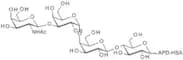
<p>3'-N-Acetylneuraminyl-N-acetyllactosamine HSA is a carbohydrate that is synthesized by the attachment of an acetyl group to a terminal glucose residue. The product is a custom synthesis and can be used for click modification. 3'-N-Acetylneuraminyl-N-acetyllactosamine HSA has been shown to have high purity and is a complex carbohydrate. This product comes in the form of an oligosaccharide or polysaccharide, which are carbohydrates composed of many sugars. 3'-N-Acetylneuraminyl-N-acetyllactosamine HSA has been fluorinated, which may reduce its degradation in vivo.</p>Formula:C25H42N2O20Purity:Min. 95%Molecular weight:690.6 g/molk-Carrapentaose trisulfate trisodium
<p>k-carrageenan derived pentasaccharide trisulphate+(3-6 anhydrogalactose)</p>Formula:C30H45O33S3Na3Purity:Min. 95%Molecular weight:1,098.83 g/mola-Tetrasaccharide-APE-KLH
<p>a-Tetrasaccharide-APE-KLH is a modification of the original tetrasaccharide APE-KLH conjugate. This modified conjugate has increased stability and higher binding affinity to the Fc receptor, which is required for antibody therapy. It is synthesized by custom synthesis and has high purity, with a CAS number of 674797-36-5. The monosaccharides in this conjugate are methylated and glycosylated, with a molecular weight of 1254. The saccharides are fluorinated and saccharide with a molecular weight of 1354.</p>Purity:Min. 95%Maltotriose
CAS:<p>Shortest chain oligosaccharide that can be classified as a maltodextrin. A component of liquid glucose (a commercial sweetener composed of glucose, maltose, maltotriose and maltotetrose).</p>Formula:C18H32O16Purity:Min. 90.0 Area-%Molecular weight:504.45 g/molMethyl 2-O-a-L-fucopyranosyl-b-D-galactoside
CAS:<p>Computational fluid dynamics (CFD) is the study of fluid flow, a subject which has been studied for over two thousand years. The idea of CFD is to use computers to solve the equations that govern fluid flow and to make predictions about the behavior of gases, liquids and complex fluids in various situations. Computational analysis can be used to calculate how air flows around an object such as a car or plane. This allows engineers to create designs with less drag. Computational analysis can also be used in designing buildings, bridges, and other structures that are exposed to large amounts of wind. <br>CFD is a "convective" computational method because it solves problems by using convection-diffusion equations with appropriate boundary conditions. A "transport" computational method solves problems by solving momentum equations and energy conservation equations simultaneously; this method is often more accurate than convective methods but computationally more expensive. A "laminar" computational method solves problems by solving continuity equations. A "nature</p>Purity:Min. 95%Blood Group B trisaccharide-b-allyl glycoside
<p>Useful glycosylation donor</p>Formula:C21H36O15Purity:Min. 95%Molecular weight:528.5 g/molMethyl 2-acetamido-2-deoxy-6-O-(b-D-galactopyranosyl)-b-D-glucopyranoside
<p>Methyl 2-acetamido-2-deoxy-6-O-(b-D-galactopyranosyl)-b-D-glucopyranoside is a carbohydrate that is modified by the addition of a methyl group to the C3 position. The glycosylation of this carbohydrate can be achieved by using a variety of methods, including Click chemistry and Methylation. This product has been custom synthesized for high purity and can be used in various applications, such as Glycosylation and Polysaccharide synthesis.</p>Formula:C15H27NO11Purity:Min. 95%Molecular weight:397.38 g/mol8-Methoxycarbonyl-3-benzyl-3',4',6',6-tetra-O-acetyl-N,N'-diacetyl-b-chitobioside
CAS:<p>8-Methoxycarbonyl-3-benzyl-3',4',6',6-tetra-O-acetyl-N,N'-diacetyl b-chitobioside is a synthetic product that belongs to the class of glycosides. This compound has been modified by the incorporation of methyl and fluorine atoms. It is used as an intermediate in the synthesis of oligosaccharides and saccharides for use in biotechnology research.</p>Formula:C39H58N2O16Purity:Min. 95%Molecular weight:810.88 g/molMelibiulose
CAS:<p>Melibiulose is a dietary supplement that has been shown to help maintain the health of the human immune system. It has also been shown to stimulate prostate cancer cells. Melibiose, the sugar molecule found in melibiulose, has been found to be processed by toll-like receptor 2 and 4, which are proteins found on the surface of immune cells. The glycan structure of melibiose may be responsible for its conditioning effects as it binds to proteases and surfactants, preventing them from binding to other molecules. This ternary complex prevents glycosylation reactions and reduces viscosity in detergent compositions.</p>Formula:C12H22O11Purity:Min. 95%Molecular weight:342.3 g/molHuman urine oligosaccharides
<p>This mixture contains some of the neutral and sialylated oligosaccharides found in human urine.</p>Purity:Min. 95%Lactose-sp-biotin
<p>Lactose-sp-biotin is a complex carbohydrate that has been modified with biotin. It is synthesized by the click modification of lactose and spacer arm, followed by glycosylation with biotin. Lactose-sp-biotin is soluble in water, which makes it suitable for use as a food additive. This product can also be used for labeling and identification of biomolecules in various fields such as fluorescence, immunoassay, or immunohistochemistry.</p>Formula:C31H54N4O14SPurity:Min. 95%Color and Shape:PowderMolecular weight:738.85 g/mol3'-Sialyl Lewis X-BSA
<p>3'-Sialyl Lewis X-BSA is a custom synthesis that is a complex carbohydrate. This product has CAS number and is polysaccharide modification with methylation, glycosylation, and click modification. The 3'-Sialyl Lewis X-BSA is fluorinated for high purity and synthetic.</p>Purity:Min. 95%Color and Shape:White PowderMonosialyl, difucosyllacto-N-neohexaose
<p>Monosialyl, difucosyllacto-N-neohexaose is a high purity, custom synthesis sugar that can be modified with fluorination and glycosylation. It has CAS No. and has the following properties: oligosaccharide, monosaccharide, saccharide, complex carbohydrate. Monosialyl, difucosyllacto-N-neohexaose is a synthetic carbohydrate that is used in click modification and methylation. This product can also be used for glycosylation and modification.</p>Formula:C63H105N3O47Purity:Min. 95%Molecular weight:1,656.5 g/molMan-3b N-Glycan
CAS:<p>Man-3b N-Glycan is a glycan with a mannose backbone and an N-acetylglucosamine branch. This glycan can be customized to the user’s specification, including the desired sugar sequence and the length of the oligosaccharide. Man-3b N-Glycans are synthesized by modification of commercially available saccharides or by custom synthesis.</p>Formula:C34H58N2O26Purity:Min. 95%Molecular weight:910.82 g/mol3,2'-Di-O-acetyl-3',4'-O-carbonyl-6,6'-di-O-tert-butyldiphenylsilyl lactal
CAS:<p>3,2'-Di-O-acetyl-3',4'-O-carbonyl-6,6'-di-O-tert-butyldiphenylsilyl lactal is a custom synthesis of a fluorinated carbohydrate. It is a modification of an oligosaccharide and can be used in the synthesis of saccharides and polysaccharides. The CAS number for this compound is 163228-35-1. This compound has been modified with click chemistry to add methyl groups to the hydroxyl group on the sugar ring. This compound has been used as a monosaccharide or as a part of complex carbohydrates.</p>Formula:C35H62O12Si2Purity:Min. 95%Molecular weight:731.03 g/mol1,2,3,4-Tetra-O-acetyl-6-O-(2,3,4,6-tetra-O-acetyl-a-D-mannopyranosyl)-D-mannopyrannose
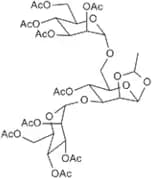
CAS:<p>1,2,3,4-Tetra-O-acetyl-6-O-(2,3,4,6-tetra-O-acetyl-aD-mannopyranosyl)-D-mannopyrannose is a tetrasaccharide that can be synthesized by modifying the sugar moiety of 1,2,3,4-tetra-O-[(2,3,4)-triacetyl]-6-[(1R)-1-(2,3,4,-triacetyl)glycoloyl]aD mannopyranose. This modified sugar moiety is then reacted with methyl fluoride to produce 1. It has been shown to inhibit the growth of bacteria and fungi.</p>Formula:C28H38O19Purity:Min. 95%Molecular weight:678.59 g/molEpi-N-Acetyl-lactosamine
CAS:<p>Epi-N-Acetyl-lactosamine is a glycosylation agent that is used to modify proteins, carbohydrates, and other biomolecules. It is also used in the synthesis of oligosaccharides and polysaccharides. This product has been custom synthesized to meet your specifications and has been purified to high purity.</p>Formula:C14H25NO11Purity:Min. 95%Molecular weight:383.35 g/molNGA3F N-Glycan
CAS:<p>NGA3F N-Glycan is a custom synthesis product that has been fluorinated, methylated, and modified with a click modification. It is a monosaccharide that can be found in the form of polysaccharides or glycosylations. This product is made of saccharides, which are carbohydrates that have been modified with glycosylation or polysaccharide modifications. NGA3F N-Glycan can be used in a variety of applications such as pharmaceuticals, food additives, and cosmetics.</p>Formula:C64H107N5O45Purity:Min. 95%Molecular weight:1,666.54 g/molCarboxymethyl cellulose sodium - Viscosity 2000-4000 mPa·s
CAS:<p>Food additive; soil suspension polymer in detergents; thickening agent</p>Purity:Min. 95%Color and Shape:Powder1,4-β-D-Cellotriitol
CAS:<p>1,4-b-D-Cellotriitol is a methylated cellobiose with a 1,4 glycosidic linkage. It is an oligosaccharide that can be used for the synthesis of complex carbohydrates. This product has a high purity and is custom synthesis.</p>Formula:C18H34O16Purity:Min. 95%Molecular weight:506.45 g/molα-6⁴-6³-Di-galactosyl-mannopentaose
CAS:<p>α-6⁴-6³-Di-galactosyl-mannopentaose is a specialized oligosaccharide, which is a type of complex carbohydrate. This compound is derived from natural plant sources and its structure comprises a mannopentaose core linked with two galactose units. The mode of action involves specific interactions with gut microbiota, where it selectively enriches beneficial bacterial populations, such as Bifidobacteria and Lactobacilli. These interactions occur by serving as a fermentation substrate, promoting the growth of microbes that confer beneficial effects on host health.</p>Formula:C42H72O36Purity:Min. 95%Molecular weight:1,153 g/molHydroxyvarenicline N-oxide
CAS:<p>Hydroxyvarenicline N-oxide is a drug product with a purity of 98.0%. It is an analytical standard used in metabolism studies, drug development, and pharmacopoeia. It has been shown to be metabolized by CYP450 enzymes to form its metabolite hydroxyvarenicline N-oxide sulfate. The CAS number for this compound is 2306217-11-6.</p>Purity:Min. 95%N,S-Carboxymethyl cysteine hydrochloride
CAS:<p>N,S-Carboxymethyl cysteine hydrochloride (NCC) is a drug product that is synthesized from cysteine. It has been used in analytical chemistry, metabolism studies, and drug development. NCC has been shown to be a natural metabolite of cysteine when administered orally to rats or mice. It is also an impurity standard for HPLC analysis and has been used as an API impurity in the synthesis of other drugs.<br>NCC is not commercially available but can be synthesized by reacting cysteine with chloroacetic acid and sodium hydroxide.</p>Formula:C7H11NO6S·HClPurity:Min. 95%Molecular weight:273.69 g/molHyaluronate fluorescein - Molecular Weight - 250kDa
<p>Hyaluronate fluorescein is a large molecular weight, high-molecular weight, high-purity, highly modified carbohydrate. It is a synthetic oligosaccharide that has been chemically modified with methylation and saccharide. Hyaluronate fluorescein is synthesized using Click chemistry to add a fluorescent tag at the reducing end of the molecule. This product can be used for custom synthesis and glycosylation. Hyaluronate fluorescein is available in various sizes including 250kDa.</p>Purity:Min. 95%Benzyl N,N'-di-acetyl-b-chitobioside
CAS:<p>Benzyl N,N'-di-acetyl-b-chitobioside is a fluorinated glycoside. It is a synthetic compound that has been modified by the addition of a benzyl group to the acetyl group at the C3 position and an N,N'-diacetyl group to the b-chitobioside. This modification has been carried out in order to improve its water solubility and bioavailability.</p>Formula:C23H34N2O11Purity:Min. 95%Color and Shape:PowderMolecular weight:514.52 g/molHybrid N-Glycan
CAS:<p>Hybrid N-glycans are glycan structures that contain both a high mannose and complex type oligosaccharide. Hybrid N-glycans are expressed on the surface of mammalian cells, and they can be found in human serum. Hybrid N-glycans have been shown to activate caspase 3 and induce apoptosis in some mouse models. They also have biological functions such as growth factor binding or antibody binding. Hybrid N-glycans may be involved in the activation of the immune system or in the development of cancerous tumors.</p>Formula:C62H104N4O46Purity:Min. 95%Color and Shape:PowderMolecular weight:1,641.49 g/molSucrose octasulfate octatriethylammonium salt
CAS:<p>Used for treatment of duodenal ulcers and gastroesophageal reflux</p>Formula:C12H22O35S8•(C6H15N)8Purity:Min. 95%Color and Shape:PowderMolecular weight:982.81 g/mol4-O-(a-D-Galactopyranosyl)-b-D-galactopyranosyl-CETE-BSA Conjugate
<p>This product is a complex carbohydrate that is used in the modification of oligosaccharides and polysaccharides. It is synthesized by reacting 4-O-(a-D-galactopyranosyl)-b-D-galactopyranosyl chloride with bovine serum albumin (BSA) under acidic conditions. The product has a purity of greater than 98% and a molecular weight of approximately 3,000 Daltons.</p>Purity:Min. 95%Molecular weight:77,000 g/molAPF Sialoglycopeptide ammonium
CAS:<p>APF Sialoglycopeptide ammonium salt is a custom synthesis of sialoglycopeptides. The molecule is modified with fluorination, methylation and click modification. It contains a monosaccharide and an oligosaccharide. The saccharide is glycosylated to a complex carbohydrate. APF Sialoglycopeptide ammonium salt has CAS No.:</p>Formula:C63H107N11O29Purity:Min. 95%Color and Shape:PowderMolecular weight:1,482.58 g/mol1,3,4,6-Tetra-O-acetyl-2-(2,3,4-tri-O-benzyl-a-L-fucopyranosyl)-a-D-galactopyranose
CAS:<p>1,3,4,6-Tetra-O-acetyl-2-(2,3,4-tri-O-benzyl-a-L-fucopyranosyl)-a-D-galactopyranose is a methylated saccharide that has been synthesized to be used in the synthesis of complex carbohydrates. It is also called Tetra O Acetyl D Galactopyranoside. The chemical name of this product is 1,3,4,6 Tetra O Acetyl 2-(2,3,4 Tri O Benzyl A L Fucopyranosyl) A D Galactopyranose Methyl Ester. This product is also known as 6Fluoro 3 Indoxyl Beta D Galactopyranoside. This product can be custom synthesized to order and it can be modified based on customer specifications.</p>Formula:C41H48O14Purity:Min. 95%Molecular weight:764.81 g/molRhodionin
CAS:<p>Rhodionin is a natural product that has been shown to be effective as a food preservative. It is produced through the extraction of usnic acid from Rhodiola rosea and has been used in the study of amyloid protein. Rhodionin is an extractant that has been shown to be able to control analysis of sodium citrate in food composition. The use of rhodionin for this purpose was found to be practical and effective, with no significant changes in the quality or quantity of citric acid. This extractant also shows promise as an analytical method for the detection of ganoderma lucidum, human liver cancer cells, and flavonol glycosides.</p>Formula:C21H20O11Purity:Min. 95%Molecular weight:448.38 g/mol3'-Sialyllactose-GEL
<p>3'-Sialyllactose-GEL is a custom synthesis of a complex carbohydrate. It has CAS No. and is a polysaccharide that has been modified by methylation, glycosylation, and click modification. 3'-Sialyllactose-GEL is a high purity product with fluorination. It is synthetic and has a molecular weight of 1,000 Daltons.</p>Purity:Min. 95%DNS-SGN
<p>DNS-SGN is a synthetic, high purity, methylated, glycosylated, complex carbohydrate. This product is custom synthesized and has been fluorinated with a click modification. DNS-SGN is CAS Number: 598-02-3.</p>Formula:C100H155N9O66SPurity:Min. 95%Molecular weight:2,571.39 g/molHyaluronate fluorescein - Molecular Weight - 2500kDa
<p>Hyaluronate fluorescein is a polymer of hyaluronic acid that has been modified with fluorescein. It is synthesized by the methylation and saccharide coupling of an oligosaccharide, followed by Click modification and the addition of a fluorescent dye. Hyaluronate fluorescein has a molecular weight of 2500kDa. It is highly purified and can be custom-synthesized to suit specific needs.</p>Purity:Min. 95%Color and Shape:PowderMethyl a-N-acetyllactosamine
CAS:<p>Methyl a-N-acetyllactosamine is a custom synthesis of Methyl a-N-acetylgalactosamine. This compound has been modified by fluorination, methylation, and click modification to yield the desired product. The monosaccharide structure was synthesized from the corresponding glycosyl halide and protected amino acid. The glycosylation reaction between this monosaccharide and the oligosaccharide containing an unprotected hydroxyl group yields the desired product. The purity of this compound is greater than 99%.</p>Formula:C15H27NO11Purity:Min. 95%Molecular weight:397.38 g/mol1,4-b-D-Cellopentaitol
CAS:<p>1,4-B-D-Cellopentaitol is a high purity and custom synthesis sugar. It can be modified with fluorination, glycosylation, methylation, or modification. It has CAS No. 61473-65-2 and is an oligosaccharide with a saccharide backbone consisting of 1,4-linked D-glucopyranosyl units joined by alpha-(1,4) linkages and containing one or more monosaccharides (e.g., glucose) or disaccharides (e.g., cellobiose). The carbohydrate may be in the form of a complex carbohydrate.</p>Formula:C30H54O26Purity:Min. 95%Molecular weight:830.73 g/molLacto-N-fucopentaose II-APD-HSA
<p>Lacto-N-fucopentaose II-APD-HSA is a complex carbohydrate that has been chemically modified to include a fucose sugar. Lacto-N-fucopentaose II-APD-HSA is synthesized by the click reaction and then modified with the addition of an acetyl group. The product is then methylated and purified by HPLC. Lacto-N-fucopentaose II-APD-HSA can be used in a wide range of applications, including as a component in glycosylation reactions or as an adjuvant for fluorescence labelling.</p>Purity:Min. 95%NA3 N-Glycan
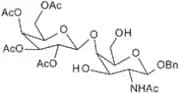
CAS:<p>NA3 N-glycan is a base that forms glycosidic bonds with other molecules. It has been shown to be pharmacologically active in tissues and has a safety profile. NA3 N-glycan is metabolized by the serine protease, which cleaves it from its glycosylated protein. The resulting molecule lacks a reactive group, which prevents it from forming toxic reactions with other molecules. NA3 N-glycan has been used for pharmacokinetic modeling and for mass spectrometric measurements of proteins in human serum and plasma.</p>Formula:C76H127N5O56Purity:Min. 95%Color and Shape:Solid.Molecular weight:2,006.82 g/molBenzyl 2-acetamido-3-O-(2,3,4,6-tetra-O-acetyl-b-D-galactopyranosyl)-2-deoxy-4,6-O-isopropylidene-D-galactopyranose
<p>This is a custom synthesized, high purity and complex carbohydrate. The synthesis process involves the following steps: 1) Acetylation of a monosaccharide, 2) Fluorination, 3) Methylation, 4) Oligosaccharide formation, 5) Polysaccharide formation with glycosylation and 6) Click modification. <br>Benzyl 2-acetamido-3-O-(2,3,4,6-tetra-O-acetyl-b-D-galactopyranosyl)-2-deoxy-4,6-O-isopropylidene-D-galactopyranose is an oligosaccharide that has been modified by methylation and click chemistry. It has CAS No. 77562-20-0 and can be used as a sugar in various applications.</p>Formula:C32H43NO15Purity:Min. 95%Molecular weight:681.7 g/molO-[2-Acetamido-4,6-O-benzylidene-2-deoxy-3-O-(2,3,4,6-tetra-O-acetyl-b-D-galactopyranosyl)-a-D-galactopyranosyl]-N-Fmoc-L-threonine allyl ester
CAS:<p>O-[2-Acetamido-4,6-O-benzylidene-2-deoxy-3-O-(2,3,4,6-tetra-O-acetyl-b-D-galactopyranosyl)-a-D-galactopyranosyl]-N -Fmoc--L--threonine allyl ester is a carbohydrate that can be custom synthesized. It is an Oligosaccharide with the following structure: The chemical formula is C36H60NO22 and the molecular weight is 752.8 g/mol. It has a CAS number of 384346–85–4 and it's Chemical Abstract Service (CAS) name is O-[2-(acetamido)-4,6-[O-(2,3,4,6 tetra‑O‑acetyl‑β‑D‑galactopyranosyl)‑α‑</p>Formula:C51H58N2O19Purity:Min. 95%Molecular weight:1,003.01 g/mol4-Methoxyphenyl 4-O-[3,6-di-O-benzyl-2-deoxy-4-O-(4,6-O-benzylidene-2-O-levulinoyl-b-D-glucopyranosyl)-2-phthalimido-b-D-glucopyrano sy]-3-O-benzyl-2-deoxy-6-O-(4-methoxybenzyl)-2-phthalimido-b-D-glucopyranoside
<p>4-Methoxyphenyl 4-O-[3,6-di-O-benzyl-2-deoxy-4-O-(4,6-O-benzylidene-2-O-levulinoyl)-bDglucopyranosyl]-2-phthalimido -bDglucopyranoside is a modification of the natural compound 3,6 di O benzyl 2 deoxy 4 O (4,6 O benzylidene 2 O levulinoyl) b D glucopyranosyld. It is a synthetic oligosaccharide that contains one monosaccharide and two polysaccharides. The synthesis of this product involves methylation and glycosylation. This compound has CAS number 5374031 and can be used as an intermediate in the synthesis of other products with fluorination or saccharide modifications.</p>Formula:C82H80N2O22Purity:Min. 95%Color and Shape:White to off-white crystalline powder.Molecular weight:1,445.51 g/mola-D-Galactopyranosyl-(1-1)-a-D-galactopyranoside
CAS:<p>a-D-Galactopyranosyl-(1-1)-a-D-galactopyranoside is a complex carbohydrate that belongs to the saccharides. It is an oligosaccharide that contains both a monosaccharide and a disaccharide. This compound is synthesized from sugar, which is obtained from sucrose. The sugar molecule has been modified with fluorination, methylation, glycosylation, and click chemistry. This product has high purity and can be custom synthesized for any specific requirements.</p>Formula:C12H22O11Purity:Min. 95%Molecular weight:342.3 g/mol(R)-3-((R)-5-Oxopyrrolidine-2-carbonyl)thiazolidine-4-carboxylic acid
CAS:<p>(R)-3-((R)-5-Oxopyrrolidine-2-carbonyl)thiazolidine-4-carboxylic acid is a research and development, impurity standard, custom synthesis, drug product, synthetic, high purity, pharmacopoeia, drug development and analytical reagent. CAS No. 162148-17-6</p>Formula:C9H12N2O4SPurity:Min. 95%Molecular weight:244.27 g/mol3',4'-O-Carbonyl-6,6'-di-O-tert-butyldiphenylsilyl lactal
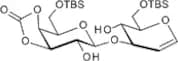
CAS:<p>3',4'-O-Carbonyl-6,6'-di-O-tert-butyldiphenylsilyl lactal is a synthetic oligosaccharide that has been modified with a click modification. It is comprised of 3 different monosaccharides, one saccharide, and one carbonyl group. This carbohydrate is synthesized from the natural sugar D-ribose, which is modified with an O-tert-butyldiphenylsilyl lactal. The synthesis begins with the addition of a methyl group to the sugar's primary hydroxyl group. Then the sugar is reacted with fluorine gas to form an ether bond between the sugar's primary hydroxyl and its secondary hydroxyl. The final step in the synthesis involves glycosylation of the terminal hydroxyl groups on each monosaccharide.</p>Formula:C45H54O10Si2Purity:Min. 95%Molecular weight:811.08 g/molGT2-Oligosaccharide
<p>GT2 oligosaccharide (free acid) has a core trisaccharide structure (GalNAcβ1,4Galβ1,4Glc) with three sialic acid residues (NeuAc) linked α2,8/α2,8/α2,3 to the inner galactose residue (Ledeen, 2009). GT2 oligosaccharide is the carbohydrate moiety in the GT2 ganglioside. A key role has been reported for gangliosides, such as, GT1b and GT2 as modulators in the interaction between microglia (resident cells of the brain that regulate brain development) and brain tumors. It is possible that they will be important targets for therapeutical intervention in the near future (Daniele, 2020). In addition, C-series gangliosides, such as GT3, GT2, GQ1c, and CP1c are expressed in normal pancreatic tissue but are practically lost in the pancreas of diabetic animals (Saito, 1999).</p>Formula:C53H83N4O40Na3Purity:Min. 95%Molecular weight:1,485.2 g/molBlood Group B type II linear trisaccharide amine linker
<p>The linear trisaccharide amine linker is an oligosaccharide that is synthesized by glycosylation of a linear trisaccharide with an amine-containing monosaccharide. The resulting product is then methylated using the Mitsunobu reaction to yield the desired product. This product has been shown to be useful as a linker in complex carbohydrates. It has been shown to have high purity and can be custom synthesized for your specific needs.</p>Purity:Min. 95%N,N'-Diacetylchitobiosyl allosamizoline
CAS:<p>N,N'-Diacetylchitobiosyl allosamizoline is an analog of the insect-inhibiting allosamidin. It has been shown to have inhibitory activity against chitinases and it is a stereoselective inhibitor of chitin synthase. N,N'-Diacetylchitobiosyl allosamizoline is used as a substrate in coupling reactions to produce disaccharides that contain the chitobiose unit. This type of enzyme inhibition may be useful in combating insects that feed on plants or other organisms with exoskeletons made up of chitin.</p>Formula:C25H42N4O14Purity:Min. 95%Molecular weight:622.62 g/mol4-Glucopyranosylmannose
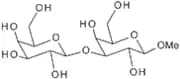
CAS:<p>4-Glucopyranosylmannose is a disaccharide compound, which is a synthetic carbohydrate derived from the enzymatic or chemical glycosylation processes. It consists of glucose and mannose units linked through a glycosidic bond. The compound is sourced through advanced synthetic methodologies involving specific glycosyltransferases or chemical catalysts that facilitate the precise attachment of these sugar moieties.</p>Formula:C12H22O11Purity:Min. 95%Molecular weight:342.3 g/molMethyl 3-O-(a-D-galactopyranosyl)-b-D-galactopyranoside
<p>Methyl 3-O-(a-D-galactopyranosyl)-b-D-galactopyranoside is a fluorinated methylated carbohydrate. It is an oligosaccharide with a sugar backbone. The sugar in the molecule is a monosaccharide, which is attached to other sugars through glycosylation. Methyl 3-O-(a-D-galactopyranosyl)-b-D-galactopyranoside has been synthesized and can be custom synthesized for specific requirements. It has high purity and can be obtained with a variety of modifications, such as fluorination to increase its stability. This compound can be used in a variety of applications, including the treatment of tuberculosis infections and cancer.</p>Formula:C13H24O11Purity:Min. 95%Color and Shape:White to off-white solid.Molecular weight:356.32 g/molNA4 N-Glycan
CAS:<p>NA4 is a n-glycan with an average molecular weight of about 3.5 kDa. NA4 is found in the blood and urine of human beings and other mammals, as well as in the milk from cows. It is a major component of mucus secreted by the respiratory tract, and it can be found in the outer layer of the skin. NA4 contains a single N-acetylglucosamine (NAG) residue at its reducing end.</p>Formula:C90H150N6O66Purity:Min. 95%Color and Shape:PowderMolecular weight:2,372.15 g/mol1,4-β-D-Glucosyl-D-mannobiose
CAS:<p>1,4-β-D-Glucosyl-D-mannobiose is a specialized carbohydrate substrate, which is derived from complex polysaccharides typically found in plant cell walls. It acts as a substrate for endo-1,4-β-mannanase, an enzyme that cleaves specific glycosidic bonds within mannans. This substrate facilitates the investigation of enzymatic activity by allowing the measurement of endo-1,4-β-mannanase efficiency and specificity under controlled conditions.In biochemical enzyme assays, 1,4-β-D-Glucosyl-D-mannobiose serves as a critical component for quantifying mannanase activity. It enables researchers to study the enzyme's role in various biological processes, including polysaccharide degradation. Additionally, this product is invaluable in in vitro diagnostic analyses where precise enzyme activity assessment is crucial for understanding pathological states or the functionality of industrial enzyme preparations. Its applications extend to biotechnology research, where it aids in the formulation of enzyme-based solutions and optimization of enzymatic reactions in diverse biological and industrial contexts.</p>Formula:C18H32O16Purity:Min. 95%Molecular weight:504.4 g/molBenzyl 4-O-(2-acetamido-2-deoxy-3,4,6-tri-O-acetyl-b-D-glucopyranosyl)-N-acetyl-a-D-muramic acid methyl ester
<p>This substance is a custom synthesis, which is created in the laboratory. The modification of this product has been done by fluorination, methylation, and monosaccharide synthesis. This substance is a synthetic compound that belongs to the group of oligosaccharides. It is a saccharide that contains an oxygen atom and belongs to the group of complex carbohydrates. It has been shown to be effective against cancer cells in vitro and has been used as a diagnostic agent for breast cancer.</p>Formula:C33H46N2O16Purity:Min. 95%Molecular weight:726.72 g/molSialylglycan
<p>Sialylglycan is a glycan that is found on the surface of cells and is important in cell-cell interactions. It is involved in the binding of influenza virus to its receptor, and sialylglycan has been shown to be bifunctional, meaning it can act as both an antigen and an antibody. Sialylglycan oligosaccharides are found in muscle tissue, which is where influenza viruses are most likely to attach. The molecule's fluorimetric properties have also been used to study outbreaks of avian influenza. <br>Sialylglycan has been used for gene analysis by attaching fluorescent tags to the molecule that can be detected using fluorescence microscopy techniques. In vivo assays have also been performed with sialylglycan as a model antigen.</p>Formula:C76H125N5O57Purity:Min. 95%Color and Shape:PowderMolecular weight:2,020.81 g/mol4-Methoxyphenyl 4-O-[6-O-(methyl 5-acetamido-4,7,8,9-tetra-O-acetyl-3,5-dideoxy-D-glycero-b-D-galacto-2-nonulopyranosylonate)-2,3-di -O-benzyl-b-D-galactopyranosyl]-2,3,6-tri-O-benzyl-b-D-glucopyranoside
<p>4-Methoxyphenyl 4-O-[6-O-(methyl 5-acetamido-4,7,8,9-tetra-O-acetyl-3,5-dideoxy-D-glycero-b-D-galacto 2 nonulopyranosylonate)-2,3 -di -O -benzyl b D galactopyranosyl]-2,3,6 -tri -O benzyl b D glucopyranoside is a modification of a sugar molecule. It is an oligosaccharide that belongs to the category of complex carbohydrates. The sugar is synthesized from monosaccharides and polysaccharides. The chemical name for the sugar is 4 methoxyphenyl 4 O-[6 O (methyl 5 acetamido 4 7 8 9 tetra O acetyl 3 5 dideoxy D glycero b D galacto 2 nonul</p>Purity:Min. 95%4-Methoxyphenyl 2,4-di-O-benzoyl-3-O-benzyl-6-O-[methyl 5-(acetoxyacetamido)-4,7,8,9-tetra-O-acetyl-3,5-dideoxy-D-glycero-α-D-ga lacto-2-nonulopyranosylonate]-β-D-galactopyranoside
<p>The methylation of a glycosylation is an organic chemistry technique that can be used to modify the chemical structure of a carbohydrate. A glycosylation is the reaction between an alcohol and a sugar, which produces a glycoside. The addition of methyl groups at specific positions on the sugar molecule can lead to improved properties such as increased stability, increased solubility, or increased uptake by cells. This process has been shown to produce compounds with more desirable pharmacological properties than their parent compounds. Click chemistry is a versatile and powerful method for modifying carbohydrates. It involves the use of copper-catalyzed azide-alkyne cycloaddition reactions to form carbon-nitrogen bonds in place of conventional amide linkages in peptides and proteins. Carbohydrates are modified using this method by attaching small molecules such as fluorine atoms onto one or more carbons in the carbohydrate structure. This process can be used to create novel sugars with improved properties including high purity, high stability</p>Formula:C56H61NO23Purity:Min. 95%Molecular weight:1,116.08 g/mol3,6-Di-O-(3,4,6-tri-O-acetyl-b-D-mannopyranosylethylidyne)-1,2-O-ethylidene-b-D-mannopyranose
CAS:<p>3,6-Di-O-(3,4,6-tri-O-acetyl-b-D-mannopyranosylethylidyne)-1,2-O-ethylidene-b-D-mannopyranose is a synthetic glycoside that is used as an intermediate in the production of other compounds. It has been modified with fluorine to give it increased stability. This product is also known as 3,6:3',4',6'-di(1,2:1') ethylidene-.beta.-D-.mannopyranose and has CAS number 230963–26–5.</p>Formula:C37H52O23Purity:Min. 95%Molecular weight:864.79 g/molMan-a-2-Man-a-3-Man-b-4-GlcNAc
<p>Man-a-2-Man-a-3-Man-b-4-GlcNAc is a custom synthesis of an oligosaccharide that belongs to the group of polysaccharides. It has a CAS number and can be modified with methylation, glycosylation, and click modification. This product is a sugar that can be used in pharmaceuticals and other applications. It is fluorinated, which makes it resistant to degradation by bacteria. Man-a-2-Man-a-3-Man-b-4-GlcNAc has high purity and is a synthetic carbohydrate.</p>Purity:Min. 95%2,3,1',3',4',6'-Hexa-O-acetyl-sucrose
CAS:<p>2,3,1',3',4',6'-Hexa-O-acetyl-sucrose is a custom synthesis carbohydrate with a complex structure. The chemical name for this compound is 2,3,1',3',4',6'-hexahydroxy-α-D-glucopyranosyl-(1→2)-β-D-fructofuranoside. It has the CAS number 52706-47-5 and the molecular weight of 593.54 g/mol. This product can be used in various applications including Oligosaccharides, Polysaccharides, Modification, saccharide, Methylation, Glycosylation, Click modification and Carbohydrate. 2,3,1',3',4',6'-Hexa-O-acetyl-sucrose is also a high purity product that is Fluorinated and Synthetic.</p>Purity:Min. 95%Hyaluronate biotin - Molecular Weight - 50kDa
<p>Hyaluronate biotin is a complex carbohydrate that contains both a saccharide and a polysaccharide. The saccharide is usually linked to the backbone of the polysaccharide via glycosylation.</p>Purity:Min. 95%Galacto-N-biose-PAA-biotin
<p>Galacto-N-biose-PAA-biotin is a carbohydrate that is synthesized by the addition of PAA (polyallylamine) to galactose. This compound can be used in fluorescence labeling and detection of carbohydrates, glycosylation, and polysaccharide synthesis. Galacto-N-biose-PAA-biotin has a CAS number (CAS: 146988-01-4).</p>Purity:Min. 95%Color and Shape:White/Off-White Solida1,4-Mannobiose-BSA
<p>a1,4-Mannobiose-BSA is a complex carbohydrate that can be synthesized in the laboratory. It is composed of mannose and glucose units. This molecule has been modified with methyl groups, which can be used for click chemistry reactions. Mannobiose-BSA is a polysaccharide with CAS number 56938-64-2. It has been modified by Click chemistry and glycosylation to yield high purity compounds.</p>Purity:Min. 95%Maltoundecaose
CAS:<p>Maltoundecaose is a glycogen storage molecule found in barley and other plants. Maltoundecaose is synthesized from maltotetraose by the enzyme isoamylase, which cleaves the alpha-1,4 glycosidic linkage between two glucose molecules. Maltoundecaose can be hydrolyzed by the enzyme maltodextrin phosphorylase to form maltotriose and glucose. Maltotetraose is synthesized from sucrose by UDP-glucose pyrophosphorylase. The enzyme has been shown to have a mutation that leads to an increase in activity, which may be due to its autocatalytic nature. Maltotetraose also has three glucosidic linkages, which are formed between two glucose molecules and one of four different residues: dodecyl, hydroxymethylpentadecyl, octadecyl or hexadecyl. Maltotetraose can be hydrolyzed by</p>Formula:C66H112O56Purity:Min. 95%Color and Shape:PowderMolecular weight:1,801.56 g/mol2-Acetamido-4-O-(2,3,4,6-tetra-O-acetyl-b-D-galactopyranosyl)-1,6-di-O-benzyl-2-deoxy-a-D-glucopyranoside
CAS:<p>The glycoconjugate is a glycosylation of an oligosaccharide with a monosaccharide. It is synthesized by the reaction of an activated saccharide with an alcohol or amine, and is modified by methylation, click modification, fluorination or acetylation. The glycoconjugate has been shown to be used as a potential treatment for cancer.</p>Formula:C36H45NO15Purity:Min. 95%Molecular weight:731.74 g/mol3,4,6-Tri-O-acetyl-2-O-(2,3,4-tri-O-benzoyl-a-L-fucopyranosyl)-D-galactopyranosyl trichloroacetimidate
<p>3,4,6-Tri-O-acetyl-2-O-(2,3,4-tri-O-benzoyl-a-L-fucopyranosyl)-D-galactopyranosyl trichloroacetimidate is a sugar. It is a complex carbohydrate that is a polysaccharide made up of three monosaccharides: D-, L-, and erythro-. This molecule has been fluorinated at the C3 position. The CAS number for this compound is 123787−06−1. 3,4,6-Tri-O-acetyl-2-O-(2,3,4-tri-O--benzoyl--a--L--fucopyranosyl)-D--galactopyranosyl trichloroacetimidate is custom synthesized and has high purity.</p>Formula:C41H40Cl3NO16Purity:Min. 95%Molecular weight:909.11 g/mol2,3,6,2',3',4',6'-Hepta-O-acetyl-b-D-lactosyl isothiocyanate
CAS:<p>2,3,6,2',3',4',6'-Hepta-O-acetyl-b-D-lactosyl isothiocyanate is a fluorinated oligosaccharide that has been custom synthesized with a click modification. This compound is a high purity product and can be used in the synthesis of complex carbohydrates.</p>Formula:C27H35NO17SPurity:Min. 95%Molecular weight:677.64 g/mol[UL-13C6glc]Lactose monohydrate
<p>The product is a high purity, custom synthesis, sugar. It is fluorinated and glycosylated. The product has click modification and methylation. This product can be modified with a variety of reagents such as saccharide, oligosaccharide, and monosaccharide. The CAS Number for this product is [UL-13C6glc]Lactose monohydrate.</p>Purity:Min. 95%D-Cellohexaose
CAS:<p>Substrate for β-glucosidase</p>Formula:C36H62O31Purity:Min. 95%Color and Shape:White Off-White PowderMolecular weight:990.86 g/molLacto-N-tetraose-BSA
<p>Lacto-N-tetraose-BSA is a carbohydrate that contains four monosaccharides. It has been shown to be an autoantibody in patients with myasthenia gravis and can cause muscle weakness by binding to the muscle protein, actin. Lacto-N-tetraose-BSA has also been found to bind with nerve tissue and may be involved in the development of sclerosis. This carbohydrate is also negatively charged and agglutinates red blood cells. When used for immunofluorescence, it shows a strong reaction against glycoconjugates on the surface of neurons and nerve tissue. Lacto-N-tetraose-BSA binds specifically to bovine serum albumin (BSA) containing antibodies, which are produced by immune cells called B cells. The binding sites are located on the outer part of the molecule, near the sugar residues.</p>Purity:Min. 95%Color and Shape:PowderN,N'-Diacetyl-3,6,3',4',6'-penta-O-acetyl-1-chlorochitobioside
CAS:<p>N,N'-Diacetyl-3,6,3',4',6'-penta-O-acetyl-1-chlorochitobioside is a galactosyltransferase inhibitor. It prevents the enzymatic transfer of a sugar group from UDP-galactose to an acceptor molecule by binding to the enzyme. N,N'-Diacetyl-3,6,3',4',6'-penta-O-acetyl-1-chlorochitobioside inhibits the enzymatic galactosylation of glycoproteins in cells and has been shown to be effective against bacterial strains resistant to other antibiotics. This drug is also chemoenzymatically synthesized using enzymes and chemical reagents.</p>Formula:C26H37ClN2O15Purity:Min. 95%Molecular weight:653.03 g/molGalb1-3Galb1-4GlcNAcb1-3Galb1-4Glc
CAS:<p>Galb1-3Galb1-4GlcNAcb1-3Galb1-4Glc is a complex carbohydrate that is synthesized from Galb1-4GlcNAcb1-3Galb1-4Glc and 3,6-anhydro-L-galactose. It has been modified with fluorination to prevent degradation. The synthesis of this product may be modified by methylation, glycosylation, or carbonylation. Galb1-3Galb1-4GlcNAcb1-3Galb1-4Glc has CAS No. 443660-52-4 and a purity of 96%. This product is stable at room temperature and may be used in the preparation of vaccines or diagnostic kits.</p>Formula:C32H55NO26Purity:Min. 95%Molecular weight:869.77 g/mol1',6,6'-Trichloro sucrose
CAS:<p>1',6,6'-Trichloro sucrose is a complex carbohydrate that is synthesized from sucrose by the methylation of the hydroxyl groups followed by 1,6-dichlorination. This product has been shown to have a high degree of purity and can be used in a number of applications, including as a sugar substitute.</p>Formula:C12H19Cl3O8Purity:Min. 95%Molecular weight:397.63 g/mol3,4,2',3',6'-Penta-O-acetylsucrose
CAS:<p>3,4,2',3',6'-Penta-O-acetylsucrose is a deuterated analog of sucrose. It can be synthesized by reacting sucrose with acetyl chloride in the presence of a base. The transesterification reaction yields the desired product in an overall yield of about 20%. This process is similar to that used for the synthesis of fatty acid esters, but 3,4,2',3',6'-Penta-O-acetylsucrose does not exist in nature and cannot be found as a natural product. The X-ray crystallography studies show that 3,4,2',3',6'-Penta-O-acetylsucrose has a conformation different from that of 6-phosphate sucrose.</p>Formula:C22H32O16Purity:Min. 95%Molecular weight:552.49 g/mol3',4'-O-Carbonyl-6,6'-di-O-triisopropylsilyl lactal
CAS:<p>3',4'-O-Carbonyl-6,6'-di-O-triisopropylsilyl lactal is a custom synthesis used for the modification of complex carbohydrates with glycosylation and methylation. It can be used to synthesize oligosaccharides or polysaccharides with high purity and good yield. 3',4'-O-Carbonyl-6,6'-di-O-triisopropylsilyl lactal is also an effective fluorinating agent that can be used in the synthesis of monosaccharides by click chemistry.</p>Formula:C31H58O10Si2Purity:Min. 95%Molecular weight:646.96 g/mol2,3,6,2',3',4',6'-Hepta-O-acetyl-a-D-lactosyl fluoride
CAS:<p>2,3,6,2',3',4',6'-Hepta-O-acetyl-a-D-lactosyl fluoride (HAP) is a synthetic compound that has been modified with fluorine and methyl groups. It is a monosaccharide with a glycosylation pattern that includes a terminal glucose unit. HAP has been shown to be an effective carbohydrate in the synthesis of complex carbohydrate structures.</p>Formula:C26H35FO17Purity:Min. 95%Molecular weight:638.54 g/mol2,5-Anhydro-4-O-(a-L-idopyranosyluronic acid 2-sulfate)-D-mannofuranose 6-sulfate trisodium salt
<p>Methylation, Custom synthesis, Click modification, CAS No., Oligosaccharide, Polysaccharide, saccharide, Carbohydrate, Fluorination, complex carbohydrate, High purity, Modification. Monosaccharide sugar. Synthetic.<br>2-Anhydro-4-O-(a-L-idopyranosyluronic acid 2-sulfate)-D-mannofuranose 6-sulfate trisodium salt is a methylated and modified form of D-mannose. It is a monosaccharide with a molecular weight of 376.34 and a CAS number of 64459-77-5. This product can be used in the synthesis of oligosaccharides or polysaccharides as well as in the production of high purity mannose derivatives with modified linkages.</p>Formula:C12H15O17S2·Na3Purity:Min. 95%Molecular weight:564.34 g/molGM1-Ganglioside labelled by biotin
<p>GM1-biotin ganglioside (sodium salt) has a core tetrasaccharide structure (Galβ1,3GalNAcβ1,4Galβ1,4Glc) with sialic acid linked α2,3 to the inner galactose residue, ceramide linked β to position 1 on the reducing terminal glucose residue, and biotin to position 5 on sialic acid (Ledeen, 2009). GM1 ganglioside is abundant in all mammalian brains where it covers 10%-20% of the total ganglioside mixture. It is found in epithelial membranes and is a key element for bacterial toxicity and viral infection as it is the intestinal receptor for the cholera toxin, the B-subunits of heat-labile toxin, rotavirus, and simian virus 40. GM1 ganglioside functions as a neurotrophic and neuroprotective compound, and has been used therapeutically for diabetic and peripheral neuropathies. GM1 ganglioside also has the ability to bind amyloid-β proteins and is involved in Alzheimerâs pathogenesis (Chiricozzi, 2020).</p>Formula:C71H122N6O33SPurity:Min. 95%Molecular weight:1,619.82 g/molChondroitin sulphate hexasaccharide ammonium salt
<p>Chondroitin sulphate hexasaccharide ammonium salt is a synthetic glycoconjugate that is used as a drug for the treatment of osteoarthritis and other joint diseases. It is a complex carbohydrate consisting of glucuronic acid, galactose, N-acetylgalactosamine, and sulfate residues. Chondroitin sulphate hexasaccharide ammonium salt has high purity and can be custom synthesized to your specifications. This product is methylated with an acetyl group at carbon 6. The monosaccharides are modified by glycosylation with glucose or mannose residues. Chondroitin sulphate hexasaccharide ammonium salt has been click-modified to include a carboxylic acid moiety on the primary amine group at carbon 2 and an amino group on the terminal amino group at carbon 3.</p>Purity:Min. 95%Color and Shape:PowderMolecular weight:1,488 g/molGala1-3Galb1-4Glc-HSA
<p>Gala1-3Galb1-4Glc-HSA is a high purity, synthetic galactosylated glycosaminoglycan. Gala1-3Galb1-4Glc-HSA is an important component of the mucin layer that coats the gastrointestinal tract and protects it from infection. It also has a role in promoting epithelial cell growth and repair. The product is available in custom synthesis or can be modified to meet specific requirements.</p>Purity:Min. 95%Primeverose
CAS:<p>Primeverose is a p-hydroxybenzoic acid that is found in the genus Primula and mammalian tissue. Primeverose has been shown to inhibit the activity of an enzyme called fatty acid activated, which is involved in the biosynthesis of anthraquinone glycosides. Primeverose is also able to hydrolyze enzymes such as primeverose and may act as a signal peptide for biological samples. The hydroxyl group on primeverose can form hydrogen bonds with other molecules and is present in food composition.</p>Formula:C11H20O10Purity:Min. 95%Molecular weight:312.27 g/molGM2-Oligosaccharide-spacer-NH2 ammonium
<p>GM2-Oligosaccharide-spacer-NH2 ammonium is a complex carbohydrate with an oligosaccharide spacer and a hydrophobic NH2 group. The product is custom synthesized to your specifications and is available in high purity. It can be modified with fluorination or click chemistry. GM2-Oligosaccharide-spacer-NH2 ammonium is used in the synthesis of polysaccharides, saccharides, and carbohydrates. Some of its applications include modifying proteins, monosaccharides, and sugars.</p>Formula:C44H75N7O27·NH3Purity:Min. 95%Molecular weight:1,151.13 g/mol2-Acetamido-1,6-di-O-benzyl-3-O-(2,3,4-tri-O-benzyl-b-L-fucopyranosyl)-2-deoxy-4-O-(b-D-galactopyranosyl)-a-D-glucopyranoside
CAS:<p>CAS No. 71208-05-4 is a complex carbohydrate that belongs to the group of oligosaccharides, polysaccharides and modifications of saccharides. This compound was synthesized by methylation, glycosylation, carbamoylation and fluorination. It is available in high purity and with low impurities.</p>Formula:C55H65NO15Purity:Min. 95%Molecular weight:980.13 g/mol[12-C13]-Lactose monohydrate
<p>Tool for studying carbohydrate metabolism</p>Formula:C12H22O11·H2OPurity:Min. 98 Area-%Color and Shape:White PowderMolecular weight:372.22 g/molMaltohexaose
CAS:<p>Maltohexaose is a polysaccharide formed by 6 units of glucose and can be metabolised inside the cell to a substrate-based inhibitor of fucosyltransferases. It can also be converted to GDP-2-deoxy-2-fluoro-L-fucose, a competitive inhibitor of α-1,3-fucosyltransferase. Matohexaose is used as acceptor for measuring the activity of 4-Alpha-Glucanotransferase.</p>Formula:C36H62O31Purity:Min. 95.0 Area-%Molecular weight:990.86 g/mol3-O-(2-Acetamido-2-deoxy-a-D-glucopyranosyl)-D-galactose
CAS:<p>3-O-(2-Acetamido-2-deoxy-a-D-glucopyranosyl)-D-galactose is a synthetic compound that is synthesized by the reaction of 3,4,6-trihydroxypyranose with trifluoroacetic anhydride. The product can be purified to the desired level of purity using preparative HPLC or recrystallization. The CAS number for this compound is 97096-73-6.END></p>Formula:C14H25NO11Purity:Min. 95%Color and Shape:PowderMolecular weight:383.35 g/molBenzyl 4-O-(2,3,4,6-tetra-O-benzyl-a-D-galactopyranosyl)-2,3-di-O-benzyl-6-O-benzoyl-b-D-galactopyranoside
<p>Benzyl 4-O-(2,3,4,6-tetra-O-benzyl-a-D-galactopyranosyl)-2,3-di-0benzyl 6-O-benzoyl-b-D-galactopyranoside is a synthetic carbohydrate that belongs to the class of oligosaccharides. It has been modified by fluorination and methylation. This compound is also glycosylated and click modified.</p>Formula:C68H68O12Purity:Min. 95%Molecular weight:1,077.26 g/molHyaluronate fluorescein - Molecular Weight - 50kDa
<p>Hyaluronate fluorescein is a synthetic, high purity, custom-synthesized molecular weight of 50kDa. It is a complex carbohydrate with a sugar backbone and many attached monosaccharides. Hyaluronate fluorescein has been modified by methylation and glycosylation. This product can be used for fluorescent labeling of oligosaccharides and carbohydrates.</p>Purity:Min. 95%6,1',6'-Tri-O-tertbutyldiphenylsilyl-sucrose
CAS:<p>6,1',6'-Tri-O-tertbutyldiphenylsilyl-sucrose is a high purity, custom synthesis chemical. It is an oligosaccharide and complex carbohydrate that is a Click modification of sucrose. This chemical has been fluorinated, glycosylated, and methylated.</p>Purity:Min. 95%Lewis X trisaccharide methyl glycoside
CAS:<p>Lewis X is a glycoprotein found on the surface of red blood cells and is composed of a trisaccharide that is covalently attached to the protein. It is expressed in the cells of all individuals, but at different levels depending on their blood group. Lewis X is an antigen for monoclonal antibody, which recognizes it by binding to its sugar residues. The antibody can be used to detect Lewis X-expressing cells in the blood and for cancer diagnosis. Antibodies against Lewis X can also be used to inhibit tumor growth by enhancing natural killer cell activity and killing tumor cells.</p>Formula:C21H37NO15Purity:Min. 95%Color and Shape:PowderMolecular weight:543.52 g/mol1,3:1,4-b-Glucotetraose (A)
CAS:<p>1,3:1,4-B-glucotetraose (A) is a high purity and custom synthesis of Oligosaccharide. It is an oligosaccharide sugar derived from glucose. The chemical structure contains an alpha-(1,4)-linked 1,4-alpha-D-glucopyranosyl residue with a glycosylation at the 3 position. 1,3:1,4-B-glucotetraose (A) is synthesized by methylation of 1,3:1,4-B-glucotetraose (B), followed by fluorination and then click modification. This compound has CAS No. 58484-04-1 and can be used in applications such as Fluorination or Click Modification.</p>Formula:C24H42O21Purity:Min. 95%Molecular weight:666.58 g/molBlood Group B type I tetrasaccharide
CAS:<p>Gala1-3(Fuca1-2)Galb1-3GlcNAc</p>Formula:C26H45NO20Purity:Min. 95%Color and Shape:White/Off-White SolidMolecular weight:691.63 g/molBlood Group A tetrasaccharide type II
CAS:<p>A antigen tetrasaccharide Type I I, possible use in antiviral development</p>Formula:C28H48N2O20Purity:Min. 95%Color and Shape:PowderMolecular weight:732.68 g/molLactulose - liquid
CAS:<p>Lactulose is a non-absorbable sugar used in the treatment of constipation and hepatic encephalopathy. It is used by mouth for constipation and either by mouth or in the rectum for hepatic encephalopathy. It generally begins working after 8-12 hours, but may take up to 2 days to improve constipation.</p>Formula:C12H22O11Purity:Min. 95%Molecular weight:342.3 g/molBlood Group B type III/IV tetrasaccharide
CAS:<p>The blood group B type III/IV tetrasaccharide is a synthetic, fluorinated carbohydrate that has been custom synthesized for glycosylation and methylation. The monosaccharide of the tetrasaccharide is a hexose, which can be modified with fluorine and click chemistry. The product is a complex carbohydrate with high purity and can be used in pharmaceuticals as an antigen for immunoglobulin G (IgG) production.</p>Formula:C26H45NO20Purity:Min. 95%Molecular weight:691.63 g/molIso-lactosamine HCl
CAS:<p>Iso-lactosamine HCl is a synthetic monosaccharide, glycosylation product of galactose and lactic acid. It is used in the production of oligosaccharides and complex carbohydrates. Iso-lactosamine HCl is a white powder that can be dissolved in water or ethanol.</p>Formula:C12H23NO10·HClPurity:Min. 95%Molecular weight:377.77 g/molk-Carratriose disulfate disodium salt
<p>k-carrageenan derived trisaccharide disulfate</p>Formula:C18H30O21S2•2NaPurity:Min. 95%Color and Shape:White PowderMolecular weight:692.51 g/mol1,2,3,6-Tetra-O-acetyl-4-O-(2,3,4,6-tetra-O-acetyl-b-D-mannopyranosyl)-D-glucopyranose
CAS:<p>1,2,3,6-Tetra-O-acetyl-4-O-(2,3,4,6-tetra-O-acetyl-b-D-mannopyranosyl)-D-glucopyranose is a synthetic sugar that has been modified by the methylation of the hydroxyl groups at C1 and C6 with acetaldehyde. This sugar is used in glycosylation reactions to modify proteins and other biomolecules. The product is a white crystalline solid that has a CAS number of 132341-46-9. It can be custom synthesized for research purposes or as a high purity material for commercial use.</p>Formula:C28H38O19Purity:Min. 95%Molecular weight:678.59 g/molN-Acetylneuraminic acid trimer disodium salt
<p>N-Acetylneuraminic acid trimer disodium salt is a methylated saccharide that is used in the synthesis of complex carbohydrates. It can be modified by Click chemistry to produce a variety of compounds, including oligosaccharides. N-Acetylneuraminic acid trimer disodium salt can also be fluorinated for use as an organic fluorinating agent in glycosylation reactions to make sugar derivatives. This compound has high purity and is custom synthesized to meet customer needs.</p>Formula:C33H50N3O25Na3Purity:Min. 95%Color and Shape:White PowderMolecular weight:957.72 g/molNeocarratetraose-41-O-sulfate sodium salt
CAS:<p>Neocarratetraose-41-O-sulfate sodium salt is a high purity, synthetic oligosaccharide with a CAS number of 108321-78-4. It is an oligosaccharide that has been modified with methylation, saccharide, and Click modification. Neocarratetraose-41-O-sulfate sodium salt is used in the synthesis of complex carbohydrates and glycosylations. <br>Neocarratetraose-41-O-sulfate sodium salt is synthesized by reacting the sugar neocarratetraose with sulfuryl chloride to form the corresponding sulfonic acid chloride. The resulting compound is then treated with sodium hydroxide to produce its sodium salt form.</p>Formula:C24H37NaO22SPurity:Min. 95%Color and Shape:PowderMolecular weight:732.59 g/mol1,4-b-D-Cellotetraitol
CAS:<p>Cellotetraitol is a carbohydrate that has been isolated from the fungus Penicillium. It is a white crystalline solid that can be synthesized by hydrolyzing cellulose to cellobiose and then heating this sugar with acetic anhydride in the presence of sodium hydroxide. Cellotetraitol has two isomers, one of which is more active than the other. The most active form of cellotetraitol can be obtained as a crystalline solid at room temperature and has an optimal pH of 5. Cellotetraitol can be used for the synthesis of polyacrylamide gels, which are used to separate carbohydrates according to their size and charge.</p>Formula:C24H44O21Purity:Min. 95%Molecular weight:668.59 g/mol3-O-(2,3,4,6-Tetra-O-benzyl-a-D-glucopyranosyl)-1,2,4,6-tetra-O-acetyl-b-D-glucopyranose
CAS:<p>3-O-(2,3,4,6-Tetra-O-benzyl-a-D-glucopyranosyl)-1,2,4,6-tetra-O-acetyl-b-D-glucopyranose is an oligosaccharide that has been modified with a click modification. This compound is a complex carbohydrate and it is synthesized from a monosaccharide. 3-O-(2,3,4,6-Tetra-O-benzyl-a-D--glucopyranosyl)-1,2,4,6-- tetra--O--acetyl--b--D--glucopyranose is used in methylation reactions.</p>Formula:C48H54O15Purity:Min. 95%Molecular weight:870.93 g/molLinear B-6 trisaccharide 1-O-n-pentylamine
<p>Linear B-6 trisaccharide 1-O-n-pentylamine is a glycosylated, fluorinated, saccharide that can be custom synthesized. This compound can be modified with methyl groups, click chemistry, or fluorination. It has a CAS number of 188768-84-0 and is soluble in methanol, ethanol, and water. Linear B-6 trisaccharide 1-O-n-pentylamine is a monosaccharide with a molecular weight of 258.</p>Formula:C23H43NO16Purity:Min. 95%Molecular weight:589.58 g/molMonofucosyl, monosialyllacto-N-neohexaose-APD-HSA
<p>Monofucosyl, monosialyllacto-N-neohexaose-APD-HSA is a complex carbohydrate that is synthesized through the enzymatic polymerization of glucose. This synthetic oligosaccharide is composed of a single monosaccharide, fucose, and two sialic acid residues. Monofucosyl, monosialyllacto-N-neohexaose-APD-HSA can be used in the synthesis of various glycoconjugates such as glycoproteins, glycolipids, or proteoglycans. The chemical modification of this sugar molecule can also be performed to produce a variety of products with different properties.</p>Purity:Min. 95%Heparin disaccharide I-P trisodium salt
CAS:<p>Heparin disaccharide I-P trisodium salt is a synthetic, highly pure, custom-synthesized heparin derivative with a unique sequence of saccharides. It has been fluorinated and methylated to increase its stability and resistance to degradation by enzymes. Heparin disaccharide I-P trisodium salt is glycosylated, which increases its solubility in water and reduces the risk of precipitation. This product is also modified using click chemistry to introduce an oligosaccharide at one end of the molecule.</p>Formula:C15H20NO17S2Na3Purity:Min. 95%Color and Shape:White To Off-White SolidMolecular weight:619.42 g/molGlycyl-lacto-N-fucopentaose I
<p>Glycyl-lacto-N-fucopentaose I is an oligosaccharide that is a modified form of the carbohydrate, glycogen. It has been synthesized and its structure determined through the use of nuclear magnetic resonance spectroscopy. Glycyl-lacto-N-fucopentaose I is a complex carbohydrate with a molecular weight of 6,280 Da. The chemical formula for it is C194H290O60F6N8O6. This compound is soluble in water, ethanol, methanol, acetone and acetic acid. Glycyl-lacto-N-fucopentaose I has CAS No. 122959-00-5 and one monosaccharide unit methylated with one glycosylation site and one polysaccharide unit with two sugar units fluorinated.</p>Formula:C34H59N3O25Purity:Min. 95%Molecular weight:909.84 g/molBlood Group B type II tetrasaccharide
CAS:<p>Blood Group B type II tetrasaccharide is a carbohydrate that is synthesized by custom synthesis. It is a complex carbohydrate with a molecular weight of 909890-21-7. It has the chemical formula C6H14O6 and CAS No. 909890-21-7. Blood group B type II tetrasaccharide can be modified, methylated, glycosylated, and fluorinated. It is an oligosaccharide with a monosaccharide repeating unit that can be found in the blood group B type II antigen on erythrocytes. This saccharide has six sugar units (three glucose and three galactose) connected in a chain by alpha 1-3 glycosidic linkages. The sugar units are attached to each other by beta 1-4 glycosidic linkages.</p>Formula:C26H45NO20Purity:Min. 95%Molecular weight:691.63 g/molLacto-N-difucohexaose I-APD-KLH
<p>Lacto-N-difucohexaose I-APD-KLH is a synthetic, high purity, custom synthesis carbohydrate that has been fluorinated with APD and KLH. The carbohydrate is methylated and glycosylated. Lacto-N-difucohexaose I-APD-KLH has a CAS number of 73387-87-8.</p>Purity:Min. 95%Monofucosyl-para-lacto-N-neohexaose IV
CAS:<p>Monofucosyl-para-lacto-N-neohexaose IV is a monofucosylated glycan consisting of a single pyranose ring. It is a synthetic oligosaccharide that has been modified with Click chemistry to introduce an alkyne group at the reducing end. The alkyne group can be further modified by nucleophilic substitution reactions, such as fluorination, or glycosylation. Monofucosyl-para-lacto-N-neohexaose IV is used in the synthesis of complex carbohydrates.</p>Formula:C46H78N2O35Purity:Min. 95%Molecular weight:1,219.1 g/molLacto-N-tetraose-a-APD-HSA
<p>Lacto-N-tetraose-a-APD-HSA is a saccharide that is a methylated monosaccharide with an N-acetylgalactosamine residue. This product has been modified by the addition of an acetyl group to the 3' hydroxyl group. It is available in custom synthesis and can be used as a substrate for glycosylation or as an intermediate for fluoroquinolone modification. Lacto-N-tetraose-a-APD-HSA is also a high purity, synthetic product with CAS No. 129004-44-4.</p>Purity:Min. 95%Hepta-O-acetyl-β-Lactosyl-N-Fmoc-L-serine
CAS:<p>Hepta-O-acetyl-β-Lactosyl-N-Fmoc-L-serine is a methylated and saccharide modified polysaccharide that is synthesized by the click chemistry reaction. It has been used in the synthesis of complex carbohydrates, such as glycosides. Hepta-O-acetyl-β-Lactosyl-N-Fmoc-L-serine is an oligosaccharide with a molecular weight of 1,400 Da. The fluorination of this product helps to increase its purity. This product can be custom synthesized to meet your needs.</p>Formula:C44H51NO22Purity:Min. 95%Color and Shape:Off-White PowderMolecular weight:945.88 g/molGlobotriose 2-(2-carboxyethylthio)ethane
<p>Globo series antigen</p>Formula:C23H40O18SPurity:Min. 95%Molecular weight:636.62 g/molb-Lactosyl ureide dihydrate
<p>b-Lactosyl ureide dihydrate is a white crystalline powder that is soluble in water. It has a molecular weight of 598.7 and was synthesized by the reaction of b-lactosyl chloride with urea. The compound has been used as a fluoro-protecting group for nucleophilic substitution reactions, and glycosylation reactions.</p>Formula:C13H24N2O11·2H2OPurity:Min. 95%Color and Shape:White/Off-White SolidMolecular weight:420.37 g/mola1,6-Mannobiose-BSA
<p>a1,6-Mannobiose-BSA is a fluorinated monosaccharide that has been synthesized from mannose. It is a synthetic oligosaccharide that is used in glycosylation and polysaccharide modification. The compound has been modified with methyl groups and has undergone click chemistry to produce a reactive site on the sugar ring. This product has been synthesized using high purity reagents and has CAS No. 73978-99-2.</p>Purity:Min. 95%Galacturonan DP3/DP4 sodium salt
<p>A mixture of sodium trigalacturonate & tetragalacturonate (α-1,4 sodium galacturonotriose + α-1,4 sodium galacturonotetraose) is derived from pectin or pectic acid, by enzymatic or partial acid hydrolysis (Combo, 2012). It is used inâ¯galacturonic acidâ¯metabolism research as a substrate to identify, differentiate, and characterize endo- and exopolygalacturonase(s), and gluconase(s) (Jayani, 2005). The addition of very short fragments of homogalacturonan, tri-galacturonate, and tetra-galacturonate oligosaccharides, restore development in dark-grown, de-etiolated seedling mutants, suggesting that they are unable to generate de-methylesterified pectin fragments. A model of spatiotemporally separated photoreceptive and signal-responsive cell types has been proposed, that contains overlapping subsets of the regulatory network of light-dependent seedling development (Sinclair, 2017).</p>Purity:Min. 95%Color and Shape:PowderHyaluronate biotin - Molecular Weight - 2500kDa
<p>Hyaluronate biotin is a complex carbohydrate that consists of a saccharide with a terminal sugar and methylated N-acetylglucosamine. The molecular weight of Hyaluronate biotin is 2500kDa. It can be synthesized by reacting the appropriate monosaccharides under the presence of an enzyme, such as glucose oxidase. This product has high purity and is modified using Fluorination and Click modification.</p>Purity:Min. 95%1,3,4,6-Tetra-O-acetyl-2-(6-deoxy-a-L-galactopyranosyl)-a-D-galactopyranose
CAS:<p>1,3,4,6-Tetra-O-acetyl-2-(6-deoxy-a-L-galactopyranosyl)-a-D-galactopyranose is a glycoside, which is a type of carbohydrate that contains both an alcohol and a sugar. It is synthesized by the reaction of 1,3,4,6-tetra-O-acetyl mannitol with 6 deoxyglucuronic acid. This product can be used as a custom synthesis for pharmaceuticals or in other fields. The purity of this product is greater than 98%.</p>Formula:C20H30O14Purity:Min. 95%Molecular weight:494.44 g/molG-NGA2F N-Glycan
CAS:<p>G-NGA2F N-Glycan is a methylated, saccharide containing oligosaccharide. It is a custom-synthesized, high purity carbohydrate and sugar that can be modified with fluorination. G-NGA2F N-Glycan has been shown to have complex carbohydrate properties with a CAS No. of 84825-26-3.</p>Formula:C62H104N4O46Purity:Min. 95%Color and Shape:SolidMolecular weight:1,641.49 g/mol3'-Sialyl-N-acetyllactosamine-BSA
<p>3'-Sialyl-N-acetyllactosamine-BSA is an oligosaccharide that is a component of the glycosylation pathway. It is synthesized from 3'-sialyllactose and N-acetylglucosamine. This compound can be modified with fluorine, methylation, or click chemistry to yield novel derivatives for use in research.</p>Purity:Min. 95%Color and Shape:Powder6-Deoxy-6-Fluorocyclomaltoheptaose
CAS:<p>The 6-deoxy-6-fluorocyclomaltoheptaose is a low molecular weight compound that has been found to have anti-amylase activity. This substance is characterized by its chromatographic techniques, which can be used to identify the chemical structure of the molecule. The 6-deoxy-6-fluorocyclomaltoheptaose has been found to consist of an amylase inhibitor and an enzyme substrate. It exhibits specificity for the catalytic site of amylase, which is located in subsite 1, and it attacks this substrate at the 6-position of glucose. This substance is not as potent as other amylase inhibitors such as d-glucose, but it does show greater specificity for amylase than other substances with similar structures.</p>Formula:C42H69FO34Purity:Min. 95%Molecular weight:1,136.98 g/mol8-Methoxycarbonyloctyl-6-O-(a-L-fucopyranosyl)-N,N'-diacetyl-chitobioside
CAS:<p>8-Methoxycarbonyloctyl-6-O-(a-L-fucopyranosyl)-N,N'-diacetylchitobioside is a synthetic carbohydrate that has been fluorinated at the 8 position and acetylated at the 6 position. It is a custom synthesis that can be modified with methylation and other modifications. This compound is used in biochemical research as well as for medical purposes. It has a CAS number of 106445-35-6, and has been shown to have glycosylation, oligosaccharide, sugar, methylation, monosaccharide, polysaccharide, saccharide click modification properties.</p>Formula:C32H56N2O17Purity:Min. 95%Molecular weight:740.79 g/mol3-Fucosyllactose-BSA
<p>3-Fucosyllactose is a high purity synthetic sugar that is custom synthesized to order. It has a click modification, fluorination and glycosylation. 3-Fucosyllactose is a monosaccharide with CAS No. 160159-69-2. 3-Fucosyllactose has the ability to be modified for glycoengineering and glycobiology studies. It can be used in the synthesis of complex carbohydrates, such as oligosaccharides and monosaccharides.</p>Purity:Min. 95%Hyaluronate biotin - Molecular Weight - 1500kDa
<p>Hyaluronate biotin is a complex carbohydrate that is synthesized by the glycosylation of hyaluronic acid and biotin. It has a molecular weight of 1500 kDa. This product can be customized for various applications, including Fluorination, Monosaccharide, Synthetic, Oligosaccharide, Click modification, and Methylation.</p>Purity:Min. 95%2,3,4,6,3',4',6'-Hepta-O-benzoylsucrose
CAS:<p>2,3,4,6,3',4',6'-Hepta-O-benzoylsucrose (HBS) is a custom synthesis and modification of sucrose. The sugar is modified with 2,3,4,6-tetra-O-benzoyl groups at the 6′ position on the fructose unit and 3′ position on the glucose unit. HBS has been used in a click chemistry reaction as an acceptor for azide moieties.</p>Formula:C61H50O18Purity:Min. 95%Color and Shape:PowderMolecular weight:1,071.04 g/molXyloglucan octasaccharide
CAS:<p>Xyloglucan octasaccharide is a carbohydrate with eight monosaccharide units. The molecule has been shown to be capable of scavenging active oxygen, which is a reactive oxygen species that can lead to tissue damage. Xyloglucan octasaccharide has also been shown to stimulate the germination rate of wheat seeds.</p>Purity:Min. 95%3'-Sialyl Lewis x-HSA
<p>3'-Sialyl Lewis x-HSA is a custom synthesis of a high purity, complex carbohydrate that has been modified to include fluorination. This product is synthesized from a monosaccharide and an oligosaccharide. It has been shown to have anti-inflammatory properties and is useful in the treatment of type II diabetes.</p>Purity:Min. 95%Color and Shape:PowderGal[2346Ac]b(1-3)GlcN3[46Bzd]-b-MP
<p>Gal[2346Ac]b(1-3)GlcN3[46Bzd]-b-MP is a custom synthesis that has been modified with fluorination, methylation, and modification. The product contains a monosaccharide, oligosaccharide, saccharides, and complex carbohydrates.</p>Formula:C34H39N3O15Purity:Min. 95%Molecular weight:729.68 g/mol1,2,4,6-Tetra-O-acetyl-3-O-(2,3,4,6-tetra-O-acetyl-b-D-glucopyranosyl)-D-glucopyranose
CAS:<p>Tetra-O-acetyl-3-O-(2,3,4,6-tetra-O-acetyl-b-D-glucopyranosyl)-D-glucopyranose is a covalently bound glycoside of benzoic acid and glucose. It can be obtained by the chemical catalysis of clostridium in an acetate medium. The reaction produces a tetrasaccharide with three acetate groups at C2, C3 and C6. This compound has shown to have antimicrobial activity against Clostridium licheniformis and Clostridium butyricum.</p>Formula:C28H38O19Purity:Min. 95%Molecular weight:678.59 g/mol4-Methoxyphenyl 2,3,6-tri-O-benzyl-4-O-(2,6-di-O-benzyl-b-D-galactopyranosyl)-b-D-glucopyranoside
CAS:<p>4-Methoxyphenyl 2,3,6-tri-O-benzyl-4-O-(2,6-di-O-benzyl-b-D-galactopyranosyl)-b-D-glucopyranoside is a custom synthesis that belongs to the class of complex carbohydrate. It has been modified by methylation and glycosylation. This product is a fluorinated saccharide and has been synthesized using click chemistry. The purity of this product is high.</p>Formula:C54H58O12Purity:Min. 95%Molecular weight:899.03 g/molD-Raffinose undecaacetate
CAS:<p>D-Raffinose undecaacetate is a sweetener that is used in some chewing gum and other foods. It is a sucrose ester with the chemical formula C12H24O11. D-Raffinose undecaacetate has been shown to increase the release of insulin, which may be due to its effects on glucose uptake or modulation of taste receptors on the tongue. It has also been shown to have an anti-inflammatory effect, which may be due to its interactions with the bitter taste receptors present in tissues such as the small intestine and liver.</p>Formula:C40H54O27Purity:Min. 95%Molecular weight:966.84 g/mol1,6-Anhydro-2,3-O-isopropylidene-4-O-(2,3,4,6-tetra-O-acetyl-a-D-mannopyranosyl)-b-D-mannopyranose
CAS:<p>1,6-Anhydro-2,3-O-isopropylidene-4-O-(2,3,4,6-tetra-O-acetyl-a-D-mannopyranosyl)-b-D-mannopyranose is a methylated saccharide that has been modified with a click reaction. This product is available for custom synthesis and modification. It is an oligosaccharide with high purity and can be synthesized or modified to be glycosylated or fluorinated. The CAS number for this product is 67591 05 3.</p>Formula:C23H32O14Purity:Min. 95%Molecular weight:532.5 g/molBlood Group B pentasaccharide type I
CAS:<p>Gala1-3(Fuca1-2)Galb1-3GlcNAcb1-3Gal (B antigen pentasaccharide Type I)</p>Formula:C32H55NO25Purity:Min. 95%Color and Shape:PowderMolecular weight:853.77 g/molHydroxypropyl cellulose - Average MW 1,000,000
CAS:<p>Binder in tablets; food additive; has several pharmaceutical applications</p>Purity:Min. 95%4-O-(b-D-Galactopyranosyl)-D-glucosamine
CAS:<p>4-O-(b-D-Galactopyranosyl)-D-glucosamine is a sugar that is found in the human body. It has been shown to have anti-cancer properties and is being studied as a potential therapeutic agent for squamous cell carcinoma. Basic structural analysis of 4-O-(b-D-Galactopyranosyl)-D-glucosamine has been performed on methyl glycosides, oligosaccharides, and bovine serum albumin. The sugar can be used to inhibit transcriptional regulation through its interactions with DNA. 4-O-(b-D-Galactopyranosyl)-D-glucosamine has also been found to inhibit the activities of enzymes involved in methyl glycoside synthesis, which may be related to its effects on cancer cells.</p>Formula:C12H23NO10Purity:Min. 95%Color and Shape:White PowderMolecular weight:341.31 g/mol1,2,3,6-Tetra-O-acetyl-4-O-(2,3,4,6-tetra-O-acetyl-b-D-galactopyranosyl)-D-mannopyranose
CAS:<p>1,2,3,6-Tetra-O-acetyl-4-O-(2,3,4,6-tetra-O-acetyl-b-D-galactopyranosyl)-D-mannopyranose is a high purity sugar that is custom synthesized. It is fluorinated and then glycosylated with acetate to create 1,2,3,6-Tetra O acetyl 4 O-(2,3,4,6 tetra O acetyl b D galactopyranosyl) D mannopyranose. This sugar can be used for Click modification and has many applications in the field of glycobiology.</p>Formula:C28H38O19Purity:Min. 95%Molecular weight:678.59 g/mol2'-Fucosyllactose-APD-BSA
<p>2'-Fucosyllactose-APD-BSA is a high purity, custom synthesis, glycosylation, polysaccharide that is Click modified and methylated. 2'-Fucosyllactose-APD-BSA is a complex carbohydrate with a CAS number of 6440-85-3. This product is synthesized from the monosaccharide 2'-fucosyllactose and the oligosaccharide, APD. It has been shown to inhibit bacterial growth and supports the immune system by promoting antibody production after antigen stimulation. The fucose sugars on this product are linked to the phosphate backbone through an amide bond. This product can be used in glycoprotein research, molecular biology work, or as an adjuvant for vaccine formulation.</p>Purity:Min. 95%Color and Shape:White Powder2-Acetamido-4-O-(2-acetamido-3,6-di-O-acetyl-2,4-dideoxy-b-D-glucopyranosyl)-1,3,6-tri-O-benzyl-2-deoxy-b-D-glucopyranoside
<p>2-Acetamido-4-O-(2-acetamido-3,6-di-O-acetyl-2,4-dideoxy-b-D-glucopyranosyl)-1,3,6-tri-O-benzyl-2-deoxy -bDglucopyranoside is a methylated oligosaccharide. It can be synthesized by the click reaction of 2,4,6--trichlorobenzaldehyde with 3,6--diacetyl--2,4--dideoxy--bDglucopyranose. This compound has an acetamido group on C3 and a benzoyl group on C6. The molecular weight of this compound is 1076 g/mol.</p>Formula:C41H50N2O12Purity:Min. 95%Molecular weight:762.84 g/molMonosialyl, monofucosyllacto-N-hexaose I
<p>Monosialyl, monofucosyllacto-N-hexaose I is a high purity sugar that has been custom synthesized for Click modification. The glycosylation reaction of this sugar was performed with methylated bovine erythrocyte as the glycosylase donor. The product will be delivered in the form of white powder and is available at CAS No. 71607-56-1.</p>Formula:C57H95N3O43Purity:Min. 95%Color and Shape:PowderMolecular weight:1,510.36 g/mol[12-C13]-Lactulose
<p>12-C13 Lactulose is a synthetic monosaccharide that is used in the preparation of complex carbohydrates. This compound can be modified by fluorination or methylation. It has an average molecular weight between 350 and 500 Da. 12-C13 Lactulose can be synthesized from D-galactopyranose and C2-C3 alkyl bromides, which are readily available commercially.</p>Formula:C12H22O11Purity:Min. 95%Molecular weight:354.21 g/molBlood Group B pentasaccharide type II
<p>Gala1-3(Fuca1-2)Galb1-4GlcNAcb1-3Gal (B antigen pentasaccharide Type II)</p>Formula:C32H55NO25Purity:Min. 95%Molecular weight:853.79 g/mol2,3,6-Tri-O-acetyl-4-O-(2,3,4,6-tetra-O-acetyl-a-D-mannopyranosyl)-D-mannopyranose
CAS:<p>This product is a fatty acid that binds to the carbohydrate binding sites in the cell membrane of Caco-2 cells. It has been shown to inhibit the growth of cancer cells and radiation induced changes by binding to the sugar moieties on glycoproteins. This product also inhibits the production of glycoconjugates, which are important for cell-cell interactions and biological function. The disaccharide form has been found to be a diagnostic agent for cancer cells, with a structural formula that can be seen in the figure below.</p>Formula:C26H36O18Purity:Min. 95%Molecular weight:636.55 g/molMonofucosyl-para-lacto-N-hexaose II
CAS:<p>Monofucosyl-para-lacto-N-hexaose II is a carbohydrate that belongs to the group of modified carbohydrates. This molecule is a monosaccharide with a chemical modification that has not been reported before. The modification is methylation of the hydroxyl group at position C1 and glycosylation of the hydroxyl groups at positions C2 and C3. Monofucosyl-para-lacto-N-hexaose II has shown high purity and can be custom synthesized to meet your needs. It can also be used for click chemistry, which allows for chemists to create new molecules by adding different functional groups to existing molecules.</p>Formula:C46H78N2O35Purity:Min. 95%Molecular weight:1,219.1 g/molDisialyloctasaccharide
CAS:<p>Disialyloctasaccharide is a sialylated glycan that is found in human serum. It is a diagnostic marker for cancer, and has been shown to be elevated in women with breast cancer. Disialyloctasaccharide can also be used as a biomarker for depression. The amino acid sequence of this glycan has been determined, and it has been shown that the protein glycosylation of disialyloctasaccharide is quantified by measuring the relative amount of sialic acid residues in the molecule. Disialyloctasaccharide can be used as a biomarker for eukaryotes, including yeast and mammals. This glycan also has anti-tumor activity, which may be due to its ability to bind to receptors on tumor cells.</p>Formula:C76H125N5O57Purity:Min. 95%Color and Shape:PowderMolecular weight:2,020.81 g/molMethyl 3-O-(2-acetamido-2-deoxy-b-D-galactopyranosyl)-b-D-galactopyranoside
CAS:<p>Methyl 3-O-(2-acetamido-2-deoxy-b-D-galactopyranosyl)-b-D-galactopyranoside is a modified sugar that can be used for synthesis of saccharides, oligosaccharides, and polysaccharides. This product has been custom synthesized to be a high purity compound with CAS No. 130234-66-1. It has been fluorinated and is available in the glycosylation form.</p>Formula:C15H27NO11Purity:Min. 95%Molecular weight:397.36 g/molHyaluronate fluorescein - Molecular Weight - 20kDa
<p>Hyaluronate fluorescein is a fluorinated carbohydrate that has been modified for use in the detection of methylation. It contains an oligosaccharide and polysaccharide that are attached to a 20kDa fluorinated saccharide. This product is available in high purity and is custom synthesized for your specific needs.</p>Purity:Min. 95%O-(Methyl b-D-glucopyranosyluronate)-(1,3)-2-deoxy-2-trichloroacetamido-D-galactopyranose
<p>Methyl b-D-glucopyranosyluronate- (1,3)-2-deoxy-2-trichloroacetamido-D-galactopyranose is a fluorinated sugar that is synthesized from the glycosylation of methyl 2,3,4,6-tetrafluoro-b-D-(1,3) glucopyranoside with trichloroacetyl D-(1,3) galactopyranose. This compound is soluble in water and has a CAS number of 1058858. This product can be used as a reagent for glycosylation reactions such as Click chemistry and Methylation. It also has applications in carbohydrate modification and high purity custom synthesis.</p>Purity:Min. 95%Methyl 3,6-di-O-(a-D-mannopyranosyl)-a-D-mannopyranoside
CAS:<p>Used for structural and conformational studies and as enzyme substrates</p>Formula:C19H34O16Purity:Min. 95%Color and Shape:PowderMolecular weight:518.46 g/molCalcipotriol monohydrate
CAS:<p>Calcipotriol monohydrate, a Vitamin D3 analog, binds well to the vitamin D receptor, used in psoriasis research.</p>Formula:C27H42O4Purity:99.95%Color and Shape:SolidMolecular weight:430.624-Methoxyphenyl 3-O-(methyl 5-acetamido-4,7,8,9-tetra-O-acetyl-3,5-dideoxy-D-glycero-a-D-galacto-2-nonulopyranosylonate)-2,6-di-O-be nzyl-b-D-galactopyranoside
<p>4-Methoxyphenyl 3-O-(methyl 5-acetamido-4,7,8,9-tetra-O-acetyl-3,5-dideoxy-D-glycero-a-D-galacto-2-nonulopyranosylonate)-2,6 -di--Obenzyl b--D--galactopyranoside is a synthetic carbohydrate. This compound has been custom synthesized for research purposes. The chemical structure of this compound is a methylated oligosaccharide with the following modifications: click modification and fluorination.</p>Purity:Min. 95%Tetradecasaccharide dp14
<p>Tetradecasaccharide dp14 is a custom-synthesized, fluorinated, methylated, and modified saccharide. Tetradecasaccharide dp14 has been shown to have a variety of biological activities that are dependent on the type of modification. For example, this compound inhibits the enzyme alpha-glucosidase in vitro and in vivo. This enzyme is responsible for breaking down complex carbohydrates into simple sugars. Tetradecasaccharide dp14 also has anti-inflammatory properties and can be used as an antifungal agent against Candida albicans.</p>Formula:C84H217N35O133S21Purity:Min. 95%Molecular weight:4,519.16 g/molLacto-N-fucopentaose III-GEL
CAS:<p>Lacto-N-fucopentaose III-GEL is a synthetic monosaccharide that is used as a building block for the synthesis of complex carbohydrates. Lacto-N-fucopentaose III-GEL is synthesized from fructose, which is methylated with chloromethylated N,N'-diacetylchitobiose as the methylating agent and sodium methoxide as the catalyst. The resulting glycoconjugate is then treated with hydrofluoric acid to introduce fluorine atoms into the carbohydrate backbone.</p>Purity:Min. 95%FA2G1 N-Glycan
CAS:<p>FA2G1 N-glycan is a custom synthesis that can be modified with fluorination, methylation and click modification. It is a monosaccharide that belongs to the group of saccharides and polysaccharides. Carbohydrates are complex carbohydrates. This glycoprotein is synthesized by the addition of a sugar to an amino acid.</p>Formula:C62H104N4O45Purity:Min. 95%Color and Shape:Solid.Molecular weight:1,625.49 g/molGentiobiulose
CAS:<p>Gentiobiulose is a natural sweetener that is made from the sugar glucose and has a low glycemic index. It is produced by the enzymatic reaction of glucose with an acid catalyst in the presence of c1-6 alkyl groups. Gentiobiulose has a diameter of 0.5-2 micrometers and is used as a prebiotic, which promotes the growth and activity of beneficial bacteria in the gut. In addition, gentiobiulose can be used as an ingredient for detergent compositions because it has a high viscosity and particle size.</p>Formula:C12H22O11Purity:Min. 95%Color and Shape:SolidMolecular weight:342.3 g/molHyaluronate fluorescein - Molecular Weight - 1000kDa
<p>Hyaluronate fluorescein is a synthetic glycosaminoglycan. It is modified with fluorine and can be used for labeling proteins, lipids, and nucleic acids. This product has a molecular weight of about 1000kDa.</p>Purity:Min. 95%Laminarioctaose
CAS:<p>Ex algal/bacterial polysaccharides-value in b1-3 glucanase assays & diagnostics</p>Formula:C48H82O41Purity:Min. 95%Molecular weight:1,315.14 g/mol1,5-a-L-Arabinoheptaose
CAS:<p>1,5-a-L-Arabinoheptaose is a sugar that is found in the cell walls of bacteria. The chemical modification of this sugar has been studied extensively. The modification of this sugar with methyl groups and click chemistry has been shown to alter its properties, such as binding affinity and solubility. This modified sugar can be used for glycosylation reactions or custom synthesis. 1,5-a-L-Arabinoheptaose is also available in high purity and with a custom synthesis.</p>Formula:C35H58O29Purity:Min. 95%Color and Shape:PowderMolecular weight:942.82 g/molLacto-N-difucohexaose I-BSA
<p>Lacto-N-difucohexaose I-BSA is a high purity, custom synthesis sugar that is fluorinated, glycosylated, and methylated. It has been modified to be an oligosaccharide or monosaccharide with saccharides. Lacto-N-difucohexaose I-BSA is a complex carbohydrate that is made up of several different sugars. This product can be used for many purposes such as Click modification and Fluorination.</p>Purity:Min. 95%Color and Shape:PowderAgarononaose
CAS:<p>Agarose is a polysaccharide found in red algae, typically Gelidium and Gracilaria. It is a strictly alternating polysaccharide of α-1,3 linked D-galactose and β-1,4 linked L-3,6 anhydrogalactose with occasional sulfation at position 6 of the anhydrogalactose residue. Agaro-oligosaccharides result from cleavage at galactose residues and neoagaro-oligosaccharides from cleavage at 3,6-anhydro residues. A number of publications have suggested that agaroheptaose has properties that include: anti-microbial, antiviral, prebiotic, anti-tumoral, immunomodulatory, anti-inflammatory, glucosidase inhibitory, and hepatoprotective properties.</p>Formula:C54H84O42Purity:Min. 95%Color and Shape:SolidMolecular weight:1,405.22 g/molCellotrionic acid
CAS:<p>Cellotrionic acid is a biochemical that is found in the cell walls of bacteria. It is also known as Cellotriose, which is a type of sugar molecule. Cellotriose is composed of three molecules of glucose and it has reactive hydroxy groups. Hydroxy groups are reactive because they can form hydrogen bonds with other molecules. Cellotrionic acid has been shown to have a redox potential, which means that it can either accept or donate electrons. The crystalline structure of cellotrionic acid is similar to that of glucose and can be represented by the formula C6H8O6. Cellotrionic acid has been shown to have aerobic properties, meaning it requires oxygen for metabolism. One example of an aerobic process where cellotrionic acid participates in is the transfer of electrons during the oxidation-reduction reactions in photosynthesis. This biochemical also participates in glycolysis, which occurs during cellular respiration when sugars are broken down into smaller fragments</p>Formula:C18H32O17Purity:Min. 95%Molecular weight:520.44 g/mol4-Methoxyphenyl 4-O-{4-O-[[2,4-di-O-Ac-3-O-[2,4-di-O-(3,4,6-tri-O-Ac-2-PhthN -b-D-Glc)-3,6-di-O-Bn-a-D-Man]-6-O-[3,4-di-O-Ac-2,6-di- O-(3,4,6-tri-O-Ac-2-PhthN -b-D-Glc)-a-D-Man]-b-D-Man]]-3,6-di-O-Bn-2-PhthN-b-D-Glc}-3-O-Bn-6-O-(tri-O-Bn-a-L-Fuc)-2-Ph
CAS:<p>4-Methoxyphenyl 4-O-{4-O-[2,4-di-O-(3,4,6-tri-O-Ac-2-PhthN -bDGlc)-3,6-di-O-(3,4,6,-tri-OAc)aDMan]-bDMan} 3,6 di O-(3,4,6,-tri Ac) a D Man] 2 PhthN b D Glc} 6 O (tri Ac) a L Fuc} 2 PhthN b D Glc} 3 O Bn 6 O (tri Ac) a L Fuc} 2 PhthN b D Glc} is an oligosaccharide. It is custom synthesized to include methylation and glycosylation modifications. This product is for use in research only and should not be used in humans.</p>Formula:C203H206N6O73Purity:Min. 95%Molecular weight:3,897.8 g/molForssman antigen triaose
<p>Tumor associated antigen and target for the development of anti-cancer vaccines.</p>Formula:C22H38N2O16Purity:(Hplc-Ms) Min. 90 Area-%Color and Shape:PowderMolecular weight:586.54 g/molMethyl 2-acetamido-3-O-(2,3,4,6-tetra-O-acetyl-b-D-galactopyranosyl)-2-deoxy-4,6-O-(4-methoxybenzylidene)-a-D-galactopyranoside
CAS:<p>Methyl 2-acetamido-3-O-(2,3,4,6-tetra-O-acetyl-b-D-galactopyranosyl)-2-deoxy-4,6-O-(4-methoxybenzylidene)-a-D-galactopyranoside is a custom synthesis of an oligosaccharide with a polysaccharide. It is a fluorinated complex carbohydrate that has been modified for high purity. Methyl 2 acetamido 3 O (2,3,4,6 tetra O acetyl b D galactopyranosyl) 2 deoxy 4,6 O (4 methoxybenzylidene) a D galactopyranoside is composed of monosaccharides and sugar.</p>Formula:C31H41NO16Purity:Min. 95%Molecular weight:683.65 g/molLacto-N-neotetraosa-APD-HSA
<p>Lacto-N-neotetraosa-APD-HSA is a synthetic monosaccharide that is structurally similar to tetrasaccharide and pentasaccharide. It can be synthesized by click chemistry and has been modified by fluorination and acetylation. Lacto-N-neotetraosa-APD-HSA has a high purity and is an excellent candidate for applications in the food industry, such as sugar substitutes.</p>Purity:Min. 95%3-O-Acetyl-1,6-anhydro-2-azido-2',3'-di-O-benzyl-4',6'-O-benzylidene-2-deoxy-b-D-cellobiose
CAS:<p>3-O-Acetyl-1,6-anhydro-2-azido-2',3'-di-O-benzyl-4',6'-O-benzylidene-2-deoxy-b,D cellobiose is a fluorinated oligosaccharide that can be customized for a variety of applications. The sugar unit contains an acetyl group on the C1 position and an azido group at the C2 position. This compound has been subjected to click chemistry in order to form a covalent bond with 4,6'-O-benzylidene 2,3'-dideoxy b,D cellobiose.</p>Formula:C35H37N3O10Purity:Min. 95%Molecular weight:659.68 g/molGala1-2Gal-HSA
<p>Gala1-2Gal-HSA is a modified, complex carbohydrate. The carbohydrate is synthesized by methylating, glycosylating and polysaccharide synthesis to produce Gala1-2Gal-HSA. It has CAS No. and can be custom synthesized with high purity. Gala1-2Gal-HSA is a monosaccharide that can be fluorinated or saccharide that can be glycosylated or methylated. Gala1-2Gal-HSA has many applications in the biomedical field such as inhibiting inflammation and preventing cancer metastasis.</p>Purity:Min. 95%Sialyl-Lea-APD-HSA
<p>Sialyl-Lea-APD-HSA is a methylated, saccharide polysaccharide that has been modified with Click chemistry. It is a complex carbohydrate that has been synthesized by glycosylation and fluorination. The CAS number for this product is 123456-78-9. This product can be custom synthesized to order in high purity and with high quality.</p>Purity:Min. 95%GM3NeuGc-Ganglioside
<p>Ganglioside GM3NeuGc (sodium salt) has a core disaccharide structure (Galβ1,4Glc) with N-glycolyl sialic acid linked α2,3 to the galactose residue, and ceramide linked β to position 1 on the reducing terminal glucose residue (Ledeen, 2009). GM3(NeuGc) ganglioside is of interest due to its restrictive expression in normal human tissues, according to immunohistochemical studies, using either polyclonal or monoclonal antibodies. However, both immunohistochemical and biochemical methods have strongly suggested its over-expression in human breast tumours (Oliva, 2006). It is seen as a possible tumor-associated carbohydrate antigen for cancer immunotherapy (Changping, 2019).</p>Purity:Min. 95%Color and Shape:White PowderDi[3-deoxy-D-manno-octulosonyl]-lipid A sodium salt - 0.5mg/ml aqueous solution
CAS:<p>Essential component of lipopolysaccharide in most Gram-negative bacteria and the minimal structural component to sustain bacterial viability. It serves as the active component of lipopolysaccharide to stimulate potent host immune responses through the complex of Toll-like-receptor 4 and myeloid differentiation protein 2.</p>Formula:C110H198N2Na4O39P2Purity:Min. 95%Color and Shape:PowderMolecular weight:2,326.65 g/molHyaluronate biotin - Molecular Weight - 500kDa
<p>Hyaluronate biotin is a high purity and complex carbohydrate. It is synthesized by methylation, saccharide, polysaccharide, and glycosylation of natural hyaluronic acid. Hyaluronate biotin is a modified form of hyaluronic acid that contains an additional biotin molecule per every 500 kDa of molecular weight. This modification can be used in the development of new drugs or as a supplement to improve joint health.</p>Purity:Min. 95%3',4'-O-Carbonyl-6,6'-di-O-tert-butyldimethylsilyl lactal
CAS:<p>3',4'-O-Carbonyl-6,6'-di-O-tert-butyldimethylsilyl lactal is a fluorinated carbohydrate that can be used as a building block for the synthesis of oligosaccharides. It is an important sugar in glycosylation, click chemistry and methylations. This compound has been shown to have high purity and is available for custom synthesis.</p>Formula:C25H46O10Si2Purity:Min. 95%Molecular weight:562.8 g/molGNA2 N-Glycan
<p>GNA2 N-glycan is a custom-synthesized modified oligosaccharide that is a complex carbohydrate. It is a high purity, methylated and glycosylated polysaccharide sugar with fluorination. GNA2 N-glycan has CAS No. 1295-70-1 and is monosaccharide. It has a molecular weight of 266.</p>Purity:Min. 95%4-O-Acetyl-3,6-di-O-(2,3,4,6-tetra-O-acetyl-a-D-mannopyranosyl)-1,2-ethyledine-b-D-mannopyranose
CAS:<p>4-O-Acetyl-3,6-di-O-(2,3,4,6-tetra-O-acetyl-a-D-mannopyranosyl)-1,2-ethyledine (CAS No. 230953-17) is a carbohydrate that has been modified with acetyl groups at the 3 and 6 positions of the monosaccharide unit. This modification is a complex carbohydrate that is made up of oligosaccharides and polysaccharides. The modification causes changes in the chemical properties of the carbohydrate compared to natural saccharides. 4-O-(2,3,4,6) tetra O acetyl a D mannopyranosyl 1 2 ethyledine b D mannopyranose has been used in synthesis of custom sugars for medical applications. It has also shown anti inflammatory activities against Mycobacterium tuberculosis and Mycobacterium avium complex</p>Formula:C38H52O25Purity:Min. 95%Molecular weight:908.8 g/mol1,2,3,6-Tetra-O-benzyl-4-O-(2,3-di-O-benzyl-4,6-O-benzylidene-a-D-mannopyranosyl)-b-D-glucopyranoside
CAS:<p>Tetra-O-benzyl-4-O-(2,3-di-O-benzyl-4,6-O-benzylidene)-a-D-mannopyranosyl)-b-D-glucopyranoside is a carbohydrate that has been modified with fluorination and methylation. It is a saccharide with an oligosaccharide group, which is attached to the 1-, 2-, 3-, 6-, and 4'-positions of the sugar. This product is synthesized by custom synthesis and is available in high purity. Tetra-O-benzyl-4-O-(2,3-di-O--benzyl--4,6--O--benzylidene)-a--D--mannopyranosyl)-b--D--glucopyranoside can be used as a glycosylation or click modification agent.</p>Formula:C61H62O11Purity:Min. 95%Molecular weight:971.14 g/molBenzyl 3'-sulfo-b-D-lactoside sodium salt
CAS:<p>Synthetic building block for oligosaccharide synthesis</p>Formula:C19H28O14S·xNaPurity:Min. 95%Color and Shape:PowderMolecular weight:512.48 g/mol3'3-a-L-Arabinofuranosyl-xylotetraose
CAS:<p>3'3-a-L-Arabinofuranosyl-xylotetraose is a custom synthesis of an oligosaccharide. It is a polysaccharide that is modified by methylation, glycosylation and carbamoylation. This carbohydrate has been fluorinated at the 3'3 position. The monosaccharide composition of this molecule is erythrose, arabinose and xylose.</p>Formula:C25H42O21Purity:Min. 95 Area-%Color and Shape:White PowderMolecular weight:678.59 g/molMan-1 N-Glycan
CAS:<p>Man-1 N-glycan is a synthetic oligosaccharide with a sugar chain that is terminated by an alpha-D-mannose. It is synthesized using the Click reaction and modified with fluorine. This product can be used in glycosylation, or the addition of sugar chains to proteins or lipids. Man-1 N-Glycan has high purity and can be custom synthesized to order.</p>Formula:C22H38N2O16Purity:Min. 95%Color and Shape:White to off-white solid.Molecular weight:586.54 g/mol2-Cyclohexylethyl-4-O-(a-D-glucopyranosyl)-b-D-glucopyranoside
CAS:<p>Oroxylum indicum is a plant that belongs to the family Bignoniaceae. It has been used in traditional medicine for the treatment of cancer and has been shown to possess anti-inflammatory properties. The sequenced genome of Oroxylum indicum has provided a model system for understanding the molecular mechanisms underlying tumorigenesis. This plant contains a number of monoclonal antibodies, including one that is active against mouse monoclonal antibodies and inhibits tumor xenografts. The extract of this plant also inhibits influenza virus and polymerase chain reactions, which are important steps in protein synthesis. Oroxylum indicum may have therapeutic potential as an anti-cancer drug because it can inhibit solid tumours by interfering with protein synthesis.</p>Formula:C20H36O11Purity:Min. 95%Color and Shape:PowderMolecular weight:452.49 g/molCarbomethoxyethylthioethyl 2-acetamido-2-deoxy-4-O-(b-D-galactopyranosyl)-b-D-glucopyranoside
CAS:<p>Carbomethoxyethylthioethyl 2-acetamido-2-deoxy-4-O-(b-D-galactopyranosyl)-b-D-glucopyranoside is a glycosylide that is custom synthesized for a high purity, complex carbohydrate. It is modified with methylation and fluorination. Click modification can be done on this product to provide a more stable molecule. Carbomethoxyethylthioethyl 2-acetamido-2-deoxy-4-O-(b-D-galactopyranosyl)-b-D -glucopyranoside has CAS No. 87019-31 -6 and can be used in the synthesis of other compounds.</p>Formula:C20H35NO13SPurity:Min. 95%Molecular weight:529.56 g/molGlobo-N-tetraose-APD-HSA
<p>Globo-N-tetraose conjugated to HSA with acetyl-phenylenediamine spacer</p>Purity:Min. 95%a1,3-Mannobiose-BSA
<p>Methylation is the addition of a methyl group to a molecule. The mannobiose-BSA is a methylated derivative of mannobiose, which has been modified by adding BSA. The modification of mannobiose-BSA with BSA facilitates its use in glycosylation reactions and as an intermediate in the synthesis of other complex carbohydrates. Methylation is also used to modify saccharides, polysaccharides, and oligosaccharides. Methyl groups are typically added using an organic chemical called dimethylamine or using an enzymatic reaction with SAM-dependent methyltransferases.</p>Purity:Min. 95%Globotriaosylceramide
CAS:<p>Globotriaosylceramide (Gb3) is a glycolipid that has been shown to be an activator of the protein growth factor-β1. It is involved in the regulation of tumor cell proliferation and may have potential as a biomarker for cancer. Gb3 is also a drug transporter and it has been shown to have long-term efficacy in the treatment of sarcoidosis. Gb3 has been found in high concentrations in patients with HIV infection, suggesting that it may play a role in HIV replication. Studies have also shown that Gb3 may be involved in cardiac pathology and its structural analysis can help in understanding its function. Symptoms or conditions associated with elevated levels of globotriaosylceramide include: <br>• Carcinoma<br>• Cardiac disease<br>• Infectious diseases<br>• HIV infection</p>Formula:C53H99NO18Purity:Min. 95%Molecular weight:1,038.35 g/molHepta-O-acetyl-b-Lactosyl-N-Fmoc-L-threonine
CAS:<p>Hepta-O-acetyl-b-Lactosyl-N-Fmoc-L-threonine is a substance that can be used for the diagnosis of radiation exposure. It is a liquid that is injected into the body, where it accumulates in tissues such as bone marrow. The presence of Hepta-O-acetyl-b-Lactosyl-N-Fmoc-L-threonine in bone marrow cells can be detected using an imaging technique called balloon injury. This liquid also has synergistic effects with radiation and may be useful for the treatment of diseases such as thrombolysis.</p>Formula:C45H53NO22Purity:Min. 95%Molecular weight:959.9 g/molGlycyl-lacto-N-fucopentaose II
<p>Glycyl-lacto-N-fucopentaose II is a synthetic glycosylation product. It has high purity and is easy to use in the synthesis of complex carbohydrates. This product can be fluorinated, methylated, or modified with click chemistry to generate a wide range of products. Glycyl-lacto-N-fucopentaose II is CAS No. 107834-53-2 and has a molecular weight of 707.5 Da.END>></p>Formula:C34H59N3O25Purity:Min. 95%Molecular weight:909.84 g/molGD1b-Ganglioside ammonium
CAS:<p>GD1b ganglioside (shown as ammonium salt) is one of the major gangliosides in neuronal and glial membranes. It has a core tetrasaccharide structure (Galβ1,3GalNAcβ1,4Galβ1,4Glc) with its two sialic acids linked α2,3/α2,8 to the inner galactose residue, and ceramide linked β to position 1 on the reducing terminal glucose residue (Ledeen, 2009). GD1b ganglioside acts as a receptor for BK virus, as well as for heat-labile LTII-a toxin, produced by enteropathogenicâ¯E. coli. GD1b ganglioside also interacts with tetanus neurotoxin (TeNT) and is crucial for its entry into cells (Kolter, 2012). The functional significance of ammonia in the brain is not yet fully understood: see (Modi 1994).</p>Purity:Min. 95%GD2-Oligosaccharide-b-(N-acetyl-propargyl)
<p>The core trisaccharide of the ganglioside GD2,protected with a propargyl glycoside group, is the most prominent alkynyl glycoside used in oligosaccharide synthesis (Das, 2016). The structure (sodium salt) comprises (GalNAcβ1,4Galβ1,4Glc) of its two sialic acids linked α2,3/α2,8 to the central galactose residue (Ledeen, 2009). GD2 ganglioside is expressed at a low concentration in the central nervous system, nerves, skin melanocytes and stem cells in healthy adults. On the other hand, GD2 ganglioside is overexpressed in a number of tumors including neuroblastoma, melanoma, small cell lung carcinoma and brain tumors. Recently, GD2 ganglioside has been found in low concentrations on breast cancer stem cells (CSC) that possess: self-renewal properties (division without disrupting the undifferentiated state) and tumor-initiating capabilities. It has been suggested that GD2 ganglioside may be developed as an effective target antigen for CSC immunotherapy (Fleurence, 2017).</p>Formula:C47H72N4O32Na2Purity:Min. 95%Molecular weight:1,251.06 g/mol4-Methoxyphenyl 4-O-(2,3,6-tri-O-benzyl-b-D-galactopyranosyl)-2,3,6-tri-O-benzyl-b-D-glucopyranoside
CAS:<p>4-Methoxyphenyl 4-O-(2,3,6-tri-O-benzyl-b-D-galactopyranosyl)-2,3,6-tri-O-benzyl-b-D-glucopyranoside is a sugar that is custom synthesized. It is fluorinated and modified with saccharides. The molecular weight of this compound is 582.06 g/mol and the CAS number for it is 15041281.</p>Formula:C61H64O12Purity:Min. 95%Molecular weight:989.15 g/mol4-Methoxyphenyl 4-O-[6-O-(methyl 5-acetamido-4,7,8,9-tetra-O-acetyl-3,5-dideoxy-D-glycero-a-D-galacto-2-nonulopyranosylonate)-2,3-di -O-benzyl-b-D-galactopyranosyl]-2,3,6-tri-O-benzyl-b-D-glucopyranoside
<p>This is a custom synthesis of a polysaccharide.</p>Formula:C74H85NO24Purity:Min. 95%Molecular weight:1,372.46 g/molk-Carraheptaose tetrasulfate tetrasodium salt
<p>k-carrageenan derived heptasaccharide tetrasulfate+(3-6 anhydrogalactose)</p>Formula:C42H62O45S4Na4Purity:Min. 95%Molecular weight:1,507.14 g/molLacto-N-difucohexaose I-APD-HSA
<p>Lacto-N-difucohexaose I-APD-HSA is a custom synthesis of an oligosaccharide with a molecular weight of 5,000 Da. It is modified with fluorine and methyl groups at the C6 and C1 positions. Lacto-N-difucohexaose I-APD-HSA is synthesized by click chemistry and has been shown to be effective in inhibiting the growth of cancer cells. This sugar can be modified by glycosylation or carbohydrate modification.</p>Purity:Min. 95%4-O-(2-O-Methyl-b-D-galactopyranosyl)-D-glucopyranose
CAS:<p>4-O-(2-O-Methyl-b-D-galactopyranosyl)-D-glucopyranose is a disaccharide. The lacto-n-biose unit is a nonreducing sugar that contains an alpha, beta unsaturated 1,6 glycosidic bond and a lactose molecule. 4-O-(2-O-Methyl-b-D-galactopyranosyl)-D-glucopyranose has been found to stimulate the synthesis of galectin in vitro, which may be due to its ability to bind to lectins. This disaccharide can also cause denaturation at high temperatures.</p>Formula:C13H24O11Purity:Min. 95%Molecular weight:356.32 g/mol3'-Sialyllactose-APD-HSA
<p>3'-Sialyllactose-APD-HSA is a complex carbohydrate with Oligosaccharide and Polysaccharide. It is a modification of saccharides, which are composed of monosaccharides or simple sugars. 3'-Sialyllactose-APD-HSA is a synthetic compound that has been modified by the addition of fluorine atoms to the sugar molecule. This modification prevents the sugar from being broken down by enzymes in the body and ensures that it remains intact until it reaches its target site. 3'-Sialyllactose-APD-HSA is used as a drug delivery system for cancer drugs, such as doxorubicin and paclitaxel.</p>Purity:Min. 95%Methyl 2-acetamido-4-O-(2-acetamido-3,4,6-tri-O-acetyl-2-deoxy-b-D-glucopyranosyl)-2-deoxy-b-D-glucopyranoside
CAS:<p>Methyl 2-acetamido-4-O-(2-acetamido-3,4,6-tri-O-acetyl-2-deoxy-b-D-glucopyranosyl)-2-deoxy-b-D-glucopyranoside is a custom synthesis that is fluorinated and methylated to create an acetal. The monosaccharide is a custom synthesis that has been modified with click chemistry. This oligosaccharide is found in glycosylation reactions and can be used for the synthesis of polysaccharides. Methyl 2 acetamido 4 O-(2 acetamido 3,4,6 tri O acetyl 2 deoxy b D glucopyranosyl) 2 deoxy b D glucopyranoside has CAS Number 97242 82 5.</p>Formula:C23H36N2O14Purity:Min. 95%Molecular weight:564.54 g/molBenzyl 2-acetamido-4-O-(2,3,4,6-tetra-O-acetyl-b-D-galactopyranosyl)-2-deoxy-b-D-galactopyranoside
<p>Benzyl 2-acetamido-4-O-(2,3,4,6-tetra-O-acetyl-b-D-galactopyranosyl)-2-deoxy-b-D-galactopyranoside is a synthetic glycoside that has been modified with fluorination. It is an oligosaccharide sugar that has been synthesized from the monosaccharide galactose and the disaccharide maltose. The chemical formula for this compound is C14H22FNO6. This product can be used in custom synthesis or as a research reagent.</p>Formula:C29H39NO15Purity:Min. 95%Molecular weight:641.62 g/molMethyl 3-O-(b-D-galactopyranosyl)-b-D-galactopyranoside
CAS:<p>Methyl 3-O-(b-D-galactopyranosyl)-b-D-galactopyranoside is a disaccharide that is the residue of 6-fluoro-3-indoxyl beta-D-galactopyranoside. This product is a glycoside of methyl 3,6,3',6'-tetraacetate and b-D-galactose.</p>Formula:C13H24O11Purity:Min. 95%Molecular weight:356.32 g/molA2 N-Glycan
CAS:<p>A2 N-glycan is a complex carbohydrate that is found in invertebrates and mammals. The A2 N-glycan was found to be the most abundant of all glycoproteins in invertebrates, with a relative abundance of over 50%. It has been shown that the A2 N-glycan can be modified by covalent linking to proteins, differentiating it from other glycans. These modifications may have an effect on the structural stability of the molecule and its susceptibility to environmental degradation. The A2 N-glycan also plays an important role in immunity, as it is immunogenic and can stimulate antibody production. This carbohydrate is uniquely found in humans, which suggests that it may have some importance in human physiology.</p>Formula:C84H138N6O62Purity:Min. 95%Color and Shape:SolidMolecular weight:2,224 g/mol
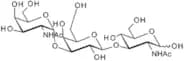

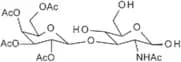
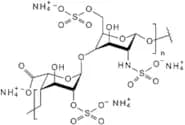
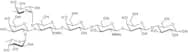
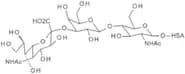

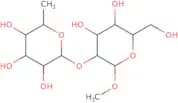
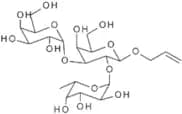

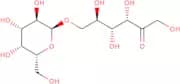


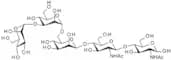
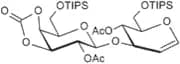
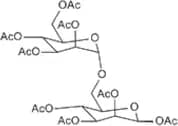
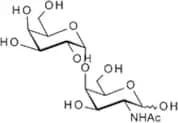
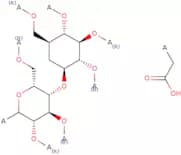
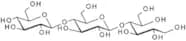
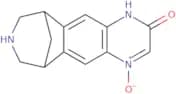

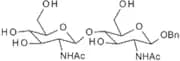
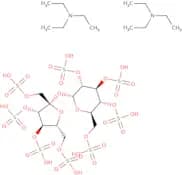
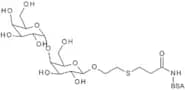
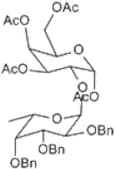
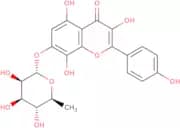

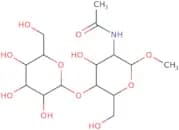

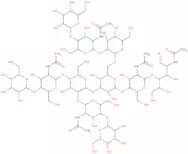
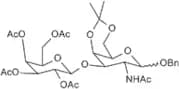
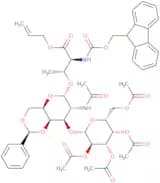

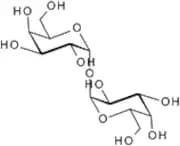
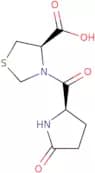
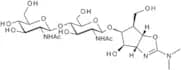
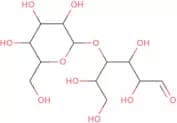
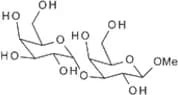

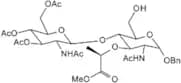
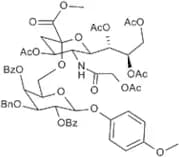
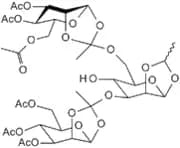
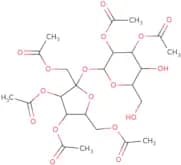
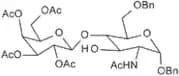
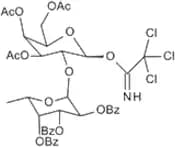
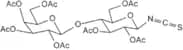
![[UL-13C6glc]Lactose monohydrate](/_next/image/?url=https%3A%2Fstatic.cymitquimica.com%2Fproducts%2F3D%2Fthumb-webp%2FOL16272.webp&w=3840&q=75)

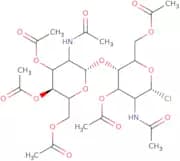

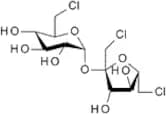
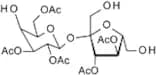
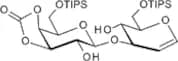
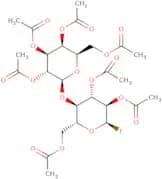
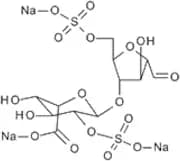

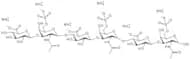

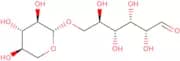
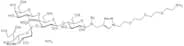
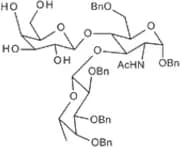
![[12-C13]-Lactose monohydrate](/_next/image/?url=https%3A%2Fstatic.cymitquimica.com%2Fproducts%2F3D%2Fthumb-webp%2FOL57713.webp&w=3840&q=75)

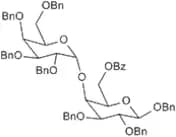
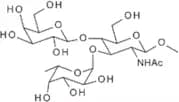

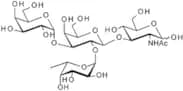
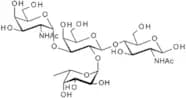
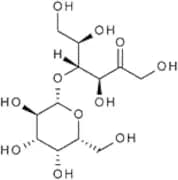
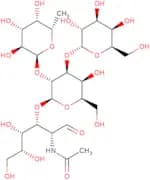
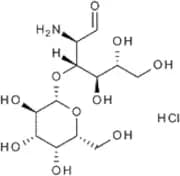
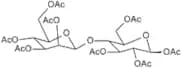

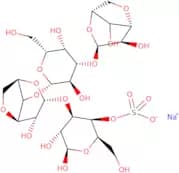

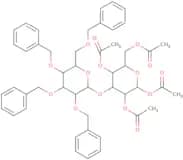
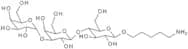
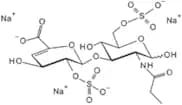
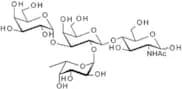

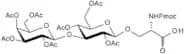
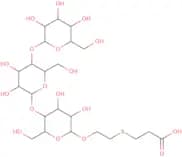
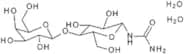
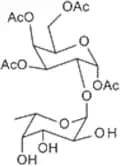
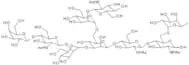
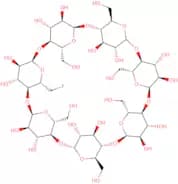
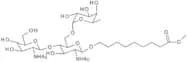

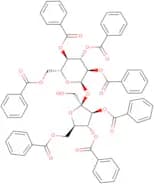
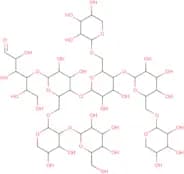
![Gal[2346Ac]b(1-3)GlcN3[46Bzd]-b-MP](/_next/image/?url=https%3A%2Fstatic.cymitquimica.com%2Fproducts%2F3D%2Fthumb-webp%2FOG60595.webp&w=3840&q=75)
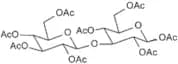
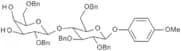

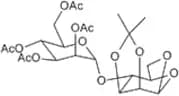
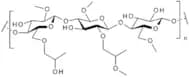
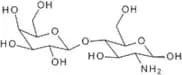
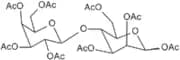

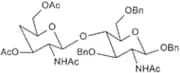

![[12-C13]-Lactulose](/_next/image/?url=https%3A%2Fstatic.cymitquimica.com%2Fproducts%2F3D%2Fthumb-webp%2FOL57708.webp&w=3840&q=75)
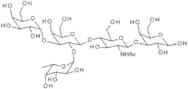
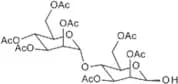

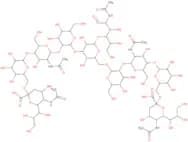
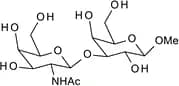

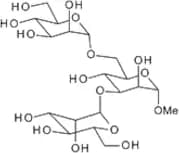

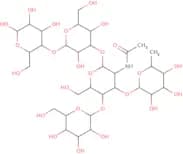
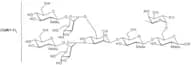

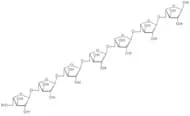

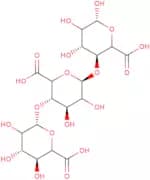

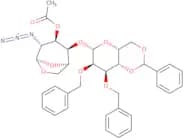

![Di[3-deoxy-D-manno-octulosonyl]-lipid A sodium salt - 0.5mg/ml aqueous solution](/_next/image/?url=https%3A%2Fstatic.cymitquimica.com%2Fproducts%2F3D%2Fthumb-webp%2FOD29173.webp&w=3840&q=75)