Benzimidazole and Imidazole Derivatives
Benzimidazole is a compound consisting of a benzene ring fused to an imidazole ring, a five-membered structure containing two nitrogen atoms. Benzimidazole derivatives, such as albendazole, are known for their antiparasitic and antifungal activity, used in the treatment of parasitic infections and certain parasitic diseases in animals and humans. Imidazole, on the other hand, is a five-membered structure with two nitrogen atoms found in various biologically active compounds. Imidazole derivatives, such as metronidazole, have antimicrobial and antiparasitic properties. These compounds are also used in the pharmaceutical industry for treating bacterial infections, parasitic diseases, and some fungal infections, as well as in organic chemistry as catalysts.
At CymitQuimica, we offer high-purity benzimidazoles and imidazoles for research in medicinal chemistry, pharmacology, and biotechnology.
Found 10351 products of "Benzimidazole and Imidazole Derivatives"
Sort by
Purity (%)
0
100
|
0
|
50
|
90
|
95
|
100
4-Acetoxy Midazolam
CAS:Controlled Product<p>Applications A metabolite of Midazolam (M343000).<br></p>Formula:C20H15ClFN3O2Color and Shape:NeatMolecular weight:383.80(Chloromethyl)cyclohexane
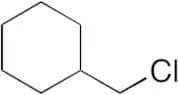
CAS:Controlled Product<p>Applications (Chloromethyl)cyclohexane is a common chemical reagent used in the synthesis of imidazole inhibitors of cytokine release which suppresses the response to tumor necrosis factor.<br> Not a dangerous good if item is equal to or less than 1g/ml and there is less than 100g/ml in the package<br>References Laufer, S. et al., J. Med. Chem., 45, 1695 (2002); Rabinowitz, M. et al.: J. Med. Chem., 44, 4252 (2001);<br></p>Formula:C7H13ClColor and Shape:NeatMolecular weight:132.63Lurasidone Opened Imide (Mixture of Diastereomers)
CAS:Controlled Product<p>Applications Lurasidone Opened Imide is an impurity in the synthesis of Lurasidone (L474920) which is antipsychotic used for treatment of schizophrenia.<br>References Ishiyama, T., et al.: Eur. J. Pharmacol., 572, 160 (2007); Cole, P., et al.: Drugs of the Fut., 33, 316 (2008);<br></p>Formula:C28H38N4O3SColor and Shape:NeatMolecular weight:510.69α-Methyl-phenothiazine-10-ethanol
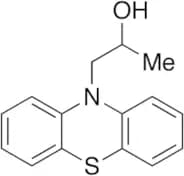
CAS:Controlled Product<p>Applications A promethazine (P757000) metabolite.<br>References Clement, B. A. & Beckett, A. H.; Xenobiotica 11, 609 (1981)<br></p>Formula:C15H15NOSColor and Shape:NeatMolecular weight:257.35Scopolamine β-D-Glucuronide
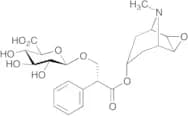
CAS:Controlled Product<p>Stability Hygroscopic<br>Applications A metabolite of Scopolamine.<br>References Shutt, L., et al.: Anaesthesia, 34, 476 (1979), Wada, S., et al.: Xenobiotica, 21, 1289 (1991), Chen, X., et al.: Acta Pharm. Sin., 33, 849(1998),<br></p>Formula:C23H29NO10Purity:>85%Color and Shape:NeatMolecular weight:479.48Metronidazole β-D-Glucuronide
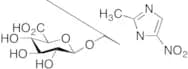
CAS:Controlled Product<p>Stability Hygroscopic<br>Applications A metabolite of Metronidazole.<br>References Kokwaro, G.O., et al.: Biochem. Pharmacol., 45, 1243 (1993), Sidelmann, U.G. , et al.: Xenobiotica, 26, 709 (1996),<br></p>Formula:C12H17N3O9Color and Shape:NeatMolecular weight:347.281-(1H-Benzo[d]imidazol-2-yl)-3-methyl-4-oxo-1,4-dihydropyridine-2-carboxylic acid (>75%)
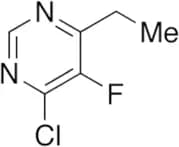
CAS:<p>Impurity Rabeprazole EP Impurity C<br>Applications 1-(1H-Benzo[d]imidazol-2-yl)-3-methyl-4-oxo-1,4-dihydropyridine-2-carboxylic acid (>75%) (Rabeprazole EP Impurity C) is a Rabeprazole (R070500) impurity. A degradation product formed in stressed tablets of Rabeprazole sodium.<br>References Kommanaboyina, B., et al.: Drug Dev. Ind. Pharm., 25, 857 (1999), Carswel, C., et al.: Drugs, 61, 2327 (2001), Garcia, C., et al.: J. Pharm. Biomed. Anal., 46, 88 (2008),<br></p>Formula:C14H11N3O3Purity:>75%Color and Shape:NeatMolecular weight:269.264-Chloro-6-ethyl-5-fluoropyrimidine
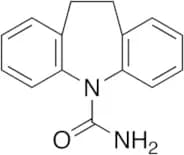
CAS:Controlled Product<p>Applications A pyrimidine derivative used as a building block in the preparation of bio-active compounds such as broad-spectrum triazole antifungal agents.<br>References Butters, M. et al.: Org. Proc. Res. Dev., 5, 28 (2001); Tong, L. et al.: Zhong. Yao., 8, 280 (2010);<br></p>Formula:C6H6ClFN2Color and Shape:NeatMolecular weight:160.5810,11-Dihydro Carbamazepine
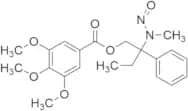
CAS:Controlled ProductFormula:C15H14N2OColor and Shape:WhiteMolecular weight:238.28Trimebutine EP Impurity E-Nitroso
Controlled ProductFormula:C21H26N2O6Color and Shape:NeatMolecular weight:402.4414-Hydroxy Midazolam-d5 Methanoate
CAS:Controlled Product<p>Applications A labelled metabolite of Midazolam (M343000).<br>References Ha, H., et al.: Ther. Drug Monit., 15, 338 (1993), Thummel, K., et al.: J. Pharmacol. Exp. Ther., 271, 557 (1994), Kim, R., et al.: Pharm. Res., 16, 408 (1999), Maurer, H., et al.: Anal. Bioanal. Chem., 381, 110 (2005), Smink, B., et al.: J. Anal. Toxicol., 30, 478 (2006),<br></p>Formula:C19H12D5ClFN3O2Color and Shape:NeatMolecular weight:378.8410-Methoxy-5H-dibenz[b,f]azepine-5-carbonyl chloride
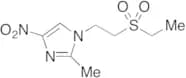
CAS:Controlled ProductFormula:C16H12ClNO2Color and Shape:NeatMolecular weight:286.004-Nitro-5-desnitro Tinidazole
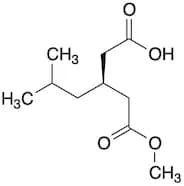
CAS:Controlled Product<p>Impurity Tinidazole EP Impurity B<br>Applications 4-Nitro-5-desnitro Tinidazole (Tinidazole EP Impurity B) is an impurity in the synthesis of Tinidazole (T443900), antiprotozoal (Trichomonas, Giardia); antiamebic; antibacterial.<br>References Miller, M.W., et al.: J. Med. Chem., 13, 849 (1970), Oderdea, G., et al.: Gut, 33, 1328 (1992),<br></p>Formula:C8H13N3O4SColor and Shape:NeatMolecular weight:247.27(3S)-3-(2-Methylpropyl)-pentanedioic Acid 1-Methyl Ester
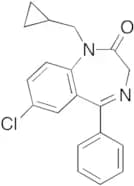
CAS:Controlled Product<p>Impurity Pregabalin Impurity 17<br>Applications (3S)-3-(2-Methylpropyl)-pentanedioic Acid 1-Methyl Ester (Pregabalin Impurity 17) is an impurity of Pregabalin (P704800), a GABA analogue used as an anticonvulsant.<br>References Taylor, C.P., at al.: Epilepsy Res., 14, 11 (1993); Field, M.J., et al.: Pain, 80, 391 (1999)<br></p>Formula:C10H18O4Color and Shape:NeatMolecular weight:202.25Prazepam
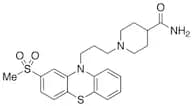
CAS:Controlled Product<p>Applications Prazepam, is a benzodiazepine derivative drug having anxiolytic, anticonvulsant, sedative and skeletal muscle relaxant properties.<br>References Shader R. I., et al.: Ciba. Found. Symp., (74), 141 (1979); Jacqmin, P., et al.: Neuropsychobiology, 19 (4), 186 (1988);<br></p>Formula:C19H17ClN2OColor and Shape:Off-WhiteMolecular weight:324.80Metopimazine
CAS:<p>Applications Metopimazine (MPZ) is used to prevent emesis during chemotherapies. Antiemetic.<br>References Catz, P., et al.: Int. J. Pharm., 58, 93 (1990), Sato, K., et al.: J. Pharm. Sci., 80, 104 (1991), Herrstedt, J., et al.: Cancer Chemother. Pharmacol., 33, 53 (1996), Sigsgaard, T., et al.: J. Clin. Onc., 19, 2091 (2001),<br></p>Formula:C22H27N3O3S2Color and Shape:Off White SolidMolecular weight:445.60(2-Chlorophenyl)diphenylmethane
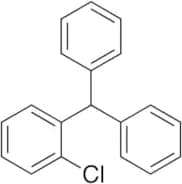
CAS:Controlled Product<p>Applications (2-Chlorophenyl)diphenylmethane is a triarylmethane with antiproliferative activity. (2-Chlorophenyl)diphenylmethane is an impurity of the antifungal agent Clotrimazole (C587400).<br>References Al-Qawasmeh, R.A. et al.: Bioorg. Med. Chem. Lett., 14, 347 (2004);<br></p>Formula:C19H15ClColor and Shape:NeatMolecular weight:278.78N-Acetylethanolamine
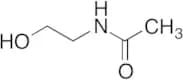
CAS:<p>Applications N-Acetylethanolamine can be used as an antistatic agent, foam boosting agent, hair conditioning humectant, skin conditioning surfactant and viscosity controlling agent in cosmetics industry. It is a non-tacky glycerine alternative for use in skin and hair care.<br>References Hough, L., et al.: J. Chem. Soc., 7923994-3997 (1957); Auzanneau, F-I, et al.: J. Chem. Soc., 10, 2831-2834 (1990);<br></p>Formula:C4H9NO2Purity:~90%Color and Shape:NeatMolecular weight:103.124-Desmethoxypropoxyl-4-chloro Rabeprazole Sulfide
CAS:Controlled Product<p>Applications A process impurity of Rabeprazole (R070500).<br>References Pingili, R.R., et al.: Pharmazie, 60, 814 (2005),<br></p>Formula:C14H12ClN3SColor and Shape:NeatMolecular weight:289.782,2'-Ethylenedianiline
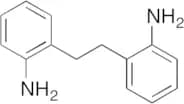
CAS:Controlled Product<p>Applications 2,2'-Ethylenedianiline is used as a reagent to synthesize Oxcarbazepine (O869250), a broad-specturm, second-generation anticonvulsant drug that is used to treat partial and complex partial seizures in children and adults. 2,2'-Ethylenedianiline is also used as a reagent to prepare a series of triterpines (e.g. Lupeol [L474850]), compounds that have chemopreventative activity.<br>References Asmaa, M., et al.: Pac. J. Cancer Prevent., 15, 475 (2014); Kalis, M. & Huff, N.: Clin. Ther., 23, 680 (2001); Malke, S., et al.: Pharm. Sci., 69, 211 (2007); Schmidt, D. & Elger, C.: Epil. Beh., 5, 627 (2004)<br></p>Formula:C14H16N2Color and Shape:NeatMolecular weight:212.292-(2-Butyl)-4-{4-[4-(4-methyloxy-phenyl)-piperazin-1-yl]-phenyl}-2,4-dihydro-[1,2,4]-triazol-3-one
CAS:Controlled Product<p>Impurity Itraconazole EP Impurity A<br>Applications 2-(2-Butyl)-4-{4-[4-(4-methyloxy-phenyl)-piperazin-1-yl]-phenyl}-2,4-dihydro-[1,2,4]-triazol-3-one (Itraconazole EP Impurity A) is an intermediate of Itraconazole.<br></p>Formula:C23H29N5O2Color and Shape:BeigeMolecular weight:407.51PD 224378
CAS:Controlled Product<p>Stability Very Hygroscopic<br>Applications PD 224378 is a lactose conjugate degradation product of pregabalin (P704800), a GABA analogue used as an anticonvulsant.<br>References Lovdahl, M.J., et al.: J. Pharma. Biomed. Anal., 28, 917 (2002);<br></p>Formula:C20H35NO11Color and Shape:NeatMolecular weight:465.49rac N-Demethyl Promethazine-d3 Hydrochloride
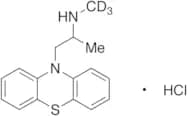
CAS:Controlled Product<p>Applications Labelled Promethazine (P757000) impurity.<br> Not a dangerous good if item is equal to or less than 1g/ml and there is less than 100g/ml in the package<br>References Keipert, S., et al.: Pharmazie, 31, 296 (1976),<br></p>Formula:C16H16D3ClN2SColor and Shape:NeatMolecular weight:309.87(S)-Modafinil-d10
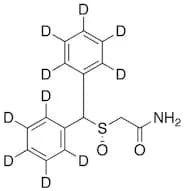
CAS:Controlled Product<p>Applications Labelled (S)-Modafinil. Used for treatment of excessive sleepiness, α1-adrenoceptor agonist.<br>References Saletu, B., et al.: Int. J. Clin. Pharmacol. Res., 9, 183 (1989), Chemelli, R.M., et al.: Cell, 98, 437 (1999), Purnell, M., et al.: J. Sleep Res., 11, 219 (2002), Dinges, D., et al.: Curr. Med. Res. Opin., 22, 159 (2006)<br></p>Formula:C15D10H5NO2SColor and Shape:NeatMolecular weight:283.41(R)-1-Methyl-3-pyrrolidinol
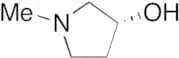
CAS:Controlled Product<p>Applications (R)-1-Methyl-3-pyrrolidinol is a useful synthetic intermediate. It is used for asymmetric synthesis of constrained (-)-S-adenosyl-L-homocysteine (SAH) analogs as DNA methyltransferase inhibitors.<br>References Isakovic, L., et al.: Bioorg. Med. Chem. Lett., 19, 2742 (2009); Gobbini, M., et al.:J. Med. Chem., 51, 4601 (2008)<br></p>Formula:C5H11NOColor and Shape:NeatMolecular weight:101.15(2R,3R)-3-(2,4-Difluorophenyl)-3-hydroxy-4-(1H-1,2,4-triazol-1-yl)butan-2-yl methanesulfonate
CAS:Controlled ProductFormula:C13H15F2N3O4SColor and Shape:NeatMolecular weight:347.342-[[(4-Chloro-3-methyl-2-pyridinyl)methyl]sulfinyl]-1H-benzimidazole
CAS:<p>2-[[(4-Chloro-3-methyl-2-pyridinyl)methyl]sulfinyl]-1H-benzimidazole (CAS No. 168167-42-8) is a synthetic compound that is used as an analytical reference standard for HPLC. It is also used in the study of drug metabolism, and it has been shown to induce natural oxidation in vitro. 2-[(4-Chloro-3-methylpyridinium)methylsulfinyl]-1Hbenzimidazole is an impurity found in pharmaceutical products that are synthesized from 1-(2,4,6trichlorophenyl)-3-[(4chloromethyl)phenyl]urea.</p>Formula:C14H12ClN3OSPurity:Min. 95 Area-%Color and Shape:Brown PowderMolecular weight:305.78 g/mol(R,R)-Solifenacin succinate
CAS:<p>(R,R)-Solifenacin succinate is a pharmaceutical agent that acts as an antimuscarinic drug. It has been shown to be effective in wastewater treatment, where it was found to reduce the amount of solifenacin and optimised organic chemicals in the water. This drug has also been shown to have antagonist properties against the muscarinic receptor M3.</p>Formula:C23H26N2O2•C4H6O4Purity:Min. 95%Color and Shape:PowderMolecular weight:480.55 g/molOxybutynin EP impurity B
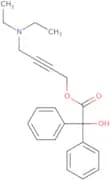
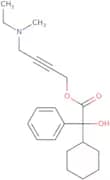
CAS:<p>Oxybutynin EP impurity B is a metabolite of oxybutynin and is a natural product. It is used as an analytical reference substance, to develop new drugs, and in pharmacopoeia in order to measure the purity of oxybutynin. The compound is synthesized by chemical synthesis and can be used as a standard for HPLC analysis.</p>Purity:Min. 95%Oxybutynin impurity C
CAS:<p>Oxybutynin impurity C is a metabolite of the drug product Oxybutynin (CAS No. 1199574-70-3). It is an analytical standard for HPLC, and a natural impurity in the synthesis of Oxybutynin. This is a synthetic compound that has been shown to be metabolized through oxidation by cytochrome P450 enzymes, reduction by glutathione reductase, or conjugation with glucuronic acid. Oxybutynin impurity C has been used as an analytical reference material for drug development and research and development.</p>Purity:Min. 95%(4R)-1-(4-O-b-D-Galactopyranosyl-b-D-glucopyranosyl)-4-(2-methylpropyl)-2-pyrrolidinone
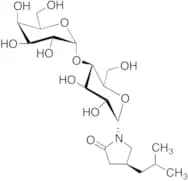
CAS:<p>(4R)-1-(4-O-b-D-Galactopyranosyl-b-D-glucopyranosyl)-4-(2-methylpropyl)-2-pyrrolidinone is a synthetic, impurity standard and research and development compound. (4R)-1-(4-O-b-D-Galactopyranosyl-b-D-glucopyranosyl)-4-(2-methylpropyl)-2pyrrolidinone is used as an analytical reference in the synthesis of other compounds. It is also used in drug development for the treatment of tuberculosis. This product has a high purity level and is pharmacopoeia grade.</p>Formula:C20H35NO11Purity:Min. 95%Molecular weight:465.49 g/molPantoprazole N-oxide
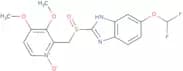
CAS:<p>Pantoprazole is a proton pump inhibitor that inhibits the gastric acid secretion by blocking the hydrogen/potassium ATPase enzyme in the stomach. Pantoprazole N-oxide, a prodrug of pantoprazole, is converted to pantoprazole after administration and has been shown to be more stable than pantoprazole. It has been shown to have tissue-specific effects, with high concentrations found in gastrointestinal tissues such as the abomasum, ileum, and colon. Pantoprazole N-oxide is also found in plasma samples at low levels. This drug may be useful for ulceration because it prevents heartburn caused by excess stomach acid.</p>Formula:C16H15F2N3O5SPurity:Min. 95%Color and Shape:PowderMolecular weight:399.37 g/molAlbendazole impurity F
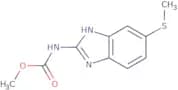
CAS:<p>Albendazole is an anti-helminthic drug that is structurally classified as a benzimidazole. It has been shown to be effective against a variety of helminths, including roundworms, pinworms, hookworms, and tapeworms. Albendazole impurity F is an analytical standard for the determination of albendazole in pharmaceutical products by HPLC. It also serves as a reference substance to establish the purity of drug products containing albendazole and its metabolites. Albendazole impurity F is not considered to be a metabolite of albendazole because it has been shown to be stable under acidic conditions and can be synthesized from other starting materials.</p>Formula:C10H11N3O2SPurity:Min. 95%Molecular weight:237.28 g/mol1-[[4-(3-Methoxypropoxy)-3-methyl-2-pyridinyl]methyl]-2-[[[4-(3-methoxypropoxy)-3-methyl-2-pyridinyl]methyl]thio]-1H-benzimidazole
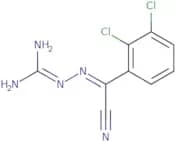
CAS:<p>1-[[4-(3-Methoxypropoxy)-3-methyl-2-pyridinyl]methyl]-2-[[[4-(3-methoxypropoxy)-3-methyl-2-pyridinyl]methyl]thio]-1H-benzimidazole is a drug product with analytical applications. It has been shown to have natural and synthetic origins, as well as impurities of its own. It is a custom synthesis and research and development compound that is used for HPLC standardization. The compound has been synthesized for the purpose of drug development and it is intended for niche use.</p>Formula:C29H36N4O4SPurity:Min. 95%Molecular weight:536.69 g/mol2-(2,3-Dichlorophenyl)-2-(guanidinoimino) acetonitrile
CAS:<p>Lamotrigine is a chemically unrelated compound, which is the active ingredient of a new class of adjuvant drugs for epilepsy. This drug has been found to be effective against seizures in patients with partial seizures and generalized seizures. Lamotrigine is an orally administered suspensoid that can be mixed with water or other liquids to form a suspension. It has been used as a flavouring agent and an adjuvant in pharmaceuticals, including tablets and capsules. The chemical structure of lamotrigine includes two 2,3-dichlorophenyl groups connected by an amino group (guanidinoimino). This structure gives lamotrigine its chemical name: 2-(2,3-dichlorophenyl)-2-(guanidinoimino) acetonitrile.</p>Formula:C9H7Cl2N5Purity:Min. 95%Molecular weight:256.09 g/mol2,12-Dihydro-1,3-dimethyl-8-methoxy-12-thioxobenzo [4,5] pyrido [1,2-c] imidazo [1,2-a] imidazol-2-one
CAS:<p>2,12-Dihydro-1,3-dimethyl-8-methoxy-12-thioxobenzo [4,5] pyrido [1,2-c] imidazo [1,2-a] imidazol-2-one is a metabolite of the drug 2-[2-(4,5,-dihydroimidazo[1,2a]imidazol -2(3H)-yl)ethoxy]-N-(methylsulfonyl)benzamide. It can be used as an impurity standard for the manufacture of drugs and as a research chemical.</p>Formula:C16H13N3O2SPurity:Min. 95%Molecular weight:311.36 g/molOmeprazole Impurity 65
<p>Impurity 65 is an impurity of Omeprazole, a drug used to treat gastroesophageal reflux disease and peptic ulcer. Impurity 65 is a metabolite of Omeprazole that can be found in the drug product at a concentration up to 0.5%. It has been shown to have anti-inflammatory effects and can be used as a research and development standard for HPLC analysis. Impurity 65 is also used as an impurity standard in the USP pharmacopoeia and other pharmacopoeias around the world.</p>Formula:C17H17N3O4Purity:Min. 95%Molecular weight:327.33 g/mol2-Methyl-3,4-dimethoxy pyridine hydrochloride
CAS:<p>2-Methyl-3,4-dimethoxy pyridine hydrochloride is an analytical standard that is used as a reference compound in the pharmaceutical industry to identify impurities in drug products. It also has a niche use as an API impurity and HPLC standard. 2-Methyl-3,4-dimethoxy pyridine hydrochloride is used as an intermediate for the synthesis of other drugs, including benzodiazepines and beta blockers. It is also used in research and development for its high purity. This chemical is natural or synthetic in origin but can be custom synthesized to meet specific requirements. 2-Methyl-3,4-dimethoxy pyridine hydrochloride also has CAS number 1210824-88-6.</p>Formula:C8H11NO2HClPurity:Min. 95%Molecular weight:189.64 g/molLansoprazole impurity H
CAS:<p>Lansoprazole impurity H is a metabolite of lansoprazole, a proton pump inhibitor that inhibits the production of stomach acid. Lansoprazole impurity H is used in research and development as an analytical standard to measure lansoprazole concentrations in drug products. It is also used as an impurity standard for pharmacopoeia purposes. Lansoprazole impurity H is not known to be toxic, but it has not been evaluated for carcinogenicity or reproductive toxicity.</p>Formula:C23H16F3N5OSPurity:90%MinMolecular weight:467.47 g/mol1-[[4-(3-Methoxypropoxy)-3-methyl-2-pyridinyl]methyl]-2-[[[4-(3-methoxypropoxy)-3-methyl-2-pyridinyl]methyl]sulfonyl]-1H-benzimidazo le
CAS:<p>1-[[4-(3-Methoxypropoxy)-3-methyl-2-pyridinyl]methyl]-2-[(4-(3-methoxypropoxy)-3-methyl-2-pyridinyl)methylsulfonyl]-1H-benzimidazole (MKC1807) is a synthetic drug product. MKC1807 is an analytical standard in the HPLC assay for the determination of Epiandrosterone sulfate and its metabolites. 1-[4-(3-Methoxypropoxy)-3,5,6,7,8 -pentamethylcyclohexyl]methyl 2-[(4-(3 -methoxypropoxy) 3,5,6,7,8 -pentamethylcyclohexyl)methylsulfonyl]-1H benzimidazole has been shown to be a natural metabolite of Epiandrosterone sulfate. This compound</p>Formula:C29H36N4O6SPurity:Min. 95%Molecular weight:568.69 g/molDesdifluoromethoxy hydroxy pantoprazole
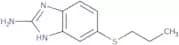
CAS:<p>Desdifluoromethoxy hydroxy pantoprazole is a synthetic compound that is used as an impurity standard for the drug product Pantoprazole. It has a purity of ≥98% and is stable under ambient conditions. Desdifluoromethoxy hydroxy pantoprazole is not active on its own, but it is a metabolite of pantoprazole. It can be used to study the metabolism of pantoprazole.</p>Formula:C15H15N3O4SPurity:Min. 95%Molecular weight:333.36 g/molAmino albendazole
CAS:<p>Albendazole is a sulfoxide anthelmintic drug that is used to treat worm infections in livestock and pets. Albendazole inhibits the synthesis of the parasitic cell membrane, which disrupts the integrity of the cell and leads to death. The analytical method for measuring albendazole includes extraction with hexane followed by analysis using gas chromatography. In humans, albendazole may be used to treat cancer, especially when it occurs in cavities or fatty tissues. It can also be used as a treatment for certain types of parasitic infections, such as toxoplasmosis, amebiasis, and cysticercosis. Albendazole is absorbed well after oral administration and plasma concentrations are proportional to dosage levels. The most common side effects are nausea and headache.</p>Formula:C10H13N3SPurity:Min. 95%Molecular weight:207.3 g/mol2-[(4-Chloro-3-methyl-2-pyridinyl)methylthio]-1H-benzimidazole
CAS:<p>2-[(4-Chloro-3-methyl-2-pyridinyl)methylthio]-1H-benzimidazole is a drug product. It is an impurity standard for the analytical determination of 2-[(4-chloro-3-methylpyridin)-2yl]thiohydantoin in pharmaceuticals and other chemical products. This compound is also used as a research and development (R&D) metabolite and impurity standard for the synthesis of 4-(4,5,6,7-tetrahydrobenzo[b]thiophen-2-yl)pyridine. The CAS number for this compound is 103312-62-5./END></p>Formula:C14H12ClN3SPurity:Min. 95%Molecular weight:289.78 g/mol1-Deoxy-4-O-β-D-galactopyranosyl-1-[(4R)-4-(2-methylpropyl)-2-oxo-1-pyrrolidinyl]-β-D-fructopyranose/furanose
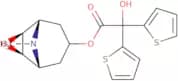
CAS:<p>Lactose conjugate degradation product of pregabalin</p>Formula:C20H35NO11Purity:Min. 95%Color and Shape:PowderMolecular weight:465.49 g/molScopine-2,2-dithienyl glycolate
CAS:<p>Scopine-2,2-dithienyl glycolate is a catalyst that belongs to the class of dithienyl glycolates. Scopine-2,2-dithienyl glycolate is used in the pharmaceutical industry as an average catalyst for reactions and can be used to recover dimethylbenzene. The method of detection for scopine-2,2-dithienyl glycolate is based on its ability to absorb light at a wavelength of 360 nm. The reaction solution must be monitored carefully during the synthetic process because it has been shown that it can react with water or air and form hydrogen sulfide gas. If this happens, the reaction solution will become cloudy or turbid. This product is a white crystalline solid that appears as tiny needles and has a melting point of 173 degrees Celsius (340 degrees Fahrenheit).</p>Formula:C18H19NO4S2Purity:Min. 95%Molecular weight:377.48 g/molSolifenacin EP impurity F succinate
CAS:<p>Solifenacin is an anti-cholinergic drug that has been shown to have a potent antagonistic effect on muscarinic receptors. It is used in the treatment of overactive bladder, urinary incontinence, and irritable bowel syndrome. Solifenacin succinate is a metabolite of solifenacin and it has been found to be an antagonist of M3 muscarinic receptors. The presence of solifenacin and its metabolites in wastewater can interfere with treatment processes by inhibiting the removal of other organic chemicals such as tamsulosin hydrochloride. Optimisation studies for solifenacin production have shown that famotidine can be used as a process aid to reduce solifenacin impurities. Famotidine is also an antagonist of M3 muscarinic receptors and can be used to remove solifenacin from wastewater. Analytes detected in wastewater samples include solifenacin, famot</p>Formula:C27H32N2O6Purity:Min. 95%Molecular weight:480.55 g/molSolifenacin N-oxide
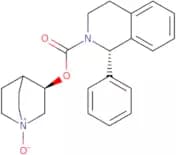
CAS:<p>Solifenacin N-oxide is an anti-cholinergic agent that has been shown to be effective in the treatment of overactive bladder. Solifenacin N-oxide is a prodrug that is hydrolyzed in vivo to solifenacin, its active form. The compound reversibly binds to muscarinic receptors and inhibits the release of acetylcholine. Solifenacin N-oxide has been shown to have low levels of impurities and is highly soluble in water. It was also found to be stable when stored at room temperature for two months. This drug has a high flow rate and moderate retention time, which makes it suitable for reversed-phase liquid chromatography (RPLC). RPLC is a chromatographic technique that separates compounds by size, hydrophobicity, or charge.</p>Formula:C23H26N2O3Purity:Min. 95%Color and Shape:White PowderMolecular weight:378.46 g/mol2-[[(4-Methoxy-3-methyl-2-pyridinyl)methyl]sulfinyl]-1H-benzimidazole
CAS:<p>2-[(4-Methoxy-3-methyl-2-pyridinyl)methyl]sulfinyl]-1H-benzimidazole is a synthetic, impurity standard that is used in the synthesis of drug products. It has been shown to inhibit the metabolism of drugs and may be used as a marker for drug metabolism. This compound may also be used as a marker in analytical studies to assess the purity of a drug product. 2-[(4-Methoxy-3-methyl-2-pyridinyl)methyl]sulfinyl]-1H-benzimidazole has not been evaluated for safety or efficacy.</p>Formula:C15H15N3O2SPurity:Min. 95%Molecular weight:301.36 g/molN-Desalkyl itraconazole
CAS:<p>N-Desalkyl itraconazole is a triazole antifungal drug that belongs to the group of medicines. It is used in the treatment of systemic mycoses, including blastomycosis and histoplasmosis. N-Desalkyl itraconazole has been shown to inhibit the growth of fungi by interfering with their cell membranes and inhibiting their production of ergosterol. Calibration studies have shown that this drug binds to human liver microsomes and plasma proteins, as well as transporters such as P-glycoprotein. These interactions may influence its pharmacokinetics, which can be determined using a bioanalytical method.</p>Formula:C31H30Cl2N8O4Purity:Min. 95%Molecular weight:649.53 g/mol



![1-(1H-Benzo[d]imidazol-2-yl)-3-methyl-4-oxo-1,4-dihydropyridine-2-carboxylic acid (>75%)](/_next/image/?url=https%3A%2Fstatic.cymitquimica.com%2Fproducts%2FTR%2Fthumb-webp%2FB203960.webp&w=3840&q=75)

![10-Methoxy-5H-dibenz[b,f]azepine-5-carbonyl chloride](/_next/image/?url=https%3A%2Fstatic.cymitquimica.com%2Fproducts%2FTR%2Fthumb-webp%2FM100100.webp&w=3840&q=75)

![2-(2-Butyl)-4-{4-[4-(4-methyloxy-phenyl)-piperazin-1-yl]-phenyl}-2,4-dihydro-[1,2,4]-triazol-3-one](/_next/image/?url=https%3A%2Fstatic.cymitquimica.com%2Fproducts%2FTR%2Fthumb-webp%2FB693320.webp&w=3840&q=75)

![2-[[(4-Chloro-3-methyl-2-pyridinyl)methyl]sulfinyl]-1H-benzimidazole](/_next/image/?url=https%3A%2Fstatic.cymitquimica.com%2Fproducts%2F3D%2Fthumb-webp%2FIC21226.webp&w=3840&q=75)



![1-[[4-(3-Methoxypropoxy)-3-methyl-2-pyridinyl]methyl]-2-[[[4-(3-methoxypropoxy)-3-methyl-2-pyridin…](/_next/image/?url=https%3A%2Fstatic.cymitquimica.com%2Fproducts%2F3D%2Fthumb-webp%2FIM25351.webp&w=3840&q=75)
![2,12-Dihydro-1,3-dimethyl-8-methoxy-12-thioxobenzo [4,5] pyrido [1,2-c] imidazo [1,2-a] imidazol-2…](/_next/image/?url=https%3A%2Fstatic.cymitquimica.com%2Fproducts%2F3D%2Fthumb-webp%2FID57924.webp&w=3840&q=75)



![1-[[4-(3-Methoxypropoxy)-3-methyl-2-pyridinyl]methyl]-2-[[[4-(3-methoxypropoxy)-3-methyl-2-pyridin…](/_next/image/?url=https%3A%2Fstatic.cymitquimica.com%2Fproducts%2F3D%2Fthumb-webp%2FIM25352.webp&w=3840&q=75)

![2-[(4-Chloro-3-methyl-2-pyridinyl)methylthio]-1H-benzimidazole](/_next/image/?url=https%3A%2Fstatic.cymitquimica.com%2Fproducts%2F3D%2Fthumb-webp%2FIC21227.webp&w=3840&q=75)
![1-Deoxy-4-O-β-D-galactopyranosyl-1-[(4R)-4-(2-methylpropyl)-2-oxo-1-pyrrolidinyl]-β-D-fructopyrano…](/_next/image/?url=https%3A%2Fstatic.cymitquimica.com%2Fproducts%2F3D%2Fthumb-webp%2FID63811.webp&w=3840&q=75)

![2-[[(4-Methoxy-3-methyl-2-pyridinyl)methyl]sulfinyl]-1H-benzimidazole](/_next/image/?url=https%3A%2Fstatic.cymitquimica.com%2Fproducts%2F3D%2Fthumb-webp%2FIM21228.webp&w=3840&q=75)