Benzimidazole and Imidazole Derivatives
Benzimidazole is a compound consisting of a benzene ring fused to an imidazole ring, a five-membered structure containing two nitrogen atoms. Benzimidazole derivatives, such as albendazole, are known for their antiparasitic and antifungal activity, used in the treatment of parasitic infections and certain parasitic diseases in animals and humans. Imidazole, on the other hand, is a five-membered structure with two nitrogen atoms found in various biologically active compounds. Imidazole derivatives, such as metronidazole, have antimicrobial and antiparasitic properties. These compounds are also used in the pharmaceutical industry for treating bacterial infections, parasitic diseases, and some fungal infections, as well as in organic chemistry as catalysts.
At CymitQuimica, we offer high-purity benzimidazoles and imidazoles for research in medicinal chemistry, pharmacology, and biotechnology.
Found 10354 products of "Benzimidazole and Imidazole Derivatives"
Sort by
Purity (%)
0
100
|
0
|
50
|
90
|
95
|
100
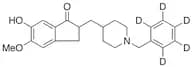
6-O-Desmethyl Donepezil-d5
CAS:Controlled Product<p>Applications A labelled metabolite of Donepezil (D531750), an inhibitor of acetylcholinesterase.<br>References De Vos, F., et al.: Nuc. Med. Biol., 27, 745 (2000), Okereke, C., et al.: Brit. J. Clin. Pharmacol., 58, 41 (2004),<br></p>Formula:C232H5H22NO3Color and Shape:NeatMolecular weight:370.50Isometronidazole
CAS:Controlled Product<p>Impurity Metronidazole EP Impurity E<br>Applications Isometronidazole (Metronidazole EP Impurity E) is an impurity of Metronidazole (M338880), a chemotherapeutic agent that is used as a first line defense against Clostridium difficile (C.diff). Isometronidazole is also a hypoxic cell sensitizer in humans and mice.<br>References Hentschel, M. & Schmidt, W.: Die Pharm., 47, 221 (1992); Musher, D., et al.: Clin. Inf. Dis., 40, 1586 (2005); Rosenkranz, H. & Speck, W.: Biochem. Biophys. Res. Comm., 66, 520 (1975)<br></p>Formula:C6H9N3O3Color and Shape:NeatMolecular weight:171.15(S)-Luliconazole
CAS:Controlled Product<p>Applications (S)-Luliconazole is the (S)--enantiomer of Luliconazole, an azole antifungal drug. Luliconazole was found to interfere with ergosterol biosynthesis in cell-free extracts of Candida albican, while no interference due to (S)-Luliconazole was found.<br>References Uhida, K., et al.: J. Infect. Chemother., 10, 216 (2004); Niwano, ., et al.: Antimicro. Agents Chemother., 42, 967 (1998); Niwanno, Y., et al.: Med. Mycol., 37, 351 (1999)<br></p>Formula:C14H9Cl2N3S2Color and Shape:NeatMolecular weight:354.28Albendazole
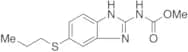
CAS:<p>Applications Albendazole is an anthelmintic drug.<br>References Zhao, Y., et al.: Org. Biomol. Chem., 6, 4509 (2008); Sanderson, H., et al.: Toxicol. Lett., 187, 84 (2009);<br></p>Formula:C12H15N3O2SColor and Shape:Off WhiteMolecular weight:265.331,2-Phenylenediamine
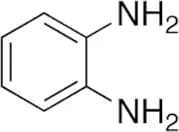
CAS:Controlled Product<p>Stability Light and Mositure Sensitive<br>Applications An amino substituted benzene used in the manufacture of dyes. Potential use in sensitive immunosensor for cancer biomarker.Environmental toxin on US EPA Toxic Release Inventory list (TRI) list.<br> Not a dangerous good if item is equal to or less than 1g/ml and there is less than 100g/ml in the package<br>References Wu, Y. et al.: Anal. Bioanal. Chem., 400, 2141 (2011); Du, D. et al.: Anal. Chem., 82, 2989 (2010);<br></p>Formula:C6H8N2Color and Shape:White To Light YellowMolecular weight:108.144-Methylenepiperidine Hydrochloride
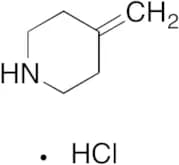
CAS:Controlled Product<p>Applications 4-Methylenepiperidine Hydrochloride is a building block that can be coupled with aryl halides via Suzuki cross-coupling to give benzyl piperidines and related compounds.<br>References Vice, S., et al.: J. Org. Chem., 66, 2487 (2001);<br></p>Formula:C6H11N•(HCl)Color and Shape:NeatMolecular weight:97.163646Itraconazole
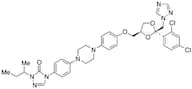
CAS:Controlled Product<p>Applications Itraconazole is an orally active antimycotic structurally related to Ketoconazole. Antifungal. It is a COVID19-related research product.<br>References Espinel-Ingroff, A., et al.: Antimicrob. Agents Chemother., 26, 5 (1984); Heykants, J., et al.: Mycoses, 32, Suppl 1, 67 (1989); Sugar, A.M.,et al.: Curr. Clin. Top. Infect. Dis., 13, 74 (1993);<br></p>Formula:C35H38Cl2N8O4Color and Shape:White To Off-WhiteMolecular weight:705.63N-Desmethyl,-N-nitroso-promethazine
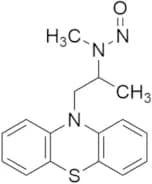
CAS:Controlled ProductFormula:C16H17N3OSColor and Shape:NeatMolecular weight:299.39Benzoylmetronidazole
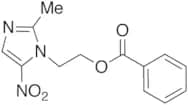
CAS:Controlled Product<p>Applications Benzoylmetronildazole is a new class of antiglycation agents used to treat diabetes mellitus. Benzoylmetronildazole is also a derivative of Metronidazole (M338880), an antibacterial in the treatment of rosacea.<br>References Zeb, A., et al.: Med. Chem., 8, 846 (2012); Kumari, N., et al.: Curr. Drug. Deliv., 9, 74 (2012); Elosta, A., et al.: Curr. DIabetes. Rev., 8, 92 (2012);<br></p>Formula:C13H13N3O4Color and Shape:WhiteMolecular weight:275.26Triclabendazole Sulfoxide-D3
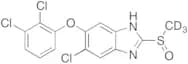
CAS:Controlled Product<p>Applications Triclabendazole Sulfoxide-D3 is a stable isotopically labelled metabolite of Triclabendazole (T774175), an anthelmintic.<br>References Wolff, K., et al.: Vet. Parasitol., 13, 145 (1983)<br></p>Formula:C14H6D3Cl3N2O2SColor and Shape:NeatMolecular weight:378.681-methyl-1,4-dihydro-5H-tetrazol-5-one
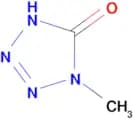
CAS:Purity:95.0%Color and Shape:SolidMolecular weight:100.08100128173828Triazolam
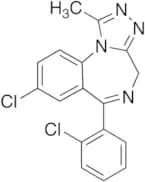
CAS:Controlled Product<p>Applications Sedative, hypnotic.Controlled substance (depressant).<br>References Lomen, P., et al.: J. Int. Med. Res., 4, 55 (1976), Allens, G.S., et al.: J. Int. Med. Res., 6, 343 (1978), Pakes, G.E., et al.: Drugs, 22, 81 (1981)<br></p>Formula:C17H12Cl2N4Color and Shape:WhiteMolecular weight:343.213-Methoxy-temazepam
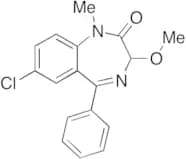
CAS:Controlled ProductFormula:C17H15ClN2O2Color and Shape:Off-White To Light YellowMolecular weight:314.77Itraconazole-d3
CAS:Controlled ProductFormula:C352H3H35Cl2N8O4Color and Shape:NeatMolecular weight:708.65Carbamazepine 10,11-Epoxide-d8 (Major)
CAS:Controlled Product<p>Applications A labelled metabolite of Carbamazepine (C175840).<br>References Bellucci, G., et al.: J. Med. Chem., 30, 768 (1987), Johannessen, S., et al.: Ther. Drug. Monit., 27, 710 (2005), Bialer, M., et al.: Expert Opin. Invest. Drugs, 15, 637 (2006), Williams, J., et al.: J. Clin. Pharmacol., 46, 258 (2006),<br></p>Formula:C15H4D8N2O2Color and Shape:White To Dark YellowMolecular weight:260.32{5-[1-(benzylamino)cyclohexyl]-1H-tetrazol-1-yl}acetic acid
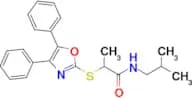
CAS:Purity:95.0%Molecular weight:315.377014160156252-((4,5-Diphenyloxazol-2-yl)thio)-N-isobutylpropanamide
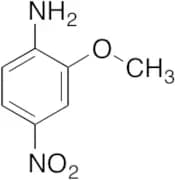
CAS:Purity:97.0%Molecular weight:380.5100097656252-Methoxy-4-nitroaniline
CAS:<p>Applications 2-Methoxy-4-nitroaniline is a derivative of 4-Nitroaniline (N491770), which is used in the synthesis of photorefractive polymers, as novel chromophores in analytical study. As well, due to the absorption spectrum associated with 4-Nitroaniline, it is used to determine catechol derivatives in syntheses.<br>References Nagaraja, P. et al.: J. Pharm. Biomed. Anal., 25, 417 (2001);<br></p>Formula:C7H8N2O3Color and Shape:YellowMolecular weight:168.15(R)-Lansoprazole
CAS:<p>Stability Hygroscopic<br>Applications The R-enantiomer of Lansoprazole; a gastric proton pump inhibitor. An antiulcerative.<br>References Figgitt, D., et al.: Drugs, 60, 925 (2000), Katsuki, H., et al.: Eur. J. Clin. Pharmacol., 57, 709 (2001), Barradell, L.B., et al.: Drugs, 44, 225 (1992), Kim, K., et al.: Clin. Pharmacol. Ther., 72, 90 (2002), Niioka, T., et al.: Ther. Drug Monit., 28, 321 (2006),<br></p>Formula:C16H14F3N3O2SColor and Shape:Off White To Dark BrownMolecular weight:369.364-Nitro-2,3-lutidine N-Oxide
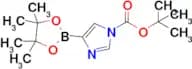
CAS:Controlled Product<p>Applications Nitropyridine oxide derivatives show carcinogenicity and mutagenicity.<br>References Nagao, M., et al.: Cancer Res., 32, 2369 (1972),<br></p>Formula:C7H8N2O3Color and Shape:NeatMolecular weight:168.15Tert-Butyl 4-(4,4,5,5-tetramethyl-1,3,2-dioxaborolan-2-yl)-1H-imidazole-1-carboxylate
CAS:Purity:97%Molecular weight:294.16000366210942-(3-BROMOPHENYL)-1H-BENZOIMIDAZOLE
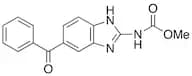
CAS:Purity:97.0%Color and Shape:SolidMolecular weight:273.13299560546875Mebendazole
CAS:Controlled Product<p>Applications Mebendazole is an Anthelmintic (Nematodes).<br>References Al-Badr, A.A., et al.: Anal. Profiles Drug Subs., 16, 291 (1987)<br></p>Formula:C16H13N3O3Color and Shape:NeatMolecular weight:295.29Voriconazole N-Oxide
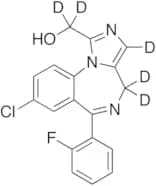
CAS:Controlled Product<p>Applications A metabolite of Voriconazole (V760000).<br> Not a dangerous good if item is equal to or less than 1g/ml and there is less than 100g/ml in the package<br>References Sanati, H., et al.: Antimicrob. Ag. Chemother., 41, 2492 (1997), Geist, M., et al.: Antimicrob. Agents. Chemother., 50, 3227 (2006), Yamazaki, H., et al.: Drug. Metab. Dispos., 34, 1803 (2006), Yamazaki, H., et al.: Xenobiotica, 36, 1201 (2006),<br></p>Formula:C16H14F3N5O2Color and Shape:WhiteMolecular weight:365.311’-Hydroxy Midazolam-d5
CAS:Controlled Product<p>Applications A labelled metabolite of Midazolam (M343000(P)), which is an anesthetic; anticonvulsant; sedative; hypnotic. Positive allosteric modulator of the GABAA receptor. Neuroprotective & Neuroresearch products.<br>References Dundee, J., et al.: Drugs, 28, 519 (1984), Galetin, A., et al.: Drug Metab. Dispos., 30, 1512(2002), Uchaipichat, V., et al.: Drug Metab. Dispos., 34, 449(2006), Lewis, B., et al.: Biochem. Pharmacol., 73, 1463(2007), Dundee, J. W., et al.: Drugs, 28, 519 (1984), Lahat, E., et al.: Br. Med. J., 321, 83 (2000)<br></p>Formula:C182H5H8ClFN3OColor and Shape:White To Off-WhiteMolecular weight:346.8010,11-Dihydro-10-hydroxy Carbamazepine-d3
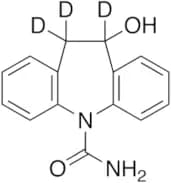
CAS:Controlled Product<p>Applications A labelled metabolite of Oxcarbazepine (O869250).<br>References Burkhart, C., et al.: Clin. Exp. Allergy, 32, 1635 (2002), Pearce, R., et al.: Drug Metab. Dispos., 30, 1170 (2002), Naisbitt, D., et al.: Mol. Pharmacol., 63, 732 (2003), Farrell, J., et al.: Br. J. Clin. Pharmacol., 57, 690 (2004),<br></p>Formula:C152H3H11N2O2Color and Shape:Off WhiteMolecular weight:257.301-Benzyl-4-(5,6-dimethoxy-1-oxoindan-2-ylidene)methylpiperidine
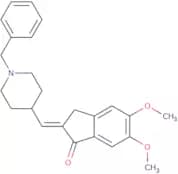
CAS:<p>1-Benzyl-4-(5,6-dimethoxy-1-oxoindan-2-ylidene)methylpiperidine is an analytical standard and a drug product. It is a synthetic compound that has been shown to have pharmacological effects similar to those of the analgesic or opioid drugs. 1-Benzyl-4-(5,6-dimethoxy-1-oxoindan-2-ylidene)methylpiperidine can be used as an impurity standard for HPLC analyses as well as metabolic studies. This compound is also known to have potential interactions with other drugs.</p>Formula:C24H27NO3Purity:Min. 98 Area-%Color and Shape:PowderMolecular weight:377.48 g/molCarbendazim
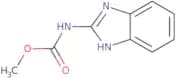
CAS:<p>Carbendazim is a fungicide that inhibits the growth of fungi and bacteria. It has been shown to be potent inducers of polymerase chain reaction (PCR) amplification, with a rate constant of 0.0103 per minute. Carbendazim also has a significant effect on electrochemical impedance spectroscopy (EIS). The EIS analysis was used to compare carbendazim-treated cells with untreated cells, which showed that carbendazim causes an increase in the resistance across the cell membrane. This research suggests that carbendazim may be genotoxic, as it increased the amount of DNA damage observed in wild-type strains and altered the optical properties of DNA. Carbendazim is also an effective inhibitor of nitrite ion oxidation and colloidal gold deposition, which has led to its use as a water vapor control agent for plants.</p>Formula:C9H9N3O2Purity:Min. 95%Color and Shape:PowderMolecular weight:191.19 g/molPantoprazole sodium hydrate - Mixture of impurities D and F
CAS:<p>Pantoprazole sodium hydrate is a custom synthesis that is used as a drug product. The CAS number for this compound is 624742-53-6. This compound has the following impurities: D and F. Pantoprazole sodium hydrate has been shown to be metabolized in vitro by human liver microsomes to its metabolites, including the following: (1) pantoprazol acid, (2) 4-hydroxypantoprazol acid, (3) 4-hydroxyisoxazole acid, and (4) 5-(4-hydroxyphenyl)-2H-1,2-benzoxazin-3(4H)-one. The metabolite 4-hydroxypantoprazol acid has been found to be pharmacologically active in animal models of gastric ulceration and healing.</p>Formula:C17H17F2N3O4SPurity:Min. 95%Color and Shape:Off-white to yellow powder.Molecular weight:397.4 g/mol5,6-Dimethoxy-2-(4-piperidinyl)methyleneindan-1-one (donepezil impurity)
CAS:<p>5,6-Dimethoxy-2-(4-piperidinyl)methyleneindan-1-one (donepezil impurity) is an analytical standard used as a reference in HPLC assays for donepezil. It is also a metabolite of donepezil and has been found to have pharmacological activity similar to that of the parent compound. This impurity is present in donepezil drug products at levels up to 0.5%.</p>Formula:C17H21NO3Purity:Min. 95%Molecular weight:287.35 g/molN-(2-Phenethyl)benzamide
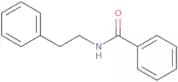
CAS:<p>N-(2-Phenethyl)benzamide (NPEB) is a molecule that belongs to the group of reactive molecules. It has been shown to be toxic to gram-positive bacteria, such as Staphylococcus aureus and Bacillus subtilis, but not gram-negative bacteria such as Escherichia coli. NPEB also has been shown to have locomotor activity in animals, which may be due to its ability to inhibit the mitochondrial electron transport chain and inhibit ATP production. NPEB's biological properties are well characterized. FTIR spectroscopy showed that this molecule has an amide functional group and is a small molecule with a molecular weight of 176.4 g/mol. This molecule was also found to be able to bind to mitochondria in animals.</p>Formula:C15H15NOPurity:Min. 97 Area-%Color and Shape:PowderMolecular weight:225.29 g/mol5-Methoxy-2-[[(4-methoxy-3,5-dimethyl-2-pyridinyl)methyl]sulphonyl]-1H-benzimidazole N-oxide
CAS:<p>5-Methoxy-2-[[(4-methoxy-3,5-dimethyl-2-pyridinyl)methyl]sulphonyl]-1H-benzimidazole N-oxide is a cyclic sulfoxide that has shown to be a potent inhibitor of gastric acid secretion. It is an important intermediate in the synthesis of esomeprazole magnesium, a proton pump inhibitor used to treat gastroesophageal reflux disease and other gastrointestinal disorders. 5-Methoxy-2-[(4-methoxy 3,5 dimethyl 2 pyridinyl) methyl] sulphonyl]-1H benzimidazole N oxide is also known as (RS)-N-[4-(4′ methoxyphenyl)-3,5 dimethylpyrazol -2 - ylmethyl] methanesulfonamide. This compound has been shown to have a polymorphic form with two different</p>Formula:C17H19N3O5SPurity:Min. 95%Color and Shape:PowderMolecular weight:377.42 g/mol2-Hydroxy-2,2-bis(2-thienyl) acetic acid
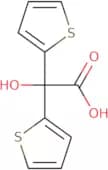
CAS:<p>2-Hydroxy-2,2-bis(2-thienyl) acetic acid is a long-acting bronchodilator that can be administered by inhalation. It has been used in the clinical development of medicines for the treatment of asthma and chronic obstructive pulmonary disease. 2-Hydroxy-2,2-bis(2-thienyl) acetic acid is chemically related to pyridinium compounds. It is a potent inhibitor of muscarinic receptors and has an anticholinergic profile similar to atropine. The safety profile of this drug seems to be favourable in humans with no major side effects reported so far.</p>Formula:C10H8O3S2Purity:Min. 95%Color and Shape:Yellow PowderMolecular weight:240.3 g/mol2,3-Dichlorobenzoic acid
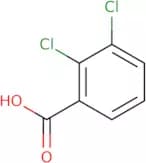
CAS:<p>2,3-Dichlorobenzoic acid is an organic compound that belongs to the class of carboxylates. It is used as a drug substance in the treatment of mycobacterial infections. 2,3-Dichlorobenzoic acid has been shown to have antimicrobial activity against Mycobacterium tuberculosis and other mycobacteria. The sensitivity index for this compound was determined using a chromatographic method with human erythrocytes as the test organism. 2,3-Dichlorobenzoic acid displays its antibacterial activity by inhibiting protein synthesis and cell division. This drug also forms crystalline solids that are soluble in organic solvents such as chloroform or benzene.</p>Formula:C7H4Cl2O2Purity:Min. 95%Color and Shape:PowderMolecular weight:191.01 g/mol3-Amino-6-(2,3-dichlorophenyl)-1,2,4-triazin-5(4H)-one
CAS:<p>3-Amino-6-(2,3-dichlorophenyl)-1,2,4-triazin-5(4H)-one is a triazine derivative that is used as an analytical reagent and intermediate. It has been used as a wastewater analysis method to measure the concentration of carbamazepine. 3-Amino-6-(2,3-dichlorophenyl)-1,2,4-triazin-5(4H)-one has also been shown to be useful in developing analytical methods for clinical trials. 3DCTKP has also been used to test the matrix effect of carbamazepine by analyzing it in different matrices such as water and human plasma.</p>Formula:C9H6Cl2N4OPurity:Min. 95 Area-%Color and Shape:PowderMolecular weight:257.08 g/mol2-Mercaptobenzimidazole
CAS:<p>2-Mercaptobenzimidazole is a chemical compound that can be used for the treatment of infectious diseases. It has been shown to have antioxidative properties and inhibit the growth of bacteria. 2-Mercaptobenzimidazole also has an effect on human serum, which may be due to its ability to bind with proteins in serum and form hydrogen bonds. 2-Mercaptobenzimidazole is stable at high temperatures and has been shown as an effective antimicrobial agent against gram positive and gram negative bacteria.</p>Formula:C7H6N2SPurity:Min. 99 Area-%Color and Shape:White/Off-White SolidMolecular weight:150.19 g/mol6-(2,3-Dichlorophenyl)-1,2,4-triazine-3,5(2H,4H)-dione
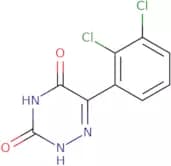
CAS:<p>6-(2,3-Dichlorophenyl)-1,2,4-triazine-3,5(2H,4H)-dione is a chlorinating agent that converts alcohols to alkyl chlorides. It is used for the conversion of diazotizable aromatic compounds to diazo compounds. This compound has been shown to be neuroprotective in animal models and provides protection against glutamate excitotoxicity. 6-(2,3-Dichlorophenyl)-1,2,4-triazine-3,5(2H,4H)-dione also reacts with nitrite ions to form the corresponding nitroso derivatives. These derivatives can cause DNA damage and are mutagenic. 6-(2,3-Dichlorophenyl)-1,2,4-triazine-3,5(2H,4H)-dione has been shown to react with aminoguanidine to produce a chromat</p>Formula:C9H5Cl2N3O2Purity:Min. 95%Color and Shape:PowderMolecular weight:258.06 g/mol2-[[[(4-Methoxypropoxy)-3-methyl-2-pyridinyl]methyl]sulfonyl]-1H-benzimidazole
CAS:<p>2-[[[(4-Methoxypropoxy)-3-methyl-2-pyridinyl]methyl]sulfonyl]-1H-benzimidazole is a protonated sulfonamide that is used as an analytical method to detect the presence of other drugs in human liver tissue. It has been shown to inhibit the activity of cytochrome P450 3A4 (CYP3A4), one of the enzymes responsible for metabolizing many drugs. Bromoenol lactone and powder diffraction spectrum are two additional analytical methods that can be used to detect 2-[([(4-methoxypropoxy)-3-methyl-2-pyridinyl]methyl]sulfonyl]-1H-benzimidazole.</p>Formula:C18H21N3O4SPurity:Min. 95%Color and Shape:White/Off-White SolidMolecular weight:375.44 g/molMethyl 2,2-dithienylglycolate
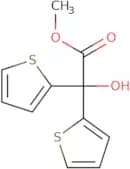
CAS:<p>Intermediate for tiotropium bromide synthesis</p>Formula:C11H10O3S2Purity:Min. 95%Color and Shape:White PowderMolecular weight:254.33 g/mol4-Desmethoxy omeprazole sulfide
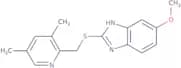
CAS:<p>4-Desmethoxy omeprazole sulfide is a metabolite of omeprazole, a drug that is used to treat ulcers and gastroesophageal reflux disease. 4-Desmethoxy omeprazole sulfide is not an impurity in the production of omeprazole, but is present as a natural component of omeprazole. This compound has been shown to be an impurity standard for HPLC analysis. The pharmacopoeia defines 4-desmethoxy omeprazole sulfide as an API impurity in drug products. It is also being studied for its potential use in drug development and research and development.</p>Formula:C16H17N3OSPurity:Min. 95%Color and Shape:White to off-white solid.Molecular weight:299.39 g/molOmeprazole impurity F and G
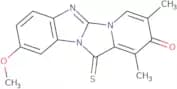
CAS:<p>Omeprazole is a proton pump inhibitor that inhibits the H+/K+-ATPase enzyme in gastric parietal cells. Omeprazole impurity F and G are metabolites of omeprazole. Omeprazole impurity F is a metabolite of omeprazole that forms by oxidation of the methylthio group in omeprazole to form a sulfoxide. Omeprazole impurity G is formed by hydrolysis of the methylthio group in omeprazole to form an alcohol. The purity of this product is high and can be custom synthesized based on customer's needs. It is also available as an HPLC standard or as an API impurity for use in metabolism studies.</p>Formula:C16H13N3O2SPurity:Min. 95%Color and Shape:Red PowderMolecular weight:311.36 g/mol5-Methoxy-2-[[(4-methoxy-3,5-dimethyl-2-pyridinyl)methyl]sulfonyl]-1H-benzimidazole
CAS:<p>5-Methoxy-2-[[(4-methoxy-3,5-dimethyl-2-pyridinyl)methyl]sulfonyl]-1H-benzimidazole is an inhibitor of cytochrome P450 2C19. It has been shown to inhibit the activity of this enzyme in a concentration dependent manner and to enhance the activity of omeprazole by inhibiting its metabolism. 5-Methoxy-2-[(4-methoxy, 3,5 dimethylpyridiniumyl)methyl]sulfonyl]-1H benzimidazole is used as a model system for studying drug interactions due to its ability to inhibit cytochrome P450 2C19 and CYP2C19 protein expression. 5 METHOXY - 2 - [[ ( 4 - METHOXY - 3 , 5 - DIMETHYL - 2 - PYRIDINYL ) M</p>Formula:C17H19N3O4SPurity:Min. 95%Color and Shape:White Off-White PowderMolecular weight:361.42 g/mol4-Isobutyl-2-pyrrolidinone
CAS:<p>4-Isobutyl-2-pyrrolidinone is a colorless liquid that belongs to the category of phosphites. It has a high boiling point, which makes it suitable for use in organic solvents and as a heat transfer agent. The thermodynamic properties of 4-Isobutyl-2-pyrrolidinone have been evaluated using the protonation theory. It can be protonated at either the nitrogen or the methyl group, and both forms are present in solution. This means that 4-Isobutyl-2-pyrrolidinone is acidic and can react with other compounds to form salts called lactams. There are two isomers of this compound: cis and trans. Both isomers exist in equilibrium; however, the cis isomer predominates at room temperature. The most common impurities of 4-Isobutyl-2-pyrrolidinone are dehydration products formed during synthesis or</p>Formula:C8H15NOPurity:Min. 95%Color and Shape:White PowderMolecular weight:141.21 g/molRabeprazole
CAS:<p>Rabeprazole is a proton pump inhibitor that suppresses the production of stomach acid by blocking the H+/K+ ATPase enzyme. It is used for the treatment of gastroesophageal reflux disease, peptic ulcers, and Zollinger-Ellison syndrome. Rabeprazole has been shown to be more effective than omeprazole in reducing gastric acid secretion in two-way crossover studies. Rabeprazole also has been shown to inhibit the growth of antibiotic-resistant strains of bacteria. In addition, rabeprazole binds to metal ions like iron and copper, which may affect its pharmacokinetics and efficacy. This drug is currently being investigated as an analytical method for determination of proton pump inhibitors in human serum and urine samples by electrochemical impedance spectroscopy (EIS).</p>Formula:C18H21N3O3SPurity:Min. 95%Color and Shape:White PowderMolecular weight:359.44 g/mol5-Methoxy-2-[[(4-Chloro-3,5-dimethyl-2-pyridinyl)methyl]sulfinyl]-5-methoxy-1H-benzimidazole
CAS:<p>5-Methoxy-2-[(4-chloro-3,5-dimethyl-2-pyridinyl)methyl]sulfinyl]-5-methoxy-1H benzimidazole is a synthetic drug product. It has been used as a positive control in metabolism studies and as an impurity standard. 5-Methoxy 2-[(4-chloro 3,5 dimethyl 2 pyridinyl)methyl]sulfinyl]-5 methoxy 1H benzimidazole is also a metabolite of the active pharmaceutical ingredient (API) which is used to develop drugs. This chemical is synthesized by custom synthesis and can be obtained at high purity levels. The metabolite of this compound is 5 methoxy 2-[(4 chloro 3,5 dimethyl 2 pyridinyl)methyl]sulfonyl]-5 methoxy 1H benzimidazole.</p>Formula:C16H16ClN3O2SPurity:Min. 95%Color and Shape:PowderMolecular weight:349.84 g/mol(1R,3S,5S)-8-Methyl-8-azabicyclo[3.2.1]oct-6-en-3-yl-2'-hydroxy-2',2'-di(thiophen-2''-yl)acetate
CAS:<p>Tanshinone IIA is an enantioselective hydroxamic acid that inhibits matrix metalloproteinase. It is a structural analogue of the hydroxamic acid Tanshinone I and has been shown to inhibit aggrecanase, which is an enzyme that hydrolyzes the glycosaminoglycan aggrecan. It also has anti-cancer effects due to its inhibition of cell proliferation in cancer cells. Tanshinone IIA can be used as a chiral synthon for polymerase chain reactions (PCR) because it contains a stereogenic centre in its structure.</p>Formula:C18H19NO3S2Purity:Min. 95%Color and Shape:PowderMolecular weight:361.48 g/molPantoprazole N-oxide sodium
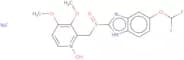
CAS:<p>Pantoprazole N-oxide sodium is a custom synthesis drug product that is being developed as an impurity standard in the synthesis of Pantoprazole. The compound is also used as a pharmacopoeia analytical standard and a HPLC standard.</p>Formula:C16H15F2N3O5S·NaPurity:Min. 95%Color and Shape:PowderMolecular weight:422.36 g/mol
![[4-(1h-1,3-benzodiazol-2-yl)phenyl]methanamine](/_next/image/?url=https%3A%2Fstatic.cymitquimica.com%2Fproducts%2F10%2Fthumb-webp%2FF669356.webp&w=3840&q=75)





![{5-[1-(benzylamino)cyclohexyl]-1H-tetrazol-1-yl}acetic acid](/_next/image/?url=https%3A%2Fstatic.cymitquimica.com%2Fproducts%2F10%2Fthumb-webp%2FF313669.webp&w=3840&q=75)


![1-[(1H-benzimidazol-2-ylamino)methyl]-2-naphthol](/_next/image/?url=https%3A%2Fstatic.cymitquimica.com%2Fproducts%2F10%2Fthumb-webp%2FF315040.webp&w=3840&q=75)





![5-Methoxy-2-[[(4-methoxy-3,5-dimethyl-2-pyridinyl)methyl]sulphonyl]-1H-benzimidazole N-oxide](/_next/image/?url=https%3A%2Fstatic.cymitquimica.com%2Fproducts%2F3D%2Fthumb-webp%2FIM57920.webp&w=3840&q=75)


![2-[[[(4-Methoxypropoxy)-3-methyl-2-pyridinyl]methyl]sulfonyl]-1H-benzimidazole](/_next/image/?url=https%3A%2Fstatic.cymitquimica.com%2Fproducts%2F3D%2Fthumb-webp%2FIM57866.webp&w=3840&q=75)
![5-Methoxy-2-[[(4-methoxy-3,5-dimethyl-2-pyridinyl)methyl]sulfonyl]-1H-benzimidazole](/_next/image/?url=https%3A%2Fstatic.cymitquimica.com%2Fproducts%2F3D%2Fthumb-webp%2FIM57926.webp&w=3840&q=75)

![5-Methoxy-2-[[(4-Chloro-3,5-dimethyl-2-pyridinyl)methyl]sulfinyl]-5-methoxy-1H-benzimidazole](/_next/image/?url=https%3A%2Fstatic.cymitquimica.com%2Fproducts%2F3D%2Fthumb-webp%2FIM57916.webp&w=3840&q=75)
![(1R,3S,5S)-8-Methyl-8-azabicyclo[3.2.1]oct-6-en-3-yl-2'-hydroxy-2',2'-di(thiophen-2''-yl)acetate](/_next/image/?url=https%3A%2Fstatic.cymitquimica.com%2Fproducts%2F3D%2Fthumb-webp%2FIM42883.webp&w=3840&q=75)