


Flavonoids and Polyphenols
Flavonoids are phenolic compounds that contain a structure of 15 carbon atoms, consisting of two aromatic rings linked by a three-carbon bridge. Polyphenols are a broader class of organic compounds containing multiple phenolic groups. Both groups have potent antioxidant properties, allowing them to protect cells from damage caused by free radicals. Flavonoids are commonly found in fruits, vegetables, and tea and are associated with improved cardiovascular health and the prevention of chronic diseases. Polyphenols also have applications in cancer prevention and brain health promotion.
At CymitQuimica, we offer high-quality flavonoids and polyphenols for research in chemistry, pharmacology, and biomedicine.
Found 17012 products of "Flavonoids and Polyphenols"
Sort by
Purity (%)
0
100
|
0
|
50
|
90
|
95
|
100
Methyl 4′-hydroxy-[1,1′-biphenyl]-3-carboxylate
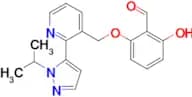
CAS:Formula:C14H12O3Purity:95.0%Color and Shape:SolidMolecular weight:228.2472-HYDROXY-6-((2-(1-ISOPROPYL-1H-PYRAZOL-5-YL)PYRIDIN-3-YL)METHOXY)BENZALDEHYDE
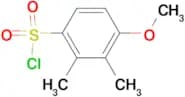
CAS:Purity:95.0%Molecular weight:337.37899780273444-methoxy-2,3-dimethylbenzenesulfonyl chloride
CAS:Purity:95.0%Color and Shape:SolidMolecular weight:234.69000244140625Probucol
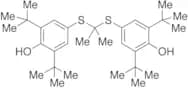
CAS:Controlled Product<p>Applications Probucol is an antilipemic.<br>References Shakir, D., et al.: J. Clin. Med. Res., 1, 8 (2009), Kubo, Y., et al.: Biol. Pharm. Bull., 32, 1880 (2009), Gohil, V., et al.: Nat. Biotechnol., 28, 249 (2010),<br></p>Formula:C31H48O2S2Color and Shape:NeatMolecular weight:516.841-(3-(BENZO[D]THIAZOL-2-YL)-4-HYDROXYPHENYL)-3-PHENYLUREA
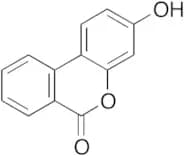
CAS:Purity:95.0%Molecular weight:361.4200134277344Urolithin B
CAS:<p>Stability Hygroscopic<br>Applications Urolithin B is an intestinal microbial metabolite of ellagitannis and exhibits potent anti-oxidant and pro-oxidant activies depending on the assay system and conditions. Urolithin B can also display estrogenic and/or anti-estrogenic activity.<br>References Kallio, T., et al.: J. Agr. Food Chem., 61, 10720 (2013); Nealmongkol, P., et al.: Tetrahedron, 69, 9277 (2013); Larrosa, M., et al.: J. Agr. Food Chem., 54, 1611 (2006); Bialonska, D., et al.: J. Agr. Food Chem., 57, 10181 (2009)<br></p>Formula:C13H8O3Color and Shape:NeatMolecular weight:212.201-{[5-(4-Methoxyphenyl)-1,3,4-oxadiazol-2-yl]methyl}-1H-1,2,3-benzotriazole
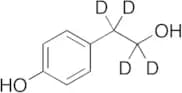
CAS:Purity:97.0%Molecular weight:307.31298828125Tyrosol-d4
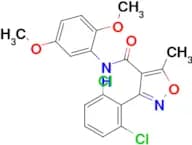
CAS:Controlled Product<p>Applications Tyrosol-d4 is the isotope labelled analog of Tyrosol (T947800); a phenolic antioxidant.<br>References Perez-Trujillo, M., et al.: J. Agric. Food Chem., 58, 9129 (2010); Gregus, P., et al.: J. Pharm. Biomed. Anal., 53, 674 (2010)<br></p>Formula:C8H6D4O2Color and Shape:White SolidMolecular weight:142.193-(2,6-Dichlorophenyl)-N-(2,5-dimethoxyphenyl)-5-methylisoxazole-4-carboxamide
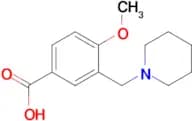
CAS:Purity:97%Molecular weight:407.254-Methoxy-3-piperidin-1-ylmethyl-benzoic acid
CAS:Formula:C14H19NO3Color and Shape:SolidMolecular weight:249.31Lobetyolin
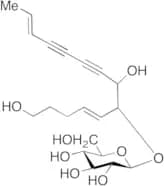
CAS:Controlled Product<p>Applications Lobetyolin is a natural phenolic glycoside found in herbal remedies used in Chinese and Korean medicine. Potential treatment for diabetic complications.<br>References Jang, D. et al.: Arch. Pharm. Res., 33, 875 (2010); Koike, Y. et al.: J. Nat. Med., 64, 245 (2010);<br></p>Formula:C20H28O8Color and Shape:NeatMolecular weight:396.43Triclosan
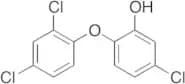
CAS:<p>Applications Triclosan is used as bactericide and preservative for cosmetic and detergent compositions (1). Broadly used as an antiseptic and disinfectant (2).This compound is a contaminant of emerging concern (CECs). Drinking water contaminant candidate list 3 (CCL 3) compound as per United States Environmental Protection Agency (EPA). Environmental contaminants; Food contaminants.<br> Not a dangerous good if item is equal to or less than 1g/ml and there is less than 100g/ml in the package<br>References 1. Lindström, A. et al.: Environ. Sci. Technol. 2002 Jun 1;36(11):2322-9. 2. Ruszkiewicz, J. et al.: J. Toxicol. Environ. Health B. Crit. Rev. 2017;20(2):104-117.<br></p>Formula:C12H7Cl3O2Color and Shape:NeatMolecular weight:289.541-Methoxy-4-(1E)-1-propen-1-ylbenzene
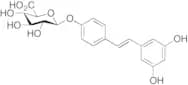
CAS:<p>Applications 1-Methoxy-4-(1E)-1-propen-1-ylbenzene is a component of essential oils extracted from natural sources. It is also a possible inhibitor of protein kinase CK2α and CK2α’.<br>References Liang, Zhi-yuan, et al.: Shizhen Guoyi Guoyao, 25(7), 1602-1604 (2014);Benelli, Giovanni, et al.: Indus. Crops and Prod., 124, 236-243 (2018);Baier, Andrea, et al.: Phytochem., 136, 39-45 (2017)<br></p>Formula:C10H12OColor and Shape:NeatMolecular weight:148.20trans-Resveratrol 4’-O-β-D-Glucuronide
CAS:Controlled Product<p>Applications A metabolite of trans Resveratrol (150000).<br>References Schroder, H., et al.: Clin. Nutr., 20, 429 (2001), Yu, C., et al.: Pharm. Res., 19, 1907 (2002), Rimando, A., et al.: J. Agric. Food Chem., 52, 4713 (2004), Walle, T., et al.: Drug Metab. Dispos., 32, 1377 (2004), Ito, H., et al.: Br. J. Nutr., 94, 500 (2005),<br></p>Formula:C20H20O9Color and Shape:NeatMolecular weight:404.376-Chloro-N-(3-chloro-4-methoxyphenyl)-1-methyl-1H-pyrazolo[3,4-d]pyrimidin-4-amine
CAS:Purity:95.0%Molecular weight:324.17001342773442-METHOXY-5-(5-(PYRIDIN-4-YL)-1H-BENZO[D]IMIDAZOL-1-YL)PHENOL
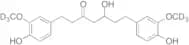
CAS:Purity:95.0%Molecular weight:317.3479919433594Hexahydrocurcumin-d6
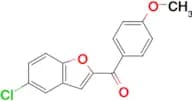
CAS:Controlled Product<p>Applications Hexahydrocurcumin-d6 is an isotope labelled degradation product of Curcumin (C838500), a dietary anti-inflammatory and chemopreventive agent consisting of two methoxyphenol rings connected by a conjugated heptadienedione chain.<br>References Gordon, D.N., et al.: J. Biol. Chem., 290, 4817 (2015);<br></p>Formula:C21H20D6O6Color and Shape:NeatMolecular weight:380.46(5-Chlorobenzofuran-2-yl)(4-methoxyphenyl)methanone
CAS:Purity:95.0%Molecular weight:286.7099914550781Imperatorin
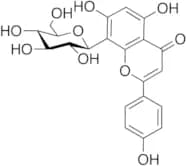
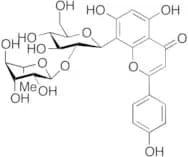
CAS:Controlled Product<p>Applications Imperatorin (cas# 482-44-0) is a compound useful in organic synthesis.<br></p>Formula:C16H14O4Color and Shape:White To Light BeigeMolecular weight:270.28Vitexin
CAS:Controlled Product<p>Stability Hygroscopic<br>Applications Vitexin is a phenolic glycoside drug that shows anti-stress activity. It also shows possible application as an anti-diabetic.<br>References Gupta, P. et al.: Bioorg. Med. Chem., 21, 1116 (2013); Tao, Y. et al.: J. Pharm. Biomed. Anal., 78, 190 (2013);<br></p>Formula:C21H20O10Color and Shape:YellowMolecular weight:432.38(S)-3-((tert-Butoxycarbonyl)amino)-3-(2-hydroxyphenyl)propanoic acid
CAS:Purity:95.0%Molecular weight:281.30801391601564-(4-methoxybenzoyl)-8-propyl-1-oxa-4,8-diazaspiro[4.5]decane-3-carboxylic acid
CAS:Purity:95.0%Molecular weight:362.42599487304692,4-Dibromo-5-methoxytoluene
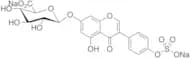
CAS:Formula:C8H8Br2OPurity:98.0%Color and Shape:SolidMolecular weight:279.959Genistein 7-β-D-Glucuronide 4’-Sulfate Disodium Salt
CAS:<p>Applications Sulfuric Acid conjugated Genistein metabolite.<br>References Kinjo, J., et al.: Biol. Pharm. Bull., 27, 185 (2004), Tsuchihashi, R., et al.: Nat. Med., 58, 71 (2004), Bursztyka, J., et al.: Food Chem. Toxicol., 46, 939 (2008),<br></p>Formula:C21H16Na2O14SColor and Shape:Brown To Dark RedMolecular weight:570.39Genistein-2’,3’,5’,6’-d4 (Major)
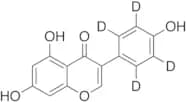
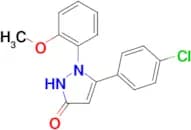
CAS:Controlled Product<p>Applications Exhibits specific inhibitory activity against tyrosine kinases,including autophosphorylation of epidermal growth factor receptor kinase (IC50 - 2.6uM). Also inhibits other protein kinases through competitive inhibition of ATP. Inhibits tumor cell proliferation and induces tumor cell differentiation. Produces cell-cycle arrest and apoptosis in Jurat T-leukemia cells. However, it prevents anti-CD3 monoclonal antibody-induced thymic apoptosis. Genistein also inhibits topoisomerase II activity in vitro. Genistein has also been shown to inhibit the action of GABA on recombinant GABAA receptors2. uv(max)ethanol: 262.5 nm (e= 138). moderately sol. in hot alcohol<br>References Akiyama, T., et al.: J. Biol. Chem., 262, 5592 (1987), O'Dell, T.J., et al.: Nature, 353, 588 (1991), Aharonovits, O., et al.: Biochim Biophys. Acta, 1112, 181 (1992), Platanias, L.C., et al.: J. Biol. Chem., 267, 24053 (1992), Yoshida, H., et al.: Biochim. Biophys. Acta, 1137, 321 (1992), Uckun, F.M., et al.: Science, 267, 886 (1995)Merck Index 12th ed. 43952. Huang, R.Q.; Fang, M.J.; Dillon, G.H., Mol. Brain Res. 67: 177-183 (1999)<br></p>Formula:C152H4H6O5Color and Shape:NeatMolecular weight:274.265-(4-CHLOROPHENYL)-1-(2-METHOXYPHENYL)-1H-PYRAZOL-3(2H)-ONE
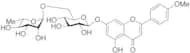
CAS:Purity:95.0%Molecular weight:300.739990234375Linarine
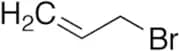
CAS:Controlled Product<p>Impurity Diosmin EP Impurity E<br>Stability Hygroscopic<br>Applications Linarine (Diosmin EP Impurity E) is a naturally occurring flavone glycoside that was identified to possess potential sedative and anticonvulsant properties.<br>References Nugroho, A., et al.: Arch. Pharma. Res., 36, 51 (2013); Jung, H.A., et al.: Arch. Pharma. Res., 35, 1021 (2012); Shen, H.J., et al.: J. Med. Plants. Res., 5, 6555 (2011);<br></p>Formula:C28H32O14Color and Shape:White To Light BeigeMolecular weight:592.545Allyl Bromide (Stabilized with Propylene Oxide)
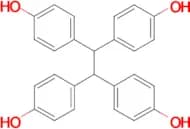
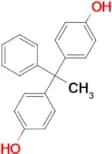
CAS:Controlled Product<p>Applications Allyl Bromide is used as a reagent in the synthesis of Resveratrol derivatives. Resveratrol (R150000) is a minor constituent of wine, correlated with serum lipid reduction and inhibition of platelet aggregation. Resveratrol is a specific inhibitor of COX-1, and it also inhibits the hydroperoxidase activity of COX-1. It has been shown to inhibit events associated with tumor initiation, promotion and progression.<br> E0<br>References Powell, R.G., et al.: Phytochemistry, 35, 335 (1994), Jeandet, P., et al.: J. Phytopathol., 143, 135 (1995), Mattivi, F., et al.: J. Agric. Food Chem., 43, 1820 (1995); Mulakayala, C. et al.: J. Mol. Graph. Model., 41, 43 (2013);<br></p>Formula:C3H5BrColor and Shape:Colourless To Light YellowMolecular weight:120.984,4',4'',4'''-(Ethane-1,1,2,2-tetrayl)tetraphenol
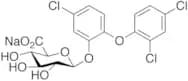
CAS:Purity:95.0%Color and Shape:SolidMolecular weight:398.4580078125Triclosan O-β-D-Glucuronide Sodium Salt
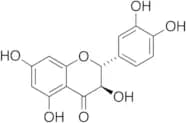
CAS:Controlled Product<p>Applications Triclosan O-β-D-Glucuronide is a metabolite of the bacteriostat, Triclosan (T774250).<br>References Moss, T. et al.: Food Chem. Toxicol., 38, 361 (2000); Wu, J. et al.: Sepu, 27, 724 (2009);<br></p>Formula:C18H14Cl3NaO8Color and Shape:NeatMolecular weight:487.65(+)-trans Taxifolin
CAS:Controlled Product<p>Applications An antioxidant flavenoid.<br>References Dixon, D., et al.: J. Biol. Chem., 285, 36322 (2010), Sheu, M., et al.: Chem. Pharm. Bull., 58, 1187 (2010),<br></p>Formula:C15H12O7Color and Shape:NeatMolecular weight:304.25(2E)-1-{[1,1'-biphenyl]-4-yl}-3-(2,3,4-trimethoxyphenyl)prop-2-en-1-one
CAS:Purity:95.0%Molecular weight:374.4360046386719Biochanin A
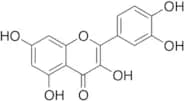
CAS:Controlled Product<p>Applications An isoflavone with anticancer proliferation, differentiation and chemopreventitive properties. Inhibits metabolic activation of benzo[a]pyrene.<br>References Chae, Y.H., et al.: Chem. Biol. Interactions, 82, 181 (1992), Jing, Y. and Waxman, S.: Anticancer Res., 15(4), 1147 (1995)<br></p>Formula:C16H12O5Color and Shape:Off-WhiteMolecular weight:284.26Quercetin
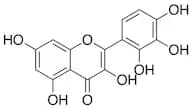
CAS:Controlled ProductFormula:C15H10O7Color and Shape:Yellow Crystalline PowderMolecular weight:302.24(2-{[2-(4-Methoxyphenyl)-1H-indol-3-yl]thio}ethyl)amine
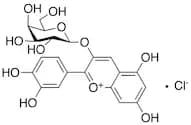
CAS:Purity:95.0%Molecular weight:298.3999938964844Cyanidin 3-O-β-D-Galactopyranoside Chloride
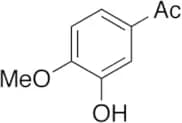
CAS:Controlled Product<p>Applications An anthocyanin responsible for red pigment in fruits and berries. It is an antioxidant, protecting the cell against damage from SOD.<br>References Riihinen, K., et al.: Food Chem., 110, 156 (2008), Khanizadeh, S., et al.: J. Food Comp. Anal., 21, 396 (2008), Viskelis, P., et al.: J. Food Sci., 74, C157 (2009), Comeskey, D., et al.: J. Agric. Food Chem., 57, 2035 (2009),<br></p>Formula:C21H21O11·ClColor and Shape:Dark Brown SolidMolecular weight:484.84Isoacetovanillone
CAS:<p>Impurity Diosmin EP Impurity A<br>Applications Isoacetovanillone (Diosmin EP Impurity A) is a volatile compound isolated from oak wood. Also a byproduct in the production of Acetovanillone.<br>References Smith, C., et al.: Toxicol. Sci., 69, 265 (2002), Sun, L., et al.: Anticancer Res., 24, 179 (2004), Fernandez de Simon, B., et al.: J. Agric. Food Chem., 57, 3217 (2009),<br></p>Formula:C9H10O3Color and Shape:WhiteMolecular weight:166.173-(1-(4-Chlorophenyl)-3-oxobutyl)-4-hydroxy-2H-chromen-2-one
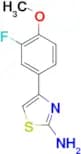
CAS:Purity:98.0%Molecular weight:342.77999877929694-(3-Fluoro-4-methoxyphenyl)thiazol-2-ylamine
CAS:Formula:C10H9FN2OSColor and Shape:SolidMolecular weight:224.25(2E)-3-[4-(benzyloxy)phenyl]-1-(2,4-dimethoxyphenyl)prop-2-en-1-one
CAS:Purity:95.0%Molecular weight:374.4360046386719Ref: 10-F531281
1gTo inquire2gTo inquire5gTo inquire10gTo inquire100mgTo inquire250mgTo inquire500mgTo inquireChloroxylenol-d6
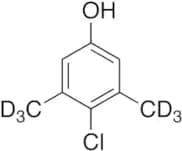
CAS:Controlled Product<p>Applications Labelled Chloroxylenol. Chloroxylenol is an antiseptic and germicide. Chloroxylenol is used for mildew prevention. Chloroxylenol is also an antibacterial.<br>References Heberer, T., et al.: Toxicol. Lett., 131, 5 (2002); Nikolaou, A., et al.: Anal. Bioanal. Chem., 387, 1225 (2007); Focazio, M., et al.: Sci. Total Environ., 402, 201 (2008); Miege, C., et al.: Environ. Pollut., 157, 1721 (2009);<br></p>Formula:C8H3D6ClOColor and Shape:NeatMolecular weight:162.65Ref: 10-F226043
5gTo inquire10gTo inquire1kg376.00€25gTo inquire50gTo inquire100g58.00€200gTo inquire500g212.00€3,3-Dimethoxybenzidine dihydrochloride
CAS:Purity:98.0%Color and Shape:Solid, solidMolecular weight:317.20999145507814-(3-methoxyphenyl)-3H,4H,5H,6H,7H-imidazo[4,5-c]pyridine-6-carboxylic acid
CAS:Purity:95.0%Molecular weight:273.2919921875(2E)-1-{[1,1'-biphenyl]-4-yl}-3-(3-methoxyphenyl)prop-2-en-1-one
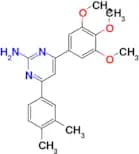
CAS:Purity:95.0%Molecular weight:314.38400268554694-(3,4-dimethylphenyl)-6-(3,4,5-trimethoxyphenyl)pyrimidin-2-amine
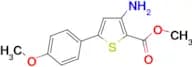
CAS:Purity:95.0%Molecular weight:365.43301391601563-Amino-5-(4-methoxyphenyl)thiophene-2-carboxylic acid methyl ester
CAS:Formula:C13H13NO3SPurity:95.0%Molecular weight:263.31Ref: 10-F862109
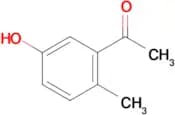
1mgTo inquire2mgTo inquire5mgTo inquire10mgTo inquire50mgTo inquire100mgTo inquire250mgTo inquire1-(5-Hydroxy-2-methylphenyl)ethanone
CAS:Purity:95+%Color and Shape:SolidMolecular weight:150.1770019531254-[6-(2-Methoxy-phenyl)-pyridin-3-yl]-pyrimidin-2-ylamine
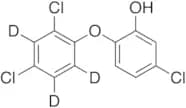
Purity:95.0%Molecular weight:278.31500244140625Triclosan-d3
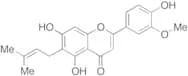
CAS:Controlled Product<p>Applications Isotope labelled Triclosan is used as bactericide and preservative for cosmetic and detergent compositions (1). Broadly used as an antiseptic and disinfectant (2). This compound is a contaminant of emerging concern (CECs). Drinking water contaminant candidate list 3 (CCL 3) compound as per United States Environmental Protection Agency (EPA). Environmental contaminants; Food contaminants.<br> Not a dangerous good if item is equal to or less than 1g/ml and there is less than 100g/ml in the package<br>References 1. Lindström, A. et al.: Environ. Sci. Technol. 2002 Jun 1;36(11):2322-9. 2. Ruszkiewicz, J. et al.: J. Toxicol. Environ. Health B. Crit. Rev. 2017;20(2):104-117.<br></p>Formula:C122H3H4Cl3O2Color and Shape:Off-White To Light YellowMolecular weight:292.56Cannflavin B
CAS:Controlled Product<p>Applications Cannflavin B is a prenylated flavone which can be isolated from the cannabinoid free ethanolic extract of Cannabis sativa L.<br>References Barrett, M. L., Experientia, 42, 452-3, (1986)<br></p>Formula:C21H22O6Color and Shape:NeatMolecular weight:370.3958Resveratrol-13C6
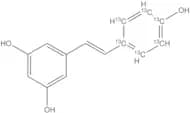
CAS:Controlled Product<p>Applications Minor constituent of wine, correlated with serum lipid reduction and inhibition of platelet aggregation. Resveratrol is a specific inhibitor of COX-1, and it also inhibits the hydroperoxidase activity of COX-1. It has been shown to inhibit events associated with tumor initiation, promotion and progression.<br>References Powell, R.G., et al.: Phytochemistry, 35, 335 (1994), Jeandet, P., et al.: J. Phytopathol., 143, 135 (1995), Mattivi, F., et al.: J. Agric. Food Chem., 43, 1820 (1995),<br></p>Formula:C6C8H12O3Color and Shape:NeatMolecular weight:234.202-Hydroxy-3-methoxybenzonitrile
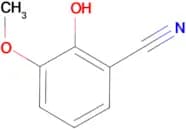
CAS:Formula:C8H7NO2Purity:96%Color and Shape:SolidMolecular weight:149.1494-(2,5-dimethoxyphenyl)-6-(3,4-dimethylphenyl)pyrimidin-2-amine
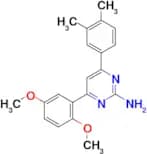
CAS:Purity:95.0%Molecular weight:335.4070129394531Resveratrol
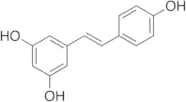
CAS:<p>Applications Minor constituent of wine, correlated with serum lipid reduction and inhibition of platelet aggregation. Resveratrol is a specific inhibitor of COX-1, and it also inhibits the hydroperoxidase activity of COX-1. It has been shown to inhibit events associated with tumor initiation, promotion and progression.<br>References Powell, R.G., et al.: Phytochemistry, 35, 335 (1994), Jeandet, P., et al.: J. Phytopathol., 143, 135 (1995), Mattivi, F., et al.: J. Agric. Food Chem., 43, 1820 (1995),<br></p>Formula:C14H12O3Color and Shape:Off-WhiteMolecular weight:228.24(2R,3S)-2-(3,4-Dihydroxyphenyl)chroman-3,5,7-triol
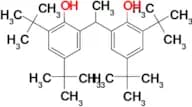
CAS:Purity:95.0%Color and Shape:SolidMolecular weight:290.270996093752,2'-Ethylidenebis(4,6-di-tert-butylphenol)
CAS:Color and Shape:SolidMolecular weight:438.69601440429693-(tert-Butyl)-4-(2-methoxyphenyl)-2,3-dihydrobenzo[d][1,3]oxaphosphole
CAS:Purity:95%Molecular weight:300.3380126953125Bisdemethoxycurcumin
CAS:Controlled Product<p>Applications Bisdemethoxycurcumin is one of the three major forms of curcuminoids found in the rhizomes of turmeric. Bisdemethoxycurcumin displays antioxidant, anti-inflammatory as well as chemotherapeutic activity. Bisdemethoxycurcumin acts as an inhibitor of human pancreatic α-amylase, a target for type-2 diabetes .<br>References Ponnusamy, S. et al.: Food Chem., 135, 2638 (2012); Hung, C.-M. et al.: J. Agric. Food. Chem., 60, 8427 (2012); Jayaprakasha, G.K. et al.: Food Chem., 98, 720 (2006);<br></p>Formula:C19H16O4Color and Shape:NeatMolecular weight:308.334-Chloro-7-(4-methoxy-phenyl)-5-phenyl-7H-pyrrolo[2,3-d]pyrimidine
CAS:Purity:92.0%Molecular weight:335.79000854492195-Fluoro-N-(3-hydroxybenzyl)-1H-indole-2-carboxamide
CAS:Purity:97.0%Molecular weight:284.29000854492193,3-Bis(3,5-dibromo-4-hydroxyphenyl)isobenzofuran-1(3H)-one
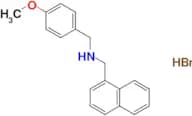
CAS:Purity:98%Molecular weight:633.9119873046875(4-methoxybenzyl)(1-naphthylmethyl)amine hydrobromide
CAS:Purity:95.0%Molecular weight:358.278991699218754,6-Dichloro-5-(2-methoxyphenoxy)-2,2'-bipyrimidine
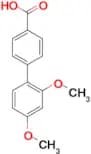
CAS:Purity:98.0%Molecular weight:349.17001342773442′,4′-Dimethoxybiphenyl-4-carboxylic acid
CAS:Formula:C15H14O4Purity:95.0%Color and Shape:SolidMolecular weight:258.2736-chloro-3-(3-methoxyphenyl)[1,2,4]triazolo[4,3-b]pyridazine
CAS:Purity:95.0%Molecular weight:260.67999267578125
![Methyl 4′-hydroxy-[1,1′-biphenyl]-3-carboxylate](/_next/image/?url=https%3A%2Fstatic.cymitquimica.com%2Fproducts%2F10%2Fthumb-webp%2FF236153.webp&w=3840&q=75)


![1-(3-(BENZO[D]THIAZOL-2-YL)-4-HYDROXYPHENYL)-3-PHENYLUREA](/_next/image/?url=https%3A%2Fstatic.cymitquimica.com%2Fproducts%2F10%2Fthumb-webp%2FF470075.webp&w=3840&q=75)
![1-{[5-(4-Methoxyphenyl)-1,3,4-oxadiazol-2-yl]methyl}-1H-1,2,3-benzotriazole](/_next/image/?url=https%3A%2Fstatic.cymitquimica.com%2Fproducts%2F10%2Fthumb-webp%2FF188683.webp&w=3840&q=75)
![4-(bicyclo[1.1.1]pentan-1-yl)phenol](/_next/image/?url=https%3A%2Fstatic.cymitquimica.com%2Fproducts%2F10%2Fthumb-webp%2FF516249.webp&w=3840&q=75)

![6-Chloro-N-(3-chloro-4-methoxyphenyl)-1-methyl-1H-pyrazolo[3,4-d]pyrimidin-4-amine](/_next/image/?url=https%3A%2Fstatic.cymitquimica.com%2Fproducts%2F10%2Fthumb-webp%2FF520751.webp&w=3840&q=75)
![2-METHOXY-5-(5-(PYRIDIN-4-YL)-1H-BENZO[D]IMIDAZOL-1-YL)PHENOL](/_next/image/?url=https%3A%2Fstatic.cymitquimica.com%2Fproducts%2F10%2Fthumb-webp%2FF332581.webp&w=3840&q=75)

![4-(Benzo[d]oxazol-2-yl)phenol](/_next/image/?url=https%3A%2Fstatic.cymitquimica.com%2Fproducts%2F10%2Fthumb-webp%2FF722267.webp&w=3840&q=75)


![4-(4-methoxybenzoyl)-8-propyl-1-oxa-4,8-diazaspiro[4.5]decane-3-carboxylic acid](/_next/image/?url=https%3A%2Fstatic.cymitquimica.com%2Fproducts%2F10%2Fthumb-webp%2FF525716.webp&w=3840&q=75)

![(2E)-1-{[1,1'-biphenyl]-4-yl}-3-(2,3,4-trimethoxyphenyl)prop-2-en-1-one](/_next/image/?url=https%3A%2Fstatic.cymitquimica.com%2Fproducts%2F10%2Fthumb-webp%2FF524246.webp&w=3840&q=75)

![(2-{[2-(4-Methoxyphenyl)-1H-indol-3-yl]thio}ethyl)amine](/_next/image/?url=https%3A%2Fstatic.cymitquimica.com%2Fproducts%2F10%2Fthumb-webp%2FF511692.webp&w=3840&q=75)

![(2E)-3-[4-(benzyloxy)phenyl]-1-(2,4-dimethoxyphenyl)prop-2-en-1-one](/_next/image/?url=https%3A%2Fstatic.cymitquimica.com%2Fproducts%2F10%2Fthumb-webp%2FF523711.webp&w=3840&q=75)



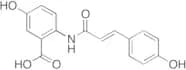

![4-(3-methoxyphenyl)-3H,4H,5H,6H,7H-imidazo[4,5-c]pyridine-6-carboxylic acid](/_next/image/?url=https%3A%2Fstatic.cymitquimica.com%2Fproducts%2F10%2Fthumb-webp%2FF522508.webp&w=3840&q=75)
![(2E)-1-{[1,1'-biphenyl]-4-yl}-3-(3-methoxyphenyl)prop-2-en-1-one](/_next/image/?url=https%3A%2Fstatic.cymitquimica.com%2Fproducts%2F10%2Fthumb-webp%2FF524237.webp&w=3840&q=75)

![4-[6-(2-Methoxy-phenyl)-pyridin-3-yl]-pyrimidin-2-ylamine](/_next/image/?url=https%3A%2Fstatic.cymitquimica.com%2Fproducts%2F10%2Fthumb-webp%2FF511273.webp&w=3840&q=75)


![3-(tert-Butyl)-4-(2-methoxyphenyl)-2,3-dihydrobenzo[d][1,3]oxaphosphole](/_next/image/?url=https%3A%2Fstatic.cymitquimica.com%2Fproducts%2F10%2Fthumb-webp%2FF611045.webp&w=3840&q=75)

![4-Chloro-7-(4-methoxy-phenyl)-5-phenyl-7H-pyrrolo[2,3-d]pyrimidine](/_next/image/?url=https%3A%2Fstatic.cymitquimica.com%2Fproducts%2F10%2Fthumb-webp%2FF511693.webp&w=3840&q=75)




![6-chloro-3-(3-methoxyphenyl)[1,2,4]triazolo[4,3-b]pyridazine](/_next/image/?url=https%3A%2Fstatic.cymitquimica.com%2Fproducts%2F10%2Fthumb-webp%2FF495065.webp&w=3840&q=75)
![2-{[(7H-purin-6-yl)amino]methyl}phenol](/_next/image/?url=https%3A%2Fstatic.cymitquimica.com%2Fproducts%2F10%2Fthumb-webp%2FF693368.webp&w=3840&q=75)