Metal Salts
Found 2872 products of "Metal Salts"
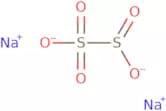
Sodium metabisulfite
CAS:Sodium metabisulfite is a preservative used to inhibit microbial growth in food and drinks. This chemical has been shown to cause bronchoconstriction in animals, but the mechanism for this effect is not well understood. Sodium metabisulfite may also cause anaphylactic reactions in humans. There are no toxicity studies available for sodium metabisulfite injection solutions, but it has been shown that anhydrous sodium metabisulfite can be toxic at high doses. The effects of sodium metabisulfite on human cells have been studied using a surface methodology and cytotoxicity assay. These experiments showed that sodium metabisulfite significantly reduced cellular viability and had significant cytotoxic effects on cells. The mechanism of this cell death was found to be due to the enzyme activity of sulfite oxidase, which produces hydrogen peroxide as a by-product. This hydrogen peroxide causes oxidative stress and leads to the production of reactive oxygen species (ROS) that induce DNA damage
Formula:Na2S2O5Purity:Min. 97%Color and Shape:PowderMolecular weight:190.11 g/molRef: 3D-FS40910
Discontinued productPotassium tetrachloroplatinate(II)
CAS:Potassium tetrachloroplatinate(II) is a metal chelate of potassium and platinum. It can be used as a catalyst for organic syntheses, such as hydrogenation reactions. Potassium tetrachloroplatinate(II) has a high affinity for the amide ligands in substrates, which allows it to be used for hydrogenation reactions. The reaction mechanism of this compound has been investigated by x-ray crystal structures and in vitro experiments. The reaction mechanism primarily involves the formation of an organometallic intermediate that subsequently reacts with the substrate via an addition-elimination process. This compound also emits light when heated and produces a dark red color due to its ability to absorb visible light.
Formula:K2PtCl4Purity:Min. 95%Color and Shape:PowderMolecular weight:415.09 g/molRef: 3D-FP54960
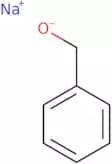
Discontinued productSodium benzyloxide solution - 1.0 M in benzyl alcohol
CAS:Sodium benzyloxide is an alkanoic acid with the chemical formula CH3C6H2O2. It is used as a matrix metalloproteinase inhibitor in the synthesis of bicyclic heterocycles. It is also used in asymmetric synthesis and as a substrate for enzyme inhibitors. Sodium benzyloxide has been shown to be effective against herpes simplex virus by preventing viral replication and inducing apoptosis.
Formula:C6H5CH2ONaColor and Shape:Clear LiquidMolecular weight:130.12 g/molRef: 3D-FS165047
Discontinued productSamarium(II) Iodide (ca. 0.1mol/L in Tetrahydrofuran)
CAS:Samarium(II) iodide is a synthetic carbonyl, soluble in acetonitrile, dioxolane and formyl. It is used as a reactant in preparative methods to produce alkyl halides. Samarium(II) iodide reacts with an aldehyde or ketone in the presence of acetic acid to produce an alkyl halide. This compound has chemoselectivity for the production of secondary alcohols and can be used to prepare coupling products. Samarium(II) iodide can also be used to prepare alkene and ketone compounds by reacting with formaldehyde and acetone respectively.
Formula:SmI2Purity:Min. 95%Molecular weight:404.17 g/molRef: 3D-FS61157
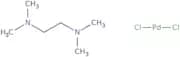
Discontinued productcis-Dichloro(N,N,N',N'-tetramethylethylenediamine)palladium(II)
CAS:Controlled ProductPlease enquire for more information about cis-Dichloro(N,N,N',N'-tetramethylethylenediamine)palladium(II) including the price, delivery time and more detailed product information at the technical inquiry form on this pageFormula:C6H16Cl2N2PdPurity:Min. 95%Molecular weight:293.53 g/molRef: 3D-FD149470
Discontinued productSodium chlorite
CAS:Sodium chlorite is a disinfectant that is used to reduce the number of bacteria in the air, water, and surfaces. It is acidic and has been shown to be effective against infectious diseases such as tuberculosis, cholera, and malaria. Sodium chlorite can be produced through the oxidation of sodium chloride by chlorite ion at high temperatures. The optimum concentration for sodium chlorite is 10-15%. This agent can also be used as an analytical method for determining the presence of organic compounds that are difficult to measure by other methods. Laser ablation coupled with mass spectrometry is one example of this technique. Sodium chlorite can also be used to treat wastewater and inhibits oxidative injury in cells.
Formula:NaClO2Purity:Min. 95%Color and Shape:White To Yellow SolidMolecular weight:90.44 g/molRef: 3D-FS09639
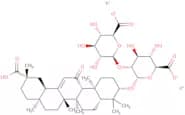
Discontinued productDipotassium glycyrrhizinate
CAS:Dipotassium glycyrrhizinate is a compound that is soluble in water and is found in the roots of Glycyrrhiza glabra, an herb that has been used for centuries to treat a variety of inflammatory conditions. The main component of this extract is glycyrrhizinic acid, a triterpene that has been shown to have anti-inflammatory effects. This compound binds to toll-like receptor 4 (TLR4), which is involved in the innate immune response. Dipotassium glycyrrhizinate can inhibit the production of pro-inflammatory cytokines such as tumor necrosis factor alpha and interleukin-8. It also inhibits the release of histamine from mast cells, which are implicated in allergic reactions.
Formula:C42H60K2O16Purity:75%Molecular weight:899.11 g/molRef: 3D-FD166891
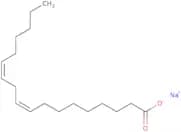
Discontinued productSodium linoleate
CAS:Sodium linoleate is a model system for studying the effect of radiation on tumorigenesis. Sodium linoleate is used to study the relationship between light exposure and cancer. It has been shown to inhibit Cox-2 expression in carcinoma cell lines, which may be due to its ability to inhibit cox-2 activity by preventing the production of prostaglandins E2 (PGE2). The increased levels of PGE2 can lead to an increase in inflammation and cancer growth. Sodium linoleate has also been shown to have a synergic effect with sodium carbonate in inhibiting tumour growth, which is due to the inhibition of nuclear DNA transcription and protein synthesis.
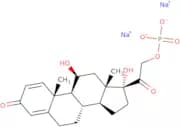
Formula:C18H32O2·NaPurity:Min. 95%Color and Shape:PowderMolecular weight:303.44 g/molPrednisolone disodium phosphate
CAS:Prednisolone is a corticosteroid that is used to treat inflammation and reduce the body's immune response. Prednisolone disodium phosphate (PDSP) is an enteric-coated tablet that releases prednisolone in the small intestine, where it can be absorbed into the bloodstream. It has been shown to be effective at reducing bowel disease activity in patients with inflammatory bowel disease. Prednisolone disodium phosphate may also have a role in controlling infectious diseases, such as tuberculosis, due to its ability to inhibit toll-like receptor 4 signaling. The drug has been studied as a model system for predicting drug interactions by monitoring the rate constant for benzalkonium chloride binding to human serum albumin.
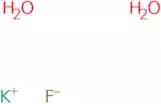
Formula:C21H29O8P•Na2Purity:Min. 95%Color and Shape:PowderMolecular weight:486.4 g/molPotassium fluoride dihydrate
CAS:Controlled ProductPotassium fluoride is an inorganic chemical that is used in the water fluoridation process. It is also used as a source of fluoride ions for the synthesis of hydroxyapatite, a mineral found in teeth and bones. Fluoride ions are also used to treat certain infectious diseases, such as malaria. The asymmetric synthesis of potassium fluoride was first reported by M. S. Kharasch and J. A. Fink in 1943 using plasma mass spectrometry. This method has been widely adopted for commercial production of potassium fluoride because it can be scaled up easily and does not require specialized equipment.
Potassium fluoride has been shown to inhibit viral replication by hydrogen bonding with the guanine-cytosine base pairs on the viral dsDNA, which prevents the DNA from uncoiling and copying its genetic information into new viral particles. Potassium fluoride has also been shown to be effective against hepatitis B virus (HBV) and mammalian cells infected by HBFormula:KF·2H2OPurity:Min. 95%Molecular weight:94.13 g/molRef: 3D-FP34794
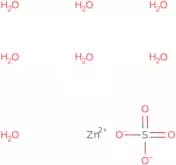
Discontinued productZinc sulfate heptahydrate
CAS:Zinc sulfate heptahydrate is a chemical compound that is used in sample preparation. It is an acid complex with a high degree of chemical stability. Zinc sulfate heptahydrate can be used to prepare fluorescent derivatives for the detection of organic compounds and metal ions. Zinc sulfate heptahydrate has been shown to have controlled-release properties, which may be due to its ability to form microcapsules with anhydrous sodium carbonate, water vapor, and potassium dichromate. Structural analysis has been conducted on zinc sulfate heptahydrate in order to determine the reaction mechanism for this compound. The reaction mechanism involves the formation of zinc oxide and hydrogen peroxide from the decomposition of zinc sulfate heptahydrate. This product also has applications in the treatment of infectious diseases such as malaria and tuberculosis.
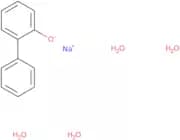
Formula:ZnSO4·7H2OPurity:Min. 95%Color and Shape:PowderMolecular weight:287.55 g/mol2-Hydroxybiphenyl sodium salt tetrahydrate
CAS:2-Hydroxybiphenyl sodium salt tetrahydrate is an inorganic, colorimetric mediator that is used for the determination of symbiotic N 2 fixation. It is a salt of 2-hydroxybiphenyl and sodium hydroxide. The color change from yellow to violet is indicative of the presence of nitrogenase activity. This mediator can be used to measure the efficiency of immobilized N 2 -fixing bacteria on various surfaces or to determine the uptake of nutrients by bacteria.
Formula:C12H17NaO5Purity:Min. 95%Molecular weight:264.25 g/molRef: 3D-FH137345
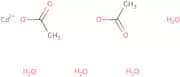
Discontinued productCobalt(II) acetate tetrahydrate
CAS:Cobalt(II) acetate tetrahydrate is a model system that can be used to study the structures of coordination complexes. The cobalt ion has a coordination geometry with two water molecules, two oxygen atoms from the acetate anion, and one proton from the hydroxide anion. The crystal structure is composed of six-membered rings of alternating metal ions and oxygen atoms. The reaction solution contains excess sodium hydroxide and water vapor. It was determined that cobalt(II) acetate tetrahydrate reacts electrochemically at low frequencies as well as with 5-hmf, an oxidizing agent, in the presence of sodium citrate as an oxidation catalyst.
Formula:C4H6CoO4·4H2OPurity:Min. 95%Color and Shape:Pink To Red SolidMolecular weight:249.08 g/molRef: 3D-FC47519
Discontinued productDicobalt Octacarbonyl (stabilized with 1-10% Hexane)
CAS:Dicobalt octacarbonyl is a carbonylative agent that converts alkenes to epoxides. It is used in the synthesis of cyclopentenones, as well as in the conversion of benzylic alcohols to aldehydes. Dicobalt octacarbonyl has been shown to react with glycosyl compounds, such as glycosides and cyclitols, to form carbon dioxide and water. This reaction produces very little hydrogen gas and no free radicals, which makes it useful for applications where these byproducts are undesirable.
Formula:C8Co2O8Purity:Min. 95%Molecular weight:341.95 g/molRef: 3D-FD60932
Discontinued productSodium percarbonate
CAS:Sodium percarbonate is a chemical compound that has a high degree of chemical stability. It is a white, crystalline solid with an appearance similar to table salt. Sodium percarbonate can be used for wastewater treatment by reacting with the hydrogen peroxide in wastewater to produce carbon dioxide and sodium sulfate. The reaction mechanism is based on the oxidation of p-hydroxybenzoic acid by hydrogen peroxide. Sodium percarbonate can also be used as an oxidizing agent in organic synthesis reactions, such as ester hydrolysis, nitro reduction, and decomposition of boron compounds. Optimum concentrations range from 1% to 3%.
Formula:C2H6Na4O12Purity:Min. 95%Molecular weight:314.02 g/molRef: 3D-FS41980
Discontinued product[1,3-Bis(diphenylphosphino)propane]palladium(II) dichloride
CAS:Controlled ProductPlease enquire for more information about [1,3-Bis(diphenylphosphino)propane]palladium(II) dichloride including the price, delivery time and more detailed product information at the technical inquiry form on this page
Formula:C27H26Cl2P2PdPurity:Min. 95%Molecular weight:589.77 g/molRef: 3D-FB46063
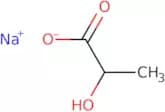
Discontinued productDL-Lactic acid sodium salt, 60% w/w syrup
CAS:Lactic acid is a natural product that has been used for many years as an antimicrobial agent in wastewater treatment. It is also used in the food industry to prevent the growth of bacteria and fungi, and as a preservative. Lactic acid has been shown to have a physiological effect on locomotor activity, which may be due to its ability to convert pyruvate into lactate. Lactic acid also inhibits the growth of some bacterial strains by increasing the disulfide bond formation between two cysteine residues. The sodium salt form of lactic acid is more soluble than the acid form and can be used as an experimental model for studying sodium-lactate interactions. Sodium lactate is used in maternal blood transfusions to increase blood pH levels during labor, and is also added to water vapor for humidification purposes.
Formula:C3H5O3NaColor and Shape:Colorless Clear LiquidMolecular weight:112.06 g/molLithium hydroxide anhydrous
CAS:Lithium hydroxide is a white solid with a high melting point. It is used in the production of other lithium salts, such as lithium carbonate, lithium citrate, and lithium bromide. Lithium hydroxide reacts with acids to produce hydrogen fluoride and water vapor. The reaction is reversible and the equilibrium constant can be calculated by measuring the concentrations of reactants and products at various temperatures. The chemical biology of lithium hydroxide has been studied using different electrochemical impedance spectroscopy techniques.
Formula:LiOHColor and Shape:White PowderMolecular weight:23.95 g/molRef: 3D-FL49109
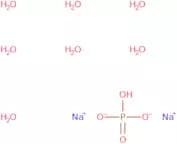
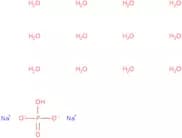
Discontinued productSodium phosphate dibasic heptahydrate
CAS:The particle size of sodium phosphate dibasic heptahydrate is between 0.1 and 1.0 μm. It has a fluorescence detector that can be used to identify metabolic disorders in humans, such as autoimmune diseases and human immunoglobulin deficiency. The particle size of sodium phosphate dibasic heptahydrate is between 0.1 and 1.0 μm. It has a fluorescence detector that can be used to identify metabolic disorders in humans, such as autoimmune diseases and human immunoglobulin deficiency. The particle size of sodium phosphate dibasic heptahydrate is between 0.1 and 1.0 μm. It has a fluorescence detector that can be used to identify metabolic disorders in humans, such as autoimmune diseases and human immunoglobulin deficiency
Formula:Na2HPO4·7H2OPurity:Min. 95%Color and Shape:White PowderMolecular weight:268.07 g/molRef: 3D-FS47163
Discontinued productSodium 1-Tetradecanesulfonate
CAS:Sodium 1-tetradecanesulfonate is a detergent additive that can be used in water-based cleaning compositions. It is a sodium salt and fatty acid that has been shown to provide high viscosity in the presence of water vapor. This product also provides excellent detergency on oily soils, and is compatible with other ingredients such as fatty alcohols, glycol ethers, glycerin, aluminium, dodecyl cations, and polyvinyl alcohols. Sodium 1-tetradecanesulfonate has been shown to have a wide range of applications including wastewater treatment and analytical chemistry.
Purity:Min. 95%Ref: 3D-FS63002
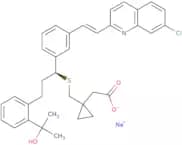
Discontinued productent-montelukast sodium salt
CAS:Please enquire for more information about ent-montelukast sodium salt including the price, delivery time and more detailed product information at the technical inquiry form on this page
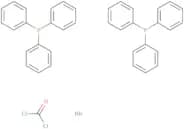
Formula:C35H35ClNNaO3SPurity:Min. 95%Molecular weight:608.17 g/molCarbonylbis(triphenylphosphine)rhodium(I) Chloride
CAS:Controlled ProductCarbonylbis(triphenylphosphine)rhodium(I) Chloride is a carbonyl compound that is prepared by reacting alcohols with diethyl ether in the presence of rhodium chloride. It is used as a reagent for alkylation, recrystallization, and purification of organic compounds. Carbonylbis(triphenylphosphine)rhodium(I) Chloride has been used to synthesize formaldehyde from ethylene glycol and formaldehyde-based resins. It also has been used as a catalyst in the conversion of aliphatic hydrocarbons to alcohols. This compound is insoluble in water and crystallizes yellow when dried.
Formula:C37H30ClOP2RhPurity:Min. 95%Molecular weight:690.94 g/molRef: 3D-FC60959
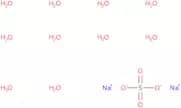
Discontinued productSodium sulphate decahydrate
CAS:Controlled ProductSodium sulphate decahydrate is an inorganic salt that is a salt of sodium and sulfuric acid. It is used as a food additive, preservative, and to control the pH of water. Sodium sulfate decahydrate has been shown to be effective for the treatment of diarrhoea caused by infectious diseases such as rotavirus and enterotoxigenic Escherichia coli. This drug also has inhibitory effects on bacterial growth and may be useful for the prevention or treatment of bowel diseases such as Crohn's disease and ulcerative colitis. The intermolecular hydrogen bonding between the anions in this compound make it highly reactive, which can result in toxic side effects. However, this drug has not exhibited any toxic side effects at concentrations below 0.5%.
Formula:H22Na2O14SPurity:Min. 95%Color and Shape:PowderMolecular weight:324.21 g/molRef: 3D-FS35057
Discontinued productRhodium 5% on Carbon (wetted with ca. 55% Water)
CAS:Rhodium 5% on Carbon (wetted with ca. 55% Water) is a catalyst that has a phase transition temperature of approximately -36 degrees Celsius. This product is used in the reaction of alkanoic acids and also for the preparation of stable complexes with metal hydroxides. Rhodium 5% on Carbon (wetted with ca. 55% Water) has been shown to have beneficial effects on autoimmune diseases, including multiple sclerosis, rheumatoid arthritis, and psoriasis. The metal-carbon bond in this product is covalent, which means it forms strong chemical bonds that are difficult to break. Rhodium 5% on Carbon (wetted with ca. 55% Water) has been shown to be an excellent catalyst for reactions involving water vapor or other molecules containing hydrogen atoms.
Formula:RhPurity:Min. 95%Molecular weight:102.91 g/molRef: 3D-FR60995
Discontinued productIron nickel oxide
CAS:Controlled ProductIron nickel oxide is a corrosion inhibitor that is used in the architectural industry. It has been shown to have photoelectrochemical properties and has been used as an electrode for the conversion of solar energy into electrical energy. This material can be activated by either dry weight or particle size, with activation energies varying from 150 to 300 mV. Iron nickel oxide also has a high chemical reactivity and can be used as a catalyst for reaction temperatures between 100-300°C.
Iron nickel oxide is an electrochemically active material that exhibits a high resistance to corrosion, which makes it an ideal candidate for use in the production of membranes for water purification systems. The particles of this material are not very large, so the general equation for calculating its resistance to corrosion is R=1/2RIO2t, where I is current intensity, R is resistance to corrosion, I0 is initial value of current intensity, and t is time.Formula:Fe2NiO4Purity:Min. 95%Molecular weight:234.38 g/molRef: 3D-FI170856
Discontinued productSilver(I) cyanide
CAS:Controlled ProductSilver(I) cyanide is an inorganic compound that is a silver salt of cyanide. It is a high-resistance material and can be used for the treatment of cancer. Silver(I) cyanide has been shown to induce apoptotic cell death in cultured cells by interfering with protein synthesis and the mitochondria membrane potential. The vibrational, structural, and functional properties of silver(I) cyanide are studied using different techniques. Silver(I) cyanide has also been shown to have fluorescence properties.
Formula:AgCNPurity:Min. 95%Molecular weight:133.89 g/molRef: 3D-FS54847
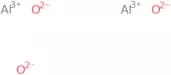
Discontinued productAluminumoxide - Partical size 40-50nm
CAS:Aluminum oxide is a non-toxic, inert solid that is used as a catalyst in the production of polymers and plastics. Aluminum oxide is also used for wastewater treatment, as it has high chemical stability. It can be used to remove pollutants such as hydrogen fluoride, hydrochloric acid and heavy metals from water. The particle size of aluminum oxide ranges from 40-50nm. The phase transition temperature of aluminum oxide is typically at 1,000°C which makes it suitable for use in industrial processes with high temperatures. Aluminum oxide has been shown to reduce inflammation, inhibit angiogenesis and increase vascular permeability in inflammatory diseases such as rheumatoid arthritis and asthma. Alumina can also induce apoptosis in cancer cells by disrupting their cell membranes.
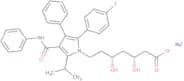
Formula:Al2O3Purity:Min. 95%Color and Shape:White SolidMolecular weight:101.96 g/molAtorvastatin sodium
CAS:HMG-CoA reductase antagonist
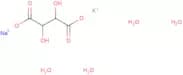
Formula:C33H35FN2O5•NaPurity:Min. 95%Color and Shape:PowderMolecular weight:581.63 g/molSodium potassium tartrate tetrahydrate
CAS:Sodium potassium tartrate tetrahydrate is a crystal compound made up of potassium and sodium. It is a ferroelectric material that exhibits polarization and piezoelectric properties. The growth rate of these crystals can be controlled by using inhibitors such as protein kinase inhibitors. Sodium potassium tartrate tetrahydrate has been shown to have inhibitory activity against certain enzymes, including proteases and kinases. Additionally, it exhibits dielectric properties and can be used in the production of capacitors and other electronic components.
Formula:C4H4KNaO6·4H2OPurity:Min. 95%Color and Shape:White PowderMolecular weight:282.22 g/molRef: 3D-FS11087
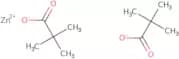
Discontinued productZinc pivalate
CAS:Zinc pivalate is a coordination complex that has been shown to be an effective metal-based catalyst for amine-mediated cross-coupling reactions. It has also been used as a ligand in the synthesis of metal complexes. Zinc pivalate is soluble in water and its molecular weight is 198.2 daltons. It has two functional groups, carboxylate and formyl group, and can be synthesized by reacting zinc chloride with pivalic acid. The molecule contains a water molecule that acts as a base to deprotonate the carboxylate group on the zinc atom, forming an alcohol group which reacts with amines to produce an aminoglycoside. Zinc pivalate is also capable of forming coordination complexes with palladium, which catalyzes cross-coupling reactions with chlorides under mild conditions.
Formula:C5H9O2ZnPurity:Min. 95%Molecular weight:166.5 g/molRef: 3D-FZ167525
Discontinued productIndium - 99.999% trace metals basis
CAS:Indium-99.999% trace metals basis is a radioactive metal whose atomic number is 49, and it is the heaviest element in Group 3 of the periodic table. Indium-99.999% trace metals basis can be used in the treatment of bowel disease, such as inflammatory bowel disease (IBD) and Crohn's disease. It may also be used to diagnose other diseases that are not visible through medical imaging techniques, such as cancer or inflammatory diseases of the bowel. It can be used to measure cell nuclei and nuclear DNA for disease activity, or identify response elements for autologous stem-cell transplantation. It has been shown that this metal can cause long-term toxicity to cells when combined with injury models. This toxicity may be due to its coordination geometry, which causes a disruption in electron flow during oxidation reactions.
Formula:InPurity:Min. 95%Molecular weight:114.82 g/molRef: 3D-FI158340
Discontinued productMethyl paraben sodium
CAS:Methyl paraben sodium is a preservative that belongs to the group of antimicrobial agents. It is used as a preservative in pharmaceuticals and personal care products. Methyl paraben sodium has been shown to have significant cytotoxicity at concentrations above 0.1%. The concentration-time curve for methylparaben sodium shows that it has a rapid effect on bacteria, with an increase in the number of dead cells after 24 hours. Methyl paraben sodium also showed significant cytotoxicity against human lung cells at concentrations below 1%. This agent has been shown to be effective against gram-positive and gram-negative bacteria, but not yeast or moulds. Methylparaben sodium is soluble in water and glycol ethers, but insoluble in oil. The solubility of this agent means that it can be used in various formulations such as nanoparticulate compositions and postharvest treatments for fruit and vegetables. Methylparaben sodium is also
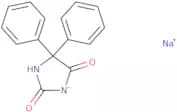
Formula:C8H7NaO3Purity:Min. 95%Color and Shape:PowderMolecular weight:174.13 g/mol5,5-Diphenylhydantoin sodium
CAS:Controlled Product5,5-Diphenylhydantoin sodium salt is an anticonvulsant drug that belongs to the class of diphenylhydantoins. This drug has been shown to have a number of clinical effects, including cardiac effects, hypersensitivity syndrome, and eosinophilic fasciitis. It also has been shown to be associated with drug interactions and toxic epidermal necrolysis. 5,5-Diphenylhydantoin sodium salt is used in the treatment of epilepsy and neuropathic pain. The mechanism of action for this drug has been shown to be due to its ability to inhibit the release of acetylcholine from nerve terminals by blocking voltage-sensitive sodium channels. 5,5-Diphenylhydantoin sodium salt can also cause fetal bovine serum disease when administered intravenously or intramuscularly in pregnant animals. It also causes experimental carcinogenic potential in laboratory animals.br>
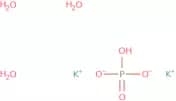
Formula:C15H12N2O2•NaPurity:Min. 95%Color and Shape:PowderMolecular weight:275.26 g/molDipotassium hydrogen phosphate trihydrate
CAS:Please enquire for more information about Dipotassium hydrogen phosphate trihydrate including the price, delivery time and more detailed product information at the technical inquiry form on this page
Formula:K2HPO4•(H2O)3Molecular weight:228.22 g/molRef: 3D-FD143178
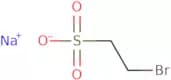
Discontinued product2-Bromoethanesulfonic acid sodium
CAS:2-Bromoethanesulfonic acid sodium (2BESA) is a chemical inhibitor that is used to control methanogenic activity. It has been shown to be effective in the treatment of wastewater, although it is not very soluble in water. 2BESA inhibits methanogenesis by binding to the enzyme methane monooxygenase, which blocks electron transfer from methane to oxygen. This prevents the formation of hydrogen and carbon dioxide, which are products of fermentation. 2BESA also has electrochemical properties that make it a good candidate for use as an electrode material in fuel cells. In vitro assays have demonstrated that 2BESA inhibits bacterial growth by inhibiting DNA synthesis and protein synthesis.
Formula:C2H4BrNaO3SPurity:Min. 95%Molecular weight:211.01 g/molRef: 3D-FB19225
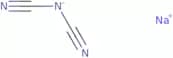
Discontinued productSodium dicyanamide
CAS:Sodium dicyanamide is a diphenyl ether that has been shown to be effective in the treatment of polycystic ovarian syndrome. It binds to picolinic acid, which is a cofactor for the enzyme phenylalanine hydroxylase, and inhibits the production of tyrosine. This leads to an increase in the levels of luteinizing hormone and follicle-stimulating hormone, which helps ovulation. Sodium dicyanamide also interacts with hydrogen bond interactions and chelate ligands. The reaction mechanism of this compound is not well understood, but it is known that it can react with oxygen at high temperatures.
Formula:C2N3NaPurity:Min. 95%Color and Shape:White PowderMolecular weight:89.03 g/molRef: 3D-FS16102
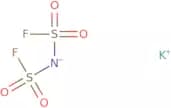
Discontinued productPotassium bis(fluorosulfonyl)imide
CAS:Potassium bis(fluorosulfonyl)imide (K2FSI) is a reactive chemical that can be used to remove sulfur from petroleum products. It is also used in the manufacturing of ethylene and perovskite solar cells. K2FSI reacts with potassium ions to form potassium hexafluorophosphate (KHF2). This reaction reduces the vapor pressure of KHF2 and increases its solubility in water. The use of K2FSI can reduce the amount of energy needed for desulfurization, as it does not require heating. The following are some uses for potassium bis(fluorosulfonyl)imide: - As a catalyst for production of ethylene - In organic solvent to produce perovskite solar cells - To remove sulfur from petroleum products - To make hydrogen fluoride - For desulfurization
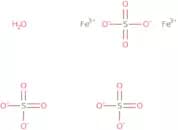
Formula:F2NO4S2•KPurity:Min. 95%Color and Shape:White PowderMolecular weight:219.23 g/molIron(III) sulfate hydrate
CAS:Iron(III) sulfate hydrate is a chemical compound that is used as a coagulant in wastewater treatment. It reacts with hydrogen ions to form ferric hydroxides, which are insoluble and settle out of the water. Iron sulfate also has been used to identify the presence of bacteria in histological preparations by staining. The optimum concentration for this reaction is 1%. The reaction mechanism for this process is not known and it is difficult to determine the optimal pH range because it depends on the type of bacteria being studied. Iron(III) sulfate hydrate has a carcinogenic potential, but this risk can be minimized by adding an acidic substance such as caproic acid or citric acid to the solution. Iron(III) sulfate hydrate also has been shown to have nutrient-rich properties and can be used as a nutrient solution in conditions where other nutrients are unavailable. When heated, iron sulfate undergoes a redox reaction, producing water vapor and fer
Formula:Fe2(SO4)3•(H2O)xPurity:Min. 95%Color and Shape:Off-White To Yellow To Beige SolidMolecular weight:399.88 g/molRef: 3D-FI166723
Discontinued productSodium methylarsonate - 50% aqueous solution
CAS:Sodium methylarsonate is a monosodium salt of the hydroxypicolinic acid. It is an experimental model for studies on polymerase chain reaction (PCR) and has been shown to have significant cytotoxicity in vitro. The toxicological profile of this substance has been studied in rodents, where it was found to have a low toxicity level. Sodium methylarsonate was found to be carcinogenic in mice and rats, but not in hamsters. Picolinic acid, which is produced by the metabolic activation of sodium methylarsonate, may be responsible for its carcinogenic properties. The analytical method used for this substance is high-pressure liquid chromatography with mass spectrometry detection.
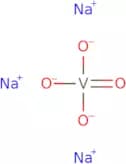
Formula:CH4AsNaO3Purity:Min. 95%Color and Shape:Clear LiquidMolecular weight:161.95 g/molSodium orthovanadate
CAS:Sodium orthovanadate is a vanadium compound that is often used as a model system for studying the properties of other transition metal compounds. It has been shown to have hypoglycemic effects in mice, and has also been shown to have synergic effects with other drugs such as clofibrate, troglitazone, and metformin. The coordination geometry of sodium orthovanadate is octahedral, with one vanadium atom at the center and six oxygen atoms around it. It is an ionic compound that dissolves well in water. Sodium orthovanadate can be found in nature as a mineral called meta-vanadinite or vanadic acid. The crystal structure of sodium orthovanadate has been studied using x-ray diffraction data, which revealed that its structure changes from cubic to hexagonal when heated to temperatures above its phase transition temperature (approximately 300°C).
Formula:Na3VO4Purity:Min. 95%Color and Shape:White Off-White PowderMolecular weight:183.91 g/molSodium 1-naphthalenesulfonate
CAS:Sodium 1-naphthalenesulfonate is a zirconium oxide that is used to remove particles from water. It has been shown that the adsorption mechanism of this compound is based on its crystalline polymorphs. Sodium 1-naphthalenesulfonate has been used in the treatment of fatty acid and hydrochloric acid in urine samples, with sodium carbonate as a buffer. This compound also has film-forming properties, which are beneficial for wastewater treatment and can be used in the formation of polymer films. Sodium 1-naphthalenesulfonate also shows toxicity at high concentrations, but does not cause any toxic effects at low concentrations.
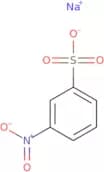
Formula:C10H7NaO3SPurity:Min. 95%Color and Shape:White Off-White PowderMolecular weight:230.22 g/molSodium 3-nitrobenzenesulphonate
CAS:Sodium 3-nitrobenzenesulphonate is a reactive chemical that can be used in the treatment of wastewater. It reacts with sulfonic acid to form a cross-link between two molecules, which lowers the solubility of the organic compound. This reaction product can then be removed from solution by adding sodium carbonate or sodium citrate to form insoluble salts that are removed from the water by filtration. Sodium 3-nitrobenzenesulphonate is an alternative to chlorine for water treatment because it does not react with ammonia and other nitrogenous compounds.
Formula:O2NC6H4SO3NaPurity:Min. 95%Color and Shape:White To Yellow SolidMolecular weight:225.16 g/molRef: 3D-FS00835
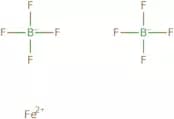
Discontinued productIron(II) tetrafluoroborate - 40-45% aqueous solution
CAS:Iron(II) tetrafluoroborate is a green-yellow crystalline solid that is soluble in water. It has been shown to have structural and optical properties that are similar to those of ferric chloride, but with the advantage of being less toxic. Iron(II) tetrafluoroborate is used as a homogeneous catalyst for organic reactions such as the hydrogenation of nitroarenes and the reduction of ketones. The catalytic activity of Iron(II) tetrafluoroborate arises from its ability to form hydrogen bonding interactions with other molecules and ions in solution.
Iron(II) tetrafluoroborate undergoes a number of reactions with other compounds, including cleavage products such as hydrogen sulfate and nitrogen atoms, which may be due to its chelate ligand. In coordination chemistry, Iron(II) tetrafluoroborate can form coordination complexes by reacting with potassium dichromate or calcium carbonate. These complexes areFormula:B2F8FePurity:About 45%Color and Shape:Slightly Green Clear LiquidMolecular weight:229.45 g/molRef: 3D-FI105721
Discontinued productGold(III) hydroxide
CAS:Gold(III) hydroxide is a yellow solid that is soluble in acidic and alkaline solutions. It can be prepared by the reaction of gold(III) nitrate with sodium hydroxide, or by the reaction of hydrochloric acid with sodium chloride and ferrous sulfate. Gold hydroxide can be used in a number of techniques such as nature, hydrolysis, synthons, and high yield. Gold hydroxide has been shown to have luminescent properties when mixed with nitrate. The synthesis of gold nanoparticles is also possible using gold hydroxide at temperatures below 100°C. The yields for this process are variable depending on the conditions used, but it has been shown to produce approximately 10% of the theoretical yield. Gold hydroxide will react with deionized water to form a gel-like substance, which is due to its interaction with water molecules. This compound also has nucleation properties that allow it to act as an initiator for
Formula:AuH3O3Purity:Min. 95%Molecular weight:247.99 g/molRef: 3D-FG55110
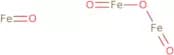
Discontinued productIron oxide black
CAS:Controlled ProductIron oxide black is a reactive dye that is used in wastewater treatment. It is an oxide of iron that can be synthesized from sodium carbonate and langmuir adsorption isotherm. Iron oxide black has been shown to have a colloidal gold-like color, chemical stability, and constant pressure. The particle size of this compound ranges from 10-1000 nm and it reacts with a solution containing anhydrous sodium carbonate to form magnetite nanoparticles. Iron oxide black also has an asymmetric synthesis reaction with ferric chloride and nitric acid, which produces magnetic nanoparticles.
Formula:Fe3O4Purity:Min. 95%Color and Shape:PowderMolecular weight:231.53 g/molRef: 3D-FI41084
Discontinued productSodium phosphate dibasic dodecahydrate
CAS:Sodium phosphate dibasic dodecahydrate is a sodium salt that has been used in analytical chemistry, water treatment, and as a buffering agent. It is also used as a synergistic agent with other sodium salts to increase their bioavailability. This substance has been studied extensively for its effects on cancer tissues and has shown promise in inhibiting the growth of cancer cells. Sodium phosphate dibasic dodecahydrate is not very soluble in water but is highly permeable through human serum membranes. It can be administered orally or intravenously and will have different effects depending on the route of administration.
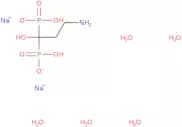
Formula:H3PO4·Na2·12H2OPurity:Min. 95%Molecular weight:358.14 g/molPamidronate disodium pentahydrate
CAS:Farnesyl diphosphate synthase inhibitor
Formula:C3H19NNa2O12P2Purity:Min. 95%Molecular weight:369.11 g/molRef: 3D-FP148956
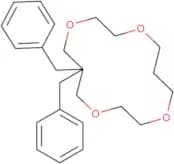
Discontinued productLithium ionophore VI
CAS:Lithium ionophore VI is a polyvinyl chloride that contains valinomycin, a metal ion, and an organic solvent. It is used in pharmaceutical formulations as an ionophore. Lithium ionophore VI has been shown to have membrane potential-dependent transfer reactions in human serum and with the use of hydrophobic organic solvents such as chloroform and acetone. This compound can be used for calibration of analytical chemistry instruments by using it as a standard for the pH value of solutions.
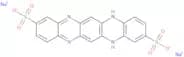
Formula:C24H32O4Purity:Min. 95%Molecular weight:384.51 g/molPhacolysine sodium salt
CAS:Phacolysine sodium salt is a drug that activates the choroidal neovascularization receptor. It has been shown to inhibit the growth of tumors by synchronous fluorescence and disulfide bond binding. Phacolysine sodium salt has shown clinical efficacy in the treatment of choroidal neovascularization, with an average success rate of 75%. It has also been shown to be effective in treating other types of cancer, such as prostate cancer. In addition, it has antioxidative properties and can inhibit prostaglandin synthesis. This medicine is sometimes used in combination with ondansetron hydrochloride and benzalkonium chloride for pharmacological treatment.
Formula:C18H10N4Na2O6S2Purity:Min. 95%Color and Shape:Red PowderMolecular weight:488.41 g/molRef: 3D-FP26858
Discontinued productPalladium on activated carbon - 10% Pd
CAS:Palladium on activated carbon - 10% Pd is a palladium-containing chemical product. It can be used as a catalyst, reagent, or scaffold in chemical synthesis. Palladium on activated carbon - 10% Pd is useful as a reaction component, useful for research and development of new products, and has high quality. This product can be used as an intermediate in organic synthesis to create complex compounds that are often used as speciality chemicals or fine chemicals. Palladium on activated carbon - 10% Pd has CAS No. 7440-05-3.
Formula:PdPurity:(As Pd) 9 To 11%Color and Shape:PowderMolecular weight:106.42 g/molSodium phosphate
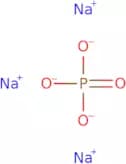
CAS:Sodium phosphate is a solution of sodium ions and phosphate ions in water. It is used as an electrolyte, as an additive to processed food, and in the treatment of infectious diseases. Sodium phosphate is also used to produce polyphosphates that are used in many industrial applications. The dissolution of sodium phosphate starts with the release of hydrogen fluoride (HF). This reaction can be monitored using microdialysis probes inserted into the reaction solution. The dissociation of this compound can be studied using electrochemical impedance spectroscopy. In human serum, sodium phosphate inhibits the growth of bacteria by forming a complex with the sodium ion and preventing their absorption in the bloodstream.
Formula:Na·PO4Purity:Min. 95%Color and Shape:White PowderMolecular weight:163.94 g/molRef: 3D-FS31176
Discontinued productSodium dibutylnaphthalenesulphonate
CAS:Sodium dibutylnaphthalenesulphonate is a stabilizer that reacts with fatty acids, dialkyl phosphates, and growth regulators to form insoluble particles. It has been found to be particularly effective in the treatment of plant diseases caused by fungi. Sodium dibutylnaphthalenesulphonate has been shown to stabilize active substances and bioactive substances, such as organic acids and oxime derivatives. These compounds are used in a variety of applications, such as pharmaceuticals, pesticides, herbicides, food additives, and cosmetics.
Formula:C18H24O3S•NaPurity:60 To 65%Color and Shape:PowderMolecular weight:343.43 g/molPalladium hydroxide on carbon - 20 wt. % loading (dry basis)
CAS:Palladium hydroxide on carbon is a metal oxide with antimicrobial activity. Palladium hydroxide on carbon has been shown to have significant receptor activity against bacteria and fungi, as well as other microorganisms. It has also been shown to inhibit the growth of Helicobacter pylori, which is associated with ulcers and stomach cancer. Palladium hydroxide on carbon is used in the treatment of bowel disease and infections caused by bacteria such as Escherichia coli, Salmonella typhi, Staphylococcus aureus, Streptococcus pyogenes, Mycobacterium tuberculosis, and Helicobacter pylori. Palladium hydroxide on carbon has also been shown to be effective in the treatment of autoimmune diseases such as rheumatoid arthritis and multiple sclerosis.
Formula:H2O2PdPurity:Min. 95%Molecular weight:140.43 g/molZinc bromide dihydrate
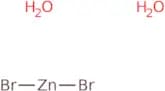
CAS:Zinc bromide dihydrate is a crystalline compound that is used as a catalyst for the conversion of metalloporphyrins to hydroporphyrins. This process is used in the production of vitamin B12. Zinc bromide dihydrate can also be used to inhibit the function of ion pumps, which are proteins that pump ions across membranes. The inhibition of these pumps may lead to a decrease in intracellular calcium levels and an increase in free radicals.
Zinc bromide dihydrate has been shown to react with chlorophylls, vinylated heterostructures, and polyvinyl nonmetals. These reactions produce morphology changes in zinc bromide dihydrate crystalsFormula:ZnBr2•2H2OPurity:Min. 95%Color and Shape:PowderMolecular weight:261.22 g/molL-α-Phosphatidylserine sodium, porcine brain
CAS:L-alpha-Phosphatidylserine sodium salt, derived from porcine brain, is a research chemical that has shown promising potential in various fields. It has been studied for its role in HIV-1 infection, where it has been found to inhibit the fusion of the virus with host cells. Additionally, L-alpha-Phosphatidylserine sodium salt has shown positive effects on spermatozoa motility and fertility. In cancer research, L-alpha-Phosphatidylserine sodium salt has been investigated for its ability to enhance the efficacy of certain anti-cancer drugs. It is believed to work by increasing the uptake of these drugs into cancer cells, thereby improving their effectiveness. This compound also plays a role in neurological health. It is involved in the synthesis of steroidal hormones and neurotransmitters such as dopamine. Studies have suggested that L-alpha-Phosphatidylserine sodium salt may support cognitive function and memory. Furthermore, L-alpha-Ph
Purity:Min. 95%Potassium hexafluorophosphate
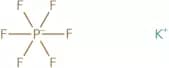
CAS:Potassium hexafluorophosphate is a chemical compound that is used as an antimicrobial agent in the laboratory. It reacts with hydroxyl groups on various surfaces to form potassium hexafluorophosphate and water. The reaction solution can be used to disinfect equipment and surfaces, and is stable at room temperature. Potassium hexafluorophosphate has been shown to have biological properties such as inhibiting the growth of bacteria and fungi, but not viruses. This chemical compound has been shown to be effective against E. coli, Klebsiella pneumoniae, Staphylococcus aureus, Proteus vulgaris, Bacillus subtilis, Pseudomonas aeruginosa, Aspergillus niger, Candida albicans, or Saccharomyces cerevisiae.
Formula:KPF6Purity:Min. 95%Color and Shape:PowderMolecular weight:184.06 g/molBis(dibenzylideneacetone)palladium(0)
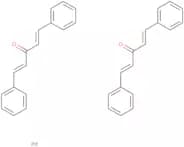
CAS:Bis(dibenzylideneacetone)palladium(0) (Pd 2 (dba)) is a reactive metal complex that can be used to synthesize allyl compounds. The Pd 2 (dba) complex has been shown to have potential as an anti-infective agent for the treatment of infectious diseases. It has been reported that Pd 2 (dba) has a high resistance to halides, hydrochloric acid, and electrochemical impedance spectroscopy.
Formula:C34H28O2PdPurity:Min. 95%Molecular weight:575 g/molTetrabromophenol blue sodium salt
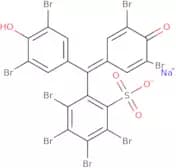
CAS:Tetrabromophenol blue sodium salt is a dye that is used as an additive in the production of vinyl alcohol polymer films. Tetrabromophenol blue sodium salt can be used to measure albumin concentration and postexposure by adding phenyl groups to the molecule. The color of tetrabromophenol blue sodium salt changes upon exposure to radiation, which makes it useful for diagnostic purposes. It also has a hydrocarbon group that transforms into an insoluble form when exposed to evaporation, making it useful for titration methods. Tetrabromophenol blue sodium salt is relatively stable and labile in nature, making it susceptible to techniques such as pyrolysis, oxidation, or reduction.
Formula:C19H5Br8NaO5SPurity:Min. 95%Molecular weight:1,007.53 g/molRef: 3D-FT147404
Discontinued productAluminum magnesium silicate
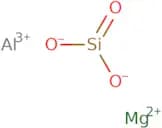
CAS:Magnesium aluminum silicate is a film-forming polymer that can be used in the formulation of skin care products, such as sunscreens. It has been shown to have a thermal expansion coefficient similar to that of human skin and also prevents moisture loss by forming a protective barrier on the surface of the skin. Magnesium aluminum silicate also possesses antioxidant properties and has been shown to inhibit tyrosinase activity in analytical chemistry experiments. This polymer is soluble in water, but is not soluble in organic solvents such as ethanol or acetone. The water solubility can be increased by adding an alkylthio group. Magnesium aluminum silicate is insoluble in water at room temperature and must be heated up to 200°C for dissolution. The viscosity of magnesium aluminum silicate increases with increasing concentration and reaches a maximum at about 2% concentration. This polymer shows uptake of water vapor and will form a gel when exposed to high humidity environments, which makes it useful as
Formula:AlMgO3SiPurity:Min. 95%Color and Shape:PowderMolecular weight:127.37 g/molRef: 3D-FA162345
Discontinued productPotassium acrylate
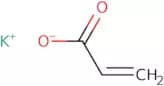
CAS:Potassium acrylate is a diamine tetraacetic acid that functions as a control agent. It is used in analytical methods to measure the effectiveness of other agents. It can be used to produce carboxylate, coordination complex, and hydroxide solution. It has been shown to be effective at doses of 3-5 mM. Potassium acrylate is soluble in water and is stable in air. The FTIR spectrum shows an absorption band at 1657 cm-1, which corresponds to the C=O stretching vibration of the carboxylate group.
Formula:C3H3KO2Purity:Min. 95%Molecular weight:110.15 g/molRef: 3D-FP32495
Discontinued productCopper(II) stearate
CAS:Copper(II) stearate is an inorganic compound that consists of copper chloride and stearic acid. It has a reactive functional group, a copper complex, and a metal-metal bond. Copper(II) stearate is used as an ingredient in cosmetics to enhance the color stability of pigments, such as iron oxides, titanium dioxide, and zinc oxide. The particle size of the compound can be adjusted by controlling the ratio of copper chloride to stearic acid. Copper(II) stearate has been shown to have good chemical stability at high temperatures and is not affected by boron nitride or calcium stearate. Activation energies for the formation of copper(II) stearate are found at about -4.8 kJ/mol for copper chloride and about -5.6 kJ/mol for stearic acid. It also exhibits electrochemical impedance spectroscopy properties with a higher resistance than other metal salts with similar functional groups
Formula:C36H70CuO4Purity:Min. 95%Molecular weight:630.48 g/molRef: 3D-FC140628
Discontinued productSodium cyanate
CAS:Sodium cyanate is a sodium salt that is used in the treatment of wastewater. It inhibits the growth of microorganisms and can be used as a biocide. Sodium cyanate has been shown to have inhibitory properties against bacteria, fungi, and viruses. Sodium cyanate also has been shown to have a protective effect on the papillary muscle during experimental heart failure in rats. This compound may be able to prevent infections caused by infectious agents, such as those found in wastewater treatment plants and hospitals. The mechanism of action of sodium cyanate is related to its ability to release cyanide ions, which disrupts electron transport chains within cells and prevents ATP production. Sodium cyanate has been shown to have a chronic oral toxicity that affects the liver and kidneys at high doses (LD50: 3-6 g/kg).
Formula:CNNaOPurity:Min. 95%Molecular weight:65.01 g/molTin(IV) oxide
CAS:Tin(IV) oxide is a chemical compound that can be used in the treatment of cancer. It is a white powder with a low melting point and is soluble in water, alcohols, and ethers. Tin(IV) oxide has been used as an additive to microscopy techniques to improve contrast. The compound has also been shown to have anticancer properties by inhibiting the growth of cancer cells. Tin(IV) oxide blocks the formation of chalcones, which are products that are formed when reactions between hydrochloric acid and aluminium take place at high temperatures. This blockage prevents the formation of hydrogen gas, thereby preventing cell death due to dehydration or exposure to infrared radiation from heat sources such as microwaves or lasers. Tin(IV) oxide also has been used in infrared spectroscopy for its ability to produce a characteristic absorption band at 3690 cm-1 and as an alternative material for the production of semiconductors when producing thin films.
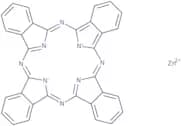
Formula:SnO2Purity:95%NmrColor and Shape:Off-White To Grey SolidMolecular weight:150.71 g/molZinc phthalocyanine
CAS:Zinc phthalocyanine is a blue dye that is used in the manufacture of paints, plastics, and rubber. It has been shown to be a potential cancer treatment for skin cancer because it absorbs ultraviolet light. Zinc phthalocyanine can also be used in wastewater treatment as a coagulant and disinfectant. In addition, zinc phthalocyanine has been shown to have anti-microbial properties against opportunistic fungal and bacterial infections. This compound is also an antioxidant that can protect cells from damage caused by reactive oxygen species. Zinc phthalocyanine's photophysical properties are characterized by its absorption spectrum, which includes the visible region of the electromagnetic spectrum between 400 nm and 700 nm. It is a strong electron acceptor with a redox potential of -0.4 V at pH 7 and 0°C. This molecule also inhibits cytochrome P450 activity in model systems.
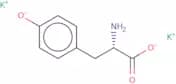
Formula:C32H16N8ZnPurity:90%MinMolecular weight:577.9 g/molL-Tyrosine dipotassium
CAS:L-Tyrosine dipotassium salt is a high quality, reagent, complex compound, useful intermediate and fine chemical. It is a useful scaffold that can be used in the synthesis of various important natural products. L-Tyrosine dipotassium salt is a versatile building block that has been widely applied in research on the development of new drugs, such as antiviral agents and antibiotics. L-Tyrosine dipotassium salt can act as a reaction component for many organic reactions. It also has applications in many areas such as medicine, food production, and environmental protection.
Formula:C9H11NO3•K2Purity:Min. 95%Molecular weight:259.39 g/molCalcium-Like Peptide
CAS:Please enquire for more information about Calcium-Like Peptide including the price, delivery time and more detailed product information at the technical inquiry form on this page
Formula:C40H75N9O10Purity:Min. 95%Molecular weight:842.08 g/molRef: 3D-FC110290
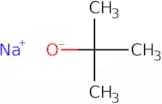
Discontinued productSodium tert butoxide
CAS:Please enquire for more information about Sodium tert butoxide including the price, delivery time and more detailed product information at the technical inquiry form on this page
Formula:C4H9NaOPurity:Min. 95%Color and Shape:PowderMolecular weight:96.1 g/molRef: 3D-FS03425
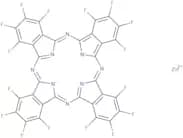
Discontinued productZinc 1,2,3,4,8,9,10,11,15,16,17,18,22,23,24,25-hexadecafluoro-29H,31H-phthalocyanine
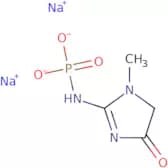
CAS:Please enquire for more information about Zinc 1,2,3,4,8,9,10,11,15,16,17,18,22,23,24,25-hexadecafluoro-29H,31H-phthalocyanine including the price, delivery time and more detailed product information at the technical inquiry form on this pageFormula:C32F16N8ZnPurity:Min. 95%Molecular weight:865.75 g/molDisodium (1-methyl-4-oxoimidazolidin-2-ylidene)phosphoramidate
CAS:Please enquire for more information about Disodium (1-methyl-4-oxoimidazolidin-2-ylidene)phosphoramidate including the price, delivery time and more detailed product information at the technical inquiry form on this page
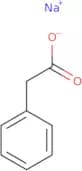
Formula:C4H6N3O4PNa2Purity:Min. 80 Area-%Color and Shape:PowderMolecular weight:237.06 g/molSodium phenylacetate
CAS:Controlled ProductSodium phenylacetate is a chemical compound that is used as an antifungal agent in vitro. It has also been shown to have anti-proliferative and cytotoxic effects on neuroblastoma cells. The physiological function of sodium phenylacetate is not well understood, but it may act as a neurotransmitter by inhibiting the release of acetylcholine or by regulating cell signaling pathways. Sodium phenylacetate may also inhibit angiogenesis, which would limit the growth of cancerous tumors.
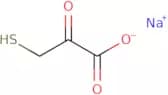
Formula:C8H7NaO2Purity:Min. 95%Color and Shape:PowderMolecular weight:158.13 g/molSodium mercaptopyruvate
CAS:Sodium mercaptopyruvate is a pyruvate compound that is synthesized by the reaction of sodium sulfide with 3-bromopyruvic acid. It has been shown to be effective in treating emphysema, chronic bronchitis and seborrheic dermatitis. Sodium mercaptopyruvate has also been found to modify the activity of enzymes that are related to inflammation and autoimmune diseases. This drug is an efficient nucleophile, which is important for its ability to interact with proteins via covalent modification. The compound can also be used as a substrate for various dehydrogenases, which can lead to metabolic reactions mediated by these enzymes.
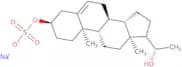
Formula:C3H3NaO3SPurity:Min. 95%Color and Shape:SolidMolecular weight:142.11 g/mol20a-Dihydro pregnenolone 3-sulfate sodium salt
CAS:Please enquire for more information about 20a-Dihydro pregnenolone 3-sulfate sodium salt including the price, delivery time and more detailed product information at the technical inquiry form on this page
Formula:C21H33NaO5SPurity:Min. 95%Molecular weight:420.54 g/molRef: 3D-FD21937
Discontinued product





![[1,3-Bis(diphenylphosphino)propane]palladium(II) dichloride](/_next/image/?url=https%3A%2Fstatic.cymitquimica.com%2Fproducts%2F3D%2Fthumb-webp%2FFB46063.webp&w=3840&q=75)