Metal Salts
Found 2872 products of "Metal Salts"
Methyl green, zinc chloride
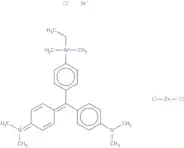
CAS:Methyl green zinc chloride is a reagent that is used as a building block for research chemicals, speciality chemicals, and fine chemicals. It is also an intermediate in the synthesis of many biologically active compounds. Methyl green zinc chloride can be used as a versatile building block in the preparation of complex compounds. It is soluble in water and has CAS number 7114-03-6.
Formula:C27H35BrClN3•ZnCl2Purity:Min. 95%Color and Shape:PowderMolecular weight:653.23 g/molRef: 3D-FM40148
Discontinued productPotassium sulfate
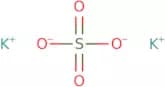
CAS:Potassium sulfate is a salt of potassium and sulfuric acid. It has a synergistic effect with sodium salts in the treatment of water hardness, which leads to a phase transition temperature below that of sodium sulfate alone. Potassium sulfate is also used as an analytical reagent for the determination of sulfate in solution. The reaction solution is heated to release the adsorbed gas, which is then analyzed by gas chromatography or infrared spectroscopy. Structural analysis was performed using X-ray crystallography on potassium sulfate crystals. Potassium sulfate has been shown to have physiological effects such as an increase in the concentration of iron in blood plasma and an increase in phosphate excretion from the kidneys at high doses. It has also been shown to have biological properties such as thermal expansion and phosphorus pentoxide reactivity.
Formula:K2SO4Purity:Min. 95%Color and Shape:PowderMolecular weight:174.26 g/molRef: 3D-FP40347
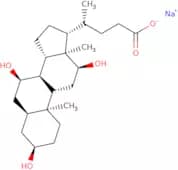
Discontinued productCholic acid sodium salt
CAS:Controlled ProductCholic acid sodium salt is a bile acid sodium salt, which is primarily derived from the bile of mammals. It functions as a surfactant that facilitates the emulsification of fats and lipids, enhancing their subsequent absorption and digestion. This compound plays a critical role in the synthesis and regulation of cholesterol in the body.
Formula:C24H39NaO5Purity:Min. 95%Color and Shape:PowderMolecular weight:430.55 g/molRef: 3D-FC14775
Discontinued productSodium 1-decanesulfonate
CAS:Sodium 1-decanesulfonate is a chemical compound that has been shown to have an inhibitory effect on the drug transporter P-glycoprotein. The inhibition of this transporter by sodium 1-decanesulfonate may be due to its ability to bind to the drug in the membrane, thereby preventing it from being transported out of the cell. Sodium 1-decanesulfonate was also found to increase the amount of sn-38, a radioactive form of sodium, in metastatic colorectal cancer cells. It has also been shown that sodium 1-decanesulfonate is thermally stable and chemically stable at high temperatures. This compound can be used as a standard in analytical methods such as titration calorimetry and polyvinyl chloride (PVC) analysis. Sodium 1-decanesulfonate can also be used as a fluorescent dye for particle size distribution measurements.
Formula:C10H22O3S•NaPurity:Min. 95%Color and Shape:PowderMolecular weight:245.34 g/molRef: 3D-FS34253
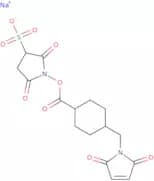
Discontinued productSulfo-SMCC sodium
CAS:Crosslinker reacting rapidly with primary amines. It is used as a protein crosslinker where it reacts with cysteine to yield specific conjugates. The cyclohexane bridge confers added stability to the maleimide group making it ideal for maleimide activation of proteins. It is soluble in water and many other aqueous buffers although it is less stable then in DMSO or DMF.
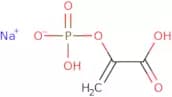
Formula:C16H17N2O9SNaPurity:Min. 95 Area-%Color and Shape:White Off-White PowderMolecular weight:436.37 g/molPhosphoenolpyruvate monosodium salt hydrate
CAS:PEP is a "high-energy phosphate" compound playing a vital role in enzymatic phosphate-transfer reactions involved in ATP synthesis. It is used in conjunction with pyruvate kinase as a phosphorylating agent for ATP generation. Substrate for phosphoenolpyruvate carboxylase. Reagent for determination of glycerol.
Formula:C3H4NaO6P·xH2OPurity:Min. 95%Color and Shape:PowderMolecular weight:190.02 g/molRef: 3D-FP29995
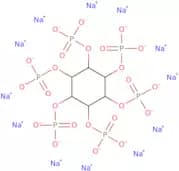
Discontinued productSodium phytate
CAS:Chelator of multivalent metal ions; food perservative; antioxidant
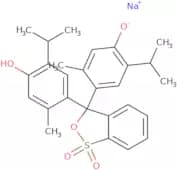
Formula:C6H6Na12O24P6Color and Shape:White PowderMolecular weight:923.82 g/molThymol blue sodium salt
CAS:Thymol blue sodium salt is a dye that is used to stain fatty acids. The hydroxyl group of thymol blue sodium salt reacts with the carboxylic acid group of fatty acids, forming a cross-link between the two groups. This reaction can be monitored by measuring changes in the intensity of light transmitted through the solution. Thymol blue sodium salt has also been used as a cross-linking agent in polycarboxylic acid hydration reactions, and as an analytical method for determining cationic polymerization. Optical sensors have been developed that are capable of measuring changes in cavity size due to hydration or cationic polymerization.
Formula:C37H40N2Na4O13SPurity:Min. 95%Color and Shape:PowderMolecular weight:844.74 g/molRef: 3D-FT01471
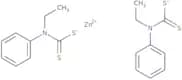
Discontinued productZinc ethylphenyl dithiocarbamate
CAS:Zinc ethylphenyl dithiocarbamate is a hydrogenated zinc diethyldithiocarbamate that is used as an industrial chemical. The process of hydrogenation changes the chemical properties of the molecule by replacing one or more hydrogens with a hydrogen atom. It has been shown to have strong antioxidant properties and to inhibit the oxidation of fats, oils, and other organic substances. Zinc ethylphenyl dithiocarbamate has also been shown to be anti-inflammatory and to have hemolytic activity. This product is a white powder that is soluble in organic solvents such as ethers, benzene, and chloroform. It can be mixed into molten waxes and oils at high temperatures without decomposing.
Formula:C18H20N2S4ZnPurity:Min. 95%Color and Shape:White PowderMolecular weight:458.01 g/molRef: 3D-FZ41181
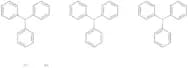
Discontinued productTris(triphenylphosphine)rhodium(I) chloride
CAS:Homogeneous hydrogenation catalyst
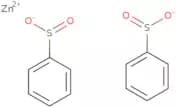
Formula:C54H45ClP3RhPurity:Min. 95%Color and Shape:PowderMolecular weight:925.21 g/molZinc benzenesulfinate dihydrate
CAS:Zinc benzenesulfinate dihydrate is a white crystalline powder. It is soluble in water and has a molecular weight of 306.3. Zinc benzenesulfinate dihydrate can be used as a research chemical, reagent, or speciality chemical in the synthesis of other compounds. Zinc benzenesulfinate dihydrate can also be used as a reaction component in the synthesis of other compounds, or as an intermediate or scaffold for complex compounds.
Formula:C6H6O2S•(H2O)2•Zn0Purity:Min. 95%Color and Shape:White To Off-White SolidMolecular weight:421.81 g/molRef: 3D-FZ45907
Discontinued productTaurocholic acid sodium salt hydrate
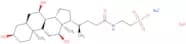
CAS:Taurocholic acid sodium salt hydrate is a potential biomarker for inflammatory bowel disease. It is a chemical that is produced by the liver and stored in the gallbladder. It can be found in the bile, which is made from cholesterol and secreted into the small intestine with fat-soluble substances. Taurocholic acid sodium salt hydrate has been shown to induce necrotic cell death in vitro, which may be due to its ability to activate nuclear factor κB (NF-κB), leading to increased production of cytokines such as tumor necrosis factor-α (TNF-α). The bioavailability of taurocholic acid sodium salt hydrate has been shown to be greater than that of other bile acids in vivo. This bile acid also has protective effects against bacterial translocation because it chaperones bacterial cells and prevents them from attaching to the epithelial cells lining the intestines. Taurocholic acid sodium salt hyd
Formula:C26H44NNaO7S·xH2OPurity:Min. 97 Area-%Color and Shape:White Off-White PowderMolecular weight:537.69 g/mol2,3-Diphospho-D-glyceric acid pentasodium salt
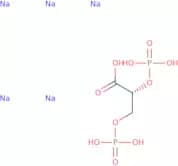
CAS:2,3-Diphospho-D-glyceric acid pentasodium salt is a pyridine complex that is found in nature as a constant. It is also synthesized by humans and can be formed in the laboratory. 2,3-Diphospho-D-glyceric acid pentasodium salt is reactive and has been shown to be useful for producing radical species. This compound has been analysed in the human body at physiological concentrations and has been shown to interact with endogenous molecules such as lipids. The interaction of this compound with lipids could be due to its ability to form emulsions.Formula:C3H3Na5O10P2Purity:Min. 95%Color and Shape:PowderMolecular weight:375.95 g/molRef: 3D-FD22517
Discontinued productAtorvastatin calcium
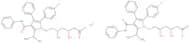
CAS:HMG-CoA reductase inhibitor; anti-hypercholesterolemia agent
Formula:C66H68CaF2N4O10Purity:Min. 97 Area-%Color and Shape:White PowderMolecular weight:1,155.34 g/molAcid fuchsin calcium
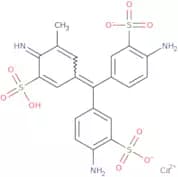
CAS:Acid fuchsin is a water-soluble, non-toxic, acidic dye that is used in histology to stain connective tissue and mucous membranes. It is used as an indicator for calcium in the presence of acid phosphatase. Acid fuchsin can be detected by light microscopy when it is stained on a section of tissue or cells. This dye can be used with immunocytochemistry or cytogenetics to assess the morphology of cells and tissues. The staining intensity varies according to the concentration of the acid fuchsin solution, which can be quantified by measuring the absorbance at 510 nm. A reference range for this measurement would be 0.1 - 1 μg/ml (10 - 100 μM).
Formula:C20H19N3O9S3·xCaColor and Shape:PowderMolecular weight:541.58 g/molRef: 3D-FA47020
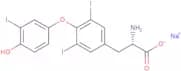
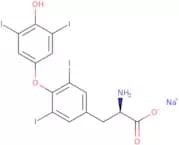
Discontinued product3,3',5-Triiodo-L-thyronine sodium salt
CAS:Synthetic thyroid hormone (T3) analog; promotes adipogenic differentiation
Formula:C15H11I3NNaO4Purity:Min. 95 Area-%Color and Shape:Slightly Yellow PowderMolecular weight:672.96 g/molRef: 3D-FT28507
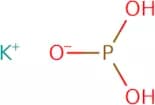
Discontinued productMonopotassium phosphite
CAS:Monopotassium phosphite is a toxic substance with a strong inhibitory effect on bacteria, microorganisms and autotrophs. Monopotassium phosphite is structurally similar to hypophosphite, whereas monopotassium phosphite has an additional potassium ion. It can be found in high concentrations in the cells of microalgae such as Botryococcus braunii. Monopotassium phosphite inhibits the growth of bacteria by inhibiting the transfer of phosphorus from ATP to other compounds and by altering the structure of bacterial cell membranes. Monopotassium phosphite also inhibits the growth of fungi, algae and plants that require phosphate for their metabolic processes (i.e., photosynthesis).
Formula:H2KO3PColor and Shape:PowderMolecular weight:120.09 g/molRef: 3D-FM148946
Discontinued productChloro(triphenylphosphine)gold(I)
CAS:Chloro(triphenylphosphine)gold(I) is a compound that binds to proteins with high affinity and specificity. The binding constants of the two compounds are 1x10 M-1. It has been shown to bind to β-amino acid and organic molecules in human serum, as well as in other biological fluids. Chloro(triphenylphosphine)gold(I) has been shown to have apoptotic properties and can be used for the treatment of cancer cells. It has also been shown to be useful for the treatment of Alzheimer's disease, Parkinson's disease, and Huntington's disease.
Formula:C18H15P•AuClPurity:Min. 98 Area-%Color and Shape:White Off-White PowderMolecular weight:494.7 g/molRef: 3D-FC54928
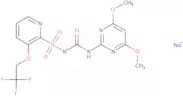
Discontinued productTrifloxysulfuron sodium
CAS:Trifloxysulfuron-sodium is a herbicide that inhibits the growth of plants by interfering with photosynthesis. It is applied to perennial ryegrass, which has been shown to reduce the rate of photosynthesis and increase the rate of respiration. Trifloxysulfuron-sodium can be detected at very low concentrations in deionized water and has been found to inhibit photosynthetic activity at concentrations as low as 0.01 µM in ryegrass. Trifloxysulfuron-sodium has also shown resistance to glyphosate, a popular herbicide, and other pesticides used for weed control. The biological properties of this herbicide are currently unknown.
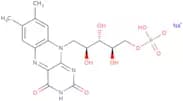
Formula:C14H13F3N5NaO6SPurity:Min. 95%Color and Shape:PowderMolecular weight:459.33 g/molRiboflavin 5'-phosphate sodium
CAS:Riboflavin 5'-phosphate sodium (RB5P) is a form of riboflavin that is used as a co-substrate for the synthesis of other riboflavin-containing compounds. RB5P is an important component in biochemical research, wastewater treatment, and neurodegenerative diseases. The monosodium salt has been shown to be a useful model system for studying the biochemical properties of riboflavin. In vitro studies have shown that RB5P can be used to measure the transfer reactions between nucleotide diphosphates, such as ATP and GTP. RB5P has been used to study the structural analysis and thermodynamic data of dinucleotide phosphate.
Formula:C17H20N4NaO9PPurity:73.00 To 79.00%Color and Shape:Yellow Orange PowderMolecular weight:478.33 g/molHomovanillic acid sulfate sodium salt
CAS:Homovanillic acid sulfate sodium salt (HVA) is a metabolite of dopamine that is used to diagnose or monitor diseases related to the central nervous system. The HVA concentration in urine can be determined by colorimetric assay, which has been shown to be useful for identifying patients with Parkinson's disease and other degenerative diseases. HVA is also found in blood plasma and cerebrospinal fluid, as well as in many other body tissues. HVA levels are increased during pregnancy, because it is an intermediate in the biosynthesis of estradiol from testosterone. In addition, concentrations of HVA increase with age, due to decreased clearance rates.Formula:C9H8Na2O7SPurity:Min. 95%Color and Shape:PowderMolecular weight:306.2 g/molRef: 3D-FH23861
Discontinued productPotassium pyruvate
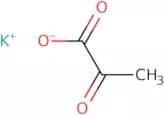
CAS:Potassium pyruvate is a chemical compound that is formed by the oxidation of pyruvic acid. It can be used in analytical methods to measure the concentration of caproic acid, a group P2 molecule, in a sample. Potassium pyruvate has been shown to have antioxidant properties and reduce oxidative stress in human macrophages. Potassium pyruvate has also been shown to stimulate ribitol dehydrogenase, an enzyme that can convert ribitol into ribose-5-phosphate, which is important for DNA synthesis. The detection sensitivity of potassium pyruvate is much higher than that of other analytical methods and it can be used as an indicator for measuring the concentration of many organic compounds. Potassium pyruvate may have physiological effects on cells because it has been shown to promote pluripotent cells in plants as well as play a role in ischemic brain damage and basic fibroblast growth.
Formula:C3H3KO3Purity:Min. 95%Color and Shape:White Off-White PowderMolecular weight:126.15 g/molRef: 3D-FP37042
Discontinued productSodium nitroprusside dihydrate
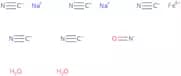
CAS:Controlled ProductSodium nitroprusside dihydrate is an oxygen transport agent that works by inhibiting the enzyme cyclase. This inhibits the production of tnf-α and other inflammatory mediators, which reduces inflammation and pain. Sodium nitroprusside dihydrate is used to lower blood pressure in emergency situations, such as shock. It has been shown to be effective for treating pulmonary hypertension, chronic obstructive pulmonary disease, and other conditions related to oxygen transport. Sodium nitroprusside dihydrate is a metastable molecule that can be converted into a stable form (sodium nitroprusside) by ester hydrochloride or fatty acid esters.
Formula:C5FeN6O•(H2O)2•Na2Purity:Min. 98.0%Color and Shape:Red PowderMolecular weight:297.95 g/molRef: 3D-FS55880
Discontinued productCefoperazone sodium
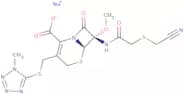
CAS:Cefoperazone sodium is a broad-spectrum antibiotic that inhibits bacterial growth by binding to the enzyme topoisomerase IV. It is active against gram-positive bacteria, such as Staphylococcus aureus, and gram-negative bacteria, such as Escherichia coli. This drug also binds to the IL-2 receptor and has shown antibacterial efficacy in a model system. The optimum concentration of cefoperazone sodium is 0.3 mg/mL. Cefoperazone sodium should not be used in combination with sulbactam or other beta lactams because it can cause rapid degradation of these drugs, leading to reduced therapeutic efficacy.
Formula:C25H26N9NaO8S2Purity:Min. 95%Color and Shape:PowderMolecular weight:667.65 g/molXylenol orange tetrasodium salt
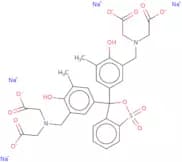
CAS:Xylenol orange tetrasodium salt is a fluorescent dye that can be used to measure the degree of mineralization in animal tissue. The dye is composed of xylenol, which is a fatty acid, and sodium chloride. Xylenol orange tetrasodium salt is used for measuring the rate of enzyme reactions by incubating it with the enzyme and measuring the formation rate. It has been shown to have damaging effects on mitochondria and tissues when exposed to an acidic environment. Xylenol orange tetrasodium salt binds to the membrane potential of cells in order to measure reactive oxygen species (ROS) production. This dye can also be used as a marker for autofluorescence of mitochondria and lipase activity.
Formula:C31H28Na4O13SN2Color and Shape:PowderMolecular weight:760.58 g/molp-Coumaric acid 4-O-sulfate disodium
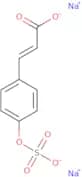
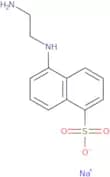
CAS:p-Coumaric acid 4-O-sulfate disodium salt is a high quality, reagent, complex compound. It is an intermediate in the synthesis of pyridoxal 5′-phosphate and may be used as a building block for the synthesis of other compounds. It is also a speciality chemical that may be used as a reaction component in organic synthesis.Formula:C9H8O6S•Na2Purity:95%MinColor and Shape:PowderMolecular weight:290.2 g/molN-(Aminoethyl)-5-naphthylamine-1-sulfonic acid sodium
CAS:N-(Aminoethyl)-5-naphthylamine-1-sulfonic acid sodium salt (NAES) is a fluorescent dye that has been used to study the structure of proteins. NAES binds to acceptor sites on the protein, which can be either amino acid side chains or other ions in solution. The fluorescence of NAES depends on the environment and the number of acceptors present. This dye has been used in assays for staphylococcus, as it is resistant to staining by Gram stain and stains brightly with fluorescence assay. NAES has also been shown to have a high kinetic rate and sensitivity, making it an effective virus assay.
Formula:C12H14N2O3S•NaPurity:Min. 95%Molecular weight:289.31 g/molRef: 3D-FA17739
Discontinued productCalcium oxide
CAS:Controlled ProductCalcium oxide is a chemical compound that is used in the process of wastewater treatment. It removes phosphorus from sewage by forming insoluble calcium phosphate and prevents the release of phosphate into natural waterways. Calcium oxide also has been shown to remove chromium, nickel, copper, and zinc from wastewater. The removal of these metals may be due to the oxidation of metal hydroxides which are then precipitated by calcium oxides or through the formation of insoluble metal oxides. Calcium oxide can also be used to remove potassium dichromate from water vapor. Calcium oxide is an oxidizing agent that can react with metals at high temperatures and can be used as a catalyst for many reactions. The activity index for calcium oxide ranges between 1-3 and its surface methodology is Langmuir adsorption isotherm.
Formula:CaOPurity:Min. 95%Color and Shape:PowderMolecular weight:56.08 g/molRef: 3D-FC07719
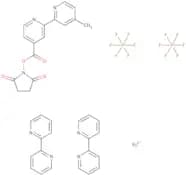
Discontinued productBis(2,2'-bipyridine)-4'-methyl-4-carboxybipyridine-ruthenium N-succinimidyl ester-bis(hexafluorophosphate)
CAS:Bis(2,2'-bipyridine)-4'-methyl-4-carboxybipyridine-ruthenium N-succinimidyl ester-bis(hexafluorophosphate) is a molecule that inhibits the activity of matrix metalloproteinases. It binds to the active site of the enzyme and blocks its activity. This drug has been shown to be effective in inhibiting the activity of MMPs in cells, but not in tissue culture because it does not cross cell membranes. Bis(2,2'-bipyridine)-4'-methyl-4-carboxybipyridine-ruthenium N-succinimidyl ester-bis(hexafluorophosphate) has also been shown to have a low detection limit and can detect low levels of matrix metalloproteinase activity in cells.
Formula:C36H29F12N7O4P2RuPurity:Min. 95%Color and Shape:PowderMolecular weight:1,014.66 g/molRef: 3D-FB29197
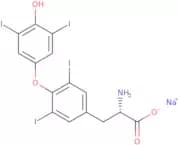
Discontinued productD-Thyroxine sodium salt
CAS:D-Thyroxine sodium salt is a drug that is used for the treatment of hypothyroidism. It has been shown to increase the metabolic rate and cardiac output in humans, as well as having long-term efficacy. D-Thyroxine sodium salt inhibits the conversion of T4 to T3 by inhibiting 5'-deiodinase, leading to increased levels of T4. This drug also increases the thermogenic rate and energy expenditure by stimulating brown adipose tissue, which leads to an increase in oxygen consumption and heat production. D-Thyroxine sodium salt has a number of side effects, including cardiac arrhythmia, hyperthyroidism, insomnia, and gastrointestinal disturbances.
D-Thyroxine sodium salt is a chiral compound consisting of two enantiomers: levothyroxine (L) and dextrothyroxine (D). The L form is biologically active while the D form is biologically inactive.Formula:C15H10I4NO4NaPurity:Min. 97 Area-%Color and Shape:PowderMolecular weight:798.85 g/molRef: 3D-FT66812
Discontinued productSodium O-ethyl isopropylphosphonothiolate
CAS:Controlled ProductPlease enquire for more information about Sodium O-ethyl isopropylphosphonothiolate including the price, delivery time and more detailed product information at the technical inquiry form on this page
Formula:C5H12O2PS·NaPurity:Min. 95%Sodium chloride
CAS:Sodium chloride is a chemical compound that belongs to the group of inorganic salts. It is an important electrolyte, which regulates fluid balance and pH levels. Sodium chloride has been used as a model system for polymerase chain reactions and has been shown to inhibit the growth of malignant cells in the brain under constant pressure. The reaction solution may be pre-treated with hydrogen fluoride to remove interfering impurities prior to addition of sodium chloride. This process can be used for an in vitro method, where the reaction solution is exposed to plasma mass spectrometry or laser ablation before being analyzed for drug interactions with plasma mass spectrometry or electrochemical impedance spectroscopy. Sodium chloride can cause water vapor to form when it reacts with hydrochloric acid, producing hydrogen gas and hydrochloric acid.
Formula:NaClColor and Shape:PowderMolecular weight:58.44 g/molRef: 3D-FS30573
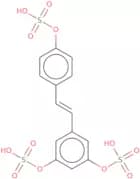
Discontinued producttrans-Resveratrol-3,4',5-trisulfate trisodium salt
CAS:Trans-resveratrol-3,4',5-trisulfate trisodium salt is a fine chemical that can be used as a building block for research chemicals and pharmaceuticals. It is often used as a reagent in organic synthesis, due to its solubility in organic solvents. This compound has been shown to have activity against Alzheimer's disease. Trans-resveratrol-3,4',5-trisulfate trisodium salt also has anti-inflammatory properties.Formula:C14H9Na3O12S3Purity:Min. 95%Color and Shape:PowderMolecular weight:534.38 g/molRef: 3D-FR27705
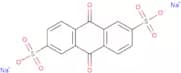
Discontinued productAnthraquinone-2,6-disulfonic acid disodium
CAS:Anthraquinone-2,6-disulfonic acid disodium salt is a reactive, redox potential chemical that has been shown to be stable to intermolecular hydrogen bonding and crystalline in structure. It has the ability to react with carbon sources and can be used as a catalyst in coordination chemistry. Anthraquinone-2,6-disulfonic acid disodium salt has been shown to have fluorescence properties under UV light and FTIR spectroscopy.Formula:C14H6Na2O8S2Purity:Min. 95%Color and Shape:Beige PowderMolecular weight:412.3 g/molPotassium 2-(4-hydroxyphenoxy)propionate
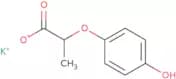
CAS:Potassium 2-(4-hydroxyphenoxy)propionate is a versatile building block that can be used in the synthesis of fine chemicals, research chemicals, and reagents. This compound is useful as a reaction component or scaffold in the synthesis of complex compounds. Potassium 2-(4-hydroxyphenoxy)propionate exhibits high reactivity and quality, making it an excellent intermediate for synthesizing other compounds. It is also a useful building block for organic chemical reactions and has been used as a speciality chemical in research studies.
Formula:C9H10O4•KPurity:Min. 80%Color and Shape:PowderMolecular weight:221.27 g/molLithium sulfate, anhydrous
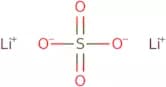
CAS:Lithium sulfate is a compound that has been used in experimental solubility data. It is soluble in water and does not react with most other compounds. Lithium sulfate has shown to be an intramolecular hydrogen bond donor and acceptor, as well as an intermolecular hydrogen bond donor. The structural analysis of this compound was carried out by X-ray diffraction on lithium sulfate hydrate crystals at room temperature. The structure of the hydrate was found to be a monoclinic crystal with space group P2/c. The heat capacity of lithium sulfate was measured using a constant pressure apparatus and the thermal expansion coefficient was determined using zirconium oxide as a reference material. Lithium sulfate has shown electrochemical impedance spectroscopy properties which reveal that it is an ionic conductor.
Formula:Li2SO4Purity:Min. 95%Color and Shape:White PowderMolecular weight:109.95 g/molRef: 3D-FL54590
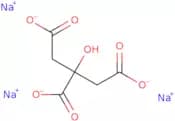
Discontinued productTri-sodium citrate
CAS:Sodium citrate is widely used as an excipient in the pharmaceutical industry. It helps regulate the pH as a stabilizer or an alkalizing agent. Sodium citrate can also bind to certain metal ions in drug formulations providing stability and avoiding ht interference with the drug's main activity. In the food industry, its main use is as a food preservative.
Formula:C6H5Na3O7Purity:Min. 98%Color and Shape:White Off-White PowderMolecular weight:258.07 g/molRef: 3D-FT01206
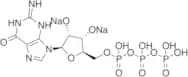
Discontinued productGuanosine-5'-triphosphate Disodium Salt (~85%)
CAS:Controlled ProductApplications Guanosine-5'-triphosphate disodium salt (CAS# 56001-37-7) is a nucleotide used in the preparation of photoreactive GTP affinity probes, and in inhibitors of eukaryotic initiation factor eIF-4E.
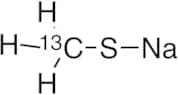
References George Cisar, E. A.; J. Am. Chem. Soc., 135, 4676 (2013); Ghosh, P.; et al.: Bioorg. Med. Chem. Lett., 16, 750 (2006).Formula:C10H14N5O14P3Na2Purity:~85%Color and Shape:NeatMolecular weight:567.14Sodium Methanethiolate-13C
CAS:Controlled ProductApplications Sodium Methanethiolate-13C, is the labeled analogue of Sodium Methanethiolate (S644805), used as a nucleophile in organic synthesis. Sodium methanethiolate is also being used as a reagent to synthesize thiol-based suberoylanilide hydroxamic acid (SAHA) analogues, compounds that act as potent histone deacetylase inhibitors.
References Bergman, A. & Wachtmeister, Chemosphere, 7, 949 (1978); Suzuki, T.,et al.: Bioorg. Med. Chem. Lett., 14, 3313 (2004)Formula:CH3NaSPurity:>90%Color and Shape:NeatMolecular weight:71.082Potassium Hydroxide (Semiconductor Grade)
CAS:Controlled ProductApplications Potassium Hydroxide is inorganic compound and strong base with many applications. It is used in the production of biodiesel. Potassium Hydroxide is also used in the manufacture of soaps.
Not a dangerous good if item is equal to or less than 1g/ml and there is less than 100g/ml in the package
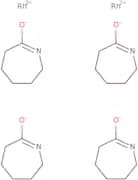
References Nadarajan, R., Ismail, R.: J. Surfactants Deterg., 14, 463 (2011); Hajek, M., et al.: Fuel, 96, 85 (2012);Formula:HKOColor and Shape:NeatMolecular weight:56.11Dirhodium tetracaprolactamate
CAS:Dirhodium tetracaprolactamate is a functionalised dirhodium compound that is used in the preparation of carbenes and biomolecules. The ligand can be prepared by the reaction of diazomethane with an activated acetonitrile, followed by addition of hydroscopic silver nitrate, which gives a complex tetraacetate. This product can be used in organic synthesis as a diazo compound. Dirhodium tetracaprolactamate has been shown to be effective in the synthesis of natural products such as ferulic acid and chlorogenic acid.
Formula:C24H40N4O4Rh2Purity:Min. 95%Color and Shape:PowderMolecular weight:654.41 g/molPotassium hexafluoronickelate(IV)
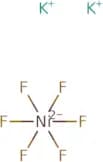
CAS:Potassium hexafluoronickelate is a chemical compound that is a versatile building block and can be used as a reagent in organic synthesis. It is also an important intermediate for the preparation of other chemicals, such as potassium hexafluoroarsenate, which is used to make perfluorocarbons. Potassium hexafluoronickelate has many uses as a research chemical and as an intermediate in the production of other compounds. The compound has been shown to be useful in reactions involving carbon-carbon bond formation, such as the synthesis of heterocycles. Potassium hexafluoronickelate can also be used to produce metal complexes for use in catalysis or polymerization reactions.
Formula:F6K2NiPurity:Min. 95%Color and Shape:PowderMolecular weight:250.88 g/molγ-Polyglutamic acid sodium, MW 200,000-500,000
CAS:Polymer of glutamic acidFormula:(C5H9NO4)nPurity:Min. 90 Area-%Color and Shape:White Powder3,5-Dinitrosalicylic acid sodium
CAS:3,5-Dinitrosalicylic acid sodium is an inorganic compound that is used as a biochemical reagent. It can be used to measure the phosphatase activity of muscle and liver samples, as well as to determine the level of autophagy in cells. 3,5-Dinitrosalicylic acid sodium has been shown to inhibit the activity of a number of enzymes, including acid phosphatase and thiourea. When combined with chloroplast or mitochondria, it can be used to determine the rate of electron transport chain. 3,5-Dinitrosalicylic acid sodium binds to sulfhydryl groups on proteins and prevents them from being used for other purposes. This process optimization leads to engulfment followed by lysosomal degradation.
Formula:C7H3N2NaO7Purity:Min. 95%Color and Shape:PowderMolecular weight:250.1 g/molCefmetazole sodium
CAS:Cefmetazole sodium is a penicillin-type antibiotic that inhibits the synthesis of bacterial cell walls. It binds to the penicillin-binding proteins in the bacterial cell wall by competitive inhibition, preventing the formation of an antibiotic-inhibitor complex with the enzyme cell wall synthesis that is required for cell wall biosynthesis, inhibiting protein synthesis and cell division. Cefmetazole sodium has been shown to be active against a wide variety of bacteria, including gram-positive and gram-negative bacteria. The drug's activity against most strains of methicillin-resistant Staphylococcus aureus (MRSA) has been confirmed. Cefmetazole sodium is used to treat infectious diseases such as pneumonia and urinary tract infections. Drug interactions are possible, but not well understood at this time.
Formula:C15H17N7O5S3•NaPurity:Min. 93 Area-%Color and Shape:PowderMolecular weight:494.53 g/molRef: 3D-FC38036
Discontinued productSodium N-lauroylsarcosinate
CAS:Sodium N-lauroylsarcosinate is a surfactant that is used in water treatment, wastewater treatment, and as a detergent. It is also used as an analytical tool for the titration calorimetry of sodium salts. Sodium N-lauroylsarcosinate is a sodium salt that belongs to the group of sodium salts. It has been shown to have biological properties such as permeability through human serum and biodegradability. The salt form of this compound has an electrochemical impedance spectrum which can be used to identify it.
Formula:C15H28NNaO3Purity:Min. 94%Color and Shape:White Off-White PowderMolecular weight:293.38 g/molSodium gualenate
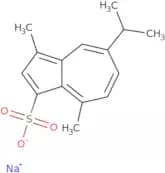
CAS:Sodium gualenate is a skin protectant and anti-inflammatory drug that is used to treat mild to moderate forms of dermatitis. Sodium gualenate is a sodium salt of guaiazulene, which is an epidermal growth factor that has been shown to stimulate the metabolism of skin cells. In vitro studies have demonstrated that dextran sulfate, a water-soluble drug, inhibits the growth of bacteria by binding to the cell surface. The optimum concentration for sodium gualenate appears to be 1%. This drug also has an agonist effect on the hydroxyl group and may interact with cationic surfactants.
Formula:C15H17NaO3SPurity:Min. 95%Color and Shape:Blue PowderMolecular weight:300.35 g/molRef: 3D-FS40724
Discontinued productZinc diethyldithiocarbamate
CAS:Zinc diethyldithiocarbamate is an inorganic compound that has been shown to have potent anti-inflammatory and antipyretic properties. It has been used as a chemical inhibitor of phospholipase A2, which is an enzyme involved in the inflammatory process. Zinc diethyldithiocarbamate also has been shown to be a potent inducer of metallothionein and other proteins that are involved in detoxification processes. This drug has been used as an injection solution for the treatment of infectious diseases such as tuberculosis, leprosy, brucellosis, and malaria. Zinc diethyldithiocarbamate is also used as a pharmacological agent for the treatment of myocardial infarction.
Formula:C10H20N2S4ZnPurity:Min. 95%Color and Shape:PowderMolecular weight:361.92 g/molRef: 3D-FZ58712
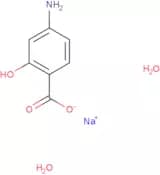
Discontinued product4-Aminosalicylic acid sodium salt dihydrate
CAS:4-Aminosalicylic acid sodium salt dihydrate is a molecule that has been shown to be useful for the diagnosis of viral, autoimmune, and cancerous diseases. It is a diagnostic agent that can be used in both the diagnosis and treatment of bowel disease. 4-Aminosalicylic acid sodium salt dihydrate can also be used to treat cavity formation in teeth. It binds to fatty acids in the target tissue, which leads to cell death by apoptosis. This drug has been shown to be effective against inflammatory bowel disease (IBD) as well as other types of bowel disease. This drug has been shown to have no adverse effects on healthy cells or tissues, but it may cause kidney toxicity when taken orally or injected intravenously.
Formula:C7H6NNaO3·2H2OPurity:Min. 95%Color and Shape:White PowderMolecular weight:211.15 g/molRef: 3D-FA32507
Discontinued productSulfosuccinimidyl 3-[[2-(biotinamido)ethyl] dithio]propionate sodium salt
CAS:Sulfosuccinimidyl 3-[[2-(biotinamido)ethyl] dithio]propionate sodium salt (BSP) is a biotin-avidin binding molecule that forms a covalent linkage with the antigen and antibody. It is used in immunoassays to detect specific antigens or antibodies in biological samples. BSP is manufactured by reacting carbodiimide hydrochloride with sulfosuccinic acid. The product can be used for a variety of immunoassays such as enzyme-linked immunosorbent assays, real-time polymerase chain reaction, and immunohistochemistry. The sensitivity of this product has been shown to be greater than those of other detection methods such as Western blotting.Formula:C19H27N4NaO9S4Purity:Min. 95%Color and Shape:White Off-White PowderMolecular weight:606.69 g/molPotassium hydrogen phthalate
CAS:Potassium hydrogen phthalate is a corrosion inhibitor and a co-catalyst for the production of polyvinyl chloride. It has been shown to exhibit toxic effects on the central nervous system, liver, and kidneys in animal studies. Potassium hydrogen phthalate is also used as a corrosion inhibitor in wastewater treatment plants. The toxicity of potassium hydrogen phthalate may be due to its ability to inhibit ryanodine receptor, an intracellular calcium release channel that regulates cellular functions such as muscle contraction, enzyme activities, and cell cycle progression. Potassium hydrogen phthalate can also be used to produce polyvinyl chloride. It has been shown to have toxic effects on insects as well as thermodynamic data related to water vapor. Potassium hydrogen phthalate is an analytical reagent that can be used for picolinic acid determination.
Formula:C8H5KO4Purity:Min. 95%Color and Shape:PowderMolecular weight:204.22 g/molRef: 3D-FP43259
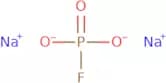
Discontinued productSodium monofluorophosphate
CAS:Sodium monofluorophosphate is a salt that contains sodium cations and fluorine anions. It is used as an agent in the production of dental fillings, toothpaste, and other products. Sodium monofluorophosphate has been shown to inhibit the activity of serine proteases such as trypsin by interfering with their catalytic activity and binding to their active site. This agent has also been shown to react with p-nitrophenyl phosphate to form a fluorescent product, which can be detected at low concentrations. Sodium monofluorophosphate has a thermal expansion coefficient that is only slightly larger than those of water and glycerol, which makes it ideal for use in the production of dental fillings.
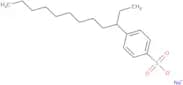
Formula:FNa2O3PPurity:Min. 95%Color and Shape:White PowderMolecular weight:143.95 g/molSodium dodecylbenzenesulfonate (hard type) (mixture)
CAS:Sodium dodecylbenzenesulfonate (SDS) is a synthetic surfactant. It is used as a detergent in household and industrial cleaning products, as well as in textiles and paper manufacturing. SDS is also used to remove protein from cells and tissues during the process of cell harvesting or tissue harvesting. The hard type (mixture) contains sodium dodecylbenzenesulfonate, which has a hydrophilic head group and a hydrophobic tail group that are not ionized at physiological pH. This type of SDS has been shown to have low toxicity in vivo and in vitro.
Formula:C18H29NaO3SPurity:Min. 95%Color and Shape:PowderMolecular weight:348.48 g/molRef: 3D-FS62996
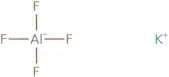
Discontinued productPotassium fluoroaluminate
CAS:Potassium fluoroaluminate (KAlF) is a reactive chemical compound that is used as a reducing agent in metallurgical processes. KAlF is not an aluminothermic reaction product, but it can be produced as a by-product of the reaction between aluminum and hydrogen fluoride. It is produced when potassium reacts with hydrogen fluoride in the presence of sodium carbonate or boron nitride. KAlF does not produce stable complexes with zinc or magnesium, but it does stabilize zirconium oxide to some extent. The human serum contains antibodies against KAlF particles, which may cause allergic reactions following inhalation or skin contact.
Formula:AlF4•KColor and Shape:PowderMolecular weight:142.07 g/molSodium fluoride
CAS:Controlled ProductSodium fluoride is a chemical that can be used to treat water and wastewater. It is an effective inhibitor of the growth of bacteria, fungi, and algae. The use of sodium fluoride improves the quality of drinking water by reducing levels of hydrogen ion and trihalomethanes (THMs). This chemical also has been shown to have beneficial effects in patients with inflammatory bowel disease. Sodium fluoride inhibits the activity of enzymes in mitochondria, which are responsible for converting food into energy. The inhibition leads to a decrease in the production of free radicals and reactive oxygen species, which may reduce oxidative stress in the body.
Formula:NaFPurity:Min. 95%Color and Shape:White PowderMolecular weight:41.99 g/molRef: 3D-FS29949
Discontinued productSodium sarcosinate - ca. 40% in water
CAS:Sodium sarcosine is a salt of sarcosine with sodium. It has an average molecular weight of 255 and is soluble in water. Sodium sarcosine is used as a biological sample for non-steroidal anti-inflammatory drugs (NSAIDs) in the study of their inhibitory properties against mammalian DNA polymerase. NSAIDs are also used to treat inflammation, pain, and fever by inhibiting prostaglandin synthesis. The rate constant for the reaction between NSAIDs and DNA polymerase was found to be 1.6x10^-4 M^-1s^-1 at 25°C, which is close to the Km value for the reaction. This finding indicates that NSAIDs may be competitive inhibitors of the enzyme, although further experiments are needed to confirm this hypothesis. Using electrochemical impedance spectroscopy, it was found that NSAIDs have a higher affinity for divalent cations than monovalent cations, suggesting that they bind to a site on the
Formula:C3H6NNaO2Purity:Min. 95%Color and Shape:Colorless Clear LiquidMolecular weight:111.08 g/molRef: 3D-FS02729
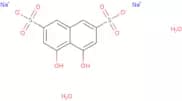
Discontinued productChromotropic acid disodium salt dihydrate - ACS reagent
CAS:Chromotropic acid is a reactive compound that has been shown to be adsorbed on the surface of activated carbon. The adsorption mechanism and the kinetic constants for this reaction have been studied in detail. Chromotropic acid decomposes at high temperatures, releasing hydrogen chloride gas and water vapor. This chemical is also used in pharmaceutical preparations as an additive to inhibit oxidation reactions. It may also serve as a photoreceptor, reacting with tyramine hydrochloride and other compounds to produce a color change.Formula:C10H6O8S2Na2·2H2OColor and Shape:PowderMolecular weight:400.29 g/molRef: 3D-FC168034
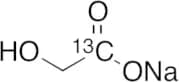
Discontinued productGlycolic Acid-13C Sodium Salt
CAS:Controlled ProductApplications Glycolic Acid-13C Sodium Salt is the isotope labelled analog of Glycolic Acid Sodium Salt; a compound that increases the glycolate oxidase activity in the liver when fed to rats. It also increases the lactate dehydrogenase activity in the liver and kidney. This compound is suitable for lactate dehydrogenase (LDH) related research.
References Murthy M.S.R., et al.: Ann. Nutr. Metab., 27, 355 (1983)Formula:CCH3NaO3Color and Shape:NeatMolecular weight:99.026Sodium Dibunate
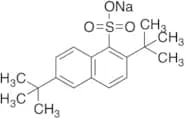
CAS:Controlled ProductFormula:C18H23O3S·NaColor and Shape:NeatMolecular weight:342.428Indium(III) nitrate hydrate
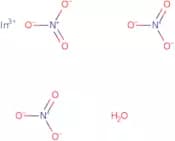
CAS:Indium(III) nitrate hydrate is an inorganic compound that reacts with aqueous solutions of potassium dichromate or malonic acid to produce a precipitate. The chemical stability of this compound has been demonstrated by reacting it with nitric acid, which produced a white solid. A structural analysis of this compound has shown that the reaction mechanism may involve the formation of InO particles and oxide anions. The particle size is between 1-2 microns and the morphology is spherical.
Formula:In(NO3)3•(H2O)xPurity:Min. 95%Molecular weight:300.83 g/molRef: 3D-FI106482
Discontinued productDiacetato[(R)-(+)-2,2'-bis(diphenylphosphino)-1,1'-binaphthyl]ruthenium(II)
CAS:Please enquire for more information about Diacetato[(R)-(+)-2,2'-bis(diphenylphosphino)-1,1'-binaphthyl]ruthenium(II) including the price, delivery time and more detailed product information at the technical inquiry form on this page
Formula:C48H38O4P2RuPurity:Min. 95%Molecular weight:841.83 g/molCadmium chloride
CAS:Cadmium chloride is a compound that belongs to the group of inorganic compounds. Cadmium chloride inhibits the activity of c-jun, an important transcription factor involved in cell growth and differentiation. It also affects the activity of other transcription factors, such as NF-κB, and has been shown to induce cell death by inhibiting DNA synthesis. The cytotoxicity of cadmium chloride is related to its ability to interact with hydrogen bonding sites on proteins. In vitro studies have shown that it has significant cytotoxicity against tumor cells with a cell specific response. Cadmium chloride has also been used in therapy groups for patients with inflammatory bowel disease and rheumatoid arthritis.
Formula:CdCl2Purity:Min. 95%Molecular weight:183.32 g/molFerroceneacetic acid
CAS:Controlled ProductFerroceneacetic acid is a compound that has been shown to have chemiluminescent properties. It is a potent reductant and oxidant, which means that it can reduce or oxidize other compounds. Ferroceneacetic acid is also an active enzyme, and its redox potential changes depending on the concentration of ferrocene in the solution. Ferroceneacetic acid can be used as a model system for analytical chemistry and electrochemistry.
Formula:C12H12FeO2Purity:Min. 95%Color and Shape:PowderMolecular weight:244.07 g/molRef: 3D-FF149259
Discontinued productBromocresol purple sodium salt
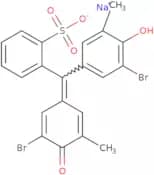
CAS:Bromocresol purple sodium salt is a dye that emits light when it is irradiated with light of a particular wavelength. It has been used to detect amniotic fluid contamination in the laboratory and as an absorber in polymer films. Bromocresol purple sodium salt absorbs ultraviolet and visible light, which causes it to emit red light. The molecules of bromocresol purple sodium salt are long-chain triazoles, which absorb water vapor and emit infrared radiation. This property can be used to detect the presence of alkali metals. The luminescent property of bromocresol purple sodium salt can be enhanced by adding an alkali metal, such as potassium or lithium chloride, to the solution where it is dissolved.
Formula:C21H15Br2O5S·NaPurity:Min. 95%Molecular weight:562.2 g/molFerrocenecarboxaldehyde
CAS:Ferrocenecarboxaldehyde is a fatty acid with a ferrocene carboxylic acid group. It has been shown to have antimicrobial activity against bacteria, fungi, and yeast when it was mixed with nitric acid. Ferrocenecarboxaldehyde can be synthesized by reacting ferrocene with glycerol in the presence of sulfuric acid. The reaction mechanism of this synthesis is as follows: The structural analysis of ferrocenecarboxaldehyde has been studied using FT-IR spectroscopy and NMR spectroscopy. The chemical structure of ferrocenecarboxaldehyde is as follows: The asymmetric synthesis of ferrocenecarboxaldehyde is shown below:
Formula:C11H10FeOPurity:Min. 95%Color and Shape:PowderMolecular weight:214.04 g/molPotassium vinyltrifluoroborate
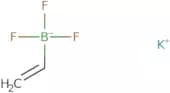
CAS:Potassium vinyltrifluoroborate is a salt that contains the inorganic anion potassium and the organic ligand vinyltrifluoroborate. It is used as an electrolyte in electrochemical cells, such as fuel cells, to increase power output by increasing the conductivity of the electrolyte. This compound has been shown to be effective against chronic kidney disease and infectious diseases such as HIV and malaria. Potassium vinyltrifluoroborate also has anti-cancer properties due to its ability to inhibit cellular proliferation and induce apoptosis in cancer cells. The mechanism of action of this drug is still unclear but may be due to its ability to inhibit proteases, such as ns3 protease found in human erythrocytes.
Formula:C2H3BF3KPurity:Min. 95%Color and Shape:PowderMolecular weight:133.95 g/molDilithium phthalocyanine
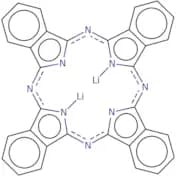
CAS:Dilithium phthalocyanine is a low-energy metathesis catalyst that is used in the synthesis of organic compounds. It is a coordination complex that has been shown to have a high chemical stability and to be resistant to radiation. The mechanism of action of dilithium phthalocyanine involves the formation of a covalent bond between two molecules or ions. The activation energy for this reaction is relatively low, making it an ideal catalyst for reactions involving ether linkages in which the hydrochloric acid acts as the base. One example of such a reaction is the synthesis of phthalocyanines from lithium and hydrogen chloride.
Purity:93%MinRef: 3D-FD62482
Discontinued productSodium oxalate
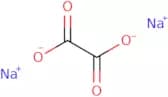
CAS:Sodium oxalate is a salt of oxalic acid and sodium. It can be used as an inhibitor in electrochemical impedance spectroscopy, which is a method for measuring the mass transport of ions in a solution. Sodium oxalate has been shown to inhibit the reaction solution by hydrogen bonding interactions with the citric acid that is present in wastewater. This inhibition leads to the formation of the salt citrate, which is insoluble and can be removed by filtration. The surface methodology was used to measure the kinetic energy of sodium oxalate crystals on surfaces. The x-ray diffraction data was collected from anhydrous sodium oxalate crystals at room temperature.
Formula:C2O4Na2Purity:Min. 95%Color and Shape:PowderMolecular weight:134 g/molRef: 3D-FS47063
Discontinued productSodium polytungstate
CAS:Sodium polytungstate is a magnetic resonance contrast agent that is used for diagnostic imaging and for the treatment of hyperphosphatemia. Sodium polytungstate consists of tungsten oxide particles coated with sodium carbonate, which are dispersed in water. The dry weight of this contrast agent depends on the particle size and composition, but can range from 500 to 1000 mg/g. Magnetic resonance spectroscopy (MRS) is a technique that can be used to investigate the chemical species present in a sample. It has been shown that MRS can be used to optimise the process by which sodium polytungstate is produced, as well as its biochemical properties.
Formula:H2O40W12·6NaPurity:Min. 95%Molecular weight:2,986.03 g/molButynediol sulfopropyl ethersodium
CAS:Controlled ProductPlease enquire for more information about Butynediol sulfopropyl ethersodium including the price, delivery time and more detailed product information at the technical inquiry form on this page
Formula:C7H11NaO5SPurity:Min. 95%Molecular weight:230.22 g/molRef: 3D-FB150881
Discontinued productZincphosphinate
CAS:Controlled ProductPlease enquire for more information about Zincphosphinate including the price, delivery time and more detailed product information at the technical inquiry form on this page
Formula:O4P2ZnPurity:Min. 95%Molecular weight:191.33 g/molRef: 3D-FZ150551
Discontinued productPotassium p-Toluenethiosulfonate
CAS:Potassium p-Toluenethiosulfonate is a functional group that contains a sulfhydryl (-SH) and a thiol (-S-H). It has been used to prepare radionuclides for cancer diagnosis, such as Tc-99m (technetium-99m), I-123 (iodine-123), and I-131 (iodine-131). This compound has been used in preparative methods for the synthesis of organic chemicals. Potassium p-Toluenethiosulfonate is also used in conjugates with drugs or other molecules, which are used in the diagnosis of cancer. The conjugates can be linked to plasma proteins or tumor cells.
Formula:C7H7KO2S2Purity:Min. 95%Molecular weight:226.36 g/molRef: 3D-FP61284
Discontinued productZinc oxide
CAS:Zinc oxide is a white, crystalline solid that has been used as an antimicrobial agent in the past. It is effective against bacteria, fungi, and viruses. The inhibitory properties of zinc oxide are due to its ability to disrupt energy metabolism. Zinc oxide also has been shown to be toxic to neurons in vitro and is under investigation for use in the treatment of neurodegenerative diseases such as Alzheimer's and Parkinson's disease. Zinc oxide is also used in wastewater treatment because it can bind up metal ions such as copper chloride or zirconium oxide. Zinc oxide nanoparticles have been shown to be effective at killing bacteria in water vapor when irradiated with laser light.
Formula:ZnOPurity:Min. 95%Color and Shape:White Clear LiquidMolecular weight:81.38 g/molBarium selenite
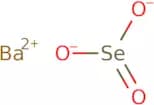
CAS:A barium selenite molecule has a diameter of about 3.5 nm. It is a polyvinyl compound that contains a hydroxyl group and a selenium compound, which is composed of two hydroxy groups (OH-). Barium selenite can be used in the detection and treatment of cancer cells, as well as degenerative diseases. The chemical species may be detected by plasma mass spectrometry. This molecule has an aluminium ion with a redox potential of +1.5 V.
Formula:BaO3SePurity:Min. 95%Molecular weight:264.29 g/molVanadium(IV) sulfate oxide hydrate
CAS:Vanadium oxide hydrate is an oxidizing catalyst that is used in the production of polyvinyl chloride (PVC). It is also used as a catalyst in the oxidation of water vapor and in the preparation of hydroxide solutions. The catalytic activity of vanadium oxide hydrate depends on its pH, with a lower pH increasing the rate of oxidation. This compound was shown to induce DNA strand breaks and chromosomal aberrations when tested in vitro. Vanadium oxide hydrate has also been found to have genotoxic effects when tested in vivo, including induction of micronuclei and sister chromatid exchanges. Vanadium oxide hydrate can be used as a dietary supplement to increase growth factor levels, particularly when combined with molybdenum or monoclonal antibody. Vanadium oxide hydrate has a phase transition temperature at around 74°C, which makes it useful for regulating polymer film thickness during processing.
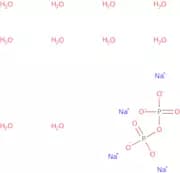
Formula:VOSO4·xH2OPurity:Min. 95%Color and Shape:Blue PowderMolecular weight:163 g/molSodium pyrophosphate decahydrate
CAS:Sodium pyrophosphate decanhydrate is a methyltransferase inhibitor that blocks the enzyme form of the DNA methyltransferase, which is responsible for maintaining DNA methylation patterns. It has been shown to inhibit the enzymatic activity of this enzyme in a model system. Sodium pyrophosphate decanhydrate inhibits the growth of bacteria by binding to water molecules and preventing them from binding to other molecules, causing dehydration. This drug also has potential as a natriuretic peptide levels inhibitor, with electrochemical impedance spectroscopy studies showing that it may have a high affinity for sodium ions. Studies have also shown that sodium pyrophosphate decanhydrate has no toxicity in mice.
Formula:H4O7P2•Na4•(H2O)10Purity:Min. 95%Color and Shape:PowderMolecular weight:450.09 g/molRef: 3D-FS64805
Discontinued productAlizarin Yellow R sodium salt
CAS:Acid-base indicator dye; textile dye; yellow color
Formula:C13H8N3O5NaPurity:Min. 95%Molecular weight:309.21 g/molRef: 3D-FA52710
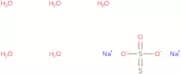
Discontinued productSodium thiosulfate pentahydrate
CAS:Sodium thiosulfate is a chemical compound that is used in the treatment of hyperkalemia, hypoglycemia, and other metabolic disorders. It has been shown to have a variety of biochemical properties, including the ability to inhibit oxidation reactions by acting as an electron donor. Sodium thiosulfate has also been shown to be effective in vitro in reducing oxidative stress-induced apoptosis and cell death. Histological analysis of sodium thiosulfate-treated cells showed reduced DNA damage and improved cell viability. The phase transition temperature for anhydrous sodium thiosulfate is below 0 °C. It reacts with potassium dichromate to produce hydrogen fluoride gas and sodium citrate. Redox potential measurements show that it can act as an electron acceptor when it gains electrons from hydrogen fluoride or sodium citrate, but it can also act as an electron donor when it donates electrons to hydrogen fluoride or sodium citrate. Sodium carbonate has been shown to have a redox potential
Formula:Na2S2O3•(H2O)5Purity:Min. 95%Color and Shape:White SolidMolecular weight:248.19 g/molRef: 3D-FS47176
Discontinued productLevothyroxine sodium
CAS:Levothyroxine sodium is a thyroid hormone that is used to treat hypothyroidism. It is also used to treat goiter and other thyroid problems. Levothyroxine sodium comes in three different forms: tablets, oral solution, and levothyroxine sodium for injection. The tablet form of levothyroxine sodium is taken by mouth once daily with or without food. Oral solution is taken by mouth twice daily (morning and evening) with or without food. Injection should be given as directed by a physician or healthcare provider. Levothyroxine sodium can interact with many drugs, especially ones that affect the heart or blood sugar levels, such as potassium supplements, diuretics, beta blockers, calcium channel blockers, erythromycin, clarithromycin and ketoconazole. Levothyroxine sodium can also interact with certain foods such as soybean flour and grapefruit juice. Levothyroxine sodium has been shown to have a linear calibration curve in vivo
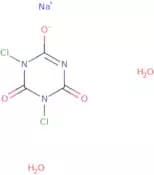
Formula:C15H10I4NNaO4Purity:Min. 95%Color and Shape:White PowderMolecular weight:798.85 g/molDichloroisocyanuric acid sodium dihydrate
CAS:Dichloroisocyanduric acid sodium salt (DCD) is a disinfectant that is used to control bacteria, fungi, and algae in wastewater treatment plants. DCD has been shown to be an effective antimicrobial agent against bacterial spores and the fungal plant pathogen "Botrytis cinerea" when used at concentrations of 0.1-0.3%. DCD also has a low toxicity for mammals, with LD50 values of 3.5g/kg for rats and 2g/kg for mice. The chemical stability of DCD can be increased by adding sodium carbonate or other alkaline substances in a neutral pH environment.
Formula:C3HCl2N3O3•(H2O)2•NaPurity:Min. 95%Color and Shape:PowderMolecular weight:256.98 g/molPotassium methoxide, 25% w/w in methanol
CAS:Potassium methoxide is a strong base that reacts with methanol to produce potassium metal and methanol. It has been used as a model system for studying the reaction mechanism of metal carbonyls. The reaction solution is heated to produce glycol esters, which are catalyzed by the potassium metal. This process can be used to synthesize biologically active molecules, such as anti-inflammatory drugs, which are difficult to make using conventional methods. Potassium methoxide has also been shown to have protective effects against metabolic disorders in mice and has biological properties that may be useful in the treatment of infectious diseases.Formula:CH3OKPurity:Min. 95%Color and Shape:Clear LiquidMolecular weight:70.13 g/molD-Lactic acid lithium
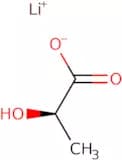
CAS:D(+)-Lactic acid lithium salt is a dipolar molecule with an activation energy of about 44 kJ/mol. It has been studied by NMR techniques and found to have a resonance in the range of 1.8-2.0 ppm, which is characteristic of protons on the oxygen atom. The proton magnetic resonance (PMR) study showed that the d-lactate resonances were very broad and shifted to higher frequencies, whereas the l-lactate resonances were sharp and shifted to lower frequencies. This may be due to the different number of protons on each type of lactate molecule. The magnetic resonance (NMR) study showed that lithium salt was a radical with a spin density distribution around 2.6 ppm in the nmr spectrum.
Formula:C3H6O3•LiPurity:Min. 95%Color and Shape:PowderMolecular weight:97.02 g/molRef: 3D-FF168657
Discontinued productSodium nitrate
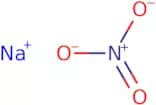
CAS:Controlled ProductSodium nitrate is a versatile compound that possesses several unique characteristics. It is commonly used as a viscosity modifier in various applications, including activated cephalosporins and glucans. Additionally, sodium nitrate exhibits metallic properties and acts as an antibiotic, making it suitable for use in polymers and other controlled products. This compound also demonstrates inhibitory effects on serine protease activity and can be combined with α-tocopherol to enhance its emission properties. Furthermore, sodium nitrate has been utilized in the production of alkaloids and as an electrode material in potassium-based systems. Its wide range of applications makes sodium nitrate a valuable ingredient in various industries.
Formula:NaNO3Purity:Min. 95%Molecular weight:84.99 g/molRef: 3D-FS47121
Discontinued productTris(dibenzylideneacetone)dipalladium(0)
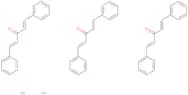
CAS:Tris(dibenzylideneacetone)dipalladium(0) (Pd2(dba)) is a monoclonal antibody that is used to treat infectious diseases. The metal complex binds to the fatty acid and inhibits the synthesis of membrane lipids, which leads to an inhibition of virus replication. Tris(dibenzylideneacetone)dipalladium(0) has been shown to have potent antitumor activity in animal models, with cytotoxic effects on mutant melanoma cells and hydrochloric acid. This drug also has potent pro-apoptotic properties, inducing apoptosis by binding to pro-apoptotic proteins. Tris(dibenzylideneacetone)dipalladium(0) has been shown to be a potent inhibitor of x-ray crystal structures at high temperatures, where it competes with water for the labile hydrogen atoms on the surface of hydroxyl groups.
Formula:C17H14O·Pd2Purity:Min. 95%Color and Shape:Purple PowderMolecular weight:915.72 g/molTin(II) oxalate
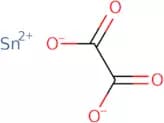
CAS:Tin(II) oxalate is a chemical compound with the formula (CH3COO)2SnO. It is a white crystalline solid that is soluble in water and alcohol but not ether. Tin(II) oxalate has been shown to be an effective inhibitor of epidermal growth factor (EGF). This compound also inhibits the formation of dibutyltin oxide, which is a component of some paints. The following are the high-quality product descriptions for eCommerce: Rifapentine Rifapentine is an anti-tuberculosis drug that belongs to the class of rifamycins. It is the most active of the rifamycins for the treatment of tuberculosis. Rifapentine inhibits bacterial growth by binding to DNA-dependent RNA polymerase, thereby preventing transcription and replication. The high frequency of human activity has been shown using a patch-clamp technique on human ery
Formula:C2O4SnPurity:Min. 95%Molecular weight:206.73 g/molRef: 3D-FT28283
Discontinued productRuthenium(III) nitrosyl nitrate, soluble in 10% dilute nitric acid
CAS:Please enquire for more information about Ruthenium(III) nitrosyl nitrate, soluble in 10% dilute nitric acid including the price, delivery time and more detailed product information at the technical inquiry form on this page
Formula:RuN4O10Purity:Min. 95%Color and Shape:Clear LiquidMolecular weight:317.09 g/molSodium sulphate anhydrous
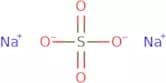
CAS:Controlled ProductSodium sulphate anhydrous is a salt of sodium and sulfuric acid that is used in the treatment of bowel disease. It has been shown to reduce the concentration-time curve for dextran sulfate in maternal blood and to improve the mitochondrial membrane potential in fetal bovine erythrocytes. Sodium sulphate anhydrous also inhibits inflammatory activity by reducing the activity of cytochrome P450 enzymes. This drug is not active against infectious diseases, but has been shown to have antiinflammatory effects.
Formula:Na2SO4Purity:Min. 95%Color and Shape:White/Off-White SolidMolecular weight:142.04 g/molCalcium iodide
CAS:Calcium iodide is a polarizer that can be used for the analysis of metal hydroxides. It reacts with the substrate film and forms a reaction solution that can be examined by microscope or spectrophotometer. Calcium iodide has been used to study the structure of glycol ethers, alkanoic acids, and carbohydrates. This chemical is also used in nutrient solutions and as a control substance in biochemical tests.
Formula:CaI2Purity:Min. 95%Color and Shape:PowderMolecular weight:293.89 g/molRef: 3D-FC37898
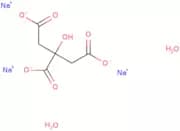
Discontinued productTrisodium citrate dihydrate
CAS:Trisodium citrate dihydrate is a chemical compound that is used as a buffer and to maintain the pH of solutions. It is often used as an acidity regulator in pharmaceutical formulations and food products. Trisodium citrate dihydrate has been shown to be effective at reducing the matrix effect and increasing the concentration response, which can lead to better analytical results. This compound has also been shown to have anti-inflammatory properties, which may be due to its ability to prevent fatty acid production by inhibiting the enzyme lipase.
Formula:C6H5Na3O7·2H2OPurity:(Titration) Min. 98%Color and Shape:White Off-White PowderMolecular weight:294.1 g/molRef: 3D-FT32477
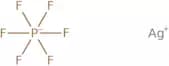
Discontinued productSilver hexafluorophosphate
CAS:Silver hexafluorophosphate (AgPF) is a silver salt of the inorganic acid hexafluoro-phosphoric acid. It has been shown to have a high reactivity with organic compounds and is insoluble in water. Silver hexafluorophosphate is used as an additive for certain polymers, such as PVC, to improve their insulating properties. In addition, AgPF has shown biological properties that may be due to its ability to act as a chelate ligand and bind metal ions. The reaction mechanism of AgPF involves the formation of hydrogen bonding interactions with nitrogen atoms, which are found in biological molecules such as proteins and nucleic acids.
Formula:AgPF6Purity:Min. 95%Molecular weight:252.83 g/molSilver fluoride
CAS:Silver fluoride is a chemical compound that consists of silver and fluoride. It is used in the form of a powder or a solution to sterilize surfaces, and can be applied to skin as an antiseptic. The chemical stability of silver fluoride has been studied using thermodynamic data and biological properties. Silver fluoride is able to inhibit the metabolism of some microorganisms, such as the growth of Staphylococcus aureus and Escherichia coli. Silver fluoride also inhibits the synthesis of DNA and RNA, which are important for cell division.
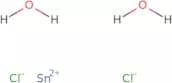
Formula:AgFPurity:Min. 95%Color and Shape:PowderMolecular weight:126.87 g/molTin(II) chloride dihydrate
CAS:Tin(II) chloride dihydrate is a white or pale yellow crystalline solid. It is soluble in water and has a relatively low melting point. Tin(II) chloride dihydrate is used as an acid catalyst for the preparation of esters from ethyl trifluoroacetate, and as an intermediate for synthesizing quinoline derivatives. Tin(II) chloride dihydrate can also be used to deactivate fatty acids by reacting with them in the presence of water. The reaction vessel is heated to about 300°C to evaporate the solvent and leave a residue of tin chloride, which can then be recovered by distillation. Tin(II) chloride dihydrate has been shown to have transport properties that are similar to those of other metal chlorides at comparable concentrations.
Formula:SnCl2•(H2O)2Purity:Min. 95%Color and Shape:Colorless Clear LiquidMolecular weight:225.65 g/molRef: 3D-FT44833
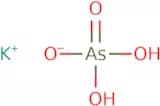
Discontinued productPotassium dihydrogen arsenate
CAS:Potassium dihydrogen arsenate is an inorganic chemical that is used as a pesticide. It prevents the synthesis of proteins by inhibiting soybean trypsin. The optimum concentration for chrysoperla is 1.6 mg/L, which has been shown to be sublethal at levels below 5 mg/L. This chemical has also been shown to have effects on light exposure and thermal expansion. Potassium dihydrogen arsenate belongs to the ferroelectric class of compounds and has a hydrogen bond with water, which may explain its uptake into plants.
Formula:H2AsKO4Purity:Min. 95%Molecular weight:180.04 g/molSilver hexafluoroantimonate(V)
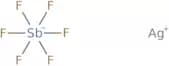
CAS:Silver hexafluoroantimonate is a polymeric matrix that is used for its reaction mechanism. The hydroxyl group on the surface of the silver hexafluoroantimonate reacts with hydrochloric acid to produce hydrogen fluoride and an ionic silver chloride complex. Silver hexafluoroantimonate can also be synthesized by cationic polymerization, which involves a coordination complex between the metal and the nitrogen atoms. This coordination geometry allows for hydrogen bonding interactions.
Formula:AgSbF6Purity:Min. 95%Color and Shape:White PowderMolecular weight:343.62 g/molAmmonium iron(III) sulfate dodecahydrate
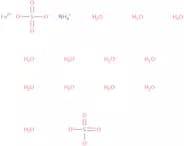
CAS:Ammonium iron(III) sulfate dodecahydrate is a water-soluble inorganic salt that can be used as an oxidizing agent to reduce the color of stains. It has been shown to have good growth kinetics and is easy to use. Ammonium iron(III) sulfate dodecahydrate is an inorganic acid that can be used as a reagent for extractions. It has been found to have good extraction yield and particle size, which makes it ideal for use in polymer films. Ammonium iron(III) sulfate dodecahydrate reacts with hydroxyl groups and forms p-hydroxybenzoic acid, which can be used in clinical pathology tests.
Formula:NH4Fe(SO4)2•(H2O)12Purity:Min. 95%Color and Shape:PowderMolecular weight:482.19 g/molRef: 3D-FA40933
Discontinued productChloro[2-(di-tert-butylphosphino)-2',4',6'-triisopropyl-1,1'-biphenyl][2-(2-aminoethyl)phenyl)]palladium(II)
CAS:Controlled ProductChloro[2-(di-tert-butylphosphino)-2',4',6'-triisopropyl-1,1'-biphenyl][2-(2-aminoethyl)phenyl)]palladium(II) is a molecule that inhibits the adenosine receptor in autoimmune diseases and cancer. It also has an inhibitory effect on the membrane transport of glucose, glucosan, and aziridine. This drug can be used to treat inflammatory diseases such as diabetes, asthma, and inflammatory bowel disease. The geometric isomers of this molecule are not identical in shape or size and can have different effects on the body.
Formula:C37H55ClNPPdPurity:Min. 95%Molecular weight:686.69 g/molRef: 3D-FC156938
Discontinued productLead(II) oxide
CAS:Lead(II) oxide is a chemical compound that has been shown to have biological properties. It acts as a surface glycoprotein and has been shown to be stable in various environments. Lead(II) oxide is also chemically inert, with redox potentials that are higher than those of many other compounds. When lead(II) oxide is heated, it can react with water to form lead hydroxide and hydrogen gas. Studies show that lead(II) oxide is toxic when inhaled or ingested. Lead(II) oxide has been shown to be effective in wastewater treatment due to its high solubility and low toxicity to microorganisms. Lead(II) oxide is also used in the production of thermometers, which require a material that does not expand or contract significantly with changes in temperature. Lead(II) oxide has been shown to have bioavailability in vivo and transfer reactions have been observed between this compound and other metals such as copper and zinc.
Formula:PbOPurity:Min. 95%Color and Shape:PowderMolecular weight:223.2 g/molRef: 3D-FL145356
Discontinued productSodium L-glutamate monohydrate
CAS:L-glutamic acid is a nonessential amino acid that is used as a food additive. L-glutamic acid is found in the form of sodium salt, called monosodium glutamate (MSG), and is used to enhance the flavor of foods. L-glutamic acid has been shown to be essential for the growth of certain bacteria, such as corynebacteria. The l-glutamic acid gene can be found in corynebacteria and corynebacterium glutamicum. It has been shown that l-glutamic acid can be synthesized by these organisms under conditions of low magnesium concentration, high pH, and high temperature.
Formula:C5H8NNaO4·H2OPurity:Min. 95%Color and Shape:PowderMolecular weight:187.13 g/molRef: 3D-FS138120
Discontinued productCalcium
CAS:Controlled ProductCalcium is a chemical element with the symbol Ca and atomic number 20. It has an atomic weight of 40.078, which means that it is 40.078 times heavier than hydrogen. Calcium is an alkaline earth metal, as are magnesium and barium. Calcium is classified as a hard metal because it has a high melting point and its oxide layer resists corrosion by water and air. The ionized form of calcium (Ca2+) may be found in the cytosol, or in transport vesicles in muscle cells or other types of cells such as those of the intestine or bone cells. The main biological role of calcium ions is to maintain the potential difference across excitable cell membranes, enabling normal nerve transmission and muscle contraction, including the contraction of heart muscles. The concentration of calcium ions in extracellular fluid is tightly regulated by the kidneys under instruction from parathyroid hormone (PTH) and calcitonin hormones to keep blood calcium levels within a narrow range
Formula:CaPurity:Min. 95%Color and Shape:Metal Or Metallic SolidMolecular weight:40.08 g/molRef: 3D-FC34853
Discontinued productMercury(II) nitrate monohydrate
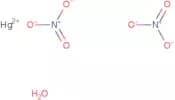
CAS:Controlled ProductMercury(II) nitrate monohydrate (HgNO3·H2O) is a salt that is used in the synthesis of other mercury compounds. It is activated by reaction with ammonia or ammonium chloride to yield the mercury(II) nitrate. This compound can be used as a fluorescence probe for identification and quantification of nitrogen atoms in biological molecules. Monoclonal antibodies against human serum proteins can be prepared from HgNO3·H2O-treated mouse ascites fluid, which are then used for immunological detection of picolinic acid in human serum. The reaction solution for this procedure should contain benzalkonium chloride, light emission reagents, and halides. The IUPAC name for this compound is mercuric nitrate monohydrate and it has a kinetic data available.
Formula:Hg(NO3)2•H2OPurity:Min. 95%Molecular weight:342.62 g/molRef: 3D-FM43031
Discontinued product












![Sulfosuccinimidyl 3-[[2-(biotinamido)ethyl] dithio]propionate sodium salt](/_next/image/?url=https%3A%2Fstatic.cymitquimica.com%2Fproducts%2F3D%2Fthumb-webp%2FFS27965.webp&w=3840&q=75)



![Diacetato[(R)-(+)-2,2'-bis(diphenylphosphino)-1,1'-binaphthyl]ruthenium(II)](/_next/image/?url=https%3A%2Fstatic.cymitquimica.com%2Fproducts%2F3D%2Fthumb-webp%2FFD162446.webp&w=3840&q=75)











![Chloro[2-(di-tert-butylphosphino)-2',4',6'-triisopropyl-1,1'-biphenyl][2-(2-aminoethyl)phenyl)]pal…](/_next/image/?url=https%3A%2Fstatic.cymitquimica.com%2Fproducts%2F3D%2Fthumb-webp%2FFC156938.webp&w=3840&q=75)