Metal Salts
Found 2872 products of "Metal Salts"
5,10,15,20-Tetraphenyl-21H,23H-porphine Zn(II)
CAS:Tetraphenylporphyrin is a natural organic compound that can be found in the human body. It has been shown to have anti-angiogenic properties and can be used for the treatment of choroidal neovascularization (CNV). Tetraphenylporphyrin is a redox active molecule that has a high redox potential, which makes it an ideal candidate for use in photoactive systems. Tetraphenylporphyrin has been shown to inhibit the proliferation of tumor cells by interfering with lipid synthesis and transferring electrons from one molecule to another. The chemical structure of tetraphenylporphyrin makes it possible for light exposure to induce a frequency shift, which leads to light emission at 590 nm. This emission is due to the hydroxyl group present on tetraphenylporphyrin, which acts as an electron donor.
Formula:C44H28N4ZnPurity:Min. 95%Color and Shape:SolidMolecular weight:678.1 g/molSodium Salicylate
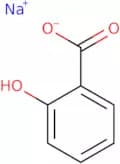
CAS:Sodium salicylate is a nonsteroidal anti-inflammatory drug that is used to treat inflammatory bowel disease. It has been shown to inhibit leukemia inhibitory factor (LIF) and nf-κb binding activity, which leads to the suppression of inflammation and cancer. Sodium salicylate also binds to DNA, inhibiting dna binding activity and preventing transcription. This drug also inhibits mitochondrial membrane potential as well as signal pathways, which may lead to apoptosis. Sodium salicylate has been shown to have an anti-inflammatory effect by inhibiting the synthesis of proinflammatory proteins such as COX-2, prostaglandins, nitric oxide synthase, and inducible nitric oxide synthase. It also has a hypoglycemic effect.Formula:C7H5NaO3Purity:Min. 95%Color and Shape:White Clear LiquidMolecular weight:160.1 g/molCopper(II) acetylacetonate
CAS:Copper acetylacetonate is a copper(II) chelate. Copper acetylacetonate has a high resistance to corrosion, which makes it an ideal catalyst for electrochemical reactions. This metal chelate is also used in the production of polymers and pharmaceuticals. Copper acetylacetonate can be used as a catalyst for water vapor reduction or as a structural material in the manufacture of semiconductors or touch screens. The thermal expansion coefficient of copper acetylacetonate is 4×10^-6/°C, which is lower than that of many other materials. The phase transition temperature of copper acetylacetonate is approximately 124°C, making it suitable for use in molten salt systems.Formula:C10H14CuO4Purity:(%) Min. 98%Color and Shape:Green PowderMolecular weight:261.76 g/mol3-Sulfobenzaldehyde sodium salt
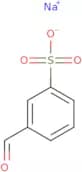
CAS:3-Sulfobenzaldehyde sodium salt is a novel anticancer agent that inhibits the activity of HDACs. It has shown a strong inhibitory effect on cancer cells in vivo, and can be used for the treatment of tumors. 3-Sulfobenzaldehyde sodium salt has an anti-proliferative effect on cancer cells, which may be due to its ability to inhibit the activity of HDACs and acetylation mediated by these enzymes. This drug also has an anti-proliferative effect in tumor growth, which may be due to its ability to inhibit the HDAC cycle and acetylation, leading to cell death.Formula:C7H5NaO4SPurity:85%MinColor and Shape:PowderMolecular weight:208.17 g/molCarbonic acid ammonium zirconium salt
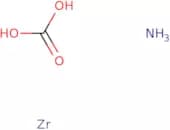
CAS:Carbonic acid ammonium zirconium salt is a high quality, complex compound that is used as a reagent and an intermediate. It has been shown to be useful in the synthesis of fine chemicals and speciality chemicals. Carbonic acid ammonium zirconium salt can also be used as a building block for research chemicals and versatile building blocks.Formula:CH2O3·xH3N·xZrPurity:Min. 95%Color and Shape:Colorless Clear LiquidMontelukast sodium
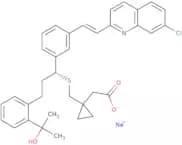
CAS:Montelukast sodium is a leukotriene receptor antagonist that blocks the binding of leukotrienes to their receptors. It is used for the treatment of chronic cough, as well as for the relief of symptoms of seasonal and perennial allergic rhinitis. Montelukast sodium binds to leukotriene receptors on cells in the airways, preventing them from attaching to leukotrienes and triggering an inflammatory response. This drug has been shown to be effective in controlling asthma symptoms by reducing bronchial hyperresponsiveness and relieving respiratory obstruction due to inflammation. Montelukast sodium also has anti-inflammatory properties, which are thought to be due to its ability to inhibit production of pro-inflammatory cytokines such as IL-6.Formula:C35H35ClNNaO3SPurity:Min. 95%Color and Shape:PowderMolecular weight:608.17 g/molMethylsulfuric acid potassium
CAS:Methylsulfuric acid potassium salt is a chloride salt of methylsulfuric acid. It is used as a contrast agent in optical imaging and diagnosis, as well as in the treatment of radiation-induced fatty liver disease. In addition, it can be used to diagnose ventricular myocardium diseases and reversibly inhibit GABA-mediated inhibition of postsynaptic potentials. Methylsulfuric acid potassium salt binds to fatty acids in the myocardium and prevents their uptake, leading to an accumulation of fatty acids and subsequent cell damage. This drug has been shown to have an excitatory effect on neurons in the geniculate nucleus, which may result from its ability to inhibit gamma-aminobutyric acid (GABA) synthesis.Formula:CH4O4S•KPurity:(Titration) Min. 97.0%Color and Shape:PowderMolecular weight:150.2 g/molGlycodeoxycholic acid sodium salt
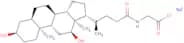
CAS:Controlled ProductGlycodeoxycholic acid sodium salt is a bile acid derivative, which is a biochemical compound sourced from the metabolism of bile acids in the liver. It plays a role in bile acid signaling pathways and lipid emulsification. The mode of action involves mimicking natural bile acids, facilitating the emulsification and absorption of dietary fats in the gastrointestinal tract, and potentially participating in signaling pathways that regulate cholesterol metabolism.Formula:C26H42NNaO5Purity:Min. 95 Area-%Color and Shape:White PowderMolecular weight:471.61 g/molPropiolic acid sodium
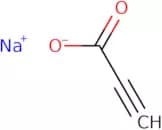
CAS:Propiolic acid sodium salt (PAPS) is a corrosion inhibitor that prevents the formation of rust on metal surfaces. It contains a carbonyl group and a hydroxide ion. PAPS has been shown to react in a non-polar solvent such as n-dimethylformamide with nitrogen atoms or an amine to produce a proton, which can then be used to reduce fatty acids. This reaction is expressed in the following equation:Formula:C3HNaO2Purity:Min. 95%Color and Shape:PowderMolecular weight:92.03 g/molPotassium 4-fluorophenyl glycinate
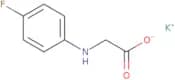
CAS:Potassium 4-fluorophenyl glycinate is a compound that has the potential for use as a building block in organic synthesis. It can be used as an intermediate in the synthesis of various other compounds, and is also useful as a reagent in organic reactions. Potassium 4-fluorophenyl glycinate is also used in research to develop new therapeutic agents. This compound has a number of applications, including being used as a building block for pharmaceuticals, agrochemicals, and specialty chemicals.Formula:C8H8FNO2•KPurity:Min. 90%Color and Shape:PowderMolecular weight:208.25 g/molCesium carbonate - 98% min
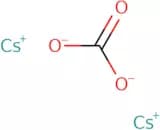
CAS:Cesium carbonate is a base used in organic synthesis with applications in N-alkylation of carbamates, amines, indoles, sulfonamides and aromatic imides. Cesium carbonate also promotes O-alkylation of alcohols to give mixed alkyl carbonates and has been used extensively in Suzuki, Heck and Sonogashira coupling reactions. Cesium carbonate finds also application in energy conversion devices such as photovoltaic cells. Efficiency of inverted polymer solar cells has been shown to increase when cesium carbonate is used as a component of the electron collecting layer.Formula:Cs2CO3Purity:Min. 99%Color and Shape:PowderMolecular weight:325.82 g/molPalladium(II) trifluoroacetate
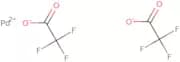
CAS:Palladium(II) trifluoroacetate is a palladium complex with the chemical formula PdCl(CF3CO2). It is soluble in water and reacts with hydroxide solution to form palladium oxide. Palladium complexes have been used as diagnostic agents for their ability to selectively bind to specific proteins. Palladium-catalyzed asymmetric syntheses of organic compounds, such as natural products and pharmaceuticals, are also possible. Palladium complexes often undergo metathesis reactions, which involve the transfer of one ligand from one metal complex to another. The use of deuterium isotopes can be used to differentiate between the two types of palladium complexes that undergo metathesis reactions.Formula:C4F6O4PdPurity:Min. 95%Color and Shape:PowderMolecular weight:332.45 g/molSilver sulfadiazine
CAS:Silver sulfadiazine is a topical antibiotic that is used to prevent and treat burns. It has been shown to have antibacterial efficacy against antibiotic-resistant strains, such as methicillin-resistant Staphylococcus aureus (MRSA). Silver sulfadiazine inhibits bacterial growth by binding to the bacterial cell wall and altering its permeability. This prevents the synthesis of proteins necessary for cell division, leading to cell death. It also exerts an anti-inflammatory effect by inhibiting the production of prostaglandins and leukotrienes. The basic structure of silver sulfadiazine is similar to that of sulfadiazine, which is a known antifungal agent. Silver sulfadiazine has not been shown to be toxic in animal studies or human clinical trials. However, it should not be applied if there are open wounds or burns on the skin because it may cause localized pain and irritation due to its caustic nature.Formula:C10H9AgN4O2SPurity:Min. 95%Color and Shape:White Off-White PowderMolecular weight:357.14 g/molHydrocortisone sodium phosphate
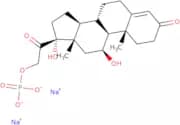
CAS:Hydrocortisone sodium phosphate is a potent anti-inflammatory agent that belongs to a class of drugs called corticosteroids. It is used to treat inflammatory bowel disease, rheumatoid arthritis, and other autoimmune diseases. Hydrocortisone sodium phosphate inhibits the production of cytokines and mediators of inflammation by inhibiting the activity of leukocytes such as human polymorphonuclear leukocytes (PMN) and lymphocytes. Hydrocortisone sodium phosphate also has antimicrobial effects against bacteria that are sensitive to this drug. This agent is metabolized in vivo to hydrocortisone by esterases, which are found in the kidney, liver, or gut wall. Hydrocortisone sodium phosphate can inhibit drug metabolism by cytochrome P450 enzymes (CYP3A4).Formula:C21H29Na2O8PPurity:Min. 95%Color and Shape:White PowderMolecular weight:486.4 g/molBenzohydroxamic acid potassium
CAS:Benzohydroxamic acid potassium salt is an organic compound that is soluble in water, but insoluble in organic solvents. It has a molecular weight of 134.2, and its chemical formula is C7H6N4O3K. It can react with acid solutions to form hydroxamic acids (e.g., benzohydroxamic acid). The nmr spectra of these compounds have been shown to be sensitive to the presence of molybdenum or other metal ions. Benzohydroxamic acid potassium salt can be synthesized by reacting hydrochloric acid with zirconium tetrachloride and carbon tetrachloride in the presence of ethyl bromoacetate. This reaction produces insoluble benzohydroxamic acid potassium salt together with ethyl bromoacetate as a byproduct. Molecular weight: 134.2 Chemical formula: C7H6N4O3K SolubleFormula:C7H7NO2•KPurity:Min. 95%Color and Shape:PowderMolecular weight:176.23 g/molEDTA calcium disodium salt
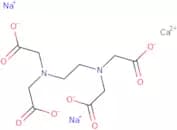
CAS:Chelating agent used to treat lead poisoningFormula:C10H12CaN2Na2O8Purity:Min. 95%Color and Shape:White PowderMolecular weight:374.27 g/molSodium monododecyl phosphate(contains<10% sodium didodecyl phosphate)
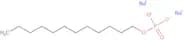
CAS:Please enquire for more information about Sodium monododecyl phosphate(contains<10% sodium didodecyl phosphate) including the price, delivery time and more detailed product information at the technical inquiry form on this pageFormula:C12H27O4P•NaxPurity:Min. 75 Area-%Saccharin sodium salt
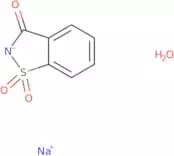
CAS:Saccharin sodium salt is a non-nutritive sweetener that is used as a sugar substitute. It has been shown to inhibit the production of fatty acids in the liver, which can lead to chronic exposure and increased risk for cancer. Saccharin sodium salt also has been shown to have toxic effects on heart tissue and other organs in animals. Saccharin sodium salt is not metabolized by the body, but has been shown to be resistant to metabolism in vitro through various methods. This may be due to its ability to bind with benzalkonium chloride and pyridoxine hydrochloride, which are important for metabolic pathways. Saccharin sodium salt has been shown to have physiological activities, including inhibition of neuronal function and energy metabolism.Formula:C7H5NNaO3SColor and Shape:White PowderMolecular weight:206.18 g/molPotassium dimethyldithiocarbamate - 50% aqueous solution
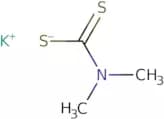
CAS:Potassium dimethyldithiocarbamate is a biocide that is used for the treatment of wastewater. It has been shown to inhibit the growth of bacteria and fungi through its antimicrobial activity. Potassium dimethyldithiocarbamate prevents bacterial attachment to surfaces, which may be due to its ability to bind covalently with proteins and form a protective layer on metal surfaces. This agent also has an inhibitory effect on complex enzyme reactions, such as transfer reactions, which are important in microbial metabolism.Formula:C3H7NS2·KPurity:Min. 95%Color and Shape:Clear LiquidMolecular weight:160.32 g/molDisodium hydrogen phosphate anhydrous
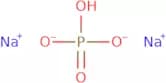
CAS:Disodium hydrogen phosphate anhydrous is a sodium salt of phosphoric acid. It is used in the formulation of medicinal products as a buffering agent and as a source of sodium ions. Disodium hydrogen phosphate anhydrous also has synergistic effects with other drugs, such as calcium pantothenate and ambroxol hydrochloride injection, which are used for the treatment of infectious diseases. Disodium hydrogen phosphate anhydrous has phase transition temperature that is low enough to permit dissolution in water vapor, making it suitable for use in liquid formulations. The solubility of this drug can be increased by combining it with other compounds such as calcium pantothenate or ambroxol hydrochloride injection. This compound can be analyzed using chromatographic methods and microdialysis probes to determine its concentration in reaction solutions.Formula:HNa2O4PPurity:Min. 95%Color and Shape:PowderMolecular weight:141.96 g/mol