Metal Salts
Found 2872 products of "Metal Salts"
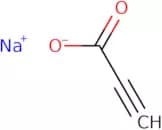
Propiolic acid sodium
CAS:Propiolic acid sodium salt (PAPS) is a corrosion inhibitor that prevents the formation of rust on metal surfaces. It contains a carbonyl group and a hydroxide ion. PAPS has been shown to react in a non-polar solvent such as n-dimethylformamide with nitrogen atoms or an amine to produce a proton, which can then be used to reduce fatty acids. This reaction is expressed in the following equation:Formula:C3HNaO2Purity:Min. 95%Color and Shape:PowderMolecular weight:92.03 g/molPotassium 4-fluorophenyl glycinate
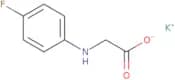
CAS:Potassium 4-fluorophenyl glycinate is a compound that has the potential for use as a building block in organic synthesis. It can be used as an intermediate in the synthesis of various other compounds, and is also useful as a reagent in organic reactions. Potassium 4-fluorophenyl glycinate is also used in research to develop new therapeutic agents. This compound has a number of applications, including being used as a building block for pharmaceuticals, agrochemicals, and specialty chemicals.Formula:C8H8FNO2•KPurity:Min. 90%Color and Shape:PowderMolecular weight:208.25 g/molCesium carbonate - 98% min
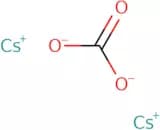
CAS:Cesium carbonate is a base used in organic synthesis with applications in N-alkylation of carbamates, amines, indoles, sulfonamides and aromatic imides. Cesium carbonate also promotes O-alkylation of alcohols to give mixed alkyl carbonates and has been used extensively in Suzuki, Heck and Sonogashira coupling reactions. Cesium carbonate finds also application in energy conversion devices such as photovoltaic cells. Efficiency of inverted polymer solar cells has been shown to increase when cesium carbonate is used as a component of the electron collecting layer.Formula:Cs2CO3Purity:Min. 99%Color and Shape:PowderMolecular weight:325.82 g/molPalladium(II) trifluoroacetate
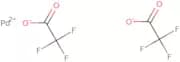
CAS:Palladium(II) trifluoroacetate is a palladium complex with the chemical formula PdCl(CF3CO2). It is soluble in water and reacts with hydroxide solution to form palladium oxide. Palladium complexes have been used as diagnostic agents for their ability to selectively bind to specific proteins. Palladium-catalyzed asymmetric syntheses of organic compounds, such as natural products and pharmaceuticals, are also possible. Palladium complexes often undergo metathesis reactions, which involve the transfer of one ligand from one metal complex to another. The use of deuterium isotopes can be used to differentiate between the two types of palladium complexes that undergo metathesis reactions.Formula:C4F6O4PdPurity:Min. 95%Color and Shape:PowderMolecular weight:332.45 g/molSilver sulfadiazine
CAS:Silver sulfadiazine is a topical antibiotic that is used to prevent and treat burns. It has been shown to have antibacterial efficacy against antibiotic-resistant strains, such as methicillin-resistant Staphylococcus aureus (MRSA). Silver sulfadiazine inhibits bacterial growth by binding to the bacterial cell wall and altering its permeability. This prevents the synthesis of proteins necessary for cell division, leading to cell death. It also exerts an anti-inflammatory effect by inhibiting the production of prostaglandins and leukotrienes. The basic structure of silver sulfadiazine is similar to that of sulfadiazine, which is a known antifungal agent. Silver sulfadiazine has not been shown to be toxic in animal studies or human clinical trials. However, it should not be applied if there are open wounds or burns on the skin because it may cause localized pain and irritation due to its caustic nature.Formula:C10H9AgN4O2SPurity:Min. 95%Color and Shape:White Off-White PowderMolecular weight:357.14 g/molHydrocortisone sodium phosphate
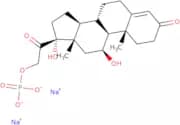
CAS:Hydrocortisone sodium phosphate is a potent anti-inflammatory agent that belongs to a class of drugs called corticosteroids. It is used to treat inflammatory bowel disease, rheumatoid arthritis, and other autoimmune diseases. Hydrocortisone sodium phosphate inhibits the production of cytokines and mediators of inflammation by inhibiting the activity of leukocytes such as human polymorphonuclear leukocytes (PMN) and lymphocytes. Hydrocortisone sodium phosphate also has antimicrobial effects against bacteria that are sensitive to this drug. This agent is metabolized in vivo to hydrocortisone by esterases, which are found in the kidney, liver, or gut wall. Hydrocortisone sodium phosphate can inhibit drug metabolism by cytochrome P450 enzymes (CYP3A4).Formula:C21H29Na2O8PPurity:Min. 95%Color and Shape:White PowderMolecular weight:486.4 g/molBenzohydroxamic acid potassium
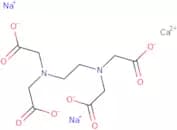
CAS:Benzohydroxamic acid potassium salt is an organic compound that is soluble in water, but insoluble in organic solvents. It has a molecular weight of 134.2, and its chemical formula is C7H6N4O3K. It can react with acid solutions to form hydroxamic acids (e.g., benzohydroxamic acid). The nmr spectra of these compounds have been shown to be sensitive to the presence of molybdenum or other metal ions. Benzohydroxamic acid potassium salt can be synthesized by reacting hydrochloric acid with zirconium tetrachloride and carbon tetrachloride in the presence of ethyl bromoacetate. This reaction produces insoluble benzohydroxamic acid potassium salt together with ethyl bromoacetate as a byproduct. Molecular weight: 134.2 Chemical formula: C7H6N4O3K SolubleFormula:C7H7NO2•KPurity:Min. 95%Color and Shape:PowderMolecular weight:176.23 g/molEDTA calcium disodium salt
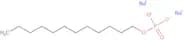
CAS:Chelating agent used to treat lead poisoningFormula:C10H12CaN2Na2O8Purity:Min. 95%Color and Shape:White PowderMolecular weight:374.27 g/molSodium monododecyl phosphate(contains<10% sodium didodecyl phosphate)
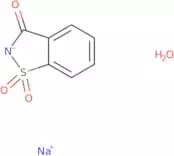
CAS:Please enquire for more information about Sodium monododecyl phosphate(contains<10% sodium didodecyl phosphate) including the price, delivery time and more detailed product information at the technical inquiry form on this pageFormula:C12H27O4P•NaxPurity:Min. 75 Area-%Saccharin sodium salt
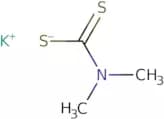
CAS:Saccharin sodium salt is a non-nutritive sweetener that is used as a sugar substitute. It has been shown to inhibit the production of fatty acids in the liver, which can lead to chronic exposure and increased risk for cancer. Saccharin sodium salt also has been shown to have toxic effects on heart tissue and other organs in animals. Saccharin sodium salt is not metabolized by the body, but has been shown to be resistant to metabolism in vitro through various methods. This may be due to its ability to bind with benzalkonium chloride and pyridoxine hydrochloride, which are important for metabolic pathways. Saccharin sodium salt has been shown to have physiological activities, including inhibition of neuronal function and energy metabolism.Formula:C7H5NNaO3SColor and Shape:White PowderMolecular weight:206.18 g/molPotassium dimethyldithiocarbamate - 50% aqueous solution
CAS:Potassium dimethyldithiocarbamate is a biocide that is used for the treatment of wastewater. It has been shown to inhibit the growth of bacteria and fungi through its antimicrobial activity. Potassium dimethyldithiocarbamate prevents bacterial attachment to surfaces, which may be due to its ability to bind covalently with proteins and form a protective layer on metal surfaces. This agent also has an inhibitory effect on complex enzyme reactions, such as transfer reactions, which are important in microbial metabolism.Formula:C3H7NS2·KPurity:Min. 95%Color and Shape:Clear LiquidMolecular weight:160.32 g/molDisodium hydrogen phosphate anhydrous
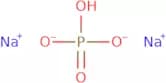
CAS:Disodium hydrogen phosphate anhydrous is a sodium salt of phosphoric acid. It is used in the formulation of medicinal products as a buffering agent and as a source of sodium ions. Disodium hydrogen phosphate anhydrous also has synergistic effects with other drugs, such as calcium pantothenate and ambroxol hydrochloride injection, which are used for the treatment of infectious diseases. Disodium hydrogen phosphate anhydrous has phase transition temperature that is low enough to permit dissolution in water vapor, making it suitable for use in liquid formulations. The solubility of this drug can be increased by combining it with other compounds such as calcium pantothenate or ambroxol hydrochloride injection. This compound can be analyzed using chromatographic methods and microdialysis probes to determine its concentration in reaction solutions.Formula:HNa2O4PPurity:Min. 95%Color and Shape:PowderMolecular weight:141.96 g/molCadmium diethyldithiocarbamate
CAS:Cadmium diethyldithiocarbamate is a chemical compound with the molecular formula Cd(C2H5)2S2Cl, which contains a disulfide bond. It is a light-sensitive powder that can be prepared in a variety of ways. Cadmium diethyldithiocarbamate can be used as an analytical reagent for metal ions and other compounds. It is also used in the synthesis of zinc diethyldithiocarbamate, which has been shown to have anti-inflammatory properties in rat models. The divalent hydrocarbon nature of cadmium diethyldithiocarbamate makes it useful as a solid dispersant in liquid chromatography methods.
Formula:C10H20CdN2S4Purity:Area-% Min. 95 Area-%Color and Shape:PowderMolecular weight:408.95 g/molPemirolast potassium
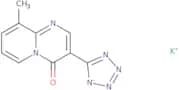
CAS:Histamine release inhibitor
Formula:C10H8N6O•KPurity:Min. 95%Color and Shape:PowderMolecular weight:267.31 g/mol1,3,6,8-Pyrenetetrasulfonic acid tetrasodium salt - powder
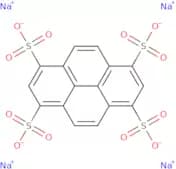
CAS:1,3,6,8-Pyrenetetrasulfonic acid tetrasodium salt is a fluorescent dye that belongs to the group of hydroxide salts. It has been shown to have an absorption maximum at 524 nm and emission maximum at 585 nm. The molecule has a constant pressure of 0.1 mmHg when dissolved in water. 1,3,6,8-Pyrenetetrasulfonic acid tetrasodium salt is soluble in water and hydrochloric acid and has been used as a microcapsule encapsulation agent for copper complexes. This substance also absorbs light due to its dipole moment and can be used as a control experiment for other substances with different optical properties.
Formula:C16H6Na4O12S4Purity:Min. 97 Area-%Color and Shape:PowderMolecular weight:610.43 g/molSodium ammonium phosphate tetrahydrate
CAS:Sodium ammonium phosphate tetrahydrate is an inorganic compound that is a salt. It is used as a test compound to measure the inhibition of viral growth. The test compound binds to the virus and prevents it from binding to cells, thus inhibiting viral replication. Sodium ammonium phosphate tetrahydrate can also be used as a means of preventing cavities by lowering the pH level in the mouth and inhibiting bacterial growth. Selenium compounds have been shown to have antiviral properties when tested on the typhimurium virus. Selenium compounds are not active against herpes simplex virus, but protocatechuic acid has been shown to inhibit herpes simplex virus replication in vitro and in vivo. Protocatechuic acid has also been shown to inhibit fatty acid synthesis and chloride ion uptake into cells, which may be responsible for its anti-viral properties.Formula:NaNH5PO4·4H2OPurity:Min. 95%Color and Shape:PowderMolecular weight:209.07 g/mol5-Methyltetrahydrofolic acid disodium salt
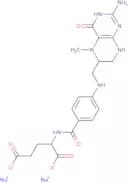
CAS:5-Methyltetrahydrofolic acid disodium salt is a form of vitamin B9 that is produced by the body from 5,10-methylenetetrahydrofolate. It also can be obtained through the diet in foods such as milk, eggs, and leafy vegetables. This vitamin is necessary for many cellular processes, including amino acid metabolism. 5-Methyltetrahydrofolic acid disodium salt has been shown to have a significant effect on neuron cell growth and health. It has been shown to stimulate the enzyme activities of catecholamine-O-methyltransferase and dopamine beta hydroxylase in vitro. The effects were seen with both acidic and neutral pHs. 5-Methyltetrahydrofolic acid disodium salt has been found to be a selective inhibitor of receptor α (rho) uptake in Caco-2 cells at acidic pHs but not at neutral pHs. In additionFormula:C20H23N7Na2O6Color and Shape:PowderMolecular weight:503.42 g/molPotassium hexafluoraluminate
CAS:Potassium hexafluoromalonate is a chemical compound that is used as an intermediate in the production of other chemicals. It has been shown to be a useful building block in organic synthesis and can also be used as a research chemical. Potassium hexafluoromalonate is prepared by reacting fluoroaluminate with potassium hydroxide, producing potassium hexafluoromalonate. This reaction produces hydrogen fluoride gas, which must be removed from the product before use. Potassium hexafluoromalonate is soluble in water and is stable at room temperature for up to one year.Formula:K3AlF6Purity:Min 97%Color and Shape:Colorless White PowderMolecular weight:258.27 g/molSuramin hexasodium salt hydrate
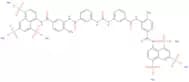
CAS:Treatment of trypanosomiasis in heamolytic stageFormula:C51H34N6O23S6·6Na·13H2OPurity:Min. 95%Color and Shape:PowderMolecular weight:1,663.38 g/molSodium bromate
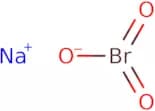
CAS:Sodium bromate is a particle that has a neutral pH and can be used as a catalyst for epoxidation reactions. In the presence of copper ions, sodium bromate reacts with organic compounds to produce epoxide products. The reaction mechanism of sodium bromate involves the formation of a copper complex, which binds to protocatechuic acid to form an intermediate. This intermediate then reacts with malonic acid to form an epoxide product. This process is also known as the Sabatier Reaction. The genotoxic effects of sodium bromate are due to its ability to cause DNA strand breaks and cross-links between DNA strands. Sodium bromate can also react with hydrochloric acid or sodium carbonate in solution, leading to cell lysis and release of cellular contents into the environment.Formula:NaBrO3Purity:Min. 95%Color and Shape:White Clear LiquidMolecular weight:150.89 g/molZinc dibutyldithiocarbamate
CAS:Zinc dibutyldithiocarbamate is a chemical compound that forms a complex with fatty acids. It is used as an absorbent and sample preparation agent in uv spectroscopy. Zinc dibutyldithiocarbamate can also cause allergic reactions and is toxic to cells in the presence of calcium stearate. This chemical is found in reaction solutions, where it reacts with hydrochloric acid and boron nitride to form zinc diethyldithiocarbamate. Zinc dibutyldithiocarbamate has shown growth factor-like properties and was shown to enhance the rate of cell growth on V79 cells when combined with polyene.Formula:C18H36N2S4ZnPurity:Min. 95%Color and Shape:PowderMolecular weight:474.14 g/molDihydro caffeic acid 3-O-sulfate sodium salt
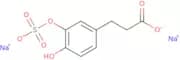
CAS:Dihydro caffeic acid 3-O-sulfate sodium salt is a flavonol that is found in plants. It has been shown to have antioxidant properties and may be effective in the treatment of diseases associated with oxidative stress, such as diabetes mellitus and cancer. Dihydrocaffeic acid 3-O-sulfate sodium salt has also been shown to inhibit the growth of bacteria by modulating the production of nitric oxide. This agent has been quantified in human urine, which provides evidence for its potential use as a biomarker for disease risk due to its association with phenolic metabolites.Formula:C9H8Na2O7SPurity:Min. 95%Color and Shape:White Off-White PowderMolecular weight:306.2 g/molIron hydroxide
CAS:Iron hydroxide is a type of iron oxide, which is a chemical compound that is composed of iron and oxygen. Iron hydroxide has been shown to inhibit the growth of bacteria by binding to pyrite and other minerals in the soil. The inhibition caused by iron hydroxide is due to its ability to increase the concentration of free calcium ions in the environment and thus disrupt bacterial metabolism. Iron hydroxide can be found in dry soils, especially those with high amounts of pyrite. Iron hydroxide binds to pyrite because it has a higher affinity for it than for Ca2+. This occurs because pyrite has more surface area than Ca2+ and so more molecules are able to bind to it. Iron hydroxide can also be found in women’s urine where it inhibits the growth of bacteria such as Escherichia coli, Enterococcus faecalis, Klebsiella pneumoniae, Proteus mirabilis, PseudFormula:Fe(OH)3Color and Shape:PowderMolecular weight:106.87 g/molPotassium 3,3,4,4,5,5,6,6,7,7,8,8,8-tridecafluorooctanesulphonate
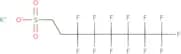
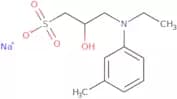
CAS:Potassium 3,3,4,4,5,5,6,6,7,7,8,8,8-tridecafluorooctanesulphonate is a potassium salt of the perfluoroalkanesulfonic acid. It is a versatile building block with a wide range of applications in the research chemical and fine chemical industries. Potassium 3,3,4,4,5,5,6,6... 8-tridecafluorooctanesulphonate can be used as an intermediate for the synthesis of complex compounds or as a reagent in organic synthesis. It is also useful for making high quality resins and polymers. CAS No.: 59587-38-1.Formula:C8H4F13KO3SPurity:(¹H-Nmr) Min. 95 Area-%Color and Shape:PowderMolecular weight:466.26 g/molN-Ethyl-N-(2-hydroxy-3-sulfopropyl)-3-methylaniline sodium salt dihydrate
CAS:N-Ethyl-N-(2-hydroxy-3-sulfopropyl)-3-methylaniline sodium salt dihydrate (NMS) is a functional group with a side effect profile that is characterized by low incidence of adverse events. This drug has been shown to be well tolerated in clinical use, and there is evidence that it may be useful for the treatment of infectious diseases. Clinical studies have demonstrated that NMS can improve fatty acid and cholesterol levels, as well as reducing carnitine palmitoyltransferase activity. These effects are due to the inhibition of lipoprotein lipase, cholesterol esterase and carnitine palmitoyltransferase enzymes. In addition, NMS has been shown to be effective against dermatitis caused by atopic dermatitis or psoriasis.Formula:C12H18NNaO4S·2H2OPurity:Min. 98 Area-%Color and Shape:White PowderMolecular weight:331.36 g/mol1,2-Dipalmitoyl-sn-glycero-3-phosphatidic acid sodium
CAS:1,2-Dipalmitoyl-sn-glycero-3-phosphatidic acid sodium (DPPA) is a drug substance that has been used in primary culture to study the cell membrane of hepatocytes. This compound is a phospholipid with a cavity at one end and contains two hydroxy groups that can be conjugated to other molecules. It has been shown to be effective against Hepatitis B virus and mesenchymal stromal cells. DPPA has also been used as an adjuvant for gadolinium contrast agents for magnetic resonance imaging. Gadolinium may bind to the hydroxy groups on DPPA, which increases its birefringence and brightness on MRI scans.Formula:C35H69Na2O8PPurity:Min. 98 Area-%Color and Shape:White PowderMolecular weight:694.87 g/molTropaeolin O sodium salt
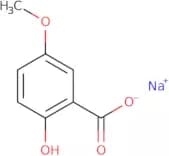
CAS:Tropaeolin O sodium salt is a reactive dye that possesses the ability to form hydrogen bonds with hydroxyl groups. Tropaeolin O sodium salt has been used in pharmaceutical preparations as a dye for serum and urine samples. It is also used as an indicator for the presence of fatty acids in human serum. The reactive dye is cationic and can be used to detect anionic surfactants, such as sodium dodecyl sulfate, which are commonly found in detergents and soaps. Tropaeolin O sodium salt exhibits synchronous fluorescence when it reacts with hydroxyl ions. This property can be useful for detecting the presence of hydrochloric acid in a sample or identifying p-hydroxybenzoic acid (a product of human metabolism) in urine samples.Formula:C12H9N2O5SNaPurity:Min. 95%Color and Shape:PowderMolecular weight:316.27 g/mol5-Methoxysalicylic acid sodium
CAS:5-Methoxysalicylic acid sodium (MSAS) is a drug that is used to treat intestinal ulcers. It is also used to reduce the viscosity of blood and as an adjuvant in the treatment of rheumatoid arthritis. The bioavailability of MSAS is increased when it is administered with cefmetazole, which enhances the absorption of this drug in the small intestine. MSAS has a hypoglycemic effect and can be used to treat high blood sugar levels. This drug binds to muscle cells and prevents their contraction, which can lead to relief from muscle pain or spasms. MSAS may also have a pharmacological effect on ligation, which occurs when tissue is cut off from its blood supply.
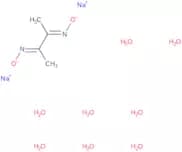
Formula:C8H7O4·NaPurity:Min. 95%Color and Shape:PowderMolecular weight:190.13 g/molDimethylglyoxime disodium salt octahydrate
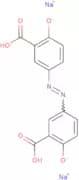
CAS:Dimethylglyoxime is a pesticide that has been used to control insects and nematodes. It has been found to be effective in controlling mosquitoes, flies, and other pests. This compound is also used as an extractor in microextraction. Dimethylglyoxime is not toxic to humans and does not cause any adverse effects on the environment or human health. It can be used with chlorine for wastewater treatment.Formula:C4H8N2Na2O2·8H2OPurity:Min. 95%Color and Shape:PowderMolecular weight:306.22 g/molOlsalazine sodium salt
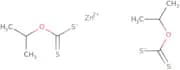
CAS:Olsalazine sodium salt is a drug that is used to treat bowel disease. It has been shown to be effective in treating ulcerative colitis and other hyperproliferative diseases, such as dermatitis herpetiformis, with the matrix effect of dextran sulfate. Olsalazine sodium salt is a combination therapy group drug that includes olsalazine, which is an anti-inflammatory drug, and dextran sulfate, which increases the surface area of the bowel and improves absorption. The chemiluminescence method was used to measure the cytosolic Ca2+ concentration in experimental models of colitis. The results showed that olsalazine sodium salt significantly reduced the level of cytosolic Ca2+, suggesting it may have anti-inflammatory properties.Formula:C14H8N2Na2O6Purity:Min. 95%Color and Shape:Yellow PowderMolecular weight:346.2 g/molZinc isopropylxanthate
CAS:Zinc isopropylxanthate is a chemical that has a chemical stability in the presence of fatty acids and organic solvents. It can be used as a zinc supplement, or to reduce the viscosity of glycerin. Zinc isopropylxanthate also has anti-inflammatory properties, which may be due to its ability to inhibit prostaglandin synthesis.Formula:C8H14O2S4ZnPurity:Min. 95%Color and Shape:PowderMolecular weight:335.84 g/molSodium 2-(4-Methoxyphenoxy)propionate
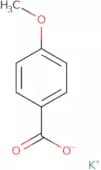
CAS:Sodium 2-(4-methoxyphenoxy)propionate is a chemical compound that inhibits the activity of protein kinase A (PKA). This inhibition is due to the binding of Sodium 2-(4-methoxyphenoxy)propionate to the catalytic site of PKA, which blocks access by ATP. Sodium 2-(4-methoxyphenoxy)propionate has been shown to inhibit the production of inflammatory cytokines in vitro. It also has been shown to be a potent inducer of sweet taste receptors in vivo and in vitro. The inhibition of PKA may be useful for treating bowel diseases such as ulcerative colitis.Formula:C10H12O4•NaPurity:Min. 95%Color and Shape:PowderMolecular weight:219.19 g/molPotassium 4-anisate
CAS:4-Anisate is a ligand that binds to metal ions. It has high resistance to light and UV spectroscopy, and it catalyzes the reaction of styrene with potassium ions under alkaline conditions. The skeleton of 4-anisate is composed of a cyclic anhydride ring with two methoxy groups. This compound also exhibits anion activity, which is characteristic of the flavone class of compounds.Formula:C8H8O3•KPurity:Min. 95%Color and Shape:PowderMolecular weight:191.25 g/molMalonic acid disodium salt monohydrate
CAS:Malonic acid disodium salt monohydrate is a water-soluble alkanoic acid that is used as a cross-linking agent in the manufacture of polymers. Malonic acid disodium salt monohydrate is also used to produce immunogenic antigens for cancer research and as a synthetic intermediate in the synthesis of pharmaceuticals or agricultural chemicals. Malonic acid disodium salt monohydrate is converted to malic acid by the enzyme cytosolic malate dehydrogenase. Malonic acid disodium salt monohydrate has an acidic pH and can be used to neutralize sodium salts such as sodium bicarbonate. Cell culture studies have shown that exposure to malonic acid disodium salt monohydrate inhibits protein synthesis and cell growth, which may be due to its ability to bind with DNA during transcription.
Formula:C3H2Na2O4·H2OPurity:Min 98%Color and Shape:White PowderMolecular weight:166.04 g/molPalladium chloride
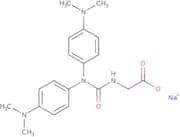
CAS:Controlled ProductPalladium chloride is a palladium-containing compound that reacts with sodium-dependent glucose to produce hydrogen and palladium metal. Palladium chloride is also known as the "carbonyl" of palladium. It can be used in the laboratory as a catalyst for ethylene diamine synthesis, and has been shown to have clinical relevance in the treatment of high blood sugar levels. The reaction mechanism between palladium chloride and glucose involves a diazonium salt and hydrochloric acid, which forms ethylene diamine, chloride, and hydrogen gas. The biological studies of palladium chloride are mostly related to its ability to form hydrogen bonds with proteins. Palladium is an effective catalyst for reactions involving organic compounds called carbonyls, such as ethylene diamine. High values for this compound have been found in patients with acute pancreatitis, who also had elevated levels of potassium dichromate (a type of chromium).Formula:PdCl2Purity:Min. 95%Color and Shape:PowderMolecular weight:177.33 g/molSodium 2-(3,3-bis(4-(dimethylamino)phenyl)ureido)acetate
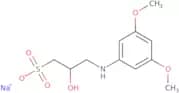
CAS:Please enquire for more information about Sodium 2-(3,3-bis(4-(dimethylamino)phenyl)ureido)acetate including the price, delivery time and more detailed product information at the technical inquiry form on this pageFormula:C19H23N4NaO3Purity:Min. 95%Molecular weight:378.4 g/molN-(2-Hydroxy-3-sulfopropyl)-3,5-dimethoxyaniline sodium
CAS:N-(2-Hydroxy-3-sulfopropyl)-3,5-dimethoxyaniline sodium is a chemical compound that has been shown to have antidiabetic activity in animal studies. It is a competitive inhibitor of the enzyme cholesterol esterase and has been shown to reduce the level of fatty acids and cholesterol in blood plasma. N-(2-Hydroxy-3-sulfopropyl)-3,5-dimethoxyaniline sodium binds to dextran sulfate as well as other amines and can be used for the analysis of test samples. This chemical also binds to monoclonal antibodies, which are proteins produced by B lymphocytes that recognize specific structures on foreign objects such as bacteria or viruses.Formula:C11H16NO6SNaPurity:Min. 95%Color and Shape:White PowderMolecular weight:313.3 g/mol2-Cyanoethyl phosphate barium salt hydrate
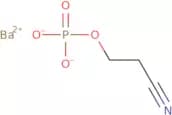
CAS:2-Cyanoethyl phosphate barium salt hydrate is an alkaline compound that is soluble in water. It has been used to synthesize phosphodiesters, benzene, dioxan and alcohols. The chemical was originally developed as a reagent for the quantitative conversion of ethyl acetate esters to their corresponding acid chlorides. This reaction can be carried out quantitatively in tetrahydrofuran at room temperature with yields of about 95%. 2-Cyanoethyl phosphate barium salt hydrate also converts alcohols to their corresponding monophosphates quantitatively in alkaline conditions. Crystalline forms are obtained by reacting the compound with triethylamine and benzene.Formula:C3H6BaNO4P•xH2OPurity:Min. 95%Color and Shape:PowderMolecular weight:324.42 g/molEdetate calcium disodium dihydrate
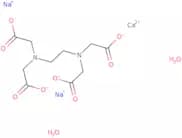
CAS:Edetate calcium disodium dihydrate is an antidote for poisoning by lead, mercury, or arsenic. It is a chelating agent that binds to the metal ions and prevents their absorption into the body. The chemical reaction of edetate calcium disodium dihydrate with lead, mercury, or arsenic produces a stable precipitate that is eliminated in urine. This drug has been shown to be effective when given as a single dose and has been used in clinical trials for long-term efficacy and optimum concentration. Edetate calcium disodium dihydrate has also been used to treat bowel disease and symptoms of lead toxicity such as abdominal pain, nausea, vomiting, constipation, headache, and muscle weakness.Formula:C10H12CaN2O8·2H2O·2NaColor and Shape:White PowderMolecular weight:410.3 g/molSodium 2-[[3-(trifluoromethyl)phenyl]amino]benzoate
CAS:Sodium 2-[[3-(trifluoromethyl)phenyl]amino]benzoate (TFPB) is a synthetic substrate that has been used in the synthesis of microcapsules. TFPB is soluble in water, which allows it to be administered orally and provides a non-toxic environment for the release of protein drugs. TFPB is also able to bind with receptors on polymorphonuclear leucocytes and can be used as an adjuvant therapy in women.
Formula:C14H9F3NNaO2Purity:Min. 95%Color and Shape:PowderMolecular weight:303.21 g/molXanthine sodium salt monohydrate
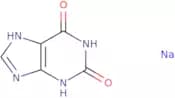
CAS:Xanthine sodium salt monohydrate is a dietary supplement that is used to treat metabolic disorders such as hyperuricemia and gout. It also has antiviral effects against herpes simplex virus-1 (HSV-1) and type-2 (HSV-2). Xanthine sodium salt monohydrate inhibits the production of viral DNA polymerase, which causes cell death by inhibiting the synthesis of proteins vital for cell division. Xanthine sodium salt monohydrate can be used to inhibit the growth of cancer cells in vitro. The mechanism of action is not yet fully understood, but it is thought that xanthine may inhibit phosphodiesterase activity or have a direct effect on the cell membrane.Formula:C5H3N4NaO2•H2OPurity:Min. 95 Area-%Color and Shape:PowderMolecular weight:192.11 g/molFerrocenecarboxylic acid
CAS:Controlled ProductFerrocenecarboxylic acid is a ferrocene compound that has been used as a polymerase chain reaction (PCR) probe. It has been shown to have an antiproliferative effect on leukemia cells, and can be used in the treatment of cancers. Ferrocenecarboxylic acid is membrane permeable and can therefore be used as a cell-impermeable chemotherapeutic agent. This drug also has the ability to bind to target DNA, with this binding being dependent on the functional groups present on the molecule. The ferrocene carboxylate conjugates are also able to react with nucleophiles such as dithiopyridine or pyridinium salts, which may serve as strategies for converting the drug into an MRI contrast agent.Formula:C11H10FeO2Purity:Min. 98 Area-%Color and Shape:Yellow PowderMolecular weight:230.04 g/molAcetyl phosphate dilithium salt
CAS:Acetyl phosphate dilithium salt is a chemical compound that belongs to the group of acetylating agents. Acetyl phosphate has been shown to inhibit cholesterol synthesis in the liver by competitive inhibition of 3-hydroxy-3-methylglutaryl-coenzyme A reductase (HMGCR), an enzyme involved in this process. It also inhibits the formation of disulfide bonds, which are important for proper protein folding and function. Acetyl phosphate binds to proteins by nucleophilic attack, forming a covalent bond with a carbonyl group on the target protein. This binding prevents the protein from functioning properly in a variety of biological processes, including transcriptional regulation.
Formula:C2H3O5P·2LiPurity:Min. 95%Color and Shape:White PowderMolecular weight:151.9 g/molSodium metasilicate nonahydrate
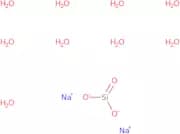
CAS:Sodium metasilicate nonahydrate is a chemical that is used as a surfactant in water treatment and as a food additive. It has been shown to reduce the surface tension of water, which allows for more efficient cleaning. Sodium metasilicate nonahydrate has been used to remove heavy metals from wastewater, such as potassium dichromate and sodium citrate. This chemical also reacts with hydroxides of metals such as sodium carbonate and glycol ethers to form soluble silicates. The solubility data for this compound was obtained by measuring the solubility of anhydrous sodium metasilicate in water at different temperatures using a particle technique.Formula:Na2SiO3•(H2O)9Purity:Min. 95%Color and Shape:PowderMolecular weight:284.2 g/molSodium phosphate monobasic monohydrate
CAS:Sodium phosphate monobasic monohydrate is a nonsteroidal anti-inflammatory drug that belongs to the class of sodium salts. It is used to treat bowel disease and has been shown to reduce the production of prostaglandins in the stomach, which are mediators of inflammation. Sodium phosphate monobasic monohydrate can also be used for its anti-inflammatory effects on other parts of the body, such as joints or muscles. This drug is often used for rheumatoid arthritis, osteoarthritis, or ankylosing spondylitis. The molecular weight of this compound is 288.3 g/mol and it has a melting point of 519°C. Sodium phosphate monobasic monohydrate can be administered orally or intravenously and should not be given with food or antacids due to its high solubility in water. Sodium phosphate monobasic monohydrate also has potential cytotoxicity and significant cytotoxicity against human cells in vitroFormula:H2NaO4P·H2OPurity:Min. 98 Area-%Color and Shape:PowderMolecular weight:137.99 g/molDL-Isocitric acid trisodium
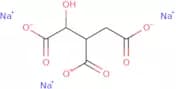
CAS:DL-Isocitric acid trisodium salt hydrate is a nutrient solution that is used to provide energy for bacterial growth. DL-Isocitric acid trisodium salt hydrate provides sodium citrate, sodium succinate, and sodium carbonate which are essential for the metabolism of fatty acids. It also stabilizes chemical compounds and can be used as an alternative to the use of antibiotics. DL-Isocitric acid trisodium salt hydrate has been shown to inhibit enzyme activity in bacteria by binding to the active site of enzymes, inhibiting protein synthesis and cell division. The addition of colloidal gold particles can enhance its effectiveness in preventing bacterial growth.Formula:C6H8O7•Na3Purity:Min. 95%Color and Shape:PowderMolecular weight:261.09 g/molSodium fluoroacetate
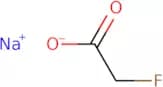
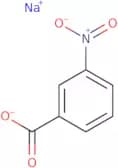
CAS:Sodium fluoroacetate is a salt that is synthesized by the reaction of methyl ethyl and sodium trifluoroacetate. It has been used as an insecticide, but also has been used to treat metabolic disorders such as bowel disease and eye disorders. Sodium fluoroacetate also has been used in natural products for the treatment of autoimmune diseases. The toxicological studies of sodium fluoroacetate have shown that it can cause eye disorders and x-ray crystal structures have revealed its mechanism of action.Formula:C2H2FNaO2Color and Shape:White PowderMolecular weight:100.02 g/molSodium 3-nitrobenzoate
CAS:Sodium 3-nitrobenzoate trihydrate is a salt of the chemical compound sodium 3-nitrobenzoate. It is an analytical chemistry reagent that is commonly used as a standard in solute analysis. Sodium 3-nitrobenzoate trihydrate has been shown to be soluble in water vapor, but not in anhydrous sodium. The hydrogen bond between this molecule and water molecules has been observed using vibrational spectroscopy and quantum theory. This solubility data can be used to calculate an activation energy for the dissociation of the hydrogen bond with water molecules.Formula:C7H5NO4•NaPurity:Min. 95%Color and Shape:PowderMolecular weight:190.11 g/mol4-Hydroxybutanesulfonate sodium
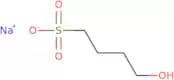
CAS:4-Hydroxybutanesulfonate is a reagent that is used in research, as well as industrial and pharmaceutical applications. It is a versatile building block that can be used to synthesize complex compounds with high purity. 4-Hydroxybutanesulfonate is also a useful intermediate for the synthesis of many organic compounds, such as pharmaceuticals. The CAS number for this compound is 31465-25-5.Formula:C4H10O4S•NaPurity:Min. 95%Color and Shape:White To Off-White SolidMolecular weight:177.18 g/molSodium deoxycholate monohydrate
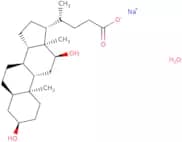
CAS:Controlled ProductDeoxycholic acid is a bile acid that plays an important role in the digestion of fat. Sodium deoxycholate is used as a detergent to solubilize biological samples and increase their sensitivity to analysis. Deoxycholic acid has been shown to bind to toll-like receptor 4 (TLR4) and induce a response in cells that can be measured using fluorescence probes. It also has shown activity against infectious diseases, such as primary sclerosing cholangitis, by inducing apoptosis. Sodium deoxycholate monohydrate is used as an injection solution for bowel disease.Formula:C24H39O4Na·H2OPurity:Min. 95%Color and Shape:PowderMolecular weight:432.57 g/mol













![Sodium 2-[[3-(trifluoromethyl)phenyl]amino]benzoate](/_next/image/?url=https%3A%2Fstatic.cymitquimica.com%2Fproducts%2F3D%2Fthumb-webp%2FFS92420.webp&w=3840&q=75)