APIs for research and impurities
Subcategories of "APIs for research and impurities"
- Aminoacids and derivatives(12,316 products)
- Anthraquinones and derivatives(402 products)
- Benzimidazole and Imidazole Derivatives(10,375 products)
- Benzodiazepine Derivatives(323 products)
- Carbohydrates and glycoconjugates(5,038 products)
- Esters and Derivatives(42,239 products)
- Fatty Acids and Lypidic Derivatives(32,360 products)
- Flavonoids and Polyphenols(17,066 products)
- Free Radicals and Oxidant/Reducing Agents(208 products)
- Ketones and derivatives(2,393 products)
- Natural and semi-synthetic antibiotics(6,307 products)
- Nitriles and Cyano Derivatives(3,068 products)
- Nitrosamines and Derivatives(55 products)
- Nucleosides and Nucleotides(3,409 products)
- Organic Phosphates and Phosphonates(1,192 products)
- Organic Sulphonates and Sulphates(10,415 products)
- Organometallics(4,417 products)
- Others(6,257 products)
- Peptides and Proteins(3,129 products)
- Polymers and Derivatives(99 products)
- Purines and Pyrimidine Derivatives(8,889 products)
- Quinazoline and Quinoline Derivatives(65,574 products)
- Quinones and Derivatives(24,334 products)
- Salts and Derivatives of Active Pharmaceutical Ingredients (API)(81,501 products)
- Steroids and Derivatives(4,905 products)
- Sulfonamides and Derivatives(2,539 products)
- Terpenoids and Derivatives(3,827 products)
- Thiazolidinediones and Thiopyrans(2,752 products)
- β-Adrenergic Compounds(227 products)
Found 58881 products of "APIs for research and impurities"
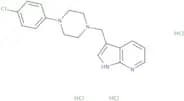
L-745,870 Trihydrochloride
CAS:L-745,870 is a subchronic atypical antipsychotic agent that is a potent D4 receptor agonist. Its efficacy in treating various mental disorders has been demonstrated in clinical studies with animals. L-745,870 has shown antidyskinetic activity in animal models of Parkinson's disease and dyskinesia. The molecular target for this drug is the dopamine D4 receptor. Clinical development of L-745,870 has begun in human studies.
Formula:C18H22Cl4N4Purity:Min. 95%Molecular weight:436.2 g/molRef: 3D-RJB02103
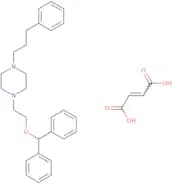
Discontinued productGbr 12935 dimaleate
CAS:Gbr 12935 dimaleate is a research and development impurity standard. It is a synthetic, high purity, pharmacopoeia drug product. The CAS number for Gbr 12935 dimaleate is 1349767-56-1. Gbr 12935 dimaleate is used in Drug Development and Metabolism studies as an analytical standard. This compound is also used as a natural metabolite in HPLC standards.
Formula:C32H38N2O5Purity:Min. 95%Color and Shape:PowderMolecular weight:530.7 g/molRef: 3D-ZDC76756
Discontinued productAlfuzosin hydrochloride EP Impurity F hydrochloride
CAS:Alfuzosin EP Impurity F hydrochloride is a drug product that is used as an analytical standard for Alfuzosin hydrochloride. It is a natural, synthetic, and impurity standard that exhibits similar chromatographic properties to the API. The CAS number of this impurity is 19216-68-3. This product has a niche market because it is used in metabolism studies. It also exhibits high purity and pharmacopoeia grade quality.
Formula:C12H16N4O2•HClPurity:Min. 95%Molecular weight:284.74 g/molRef: 3D-IA182629
Discontinued productN-Desbispropyl-N-pentyl-2-methyl ropinirole
CAS:N-Desbispropyl-N-pentyl-2-methyl ropinirole is an analytical reference standard. This product is a high purity, drug development, and API impurity. It is a CAS No. 249622-60-4 and has a niche, drug product, and impurity standard. This item is for Research and Development, High purity, Drug development, API impurity, HPLC standard, CAS No. 249622-60-4, niche, drug product, Impurity standard, Metabolite, pharmacopoeia Custom synthesis of natural or synthetic origin.
Formula:C16H24N2OPurity:Min. 95%Molecular weight:260.37 g/molRef: 3D-ZJA62260
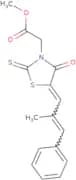
Discontinued product(E,Z)-Epalrestat methyl ester
CAS:(E,Z)-Epalrestat methyl ester is a drug product that is custom-synthesized for research and development purposes. It is a natural metabolite of (E,Z)-epalrestat acid. The chemical name for this compound is 3-[(2-chlorophenyl)methyl]-N-(1H-indol-3-ylmethylene)malonamide. The molecular weight of this compound is 284.87 g/mol and it has an empirical formula of C24H27ClN2O2. It has been found to inhibit the activity of phosphodiesterase (PDE), which plays a role in the breakdown of cyclic nucleotides such as cAMP and cGMP. This product has high purity and analytical data that can be used for metabolism studies or clinical trials.
Formula:C16H15NO3S2Purity:Min. 95%Molecular weight:333.43 g/molRef: 3D-HCB77570
Discontinued product(+/-)N-Methyl-y-[3-(trifluoromethyl)-phenoxy]benzenepropanamine hydrochloride
CAS:N-Methyl-y-[3-(trifluoromethyl)-phenoxy]benzenepropanamine hydrochloride is a synthetic drug product that has been shown to be metabolized in humans. It is an impurity standard for HPLC and analytical methods. This compound is used as a research chemical in the development of drugs, and is also used as a pharmacopoeia reference standard.Formula:C17H18F3NO·HClPurity:Min. 95%Molecular weight:345.79 g/molRef: 3D-IM58072
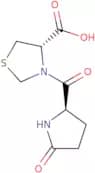
Discontinued product(S)-3-((R)-5-Oxopyrrolidine-2-carbonyl)thiazolidine-4-carboxylic acid
CAS:(S)-3-((R)-5-Oxopyrrolidine-2-carbonyl)thiazolidine-4-carboxylic acid is a drug product of the drug development industry. It is a metabolite of 3-(1,2,4-triazol-1-ylmethyl)thiazolidine-4-carboxylic acid and has been used as an analytical standard for HPLC methods. The compound has been shown to be naturally occurring in humans. (S)-3-(1,2,4-Triazol-1ylmethyl)thiazolidine 4 carboxylic acid is also used as the impurity standard for the API 3-(1,2,4 triazol 1ylmethyl)thiazolidine 4 carboxylic acid.
Formula:C9H12N2O4SPurity:Min. 95%Molecular weight:244.27 g/molRef: 3D-IO145579
Discontinued productImipramine N-oxide hydrate
CAS:Imipramine N-oxide hydrate is a drug product that is used in the synthesis of other drugs. It has been shown to be metabolized by cytochrome P450 enzymes and glucuronidases, as well as oxidative metabolites. Imipramine N-oxide hydrate is a metabolite of imipramine.
Formula:C19H26N2O2Purity:Min. 95%Molecular weight:314.40 g/molRef: 3D-QYB68142
Discontinued productN-[1-[3-(4-Ethoxyphenyl)-3,4-dihydro-4-oxopyrido[2,3-d]pyrimidin-2-yl]ethyl]-4-fluoro-N-(3-pyridinylmethyl)-3-(trifluoromethyl)-benz eneacetamide
CAS:N-[1-[3-(4-Ethoxyphenyl)-3,4-dihydro-4-oxopyrido[2,3-d]pyrimidin-2-yl]ethyl]-4-fluoro-N-(3-pyridinylmethyl)-3-(trifluoromethyl)-benz eneacetamide is a drug product that is used in the development of new drugs. It is an analytical standard for HPLC and was created as a natural metabolite from the antibiotic Cefazolin. N-[1-[3-(4-Ethoxyphenyl)-3,4-dihydro-4-oxopyrido[2,3-d]pyrimidin-2-yl]ethyl]-4 -fluoro -N-(3 -pyridinylmethyl) - 3 (trifluoromethyl) - benzeneacetic acid has been shown to inhibit
Formula:C32H27F4N5O3Purity:Min. 95%Molecular weight:605.6 g/molRef: 3D-YTA72268
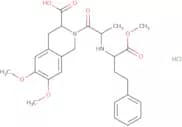
Discontinued productMoexipril methyl ester analog hydrochloride
CAS:Moexipril methyl ester analog hydrochloride is a drug product that has been custom synthesized for research and development. It is a high purity, analytical grade compound with CAS No. 1356841-17-2. Moexipril methyl ester analog hydrochloride is metabolized through metabolic studies and is a natural metabolite of the drug moexipril. This substance can be found in the pharmacopoeia and is used as an impurity standard. Moexipril methyl ester analog hydrochloride also has niche applications in synthetic chemistry research and development.Formula:C26H32N2O7•HClPurity:Min. 95%Color and Shape:PowderMolecular weight:521 g/molRef: 3D-GEC84117
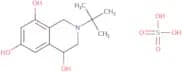
Discontinued productTerbutaline impurity b
CAS:Terbutaline impurity b is a pharmacopoeia grade drug product that is used as an analytical standard. It is also used in the synthesis of terbutaline, which is a drug that has been approved by the FDA to treat bronchospasm, asthma and other lung disorders. Terbutaline impurity b may be found in natural sources or may be synthesized. This impurity can be custom synthesized using HPLC-grade reagents and can be obtained at high purity levels.
Purity:Min. 95%Ref: 3D-IT182020
Discontinued productVortioxetine Impurity 25
CAS:Vortioxetine Impurity 25 is a drug product that is an analytical impurity. It is a natural impurity found in the synthetic process of Vortioxetine, which is an active pharmaceutical ingredient (API). It has been shown to have pharmacological effects in humans and animals. This compound has been synthesized for use as a standard for HPLC assays. The CAS number for this substance is 1639263-80-1.
Formula:C18H22N2O2SPurity:Min. 95%Molecular weight:330.4 g/molFluocortolone Impurity 4
CAS:Fluocortolone Impurity 4 is a drug product that is custom synthesized to meet the high purity requirement of analytical standards. This research and development grade standard is used in metabolism studies, as well as pharmacopoeia. Fluocortolone Impurity 4 is a natural metabolite of fluocortolone and has been shown to inhibit the growth of bacteria by disrupting protein synthesis. It can be found in the urine, feces, and plasma of humans. Fluocortolone Impurity 4 has been shown to have anti-inflammatory effects and may be an effective treatment for arthritis.
Purity:Min. 95%Lumiflavin 5-oxide
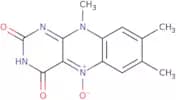
CAS:Lumiflavin 5-oxide is a metabolite of lumiflavin. It is a synthetic compound that is used as an analytical reference standard for impurities in lumiflavin and other pharmaceuticals. Lumiflavin 5-oxide has been shown to be metabolized through the cytochrome P450 system, with oxidative metabolites being formed by CYP1A2 and CYP3A4. Lumiflavin 5-oxide has also been shown to be a competitive inhibitor of NAD+-dependent enzymes such as glycerol kinase, phosphofructokinase, lactate dehydrogenase, alcohol dehydrogenase, and glucose 6-phosphate dehydrogenase.
Formula:C13H12N4O3Purity:Min. 95%Molecular weight:272.26 g/molRef: 3D-LBA99593
Discontinued productN-Formyl leurosine
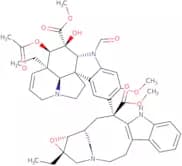
CAS:N-Formyl leurosine is an inhibitor of fatty acid synthesis. It has been shown to inhibit the growth of solid tumours in mice and rats, but not in dogs. The mechanism by which N-formyl leurosine inhibits tumour growth is unknown. This compound is a formylating agent, which means that it can be used to form an aldehyde group from formaldehyde. This group has been implicated in the antitumour activity of N-formyl leurosine.
Formula:C46H54N4O10Purity:Min. 95%Molecular weight:822.94 g/molRef: 3D-IF23552
Discontinued productMinocycline EP Impurity H
CAS:Please enquire for more information about Minocycline EP Impurity H including the price, delivery time and more detailed product information at the technical inquiry form on this page
Formula:C23H25N3O7Purity:Min. 95%Molecular weight:455.47 g/mol2-[[4-(2-Pyridylsulfamoyl)phenyl]azo]hydroxybenzene
CAS:2-[[4-(2-Pyridylsulfamoyl)phenyl]azo]hydroxybenzene is an impurity found in sulfasalazine. It is a metabolite that is formed by the P450 system in the liver. The metabolic process of 2-[[4-(2-Pyridylsulfamoyl)phenyl]azo]hydroxybenzene has been studied in detail and has been shown to be a major contributor to the pharmacokinetic profile of sulfasalazine. This substance also exhibits antimicrobial activity and inhibits the growth of bacteria, fungi, and viruses.
Formula:C17H14N4O3SPurity:Min. 95%Molecular weight:354.38 g/molRef: 3D-IP27340
Discontinued product2-Phenylbutyramide
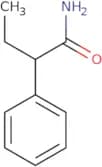
CAS:2-Phenylbutyramide is a drug that acts as a potent, nonselective agonist at adenosine A3 receptors. It has been shown to have therapeutic potential for the treatment of bowel disease and cardiac diseases. 2-Phenylbutyramide binds to the adenosine A3 receptor and triggers an increase in intracellular calcium levels, which leads to smooth muscle relaxation in the gut. This drug also has been found to be effective against autoimmune diseases and organometallic toxicity. It is not active against bacterial infections such as hepatitis or inflammatory bowel disease.
Formula:C10H13NOPurity:Min. 95%Molecular weight:163.22 g/molPantoprazole sulfone N-oxide
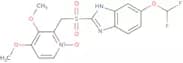
CAS:Pantoprazole sulfone N-oxide is a prodrug that is converted to the active form pantoprazole in the stomach where it inhibits gastric acid secretion. Pantoprazole sulfone N-oxide has been shown to be genotoxic, and can cause polyvinyl chloride to degrade when stored together. Reconstituted solution of this drug should be used within 24 hours after reconstitution, as the chemical stability of this drug decreases rapidly. Validation studies have been conducted on different analytical methods for determining pantoprazole concentrations in reconstituted solutions, and these methods have been harmonized with those published by the United States Pharmacopeia (USP). The pump inhibitor activity of pantoprazole sulfone N-oxide has been demonstrated in dogs, and it is also useful for treating acid reflux disease in humans. Pantoprazole sulfone N-oxide is unstable at high temperatures (>25°C), so should not be refrigerated or
Formula:C16H15F2N3O6SPurity:Min. 95%Molecular weight:415.37 g/molRef: 3D-ID26757
Discontinued producto-Desmethyl venlafaxine N-dimer
CAS:o-Desmethyl venlafaxine N-dimer is a metabolite of venlafaxine that has been identified in human plasma. It is a white to off-white crystalline powder with a melting point of about 175°C. The purity of the product is more than 98%. It is soluble in methanol and ethanol, but insoluble in water. The o-desmethyl venlafaxine N-dimer was developed as an analytical reference standard for use in HPLC analysis of venlafaxine and its metabolites and impurities.
Formula:C32H48N2O4Purity:Min. 95%Molecular weight:524.73 g/molRef: 3D-MXB54561
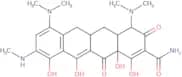
Discontinued product9-Methylamino minocycline
CAS:9-Methylamino minocycline is a semi-synthetic antibiotic with excellent oral bioavailability. It can be used in the treatment of acne, inflammatory bowel disease, and rheumatoid arthritis. 9-Methylamino minocycline is an impurity that occurs during the synthesis of minocycline. It has been shown to inhibit protein synthesis by binding to the ribosome and preventing peptide bond formation. This impurity also inhibits RNA polymerase activity, which may account for its antimicrobial properties.
Formula:C24H30N4O7Purity:Min. 95%Molecular weight:486.52 g/molRef: 3D-HZA40273
Discontinued product[1-Hydroxy-3-(methylisopentylamino)propylidene] bisphosphonic acid monosodium (ibandronic acid impurity)
CAS:[1-Hydroxy-3-(methylisopentylamino)propylidene] bisphosphonic acid monosodium (ibandronic acid impurity) is a metabolite of ibandronate, which is used in the treatment of osteoporosis. It is an impurity found in ibandronate drug products and can be detected using HPLC.
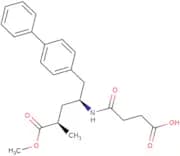
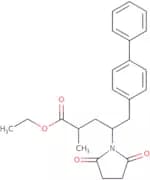
Formula:C9H22NNaO7P2Purity:Min. 95%Molecular weight:341.21 g/molSacubitril methyl ester
CAS:Sacubitril methyl ester is a drug product that belongs to the group of angiotensin receptor blockers. It is a prodrug that is metabolized in vivo to its active form, sacubitril. Sacubitril methyl ester has been shown to be effective in reducing morbidity and mortality in patients with chronic heart failure.
Formula:C23H27NO5Purity:Min. 95%Color and Shape:PowderMolecular weight:397.47 g/molRef: 3D-IS181150
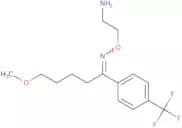
Discontinued product(Z)-Fluvoxamine - EP
CAS:Controlled Product(Z)-Fluvoxamine-EP is a drug product that is used as an analytical standard. It is a synthetic metabolite of fluvoxamine, which is a drug used for the treatment of depression. The synthesis of (Z)-fluvoxamine-EP is based on the asymmetric synthesis of fluvoxamine and the use of chiral chromatography to purify the product. This synthetic process allows for the production of high-purity (Z)-fluvoxamine-EP with a purity greater than 99%.
Formula:C15H21F3N2O2Purity:Min. 95%Molecular weight:318.33 g/molRef: 3D-IF23523
Discontinued productOmeprazole Impurity 65
Impurity 65 is an impurity of Omeprazole, a drug used to treat gastroesophageal reflux disease and peptic ulcer. Impurity 65 is a metabolite of Omeprazole that can be found in the drug product at a concentration up to 0.5%. It has been shown to have anti-inflammatory effects and can be used as a research and development standard for HPLC analysis. Impurity 65 is also used as an impurity standard in the USP pharmacopoeia and other pharmacopoeias around the world.
Formula:C17H17N3O4Purity:Min. 95%Molecular weight:327.33 g/mol2-[2-[4-(5,5-Dioxidodibenzo[b,f][1,4]thiazepin-11-yl)-1-piperazinyl]ethoxy]ethanol
CAS:Quetiapine is a drug that belongs to the class of sulfoxides. It is usually administered orally, but can also be given intravenously or intramuscularly. Quetiapine has been studied for its clinical use in the treatment of schizophrenia and bipolar disorder. The plasma concentrations of quetiapine are determined by high-performance liquid chromatography (HPLC) with tandem mass spectrometry (LC-MS/MS) detection. Validation studies have shown that the HPLC-MS/MS method is accurate and precise, with good linearity over a range of concentrations. Analysis was performed on plasma samples from healthy volunteers who were administered either 2 mg or 10 mg doses of quetiapine by intravenous injection. Concentrations were calculated and compared to those found in patients with schizophrenia and bipolar disorder who had been given oral doses of 300 mg per day for four weeks, yielding a therapeutic plasma concentration range from 100 to 300 ng/mL.
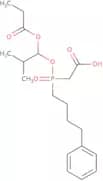
Formula:C21H25N3O4SPurity:Min. 95%Molecular weight:415.51 g/mol2-((2-Methyl-1-(propionyloxy)propoxy)(4-phenylbutyl)phosphoryl)acetic acid
CAS:2-((2-Methyl-1-(propionyloxy)propoxy)(4-phenylbutyl)phosphoryl)acetic acid (KZPBA) is a zoonotic antibiotic that has been shown to be active against agalactiae. It is a prodrug, which is metabolized to the active form, KZPBA, in humans and other mammals. The mechanism of action of KZPBA is not yet known; however, it has been hypothesized that its activity may be due to inhibition of DNA gyrase and topoisomerase IV. This drug has also been shown to have an effect on mastitis in dairy cows.Formula:C19H29O6PPurity:Min. 95%Molecular weight:384.4 g/molRef: 3D-IM27637
Discontinued product11-[3-(Dimethylamino)propyl]-6,11-dihydrodibenz[b,e]oxepin-11-ol
CAS:Dispersants are substances that are used to break up and disperse particles in a liquid. The dispersant 11-[3-(dimethylamino)propyl]-6,11-dihydrodibenz[b,e]oxepin-11-ol is an active substance that is used in the production of granules, tablets or other solidified forms of medicaments. It is a substance that has a physiologically active effect on humans and animals. This product can be applied as droplets or particles.
Formula:C19H23NO2Purity:Min. 95%Color and Shape:PowderMolecular weight:297.39 g/molRef: 3D-ID45253
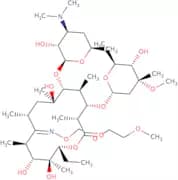
Discontinued product(9Z)-Roxithromycin
CAS:Roxithromycin is a macrolide antibiotic that inhibits protein synthesis in bacteria. It binds to the 50S ribosomal subunit, thereby inhibiting bacterial growth. Roxithromycin has been used to diagnose intestinal and esophageal diseases, inflammatory diseases, and cancer. There are some cardiac effects associated with Roxithromycin that may be related to its ability to inhibit serotonin reuptake. This drug also has anti-inflammatory properties and has been shown to be effective against influenza virus infections as well as other infectious diseases such as tuberculosis and HIV/AIDS.
Formula:C41H76N2O15Purity:Min. 95%Molecular weight:837.05 g/molRef: 3D-IR106421
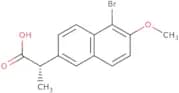
Discontinued productNaproxen Impurity C
CAS:Naproxen Impurity C is an analytical impurity that is found in Naproxen. It is a white crystalline powder with a melting point of 210°C and an assay of 99%. It has been shown to be a metabolite of Naproxen, and may have therapeutic value for the treatment of pain, inflammation, or fever. The purity of this product has been verified by HPLC analysis.
Formula:C14H13BrO3Purity:Min. 95%Molecular weight:309.16 g/molPyrimido[1,2-a]purin-10(1H)-one
CAS:Pyrimido[1,2-a]purin-10(1H)-one is a cytotoxic drug used in the treatment of various cancers. It is an analog of purine nucleoside and has been shown to inhibit mitochondrial functions and nuclear DNA synthesis, as well as to induce malondialdehyde production. Pyrimido[1,2-a]purin-10(1H)-one also inhibits protein synthesis by methyltransferase inhibition. The detection sensitivity of pyrimido[1,2-a]purin-10(1H)-one has been demonstrated using titration calorimetry on sephadex g-100 columns. This compound is not active against E. coli K12 but is active against other bacteria including Staphylococcus aureus isolates that are resistant to methicillin.
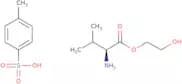
Formula:C8H5N5OPurity:Min. 95%Molecular weight:187.16 g/molL-Valine 2-hydroxyethyl ester tosylate
CAS:L-Valine 2-hydroxyethyl ester tosylate (L-V2HT) is a drug product that is synthesized by custom synthesis. It has high purity, analytical, and natural properties. L-V2HT is metabolized through a number of metabolic transformations, including hydrolysis by esterases or glucuronidases, oxidation by cytochrome P450 enzymes, reduction by glutathione reductase, or conjugation with glucuronic acid. The active form of L-V2HT is metabolized through a number of metabolic transformations, including hydrolysis by esterases or glucuronidases, oxidation by cytochrome P450 enzymes, reduction by glutathione reductase, or conjugation with glucuronic acid. L-V2HT also specifically binds to markers expressed at high levels in Mycobacterium tuberculosis strains (e.g., ESX-1 secretion system protein) and inhibits cell
Formula:C14H23NO6SPurity:Min. 95%Molecular weight:333.4 g/molRef: 3D-IV178763
Discontinued productFonofos
CAS:Fonofos is a potent inhibitor that has been shown to induce apoptosis in Chinese hamster ovary cells. It is also known to inhibit chitin kinase, a protein that plays an important role in the biosynthesis of chitin, which is essential for the formation of cell walls in fungi and insects. Fonofos has medicinal properties and has been studied as a potential anticancer agent due to its ability to inhibit tumor growth. In vitro studies have shown that Fonofos can inhibit the growth of human cancer cells by inhibiting heparin-binding proteins. Additionally, it has been found to have inhibitory effects on several other enzymes involved in cancer development and progression. Although not approved for use in humans, Fonofos may hold promise as a therapeutic agent for the treatment of certain cancers.
Formula:C10H15OPS2Purity:Min. 95%Molecular weight:246.3 g/molRef: 3D-AAA94422
Discontinued productRjr 2429 dihydrochloride
CAS:Rjr 2429 dihydrochloride is a tumor promoter that has been shown to induce tumor growth in tissues and in cell culture. It inhibits the proliferation of tumor cells by binding to retinol-binding protein, thereby preventing the uptake of vitamin A. Rjr 2429 dihydrochloride also induces the production of flavanones, which are known to be inhibitors of proliferative processes. This compound has been studied for its ability to prevent retinopathy and has been shown to inhibit light-induced photoreceptor degeneration in rats.
Formula:C12H18Cl2N2Purity:Min. 95%Molecular weight:261.19 g/molRef: 3D-WQB41853
Discontinued product6-Desmethyl-6-methylhydroxy etoricoxib N1-oxide
CAS:6-Desmethyl-6-methylhydroxy etoricoxib N1-oxide is a high purity drug product. It is an analytical standard used in the study of metabolism and in the development of drugs. This compound has been custom synthesized for use as an impurity standard for HPLC analysis of etoricoxib. 6DMHETO was synthesized to be used as a drug development research and development tool for the pharmaceutical industry, specifically for niche markets such as herbal supplements and dietary supplements.
Formula:C18H15ClN2O4SPurity:Min. 95%Molecular weight:390.80 g/molRef: 3D-VXA39408
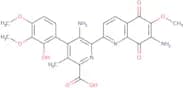
Discontinued productSteptonigrin
CAS:Streptonigrin is an anticancer drug that is derived from the bacterium Streptomyces flocculus. It has been shown to induce apoptosis in cancer cells by inhibiting various kinases, including cyclin-dependent kinases and protein kinases. Streptonigrin has been found to be effective against a variety of tumors, including those of Chinese hamster ovary cells and human urine-derived cancer cells. This inhibitor analog also has a potent inhibitory effect on tumor growth in vivo.
Formula:C25H22N4O8Purity:Min. 95%Molecular weight:506.5 g/molRef: 3D-ETB89379
Discontinued product1,4-Bis[(tetrahydro-2-furanyl)carbonyl]-piperazine
CAS:1,4-Bis[(tetrahydro-2-furanyl)carbonyl]-piperazine is a synthetic drug product. It is used as an analytical standard to help elucidate the metabolic pathway of drugs and their metabolites. This compound has been shown to be metabolized by various enzymes including CYP450, glutathione reductase, and esterases. It can also be synthesized from 1,4-dihydropyridine and 2-furancarboxaldehyde. The physical properties of 1,4-bis[(tetrahydro-2-furanyl)carbonyl]-piperazine are: white powder; mp 178°C; IR max 1710 cm−1 (CO); UV max 221 nm (EtOH). The impurities in this product are: 1-(2H)-Quinolinone (CAS No. 2467-94-1) which may have a maximum concentration
Formula:C14H22N2O4Purity:Min. 95%Molecular weight:282.34 g/molCp-66713 mesylate
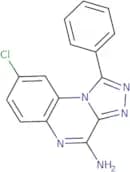
CAS:Cp-66713 mesylate is a synthetic drug product with a molecular formula of C17H19NO2 and a molecular weight of 269.34. It has the following CAS number: 91896-58-1. The purity of this compound is >99% (HPLC).
Formula:C15H10ClN5Purity:Min. 95%Molecular weight:295.72 g/molRef: 3D-RDA89658
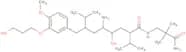
Discontinued product3’-o-Desmethyl aliskiren hydrochloride
CAS:Please enquire for more information about 3’-o-Desmethyl aliskiren hydrochloride including the price, delivery time and more detailed product information at the technical inquiry form on this page
Formula:C29H51N3O6Purity:Min. 95%Molecular weight:537.7 g/molRef: 3D-ZMB92576
Discontinued productL(+)-2-Amino-5-phosphonovaleric acid
CAS:L-2-Amino-5-phosphonovaleric acid is an inhibitory neurotransmitter that binds to the GABAA receptor. It is used in the treatment of bladder disorders, such as urinary frequency, urgency, and incontinence. L-2-Amino-5-phosphonovaleric acid has been shown to have a depressant effect on the central nervous system and can cause symptoms such as nausea, vomiting, and headache. This drug also has antimicrobial properties due to its ability to inhibit bacterial enzyme activities. L-2-Amino-5-phosphonovaleric acid blocks glutamate receptors in mouse hippocampal cells by binding the alpha1 subunit of the GABAA receptor. This prevents the influx of calcium ions into cells and inhibits phosphorylation of protein kinase C. L(+)-2-Amino-5-phosphonovaleric acid also inhibits pentosan polysulfate sodium,
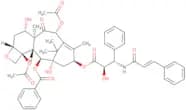
Formula:C5H12NO5PPurity:Min. 95%Molecular weight:197.13 g/molPaclitaxel impurity O
CAS:Paclitaxel impurity O is a synthetic drug that is used in the treatment of cancer. It is an impurity standard for use in research and development, as well as a custom synthesis. Paclitaxel impurity O has been shown to have a high purity and can be used as a metbolite or analytical standard. It has been shown to possess anti-inflammatory properties, which may be due to its ability to inhibit prostaglandin synthesis.
Formula:C49H53NO14Purity:Min. 95%Molecular weight:879.94 g/molTetracosanoic-d47 acid
CAS:Controlled ProductTetracosanoic acid is a drug product that is used in the development of drugs and as an analytical standard. Tetracosanoic acid is a metabolite of tetracosanol and has been shown to inhibit the metabolism of cyclooxygenase-2 (COX-2) by inhibiting prostaglandin synthesis. Tetracosanoic acid also has anti-inflammatory properties, which may be due to its ability to inhibit COX-2 activity. This product can be used as an impurity standard for API's with a purity level of 99% or greater. Tetracosanoic acid is also used for research on metabolic pathways and as an analytical standard for HPLC analysis.
Formula:C24HD47O2Purity:Min. 95%Molecular weight:415.93 g/molRef: 3D-TCA06000
Discontinued product[5-L-Aspartic Acid]-desmopressin
Desmopressin is a synthetic drug that is used to treat diabetes insipidus and bleeding in patients who are on anticoagulants. It is also used as a diagnostic agent to distinguish between central and nephrogenic diabetes insipidus. Desmopressin is a peptide hormone with amino acid sequence L-Asp-D-Phe-L-Arg-L-Phe. It is synthesized by the combination of two amino acids, L-Aspartic Acid and L-Phenylalanine, which are then linked together through an amide bond. The synthesis of desmopressin occurs in two steps: first, the coupling of amino acid L-Aspartic Acid with the peptide linkage (N-[3-(2'-aminoethyl) carbonyl]glycine) to form the intermediate N-[3-(2'-Aminoethyl) carbonyl]-L-Aspartic Acid; second
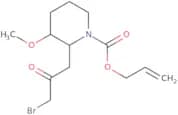
Purity:Min. 95%Alloc bromoridane
CAS:Alloc bromoridane is a drug product that contains the active ingredient bromoridane. Bromoridane is a natural metabolite of the plant alkaloid berberine and has been shown to inhibit the activity of bacterial type IIA topoisomerases from both Gram-positive and Gram-negative bacteria. The chemical name for Alloc bromoridane is 2-[2-(4-bromobenzoyl)phenyl]dihydropyrimidine, and it has CAS number 117348-70-6. Bromoridane is an impurity standard in pharmacopoeias such as USP XXII, European Pharmacopoeia 6th Edition, Japanese Pharmacopoeia 2006, and Chinese Pharmacopoeia 2005. Alloc bromoridane is used in research and development for pharmaceuticals or as an analytical reference material.
Formula:C13H20BrNO4Purity:Min. 95%Molecular weight:334.21 g/molRef: 3D-SEA34870
Discontinued productDexamethasone Impurity A
Impurity A is an impurity of the drug product, dexamethasone. The impurity is a natural metabolite of dexamethasone that is found in the urine of patients taking this medication. Impurity A is chemically identified using HPLC and its purity verified using GC-MS and LC-MS. This impurity can be used as a reference standard for analytical purposes and as an impurity standard for pharmacopoeia testing.
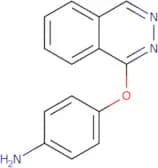
Formula:C22H29FO5Purity:Min. 95 Area-%Color and Shape:White Off-White PowderMolecular weight:392.46 g/mol4-(Phthalazin-1-yloxy)aniline
CAS:4-(Phthalazin-1-yloxy)aniline is an analog of cyclin-dependent kinase (CDK) inhibitors that has shown promising anticancer activity. It inhibits the activity of CDKs, which are enzymes involved in regulating cell division and proliferation. This compound has been tested on Chinese hamster ovary cells and has demonstrated potent antiproliferative activity against various cancer cell lines. 4-(Phthalazin-1-yloxy)aniline induces apoptosis in tumor cells, leading to their death. This compound may be a potential candidate for the development of novel anticancer drugs that target CDKs and promote tumor cell death. Additionally, this compound can be detected in urine samples, making it a useful biomarker for cancer diagnosis and monitoring.
Formula:C14H11N3OPurity:Min. 95%Molecular weight:237.26 g/molRef: 3D-ZFA36540
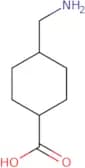
Discontinued producttrans-4-(Aminomethyl)cyclohexanecarboxylic acid
CAS:Trans-4-(aminomethyl)cyclohexanecarboxylic acid (AMCA) is a histamine antagonist that is used to treat bowel disease. It may also be useful for the treatment of other inflammatory diseases and as an anticoagulant. AMCA has been shown to be safe and effective for the prevention of postoperative bleeding in patients who are undergoing major surgery. This drug is a potent inhibitor of platelet aggregation, but does not affect the function of erythrocytes or leukocytes. AMCA inhibits platelet aggregation by blocking the binding of adenosine diphosphate (ADP) to its receptor on platelets, thus inhibiting ADP-mediated activation of phospholipase A2 and arachidonic acid release from membranes. An increase in blood levels of AMCA may lead to cardiac toxicity and bleeding events.
Formula:C8H15NO2Purity:Min. 95%Molecular weight:157.21 g/molRef: 3D-IA71533
Discontinued product(2S,4R)-Fosinopril sodium salt
CAS:(2S,4R)-Fosinopril sodium salt is a prodrug that is converted to the active form fosinopril in the body. It is used to treat high blood pressure and heart failure. Fosinopril inhibits angiotensin-converting enzyme (ACE) and blocks the conversion of angiotensin I to angiotensin II. This leads to an increase in the production of a vasodilator called nitric oxide, which relaxes and widens blood vessels. Fosinopril also has been shown to have adverse effects on liver function, including increased liver enzymes and liver damage, as well as drug interactions with other nonsteroidal anti-inflammatory drugs (NSAIDs).
Formula:C30H45NNaO7PPurity:Min. 95%Molecular weight:585.64 g/molRef: 3D-GEC35341
Discontinued product6-o-Desmethyl moxonidine
CAS:6-O-Desmethyl moxonidine is a drug product that is a metabolite of the parent compound, moxonidine. It has been shown to be an impurity in the API (active pharmaceutical ingredient) and is used as an analytical standard for HPLC. 6-O-Desmethyl moxonidine is synthetically prepared and can be found in natural sources, such as plants or animals. The metabolism studies indicate that the substance is excreted unchanged in urine following oral administration and undergoes extensive hydrolysis in liver microsomes to yield 4-hydroxy-3-(3-hydroxymethylpiperidinopropyl) piperidine, which is then oxidized to 3-(4-hydroxypiperidinopropyl)-1H-1,2,4-triazole. This product may cause skin irritation.
Formula:C8H10ClN5OPurity:Min. 95%Molecular weight:227.65 g/molRef: 3D-CPA45733
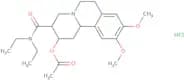
Discontinued productBenzquinamide hydrochloride
CAS:Controlled ProductBenzquinamide hydrochloride is a cardiac diagnostic agent that is used in the diagnosis of coronary artery disease. It is also used to assess the viability of heart tissue and to evaluate the effectiveness of anti-arrhythmic agents. Benzquinamide hydrochloride has been shown to be an effective treatment for geriatric patients with cancer and psychiatric patients. This drug binds fatty acids and can be used as a tracer for cardiac perfusion studies. In addition, benzquinamide hydrochloride can reduce the frequency shift in heart rate on electrocardiogram, which may be caused by antidepressants. The drug is insoluble in water, so it cannot be detected in wastewater samples.
Formula:C22H33ClN2O5Purity:Min. 95%Molecular weight:441 g/molRef: 3D-AAA11369
Discontinued productN-Desmethyl trimeprazine
CAS:N-Desmethyl trimeprazine is a synthetic compound, which is an impurity of the drug product. It is not active and does not possess any biological activity. It is a metabolite of the parent drug, Trimeprazine. N-Desmethyl trimeprazine has been studied for its pharmacological properties and metabolism in the body, but no conclusive results have been found. The chemical structure and purity of N-Desmethyl trimeprazine are not listed in the USP or BP. This compound can be custom synthesized on request.
Formula:C17H20N2SPurity:Min. 95%Molecular weight:284.40 g/molRef: 3D-XAA73204
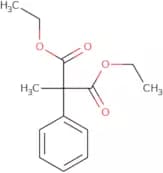
Discontinued productDiethyl methylphenylmalonate
CAS:Diethyl methylphenylmalonate is a halogenated organic compound that can be prepared by the reaction of magnesium with diethyl malonate and methylbromide. Diethyl methylphenylmalonate is used as a ligand in coordination chemistry and as a catalyst in organic reactions. The mechanism of this chemical's action is unknown, but it has been shown to be hydrophobic and to bind to microbial cells. It also has been demonstrated to have an oxidation catalyst activity. Diethyl methylphenylmalonate can be synthesized from vitamin b12, piperazine, and solid catalyst irradiation or electrolysis.
Formula:C14H18O4Purity:Min. 95%Molecular weight:250.29 g/molRef: 3D-JBA00961
Discontinued productKaempferol di-o-methoxymethyl ether
CAS:Kaempferol di-O-methoxymethyl ether is a natural product that has been identified as a metabolite of kaempferol. It is an API impurity in the drug product and can also be found in the synthesis of kaempferol. Kaempferol di-O-methoxymethyl ether is a synthetic compound that can be used for drug development, research and development, and analytical purposes. It is an HPLC standard for pharmacopoeia.Formula:C19H18O8Purity:Min. 95%Molecular weight:374.3 g/molRef: 3D-EDC80199
Discontinued product1-[[3-Methyl-4-(2,2,2-trifluoroethoxy)-2-pyridinyl]methyl]-2-[[[3-methyl-4-(2,2,2-trifluoroethoxy)-2-pyridinyl]methyl]thio]-1H-benzi midazole
CAS:1-[[3-Methyl-4-(2,2,2-trifluoroethoxy)-2-pyridinyl]methyl]-2-[[[3-methyl-4-(2,2,2-trifluoroethoxy)-2-pyridinyl]methyl]thio]-1H-benzi midazole is a high purity analytical standard that is used to calibrate HPLC. It is found as an impurity in the drug product and as a metabolite. 1-[(3-Methyl-4-(2,2,2 -trifluoroethoxy) - 2 - pyridinyl) methyl] - 2 - [[[3 - methyl (4 ( 2 , 2 , 2 - trifluoroethoxy) - 2 pyridinyl) methyl] thio] - 1 H benzimidazole is the IUPAC name for this compound. This chemical has been synthesized
Formula:C25H22F6N4O2SPurity:Min. 95%Molecular weight:556.52 g/molRef: 3D-IM25690
Discontinued product17-o-(Acetyl-d3)-6-methylprednisolone
CAS:Controlled Product17-o-(Acetyl-d3)-6-methylprednisolone is a drug product that belongs to the group of corticosteroids. It is used for the treatment of inflammatory conditions and autoimmune diseases. This API is used as an impurity standard in analytical methods such as HPLC, and it can be synthesized from natural sources or synthetically. 17-o-(Acetyl-d3)-6-methylprednisolone can also be used in R&D for the development of drugs targeting niche markets, such as those with high purity requirements.
Formula:C24H29D3O6Purity:Min. 95%Molecular weight:419.53 g/molRef: 3D-LDA40194
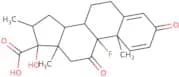
Discontinued product11-Oxo-betamethasone-17-carboxylic acid
CAS:Controlled ProductPlease enquire for more information about 11-Oxo-betamethasone-17-carboxylic acid including the price, delivery time and more detailed product information at the technical inquiry form on this page
Formula:C21H25FO5Purity:Min. 95%Molecular weight:376.4 g/molRef: 3D-EDA57810
Discontinued productTc 1698 dihydrochloride
CAS:Tc 1698 dihydrochloride is a tumor-promoting agent that inhibits the growth of tumor tissues. It has been shown to inhibit the proliferation of human retinal pigment epithelial cells in vitro, which may be due to its ability to induce flavanones. Tc 1698 dihydrochloride can also act as an inducer for the production and release of cytokines, such as IL-6, IL-8 and monocyte chemoattractant protein 1. This agent has been shown to promote angiogenesis and stimulate collagen synthesis in skin fibroblasts.
Formula:C13H20Cl2N2Purity:Min. 95%Molecular weight:275.21 g/molRef: 3D-MGB58706
Discontinued product2,2'-(1,4-Piperazinediyl)bis[6,7-dimethoxy-4-quinazolinamine]
CAS:2,2'-(1,4-Piperazinediyl)bis[6,7-dimethoxy-4-quinazolinamine] is a chemical compound that is used as a lead to develop new drugs against malaria. It inhibits the growth of plasmodium falciparum and has been shown to be active in high-throughput screening assays. 2,2'-(1,4-Piperazinediyl)bis[6,7-dimethoxy-4-quinazolinamine] may serve as an active molecule for the treatment of malaria in combination with other antiplasmodial agents. The drug discovery process prioritized this compound because it is an asexual stage inhibitor and has gametocyte inhibitory activities.
Formula:C24H28N8O4Purity:Min. 95%Molecular weight:492.53 g/molRef: 3D-IP27062
Discontinued productVandetanib N-oxide
CAS:Vandetanib N-oxide is a drug product that is custom synthesized for research and development purposes. It has been shown to have high purity, analytical, and natural properties. Vandetanib N-oxide can be used as a metabolite or impurity standard in pharmacopoeias, such as the USP. The compound also has niche use in drug development and metabolism studies.
Formula:C22H24BrFN4O3Purity:Min. 95%Molecular weight:491.40 g/molRef: 3D-XWC03022
Discontinued product2-Amino-N-(2-benzoyl-4-chlorophenyl)-N-methylacetamide
CAS:2-Amino-N-(2-benzoyl-4-chlorophenyl)-N-methylacetamide is an impurity in the drug product, which is a metabolite of the active drug. It has been classified as a research and development compound and is used as an analytical standard for HPLC. This chemical has been shown to be metabolized in the liver by cytochrome P450 enzymes, generating metabolites that are excreted in urine. 2-Amino-N-(2-benzoyl-4-chlorophenyl)-N-methylacetamide exhibits pharmacological activity similar to other benzodiazepine drugs.
Formula:C16H15ClN2O2Purity:Min. 95%Molecular weight:302.75 g/molRef: 3D-LBA02094
Discontinued productRS 67506 hydrochloride
CAS:RS 67506 hydrochloride is a biochemical that is used in experimental and descriptor studies. The ketone group has been found to be an important part of the molecular structure. RS 67506 hydrochloride has been shown to have a number of biological properties, including inhibition of the synthesis of neurotransmitters such as dopamine, serotonin and norepinephrine; it also has anti-nervous system activity. This chemical was also found to inhibit the synthesis of prostaglandin E2 in human neutrophils. It is hypothesized that RS 67506 hydrochloride may inhibit phospholipase A2, which would prevent the release of arachidonic acid from phospholipids into the cell membrane and block the production of eicosanoids.
Formula:C18H29Cl2N3O4SPurity:Min. 95%Molecular weight:454.4 g/molRef: 3D-TGA98661
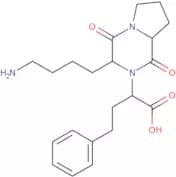
Discontinued productLisinopril (8R,S)-diketopiperazine
CAS:Lisinopril is a drug product that is used to treat high blood pressure, heart failure and other conditions. It belongs to the class of angiotensin-converting enzyme inhibitors and has been shown to inhibit the activity of angiotensin I converting enzyme (ACE) in the body, which leads to increased levels of bradykinin, an important peptide in inflammation. Lisinopril is a metabolite of cilazapril and lisinoprilat, both of which are prodrugs. Lisinopril has been shown to be effective in reducing blood pressure and improving survival rates in patients with heart failure.
Formula:C21H29N3O4Purity:Min. 95%Molecular weight:387.5 g/molRef: 3D-STB81399
Discontinued productMethyl 2-sulfinobenzoate
CAS:Methyl 2-sulfinobenzoate (MSB) is an analytical, research and development, and drug development impurity that is used as an API impurity and HPLC standard. It is a metabolite of sulfadiazine, which belongs to the family of drugs known as sulfonamides. MSB has been shown to have pharmacopoeia activity for the treatment of bacterial infections. It is a natural product found in plants, such as garlic and onion, or it can be synthesized from benzene and sulfur chloride.
Formula:C8H8O4SPurity:Min. 95%Molecular weight:200.21 g/mol2-[[(4-Chloro-3-methyl-2-pyridinyl)methyl]sulfinyl]-1H-benzimidazole
CAS:2-[[(4-Chloro-3-methyl-2-pyridinyl)methyl]sulfinyl]-1H-benzimidazole (CAS No. 168167-42-8) is a synthetic compound that is used as an analytical reference standard for HPLC. It is also used in the study of drug metabolism, and it has been shown to induce natural oxidation in vitro. 2-[(4-Chloro-3-methylpyridinium)methylsulfinyl]-1Hbenzimidazole is an impurity found in pharmaceutical products that are synthesized from 1-(2,4,6trichlorophenyl)-3-[(4chloromethyl)phenyl]urea.Formula:C14H12ClN3OSPurity:Min. 95 Area-%Color and Shape:Brown PowderMolecular weight:305.78 g/molRef: 3D-IC21226
Discontinued productN-4,5[Acetylamino)methyl]desmopressin
N-4,5[Acetylamino)methyl]desmopressin is a synthetic drug product that is used as an analytical standard for the identification and quantitation of desmopressin in pharmaceutical preparations. It is also used as an impurity standard for HPLC analysis. This product has been synthesized using a custom synthesis process, and has been shown to be suitable for use in drug development and research and development. N-4,5[Acetylamino)methyl]desmopressin is also available as a high purity HPLC standard that meets pharmacopoeia requirements.
Purity:Min. 95%2-[[[3-Methyl-4-(methylthio)-2-pyridinyl]methyl]sulfinyl]-1H-benzimidazole
CAS:2-[[[3-Methyl-4-(methylthio)-2-pyridinyl]methyl]sulfinyl]-1H-benzimidazole is a synthetic, nonsteroidal anti-inflammatory drug. It is soluble in methanol and ethanol, not soluble in water. The impurity standard of 2-[[[3-Methyl-4-(methylthio)-2-pyridinyl]methyl]sulfinyl]-1H-benzimidazole is 3-[2-[(3,4,5-trimethoxyphenyl)amino]-1H-benzimidazolium methyl sulfate].
Formula:C15H15N3OS2Purity:Min. 95%Molecular weight:317.43 g/mol(E)-4-Alloxycarboxyl tamoxifen
CAS:(E)-4-Alloxycarboxyl tamoxifen is a synthetic metabolite of tamoxifen. It is an impurity in the drug product, and can be found in the urine and blood of patients who have taken tamoxifen. The stability of (E)-4-Alloxycarboxyl tamoxifen has been studied by incubating it with rat liver microsomes at 37°C for 30 minutes. Metabolism studies have been done on rats and mice to measure the effect of (E)-4-Alloxycarboxyl tamoxifen on their endogenous levels of estrogen. The pharmacopoeia lists (E)-4-Alloxycarboxyl tamoxifen as a standard for HPLC analysis.
Formula:C30H33NO4Purity:Min. 95%Molecular weight:471.60 g/molRef: 3D-MBC19158
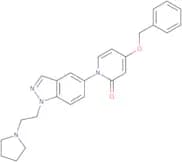
Discontinued productMch-1 antagonist 1
CAS:Mch-1 antagonist 1 is a drug product that is custom synthesized and is available in high purity. This compound is analytical, and it has been shown to be metabolized in vivo. Metabolism studies have been performed using this compound for the purposes of drug development. CAS No. 1039825-68-7 is the unique identification number for this compound, and it appears on the U.S. Drug Enforcement Administration's list of controlled substances as a natural product. It can be found in the pharmacopoeia as both a synthetic and natural product, with its synthetic form being an impurity standard for HPLC analysis. Mch-1 antagonist 1 has also been studied for its potential use in niche areas such as research and development of drugs or as an analytical standard for HPLC analysis.
Formula:C25H26N4O2Purity:Min. 95%Molecular weight:414.5 g/molRef: 3D-PRB82568
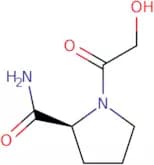
Discontinued product1-Glycoloyl-L-prolinamide
CAS:1-Glycoloyl-L-prolinamide is a drug product that is an analytical standard for the impurity 1-glycoloyl-L-proline (CAS No. 96166-39-1) in the API 1,4,5,6-tetrahydrobenzothiazole (CAS No. 86687-93-0). It has been synthesized to be used as an impurity standard and is provided at a purity of 98.0% or greater by weight. This chemical compound can be used in research and development for the production of drugs as well as in pharmaceutical manufacturing.
Formula:C7H12N2O3Purity:Min. 95%Molecular weight:172.18 g/molRef: 3D-FG167741
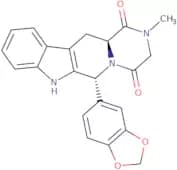
Discontinued productcis-Tadalafil
CAS:Cis-Tadalafil is a potent inhibitor of phosphodiesterase 5, which is used to treat erectile dysfunction (ED) and primary pulmonary hypertension (PPH). It works by increasing blood flow to the penis, allowing men with ED to achieve and maintain an erection. Cis-Tadalafil is also used to treat symptoms of prostatic hyperplasia (enlarged prostate) in men. This drug has been shown to be effective in treating PPH by reducing pulmonary arterial pressure and improving exercise capacity. Cis-Tadalafil belongs to the carboline class of drugs and is a phosphodiesterase 5 inhibitor that selectively inhibits cGMP-specific phosphodiesterase type 5 (PDE5). This drug has been shown to be highly effective in treating both ED and PPH with minimal side effects.
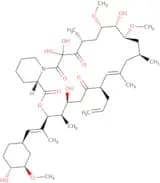
Formula:C22H19N3O4Purity:Min. 95%Color and Shape:White/Off-White SolidMolecular weight:389.4 g/molOxacyclohexane open ring tacrolimus
CAS:Please enquire for more information about Oxacyclohexane open ring tacrolimus including the price, delivery time and more detailed product information at the technical inquiry form on this page
Formula:C44H71NO13Purity:Min. 95%Molecular weight:822.04 g/molSacubitril Impurity 2
CAS:Sacubitril Impurity 2 is a drug product that is an analytical impurity in Sacubitril. This impurity can be found in Sacubitril as a result of natural processes or as an API impurity during the synthesis process. Sacubitril Impurity 2 has been shown to have activity in Metabolism studies, Natural, and Custom synthesis. It has been shown to be a Synthetic impurity standard and HPLC standard. Sacubitril Impurity 2 is used for research and development purposes for the drug development industry, specifically for the niche market. It is also used as an analytical standard for pharmacopoeia methods.
Formula:C24H27NO4Purity:Min. 95%Molecular weight:393.48 g/mol(S)-Rabeprazole sodium
CAS:(S)-Rabeprazole sodium is an anticancer drug that acts as a kinase inhibitor. It is an analog of Rabeprazole and has been shown to inhibit the growth of cancer cells in vitro and in vivo. (S)-Rabeprazole sodium inhibits the activity of kinases, which are enzymes that play a key role in cell signaling pathways. This inhibition leads to apoptosis, or programmed cell death, in cancer cells. (S)-Rabeprazole sodium has been tested against various types of cancer, including Chinese hamster ovary cells and tumor xenografts in mice. It has also been shown to inhibit elastin degradation, which is important for preventing metastasis of cancer cells. (S)-Rabeprazole sodium may be a promising candidate for the development of new anticancer drugs that target specific kinases and proteins involved in cancer cell growth and survival.
Formula:C18H21N3O3S•NaPurity:Min. 95%Molecular weight:382.43 g/molRef: 3D-IR183125
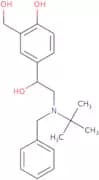
Discontinued productN-Benzyl albuterol
CAS:N-Benzyl albuterol is a drug product that is custom synthesized to be of high purity with an analytical standard. It is used in research and development, pharmaceutical development, and as a pharmacopoeia or analytical standard. N-Benzyl albuterol has been found to be a metabolite of the drug product Albuterol Sulfate. It is also used in metabolism studies and natural product research. The CAS number for this compound is 24085-03-8.
Formula:C20H27NO3Purity:Min. 95%Molecular weight:329.4 g/molCiprofloxacin ep impurity C
CAS:Ciprofloxacin ep impurity C is a synthetic compound. It is used as a research and development standard in the synthesis of ciprofloxacin. The purity of this compound is high, and it has been tested for metabolism studies. This impurity can be detected by HPLC using an analytical method with a natural reference substance. This impurity has not been evaluated for pharmacopoeia or CAS number.
Formula:C15H16FN3O3Purity:Min. 95%Molecular weight:305.30 g/molRef: 3D-DEA22212
Discontinued productN-Desacetyl thiocolchicoside
CAS:N-Desacetyl thiocolchicoside is a white crystalline powder that is soluble in water, methanol and acetone. It has a molecular weight of 320.2 and an empirical formula of C6H14O5. N-Desacetyl thiocolchicoside is used as an analytical standard for HPLC analysis, as a Research and Development (R&D) material for drug development, and as an impurity standard for the manufacture of pharmaceutical products. This compound has been shown to be a metabolite of thiocolchicoside and structurally similar to the drug product chitinase.
Formula:C25H31NO9SPurity:Min. 95%Molecular weight:521.58 g/molRef: 3D-CHA99181
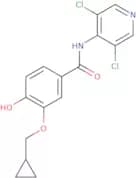
Discontinued productRoflumilast Impurity A
CAS:Roflumilast impurity A is a metabolite of roflumilast. It is a drug product that is used as an analytical standard for the determination of roflumilast in HPLC analysis. Roflumilast impurity A is not natural and is synthetic. It has been shown to be a substrate for CYP1A2, CYP2C8, CYP2C9, and CYP3A4 enzymes. Studies have shown that it may be involved in the metabolism of roflumilast through hydroxylation and deamination.
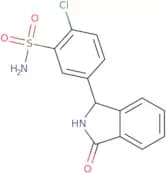
Formula:C16H14Cl2N2O3Purity:Min. 95%Molecular weight:353.2 g/molChlorthalidone impurity E
CAS:Chlorthalidone impurity E is an analytical standard for the HPLC analysis of chlorthalidone in pharmaceutical drug products and is a metabolite of chlorthalidone. Chlorthalidone impurity E is an API impurity that can be found in the synthesis of chlorthalidone, and it has been detected as a minor component in certain drug products. It is important to have an accurate specification for this compound, since it can affect the pharmacological properties of the drug product. The purity level of this compound must be at least 98% or greater to ensure that there are no contaminants present. This compound is also a metabolite of chlorthalidone and is used as a pharmacopoeia reference substance for testing equipment calibration.END>
Formula:C14H11ClN2O3SPurity:Min. 95%Molecular weight:322.77 g/molRef: 3D-IC76330
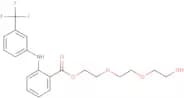
Discontinued productTriethylene glycol flufenamate
CAS:Etofenamate impurity
Formula:C20H22F3NO5Purity:Min. 95%Color and Shape:Clear LiquidMolecular weight:413.39 g/molRef: 3D-IT58094
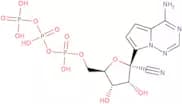
Discontinued productGS 441524 triphosphate
CAS:Triphosphorylated form of an antiviral nucleoside analog with activity against zoonotic feline infectious peritonitis virus (FIPV) and severe acute respiratory syndrome (SARS) virus from Coronaviridae family. The compound is the biologically active form of the GS 441524 prodrug and being triphosphorylated, it competes with natural nucleoside triphosphates in cells and interferes with viral RNA synthesis. Made to order.
Formula:C12H12N5O13P3·4NaPurity:(31P-Nmr) Min. 95 Area-%Color and Shape:White PowderMolecular weight:531.20 g/molRef: 3D-FG167050
Discontinued product


![(+/-)N-Methyl-y-[3-(trifluoromethyl)-phenoxy]benzenepropanamine hydrochloride](/_next/image/?url=https%3A%2Fstatic.cymitquimica.com%2Fproducts%2F3D%2Fthumb-webp%2FIM58072.webp&w=3840&q=75)
![N-[1-[3-(4-Ethoxyphenyl)-3,4-dihydro-4-oxopyrido[2,3-d]pyrimidin-2-yl]ethyl]-4-fluoro-N-(3-pyridin…](/_next/image/?url=https%3A%2Fstatic.cymitquimica.com%2Fproducts%2F3D%2Fthumb-webp%2FYTA72268.webp&w=3840&q=75)

![2-[[4-(2-Pyridylsulfamoyl)phenyl]azo]hydroxybenzene](/_next/image/?url=https%3A%2Fstatic.cymitquimica.com%2Fproducts%2F3D%2Fthumb-webp%2FIP27340.webp&w=3840&q=75)
![[1-Hydroxy-3-(methylisopentylamino)propylidene] bisphosphonic acid monosodium (ibandronic acid imp…](/_next/image/?url=https%3A%2Fstatic.cymitquimica.com%2Fproducts%2F3D%2Fthumb-webp%2FXWC98436.webp&w=3840&q=75)
![2-[2-[4-(5,5-Dioxidodibenzo[b,f][1,4]thiazepin-11-yl)-1-piperazinyl]ethoxy]ethanol](/_next/image/?url=https%3A%2Fstatic.cymitquimica.com%2Fproducts%2F3D%2Fthumb-webp%2FID27366.webp&w=3840&q=75)
![11-[3-(Dimethylamino)propyl]-6,11-dihydrodibenz[b,e]oxepin-11-ol](/_next/image/?url=https%3A%2Fstatic.cymitquimica.com%2Fproducts%2F3D%2Fthumb-webp%2FID45253.webp&w=3840&q=75)
![Pyrimido[1,2-a]purin-10(1H)-one](/_next/image/?url=https%3A%2Fstatic.cymitquimica.com%2Fproducts%2F3D%2Fthumb-webp%2FDEA40845.webp&w=3840&q=75)

![1,4-Bis[(tetrahydro-2-furanyl)carbonyl]-piperazine](/_next/image/?url=https%3A%2Fstatic.cymitquimica.com%2Fproducts%2F3D%2Fthumb-webp%2FIB63853.webp&w=3840&q=75)

![[5-L-Aspartic Acid]-desmopressin](/_next/image/?url=https%3A%2Fstatic.cymitquimica.com%2Fproducts%2F3D%2Fthumb-webp%2FIA173260.webp&w=3840&q=75)



![1-[[3-Methyl-4-(2,2,2-trifluoroethoxy)-2-pyridinyl]methyl]-2-[[[3-methyl-4-(2,2,2-trifluoroethoxy)…](/_next/image/?url=https%3A%2Fstatic.cymitquimica.com%2Fproducts%2F3D%2Fthumb-webp%2FIM25690.webp&w=3840&q=75)
![2,2'-(1,4-Piperazinediyl)bis[6,7-dimethoxy-4-quinazolinamine]](/_next/image/?url=https%3A%2Fstatic.cymitquimica.com%2Fproducts%2F3D%2Fthumb-webp%2FIP27062.webp&w=3840&q=75)


![2-[[(4-Chloro-3-methyl-2-pyridinyl)methyl]sulfinyl]-1H-benzimidazole](/_next/image/?url=https%3A%2Fstatic.cymitquimica.com%2Fproducts%2F3D%2Fthumb-webp%2FIC21226.webp&w=3840&q=75)
![N-4,5[Acetylamino)methyl]desmopressin](/_next/image/?url=https%3A%2Fstatic.cymitquimica.com%2Fproducts%2F3D%2Fthumb-webp%2FIA173214.webp&w=3840&q=75)
![2-[[[3-Methyl-4-(methylthio)-2-pyridinyl]methyl]sulfinyl]-1H-benzimidazole](/_next/image/?url=https%3A%2Fstatic.cymitquimica.com%2Fproducts%2F3D%2Fthumb-webp%2FIM21229.webp&w=3840&q=75)


![[Trp(O)25]-Semaglutide](/_next/image/?url=https%3A%2Fstatic.cymitquimica.com%2Fproducts%2F3D%2Fthumb-webp%2FIS27853.webp&w=3840&q=75)