APIs for research and impurities
Subcategories of "APIs for research and impurities"
- Aminoacids and derivatives(12,318 products)
- Anthraquinones and derivatives(402 products)
- Benzimidazole and Imidazole Derivatives(10,387 products)
- Benzodiazepine Derivatives(324 products)
- Carbohydrates and glycoconjugates(5,046 products)
- Esters and Derivatives(42,242 products)
- Fatty Acids and Lypidic Derivatives(32,369 products)
- Flavonoids and Polyphenols(17,071 products)
- Free Radicals and Oxidant/Reducing Agents(210 products)
- Ketones and derivatives(2,395 products)
- Natural and semi-synthetic antibiotics(6,314 products)
- Nitriles and Cyano Derivatives(3,068 products)
- Nitrosamines and Derivatives(55 products)
- Nucleosides and Nucleotides(3,434 products)
- Organic Phosphates and Phosphonates(1,193 products)
- Organic Sulphonates and Sulphates(10,418 products)
- Organometallics(4,417 products)
- Others(6,270 products)
- Peptides and Proteins(3,132 products)
- Polymers and Derivatives(99 products)
- Purines and Pyrimidine Derivatives(8,895 products)
- Quinazoline and Quinoline Derivatives(65,645 products)
- Quinones and Derivatives(24,337 products)
- Salts and Derivatives of Active Pharmaceutical Ingredients (API)(81,396 products)
- Steroids and Derivatives(4,915 products)
- Sulfonamides and Derivatives(2,560 products)
- Terpenoids and Derivatives(3,832 products)
- Thiazolidinediones and Thiopyrans(2,752 products)
- β-Adrenergic Compounds(227 products)
Found 58741 products of "APIs for research and impurities"
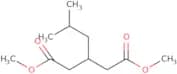
Pregabalin inhouse impurity (RS-mme)
CAS:Please enquire for more information about Pregabalin inhouse impurity (RS-mme) including the price, delivery time and more detailed product information at the technical inquiry form on this page
Formula:C11H20O4Purity:Min. 95%Molecular weight:216.27 g/molRef: 3D-VFA32803
Discontinued product2-[4-(Dimethylamino)-1-(2-methylphenyl)butyl]-phenol
CAS:Please enquire for more information about 2-[4-(Dimethylamino)-1-(2-methylphenyl)butyl]-phenol including the price, delivery time and more detailed product information at the technical inquiry form on this page
Formula:C19H25NOPurity:Min. 95%Molecular weight:283.4 g/molRef: 3D-UDA43254
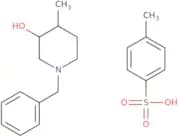
Discontinued product1-Benzyl-4-methylpiperidin-3-ol 4-methylbenzenesulfonate
CAS:Please enquire for more information about 1-Benzyl-4-methylpiperidin-3-ol 4-methylbenzenesulfonate including the price, delivery time and more detailed product information at the technical inquiry form on this page
Formula:C20H27NO4SPurity:Min. 95%Molecular weight:377.5 g/molRef: 3D-TUA04020
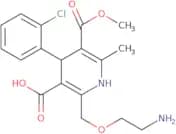
Discontinued product5-O-Desethyl amlodipine
CAS:5-O-Desethyl amlodipine is a metabolite of amlodipine. It has been used as an analytical reference standard for the determination of amlodipine and its metabolites in human plasma and urine. 5-O-Desethyl amlodipine has been reported to be excreted in human breast milk at a concentration that is about 20% of that found in maternal plasma. The drug product is manufactured by HPLC and is classified as a high purity pharmaceutical drug, which means it is free from extraneous substances such as other drugs, proteins, or bacteria.
Formula:C18H21ClN2O5Purity:Min. 95%Molecular weight:380.82 g/molRef: 3D-ID153422
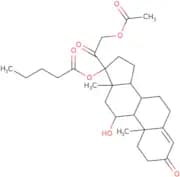
Discontinued productHydrocortisone 17-valerate 21-acetate
CAS:Controlled ProductPlease enquire for more information about Hydrocortisone 17-valerate 21-acetate including the price, delivery time and more detailed product information at the technical inquiry form on this page
Formula:C28H40O7Purity:Min. 95%Molecular weight:488.6 g/molRef: 3D-GDA45646
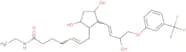
Discontinued productN-Ethyl fluprostenol carboxamide
CAS:N-Ethyl fluprostenol carboxamide is a synthetic compound with a chemical formula of C17H21NO4. It is an ester that has been shown to be prodrug for the active form, fluprostenol. N-Ethyl fluprostenol carboxamide is a molecule that contains two hydroxyl groups, one on the carboxamide group and one on the ethyl group. The chemical structure also contains a halogen atom and an ester group.
Formula:C25H34F3NO5Purity:Min. 95%Molecular weight:485.5 g/mol4-[2-[[(6R,7R)-7-Amino-2-carboxy-8-oxo-5-thia-1-azabicyclo[4.2.0]oct-2-en-3-yl]thio]-4-thiazolyl]-1-methyl-pyridinium Chloride Monoh ydrochloride
CAS:4-[2-[[(6R,7R)-7-Amino-2-carboxy-8-oxo-5-thia-1-azabicyclo[4.2.0]oct-2-en-3-yl]thio]-4-thiazolyl]-1-methylpyridinium Chloride Monohydrochloride is a drug product under development for the treatment of bacterial infections. 4-[2-[(6R,7R)-7Amino--2carboxy8oxo5thia1azabicyclo[4.2.0]oct2en3yl]thio]-4thiazolyl]-1methylpyridinium Chloride Monohydrochloride is an impurity in the API Methicillin (CAS No. 40082764). Impurities are not necessarily undesirable and may have substantial therapeutic value or provide a desired
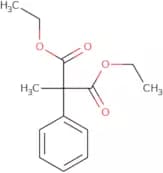
Formula:C16H15N4O3S3·Cl·HClPurity:Min. 95%Molecular weight:479.43 g/molDiethyl methylphenylmalonate
CAS:Diethyl methylphenylmalonate is a halogenated organic compound that can be prepared by the reaction of magnesium with diethyl malonate and methylbromide. Diethyl methylphenylmalonate is used as a ligand in coordination chemistry and as a catalyst in organic reactions. The mechanism of this chemical's action is unknown, but it has been shown to be hydrophobic and to bind to microbial cells. It also has been demonstrated to have an oxidation catalyst activity. Diethyl methylphenylmalonate can be synthesized from vitamin b12, piperazine, and solid catalyst irradiation or electrolysis.
Formula:C14H18O4Purity:Min. 95%Molecular weight:250.29 g/molRef: 3D-JBA00961
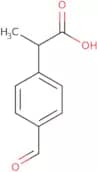
Discontinued product2-(4-Formylphenyl)propionic acid - Racemic
CAS:2-(4-Formylphenyl)propionic acid is a racemic mixture of 2-formylphenylacetic acid and 4-formylphenylacetic acid. This compound is used in the treatment of bacterial infections and inflammation. It is an organic solution that can be injected, administered orally, or applied topically. The 2-(4-formylphenyl)propionic acid has been shown to have anti-inflammatory properties, but also has side effects such as skin irritation when it is applied topically. This drug can also cause nausea, vomiting, and diarrhea when administered orally.
Formula:C10H10O3Purity:Min. 95%Color and Shape:White PowderMolecular weight:178.18 g/molRef: 3D-IF27430
Discontinued productOlsalazine sodium EP impurity F
Olsalazine sodium EP impurity F
CAS No.:
Natural: Yes
API Impurity: Yes
Custom Synthesis: Yes
Impurity Standard: Yes
Synthetic: Yes
Drug Development: Yes
Research and Development: Yes
Niche Product: Yes
HPLC Standard: Yes
High Purity Product: Yes
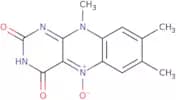
Pharmacopoeia Product: NoFormula:C21H14N2O9Purity:Min. 95%Molecular weight:438.34 g/molLumiflavin 5-oxide
CAS:Lumiflavin 5-oxide is a metabolite of lumiflavin. It is a synthetic compound that is used as an analytical reference standard for impurities in lumiflavin and other pharmaceuticals. Lumiflavin 5-oxide has been shown to be metabolized through the cytochrome P450 system, with oxidative metabolites being formed by CYP1A2 and CYP3A4. Lumiflavin 5-oxide has also been shown to be a competitive inhibitor of NAD+-dependent enzymes such as glycerol kinase, phosphofructokinase, lactate dehydrogenase, alcohol dehydrogenase, and glucose 6-phosphate dehydrogenase.
Formula:C13H12N4O3Purity:Min. 95%Molecular weight:272.26 g/molRef: 3D-LBA99593
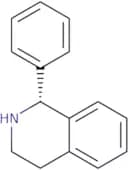
Discontinued product(R)-1-Phenyl-1,2,3,4-tetrahydroisoquinoline
CAS:(R)-1-Phenyl-1,2,3,4-tetrahydroisoquinoline is a chiral molecule with four stereocenters. It is synthesized by the reaction of sulfamic acid and cyclohexene in the presence of p-toluenesulfonic acid. The product formed is then dehydrogenated to produce (R)-1-phenyl-1,2,3,4-tetrahydroisoquinoline. This compound is soluble in organic solvents such as benzene and ethane and can be used as an acceptor for chiral stationary phases.
Formula:C15H15NPurity:Min. 95%Color and Shape:PowderMolecular weight:209.29 g/mol(E)-4-Alloxycarboxyl tamoxifen
CAS:(E)-4-Alloxycarboxyl tamoxifen is a synthetic metabolite of tamoxifen. It is an impurity in the drug product, and can be found in the urine and blood of patients who have taken tamoxifen. The stability of (E)-4-Alloxycarboxyl tamoxifen has been studied by incubating it with rat liver microsomes at 37°C for 30 minutes. Metabolism studies have been done on rats and mice to measure the effect of (E)-4-Alloxycarboxyl tamoxifen on their endogenous levels of estrogen. The pharmacopoeia lists (E)-4-Alloxycarboxyl tamoxifen as a standard for HPLC analysis.
Formula:C30H33NO4Purity:Min. 95%Molecular weight:471.60 g/molRef: 3D-MBC19158
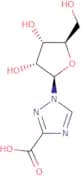
Discontinued product1-b-D-Ribofuranosyl-1,2,4-triazole-3-carboxylic acid
CAS:1-b-D-Ribofuranosyl-1,2,4-triazole-3-carboxylic acid (1bRT) is an amide that inhibits the growth of viruses by inhibiting the viral enzyme thiosemicarbazide. It has been shown to be active against specific viruses such as HIV and retroviruses. 1bRT is used to treat lung diseases caused by viruses, including bronchiolitis, pneumonia, and pulmonary fibrosis. It also has antibacterial properties. Studies have shown that 1bRT reduces the number of bacteria in body fluids and helps to prevent respiratory infections and other bacterial infections in people with weakened immune systems due to AIDS or cancer treatment.
Formula:C8H11N3O5Purity:Min. 95%Molecular weight:229.19 g/molRef: 3D-IR138822
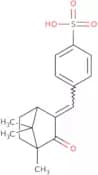
Discontinued productBenzylidene camphor sulfonic acid
CAS:Benzylidene camphor sulfonic acid is a non-volatile, oil-soluble, water-insoluble, white solid. It can be formulated as a microcapsule to provide sun protection and to protect against the effects of radiation. Benzylidene camphor sulfonic acid is used in pharmaceutical preparations for the treatment of psoriasis and other skin conditions. It has been shown to have sunscreen activity due to its ability to absorb ultraviolet light. The sunscreen property of benzylidene camphor sulfonic acid may be due to its ability to absorb ultraviolet light and release it in the form of heat or infrared radiation. Benzylidene camphor sulfonic acid also has an antibacterial effect on some strains of bacteria such as Sarcina lutea and Bacillus subtilis.
Formula:C17H20O4SPurity:Min. 95%Molecular weight:320.4 g/molRef: 3D-GCA03958
Discontinued productKM91104
CAS:KM91104 is a potent inhibitor of protein kinases that has been shown to induce apoptosis in cancer cells. It is derived from a traditional Chinese medicinal plant and has demonstrated anticancer activity against various human cancer cell lines. KM91104 specifically targets the cell cycle and inhibits tumor growth by blocking the activity of certain proteins involved in cell division. This compound has also been found in urine samples, indicating that it may have potential as a diagnostic marker for cancer. Overall, KM91104 shows promising potential as an effective and selective inhibitor for the treatment of cancer.
Formula:C14H12N2O4Purity:Min. 95%Molecular weight:272.26 g/molRef: 3D-EMA48160
Discontinued productPyrimido[1,2-a]purin-10(1H)-one
CAS:Pyrimido[1,2-a]purin-10(1H)-one is a cytotoxic drug used in the treatment of various cancers. It is an analog of purine nucleoside and has been shown to inhibit mitochondrial functions and nuclear DNA synthesis, as well as to induce malondialdehyde production. Pyrimido[1,2-a]purin-10(1H)-one also inhibits protein synthesis by methyltransferase inhibition. The detection sensitivity of pyrimido[1,2-a]purin-10(1H)-one has been demonstrated using titration calorimetry on sephadex g-100 columns. This compound is not active against E. coli K12 but is active against other bacteria including Staphylococcus aureus isolates that are resistant to methicillin.
Formula:C8H5N5OPurity:Min. 95%Molecular weight:187.16 g/molo-Acetyl silodosin
CAS:O-Acetyl silodosin is a synthetic, natural metabolite of silodosin. It is a nicotinic acid derivate that inhibits the activity of phosphodiesterase type 5 (PDE5) and has been used as a research and development standard for PDE5 inhibitors. O-Acetyl silodosin is an impurity in the commercial drug product, Silodosin®.
Formula:C27H34F3N3O5Purity:Min. 95%Molecular weight:537.60 g/molRef: 3D-KGA97086
Discontinued product5-[[4-[2-(5-Ethyl-2-pyridinyl)ethoxy]phenyl]-methylene]-2,4-thiazolidinedione
CAS:5-[[4-[2-(5-Ethyl-2-pyridinyl)ethoxy]phenyl]-methylene]-2,4-thiazolidinedione is a drug product that is used for the research and development of drugs. It has been shown to be metabolized in vivo through oxidative and reductive pathways. 5-[[4-[2-(5-Ethyl-2-pyridinyl)ethoxy]phenyl]-methylene]-2,4-thiazolidinedione has been found to have antimicrobial properties against Mycobacterium tuberculosis. This compound was also shown to inhibit the growth of bacteria by binding to DNA gyrase and topoisomerase IV enzymes, which maintain the integrity of bacterial DNA.
Formula:C19H18N2O3SPurity:Min. 95%Molecular weight:354.42 g/molRef: 3D-IE23114
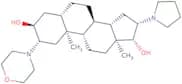
Discontinued productRocuronium EP Impurity G
CAS:Rocuronium EP Impurity G is a drug product that contains an impurity of Rocuronium EP. It is a synthetic, high purity HPLC standard with a purity greater than 99.5% and a CAS number of 119302-20-4. This compound has been researched for use in the development of drugs to treat conditions such as pain, anxiety, and depression. Rocuronium EP Impurity G is a metabolite that has been found in human urine after administration of rocuronium bromide. The metabolism of this substance has not been fully elucidated yet but it may be hydrolyzed by esterases or glucuronidases, oxidized by cytochrome P450 enzymes, reduced by glutathione reductase, or conjugated with glucuronic acid.
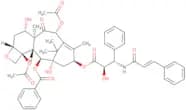
Formula:C27H46N2O3Purity:Min. 95%Molecular weight:446.67 g/molPaclitaxel impurity O
CAS:Paclitaxel impurity O is a synthetic drug that is used in the treatment of cancer. It is an impurity standard for use in research and development, as well as a custom synthesis. Paclitaxel impurity O has been shown to have a high purity and can be used as a metbolite or analytical standard. It has been shown to possess anti-inflammatory properties, which may be due to its ability to inhibit prostaglandin synthesis.
Formula:C49H53NO14Purity:Min. 95%Molecular weight:879.94 g/molDi(2-(4-(dibenzo[b,f][1,4]thiazepin-11-yl)piperazin-1-yl))-2-propoxyethyl propionate
CAS:Di(2-(4-(dibenzo[b,f][1,4]thiazepin-11-yl)piperazin-1-yl))-2-propoxyethyl propionate is a synthetic compound that is used in research and development for the analytical standard of dibenzothiazepine 11 (DBT). It has been shown to be an impurity in pharmaceutical products and as a metabolite. Di(2-(4-(dibenzo[b,f][1,4]thiazepin-11-yl)piperazin-1-yl))-2-propoxyethyl propionate is also used as a pharmacopoeia reference material in the manufacture of analytical standards of DBZ. CAS No. 1798840-31-9
Formula:C40H42N6O3S2Purity:Min. 95%Molecular weight:718.90 g/molRef: 3D-YWC84031
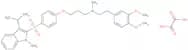
Discontinued productSr 33805 oxalate
CAS:Sr 33805 oxalate is a potent inhibitor of cell proliferation that is used in the treatment of cancer. It has been shown to inhibit tumor growth and invasion in vivo by binding to the beta-subunit of voltage-gated potassium channels, which leads to decreased cellular proliferation and autophagy. Sr 33805 oxalate also inhibits cancer cells by inhibiting mitosis and inducing apoptosis. This agent has cytotoxic effects on brain cells, with an IC50 value of 0.1 μM in vitro against rat cerebellar neurons. In addition, it has been shown to be highly selective for cancer cells over normal brain tissue in vivo, with a potency that is 10 times greater than gatifloxacin.
Formula:C34H42N2O9SPurity:Min. 95%Molecular weight:654.8 g/molRef: 3D-WEA34633
Discontinued productBrexpiprazole impurity 10
CAS:Brexpiprazole impurity 10 is a drug product that is used as an analytical reference standard for the quality control of brexpiprazole. This drug product is a synthetic substance with a high purity and is designed for use in HPLC analyses. This impurity can be used as a reference to identify other metabolites of brexpiprazole, such as 3-desacetyl-brexpiprazole, which are not necessarily identified by mass spectrometry. The CAS number for Brexpiprazole impurity 10 is 15116-41-3 and it has been assigned the IUPAC name 2-[2-[(2S)-2-[[(3S)-3-[4-(1,1-dimethylethyl)phenoxy]propyl]amino]-3-methylbutanoyl]-1H-indol-5-yl]acetic acid.
Formula:C16H15NO2Purity:Min. 95%Molecular weight:253.3 g/mol(E)-2-Furaldehyde, (2,4-dinitrophenyl)hydrazone
CAS:Please enquire for more information about (E)-2-Furaldehyde, (2,4-dinitrophenyl)hydrazone including the price, delivery time and more detailed product information at the technical inquiry form on this page
Formula:C11H8N4O5Purity:Min. 95%Molecular weight:276.2 g/molRef: 3D-RAA41622
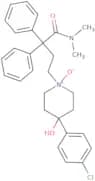
Discontinued productLoperamide N-oxide
CAS:Loperamide N-oxide is an analog of loperamide, which is commonly used as an anti-diarrheal medication. It has been shown to have potential anti-cancer properties by inducing apoptosis in cancer cells. Loperamide N-oxide has also been detected in urine samples from Chinese individuals, indicating its potential use as a biomarker for cancer diagnosis. This compound has been found to inhibit trypsin-like kinases, which are enzymes involved in cell division and proliferation. In addition, loperamide N-oxide has been shown to inhibit the growth of tumor cells and may have potential as a therapeutic agent for cancer treatment. However, it should be noted that rifampicin and other inhibitors can reduce the effectiveness of loperamide N-oxide against cancer cells. Further research is needed to fully understand the potential benefits and limitations of this compound.
Formula:C29H33ClN2O3Purity:Min. 95%Molecular weight:493 g/molRef: 3D-SIA47103
Discontinued productAcrolein-d4
CAS:Please enquire for more information about Acrolein-d4 including the price, delivery time and more detailed product information at the technical inquiry form on this page
Formula:C3H4OPurity:Min. 95%Molecular weight:60.09 g/molRef: 3D-IBA98405
Discontinued productXanthoxin
CAS:Xanthoxin is a medicinal compound with potent anticancer properties. It has been shown to induce apoptosis, or programmed cell death, in cancer cells. Xanthoxin has been tested in various cancer cell lines, including Chinese and human cells, and has demonstrated strong inhibitory effects on the tumor cycle. This compound works by inhibiting kinases and other proteins involved in cancer cell growth and proliferation. Xanthoxin is also known to be an inhibitor of certain urinary proteins that are associated with cancer progression. Overall, Xanthoxin shows great potential as a natural product for the development of novel anticancer therapies.
Formula:C15H22O3Purity:Min. 95%Molecular weight:250.33 g/molRef: 3D-IAA06607
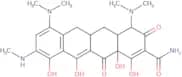
Discontinued product9-Methylamino minocycline
CAS:9-Methylamino minocycline is a semi-synthetic antibiotic with excellent oral bioavailability. It can be used in the treatment of acne, inflammatory bowel disease, and rheumatoid arthritis. 9-Methylamino minocycline is an impurity that occurs during the synthesis of minocycline. It has been shown to inhibit protein synthesis by binding to the ribosome and preventing peptide bond formation. This impurity also inhibits RNA polymerase activity, which may account for its antimicrobial properties.
Formula:C24H30N4O7Purity:Min. 95%Molecular weight:486.52 g/molRef: 3D-HZA40273
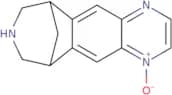
Discontinued productVarenicline N-oxide
CAS:Varenicline N-oxide is a synthetic drug product. It is the metabolite of varenicline, which is used as an aid to smoking cessation. Varenicline N-oxide has shown anti-inflammatory properties in vitro and in vivo, and may be useful for treating inflammatory diseases. Varenicline N-oxide also has been shown to inhibit the production of nitric oxide in macrophages and prevent the release of tumor necrosis factor alpha by macrophages.
Formula:C13H13N3OPurity:Min. 95%Molecular weight:227.26 g/molRef: 3D-IV177544
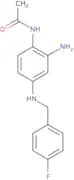
Discontinued productN-Acetyl N-descarboxyethyl retigabine d4
CAS:N-Acetyl N-descarboxyethyl retigabine (D4) is a pharmaceutical drug that is used for the treatment of epilepsy. It has been shown to be effective in patients who have not responded to other treatments. D4 binds to voltage-gated potassium channels and inhibits their opening, which leads to a decrease in neurotransmitter release from nerve cells. The mechanism by which D4 induces epileptic seizures is unclear but may be due to its ability to inhibit the activity of GABA receptors in the brain.Formula:C15H16FN3OPurity:Min. 95%Molecular weight:273.3 g/molRef: 3D-EJA97068
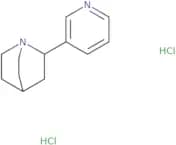
Discontinued productRjr 2429 dihydrochloride
CAS:Rjr 2429 dihydrochloride is a tumor promoter that has been shown to induce tumor growth in tissues and in cell culture. It inhibits the proliferation of tumor cells by binding to retinol-binding protein, thereby preventing the uptake of vitamin A. Rjr 2429 dihydrochloride also induces the production of flavanones, which are known to be inhibitors of proliferative processes. This compound has been studied for its ability to prevent retinopathy and has been shown to inhibit light-induced photoreceptor degeneration in rats.
Formula:C12H18Cl2N2Purity:Min. 95%Molecular weight:261.19 g/molRef: 3D-WQB41853
Discontinued productN-4,5[Acetylamino)methyl]desmopressin
N-4,5[Acetylamino)methyl]desmopressin is a synthetic drug product that is used as an analytical standard for the identification and quantitation of desmopressin in pharmaceutical preparations. It is also used as an impurity standard for HPLC analysis. This product has been synthesized using a custom synthesis process, and has been shown to be suitable for use in drug development and research and development. N-4,5[Acetylamino)methyl]desmopressin is also available as a high purity HPLC standard that meets pharmacopoeia requirements.
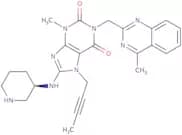
Purity:Min. 95%Linagliptin impurity E
CAS:Controlled ProductLinagliptin impurity E is a metabolite of the drug Linagliptin. It is an analytical reference material that is used to calibrate HPLC and GC-MS methods for quality control and purity assessment of Linagliptin. This impurity standard is also used for metabolism studies.
Formula:C25H28N8O2Purity:Min. 95%Molecular weight:472.54 g/molRef: 3D-IB106310
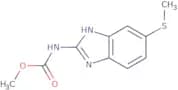
Discontinued productAlbendazole sulfone
CAS:Albendazole sulfone is a metabolite of the drug albendazole. It is used as an analytical standard to measure the concentration of albendazole in human plasma and urine samples. The concentration-time curve for albendazole sulfone can be determined using a nonlinear regression analysis, with the rate constant being calculated from the slope and intercept. This method has been shown to be accurate for predicting pharmacokinetic parameters in humans. Albendazole sulfone is also used as a probe in wastewater treatment studies, where it binds to colloidal gold particles that are used to visualize the removal of small particles by microorganisms.
Formula:C12H15N3O4SPurity:Min. 95 Area-%Color and Shape:PowderMolecular weight:297.33 g/molRef: 3D-IA17258
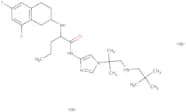
Discontinued productPf 3084014 hydrobromide
CAS:Pf 3084014 hydrobromide is a pluripotent, non-tumorigenic, and self-renewing cell line that can differentiate into cells of all three germ layers. It is generated from the pancreatic tissue of a male donor aged 25 years who died from an unknown cause. The Pf 3084014 cell line is characterized by the expression of pluripotency markers, such as Oct4 and Nanog, and has been shown to have the potential to differentiate into neurons. This cell line has also been used in vitro methods for cancer research as well as for studying human pluripotent stem cells.
Formula:C27H43Br2F2N5OPurity:Min. 95%Molecular weight:651.5 g/molRef: 3D-MDD92529
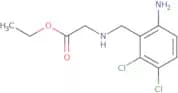
Discontinued productEthyl 2-(6-amino-2,3-dichlorobenzyl)glycine
CAS:Ethyl 2-(6-amino-2,3-dichlorobenzyl)glycine is a drug product with a CAS number of 70406-92-7. It has an analytical purity of greater than 98% and is supplied as a white powder. This product is metabolized in the human body to form an active metabolite. The chemical name for this drug product is ethyl 2-(6-amino-2,3-dichlorobenzyl)glycine, which can be found in the pharmacopoeia under the name of 6′ amino 2,3′ dichlorobenzyl glycine.
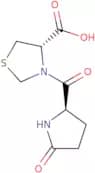
Formula:C11H14Cl2N2O2Purity:Min. 95%Molecular weight:277.15 g/mol(S)-3-((R)-5-Oxopyrrolidine-2-carbonyl)thiazolidine-4-carboxylic acid
CAS:(S)-3-((R)-5-Oxopyrrolidine-2-carbonyl)thiazolidine-4-carboxylic acid is a drug product of the drug development industry. It is a metabolite of 3-(1,2,4-triazol-1-ylmethyl)thiazolidine-4-carboxylic acid and has been used as an analytical standard for HPLC methods. The compound has been shown to be naturally occurring in humans. (S)-3-(1,2,4-Triazol-1ylmethyl)thiazolidine 4 carboxylic acid is also used as the impurity standard for the API 3-(1,2,4 triazol 1ylmethyl)thiazolidine 4 carboxylic acid.
Formula:C9H12N2O4SPurity:Min. 95%Molecular weight:244.27 g/molRef: 3D-IO145579
Discontinued productRosuvastatin anhydro lactone
CAS:Rosuvastatin anhydro lactone is a pure chemical compound that is used as an analytical reference standard for high-performance liquid chromatography (HPLC) for the determination of purity and identification of impurities in pharmaceuticals. It is also utilized as a drug development, API impurity, and HPLC standard. Rosuvastatin anhydro lactone is a metabolite of rosuvastatin and is chemically designated as C22H29NO3. The CAS number for rosuvastatin anhydro lactone is 1246665-85-9.
Formula:C22H24FN3O4SPurity:Min. 95%Molecular weight:445.50 g/molRef: 3D-WZB66585
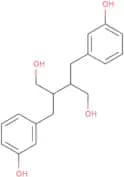
Discontinued productrac Enterodiol-d6
CAS:Racemic Enterodiol-d6 is a high purity synthetic racemic compound that is used as an impurity standard for use in HPLC. The CAS number for Racemic Enterodiol-d6 is 104411-12-3. Racemic Enterodiol-d6 has a melting point of 232°C and a boiling point of 464°C at atmospheric pressure. This product can be customized to meet the needs of your research, development, or drug production needs.
Formula:C18H22O4Purity:Min. 95%Molecular weight:308.4 g/molRef: 3D-EEA41112
Discontinued product3-[2-[4-(5-Fluoro-1,2-benzisoxazol-3-yl)-1-piperidinyl]ethyl]-6,7,8,9-tetrahydro-2-methyl-4H-pyrido[1,2-a]pyrimidin-4-one
CAS:3-[2-[4-(5-Fluoro-1,2-benzisoxazol-3-yl)-1-piperidinyl]ethyl]-6,7,8,9-tetrahydro-2-methyl-4H-pyrido[1,2-a]pyrimidin-4-one is a drug product that can be used as an analytical reference standard. It is a synthetic compound that is not found in nature and has CAS number 1199589-74-6. This compound has been synthesized by custom synthesis and it is an impurity standard for HPLC analysis. 3-[2-[4-(5-Fluoro-1,2-benzisoxazol-3 -yl)-1 -piperidinyl]ethyl]-6,7,8,9 -tetrahydro - 2 methyl - 4H - pyrido[1,2 -a]p
Formula:C23H27FN4O2Purity:Min. 95%Molecular weight:410.48 g/molRef: 3D-IF23360
Discontinued productGbr 12935 dimaleate
CAS:Gbr 12935 dimaleate is a research and development impurity standard. It is a synthetic, high purity, pharmacopoeia drug product. The CAS number for Gbr 12935 dimaleate is 1349767-56-1. Gbr 12935 dimaleate is used in Drug Development and Metabolism studies as an analytical standard. This compound is also used as a natural metabolite in HPLC standards.
Formula:C32H38N2O5Purity:Min. 95%Color and Shape:PowderMolecular weight:530.7 g/molRef: 3D-ZDC76756
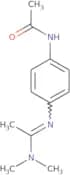
Discontinued productN’-(4-Acetylaminophenyl)-N,N-dimethylacetamidine
CAS:N’-(4-Acetylaminophenyl)-N,N-dimethylacetamidine is a drug product that is used in the development of new drugs. It has high purity, analytical grade and natural origin. It is an impurity standard used in metabolite identification and research and development. The CAS number for this compound is 1358054-66-6.Formula:C12H17N3OPurity:Min. 95%Molecular weight:219.28 g/molRef: 3D-IEC05466
Discontinued productAdefovir dipivoxil dimer
CAS:Adefovir dipivoxil dimer is a synthetic and natural product that is used as an analytical standard for HPLC, as well as in the development of new drug products. It is also used to identify impurities in API. Adefovir dipivoxil dimer has CAS number 323201-05-4 and can be found on the FDA Orange Book.
Formula:C41H64N10O16P2Purity:Min. 95%Molecular weight:1,014.95 g/molRef: 3D-YMA20105
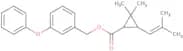
Discontinued product(+)-Cis-phenothrin
CAS:Cis-phenothrin is a carbamate insecticide that is used in agriculture, public health, and veterinary medicine. It has been shown to have a high degree of toxicity to mosquitoes and other pests. Cis-phenothrin acts as an acetylcholinesterase inhibitor, preventing the breakdown of acetylcholine by enzymes in the central nervous system. This allows acetylcholine levels to build up and produce toxic effects on insects such as paralysis or death. Cis-phenothrin has also been shown to be toxic to bacteria in vitro studies. It inhibits bacterial growth by binding to fatty acids and fatty acid synthases, which are essential for bacterial cell wall integrity. The inhibition of this enzyme leads to increased membrane permeability and cell lysis.
Formula:C23H26O3Purity:Min. 95%Molecular weight:350.4 g/molRef: 3D-BCA18688
Discontinued productOmeprazole Impurity 65
Impurity 65 is an impurity of Omeprazole, a drug used to treat gastroesophageal reflux disease and peptic ulcer. Impurity 65 is a metabolite of Omeprazole that can be found in the drug product at a concentration up to 0.5%. It has been shown to have anti-inflammatory effects and can be used as a research and development standard for HPLC analysis. Impurity 65 is also used as an impurity standard in the USP pharmacopoeia and other pharmacopoeias around the world.
Formula:C17H17N3O4Purity:Min. 95%Molecular weight:327.33 g/mol5-(4-Methoxyphenyl)-3-methyl-1-oxa-3-azaspiro[5.5]undecane
CAS:5-(4-Methoxyphenyl)-3-methyl-1-oxa-3-azaspiro[5.5]undecane is an analytical standard used in HPLC and GC. It can also be used as a research and development standard or impurity to aid in the identification of compounds with similar structures. 5-(4-Methoxyphenyl)-3-methyl-1-oxa-3-azaspiro[5.5]undecane has a purity of 99% and a melting point of 80°C. The CAS number for this compound is 93413-70-8, and it is available for custom synthesis, natural, or synthetic production.
Formula:C17H25NO2Purity:Min. 95%Molecular weight:275.39 g/molRisperidone carboxylate impurity
CAS:Risperidone carboxylate impurity is an analytical reference standard of risperidone that is used in the research and development, drug development, and production of drugs. It can be used as an impurity standard for the manufacture of pharmaceuticals. Risperidone carboxylate impurity has a molecular weight of 514.83 g/mol and a melting point of 200-202°C. Its CAS number is 1346603-86-8. Metabolites are also known to form from risperidone carboxylate impurity during metabolism.
Formula:C24H27FN4O4Purity:Min. 95%Molecular weight:454.50 g/molRef: 3D-WDC60386
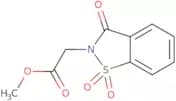
Discontinued product3-Oxo-1,2-benzoisothiazoline-2-acetic acid methyl ester 1,1-dioxide
CAS:Meloxicam is a nonsteroidal anti-inflammatory drug that is used in the treatment of osteoarthritis and rheumatoid arthritis. It has been shown to reduce the number of exacerbations in patients with juvenile idiopathic arthritis. Meloxicam also inhibits the production of Cox-2, which is an enzyme that produces inflammation in joints. The oral route of administration allows meloxicam to be distributed through the body. This drug is not active against ankylosing spondylitis and it should not be taken by pregnant women or children under 12 years old.
Formula:C10H9NO5SPurity:Min. 95%Molecular weight:255.25 g/molHexetidine impurity A
CAS:Hexetidine impurity A is an impurity in the drug product that is not present in the natural extract. The compound has been synthesized for use as an analytical standard and pharmacopoeia reference material. Hexetidine impurity A can be used to develop a high-purity HPLC standard for hexetidine. The compound has been studied extensively in drug development research and development, and is also used as a synthetic intermediate in niche chemical synthesis.
Formula:C21H43N3Purity:Min. 95%Molecular weight:337.6 g/molRef: 3D-FH182257
Discontinued productEthyl 6-[4-[(5-chloro-1-oxopentyl)amino]phenyl]-4,5,6,7-tetrahydro-1-(4-methoxyphenyl)-7-oxo-1H-pyrazolo[3,4-c]pyridine-3-carboxylat e
CAS:Ethyl 6-[4-[(5-chloro-1-oxopentyl)amino]phenyl]-4,5,6,7-tetrahydro-1-(4-methoxyphenyl)-7-oxo-1H-pyrazolo[3,4-c]pyridine-3-carboxylate is a chemical compound with various applications. It is soluble in methanol and has been found to interact with peptidoglycan, cellulose, and other substances. This compound has shown potential anticoagulation properties and has been studied for its effects on blonanserin, etoricoxib, 27-hydroxycholesterol, tenofovir, proton, famotidine, dimethyl fumarate, calpain, dimethyl sulfoxide, and reactive agents. Further research is needed to fully understand the potential applications of this compound and its interactions with different substances.
Formula:C27H29ClN4O5Purity:Min. 95%Molecular weight:525 g/molRef: 3D-WGC82320
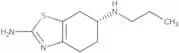
Discontinued product(R)-Pramipexole 2HCl
CAS:Controlled ProductDopamine (D2 and D3) receptor agonist; has anti-parkinsonian effects
Formula:C10H19Cl2N3SPurity:Min. 95%Molecular weight:283.06767Ref: 3D-FP27117
Discontinued product1,4-Bis[(tetrahydro-2-furanyl)carbonyl]-piperazine
CAS:1,4-Bis[(tetrahydro-2-furanyl)carbonyl]-piperazine is a synthetic drug product. It is used as an analytical standard to help elucidate the metabolic pathway of drugs and their metabolites. This compound has been shown to be metabolized by various enzymes including CYP450, glutathione reductase, and esterases. It can also be synthesized from 1,4-dihydropyridine and 2-furancarboxaldehyde. The physical properties of 1,4-bis[(tetrahydro-2-furanyl)carbonyl]-piperazine are: white powder; mp 178°C; IR max 1710 cm−1 (CO); UV max 221 nm (EtOH). The impurities in this product are: 1-(2H)-Quinolinone (CAS No. 2467-94-1) which may have a maximum concentration
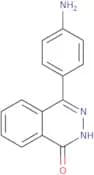
Formula:C14H22N2O4Purity:Min. 95%Molecular weight:282.34 g/mol4-(4-Aminophenyl)phthalazin-1(2H)-one
CAS:4-(4-Aminophenyl)phthalazin-1(2H)-one is an antibacterial drug that belongs to the class of amide and minimise. It has a constant, synthetic, and chalcone profile. 4-(4-Aminophenyl)phthalazin-1(2H)-one has been shown to have antiplatelet activity in animals. This drug also inhibits the production of proinflammatory cytokines such as IL-6, IL-8, and TNFα by human monocytes. This drug also has antidiabetic properties and a safety profile similar to other nonsteroidal anti-inflammatory drugs.
Formula:C14H11N3OPurity:Min. 95%Molecular weight:237.26 g/molRef: 3D-GFA74153
Discontinued product1-[2-[2-Hydroxy-3-[[2-hydroxy-3-[2-(3-phenylpropanoyl)phenoxy]propyl]-propylamino]propoxy]phenyl]-3-phenylpropan-1-one
CAS:Arbidol is a drug molecule that interacts with protease enzymes. It has been shown to inhibit human erythrocyte chymotrypsin, trypsin, and elastase. Arbidol is also able to inhibit the growth of bacteria such as Staphylococcus aureus, Escherichia coli, and Pseudomonas aeruginosa. The molecular modelling of arbidol suggests that it binds to the active site of the enzyme by blocking hydrophobic pockets on the surface of the enzyme. The conformational change in the protease enzyme activates arbidol's binding site for an extended period of time. This prolonged interaction prevents substrate from binding to the catalytic site of the enzyme and inhibits its activity.
Formula:C39H45NO6Purity:Min. 95%Molecular weight:623.78 g/molRef: 3D-IP63820
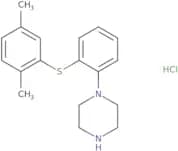
Discontinued product4-Desmethyl 5-methyl vortioxetine hydrochloride
CAS:Please enquire for more information about 4-Desmethyl 5-methyl vortioxetine hydrochloride including the price, delivery time and more detailed product information at the technical inquiry form on this page
Formula:C18H23ClN2SPurity:Min. 95%Molecular weight:334.9 g/molRef: 3D-MKD72214
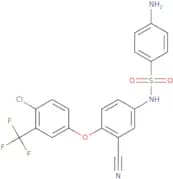
Discontinued productLp-PLA2-IN-3
CAS:Please enquire for more information about Lp-PLA2-IN-3 including the price, delivery time and more detailed product information at the technical inquiry form on this page
Formula:C20H13ClF3N3O3SPurity:Min. 95%Molecular weight:467.8 g/molRef: 3D-WMD24516
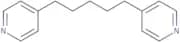
Discontinued product1,5-Bis(4-pyridyl)pentane
CAS:1,5-Bis(4-pyridyl)pentane is a coordination polymer that can be used in the preparation of polymers. It is bifunctional and has coordination properties. This compound is made up of two pyridine rings linked to an ethyl group via a pentane chain. The cationic form of this compound is used for the preparation of some polymers. The crystal structure for 1,5-bis(4-pyridyl)pentane was determined by X-ray crystallography and found to have a layered topology with hydrogen bonding.
Formula:C15H18N2Purity:Min. 95%Molecular weight:226.32 g/molRef: 3D-ABA38233
Discontinued product2-[2-[4-(5,5-Dioxidodibenzo[b,f][1,4]thiazepin-11-yl)-1-piperazinyl]ethoxy]ethanol
CAS:Quetiapine is a drug that belongs to the class of sulfoxides. It is usually administered orally, but can also be given intravenously or intramuscularly. Quetiapine has been studied for its clinical use in the treatment of schizophrenia and bipolar disorder. The plasma concentrations of quetiapine are determined by high-performance liquid chromatography (HPLC) with tandem mass spectrometry (LC-MS/MS) detection. Validation studies have shown that the HPLC-MS/MS method is accurate and precise, with good linearity over a range of concentrations. Analysis was performed on plasma samples from healthy volunteers who were administered either 2 mg or 10 mg doses of quetiapine by intravenous injection. Concentrations were calculated and compared to those found in patients with schizophrenia and bipolar disorder who had been given oral doses of 300 mg per day for four weeks, yielding a therapeutic plasma concentration range from 100 to 300 ng/mL.
Formula:C21H25N3O4SPurity:Min. 95%Molecular weight:415.51 g/molRos 234 dioxalate
CAS:Ros 234 is a dioxalate salt of rosiglitazone, and is an anti-cancer agent that inhibits the growth of cancer cells. Ros 234 has been shown to inhibit inflammatory conditions such as asthma, rheumatoid arthritis, and colitis. It also modulates immune and autoimmune responses.
Formula:C17H19N5O8Purity:Min. 95%Molecular weight:421.4 g/molRef: 3D-GWC94193
Discontinued productDioctyl carbonate
CAS:Dioctyl carbonate is a pharmaceutical preparation used to treat skin conditions. It is a fatty acid ester of carbonic and carbonyl groups in which the two esters are in the same molecule. Dioctyl carbonate is a reaction product obtained by reacting an inorganic acid, such as hydrochloric acid or sulfuric acid, with an alcohol containing two hydroxyl groups and one double bond. This reaction may be facilitated by heating. The film-forming polymer may be polyvinylpyrrolidone, polyvinyl alcohol, or polyacrylic acid. Dioctyl carbonate has been shown to stimulate colony-stimulating factor production and inhibit the proliferation of human epidermal keratinocytes.
Formula:C17H34O3Purity:Min. 95%Color and Shape:Clear LiquidMolecular weight:286.4 g/molTrazodone Hydrochloride BP Impurity A
CAS:Trazodone Hydrochloride BP Impurity A is an unproven impurity of Trazodone. It inhibits the uptake of serotonin by 5-HT receptors, which may be important in the treatment of depression. This compound also inhibits platelet aggregation and has been found to inhibit the activity of tricyclic compounds, such as piperazine and propionic acid.Formula:C19H22CIN5O2Purity:Min. 95%Molecular weight:491.33 g/molRef: 3D-IT171024
Discontinued productTerbutaline impurity b
CAS:Terbutaline impurity b is a pharmacopoeia grade drug product that is used as an analytical standard. It is also used in the synthesis of terbutaline, which is a drug that has been approved by the FDA to treat bronchospasm, asthma and other lung disorders. Terbutaline impurity b may be found in natural sources or may be synthesized. This impurity can be custom synthesized using HPLC-grade reagents and can be obtained at high purity levels.
Purity:Min. 95%Ref: 3D-IT182020
Discontinued productTetracosanoic-d47 acid
CAS:Controlled ProductTetracosanoic acid is a drug product that is used in the development of drugs and as an analytical standard. Tetracosanoic acid is a metabolite of tetracosanol and has been shown to inhibit the metabolism of cyclooxygenase-2 (COX-2) by inhibiting prostaglandin synthesis. Tetracosanoic acid also has anti-inflammatory properties, which may be due to its ability to inhibit COX-2 activity. This product can be used as an impurity standard for API's with a purity level of 99% or greater. Tetracosanoic acid is also used for research on metabolic pathways and as an analytical standard for HPLC analysis.
Formula:C24HD47O2Purity:Min. 95%Molecular weight:415.93 g/molRef: 3D-TCA06000
Discontinued product4,7-Dihydro megestrol acetate
CAS:4,7-Dihydro megestrol acetate is a drug product that has been custom synthesized for research and development purposes. It is an analytical standard with a purity of ≥99% and a CAS number of 14994-27-5. Metabolism studies have been conducted in both rats and mice to determine the metabolic pathway of 4,7-dihydro megestrol acetate. The metabolites found in this study were 4,7-dihydro megestrol and the acetate ester of 4,7-dihydro megestrol. Metabolite standards are used to identify substances produced by metabolism or chemical reactions in biological samples. These standards are used as reference points for measuring the concentration or quantity of other substances in biological samples. Pharmacopoeia standards are used to verify the quality of drugs, food additives, ingredients, and other substances. They also serve as reference points for identifying impurities in substances that may be harmful
Formula:C24H34O4Purity:Min. 95%Molecular weight:386.50 g/molRef: 3D-PAA99427
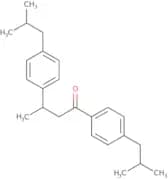
Discontinued productIbuprofen EP impurity H
CAS:Ibuprofen EP impurity H is an impurity of ibuprofen. It is a white crystalline powder with a melting point of 182-184°C and a molecular weight of 253.3. Ibuprofen EP impurity H can be synthesized in high purity by reacting 4-bromobenzenesulfonyl chloride with 2-hydroxybenzoic acid in the presence of triethylamine. This impurity has been used as a standard for drug product analysis, pharmacopoeia standards, drug development, and metabolism studies. Ibuprofen EP impurity H can be identified by HPLC using a retention time of 17.2 minutes and an UV absorption maximum at 254 nm.
Formula:C24H32OPurity:Min. 95%Molecular weight:336.51 g/mol1,1-Dimethylethyl (3S,5S,6E)-7-[4-(4-fluorophenyl)-6-(1-methylethyl)-2-[methyl(methylsulfonyl)amino]-5-pyrimidinyl]-3,5-dihydroxy-6- heptenoate
CAS:Please enquire for more information about 1,1-Dimethylethyl (3S,5S,6E)-7-[4-(4-fluorophenyl)-6-(1-methylethyl)-2-[methyl(methylsulfonyl)amino]-5-pyrimidinyl]-3,5-dihydroxy-6- heptenoate including the price, delivery time and more detailed product information at the technical inquiry form on this page
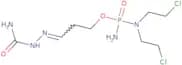
Formula:C26H36FN3O6SPurity:Min. 95%Molecular weight:537.65 g/molHydroxy cyclophosphamide semicarbazone-d4
CAS:Hydroxy cyclophosphamide semicarbazone-d4 is an analytical standard used to monitor the purity of a drug product. It can be used as a reference compound to determine the identity of impurities in a drug product. Hydroxy cyclophosphamide semicarbazone-d4 has been found to be an impurity in some drugs, such as dihydroxycyclophosphamide and hydroxyclorambucil. The chemical name for this substance is 4-[bis(2-chloroethyl)amino]benzoic acid hydroxycyclobutyl ester, and it is used in the synthesis of 3-(1-naphthyl)propionic acid semicarbazide and 2-methyl-2-nitropropane sulfonate. Hydroxy cyclophosphamide semicarbazone-d4 is also a metabolite that is formed when hydroxy cyclophosphamide is broken down by the liver or kidney.
Formula:C8H18Cl2N5O3PPurity:Min. 95%Molecular weight:334.14 g/molRef: 3D-DCA94846
Discontinued productAlbendazole impurity F
CAS:Albendazole is an anti-helminthic drug that is structurally classified as a benzimidazole. It has been shown to be effective against a variety of helminths, including roundworms, pinworms, hookworms, and tapeworms. Albendazole impurity F is an analytical standard for the determination of albendazole in pharmaceutical products by HPLC. It also serves as a reference substance to establish the purity of drug products containing albendazole and its metabolites. Albendazole impurity F is not considered to be a metabolite of albendazole because it has been shown to be stable under acidic conditions and can be synthesized from other starting materials.
Formula:C10H11N3O2SPurity:Min. 95%Molecular weight:237.28 g/molN-Desbispropyl-N-pentyl-2-methyl ropinirole
CAS:N-Desbispropyl-N-pentyl-2-methyl ropinirole is an analytical reference standard. This product is a high purity, drug development, and API impurity. It is a CAS No. 249622-60-4 and has a niche, drug product, and impurity standard. This item is for Research and Development, High purity, Drug development, API impurity, HPLC standard, CAS No. 249622-60-4, niche, drug product, Impurity standard, Metabolite, pharmacopoeia Custom synthesis of natural or synthetic origin.
Formula:C16H24N2OPurity:Min. 95%Molecular weight:260.37 g/molRef: 3D-ZJA62260
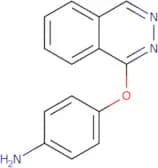
Discontinued product4-(Phthalazin-1-yloxy)aniline
CAS:4-(Phthalazin-1-yloxy)aniline is an analog of cyclin-dependent kinase (CDK) inhibitors that has shown promising anticancer activity. It inhibits the activity of CDKs, which are enzymes involved in regulating cell division and proliferation. This compound has been tested on Chinese hamster ovary cells and has demonstrated potent antiproliferative activity against various cancer cell lines. 4-(Phthalazin-1-yloxy)aniline induces apoptosis in tumor cells, leading to their death. This compound may be a potential candidate for the development of novel anticancer drugs that target CDKs and promote tumor cell death. Additionally, this compound can be detected in urine samples, making it a useful biomarker for cancer diagnosis and monitoring.
Formula:C14H11N3OPurity:Min. 95%Molecular weight:237.26 g/molRef: 3D-ZFA36540
Discontinued productElsinochrome A
CAS:Elsinochrome A is a drug product that has not been approved for human use. It belongs to the class of drugs called natural products and has not been synthesized. Elsinochrome A is a metabolite of erythromycin, which is produced by the fungus Elsinoë sp. The chemical structure of this natural product was determined using spectral analysis, and it was found to be similar to the antibiotic erythromycin. Elsinochrome A has shown promising results in pharmacological studies as a potential drug candidate for tuberculosis treatment because it inhibits bacterial growth by binding to DNA-dependent RNA polymerase, thereby preventing transcription and replication.
Formula:C30H24O10Purity:Min. 95%Molecular weight:544.50 g/molRef: 3D-ZAA56867
Discontinued product5-[(Desloratadine)methyl] rupatadine
CAS:Desloratadine is a drug that belongs to the group of antihistamines and is indicated for the treatment of allergic rhinitis. It has been shown to be as effective as loratadine, cetirizine, and fexofenadine in clinical trials. Desloratadine is metabolized by cytochrome P450 enzymes including CYP2D6 to its active form, desloratadine N-oxide. The metabolites are excreted in the urine.
Formula:C45H43Cl2N5Purity:Min. 95%Molecular weight:724.80 g/molRef: 3D-ZYB51572
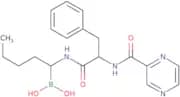
Discontinued productDesisobutyl-N-butyl bortezomib
CAS:Desisobutyl-N-butyl bortezomib is a drug product that has been custom synthesized for the purpose of research and development. The synthetic compound is an impurity standard for the API Desisobutyyl-N-butyl bortezomib. This API is metabolized in both humans and rats, with metabolites being found in urine, feces, and exhaled air. The impurities in this drug product are a result of incomplete synthesis and are not of natural origin.
Formula:C19H25BN4O4Purity:Min. 95%Molecular weight:384.2 g/molRef: 3D-EUB01135
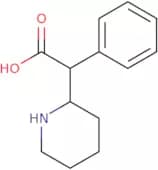
Discontinued productDL-threo-Ritalinic acid
CAS:Controlled ProductDL-threo-Ritalinic Acid is a dopamine receptor agonist that has been shown to be effective in treating hyperactivity, or attention deficit disorder (ADHD). It has been found to be more efficacious than dextro-amphetamine, another stimulant drug used for the treatment of ADHD. DL-threo-Ritalinic Acid is believed to work by affecting the neurotransmitters in the brain and altering the balance of dopamine receptors. In a two-way crossover study, preschool children were given either 0.5mg/kg of DL-threo-Ritalinic Acid or placebo for three days. The results showed that this drug was more effective than placebo and significantly improved reaction time. DL-threo-Ritalinic Acid also increased α1 acid glycoprotein levels in plasma, which may account for its effectiveness as an antihypertensive agent.
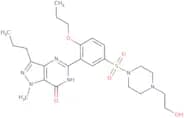
Formula:C13H17NO2Purity:Min. 95%Molecular weight:219.28 g/molPropoxyphenyl homohydroxysildenafil
CAS:Propoxyphenyl homohydroxysildenafil is a preparative mass spectrometric analysis of the metabolite of sildenafil, which is a phosphodiesterase type 5 inhibitor. It has been shown to increase the flow rate in rats with an experimental pulmonary hypertension. The product ions of propoxyphenyl homohydroxysildenafil are m/z 409.3, 417.2, and 419.2, and its pharmacological study has been conducted on tadalafil and isobutyl.Formula:C24H34N6O5SPurity:Min. 95%Molecular weight:518.6 g/mol2-Methoxy-5-sulfamoylbenzoic acid
CAS:2-Methoxy-5-sulfamoylbenzoic acid (2MSBA) is a reactive compound that reacts with the proton of vancomycin to form a dianion. This reaction is reversible and can be catalyzed by chloride ions. 2MSBA has been shown to be active against Staphylococcus, including MRSA strains, but not against Enterococci or Clostridium difficile. 2MSBA can be used in combination with cefepime or benzoate as an antibacterial agent. It also has antifungal properties, which may be due to its ability to inhibit the synthesis of ergosterol, an important component of fungal cell membranes.
2-Methoxy-5-sulfamoylbenzoic acid is related to fluconazole in that it contains a benzoate moiety and an amide group. These structural features confer antibacterial and antifFormula:C8H9NO5SPurity:Min. 95%Molecular weight:231.23 g/molRef: 3D-IM145487
Discontinued productDeacetyl-N,o-didemethyldiltiazem
CAS:Deacetyl-N,o-didemethyldiltiazem is a drug product that is used for the treatment of hypertension. It is a synthetic compound and has not been found in nature. The impurity standard for this product is an analytical chemical that can be used to identify the presence of impurities in a sample. Deacetyl-N,o-didemethyldiltiazem can be synthesized from commercially available starting materials using custom synthesis methods. It is an API impurity and can be developed into a drug by researching and developing it as a niche therapy for hypertension. This compound has high purity and can be used as an HPLC standard.
Formula:C18H20N2O3SPurity:Min. 95%Molecular weight:344.40 g/molRef: 3D-LDA40842
Discontinued productFR183998
CAS:FR183998 is an anticancer drug that is derived from Chinese urine. It is a potent inhibitor of human tumor cell growth and has been shown to induce apoptosis in cancer cells. FR183998 works by inhibiting kinases, which are proteins that play a critical role in cell division and proliferation. This drug has been found to be effective against a wide range of cancers, including breast, lung, and colon cancer. Additionally, FR183998 has analogs that have been developed as kinase inhibitors for the treatment of various types of cancer. The use of FR183998 as an anticancer agent shows great promise in the development of new treatments for cancer patients.
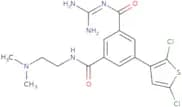
Formula:C17H19Cl2N5O2SPurity:Min. 95%Molecular weight:428.3 g/molRef: 3D-PJA44020
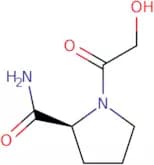
Discontinued product1-Glycoloyl-L-prolinamide
CAS:1-Glycoloyl-L-prolinamide is a drug product that is an analytical standard for the impurity 1-glycoloyl-L-proline (CAS No. 96166-39-1) in the API 1,4,5,6-tetrahydrobenzothiazole (CAS No. 86687-93-0). It has been synthesized to be used as an impurity standard and is provided at a purity of 98.0% or greater by weight. This chemical compound can be used in research and development for the production of drugs as well as in pharmaceutical manufacturing.
Formula:C7H12N2O3Purity:Min. 95%Molecular weight:172.18 g/molRef: 3D-FG167741
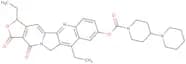
Discontinued productIrinotecan lactone impurity
CAS:Irinotecan is a drug product that is used in the treatment of cancer. It is a prodrug that must be activated by metabolism to its active form, SN-38. Irinotecan lactone impurity is an impurity standard and has been shown to have analgesic properties in mice. It has also been shown to inhibit the growth of colon cancer cells.
Formula:C32H36N4O5Purity:Min. 95%Molecular weight:556.7 g/molRef: 3D-II180814
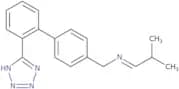
Discontinued productValsartan Impurity 23
CAS:Valsartan is a drug that belongs to the class of angiotensin II receptor blockers. It has a molecular weight of 376.5 and an empirical formula of C21H28N2O4S. Valsartan Impurity 23 is a synthetic impurity with CAS No. 2459446-44-5, which has a molecular weight of 464.3 and an empirical formula of C25H30N2O6S. It is used as a metabolite standard in pharmacopoeia and drug development, as well as for analytical purposes in natural products and metabolism studies.
Purity:Min. 95%CPI 0610
CAS:CPI 0610 is a medicinal compound that acts as a potent inhibitor of protein phosphorylation. It has been shown to inhibit the cell cycle and promote apoptosis in Chinese hamster ovary cells. CPI 0610 is an effective inhibitor of kinase activity in cancer cells, leading to decreased tumor growth and increased survival rates. In preclinical studies, CPI 0610 has demonstrated efficacy against a wide range of cancers, including breast, prostate, and lung cancer. This inhibitor has also been shown to be effective in human cancer cell lines, making it a promising candidate for future cancer therapies.
Formula:C20H18ClN3O3Purity:Min. 95%Molecular weight:383.8 g/molRef: 3D-VYC72614
Discontinued productN-[[2-[[[4-[[[(Hexyloxy)carbonyl]amino]carbonyl]phenyl]amino]methyl]-1-methyl-1H-benzimidazol-5-yl]carbonyl]-N-2-pyridinyl-β-alanine ethyl ester
CAS:This is an analytical standard for the impurity N-[[2-[[[4-[[(hexyloxy)carbonyl]amino]carbonyl]phenyl]amino]-methyl]-1-methyl-1H-benzimidazol-5-yl]carbonyl]-N-2-pyridinyl-β-alanine ethyl ester. It has a purity of >98% by HPLC and is available in quantities of 5g.Formula:C34H40N6O6Purity:Min. 95%Molecular weight:628.7 g/molRef: 3D-IGC23840
Discontinued product(-)-Bornyl ferulate
CAS:Controlled Product(-)-Bornyl ferulate is a natural compound, specifically a type of ferulic acid ester, which is a secondary metabolite found in certain plants. Its source is primarily the essential oils and resins of various coniferous species, where it contributes to the plant's defense mechanisms. The mode of action of (-)-Bornyl ferulate involves its ability to scavenge free radicals, thus exhibiting antioxidant activity. It also modulates inflammatory pathways, suggesting possible anti-inflammatory effects.
Formula:C20H26O4Purity:Min. 95%Molecular weight:330.42 g/molRef: 3D-FCA51107
Discontinued productDehydro nicardipine hydrochloride
CAS:Please enquire for more information about Dehydro nicardipine hydrochloride including the price, delivery time and more detailed product information at the technical inquiry form on this page
Formula:C26H28ClN3O6Purity:Min. 95%Molecular weight:514 g/molRef: 3D-RYB81727
Discontinued product1-[1-(4-Methoxyphenyl)-2-(methylamino)ethyl]-cyclohexanol hydrochloride
CAS:1-[1-(4-Methoxyphenyl)-2-(methylamino)ethyl]-cyclohexanol hydrochloride is a drug product that is not yet approved for use in humans. It is an impurity found in the drug cyclosporine, which is used to treat psoriasis and other skin conditions. 1-[1-(4-Methoxyphenyl)-2-(methylamino)ethyl]-cyclohexanol hydrochloride has been shown to be inactive in the metabolism studies of rats and dogs. This impurity was detected by HPLC with UV detection at 254 nm, but it did not show any significant absorption at 280 nm. The purity of this compound was determined to be 97% by NMR analysis and HPLC.
Formula:C16H25NO2·HClPurity:Min. 95%Molecular weight:299.84 g/molRef: 3D-IM63866
Discontinued productLevofloxacin carboxylic acid
CAS:Levofloxacin is a synthetic molecule with an asymmetric carbon atom in its heterocycle. It is synthesized by reacting chloroform with 2-fluoro-5-nitrobenzaldehyde, which reacts further with sodium hydroxide and hydrochloric acid to form the levofloxacin carboxylic acid. Impurities can be found in the reaction product due to chlorine atoms that are formed during the synthesis. The amount of impurities present in the final product can be determined using a titration method or through HPLC analysis. Levofloxacin has been shown to be effective against methicillin-resistant Staphylococcus aureus (MRSA) and Clostridium perfringens, although is not active against acid-fast bacteria such as Mycobacterium tuberculosis or Mycobacterium avium complex.
Formula:C13H9F2NO4Purity:Min. 95%Color and Shape:PowderMolecular weight:281.21 g/molRef: 3D-IL24882
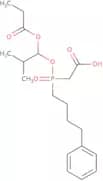
Discontinued product2-((2-Methyl-1-(propionyloxy)propoxy)(4-phenylbutyl)phosphoryl)acetic acid
CAS:2-((2-Methyl-1-(propionyloxy)propoxy)(4-phenylbutyl)phosphoryl)acetic acid (KZPBA) is a zoonotic antibiotic that has been shown to be active against agalactiae. It is a prodrug, which is metabolized to the active form, KZPBA, in humans and other mammals. The mechanism of action of KZPBA is not yet known; however, it has been hypothesized that its activity may be due to inhibition of DNA gyrase and topoisomerase IV. This drug has also been shown to have an effect on mastitis in dairy cows.Formula:C19H29O6PPurity:Min. 95%Molecular weight:384.4 g/molRef: 3D-IM27637
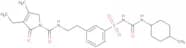
Discontinued productm-Glimepiride impurity
CAS:m-Glimepiride impurity is a chemical substance that belongs to the sulfonylurea family. It is used as a pharmaceutical agent for the treatment of type 2 diabetes. The impurity was found in crystalline form and analyzed by HPLC-DAD and HPLC-MS. The purity of m-Glimepiride impurity was determined to be 99%. It is not known whether this impurity has any biological activity.
Formula:C24H34N4O5SPurity:Min. 95%Molecular weight:490.62 g/molo-Desmethyl venlafaxine N-dimer
CAS:o-Desmethyl venlafaxine N-dimer is a metabolite of venlafaxine that has been identified in human plasma. It is a white to off-white crystalline powder with a melting point of about 175°C. The purity of the product is more than 98%. It is soluble in methanol and ethanol, but insoluble in water. The o-desmethyl venlafaxine N-dimer was developed as an analytical reference standard for use in HPLC analysis of venlafaxine and its metabolites and impurities.
Formula:C32H48N2O4Purity:Min. 95%Molecular weight:524.73 g/molRef: 3D-MXB54561
Discontinued product4-Desfluoro-4-[4-(2-oxo-2,3-dihydro-1H-benzimidazol-1-yl)-3,6-dihydropyridin-1(2H)-yl] droperidol
CAS:4-Desfluoro-4-[4-(2-oxo-2,3-dihydro-1H-benzimidazol-1-yl)-3,6-dihydropyridin-1(2H)-yl] droperidol is a research chemical that belongs to the class of drugs. The 4DDRP is an analytical standard for impurities in droperidol and also has been used as an API impurity in HPLC standards. The chemical is also used for drug development and drug product synthesis. 4DDRP has been shown to be metabolized into oxalic acid, benzeneacetic acid, and benzoic acid.
Formula:C34H34N6O3Purity:Min. 95%Molecular weight:574.70 g/molRef: 3D-WDC60417
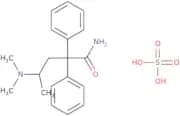
Discontinued productAminopentamide sulfate
CAS:Aminopentamide sulfate is a pharmaceutical dosage form that is a polymeric matrix containing glycol ether, fatty acid ester, and glycol ester. It is used as a local anesthetic to numb the skin and other tissues. Aminopentamide sulfate can be administered topically or by injection into the body. It has been shown to have therapeutic effects on animals with pain-related conditions such as arthritis and neuropathy. The intramolecular hydrogen bonds in aminopentamide sulfate are thought to be formed between the carbonyl group of atropine sulfate and the hydroxyl groups of benzimidazole derivatives. These functional groups form hydrogen bonds with fatty alcohols in the matrix, which may help stabilize it.
Formula:C19H26N2O5SPurity:Min. 95%Molecular weight:394.5 g/molRef: 3D-VAA70177
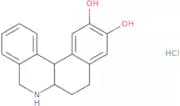
Discontinued productDihydrexidine hydrochloride
CAS:Dihydrexidine hydrochloride is a phosphate ion transport inhibitor that binds to the acetylcholine transporter, and inhibits the uptake of acetylcholine in the brain. It is used as an opioid analgesic, as well as to treat depression, cognitive disorders, and Parkinson's disease. Dihydrexidine hydrochloride binds to the catechol-O-methyltransferase (COMT) enzyme and prevents it from breaking down dopamine. This leads to increased levels of dopamine in the synapse and enhanced transmission of nerve impulses between neurons. Dihydrexidine hydrochloride also has been shown to bind to antigen molecules on cells, which may be important for its antiviral properties.
Formula:C17H18ClNO2Purity:Min. 95%Molecular weight:303.8 g/molRef: 3D-IGA70402
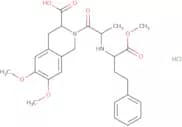
Discontinued productMoexipril methyl ester analog hydrochloride
CAS:Moexipril methyl ester analog hydrochloride is a drug product that has been custom synthesized for research and development. It is a high purity, analytical grade compound with CAS No. 1356841-17-2. Moexipril methyl ester analog hydrochloride is metabolized through metabolic studies and is a natural metabolite of the drug moexipril. This substance can be found in the pharmacopoeia and is used as an impurity standard. Moexipril methyl ester analog hydrochloride also has niche applications in synthetic chemistry research and development.Formula:C26H32N2O7•HClPurity:Min. 95%Color and Shape:PowderMolecular weight:521 g/molRef: 3D-GEC84117
Discontinued productN9-Des(4-acetoxy-3-(acetoxymethyl)but-1-yl) N7-[4-acetoxy-3-(acetoxymethyl)but-1-yl] famciclovir
CAS:N9-Des(4-acetoxy-3-(acetoxymethyl)but-1-yl) N7-[4-acetoxy-3-(acetoxymethyl)but-1-yl] famciclovir is an analytical standard that is used for drug development and as an impurity in the production of famciclovir. It has a purity of 99.0% and a melting point of 176°C. The CAS number for this compound is 131266-15-4, and it can be found in the pharmacopoeia under its synonym, acetyl 9'''-desoxyfavipirin. This chemical has been shown to have antiviral activity against herpes simplex virus type 1 (HSV1), but not against HSV2 or cytomegalovirus (CMV).
Formula:C14H19N5O4Purity:Min. 95%Molecular weight:321.33 g/molRef: 3D-GFA26615
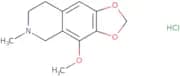
Discontinued productHydrocotarnine hydrochloride
CAS:Hydrocotarnine hydrochloride is a medicinal compound that has been found to have anticancer properties. It is an inhibitor of protein kinases, which are enzymes that play a key role in regulating cell cycle progression and apoptosis. Hydrocotarnine hydrochloride has been shown to induce apoptosis in cancer cells, making it a promising candidate for the development of novel cancer therapies. This compound has also been identified as a potential inhibitor of tumor growth in Chinese medicine. In vitro studies have demonstrated that hydrocotarnine hydrochloride inhibits the proliferation of various cancer cell lines, suggesting its potential as a therapeutic agent for the treatment of cancer.
Formula:C12H16ClNO3Purity:Min. 95%Molecular weight:257.71 g/molRef: 3D-FAA98555
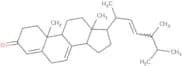
Discontinued productErgosterone
CAS:Controlled ProductErgosterone is a potent anticancer agent that has been shown to induce apoptosis in various human cancer cell lines. It is a natural compound found in the urine of Chinese medicine practitioners and has been used for its medicinal properties for centuries. Ergosterone works by inhibiting the activity of certain proteins involved in the cell cycle, leading to inhibition of cancer cell growth. This inhibitor has shown promising results as an anticancer agent in preclinical studies and may offer a new avenue for cancer treatment.
Formula:C28H42OPurity:Min. 95%Molecular weight:394.6 g/molRef: 3D-SAA39857
Discontinued productCarmoxirole hydrochloride
CAS:Carmoxirole hydrochloride is a hypoglycemic agent that is used in the treatment of type II diabetes. It is an analog of pergolide mesylate, which is a dopamine receptor agonist and has been shown to cause carcinogenesis in laboratory animals. Carmoxirole hydrochloride is synthesized from the reaction of 3-hydroxy-2-quinuclidinyl benzilate with chloroacetaldehyde, followed by hydrolysis of the ester linkages with hydrochloric acid. It has a particle size of less than 10 μm and exhibits high lipophilicity as it passes through cell membranes and into the intracellular fluid. The drug acts on all types of receptors, including alpha 1-, alpha 2-, beta 1-, beta 2-, and dopaminergic receptors.
Formula:C24H27ClN2O2Purity:Min. 95%Molecular weight:410.9 g/molRef: 3D-QEA09285
Discontinued product5α,6α-Epoxycholestanol-d7
CAS:Controlled Product5α,6α-Epoxycholestanol-d7 is an impurity of a cholestatic drug product. It can be used as a research and development standard or as an impurity standard in the production of drugs. 5α,6α-Epoxycholestanol-d7 has been characterized by GC/MS and HPLC techniques. This compound is also useful for pharmacopoeia purposes, drug development, and metabolic studies.
Formula:C27H39O2D7Purity:Min. 95%Molecular weight:409.69 g/molRef: 3D-CFA68538
Discontinued product

![2-[4-(Dimethylamino)-1-(2-methylphenyl)butyl]-phenol](/_next/image/?url=https%3A%2Fstatic.cymitquimica.com%2Fproducts%2F3D%2Fthumb-webp%2FUDA43254.webp&w=3840&q=75)
![4-[2-[[(6R,7R)-7-Amino-2-carboxy-8-oxo-5-thia-1-azabicyclo[4.2.0]oct-2-en-3-yl]thio]-4-thiazolyl]-…](/_next/image/?url=https%3A%2Fstatic.cymitquimica.com%2Fproducts%2F3D%2Fthumb-webp%2FIA172859.webp&w=3840&q=75)
![Pyrimido[1,2-a]purin-10(1H)-one](/_next/image/?url=https%3A%2Fstatic.cymitquimica.com%2Fproducts%2F3D%2Fthumb-webp%2FDEA40845.webp&w=3840&q=75)
![5-[[4-[2-(5-Ethyl-2-pyridinyl)ethoxy]phenyl]-methylene]-2,4-thiazolidinedione](/_next/image/?url=https%3A%2Fstatic.cymitquimica.com%2Fproducts%2F3D%2Fthumb-webp%2FIE23114.webp&w=3840&q=75)
![Di(2-(4-(dibenzo[b,f][1,4]thiazepin-11-yl)piperazin-1-yl))-2-propoxyethyl propionate](/_next/image/?url=https%3A%2Fstatic.cymitquimica.com%2Fproducts%2F3D%2Fthumb-webp%2FYWC84031.webp&w=3840&q=75)



![N-4,5[Acetylamino)methyl]desmopressin](/_next/image/?url=https%3A%2Fstatic.cymitquimica.com%2Fproducts%2F3D%2Fthumb-webp%2FIA173214.webp&w=3840&q=75)


![3-[2-[4-(5-Fluoro-1,2-benzisoxazol-3-yl)-1-piperidinyl]ethyl]-6,7,8,9-tetrahydro-2-methyl-4H-pyrid…](/_next/image/?url=https%3A%2Fstatic.cymitquimica.com%2Fproducts%2F3D%2Fthumb-webp%2FIF23360.webp&w=3840&q=75)
![5-(4-Methoxyphenyl)-3-methyl-1-oxa-3-azaspiro[5.5]undecane](/_next/image/?url=https%3A%2Fstatic.cymitquimica.com%2Fproducts%2F3D%2Fthumb-webp%2FIM28679.webp&w=3840&q=75)
![Ethyl 6-[4-[(5-chloro-1-oxopentyl)amino]phenyl]-4,5,6,7-tetrahydro-1-(4-methoxyphenyl)-7-oxo-1H-py…](/_next/image/?url=https%3A%2Fstatic.cymitquimica.com%2Fproducts%2F3D%2Fthumb-webp%2FWGC82320.webp&w=3840&q=75)
![1,4-Bis[(tetrahydro-2-furanyl)carbonyl]-piperazine](/_next/image/?url=https%3A%2Fstatic.cymitquimica.com%2Fproducts%2F3D%2Fthumb-webp%2FIB63853.webp&w=3840&q=75)
![1-[2-[2-Hydroxy-3-[[2-hydroxy-3-[2-(3-phenylpropanoyl)phenoxy]propyl]-propylamino]propoxy]phenyl]-…](/_next/image/?url=https%3A%2Fstatic.cymitquimica.com%2Fproducts%2F3D%2Fthumb-webp%2FIP63820.webp&w=3840&q=75)
![2-[2-[4-(5,5-Dioxidodibenzo[b,f][1,4]thiazepin-11-yl)-1-piperazinyl]ethoxy]ethanol](/_next/image/?url=https%3A%2Fstatic.cymitquimica.com%2Fproducts%2F3D%2Fthumb-webp%2FID27366.webp&w=3840&q=75)



![5-[(Desloratadine)methyl] rupatadine](/_next/image/?url=https%3A%2Fstatic.cymitquimica.com%2Fproducts%2F3D%2Fthumb-webp%2FZYB51572.webp&w=3840&q=75)

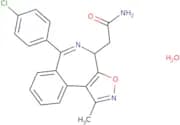
![N-[[2-[[[4-[[[(Hexyloxy)carbonyl]amino]carbonyl]phenyl]amino]methyl]-1-methyl-1H-benzimidazol-5-yl…](/_next/image/?url=https%3A%2Fstatic.cymitquimica.com%2Fproducts%2F3D%2Fthumb-webp%2FIGC23840.webp&w=3840&q=75)
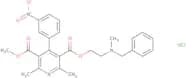
![1-[1-(4-Methoxyphenyl)-2-(methylamino)ethyl]-cyclohexanol hydrochloride](/_next/image/?url=https%3A%2Fstatic.cymitquimica.com%2Fproducts%2F3D%2Fthumb-webp%2FIM63866.webp&w=3840&q=75)
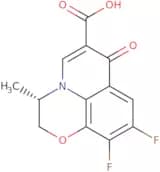
![4-Desfluoro-4-[4-(2-oxo-2,3-dihydro-1H-benzimidazol-1-yl)-3,6-dihydropyridin-1(2H)-yl] droperidol](/_next/image/?url=https%3A%2Fstatic.cymitquimica.com%2Fproducts%2F3D%2Fthumb-webp%2FWDC60417.webp&w=3840&q=75)
![N9-Des(4-acetoxy-3-(acetoxymethyl)but-1-yl) N7-[4-acetoxy-3-(acetoxymethyl)but-1-yl] famciclovir](/_next/image/?url=https%3A%2Fstatic.cymitquimica.com%2Fproducts%2F3D%2Fthumb-webp%2FGFA26615.webp&w=3840&q=75)