APIs for research and impurities
Subcategories of "APIs for research and impurities"
- Aminoacids and derivatives(12,318 products)
- Anthraquinones and derivatives(402 products)
- Benzimidazole and Imidazole Derivatives(10,390 products)
- Benzodiazepine Derivatives(326 products)
- Carbohydrates and glycoconjugates(5,044 products)
- Esters and Derivatives(42,242 products)
- Fatty Acids and Lypidic Derivatives(32,374 products)
- Flavonoids and Polyphenols(17,073 products)
- Free Radicals and Oxidant/Reducing Agents(211 products)
- Ketones and derivatives(2,399 products)
- Natural and semi-synthetic antibiotics(6,324 products)
- Nitriles and Cyano Derivatives(3,068 products)
- Nitrosamines and Derivatives(55 products)
- Nucleosides and Nucleotides(3,445 products)
- Organic Phosphates and Phosphonates(1,194 products)
- Organic Sulphonates and Sulphates(10,419 products)
- Organometallics(4,417 products)
- Others(6,269 products)
- Peptides and Proteins(3,132 products)
- Polymers and Derivatives(99 products)
- Purines and Pyrimidine Derivatives(8,898 products)
- Quinazoline and Quinoline Derivatives(65,683 products)
- Quinones and Derivatives(24,341 products)
- Salts and Derivatives of Active Pharmaceutical Ingredients (API)(81,254 products)
- Steroids and Derivatives(4,923 products)
- Sulfonamides and Derivatives(2,564 products)
- Terpenoids and Derivatives(3,835 products)
- Thiazolidinediones and Thiopyrans(2,753 products)
- β-Adrenergic Compounds(227 products)
Found 58629 products of "APIs for research and impurities"
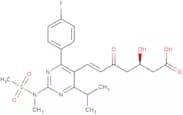
5-Oxo Rosuvastatin
CAS:5-Oxo Rosuvastatin is a drug product that has been synthesized from natural ingredients. It is an analytical standard for the impurity, 5-oxo-rosuvastatin, which is a potential impurity in the API, rosuvastatin. This drug product has been custom synthesized in order to provide an Impurity Standard for HPLC. This drug product is also used as a Synthetic Reference Standard for Drug Development and Research and Development.
Formula:C22H26FN3O6SPurity:Min. 95%Color and Shape:Off-White To Light (Or Pale) Yellow To Dark Yellow SolidMolecular weight:479.52 g/molIsopropyl (1S)-(+)-10-camphorsulfate
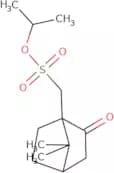
CAS:Isopropyl (1S)-(+)-10-camphorsulfate is an analytical standard that is used in the preparation of aqueous solutions with a purity of at least 99.5%. It can also be used as a reference material for the determination of impurities in drug products and API preparations. Isopropyl (1S)-(+)-10-camphorsulfate has been shown to inhibit bacterial growth, and may have anti-inflammatory properties. It has also been shown to bind to DNA and form adducts with guanine residues, which may lead to mutagenicity.
Formula:C13H22O4SPurity:Min. 95%Molecular weight:274.38 g/molRef: 3D-XJA07858
Discontinued productCiprofibrate-o-β-glucuronide
CAS:Ciprofibrate-o-β-glucuronide is the major metabolite of ciprofibrate in humans. It can be detected in urine by a variety of analytical methods, including magnetic resonance spectroscopy, voltammetry, and microscopy. Ciprofibrate-o-β-glucuronide is an enantiomer of ciprofibrate and has been shown to have an enzymatic hydrolysis rate of 0.07% per hour. This hydrolysis process is catalyzed by cytochrome P450 enzymes. Ciprofibrate-o-β-glucuronide is also found in pharmaceutical formulations and excreted from the body with a half life of 4 hours.
Formula:C19H22Cl2O9Purity:Min. 95%Molecular weight:465.3 g/molRef: 3D-CEA62315
Discontinued product1-(4-((2,4-Dimethylphenyl)thio)phenyl)piperazine hydrobromide
1-(4-((2,4-dimethylphenyl)thio)phenyl)piperazine hydrobromide is a synthetic drug that has been used in the research and development of drugs. It is a metabolite of 1-(4-((2,4-dimethylphenyl)thio)-phenyl)piperazine (1DMPP). The impurity standard for 1-(4-((2,4-dimethylphenyl)thio)-phenyl)piperazine hydrobromide is 0.5% (w/w). It has been shown to be effective in metabolism studies.Purity:Min. 95%Varenicline N-oxide
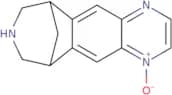
CAS:Varenicline N-oxide is a synthetic drug product. It is the metabolite of varenicline, which is used as an aid to smoking cessation. Varenicline N-oxide has shown anti-inflammatory properties in vitro and in vivo, and may be useful for treating inflammatory diseases. Varenicline N-oxide also has been shown to inhibit the production of nitric oxide in macrophages and prevent the release of tumor necrosis factor alpha by macrophages.
Formula:C13H13N3OPurity:Min. 95%Molecular weight:227.26 g/molRef: 3D-IV177544
Discontinued product2-Methoxy-5-sulfamoylbenzoic acid
CAS:2-Methoxy-5-sulfamoylbenzoic acid (2MSBA) is a reactive compound that reacts with the proton of vancomycin to form a dianion. This reaction is reversible and can be catalyzed by chloride ions. 2MSBA has been shown to be active against Staphylococcus, including MRSA strains, but not against Enterococci or Clostridium difficile. 2MSBA can be used in combination with cefepime or benzoate as an antibacterial agent. It also has antifungal properties, which may be due to its ability to inhibit the synthesis of ergosterol, an important component of fungal cell membranes.
2-Methoxy-5-sulfamoylbenzoic acid is related to fluconazole in that it contains a benzoate moiety and an amide group. These structural features confer antibacterial and antifFormula:C8H9NO5SPurity:Min. 95%Molecular weight:231.23 g/molRef: 3D-IM145487
Discontinued productN-Trityl candesartan ethyl ester
CAS:N-Trityl candesartan ethyl ester is a drug product that has been custom synthesized for research and development purposes. It is an impurity standard for the synthesis of metoprolol. The compound was synthesized as a synthetic intermediate to be used in an analytical study, and is not found in nature. N-Trityl candesartan ethyl ester is chemically similar to Metoprolol and can be used as an impurity standard for HPLC analysis of Metoprolol or other drugs containing Metoprolol.
Formula:C45H38N6O3Purity:Min. 95%Molecular weight:710.80 g/molRef: 3D-XWC98581
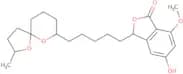
Discontinued productSpirolaxine
CAS:Spirolaxine is a coumarin derivative that has been shown to have anti-cancer properties. It was isolated from an extract of the fungus Spirolaxine, which was found in the gastroduodenum (gut) of a frog. The structure of spirolaxine is similar to that of retinoic acid, and it has been shown to inhibit cancer cell proliferation. Spirolaxine also inhibits the production of proinflammatory cytokines in mice with colitis. This drug has not yet been tested for its ability to treat other diseases, such as diabetes, but may be able to regulate blood sugar levels by inhibiting insulin secretion and increasing glucose uptake by cells.
Formula:C23H32O6Purity:Min. 95%Molecular weight:404.5 g/molRef: 3D-BFA38201
Discontinued product(4-Chlorophenyl)[4-(1-methylethoxy)phenyl]methanone
CAS:(4-Chlorophenyl)[4-(1-methylethoxy)phenyl]methanone is a drug product that is Custom synthesized to meet the requirements of pharmacopoeia, analytical, and drug development. It has been studied for its metabolism and toxicity profile in animals. This compound is a metabolite of chlorpheniramine, which is used as an antihistamine. Metabolites of this compound have also been identified in humans. The CAS Registry Number for this compound is 154356-96-4.Formula:C16H15ClO2Purity:Min. 95%Molecular weight:274.74 g/molRef: 3D-IC20310
Discontinued productAjoene
CAS:Ajoene is a natural compound that has been shown to have antimicrobial properties, as well as an ability to inhibit the growth of tumor cells. Ajoene is also a potent inhibitor of dextran sulfate proteoglycan synthesis in vitro and has been shown to produce a hypoglycemic effect in vivo. Ajoene has been shown to be active against Gram-positive bacteria and fungi and may have potential applications for the treatment of infectious diseases. Further research is needed to determine whether ajoene may be used as an antioxidant or neuroprotective agent.
Formula:C9H14OS3Purity:Min. 95%Molecular weight:234.4 g/molRef: 3D-SDA28499
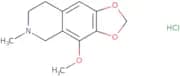
Discontinued productHydrocotarnine hydrochloride
CAS:Hydrocotarnine hydrochloride is a medicinal compound that has been found to have anticancer properties. It is an inhibitor of protein kinases, which are enzymes that play a key role in regulating cell cycle progression and apoptosis. Hydrocotarnine hydrochloride has been shown to induce apoptosis in cancer cells, making it a promising candidate for the development of novel cancer therapies. This compound has also been identified as a potential inhibitor of tumor growth in Chinese medicine. In vitro studies have demonstrated that hydrocotarnine hydrochloride inhibits the proliferation of various cancer cell lines, suggesting its potential as a therapeutic agent for the treatment of cancer.
Formula:C12H16ClNO3Purity:Min. 95%Molecular weight:257.71 g/molRef: 3D-FAA98555
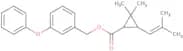
Discontinued product(+)-Cis-phenothrin
CAS:Cis-phenothrin is a carbamate insecticide that is used in agriculture, public health, and veterinary medicine. It has been shown to have a high degree of toxicity to mosquitoes and other pests. Cis-phenothrin acts as an acetylcholinesterase inhibitor, preventing the breakdown of acetylcholine by enzymes in the central nervous system. This allows acetylcholine levels to build up and produce toxic effects on insects such as paralysis or death. Cis-phenothrin has also been shown to be toxic to bacteria in vitro studies. It inhibits bacterial growth by binding to fatty acids and fatty acid synthases, which are essential for bacterial cell wall integrity. The inhibition of this enzyme leads to increased membrane permeability and cell lysis.
Formula:C23H26O3Purity:Min. 95%Molecular weight:350.4 g/molRef: 3D-BCA18688
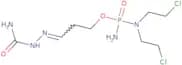
Discontinued productHydroxy cyclophosphamide semicarbazone-d4
CAS:Hydroxy cyclophosphamide semicarbazone-d4 is an analytical standard used to monitor the purity of a drug product. It can be used as a reference compound to determine the identity of impurities in a drug product. Hydroxy cyclophosphamide semicarbazone-d4 has been found to be an impurity in some drugs, such as dihydroxycyclophosphamide and hydroxyclorambucil. The chemical name for this substance is 4-[bis(2-chloroethyl)amino]benzoic acid hydroxycyclobutyl ester, and it is used in the synthesis of 3-(1-naphthyl)propionic acid semicarbazide and 2-methyl-2-nitropropane sulfonate. Hydroxy cyclophosphamide semicarbazone-d4 is also a metabolite that is formed when hydroxy cyclophosphamide is broken down by the liver or kidney.
Formula:C8H18Cl2N5O3PPurity:Min. 95%Molecular weight:334.14 g/molRef: 3D-DCA94846
Discontinued productRotigotine Impurity 18
CAS:Controlled ProductRotigotine Impurity 18 is a drug product that is an analytical standard for impurities. It is a synthetic impurity that is not found in natural sources. Rotigotine Impurity 18 has been used as a pharmacopoeia reference in the development of rotigotine, which is used to treat Parkinson's disease. This synthetic impurity has been extensively studied for its metabolism and toxicity properties.
Formula:C21H27NO2SPurity:Min. 95%Molecular weight:357.5 g/molRef: 3D-IR181651
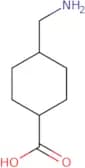
Discontinued producttrans-4-(Aminomethyl)cyclohexanecarboxylic acid
CAS:Trans-4-(aminomethyl)cyclohexanecarboxylic acid (AMCA) is a histamine antagonist that is used to treat bowel disease. It may also be useful for the treatment of other inflammatory diseases and as an anticoagulant. AMCA has been shown to be safe and effective for the prevention of postoperative bleeding in patients who are undergoing major surgery. This drug is a potent inhibitor of platelet aggregation, but does not affect the function of erythrocytes or leukocytes. AMCA inhibits platelet aggregation by blocking the binding of adenosine diphosphate (ADP) to its receptor on platelets, thus inhibiting ADP-mediated activation of phospholipase A2 and arachidonic acid release from membranes. An increase in blood levels of AMCA may lead to cardiac toxicity and bleeding events.
Formula:C8H15NO2Purity:Min. 95%Molecular weight:157.21 g/molRef: 3D-IA71533
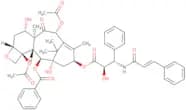
Discontinued productPaclitaxel impurity O
CAS:Paclitaxel impurity O is a synthetic drug that is used in the treatment of cancer. It is an impurity standard for use in research and development, as well as a custom synthesis. Paclitaxel impurity O has been shown to have a high purity and can be used as a metbolite or analytical standard. It has been shown to possess anti-inflammatory properties, which may be due to its ability to inhibit prostaglandin synthesis.
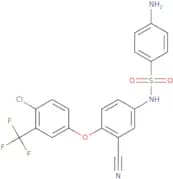
Formula:C49H53NO14Purity:Min. 95%Molecular weight:879.94 g/molLp-PLA2-IN-3
CAS:Please enquire for more information about Lp-PLA2-IN-3 including the price, delivery time and more detailed product information at the technical inquiry form on this page
Formula:C20H13ClF3N3O3SPurity:Min. 95%Molecular weight:467.8 g/molRef: 3D-WMD24516
Discontinued product2-[[4-(2-Pyridylsulfamoyl)phenyl]azo]hydroxybenzene
CAS:2-[[4-(2-Pyridylsulfamoyl)phenyl]azo]hydroxybenzene is an impurity found in sulfasalazine. It is a metabolite that is formed by the P450 system in the liver. The metabolic process of 2-[[4-(2-Pyridylsulfamoyl)phenyl]azo]hydroxybenzene has been studied in detail and has been shown to be a major contributor to the pharmacokinetic profile of sulfasalazine. This substance also exhibits antimicrobial activity and inhibits the growth of bacteria, fungi, and viruses.
Formula:C17H14N4O3SPurity:Min. 95%Molecular weight:354.38 g/molRef: 3D-IP27340
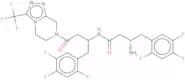
Discontinued productSitagliptin Hydrazine Diamide impurity
CAS:Sitagliptin Hydrazine Diamide impurity is an analytical reference material that has been manufactured in accordance with the requirements of the United States Pharmacopeia (USP) and the European Pharmacopoeia (EP). The material is a white to off-white crystalline powder. It has a purity of 99.9% with a specific gravity of 1.06 g/cm3 and a melting point of 176-177°C. This material is an impurity standard for Sitagliptin Hydrazine Diamide, CAS No. 2072867-07-1, which is used as an anti-diabetic drug product in niche markets.
Formula:C26H23F9N6O2Purity:Min. 95%Molecular weight:622.49 g/molRef: 3D-IS106474
Discontinued product1-[1-(4-Methoxyphenyl)-2-(methylamino)ethyl]-cyclohexanol hydrochloride
CAS:1-[1-(4-Methoxyphenyl)-2-(methylamino)ethyl]-cyclohexanol hydrochloride is a drug product that is not yet approved for use in humans. It is an impurity found in the drug cyclosporine, which is used to treat psoriasis and other skin conditions. 1-[1-(4-Methoxyphenyl)-2-(methylamino)ethyl]-cyclohexanol hydrochloride has been shown to be inactive in the metabolism studies of rats and dogs. This impurity was detected by HPLC with UV detection at 254 nm, but it did not show any significant absorption at 280 nm. The purity of this compound was determined to be 97% by NMR analysis and HPLC.
Formula:C16H25NO2·HClPurity:Min. 95%Molecular weight:299.84 g/molRef: 3D-IM63866
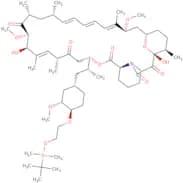
Discontinued product42-o-tert-Butyldimethylsilyloxyethyl rapamycin
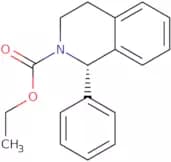
CAS:Rapamycin is a natural product from Streptomyces hygroscopicus. It has been shown to inhibit T- and B-lymphocyte proliferation, induce apoptosis of lymphocytes, and suppress both humoral and cell-mediated immune responses. Rapamycin is also an immunosuppressant that decreases the incidence of rejection in organ transplant patients. Rapamycin is used as a drug product in the form of a sterile solution for injection. The purity of rapamycin should be at least 99%, with less than 1% impurities, such as 42-O-tert-butyldimethylsilyloxyethyl rapamycin (TBDMS). Rapamycin is not currently available on the market as an API, but it may be custom synthesized for research purposes or for clinical trials.Formula:C59H97NO14SiPurity:Min. 95%Molecular weight:1,072.49 g/molEthyl (S)-1-phenyl-1,2,3,4-tetrahydro-2-isoquinolinecarboxylate
CAS:Ethyl (S)-1-phenyl-1,2,3,4-tetrahydro-2-isoquinolinecarboxylate is an analytical standard used to identify impurities in drug products. It is a metabolite of the drug product and has been shown to be safe for human consumption. The compound is a synthetic chemical that is not found naturally in the environment. CAS No. 180468-42-2
Formula:C18H19NO2Purity:Min. 95%Molecular weight:281.35 g/molRef: 3D-IE71486
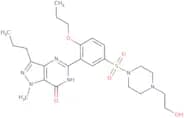
Discontinued productPropoxyphenyl homohydroxysildenafil
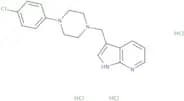
CAS:Propoxyphenyl homohydroxysildenafil is a preparative mass spectrometric analysis of the metabolite of sildenafil, which is a phosphodiesterase type 5 inhibitor. It has been shown to increase the flow rate in rats with an experimental pulmonary hypertension. The product ions of propoxyphenyl homohydroxysildenafil are m/z 409.3, 417.2, and 419.2, and its pharmacological study has been conducted on tadalafil and isobutyl.Formula:C24H34N6O5SPurity:Min. 95%Molecular weight:518.6 g/molL-745,870 Trihydrochloride
CAS:L-745,870 is a subchronic atypical antipsychotic agent that is a potent D4 receptor agonist. Its efficacy in treating various mental disorders has been demonstrated in clinical studies with animals. L-745,870 has shown antidyskinetic activity in animal models of Parkinson's disease and dyskinesia. The molecular target for this drug is the dopamine D4 receptor. Clinical development of L-745,870 has begun in human studies.
Formula:C18H22Cl4N4Purity:Min. 95%Molecular weight:436.2 g/molRef: 3D-RJB02103
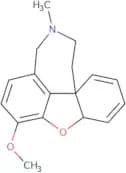
Discontinued productAnhydro galanthamine
CAS:Controlled ProductAnhydro galanthamine is a drug product that is custom synthesized to meet the needs of researchers. The purity of this compound can range from 99% to 99.99%. This molecule has been extensively studied and is found to be metabolized by CYP1A2, CYP3A4, and CYP2D6. Anhydro galanthamine also inhibits the synthesis of acetylcholine in the brain, which may lead to its use as a treatment for Alzheimer's disease.
Formula:C17H19NO2Purity:Min. 95%Molecular weight:269.34 g/molRef: 3D-PBB99565
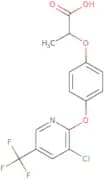
Discontinued productHaloxyfop-d4
CAS:Haloxyfop-d4 is an analog of the herbicide Haloxyfop that has been shown to have anticancer properties. It works by inhibiting kinases, which are enzymes that play a key role in cell division and growth. This inhibition leads to apoptosis, or programmed cell death, in cancer cells. Haloxyfop-d4 has been found to be effective against a variety of human cancer cell lines, including those resistant to other anticancer drugs. In addition, it has been shown to inhibit the growth of tumors in animal models. This drug is metabolized in the liver and excreted in urine. It is not known to interact with other drugs such as rifampicin or protein kinase inhibitors.
Formula:C15H11ClF3NO4Purity:Min. 95%Molecular weight:365.72 g/molRef: 3D-CFA89334
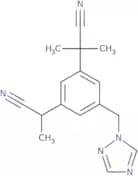
Discontinued productAlpha-Desmethyl anastrozole
CAS:Alpha-Desmethyl anastrozole is a synthetic chemical that has been used as an impurity standard for the drug product, Anastrozole (Arimidex). This compound is metabolized in humans and is a metabolite of Arimidex. Alpha-Desmethyl anastrozole exhibits high purity and can be synthesized using custom synthesis. The CAS number for this compound is 1215780-15-6.
Formula:C16H17N5Purity:Min. 95%Molecular weight:279.34 g/molRef: 3D-ID21236
Discontinued productEthyl 6-[4-[(5-chloro-1-oxopentyl)amino]phenyl]-4,5,6,7-tetrahydro-1-(4-methoxyphenyl)-7-oxo-1H-pyrazolo[3,4-c]pyridine-3-carboxylat e
CAS:Ethyl 6-[4-[(5-chloro-1-oxopentyl)amino]phenyl]-4,5,6,7-tetrahydro-1-(4-methoxyphenyl)-7-oxo-1H-pyrazolo[3,4-c]pyridine-3-carboxylate is a chemical compound with various applications. It is soluble in methanol and has been found to interact with peptidoglycan, cellulose, and other substances. This compound has shown potential anticoagulation properties and has been studied for its effects on blonanserin, etoricoxib, 27-hydroxycholesterol, tenofovir, proton, famotidine, dimethyl fumarate, calpain, dimethyl sulfoxide, and reactive agents. Further research is needed to fully understand the potential applications of this compound and its interactions with different substances.
Formula:C27H29ClN4O5Purity:Min. 95%Molecular weight:525 g/molRef: 3D-WGC82320
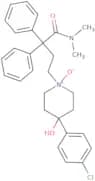
Discontinued productLoperamide N-oxide
CAS:Loperamide N-oxide is an analog of loperamide, which is commonly used as an anti-diarrheal medication. It has been shown to have potential anti-cancer properties by inducing apoptosis in cancer cells. Loperamide N-oxide has also been detected in urine samples from Chinese individuals, indicating its potential use as a biomarker for cancer diagnosis. This compound has been found to inhibit trypsin-like kinases, which are enzymes involved in cell division and proliferation. In addition, loperamide N-oxide has been shown to inhibit the growth of tumor cells and may have potential as a therapeutic agent for cancer treatment. However, it should be noted that rifampicin and other inhibitors can reduce the effectiveness of loperamide N-oxide against cancer cells. Further research is needed to fully understand the potential benefits and limitations of this compound.
Formula:C29H33ClN2O3Purity:Min. 95%Molecular weight:493 g/molRef: 3D-SIA47103
Discontinued productBinospirone hydrochloride
CAS:Binospirone hydrochloride is a drug product that is used in the treatment of depression. It belongs to the class of antidepressants and has been shown to be effective against major depressive disorder (MDD). Binospirone hydrochloride is metabolized by cytochrome P450 enzymes into two metabolites: 3-hydroxybinospirone and 2,3-dihydroxybinospirone. The natural form of binospirone hydrochloride is synthesized from tyrosine and phenylalanine. It is also found as an impurity in other pharmaceuticals, such as clomipramine, amitriptyline, and fluoxetine. It has been shown that this compound binds to the serotonin transporter (SERT) at high affinity. This binding inhibits the reuptake of serotonin from synapses, leading to increased extracellular concentrations of serotonin.
Formula:C20H27ClN2O4Purity:Min. 95%Molecular weight:394.9 g/molRef: 3D-CEA90860
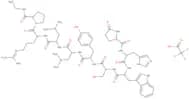
Discontinued productLeuprolide acetate ep impurity F
CAS:Leuprolide acetate ep impurity F is a drug product that is an impurity standard for the leuprolide acetate API. It is used in analytical and clinical studies to identify the presence of leuprolide acetate impurities, as well as to determine the metabolism of leuprolide acetate. Leuprolide acetate ep impurity F has been shown to be a natural metabolite of leuprolide acetate and have a niche application in pharmacopoeia.
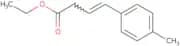
Formula:C61H85F3N16O14Purity:Min. 95%Molecular weight:1,323.4 g/molDioctyl carbonate
CAS:Dioctyl carbonate is a pharmaceutical preparation used to treat skin conditions. It is a fatty acid ester of carbonic and carbonyl groups in which the two esters are in the same molecule. Dioctyl carbonate is a reaction product obtained by reacting an inorganic acid, such as hydrochloric acid or sulfuric acid, with an alcohol containing two hydroxyl groups and one double bond. This reaction may be facilitated by heating. The film-forming polymer may be polyvinylpyrrolidone, polyvinyl alcohol, or polyacrylic acid. Dioctyl carbonate has been shown to stimulate colony-stimulating factor production and inhibit the proliferation of human epidermal keratinocytes.
Formula:C17H34O3Purity:Min. 95%Color and Shape:Clear LiquidMolecular weight:286.4 g/molAlpha-amino-4-octylbenzenebutanoic acid
CAS:Alpha-amino-4-octylbenzenebutanoic acid is an impurity standard for pharmacopoeia and drug development. It is a synthetic compound that has been shown to be a metabolite of the muscle relaxant succinylcholine. Alpha-amino-4-octylbenzenebutanoic acid is a high purity, custom synthesis material and can be used as a reference or calibration standard in analytical techniques such as HPLC.
Formula:C18H29NO2Purity:Min. 95%Molecular weight:291.40 g/molRef: 3D-WYA82019
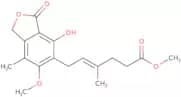
Discontinued productMethyl mycophenolate impurity E
CAS:Methyl mycophenolate impurity E is a reactive, propargylamine-containing, monosodium salt with immunosuppressive properties. It is used in the treatment of cancer by inhibiting the production of white blood cells, which are needed to fight infection. Methyl mycophenolate impurity E has shown antitumor activity and can be used for the treatment of some types of cancer. It is metabolized in vivo to methyl mycophenolate and inhibits protein synthesis by alkylating DNA.
Formula:C18H22O6Purity:Min. 95%Color and Shape:White PowderMolecular weight:334.36 g/molRef: 3D-IM25526
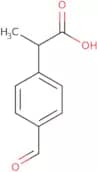
Discontinued product2-(4-Formylphenyl)propionic acid - Racemic
CAS:2-(4-Formylphenyl)propionic acid is a racemic mixture of 2-formylphenylacetic acid and 4-formylphenylacetic acid. This compound is used in the treatment of bacterial infections and inflammation. It is an organic solution that can be injected, administered orally, or applied topically. The 2-(4-formylphenyl)propionic acid has been shown to have anti-inflammatory properties, but also has side effects such as skin irritation when it is applied topically. This drug can also cause nausea, vomiting, and diarrhea when administered orally.
Formula:C10H10O3Purity:Min. 95%Color and Shape:White PowderMolecular weight:178.18 g/molRef: 3D-IF27430
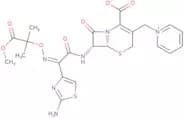
Discontinued productCeftazidime impurity H
CAS:Ceftazidime impurity H is a by-product that can be found in the synthesis of ceftazidime. It has been detected using magnetic separation and UV detection. Ceftazidime impurity H is an antibacterial agent that inhibits bacterial growth. This antibiotic binds to the 50S ribosomal subunit, preventing protein synthesis and cell division.
Formula:C23H24N6O7S2Purity:Min. 95%Molecular weight:560.6 g/molRef: 3D-IC63721
Discontinued product9-Epimitomycin B
CAS:9-Epimitomycin B is a water-soluble, alkoxy-substituted amino compound that is used medicinally. It has antibacterial activity and has been shown to be effective against Gram-positive bacteria such as Staphylococcus aureus, Streptococcus pyogenes, and Enterococcus faecalis. 9-Epimitomycin B inhibits the growth of these bacteria by binding to their ribosomes and inhibiting protein synthesis. The carbon atoms in 9-epimitomycin B are linked to an alkoxy group at one end, which causes it to have a higher affinity for bacterial ribosomes than human ribosomes. 9-Epimitomycin B also binds to mitomycin C, which may be responsible for its antimetabolite properties.
Formula:C16H19N3O6Purity:Min. 95%Molecular weight:349.34 g/molRef: 3D-NAA16490
Discontinued productN9-Des(4-acetoxy-3-(acetoxymethyl)but-1-yl) N7-[4-acetoxy-3-(acetoxymethyl)but-1-yl] famciclovir
CAS:N9-Des(4-acetoxy-3-(acetoxymethyl)but-1-yl) N7-[4-acetoxy-3-(acetoxymethyl)but-1-yl] famciclovir is an analytical standard that is used for drug development and as an impurity in the production of famciclovir. It has a purity of 99.0% and a melting point of 176°C. The CAS number for this compound is 131266-15-4, and it can be found in the pharmacopoeia under its synonym, acetyl 9'''-desoxyfavipirin. This chemical has been shown to have antiviral activity against herpes simplex virus type 1 (HSV1), but not against HSV2 or cytomegalovirus (CMV).
Formula:C14H19N5O4Purity:Min. 95%Molecular weight:321.33 g/molRef: 3D-GFA26615
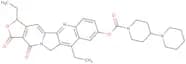
Discontinued productIrinotecan lactone impurity
CAS:Irinotecan is a drug product that is used in the treatment of cancer. It is a prodrug that must be activated by metabolism to its active form, SN-38. Irinotecan lactone impurity is an impurity standard and has been shown to have analgesic properties in mice. It has also been shown to inhibit the growth of colon cancer cells.
Formula:C32H36N4O5Purity:Min. 95%Molecular weight:556.7 g/molRef: 3D-II180814
Discontinued productElsinochrome A
CAS:Elsinochrome A is a drug product that has not been approved for human use. It belongs to the class of drugs called natural products and has not been synthesized. Elsinochrome A is a metabolite of erythromycin, which is produced by the fungus Elsinoë sp. The chemical structure of this natural product was determined using spectral analysis, and it was found to be similar to the antibiotic erythromycin. Elsinochrome A has shown promising results in pharmacological studies as a potential drug candidate for tuberculosis treatment because it inhibits bacterial growth by binding to DNA-dependent RNA polymerase, thereby preventing transcription and replication.
Formula:C30H24O10Purity:Min. 95%Molecular weight:544.50 g/molRef: 3D-ZAA56867
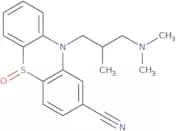
Discontinued productCyamemazine sulfoxide
CAS:Cyamemazine sulfoxide is a histamine H1 receptor antagonist. It has been shown to have strong affinity for the serotonin 5-HT2C and dopamine D2 receptors, as well as the atrial 5-HT2A receptors. Cyamemazine sulfoxide has a low oral bioavailability of about 10% and is metabolized in the liver to cyamemazine and its active form, cyamemazine sulfoxide. Cyamemazine sulfoxide binds to serotonin 5-HT2C receptors with a high affinity, which leads to inhibition of serotonin release from nerve endings in the brain. This drug also inhibits dopamine release from nerve endings in the brain and has been shown to have cardiac effects on heart rate and contractility.
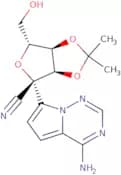
Formula:C19H21N3OSPurity:Min. 95%Molecular weight:339.46 g/molRemdesivir related compound 7
CAS:Remdesivir related compound 7 is a drug product that is being synthesized for use in research and development. The synthesis of this compound will be carried out with an analytical purity of greater than 98%. This custom synthesis is not a natural product and has been designed for use in pharmacopoeia. Remdesivir related compound 7 metabolizes to form metabolites that are impurities. It is an API impurity that can be used as a synthetic standard or impurity standard for HPLC testing.
Formula:C15H17N5O4Purity:Min. 95%Molecular weight:331.33 g/molRef: 3D-IR177096
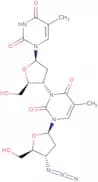
Discontinued product3'-[3-(3-Azido-2,3-dideoxy-b-D-erythro-pentofuranosyl)-3,6-dihydro-5-methyl-2,6-dioxo-1(2H)-pyrimidinyl]-3'-deoxy-thymidine
CAS:3'-[3-(3-Azido-2,3-dideoxy-b-D-erythro-pentofuranosyl)-3,6-dihydro-5-methyl-2,6-dioxo-1(2H)-pyrimidinyl]-3'-deoxythymidine is an analytical standard used in the R&D and drug development of 3'-azido derivatives of thymidine. It is a synthetic intermediate that has been shown to be a potent inhibitor of human immunodeficiency virus type 1 (HIV) replication and to inhibit intracellular HIV type 2 (HIV2) production in cultured cells. 3'-[3-(3-Azido-2,3,-dideoxy--b erythro--pentofuranosyl)-3,6--dihydro--5--methyl--2,6--dioxo--1(2H)--pyrimidinyl]-
Formula:C20H25N7O8Purity:95%NmrMolecular weight:491.45 g/moltert-Butyl 4-(4-amino-6,7-dimethoxyquinazolin-2-yl)piperazine-1-carboxylate
CAS:tert-Butyl 4-(4-amino-6,7-dimethoxyquinazolin-2-yl)piperazine-1-carboxylate is an impurity that is found in the production of tert-butyl 4-(4,5,6,7,8,9,10-hexahydrobenzo[a]pyrido[1,2:4,3]triazin-2(3H)-yl)piperazine-1 carboxylate. It has been used as a reference standard for HPLC. This compound is not active when administered orally and does not exhibit any pharmacological activity.Formula:C19H27N5O4Purity:Min. 95%Molecular weight:389.4 g/molRef: 3D-KAC93966
Discontinued productN-Formyl Saxagliptin
N-Formyl Saxagliptin is an analytical standard for HPLC. It is used as a drug development and API impurity in the pharmaceutical industry. It was synthesized by reacting formaldehyde with the amino acid L-glutamic acid, followed by purification to remove any other contaminants. The CAS number for this chemical is 57847-82-0.
Purity:Min. 95%Ref: 3D-IF162360
Discontinued product(6R)-Folinic acid
CAS:(6R)-Folinic acid is an impurity standard and a metabolite of folic acid. It is synthesized by the body in the liver, where it is converted to 5,10-methylenetetrahydrofolate (5,10-MTHF). This metabolite is used to convert homocysteine into methionine, which can then be converted into S-adenosylmethionine (SAMe), a compound that has been shown to have antidepressant properties. The methylation of folate also helps to regulate DNA synthesis and repair. (6R)-Folinic acid has been used in research as a drug development tool for studying folate metabolism and its effects on the central nervous system. High purity standards are available for use in HPLC analysis of this compound.
Formula:C20H23N7O7Purity:Min. 95%Molecular weight:473.40 g/molRef: 3D-YCA95154
Discontinued product(+/-)N-Methyl-y-[3-(trifluoromethyl)-phenoxy]benzenepropanamine hydrochloride
CAS:N-Methyl-y-[3-(trifluoromethyl)-phenoxy]benzenepropanamine hydrochloride is a synthetic drug product that has been shown to be metabolized in humans. It is an impurity standard for HPLC and analytical methods. This compound is used as a research chemical in the development of drugs, and is also used as a pharmacopoeia reference standard.Formula:C17H18F3NO·HClPurity:Min. 95%Molecular weight:345.79 g/molRef: 3D-IM58072
Discontinued productOzagrel impurity III
CAS:Please enquire for more information about Ozagrel impurity III including the price, delivery time and more detailed product information at the technical inquiry form on this page
Formula:C13H16O2Purity:Min. 95%Molecular weight:204.26 g/molRef: 3D-JIA33421
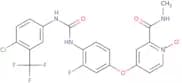
Discontinued productRegorafenib metabolite M2 oxide
CAS:Regorafenib metabolite M2 oxide (M2O) is a cancer drug that is an inhibitor of multikinase. It was developed as a prodrug for regorafenib, which is used to treat patients with metastatic colorectal cancer and has been shown to be effective against other cancers, such as lung and pancreatic cancer. M2O inhibits the efflux of drugs from cells by binding to the transporter protein P-glycoprotein. This prevents the accumulation of toxic concentrations of regorafenib in cells, which are responsible for its side effects, such as diarrhea and liver damage. The uptake of M2O by cells is also inhibited by light and acidic conditions. Oral administration of M2O leads to increased exposure to regorafenib in the body because it is not metabolized by CYP3A4 enzymes.
Formula:C21H15ClF4N4O4Purity:Min. 95%Molecular weight:498.81 g/molRef: 3D-IR164114
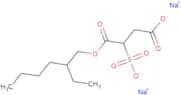
Discontinued productDisodium monooctyl sulfosuccinate
CAS:Disodium monooctyl sulfosuccinate (DSMS) is a sodium-based surfactant that is used as an excipient in tablets and capsules. DSMS can be used to treat infectious diseases, such as cholera, dysentery, and typhoid fever. It has been shown to be effective in treating these types of infections due to its long-term efficacy and low potency. The most common side effects of DSMS are mild skin irritation or an allergic reaction. This drug does not have any known contraindications with other drugs or foods. It is also biocompatible with a variety of polymers and fatty acids.
Formula:C12H20Na2O7SPurity:Min. 95%Molecular weight:354.33 g/molRef: 3D-LDA87853
Discontinued product


![(4-Chlorophenyl)[4-(1-methylethoxy)phenyl]methanone](/_next/image/?url=https%3A%2Fstatic.cymitquimica.com%2Fproducts%2F3D%2Fthumb-webp%2FIC20310.webp&w=3840&q=75)

![2-[[4-(2-Pyridylsulfamoyl)phenyl]azo]hydroxybenzene](/_next/image/?url=https%3A%2Fstatic.cymitquimica.com%2Fproducts%2F3D%2Fthumb-webp%2FIP27340.webp&w=3840&q=75)
![1-[1-(4-Methoxyphenyl)-2-(methylamino)ethyl]-cyclohexanol hydrochloride](/_next/image/?url=https%3A%2Fstatic.cymitquimica.com%2Fproducts%2F3D%2Fthumb-webp%2FIM63866.webp&w=3840&q=75)
![Ethyl 6-[4-[(5-chloro-1-oxopentyl)amino]phenyl]-4,5,6,7-tetrahydro-1-(4-methoxyphenyl)-7-oxo-1H-py…](/_next/image/?url=https%3A%2Fstatic.cymitquimica.com%2Fproducts%2F3D%2Fthumb-webp%2FWGC82320.webp&w=3840&q=75)


![N9-Des(4-acetoxy-3-(acetoxymethyl)but-1-yl) N7-[4-acetoxy-3-(acetoxymethyl)but-1-yl] famciclovir](/_next/image/?url=https%3A%2Fstatic.cymitquimica.com%2Fproducts%2F3D%2Fthumb-webp%2FGFA26615.webp&w=3840&q=75)

![(+/-)N-Methyl-y-[3-(trifluoromethyl)-phenoxy]benzenepropanamine hydrochloride](/_next/image/?url=https%3A%2Fstatic.cymitquimica.com%2Fproducts%2F3D%2Fthumb-webp%2FIM58072.webp&w=3840&q=75)