APIs for research and impurities
Subcategories of "APIs for research and impurities"
- Aminoacids and derivatives(12,316 products)
- Anthraquinones and derivatives(402 products)
- Benzimidazole and Imidazole Derivatives(10,375 products)
- Benzodiazepine Derivatives(323 products)
- Carbohydrates and glycoconjugates(5,038 products)
- Esters and Derivatives(42,239 products)
- Fatty Acids and Lypidic Derivatives(32,360 products)
- Flavonoids and Polyphenols(17,066 products)
- Free Radicals and Oxidant/Reducing Agents(208 products)
- Ketones and derivatives(2,393 products)
- Natural and semi-synthetic antibiotics(6,307 products)
- Nitriles and Cyano Derivatives(3,068 products)
- Nitrosamines and Derivatives(55 products)
- Nucleosides and Nucleotides(3,409 products)
- Organic Phosphates and Phosphonates(1,192 products)
- Organic Sulphonates and Sulphates(10,415 products)
- Organometallics(4,417 products)
- Others(6,257 products)
- Peptides and Proteins(3,129 products)
- Polymers and Derivatives(99 products)
- Purines and Pyrimidine Derivatives(8,889 products)
- Quinazoline and Quinoline Derivatives(65,574 products)
- Quinones and Derivatives(24,334 products)
- Salts and Derivatives of Active Pharmaceutical Ingredients (API)(81,501 products)
- Steroids and Derivatives(4,905 products)
- Sulfonamides and Derivatives(2,539 products)
- Terpenoids and Derivatives(3,827 products)
- Thiazolidinediones and Thiopyrans(2,752 products)
- β-Adrenergic Compounds(227 products)
Found 58881 products of "APIs for research and impurities"
Ethyl 6-[4-[(5-chloro-1-oxopentyl)amino]phenyl]-4,5,6,7-tetrahydro-1-(4-methoxyphenyl)-7-oxo-1H-pyrazolo[3,4-c]pyridine-3-carboxylat e
CAS:Ethyl 6-[4-[(5-chloro-1-oxopentyl)amino]phenyl]-4,5,6,7-tetrahydro-1-(4-methoxyphenyl)-7-oxo-1H-pyrazolo[3,4-c]pyridine-3-carboxylate is a chemical compound with various applications. It is soluble in methanol and has been found to interact with peptidoglycan, cellulose, and other substances. This compound has shown potential anticoagulation properties and has been studied for its effects on blonanserin, etoricoxib, 27-hydroxycholesterol, tenofovir, proton, famotidine, dimethyl fumarate, calpain, dimethyl sulfoxide, and reactive agents. Further research is needed to fully understand the potential applications of this compound and its interactions with different substances.
Formula:C27H29ClN4O5Purity:Min. 95%Molecular weight:525 g/molRef: 3D-WGC82320
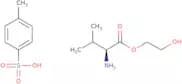
Discontinued productL-Valine 2-hydroxyethyl ester tosylate
CAS:L-Valine 2-hydroxyethyl ester tosylate (L-V2HT) is a drug product that is synthesized by custom synthesis. It has high purity, analytical, and natural properties. L-V2HT is metabolized through a number of metabolic transformations, including hydrolysis by esterases or glucuronidases, oxidation by cytochrome P450 enzymes, reduction by glutathione reductase, or conjugation with glucuronic acid. The active form of L-V2HT is metabolized through a number of metabolic transformations, including hydrolysis by esterases or glucuronidases, oxidation by cytochrome P450 enzymes, reduction by glutathione reductase, or conjugation with glucuronic acid. L-V2HT also specifically binds to markers expressed at high levels in Mycobacterium tuberculosis strains (e.g., ESX-1 secretion system protein) and inhibits cell
Formula:C14H23NO6SPurity:Min. 95%Molecular weight:333.4 g/molRef: 3D-IV178763
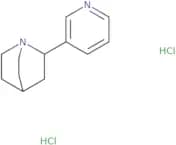
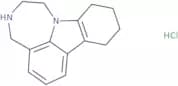
Discontinued productRjr 2429 dihydrochloride
CAS:Rjr 2429 dihydrochloride is a tumor promoter that has been shown to induce tumor growth in tissues and in cell culture. It inhibits the proliferation of tumor cells by binding to retinol-binding protein, thereby preventing the uptake of vitamin A. Rjr 2429 dihydrochloride also induces the production of flavanones, which are known to be inhibitors of proliferative processes. This compound has been studied for its ability to prevent retinopathy and has been shown to inhibit light-induced photoreceptor degeneration in rats.
Formula:C12H18Cl2N2Purity:Min. 95%Molecular weight:261.19 g/molRef: 3D-WQB41853
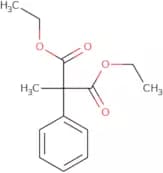
Discontinued productDiethyl methylphenylmalonate
CAS:Diethyl methylphenylmalonate is a halogenated organic compound that can be prepared by the reaction of magnesium with diethyl malonate and methylbromide. Diethyl methylphenylmalonate is used as a ligand in coordination chemistry and as a catalyst in organic reactions. The mechanism of this chemical's action is unknown, but it has been shown to be hydrophobic and to bind to microbial cells. It also has been demonstrated to have an oxidation catalyst activity. Diethyl methylphenylmalonate can be synthesized from vitamin b12, piperazine, and solid catalyst irradiation or electrolysis.
Formula:C14H18O4Purity:Min. 95%Molecular weight:250.29 g/molRef: 3D-JBA00961
Discontinued productPirtenidine
CAS:Pirtenidine is a potent and selective kinase inhibitor that has been shown to inhibit the activity of cyclin-dependent kinases. It has demonstrated promising results in preclinical studies as an anticancer agent, inducing apoptosis in cancer cells. Pirtenidine is an analog of protein kinase inhibitors, which have been used to treat various types of tumors. It has been found to be effective against human cancer cell lines and has shown significant tumor growth inhibition in animal models. Pirtenidine has also been reported to be a potent urine inhibitor of Chinese hamster ovary cells, making it a promising candidate for the treatment of urinary tract cancers.
Formula:C21H38N2Purity:Min. 95%Molecular weight:318.5 g/molRef: 3D-DEA92327
Discontinued productPravastatin 6-oxo Impurity
CAS:Pravastatin 6-oxo Impurity is an impurity of Pravastatin, a drug used in the treatment of high cholesterol. The impurity has been identified through analytical methods and is characterized by HPLC analysis. This substance has been shown to be present in at least 0.1% of the drug product and may be present as a result of incomplete synthesis or a side-reaction during synthesis.
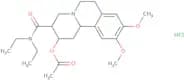
Formula:C23H34O7Purity:Min. 95%Molecular weight:422.51 g/molBenzquinamide hydrochloride
CAS:Controlled ProductBenzquinamide hydrochloride is a cardiac diagnostic agent that is used in the diagnosis of coronary artery disease. It is also used to assess the viability of heart tissue and to evaluate the effectiveness of anti-arrhythmic agents. Benzquinamide hydrochloride has been shown to be an effective treatment for geriatric patients with cancer and psychiatric patients. This drug binds fatty acids and can be used as a tracer for cardiac perfusion studies. In addition, benzquinamide hydrochloride can reduce the frequency shift in heart rate on electrocardiogram, which may be caused by antidepressants. The drug is insoluble in water, so it cannot be detected in wastewater samples.
Formula:C22H33ClN2O5Purity:Min. 95%Molecular weight:441 g/molRef: 3D-AAA11369
Discontinued product6-o-Desmethyl moxonidine
CAS:6-O-Desmethyl moxonidine is a drug product that is a metabolite of the parent compound, moxonidine. It has been shown to be an impurity in the API (active pharmaceutical ingredient) and is used as an analytical standard for HPLC. 6-O-Desmethyl moxonidine is synthetically prepared and can be found in natural sources, such as plants or animals. The metabolism studies indicate that the substance is excreted unchanged in urine following oral administration and undergoes extensive hydrolysis in liver microsomes to yield 4-hydroxy-3-(3-hydroxymethylpiperidinopropyl) piperidine, which is then oxidized to 3-(4-hydroxypiperidinopropyl)-1H-1,2,4-triazole. This product may cause skin irritation.
Formula:C8H10ClN5OPurity:Min. 95%Molecular weight:227.65 g/molRef: 3D-CPA45733
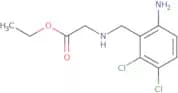
Discontinued productEthyl 2-(6-amino-2,3-dichlorobenzyl)glycine
CAS:Ethyl 2-(6-amino-2,3-dichlorobenzyl)glycine is a drug product with a CAS number of 70406-92-7. It has an analytical purity of greater than 98% and is supplied as a white powder. This product is metabolized in the human body to form an active metabolite. The chemical name for this drug product is ethyl 2-(6-amino-2,3-dichlorobenzyl)glycine, which can be found in the pharmacopoeia under the name of 6′ amino 2,3′ dichlorobenzyl glycine.
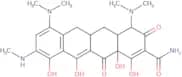
Formula:C11H14Cl2N2O2Purity:Min. 95%Molecular weight:277.15 g/molMinocycline EP Impurity H
CAS:Please enquire for more information about Minocycline EP Impurity H including the price, delivery time and more detailed product information at the technical inquiry form on this page
Formula:C23H25N3O7Purity:Min. 95%Molecular weight:455.47 g/mol2-[[4-(2-Pyridylsulfamoyl)phenyl]azo]hydroxybenzene
CAS:2-[[4-(2-Pyridylsulfamoyl)phenyl]azo]hydroxybenzene is an impurity found in sulfasalazine. It is a metabolite that is formed by the P450 system in the liver. The metabolic process of 2-[[4-(2-Pyridylsulfamoyl)phenyl]azo]hydroxybenzene has been studied in detail and has been shown to be a major contributor to the pharmacokinetic profile of sulfasalazine. This substance also exhibits antimicrobial activity and inhibits the growth of bacteria, fungi, and viruses.
Formula:C17H14N4O3SPurity:Min. 95%Molecular weight:354.38 g/molRef: 3D-IP27340
Discontinued product9-(1,3-Dioxolan-2-ylmethyl)-3,9-dihydro-1,3-dimethyl-1H-purine-2,6-dione
CAS:9-(1,3-Dioxolan-2-ylmethyl)-3,9-dihydro-1,3-dimethyl-1H-purine-2,6-dione is a metabolite of the drug 9-(1,3-Dioxolan-2-ylmethyl)-1,3,9 dihydrobenzo[g]pteridine. It is an impurity in the synthesis of 9-(1,3 Dioxolan 2 ylmethyl)-3,9 dihydrobenzo [g]pteridine. The purity of this compound is > 99%, with a melting point range of 233 to 235 °C and a molecular weight of 244.24 g/mol. It is soluble in methanol and acetonitrile. This compound has been characterized by IR spectroscopy (ATR), 1H NMR (400 MHz) spectroscopy (CDCl 3 ), and mass spectrometry (HRMS
Formula:C11H14N4O4Purity:Min. 95%Molecular weight:266.25 g/molRef: 3D-ZWB28918
Discontinued product(3R)-3,6-Dihydro-2H-1,4-thiazine-3,5-dicarboxylic Acid 3-Ethyl Ester
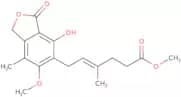
CAS:The chemical name for (3R)-3,6-Dihydro-2H-1,4-thiazine-3,5-dicarboxylic acid 3-ethyl ester-d5 is 2-(2-(pyrrolidin-1-yl)ethoxy)ethanol. This compound is a drug product that has been custom synthesized and purified by HPLC. It is an analytical standard and impurity standard for HPLC. The CAS number for this compound is 944115-20-2.Formula:C8H6D5NO4SPurity:Min. 95%Molecular weight:222.27 g/molMethyl mycophenolate impurity E
CAS:Methyl mycophenolate impurity E is a reactive, propargylamine-containing, monosodium salt with immunosuppressive properties. It is used in the treatment of cancer by inhibiting the production of white blood cells, which are needed to fight infection. Methyl mycophenolate impurity E has shown antitumor activity and can be used for the treatment of some types of cancer. It is metabolized in vivo to methyl mycophenolate and inhibits protein synthesis by alkylating DNA.
Formula:C18H22O6Purity:Min. 95%Color and Shape:White PowderMolecular weight:334.36 g/molRef: 3D-IM25526
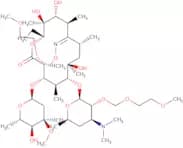
Discontinued productRoxithromycin impurity I
CAS:Roxithromycin impurity I is a natural metabolite of roxithromycin. The substance has been synthesized in order to serve as an analytical impurity standard for HPLC. Roxithromycin impurity 1 is also a metabolite of roxithromycin, which has been shown to produce pharmacological effects similar to those seen with the parent compound. Roxithromycin impurity I is not an API, but has been developed as a HPLC analytical impurity standard and will be used for metabolism studies.
Formula:C45H84N2O17Purity:Min. 95%Color and Shape:PowderMolecular weight:925.15 g/molRef: 3D-IR106455
Discontinued productRemdesivir impurity 3 HCl
CAS:Remdesivir impurity 3 HCl is a drug product that is a metabolite of Remdesivir. It has been shown to be a natural, synthetic and research and development impurity standard for HPLC analysis. CAS No.: 2096981-79-0
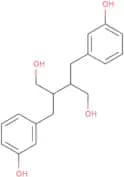
Formula:C9H19NO2·HClPurity:Min. 95%Molecular weight:209.71 g/molrac Enterodiol-d6
CAS:Racemic Enterodiol-d6 is a high purity synthetic racemic compound that is used as an impurity standard for use in HPLC. The CAS number for Racemic Enterodiol-d6 is 104411-12-3. Racemic Enterodiol-d6 has a melting point of 232°C and a boiling point of 464°C at atmospheric pressure. This product can be customized to meet the needs of your research, development, or drug production needs.
Formula:C18H22O4Purity:Min. 95%Molecular weight:308.4 g/molRef: 3D-EEA41112
Discontinued productCPI 0610
CAS:CPI 0610 is a medicinal compound that acts as a potent inhibitor of protein phosphorylation. It has been shown to inhibit the cell cycle and promote apoptosis in Chinese hamster ovary cells. CPI 0610 is an effective inhibitor of kinase activity in cancer cells, leading to decreased tumor growth and increased survival rates. In preclinical studies, CPI 0610 has demonstrated efficacy against a wide range of cancers, including breast, prostate, and lung cancer. This inhibitor has also been shown to be effective in human cancer cell lines, making it a promising candidate for future cancer therapies.
Formula:C20H18ClN3O3Purity:Min. 95%Molecular weight:383.8 g/molRef: 3D-VYC72614
Discontinued productKaempferol di-o-methoxymethyl ether
CAS:Kaempferol di-O-methoxymethyl ether is a natural product that has been identified as a metabolite of kaempferol. It is an API impurity in the drug product and can also be found in the synthesis of kaempferol. Kaempferol di-O-methoxymethyl ether is a synthetic compound that can be used for drug development, research and development, and analytical purposes. It is an HPLC standard for pharmacopoeia.Formula:C19H18O8Purity:Min. 95%Molecular weight:374.3 g/molRef: 3D-EDC80199
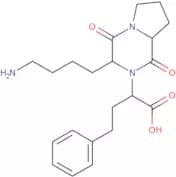
Discontinued productLisinopril (8R,S)-diketopiperazine
CAS:Lisinopril is a drug product that is used to treat high blood pressure, heart failure and other conditions. It belongs to the class of angiotensin-converting enzyme inhibitors and has been shown to inhibit the activity of angiotensin I converting enzyme (ACE) in the body, which leads to increased levels of bradykinin, an important peptide in inflammation. Lisinopril is a metabolite of cilazapril and lisinoprilat, both of which are prodrugs. Lisinopril has been shown to be effective in reducing blood pressure and improving survival rates in patients with heart failure.
Formula:C21H29N3O4Purity:Min. 95%Molecular weight:387.5 g/molRef: 3D-STB81399
Discontinued productTiotropium EP Impurity I
CAS:Tiotropium EP Impurity I is an impurity found in the API, Tiotropium EP. It is a natural product that is synthesized by chemical synthesis. The synthetic purity of Tiotropium EP Impurity I is high and complies with pharmacopoeia guidelines. This impurity can be used as a standard to test the quality of other products or to research the metabolism of Tiotropium EP.
Formula:C19H22BrNO4S2Purity:Min. 95%Molecular weight:472.40 g/molRef: 3D-LFA52148
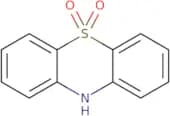
Discontinued productPhenothiazine S,S-dioxide
CAS:Phenothiazine S,S-dioxide is a fluorescent anion that can be used as a buffer. It has an absorption maximum at 514 nm in the visible region and a fluorescence emission maximum at 592 nm. Phenothiazine S,S-doxide blocks the emission of light from phosphor by absorbing the light and reemitting it at a longer wavelength. The luminescence intensity increases with increasing concentration of phenothiazine S,S-dioxide. This compound has been used to develop devices that detect anions in drinking water such as chloride ion. Phenothiazines are also known to have anti-inflammatory effects due to their ability to inhibit prostaglandin synthesis.
Formula:C12H9NO2SPurity:Min. 95%Molecular weight:231.27 g/molRef: 3D-BAA20966
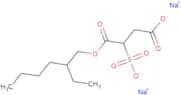
Discontinued productDisodium monooctyl sulfosuccinate
CAS:Disodium monooctyl sulfosuccinate (DSMS) is a sodium-based surfactant that is used as an excipient in tablets and capsules. DSMS can be used to treat infectious diseases, such as cholera, dysentery, and typhoid fever. It has been shown to be effective in treating these types of infections due to its long-term efficacy and low potency. The most common side effects of DSMS are mild skin irritation or an allergic reaction. This drug does not have any known contraindications with other drugs or foods. It is also biocompatible with a variety of polymers and fatty acids.
Formula:C12H20Na2O7SPurity:Min. 95%Molecular weight:354.33 g/molRef: 3D-LDA87853
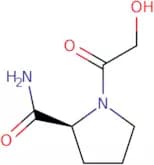
Discontinued product1-Glycoloyl-L-prolinamide
CAS:1-Glycoloyl-L-prolinamide is a drug product that is an analytical standard for the impurity 1-glycoloyl-L-proline (CAS No. 96166-39-1) in the API 1,4,5,6-tetrahydrobenzothiazole (CAS No. 86687-93-0). It has been synthesized to be used as an impurity standard and is provided at a purity of 98.0% or greater by weight. This chemical compound can be used in research and development for the production of drugs as well as in pharmaceutical manufacturing.
Formula:C7H12N2O3Purity:Min. 95%Molecular weight:172.18 g/molRef: 3D-FG167741
Discontinued product5-[[4-[2-(5-Ethyl-2-pyridinyl)ethoxy]phenyl]-methylene]-2,4-thiazolidinedione
CAS:5-[[4-[2-(5-Ethyl-2-pyridinyl)ethoxy]phenyl]-methylene]-2,4-thiazolidinedione is a drug product that is used for the research and development of drugs. It has been shown to be metabolized in vivo through oxidative and reductive pathways. 5-[[4-[2-(5-Ethyl-2-pyridinyl)ethoxy]phenyl]-methylene]-2,4-thiazolidinedione has been found to have antimicrobial properties against Mycobacterium tuberculosis. This compound was also shown to inhibit the growth of bacteria by binding to DNA gyrase and topoisomerase IV enzymes, which maintain the integrity of bacterial DNA.
Formula:C19H18N2O3SPurity:Min. 95%Molecular weight:354.42 g/molRef: 3D-IE23114
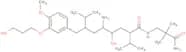
Discontinued product3’-o-Desmethyl aliskiren hydrochloride
CAS:Please enquire for more information about 3’-o-Desmethyl aliskiren hydrochloride including the price, delivery time and more detailed product information at the technical inquiry form on this page
Formula:C29H51N3O6Purity:Min. 95%Molecular weight:537.7 g/molRef: 3D-ZMB92576
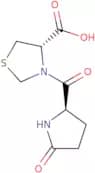
Discontinued product(S)-3-((R)-5-Oxopyrrolidine-2-carbonyl)thiazolidine-4-carboxylic acid
CAS:(S)-3-((R)-5-Oxopyrrolidine-2-carbonyl)thiazolidine-4-carboxylic acid is a drug product of the drug development industry. It is a metabolite of 3-(1,2,4-triazol-1-ylmethyl)thiazolidine-4-carboxylic acid and has been used as an analytical standard for HPLC methods. The compound has been shown to be naturally occurring in humans. (S)-3-(1,2,4-Triazol-1ylmethyl)thiazolidine 4 carboxylic acid is also used as the impurity standard for the API 3-(1,2,4 triazol 1ylmethyl)thiazolidine 4 carboxylic acid.
Formula:C9H12N2O4SPurity:Min. 95%Molecular weight:244.27 g/molRef: 3D-IO145579
Discontinued product1-[[3-Methyl-4-(2,2,2-trifluoroethoxy)-2-pyridinyl]methyl]-2-[[[3-methyl-4-(2,2,2-trifluoroethoxy)-2-pyridinyl]methyl]thio]-1H-benzi midazole
CAS:1-[[3-Methyl-4-(2,2,2-trifluoroethoxy)-2-pyridinyl]methyl]-2-[[[3-methyl-4-(2,2,2-trifluoroethoxy)-2-pyridinyl]methyl]thio]-1H-benzi midazole is a high purity analytical standard that is used to calibrate HPLC. It is found as an impurity in the drug product and as a metabolite. 1-[(3-Methyl-4-(2,2,2 -trifluoroethoxy) - 2 - pyridinyl) methyl] - 2 - [[[3 - methyl (4 ( 2 , 2 , 2 - trifluoroethoxy) - 2 pyridinyl) methyl] thio] - 1 H benzimidazole is the IUPAC name for this compound. This chemical has been synthesized
Formula:C25H22F6N4O2SPurity:Min. 95%Molecular weight:556.52 g/molRef: 3D-IM25690
Discontinued product[5-L-Aspartic Acid]-desmopressin
Desmopressin is a synthetic drug that is used to treat diabetes insipidus and bleeding in patients who are on anticoagulants. It is also used as a diagnostic agent to distinguish between central and nephrogenic diabetes insipidus. Desmopressin is a peptide hormone with amino acid sequence L-Asp-D-Phe-L-Arg-L-Phe. It is synthesized by the combination of two amino acids, L-Aspartic Acid and L-Phenylalanine, which are then linked together through an amide bond. The synthesis of desmopressin occurs in two steps: first, the coupling of amino acid L-Aspartic Acid with the peptide linkage (N-[3-(2'-aminoethyl) carbonyl]glycine) to form the intermediate N-[3-(2'-Aminoethyl) carbonyl]-L-Aspartic Acid; second
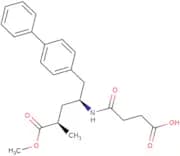
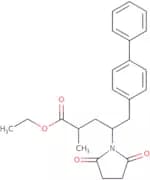
Purity:Min. 95%Sacubitril methyl ester
CAS:Sacubitril methyl ester is a drug product that belongs to the group of angiotensin receptor blockers. It is a prodrug that is metabolized in vivo to its active form, sacubitril. Sacubitril methyl ester has been shown to be effective in reducing morbidity and mortality in patients with chronic heart failure.
Formula:C23H27NO5Purity:Min. 95%Color and Shape:PowderMolecular weight:397.47 g/molRef: 3D-IS181150
Discontinued productAcyclovir Impurity O
Acyclovir Impurity O is an impurity found in the drug Acyclovir. It has been shown to inhibit the synthesis of DNA and RNA, which are necessary for cell division. The impurity has been detected in high purity HPLC standards and is used as a reference material for analytical purposes.
Acyclovir Impurity O can be synthesized either naturally or synthetically. It is an impurity that is regulated by the USP, BP, and EP pharmacopeias.Formula:C9H13N5O4Purity:Min. 95%Molecular weight:255.23 g/molRef: 3D-IA158674
Discontinued productrac-Pregabalin N-acrylamide
CAS:Pregabalin is an anticonvulsant drug that is used to treat epilepsy, neuropathic pain, and generalized anxiety disorder. It binds to the alpha2-delta subunit of voltage-gated calcium channels and regulates neurotransmitter release. Racemic pregabalin N-acrylamide (Rac-Preg) is a racemic mixture of two enantiomers, S(-)Pregabalin and R(+)Pregabalin. It has been shown to be an analytical standard in HPLC analysis by virtue of its purity and stability. Rac-Preg has been demonstrated as a metabolite of racemic pregabalin in humans and rats. Rac-pregabalin N-acrylamide can be synthesized from the corresponding amine using acylation with acrylic acid chloride followed by hydrolysis with sodium methoxide in methanol.
Formula:C11H19NO3Purity:Min. 95%Molecular weight:213.27 g/molRef: 3D-VJC84428
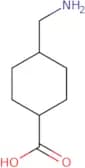
Discontinued producttrans-4-(Aminomethyl)cyclohexanecarboxylic acid
CAS:Trans-4-(aminomethyl)cyclohexanecarboxylic acid (AMCA) is a histamine antagonist that is used to treat bowel disease. It may also be useful for the treatment of other inflammatory diseases and as an anticoagulant. AMCA has been shown to be safe and effective for the prevention of postoperative bleeding in patients who are undergoing major surgery. This drug is a potent inhibitor of platelet aggregation, but does not affect the function of erythrocytes or leukocytes. AMCA inhibits platelet aggregation by blocking the binding of adenosine diphosphate (ADP) to its receptor on platelets, thus inhibiting ADP-mediated activation of phospholipase A2 and arachidonic acid release from membranes. An increase in blood levels of AMCA may lead to cardiac toxicity and bleeding events.
Formula:C8H15NO2Purity:Min. 95%Molecular weight:157.21 g/molRef: 3D-IA71533
Discontinued productN-[2-[(8R)-1,6,7,8-Tetrahydro-6-oxo-2H-indeno[5,4-b]furan-8-yl]ethyl]propanamide
CAS:N-[2-[(8R)-1,6,7,8-Tetrahydro-6-oxo-2H-indeno[5,4-b]furan-8-yl]ethyl]propanamide is a synthetic compound that has not been identified in nature. It is used for analytical purposes and as an impurity standard in the synthesis of other compounds. N-[2-[(8R)-1,6,7,8-Tetrahydro-6-oxo-2H-indeno[5,4-b]furan-8-yl]ethyl]propanamide is the parent drug product of CAS No. 896736–22–4. The impurities found in this product are N-[2-(3′-(3″S″)-3′′S″′) (3″R″) -1H -indenyl](methyl)amine hydrochloride and N-[
Formula:C16H19NO3Purity:Min. 95%Molecular weight:273.33 g/molRef: 3D-WKB73622
Discontinued producto-Desmethyl venlafaxine N-dimer
CAS:o-Desmethyl venlafaxine N-dimer is a metabolite of venlafaxine that has been identified in human plasma. It is a white to off-white crystalline powder with a melting point of about 175°C. The purity of the product is more than 98%. It is soluble in methanol and ethanol, but insoluble in water. The o-desmethyl venlafaxine N-dimer was developed as an analytical reference standard for use in HPLC analysis of venlafaxine and its metabolites and impurities.
Formula:C32H48N2O4Purity:Min. 95%Molecular weight:524.73 g/molRef: 3D-MXB54561
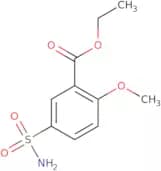
Discontinued productEthyl 2-methoxy-5-sulfamoylbenzoate
CAS:Ethyl 2-methoxy-5-sulfamoylbenzoate is a research and development impurity standard. It is a white to off-white crystalline solid that is soluble in water. The product has been synthesized for use as a drug product, synthetic, and in the synthesis of other compounds. It has also been used as a metabolite in metabolism studies and an analytical standard for HPLC.
Formula:C10H13NO5SPurity:Min. 95%Molecular weight:259.28 g/molRef: 3D-IE140268
Discontinued product9-Methylamino minocycline
CAS:9-Methylamino minocycline is a semi-synthetic antibiotic with excellent oral bioavailability. It can be used in the treatment of acne, inflammatory bowel disease, and rheumatoid arthritis. 9-Methylamino minocycline is an impurity that occurs during the synthesis of minocycline. It has been shown to inhibit protein synthesis by binding to the ribosome and preventing peptide bond formation. This impurity also inhibits RNA polymerase activity, which may account for its antimicrobial properties.
Formula:C24H30N4O7Purity:Min. 95%Molecular weight:486.52 g/molRef: 3D-HZA40273
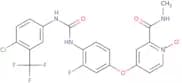
Discontinued productRegorafenib metabolite M2 oxide
CAS:Regorafenib metabolite M2 oxide (M2O) is a cancer drug that is an inhibitor of multikinase. It was developed as a prodrug for regorafenib, which is used to treat patients with metastatic colorectal cancer and has been shown to be effective against other cancers, such as lung and pancreatic cancer. M2O inhibits the efflux of drugs from cells by binding to the transporter protein P-glycoprotein. This prevents the accumulation of toxic concentrations of regorafenib in cells, which are responsible for its side effects, such as diarrhea and liver damage. The uptake of M2O by cells is also inhibited by light and acidic conditions. Oral administration of M2O leads to increased exposure to regorafenib in the body because it is not metabolized by CYP3A4 enzymes.
Formula:C21H15ClF4N4O4Purity:Min. 95%Molecular weight:498.81 g/molRef: 3D-IR164114
Discontinued product8-Benzyloxy-5-[(R)-2-bromo-1-(tertbutyldimethylsilyloxy)ethyl]-1H-quinolinone
CAS:8-Benzyloxy-5-[(R)-2-bromo-1-(tertbutyldimethylsilyloxy)ethyl]-1H-quinolinone is a drug product that is used as an analytical standard in metabolism studies. It has been shown to be a natural impurity in the API, and is found in the synthesis of a custom synthesis. 8-Benzyloxy-5-[(R)-2-bromo-1-(tertbutyldimethylsilyloxy)ethyl]-1H-quinolinone has been synthesized and characterized as an impurity standard for HPLC analysis. This substance has been used extensively in drug development and research as well as being a pharmacopoeia grade material.
Formula:C24H30BrNO3SiPurity:Min. 95%Molecular weight:488.5 g/molRef: 3D-FWA08474
Discontinued productRosuvastatin anhydro lactone
CAS:Rosuvastatin anhydro lactone is a pure chemical compound that is used as an analytical reference standard for high-performance liquid chromatography (HPLC) for the determination of purity and identification of impurities in pharmaceuticals. It is also utilized as a drug development, API impurity, and HPLC standard. Rosuvastatin anhydro lactone is a metabolite of rosuvastatin and is chemically designated as C22H29NO3. The CAS number for rosuvastatin anhydro lactone is 1246665-85-9.
Formula:C22H24FN3O4SPurity:Min. 95%Molecular weight:445.50 g/molRef: 3D-WZB66585
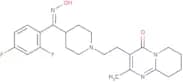
Discontinued productRisperidone E-oxime impurity
CAS:Risperidone E-oxime impurity is a drug product that has been studied for its metabolism in humans, animals and plants. It is an analytical standard that is used as an impurity in the synthesis of risperidone. Risperidone E-oxime impurity is also a synthetic compound with CAS No. 691007-09-7. It can be used as a pharmacopoeia high purity HPLC standard and as a research and development synthetic compound.
Formula:C23H28F2N4O2Purity:Min. 95%Color and Shape:PowderMolecular weight:430.49 g/molRef: 3D-IR27738
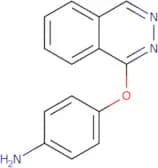
Discontinued product4-(Phthalazin-1-yloxy)aniline
CAS:4-(Phthalazin-1-yloxy)aniline is an analog of cyclin-dependent kinase (CDK) inhibitors that has shown promising anticancer activity. It inhibits the activity of CDKs, which are enzymes involved in regulating cell division and proliferation. This compound has been tested on Chinese hamster ovary cells and has demonstrated potent antiproliferative activity against various cancer cell lines. 4-(Phthalazin-1-yloxy)aniline induces apoptosis in tumor cells, leading to their death. This compound may be a potential candidate for the development of novel anticancer drugs that target CDKs and promote tumor cell death. Additionally, this compound can be detected in urine samples, making it a useful biomarker for cancer diagnosis and monitoring.
Formula:C14H11N3OPurity:Min. 95%Molecular weight:237.26 g/molRef: 3D-ZFA36540
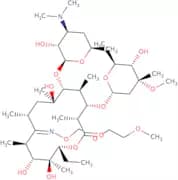
Discontinued product(9Z)-Roxithromycin
CAS:Roxithromycin is a macrolide antibiotic that inhibits protein synthesis in bacteria. It binds to the 50S ribosomal subunit, thereby inhibiting bacterial growth. Roxithromycin has been used to diagnose intestinal and esophageal diseases, inflammatory diseases, and cancer. There are some cardiac effects associated with Roxithromycin that may be related to its ability to inhibit serotonin reuptake. This drug also has anti-inflammatory properties and has been shown to be effective against influenza virus infections as well as other infectious diseases such as tuberculosis and HIV/AIDS.
Formula:C41H76N2O15Purity:Min. 95%Molecular weight:837.05 g/molRef: 3D-IR106421
Discontinued productRS 67506 hydrochloride
CAS:RS 67506 hydrochloride is a biochemical that is used in experimental and descriptor studies. The ketone group has been found to be an important part of the molecular structure. RS 67506 hydrochloride has been shown to have a number of biological properties, including inhibition of the synthesis of neurotransmitters such as dopamine, serotonin and norepinephrine; it also has anti-nervous system activity. This chemical was also found to inhibit the synthesis of prostaglandin E2 in human neutrophils. It is hypothesized that RS 67506 hydrochloride may inhibit phospholipase A2, which would prevent the release of arachidonic acid from phospholipids into the cell membrane and block the production of eicosanoids.
Formula:C18H29Cl2N3O4SPurity:Min. 95%Molecular weight:454.4 g/molRef: 3D-TGA98661
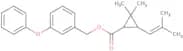
Discontinued product(+)-Cis-phenothrin
CAS:Cis-phenothrin is a carbamate insecticide that is used in agriculture, public health, and veterinary medicine. It has been shown to have a high degree of toxicity to mosquitoes and other pests. Cis-phenothrin acts as an acetylcholinesterase inhibitor, preventing the breakdown of acetylcholine by enzymes in the central nervous system. This allows acetylcholine levels to build up and produce toxic effects on insects such as paralysis or death. Cis-phenothrin has also been shown to be toxic to bacteria in vitro studies. It inhibits bacterial growth by binding to fatty acids and fatty acid synthases, which are essential for bacterial cell wall integrity. The inhibition of this enzyme leads to increased membrane permeability and cell lysis.
Formula:C23H26O3Purity:Min. 95%Molecular weight:350.4 g/molRef: 3D-BCA18688
Discontinued productVandetanib N-oxide
CAS:Vandetanib N-oxide is a drug product that is custom synthesized for research and development purposes. It has been shown to have high purity, analytical, and natural properties. Vandetanib N-oxide can be used as a metabolite or impurity standard in pharmacopoeias, such as the USP. The compound also has niche use in drug development and metabolism studies.
Formula:C22H24BrFN4O3Purity:Min. 95%Molecular weight:491.40 g/molRef: 3D-XWC03022
Discontinued productRisperidone carboxylate impurity
CAS:Risperidone carboxylate impurity is an analytical reference standard of risperidone that is used in the research and development, drug development, and production of drugs. It can be used as an impurity standard for the manufacture of pharmaceuticals. Risperidone carboxylate impurity has a molecular weight of 514.83 g/mol and a melting point of 200-202°C. Its CAS number is 1346603-86-8. Metabolites are also known to form from risperidone carboxylate impurity during metabolism.
Formula:C24H27FN4O4Purity:Min. 95%Molecular weight:454.50 g/molRef: 3D-WDC60386
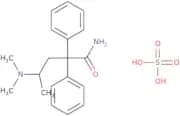
Discontinued productAminopentamide sulfate
CAS:Aminopentamide sulfate is a pharmaceutical dosage form that is a polymeric matrix containing glycol ether, fatty acid ester, and glycol ester. It is used as a local anesthetic to numb the skin and other tissues. Aminopentamide sulfate can be administered topically or by injection into the body. It has been shown to have therapeutic effects on animals with pain-related conditions such as arthritis and neuropathy. The intramolecular hydrogen bonds in aminopentamide sulfate are thought to be formed between the carbonyl group of atropine sulfate and the hydroxyl groups of benzimidazole derivatives. These functional groups form hydrogen bonds with fatty alcohols in the matrix, which may help stabilize it.
Formula:C19H26N2O5SPurity:Min. 95%Molecular weight:394.5 g/molRef: 3D-VAA70177
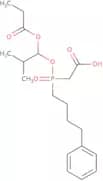
Discontinued product2-((2-Methyl-1-(propionyloxy)propoxy)(4-phenylbutyl)phosphoryl)acetic acid
CAS:2-((2-Methyl-1-(propionyloxy)propoxy)(4-phenylbutyl)phosphoryl)acetic acid (KZPBA) is a zoonotic antibiotic that has been shown to be active against agalactiae. It is a prodrug, which is metabolized to the active form, KZPBA, in humans and other mammals. The mechanism of action of KZPBA is not yet known; however, it has been hypothesized that its activity may be due to inhibition of DNA gyrase and topoisomerase IV. This drug has also been shown to have an effect on mastitis in dairy cows.Formula:C19H29O6PPurity:Min. 95%Molecular weight:384.4 g/molRef: 3D-IM27637
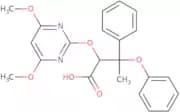
Discontinued product4,6-Dimethoxy-β-methyl-3-phenoxy ambrisentan
CAS:Controlled Product4,6-Dimethoxy-β-methyl-3-phenoxy ambrisentan is a synthetic drug with a high purity and pharmacopoeia. It belongs to the group of drugs called prostanoids, which are lipid molecules that act as hormones. 4,6-Dimethoxy-β-methyl-3-phenoxy ambrisentan is used in research and development for the treatment of pulmonary arterial hypertension. It is an impurity standard for HPLC analysis. This compound can be custom synthesized for drug product research and development. Metabolism studies have been conducted on this compound. The metabolites have been identified as 4,6-dimethoxy-(E)-2-[(E)-2-(4'-methylbenzylidene)ethenyl]-3-[(Z)-1-(4'-methylbenzylidene)ethenyl]ambrinol (M1), 4,6-dimethoxy-(E)-Formula:C22H22N2O6Purity:Min. 95%Molecular weight:410.4 g/molRef: 3D-JGA30803
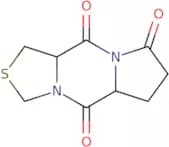
Discontinued productPidotimod Diketopiperazine
CAS:Pidotimod Diketopiperazine is a test substance that is a phosphoric acid salt of pidotimod with a diketopiperazine group. Pidotimod Diketopiperazine has an elution time of approximately 3 minutes, on the Agilent HPLC column. It is soluble in water and has a pH of around 1.5-2.5. Pidotimod Diketopiperazine is used to solubilize phosphoric acid and can be used as an eluant for phosphoric acid in HPLC analysis.
Formula:C9H10N2O3SPurity:Min. 95%Molecular weight:226.25 g/mol(E)-4-Alloxycarboxyl tamoxifen
CAS:(E)-4-Alloxycarboxyl tamoxifen is a synthetic metabolite of tamoxifen. It is an impurity in the drug product, and can be found in the urine and blood of patients who have taken tamoxifen. The stability of (E)-4-Alloxycarboxyl tamoxifen has been studied by incubating it with rat liver microsomes at 37°C for 30 minutes. Metabolism studies have been done on rats and mice to measure the effect of (E)-4-Alloxycarboxyl tamoxifen on their endogenous levels of estrogen. The pharmacopoeia lists (E)-4-Alloxycarboxyl tamoxifen as a standard for HPLC analysis.
Formula:C30H33NO4Purity:Min. 95%Molecular weight:471.60 g/molRef: 3D-MBC19158
Discontinued product1-[[3-Methyl-4-(2,2,2-trifluoroethoxy)-2-pyridinyl]methyl]-2-[[[3-methyl-4-(2,2,2-trifluoroethoxy)-2-pyridinyl]methyl]sulfinyl]-1H-b enzimidazole
CAS:1-[[3-Methyl-4-(2,2,2-trifluoroethoxy)-2-pyridinyl]methyl]-2-[[[3-methyl-4-(2,2,2-trifluoroethoxy)-2-pyridinyl]methyl]sulfinyl]-1H-b enzimidazole is an impurity of a drug product. It is a metabolite that has been shown to be present in human plasma and urine. This compound is synthetically produced and is not found in nature. It has been shown to have niche applications in both analytical chemistry and pharmacopoeia.
Formula:C25H22F6N4O3SPurity:Min. 95%Molecular weight:572.52 g/molRef: 3D-IM25689
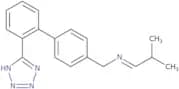
Discontinued productValsartan Impurity 23
CAS:Valsartan is a drug that belongs to the class of angiotensin II receptor blockers. It has a molecular weight of 376.5 and an empirical formula of C21H28N2O4S. Valsartan Impurity 23 is a synthetic impurity with CAS No. 2459446-44-5, which has a molecular weight of 464.3 and an empirical formula of C25H30N2O6S. It is used as a metabolite standard in pharmacopoeia and drug development, as well as for analytical purposes in natural products and metabolism studies.
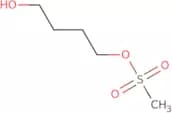
Purity:Min. 95%4-Methanesulfonyloxybutanol
CAS:4-Methanesulfonyloxybutanol is a chemical substance with the molecular formula CH3SO2CH(CH2OH)CH2OH. It is used as an intermediate in the synthesis of 4-methanesulfonyloxybutanol, which is a potent inhibitor of busulfan-induced leukopenia and myelosuppression. This substance has been shown to be highly effective in preventing busulfan-induced side effects when administered intravenously. 4-Methanesulfonyloxybutanol is chemically synthesized by intramolecular alkylation of butanol, followed by hydrolysis. The reaction product can be detected using an ionization detector in conjunction with gas chromatography. This product is an alkylation agent that reacts with polypropylene to produce polypropylene glycols.
Formula:C5H12O4SPurity:Min. 95%Color and Shape:LiquidMolecular weight:168.21 g/mol(3R,5S,6E)-7-[4-(4-Fluorophenyl)-6-(1-methylethyl)-2-[methyl[(2-hydroxy-2-methylpropyl)sulfonyl]amino]-5-pyrimidinyl]-3,5-dihydroxy- 6-heptenoic acid sodium salt
CAS:(3R,5S,6E)-7-[4-(4-Fluorophenyl)-6-(1-methylethyl)-2-[methyl[(2-hydroxy-2-methylpropyl)sulfonyl]amino]-5-pyrimidinyl]-3,5-dihydroxy- 6-heptenoic acid sodium salt is a synthetic drug product. It is an impurity standard in the synthesis of Metabolism studies. The CAS number is 1714147-50-8 and the chemical name is (3R,5S,6E)-7-[4-(4-fluorophenyl)-6-(1-methylethyl)-2-[methyl[(2-hydroxy-2 methylpropyl)sulfonyl]amino]-5-pyrimidinyl]-3,5dihydroxyheptenoic acid sodium salt. The molecular weight is 781
Formula:C25H33FN3NaO7SPurity:Min. 95%Molecular weight:561.6 g/molRef: 3D-IF156830
Discontinued productWay 629 hydrochloride
CAS:Way 629 hydrochloride is a chemical compound that belongs to the class of synthetic, pharmacopoeia and drug development. It is used as an impurity standard and a custom synthesis. Way 629 hydrochloride is also used in the study of metabolism. This compound has been shown to be metabolized by cytochrome P450 enzymes, glucuronidases, glutathione reductase, or conjugation with glucuronic acid.
Formula:C15H19ClN2Purity:Min. 95%Molecular weight:262.78 g/molRef: 3D-HCA75644
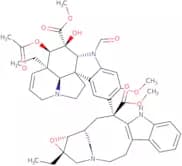
Discontinued productN-Formyl leurosine
CAS:N-Formyl leurosine is an inhibitor of fatty acid synthesis. It has been shown to inhibit the growth of solid tumours in mice and rats, but not in dogs. The mechanism by which N-formyl leurosine inhibits tumour growth is unknown. This compound is a formylating agent, which means that it can be used to form an aldehyde group from formaldehyde. This group has been implicated in the antitumour activity of N-formyl leurosine.
Formula:C46H54N4O10Purity:Min. 95%Molecular weight:822.94 g/molRef: 3D-IF23552
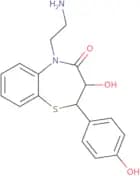
Discontinued productDiltiazem EP Impurity H
CAS:Diltiazem EP Impurity H is a metabolite of diltiazem that is used as an impurity standard for the drug product. Diltiazem EP Impurity H has a purity level of 99% and is soluble in water. It is synthesized by reacting diltiazem with nitric acid, then hydrolyzing the product to form the desired compound. Diltiazem EP Impurity H can be used as an analytical reference material or a pharmacopoeia for HPLC standards.
Diltiazem EP Impurity H is a metabolite of diltiazem that is used as an impurity standard for the drug product. Diltiazem EP Impurity H has a purity level of 99% and is soluble in water. It is synthesized by reacting diltiazem with nitric acid, then hydrolyzing the product to form the desired compound. Diltiazem EP Impurity H can be used as an analytical reference materialFormula:C17H18N2O3SPurity:Min. 95%Molecular weight:330.4 g/mol2-[2-[4-(5,5-Dioxidodibenzo[b,f][1,4]thiazepin-11-yl)-1-piperazinyl]ethoxy]ethanol
CAS:Quetiapine is a drug that belongs to the class of sulfoxides. It is usually administered orally, but can also be given intravenously or intramuscularly. Quetiapine has been studied for its clinical use in the treatment of schizophrenia and bipolar disorder. The plasma concentrations of quetiapine are determined by high-performance liquid chromatography (HPLC) with tandem mass spectrometry (LC-MS/MS) detection. Validation studies have shown that the HPLC-MS/MS method is accurate and precise, with good linearity over a range of concentrations. Analysis was performed on plasma samples from healthy volunteers who were administered either 2 mg or 10 mg doses of quetiapine by intravenous injection. Concentrations were calculated and compared to those found in patients with schizophrenia and bipolar disorder who had been given oral doses of 300 mg per day for four weeks, yielding a therapeutic plasma concentration range from 100 to 300 ng/mL.
Formula:C21H25N3O4SPurity:Min. 95%Molecular weight:415.51 g/molLinagliptin impurity E
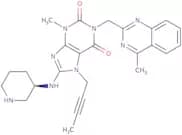
CAS:Controlled ProductLinagliptin impurity E is a metabolite of the drug Linagliptin. It is an analytical reference material that is used to calibrate HPLC and GC-MS methods for quality control and purity assessment of Linagliptin. This impurity standard is also used for metabolism studies.
Formula:C25H28N8O2Purity:Min. 95%Molecular weight:472.54 g/molRef: 3D-IB106310
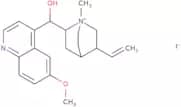
Discontinued productQuinidine methiodide
CAS:Quinidine is a drug that has been used in the treatment of cardiac arrhythmias and as an antiarrhythmic. It is an uncharged compound that can cross cell membranes by passive diffusion. Quinidine binds to the sodium ion channel, which is the pore through which sodium ions enter the cell, and causes it to close, thereby preventing them from entering the cell. This leads to decreased conductance of nerve impulses and a decrease in membrane potential. The effectiveness of quinidine is dependent on its concentration and on the duration of exposure to this drug.
Formula:C21H27IN2O2Purity:Min. 95%Molecular weight:466.4 g/molRef: 3D-SBA98287
Discontinued product2-Amino-N-(2-benzoyl-4-chlorophenyl)-N-methylacetamide
CAS:2-Amino-N-(2-benzoyl-4-chlorophenyl)-N-methylacetamide is an impurity in the drug product, which is a metabolite of the active drug. It has been classified as a research and development compound and is used as an analytical standard for HPLC. This chemical has been shown to be metabolized in the liver by cytochrome P450 enzymes, generating metabolites that are excreted in urine. 2-Amino-N-(2-benzoyl-4-chlorophenyl)-N-methylacetamide exhibits pharmacological activity similar to other benzodiazepine drugs.
Formula:C16H15ClN2O2Purity:Min. 95%Molecular weight:302.75 g/molRef: 3D-LBA02094
Discontinued productMethyl 2-sulfinobenzoate
CAS:Methyl 2-sulfinobenzoate (MSB) is an analytical, research and development, and drug development impurity that is used as an API impurity and HPLC standard. It is a metabolite of sulfadiazine, which belongs to the family of drugs known as sulfonamides. MSB has been shown to have pharmacopoeia activity for the treatment of bacterial infections. It is a natural product found in plants, such as garlic and onion, or it can be synthesized from benzene and sulfur chloride.
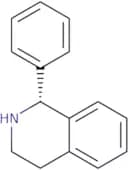
Formula:C8H8O4SPurity:Min. 95%Molecular weight:200.21 g/mol(R)-1-Phenyl-1,2,3,4-tetrahydroisoquinoline
CAS:(R)-1-Phenyl-1,2,3,4-tetrahydroisoquinoline is a chiral molecule with four stereocenters. It is synthesized by the reaction of sulfamic acid and cyclohexene in the presence of p-toluenesulfonic acid. The product formed is then dehydrogenated to produce (R)-1-phenyl-1,2,3,4-tetrahydroisoquinoline. This compound is soluble in organic solvents such as benzene and ethane and can be used as an acceptor for chiral stationary phases.
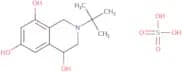
Formula:C15H15NPurity:Min. 95%Color and Shape:PowderMolecular weight:209.29 g/molTerbutaline impurity b
CAS:Terbutaline impurity b is a pharmacopoeia grade drug product that is used as an analytical standard. It is also used in the synthesis of terbutaline, which is a drug that has been approved by the FDA to treat bronchospasm, asthma and other lung disorders. Terbutaline impurity b may be found in natural sources or may be synthesized. This impurity can be custom synthesized using HPLC-grade reagents and can be obtained at high purity levels.
Purity:Min. 95%Ref: 3D-IT182020
Discontinued product7-O-methyl ivermectin B1a
7-O-methyl ivermectin is a drug product that is an analytical standard for the impurity 7-O-methyl ivermectin B1a. Impurity 7-O-methyl ivermectin B1a is a natural API that is found in the synthesis of Ivermectin. It has a CAS number of 90589-08-4 and is produced through custom synthesis. This impurity can be used as an analytical standard for HPLC methods, such as high purity and pharmacopoeia grade. 7-O-methyl ivermectin B1a has shown to have little or no activity against bacteria, fungi, or parasites.
Purity:Min. 95%Ref: 3D-IO167868
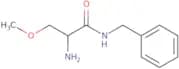
Discontinued product(2S)-2-Amino-3-methoxy-N-(phenylmethyl)propanamide
CAS:Please enquire for more information about (2S)-2-Amino-3-methoxy-N-(phenylmethyl)propanamide including the price, delivery time and more detailed product information at the technical inquiry form on this page
Formula:C11H16N2O2Purity:Min. 95%Molecular weight:208.26 g/molRef: 3D-ZTA53478
Discontinued product1-[[4-(3-Methoxypropoxy)-3-methyl-2-pyridinyl]methyl]-2-[[[4-(3-methoxypropoxy)-3-methyl-2-pyridinyl]methyl]sulfonyl]-1H-benzimidazo le
CAS:1-[[4-(3-Methoxypropoxy)-3-methyl-2-pyridinyl]methyl]-2-[(4-(3-methoxypropoxy)-3-methyl-2-pyridinyl)methylsulfonyl]-1H-benzimidazole (MKC1807) is a synthetic drug product. MKC1807 is an analytical standard in the HPLC assay for the determination of Epiandrosterone sulfate and its metabolites. 1-[4-(3-Methoxypropoxy)-3,5,6,7,8 -pentamethylcyclohexyl]methyl 2-[(4-(3 -methoxypropoxy) 3,5,6,7,8 -pentamethylcyclohexyl)methylsulfonyl]-1H benzimidazole has been shown to be a natural metabolite of Epiandrosterone sulfate. This compoundFormula:C29H36N4O6SPurity:Min. 95%Molecular weight:568.69 g/molRef: 3D-IM25352
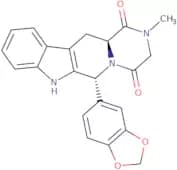
Discontinued productcis-Tadalafil
CAS:Cis-Tadalafil is a potent inhibitor of phosphodiesterase 5, which is used to treat erectile dysfunction (ED) and primary pulmonary hypertension (PPH). It works by increasing blood flow to the penis, allowing men with ED to achieve and maintain an erection. Cis-Tadalafil is also used to treat symptoms of prostatic hyperplasia (enlarged prostate) in men. This drug has been shown to be effective in treating PPH by reducing pulmonary arterial pressure and improving exercise capacity. Cis-Tadalafil belongs to the carboline class of drugs and is a phosphodiesterase 5 inhibitor that selectively inhibits cGMP-specific phosphodiesterase type 5 (PDE5). This drug has been shown to be highly effective in treating both ED and PPH with minimal side effects.
Formula:C22H19N3O4Purity:Min. 95%Color and Shape:White/Off-White SolidMolecular weight:389.4 g/mol(S)-Rabeprazole sodium
CAS:(S)-Rabeprazole sodium is an anticancer drug that acts as a kinase inhibitor. It is an analog of Rabeprazole and has been shown to inhibit the growth of cancer cells in vitro and in vivo. (S)-Rabeprazole sodium inhibits the activity of kinases, which are enzymes that play a key role in cell signaling pathways. This inhibition leads to apoptosis, or programmed cell death, in cancer cells. (S)-Rabeprazole sodium has been tested against various types of cancer, including Chinese hamster ovary cells and tumor xenografts in mice. It has also been shown to inhibit elastin degradation, which is important for preventing metastasis of cancer cells. (S)-Rabeprazole sodium may be a promising candidate for the development of new anticancer drugs that target specific kinases and proteins involved in cancer cell growth and survival.
Formula:C18H21N3O3S•NaPurity:Min. 95%Molecular weight:382.43 g/molRef: 3D-IR183125
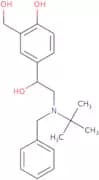
Discontinued productN-Benzyl albuterol
CAS:N-Benzyl albuterol is a drug product that is custom synthesized to be of high purity with an analytical standard. It is used in research and development, pharmaceutical development, and as a pharmacopoeia or analytical standard. N-Benzyl albuterol has been found to be a metabolite of the drug product Albuterol Sulfate. It is also used in metabolism studies and natural product research. The CAS number for this compound is 24085-03-8.
Formula:C20H27NO3Purity:Min. 95%Molecular weight:329.4 g/molSacubitril Impurity 2
CAS:Sacubitril Impurity 2 is a drug product that is an analytical impurity in Sacubitril. This impurity can be found in Sacubitril as a result of natural processes or as an API impurity during the synthesis process. Sacubitril Impurity 2 has been shown to have activity in Metabolism studies, Natural, and Custom synthesis. It has been shown to be a Synthetic impurity standard and HPLC standard. Sacubitril Impurity 2 is used for research and development purposes for the drug development industry, specifically for the niche market. It is also used as an analytical standard for pharmacopoeia methods.
Formula:C24H27NO4Purity:Min. 95%Molecular weight:393.48 g/molCiprofloxacin ep impurity C
CAS:Ciprofloxacin ep impurity C is a synthetic compound. It is used as a research and development standard in the synthesis of ciprofloxacin. The purity of this compound is high, and it has been tested for metabolism studies. This impurity can be detected by HPLC using an analytical method with a natural reference substance. This impurity has not been evaluated for pharmacopoeia or CAS number.
Formula:C15H16FN3O3Purity:Min. 95%Molecular weight:305.30 g/molRef: 3D-DEA22212
Discontinued productRoflumilast Impurity A
CAS:Roflumilast impurity A is a metabolite of roflumilast. It is a drug product that is used as an analytical standard for the determination of roflumilast in HPLC analysis. Roflumilast impurity A is not natural and is synthetic. It has been shown to be a substrate for CYP1A2, CYP2C8, CYP2C9, and CYP3A4 enzymes. Studies have shown that it may be involved in the metabolism of roflumilast through hydroxylation and deamination.
Formula:C16H14Cl2N2O3Purity:Min. 95%Molecular weight:353.2 g/molOxacyclohexane open ring tacrolimus
CAS:Please enquire for more information about Oxacyclohexane open ring tacrolimus including the price, delivery time and more detailed product information at the technical inquiry form on this page
Formula:C44H71NO13Purity:Min. 95%Molecular weight:822.04 g/molN-Desacetyl thiocolchicoside
CAS:N-Desacetyl thiocolchicoside is a white crystalline powder that is soluble in water, methanol and acetone. It has a molecular weight of 320.2 and an empirical formula of C6H14O5. N-Desacetyl thiocolchicoside is used as an analytical standard for HPLC analysis, as a Research and Development (R&D) material for drug development, and as an impurity standard for the manufacture of pharmaceutical products. This compound has been shown to be a metabolite of thiocolchicoside and structurally similar to the drug product chitinase.
Formula:C25H31NO9SPurity:Min. 95%Molecular weight:521.58 g/molRef: 3D-CHA99181
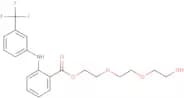
Discontinued productTriethylene glycol flufenamate
CAS:Etofenamate impurity
Formula:C20H22F3NO5Purity:Min. 95%Color and Shape:Clear LiquidMolecular weight:413.39 g/molRef: 3D-IT58094
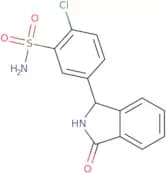
Discontinued productChlorthalidone impurity E
CAS:Chlorthalidone impurity E is an analytical standard for the HPLC analysis of chlorthalidone in pharmaceutical drug products and is a metabolite of chlorthalidone. Chlorthalidone impurity E is an API impurity that can be found in the synthesis of chlorthalidone, and it has been detected as a minor component in certain drug products. It is important to have an accurate specification for this compound, since it can affect the pharmacological properties of the drug product. The purity level of this compound must be at least 98% or greater to ensure that there are no contaminants present. This compound is also a metabolite of chlorthalidone and is used as a pharmacopoeia reference substance for testing equipment calibration.END>
Formula:C14H11ClN2O3SPurity:Min. 95%Molecular weight:322.77 g/molRef: 3D-IC76330
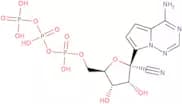
Discontinued productGS 441524 triphosphate
CAS:Triphosphorylated form of an antiviral nucleoside analog with activity against zoonotic feline infectious peritonitis virus (FIPV) and severe acute respiratory syndrome (SARS) virus from Coronaviridae family. The compound is the biologically active form of the GS 441524 prodrug and being triphosphorylated, it competes with natural nucleoside triphosphates in cells and interferes with viral RNA synthesis. Made to order.
Formula:C12H12N5O13P3·4NaPurity:(31P-Nmr) Min. 95 Area-%Color and Shape:White PowderMolecular weight:531.20 g/molRef: 3D-FG167050
Discontinued product
![Ethyl 6-[4-[(5-chloro-1-oxopentyl)amino]phenyl]-4,5,6,7-tetrahydro-1-(4-methoxyphenyl)-7-oxo-1H-py…](/_next/image/?url=https%3A%2Fstatic.cymitquimica.com%2Fproducts%2F3D%2Fthumb-webp%2FWGC82320.webp&w=3840&q=75)


![2-[[4-(2-Pyridylsulfamoyl)phenyl]azo]hydroxybenzene](/_next/image/?url=https%3A%2Fstatic.cymitquimica.com%2Fproducts%2F3D%2Fthumb-webp%2FIP27340.webp&w=3840&q=75)

![5-[[4-[2-(5-Ethyl-2-pyridinyl)ethoxy]phenyl]-methylene]-2,4-thiazolidinedione](/_next/image/?url=https%3A%2Fstatic.cymitquimica.com%2Fproducts%2F3D%2Fthumb-webp%2FIE23114.webp&w=3840&q=75)
![1-[[3-Methyl-4-(2,2,2-trifluoroethoxy)-2-pyridinyl]methyl]-2-[[[3-methyl-4-(2,2,2-trifluoroethoxy)…](/_next/image/?url=https%3A%2Fstatic.cymitquimica.com%2Fproducts%2F3D%2Fthumb-webp%2FIM25690.webp&w=3840&q=75)
![[5-L-Aspartic Acid]-desmopressin](/_next/image/?url=https%3A%2Fstatic.cymitquimica.com%2Fproducts%2F3D%2Fthumb-webp%2FIA173260.webp&w=3840&q=75)
![N-[2-[(8R)-1,6,7,8-Tetrahydro-6-oxo-2H-indeno[5,4-b]furan-8-yl]ethyl]propanamide](/_next/image/?url=https%3A%2Fstatic.cymitquimica.com%2Fproducts%2F3D%2Fthumb-webp%2FWKB73622.webp&w=3840&q=75)
![8-Benzyloxy-5-[(R)-2-bromo-1-(tertbutyldimethylsilyloxy)ethyl]-1H-quinolinone](/_next/image/?url=https%3A%2Fstatic.cymitquimica.com%2Fproducts%2F3D%2Fthumb-webp%2FFWA08474.webp&w=3840&q=75)



![1-[[3-Methyl-4-(2,2,2-trifluoroethoxy)-2-pyridinyl]methyl]-2-[[[3-methyl-4-(2,2,2-trifluoroethoxy)…](/_next/image/?url=https%3A%2Fstatic.cymitquimica.com%2Fproducts%2F3D%2Fthumb-webp%2FIM25689.webp&w=3840&q=75)
![(3R,5S,6E)-7-[4-(4-Fluorophenyl)-6-(1-methylethyl)-2-[methyl[(2-hydroxy-2-methylpropyl)sulfonyl]am…](/_next/image/?url=https%3A%2Fstatic.cymitquimica.com%2Fproducts%2F3D%2Fthumb-webp%2FIF156830.webp&w=3840&q=75)
![2-[2-[4-(5,5-Dioxidodibenzo[b,f][1,4]thiazepin-11-yl)-1-piperazinyl]ethoxy]ethanol](/_next/image/?url=https%3A%2Fstatic.cymitquimica.com%2Fproducts%2F3D%2Fthumb-webp%2FID27366.webp&w=3840&q=75)
![1-[[4-(3-Methoxypropoxy)-3-methyl-2-pyridinyl]methyl]-2-[[[4-(3-methoxypropoxy)-3-methyl-2-pyridin…](/_next/image/?url=https%3A%2Fstatic.cymitquimica.com%2Fproducts%2F3D%2Fthumb-webp%2FIM25352.webp&w=3840&q=75)
![[Trp(O)25]-Semaglutide](/_next/image/?url=https%3A%2Fstatic.cymitquimica.com%2Fproducts%2F3D%2Fthumb-webp%2FIS27853.webp&w=3840&q=75)