APIs for research and impurities
Active Pharmaceutical Ingredients (APIs) are the substances in drugs responsible for their therapeutic effects. In this section, you will find a wide variety of APIs intended for research use. These compounds are essential for the development, testing, and validation of new pharmaceutical formulations. CymitQuimica offers high-quality APIs to support research in drug discovery and development.
Subcategories of "APIs for research and impurities"
- Aminoacids and derivatives(12,328 products)
- Anthraquinones and derivatives(405 products)
- Benzimidazole and Imidazole Derivatives(10,438 products)
- Benzodiazepine Derivatives(335 products)
- Carbohydrates and glycoconjugates(5,016 products)
- Esters and Derivatives(42,240 products)
- Fatty Acids and Lypidic Derivatives(32,395 products)
- Flavonoids and Polyphenols(17,087 products)
- Free Radicals and Oxidant/Reducing Agents(213 products)
- Ketones and derivatives(2,402 products)
- Natural and semi-synthetic antibiotics(6,380 products)
- Nitriles and Cyano Derivatives(3,067 products)
- Nitrosamines and Derivatives(55 products)
- Nucleosides and Nucleotides(3,431 products)
- Organic Phosphates and Phosphonates(1,202 products)
- Organic Sulphonates and Sulphates(10,434 products)
- Organometallics(4,422 products)
- Others(6,292 products)
- Peptides and Proteins(3,153 products)
- Polymers and Derivatives(100 products)
- Purines and Pyrimidine Derivatives(8,948 products)
- Quinazoline and Quinoline Derivatives(65,966 products)
- Quinones and Derivatives(24,349 products)
- Salts and Derivatives of Active Pharmaceutical Ingredients (API)(79,696 products)
- Steroids and Derivatives(4,975 products)
- Sulfonamides and Derivatives(2,594 products)
- Terpenoids and Derivatives(3,846 products)
- Thiazolidinediones and Thiopyrans(2,752 products)
- β-Adrenergic Compounds(230 products)
Show 21 more subcategories
Found 57012 products of "APIs for research and impurities"
Sort by
Purity (%)
0
100
|
0
|
50
|
90
|
95
|
100
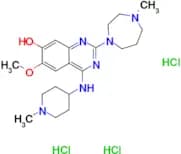
6-Methoxy-2-(4-methyl-1,4-diazepan-1-yl)-4-((1-methylpiperidin-4-yl)amino)quinazolin-7-ol (trihydrochloride)
Purity:98%Molecular weight:509.9Cefuroxime Axetil Impurity C (85%)
CAS:Controlled ProductFormula:C18H15Cl3N4O9SPurity:85%Color and Shape:NeatMolecular weight:569.7571Cefuroxime
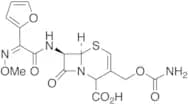
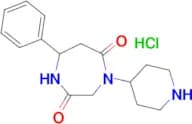
CAS:<p>Cefuroxime (Cephuroxime) is a second-generation cephalosporin antibiotic with antimicrobial activity for the study of soft tissue infections.</p>Formula:C16H16N4O8SPurity:98.42%Color and Shape:SolidMolecular weight:424.39Tert-butyl 4-[5-phenyl-3,7-dioxo-1,4-diazepan-1-yl]piperidine-1-carboxylate
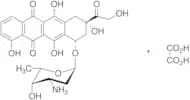
Molecular weight:387.480010986328114-Hydroxy Carminomycin Oxalate
CAS:Controlled Product<p>Stability Hygroscopic<br>Applications A semi-synthetic analogue of Carminomycin with cytostatic activity.<br>References Mossman, T., et al.: J. Immunol. Methods, 65, 55 (1983), Janicke, R.U., et al.: J. Biol. Pharm., 273, 9357 (1998), Sidorova, T.A., et al.: J. Med. Chem., 21, 5330 (2002),<br></p>Formula:C28H29NO15Color and Shape:NeatMolecular weight:619.53Torsemide-d7
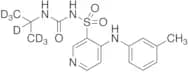
CAS:Controlled Product<p>Applications Labelled Torsemide (T548750). Used as a diuretic.<br>References Lesne, M., et al.: In. J. Clin. Pharmacol. Ther. Toxicol., 20, 382 (1982), Brater, D.C., et al.: Clin. Pharmacol. Ther., 42, 187 (1987),<br></p>Formula:C162H7H13N4O3SColor and Shape:NeatMolecular weight:355.46δ2-Cefuroxime
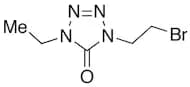
CAS:Controlled Product<p>Applications A potentially related compound in cephalosporin antibacterial compounds. An isomer of Cefuroxime (C248050).<br>References Chavette, R., et al.: J. Med. Chem., 9, 741 (1966), Miyouchi, M., et al.: J. Chem. Pharm. Bull., 38, 1906 (1990), Sugioka, T., et al.: Chem. Pharm. Bull., 38, 1998 (1990),<br></p>Formula:C16H16N4O8SColor and Shape:NeatMolecular weight:424.381-(2-Bromoethyl)-4-ethyl-1,4-dihydro-5H-tetrazol-5-one
CAS:Controlled Product<p>Applications Intermediate in the preparation of Alfentanil.<br>References Kudzma, L., et al.: J. Med. Chem., 32, 2534 (1989),<br></p>Formula:C5H9BrN4OColor and Shape:NeatMolecular weight:221.06(S)-Equol
CAS:Controlled Product<p>Applications (S)-Equol and R-Equol are metabolites of the soy isoflavones Daidzein (D103500) and Genistein. Both have significant biological actions.<br>References Heinonen, S., et al.: Anal. Biochem., 274, 211 (1999), Setchell, K., et al.: J. Nutr., 132, 3577 (2002), Thigpen, J., et al.: Comp. Med., 53, 607 (2003), Yee, S., et al.: Food Chem. Toxicol., 46, 2713 (2008),<br></p>Formula:C15H14O3Color and Shape:WhiteMolecular weight:242.27Acebutolol Hydrochloride
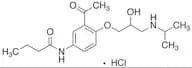
CAS:<p>Applications Cardioselective β-adrenergic blocker. Antihypertensive; antianginal; antiarrhythmic (class II).<br>References Cuthbert, O.A., et al.: Br. J. Pharmacol., 43, 639 (1971), Singh, B.N., et al.: Drugs, 29, 531 (1985), Foster, R.T., et al.: Anal. Profiles Drug Subs., 19, 1 (1990),<br></p>Formula:C18H29ClN2O4Color and Shape:White to Pale Yellow SolidMolecular weight:372.89Rosuvastatin Anhydro Lactone
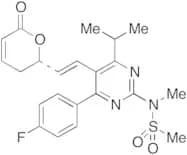
CAS:Controlled Product<p>Applications Rosuvastatin Anhydro Lactone, is an intermediate in the production of Rosuvastatin (R700500) derivatives.<br>References Martin, P., et al.: Clin. Ther., 25, 2215 (2003), Sakaeda, T., et al.: Pharm. Res., 23, 506 (2006),<br></p>Formula:C22H24FN3O4SColor and Shape:NeatMolecular weight:445.51(1S,2S,5S)-4-[2-[2-(6,6-Dimethylbicyclo[3.1.1]hept-2-yl)ethoxy]ethyl]morpholine
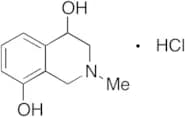
CAS:<p>Applications (1S,2S,5S)-4-[2-[2-(6,6-Dimethylbicyclo[3.1.1]hept-2-yl)ethoxy]ethyl]morpholine, is used for the synthesis of Pinaverium Bromide (P465000), a drug used for functional gastrointestinal disorders.<br>References Gan, Y., et al.: Shenyang Yaoke Daxue Xuebao, 25, 370 (2008); He, L., et al.: Huaxue Yanjiu Yu Yingyong, 20, 600 (2008);<br></p>Formula:C17H31NO2Color and Shape:NeatMolecular weight:281.431,2,3,4-Tetrahydro-2-methyl-4,8-isoquinolinediol Hydrochloride
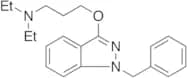
CAS:Formula:C10H14ClNO2Color and Shape:Off White SolidMolecular weight:215.68N,N-DidemethylN,N-diethyl Benzydamine
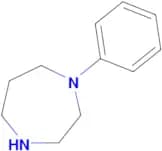
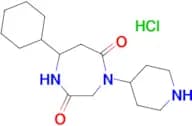
CAS:Controlled Product<p>Applications Indazolone derivative.<br></p>Formula:C21H27N3OColor and Shape:NeatMolecular weight:337.467-cyclohexyl-4-piperidin-4-yl-1,4-diazepane-2,5-dione hydrochloride
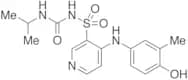
Molecular weight:329.86999511718754’-Hydroxy Torsemide
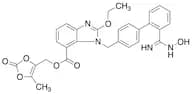
CAS:Controlled Product<p>Applications A metabolite of Torsemide (T548750).<br>References Besenfelder, E., et al.: J. Pharm. Biomed. Anal., 5, 259 (1987), Vormfelde, S., et al.: Clin. Pharmacol. Ther., 76, 557 (2004),<br></p>Formula:C16H20N4O4SColor and Shape:NeatMolecular weight:364.419Azilsartan Amidoxime
CAS:Controlled Product<p>Applications Azilsartan Amidoxime is an intermediate used in the preparation of azilsartan kamedoxomil for use as an angiotensin II receptor blocker. Azilsartan Impurity.<br>References Garaga, S., et al.: Org. Process Res. Dev., 19, 514 (2015); Sethi, M. K., et al.: Pharma Chemica, 7, 20 (2015)<br></p>Formula:C29H26N4O7Color and Shape:NeatMolecular weight:542.54Oxazolam
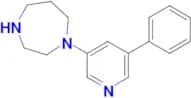
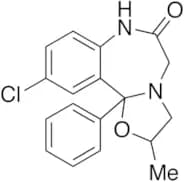
CAS:Controlled Product<p>Applications A psychotropic agent with anxiolytic, anticonvulsant, sedative and skeletal muscle relaxant properties. It is a precursor to the active substance Desmethyldiazepam (D291595).<br>References Ochs, H.R. et al.: J. Clin. Pharmacol., 24, 446 (1984); Takagi, H. et al.: Nip. Yakur. Zas., 66, 134 (1970);<br></p>Formula:C18H17ClN2O2Color and Shape:NeatMolecular weight:328.792-[3-(1,4-diazepan-1-yl)propyl]-2,3-dihydro-1H-isoindole-1,3-dione
CAS:Purity:95.0%Molecular weight:287.3630065917969(Z)-2-Methoxyimino-2-furanacetic Acid Ammonium Salt
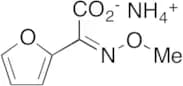
CAS:Controlled Product<p>Applications (Z)-2-Methoxyimino-2-furanacetic Acid Ammonium Salt is An intermediate in the preparation of Cephalosporin antibiotics and derivatives.<br> E3<br>References Nomura, H., et al.: J. Med. Chem., 17, 12 (1974); Fuzimoto, K., et al.: J. Antibiotics, 40, 370 (1987)<br></p>Formula:C7H6NO4·H4NColor and Shape:NeatMolecular weight:186.17Taurolithocholic Acid Sulfate Disodium Salt
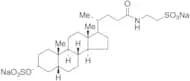
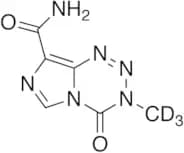
CAS:Controlled Product<p>Stability Hygroscopic<br>Applications Disodium salt of Taurolithocholic Acid Sulfate, a metabolite of bile acids. Sulfation is a major metabolic pathway involved in the elimination and detoxification of bile acids (BAs).<br>References Kawamata, Y., et al.: J. Biol. Chem., 278, 9435 (2003); Alnouti, Y., et al.: Toxicol. Sci., 108, 225 (2009); Griffiths, W., et al.: J. Lipid Res., 51, 23 (2010); Huang, J., et al.: Xenobiotica, 2010, 40, 184 (2010);<br></p>Formula:C26H43NO8S2·2NaColor and Shape:NeatMolecular weight:607.73Temozolomide-d3
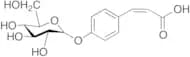
CAS:Controlled ProductFormula:C6H3H3N6O2Color and Shape:Off White SolidMolecular weight:197.174-O-β-Glucopyranosyl-cis-coumaric alphacid (>80%)
CAS:Controlled ProductFormula:C15H18O8Purity:>80%Color and Shape:BeigeMolecular weight:326.3R-Norketamine Hydrochloride (1mg/ml in Methanol)
CAS:Formula:C12H14ClNO•(HCl)Color and Shape:Colourless Solution(R,S)-Equol
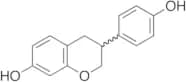
CAS:Controlled Product<p>Applications (R,S)-Equol is a human urinary metabolite of the soy isoflavones Daidzein (D103500).<br>References Heinonen, S., et al.: Anal. Biochem., 274, 211 (1999), Setchell, K., et al.: J. Nutr., 132, 3577 (2002), Thigpen, J., et al.: Comp. Med., 53, 607 (2003), Yee, S., et al.: Food Chem. Toxicol., 46, 2713 (2008),<br></p>Formula:C15H14O3Color and Shape:NeatMolecular weight:242.27Benz[a]anthracen-3-ol
CAS:Controlled Product<p>Applications Benz[a]anthracen-3-ol is a derivative of the most potent carcinogenic hydrocarbon, 7,12-Dimethylbenz[a]anthracene (D464500), a highly potent carcinogen that is activated by microsomal enzymes to a diol epoxide metabolite that binds covalently to DNA in mammalian cells, leading ultimately to tumor induction. Benz[a]anthracen-3-ol is used in carcinogenesis studies relating to breast cancer.<br> Not a dangerous good if item is equal to or less than 1g/ml and there is less than 100g/ml in the package<br>References Harvey, R. et al.: J. Org. Chem., 69, 2024 (2004); Harvey, R. et a;.: J. Med. Chem., 31, 154 (1988); Lee. H. et al.: J. Org. Chem., 51, 3501 (1986); Huggins, C., et al.: Proc. Nat. Acad. Sci. U.S.A., 58, 2253 (1967), Dipple, A., et al.: N. Cancer Res., 43, 4123 (1983);<br></p>Formula:C18H12OColor and Shape:Off-WhiteMolecular weight:244.29N-Methyl-p-toluenesulfonamide
CAS:Controlled Product<p>Applications N-Methyl-p-toluenesulfonamide is an intermediate used in the synthesis of vicinal haloamino ketone derivative.<br>References Sun, H., et al.: Chem. Biol. Drug Design, 75, 269 (2010)<br></p>Formula:C8H11NO2SColor and Shape:NeatMolecular weight:185.2431-(2-Chloro-6-fluoro-benzyl)-[1,4]diazepanedihydrochloride
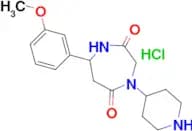
CAS:Formula:C12H18Cl3FN2Purity:98.0%Color and Shape:CrystallineMolecular weight:315.647-(3-methoxyphenyl)-4-piperidin-4-yl-1,4-diazepane-2,5-dione hydrochloride
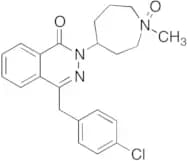
Molecular weight:353.8500061035156Azelastine N-Oxide (Mixture of Diastereomers)
CAS:Controlled Product<p>Stability Hygroscopic<br>Applications A metabolite of Azelastine (A808250).<br>References Heinemann, U. et al.: J. Chrom. B Anal. Tech. Biomed. Life Sci., 793, 389 (2003); Tasaka, K., et al.: Arzneim.-Forsch., 29, 488 (1979);<br></p>Formula:C22H24ClN3O2Color and Shape:NeatMolecular weight:397.90Daidzein 4’-Sulfate Disodium Salt
CAS:Controlled Product<p>Stability Hygroscopic<br>Applications A metabolite of Daidzin, Daidzein and Puerarin.<br>References Griffiths, L., et al.: Biochem. J., 130, 141 (1972), Zhu, X., et al.: Acta Pharm. Sin., 14, 349 (1979), Powell, G., et al.: Drug Metab. Drug Interact., 6, 203 (1988), Bamforth, K., et al.: Eur. J. Pharmacol., 228, 15 (1992), Walle, T., et al.: Biochem. Pharmacol., 50, 731 (1995),<br></p>Formula:C15H8Na2O7SColor and Shape:NeatMolecular weight:378.262-Methyl-10-(2-nitrophenyl)-10H-benzo[b]thieno[2,3-e] [1,4]diazepin-4-amine
<p>2-Methyl-10-(2-nitrophenyl)-10H-benzo[b]thieno[2,3-e][1,4]diazepin-4-amine is an analytical standard for HPLC. It is a research and development chemical and should be handled with care. 2-Methyl-10-(2-nitrophenyl)-10H-benzo[b]thieno[2,3-e][1,4]diazepin-4-amine is a drug development API impurity that can be found in the drug product. Impurities standards are available for this compound. The CAS number for 2 methyl 10 (2 nitrophenyl) 10H benzo [b] thieno [2,3 - e][1,4] diazepin 4 amine is 71437–05–9.</p>Purity:Min. 95%Amoxicillin EP impurity K
CAS:<p>Amoxicillin EP impurity K is a research and development impurity standard. It is a synthetic ampicillin-derived beta-lactam antibiotic that is a metabolite of amoxicillin. Amoxicillin EP impurity K has been shown to be an inhibitor of bacterial protein synthesis, which may be due to its ability to inhibit the activity of ribosomes and 50S subunits. This product can be custom synthesized and is available at high purity. Amoxicillin EP impurity K is used in the manufacture of pharmaceutical products, such as tablets and capsules, for drug development.</p>Purity:Min. 95%D-Ser32-Tirzepatide
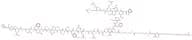
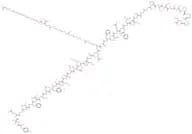
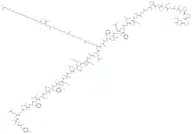
<p>Please enquire for more information about D-Ser32-Tirzepatide including the price, delivery time and more detailed product information at the technical inquiry form on this page</p>Formula:C225H348N48O68Molecular weight:4,813.5 g/molAdefovir Dipivoxyl Impurity I
CAS:<p>Adefovir Dipivoxyl Impurity I is a white crystalline powder with a melting point of 232–234 °C. It is soluble in water, and insoluble in organic solvents. Adefovir Dipivoxyl Impurity I is used as an impurity standard for Adefovir Dipivoxyl and has been shown to be metabolized by CYP3A4 and UGT1A9. This impurity also has the potential to inhibit DNA synthesis in cells.</p>Formula:C21H34N5O9PPurity:Min. 95%Molecular weight:531.5 g/mol3-O-Desmethyl amlodipine
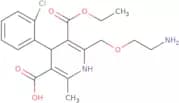
CAS:3-O-Desmethyl amlodipine is a metabolite of the drug amlodipine. It has been shown to be formed in vivo and may contribute to the pharmacological activity of amlodipine, although its contribution is not well understood. 3-O-Desmethyl amlodipine has been used as an analytical standard for chemical purity testing of pharmaceuticals, and as an impurity standard for HPLC analysis.Formula:C19H23ClN2O5Purity:Min. 95%Color and Shape:PowderMolecular weight:394.85 g/mol4-Amino-7-iodopyrrolo[2,1-f][1,2,4]triazine
CAS:<p>4-Amino-7-iodopyrrolo[2,1-f][1,2,4]triazine is an impurity standard of the drug product. It is a high purity synthetic compound with a niche in pharmacopoeia and drug development. 4-Amino-7-iodopyrrolo[2,1-f][1,2,4]triazine has been shown to be a metabolite of the natural product.</p>Formula:C6H5IN4Purity:Min. 97 Area-%Color and Shape:PowderMolecular weight:260.04 g/mol3-Amino-4-carbamoylpyrazole hemisulfate
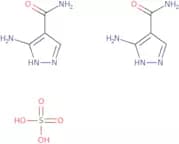
CAS:<p>3-Amino-4-carbamoylpyrazole hemisulfate is a white to yellowish crystalline powder that is soluble in water and methanol. It is a condensation product of allopurinol and ethyl orthoformate with a molecular weight of 312.4. 3-Amino-4-carbamoylpyrazole hemisulfate can be used as an anti-inflammatory agent, but it has not been approved for medical use in the United States.</p>Formula:C4H6N4OH2O4SPurity:Min. 95%Color and Shape:White PowderMolecular weight:175.16 g/mol2,3,5-Tri-O-benzyl-D-ribono-1,4-lactone
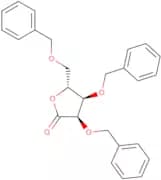
CAS:<p>2,3,5-Tri-O-benzyl-D-ribono-1,4-lactone is a synthetic building block which can undergo reaction with nucleophilic carbon species to afford C-ribosides (via the corresponding hemiacetal). Treatment of 2,3,5-Tri-O-benzyl-D-ribono-1,4-lactone with stronger reducing agents, such as sodium borohydride, affords ring opened products with a stereo-defined poly-oxygenated carbon chain backbone.</p>Formula:C26H26O5Purity:Min. 98 Area-%Color and Shape:White Off-White PowderMolecular weight:418.48 g/molNaltrexone impurity F
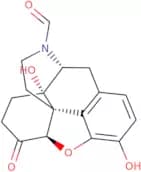
CAS:Naltrexone Impurity F is a drug product that is an impurity standard for the analytical determination of Naltrexone in HPLC. It is a natural metabolite of naltrexone and has been shown to have pharmacological effects similar to those of naltrexone. Naltrexone Impurity F is used as an analytical reference material for the detection of naltrexone in pharmaceutical products.Formula:C20H23NO5Purity:Min. 95%Color and Shape:PowderMolecular weight:357.4 g/molN-(((5S)-3-(4-(4-Morpholinyl)phenyl)-2-oxo-5-oxazolidinyl)methyl) acetamide
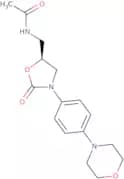
CAS:<p>N-(((5S)-3-(4-(4-Morpholinyl)phenyl)-2-oxo-5-oxazolidinyl)methyl) acetamide is an impurity of the antibiotic linezolid. It is a contaminant that can be found in urine and blood samples. N-(((5S)-3-(4-(4-Morpholinyl)phenyl)-2-oxo-5-oxazolidinyl)methyl) acetamide has been shown to be amyloidogenic, meaning it can form plaques in the brain and lead to Alzheimer's disease.</p>Formula:C16H21N3O4Purity:Min. 95%Color and Shape:White to off-white solid.Molecular weight:319.36 g/molN,N',N''-Tris(4-chlorobenzylideneimino)guanidine hydrochloride
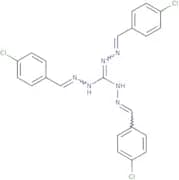
CAS:<p>N,N',N''-Tris(4-chlorobenzylideneimino)guanidine hydrochloride is an analytical standard used to determine the purity of a drug product. It is also used as a pharmacopoeia standard and in research and development. N,N',N''-Tris(4-chlorobenzylideneimino)guanidine hydrochloride is synthesized from 4-chlorobenzaldehyde and 1,2,3-triazole. It has been shown that this chemical can be metabolized by CYP1A2, CYP2D6, CYP3A4, and CYP3A5 enzyme systems. This chemical has not been found to have any impurities.</p>Formula:C22H17Cl3N6•(HCl)xPurity:Min. 95%Color and Shape:White to off-white solid.Molecular weight:471.77 g/mol1-b-D-Ribofuranosyl-1,2,4-triazole-3-carboxylic acid methyl ester
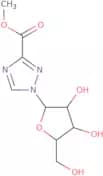
CAS:<p>Intermediate in the synthesis of ribavirin</p>Formula:C9H13N3O6Purity:Min. 95%Color and Shape:White PowderMolecular weight:259.22 g/molN-Acetylmemantine
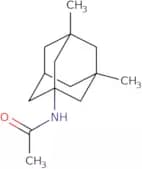
CAS:<p>N-Acetylmemantine is a drug that inhibits the activity of acetylcholinesterase in the brain. It has been shown to inhibit cancer cell growth and induce apoptosis, as well as inhibit the reaction of hydrolysis of acetonitrile with hydrochloric acid in an organic solvent. N-Acetylmemantine is synthesized by heating ethylene in the presence of hydrochloric acid. The synthesis yields a white solid that consists mainly of N-acetylmethamphetamine. This drug interacts with cellular membranes, which may be due to its ability to react with cholesterol or phospholipids. The interaction leads to changes in membrane permeability, which can result in apoptosis.</p>Formula:C14H23NOPurity:Min. 95%Color and Shape:White PowderMolecular weight:221.34 g/mol8-Chloro-11H-benzo[5,6]cyclohepta[1,2-b]pyridin-11-one
CAS:<p>Please enquire for more information about 8-Chloro-11H-benzo[5,6]cyclohepta[1,2-b]pyridin-11-one including the price, delivery time and more detailed product information at the technical inquiry form on this page</p>Formula:C14H8ClNOPurity:Min. 95%Molecular weight:241.67 g/molLisinopril EP Impurity E
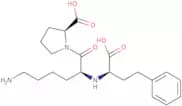
CAS:Lisinopril EP Impurity E is an impurity of lisinopril, which is a prescription drug used to treat high blood pressure. This impurity was found in a preparative high performance liquid chromatography (HPLC) and mass spectroscopy analysis of the drug. The molecular weight of Lisinopril EP Impurity E was determined to be 317.2 amu, which corresponds to the molecular formula C7H13NO2. The FT-IR spectrum showed that this impurity has an ammonium group at 1859 cm-1 and butanoic acid at 1647 cm-1.Formula:C21H31N3O5Purity:Min. 98 Area-%Color and Shape:PowderMolecular weight:405.49 g/molAtorvastatin impurity F
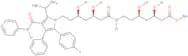
CAS:<p>Atorvastatin impurity F is an impurity that can be found in atorvastatin. It is a white to off-white crystalline solid with a melting point of 142°C. It has a molecular weight of 273.5 and chemical formula of C14H13N3O2. This impurity can be found in atorvastatin as an API impurity, which may have an effect on the efficacy or toxicity of the drug product. Impurities are present in all pharmaceutical products and should be identified, characterized, and quantified for quality control purposes. Impurities are often unavoidable byproducts of the manufacturing process and can lead to potential safety concerns if they are not detected early on during drug development. The presence of impurities may also affect the pharmacological effects or therapeutic efficacy of the drug product.</p>Formula:C40H47FN3O8NaPurity:Min. 95%Color and Shape:PowderMolecular weight:739.8 g/molAmbroxol hydrochloride impurity B
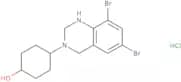
CAS:<p>Ambroxol hydrochloride impurity B is a byproduct of the chemical synthesis of Ambroxol hydrochloride. It is an organic compound that is a colorless, crystalline solid with a melting point of 93°C and a vapor pressure of 0.0012 mmHg at 25°C. The biological relevance and chronic bronchitis detection time of Ambroxol hydrochloride impurity B are unknown. Chemical reactions involving this compound include hydrolysis, oxidation, esterification, and reduction. Ambroxol hydrochloride impurity B has been detected in human blood plasma as well as in the lungs, liver, spleen, brain and kidney tissues following intravenous administration. This substance can be found as a metabolite in urine and feces following oral ingestion or injection.</p>Formula:C14H19Br2ClN2OPurity:Min. 95%Color and Shape:White PowderMolecular weight:426.57 g/molNaltrexone impurity A
CAS:Controlled Product<p>Naltrexone impurity A is a synthetic, high-purity drug product that is used as an analytical reference standard in the development and manufacture of pharmaceuticals. It is also used as a pharmacopoeia reference standard and to study metabolism. Naltrexone impurity A has been shown to be a major metabolite of naltrexone and can be found in the urine at concentrations of 1-2% following oral administration. This impurity is not active when given orally, but may have activity if injected intravenously or intramuscularly.</p>Formula:C17H17NO5Purity:Min. 95%Color and Shape:PowderMolecular weight:315.32 g/mol5-Methoxy-2-[[(4-methoxy-3,5-dimethyl-2-pyridinyl)methyl]sulfonyl]-1H-benzimidazole
CAS:<p>5-Methoxy-2-[[(4-methoxy-3,5-dimethyl-2-pyridinyl)methyl]sulfonyl]-1H-benzimidazole is an inhibitor of cytochrome P450 2C19. It has been shown to inhibit the activity of this enzyme in a concentration dependent manner and to enhance the activity of omeprazole by inhibiting its metabolism. 5-Methoxy-2-[(4-methoxy, 3,5 dimethylpyridiniumyl)methyl]sulfonyl]-1H benzimidazole is used as a model system for studying drug interactions due to its ability to inhibit cytochrome P450 2C19 and CYP2C19 protein expression. 5 METHOXY - 2 - [[ ( 4 - METHOXY - 3 , 5 - DIMETHYL - 2 - PYRIDINYL ) M</p>Formula:C17H19N3O4SPurity:Min. 95%Color and Shape:White Off-White PowderMolecular weight:361.42 g/mol3-O-Methyl L-DOPA monohydrate
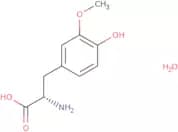
CAS:Controlled Product<p>3-O-Methyl L-DOPA monohydrate is a chromatographic method that is used to diagnose Parkinson's disease. The method separates the catechol-o-methyltransferase (COMT) from plasma samples, which converts dopamine to 3-O-methyl dopamine. The 3-O-methyl dopamine reacts with an electrochemical detector and overlapped peaks can be seen on the chromatogram. This analytical method can be used to detect low levels of dopamine in the blood and diagnose Parkinson's disease.</p>Formula:C10H13NO4·H2OPurity:Min. 95%Color and Shape:White PowderMolecular weight:229.23 g/mol5-(2-Ethoxyphenyl)-1-methyl-3-n-propyl-1,6-dihydro-7H-pyrazolo[4,3-d]pyrimidin-7-one
CAS:Sildenafil is a selective PDE-5 inhibitor that is used in the treatment of erectile dysfunction. It has been shown to have anticancer activity in vitro and in vivo. Sildenafil inhibits the activity of cyclic guanosine monophosphate (cGMP) phosphodiesterase type 5 (PDE-5), which is found in the corpus cavernosum of the penis and inhibits cGMP degradation, leading to vasodilation and increased blood flow. Sildenafil has been shown to inhibit cancer cell proliferation by blocking the synthesis of both DNA and protein, as well as inhibiting the expression of genes encoding for anti-apoptotic proteins. Sildenafil binds to PDE-5 with high affinity, but does not bind to other PDEs or ion channels at therapeutic concentrations.Formula:C17H20N4O2Purity:Min. 95%Color and Shape:White To Off-White SolidMolecular weight:312.37 g/mol2-Phenylbutyric acid
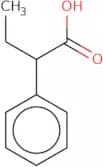
CAS:<p>2-Phenylbutyric acid is a product of the oxidation of phenylacetic acid by flavus. 2-Phenylbutyric acid is an inhibitor of contactor reactions that use α1-acid glycoprotein as a chromatographic support. It has been shown to inhibit the reaction mechanism of extractants (e.g., butamirate citrate) with enantiomeric compounds (e.g., creatine). It also inhibits subclinical mastitis in cows and fatty acid synthesis, leading to decreased cholesterol synthesis in humans.</p>Formula:C10H12O2Purity:Min. 95%Molecular weight:164.2 g/molRemdesivir impurity 10
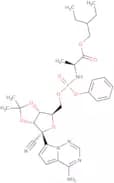
CAS:<p>Remdesivir impurity 10 is a synthetic chemical compound that has been synthesized for research and development. It is an impurity standard of remdesivir, which is not present in any drug product. The purity of this product is high, and it can be used as a pharmacopoeia or drug development standard. It can also be used as an analytical standard to measure the concentration of metabolites in animal studies or metabolism studies.</p>Formula:C27H35N6O8PPurity:Min. 95%Molecular weight:602.58 g/molMethyl 2-deoxy-3,5-di-O-(4-chlorobenzoyl)-a-D-ribofuranoside
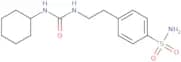
CAS:<p>Methyl 2-deoxy-3,5-di-O-(4-chlorobenzoyl)-a-D-ribofuranoside is a research and development impurity standard for the synthesis of drug products. This chemical is used as a metabolite in the study of metabolic pathways and can be converted to Methyl 3,5-di-O-(4-chlorobenzoyl)-a-D-ribofuranoside by hydrolysis with dilute acid. Methyl 2-deoxy-3,5-di-O-(4-chlorobenzoyl)-a-D ribofuranoside has been shown to be a synthetic molecule and is listed in pharmacopoeia. CAS No. 7818564 5.</p>Formula:C22H24O6Purity:Min. 95%Molecular weight:384.42 g/mol4-(2-((Cyclohexylcarbamoyl)amino)ethyl)benzenesulfonamide
CAS:<p>4-(2-((Cyclohexylcarbamoyl)amino)ethyl)benzenesulfonamide is a research and development impurity standard that is used for the synthesis of drug products. CAS No. 10080-05-4, 4-(2-((Cyclohexylcarbamoyl)amino)ethyl)benzenesulfonamide is a synthetic compound that has been shown to be metabolized in humans and in rats. It has been extensively evaluated as a potential antituberculosis drug candidate and shown to inhibit bacterial growth by binding to DNA-dependent RNA polymerase, thereby preventing transcription and replication. This active form is metabolized through a number of metabolic transformations, including hydrolysis by esterases or glucuronidases, oxidation by cytochrome P450 enzymes, reduction by glutathione reductase, or conjugation with glucuronic acid. In vitro studies have demonstrated its efficacy against Mycobacter</p>Formula:C15H23N3O3SPurity:Min. 95%Molecular weight:325.4 g/molSemaglutide Impurity 29 (beta-Asp-9)
<p>Beta-Asp-(9)-Semaglutide is a semaglutide impurity. The amino acid at position 9 has been replaced by the beta-aspartic acid (also known as isoaspartic, isoAsp, β-Asp or beta-Asp). Semaglutide impurities are structurally related compounds that arise during synthesis, purification, or storage of semaglutide, a long-acting GLP-1 receptor agonist for managing type 2 diabetes and obesity.</p>Formula:C187H291N45O59Molecular weight:4,113.64 g/molAcyclovir
CAS:<p>Acyclovir is an antiviral drug that inhibits the replication of herpes viruses by selectively inhibiting viral DNA polymerase. The drug is active against a broad range of herpes viruses, including both types of herpes simplex virus (HSV-1 and HSV-2) and varicella zoster virus. Acyclovir has also been shown to be effective against aciclovir-resistant mutants. This drug can be used as a prophylaxis or in combination with other antiviral agents for the treatment of active infections. Acyclovir can cause headaches, nausea, vomiting, and diarrhea when taken orally. It should not be taken with certain medicines such as aminoglycosides or high doses of aspirin because this may increase the risk for kidney problems.</p>Formula:C8H11N5O3Purity:Min. 95%Color and Shape:White PowderMolecular weight:225.2 g/molTrazodone hydrochloride impurity H
<p>Trazodone hydrochloride impurity H is an impurity of the drug product Trazodone hydrochloride. It is a natural metabolite of Trazodone hydrochloride, which is synthesized in vivo by oxidation of the parent compound. Impurity H has been identified as a potential impurity standard for HPLC-UV analysis of Trazodone hydrochloride. The purity of this compound is 98.3% and it is available on a custom synthesis basis.</p>Formula:C23H30Cl2N4·HClPurity:Min. 95%Molecular weight:469.88 g/molD-Ser(11)-Semaglutide
<p>D-Ser(11)-Semaglutide is a semaglutide impurity. The amino acid at position 11 has been replaced by the D-form of the amino acid D-serine (D-Ser). Semaglutide impurities are structurally related compounds that arise during synthesis, purification, or storage of semaglutide, a long-acting GLP-1 receptor agonist for managing type 2 diabetes and obesity.</p>Formula:C187H291N45O59Molecular weight:4,113.64 g/mol11-Piperazin-1-yl-dibenzo[b,f][1,4]thiazepine
CAS:<p>11-Piperazin-1-yl-dibenzo[b,f][1,4]thiazepine is a drug used to treat schizophrenia and bipolar disorder. It is a member of the thiazepine class of antipsychotics that blocks dopamine receptors in the brain. 11-Piperazin-1-yl-dibenzo[b,f][1,4]thiazepine has been shown to be effective for treatment trials and toxicity studies in animals. This drug has also been shown to have an anti-inflammatory effect on cytokines such as il-10. The drug interacts with other drugs by inhibiting the activity of certain enzymes that metabolize it so it can be eliminated from the body more quickly. The elimination half life for this drug is about 6 hours. 11-Piperazin-1-yl-dibenzo[b,f][1,4]thiazepine binds to specific receptors in the brain which</p>Formula:C17H17N3SPurity:Min. 95%Color and Shape:PowderMolecular weight:295.4 g/mol3-[[[2-[(Diaminomethylene)amino]thiazol-4-yl]methyl]sulphanyl]propanoic acid
CAS:3-[[[2-[(Diaminomethylene)amino]thiazol-4-yl]methyl]sulphanyl]propanoic acid is a pharmaceutical agent. It is used in the treatment of heartburn, gastroesophageal reflux disease (GERD), and other conditions. 3-[[[2-[(Diaminomethylene)amino]thiazol-4-yl]methyl]sulphanyl]propanoic acid is a prodrug that is hydrolyzed to famotidine, its active form, in the body. Famotidine has been shown to inhibit the H+/K+ ATPase enzyme from gastric parietal cells, which increases intracellular pH and reduces gastric acid secretion. 3-[[[2-[(Diaminomethylene)amino]thiazol-4-yl]methyl]sulphanyl]propanoic acid also inhibitsFormula:C8H12N4O2S2Purity:Min. 95%Color and Shape:PowderMolecular weight:260.34 g/molDecitabine impurity 13
CAS:<p>Decitabine is a drug product that is being developed for the treatment of cancer. It has been shown to inhibit the proliferation of human tumor cells in vitro and to induce apoptosis in prostate cancer cells. Decitabine is metabolized to an active form, dideoxycitidine (DDC), which binds to DNA and inhibits the enzyme DNA polymerase alpha, leading to inhibition of DNA synthesis. Impurity 13 is a by-product of the synthesis process and can be used as an analytical standard. It can also be used as a research and development impurity standard or as a pharmacopoeia impurity standard.</p>Formula:C4H6N6O2Purity:Min. 95%Molecular weight:170.13 g/molα-Methyl-1,3-benzodioxole-5-propanamine
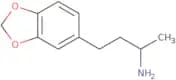
CAS:Controlled Product<p>α-Methyl-1,3-benzodioxole-5-propanamine (AMEB) is a chemical compound that minimizes the reaction products in industrial reactions. It has been used as an absorption agent and crosslinking agent in bioconjugate chemistry. The hydroxyl group on AMEB can be removed by hydrolysis to yield α-methyl-1,3-benzodioxole, which can then be converted to the amino acid methionine. AMEB has also been shown to have locomotor activity and to increase the synthesis of hyaluronic acid, which is important for maintaining joint health.</p>Formula:C11H15NO2Purity:Min. 95%Color and Shape:PowderMolecular weight:193.24 g/molD-Asp-15 Tirzepatide
<p>Tirzepatide impurity.</p>Formula:C225H348N48O68Molecular weight:4,813.5 g/molEmpagliflozin R-furanose
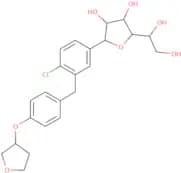
CAS:<p>Empagliflozin R-furanose is a drug product that belongs to the class of drugs for treatment of type II diabetes. It is a synthetic derivative of Empagliflozin, which is a natural compound found in plants. Empagliflozin R-furanose has been shown to inhibit the activity of dipeptidyl peptidase 4 (DPP-4) and reduce postprandial glucose levels in healthy subjects. This drug product has also been shown to be safe and effective in lowering blood sugar and hemoglobin A1c levels in patients with type II diabetes mellitus or impaired glucose tolerance.</p>Formula:C23H27ClO7Purity:Min. 95%Color and Shape:PowderMolecular weight:450.91 g/molPaclitaxel oxetane ring-opened 3-acetyl 4-benzoyl impurity
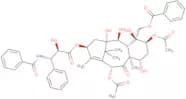
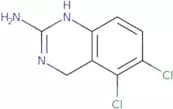
CAS:<p>Paclitaxel breakdown product</p>Formula:C47H53NO15Purity:Min. 95%Color and Shape:PowderMolecular weight:871.92 g/mol5,6-Dichloro-1,4-dihydro-2-quinazolinamine
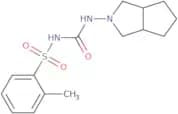
CAS:<p>5,6-Dichloro-1,4-dihydro-2-quinazolinamine (5,6-DCQ) is a small molecule that has been used in vitro to study postnatal development. 5,6-DCQ binds to magnesium and forms a cation complex. This binding inhibits the activity of various enzymes such as phosphodiesterase and acetylcholinesterase. 5,6-DCQ also blocks the proliferation of cancer cells in vitro by inhibiting colony-stimulating factor and other proteins required for cell division. 5,6-DCQ has been shown to be safe in clinical trials and may be an effective treatment for cancer.</p>Formula:C8H7Cl2N3Purity:Min. 95%Molecular weight:216.07 g/molGliclazide impurity F
CAS:<p>Gliclazide is a sulfonylurea drug that is used to treat type 2 diabetes. The impurity F, which is an impurity standard, can be synthesized by reacting 1-chloro-2,6-difluoroaniline with sodium methoxide in methanol. It is also an API impurity found in the synthesis of gliclazide and can be custom synthesized for research and development purposes. Gliclazide impurity F has a CAS number of 1076198-18-9 and the molecular formula C8H4ClF3NOS. This product has a purity of >99% and is classified as synthetic. It has been shown to have pharmacopoeia activity and can also be used for niche applications such as drug development.</p>Formula:C15H21N3O3SPurity:Min. 95%Color and Shape:White Off-White PowderMolecular weight:323.41 g/mol10,11-Dihydroxy-d10 Carbamazepine
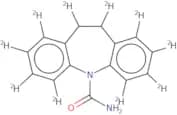
Controlled Product<p>10,11-Dihydroxy-d10 Carbamazepine is a drug product that is used as an analytical reference standard. It is natural and synthetic impurity in the API (active pharmaceutical ingredient) Carbamazepine. The CAS number for 10,11-Dihydroxy-d10 Carbamazepine is 513-81-5. This compound has been synthesized by custom synthesis and is an impurity standard for HPLC analysis of carbamazepine. 10,11-Dihydroxy-d10 Carbamazepine is also a research and development chemical for the drug development industry. It has been classified as a niche chemical due to its high purity and pharmacopoeia grade.</p>Purity:Min. 95%Olsalazine sodium impurity G
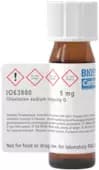
Olsalazine sodium impurity G is an API impurity. It is an important impurity in the production of Olsalazine Sodium, which is a drug for the treatment of inflammatory bowel disease and ulcerative colitis. This compound has been shown to have a high purity level and a pharmacopoeia grade. The CAS number for this compound is 1209-03-9. This compound can be synthesized using organic chemistry methods, or it can be extracted from natural resources such as plants or animal tissues.Formula:C21H14N2O9Purity:Min. 95 Area-%Molecular weight:438.34 g/molErythromycin impurity N
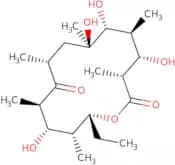
CAS:<p>Erythromycin impurity N is a natural metabolite of erythromycin. It is a metabolite of erythromycin that has been identified in the metabolism studies of this drug product. Erythromycin impurity N is an analytical standard for use in pharmaceutical research and development, as well as in the pharmacopoeia. The CAS number for this compound is 527-56-8.</p>Purity:Min. 95%Montelukast ketone impurity
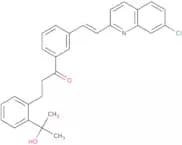
CAS:The impurity (2,6-dichlorobenzaldehyde) is a metabolite of montelukast. It is an analytical impurity that has been quantified in the drug product and has also been found to be present in the synthetic process. The impurity standard was developed using HPLC. It can be used as a high purity reference material for pharmacopoeia and custom synthesis.Formula:C29H26ClNO2Purity:Min. 95%Color and Shape:PowderMolecular weight:455.97 g/molCetirizine Impurity B
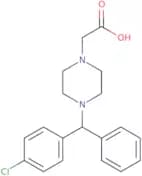
CAS:<p>Cetirizine Impurity B is a custom synthesis impurity. It is a product of the metabolism of cetirizine, an anti-allergic drug. Cetirizine Impurity B is used as an impurity standard for drug development and analytical HPLC studies. It has been assigned CAS number 113740-61-7 by the Chemical Abstracts Service. The purity of this compound is greater than 99%.</p>Formula:C19H21ClN2O2Purity:Min. 90 Area-%Color and Shape:PowderMolecular weight:344.8 g/molErythromycin impurity M
<p>Erythromycin impurity M is a natural, API impurity (impurity standard) that is a metabolite of erythromycin. It has been synthesized as a high purity HPLC standard to meet the requirements of pharmacopoeia and drug development. Erythromycin impurity M is an analytical reference material with CAS number 528-73-2.</p>Formula:C37H67NO13Purity:Min. 95%Molecular weight:733.93 g/molDarunavir urea Impurity
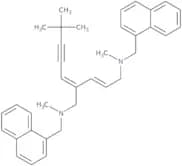
<p>Darunavir Urea Impurity is an impurity of Darunavir which is used in the treatment of HIV. It is produced as a result of the metabolism of Darunavir by Cytochrome P450 enzymes. This impurity has been shown to be present in drug products that contain Darunavir and are manufactured using a process involving the use of urea. The CAS number for this impurity is 557-87-2.</p>Purity:Min. 95%Terbinafine dimer impurity dihydrochloride
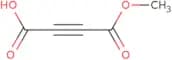
CAS:<p>Terbinafine is an antifungal agent that belongs to the family of medicines. It is used to treat fungal infections of the skin, nails and scalp. Terbinafine can also be used to treat other types of fungal infections, such as tinea corporis (ringworm), tinea cruris (jock itch), tinea pedis (athlete's foot) and tinea capitis (scalp ringworm). Terbinafine dimer impurity dihydrochloride is a by-product of terbinafine hydrochloride that has been shown to have industrial applications as a dispersant or lubricant in industries such as papermaking.</p>Formula:C36H40N2·2HClPurity:Min. 95%Color and Shape:White Off-White PowderMolecular weight:573.64 g/molAcetylenedicarboxylic acid methyl ester
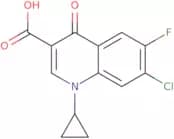
CAS:Acetylenedicarboxylic acid methyl ester (ADME) is a potent inhibitor of kinases that play a crucial role in cancer cell growth and apoptosis. It has been shown to exhibit anticancer activity against various tumor cell lines, including Chinese hamster ovary cells and human bladder carcinoma cells. ADME has also been found in urine samples from healthy individuals, indicating its presence in the human body. This compound specifically targets D-xylose kinases, which are overexpressed in certain cancer cells, leading to their growth inhibition and apoptosis induction. As an inhibitor of these kinases, ADME has potential as a therapeutic agent for the treatment of cancer.Formula:C5H4O4Purity:Min. 95%Molecular weight:128.08 g/molCiprofloxacin impurity A
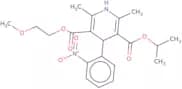
CAS:<p>Ciprofloxacin impurity A is an analog of ciprofloxacin and is a pharmaceutical preparation that belongs to the class of fluoroquinolones. It has been shown to be active against P. aeruginosa and other gram-negative bacteria in wastewater treatment systems. Ciprofloxacin impurity A is activated by ethylene diamine and can be eluted with acidic solvents. It also inhibits tumor cell line growth through adsorption mechanism and is used as a drug for cancer chemoprevention in combination with malic acid.</p>Formula:C13H9ClFNO3Purity:Min. 95%Color and Shape:PowderMolecular weight:281.67 g/mol(RS)-Isopropyl 2-methoxyethyl 1,4-dihydro-2,6-dimethyl-4-(2-nitrophenyl)pyridine-3,5-dicarboxylate
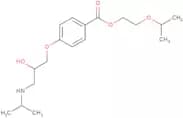
CAS:<p>(RS)-Isopropyl 2-methoxyethyl 1,4-dihydro-2,6-dimethyl-4-(2-nitrophenyl)pyridine-3,5-dicarboxylate is a drug product with an analytical purpose. This compound is metabolized by the liver and excreted in the urine. It has been shown that this compound is not present in natural sources. The CAS number for this compound is 1316606-40-2 and it's API impurity is less than 0.0001%. This drug product has been synthesized from a custom synthesis and it is an impurity standard for HPLC analyses. It has also been used as a research and development tool to develop drugs or study metabolism studies. This compound is pure enough to be used as a pharmacopoeia standard</p>Formula:C21H26N2O7Purity:Min. 95%Molecular weight:418.44 g/molBisoprolol impurity K
CAS:<p>Bisoprolol impurity K is a drug product that is an analytical standard used for the detection and identification of bisoprolol in pharmaceutical products. It is a synthetic impurity with CAS No. 864544-37-6 that does not have any pharmacological activity. Bisoprolol impurity K is a high purity HPLC standard that can be used to develop analytical methods for the determination of bisoprolol in pharmaceutical products.</p>Formula:C18H29NO5Purity:Min. 95%Color and Shape:White PowderMolecular weight:339.43 g/mol[5-[(Dimethylamino)methyl]furan-2-yl]methanethiol, oxalate
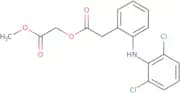
CAS:<p>5-[(Dimethylamino)methyl]furan-2-yl]methanethiol, oxalate is a chemical compound with the molecular formula of C4H8O2S. It is a colorless to pale yellow liquid that is soluble in water and ethanol. This product is used as an impurity standard for HPLC analysis of drugs and as a synthetic intermediate in the drug development process. 5-[(Dimethylamino)methyl]furan-2-yl]methanethiol, oxalate can be synthesized from furfuryl alcohol and methylamine under mild conditions. The purity of this product can be determined by HPLC analysis or GCMS analysis.</p>Formula:C8H13NOS·C2H2O4Purity:Min. 95%Molecular weight:261.3 g/molAceclofenac methyl ester
CAS:Aceclofenac methyl ester is an analgesic that belongs to the arylpropionic acid derivatives. It has been developed for the treatment of acute pain. Aceclofenac methyl ester has a structural formula of CH3CO-O-CH3 and a molecular weight of 164.2 g/mol. Aceclofenac is metabolized by CYP450 enzymes, which are located in the liver and other organs, to form acetic acid and 5-hydroxyaceclofenac. The reaction time is approximately 1 hour and tetrahydrofuranyl (THF) is used as a nucleophile in this reaction. This product can be synthesized by reacting ethyl acetate with acetonitrile in high yield, making it stable and anhydrous. The analgesic effects of aceclofenac methyl ester are due to its ability to block the transmission of pain signals from nerves to the brain at the spinal cord levelFormula:C17H15Cl2NO4Purity:Min. 98 Area-%Color and Shape:White PowderMolecular weight:368.21 g/mol3-(Dimethylamino)-1-(3-thienyl)propan-1-ol
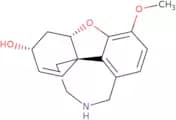
CAS:<p>3-(Dimethylamino)-1-(3-thienyl)propan-1-ol (DMAT) is an impurity that was identified in a drug product and that is not found in the natural form. DMAT is an intermediate of the synthesis of DMH, which is used as a research and development tool. DMAT has been shown to be metabolized by cytochrome P450 enzymes and other oxidative reactions, such as oxidation by cytochrome P450 enzymes or conjugation with glucuronic acid. DMAT also binds to markers expressed at high levels in Mycobacterium tuberculosis strains (e.g., ESX-1 secretion system protein) and inhibits cell growth in culture.</p>Formula:C9H15NOSPurity:Min. 95%Color and Shape:White to yellow solid.Molecular weight:185.29 g/molN-Desmethyl galanthamine
CAS:Controlled Product<p>N-Desmethyl galanthamine is a plant alkaloid that is found in the Huperzia serrata plant. It has been shown to have cholinergic activity and calcium binding properties. N-Desmethyl galanthamine inhibits acetylcholinesterase, an enzyme responsible for the breakdown of acetylcholine, which is a neurotransmitter. This inhibition leads to increased levels of acetylcholine, which results in increased neuron stimulation and improved memory function. N-Desmethyl galanthamine also binds to β2 nicotinic receptor sites and blocks the binding of nicotine, leading to decreased nicotine dependence.</p>Formula:C16H19NO3Purity:Min. 95%Molecular weight:273.33 g/molLisdexamfetamine dimesylate impurity B
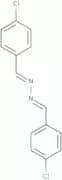
Lisdexamfetamine dimesylate impurity B is a high purity, synthetic, custom synthesis drug product. Lisdexamfetamine dimesylate impurity B is a metabolite of lisdexamfetamine and the impurity standard for lisdexamfetamine dimesylate. It is used in pharmacopoeia to develop drugs. Lisdexamfetamine dimesylate impurity B is also used in analytical studies such as HPLC standards.Purity:Min. 95%N,N'-Bis(4-chlorobenzylidene)hydrazine
CAS:<p>N,N'-Bis(4-chlorobenzylidene)hydrazine is an organic nitrogen compound that is used as a reagent in organic chemistry. It can be used to synthesize hydrazones, toluenes, and carbonyls. This reagent also has the ability to catalyze olefinations. N,N'-Bis(4-chlorobenzylidene)hydrazine can be crystallized from its aryldiazomethanes.</p>Formula:C14H10Cl2N2Purity:Min. 95%Molecular weight:277.15 g/molD-Phe(6)-Semaglutide
<p>D-Phe(6)-Semaglutide is a semaglutide impurity. The amino acid at position 6 has been replaced by the D-form of the amino acid D-phenylalanine (D-Phe). Semaglutide impurities are structurally related compounds that arise during synthesis, purification, or storage of semaglutide, a long-acting GLP-1 receptor agonist for managing type 2 diabetes and obesity.</p>Formula:C187H291N45O59Molecular weight:4,113.64 g/mol2H,5H-Pyrano[4,3-b]pyranyl mupirocin sodium impurity
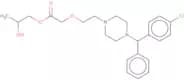
CAS:<p>2H,5H-Pyrano[4,3-b]pyranyl mupirocin sodium impurity is an impurity standard that has been custom synthesized for research and development purposes. It has a CAS number of 116182-44-6, which is the same as the parent compound. 2H,5H-Pyrano[4,3-b]pyranyl mupirocin sodium impurity is a metabolite of Mupirocin Sodium (CAS No. 99765-92-8). This impurity has been used in pharmacopoeia drug development and for analytical studies such as HPLC.</p>Formula:C26H43NaO9Purity:Min. 95%Color and Shape:PowderMolecular weight:522.6 g/molCetirizine propanediol ester impurity
<p>Cetirizine is a drug product that is metabolized to cetirizine propanediol ester. This impurity has been identified in the drug and is not expected to cause any adverse effects in humans. Cetirizine propanediol ester can be synthesized and purified through high-purity, analytical, and natural methods. The pharmacopoeia defines cetirizine propanediol ester as a metabolite of cetirizine. It can also be used as an impurity standard for HPLC analysis.</p>Formula:C24H31ClN2O4Purity:Min. 95%Molecular weight:446.97 g/mol1,3-Bis[(p-chlorobenzylidene)amino]guanidine hydrochloride
CAS:1,3-Bis(p-chlorobenzylidene)amino]guanidine hydrochloride (1,3-BCBGAH) is a method for the determination of p-hydroxybenzoic acid in reaction solutions. It is used as an analytical reagent in the analysis of p-hydroxybenzoic acid in pharmaceuticals and other organic chemicals. The matrix effect can be reduced by adding quillaja saponaria to the extraction solution. The main application of this compound is for the detection of resistant mutants in infectious diseases such as liver lesions and tissue infection. 1,3-BCBGAH has also been shown to be effective against robenidine and polymyxin B., with a more favorable toxicity profile than maduramicin ammonium or anhydrous sodium.Formula:C15H14Cl3N5Purity:Min. 95%Color and Shape:White PowderMolecular weight:370.66 g/mol5-Hydroxy duloxetine
CAS:<p>5-Hydroxy duloxetine (5HD) is a drug product that is synthesized by Custom Synthesis. It has high purity and analytical specifications, and can be used for metabolism studies, natural product development, pharmacopoeia, and research and development. 5HD also has a CAS number of 741693-77-6. This product is synthetically produced with impurity standards. The molecular weight of 5HD is 236.3 g/mol with an impurity level of less than 1%. 5HD can be used in the following applications: HPLC standard, HPLC calibration standard, Impurity standard for LCMS, Impurity standard for GCMS.</p>Formula:C18H19NO2SPurity:Min. 95%Color and Shape:PowderMolecular weight:313.40 g/mol



![Tert-butyl 4-[5-phenyl-3,7-dioxo-1,4-diazepan-1-yl]piperidine-1-carboxylate](/_next/image/?url=https%3A%2Fstatic.cymitquimica.com%2Fproducts%2F10%2Fthumb-webp%2FF300186.webp&w=3840&q=75)


![(1S,2S,5S)-4-[2-[2-(6,6-Dimethylbicyclo[3.1.1]hept-2-yl)ethoxy]ethyl]morpholine](/_next/image/?url=https%3A%2Fstatic.cymitquimica.com%2Fproducts%2FTR%2Fthumb-webp%2FD464890.webp&w=3840&q=75)
![2-[3-(1,4-diazepan-1-yl)propyl]-2,3-dihydro-1H-isoindole-1,3-dione](/_next/image/?url=https%3A%2Fstatic.cymitquimica.com%2Fproducts%2F10%2Fthumb-webp%2FF525165.webp&w=3840&q=75)
![Benz[a]anthracen-3-ol](/_next/image/?url=https%3A%2Fstatic.cymitquimica.com%2Fproducts%2FTR%2Fthumb-webp%2FB120585.webp&w=3840&q=75)

![1-(2-Chloro-6-fluoro-benzyl)-[1,4]diazepanedihydrochloride](/_next/image/?url=https%3A%2Fstatic.cymitquimica.com%2Fproducts%2F10%2Fthumb-webp%2FF033878.webp&w=3840&q=75)

![2-Methyl-10-(2-nitrophenyl)-10H-benzo[b]thieno[2,3-e] [1,4]diazepin-4-amine](/_next/image/?url=https%3A%2Fstatic.cymitquimica.com%2Fproducts%2F3D%2Fthumb-webp%2FIM146328.webp&w=3840&q=75)


![4-Amino-7-iodopyrrolo[2,1-f][1,2,4]triazine](/_next/image/?url=https%3A%2Fstatic.cymitquimica.com%2Fproducts%2F3D%2Fthumb-webp%2FFA170208.webp&w=3840&q=75)
![8-Chloro-11H-benzo[5,6]cyclohepta[1,2-b]pyridin-11-one](/_next/image/?url=https%3A%2Fstatic.cymitquimica.com%2Fproducts%2F3D%2Fthumb-webp%2FIC183197.webp&w=3840&q=75)
![5-Methoxy-2-[[(4-methoxy-3,5-dimethyl-2-pyridinyl)methyl]sulfonyl]-1H-benzimidazole](/_next/image/?url=https%3A%2Fstatic.cymitquimica.com%2Fproducts%2F3D%2Fthumb-webp%2FIM57926.webp&w=3840&q=75)
![5-(2-Ethoxyphenyl)-1-methyl-3-n-propyl-1,6-dihydro-7H-pyrazolo[4,3-d]pyrimidin-7-one](/_next/image/?url=https%3A%2Fstatic.cymitquimica.com%2Fproducts%2F3D%2Fthumb-webp%2FNE16544.webp&w=3840&q=75)

![11-Piperazin-1-yl-dibenzo[b,f][1,4]thiazepine](/_next/image/?url=https%3A%2Fstatic.cymitquimica.com%2Fproducts%2F3D%2Fthumb-webp%2FIP57871.webp&w=3840&q=75)
![3-[[[2-[(Diaminomethylene)amino]thiazol-4-yl]methyl]sulphanyl]propanoic acid](/_next/image/?url=https%3A%2Fstatic.cymitquimica.com%2Fproducts%2F3D%2Fthumb-webp%2FID58082.webp&w=3840&q=75)

![[5-[(Dimethylamino)methyl]furan-2-yl]methanethiol, oxalate](/_next/image/?url=https%3A%2Fstatic.cymitquimica.com%2Fproducts%2F3D%2Fthumb-webp%2FID57849.webp&w=3840&q=75)


![2H,5H-Pyrano[4,3-b]pyranyl mupirocin sodium impurity](/_next/image/?url=https%3A%2Fstatic.cymitquimica.com%2Fproducts%2F3D%2Fthumb-webp%2FIP27268.webp&w=3840&q=75)
![1,3-Bis[(p-chlorobenzylidene)amino]guanidine hydrochloride](/_next/image/?url=https%3A%2Fstatic.cymitquimica.com%2Fproducts%2F3D%2Fthumb-webp%2FIB57827.webp&w=3840&q=75)