APIs for research and impurities
Subcategories of "APIs for research and impurities"
- Aminoacids and derivatives(12,335 products)
- Anthraquinones and derivatives(405 products)
- Benzimidazole and Imidazole Derivatives(10,451 products)
- Benzodiazepine Derivatives(334 products)
- Carbohydrates and glycoconjugates(5,048 products)
- Esters and Derivatives(42,251 products)
- Fatty Acids and Lypidic Derivatives(32,417 products)
- Flavonoids and Polyphenols(17,084 products)
- Free Radicals and Oxidant/Reducing Agents(213 products)
- Ketones and derivatives(2,402 products)
- Natural and semi-synthetic antibiotics(6,387 products)
- Nitriles and Cyano Derivatives(3,068 products)
- Nitrosamines and Derivatives(55 products)
- Nucleosides and Nucleotides(3,484 products)
- Organic Phosphates and Phosphonates(1,201 products)
- Organic Sulphonates and Sulphates(10,435 products)
- Organometallics(4,421 products)
- Others(6,307 products)
- Peptides and Proteins(3,148 products)
- Polymers and Derivatives(100 products)
- Purines and Pyrimidine Derivatives(8,948 products)
- Quinazoline and Quinoline Derivatives(66,044 products)
- Quinones and Derivatives(24,363 products)
- Salts and Derivatives of Active Pharmaceutical Ingredients (API)(80,490 products)
- Steroids and Derivatives(4,958 products)
- Sulfonamides and Derivatives(2,600 products)
- Terpenoids and Derivatives(3,849 products)
- Thiazolidinediones and Thiopyrans(2,754 products)
- β-Adrenergic Compounds(231 products)
Found 57768 products of "APIs for research and impurities"
AE-3763
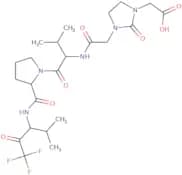
CAS:AE-3763 is an inhibitor of kinases that has shown promise in the treatment of cancer. It is a small molecule that selectively inhibits the activity of certain kinases, which are enzymes involved in cell signaling pathways. AE-3763 has been found to induce apoptosis (programmed cell death) in cancer cells by blocking the activity of specific kinases. This compound has also been shown to inhibit tumor growth in animal models and to have anticancer effects in human cancer cell lines. AE-3763 can be detected in urine and has been studied extensively for its potential therapeutic use against various types of cancer, including breast, lung, and colon cancers. The compound is derived from d-xylose and was first identified as a potent kinase inhibitor by Chinese researchers.Formula:C23H34F3N5O7Purity:Min. 95%Molecular weight:549.5 g/molDmab-anabaseine dihydrochloride
CAS:Dmab-anabaseine dihydrochloride is an analytical reference standard for HPLC. It has been used as an impurity standard in the production of drugs and drug products. Dmab-anabaseine dihydrochloride is an impurity that can be found in the synthesis of Metabolite. The purity of this compound is 99% with a CAS number of 154149-38-9. Dmab-anabaseine dihydrochloride is natural or synthetic and it does not have any pharmacopoeia listings. Custom synthesis and research and development are some other uses for this product.
Formula:C19H23Cl2N3Purity:Min. 95%Molecular weight:364.3 g/mol(+)-Nefopam
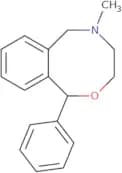
CAS:(+)-Nefopam is a medicinal analog that acts as an inhibitor of various kinases, including Chinese hamster ovary cell kinase and tumor-associated kinases. It has been shown to have anticancer effects by inhibiting the growth of cancer cells and inducing apoptosis. (+)-Nefopam is excreted primarily in urine and has been found to bind to proteins in human plasma. This potent inhibitor has promising potential for use as an anticancer drug in the future.Formula:C17H19NOPurity:Min. 95%Molecular weight:253.34 g/molRAD51-IN-2
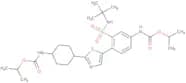
CAS:Please enquire for more information about RAD51-IN-2 including the price, delivery time and more detailed product information at the technical inquiry form on this page
Formula:C27H40N4O6S2Purity:Min. 95%Molecular weight:580.8 g/mol2,6-Diisopropyl-1,4-benzoquinone
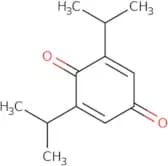
CAS:2,6-Diisopropyl-1,4-benzoquinone is a diphenol that reacts with a variety of organic compounds in the presence of heat. It has been used as a mesoporous material to adsorb hydrogen gas and carbon dioxide in the water treatment process. 2,6-Diisopropyl-1,4-benzoquinone is also able to react with oxygen to form an n-oxide. This compound is most often used for the manufacture of phenolic antioxidants such as dibenzoyl peroxide and pentafluorobenzoic acid. The active site on this molecule is thought to be at the double bond between carbons 6 and 7. Impurities may include anisidine and other aromatic amines that can cause reactions with hydrogen peroxide when exposed to light or certain wavelengths of radiation.Formula:C12H16O2Purity:Min. 95%Molecular weight:192.25 g/molFilastatin
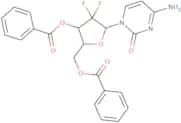
CAS:Filastatin is a protein that acts as a tumor inhibitor, inducing apoptosis in cancer cells. It has been isolated from human and Chinese urine and is known to be structurally similar to the bacterial surfactin. Filastatin inhibits kinases, which are essential for cell division, and has been shown to be an effective anticancer agent in preclinical studies. This protein analog has potential for use in cancer therapy due to its ability to selectively target cancer cells while sparing normal cells. Its mechanism of action involves the activation of caspase-3, a key enzyme involved in programmed cell death. Filastatin represents a promising new avenue for the development of novel anticancer drugs with fewer side effects than traditional chemotherapy agents.Formula:C18H18ClN3O3Purity:Min. 95%Molecular weight:359.8 g/mol3’-Epi gemcitabine 3’,5’-dibenzoate
CAS:Please enquire for more information about 3’-Epi gemcitabine 3’,5’-dibenzoate including the price, delivery time and more detailed product information at the technical inquiry form on this pageFormula:C23H19F2N3O6Purity:Min. 95%Molecular weight:471.4 g/molN-(2,2,2-Trichloroethoxy)carbonyl] bisnor-(cis)-tilidine
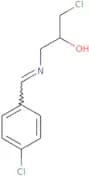
CAS:N-(2,2,2-Trichloroethoxy)carbonyl] bisnor-(cis)-tilidine is an analog of dabigatran that has been shown to be a potent inhibitor of human kinases. It has demonstrated anticancer activity by inducing apoptosis in cancer cells and inhibiting tumor growth. This compound has been found in urine samples from Chinese patients with cancer, suggesting that it may have potential as an anticancer agent. N-(2,2,2-Trichloroethoxy)carbonyl] bisnor-(cis)-tilidine acts as a protein kinase inhibitor and may be useful in the development of new cancer therapies. Its mechanism of action is thought to involve the inhibition of various kinases involved in cell proliferation and survival pathways. Overall, this compound holds great promise for its potential use in the treatment of cancer.Formula:C18H20Cl3NO4Purity:Min. 95%Molecular weight:420.7 g/mol(S)-(E,Z)-1-(4-Chlorobenzylideneamino)-3-chloropropan-2-ol
CAS:Please enquire for more information about (S)-(E,Z)-1-(4-Chlorobenzylideneamino)-3-chloropropan-2-ol including the price, delivery time and more detailed product information at the technical inquiry form on this pageFormula:C10H11Cl2NOPurity:Min. 95%Molecular weight:232.1 g/molTetrahydro erlotinib
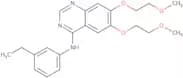
CAS:Tetrahydro erlotinib is a drug product that is used in the treatment of non-small cell lung cancer. Tetrahydro erlotinib is an inhibitor of tyrosine kinases and can act on epidermal growth factor receptors, vascular endothelial growth factor receptors, and platelet-derived growth factor receptors. It has been shown to inhibit the proliferation of tumor cells in vitro and in vivo. Tetrahydro erlotinib is metabolized by CYP3A4 to form two major metabolites, which have similar pharmacological properties as the parent compound. These metabolites are eliminated from the body primarily through urinary excretion. Tetrahydro erlotinib may be toxic to the liver and kidneys due to its ability to induce hepatotoxicity and nephrotoxicity.Formula:C22H27N3O4Purity:Min. 95%Molecular weight:397.5 g/molPinaverium bromide impurity 11
CAS:Pinaverium bromide impurity 11 is a drug product that is used in the development of new drugs. It is an analytical standard for pharmacopoeia and research purposes. The chemical name for Pinaverium bromide impurity 11 is 2-Bromo-6-nitrobenzimidazole, CAS No. 1970218-70-2, which can be found in the NIST Mass Spectral Library. This compound has a molecular weight of 226.12 and melting point of 191°C (decomposes). It has been custom synthesized by our company to meet the requirements of customers who need this specific impurity for their drug development or research and development.Purity:Min. 95%Saccharin N-(2-acetic acid isopropyl ester)
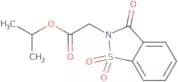
CAS:Saccharin is a drug product that consists of saccharin N-isopropyl ester and an impurity standard. Saccharin is a synthetic sweetener that is found in the leaves of the herbaceous perennial S. dulcis, which has been used as a natural sweetener for centuries. Saccharin can be metabolized by humans to form 2-acetic acid and 4-methyl-1,2,3-thiadiazole (MTT) as a byproduct. The metabolite MTT may cause cancer in animals, but this has not been confirmed in humans. The pharmacopoeia specifies the purity of saccharin as 98% or greater. Metabolite standards are also provided for research purposes.Formula:C12H13NO5SPurity:Min. 95%Molecular weight:283.3 g/molrac 2-Isopropyl pentanoic acid
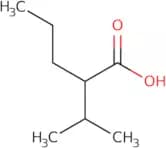
CAS:Rac 2-isopropyl pentanoic acid (rac-2IP) is a natural product that has been shown to induce apoptosis in cancer cells. Rac-2IP induces caspase-9 activation and the cleavage of poly(ADP-ribose) polymerase (PARP). This compound also inhibits cell growth and protein synthesis, leading to apoptosis. Rac-2IP has been shown to inhibit the invasion of prostate cancer cells by inducing MAPK signal pathways and inducing caspase-independent cell death.Formula:C8H16O2Purity:Min. 95%Color and Shape:PowderMolecular weight:144.21 g/molAzithromycin N-ethyl
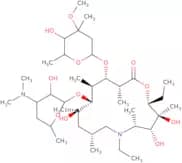
CAS:Azithromycin N-ethyl is a drug development and analytical impurity standard. It is used as an analytical reference material for high-performance liquid chromatography (HPLC) and nuclear magnetic resonance spectroscopy (NMR). Azithromycin N-ethyl has been shown to be a metabolite of azithromycin, which is a niche antibiotic with broad activity against Gram-positive bacteria. This product can also be synthesized from erythromycins using methylation. CAS Number: 92594-45-1Formula:C39H74N2O12Purity:Min. 95%Molecular weight:763.01 g/molAnastrozole dimer impurity
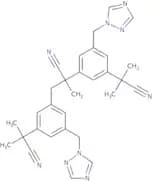
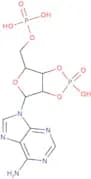
CAS:Anastrozole is an aromatase inhibitor that has been used in the treatment of breast cancer. It binds competitively to the heme moiety of aromatase, blocking its access to substrate and thereby inhibiting estrogen production. Anastrozole dimer impurity is an analytical impurity found in drug products that is not a natural component of the API (active pharmaceutical ingredient). CAS No. 1216898-82-6 refers to this impurity standard as well as other synthetic analogues. This impurity is a custom synthesis with no pharmacopoeia standards for purity. The HPLC standard for this product is high purity (99%).Formula:C30H31N9Purity:Min. 95%Molecular weight:517.63 g/molAdenosine cyclic 2',3'-phosphate 5'-phosphate
CAS:Adenosine cyclic 2',3'-phosphate 5'-phosphate is an inhibitor that has been shown to induce apoptosis in cancer cells. It is a urinary metabolite of nifedipine, an anti-hypertensive drug. Adenosine cyclic 2',3'-phosphate 5'-phosphate has anticancer activity and can inhibit protein kinase A, which plays a role in tumor growth and progression. This compound is an analog of cyclic adenosine monophosphate (cAMP) and can compete with cAMP for binding to regulatory subunits of protein kinases. Adenosine cyclic 2',3'-phosphate 5'-phosphate has been shown to inhibit the activity of several kinases, including protein kinase C, GSK-3β, and ERK1/2 in human cancer cells. It may have therapeutic potential as a targeted therapy for certain types of cancer.Formula:C10H13N5O9P2Purity:Min. 95%Molecular weight:409.19 g/molDescarboxymethyl treprostinil
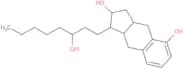
CAS:Descarboxymethyl treprostinil is a synthetic compound that has been researched for use as a drug product. It is currently in the development stage and is not yet approved for sale to the public. Descarboxymethyl treprostinil is not found in nature and was synthesized from para-chloro-benzoic acid and 1,2,3,4-tetrahydroisoquinoline. This compound is an impurity standard with a purity greater than 98%. Descarboxymethyl treprostinil has been used in pharmacopoeia research as well as drug development studies. It has also been studied for metabolism and analytical properties.Formula:C21H32O3Purity:Min. 95%Molecular weight:332.5 g/molCefixime EP Impurity C disodium
CAS:Cefixime EP Impurity C disodium is an impurity in the drug Cefixime EP. It is a by-product of the synthesis process, which can be removed by a purification process. This product is an analytical standard and is used for qualitative analysis in HPLC. It is also used as a research and development standard for drug development. This product has been classified as a niche impurity since it only occurs at trace levels in the drug product, but it may have pharmacological relevance to some patients. This impurity can be synthesized from natural or synthetic sources and is available for custom synthesis to meet specific customer needs.
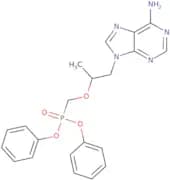
Formula:C16H15N5O7S2•Na2Purity:Min. 95%Molecular weight:499.43 g/mol(R)-Diphenyl (((1-(6-amino-9H-purin-9-yl)propan-2-yl)oxy)methyl)phosphonate
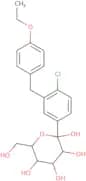
CAS:(R)-Diphenyl (((1-(6-amino-9H-purin-9-yl)propan-2-yl)oxy)methyl)phosphonate is a high purity, analytical, API impurity, HPLC standard, drug development, niche and drug product. It is an impurity standard for the pharmacopoeia. It is also synthesized from natural or synthetic sources.Formula:C21H22N5O4PPurity:Min. 95%Molecular weight:439.4 g/molMethyl 1-C-[4-chloro-3-[(4-ethoxyphenyl)methyl]phenyl]-a-D-glucopyranoside
CAS:Methyl 1-C-[4-chloro-3-[(4-ethoxyphenyl)methyl]phenyl]-alpha-D-glucopyranoside is an impurity of Dapagliflozin.
Formula:C22H27ClO7Purity:Min. 95%Molecular weight:438.9 g/mol3-[2-[4-(2,4-Difluorobenzoyl)piperidin-1-yl]ethyl]-2-methyl-6,7,8,9-tetrahydro-pyrido[1,2-a]pyrimidin-4-one
CAS:Roflumilast is a drug used to treat chronic obstructive pulmonary disease. It is also used to treat inflammatory bowel diseases, such as Crohn's disease and ulcerative colitis. Roflumilast inhibits the enzyme cytochrome P450 in the liver, which is responsible for metabolizing certain drugs and other substances. This inhibition reduces the metabolism of these substances, leading to increased levels of these substances in the body. This can lead to side effects such as nausea, vomiting, dizziness, headache, and itching. Roflumilast also has an anti-inflammatory effect on the intestines by regulating the production of inflammatory cytokines and inhibiting the activity of pro-inflammatory enzymes.
Formula:C23H27F2N3O2Purity:Min. 95%Molecular weight:415.48 g/mol(3α)-Allopregnanolone sulfate
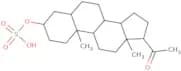
CAS:(3α)-Allopregnanolone sulfate is a medicinal compound with potential anticancer properties. It is an analog of the natural hormone allopregnanolone and has been shown to inhibit kinases involved in cancer cell proliferation and survival. This compound induces apoptosis, or programmed cell death, in cancer cells by targeting proteins that regulate cell growth and division. (3α)-Allopregnanolone sulfate has been studied as a potential inhibitor of tumor growth in human cancer cells and has shown promising results. It can be detected in urine samples and has also been used in Chinese traditional medicine for its medicinal properties.
Formula:C21H34O5SPurity:Min. 95%Molecular weight:398.6 g/mol2,2'-Bisnalmefene
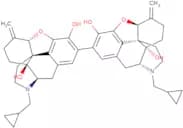
CAS:Controlled Product2,2'-Bisnalmefene is a short-acting opioid antagonist that has been used for the treatment of alcohol dependence. It is effective in reducing alcohol intake and craving and it may be used to help maintain abstinence from alcohol. 2,2'-Bisnalmefene is an injectable drug that can be administered intravenously or intramuscularly. The drug should not be injected into a vein or artery because this will cause serious adverse effects. The most common adverse effect of 2,2'-bisnalmefen is respiratory depression followed by nausea and vomiting.
Formula:C42H48N2O6Purity:Min. 95%Molecular weight:676.84 g/molNps alx 4a dihydrochloride
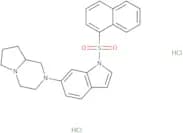
CAS:NPS-ALX-4A is a drug, which has been shown to have cognition-enhancing effects in mice. It is a 5-HT6 receptor antagonist and can be used as an animal model for human cognitive disorders. NPS-ALX-4A was administered orally to control mice and the animals were tested for learning and memory. The study showed that NPS-ALX-4A improved spatial memory in the mouse model. This drug has not been tested on humans, but it has shown cognitive benefits in the mouse model with no significant side effects.Formula:C25H27Cl2N3O2SPurity:Min. 95%Molecular weight:504.5 g/mol5-Amino-2-(phenylmethoxy)benzoic acid methyl ester
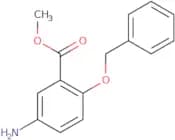
CAS:Please enquire for more information about 5-Amino-2-(phenylmethoxy)benzoic acid methyl ester including the price, delivery time and more detailed product information at the technical inquiry form on this pageFormula:C15H15NO3Purity:Min. 95%Molecular weight:257.28 g/molCelosin J
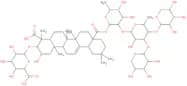
CAS:Celosin J is a potent kinase inhibitor that has been extensively studied for its anticancer properties. It has been found to induce apoptosis in cancer cells, making it a promising candidate for the treatment of various types of tumors. Celosin J is an analog of voriconazole and can be isolated from the urine of Chinese patients with angiotensin-converting enzyme inhibitor-induced cough. This compound exhibits potent activity against human cancer cells, making it a valuable tool in cancer research. Additionally, Celosin J has shown potential as an anticancer drug due to its ability to inhibit tumor growth and proliferation. Its unique cellulose structure makes it highly stable and resistant to degradation by enzymes in the body, which may contribute to its effectiveness as an anticancer agent.Formula:C58H90O28Purity:Min. 95%Molecular weight:1,235.3 g/molDes(methylpiperazinyl) imatinib dimer piperazinium chloride
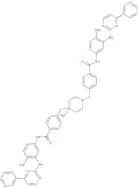
CAS:Please enquire for more information about Des(methylpiperazinyl) imatinib dimer piperazinium chloride including the price, delivery time and more detailed product information at the technical inquiry form on this page
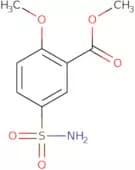
Formula:C53H51N12O2Purity:Min. 95%Molecular weight:888 g/mol5-(Aminosulfonyl)-2-methoxy-benzoic acid methyl ester
CAS:5-(Aminosulfonyl)-2-methoxy-benzoic acid methyl ester is a synthetic compound that is used for pharmaceutical preparations. It is typically prepared by the reaction of ethylene and chloroacetic acid in the presence of an organic solvent. The reaction time can be adjusted to produce the desired amount of 5-(aminosulfonyl)-2-methoxy-benzoic acid methyl ester. This synthetic compound has been shown to have a high yield, with minimal contaminating impurities. It has also been shown to be effective in both pharmaceutical dosage and calibration.Formula:C9H11NO5SPurity:Min. 95%Molecular weight:245.25 g/molN-Formyl-L-leucine (1S)-1-[[(2R,3R)-3-hexyl-4-oxo-2-oxetanyl] methyl] dodecyl ester
CAS:N-Formyl-L-leucine (1S)-1-[[(2R,3R)-3-hexyl-4-oxo-2-oxetanyl] methyl] dodecyl ester is an impurity in the drug product. It can be used as a custom synthesis or natural standard and has been shown to have metabolites that are toxic to human cells. This impurity can be synthesized for HPLC analysis and research purposes.
Formula:C29H53NO5Purity:Min. 95%Molecular weight:495.73 g/mol2-(4?-Chloro-2,3,4,5-tetrahydro-[1,1?-biphenyl]-4-yl)-3-hydroxynaphthalene-1,4-dione
CAS:2-(4′-Chloro-2,3,4,5-tetrahydro-[1,1′-biphenyl]-4-yl)-3-hydroxynaphthalene-1,4-dione is a research and development impurity standard. It is a synthetic compound that is used as an impurity standard for the manufacture of drug product. 2-(4′-Chloro-2,3,4,5-tetrahydro-[1,1′-biphenyl]-4-yl)-3-hydroxynaphthalene-1,4-dione has high purity and can be used in pharmacopoeia and drug development studies to measure metabolism. 2-(4′-Chloro-2,3,4,5-tetrahydro-[1,1′-biphenyl]-4-yl)-3 -hydroxynaphthalene -1Formula:C22H17ClO3Purity:Min. 95%Molecular weight:364.80 g/mol3-Carboxy-4-chloro-benzenediazonium chloride
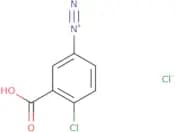
CAS:Please enquire for more information about 3-Carboxy-4-chloro-benzenediazonium chloride including the price, delivery time and more detailed product information at the technical inquiry form on this page
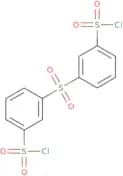
Formula:C7H4Cl2N2O2Purity:Min. 95%Molecular weight:219.02 g/molDiphenyl sulfone-3,3'-disulfonyl chloride
CAS:Please enquire for more information about Diphenyl sulfone-3,3'-disulfonyl chloride including the price, delivery time and more detailed product information at the technical inquiry form on this pageFormula:C12H8Cl2O6S3Purity:Min. 95%Molecular weight:415.3 g/mol(±)-Voriconazole
CAS:(±)-Voriconazole is an analog of voriconazole, which is a potent inhibitor of kinases that play a role in cancer cell growth and apoptosis. It has been shown to be effective against tumors in human and Chinese hamster cells. (±)-Voriconazole also inhibits angiotensin-converting enzyme (ACE), which may play a role in its anticancer activity. This drug has been found to have a low potential for toxicity and is well-tolerated by patients. It is excreted primarily through the urine and has been shown to be effective as an inhibitor of multiple kinases involved in cancer progression.
Formula:C16H14F3N5OPurity:Min. 95%Molecular weight:349.31 g/molTobramycin Impurity 4 dihydrochloride (Mixture of Isomers)
Tobramycin Impurity 4 dihydrochloride (Mixture of Isomers) is an analytical standard that is used in the manufacture of drugs. It is a mixture of two dihydrochloride isomers, which have been separated by high-performance liquid chromatography (HPLC). The impurity's purity is determined by HPLC and it has a retention time of 8.8 minutes. This impurity can be used to create a pharmacopoeia reference standard or as an analyte for the determination of drug product quality.Purity:Min. 95%Eltrombopag methyl ester
CAS:Eltrombopag methyl ester is a drug product that is used in the treatment of thrombocytopenia. It is an HPLC standard and an analytical impurity. Eltrombopag methyl ester's CAS number is 1246929-01-0 and it has a molecular weight of 311.03 g/mol. The purity of Eltrombopag methyl ester is 99%.Formula:C26H24N4O4Purity:Min. 95%Molecular weight:456.50 g/mol5Alpha-Androstan-3alpha,11beta-diol-17-one 3-glucosiduronate
CAS:5Alpha-Androstan-3alpha,11beta-diol-17-one 3-glucosiduronate is a metabolite of testosterone. It is used as an analytical reference for the determination of testosterone in biological matrices. 5Alpha-Androstan-3alpha,11beta-diol-17-one 3-glucosiduronate is also a component of the United States Pharmacopeia (USP) reference standard for testosterone. This product has been synthesized by our R&D department and can be custom manufactured to your specifications.
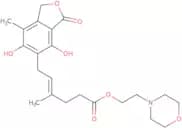
Formula:C25H37NaO9Purity:Min. 95%Molecular weight:504.50 g/molO-Desmethyl mycophenolate mofetil
CAS:O-Desmethyl mycophenolate mofetil (ODMM) is a metabolite of mycophenolic acid, a drug that is used to treat immunosuppressive diseases. ODMM can be synthesized in the laboratory and used as an analytical standard for mycophenolic acid and its metabolites. ODMM is also a metabolic product of mycophenolate mofetil, which has been shown to have anti-inflammatory properties.
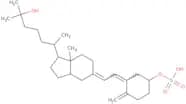
Formula:C22H29NO7Purity:Min. 95%Color and Shape:PowderMolecular weight:419.47 g/mol25-Hydroxy vitamin d3 3-sulfate sodium salt
CAS:25-Hydroxy vitamin D3 3-sulfate sodium salt is a unique compound that exhibits various characteristics and functions. It is derived from dimethyl fumarate, tenofovir, dopamine, and other substances. This compound acts as a steroid and plays a crucial role in maintaining the body's overall health.Formula:C27H44O5SPurity:Min. 95%Molecular weight:480.7 g/molMethiotepa
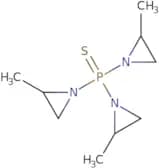
CAS:Methiotepa is a potent anticancer drug that has been used for the treatment of various types of tumors. It is a Chinese hamster ovary (CHO) cell-derived analog of chitin, which inhibits the activity of protein kinase C. Methiotepa induces apoptosis in cancer cells by inhibiting DNA synthesis and repair, leading to cell death. This drug has also been shown to be a potent inhibitor of heparin-induced platelet aggregation in human blood. Methiotepa has been found to be effective against a wide range of cancers, including breast, lung, ovarian, and bladder cancer, among others. Its use as an anticancer agent may be due to its ability to inhibit the activity of various kinases and other enzymes involved in cancer cell proliferation and survival.
Formula:C9H18N3PSPurity:Min. 95%Molecular weight:231.3 g/mol[4-L-Glutamic Acid]-desmopressin
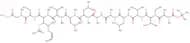
4-L-Glutamic Acid]-desmopressin is an analytical standard that is used to calibrate HPLC systems. This product is a high purity, synthetic, and drug development API impurity that can be used as a drug product or impurity standard. It is also available as an HPLC standard, niche, and custom synthesis. 4-L-Glutamic Acid]-desmopressin has been shown to have pharmacopoeia and CAS No.Purity:Min. 95%Cantharene
CAS:Cantharene is a medicinal compound that has been shown to have potent anticancer properties. It is an analog of cantharidin, a natural compound found in Chinese blister beetles. Cantharene works by inhibiting the activity of certain protein kinases, which are enzymes that play a critical role in cell cycle regulation and tumor growth. This inhibition has been shown to induce apoptosis, or programmed cell death, in cancer cells. Cantharene has been tested on human cancer cell lines and has demonstrated significant tumor-inhibitory effects. It is a promising candidate for the development of new cancer therapies and inhibitors.Formula:C8H12Purity:Min. 95%Molecular weight:108.18 g/molRuxoRuxolitinib amidelitinib-amide
CAS:RuxoRuxolitinib amidelitinib-amide is a drug product that is used in the development of new drugs. This synthetic compound has been shown to have cytotoxic activity in vitro and in vivo against cancer cells. The active metabolite of this drug product, desacetylruxolitinib, has been shown to suppress platelet activation and inhibit the growth of erythrocytes. RuxoRuxolitinib amidelitinib-amide is an impurity standard for analytical purposes and an API impurity. It also has been shown to have pharmacological effects on the liver and kidneys, as well as having toxic effects on red blood cells. RuxoRuxolitinib amidelitinib-amide is not found in any pharmacopoeia because it is a synthetic compound.Formula:C17H20N6OPurity:Min. 95%Molecular weight:324.38 g/mol[4-(N-Methylpyridinium-4-yl)-1,3-thiazol-2-yl]thiolate
CAS:Please enquire for more information about [4-(N-Methylpyridinium-4-yl)-1,3-thiazol-2-yl]thiolate including the price, delivery time and more detailed product information at the technical inquiry form on this pageFormula:C9H8N2S2Purity:Min. 95%Molecular weight:208.3 g/molAlverine EP Impurity D
Alverine EP Impurity D is a synthetic impurity that is the result of the synthesis of Alverine EP. It is a metabolite that can be found in blood plasma and urine. This substance has been shown to have pharmacological activity, but its exact function is unknown. It is not present in natural sources and it does not have pharmacopoeia listing. Alverine EP Impurity D has been detected by HPLC analysis.END>Formula:C20H33NPurity:Min. 95%Molecular weight:287.48 g/molN,N-Didesmethyl N-tert-butoxycarbonyl diltiazem
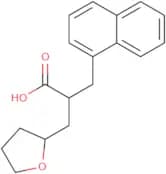
CAS:Please enquire for more information about N,N-Didesmethyl N-tert-butoxycarbonyl diltiazem including the price, delivery time and more detailed product information at the technical inquiry form on this pageFormula:C25H30N2O6SPurity:Min. 95%Molecular weight:486.6 g/molTetrahydro-α-(1-naphthalenylmethyl)-2-furanpropanoic acid
CAS:Tetrahydro-α-(1-naphthalenylmethyl)-2-furanpropanoic acid is a reagent that is used in analytical procedures for the determination of phosphate and potassium. Tetrahydro-α-(1-naphthalenylmethyl)-2-furanpropanoic acid can be used to determine the concentrations of phosphate and potassium in human plasma, serum, or other biological fluids. It reacts with phosphates to form an insoluble salt which can be detected by fluorimetry. Tetrahydro-α-(1-naphthalenylmethyl)-2-furanpropanoic acid can also be used as an analytical standard in high performance liquid chromatography (HPLC) to measure the concentration of phosphate.Formula:C18H20O3Purity:Min. 95%Molecular weight:284.3 g/mol3-Des(2-methylpropyl)-3-N-butyl tetrabenazine
CAS:3-Des(2-methylpropyl)-3-N-butyl tetrabenazine is a synthetic drug product that has been studied in metabolism studies. It is an API impurity with the CAS No. 19328-35-9 and is a custom synthesis. 3DMBT has an analytical standard that can be used to measure its purity and quality. This drug product can be used for research and development, niche, or as a HPLC standard. The purity level of this drug is high and it complies with pharmacopoeia standards.
Formula:C19H27NO3Purity:Min. 95%Molecular weight:317.40 g/molSolifenacin Impurity D
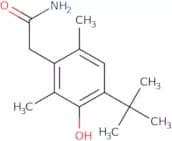
CAS:Solifenacin Impurity D is a synthetic impurity of solifenacin. Solifenacin is an anti-cholinergic drug used to treat overactive bladder and urinary incontinence. The purity of this product is 99%. It is soluble in methanol, ethanol, chloroform, and acetone. Solifenacin Impurity D can be used as a reference material for analytical purposes or as an impurity standard in the development of new drugs.Formula:C31H28N2OPurity:Min. 96 Area-%Color and Shape:White PowderMolecular weight:444.57 g/mol4-tert-Butyl-2,6-dimethyl-3-hydroxyphenylacetamide
CAS:4-tert-Butyl-2,6-dimethyl-3-hydroxyphenylacetamide is a drug product that is used as an analytical standard. It can be found in the natural environment and may be synthesized for use in research and development of drugs. This substance has been used to study the metabolism of drugs and to produce high purity standards for HPLC analysis. 4-tert-Butyl-2,6-dimethyl-3-hydroxyphenylacetamide has been shown to have niche applications in pharmacopoeia.Formula:C14H21NO2Purity:Min. 95%Molecular weight:235.32 g/molMotexafin lutetium hydrate
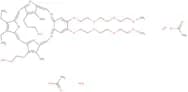
CAS:Motexafin lutetium hydrate is a radioactive drug that is used in the diagnosis of skin cancer. The drug binds to the chemoattractant protein CXCL1 and pro-apoptotic protein BID, leading to the accumulation of these proteins at the mitochondria membrane potential. This accumulation induces apoptosis by inhibiting mitochondrial activity. Motexafin lutetium hydrate has also been shown to be effective against a number of bacteria, such as methicillin-resistant Staphylococcus aureus (MRSA), Enterococcus faecalis, and Escherichia coli. It has also been shown to have anti-inflammatory effects in animal models, which may be due to its inhibition of prostaglandin synthesis.Formula:C52H74LuN5O15Purity:Min. 95%Molecular weight:1,184.1 g/molAmlodipine diethyl ester
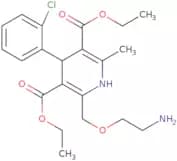
CAS:Amlodipine diethyl ester is a synthetic drug that belongs to the group of calcium channel blockers. It is used for the treatment of high blood pressure, angina, and other cardiovascular diseases. Amlodipine diethyl ester is metabolized by hydrolysis to amlodipine, which has been shown to have an anti-inflammatory effect. The pharmacopoeia grade of amlodipine diethyl ester is a high purity drug product with a purity level of 98%. The CAS No. 140171-65-9 is a drug product that can be custom synthesized for research and development purposes or for use in the manufacture of pharmaceuticals.Formula:C21H27ClN2O5Purity:Min. 95%Molecular weight:422.9 g/mol5-Deoxy-Δ5,6-8-epi-tacrolimus
CAS:Please enquire for more information about 5-Deoxy-Δ5,6-8-epi-tacrolimus including the price, delivery time and more detailed product information at the technical inquiry form on this pageFormula:C44H67NO11Purity:Min. 95%Molecular weight:786 g/molN,N-Bis(2-chloroethyl)-4-methoxybenzenesulfonamide
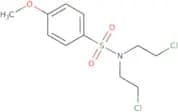
CAS:Please enquire for more information about N,N-Bis(2-chloroethyl)-4-methoxybenzenesulfonamide including the price, delivery time and more detailed product information at the technical inquiry form on this page
Formula:C11H15Cl2NO3SPurity:Min. 95%Molecular weight:312.2 g/molBGC-20-1531
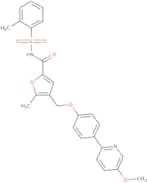
CAS:BGC-20-1531 is a medicinal compound that has been found to be an effective inhibitor of kinases in cancer cells. This Chinese-derived analog has shown potent anticancer activity in human tumor models and induces apoptosis in cancer cells. It works by inhibiting the protein kinase activity that is essential for cancer cell survival, leading to cell death. BGC-20-1531 has been shown to be effective against a wide range of cancer types and can be used as a potential therapeutic agent for cancer treatment. Additionally, this compound has been found in human urine and may have potential as a biomarker for cancer diagnosis and prognosis. With its unique characteristics, BGC-20-1531 is an exciting new prospect for the development of novel anticancer drugs.Formula:C26H24N2O6SPurity:Min. 95%Molecular weight:492.5 g/molAlisporivir intermediate-1
CAS:Alisporivir intermediate-1 is a drug product that is used for analytical and metabolism studies. It is a natural API impurity of Metabolism studies, CAS No. 882506-05-0, and has an Impurity standard of Synthetic. Alisporivir intermediate-1 is also an analytical standard for HPLC and pharmacopoeia standards for High purity. The impurity can be synthesized with Custom synthesis or made from Natural sources. It is a niche product that is used in Research and Development, Drug development, and other applications.
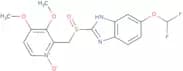
Formula:C74H132N12O17Purity:Min. 95%Molecular weight:1,461.9 g/molPantoprazole N-oxide
CAS:Pantoprazole is a proton pump inhibitor that inhibits the gastric acid secretion by blocking the hydrogen/potassium ATPase enzyme in the stomach. Pantoprazole N-oxide, a prodrug of pantoprazole, is converted to pantoprazole after administration and has been shown to be more stable than pantoprazole. It has been shown to have tissue-specific effects, with high concentrations found in gastrointestinal tissues such as the abomasum, ileum, and colon. Pantoprazole N-oxide is also found in plasma samples at low levels. This drug may be useful for ulceration because it prevents heartburn caused by excess stomach acid.Formula:C16H15F2N3O5SPurity:Min. 95%Color and Shape:PowderMolecular weight:399.37 g/molFingolimod phosphate d4
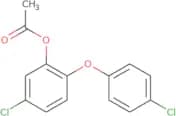
CAS:Controlled ProductFingolimod is a drug product that belongs to the class of synthetic drugs. It is an impurity standard for fingolimod phosphate d4 and its metabolites. Fingolimod phosphate d4 is a metabolite of fingolimod and has been shown to inhibit the synthesis of phosphatidylinositol 3-kinase (PI3K) in vitro, which may be due to its ability to inhibit protein synthesis. The pharmacopoeia for fingolimod phosphate d4 is CAS No. 1794828-93-5.Formula:C19H30D4NO5PPurity:Min. 95%Molecular weight:391.48 g/mol5-Chloro-2-(4-chlorophenoxy)phenol 1-acetate
CAS:Please enquire for more information about 5-Chloro-2-(4-chlorophenoxy)phenol 1-acetate including the price, delivery time and more detailed product information at the technical inquiry form on this pageFormula:C14H10Cl2O3Purity:Min. 95%Molecular weight:297.1 g/mol4-Carboxy nevirapine
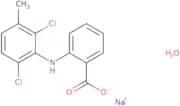
CAS:4-Carboxy nevirapine is a synthetic drug product that is used as an analytical reference standard for the impurity 4-carboxynevirapine. It has been shown to have niche applications in pharmacopoeia and natural product research and development. The metabolite 4-carboxynevirapine can be synthesized from nevirapine which is found in the plant Cinchona officinalis. This metabolite has been extensively studied for its role in the metabolism of nevirapine and its possible therapeutic applications, such as its ability to inhibit HIV replication.Formula:C15H12N4O3Purity:Min. 95%Molecular weight:296.28 g/molMeclofenamate sodium hydrate
CAS:Meclofenamate sodium hydrate is a non-steroidal anti-inflammatory drug that inhibits cyclooxygenase, lipoxygenase, and phospholipase A 2 . It has been shown to be effective in the treatment of many diseases such as rheumatoid arthritis, osteoarthritis, ankylosing spondylitis, and gout. Meclofenamate sodium hydrate is a potent inducer of polymorphonuclear leucocytes, which are cells involved in the inflammatory response. It also reduces the production of prostaglandins and leukotrienes by inhibiting cyclooxygenase and lipoxygenase enzymes. This agent is very potent in inhibiting diphosphatidylinositol 4-kinase (DPP IV), which is involved in the degradation of glucocorticoids.Formula:C14H12Cl2NNaO3Purity:Min. 95%Molecular weight:336.1 g/mol4-(Diethylboranyl) pyridine
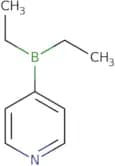
CAS:4-(Diethylboranyl)pyridine is a nucleophilic, anticoagulant drug. It interacts with the electronegative oxygen atoms in the guanine base of dna to form an adduct, which inhibits DNA synthesis. The hexameric cavity of 4-(Diethylboranyl)pyridine contains boron and nitrogen atoms, which are important for its activity. 4-(Diethylboranyl)pyridine also has antibacterial effects against gram-positive bacteria by inhibiting bacterial protein synthesis. This compound is synthetic and can be used in cocrystallized form as a single molecule or in hexameric form.Formula:C9H14BNPurity:Min. 95%Molecular weight:147.03 g/mol4’-(7-Dechloroquinolinyl) piperaquine
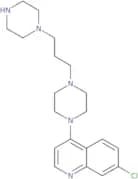
CAS:4’-(7-Dechloroquinolinyl) piperaquine is an inhibitor of tumor kinases and has shown potent anticancer activity against various cancer cells. This compound is a derivative of piperaquine, which is commonly used as an antimalarial drug. 4’-(7-Dechloroquinolinyl) piperaquine has been found to induce apoptosis in human cancer cells by inhibiting the activity of protein kinases that are essential for cell growth and division. It has also been shown to have synergistic effects with capsaicin, a natural compound found in chili peppers, in inhibiting the growth of cancer cells. Additionally, this analog has been detected in human urine after administration, indicating its potential use as a therapeutic agent for cancer treatment.
Formula:C20H28ClN5Purity:Min. 95%Molecular weight:373.9 g/molDapagliflozin hydroxy impurity
CAS:Dapagliflozin hydroxy impurity is an amorphous, solid oral pharmaceutical composition that is orally administered for the treatment of diabetes mellitus. Dapagliflozin hydroxy impurity is a stable formulation of dapagliflozin, which is a member of the class of drugs known as sodium-glucose cotransporter 2 inhibitors. Dapagliflozin hydroxy impurity has been shown to be effective in the treatment of type 2 diabetes mellitus, with a reduction in blood glucose levels.Formula:C21H25ClO7Purity:Min. 95%Molecular weight:424.9 g/molTrandolaprilat methyl ester
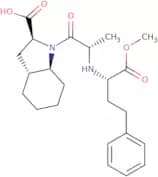
CAS:Trandolaprilat methyl ester is an analytical grade chemical and pharmaceutical intermediate. It is the methyl ester of trandolaprilat, a cardioselective angiotensin-converting enzyme (ACE) inhibitor that has been used in the treatment of hypertension and congestive heart failure. Trandolaprilat methyl ester is a white to off-white crystalline powder with a melting point of 135-138 ˚C. It is soluble in methanol and ethanol, but insoluble in water. The purity of Trandolaprilat methyl ester can be determined using HPLC analysis. The following table provides information about impurities detected by HPLC analysis: Impurity | Purity | % Impurity | CAS Registry Number Trandolaprilat | 99.8% | 0.2% | 118194-41-5 Methyl acetate | 0.2% | 0Formula:C23H32N2O5Purity:Min. 95%Molecular weight:416.51 g/mol2-(2,3-Dichlorophenyl)-2-(guanidinoimino) acetonitrile
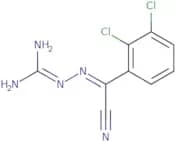
CAS:Lamotrigine is a chemically unrelated compound, which is the active ingredient of a new class of adjuvant drugs for epilepsy. This drug has been found to be effective against seizures in patients with partial seizures and generalized seizures. Lamotrigine is an orally administered suspensoid that can be mixed with water or other liquids to form a suspension. It has been used as a flavouring agent and an adjuvant in pharmaceuticals, including tablets and capsules. The chemical structure of lamotrigine includes two 2,3-dichlorophenyl groups connected by an amino group (guanidinoimino). This structure gives lamotrigine its chemical name: 2-(2,3-dichlorophenyl)-2-(guanidinoimino) acetonitrile.Formula:C9H7Cl2N5Purity:Min. 95%Molecular weight:256.09 g/molN,N'-Dimethyl-2-nitro-1,1-ethendiamine
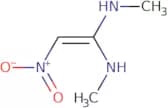
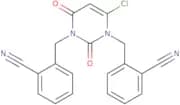
CAS:N,N'-Dimethyl-2-nitro-1,1-ethendiamine is a protonated form of N,N'-dimethyl-2-nitroetheneamine. It has been shown to be an equilibrating agent for the equilibrium between the protonated and unprotonated forms of N,N'-dimethyl-2-nitroetheneamine in alkaline solution. In this way it can be used to determine the pH of an unknown solution. The equilibrium constant is 10^14 at 25 degrees Celsius. This constant varies with temperature and concentration of N,N'-dimethyl-2-nitroetheneamine. The electronic spectra show that this molecule is an anion.Formula:C4H9N3O2Purity:Min. 95%Molecular weight:131.13 g/molN,N’-Bis(2’-cyanobenzyl)-6-chloro-2,4-dioxopyrimidine
CAS:N,N'-Bis(2'-cyanobenzyl)-6-chloro-2,4-dioxopyrimidine is a drug product that is used as an HPLC standard. It has CAS No. 1618644-29-3 and a molecular mass of 309.35 g/mol. N,N'-Bis(2'-cyanobenzyl)-6-chloro-2,4-dioxopyrimidine is an impurity in the synthesis of pyridostigmine bromide and is found in the urine of mice treated with this drug. This impurity can be determined by GC/MS and LC/MS techniques. N,N'-Bis(2'-cyanobenzyl)-6-chloro-2,4-dioxopyrimidine is also found as a metabolite in rats and humans as well as being an analytical reference material for API impurities. The metabolite may be formedFormula:C20H13ClN4O2Purity:Min. 95%Molecular weight:376.8 g/molAgomelatine dimer acetamide
CAS:Agomelatine dimer acetamide is an impurity of agomelatine, an antidepressant that is used in the treatment of major depressive disorder. Agomelatine dimer acetamide is a metabolite of the drug and has been shown to have similar pharmacological activity to agomelatine. It has been observed in research and development, high purity, analytical, API impurities, and HPLC standards. Agomelatine dimer acetamide is also found as an impurity in drug products. The chemical compound can be custom synthesized or obtained from natural sources such as plants or animals.Formula:C28H29NO3Purity:Min. 95%Molecular weight:427.5 g/molPemetrexed impurity C
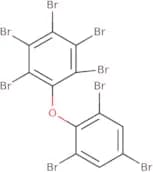
CAS:Pemetrexed is a drug product that belongs to the group of drugs called antifolate agents. It is used in the treatment of cancer and is metabolized through a number of metabolic transformations, including hydrolysis by esterases or glucuronidases, oxidation by cytochrome P450 enzymes, reduction by glutathione reductase, or conjugation with glucuronic acid. The impurity C is a natural metabolite that can be found in urine as well as in plasma. This impurity has not been identified as a major metabolite of pemetrexed.Formula:C40H40N10O13Purity:Min. 95%Molecular weight:868.81 g/mol2,2',3,4,4',5,6,6'-Octabromodiphenyl ether
CAS:Controlled ProductPlease enquire for more information about 2,2',3,4,4',5,6,6'-Octabromodiphenyl ether including the price, delivery time and more detailed product information at the technical inquiry form on this page
Formula:C12H2Br8OPurity:Min. 95%Molecular weight:801.4 g/mol(S)-2-((4-Hydroxybenzyl)amino)propanamide
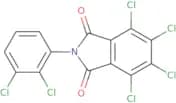
CAS:Please enquire for more information about (S)-2-((4-Hydroxybenzyl)amino)propanamide including the price, delivery time and more detailed product information at the technical inquiry form on this pageFormula:C10H14N2O2Purity:Min. 95%Molecular weight:194.23 g/molTecloftalam imide
CAS:Tecloftalam imide is a drug product that is an analytical standard. It is a natural product, which can be obtained from the fermentation of Streptomyces sp. (CAS No. 26491-30-5). Tecloftalam imide is also an impurity in some APIs. It can be synthesized, and has been used as an impurity standard for HPLC, with a purity of >99%. Tecloftalam imide has been used in drug development and research and development. It has been shown to have niche applications in pharmacopoeia.Formula:C14H3Cl6NO2Purity:Min. 95%Molecular weight:429.9 g/molGabapentin EP Impurity E
CAS:Impurity EP is a research and development impurity that is used as a drug product impurity in the synthesis of the active pharmaceutical ingredient, gabapentin. It has been shown to be a metabolite of gabapentin. The purity of this compound is determined by HPLC analysis. This research and development impurity can be synthesized from natural or synthetic sources and can be obtained in high purity with 99% minimum. Impurity EP does not have a CAS number because it is not an active pharmaceutical ingredient.Purity:Min. 95%Molnupiravir Impurity C
CAS:Molnupiravir Impurity C is a drug product that is synthesized in-house. This chemical is a high purity, synthetic, impurity standard for Molnupiravir. It has been shown to exhibit metabolic properties similar to those of the natural metabolite of this drug. Molnupiravir Impurity C is used as an analytical reference material for HPLC and GC-MS methods.Formula:C13H18N2O7Purity:Min. 95%Molecular weight:314.29 g/molArundinin
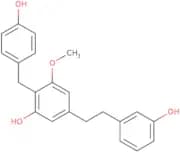
CAS:Arundinin is a potent anticancer agent that has been shown to induce apoptosis in cancer cells. It is a protein analog derived from Chinese medicine and has been found to inhibit several kinases, including testosterone-sensitive kinases, which are involved in the growth of prostate cancer cells. Arundinin has also been demonstrated to have anti-tumor activity in human clinical trials. This inhibitor belongs to a class of compounds known as kinase inhibitors, which are being actively investigated for their potential as novel anticancer agents. Arundinin is excreted primarily in urine and holds great promise for the treatment of various types of cancer.Formula:C22H22O4Purity:Min. 95%Molecular weight:350.4 g/molFenirofibrate acyl-β-D-glucuronide
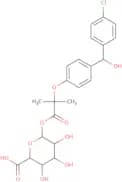
CAS:Please enquire for more information about Fenirofibrate acyl-β-D-glucuronide including the price, delivery time and more detailed product information at the technical inquiry form on this page
Formula:C23H25ClO10Purity:Min. 95%Molecular weight:496.9 g/mol3-[(1E)-2-[4-[[(2-Carboxyethyl)amino]carbonyl]phenyl]diazenyl] balsalazide
CAS:3-[(1E)-2-[4-[[(2-Carboxyethyl)amino]carbonyl]phenyl]diazenyl] balsalazide is a white to off-white solid that is soluble in water and acidic solutions. It has an impurity level of less than 0.5%. The melting point of 3-[(1E)-2-[4-[[(2-Carboxyethyl)amino]carbonyl]phenyl]diazenyl] balsalazide is approximately 195°C. This compound has been shown to have antibiotic activity against a variety of bacteria, including methicillin resistant Staphylococcus aureus (MRSA).
Formula:C27H24N6O9Purity:Min. 95%Molecular weight:576.51 g/molMonodes(N-carboxymethyl)valine daclatasvir-d3
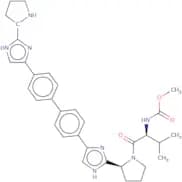
CAS:Monodes(N-carboxymethyl)valine daclatasvir-d3 is a drug product that is a metabolite of daclatasvir. It is an analytical standard for the determination of daclatasvir in human plasma and urine. Monodes(N-carboxymethyl)valine daclatasvir-d3 has been shown to be a natural metabolite of daclatasvir, which is derived from the hydrolysis of the ester bond between valine and N-carboxymethylated valine. This product can be used as an impurity standard for HPLC analysis.Formula:C33H36D3N7O3Purity:Min. 95%Molecular weight:584.73 g/molRotigotine Impurity 5
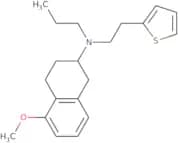
CAS:Controlled ProductRotigotine Impurity 5 is an analytical standard used as a reference material in research and development, high purity, drug development, API impurity, HPLC standard, niche, drug product. It is also used in Impurity standards, Metabolites and Pharmacopoeia. It has CAS No. 1148154-91-9 and is Natural or Synthetic.Formula:C20H27NOSPurity:Min. 95%Molecular weight:329.5 g/molLevovirin
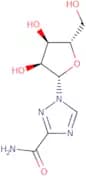
CAS:Controlled ProductLevovirin is an antiviral agent that belongs to the class of ribonucleotide reductase inhibitors. It is a potent inhibitor of hepatitis C virus replication and has been shown to be active against HIV in vitro. Levovirin acts as a competitive inhibitor of the NS3 protease, which is responsible for processing viral proteins. This inhibition prevents the production of new virus particles and the spread of infection. Levovirin also has immunomodulatory effects, which may provide therapeutic benefits in autoimmune diseases such as rheumatoid arthritis or Crohn's disease.Formula:C8H12N4O5Purity:Min. 95%Molecular weight:244.2 g/mol(R)-Penbutolol sulfate
CAS:(R)-Penbutolol sulfate is a racemic mixture of the two enantiomers of penbutolol. Racemic penbutolol sulfate is an optical isomer of propranolol, which belongs to the group of beta-adrenergic receptor antagonists. It has a matrix effect, which means that it can be used in tablet form and will not dissolve in the stomach acid. Racemic penbutolol sulfate blocks pro-inflammatory signaling by inhibiting the activity of pcsk9 (proprotein convertase subtilisin/kexin type 9), which prevents cholesterol from being converted into bile acids. This drug has been shown to lower blood pressure in humans and is used to treat hypertension and heart failure. Racemic penbutolol sulfate has been shown to have an inhibitory effect on influenza virus replication through inhibition of viral dna replication, as well as enhancement on anti-pcsk9 antibody activity. In clinical trialsFormula:C36H58N2O4(H2SO4)Purity:Min. 95%Molecular weight:582.86 g/molLabetalol 1-carboxylic Acid
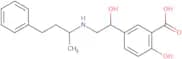
CAS:Labetalol is a carboxylic acid that is used as a drug to lower blood pressure. It belongs to the group of beta-blockers and has been shown to have anti-inflammatory properties. Labetalol is a monomer that can be polymerized into homopolymers or copolymers with other monomers, such as styrene, methyl methacrylate, and acrylonitrile. Labetalol has the ability to polymerize by radical polymerization. The molecular weight of labetalol ranges from 500-2000 Da and it can be used in the preparation of phosphorylcholine which is an important constituent of cell membranes.Formula:C19H23NO4Purity:Min. 95%Molecular weight:329.39 g/molCetirizine 3-chloro impurity dihydrochloride
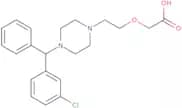
CAS:Cetirizine 3-chloro impurity dihydrochloride is a drug substance that contains the impurity cetirizine. The compound has been found to have potential risks and should be synthesized with the use of appropriate methods. Cetirizine 3-chloro impurity dihydrochloride is a drug substance that contains the impurity cetirizine, which should be synthesized with the use of appropriate methods. Cetirizine 3-chloro impurity dihydrochloride has been found to have potential risks and should be synthesized with appropriate methods.Formula:C21H27Cl3N2O3Purity:Min. 95%Color and Shape:SolidMolecular weight:461.81 g/molFluocortolone Impurity 13
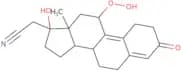
CAS:Controlled ProductFluocortolone Impurity 13 is a metabolite of fluorocortolone. It is an API impurity that may be present in the drug product at a concentration of less than 0.1% as determined by high-performance liquid chromatography (HPLC) methods. Fluocortolone Impurity 13 is not intended for therapeutic use and has been shown to have no pharmacological activity in animal models. Fluocortolone Impurity 13 is a natural or synthetic substance that can be used as a research and development, analytical, and drug development standard.Formula:C27H36F2O5Purity:Min. 95%Molecular weight:478.25308Aripiprazole dimer
CAS:Aripiprazole dimer is a drug product that is used for analytical purposes. It is an impurity standard for the research and development of drugs. The CAS number for this compound is 1797986-18-5. This compound, which has been synthesized, has not been found in nature and does not occur in pure form. Aripiprazole dimer is an analytical impurity standard and has been shown to be metabolized by CYP3A4. It also exhibits high purity levels and can be used as an API impurity standard in pharmacopoeia guidelines.Formula:C48H56Cl4N6O4Purity:Min. 95%Molecular weight:922.81 g/molSsr 180711 hydrochloride
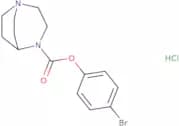
CAS:Ssr 180711 hydrochloride is a synthetic compound with a molecular weight of 557.5. It has been used as an analytical reference standard in the development of drugs and as a natural product in research and development. Ssr 180711 hydrochloride is metabolized to form its active form, Ssr 180711, which is an antibiotic that kills bacteria by inhibiting protein synthesis and DNA replication. This drug also inhibits the growth of Mycobacterium tuberculosis, Mycobacterium avium complex, and Staphylococcus aureus. The purity of this product is 99.0% pure (HPLC).Formula:C14H18BrClN2O2Purity:Min. 95%Molecular weight:361.66 g/mol3-O-Desethyl-5-O-desmethyl amlodipine
CAS:3-O-Desethyl-5-O-desmethyl amlodipine is a drug product that can be used as an analytical reference standard. It is metabolized in vivo to form 5-O-desmethyl amlodipine, which is the active form of this drug. 3-O-Desethyl-5-O-desmethyl amlodipine is also an impurity in the drug product Amlodipine besylate and its CAS number is 1821498-25-2. The synthetic route for this compound starts with the reaction of 2,3,4,6 trichlorobenzeneethanol with sodium hydroxide followed by hydrogenation of the intermediate to yield 3-(2,6 dichlorophenyl) propanoic acid. This acid was then reacted with methylamine to yield 3-(2,6 dichlorophenyl)-N-[(methylamino) methyl]propionamide.Formula:C17H19ClN2O5Purity:Min. 95%Molecular weight:366.8 g/molBenzo[b]thien-2-yl ketone (zileuton impurity)
CAS:Benzo[b]thien-2-yl ketone (zileuton impurity) is a metabolite of the drug zileuton, which is used to treat asthma. Benzo[b]thien-2-yl ketone is formed by the oxidation of benzo[b]thiophene in the presence of cytochrome P450 enzyme system. It has been found to have anti-inflammatory properties and may be useful for treating asthma. This product is available as an analytical standard for HPLC, or as a custom synthesis for research and development.Formula:C17H10OS2Purity:Min. 95%Molecular weight:294.4 g/molApomorphine
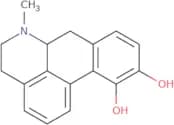
CAS:Apomorphine is a medicinal compound that has shown potential as an anticancer agent. It works by inhibiting protein kinases, which are enzymes that play a crucial role in the regulation of cell cycle and apoptosis. Apomorphine has been shown to induce apoptosis in human cancer cells, including leukemia cells. It also acts as an inhibitor of angiogenesis, which is the formation of new blood vessels that are necessary for tumor growth. In addition, apomorphine has been studied for its potential to enhance the effectiveness of other cancer treatments, such as nintedanib. Its ability to target cancer cells while sparing healthy cells makes it a promising candidate for cancer therapy.Formula:C17H17NO2Purity:Min. 95%Molecular weight:267.32 g/mol(R,R)-Dihydro bupropion hydrochloride
CAS:Controlled Product(R,R)-Dihydro bupropion hydrochloride is a synthetic compound that has been developed for the treatment of depression and nicotine addiction. This drug is metabolized by liver enzymes to form two metabolites: (S,S)-dihydro bupropion and (R,S)-hydroxybupropion. The pharmacopoeia defines the purity of this product as > 98%, with an impurity standard of 1%. This compound is not found in nature. It is available as a research and development grade product or as a custom synthesis upon request.Formula:C13H21Cl2NOPurity:Min. 95%Molecular weight:278.22 g/molDienogest Impurity K
CAS:Controlled ProductDienogest Impurity K is an analytical standard that is used as a reference material for High-performance liquid chromatography. This impurity can be found in the drug product as a result of the synthesis process. Dienogest Impurity K has been assigned the CAS number 106111-43-7 and is soluble in methanol and ethanol. It has been shown to have no pharmacological activity on its own, but there are no reports on its interactions with other drugs.Formula:C20H25NO4Purity:Min. 95%Color and Shape:PowderMolecular weight:343.4 g/mol(3-endo)-9-methyl-9-azabicyclo[3.3.1]nonan-3-amine
CAS:Granisetron is a drug that belongs to the group of serotonin receptor antagonists. It is used as an antiemetic, mainly in the prevention and treatment of nausea and vomiting caused by cancer chemotherapy and surgery. This drug has been shown to be effective in controlling nausea and vomiting, even when given after chemotherapy or surgical procedures. Granisetron hydrochloride was synthesized in 1988 by chemists at Hoffmann-La Roche. The synthesis was patented in 1990. Potential impurities are not listed on the USP or EP pharmacopeia, but these impurities have been detected during synthesis.
Formula:C9H18N2Purity:Min. 95%Molecular weight:154.25 g/molThalrugosaminine
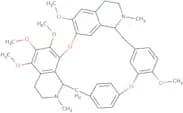
CAS:Thalrugosaminine is an ethanolic extract of the bark and roots of the Indian plant Thalrugosia jatrorrhizina. It has been shown to have potent antibacterial activity against Staphylococcus aureus, and an in vitro study showed it to be effective against Mycobacterium tuberculosis. Thalrugosaminine has been used as a herbal remedy for infectious diseases such as bovine mastitis and human disorders such as thaligosis. It has also been shown to have hypotensive effects in animal studies.Formula:C39H44N2O7Purity:Min. 95%Molecular weight:652.8 g/molN-[2-[(4-Chlorophenyl)thio]phenyl]-carbamic acid phenyl ester
CAS:Please enquire for more information about N-[2-[(4-Chlorophenyl)thio]phenyl]-carbamic acid phenyl ester including the price, delivery time and more detailed product information at the technical inquiry form on this pageFormula:C19H14ClNO2SPurity:Min. 95%Molecular weight:355.8 g/molNadoxolol hydrochloride
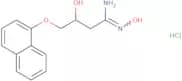
CAS:Nadoxolol hydrochloride is a fatty acid derivative that has been shown to have hypoglycemic effects. Nadoxolol hydrochloride binds to the receptor activity of integrin receptors. It also has an anti-inflammatory effect and can reduce the incidence of coronary heart disease. Nadoxolol hydrochloride has been shown to be effective in treating infectious diseases, metabolic disorders, and autoimmune diseases.Formula:C14H17ClN2O3Purity:Min. 95%Molecular weight:296.75 g/mol3-Sulfanilamidoisoxazole sodium
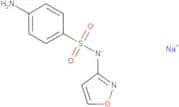
CAS:3-Sulfanilamidoisoxazole sodium is a Chinese medicinal compound that has shown promising results in the treatment of cancer. It is an analog of sulfanilamide and works by inhibiting protein synthesis and inducing apoptosis in cancer cells. 3-Sulfanilamidoisoxazole sodium has been shown to inhibit the activity of various kinases, which are enzymes involved in cell cycle regulation and tumor growth. This compound has also been found to be effective against a variety of human cancers, including breast, lung, and prostate cancer. Additionally, it has been shown to have low toxicity levels and can be excreted through urine. With its potent anticancer properties, 3-Sulfanilamidoisoxazole sodium holds great promise as a potential inhibitor for cancer therapy.Formula:C9H8N3NaO3SPurity:Min. 95%Molecular weight:261.24 g/molYs-035 hydrochloride
CAS:Ys-035 hydrochloride is a drug product that is custom synthesized and has no CAS number. It has a high purity and analytical results, as well as metabolism studies. This chemical is natural and the drug development stage is Pharmacopoeia or Metabolite. Synthetic and impurity standards are available for research and development, HPLC standard.Formula:C21H30ClNO4Purity:Min. 95%Molecular weight:395.9 g/molN-Desisopropyl-N-formyl bisoprolol
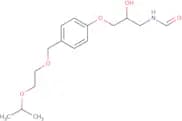
CAS:N-Desisopropyl-N-formyl bisoprolol is a compound derived from chamomile extract that has various applications in the industrial sector. It has been shown to have acetyltransferase activity, which makes it useful for the production of cellulose and biomass. Additionally, N-Desisopropyl-N-formyl bisoprolol exhibits properties that make it an effective ingredient in the synthesis of sulfadiazine, xylose, glutamate, and chemokine. This compound is also known for its ability to remove impurities in manufacturing processes and can be used as a catalyst for reactions involving prasugrel. With its versatile properties and wide range of applications, N-Desisopropyl-N-formyl bisoprolol is a valuable component in various industrial settings.
Formula:C16H25NO5Purity:Min. 95%Molecular weight:311.37 g/mol(2S, 4’S, 8’R)-α-Tocopherol
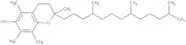
CAS:(2S, 4'S, 8'R)-α-Tocopherol is a natural form of vitamin E that is commonly found in Chinese medicinal herbs. It has been shown to have potent anticancer properties and can inhibit the growth of cancer cells by inducing apoptosis. This protein analog acts as an inhibitor of tumor cell kinase activity, which is essential for cell division and proliferation. (2S, 4'S, 8'R)-α-Tocopherol has been studied extensively for its ability to prevent cancer development and progression in humans. It has been found in human urine and may be used as a biomarker for cancer risk assessment. This compound has also been used in the development of novel kinase inhibitors that target specific kinases involved in cancer cell growth and proliferation.
Formula:C29H50O2Purity:Min. 95%Molecular weight:430.7 g/moltrans-Clomiphene
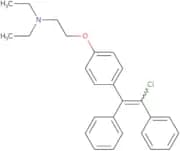
CAS:Controlled ProductClomiphene is a drug that is used to treat female infertility. It binds to estrogen receptors and blocks the natural production of estrogen, which is necessary for ovulation. Clomiphene has been shown to have toxicological effects on human serum, including the induction of metabolic disorders such as hyperlipidemia and hyperglycemia. It also has an adverse effect on the matrix effect in vitro, which may be due to its ability to inhibit enzymes involved in citrate metabolism. Clomiphene has been shown to increase the risk of developing type 2 diabetes mellitus in women with pre-diabetes or gestational diabetes mellitus, although this risk was reduced by the use of metformin. Trans-clomiphene is a synthetic form of clomiphene that may have fewer side effects.Formula:C26H28ClNOPurity:Min. 95%Color and Shape:PowderMolecular weight:406 g/mol

![N-(2,2,2-Trichloroethoxy)carbonyl] bisnor-(cis)-tilidine](/_next/image/?url=https%3A%2Fstatic.cymitquimica.com%2Fproducts%2F3D%2Fthumb-webp%2FWZB81995.webp&w=3840&q=75)
![Methyl 1-C-[4-chloro-3-[(4-ethoxyphenyl)methyl]phenyl]-a-D-glucopyranoside](/_next/image/?url=https%3A%2Fstatic.cymitquimica.com%2Fproducts%2F3D%2Fthumb-webp%2FFE171681.webp&w=3840&q=75)
![3-[2-[4-(2,4-Difluorobenzoyl)piperidin-1-yl]ethyl]-2-methyl-6,7,8,9-tetrahydro-pyrido[1,2-a]pyrimi…](/_next/image/?url=https%3A%2Fstatic.cymitquimica.com%2Fproducts%2F3D%2Fthumb-webp%2FID21865.webp&w=3840&q=75)
![N-Formyl-L-leucine (1S)-1-[[(2R,3R)-3-hexyl-4-oxo-2-oxetanyl] methyl] dodecyl ester](/_next/image/?url=https%3A%2Fstatic.cymitquimica.com%2Fproducts%2F3D%2Fthumb-webp%2FIF26581.webp&w=3840&q=75)
![2-(4?-Chloro-2,3,4,5-tetrahydro-[1,1?-biphenyl]-4-yl)-3-hydroxynaphthalene-1,4-dione](/_next/image/?url=https%3A%2Fstatic.cymitquimica.com%2Fproducts%2F3D%2Fthumb-webp%2FJXC46427.webp&w=3840&q=75)
![[4-L-Glutamic Acid]-desmopressin](/_next/image/?url=https%3A%2Fstatic.cymitquimica.com%2Fproducts%2F3D%2Fthumb-webp%2FIG173261.webp&w=3840&q=75)
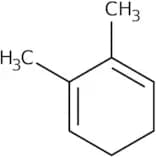
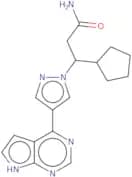
![[4-(N-Methylpyridinium-4-yl)-1,3-thiazol-2-yl]thiolate](/_next/image/?url=https%3A%2Fstatic.cymitquimica.com%2Fproducts%2F3D%2Fthumb-webp%2FCHC20746.webp&w=3840&q=75)
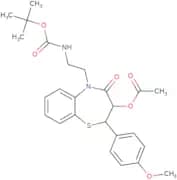




![3-[(1E)-2-[4-[[(2-Carboxyethyl)amino]carbonyl]phenyl]diazenyl] balsalazide](/_next/image/?url=https%3A%2Fstatic.cymitquimica.com%2Fproducts%2F3D%2Fthumb-webp%2FIC19769.webp&w=3840&q=75)

![Benzo[b]thien-2-yl ketone (zileuton impurity)](/_next/image/?url=https%3A%2Fstatic.cymitquimica.com%2Fproducts%2F3D%2Fthumb-webp%2FXDA97807.webp&w=3840&q=75)
![(3-endo)-9-methyl-9-azabicyclo[3.3.1]nonan-3-amine](/_next/image/?url=https%3A%2Fstatic.cymitquimica.com%2Fproducts%2F3D%2Fthumb-webp%2FIE22671.webp&w=3840&q=75)
![N-[2-[(4-Chlorophenyl)thio]phenyl]-carbamic acid phenyl ester](/_next/image/?url=https%3A%2Fstatic.cymitquimica.com%2Fproducts%2F3D%2Fthumb-webp%2FULC63674.webp&w=3840&q=75)