APIs for research and impurities
Subcategories of "APIs for research and impurities"
- Aminoacids and derivatives(12,348 products)
- Anthraquinones and derivatives(405 products)
- Benzimidazole and Imidazole Derivatives(10,463 products)
- Benzodiazepine Derivatives(335 products)
- Carbohydrates and glycoconjugates(5,048 products)
- Esters and Derivatives(42,305 products)
- Fatty Acids and Lypidic Derivatives(32,454 products)
- Flavonoids and Polyphenols(17,098 products)
- Free Radicals and Oxidant/Reducing Agents(214 products)
- Ketones and derivatives(2,402 products)
- Natural and semi-synthetic antibiotics(6,398 products)
- Nitriles and Cyano Derivatives(3,070 products)
- Nitrosamines and Derivatives(55 products)
- Nucleosides and Nucleotides(3,486 products)
- Organic Phosphates and Phosphonates(1,202 products)
- Organic Sulphonates and Sulphates(10,447 products)
- Organometallics(4,424 products)
- Others(6,322 products)
- Peptides and Proteins(3,151 products)
- Polymers and Derivatives(100 products)
- Purines and Pyrimidine Derivatives(8,957 products)
- Quinazoline and Quinoline Derivatives(66,131 products)
- Quinones and Derivatives(24,376 products)
- Salts and Derivatives of Active Pharmaceutical Ingredients (API)(80,360 products)
- Steroids and Derivatives(4,975 products)
- Sulfonamides and Derivatives(2,606 products)
- Terpenoids and Derivatives(3,858 products)
- Thiazolidinediones and Thiopyrans(2,755 products)
- β-Adrenergic Compounds(231 products)
Found 57677 products of "APIs for research and impurities"
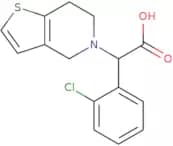
rac-Clopidogrel carboxylic acid
CAS:Clopidogrel is a drug that belongs to the group of antiplatelet agents. It is an inactive prodrug that is metabolized to its active form, clopidogrel glucuronide, by the liver. Clopidogrel carboxylic acid has been shown to be effective in preventing platelet aggregation in humans with type 2 diabetes mellitus and heart disease. This drug does not have any known interaction with other drugs or foods. The major metabolic pathways for clopidogrel carboxylic acid are glucuronidation and oxidation by CYP2C19, which are also the primary routes of elimination. Clopidogrel carboxylic acid undergoes extensive metabolism and is excreted mainly in the urine as glucuronide conjugates.Formula:C15H14ClNO2SPurity:Min. 95%Molecular weight:307.8 g/mol3-(Isonicotinoylhydrazonomethyl) rifamycin
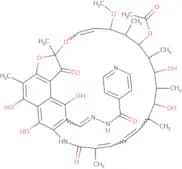
CAS:3-(Isonicotinoylhydrazonomethyl) rifamycin is a metabolite of rifamycin. It is synthesized from the natural product, which is purified as an impurity standard and used as a research and development tool for drugs. 3-(Isonicotinoylhydrazonomethyl)rifamycin has been shown to have antibiotic activity against Mycobacterium tuberculosis and Clostridium perfringens.Formula:C44H52N4O13Purity:Min. 95%Molecular weight:844.9 g/molThiamine triphosphate
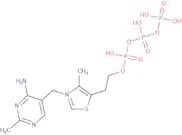
CAS:Thiamine triphosphate is a coenzyme that plays an essential role in many biochemical reactions. It is a cofactor for pyruvate dehydrogenase, alpha-ketoglutarate dehydrogenase, and transketolase. Thiamine triphosphate is required for the production of acetyl-CoA from carbohydrates and amino acids. This coenzyme also participates in the synthesis of thiamin, which is necessary for maintaining normal nerve function. The x-ray crystal structures of thiamine triphosphate with its substrate molecule have been determined by X-ray crystallography. These structures are available at PDB ID 1TMP and 1THP. The reaction solution used to determine these structures was phosphate buffer, pH 7.0, at 30 degrees Celsius. The receptor activity of this enzyme has been studied using rat brain homogenates following incubation with various concentrations of prasugrel (a substrate molecule). EnzymeFormula:C12H20N4O10P3SPurity:Min. 95%Molecular weight:505.3 g/mol(3S,5R)-Atorvastatin calcium
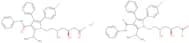
CAS:(3S,5R)-Atorvastatin calcium is an analytical standard for the drug atorvastatin. It has a purity of 99.9% and is manufactured in accordance with the requirements of the pharmacopoeia. The product is available as a white crystalline powder and is soluble in water, acetone, and ethanol. (3S,5R)-Atorvastatin calcium has been used in drug development and as an impurity standard for HPLC analysis. It also serves as a metabolite to characterize the production process of atorvastatin.Formula:C66H68CaF2N4O10Purity:Min. 95%Molecular weight:1,155.34 g/mol(S)-5-Chloronaproxen
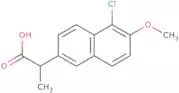
CAS:(S)-5-Chloronaproxen is a synthetic drug product with a purity of 99.9%. It has been synthesized from natural, custom synthesis and analytical grade raw materials. Metabolism studies have been conducted to determine the metabolic pathways of (S)-5-chloronaproxen. The metabolite profile was analyzed by HPLC, and the impurity standard was developed for use in pharmacopoeia, niche research and development, and quality control laboratories.Formula:C14H13ClO3Purity:Min. 95%Molecular weight:264.7 g/molAtorvastatin epoxy pyrrolooxazin tricyclic impurity
Atorvastatin is a drug product that is metabolized to atorvastatin epoxy pyrrolooxazin tricyclic impurity. Due to the presence of this impurity, the purity of the drug product is not 100%. Atorvastatin epoxy pyrrolooxazin tricyclic impurity is a natural metabolite with CAS number 516-80-1. It has been shown to have effects on metabolism and may be involved in the development of atherosclerosis. Metabolism studies have been conducted on animals, but not humans.Formula:C33H32FN2NaO6Purity:Min. 95%Molecular weight:594.61 g/molBAMEA-O16B
CAS:BAMEA-O16B is a human analog with potent anticancer properties. This Chinese medicinal compound has been shown to induce apoptosis in tumor cells and inhibit the growth of cancer cells. BAMEA-O16B acts as an inhibitor of protein kinases, which play a key role in cell cycle regulation and are often overexpressed in cancer cells. This compound has been found to be effective against a range of cancers, including breast, lung, and colon cancer. In addition, BAMEA-O16B has been shown to have low toxicity and is excreted primarily in urine. This makes it a promising candidate for further development as an anticancer therapy.Formula:C56H111N3O6S6Purity:Min. 95%Molecular weight:1,114.9 g/molSacubitril impurity 3
CAS:Sacubitril impurity 3 is a custom synthesis that is available in high purity. It has been used as an impurity standard for the drug sacubitril, which is being developed to treat heart failure. Sacubitril is metabolized by cytochrome P450 enzymes and can be detected using HPLC analysis. Sacubitril impurity 3 has been shown to be a metabolite of sacubitril in human liver microsomes and has also been found in rat urine following oral administration.
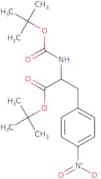
Formula:C18H19NOPurity:Min. 95%Molecular weight:265.30 g/molN-Boc-4-nitro-L-phenylalanine t-butyl ester
CAS:Please enquire for more information about N-Boc-4-nitro-L-phenylalanine t-butyl ester including the price, delivery time and more detailed product information at the technical inquiry form on this page
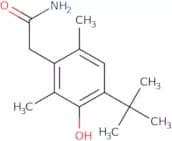
Formula:C18H26N2O6Purity:Min. 95%Molecular weight:366.4 g/mol4-tert-Butyl-2,6-dimethyl-3-hydroxyphenylacetamide
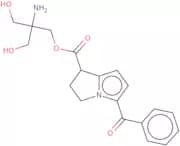
CAS:4-tert-Butyl-2,6-dimethyl-3-hydroxyphenylacetamide is a drug product that is used as an analytical standard. It can be found in the natural environment and may be synthesized for use in research and development of drugs. This substance has been used to study the metabolism of drugs and to produce high purity standards for HPLC analysis. 4-tert-Butyl-2,6-dimethyl-3-hydroxyphenylacetamide has been shown to have niche applications in pharmacopoeia.Formula:C14H21NO2Purity:Min. 95%Molecular weight:235.32 g/mol(2-Amino-2-(hydroxymethyl)propane-3-ol-1-yl) (5-benzoyl-2,3-dihydro-1H-pyrrolizine-1-carboxylate), racemic
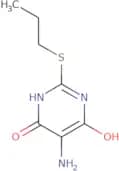
Racemic 2-amino-2-(hydroxymethyl)propane-3-ol-1-yl (5-benzoyl-2,3-dihydro-1H-pyrrolizine-1-carboxylate) is a synthetic drug product. It is used in research and development as an impurity standard. It is also used to synthesize drug products, which are custom synthesis and not commercially available. The racemate is a metabolite of the natural compound "Lysergic acid" and has been studied for its effects on metabolism.Formula:C19H22N2O5Purity:Min. 95%Molecular weight:358.39 g/mol5-Amino-6-hydroxy-2-(propylthio)-4(3H)-pyrimidinone
CAS:Please enquire for more information about 5-Amino-6-hydroxy-2-(propylthio)-4(3H)-pyrimidinone including the price, delivery time and more detailed product information at the technical inquiry form on this page
Formula:C7H11N3O2SPurity:Min. 95%Molecular weight:201.25 g/mol3,3'-Bisdemethylpinoresinol
CAS:3,3'-Bisdemethylpinoresinol is a phenylpropanoid that has been shown to have antioxidant properties. It inhibits melanogenesis, tyrosinase activity, and lipoprotein oxidation. 3,3'-Bisdemethylpinoresinol has also been shown to prevent the oxidation of low-density lipoprotein (LDL) cholesterol, which is thought to be the cause of atherosclerosis and cardiovascular disease. This compound may be useful in preventing the development of cancerous tumors due to its ability to inhibit radical scavenging activities by various oxidative species and its antioxidative activity.
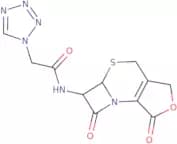
Formula:C18H18O6Purity:Min. 95%Molecular weight:330.33 g/molCefazolin EP Impurity G
CAS:Cefazolin EP Impurity G is a synthetic, impure drug product of cefazolin. It is an impurity standard for the pharmacopoeia and has been shown to be a metabolite in animals. The purity of this compound is unknown. Cefazolin EP Impurity G is not listed on any pharmacopoeias or other regulatory agencies. CAS No.: 1172998-53-6Formula:C11H10N6O4SPurity:Min. 95%Molecular weight:322.3 g/mol1-Cyclopropyl-7-8-difluoro-6-methoxy-4-oxo-1,4-dihydroquinoline-3-carboxylic acid ethyl ester
CAS:1-Cyclopropyl-7-8-difluoro-6-methoxy-4-oxo-1,4-dihydroquinoline-3-carboxylic acid ethyl ester is a research and development impurity standard. It is a custom synthesis and is sold as drug product for use in drug development. 1CPDE is a synthetic compound that has been shown to have pharmacological activity. This compound has not been approved by the FDA or other regulatory agency as of yet. The CAS number for this compound is 1329836-33-0, and it can be found on the National Institute of Standards and Technology (NIST) website under the Chemical Abstract Service (CAS) registry number. 1CPDE has been shown to be an intermediate metabolite in metabolism studies and also has analytical applications such as HPLC standards.
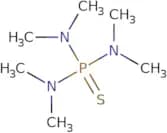
Formula:C16H15F2NO4Purity:Min. 95%Molecular weight:323.29 g/molThiohempa
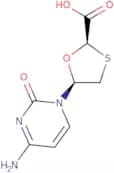
CAS:Thiohempa is an anticancer drug that has been shown to inhibit tumor growth by targeting kinases, which are enzymes involved in cell signaling pathways. This drug induces apoptosis, or programmed cell death, in cancer cells by inhibiting the activity of these kinases. Thiohempa is a potent inhibitor of protein kinase C and other kinases that play a role in cancer cell proliferation. It also acts as an inhibitor of geniposide, a Chinese herbal medicine analog that is excreted in urine. Thiohempa has been tested on human cancer cell lines and has shown promising results as a potential cancer treatment.Formula:C6H18N3PSPurity:Min. 95%Molecular weight:195.27 g/molLamivudine acid
CAS:Lamivudine acid is a synthetic orotate prodrug that is converted to the active form, lamivudine. It inhibits the synthesis of viral DNA by inhibiting the reverse transcriptase enzyme and has been used as a treatment for HIV infection. Lamivudine acid is soluble in organic solvents such as acetone and cyclohexane. The crystal structure of this compound has been determined using X-ray crystallography and exhibits a zwitterion structure with a hydrogen bond between the carboxylate group and the amide nitrogen atom of the molecule.Formula:C8H9N3O4SPurity:Min. 95%Molecular weight:243.24 g/molSceptrin dihydrochloride
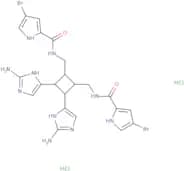
CAS:Sceptrin dihydrochloride is a natural product that is the first asymmetric synthesis of the sceptrin molecule. It has been shown to have anti-inflammatory properties and can be used for the treatment of inflammatory bowel disease. Sceptrin dihydrochloride inhibits the activity of leukotriene A4 hydrolase, which is an enzyme that controls the production of leukotrienes. This inhibition leads to decreased levels of leukotrienes and reduced inflammation in the gastrointestinal tract. Sceptrin dihydrochloride has also been shown to have an effect on skeleton cells, where it can inhibit bone resorption by activating osteoclasts and inhibiting osteoblasts. Sceptrin dihydrochloride belongs to a group of compounds called fatty acid esters and has a chemical structure consisting of nitrogen atoms with two chiral centers. The synthesis was carried out using an asymmetric synthesis method that involved reaction with a chiral catalyst andFormula:C22H26Br2Cl2N10O2Purity:Min. 95%Molecular weight:693.2 g/mol6-Hydroxy-4’-tert-butyldimethylsylyl raloxifene-d4
CAS:Please enquire for more information about 6-Hydroxy-4’-tert-butyldimethylsylyl raloxifene-d4 including the price, delivery time and more detailed product information at the technical inquiry form on this page
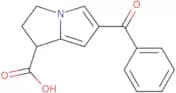
Formula:C34H41NO4SSiPurity:Min. 95%Molecular weight:591.9 g/mol6-Benzoyl-2,3-dihydro-1H-pyrrolizine-1-carboxylic acid, racemic
CAS:6-Benzoyl-2,3-dihydro-1H-pyrrolizine-1-carboxylic acid, racemic is a drug product that is used as an analytical standard in the development of new drugs. It is also used to study the metabolism of drugs. 6BPDC has been shown to inhibit bacterial growth by binding to DNA and RNA, thereby preventing transcription and replication. This metabolite can be synthesized in the laboratory.Formula:C15H13NO3Purity:Min. 95%Molecular weight:255.27 g/molN-Benzyl-N-[2-(benzylamino)-2-oxoethyl]-2-chloroacetamide
CAS:Please enquire for more information about N-Benzyl-N-[2-(benzylamino)-2-oxoethyl]-2-chloroacetamide including the price, delivery time and more detailed product information at the technical inquiry form on this page
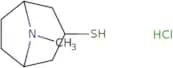
Formula:C18H19ClN2O2Purity:Min. 95%Molecular weight:330.8 g/molExo-tropine-3-thiol hydrochloride
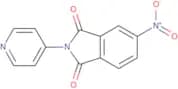
CAS:Please enquire for more information about Exo-tropine-3-thiol hydrochloride including the price, delivery time and more detailed product information at the technical inquiry form on this pageFormula:C8H16ClNSPurity:Min. 95%Molecular weight:193.74 g/mol5-Nitro-2-(pyridin-4-yl)-2,3-dihydro-1H-isoindole-1,3-dione
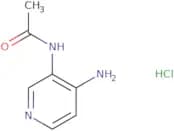
CAS:Please enquire for more information about 5-Nitro-2-(pyridin-4-yl)-2,3-dihydro-1H-isoindole-1,3-dione including the price, delivery time and more detailed product information at the technical inquiry form on this pageFormula:C13H7N3O4Purity:Min. 95%Molecular weight:269.21 g/molN-(4-Amino-3-pyridinyl)-acetamide hydrochloride
CAS:N-(4-Amino-3-pyridinyl)-acetamide hydrochloride is a white, crystalline solid. It is soluble in water, methanol and ethanol. The chemical formula for this compound is C6H8N2O2. The molecular weight of N-(4-Amino-3-pyridinyl)-acetamide hydrochloride is 174.16. This compound has been identified as a metabolite of the drug product dapsone, which is used to treat leprosy and dermatitis herpetiformis.Formula:C7H10ClN3OPurity:Min. 95%Molecular weight:187.63 g/mol5-Oxo pitavastatin
CAS:5-Oxo pitavastatin is a research and development drug product that is synthesized by custom synthesis. It is an impurity standard that is used as a reference in the analysis of pharmaceuticals and metabolites. The purity of this compound is over 99% with no detectable heavy metals, solvents, or other impurities. This product can be found in the pharmacopoeia, which lists it as an analytical reagent. 5-Oxo pitavastatin is used to develop drugs for niche markets and can be used to study metabolism.
Formula:C25H22FNO4Purity:Min. 95%Color and Shape:PowderMolecular weight:419.45 g/molCarbidopa Impurity 2
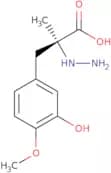
CAS:Controlled ProductCarbidopa Impurity 2 is an impurity of carbidopa, a drug product that is used to treat Parkinson's disease. Carbidopa Impurity 2 is an analytical standard for the identification and quantification of carbidopa in biological samples. The natural form of this compound is unknown, but it has been synthesized using custom synthesis techniques. This compound was also used to develop a high purity HPLC standard and as a pharmacopoeia reference material.
Formula:C11H16N2O4Purity:Min. 95%Molecular weight:240.26 g/molRemdesivir impurity 8
Remdesivir impurity 8 is a metabolite of remdesivir, a drug product that belongs to the class of synthetic compounds. Remdesivir impurity 8 has been used as a research and development standard for HPLC analysis. It is also used as an impurity standard in pharmacopoeia and drug development. This impurity has shown natural activity in metabolism studies, but it is not known if this activity is due to the compound itself or an artifact from its synthesis.
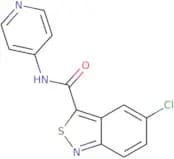
Formula:C30H39N6O8PPurity:Min. 95%Molecular weight:642.64 g/mol5-Chloro-N-4-pyridinyl-2,1-benzisothiazole-3-carboxamide
CAS:Please enquire for more information about 5-Chloro-N-4-pyridinyl-2,1-benzisothiazole-3-carboxamide including the price, delivery time and more detailed product information at the technical inquiry form on this page
Formula:C13H8ClN3OSPurity:Min. 95%Molecular weight:289.74 g/molN-Methyl mitomycin A
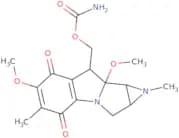
CAS:N-Methyl mitomycin A is an aziridine compound that is used as a cytotoxic agent to treat inflammatory diseases, such as cavity. It is also used to treat cancer and autoimmune diseases. N-Methyl mitomycin A inhibits the growth of tumor cells by cross-linking DNA in the target tissue, which prevents replication of the cell. This drug has been shown to induce lymphocytic leukemia in some animals by binding with DNA sequences and preventing RNA synthesis. N-Methyl mitomycin A also inhibits protein synthesis, leading to the death of the cell.Formula:C17H21N3O6Purity:Min. 95%Molecular weight:363.4 g/mol(±)-Voriconazole
CAS:(±)-Voriconazole is an analog of voriconazole, which is a potent inhibitor of kinases that play a role in cancer cell growth and apoptosis. It has been shown to be effective against tumors in human and Chinese hamster cells. (±)-Voriconazole also inhibits angiotensin-converting enzyme (ACE), which may play a role in its anticancer activity. This drug has been found to have a low potential for toxicity and is well-tolerated by patients. It is excreted primarily through the urine and has been shown to be effective as an inhibitor of multiple kinases involved in cancer progression.
Formula:C16H14F3N5OPurity:Min. 95%Molecular weight:349.31 g/mol[p-(Benzyloxy)phenyl]acetic acid tert-butyl ester
CAS:Please enquire for more information about [p-(Benzyloxy)phenyl]acetic acid tert-butyl ester including the price, delivery time and more detailed product information at the technical inquiry form on this pageFormula:C19H22O3Purity:Min. 95%Molecular weight:298.4 g/molDesoximetasone impurity A
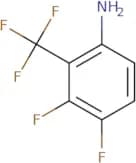
CAS:Controlled ProductDesoximetasone impurity A is an impurity found in the drug product Desoximetasone, which is a corticosteroid. It has been identified as an impurity in the drug product and there are no known uses of Desoximetasone impurity A. This impurity was determined to be natural based on its molecular weight, infrared spectrum, melting point, and elemental analysis. The molecular weight for Desoximetasone impurity A is 687.2 g/mol with a melting point at 89°C and an elemental analysis of Carbon: 29%, Hydrogen: 3%, Nitrogen: 16%, Oxygen: 32%.Formula:C21H25FO4Purity:Min. 95%Molecular weight:360.42 g/mol3,4-Difluoro-2-(trifluoromethyl)-benzenamine
CAS:Please enquire for more information about 3,4-Difluoro-2-(trifluoromethyl)-benzenamine including the price, delivery time and more detailed product information at the technical inquiry form on this page
Formula:C7H4F5NPurity:Min. 95%Molecular weight:197.1 g/molNeratinib-d6
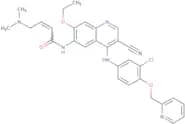
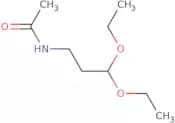
CAS:Neratinib-d6 is a potent inhibitor of cancer cell growth and is used in the treatment of various types of cancer. It induces apoptosis, or programmed cell death, in cancer cells by inhibiting specific proteins that are required for their survival. This anticancer drug has been shown to be effective against a variety of tumors and is being studied for its potential use in treating other types of cancer as well. Neratinib-d6 is a medicinal inhibitor that works by blocking the action of certain enzymes involved in the cell cycle, such as Chinese hamster ovary kinase and human epidermal growth factor receptor 2 (HER2). It is also an analog of neratinib, which is another anticancer drug that has been approved for use in humans. Neratinib-d6 can be detected in urine samples, making it useful for monitoring patients undergoing treatment with this drug.Formula:C30H29ClN6O3Purity:Min. 95%Molecular weight:563.1 g/molN-(3,3-Diethoxypropyl)acetamide
CAS:N-(3,3-Diethoxypropyl)acetamide is a custom synthesis drug product. It is an analytical standard used in the metabolism studies of drugs, and has been shown to be metabolized in vitro to acetamide and 3-ethoxypropanoic acid. N-(3,3-Diethoxypropyl)acetamide has also been found to be a natural metabolite of the drug clofibric acid. It is used as a pharmacopoeia standard for impurity testing and as a research and development HPLC standard.
Formula:C9H19NO3Purity:Min. 95%Molecular weight:189.25 g/molN-Formyl-L-leucine (3S,4S,6S)-3-hexyltetrahydro-2-oxo-6-undecyl-2H-pyran-4-yl ester
CAS:Controlled ProductN-Formyl-L-leucine (3S,4S,6S)-3-hexyltetrahydro-2-oxo-6-undecyl-2H-pyran-4-yl ester is a synthetic compound that has been used as an impurity standard and as a pharmacopoeia. It is also used in drug development and metabolism studies. The CAS number of this compound is 130676-65-2. HPLC analysis of this compound is available upon request.Formula:C29H53NO5Purity:Min. 95%Molecular weight:495.73 g/mol2-Demethoxy-4-methoxy urapidil
CAS:2-Demethoxy-4-methoxy urapidil is a drug product that is used in the development of new drugs. It is a synthetic compound that is metabolized to form its natural metabolite, 2-demethoxyurapidil. This impurity standard has been shown to have anti-inflammatory effects and can be used as an API impurity for pharmacopoeia. 2DMO4MU has been shown to be useful in the study of metabolism and has been found to inhibit prostaglandin synthesis.
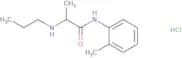
Formula:C20H29N5O3Purity:Min. 95%Molecular weight:387.48 g/molPrilocaine hydrochloride
CAS:Prilocaine is a synthetic chemical that is used as an active ingredient in some local anesthetic preparations. It is a metabolite of lidocaine and has been shown to be more potent than lidocaine in animal studies. Prilocaine hydrochloride is the free base form of prilocaine, which is soluble in water and alcohol. This product can be used as a reference standard for quality control purposes or as an analytical impurity standard for the analysis of drug products containing prilocaine.Formula:C13H21ClN2OPurity:Min. 95%Molecular weight:256.77 g/mol9-[[(2,2,2-Trifluoroethyl)amino]carbonyl]-9H-fluorene-9-butanoic acid
CAS:9-[[(2,2,2-Trifluoroethyl)amino]carbonyl]-9H-fluorene-9-butanoic acid is a research and development impurity standard. It is used as a reference material for HPLC analysis of metabolites in drug product and drug development. This compound has been synthesized using synthetic methods. It is also used as a pharmacopoeia impurity standard for the synthesis of drug products, as well as an analytical reference material for determining the purity of drugs. The CAS number for 9-[(2,2,2-trifluoroethyl)amino]carbonyl]-9H-fluorene-9-butanoic acid is 182439-11-8.
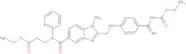
Formula:C20H18F3NO3Purity:Min. 95%Molecular weight:377.40 g/molN-Ethoxycarbonyl dabigatran ethyl ester
CAS:N-Ethoxycarbonyl dabigatran ethyl ester is a synthetic compound that is an impurity in the drug product, Dabigatran etexilate (CAS No. 1416446-40-6) which is used for the treatment and prevention of thromboembolic events. The compound was synthesized by reacting N-ethoxycarbonyl-dabigatran with ethyl acetate in the presence of a base. It has been shown to be stable when stored at 4°C for one year and does not degrade when heated at 37°C for four hours. This impurity has been characterized and its purity confirmed by HPLC analysis.
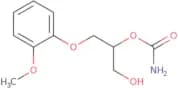
Formula:C30H33N7O5Purity:Min. 95%Molecular weight:571.63 g/mol1-Descarbamoyl-2-carbamoyl methocarbamol
CAS:1-Descarbamoyl-2-carbamoyl methocarbamol is a white powder that is used as an analytical reference standard. It is also used in the development of new drugs and as an impurity standard for the manufacture of pharmaceuticals. 1-Descarbamoyl-2-carbamoyl methocarbamol has a molecular weight of 230.093 g/mol and a melting point between 265°C and 270°C. This compound has been assigned CAS No. 10488-39-8, which may be found on PubChem under number PDB ID: 6D0I.Formula:C11H15NO5Purity:Min. 95%Molecular weight:241.24 g/molAmido methyl meloxicam
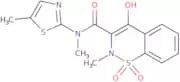
CAS:Amido methyl meloxicam is a synthetic nonsteroidal anti-inflammatory drug. It is used to relieve inflammation and pain. Amido methyl meloxicam is chemically similar to the naturally occurring substance, meclofenamic acid, but it does not have the same side effects. Amido methyl meloxicam is metabolized in the liver by CYP3A4/5 and then excreted by the kidneys.Formula:C15H15N3O4S2Purity:Min. 95%Molecular weight:365.43 g/molMetamizole EP impurity E
CAS:Metamizole EP impurity E is a synthetic research and development impurity standard for the drug product. Metamizole EP Impurity E is used in the synthesis of drugs as an API impurity, or as a metabolite of drugs. The chemical purity is typically greater than 98%. Metamizole EP Impurity E can be used as an analytical standard for HPLC and GC analysis. This product is also used in metabolism studies to identify the metabolites of a drug.
Formula:C12H15N3O4SPurity:Min. 95%Color and Shape:PowderMolecular weight:297.33 g/molPBB 154
CAS:Controlled ProductPBB 154 is a medicinal compound that has shown promising results in the treatment of cancer. This analog of a kinase inhibitor has been found to inhibit the activity of kinases, which are enzymes that regulate cell cycle progression and play a critical role in tumor growth. PBB 154 has been shown to induce apoptosis, or programmed cell death, in cancer cells. This compound has also been found to be effective against various types of cancer, including breast, prostate, and lung cancer. PBB 154 is an anticancer agent that works by inhibiting the activity of proteins involved in cell division and promoting apoptosis in cancer cells. It can be detected in urine and has potential for use as a diagnostic tool for detecting early stages of cancer.
Formula:C12H4Br6Purity:Min. 95%Molecular weight:627.6 g/molCephalosporin impurity
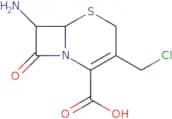
CAS:Cephalosporin impurity is an industrial by-product that is generated during the production of cephalosporins. It is a white powder that has no known toxicological effects. Cephalosporin impurity can be used as a supplement in inoculated soil to increase the yield of cephalosporium, which is a fungus that produces cephalosporins.Formula:C8H9ClN2O3SPurity:Min. 95%Molecular weight:248.69 g/molFluticasone furoate EP impurity G
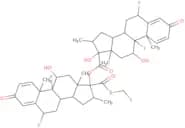
CAS:Fluticasone furoate impurity K is a synthetic drug product that is used in the manufacture of pharmaceutical products. It has a CAS Number of 220589-37-7, and the purity of the compound is >98%. The compound has been synthesized using natural starting materials, and it has undergone metabolism studies to determine its pharmacological activity. Fluticasone furoate impurity K is on the list of substances that are not scheduled by the US DEA. Fluticasone furoate impurity K is an analytical standard and Metabolite for use in HPLC analysis. Fluticasone furoate impurity K can be used as a Research and Development or Pharmacopoeia standard. This compound may also be useful for niche applications such as Drug development or Custom synthesis.Formula:C43H51F5O8SPurity:Min. 95%Molecular weight:822.92 g/mol4-Hydroxy mexiletine hydrochloride
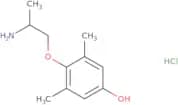
CAS:4-Hydroxy mexiletine hydrochloride is a compound with a high viscosity and the presence of impurities. It forms hydrogen bonds and has been found to interact with growth factors such as epidermal growth factor (EGF). This compound has been shown to have neutralizing effects on CDK4/6 inhibitors like palbociclib, which are commonly used in cancer treatment. Additionally, 4-Hydroxy mexiletine hydrochloride binds to proteins involved in cellular processes, such as interleukin-6 (IL-6) and monoclonal antibodies. Its structure includes a chelate ring, which can be observed in its mass spectrum analysis. Furthermore, this compound has demonstrated an impact on hepatocyte growth and phycocyanin.Formula:C11H18ClNO2Purity:Min. 95%Molecular weight:231.72 g/molSanthopine
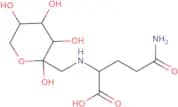
CAS:Santhopine is a medicinal compound that has shown to be a promising anticancer agent. It is a kinase inhibitor that targets various protein kinases involved in cancer cell proliferation and survival. Santhopine has been found in the urine of Chinese cancer patients and has been shown to induce apoptosis (programmed cell death) in human cancer cells. This compound inhibits the cell cycle, preventing the uncontrolled growth of tumor cells. Santhopine's potential as an anticancer drug makes it an exciting area of research for cancer treatment.Formula:C11H20N2O8Purity:Min. 95%Molecular weight:308.29 g/mol2-Amino-3H,4H,7H-pyrrolo[2,3-d]pyrimidine-4-thione
CAS:Please enquire for more information about 2-Amino-3H,4H,7H-pyrrolo[2,3-d]pyrimidine-4-thione including the price, delivery time and more detailed product information at the technical inquiry form on this pageFormula:C6H6N4SPurity:Min. 95%Molecular weight:166.21 g/molArundinin
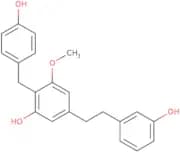
CAS:Arundinin is a potent anticancer agent that has been shown to induce apoptosis in cancer cells. It is a protein analog derived from Chinese medicine and has been found to inhibit several kinases, including testosterone-sensitive kinases, which are involved in the growth of prostate cancer cells. Arundinin has also been demonstrated to have anti-tumor activity in human clinical trials. This inhibitor belongs to a class of compounds known as kinase inhibitors, which are being actively investigated for their potential as novel anticancer agents. Arundinin is excreted primarily in urine and holds great promise for the treatment of various types of cancer.Formula:C22H22O4Purity:Min. 95%Molecular weight:350.4 g/mol2-Isopropoxy-5-phenyl-1,3,4-oxadiazole
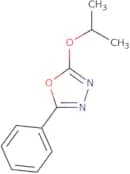
CAS:2-Isopropoxy-5-phenyl-1,3,4-oxadiazole is a potent anticancer agent that has been extensively studied for its ability to inhibit tumor growth in humans. This compound belongs to the class of kinase inhibitors and has been shown to induce apoptosis in cancer cells. It is an analog of a medicinal compound that was first identified in Chinese herbal medicine. 2-Isopropoxy-5-phenyl-1,3,4-oxadiazole specifically inhibits certain protein kinases involved in cancer cell signaling pathways, leading to a decrease in cell proliferation and survival. This compound has demonstrated significant activity against various types of cancer cells and may have potential as a therapeutic agent for the treatment of cancer. Its presence can be detected in human urine after administration.Formula:C11H12N2O2Purity:Min. 95%Molecular weight:204.22 g/mol1-[4-Chloro-2-(2-fluorobenzoyl)phenyl]-2-methyl-1H-imidazole-5-carboxaldehyde
CAS:Please enquire for more information about 1-[4-Chloro-2-(2-fluorobenzoyl)phenyl]-2-methyl-1H-imidazole-5-carboxaldehyde including the price, delivery time and more detailed product information at the technical inquiry form on this pageFormula:C18H12ClFN2O2Molecular weight:342.75 g/molL-733,060 Hydrochloride
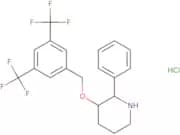
CAS:L-733,060 Hydrochloride is a drug product that was custom synthesized for the purpose of research and development. It is a white to off-white crystalline powder with a melting point of 178.5°C. The purity of L-733,060 Hydrochloride is greater than or equal to 98% by analytical HPLC. L-733,060 Hydrochloride has been studied in metabolism studies and has been shown to be metabolized by cytochrome P450 enzymes, oxidative metabolites, hydrolysis by esterases, glutathione reductase, or conjugation with glucuronic acid. It also specifically binds to markers expressed at high levels in Mycobacterium tuberculosis strains (e.g., ESX-1 secretion system protein) and inhibits cell growth in culture.
Formula:C20H20ClF6NOPurity:Min. 95%Molecular weight:439.8 g/mol1-[(1-Methylethyl)amino]-3-phenoxy-2-propanol
CAS:1-[(1-Methylethyl)amino]-3-phenoxy-2-propanol is an organic compound that belongs to the class of phenoxyethanol derivatives. It has been used in milligram amounts to assist in the separation of racemic mixtures by countercurrent chromatography. The compound is a racemate and the enantiomers are separated by chiral high performance liquid chromatography. The β-adrenergic agonist activity of 1-[(1-methylethyl)amino]-3-phenoxy-2-propanol has been shown in rats.Formula:C12H19NO2Purity:Min. 95%Molecular weight:209.28 g/mol1-[4-(4-Amino-6,7-dimethoxy-2-quinazolinyl)-1-piperazinyl]-5-hydroxy-1-pentanone
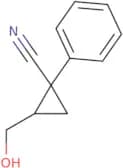
CAS:1-[4-(4-Amino-6,7-dimethoxy-2-quinazolinyl)-1-piperazinyl]-5-hydroxy-1-pentanone is a drug product that is used as an HPLC standard. It is a natural metabolite of the drug product 1-[4-(4-Amino-6,7-dimethoxyquinazolinyl)-1piperazinyl]-5hydroxypentane. The synthesis of this compound has been reported in the literature. The impurity content of this compound meets the pharmacopoeia requirements for an analytical reference standard for API impurities.Formula:C19H27N5O4Purity:Min. 95%Molecular weight:389.45 g/mol2-(Hydroxymethyl)-1-phenylcyclopropanecarbonitrile
CAS:Please enquire for more information about 2-(Hydroxymethyl)-1-phenylcyclopropanecarbonitrile including the price, delivery time and more detailed product information at the technical inquiry form on this pageFormula:C11H11NOPurity:Min. 95%Molecular weight:173.21 g/molNSC 116339
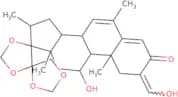
CAS:Please enquire for more information about NSC 116339 including the price, delivery time and more detailed product information at the technical inquiry form on this pageFormula:C26H34O7Purity:Min. 95%Molecular weight:458.5 g/molα-(4-Chlorophenyl)-2-ethyl-1,3-dioxolane-2-acetonitrile
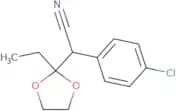
CAS:α-(4-Chlorophenyl)-2-ethyl-1,3-dioxolane-2-acetonitrile is a metabolite of the drug product α-[4-(chlorophenyl)phenoxy]ethanol. It has been used as an impurity standard for HPLC and as a pharmacopoeia.
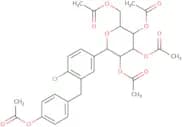
!--Formula:C13H14ClNO2Purity:Min. 95%Molecular weight:251.71 g/mol2S,3S,4R,5R,6R-2-3-4-Acetoxybenzyl-4-chlorophenyl-6-(acetoxymethyl)tetrahydro-2H-pyran-3,4,5-triyl triacetate
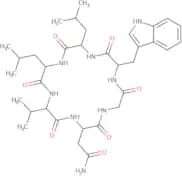
CAS:2S,3S,4R,5R,6R-2-3-4-Acetoxybenzyl-4-chlorophenyl-6-(acetoxymethyl)tetrahydro-2H-pyran-3,4,5-triyl triacetate is a drug product that is used in the analytical and metabolic studies. It can also be used as an impurity standard for HPLC analysis. This compound has been synthesized from natural sources and it is not available as a commercially available API. 2S,3S,4R,5R,6R-2-3-4-Acetoxybenzyl-4-chlorophenyl-6-(acetoxymethyl)tetrahydro2H-[1]pyran-[2]3,4,[1]5-[1]triol triacetate is a synthetic compound that has been developed for drug development and research andFormula:C29H31ClO11Purity:Min. 95%Molecular weight:591 g/molDesotamide B
CAS:Desotamide B is an analog of saxagliptin, a kinase inhibitor that has shown promising results in the treatment of cancer. It has been found to induce apoptosis, or programmed cell death, in cancer cells while sparing healthy cells. Desotamide B specifically targets kinases and proteins involved in the growth and survival of cancer cells, making it a potential anticancer therapy. This compound has been tested on Chinese hamster ovary cells and human tumor cell lines with positive results. Desotamide B is excreted primarily through urine, indicating its potential for use as a systemic therapy for various types of cancer. Its unique mechanism of action makes it a promising candidate for future cancer treatments.
Formula:C34H50N8O7Purity:Min. 95%Molecular weight:682.8 g/mol4-Hydroxy guanabenz hydrochloride
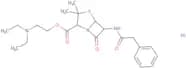
CAS:Please enquire for more information about 4-Hydroxy guanabenz hydrochloride including the price, delivery time and more detailed product information at the technical inquiry form on this pageFormula:C8H9Cl3N4OPurity:Min. 95%Molecular weight:283.5 g/molBenzylpenicillin diethylaminoethyl ester hydroiodide
CAS:Benzylpenicillin diethylaminoethyl ester hydroiodide is a potent broad-spectrum antimicrobial agent that inhibits the growth of bacteria by inhibiting protein synthesis. It is used to treat microbial infections and has been shown to be effective against Streptococcus species, including Streptococcus pneumoniae, Streptococcus pyogenes, and Streptococcus viridans. Benzylpenicillin diethylaminoethyl ester hydroiodide binds to the 50S ribosome subunit of bacteria and prevents the formation of an antibiotic-inhibitor complex with the enzyme cell wall synthesis that is required for cell wall biosynthesis. This binding prevents protein synthesis and cell division.Formula:C22H32IN3O4SPurity:Min. 95%Molecular weight:561.5 g/mol1-Hydroxy-ibuprofen - Mixture of diastereoisomers
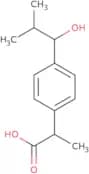
CAS:Ibuprofen is a nonsteroidal anti-inflammatory drug that is used to treat arthritis, rheumatoid arthritis, menstrual cramps and pain. Ibuprofen is a racemic mixture of two enantiomers, ibuprofen and S (+) -ibuprofen. The dextran sulfate method is an analytical method used to determine the concentration of ibuprofen in biological fluids such as human serum or urine. This test can be done by first treating the sample with trifluoroacetic acid (TFA) to convert ibuprofen to its glucuronide conjugate. The glucuronide conjugates are then deproteinized with hydrochloric acid, which converts them into their corresponding carboxylated derivatives. This conversion allows for the separation of ibuprofen from interfering substances using preparative hplc and quantification using mass spectrometry. Toxicity studies have been conducted on bacteria strains and inflammatory bowelFormula:C13H18O3Purity:Min. 95%Color and Shape:White PowderMolecular weight:222.28 g/mol2-[[4-[2-(Cyclopropylmethoxy)ethyl]phenoxy]methyl]oxirane
CAS:2-[4-[2-(Cyclopropylmethoxy)ethyl]phenoxy]methyloxirane is a metabolite of the drug product 2-[[4-[2-(Cyclopropylmethoxy)ethyl]phenoxy]methyl]oxirane. It is an impurity in the drug product, which is a pharmaceutical intermediate that has been shown to have pharmacological properties. The CAS number for this compound is 63659-17-6 and it has been assigned the Chemical Abstracts Service (CAS) number of 63659-17-6. This compound has been characterized using HPLC and GC/MS methods.Formula:C15H20O3Purity:Min. 95%Molecular weight:248.32 g/mol(7-(4-{4-[4-(2,3-Dichlorophenyl)piperazin-1-yl]butoxy}butoxy)-3,4-dihydroquinolin-2(1H)-one)
CAS:7-(4-{4-[4-(2,3-Dichlorophenyl)piperazin-1-yl]butoxy}butoxy)-3,4-dihydroquinolin-2(1H)-one is an analytical reference standard for HPLC. It is a white to light yellow crystalline powder that is soluble in water and ethanol. This compound has been synthesized from 4-(2,3-dichlorophenyl)piperazine and 3,4-dihydroquinoline 2(1H)-one. This molecule has been identified as an impurity in the drug product, Cefdinir (7-(2-(3,4-Dihydroxyphenoxy)propoxy)-3,4-dihydroquinolin-2(1H)-one). The purity of this chemical has been shown to be greater than 99.5% by high performance liquid chromatography (HPLC).
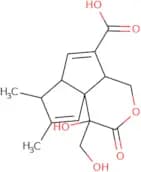
Formula:C27H35Cl2N3O3Purity:Min. 95%Molecular weight:520.50 g/molPentalenolactone O
CAS:Pentalenolactone O is a natural product, which is used as an analytical standard for the determination of metabolites in drug development and research. It can be synthesized from pentalenolactone A by hydrogenation with Raney nickel catalyst. Pentalenolactone O is also a synthetic compound that has been developed as an impurity standard for HPLC analysis. The purity of this compound is high, and it complies with the requirements of pharmacopoeias such as USP and BP.
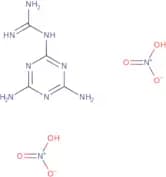
Formula:C15H18O6Purity:Min. 95%Molecular weight:294.3 g/molMetformin EP Impurity B Dinitrate
CAS:Metformin EP Impurity B Dinitrate is a metabolite of metformin. Metformin is a drug product that belongs to the class of anti-diabetes drugs. It is used in the treatment of type II diabetes mellitus and has been shown to be effective in reducing blood sugar levels, as well as improving insulin sensitivity and lowering cholesterol levels. Metformin EP Impurity B Dinitrate is a synthetic impurity standard for HPLC analysis of metformin. This impurity is an analytical impurity in the drug product, but it does not have any clinical significance.Formula:C4H8N8·2HNO3Purity:Min. 95%Molecular weight:294.19 g/molDe(diethylaminoethyl-5-iodo) Amiodarone
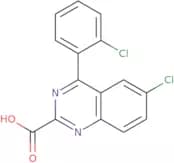
CAS:Amiodarone is a drug that belongs to the group of annular compounds. It has been used in the treatment of cardiac arrhythmias, such as atrial fibrillation (AF) and ventricular tachycardia (VT). Amiodarone has been shown to have a high affinity for specific genes, including those involved in the regulation of the heart. This drug is also used in animals, such as dogs and rats. Amiodarone has been shown to have toxic effects on cardiac tissue and other organs, which may be due to its ability to inhibit the metabolism of thyroid hormones by deiodination. Amiodarone also inhibits synthesis of protein by binding to DNA, inhibiting transcription and translation.Formula:C19H17IO3Purity:Min. 95%Color and Shape:PowderMolecular weight:420.24 g/mol6-Chloro-4-(2-chlorophenyl)-2-quinazolinecarboxylic acid
CAS:6-Chloro-4-(2-chlorophenyl)-2-quinazolinecarboxylic acid (CA) is an impurity found in the drug lorazepam. It is a chemical intermediate that is not active as a pharmaceutical agent, but has been studied for use in treating epilepsy and other neurological disorders. CA is an excipient used to manufacture other drugs such as salicylic acid and the surfactant sodium lauryl sulfate. It has been shown to have acidic properties and can be used as a surfactant, which is helpful in chromatographic methods to separate molecules by size. CA also binds to chloride ions, which are necessary for the proper functioning of many cellular processes. CA's molecular weight is 322 daltons and it exhibits no pharmacological activity.
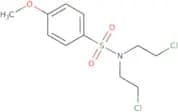
Formula:C15H8Cl2N2O2Purity:Min. 95%Color and Shape:White PowderMolecular weight:319.14 g/molN,N-Bis(2-chloroethyl)-4-methoxybenzenesulfonamide
CAS:Please enquire for more information about N,N-Bis(2-chloroethyl)-4-methoxybenzenesulfonamide including the price, delivery time and more detailed product information at the technical inquiry form on this page
Formula:C11H15Cl2NO3SPurity:Min. 95%Molecular weight:312.2 g/mol(7Alpha,17Alpha)- 9,17-Dihydroxy-3-oxo-pregn-4-ene-7,21-dicarboxylic acid di-gamma-lactone
CAS:(7Alpha,17Alpha)- 9,17-Dihydroxy-3-oxo-pregn-4-ene-7,21-dicarboxylic acid di-gamma-lactone is a synthetic analogue of progesterone. It is used as a drug product for research and development purposes. The product has been shown to be metabolized through the 3beta hydroxysteroid dehydrogenase pathway or the side chain cleavage enzyme pathways. This product has not been evaluated in humans and should not be used for any human applications. (7Alpha,17Alpha)- 9,17-Dihydroxy-3-oxo-pregn-4-ene-7,21 -dicarboxylic acid di gamma lactone is an impurity standard for HPLC analysis of progesterone in urine.
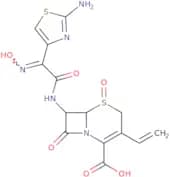
Formula:C23H28O5Purity:Min. 95%Molecular weight:384.50 g/molCefdinir sulfoxide
CAS:Cefdinir sulfoxide is a drug product that belongs to the group of cephalosporin antibiotics. It has been shown to be a metabolite of Cefdinir, which is manufactured by reacting cefdinir with sulfur trioxide gas in the presence of an acid catalyst. This product has been shown to have no antimicrobial activity and is used as an impurity standard for HPLC analysis. Cefdinir sulfoxide has also been found to be a metabolite for other drugs, such as Cefditoren.Formula:C14H13N5O6S2Purity:Min. 95%Molecular weight:411.4 g/molMonodes(N-carboxymethyl)valine daclatasvir-d3
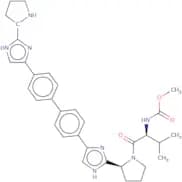
CAS:Monodes(N-carboxymethyl)valine daclatasvir-d3 is a drug product that is a metabolite of daclatasvir. It is an analytical standard for the determination of daclatasvir in human plasma and urine. Monodes(N-carboxymethyl)valine daclatasvir-d3 has been shown to be a natural metabolite of daclatasvir, which is derived from the hydrolysis of the ester bond between valine and N-carboxymethylated valine. This product can be used as an impurity standard for HPLC analysis.Formula:C33H36D3N7O3Purity:Min. 95%Molecular weight:584.73 g/molSodium 5-(diphenylphosphinyl)pentanoate
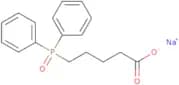
CAS:Sodium 5-(diphenylphosphinyl)pentanoate is an impurity present in the drug product and is an analytical reference material for metabolism studies. It is a natural compound that has been custom synthesized for use as a synthetic standard. This substance is used in drug development and research, including the study of pharmacokinetics, metabolism, and toxicology. Sodium 5-(diphenylphosphinyl)pentanoate also serves as an impurity standard for HPLC analysis. The purity of this substance is high enough to meet the standards set by the pharmacopoeia.Formula:C17H18NaO3PPurity:Min. 95%Molecular weight:324.29 g/mol4-HO-DPHP
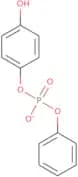
CAS:4-HO-DPHP is a cyclic analog of a Chinese plant-derived compound that has been shown to have anticancer properties. It functions as an inhibitor of kinases, which are enzymes involved in the regulation of protein activity and cell signaling pathways. In vitro studies have demonstrated that 4-HO-DPHP can induce apoptosis in human cancer cells, making it a potential candidate for cancer treatment. Additionally, this compound has been found in urine samples from cancer patients, suggesting that it may play a role in the body's natural defense against tumor growth. Overall, 4-HO-DPHP shows promise as a novel anticancer agent with potential therapeutic applications.Formula:C12H10O5PPurity:Min. 95%Molecular weight:265.18 g/molBis(o-ethylbenzylamine) catechol dihydrochloride
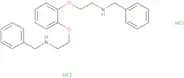
CAS:Bis(o-ethylbenzylamine) catechol dihydrochloride is a potent inhibitor of protein kinases that play a crucial role in the regulation of the cell cycle. It has been shown to induce apoptosis in various human cancer cell lines, including leukemia and Chinese hamster ovary cells. This compound inhibits the activity of several kinases, including indoleamine 2,3-dioxygenase (IDO), which is involved in tumor immune evasion. Bis(o-ethylbenzylamine) catechol dihydrochloride also acts as an inhibitor of other key proteins involved in the growth and proliferation of cancer cells. Its unique mode of action makes it a promising candidate for the development of novel anticancer therapies.Formula:C24H30Cl2N2O2Purity:Min. 95%Molecular weight:449.4 g/molBMS-986299
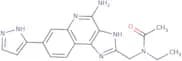
CAS:BMS-986299 is a Chinese compound that acts as an inhibitor of kinases, specifically targeting cyclin-dependent kinases (CDKs). This compound has been shown to inhibit the growth of cancer cells in humans by inducing apoptosis and inhibiting tumor cell proliferation. BMS-986299 is an analog of another anticancer compound and has been found to be highly effective against various types of cancer. This inhibitor has also been shown to have a high degree of selectivity for CDKs and to be well-tolerated in clinical trials. The compound can be detected in urine samples, making it a useful biomarker for monitoring treatment efficacy. Overall, BMS-986299 shows great potential as a promising new treatment option for cancer patients.
Formula:C18H19N7OPurity:Min. 95%Molecular weight:349.4 g/mol6β-Hydroxy mometasone furoate
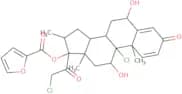
CAS:6β-Hydroxy mometasone furoate is a synthetic glucocorticoid that has high potency and receptor activity. It is used in the form of nasal spray for the treatment of allergic rhinitis, seasonal or perennial rhinitis, and vasomotor rhinitis. 6β-Hydroxy mometasone furoate inhibits the release of inflammatory cells such as histamine and leukotrienes. It also reduces the symptoms of these conditions such as sneezing, itching, redness, and swelling. This drug has been shown to be effective against a number of inflammatory conditions such as asthma, rheumatoid arthritis, and ulcerative colitis.Formula:C27H30Cl2O7Purity:Min. 95%Molecular weight:537.4 g/mol2-[(Triphenylmethyl)amino]-4-thiazoleacetyl chloride
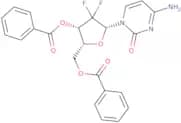
CAS:Please enquire for more information about 2-[(Triphenylmethyl)amino]-4-thiazoleacetyl chloride including the price, delivery time and more detailed product information at the technical inquiry form on this pageFormula:C24H19ClN2OSPurity:Min. 95%Molecular weight:418.9 g/mol1'-Epi gemcitabine 3',5'-dibenzoate
CAS:1'-Epi-Gemcitabine 3',5'-dibenzoate is an analytical standard that is used in the drug development process. It is also a high purity, API impurity, HPLC standard, and drug product. 1'-Epi-Gemcitabine 3',5'-dibenzoate is an impurity of Gemcitabine, which is an anticancer drug. The impurity can be found in the methanolic fraction of the extract and it's an epimer of Gemcitabine. The pharmacopoeia for this compound are USP and EP. Custom synthesis and natural or synthetic are possible for this compound.Formula:C23H19F2N3O6Purity:Min. 95 Area-%Color and Shape:PowderMolecular weight:471.41 g/molN-Formyl-L-leucine (1S)-1-[[(2R,3R)-3-hexyl-4-oxo-2-oxetanyl] methyl] dodecyl ester
CAS:N-Formyl-L-leucine (1S)-1-[[(2R,3R)-3-hexyl-4-oxo-2-oxetanyl] methyl] dodecyl ester is an impurity in the drug product. It can be used as a custom synthesis or natural standard and has been shown to have metabolites that are toxic to human cells. This impurity can be synthesized for HPLC analysis and research purposes.
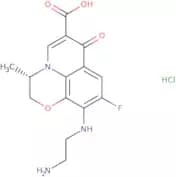
Formula:C29H53NO5Purity:Min. 95%Molecular weight:495.73 g/molLevofloxacin diamine impurity
CAS:Levofloxacin is a synthetic fluoroquinolone antibiotic. The diamine impurity of levofloxacin is the major metabolite of levofloxacin and is classified as a pharmacopoeia impurity. Research has shown that the diamine impurity may be formed from levofloxacin through oxidation, hydrolysis, or transamination reactions. Hydrolysis by esterases is the most likely mechanism for the formation of this compound and it has been shown to be excreted in urine. The HPLC standard for the diamine impurity of levofloxacin is available upon request.Purity:Min. 95%PBDE 155
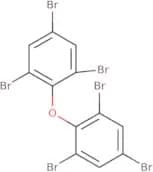
CAS:PBDE 155 is an analog of PBDE, a kinase inhibitor that has shown potential as an anticancer agent. It induces apoptosis in cancer cells and inhibits the activity of kinases involved in tumor growth. PBDE 155 has been studied extensively in Chinese hamster ovary cells and human urine samples, where it has demonstrated potent anticancer activity. It has also been shown to be effective against a variety of cancer types and may be useful as a therapeutic agent for the treatment of cancer. Additionally, PBDE 155 has been found to have cysteamine-like properties, which may contribute to its ability to inhibit protein kinases and induce apoptosis.
Formula:C12H4Br6OPurity:Min. 95%Molecular weight:643.6 g/mol3-[(1E)-2-[4-[[(2-Carboxyethyl)amino]carbonyl]phenyl]diazenyl] balsalazide
CAS:3-[(1E)-2-[4-[[(2-Carboxyethyl)amino]carbonyl]phenyl]diazenyl] balsalazide is a white to off-white solid that is soluble in water and acidic solutions. It has an impurity level of less than 0.5%. The melting point of 3-[(1E)-2-[4-[[(2-Carboxyethyl)amino]carbonyl]phenyl]diazenyl] balsalazide is approximately 195°C. This compound has been shown to have antibiotic activity against a variety of bacteria, including methicillin resistant Staphylococcus aureus (MRSA).
Formula:C27H24N6O9Purity:Min. 95%Molecular weight:576.51 g/molDM3-SMe
CAS:Please enquire for more information about DM3-SMe including the price, delivery time and more detailed product information at the technical inquiry form on this page
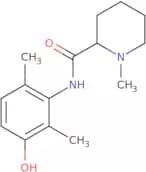
Formula:C38H54ClN3O10S2Purity:Min. 95%Molecular weight:812.4 g/mol3-Hydroxy mepivacaine
CAS:3-Hydroxy mepivacaine is a drug product that is synthesized in the laboratory for research and development purposes. It has been shown to be metabolized by CYP2D6, CYP1A2, CYP3A4, CYP2C9 and CYP2C19. The metabolite of 3-hydroxy mepivacaine is not known at this time. 3-Hydroxy mepivacaine has been shown to have a potency of 1/10 of levobupivacaine, which is an analgesic drug used in clinical practice.
Formula:C15H22N2O2Purity:Min. 95%Color and Shape:PowderMolecular weight:262.35 g/molrac Clavam-2-carboxylic acid sodium salt
CAS:Please enquire for more information about rac Clavam-2-carboxylic acid sodium salt including the price, delivery time and more detailed product information at the technical inquiry form on this page
Formula:C6H6NNaO4Purity:Min. 95%Molecular weight:179.11 g/molAzithromycin N-ethyl
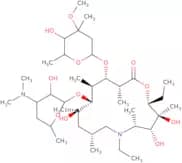
CAS:Azithromycin N-ethyl is a drug development and analytical impurity standard. It is used as an analytical reference material for high-performance liquid chromatography (HPLC) and nuclear magnetic resonance spectroscopy (NMR). Azithromycin N-ethyl has been shown to be a metabolite of azithromycin, which is a niche antibiotic with broad activity against Gram-positive bacteria. This product can also be synthesized from erythromycins using methylation. CAS Number: 92594-45-1Formula:C39H74N2O12Purity:Min. 95%Molecular weight:763.01 g/mol6-Methyl-4-phenyl-3,4-dihydro-1-benzopyran-2-one
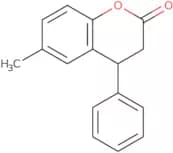
CAS:6-Methyl-4-phenyl-3,4-dihydro-1-benzopyran-2-one is an analog of the natural product zearalenone, which can be used as an acid catalyst for the synthesis of various pharmaceuticals. It has a linear range and is structurally similar to a number of other analogs. The chloride ion is involved in the optimization of the extraction parameters and can be replaced by other c1-4 alkyl groups. 6-Methyl-4-phenyl-3,4-dihydro-1 -benzopyran 2 one is typically prepared using a preparative high performance liquid chromatography technique that involves dehydration.Formula:C16H14O2Purity:Min. 95%Molecular weight:238.28 g/mol(1RS)-1-(6-Methoxy-2-naphthyl)ethanol
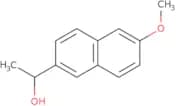
CAS:(1RS)-1-(6-Methoxy-2-naphthyl)ethanol is a multiphase test drug that exhibits reactive properties. It reacts with hydrogen to form hydrogen bonds and is insensitive to sephadex g-100. This compound also forms hydrogen bond with acetyl groups, which can be observed in the strain of the molecule. (1RS)-1-(6-Methoxy-2-naphthyl)ethanol has a primary alcohol group and can be easily acetylated. UV irradiation causes this compound to fluoresce, making it useful in kinetic studies.Formula:C13H14O2Purity:Min. 95%Molecular weight:202.25 g/molrac-Des(isopropylamino) acebutolol diol
CAS:rac-Des(isopropylamino) acebutolol diol is a synthetic drug substance that is used for research and development purposes. It has a purity of 99% or greater, does not contain any impurities, and is manufactured using the latest technology. The rac-Des(isopropylamino) acebutolol diol is a pharmaceutical grade product with high purity and quality standards that have been verified by HPLC analysis. This compound is an analytical standard that can be used to calibrate mass spectrometry instruments. Rac-Des(isopropylamino) acebutolol diol is also metabolized into the natural metabolite noracebutanol by cytochrome P450 enzymes in humans.Formula:C15H21NO5Purity:Min. 95%Molecular weight:295.33 g/molAlvimopan acyl-beta-D-glucuronide
CAS:Alvimopan acyl-beta-D-glucuronide is a drug product that has been custom synthesized. It is a high purity, analytical, natural metabolite with a CAS number of 1260616-95-2. Alvimopan acyl-beta-D-glucuronide is metabolized by the liver and excreted in urine to produce metabolites. Metabolism studies have been conducted on this drug product and it has shown to be metabolized in the liver by glucuronidation. Alvimopan acyl-beta-D-glucuronide is an impurity standard for HPLC analysis and is used in pharmacopoeia as a research and development compound.Formula:C31H40N2O10Purity:Min. 95%Molecular weight:600.70 g/mol(Z) -2- [4- (1, 2- Diphenylethenyl) phenoxy] - N, N- diethyl- ethanamine hydrochloride (E/Z Mixture)
CAS:(Z) -2- [4- (1, 2- Diphenylethenyl) phenoxy] - N, N- diethyl- ethanamine hydrochloride is a drug product that is an analytical impurity. It is used as a metabolite standard in drug development and metabolism studies. The CAS number for this compound is 97800-41-4.Formula:C26H29NOPurity:Min. 95%Molecular weight:371.51 g/molp-Iodoclonidine hydrochloride
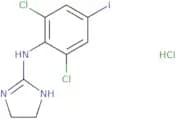
CAS:p-Iodoclonidine hydrochloride is a cholinergic agent that binds to both acetylcholine and dopamine receptors. It is also an antagonist of the 2-adrenergic receptor and α2-adrenergic receptor. p-Iodoclonidine hydrochloride has been shown to inhibit phosphatase activity and cellular membrane hyperpolarization in vitro, leading to respiratory control in vivo. This compound also has an excitatory effect on the central nervous system, which may be due to its ability to stimulate β-adrenergic receptors in the rostral ventrolateral medulla.
Formula:C9H9Cl3IN3Purity:Min. 95%Molecular weight:392.4 g/molCelosin I
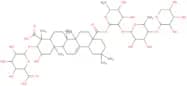
CAS:Celosin I is a potent kinase inhibitor and analog that has been shown to have significant anticancer properties. It works by inhibiting the activity of kinases, which are enzymes involved in cell signaling pathways that regulate cell growth and division. Celosin I has been found to induce apoptosis, or programmed cell death, in cancer cells, making it a promising therapeutic agent for the treatment of various types of tumors. This medicinal compound has been isolated from the urine of Chinese individuals and has been extensively studied for its potential as an anticancer drug. Celosin I is a promising candidate for further development as a cancer therapy due to its high potency and selectivity towards cancer cells.
Formula:C53H82O24Purity:Min. 95%Molecular weight:1,103.2 g/molRoflumilast Impurity E
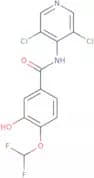
CAS:Roflumilast Impurity E is a reagent that is used to monitor the pharmacokinetic properties of roflumilast. Roflumilast Impurity E is an acidic component of roflumilast that may be synthesized from acetone and acid hydrolysis. It has been shown to be hepatotoxic, but it does not have any adverse effects on the liver when taken with other drugs such as erythromycin and phenytoin. This substance also has a spectrum of action that includes pulmonary disease, which makes it useful for treating bronchitis and asthma.Formula:C13H8Cl2F2N2O3Purity:Min. 95%Molecular weight:349.12 g/molN,N-Bis[2-(2-hydroxyethoxy)ethyl] quetiapine chloride
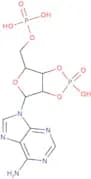
N,N-Bis[2-(2-hydroxyethoxy)ethyl] quetiapine chloride is a synthetic drug product with a purity of >98% and low impurity content, which is used in research and development. It can be custom synthesized to meet the needs of a particular research or development project. This compound has an analytical purity of >98% and low impurity content, making it suitable for use as an API impurity standard. N,N-Bis[2-(2-hydroxyethoxy)ethyl] quetiapine chloride is not currently regulated by any pharmacopoeia.Formula:C25H34ClN3O4SPurity:Min. 95%Molecular weight:508.07 g/molAdenosine cyclic 2',3'-phosphate 5'-phosphate
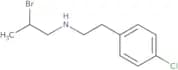
CAS:Adenosine cyclic 2',3'-phosphate 5'-phosphate is an inhibitor that has been shown to induce apoptosis in cancer cells. It is a urinary metabolite of nifedipine, an anti-hypertensive drug. Adenosine cyclic 2',3'-phosphate 5'-phosphate has anticancer activity and can inhibit protein kinase A, which plays a role in tumor growth and progression. This compound is an analog of cyclic adenosine monophosphate (cAMP) and can compete with cAMP for binding to regulatory subunits of protein kinases. Adenosine cyclic 2',3'-phosphate 5'-phosphate has been shown to inhibit the activity of several kinases, including protein kinase C, GSK-3β, and ERK1/2 in human cancer cells. It may have therapeutic potential as a targeted therapy for certain types of cancer.Formula:C10H13N5O9P2Purity:Min. 95%Molecular weight:409.19 g/mol2-Bromo-N-(4-chlorophenethyl)propan-1-amine hydrobromide
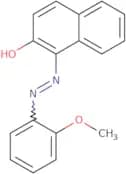
CAS:Please enquire for more information about 2-Bromo-N-(4-chlorophenethyl)propan-1-amine hydrobromide including the price, delivery time and more detailed product information at the technical inquiry form on this pageFormula:C11H15BrClNPurity:Min. 95%Molecular weight:276.6 g/molSudan R- d3
CAS:Sudan R-d3 is a medicinal compound that acts as a kinase inhibitor, targeting kinases involved in cancer cell growth and proliferation. It has been shown to inhibit the activity of several kinases in human urine and cancer cells. Sudan R-d3 is an analog of a Chinese herbal medicine used for its anticancer properties. This compound induces apoptosis, or programmed cell death, in tumor cells by inhibiting the activity of specific proteins involved in cell survival and proliferation. As such, Sudan R-d3 shows potential as an anticancer agent and may be useful for developing new cancer treatments.Formula:C17H14N2O2Purity:Min. 95%Molecular weight:281.32 g/mol






![N-Benzyl-N-[2-(benzylamino)-2-oxoethyl]-2-chloroacetamide](/_next/image/?url=https%3A%2Fstatic.cymitquimica.com%2Fproducts%2F3D%2Fthumb-webp%2FRFC05179.webp&w=3840&q=75)

![[p-(Benzyloxy)phenyl]acetic acid tert-butyl ester](/_next/image/?url=https%3A%2Fstatic.cymitquimica.com%2Fproducts%2F3D%2Fthumb-webp%2FUAA71289.webp&w=3840&q=75)



![9-[[(2,2,2-Trifluoroethyl)amino]carbonyl]-9H-fluorene-9-butanoic acid](/_next/image/?url=https%3A%2Fstatic.cymitquimica.com%2Fproducts%2F3D%2Fthumb-webp%2FHHA43911.webp&w=3840&q=75)

![2-Amino-3H,4H,7H-pyrrolo[2,3-d]pyrimidine-4-thione](/_next/image/?url=https%3A%2Fstatic.cymitquimica.com%2Fproducts%2F3D%2Fthumb-webp%2FEHA82229.webp&w=3840&q=75)
![1-[4-Chloro-2-(2-fluorobenzoyl)phenyl]-2-methyl-1H-imidazole-5-carboxaldehyde](/_next/image/?url=https%3A%2Fstatic.cymitquimica.com%2Fproducts%2F3D%2Fthumb-webp%2FIC184412.webp&w=3840&q=75)
![1-[(1-Methylethyl)amino]-3-phenoxy-2-propanol](/_next/image/?url=https%3A%2Fstatic.cymitquimica.com%2Fproducts%2F3D%2Fthumb-webp%2FIM63785.webp&w=3840&q=75)
![1-[4-(4-Amino-6,7-dimethoxy-2-quinazolinyl)-1-piperazinyl]-5-hydroxy-1-pentanone](/_next/image/?url=https%3A%2Fstatic.cymitquimica.com%2Fproducts%2F3D%2Fthumb-webp%2FIA63845.webp&w=3840&q=75)

![2-[[4-[2-(Cyclopropylmethoxy)ethyl]phenoxy]methyl]oxirane](/_next/image/?url=https%3A%2Fstatic.cymitquimica.com%2Fproducts%2F3D%2Fthumb-webp%2FIC20741.webp&w=3840&q=75)
![(7-(4-{4-[4-(2,3-Dichlorophenyl)piperazin-1-yl]butoxy}butoxy)-3,4-dihydroquinolin-2(1H)-one)](/_next/image/?url=https%3A%2Fstatic.cymitquimica.com%2Fproducts%2F3D%2Fthumb-webp%2FWWC92863.webp&w=3840&q=75)

![2-[(Triphenylmethyl)amino]-4-thiazoleacetyl chloride](/_next/image/?url=https%3A%2Fstatic.cymitquimica.com%2Fproducts%2F3D%2Fthumb-webp%2FQEA38502.webp&w=3840&q=75)
![N-Formyl-L-leucine (1S)-1-[[(2R,3R)-3-hexyl-4-oxo-2-oxetanyl] methyl] dodecyl ester](/_next/image/?url=https%3A%2Fstatic.cymitquimica.com%2Fproducts%2F3D%2Fthumb-webp%2FIF26581.webp&w=3840&q=75)
![3-[(1E)-2-[4-[[(2-Carboxyethyl)amino]carbonyl]phenyl]diazenyl] balsalazide](/_next/image/?url=https%3A%2Fstatic.cymitquimica.com%2Fproducts%2F3D%2Fthumb-webp%2FIC19769.webp&w=3840&q=75)



![(Z) -2- [4- (1, 2- Diphenylethenyl) phenoxy] - N, N- diethyl- ethanamine hydrochloride (E/Z Mixtur…](/_next/image/?url=https%3A%2Fstatic.cymitquimica.com%2Fproducts%2F3D%2Fthumb-webp%2FOD166680.webp&w=3840&q=75)
![N,N-Bis[2-(2-hydroxyethoxy)ethyl] quetiapine chloride](/_next/image/?url=https%3A%2Fstatic.cymitquimica.com%2Fproducts%2F3D%2Fthumb-webp%2FIB76470.webp&w=3840&q=75)