APIs for research and impurities
Subcategories of "APIs for research and impurities"
- Aminoacids and derivatives(12,327 products)
- Anthraquinones and derivatives(402 products)
- Benzimidazole and Imidazole Derivatives(10,413 products)
- Benzodiazepine Derivatives(330 products)
- Carbohydrates and glycoconjugates(5,051 products)
- Esters and Derivatives(42,243 products)
- Fatty Acids and Lypidic Derivatives(32,383 products)
- Flavonoids and Polyphenols(17,077 products)
- Free Radicals and Oxidant/Reducing Agents(212 products)
- Ketones and derivatives(2,399 products)
- Natural and semi-synthetic antibiotics(6,344 products)
- Nitriles and Cyano Derivatives(3,068 products)
- Nitrosamines and Derivatives(55 products)
- Nucleosides and Nucleotides(3,459 products)
- Organic Phosphates and Phosphonates(1,198 products)
- Organic Sulphonates and Sulphates(10,423 products)
- Organometallics(4,419 products)
- Others(6,279 products)
- Peptides and Proteins(3,140 products)
- Polymers and Derivatives(99 products)
- Purines and Pyrimidine Derivatives(8,912 products)
- Quinazoline and Quinoline Derivatives(65,802 products)
- Quinones and Derivatives(24,347 products)
- Salts and Derivatives of Active Pharmaceutical Ingredients (API)(81,003 products)
- Steroids and Derivatives(4,934 products)
- Sulfonamides and Derivatives(2,577 products)
- Terpenoids and Derivatives(3,841 products)
- Thiazolidinediones and Thiopyrans(2,753 products)
- β-Adrenergic Compounds(229 products)
Found 58355 products of "APIs for research and impurities"
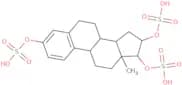
Estriol trisulfate-ammonium salt
CAS:Estriol trisulfate-ammonium salt is a potent anticancer agent that has been shown to inhibit tumor growth and induce apoptosis in cancer cells. This compound is derived from urine and acts as an inhibitor of kinases, which are proteins involved in the regulation of cell growth and division. Estriol trisulfate-ammonium salt is an analog of quetiapine, a drug used to treat schizophrenia and bipolar disorder. It has been found to be effective against various types of cancer in Chinese hamster ovary cells and human tumor cell lines. The compound works by inhibiting the activity of specific kinases involved in cancer cell proliferation, making it a promising candidate for targeted cancer therapy.Formula:C18H24O12S3Purity:Min. 95%Molecular weight:528.6 g/molOxybutynin EP Impurity E
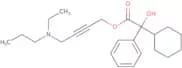
CAS:Oxybutynin EP Impurity E is a research and development impurity standard that is used in the synthesis of Oxybutynin. It can be synthesized by reacting 2-chloro-4-nitroaniline with potassium tert-butoxide, followed by acetylation with acetic anhydride. The purity and structure of this compound have been verified by gas chromatography, mass spectrometry, and melting point analysis. This impurity standard has a CAS number of 1215677-72-7. Oxybutynin EP Impurity E is used as a drug product for the treatment of overactive bladder, urinary incontinence, and painful bladder syndrome/interstitial cystitis. It also helps to reduce pain due to spinal cord injury or multiple sclerosis. The pharmacopoeia name for this compound is 4-(2-Chloroethyl)-1H-imidazoleacetic acid. It has been found to beFormula:C23H33NO3Purity:Min. 95%Molecular weight:371.51 g/mol2-[(2-Amino-6-oxo-1,6-dihydro-9H-purin-9-yl)methoxy]-3-hydroxypropyl valylvalinate
CAS:2-[(2-Amino-6-oxo-1,6-dihydro-9H-purin-9-yl)methoxy]-3-hydroxypropyl valylvalinate is a drug product that is an impurity standard. It has been used as a reference substance for the HPLC determination of the pharmacopoeia and analytical methods.Formula:C19H31N7O6Purity:Min. 95%Molecular weight:453.50 g/mol5-Acetyl-5,11-dihydro-10H-dibenz[b,f]azepin-10-one
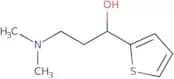
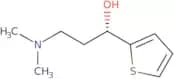
CAS:5-Acetyl-5,11-dihydro-10H-dibenz[b,f]azepin-10-one is a synthetic compound that belongs to the class of azepinones. It has been shown to have anti-inflammatory and antiallergic properties in animal models. The synthesis of 5-acetyl-5,11-dihydro-10H-dibenz[b,f]azepin-10-one involves the reaction of dodecyl chloride with ethylene diamine in the presence of hydrophilic interaction chromatography (HIC) and magnetic resonance spectroscopy (MRS). This process leads to the formation of an azepinone product.Formula:C16H13NO2Purity:Min. 95%Molecular weight:251.28 g/mol3-(Dimethylamino)-1-(2-thienyl)propan-1-ol
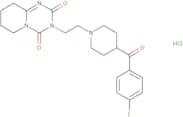
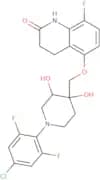
CAS:3-(Dimethylamino)-1-(2-thienyl)propan-1-ol is an organic compound that is used as a chiral building block in the synthesis of drugs. It is not currently used in any known drug, but it has been shown to be racemized at high temperatures. 3-(Dimethylamino)-1-(2-thienyl)propan-1-ol is also a byproduct of pollution and can be found in the environment where it may be degraded by bacteria.Formula:C9H15NOSPurity:Min. 95%Molecular weight:185.29 g/mol3-[2-[4-(2,4-Difluorobenzoyl)piperidin-1-yl]ethyl]-2-methyl-6,7,8,9-tetrahydro-pyrido[1,2-a]pyrimidin-4-one
CAS:Roflumilast is a drug used to treat chronic obstructive pulmonary disease. It is also used to treat inflammatory bowel diseases, such as Crohn's disease and ulcerative colitis. Roflumilast inhibits the enzyme cytochrome P450 in the liver, which is responsible for metabolizing certain drugs and other substances. This inhibition reduces the metabolism of these substances, leading to increased levels of these substances in the body. This can lead to side effects such as nausea, vomiting, dizziness, headache, and itching. Roflumilast also has an anti-inflammatory effect on the intestines by regulating the production of inflammatory cytokines and inhibiting the activity of pro-inflammatory enzymes.
Formula:C23H27F2N3O2Purity:Min. 95%Molecular weight:415.48 g/molCaptopril EP Impurity H
CAS:Captopril EP Impurity H is a drug product that is used as an analytical reference standard. It is not intended for administration to humans or animals. Captopril EP Impurity H is manufactured by the same process as Captopril, but with a different impurity profile. The purity of this product is 99.5% at 25°C, and it has an impurity profile of less than 0.5%. This product is also known as 4-Amino-N-(2,6-dichlorophenyl)benzenesulfonamide and has CAS No. 205521-07-9.
Formula:C15H23NO5S2Purity:Min. 95%Molecular weight:361.48 g/molN,N-Dimethyl-9-oxo-9H-thioxanthene-2-sulfonamide
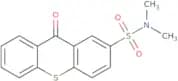
CAS:N,N-Dimethyl-9-oxo-9H-thioxanthene-2-sulfonamide is a medicinal compound that has shown promising results as an anticancer agent. It is an inhibitor of kinases, which are enzymes involved in cell signaling pathways that regulate cell growth and division. This compound has been shown to induce apoptosis, or programmed cell death, in cancer cells. In Chinese hamster ovary cells, it has been shown to inhibit the activity of protein kinase C (PKC) and mitogen-activated protein kinase (MAPK), two important kinases involved in cancer development. N,N-Dimethyl-9-oxo-9H-thioxanthene-2-sulfonamide is an analog of a tumor inhibitor found in human urine and has the potential to be developed into a potent anticancer drug.Formula:C15H13NO3S2Purity:Min. 95%Molecular weight:319.4 g/molMonodes(N-carboxymethyl)valine daclatasvir-d3
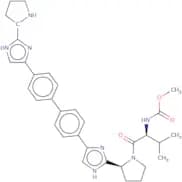
CAS:Monodes(N-carboxymethyl)valine daclatasvir-d3 is a drug product that is a metabolite of daclatasvir. It is an analytical standard for the determination of daclatasvir in human plasma and urine. Monodes(N-carboxymethyl)valine daclatasvir-d3 has been shown to be a natural metabolite of daclatasvir, which is derived from the hydrolysis of the ester bond between valine and N-carboxymethylated valine. This product can be used as an impurity standard for HPLC analysis.Formula:C33H36D3N7O3Purity:Min. 95%Molecular weight:584.73 g/molN-Desisopropyl-N-formyl bisoprolol
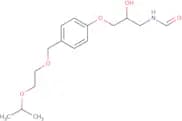
CAS:N-Desisopropyl-N-formyl bisoprolol is a compound derived from chamomile extract that has various applications in the industrial sector. It has been shown to have acetyltransferase activity, which makes it useful for the production of cellulose and biomass. Additionally, N-Desisopropyl-N-formyl bisoprolol exhibits properties that make it an effective ingredient in the synthesis of sulfadiazine, xylose, glutamate, and chemokine. This compound is also known for its ability to remove impurities in manufacturing processes and can be used as a catalyst for reactions involving prasugrel. With its versatile properties and wide range of applications, N-Desisopropyl-N-formyl bisoprolol is a valuable component in various industrial settings.
Formula:C16H25NO5Purity:Min. 95%Molecular weight:311.37 g/molCis-10,11-dihydroxy-10,11-dihydrocarbamazepine
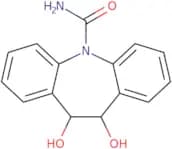
CAS:Cis-10,11-dihydroxy-10,11-dihydrocarbamazepine is a drug that is used to treat epilepsy. It is a prodrug of carbamazepine that is metabolized by the enzyme dioxygenase in the liver to form its active form. Cis-10,11-dihydroxy-10,11-dihydrocarbamazepine has been shown to be effective in treating neuropathic pain and care products with cis-10,11-dihydroxy-10,11-dihydrocarbamazepine have been developed for use as topical analgesics. Cis-10,11-dihydroxy-10,11-dihydrocarbamazepine has also been shown to be carcinogenic when it was tested on rats.Formula:C15H14N2O3Purity:Min. 95%Molecular weight:270.28 g/mol(2RS)-2-(Cyclohex-1-enyl)-2-(4-methoxyphenyl)-N,N-dimethylethanamine Hydrochloride
CAS:Controlled Product(2RS)-2-(Cyclohex-1-enyl)-2-(4-methoxyphenyl)-N,N-dimethylethanamine Hydrochloride is a white crystalline powder with a melting point of 136.5°C and a molecular formula of C13H20N2O. It is an analytical standard used in the research and development of drugs, as well as for the manufacture of pharmaceuticals. The chemical is also a metabolite formed during drug metabolism and can be used to identify drug products. (2RS)-2-(Cyclohex-1-enyl)-2-(4-methoxyphenyl)-N,N-dimethylethanamine Hydrochloride has been approved by the United States Pharmacopeia (USP).
Formula:C17H25NO·ClHPurity:Min. 95%Molecular weight:295.85 g/mol4-[1,5-Bis-(2-methylsulfamoylethyl)-1H-indol-3-yl]-1-methylpyridinium chloride
CAS:Please enquire for more information about 4-[1,5-Bis-(2-methylsulfamoylethyl)-1H-indol-3-yl]-1-methylpyridinium chloride including the price, delivery time and more detailed product information at the technical inquiry form on this pageFormula:C20H27N4O4S2•ClPurity:Min. 95%Molecular weight:487.04 g/mol3,4-Dihydro-4-hydroxy-2-methyl-2H-1,2-benzothiazine-3-carboxylic acid ethyl ester 1,1-dioxide
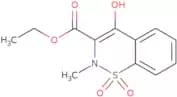
CAS:3,4-Dihydro-4-hydroxy-2-methyl-2H-1,2-benzothiazine-3-carboxylic acid ethyl ester 1,1-dioxide is a synthetic sulfoxide that is used as an antiinflammatory drug. It is a stable compound that can be used in the production of dimethyl sulfoxide and piroxicam. The purity of this compound is greater than 99.5%.Formula:C12H13NO5SPurity:Min. 95%Molecular weight:283.3 g/molEsomeprazole impurity 17
Esomeprazole impurity 17 is a drug product that is an analytical standard. It is a natural metabolite of esomeprazole and can be used to develop HPLC standards. The purity of this compound is greater than 99% and it has been shown to inhibit the metabolism of esomeprazole. Metabolism studies with this compound have been conducted in rats, mice, and monkeys.Formula:C26H30N4O5SPurity:Min. 95%Molecular weight:510.61 g/molPyrethrin 1
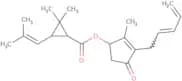
CAS:Pyrethrin 1 is an analog that has been shown to have potent anticancer activity. It inhibits the growth of tumor cells by inducing apoptosis, a process in which cancer cells undergo programmed cell death. Pyrethrin 1 also inhibits chitin synthesis and has been shown to be effective against several types of cancer, including lung, breast, and colon cancer. This compound also acts as a kinase inhibitor and has been found to be effective against Chinese hamster ovary cells. Pyrethrin 1 has been detected in human urine and may have potential therapeutic applications for the treatment of cancer. Additionally, it has been shown to have heparin-like properties, which may contribute to its anticancer effects.Formula:C21H28O3Purity:Min. 95%Molecular weight:328.4 g/mol(-)-8,9-Dihydroxy-8,9-dihydrobenz[A]anthracene
CAS:(-)-8,9-Dihydroxy-8,9-dihydrobenz[A]anthracene is a research and development impurity standard. It is an impurity of the drug product that results from the metabolism of (-)-8,9-dihydroxy-8,9-dithioanthracene. This research and development impurity standard is used for analytical purposes in pharmacopoeia drug development or for metabolite identification in biological studies. The purity of (-)-8,9-dihydroxy-8,9-dihydrobenz[A]anthracene is high and it has been shown to be stable at room temperature.Formula:C18H14O2Purity:Min. 95%Molecular weight:262.3 g/molMeropenem EP Impurity A
Meropenem EP Impurity A is a synthetic, high purity, drug product that is used as an impurity standard for Meropenem. It has been synthesized from a custom synthesis and is available in both natural and synthetic form. This impurity can be used to investigate the metabolism of Meropenem and to determine its stability in different environments. The HPLC analysis of this impurity is available as a pharmacopoeia standard.Formula:C17H27N3O6SPurity:Min. 95%Molecular weight:401.48 g/molDes[(5-ethyl-2-pyridinyl)ethyl] pioglitazone dimer ether impurity
CAS:Des[(5-ethyl-2-pyridinyl)ethyl] pioglitazone dimer ether impurity is a research and development impurity standard. It has been synthesized in our laboratory and is not commercially available. Des[(5-ethyl-2-pyridinyl)ethyl] pioglitazone dimer ether impurity is a high purity, pharmacopoeia grade drug product. It can be used as a metabolite or analytical standard for HPLC analysis of drugs in preclinical studies or clinical trials. The CAS number for this compound is 1391052-15-5. Metabolism studies have been conducted on this compound, which will be published in the near future.Formula:C20H16N2O5S2Purity:Min. 95%Molecular weight:428.50 g/molLimetol
CAS:Limetol is a potent anticancer agent that has been found to induce apoptosis in cancer cells. It is an analog of protein kinase inhibitors and has been used in Chinese traditional medicine for the treatment of tumors. Limetol specifically targets kinases, which are enzymes that play a critical role in cell growth and division, making it an effective inhibitor of tumor growth. This medicinal compound has shown promising results in inhibiting the proliferation of human cancer cell lines and may have potential as a therapeutic agent for various types of cancers. Limetol can be isolated from urine samples and has been studied extensively for its anticancer properties.Formula:C10H18OPurity:Min. 95%Molecular weight:154.25 g/molAmoxicillin trihydrate impurity C
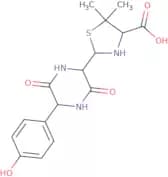
CAS:Amoxicillin trihydrate impurity C is an impurity that is formed during the production of amoxicillin. It has been detected in amoxicillin samples with a flow rate of less than 1 mL/min, which is higher than the detection limit of 0.1% for this impurity. Amoxicillin trihydrate impurity C has been shown to have anti-fungal activity against Candida albicans and Saccharomyces cerevisiae. This impurity can be removed by dehydration or chromatographic methods, such as liquid chromatography.Formula:C16H19N3O5SPurity:Min. 95%Molecular weight:365.4 g/mol(S)-3-Hexyl-5,6-dihydro-6-undecyl-2H-pyran-2-one
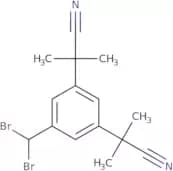
CAS:(S)-3-Hexyl-5,6-dihydro-6-undecyl-2H-pyran-2-one is a natural metabolite that is used for the analytical standardization of HPLC. It is also used in research and development for drug development and as an impurity in pharmaceuticals. This compound has a purity of 99% and a CAS number of 130676-64-1. (S)-3-Hexyl-5,6-dihydro-6-undecyl-2H-pyran-2one is synthesized from 2,4,5,7 tetrahydrobenzofuran.Formula:C22H40O2Purity:Min. 95%Molecular weight:336.55 g/mola,a,a',a'-Tetramethyl-5-(dibromomethyl)-1,3-benzenediacetonitrile
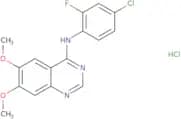
CAS:Tetramethyl-1,3-benzenediacetonitrile is a synthetic chemical that is used as an impurity in the synthesis of pharmaceuticals. It can be found in drug products and is used as an analytical standard for HPLC analysis. Tetramethyl-1,3-benzenediacetonitrile can also be found in natural sources such as plants and fungi. The metabolite has been studied for its metabolism and pharmacological properties. Tetramethyl-1,3-benzenediacetonitrile is not regulated by any pharmacopoeia standards.Formula:C15H16Br2N2Purity:Min. 95%Molecular weight:384.11 g/molZm 306416 hydrochloride
CAS:Zm 306416 hydrochloride is a new synthetic compound with antimicrobial activities. It has been shown to be active against gram-positive bacteria, gram-negative bacteria, and fungi. Zm 306416 hydrochloride can also protect mice from carbon tetrachloride-induced liver damage by reducing serum bilirubin levels and inhibiting lipid peroxidation. This compound can also be used as a photocatalyst in organic synthesis.Formula:C16H14Cl2FN3O2Purity:Min. 95%Molecular weight:370.2 g/molSulfo EGS
CAS:Sulfo EGS is a potent analog that has shown promising anticancer activity in various human cancer cell lines. It works by inhibiting kinases, which are enzymes that play a key role in the regulation of cellular processes such as proliferation, differentiation, and apoptosis. Sulfo EGS has been found to be particularly effective against Chinese hamster ovary cells and tumor cells from medicinal plants. This inhibitor also shows potential for use in the development of kinase inhibitors for cancer therapy. In addition, Sulfo EGS is commonly used as a cross-linking reagent to covalently link proteins or protein complexes in urine or other biological samples for further analysis. Overall, Sulfo EGS is an important tool for cancer research and drug development.
Formula:C18H18N2Na2O18S2Purity:Min. 95%Molecular weight:660.5 g/molDv 7028 hydrochloride
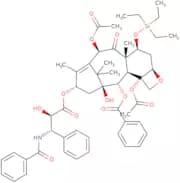
CAS:Dv-7028 is a synthetic, natural, and/or semi-synthetic compound that is used in research and development. It can be used as an analytical standard or HPLC standard. Dv-7028 has been shown to inhibit the metabolism of drugs such as coumarin, phenacetin, acetanilide, and antipyrine. It also serves as an impurity standard for the pharmacopoeia. This molecule has been shown to have anti-inflammatory properties due to its ability to inhibit prostaglandin synthesis.Formula:C21H25FN4O3·HClPurity:Min. 95%Molecular weight:400.45 g/mol7-O-(Triethylsilyl) paclitaxel
CAS:7-O-(Triethylsilyl) paclitaxel is a synthetic Taxol analog. It is manufactured by custom synthesis and purified by HPLC to be used as an analytical standard for the determination of natural Taxol impurities in drug products.
Formula:C53H65NO14SiPurity:Min. 95%Molecular weight:968.17 g/mol(2E,5R)-7-[(1S,2S,6R,8S,8aR)-8-(2,2-Dimethyl-1-oxobutoxy)-1,2,6,7,8,8a-hexahydro-2,6-dimethyl-1-naphthalenyl]-5-hydroxy-2-heptenoic acid sodium salt
CAS:(2E,5R)-7-[(1S,2S,6R,8S,8aR)-8-(2,2-Dimethyl-1-oxobutoxy)-1,2,6,7,8,8a-hexahydro-2,6-dimethyl-1-naphthalenyl]-5-hydroxy-2-heptenoic acid sodium salt is a synthetic drug product. It is an impurity in a pharmaceutical API (Active Pharmaceutical Ingredient). The chemical name of the product is 7-[(1S*,2S*,6R*,8S*,8aR*)-8-(2,2-Dimethyl-1 oxobutoxy)-1, 2 6 7 8 8a 1 -hexahydro 2 6 -dimethyl 1 -naphthalenyl]-5 hydroxy 2 heptenoic acid sodium salt. It has the following CAS Number: 39Formula:C25H37NaO5Purity:Min. 95%Molecular weight:440.55 g/mol3-[2-[4-(6-Fluoro-1,2-benzisoxazol-3-yl)-1-piperidinyl]ethyl]-7,8-dihydro-2-methyl-4H-pyrido[1,2-a]pyrimidine-4,9(6H)-dione
CAS:3-[2-[4-(6-Fluoro-1,2-benzisoxazol-3-yl)-1-piperidinyl]ethyl]-7,8-dihydro-2-methyl-4H-pyrido[1,2-a]pyrimidine-4,9(6H)-dione is a research and development impurity standard. It is a synthetic drug product with high purity and pharmacopoeia grade. 3-[2-[4-(6-Fluoro-1,2-benzisoxazol-3-yl)-1 piperidinyl]ethyl]-7,8 dihydro 2 methyl 4 H pyrido [ 1 , 2 - a ] pyrimidine 4 9 ( 6 H ) dione has CAS No. 118951665 1 and is an analytical standard for HPLC analysis. 3-[2-[4-(6 Fluoro 1 , 2 benzisoxFormula:C23H25FN4O3Purity:Min. 95%Molecular weight:424.47 g/mol[1,1'-Biphenyl]-2'-(2H-tetrazol-5-yl)-4-carboxylic acid, [1,1'-biphenyl]-(2'-(2H-tetrazol-5-yl)-4-yl)methyl ester
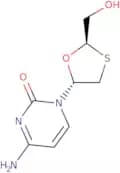
CAS:Biphenyl-2'-(2H-tetrazol-5-yl)-4-carboxylic acid, [1,1'-biphenyl]-(2'-(2H-tetrazol-5-yl)-4-yl)methyl ester is a research and development impurity standard. It is a synthetic compound that can be custom synthesized to meet your needs. The product is available in high purity and pharmacopoeia grade. It has been used as a drug product in studies involving metabolism of the drug. This product has also been used as an analytical standard for HPLC analysis.Formula:C28H20N8O2Purity:Min. 95%Molecular weight:500.51 g/mol5'-Epi lamivudine
CAS:Lamivudine epimerFormula:C8H11N3O3SPurity:Min. 95%Molecular weight:229.26 g/molNad 299 hydrochloride
CAS:Nad 299 hydrochloride is a prodrug that is hydrolyzed in vivo to the active drug nadolol. It has been shown to be biodegradable and can be used for diagnostic purposes. Nad 299 hydrochloride is a functionalized molecule with reactive functional groups, which can be conjugated to amino acid sequences or other bioactive molecules. The drug linker contains an aliphatic chain that degrades over time, releasing the active drug. Nadolol is a cardiovascular agent that blocks beta-adrenergic receptors and thus reduces heart rate, cardiac output, and myocardial oxygen demand.Formula:C18H24ClFN2O2Purity:Min. 95%Molecular weight:354.8 g/molFrovatriptan related compound A
CAS:Frovatriptan is a drug used to treat migraine attacks. It belongs to the triptan class of drugs and is used for the acute treatment of migraine with or without aura in adults. Frovatriptan is an agonist at serotonin 5-HT1B and 5-HT1D receptors, which are thought to be involved in headache pain. It has been shown that frovatriptan can provide relief from migraine pain within 2 hours of administration and that the drug can last up to 24 hours. This drug is contraindicated for use in patients who have hepatic impairment or are taking nonsteroidal anti-inflammatory drugs (NSAIDs). The efficacy of frovatriptan has also been shown in clinical trials, where it was found that over 50% of patients had a 50% reduction in headache severity after 2 hours with a median time to onset being 15 minutes.Formula:C13H15N3OPurity:Min. 95%Molecular weight:229.28 g/molDiethyl 2-(2,4,5-trifluoro-3-methoxybenzoyl)malonate
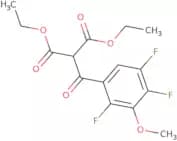
CAS:Diethyl 2-(2,4,5-trifluoro-3-methoxybenzoyl)malonate is a drug product that is used as an analytical reagent. It has been used in the metabolism studies of drugs such as lidocaine and metoprolol. The CAS number for this compound is 112811-67-3. Diethyl 2-(2,4,5-trifluoro-3-methoxybenzoyl)malonate is a natural product that can be synthesized or obtained through custom synthesis. This compound's impurities are found to be at levels below 0.1%. This compound's impurity standards are available for HPLC analysis. Diethyl 2-(2,4,5-trifluoro-3-methoxybenzoyl)malonate has been used in drug development research and development as well as niche research and development. This compound meetsFormula:C15H15F3O6Purity:Min. 95%Molecular weight:348.27 g/molDesloratadine N-carboxylic acid methyl ester
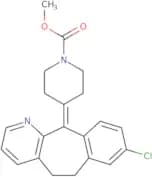
CAS:Desloratadine N-carboxylic acid methyl ester is an impurity in the drug product, Desloratadine. The chemical name for this impurity is desloratadine N-carboxylic acid methyl ester. This product can be found in the Metabolism studies section of our catalog under natural products. Desloratadine N-carboxylic acid methyl ester is a custom synthesis with a purity level of 99%. It is used as an analytical standard and has been shown to have similar retention times as the CAS No. 165740-03-4 reference standard.
Formula:C21H21ClN2O2Purity:Min. 95%Molecular weight:368.9 g/molTriacontanol
CAS:Triacontanol is a medicinal compound that has been shown to have inhibitory activity against cancer cells, particularly breast cancer. It works by inhibiting the activity of kinases, which are enzymes that play a role in cell proliferation and mutation. Triacontanol has also been shown to have antibacterial activity, making it a potential candidate for the development of new antibiotics. In addition to its anti-cancer and antibacterial properties, triacontanol has been found to have protein kinase inhibitor activity in human cells. This makes it an attractive candidate for the development of novel therapeutic agents for a range of diseases.
Formula:C30H62OPurity:Min. 95%Molecular weight:438.8 g/mol(S)-Phenylephrine hydrochloride
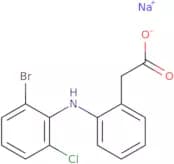
CAS:(S)-Phenylephrine hydrochloride is a chiral sulfate salt of phenylephrine that is used as a bronchodilator. It has been shown to inhibit cell growth in the presence of sulfate and has been studied for its effects on the respiratory cycle. The compound was also investigated for possible use in treating liver cancer and showed promising results. Chromatograms of hepg2 cells, human liver cells, and liquid chromatography lysates revealed the presence of salbutamol, which is a metabolite of (S)-phenylephrine hydrochloride.Formula:C9H14ClNO2Purity:Min. 95%Molecular weight:203.67 g/molDiclofenac monobromo impurity, sodium salt
CAS:Diclofenac monobromo impurity, sodium salt is a drug product that is used as an analytical standard for the detection of diclofenac monobromo impurity in pharmaceutical products. Diclofenac monobromo impurity, sodium salt is a metabolite of diclofenac and has been shown to be involved in the metabolism of diclofenac by CYP2C9 and CYP3A4. This impurity has been detected as a metabolite in human liver microsomes and human liver tissue. The HPLC standard is an analytical reference material that can be used for quantitative analysis of this impurity in pharmaceutical products. This standard is referenced in the pharmacopoeia and CAS No. 127792-45-4.Formula:C14H10BrClNNaO2Purity:Min. 95%Molecular weight:362.58 g/molRosuvastatin isoamy ester
CAS:Rosuvastatin is a natural, synthetic and semi-synthetic drug product. It is the active ingredient in an investigational drug called Iressa. Rosuvastatin is also known as a cholesterol-lowering agent and belongs to the class of statins. Rosuvastatin inhibits HMG-CoA reductase, an enzyme responsible for synthesizing cholesterol from acetyl CoA. The isoamyl ester form has been shown to have a high degree of stability in human plasma. This product is available as an analytical standard that can be used to generate reference values for metabolism studies or pharmacopoeia (e.g., USP).
Formula:C27H38FN3O6SPurity:Min. 95%Molecular weight:551.70 g/molELOVL6-IN-1
CAS:Please enquire for more information about ELOVL6-IN-1 including the price, delivery time and more detailed product information at the technical inquiry form on this pageFormula:C27H24F3N3O3Purity:Min. 95%Molecular weight:495.5 g/molNaftifine-d3 hydrochloride
CAS:Controlled ProductNaftifine-d3 is an analytical standard for HPLC. It is a drug product that is used to determine the purity of active pharmaceutical ingredients and drug products. Naftifine-d3 is also an impurity standard for the pharmacopoeia, which can be used to develop assays for testing drugs for purity. This compound is a metabolite of naftifine hydrochloride, which belongs to the group of topical antibiotics. Naftifine-d3 has been found in natural sources such as plants and fungi. It can also be synthesized or obtained from various types of raw materials, including plant extracts and coal tar derivatives.
Formula:C21H19D3ClNPurity:Min. 95%Molecular weight:326.88 g/molQuinovin
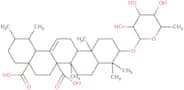
CAS:Quinovin is a Chinese medicinal compound that has been shown to have potent anticancer properties. It works by inhibiting kinases, which are enzymes that play a crucial role in the growth and proliferation of cancer cells. Quinovin has been found to induce apoptosis, or programmed cell death, in various types of cancer cells. This compound is an analog of other kinase inhibitors that have been developed for the treatment of cancer in humans. Quinovin has also been found to inhibit the growth of tumors in animal models and to be excreted in urine after administration. Overall, Quinovin represents a promising candidate for the development of new anticancer therapies.Formula:C36H56O9Purity:Min. 95%Molecular weight:632.8 g/mol(+/-)-Pronethalol
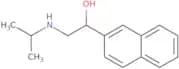
CAS:Pronethalol is a non-steroidal anti-inflammatory drug (NSAID) that has been shown to be effective against primary sclerosing cholangitis and chronic inflammatory bowel disease. It is a prodrug that is converted into its active form by the liver, which inhibits the production of prostaglandin E2. Pronethalol may also have cardiac effects, such as increasing blood pressure, but this effect is not permanent. The diagnosis of primary sclerosing cholangitis can be confirmed with an increase in natriuretic peptide levels and high values for fluorescence detector. Long-term efficacy of pronethalol has been demonstrated in some cases. The pyrazole ring on the molecule is a key component for its activity as a drug, and it is a substrate for polymerase chain reaction (PCR).
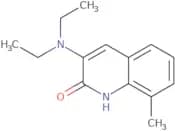
Formula:C15H19NOPurity:Min. 95%Molecular weight:229.32 g/mol3-(Diethylamino)-8-methyl-2(1H)-quinolinone
CAS:Please enquire for more information about 3-(Diethylamino)-8-methyl-2(1H)-quinolinone including the price, delivery time and more detailed product information at the technical inquiry form on this pageFormula:C14H18N2OPurity:Min. 95%Molecular weight:230.31 g/molAurantinidin chloride
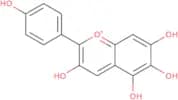
CAS:Aurantinidin chloride is a molecule that has been shown to inhibit the growth of prostate cancer cells in vitro. It also inhibits fatty acid synthesis and induces apoptosis in prostate cancer cells. Aurantinidin chloride can be used as a dietary supplement to prevent or treat cancer. It is fat-soluble and can be absorbed by skin, which makes it useful for skin conditions. Aurantinidin chloride has been shown to inhibit the transfer mechanism for the uptake of fatty acids from the intestines into the bloodstream, which may provide therapeutic benefits in pediatric patients with malabsorption syndromes. Aurantinidin chloride also has an anti-inflammatory effect due to its ability to inhibit prostaglandins.Formula:C15H11O6Purity:Min. 95%Molecular weight:287.24 g/molRegadenoson Impurity 29
CAS:Regadenoson Impurity 29 is a synthetic impurity of the drug Regadenoson that has been used in Metabolism studies, Natural, API impurity, Custom synthesis, Impurity standard, Synthetic, Drug development, Research and Development. It is a high purity analytical standard that can be used as a CAS No. 16033-28-6 HPLC standard or as a High purity pharmacopoeia.Formula:C10H14N6O6Purity:Min. 95%Molecular weight:314.26 g/mol(2R,2R,Trans)-saxagliptin
CAS:(2R,2R,Trans)-saxagliptin is a drug product that is synthesized using natural ingredients. It is a custom synthesis and has high purity. The CAS number for this compound is 1564266-03-0. (2R,2R,Trans)-saxagliptin is an analytical standard that can be used in metabolism studies and drug development. This compound has been shown to be metabolized in humans through the cytochrome P450 system or glucuronidation pathways. Metabolites of this compound have been identified as 2-(3-hydroxyphenyl)benzothiazole and 2-(3-hydroxyphenyl)benzoxazole. Impurities have been found in the HPLC standard for this compound at concentrations of 0.0025%.Formula:C18H25N3O2Purity:Min. 95%Molecular weight:315.40 g/molVinorelbine N-methiodide
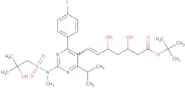
CAS:Vinorelbine N-methiodide is a drug product that is used for the treatment of various types of cancer. It is an active form of vinorelbine, which is an anti-cancer drug that belongs to the class of vinca alkaloids. Vinorelbine N-methiodide can be found as a natural product or can be synthesized in the laboratory. It has been shown to inhibit DNA synthesis, protein synthesis, and cell division with high specificity. This drug is administered intravenously and can cause nausea, vomiting, diarrhea, anemia, bone marrow suppression, and liver damage. The most common side effects are anemia and constipation.Formula:C46H57IN4O8Purity:Min. 95%Molecular weight:920.87 g/molS-Desmethyl-S-(2-hydroxy-2-methylpropyl) rosuvastatin tert-butyl ester
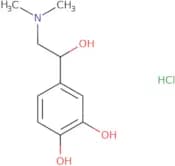
CAS:S-Desmethyl-S-(2-hydroxy-2-methylpropyl) rosuvastatin tert-butyl ester is a drug product that is manufactured through custom synthesis. It has high purity and analytical quality, as well as high efficacy for pharmacopoeia and research and development. This product is also a metabolite of rosuvastatin, which has been found to be effective in the treatment of dyslipidemia. S-Desmethyl-S-(2-hydroxy-2-methylpropyl) rosuvastatin tert-butyl ester can be used as an impurity standard for HPLC analysis.Formula:C29H42FN3O7SPurity:Min. 95%Molecular weight:595.7 g/molrac N-Methyl epinephrine hydrochloride salt
CAS:Rac N-Methyl epinephrine hydrochloride salt is a potential anti-cancer agent that has been used in Chinese medicine for its apoptotic effects on cancer cells. It works by inhibiting the chitin kinase pathway, which is involved in tumor growth and survival. Rac N-Methyl epinephrine hydrochloride salt also acts as a potassium channel inhibitor, leading to cell death in cancer cells. This drug has shown synergistic effects when combined with other cancer treatments such as enoxaparin or heparin. Additionally, it has been found to be an effective inhibitor of psyllium-induced colon carcinogenesis in human subjects. Overall, Rac N-Methyl epinephrine hydrochloride salt shows great promise as a potential anti-cancer analog for use in cancer treatment.
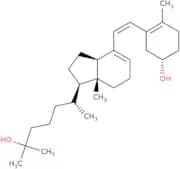
Formula:C10H16ClNO3Purity:Min. 95%Molecular weight:233.69 g/mol25-Hydroxy previtamin D3
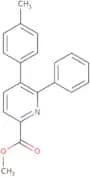
CAS:25-Hydroxy previtamin D3 is a metabolite of vitamin D3. It is a natural compound that is synthesized in the skin by exposure to sunlight. 25-Hydroxylase activity converts vitamin D3 to 25-hydroxyvitamin D3, which then undergoes hydroxylation at position 1 by cytochrome P450 enzymes in the liver and kidney. 25-Hydroxy previtamin D3 can be used as an impurity standard for HPLC analysis of vitamin D compounds.Purity:85%MinMethyl 6-phenyl-5-(p-tolyl)picolinate
CAS:Methyl 6-phenyl-5-(p-tolyl)picolinate is a metabolite that is produced when the drug phenacetin (acetanilide) is broken down in the body. It has been used as a standard for HPLC, as well as an impurity in certain drugs. This compound has been shown to be a nicotinic acetylcholine receptor agonist, and it has been used to study the pharmacological properties of this receptor.Formula:C20H17NO2Purity:Min. 95%Molecular weight:303.4 g/molcis-4-[[[(1,1-Dimethylethoxy)carbonyl]amino]methyl]-cyclohexanecarboxylic acid
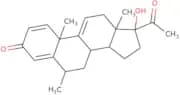
CAS:Cis-4-[[[(1,1-Dimethylethoxy)carbonyl]amino]methyl]-cyclohexanecarboxylic acid is a tert-butyl derivative of cis-4-[(dimethylamino)methyl]-cyclohexanecarboxylic acid. It has been shown to interact with plasmin and inhibit both the enzymatic activity and the binding of plasmin to its substrates. Cis-4-[(dimethylamino)methyl]-cyclohexanecarboxylic acid interacts with the side chain of the amino group in plasmin's active site, which is different from other known inhibitors. This compound has also been shown to inhibit urokinase and picolyl plasminogen activator (PPA).Formula:C13H23NO4Purity:Min. 95%Molecular weight:257.33 g/molFluorometholone delta 9,11
CAS:Controlled ProductFluorometholone delta 9,11 is a drug product that is used as an analytical reference standard for the quantitative determination of impurities in drugs. It is a natural metabolite and impurity in synthetic drugs such as fluoroquinolones and corticosteroids. Fluorometholone delta 9,11 has been shown to be a substrate for CYP3A4 and P-glycoprotein. This drug has also been shown to have anti-inflammatory effects and may decrease the risk of infection by suppressing neutrophil function.Formula:C22H28O3Purity:Min. 95%Molecular weight:340.46 g/molErythromycin E
CAS:Erythromycin E is a diluent that is used to make erythromycin solutions. It has been shown to have bioactive molecules by incubating it with chromatographic methods. These bioactive molecules are conjugates of erythromycin and methyl ethyl groups. Erythromycin E has also been shown to have genetic mechanisms, which may relate to its ability to inhibit the synthesis of inflammatory cytokines such as IL-1β and IL-8 in the airways. The acetate extraction method is used for the production of erythromycin E. This process involves extracting erythromycin from Streptomyces bacteria grown in an acetate buffer solution.
Formula:C37H65NO14Purity:Min. 95%Color and Shape:Off-White SolidMolecular weight:747.91 g/mol8-(2-Pyrimidinyl)-8-aza-5-azoniaspiro[4.5]decane bromide
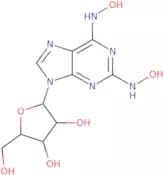
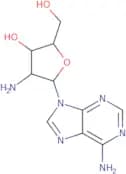
CAS:8-(2-Pyrimidinyl)-8-aza-5-azoniaspiro[4.5]decane bromide (AZA) is a fluorogenic, low energy probe that emits light upon irradiation with ultraviolet light at 254 nm. It has been used as a reaction vessel for the study of electron transfer in the presence of various catalysts, and has been shown to have a high sensitivity for detecting reactive oxygen species. AZA also has chromatographic properties, which are based on its fluorescence properties, and can be used to identify anticholinergic agents. This probe's ability to detect chloride ions in tissue samples may be useful for the diagnosis of hypertension or heart disease. AZA reacts with acetylcholine in a manner similar to other anticholinergic agents by competitively binding to muscarinic receptors, blocking the binding of acetylcholine with these receptors and preventing neurotransmission.Formula:C12H19BrN4Purity:Min. 95%Molecular weight:299.21 g/mol2-Amino-2-deoxy-β-arabinofuranosyladenine
CAS:2-Amino-2-deoxy-beta-arabinofuranosyladenine is an impurity standard for the synthesis of 2,6-diaminopurine. It is a synthetic compound that can be used to study metabolism. 2-Amino-2-deoxy-beta-arabinofuranosyladenine is a metabolite of nucleosides and nucleotides. It has been shown to have anti-inflammatory properties in animal models. 2,6-Diaminopurine protects the liver from oxidative stress by modulating glutathione biosynthesis and providing sulfur to the cell.Formula:C10H14N6O3Purity:Min. 95%Molecular weight:266.26 g/mol2-[3,5-Dichloro-4-(4-chlorobenzoyl)phenyl]-1,2,4-triazine-3,5(2H,4H)-dione
CAS:2-[3,5-Dichloro-4-(4-chlorobenzoyl)phenyl]-1,2,4-triazine-3,5(2H,4H)-dione is a research and development impurity standard. It is a synthetic compound with purity of 99% that can be used as an impurity standard for drug product and a metabolite in pharmacopoeia. 2-[3,5-Dichloro-4-(4-chlorobenzoyl)phenyl]-1,2,4-triazine-3,5(2H,4H)-dione has been used in metabolism studies to demonstrate the formation of 2-[3,5-dichloro-4-(4-fluorobenzoyl)phenyl]-1,2,4-triazine 3,5(2H, 4H)-dione.Formula:C16H8Cl3N3O3Purity:Min. 95%Molecular weight:396.6 g/molAtropine impurity G
Atropine impurity G is a natural metabolite that is found in the body as an impurity of atropine. It is a synthetic drug product that is used as an analytical standard for the quantification of atropine and other drugs. Atropine impurity G has been shown to inhibit metabolism studies, which may be due to its ability to inhibit CYP3A4 activity. This impurity can be detected using HPLC with UV detection.Purity:Min. 95%Methyl 6-(1-hydroxyethyl)-3-methyl-4-phenylpicolinate
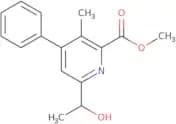
CAS:Methyl 6-(1-hydroxyethyl)-3-methyl-4-phenylpicolinate is a synthetic chemical that is used as an analytical standard in chemical and pharmaceutical research. It has been shown to have a wide range of pharmacological effects, including antihypertensive, antidiabetic, and antiulcerogenic activities. Research into the drug product is ongoing.Formula:C16H17NO3Purity:Min. 95%Molecular weight:271.31 g/mol3-Hydroxy mepivacaine
CAS:3-Hydroxy mepivacaine is a drug product that is synthesized in the laboratory for research and development purposes. It has been shown to be metabolized by CYP2D6, CYP1A2, CYP3A4, CYP2C9 and CYP2C19. The metabolite of 3-hydroxy mepivacaine is not known at this time. 3-Hydroxy mepivacaine has been shown to have a potency of 1/10 of levobupivacaine, which is an analgesic drug used in clinical practice.
Formula:C15H22N2O2Purity:Min. 95%Color and Shape:PowderMolecular weight:262.35 g/molN-Formyl-L-leucine (1S)-1-[[(2R,3R)-3-hexyl-4-oxo-2-oxetanyl] methyl] dodecyl ester
CAS:N-Formyl-L-leucine (1S)-1-[[(2R,3R)-3-hexyl-4-oxo-2-oxetanyl] methyl] dodecyl ester is an impurity in the drug product. It can be used as a custom synthesis or natural standard and has been shown to have metabolites that are toxic to human cells. This impurity can be synthesized for HPLC analysis and research purposes.
Formula:C29H53NO5Purity:Min. 95%Molecular weight:495.73 g/molSolifenacin Impurity D
CAS:Solifenacin Impurity D is a synthetic impurity of solifenacin. Solifenacin is an anti-cholinergic drug used to treat overactive bladder and urinary incontinence. The purity of this product is 99%. It is soluble in methanol, ethanol, chloroform, and acetone. Solifenacin Impurity D can be used as a reference material for analytical purposes or as an impurity standard in the development of new drugs.Formula:C31H28N2OPurity:Min. 96 Area-%Color and Shape:White PowderMolecular weight:444.57 g/mol3-Carboxy-a-methyl-benzeneacetic acid
CAS:3-Carboxy-a-methyl-benzeneacetic acid (3CMA) is an impurity in the synthesis of 3,4-methylenedioxyphenylacetone. It is a preservative that has been analysed as a potential source of contamination in pharmaceutical preparations. 3CMA has been shown to be effective at inhibiting the growth of bacteria, yeast and moulds. The analysis time for 3CMA is typically 8 hours or less. The parameters that are used to analyse 3CMA include the use of acetonitrile, optimal porosity and efficiency. The analytical methods used for 3CMA include chromatographic and chromolith methods.
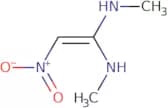
Formula:C10H10O4Purity:Min. 95%Molecular weight:194.18 g/molN,N'-Dimethyl-2-nitro-1,1-ethendiamine
CAS:N,N'-Dimethyl-2-nitro-1,1-ethendiamine is a protonated form of N,N'-dimethyl-2-nitroetheneamine. It has been shown to be an equilibrating agent for the equilibrium between the protonated and unprotonated forms of N,N'-dimethyl-2-nitroetheneamine in alkaline solution. In this way it can be used to determine the pH of an unknown solution. The equilibrium constant is 10^14 at 25 degrees Celsius. This constant varies with temperature and concentration of N,N'-dimethyl-2-nitroetheneamine. The electronic spectra show that this molecule is an anion.Formula:C4H9N3O2Purity:Min. 95%Molecular weight:131.13 g/mol(rac)-Bl-918
CAS:Please enquire for more information about (rac)-Bl-918 including the price, delivery time and more detailed product information at the technical inquiry form on this page
Formula:C23H15F8N3OSPurity:Min. 95%Molecular weight:533.4 g/molGuaifenesin EP Impurity B
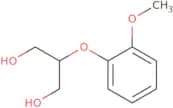
CAS:Guaifenesin (GP) is a phenylpropanoid that is used as an expectorant and cough suppressant. Guaifenesin EP Impurity B is a by-product of the synthesis of guaifenesin, which can be removed by preparative chromatography. It has been shown to catalyze reactions with acidic substrates and has the ability to form magnesium complexes. The reaction mechanism for guaifenesin EP Impurity B is not well understood, but it has been shown that hydrotalcite and magnesium oxide can remove GP from solution. This impurity also reacts with zirconium to form zirconium oxide, which can be removed by techniques such as mesoporous silica gel chromatography.Formula:C10H14O4Purity:Min. 95%Molecular weight:198.22 g/mol5-Aza-2’-deoxyuridine (β isomer only)
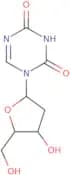
CAS:Please enquire for more information about 5-Aza-2’-deoxyuridine (β isomer only) including the price, delivery time and more detailed product information at the technical inquiry form on this pageFormula:C8H11N3O5Purity:Min. 95%Molecular weight:229.19 g/molPSI 352707 Ammonium Salt
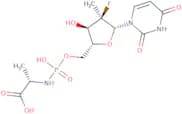
CAS:PSI 352707 Ammonium Salt is a drug product that has been custom synthesized and is high purity with CAS No. 1233335-78-8. It has analytical and metagenomic studies, as well as pharmacopoeia and metabolite standards. This drug product is used for drug development and research & development purposes as an impurity standard for HPLC.
Formula:C13H19FN3O9PxNH3Purity:Min. 95%Molecular weight:411.28 g/molFenbufen-d9
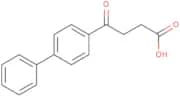
CAS:Please enquire for more information about Fenbufen-d9 including the price, delivery time and more detailed product information at the technical inquiry form on this page
Formula:C16H14O3Purity:Min. 95%Molecular weight:263.33 g/mol15-Epi travoprost
CAS:15-Epi travoprost is a synthetic, natural, and impurity standard drug product. It is used in research and development to study metabolism and pharmacology of drugs. 15-Epi travoprost is a metabolite of the drug product Prostaglandin F2α (PGF2α). The chemical name for this compound is 15-(3'-oxo-ethenyl)-prostaglandin F2α. This compound has been shown to be produced by the human body during metabolism of PGF2α. The CAS number for this compound is 1420791-14-5.
Formula:C26H35F3O6Purity:Min. 95%Molecular weight:500.5 g/molRacecadotril Impurity G
CAS:Racecadotril Impurity G is an analytical impurity found in the drug Racecadotril. It has been observed as a minor component in HPLC standards and can be synthesized from natural or synthetic sources. Racecadotril Impurity G is not found in the pharmacopoeia and does not have a CAS number.Formula:C19H21NO3SPurity:Min. 95%Molecular weight:343.44 g/mol11,12-EET
CAS:11,12-EET is an analog of the human protein that has been found to have potential medicinal benefits in the treatment of cancer. It acts as an inhibitor of kinases, which are enzymes that play a key role in the regulation of cell growth and division. 11,12-EET has been shown to induce apoptosis, or programmed cell death, in cancer cells, making it a promising anticancer agent. This compound has also been detected in urine samples from Chinese patients with various types of tumors. Ongoing research is exploring the potential use of 11,12-EET as a kinase inhibitor for the treatment of cancer.
Formula:C20H32O3Purity:Min. 95%Molecular weight:320.5 g/mol2-Acetoxy-1,4-naphthoquinone
CAS:2-Acetoxy-1,4-naphthoquinone is a potent inhibitor of kinases and has shown to have anticancer properties. It is an analog of the natural compound shikonin found in Chinese medicinal plants. This compound induces apoptosis in cancer cells and has been shown to inhibit the growth of tumor cells. 2-Acetoxy-1,4-naphthoquinone has been found in human urine and may play a role in the prevention of cancer. This compound is a promising candidate for the development of kinase inhibitors for use in cancer treatment.Formula:C12H8O4Purity:Min. 95%Molecular weight:216.19 g/mol9-Demethyl FR-901235
CAS:9-Demethyl FR-901235 is a synthetic compound that is used as an impurity standard for the synthesis of drugs. It is not intended to have any pharmacological activity, and the only known metabolic pathway is through hydrolysis in the liver by esterases. 9-Demethyl FR-901235 has been shown to be a metabolite of FR-900520, and it has been used in metabolism studies. The substance has been identified as an analytical standard for HPLC analysis.Formula:C17H14O7Purity:Min. 95%Molecular weight:330.29 g/molDiclofenac alcohol
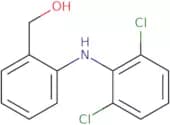
CAS:COX inhibitor; non-steroidal anti-inflammatory drug
Formula:C13H11Cl2NOPurity:Min. 95%Molecular weight:268.14 g/molFluticasone propionate impurity C
CAS:Fluticasone propionate impurity C is a synthetic impurity of fluticasone propionate. It is also known as CAS No. 80474-24-4, API impurity, and an analytical impurity. Fluticasone propionate impurity C can be used to develop high purity drug products through the use of HPLC standards. Fluticasone propionate impurity C is used in research and development to develop niche drugs that are not found on the market.Formula:C24H29F3O5SPurity:Min. 95%Molecular weight:486.5 g/molOPC-167832
CAS:OPC-167832 is a potent medicinal compound that has shown promising results in the treatment of cancer. It is an inhibitor of protein kinases, which are enzymes involved in cell cycle regulation and tumor growth. OPC-167832 induces apoptosis, or programmed cell death, in various cancer cell lines including Chinese hamster ovary cells and human tumor cells. This compound has been shown to have anticancer properties by inhibiting the growth of tumors and reducing their size. Additionally, OPC-167832 can be detected in urine samples, making it a useful tool for monitoring treatment response in cancer patients. Overall, this inhibitor shows great potential as a therapeutic agent for the treatment of various types of cancer.
Formula:C21H20ClF3N2O4Purity:Min. 95%Molecular weight:456.8 g/molDes(N-methyl-2-nitro-1,1-ethenediamino) N-methylureido nizatidine
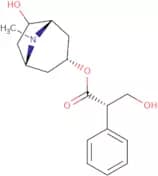
CAS:Des(N-methyl-2-nitro-1,1-ethenediamino) N-methylureido nizatidine is a drug product that belongs to the group of ureidos. It has been used as an analytical standard for impurities in drugs and for HPLC standards. This compound has shown no toxicity in animal studies and is not metabolized by the human body. It does not bind to plasma proteins and is excreted unchanged in urine. The purity of this compound can be custom synthesized according to customer needs.Formula:C11H20N4OS2Purity:Min. 95%Molecular weight:288.40 g/mol7-Hydroxyhyoscyamine
CAS:7-Hydroxyhyoscyamine is an antibacterial agent that is used in the treatment of bacterial infections. It has been shown to inhibit the growth of a number of bacteria including Staphylococcus aureus, Streptococcus pyogenes, and Escherichia coli. 7-Hydroxyhyoscyamine has been shown to be more potent than 6-hydroxyhyoscyamine (6-OH Hya) for inhibiting protein synthesis in the bacteria. The compound does not have any psychoactive effects, unlike atropine sulfate, which is also an alkaloid found in plants from the Solanaceae family. 7-Hydroxyhyoscyamine can be synthesized by reacting atropine with nitrous acid or hydrochloric acid. This synthetic process leads to n-oxides as impurities, which can be removed by using a reversed phase high performance liquid chromatography (RP HPLC). Validation of thisFormula:C17H23NO4Purity:Min. 95%Color and Shape:PowderMolecular weight:305.4 g/molPyrazole N-demethyl sildenafil-d3
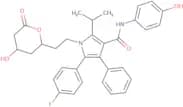
CAS:Pyrazole N-demethyl sildenafil-d3 is a synthetic impurity standard for drug development and research. It is used as an analytical reference material for the study of metabolism in humans, animals, and other species. Pyrazole N-demethyl sildenafil-d3 has been shown to inhibit the CYP2C9 enzyme from metabolizing sildenafil, leading to increased plasma levels of active sildenafil.Formula:C21H25D3N6O4SPurity:Min. 95%Molecular weight:463.57 g/mol4-Hydroxy atorvastatin lactone-d5
CAS:4-Hydroxy atorvastatin lactone-d5 is a stable isotope that is used to characterize the 3-hydroxy-3-methylglutaryl-coa reductase (HMGCR) inhibition constant of atorvastatin. It is used for calibration and quantification in the analysis of atorvastatin in human liver supernatants and interactions with cytochrome P450 enzymes. The high degree of hydrophilicity of 4-hydroxy atorvastatin lactone-d5 makes it suitable for hydrophilic interaction chromatography (HILIC) separation.Formula:C33H33FN2O5Purity:Min. 95%Molecular weight:556.6 g/molMercaptopurine impurity standard
CAS:Mercaptopurine impurity standard is a drug product that is used as an analytical reference standard in the development of drugs. Mercaptopurine impurity standard is a natural metabolite of 6-mercaptopurine, which is used to treat leukemia and other forms of cancer. It has been shown to have an anti-inflammatory effect, but this has not been confirmed. Mercaptopurine impurity standard is a synthetic compound that is made synthetically for use as an impurity standard. It has also been shown to be metabolized by cytochrome P450 enzymes, glutathione reductase, or conjugation with glucuronic acid. Mercaptopurine impurity standard has been shown to be stable under acidic conditions and heat treatment at temperatures up to 200°C.Purity:Min. 95%N-Carbomethoxyamoxapine
CAS:N-Carbomethoxyamoxapine is an analytical standard and impurity in the synthesis of a drug product. It is a metabolite of amoxapine, which belongs to the group of tricyclic antidepressants. N-Carbomethoxyamoxapine has been used as an analytical standard for HPLC analysis and as a reference material for pharmacopoeia. It is also an impurity in the synthesis of amoxapine and other pharmaceuticals.Formula:C19H18ClN3O3Purity:Min. 95%Molecular weight:371.80 g/molRotogotine EP Impurity J hydrochloride
Rotogotine EP Impurity J is a synthetic drug that is metabolized to produce the active form, rotogotine. Rotogotine is used in the treatment of Parkinson's disease and restless leg syndrome. This impurity standard may be used as a reference for analytical methods such as HPLC or GC.Purity:Min. 95%((E)-5-((M-[(2-Carboxyethyl)carbamoyl]phenyl)azo)-2-salicylic acid)
CAS:((E)-5-((M-[(2-Carboxyethyl)carbamoyl]phenyl)azo)-2-salicylic acid) is a drug product. It is a synthetic, white to off-white powder that has a molecular weight of 246.9 g/mol and an assay of 99%. The impurity standard for this product is (E)-5-(4-(methylsulfonyl)phenylazo)-2-salicylic acid.
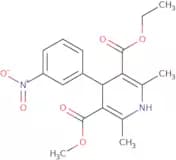
Formula:C17H15N3O6Purity:Min. 95%Molecular weight:357.32 g/mol(RS)-Methyl ethyl 1,4-dihydro-2,6-dimethyl-4-(3-nitrophenyl)pyridine-3,5-dicarboxylate - EP Grade
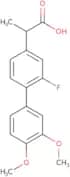
CAS:Propranolol hydrochloride is a non-selective beta-adrenergic blocker that blocks the effects of epinephrine, norepinephrine and dopamine. Propranolol hydrochloride has been shown to inhibit the activity of proximal tubules in the kidney, which may be due to its inhibition of chemical ionization. This drug also has antihypertensive activity and can be used for the treatment of cardiac disorders such as hypertension. Propranolol hydrochloride is a monoclonal antibody that is activated by nitro groups and binds with high affinity to multiple-reaction monitoring (MRM) transitions for protonated molecular ions at m/z 289, 296, 305, 313, 320, 328, 336 and 344. Propranolol hydrochloride also has vasodilatory effects on the papillary muscle which aids in regulating blood pressure by maintaining vascular resistance.Formula:C18H20N2O6Purity:Min. 95%Molecular weight:360.36 g/mol3’,4’-Dimethoxy flurbiprofen
CAS:3’,4’-Dimethoxy flurbiprofen is a synthetic drug product with the molecular formula C17H18O3 and CAS No. 1346601-72-6. It is a metabolite of Ibuprofen, which is an active ingredient in many over-the-counter pain relievers. 3’,4’-Dimethoxy flurbiprofen is used in research and development as a standard for impurity testing and quality control. 3’,4’-Dimethoxy flurbiprofen has also been used as a pharmacopoeia to provide standards for HPLC analysis of ibuprofen metabolites.Formula:C17H17FO4Purity:Min. 95%Molecular weight:304.31 g/mol(S)-3-(Dimethylamino)-1-(2-thienyl)propan-1-ol
CAS:(S)-3-(Dimethylamino)-1-(2-thienyl)propan-1-ol is a polymerase chain reaction (PCR) reagent that is used as a building block for the synthesis of five membered ring lactams and dihedral polymers. This compound is synthesized by chemoenzymatic coupling of propanamine with trifluoroacetic acid in the presence of methyl groups, followed by catalytic hydrogenation to yield the desired product. The asymmetric synthesis of this compound was achieved through chiral resolution using NMR spectroscopy.Formula:C9H15NOSPurity:Min. 95%Molecular weight:185.29 g/molN-(2,2,2-Trichloroethoxy)carbonyl] bisnor-(cis)-tilidine
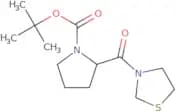
CAS:N-(2,2,2-Trichloroethoxy)carbonyl] bisnor-(cis)-tilidine is an analog of dabigatran that has been shown to be a potent inhibitor of human kinases. It has demonstrated anticancer activity by inducing apoptosis in cancer cells and inhibiting tumor growth. This compound has been found in urine samples from Chinese patients with cancer, suggesting that it may have potential as an anticancer agent. N-(2,2,2-Trichloroethoxy)carbonyl] bisnor-(cis)-tilidine acts as a protein kinase inhibitor and may be useful in the development of new cancer therapies. Its mechanism of action is thought to involve the inhibition of various kinases involved in cell proliferation and survival pathways. Overall, this compound holds great promise for its potential use in the treatment of cancer.Formula:C18H20Cl3NO4Purity:Min. 95%Molecular weight:420.7 g/molN-Boc-(R)-2-(3-thiazolidinylcarbonyl)pyrrolidine
CAS:N-Boc-(R)-2-(3-thiazolidinylcarbonyl)pyrrolidine is a molecule that is used to develop analytical methods. It is a key intermediate in the synthesis of metformin hydrochloride, an anti-diabetic drug. N-Boc-(R)-2-(3-thiazolidinylcarbonyl)pyrrolidine can be used as a surrogate for impurities in pharmaceuticals and other substances. This product can be used to validate analytical methods and has been shown to have high sensitivity. N-Boc-(R)-2-(3-thiazolidinylcarbonyl)pyrrolidine can be synthesized by reacting acetonitrile with melamine, which is an impurity found in products such as milk powder, baby formula, and wheat gluten. The compound is then purified using RP-HPLC.Formula:C13H22N2O3SPurity:Min. 95%Molecular weight:286.39 g/molWarfarin alcohol, mixture of diastereomers
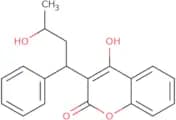
CAS:Warfarin is a clinically used drug that is an anticoagulant and has been shown to have anticancer activity. Warfarin has been shown to inhibit the synthesis of unsaturated ketones by carbonyl reduction and asymmetric synthesis. It also inhibits the growth of cancer cells in animals and human liver cells. Warfarin reduces the production of coagulation factors II, VII, IX, and X by inhibiting protein synthesis in the liver. The anticoagulant effect of warfarin is due to inhibition of the synthesis of vitamin K-dependent clotting factors II, VII, IX, and X. Warfarin also binds to a cytosolic protein called matrix metalloproteinase-9 (MMP-9) which inhibits its proteolytic activity.Formula:C19H18O4Purity:Min. 95%Molecular weight:310.3 g/molVerapamil-d6 hydrochloride
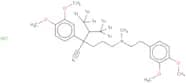
CAS:Controlled ProductVerapamil-d6 hydrochloride is a drug product that can be used for the synthesis of other drugs. It has high purity, and it is an analytical standard that is used in metabolism studies. The natural form of Verapamil-d6 hydrochloride is found in plants such as the common vervain plant. This drug product can also be synthesized from the synthetic form by using chemical reactions. The impurity standard for this product is verapamil-d4 hydrochloride, which has a retention time of approximately 12 minutes on reversed phase HPLC.Formula:C27H33D6ClN2O4Purity:Min. 95%Molecular weight:497.1 g/molSambacolignoside
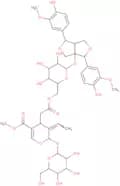
CAS:Sambacolignoside is a natural compound that has been shown to have bioactivities. Sambacolignoside has been shown to inhibit the growth of cancer cells in vitro, including bladder, prostate and breast cancer cells. This compound is also able to induce apoptosis in these cells. Sambacolignoside can be used as a dietary supplement or as part of a profiling study for bladder cancer.Formula:C43H54O22Purity:Min. 95%Molecular weight:922.9 g/molFijimycin B
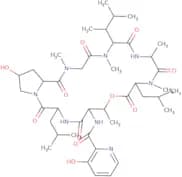
CAS:Fijimycin B is a medicinal compound that acts as an inhibitor of kinases, which are proteins that play a crucial role in cancer cell growth and proliferation. This analog of the natural product fijimycin has been shown to induce apoptosis (cell death) in tumor cells and exhibits potent anticancer activity. Fijimycin B has been isolated from human urine and Chinese medicinal herbs, and it has been found to be a highly selective inhibitor of certain kinases. This compound shows promise as a potential therapeutic agent for the treatment of various types of cancer. Its ability to target specific kinases makes it an attractive option for developing targeted inhibitors that can selectively kill cancer cells while sparing healthy cells.Formula:C42H66N8O11Purity:Min. 95%Molecular weight:859 g/mol2-Acetamido-N-benzyl-3-hydroxypropanamide
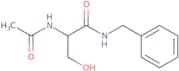
CAS:2-Acetamido-N-benzyl-3-hydroxypropanamide is an analog of a Chinese kinase inhibitor that has been shown to have anticancer properties. This compound induces apoptosis in human cancer cells by inhibiting the activity of protein kinases that are involved in cell growth and division. It has also been shown to inhibit the growth of prostate cancer cells by blocking the synthesis of testosterone, which is a hormone that promotes tumor growth. 2-Acetamido-N-benzyl-3-hydroxypropanamide is a potential candidate for developing new anticancer drugs due to its ability to selectively target cancer cells while sparing healthy cells.Formula:C12H16N2O3Purity:Min. 95%Molecular weight:236.27 g/mol3-Descyano febuxostat ethyl ester
CAS:3-Descyano febuxostat ethyl ester is a synthetic, natural, and API impurity. 3-Descyano febuxostat ethyl ester is used as an analytical standard in drug development. It is also used as a custom synthesis, impurity standard and analytical reference material.
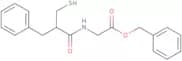
Formula:C17H21NO3SPurity:Min. 95%Molecular weight:319.40 g/molImidaprilat benzyl ester, (carbonylimidazolidine)tert-butyl ester
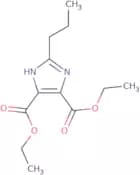
CAS:Imidaprilat benzyl ester, (carbonylimidazolidine)tert-butyl ester is a drug product that is used to study the metabolism of drugs. Imidaprilat benzyl ester, (carbonylimidazolidine)tert-butyl ester is an impurity standard in the pharmacopoeia. It is also used as an analytical reference material and for research and development. This compound has a CAS number of 89460-20-8 and a molecular weight of 310.2 g/mol.Formula:C29H37N3O6Purity:Min. 95%Molecular weight:523.60 g/molDiethyl 2-propylimidazole-4,5-dicarboxylate
CAS:Diethyl 2-propylimidazole-4,5-dicarboxylate is a synthesized intermediate that can be used in the synthesis of other organic compounds. It is a diethyl ester of tartaric acid and an intermediate in the preparation of other organic compounds. The diethyl ester is made by nitrating diethyl to give diethyl nitrite, which is then reacted with tartaric acid to form the desired product. Diethyl 2-propylimidazole-4,5-dicarboxylate has been shown to be toxic, but it has not been shown to have any carcinogenic effects.Formula:C12H18N2O4Purity:Min. 95%Molecular weight:254.28 g/mol(2S,4S)-tert-Butyl 2-(5-(2-((2S,5S)-1-((S)-2-((methoxycarbonyl)amino)-3-methylbutanoyl)-5-methylpyrrolidin-2-yl)-1,11-dihydroisochro meno[4',3':6,7]naphtho[1,2-d]imidazol-9-yl)-1H-imidazol-2-yl)-4-(methoxymethyl)pyrrolidine-1-carboxylate
CAS:(2S,4S)-tert-Butyl 2-(5-(2-((2S,5S)-1-((S)-2-((methoxycarbonyl)amino)-3-methylbutanoyl)-5-methylpyrrolidin-2-yl)-1,11-dihydroisochro meno[4',3':6,7]naphtho[1,2-d]imidazol-9-yl)-1H-imidazol-2-yl)-4-(methoxymethyl)pyrrolidine-1-carboxylate is a drug product that has been synthesized and is being developed for the treatment of cancer. (2S,4S)-tert–Butyl 2-(5-(2-[(2R,5R)-1-[(R) -2-[(methoxycarbonyl)amino]-Formula:C44H53N7O7Purity:Min. 95%Molecular weight:791.9 g/mol

![2-[(2-Amino-6-oxo-1,6-dihydro-9H-purin-9-yl)methoxy]-3-hydroxypropyl valylvalinate](/_next/image/?url=https%3A%2Fstatic.cymitquimica.com%2Fproducts%2F3D%2Fthumb-webp%2FXKB93773.webp&w=3840&q=75)
![5-Acetyl-5,11-dihydro-10H-dibenz[b,f]azepin-10-one](/_next/image/?url=https%3A%2Fstatic.cymitquimica.com%2Fproducts%2F3D%2Fthumb-webp%2FDBA29163.webp&w=3840&q=75)
![3-[2-[4-(2,4-Difluorobenzoyl)piperidin-1-yl]ethyl]-2-methyl-6,7,8,9-tetrahydro-pyrido[1,2-a]pyrimi…](/_next/image/?url=https%3A%2Fstatic.cymitquimica.com%2Fproducts%2F3D%2Fthumb-webp%2FID21865.webp&w=3840&q=75)

![4-[1,5-Bis-(2-methylsulfamoylethyl)-1H-indol-3-yl]-1-methylpyridinium chloride](/_next/image/?url=https%3A%2Fstatic.cymitquimica.com%2Fproducts%2F3D%2Fthumb-webp%2FIB183365.webp&w=3840&q=75)
![(-)-8,9-Dihydroxy-8,9-dihydrobenz[A]anthracene](/_next/image/?url=https%3A%2Fstatic.cymitquimica.com%2Fproducts%2F3D%2Fthumb-webp%2FXCA52286.webp&w=3840&q=75)
![Des[(5-ethyl-2-pyridinyl)ethyl] pioglitazone dimer ether impurity](/_next/image/?url=https%3A%2Fstatic.cymitquimica.com%2Fproducts%2F3D%2Fthumb-webp%2FRFC05215.webp&w=3840&q=75)




![3-[2-[4-(6-Fluoro-1,2-benzisoxazol-3-yl)-1-piperidinyl]ethyl]-7,8-dihydro-2-methyl-4H-pyrido[1,2-a…](/_next/image/?url=https%3A%2Fstatic.cymitquimica.com%2Fproducts%2F3D%2Fthumb-webp%2FIF24786.webp&w=3840&q=75)
![[1,1'-Biphenyl]-2'-(2H-tetrazol-5-yl)-4-carboxylic acid, [1,1'-biphenyl]-(2'-(2H-tetrazol-5-yl)-4-…](/_next/image/?url=https%3A%2Fstatic.cymitquimica.com%2Fproducts%2F3D%2Fthumb-webp%2FIB18639.webp&w=3840&q=75)


![cis-4-[[[(1,1-Dimethylethoxy)carbonyl]amino]methyl]-cyclohexanecarboxylic acid](/_next/image/?url=https%3A%2Fstatic.cymitquimica.com%2Fproducts%2F3D%2Fthumb-webp%2FID22372.webp&w=3840&q=75)
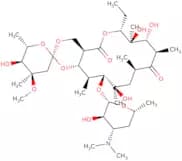
![8-(2-Pyrimidinyl)-8-aza-5-azoniaspiro[4.5]decane bromide](/_next/image/?url=https%3A%2Fstatic.cymitquimica.com%2Fproducts%2F3D%2Fthumb-webp%2FGDA46173.webp&w=3840&q=75)
![2-[3,5-Dichloro-4-(4-chlorobenzoyl)phenyl]-1,2,4-triazine-3,5(2H,4H)-dione](/_next/image/?url=https%3A%2Fstatic.cymitquimica.com%2Fproducts%2F3D%2Fthumb-webp%2FIFA64881.webp&w=3840&q=75)
![N-Formyl-L-leucine (1S)-1-[[(2R,3R)-3-hexyl-4-oxo-2-oxetanyl] methyl] dodecyl ester](/_next/image/?url=https%3A%2Fstatic.cymitquimica.com%2Fproducts%2F3D%2Fthumb-webp%2FIF26581.webp&w=3840&q=75)





![((E)-5-((M-[(2-Carboxyethyl)carbamoyl]phenyl)azo)-2-salicylic acid)](/_next/image/?url=https%3A%2Fstatic.cymitquimica.com%2Fproducts%2F3D%2Fthumb-webp%2FYWC39596.webp&w=3840&q=75)
![N-(2,2,2-Trichloroethoxy)carbonyl] bisnor-(cis)-tilidine](/_next/image/?url=https%3A%2Fstatic.cymitquimica.com%2Fproducts%2F3D%2Fthumb-webp%2FWZB81995.webp&w=3840&q=75)