APIs for research and impurities
Subcategories of "APIs for research and impurities"
- Aminoacids and derivatives(12,325 products)
- Anthraquinones and derivatives(402 products)
- Benzimidazole and Imidazole Derivatives(10,406 products)
- Benzodiazepine Derivatives(327 products)
- Carbohydrates and glycoconjugates(5,049 products)
- Esters and Derivatives(42,242 products)
- Fatty Acids and Lypidic Derivatives(32,382 products)
- Flavonoids and Polyphenols(17,076 products)
- Free Radicals and Oxidant/Reducing Agents(212 products)
- Ketones and derivatives(2,399 products)
- Natural and semi-synthetic antibiotics(6,338 products)
- Nitriles and Cyano Derivatives(3,068 products)
- Nitrosamines and Derivatives(55 products)
- Nucleosides and Nucleotides(3,458 products)
- Organic Phosphates and Phosphonates(1,198 products)
- Organic Sulphonates and Sulphates(10,422 products)
- Organometallics(4,419 products)
- Others(6,277 products)
- Peptides and Proteins(3,140 products)
- Polymers and Derivatives(99 products)
- Purines and Pyrimidine Derivatives(8,910 products)
- Quinazoline and Quinoline Derivatives(65,775 products)
- Quinones and Derivatives(24,345 products)
- Salts and Derivatives of Active Pharmaceutical Ingredients (API)(81,098 products)
- Steroids and Derivatives(4,931 products)
- Sulfonamides and Derivatives(2,572 products)
- Terpenoids and Derivatives(3,839 products)
- Thiazolidinediones and Thiopyrans(2,753 products)
- β-Adrenergic Compounds(229 products)
Found 58429 products of "APIs for research and impurities"
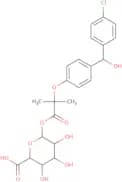
Fenirofibrate acyl-β-D-glucuronide
CAS:Please enquire for more information about Fenirofibrate acyl-β-D-glucuronide including the price, delivery time and more detailed product information at the technical inquiry form on this page
Formula:C23H25ClO10Purity:Min. 95%Molecular weight:496.9 g/molPseudomonic acid B
CAS:Pseudomonic acid B is a metabolite of pseudomonic acid A and is used as an impurity standard for the pharmacopoeia. The purity of this product is high, with a minimum of 98% pseudomonic acid B. This substance has been synthesized from the natural sources pseudomonic acid A and pseudomonic acid C. Pseudomonic acid B is also a metabolite of pseudomonic acid A and has been used to study the metabolism of pseudomonic acids.Formula:C26H44O10Purity:Min. 95%Molecular weight:516.60 g/molValdecoxib impurity I
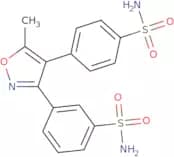
CAS:Valdecoxib impurity I is a synthetic compound that is used as an impurity standard for the drug product Valdecoxib. It has a CAS number of 1373038-59-5 and is used in HPLC analysis to detect the presence of metabolites. Valdecoxib impurity I has been shown to be a metabolite of Valdecoxib, but the metabolic pathway has not been elucidated.Formula:C16H15N3O5S2Purity:Min. 95%Molecular weight:393.44 g/mol1-C-4-Chloro-3-[(4-ethoxyphenyl)methyl]phenyl]- D-glucitol
CAS:This compound is a research and development impurity standard with a custom synthesis. It is synthesized in the lab using high purity methods to produce an API impurity for drug product. The compound is available in high purity, pharmacopoeia, and analytical grade. This compound is used as an analytical reference standard. Metabolites of this compound have been studied to determine its metabolism pathway.Formula:C21H27ClO7Purity:Min. 95%Molecular weight:426.89 g/molBaclofen inhouse impurity
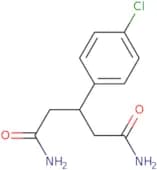
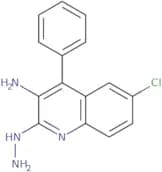
CAS:Baclofen inhouse impurity is an analog of baclofen that has been shown to have potent anticancer properties. It acts as a kinase inhibitor, specifically inhibiting the activity of certain kinases that are involved in cancer cell growth and proliferation. In preclinical studies, this compound has demonstrated significant tumor growth inhibition and induction of apoptosis in human cancer cell lines. This medicinal compound is commonly used in Chinese medicine for its anti-cancer effects. Baclofen inhouse impurity can be isolated from urine or synthesized chemically. Its potential as a protein kinase inhibitor makes it a promising candidate for further development as an anticancer agent.Formula:C11H13ClN2O2Purity:Min. 95%Molecular weight:240.68 g/mol3-Amino-6-chloro-4-(4-pyridinyl)-2-quinolinone hydrazone
CAS:Please enquire for more information about 3-Amino-6-chloro-4-(4-pyridinyl)-2-quinolinone hydrazone including the price, delivery time and more detailed product information at the technical inquiry form on this pageFormula:C15H13ClN4Purity:Min. 95%Molecular weight:284.74 g/molCarbocisteine lactam sodium salt
CAS:Carbocisteine is a drug that belongs to the class of non-steroidal anti-inflammatory drugs. It is used in the treatment of bronchial asthma, bronchitis, and chronic obstructive pulmonary disease. Carbocisteine has been shown to inhibit platelet aggregation and to reduce blood viscosity. Carbocisteine may also be classified as a drug that binds to octadecyl groups. In this way it can be used as an analytical reagent for substances with similar chemical structures.
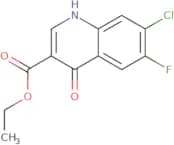
Formula:C5H6NNaO3SPurity:Min. 95%Molecular weight:183.16 g/mol7-Chloro-6-fluoro-1,4-dihydro-4-oxo-3-quinolinecarboxylic acid ethyl ester
CAS:7-Chloro-6-fluoro-1,4-dihydro-4-oxo-3-quinolinecarboxylic acid ethyl ester is a synthetic compound that has not been evaluated in humans. Studies have shown that the drug can be hydrolyzed to 7-chloro-6-fluoroquinoline 1,1′-(ethylenedioxy)bis(ethane), which is an impurity of norfloxacin. The ethyl esters of 7-chloroquinoline are also known to condense with formaldehyde and hydrolyze to 7-chloroquinolinic acid. This product may contain solvents such as acetone, chloroform, and alcohols that are used during the synthesis process. Decarboxylation of the drug occurs when it is heated at high temperatures in the presence of a catalyst, such as pyridine or sodium methoxide. It decarboxyl
Formula:C12H9ClFNO3Purity:Min. 95%Molecular weight:269.65 g/mol2-[1-[2-Cyclopropyl-1-(2-fluorophenyl)-2-oxoethyl]-4-(methylthio)-3-piperidinylidene]acetic acid
CAS:2-[1-[2-Cyclopropyl-1-(2-fluorophenyl)-2-oxoethyl]-4-(methylthio)-3-piperidinylidene]acetic acid is an inhibitor of protein kinases that has shown promising results in the treatment of cancer. This compound has been found to induce apoptosis, or programmed cell death, in cancer cells by targeting specific kinases involved in tumor growth and survival. Additionally, studies have shown that 2-[1-[2-Cyclopropyl-1-(2-fluorophenyl)-2-oxoethyl]-4-(methylthio)-3-piperidinylidene]acetic acid can inhibit the growth of tumors in human models. This compound can be detected in urine samples after administration, and its absorption can be enhanced by co-administration with D-xylose. Overall, this anticancer agent shows great potential for the development of novel cancer therapies.Formula:C19H22FNO3SPurity:Min. 95%Molecular weight:363.4 g/molBis(o-ethylbenzylamine) catechol dihydrochloride
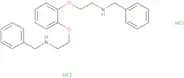
CAS:Bis(o-ethylbenzylamine) catechol dihydrochloride is a potent inhibitor of protein kinases that play a crucial role in the regulation of the cell cycle. It has been shown to induce apoptosis in various human cancer cell lines, including leukemia and Chinese hamster ovary cells. This compound inhibits the activity of several kinases, including indoleamine 2,3-dioxygenase (IDO), which is involved in tumor immune evasion. Bis(o-ethylbenzylamine) catechol dihydrochloride also acts as an inhibitor of other key proteins involved in the growth and proliferation of cancer cells. Its unique mode of action makes it a promising candidate for the development of novel anticancer therapies.Formula:C24H30Cl2N2O2Purity:Min. 95%Molecular weight:449.4 g/molCefdinir sulfoxide
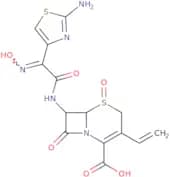
CAS:Cefdinir sulfoxide is a drug product that belongs to the group of cephalosporin antibiotics. It has been shown to be a metabolite of Cefdinir, which is manufactured by reacting cefdinir with sulfur trioxide gas in the presence of an acid catalyst. This product has been shown to have no antimicrobial activity and is used as an impurity standard for HPLC analysis. Cefdinir sulfoxide has also been found to be a metabolite for other drugs, such as Cefditoren.Formula:C14H13N5O6S2Purity:Min. 95%Molecular weight:411.4 g/molN,N-Bis(2-chloroethyl)-4-methoxybenzenesulfonamide
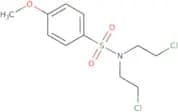
CAS:Please enquire for more information about N,N-Bis(2-chloroethyl)-4-methoxybenzenesulfonamide including the price, delivery time and more detailed product information at the technical inquiry form on this page
Formula:C11H15Cl2NO3SPurity:Min. 95%Molecular weight:312.2 g/mol6-Chloro-4-(2-chlorophenyl)-2-quinazolinecarboxylic acid
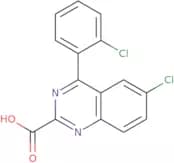
CAS:6-Chloro-4-(2-chlorophenyl)-2-quinazolinecarboxylic acid (CA) is an impurity found in the drug lorazepam. It is a chemical intermediate that is not active as a pharmaceutical agent, but has been studied for use in treating epilepsy and other neurological disorders. CA is an excipient used to manufacture other drugs such as salicylic acid and the surfactant sodium lauryl sulfate. It has been shown to have acidic properties and can be used as a surfactant, which is helpful in chromatographic methods to separate molecules by size. CA also binds to chloride ions, which are necessary for the proper functioning of many cellular processes. CA's molecular weight is 322 daltons and it exhibits no pharmacological activity.
Formula:C15H8Cl2N2O2Purity:Min. 95%Color and Shape:White PowderMolecular weight:319.14 g/molPentalenolactone O
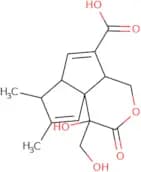
CAS:Pentalenolactone O is a natural product, which is used as an analytical standard for the determination of metabolites in drug development and research. It can be synthesized from pentalenolactone A by hydrogenation with Raney nickel catalyst. Pentalenolactone O is also a synthetic compound that has been developed as an impurity standard for HPLC analysis. The purity of this compound is high, and it complies with the requirements of pharmacopoeias such as USP and BP.
Formula:C15H18O6Purity:Min. 95%Molecular weight:294.3 g/molClobetasol Propionate - Impurity C
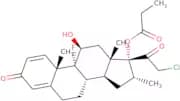
CAS:Controlled Product21-Chloro-9-fluoro-11beta,17-dihydroxy-16alpha-methylpregna-1,4-diene-3,20-dione 17-propionate is an ester of ketoconazole and the propionic acid. It is used as a pharmaceutical formulation and has been shown to be stable in an HPLC method. This compound also has an optical isomer that was validated by a stability test. This product has been shown to have antiinflammatory properties and may be used as a topical treatment for skin disorders such as clobetasol propionate.Formula:C25H32ClFO5Purity:Min. 95%Molecular weight:466.97 g/molD-Ribose-L-cysteine
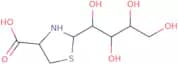
CAS:D-Ribose-L-cysteine is a combination of D-ribose and L-cysteine. It is used for the treatment of bowel disease, radiation injury, pentobarbital sodium induced ileus, atherosclerotic lesion, oral hypoglycaemic, neuronal death, psychotic disorder in AIDS patients and active antiretroviral therapy. D-Ribose-L-cysteine has been shown to decrease ATP levels and increase histological damage in v79 cells. D-Ribose-L-cysteine has also been shown to have a protective effect on hamster V79 cells against inflammatory bowel disease by decreasing the release of inflammatory cytokines.
Formula:C8H15NO6SPurity:Min. 95%Molecular weight:253.28 g/molRemdesivir related compound 12
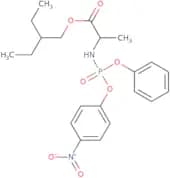
CAS:Remdesivir related compound 12 is a synthetic drug product. It is an impurity standard used for the production of the active pharmaceutical ingredient, remdesivir. The substance is a custom synthesis and can be synthesized to meet customer specifications. Remdesivir related compound 12 has been studied in animal models for metabolism studies and human pharmacokinetic studies. This substance is also used for research and development, as well as niche drug development.
Formula:C21H27N2O7PPurity:Min. 95%Molecular weight:450.42 g/molNMP-ACA (cefepime impurity)
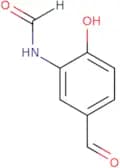
CAS:NMP-ACA is a metabolite of cefepime. It is a synthetic, impurity standard for use in HPLC. It has an analytical purity of >98%. The metabolites of NMP-ACA are not known at this time.Formula:C13H19N3O3SPurity:Min. 95%Molecular weight:297.37 g/molN-(5-Formyl-2-hydroxyphenyl)formamide
CAS:N-(5-Formyl-2-hydroxyphenyl)formamide is a drug product that is synthesized by Custom synthesis. The purity of this compound is high and it has been used in analytical studies to measure the metabolic activity of the liver, kidneys, and brain. It is also used in natural drug development for pharmacopoeia. This compound has a CAS number of 903563-43-9 and an impurity standard. It can be synthesized from N-(5-formylphenyl) formamide.Formula:C8H7NO3Purity:Min. 95%Molecular weight:165.15 g/molDesoximetasone impurity A
CAS:Controlled ProductDesoximetasone impurity A is an impurity found in the drug product Desoximetasone, which is a corticosteroid. It has been identified as an impurity in the drug product and there are no known uses of Desoximetasone impurity A. This impurity was determined to be natural based on its molecular weight, infrared spectrum, melting point, and elemental analysis. The molecular weight for Desoximetasone impurity A is 687.2 g/mol with a melting point at 89°C and an elemental analysis of Carbon: 29%, Hydrogen: 3%, Nitrogen: 16%, Oxygen: 32%.Formula:C21H25FO4Purity:Min. 95%Molecular weight:360.42 g/molSalmeterol fluticasone propionate
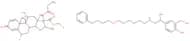
CAS:Controlled ProductSalmeterol fluticasone propionate is a medicinal product that is used to treat respiratory disorders such as asthma and chronic obstructive pulmonary disease (COPD). It contains two active ingredients, salmeterol and fluticasone propionate. Salmeterol works by relaxing the muscles in the airways, while fluticasone propionate reduces inflammation in the lungs. This combination medication has been shown to improve lung function and reduce symptoms of wheezing and shortness of breath.Formula:C50H68F3NO9SPurity:Min. 95%Molecular weight:916.1 g/mol5-Chloro-N-4-pyridinyl-2,1-benzisothiazole-3-carboxamide
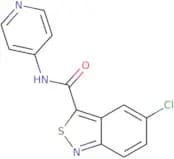
CAS:Please enquire for more information about 5-Chloro-N-4-pyridinyl-2,1-benzisothiazole-3-carboxamide including the price, delivery time and more detailed product information at the technical inquiry form on this page
Formula:C13H8ClN3OSPurity:Min. 95%Molecular weight:289.74 g/molEbeiedinone
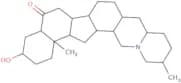
CAS:Ebeiedinone is an analog of a Chinese medicinal herb that has shown potent anticancer activity. It induces apoptosis in cancer cells by inhibiting kinases, which are enzymes that play a key role in cell division and proliferation. Ebeiedinone has been shown to be an effective inhibitor of protein kinases, making it a promising candidate for the development of new anticancer drugs. It has been found in human urine and is being studied for its potential as a therapeutic agent against various types of cancer. The inhibitors present in ebeiedinone can help prevent the growth and spread of tumor cells, making it an important addition to the field of medicinal research.
Formula:C26H41NO2Purity:Min. 95%Molecular weight:399.6 g/mol6,7-Dimethoxy-2-[4-[(tetrahydro-2-furanyl)carbonyl]-1-piperazinyl]-4(3H)-quinazolinone
CAS:6,7-Dimethoxy-2-[4-[(tetrahydro-2-furanyl)carbonyl]-1-piperazinyl]-4(3H)-quinazolinone is a drug product. It is an analytical standard for the impurity of CAS No. 1177261-73-2. This compound has been synthesized by custom synthesis and its purity is high. The compound has been used in research and development of drugs, pharmacopoeia, HPLC standards, and other related fields.Formula:C19H24N4O5Purity:Min. 95%Molecular weight:388.42 g/molDeshydroxypentanyl posaconazole
CAS:Deshydroxypentanyl Posaconazole is a synthetic compound with an analytical standard available. It is a niche API that is not currently in use as a drug product. It is also an impurity standard for the HPLC and GC-MS analysis of deshydroxyphenyl fentanyl. Deshydroxypentanyl Posaconazole has been synthesized using the chemical reaction between desoxyphenyl fentanyl and posaconazole, which yields the desired product. The chemical structure of Deshydroxypentanyl Posaconazole can be found in CAS No. 161532-56-5.Formula:C32H32F2N8O3Purity:Min. 95%Molecular weight:614.60 g/molNaltrexone hydrochloride EP Impurity G
Naltrexone Impurity G is a synthetic impurity found in naltrexone. It is used as an impurity standard and can be custom synthesized to meet the needs of researchers, developers, and manufacturers of drug products. Naltrexone Impurity G is a metabolite that has been shown to have pharmacological effects similar to those of naltrexone. It is used in metabolism studies. Naltrexone Impurity G has a purity level of 99% or higher and can be ordered as a methanol solution or powder.
Formula:C20H23NO5Purity:Min. 95%Color and Shape:PowderMolecular weight:357.4 g/molMethisosildenafil
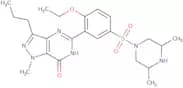
CAS:Methisosildenafil is a chemical compound that belongs to the group of phosphodiesterase type-5 inhibitors. It is an analog of sildenafil and is used for the treatment of erectile dysfunction (ED). Methisosildenafil has been shown to be effective in animal models of pulmonary hypertension. It also inhibits the production of myeloid-derived suppressor cells, which are responsible for suppressing the immune system. Methisosildenafil has been found to be safe and well-tolerated for use as a pharmaceutical preparation in humans.Formula:C23H32N6O4SPurity:Min. 95%Molecular weight:488.6 g/mol5-Oxo atorvastatin
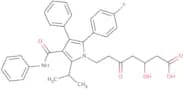
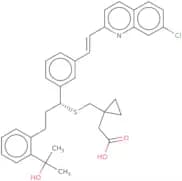
CAS:5-Oxo atorvastatin is an impurity standard for atorvastatin. It is a synthetic metabolite that has been observed in the urine of patients receiving atorvastatin. 5-Oxo atorvastatin can be used as a reference compound to calibrate HPLC measurements and as an analytical standard in pharmacopoeia testing.Formula:C33H33FN2O5Purity:Min. 95%Molecular weight:556.6 g/molMontelukast Bis-sulfide(mixture of diastereomers)
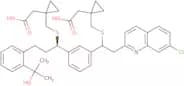
CAS:Montelukast Bis-sulfide is a drug product that is custom synthesized with high purity. It has been studied for its metabolism, analytical properties, and natural sources. The metabolite of montelukast bis-sulfide has been extensively researched for pharmacopoeia as well as for drug development. Montelukast bis-sulfide is a synthetic compound that is not found in nature, but it has niche applications in research and development. CAS No.: 1242260-05-4
Formula:C41H46ClNO5S2Purity:Min. 95%Molecular weight:732.39 g/molAlverine EP Impurity C
CAS:Alverine EP Impurity C is a by-product of the synthesis of alverine, which is an ammonium salt. The process involves the use of high yield, high purity triflic acid, and organic solvents. The reaction system is typically carried out in a solvent such as toluene or dichloromethane. The organic solvent is then removed by filtration and the desired product can be obtained by crystallization or recrystallization. Alverine EP Impurity C has been shown to have insecticidal properties when applied externally, due to its interaction with insect stereoisomers. It also has anticancer activity and may be used in cancer therapy treatments that involve decompressing tumours and increasing blood supply to the area. Alverine EP Impurity C also has a citric acid binding property that makes it insoluble in water.
Formula:C11H17NPurity:Min. 95%Molecular weight:163.26 g/mol2-(Dibenzylamino)-3',4'-dihydroxy-acetophenone
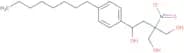
CAS:Controlled Product2-(Dibenzylamino)-3',4'-dihydroxy-acetophenone is a drug product that is used as an analytical reference standard for the metabolism studies of acetaminophen. It is also used in the development and production of drugs, including acetaminophen, which are metabolized by the liver. 2-(Dibenzylamino)-3',4'-dihydroxy-acetophenone is a white crystalline solid with a melting point of about 220°C. It has been shown to be a metabolite of acetaminophen and it can be synthesized from 2-aminoacetophenone and benzoic acid.Formula:C22H21NO3Purity:Min. 95%Molecular weight:347.41 g/mol1-Hydroxy-3-nitrodeamino fingolimod
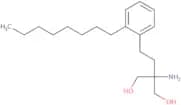
CAS:1-Hydroxy-3-nitrodeamino fingolimod is a drug product that belongs to the class of drugs known as immunosuppressants. It is a synthetic, non-natural compound that belongs to the family of drugs known as sphingosine analogues. The HPLC standard for 1-hydroxy-3-nitrodeamino fingolimod is available and can be used in research and development or analytical studies. This drug has been shown to have niche applications in the treatment of multiple sclerosis, but it is not yet included in any pharmacopoeia.Formula:C19H31NO5Purity:Min. 95%Molecular weight:353.5 g/mol4,4-(1,3,3-Trimethyl-1-propene-1,3-diyl)bisphenol
CAS:4,4-(1,3,3-Trimethyl-1-propene-1,3-diyl)bisphenol is a synthetic compound that is used in the development of pharmaceutical drugs. It is used as an analytical standard for HPLC and is available as a new drug product. 4,4-(1,3,3-Trimethyl-1-propene-1,3-diyl)bisphenol has been shown to be metabolized by CYP 450 enzymes and to be an impurity in API production. 4,4-(1,3,3-Trimethyl-1-propene-1,3-diyl)bisphenol is also found in natural products such as plant leaves and bark.Formula:C18H20O2Purity:Min. 95%Molecular weight:268.30 g/molN,N-Dimethylaminoethyl-a-(1-Hydroxycyclopentyl)phenylacetate hydrochloride
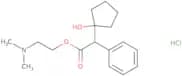
CAS:Controlled ProductN,N-Dimethylaminoethyl-a-(1-Hydroxycyclopentyl)phenylacetate hydrochloride (DMAEA) is a drug that is used as an ophthalmic. It has been shown to be safe and effective in patients with chronic open angle glaucoma, and it may also have some efficacy for the treatment of other conditions such as uveitis and retinal detachment. DMAEA is thought to work by binding to the DNA in the eye’s optic nerve cells and blocking the production of leukotrienes. This drug has also been shown to have anti-inflammatory properties.Formula:C17H26ClNO3Purity:Min. 95%Color and Shape:PowderMolecular weight:327.85 g/mol11-Hydroxyasenapine
CAS:11-Hydroxyasenapine is a drug that has been developed for the treatment of schizophrenia and Parkinson's disease. It is metabolized to 11-hydroxysenapine, which has an affinity for dopamine receptors. It is a high purity API with a purity of 98.6%. This product is available as an HPLC standard or impurity standard.
Formula:C17H16ClNO2Purity:Min. 95%Molecular weight:301.80 g/molOrtho-fingolimod
CAS:Ortho-fingolimod is a drug product that is used to treat patients who have been shown to be responsive to fingolimod. It is a natural product, which has been synthesized and purified. The API impurity in the drug product is less than 0.5%, and the purity of the API is greater than 98%. Ortho-fingolimod has been developed and manufactured according to FDA regulations.Formula:C19H33NO2Purity:Min. 95%Molecular weight:307.5 g/molAztreonam Impurity 5
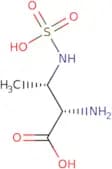
CAS:Aztreonam Impurity 5 is a drug product that is used as an analytical standard in HPLC. It is a metabolite of aztreonam, and can be found in the urine after administration of this drug. Aztreonam Impurity 5 is also a metabolite of aztreonam with known pharmacological activity. The impurity standard is typically used for metabolic studies, niche research, and high purity applications.Formula:C4H10N2O5SPurity:Min. 95%Molecular weight:198.2 g/molTadalafil spiro-urethane impurity (EP impurity F)
CAS:Please enquire for more information about Tadalafil spiro-urethane impurity (EP impurity F) including the price, delivery time and more detailed product information at the technical inquiry form on this page
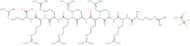
Formula:C22H19N3O6Purity:Min. 95%Molecular weight:421.4 g/mol(Arg)9 (TFA)
CAS:Please enquire for more information about (Arg)9 (TFA) including the price, delivery time and more detailed product information at the technical inquiry form on this pageFormula:C56H111F3N36O12Purity:Min. 95%Molecular weight:1,537.7 g/molcis-4-[[(2-Amino-3,5-dibromophenyl)methyl]amino]cyclohexanol
CAS:Cis-4-[[(2-Amino-3,5-dibromophenyl)methyl]amino]cyclohexanol (cis-DBCL) is a drug that has been shown to be effective in the treatment of lung diseases. It has been shown to improve lung function and reduce the amount of lung damage caused by surfactant deficiency in rats. Cis-DBCL also improves endothelial function and reduces inflammation in mice with chronic pulmonary fibrosis. The antiinflammatory effect of cis-DBCL is due to its ability to inhibit the production of prostaglandin E2 and nitric oxide.Formula:C13H18Br2N2OPurity:Min. 95%Molecular weight:378.1 g/mol4,8-Dichloro-5,6-dihydro-11H-benzo[5,6]cyclohepta[1,2-b]pyridin-11-one
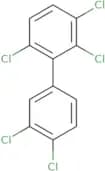
CAS:4,8-Dichloro-5,6-dihydro-11H-benzo[5,6]cyclohepta[1,2-b]pyridin-11-one is a drug that has been developed for the treatment of cancer. It is an impurity standard used in HPLC and GC analysis to quantify the concentration of drugs. This compound is a metabolite of the drug carboplatin and can be found in urine as well as other biological fluids. Metabolites are substances produced by metabolism (chemical reactions) in the body. 4,8-Dichloro-5,6-dihydro-11H-benzo[5,6]cyclohepta[1,2-b]pyridin-11-one can also be found naturally in plants such as ivy or wild parsnip.Formula:C14H9Cl2NOPurity:Min. 95%Molecular weight:278.13 g/mol2,3,3',4',6-Pentachlorobiphenyl
CAS:Controlled Product2,3,3',4',6-Pentachlorobiphenyl (PCB-126) is an inhibitor of tumor growth and cancer cell proliferation. It has been shown to induce apoptosis in Chinese hamster ovary cells and inhibit protein kinase C activity. PCB-126 is an analog of caffeine and has been found in human urine samples. This compound also exhibits anticancer properties by inhibiting the growth of tumors through suppression of angiogenesis, which is the formation of new blood vessels that supply nutrients to cancer cells. Additionally, PCB-126 has been shown to inhibit the secretion of oxytocin, which may contribute to its anticancer effects. Overall, PCB-126 is a potent inhibitor with promising potential for cancer treatment.Formula:C12H5Cl5Purity:Min. 95%Molecular weight:326.4 g/molPhenproxide
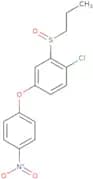
CAS:Phenproxide is an analog of testosterone that has been used traditionally in Chinese medicine to treat tumors. It has been found to induce apoptosis in cancer cells by inhibiting kinases, which are enzymes that regulate cellular processes such as cell division and growth. Phenproxide has also been shown to inhibit the activity of somatostatin, a hormone that regulates the release of other hormones. This inhibition may contribute to its anti-cancer properties. In addition, Phenproxide has been shown to have an effect on hyaluronan metabolism, a substance involved in tissue repair and inflammation. It is excreted in urine and may be used as a potential biomarker for cancer diagnosis or monitoring.
Formula:C15H14ClNO4SPurity:Min. 95%Molecular weight:339.8 g/molPF-04856264
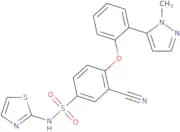
CAS:PF-04856264 is an anticancer drug that belongs to the class of protein kinase inhibitors. It has been shown to inhibit the growth of cancer cells by inducing apoptosis, which is a process of programmed cell death. PF-04856264 is a medicinal analog of nalbuphine and has been tested in human urine for its effectiveness against various types of cancer. This drug specifically targets tumor cells and inhibits their growth by blocking the activity of certain kinases that are involved in cell division. PF-04856264 has also been found to be effective against Chinese hamster ovary cells, making it a promising candidate for further cancer research.Formula:C20H15N5O3S2Purity:Min. 95%Molecular weight:437.5 g/molLolcde-in-1
CAS:Please enquire for more information about Lolcde-in-1 including the price, delivery time and more detailed product information at the technical inquiry form on this pageFormula:C21H20FN3OPurity:Min. 95%Molecular weight:349.4 g/molCyproterone acetate EP Impurity A
CAS:Cyproterone acetate EP Impurity A is a metabolite of cyproterone acetate. Cyproterone acetate is an androgen receptor antagonist drug product which is used in the treatment of prostate cancer and male pattern hair loss. Cyproterone acetate EP Impurity A has been found to be toxic to rats when administered orally, with LD50 values of 40-120 mg/kg, depending on the study. It also has been shown to inhibit hepatic p450 enzymes in rats after oral administration. Cyproterone acetate EP Impurity A is an impurity standard for cyproterone acetate and is available as a pure compound or as a custom synthesis. This impurity can be analyzed using HPLC with UV detection at 210 nm or by GC with flame ionization detection at 230°C. The purity of this compound can be confirmed using NMR spectroscopy, melting point determination, or elemental analysis.END>Formula:C24H30O4Purity:Min. 95%Molecular weight:382.5 g/molAdiporon hydrochloride
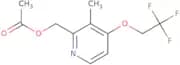
CAS:Adiporon hydrochloride is an API impurity, which is a natural product that has been used in traditional Chinese medicine to treat obesity. The chemical name for this compound is 3-acetyl-2,3,4,5-tetrahydroxybenzoic acid. Adiporon hydrochloride has shown weight loss effects in mice and rats. It is metabolized by the liver and excreted by the kidneys. Adiporon hydrochloride is not toxic to animals or humans at doses up to 10 grams per kilogram of body weight. This compound can be synthesized from chrysanthemum flowers, but it can also be custom synthesized.Formula:C27H29ClN2O3Purity:Min. 95%Molecular weight:465 g/mol(3-Methyl-4-(2,2,2-trifluoroethoxy)pyridin-2-yl)methyl acetate
CAS:Please enquire for more information about (3-Methyl-4-(2,2,2-trifluoroethoxy)pyridin-2-yl)methyl acetate including the price, delivery time and more detailed product information at the technical inquiry form on this pageFormula:C11H12F3NO3Purity:Min. 95%Molecular weight:263.21 g/mol(E,E)-Farnesyl thioacetate
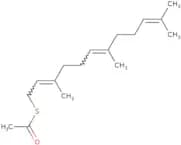
CAS:(E,E)-Farnesyl thioacetate is a synthetic impurity found in the drug product. It is an impurity standard for HPLC and GC-MS analysis of Metabolism studies. (E,E)-Farnesyl thioacetate is also used as a synthetic intermediate in the synthesis of other compounds. The purity of this compound is 99% with a CAS number 340701-35-1. (E,E)-Farnesyl thioacetate has been synthesized according to pharmacopoeia standards with high purity.Formula:C17H28OSPurity:Min. 95%Molecular weight:280.47 g/molEnniatin K1
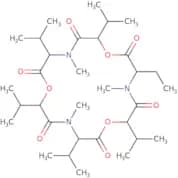
CAS:Enniatin K1 is an analog of a natural compound found in Chinese medicinal herbs. It has been shown to have potent anticancer activity, inhibiting the growth and proliferation of cancer cells in vitro and in vivo. Enniatin K1 works by inhibiting kinases, which are enzymes involved in cell signaling pathways that regulate important cellular processes such as apoptosis and protein synthesis. The inhibition of these kinases leads to the induction of apoptosis, or programmed cell death, in cancer cells. Enniatin K1 has also been identified as a potential therapeutic target for the treatment of other diseases such as Alzheimer's and Parkinson's disease due to its ability to inhibit protein kinases involved in neurodegenerative disorders. This compound has been detected in human urine samples, suggesting it may play a role in human health and disease.Formula:C32H55N3O9Purity:Min. 95%Molecular weight:625.8 g/mol(E)-N,N-Didesmethyl-4-hydroxy tamoxifen
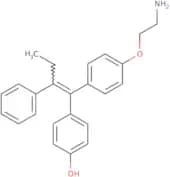
CAS:(E)-N,N-Didesmethyl-4-hydroxy tamoxifen is a potent tumor inhibitor that is derived from Chinese medicinal plants. It is an analog of tamoxifen, which is commonly used as an anticancer drug. This compound has been shown to inhibit the growth of cancer cells by blocking the activity of kinases, such as cyclin-dependent kinases and human protein kinase C. It induces apoptosis in cancer cells, leading to their death. (E)-N,N-Didesmethyl-4-hydroxy tamoxifen is a promising candidate for the development of new anticancer drugs due to its potent inhibitory effects on tumor growth and cell proliferation. Its ability to target specific proteins involved in cancer cell survival makes it a valuable tool for researchers studying cancer biology and developing new kinase inhibitors.Formula:C24H25NO2Purity:Min. 95%Molecular weight:359.5 g/molAmlodipine besilate impurity D oxalate salt
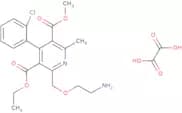
CAS:Amlodipine besilate impurity D oxalate salt is a pharmaceutical ingredient that is an impurity in Amlodipine besilate and is used as a diluent. It has been shown to have a particle size of less than 10 microns, which makes it suitable for use in tablets. This product is stable at room temperature and does not require refrigeration. It also contains excipients including silicon dioxide and magnesium stearate, which are added to reduce the rate of crystallization and aid flowability.Formula:C22H25ClN2O9Purity:Min. 95%Molecular weight:496.89 g/mol9-Cis,13-cis-retinol 15-acetate
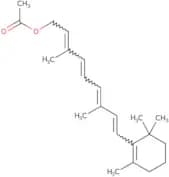
CAS:9-Cis,13-cis-retinol 15-acetate is an impurity in drugs that are used to treat a variety of conditions including psoriasis, acne, and ichthyosis. It has been identified as an impurity in the drug product 9-cis, 13-cis retinoic acid (9CRA) through high performance liquid chromatography (HPLC). It has been found to be a metabolite of 9CRA and is not toxic.
Formula:C22H32O2Purity:Min. 95%Molecular weight:328.5 g/mol2-Amino-5-(2-bromoacetyl)benzonitrile hydrobromide
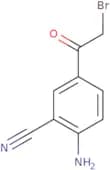
CAS:Please enquire for more information about 2-Amino-5-(2-bromoacetyl)benzonitrile hydrobromide including the price, delivery time and more detailed product information at the technical inquiry form on this page
Formula:C9H7BrN2OPurity:Min. 95%Molecular weight:239.07 g/molAzoxystrobin acid
CAS:Azoxystrobin acid is a natural product that is used as an analytical reference material and as an impurity standard. Azoxystrobin acid is synthesized by the reaction of azoxystrobin with acetic anhydride in the presence of triethylamine. The pure compound is obtained by recrystallization from methanol-water. Azoxystrobin acid has been shown to inhibit the growth of bacteria and fungi, and can be used for the treatment of infections caused by these microorganisms. Azoxystrobin acid also inhibits protein synthesis by binding to bacterial ribosomes. It has been shown to have anti-inflammatory properties, which may be due to its inhibition of prostaglandin synthesis.Formula:C21H15N3O5Purity:Min. 95%Molecular weight:389.4 g/molrac-Clopidogrel carboxylic acid
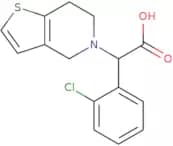
CAS:Clopidogrel is a drug that belongs to the group of antiplatelet agents. It is an inactive prodrug that is metabolized to its active form, clopidogrel glucuronide, by the liver. Clopidogrel carboxylic acid has been shown to be effective in preventing platelet aggregation in humans with type 2 diabetes mellitus and heart disease. This drug does not have any known interaction with other drugs or foods. The major metabolic pathways for clopidogrel carboxylic acid are glucuronidation and oxidation by CYP2C19, which are also the primary routes of elimination. Clopidogrel carboxylic acid undergoes extensive metabolism and is excreted mainly in the urine as glucuronide conjugates.Formula:C15H14ClNO2SPurity:Min. 95%Molecular weight:307.8 g/molDesethylcarbamoyl cabergoline
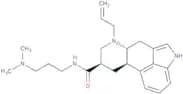
CAS:Controlled ProductPlease enquire for more information about Desethylcarbamoyl cabergoline including the price, delivery time and more detailed product information at the technical inquiry form on this page
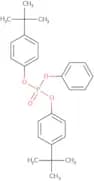
Formula:C23H32N4OPurity:Min. 95%Molecular weight:380.53 g/molPhenyl di-p-tert-butylphenyl phosphate
CAS:Phenyl di-p-tert-butylphenyl phosphate is a synthetic compound that is used in the optimization of analytical methods, such as sample preparation, and for the analysis of chlorine levels in water samples. Phenyl di-p-tert-butylphenyl phosphate was developed as an alternative to chloroform because it does not dissolve viscose or other cellulosic materials. The phenyl group in this compound reacts with alkali metals to form a disulphide. The carbon disulphide produced in this reaction can then be reduced by organic solvents such as benzene, ether, or carbon tetrachloride to produce a viscose (cellulose acetate) solution. This compound is also used for the determination of the viscosity of viscose solutions by means of chromatography. Sensitivity tests have been performed on phenyl di-p-tert-butylphenyl phosphate using gas chromatography and mass spectromFormula:C26H31O4PPurity:Min. 95%Molecular weight:438.5 g/molFluorometholone impurity 5
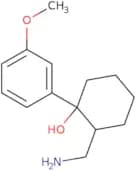
CAS:Fluorometholone impurity 5 is a drug product that has been custom synthesized. It has not yet been assigned to a CAS number. This compound exhibits high purity and is an analytical grade. Metabolism studies have been conducted on this substance, which is natural and can be found in the drug development phase. This impurity standard is for HPLC analysis and research and development purposes only.Purity:Min. 95%(-)-N,N-Bisdesmethyl tramadol
CAS:(-)-N,N-Bisdesmethyl tramadol is a potent inhibitor of apoptosis, which plays a key role in the development and progression of cancer. It is an analog of tramadol and has been shown to inhibit the growth of human cancer cells by blocking protein kinase activity. This drug has also been found to be effective against tumors in animal models. (-)-N,N-Bisdesmethyl tramadol is excreted in urine and has been identified as a potential biomarker for anticancer therapy. Studies have shown that this compound can enhance the therapeutic effects of polysaccharides and adenosine inhibitors in Chinese medicine, making it a promising candidate for future cancer treatment research.Formula:C14H21NO2Purity:Min. 95%Molecular weight:235.32 g/mol2-[(4-Chlorophenyl)methylene]-N-phenylhydrazinecarbothioamide
CAS:2-[(4-Chlorophenyl)methylene]-N-phenylhydrazinecarbothioamide is a potent Chinese medicinal compound that has been shown to be an effective inhibitor of cancer cell growth. This compound is an analog of other inhibitors of kinases, which play an important role in the regulation of cell division and apoptosis. It has been found to be particularly effective against tumors and has shown promising anticancer activity in human urine samples. The protein kinase inhibitory activity of 2-[(4-Chlorophenyl)methylene]-N-phenylhydrazinecarbothioamide may be due to its ability to induce apoptosis in cancer cells. This makes it a valuable tool for the development of new cancer therapies.
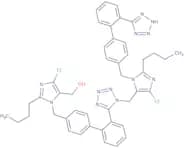
Formula:C14H12ClN3SPurity:Min. 95%Molecular weight:289.8 g/molN1-Losartanyl-losartan
CAS:N1-Losartanyl-losartan is a new nonpolar, innovative pharmaceutical agent that fulfills the needs of pharmacological research. It has been shown to be pharmacologically active in vivo and in vitro. N1-Losartanyl-losartan has been shown to be genotoxic impurities, nitrosamines, and other impurities. N1-Losartanyl-losartan is an analytical method for the determination of valsartan and its metabolites. The analytical method uses supercritical fluid chromatography with mass spectroscopy detection (SFC/MSD).Formula:C44H44Cl2N12OPurity:95%NmrMolecular weight:827.81 g/molDespropoxy ethoxy udenafil
CAS:Despropoxy ethoxy udenafil is a synthetic drug product with high purity. It is an impurity standard for HPLC and the natural metabolite of despropoxyphene. Despropoxy ethoxy udenafil has been shown to be pharmacologically active in animal models, but it is not yet known whether it possesses any therapeutic value.Formula:C24H34N6O4SPurity:Min. 95%Molecular weight:502.60 g/molMontelukast impurity I
CAS:Montelukast impurity I is an impurity found in the drug product, Montelukast. It is a natural substance and is produced as a result of metabolism studies. The chemical name for this impurity is 3-hydroxy-4-(2-methylpropyl)-5-(4-methoxyphenyl)pentanoic acid. This impurity can be used as an analytical standard and can be synthesized for use in pharmacopoeia. This compound has not been shown to have any therapeutic effects on humans or animals. This impurity has been shown to cause nausea, vomiting, and diarrhea in some patients.
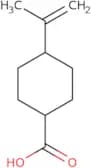
Formula:C35H36ClNO4SPurity:Min. 95%Molecular weight:602.18 g/molCis-1,2-dihydroperillic acid
CAS:Cis-1,2-dihydroperillic acid is an endogenous metabolite of perillyl alcohol. It is formed in the liver from perillyl alcohol and is excreted in the urine. Cis-1,2-dihydroperillic acid has been shown to inhibit cell growth and induce cancer in animals and humans. Its mechanism of action may be due to its ability to inhibit the production of a growth factor called growth factor β (GFβ). This hormone stimulates the proliferation of mammary carcinomas and may also be involved in carcinogenesis. Cis-1,2-dihydroperillic acid is present in plasma at low concentrations, which have been measured using a human bioassay.
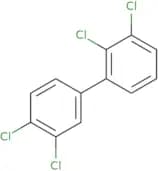
Formula:C10H16O2Purity:Min. 95%Molecular weight:168.23 g/mol2,3,3',4'-Tetrachlorobiphenyl
CAS:Controlled Product2,3,3',4'-Tetrachlorobiphenyl is an inhibitor that has been shown to induce apoptosis in human and Chinese hamster cancer cells. It inhibits the activity of kinases, which are enzymes that play a critical role in regulating cell growth and division. The inhibition of these enzymes leads to the activation of apoptotic pathways, resulting in cell death. Additionally, 2,3,3',4'-Tetrachlorobiphenyl has been found to inhibit the uptake of d-xylose by cells and decrease protein synthesis. This compound has potential medicinal applications for the treatment of tumors and cancers. It can be detected in urine samples and is considered a marker for exposure to environmental pollutants.Formula:C12H6Cl4Purity:Min. 95%Molecular weight:292 g/mol4'-[(4'Methyl-2'-propyl[2,6'-bi-1H-benzimidazol]-1'-yl)methyl][1,1'-biphenyl]-2-carboxylic acid
CAS:Gatifloxacin is a fluoroquinolone antibiotic that inhibits the DNA gyrase and topoisomerase IV, which are enzymes that maintain the integrity of bacterial DNA. It binds to bacterial 16S ribosomal RNA and inhibits protein synthesis, leading to cell death by inhibiting the production of proteins vital for cell division. Gatifloxacin has been shown to be effective against methicillin-resistant Staphylococcus aureus (MRSA) and Clostridium perfringens, although is not active against acid-fast bacteria such as Mycobacterium tuberculosis or Mycobacterium avium complex. Gatifloxacin has shown anti-inflammatory properties, which may be due to its inhibition of prostaglandin synthesis. 4'-[(4'Methyl-2'-propyl[2,6'-bi-1H-benzimidazol]-1'-yl)methyl][Formula:C32H28N4O2Purity:Min. 95%Molecular weight:500.59 g/molTrimethoprim 3-N-oxide
CAS:Trimethoprim 3-N-oxide is a metabolite of trimethoprim, which is used to treat urinary tract infections. It is excreted in the urine and its concentration can be measured by gas chromatography. Trimethoprim 3-N-oxide has been shown to inhibit bacterial growth in vitro and has been found to be effective against methicillin resistant Staphylococcus aureus (MRSA).Formula:C14H18N4O4Purity:Min. 95%Molecular weight:306.32 g/molPantoprazole impurity
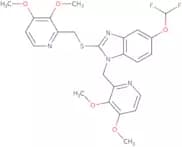
CAS:Pantoprazole is a proton pump inhibitor. It is used in the treatment of gastroesophageal reflux disease and other conditions involving excessive stomach acid production. The chemical name for Pantoprazole impurity is (E)-1-(4-chlorophenyl)ethyl-3-[(pyrrolidin-2-yl)oxy]propanediol. This substance is an enantiomer of pantoprazole, which has been determined to be inactive. Pantoprazole impurity can be identified by its melting point, crystallizing habit, and optical rotation. Active carbon filtration can be used to remove this substance from the final product.Formula:C24H24F2N4O5SPurity:Min. 95%Molecular weight:518.53 g/mol1-Stearoyl-2-arachidonoyl-sn-glycero-3-phosphoinositol
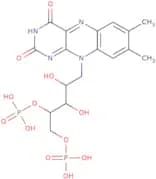
CAS:1-Stearoyl-2-arachidonoyl-sn-glycero-3-phosphoinositol (1SA2AP) is a glycerophospholipid that is the major phosphatidylinositol in platelets. 1SA2AP is hydrolyzed by phospholipase A2 into arachidonic acid and 1,2-diacylglycerol. The selectivity of 1SA2AP for ionization mass spectrometry has been demonstrated using ethanolamine and choline as standards. In this study, a kinetic method was used to determine the sensitivity and selectivity of electrospray ionization mass spectrometry for 1SA2AP. Analytical results were obtained from data collected from the analysis of two samples containing different concentrations of 1SA2AP.Formula:C47H83O13PPurity:Min. 95%Molecular weight:887.13 g/molRiboflavin 4',5'-diphosphate
CAS:Riboflavin 4',5'-diphosphate is a yellow crystalline powder that is soluble in water and has a molecular weight of 238.1. It is used as an analytical standard, Research and Development (R&D) and Drug development (DD) impurity in HPLC, as well as an impurity standard for pharmacopoeia. Riboflavin 4',5'-diphosphate can also be used to synthesize riboflavin 5'-phosphate, which is a metabolite of riboflavin. Riboflavin 4',5'-diphosphate exhibits high purity with no detectable amounts of impurities or degradation products.Formula:C17H22N4O12P2Purity:Min. 95%Molecular weight:536.3 g/mol4-[2-(5-Ethyl-2-pyridinyl)ethoxy]benzenepropanoic acid ethyl ester
CAS:4-[2-(5-Ethyl-2-pyridinyl)ethoxy]benzenepropanoic acid ethyl ester is an analytical standard for metabolite identification and quantitation in human urine. It is a natural product, API impurity, or synthetic. This compound is used as a drug development tool to study metabolism studies and may be used as a custom synthesis or impurity standard. 4-[2-(5-Ethyl-2-pyridinyl)ethoxy]benzenepropanoic acid ethyl ester may be used in HPLC analysis to produce high purity and pharmacopoeia standards.Formula:C20H25NO3Purity:Min. 95%Molecular weight:327.42 g/mol2-Dodecenol
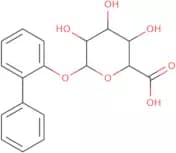
CAS:2-Dodecenol is an analog of a natural compound found in Chinese medicinal herbs. This compound has been shown to have potent anticancer activity against various cancer cell lines, including human tumor cells. 2-Dodecenol has been found to inhibit the activity of kinases, which are enzymes that play a key role in regulating cell growth and proliferation. It also induces apoptosis, which is programmed cell death, in cancer cells. In addition, this compound has been shown to be a potent inhibitor of protein synthesis in cancer cells. Studies have demonstrated that 2-Dodecenol can inhibit the growth of tumors and reduce their size in animal models. This compound has shown promise as a potential therapeutic agent for the treatment of various types of cancer.Formula:C12H24OPurity:Min. 95%Molecular weight:184.32 g/molo-Phenylphenol glucuronide
CAS:O-Phenylphenol glucuronide (OPPG) is a metabolite of the drug product o-phenylphenol. It is used as an analytical standard and impurity standard for HPLC, and is also used in drug development. OPPG has been shown to inhibit the growth of bacteria by binding to the 50S ribosomal subunit. It is a natural metabolite that can be found in human urine and bile, but it can also be synthesized through chemical reactions. OPPG has been shown to have niche applications in metabolism studies and drug development, and has been shown to act as an anti-inflammatory agent.Formula:C18H18O7Purity:Min. 95%Molecular weight:346.3 g/molBLM-IN-1
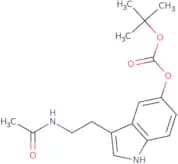
CAS:Please enquire for more information about BLM-IN-1 including the price, delivery time and more detailed product information at the technical inquiry form on this pageFormula:C28H35FN4OPurity:Min. 95%Molecular weight:462.6 g/molN-Acetyl-o-tert-butoxycarbonyl serotonin
CAS:Please enquire for more information about N-Acetyl-o-tert-butoxycarbonyl serotonin including the price, delivery time and more detailed product information at the technical inquiry form on this pageFormula:C17H22N2O4Purity:Min. 95%Molecular weight:318.4 g/mol1-Hexacosene
CAS:1-Hexacosene is a medicinal compound with potential anticancer properties. It has been shown to inhibit the activity of certain kinases, which are enzymes involved in cell signaling and regulation. This inhibition leads to increased apoptosis, or programmed cell death, in cancer cells. 1-Hexacosene has also demonstrated inhibitory effects on tumor growth in Chinese hamsters. In addition, this compound has been found in human urine and may have potential as a biomarker for cancer diagnosis or monitoring. Further research is needed to fully understand the therapeutic potential of 1-Hexacosene as an inhibitor of protein kinases in cancer treatment.
Formula:C26H52Purity:Min. 95%Molecular weight:364.7 g/molFimaporfin
CAS:Fimaporfin is an analog of hepcidin, a protein found in urine that regulates iron metabolism. It is a kinase inhibitor that induces apoptosis in cancer cells. Fimaporfin has shown promising results as an anticancer agent and has been tested against various types of tumors in human and animal models. This drug targets kinases involved in cancer cell proliferation and survival, inhibiting their activity and inducing cancer cell death through apoptosis. Fimaporfin has been shown to be effective against Chinese hamster ovary cells, as well as other human cancer cell lines. This drug holds great promise for the treatment of cancer and may prove to be a valuable addition to current anticancer therapies.Formula:C132H96N12O18S6Purity:Min. 95%Molecular weight:2,330.6 g/molBIM 23052
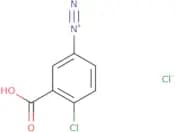
CAS:BIM 23052 is an analog kinase inhibitor that has been shown to have potent anticancer activity. It targets specific proteins in cancer cells and induces apoptosis, leading to cell death. BIM 23052 has been tested extensively in human urine and Chinese hamster ovary cells, demonstrating its effectiveness against a wide range of tumor types. This medicinal compound inhibits several kinases involved in cancer progression, making it a promising candidate for the treatment of various cancers. Its unique mechanism of action makes it a valuable addition to the arsenal of anticancer drugs available today.Formula:C61H75N11O10Purity:Min. 95%Molecular weight:1,122.3 g/mol3-Carboxy-4-chloro-benzenediazonium chloride
CAS:Please enquire for more information about 3-Carboxy-4-chloro-benzenediazonium chloride including the price, delivery time and more detailed product information at the technical inquiry form on this page
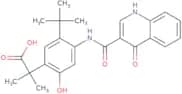
Formula:C7H4Cl2N2O2Purity:Min. 95%Molecular weight:219.02 g/molIvacaftor carboxylic acid
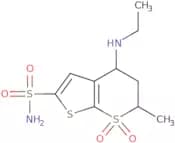
CAS:Ivacaftor carboxylic acid is a pharmaceutical drug that is used to treat cystic fibrosis. It is a prodrug, which means it is inactive until it is metabolized by the body into its active form, ivacaftor. Ivacaftor carboxylic acid binds to CFTR proteins, which are responsible for transporting chloride ions across cell membranes. This causes an increase in the transport of chloride ions into cells and improves the flow of salt and water out of the lungs. Ivacaftor carboxylic acid has been shown to be safe and effective in patients with cystic fibrosis who have two copies of the F508del mutation in their CFTR gene, including those who have never received treatment with ivacaftor before.Formula:C24H26N2O5Purity:Min. 95%Molecular weight:422.5 g/molEnt-dorzolamide
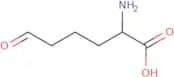
CAS:Ent-dorzolamide is a carbonic anhydrase inhibitor that binds to the β-adrenergic receptor, which is a G protein-coupled receptor. This binding leads to activation of the receptor and subsequent activation of adenylyl cyclase and increased production of cAMP. It has been shown to have insulin sensitizing effects in animal models. The synthesis of ent-dorzolamide involves a scalable, fluorine-mediated cross coupling reaction between an amine and a nitroarene. Ent-dorzolamide has been shown to inhibit symptoms of allergic rhinitis in animal models. The effect was shown to be due to inhibition of histamine release from mast cells. Ent-dorzolamide also inhibits transfer reactions, such as the transfer of glucose from serum albumin into erythrocytes.Formula:C10H16N2O4S3Purity:Min. 95%Molecular weight:324.4 g/molL-Allysine
CAS:L-Allysine is an analog of L-lysine and a potent inhibitor of kinases. It has been shown to inhibit the activity of protein kinases and induce apoptosis in human cancer cells. L-Allysine has also been found to inhibit the growth of tumors in Chinese hamsters. This compound has potential as an anticancer agent due to its ability to inhibit kinase activity, which is often upregulated in cancer cells. Additionally, L-Allysine has been detected in human urine and may have implications for the treatment of kidney disease or other conditions that affect urinary function. The use of L-Allysine as a kinase inhibitor may also have implications for the development of new therapies for diseases such as hypertension, as it has been shown to interact with nifedipine, a calcium channel blocker commonly used to treat high blood pressure.
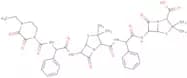
Formula:C6H11NO3Purity:Min. 95%Molecular weight:145.16 g/molN-Piperacillinyl ampicillin
CAS:N-Piperacillinyl ampicillin is a drug product that is used for research and development. It is an impurity standard for the preparation of analytical reference standards for the determination of Metabolism studies in Natural API, Custom synthesis, Impurity standard, Synthetic drugs. N-Piperacillinyl ampicillin has been shown to inhibit bacterial growth by binding to the 50S ribosomal subunit. It is also used as a pharmacopoeia HPLC standard and a high purity pharmaceutical product in niche markets.Formula:C39H44N8O10S2Purity:Min. 95%Molecular weight:848.9 g/molN-(3,3-Diethoxypropyl)acetamide
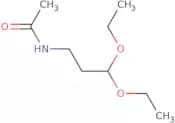
CAS:N-(3,3-Diethoxypropyl)acetamide is a custom synthesis drug product. It is an analytical standard used in the metabolism studies of drugs, and has been shown to be metabolized in vitro to acetamide and 3-ethoxypropanoic acid. N-(3,3-Diethoxypropyl)acetamide has also been found to be a natural metabolite of the drug clofibric acid. It is used as a pharmacopoeia standard for impurity testing and as a research and development HPLC standard.
Formula:C9H19NO3Purity:Min. 95%Molecular weight:189.25 g/mol2-Desethoxy-2-hydroxy-1H-1-ethyl candesartan cilexetil-d5
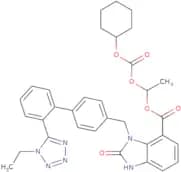
CAS:Please enquire for more information about 2-Desethoxy-2-hydroxy-1H-1-ethyl candesartan cilexetil-d5 including the price, delivery time and more detailed product information at the technical inquiry form on this page
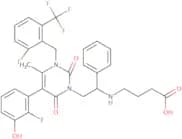
Formula:C33H34N6O6Purity:Min. 95%Molecular weight:615.7 g/molElagolix dialkylated impurity
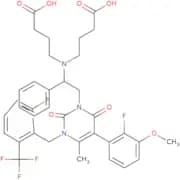
CAS:Please enquire for more information about Elagolix dialkylated impurity including the price, delivery time and more detailed product information at the technical inquiry form on this pageFormula:C36H36F5N3O7Purity:Min. 95%Molecular weight:717.7 g/molElagolix hydroxy impurity
CAS:Please enquire for more information about Elagolix hydroxy impurity including the price, delivery time and more detailed product information at the technical inquiry form on this pageFormula:C31H28F5N3O5Purity:Min. 95%Molecular weight:617.6 g/molTrandolaprilat methyl ester
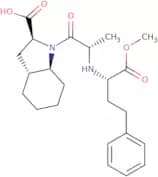
CAS:Trandolaprilat methyl ester is an analytical grade chemical and pharmaceutical intermediate. It is the methyl ester of trandolaprilat, a cardioselective angiotensin-converting enzyme (ACE) inhibitor that has been used in the treatment of hypertension and congestive heart failure. Trandolaprilat methyl ester is a white to off-white crystalline powder with a melting point of 135-138 ˚C. It is soluble in methanol and ethanol, but insoluble in water. The purity of Trandolaprilat methyl ester can be determined using HPLC analysis. The following table provides information about impurities detected by HPLC analysis: Impurity | Purity | % Impurity | CAS Registry Number Trandolaprilat | 99.8% | 0.2% | 118194-41-5 Methyl acetate | 0.2% | 0Formula:C23H32N2O5Purity:Min. 95%Molecular weight:416.51 g/mol1-[5-(Hydroxymethyl)-2-furyl]-2-methyl-1,2,3,4-tetrahydroisochinolin-4,8-diol
CAS:1-[5-(Hydroxymethyl)-2-furyl]-2-methyl-1,2,3,4-tetrahydroisochinolin-4,8-diol is a compound that has not been fully characterized. It is a synthetic product with the following chemical structure:Formula:C15H17NO4Purity:Min. 95%Molecular weight:275.3 g/molrac 2-Isopropyl pentanoic acid
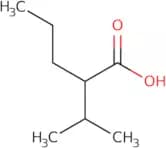
CAS:Rac 2-isopropyl pentanoic acid (rac-2IP) is a natural product that has been shown to induce apoptosis in cancer cells. Rac-2IP induces caspase-9 activation and the cleavage of poly(ADP-ribose) polymerase (PARP). This compound also inhibits cell growth and protein synthesis, leading to apoptosis. Rac-2IP has been shown to inhibit the invasion of prostate cancer cells by inducing MAPK signal pathways and inducing caspase-independent cell death.Formula:C8H16O2Purity:Min. 95%Color and Shape:PowderMolecular weight:144.21 g/molN-[[Cis-4-(1-methylethyl)cyclohexyl]carbonyl]-D-phenylalanine(nateglinide impurity)
CAS:N-[[Cis-4-(1-methylethyl)cyclohexyl]carbonyl]-D-phenylalanine (nateglinide impurity) is a postprandial blood glucose lowering agent that belongs to the class of glp-1 analogues. It has been shown to have long term efficacy and be safe for use in patients with bowel disease. Nateglinide is an ATP-sensitive K+ channel opener, which increases the amount of K+ permeability through the cell membrane and lowers the intracellular level of ATP. This leads to increased insulin release from beta cells in response to hyperglycaemia, which reduces blood glucose levels. Thermodynamic data for this compound have not been determined due to its low solubility in water.Formula:C19H27NO3Purity:Min. 95%Molecular weight:317.4 g/molN,N-Didesmethyl N-tert-butoxycarbonyl diltiazem
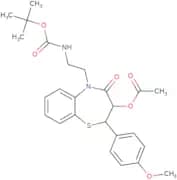
CAS:Please enquire for more information about N,N-Didesmethyl N-tert-butoxycarbonyl diltiazem including the price, delivery time and more detailed product information at the technical inquiry form on this pageFormula:C25H30N2O6SPurity:Min. 95%Molecular weight:486.6 g/molAmino albendazole
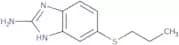
CAS:Albendazole is a sulfoxide anthelmintic drug that is used to treat worm infections in livestock and pets. Albendazole inhibits the synthesis of the parasitic cell membrane, which disrupts the integrity of the cell and leads to death. The analytical method for measuring albendazole includes extraction with hexane followed by analysis using gas chromatography. In humans, albendazole may be used to treat cancer, especially when it occurs in cavities or fatty tissues. It can also be used as a treatment for certain types of parasitic infections, such as toxoplasmosis, amebiasis, and cysticercosis. Albendazole is absorbed well after oral administration and plasma concentrations are proportional to dosage levels. The most common side effects are nausea and headache.Formula:C10H13N3SPurity:Min. 95%Molecular weight:207.3 g/molTerbuchlor
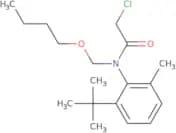
CAS:Terbuchlor is a potent inhibitor of kinases, which are proteins that play a crucial role in cell signaling pathways. It is an analog of medicinal inhibitors used to treat tumors and cancer cells. Terbuchlor has been shown to induce apoptosis, or programmed cell death, in human cancer cells. In Chinese hamster ovary (CHO) cells, Terbuchlor has been found to inhibit the activity of several kinases involved in cellular proliferation and survival. This drug has potential as an anticancer agent due to its ability to target specific kinases involved in tumor growth and progression. Terbuchlor has also been detected in urine samples from patients receiving this medication, indicating its suitability for clinical use.Formula:C18H28ClNO2Purity:Min. 95%Molecular weight:325.9 g/mol1-Desmethyl granisetron
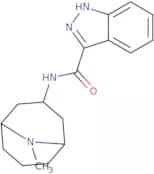
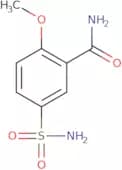
CAS:Controlled Product1-Desmethyl granisetron is an impurity found in the synthesis of granisetron hydrochloride. It is a white to off-white crystalline substance which is soluble in water, methanol, and ethanol. 1-Desmethyl granisetron has a molecular weight of 328.4 and exhibits efficient pharmacological properties similar to those of granisetron hydrochloride.Formula:C17H22N4OPurity:Min. 95%Molecular weight:298.38 g/mol2-Methoxy-5-sulfamoylbenzamide
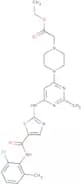
CAS:2-Methoxy-5-sulfamoylbenzamide is a white crystalline solid that is soluble in water. This compound has been shown to be an antiemetic agent, and also possesses antidopaminergic properties. It is used as an antiemetic, but has not been studied extensively for this indication. 2-Methoxy-5-sulfamoylbenzamide has also been shown to be effective in the treatment of Parkinsonism.Formula:C8H10N2O4SPurity:Min. 95%Molecular weight:230.24 g/molDasatinib carboxylic acid ethyl ester
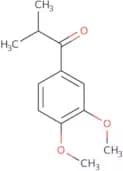
CAS:Dasatinib is an inhibitor of tyrosine kinases, which are enzymes that transmit signals from outside the cell to inside the cell. Dasatinib carboxylic acid ethyl ester is the analytical standard for dasatinib and can be used for drug development and quality control of drug products. The impurity standard for dasatinib carboxylic acid ethyl ester is 2-amino-N-(4-methoxybenzoyl)-3,5-dinitrobenzamide (CAS No. 106560-78-1).Formula:C24H28ClN7O3SPurity:Min. 95%Molecular weight:530 g/mol3,4-Dimethoxyphenyl isopropyl ketone
CAS:3,4-Dimethoxyphenyl isopropyl ketone (DMPK) is a calcium antagonist that has been shown to be hypotensive in rats. It is also used as a pharmacological agent to study muscle physiology and biotransformations. DMPK has been shown to have microbial uptake and chronotropic properties, which may explain its use in the treatment of bacterial infections. DMPK binds to sulfoxides and chiral compounds, blocking their activity by inhibiting the enzyme systems involved in oxidation reactions. The drug is an analog of benzyl alcohol, with which it shares similar pharmacological profile.
Formula:C12H16O3Purity:Min. 95%Molecular weight:208.25 g/molDefluoropitavastatin calcium Salt
CAS:Defluoropitavastatin calcium salt is a synthetic, high purity, pharmacopoeia drug product. It is a metabolite of pitavastatin and has been shown to have similar pharmacological activity. Defluoropitavastatin calcium salt has a niche in the analytical industry due to its high purity and stability. It has been used as an impurity standard for HPLC analysis. Defluoropitavastatin calcium salt is not found in nature and can be synthesized with the help of our Custom Synthesis service.
Purity:Min. 95%

![1-C-4-Chloro-3-[(4-ethoxyphenyl)methyl]phenyl]- D-glucitol](/_next/image/?url=https%3A%2Fstatic.cymitquimica.com%2Fproducts%2F3D%2Fthumb-webp%2FIC181107.webp&w=3840&q=75)
![2-[1-[2-Cyclopropyl-1-(2-fluorophenyl)-2-oxoethyl]-4-(methylthio)-3-piperidinylidene]acetic acid](/_next/image/?url=https%3A%2Fstatic.cymitquimica.com%2Fproducts%2F3D%2Fthumb-webp%2FRLB59927.webp&w=3840&q=75)


![6,7-Dimethoxy-2-[4-[(tetrahydro-2-furanyl)carbonyl]-1-piperazinyl]-4(3H)-quinazolinone](/_next/image/?url=https%3A%2Fstatic.cymitquimica.com%2Fproducts%2F3D%2Fthumb-webp%2FID63842.webp&w=3840&q=75)

![cis-4-[[(2-Amino-3,5-dibromophenyl)methyl]amino]cyclohexanol](/_next/image/?url=https%3A%2Fstatic.cymitquimica.com%2Fproducts%2F3D%2Fthumb-webp%2FIA156916.webp&w=3840&q=75)
![4,8-Dichloro-5,6-dihydro-11H-benzo[5,6]cyclohepta[1,2-b]pyridin-11-one](/_next/image/?url=https%3A%2Fstatic.cymitquimica.com%2Fproducts%2F3D%2Fthumb-webp%2FID21639.webp&w=3840&q=75)

![2-[(4-Chlorophenyl)methylene]-N-phenylhydrazinecarbothioamide](/_next/image/?url=https%3A%2Fstatic.cymitquimica.com%2Fproducts%2F3D%2Fthumb-webp%2FZCA95965.webp&w=3840&q=75)
![4'-[(4'Methyl-2'-propyl[2,6'-bi-1H-benzimidazol]-1'-yl)methyl][1,1'-biphenyl]-2-carboxylic acid](/_next/image/?url=https%3A%2Fstatic.cymitquimica.com%2Fproducts%2F3D%2Fthumb-webp%2FIM21329.webp&w=3840&q=75)

![4-[2-(5-Ethyl-2-pyridinyl)ethoxy]benzenepropanoic acid ethyl ester](/_next/image/?url=https%3A%2Fstatic.cymitquimica.com%2Fproducts%2F3D%2Fthumb-webp%2FIE23113.webp&w=3840&q=75)


![1-[5-(Hydroxymethyl)-2-furyl]-2-methyl-1,2,3,4-tetrahydroisochinolin-4,8-diol](/_next/image/?url=https%3A%2Fstatic.cymitquimica.com%2Fproducts%2F3D%2Fthumb-webp%2FMCC70618.webp&w=3840&q=75)
![N-[[Cis-4-(1-methylethyl)cyclohexyl]carbonyl]-D-phenylalanine(nateglinide impurity)](/_next/image/?url=https%3A%2Fstatic.cymitquimica.com%2Fproducts%2F3D%2Fthumb-webp%2FFEA81606.webp&w=3840&q=75)