


APIs for research and impurities
Subcategories of "APIs for research and impurities"
- Aminoacids and derivatives(12,329 products)
- Anthraquinones and derivatives(402 products)
- Benzimidazole and Imidazole Derivatives(10,422 products)
- Benzodiazepine Derivatives(332 products)
- Carbohydrates and glycoconjugates(5,047 products)
- Esters and Derivatives(42,244 products)
- Fatty Acids and Lypidic Derivatives(32,393 products)
- Flavonoids and Polyphenols(17,078 products)
- Free Radicals and Oxidant/Reducing Agents(212 products)
- Ketones and derivatives(2,401 products)
- Natural and semi-synthetic antibiotics(6,361 products)
- Nitriles and Cyano Derivatives(3,068 products)
- Nitrosamines and Derivatives(55 products)
- Nucleosides and Nucleotides(3,465 products)
- Organic Phosphates and Phosphonates(1,198 products)
- Organic Sulphonates and Sulphates(10,427 products)
- Organometallics(4,421 products)
- Others(6,284 products)
- Peptides and Proteins(3,141 products)
- Polymers and Derivatives(100 products)
- Purines and Pyrimidine Derivatives(8,921 products)
- Quinazoline and Quinoline Derivatives(65,855 products)
- Quinones and Derivatives(24,353 products)
- Salts and Derivatives of Active Pharmaceutical Ingredients (API)(80,822 products)
- Steroids and Derivatives(4,942 products)
- Sulfonamides and Derivatives(2,580 products)
- Terpenoids and Derivatives(3,842 products)
- Thiazolidinediones and Thiopyrans(2,753 products)
- β-Adrenergic Compounds(229 products)
Found 58197 products of "APIs for research and impurities"
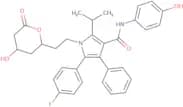
4-Hydroxy atorvastatin lactone-d5
CAS:4-Hydroxy atorvastatin lactone-d5 is a stable isotope that is used to characterize the 3-hydroxy-3-methylglutaryl-coa reductase (HMGCR) inhibition constant of atorvastatin. It is used for calibration and quantification in the analysis of atorvastatin in human liver supernatants and interactions with cytochrome P450 enzymes. The high degree of hydrophilicity of 4-hydroxy atorvastatin lactone-d5 makes it suitable for hydrophilic interaction chromatography (HILIC) separation.Formula:C33H33FN2O5Purity:Min. 95%Molecular weight:556.6 g/mol(S)-Cy-BINAP
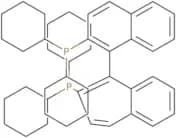
CAS:Please enquire for more information about (S)-Cy-BINAP including the price, delivery time and more detailed product information at the technical inquiry form on this page
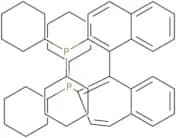
Formula:C44H56P2Purity:Min. 95%Molecular weight:646.9 g/mol(R)-Cy-BINAP
CAS:Please enquire for more information about (R)-Cy-BINAP including the price, delivery time and more detailed product information at the technical inquiry form on this pageFormula:C44H56P2Purity:Min. 95%Molecular weight:646.9 g/mol1-(RS)-1-[4-hydroxy-3-(hydroxymethylphenyl]-2-[(4-phenylbutyl)aminoethanol (salmeterol ep impurity A)
CAS:Salmeterol ep impurity A is an API impurity in the drug product 1-(RS)-1-[4-hydroxy-3-(hydroxymethylphenyl]-2-[(4-phenylbutyl)aminoethanol. It is a synthetic, natural, and pharmacopoeia impurity standard. The CAS number for this compound is 1798014-51-3. Salmeterol ep impurity A has a molecular weight of 255.9 g/mol and chemical formula of C24H30ClNO5.
Formula:C20H25NO4Purity:Min. 95%Molecular weight:343.40 g/molCDC25B-IN-1
CAS:Please enquire for more information about CDC25B-IN-1 including the price, delivery time and more detailed product information at the technical inquiry form on this pageFormula:C20H19NO3Purity:Min. 95%Molecular weight:321.4 g/molCefoperazone Impurity 17
Cefoperazone Impurity 17 is a drug product that is used as an analytical standard for the impurity Cefoperazone Impurity 17. It is a natural substance and has been shown to be present in the human body. Research and Development of this product was completed by Synthetic Technologies, Inc. in the year 2000. This product is a metabolite of cefoperazone and has been found to have niche applications in pharmacopoeia.Purity:Min. 95%9-Hydroxy propantheline bromide
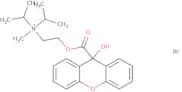
CAS:Please enquire for more information about 9-Hydroxy propantheline bromide including the price, delivery time and more detailed product information at the technical inquiry form on this pageFormula:C23H30BrNO4Purity:Min. 95%Molecular weight:464.4 g/mol2-Hydroxy cephalexin
CAS:2-Hydroxy cephalexin is a metabolite of cephalexin. It is an impurity that is present in the final drug product. 2-Hydroxy cephalexin has been used as an analytical standard and as a HPLC standard for quantification of cephalexin. 2-Hydroxy cephalexin is also used as a research and development tool for drug development.Formula:C16H17N3O5SPurity:Min. 95%Molecular weight:363.40 g/molDienogest Impurity K
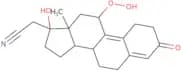
CAS:Controlled ProductDienogest Impurity K is an analytical standard that is used as a reference material for High-performance liquid chromatography. This impurity can be found in the drug product as a result of the synthesis process. Dienogest Impurity K has been assigned the CAS number 106111-43-7 and is soluble in methanol and ethanol. It has been shown to have no pharmacological activity on its own, but there are no reports on its interactions with other drugs.Formula:C20H25NO4Purity:Min. 95%Color and Shape:PowderMolecular weight:343.4 g/mol2-Acetoxy-1,4-naphthoquinone
CAS:2-Acetoxy-1,4-naphthoquinone is a potent inhibitor of kinases and has shown to have anticancer properties. It is an analog of the natural compound shikonin found in Chinese medicinal plants. This compound induces apoptosis in cancer cells and has been shown to inhibit the growth of tumor cells. 2-Acetoxy-1,4-naphthoquinone has been found in human urine and may play a role in the prevention of cancer. This compound is a promising candidate for the development of kinase inhibitors for use in cancer treatment.Formula:C12H8O4Purity:Min. 95%Molecular weight:216.19 g/molDtpa-bma
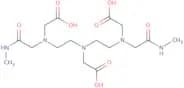
CAS:Dtpa-bma is an anticancer agent that acts as a kinase inhibitor. It has been shown to induce apoptosis in cancer cells by inhibiting the activity of kinases, which are enzymes that play a key role in cell signaling pathways. Dtpa-bma is an analog of Chinese hamster ovary (CHO) cell-derived ghrelin and is excreted in urine. This drug is effective against various types of cancer, including human tumors, and has been shown to inhibit tumor growth in vivo. Dtpa-bma is formulated as a cellulose-based resin for use in chromatography purification processes.Formula:C16H29N5O8Purity:Min. 95%Molecular weight:419.43 g/molGW300657X
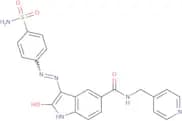
CAS:GW300657X is an indirubin analog that has been shown to act as a potent inhibitor of tumor growth in Chinese hamster ovary cells. It has also demonstrated anticancer activity in human cancer cell lines by inducing apoptosis, or programmed cell death. GW300657X targets kinases and proteins involved in the regulation of cell division and proliferation, making it a promising candidate for cancer treatment. This compound can be detected in urine after administration, indicating its potential for clinical use. As a kinase inhibitor, GW300657X shows great potential in the development of new cancer therapies.Formula:C21H18N6O4SPurity:Min. 95%Molecular weight:450.5 g/molClopidogrel Impurity A
CAS:Clopidogrel Impurity A is a medicine that is used for the prevention of heart attacks, strokes, and blood clots in people with an increased risk of these events. It is not intended to be used for immediate relief from sudden symptoms. Clopidogrel Impurity A is a substance that may be found in some preparations of clopidogrel. The presence of this substance can be detected by liquid chromatography-mass spectrometry (LC-MS/MS) methods. The structural analysis of this substance was determined using enantiomeric resolution and chromatographic methods. This impurity has been shown to have no effect on the bioavailability of the parent drug, clopidogrel, when given orally to Sprague-Dawley rats.Formula:C15H15Cl2NO2SPurity:Min. 95%Molecular weight:344.26 g/molMontelukast dicarboxylic acid
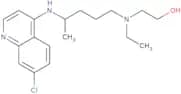
CAS:Controlled ProductMontelukast is a drug product that belongs to the class of drugs called leukotriene receptor antagonists. Montelukast binds to cysteinyl leukotrienes (LTC4, LTD4, LTE4) and prevents their interaction with receptors on the cell surface. It can be used for the treatment of asthma, chronic obstructive pulmonary disease, and other allergic conditions. Montelukast is available in tablet form and is taken orally. Montelukast is not expected to be toxic because it has been shown to have a low incidence of side effects in clinical trials.Formula:C35H34ClNO5SPurity:Min. 95%Molecular weight:616.20 g/mol(S)-(+)-Hydroxy chloroquine diphosphate
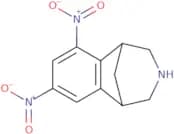
CAS:(S)-(+)-Hydroxy chloroquine diphosphate is a drug that can be used to treat chronic kidney disease. It is a prodrug of hydroxychloroquine, which is also an anti-inflammatory agent. (S)-(+)-Hydroxychloroquine diphosphate has been shown to inhibit the growth of cancer cells in vitro and in vivo by inducing autophagy. This drug inhibits the tyrosine kinase receptor on cancer cells and blocks the downstream signaling pathways that lead to tumor cell proliferation. (S)-(+)-Hydroxychloroquine diphosphate has been shown to have a higher activity than hydroxychloroquine when tested against skin tumors in animals. The liposomal formulation of this drug allows for high concentrations to be achieved at the site of inflammation, making it more effective for treatment of cutaneous lesions.Formula:C18H26ClN3OPurity:Min. 95%Molecular weight:335.9 g/molDepyrazine 6,8-dinitrophenyl varenicline
CAS:Please enquire for more information about Depyrazine 6,8-dinitrophenyl varenicline including the price, delivery time and more detailed product information at the technical inquiry form on this page
Formula:C11H11N3O4Purity:Min. 95%Molecular weight:249.22 g/molLamivudine S-oxide
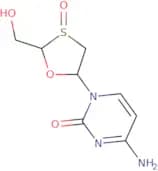
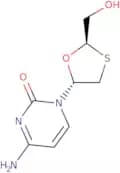
CAS:Lamivudine is an antiviral drug that belongs to the group of nucleoside analogues. It is a prodrug that is activated by intracellular phosphorylation to form the active compound, lamivudine triphosphate (L-TTP). L-TTP inhibits viral replication by competing with natural substrates for incorporation into viral DNA. The antiviral activity of L-TTP has been shown in animals and humans with hepatitis B virus or human immunodeficiency virus type 1 (HIV-1) infections. Lamivudine S-oxide is a stereoselective form of lamivudine, which can be used for chemoprophylaxis against the pandemic H1N1 virus. This drug has shown to have a lower toxicity profile than other drugs used for this purpose.
Formula:C8H11N3O4SPurity:Min. 95%Molecular weight:245.26 g/molOlmesartan methyl ketone
CAS:Olmesartan methyl ketone is a synthetic drug product that is used as an analytical reference standard. It has been shown to be metabolized in vivo to its active form, olmesartan. The chemical structure of this compound is similar to the active metabolite of other angiotensin II receptor blockers, such as losartan and valsartan. This compound is an impurity in the API Olmesartan medoxomil, which is a potent angiotensin II receptor blocker used for the treatment of hypertension (high blood pressure).Formula:C25H28N6O2Purity:Min. 95%Molecular weight:444.5 g/molImidafenacin metabolite M4
CAS:Imidafenacin metabolite M4 is a synthetic impurity of imidafenacin. It is an API impurity as it is produced during the synthesis of this drug. Imidafenacin metabolite M4 has been shown to be present in high purity and is used as a pharmacopoeia standard. The compound has been studied for its metabolism, which includes studies on its ability to inhibit cytochrome P450 enzymes and other drug-metabolizing enzymes, as well as its potential to cause drug interactions.
Formula:C18H19N3O3Purity:Min. 95%Molecular weight:325.40 g/molLansoprazole impurity H
CAS:Lansoprazole impurity H is a metabolite of lansoprazole, a proton pump inhibitor that inhibits the production of stomach acid. Lansoprazole impurity H is used in research and development as an analytical standard to measure lansoprazole concentrations in drug products. It is also used as an impurity standard for pharmacopoeia purposes. Lansoprazole impurity H is not known to be toxic, but it has not been evaluated for carcinogenicity or reproductive toxicity.
Formula:C23H16F3N5OSPurity:90%MinMolecular weight:467.47 g/molGomphrenin I
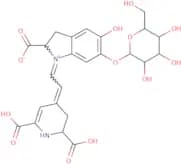
CAS:Gomphrenin I is an analog of a human protein that has been found to have potent anticancer properties. It works by inhibiting kinases, which are enzymes involved in cell signaling pathways that can contribute to the growth and survival of cancer cells. Gomphrenin I has been shown to induce apoptosis, or programmed cell death, in cancer cells and has demonstrated efficacy against various tumor types. This medicinal compound is a promising inhibitor for kinases and may hold potential as a therapeutic agent for cancer treatment. Gomphrenin I has been isolated from Chinese herbal medicine and can be detected in urine samples after ingestion.
Formula:C24H26N2O13Purity:Min. 95%Molecular weight:550.5 g/mol2-(((Hydroxy-4-methyloctyl)oxy)carbonyl)cyclohexanecarboxylic-d8 acid
CAS:2-(((Hydroxy-4-methyloctyl)oxy)carbonyl)cyclohexanecarboxylic acid is a metabolite of the plasticiser diethyl phthalate. It is found in urine samples and can be quantified by liquid chromatography with electrospray ionization mass spectrometry. 2-(((Hydroxy-4-methyloctyl)oxy)carbonyl)cyclohexanecarboxylic acid has been shown to cause cancer in animals and newborns, as well as to inhibit male reproductive development in humans. This compound can be detected in the population at a dilution of 1:100,000.Formula:C17H22D8O5Purity:Min. 95%Molecular weight:322.47 g/molN-(2,2,2-Trichloroethoxy)carbonyl] bisnor-(cis)-tilidine
CAS:N-(2,2,2-Trichloroethoxy)carbonyl] bisnor-(cis)-tilidine is an analog of dabigatran that has been shown to be a potent inhibitor of human kinases. It has demonstrated anticancer activity by inducing apoptosis in cancer cells and inhibiting tumor growth. This compound has been found in urine samples from Chinese patients with cancer, suggesting that it may have potential as an anticancer agent. N-(2,2,2-Trichloroethoxy)carbonyl] bisnor-(cis)-tilidine acts as a protein kinase inhibitor and may be useful in the development of new cancer therapies. Its mechanism of action is thought to involve the inhibition of various kinases involved in cell proliferation and survival pathways. Overall, this compound holds great promise for its potential use in the treatment of cancer.Formula:C18H20Cl3NO4Purity:Min. 95%Molecular weight:420.7 g/mol1,5-Bis(4-amidinophenoxy)-2-pentanol
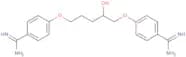
CAS:Please enquire for more information about 1,5-Bis(4-amidinophenoxy)-2-pentanol including the price, delivery time and more detailed product information at the technical inquiry form on this page
Formula:C19H24N4O3Purity:Min. 95%Molecular weight:356.4 g/molN-Boc-(R)-2-(3-thiazolidinylcarbonyl)pyrrolidine
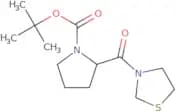
CAS:N-Boc-(R)-2-(3-thiazolidinylcarbonyl)pyrrolidine is a molecule that is used to develop analytical methods. It is a key intermediate in the synthesis of metformin hydrochloride, an anti-diabetic drug. N-Boc-(R)-2-(3-thiazolidinylcarbonyl)pyrrolidine can be used as a surrogate for impurities in pharmaceuticals and other substances. This product can be used to validate analytical methods and has been shown to have high sensitivity. N-Boc-(R)-2-(3-thiazolidinylcarbonyl)pyrrolidine can be synthesized by reacting acetonitrile with melamine, which is an impurity found in products such as milk powder, baby formula, and wheat gluten. The compound is then purified using RP-HPLC.Formula:C13H22N2O3SPurity:Min. 95%Molecular weight:286.39 g/mol6-Bromo-1-hydroxypyrene
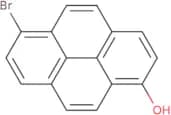
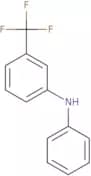
CAS:6-Bromo-1-hydroxypyrene is a natural metabolite of the aromatic hydrocarbon benzo[a]pyrene. It has been used as an analytical standard for HPLC and GC analyses, and as a research and development (R&D) drug product in pharmacopoeia. 6-Bromo-1-hydroxypyrene has been shown to have anti-inflammatory activities in mouse skin. It also inhibits liver microsomal cytochrome P450 enzymes, suggesting that it may be useful in the treatment of disorders such as Alzheimer's disease.Formula:C16H9BrOPurity:Min. 95%Molecular weight:297.14 g/molN-(3-Trifluoromethylphenyl)-phenylamine
CAS:N-(3-Trifluoromethylphenyl)-phenylamine is a research and development drug product that is used as an analytical impurity standard. It has a CAS number of 101-23-5 and is classified under the trade name 3TFPPA. The chemical formula for N-(3-Trifluoromethylphenyl)-phenylamine is C12H8F3NO. This compound can be synthesized from phenylamine, 3-trifluoromethylaniline, and hydrochloric acid. The molecular weight of this compound is 197.19 g/mol, which falls within the range of 195 to 200 g/mol. N-(3-Trifluoromethylphenyl)-phenylamine can be found in the following pharmacopoeia: USP (United States Pharmacopeia), EP (European Pharmacopoeia), JP (Japanese Pharmacopeia), BPFormula:C13H10F3NPurity:Min. 95%Molecular weight:237.22 g/molLidocaine-d10 hydrochloride
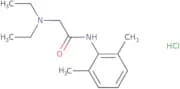
CAS:Lidocaine is a local anesthetic that inhibits the transmission of nerve impulses. Lidocaine-d10 hydrochloride is a drug product that contains lidocaine and deuterium-labeled lidocaine, which has been chemically synthesized to contain deuterium atoms in place of hydrogen atoms. Lidocaine-d10 hydrochloride is used as an analytical standard for pharmacological studies and drug development. It also serves as an impurity standard in the synthesis of other compounds. Lidocaine-d10 hydrochloride is metabolized through oxidation and reduction, forming metabolites such as 4-hydroxylidocaine, 4-dehydroxylidocaine, and 2,6-dehydroxylidocaine.
Lidocaine-d10 hydrochloride can be used to study the metabolism of lidocaine and its metabolites, which are important for drug development.Formula:C14H13D10ClN2OPurity:Min. 95%Molecular weight:280.86 g/mol1-(3,5-Dihydroxyphenyl)-2-[(1,1-dimethylethyl)amino]-ethanone hydrochloride
CAS:1-(3,5-Dihydroxyphenyl)-2-[(1,1-dimethylethyl)amino]-ethanone hydrochloride (HDPAE) is a drug product for the treatment of metabolic disorders. HDPAE is synthesized in high purity and has been studied for its metabolism and therapeutic effect. The CAS number for this compound is 1246815-70-2. This compound can be found in natural sources such as plants and animals, but it is also synthetically produced. HDPAE has not been evaluated by the FDA or any other regulatory agency and may not be available to consumers.Formula:C12H18ClNO3Purity:Min. 95%Molecular weight:259.73 g/molHomo sildenafil-d5
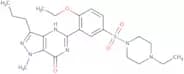
CAS:Sildenafil is the active ingredient in a prescription drug called Viagra. It is an inhibitor of cGMP-specific phosphodiesterase type 5 (PDE5) and it is used to treat erectile dysfunction. Sildenafil has been shown to be metabolized by CYP3A4 and CYP2C9 into N-desmethylsildenafil, which has lower affinity for PDE5 than sildenafil. The metabolism of sildenafil can also be inhibited by drugs that inhibit either CYP3A4 or CYP2C9, such as erythromycin, ketoconazole, and grapefruit juice.Formula:C23H27D5N6O4SPurity:Min. 95%Molecular weight:493.63 g/molDiamidafos
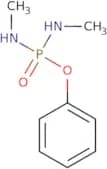
CAS:Diamidafos is a potent anticancer drug that has been used in Chinese traditional medicine to treat tumors. It acts as a protein kinase inhibitor, preventing the phosphorylation of proteins involved in cell growth and survival. Diamidafos is an analog of staurosporine, one of the first protein kinase inhibitors discovered. It has been shown to induce apoptosis in cancer cells by inhibiting the activity of various kinases. Diamidafos has also been found to inhibit the growth of human cancer cells and reduce tumor size in animal models. In addition, it can be administered orally and is excreted primarily through urine. To improve its efficacy, diamidafos can be combined with chitosan, a natural polymer that enhances drug delivery and bioavailability.Formula:C8H13N2O2PPurity:Min. 95%Molecular weight:200.17 g/molFexofenadine Impurity G
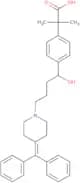
CAS:Fexofenadine Impurity G is an impurity that is found in the drug Fexofenadine. This impurity can be identified and quantified using HPLC with a UV detector at 254 nm. Fexofenadine Impurity G has been classified as a natural metabolite of Fexofenadine. It is also considered to be a synthetic impurity because it can be synthesized in the laboratory.Formula:C32H37NO3Purity:Min. 95%Molecular weight:483.6 g/mol2-Hydroxy-5-[2-[4-[[(6-methyl-2-pyridinyl)amino]sulfonyl]phenyl]diazenyl]benzoic acid
CAS:2-Hydroxy-5-[2-[4-[[(6-methyl-2-pyridinyl)amino]sulfonyl]phenyl]diazenyl]benzoic acid is a synthetic drug product that has not been approved for clinical use. 2-Hydroxy-5-[2-[4-[[(6-methyl-2-pyridinyl)amino]sulfonyl]phenyl]- diazenyl]benzoic acid is a metabolite of the drug product, 3-(2,4,6,-trimethoxybenzoyl)-1-(pyridinium methyl) piperidine. This metabolite was isolated and characterized using high performance liquid chromatography (HPLC), gas chromatography (GC), and nuclear magnetic resonance spectroscopy.Formula:C19H16N4O5SPurity:Min. 95%Molecular weight:412.42 g/molSydowinin B
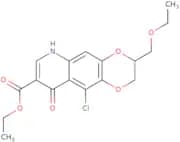
CAS:Sydowinin B is a metabolite of the drug product, Sydowinin. It is an impurity in the API that can be generated during the synthesis of Sydowinin. Sydowinin B is intentionally created as a standard for HPLC analysis and as a reference material for other research and development studies. The purity of this compound is greater than 99% with less than 0.5% water content, making it suitable for use as a pharmacopoeia grade reagent.Formula:C16H12O7Purity:Min. 95%Molecular weight:316.26 g/molDescyclopropyl lenvatinib
CAS:Descyclopropyl lenvatinib is a synthetic drug candidate that is being developed for the treatment of cancer. It is a metabolite of lenvatinib and has shown to have similar pharmacological activity, including inhibition of protein synthesis. Descyclopropyl lenvatinib also has been shown to inhibit the metabolism of other drugs, such as irinotecan, which may be due to its ability to inhibit cytochrome P450 enzymes.
Formula:C18H15ClN4O4Purity:Min. 95%Molecular weight:386.80 g/mol2-[[(4-Methoxy-3-methyl-2-pyridinyl)methyl]sulfinyl]-1H-benzimidazole
CAS:2-[(4-Methoxy-3-methyl-2-pyridinyl)methyl]sulfinyl]-1H-benzimidazole is a synthetic, impurity standard that is used in the synthesis of drug products. It has been shown to inhibit the metabolism of drugs and may be used as a marker for drug metabolism. This compound may also be used as a marker in analytical studies to assess the purity of a drug product. 2-[(4-Methoxy-3-methyl-2-pyridinyl)methyl]sulfinyl]-1H-benzimidazole has not been evaluated for safety or efficacy.Formula:C15H15N3O2SPurity:Min. 95%Molecular weight:301.36 g/molAct 373898 disodium
CAS:Act 373898 disodium (A37) is a custom synthesis drug product that is used as an analytical standard for the metabolism of actiomycin D. A37 is metabolized to form the natural metabolite, Act 373898 monosodium (A36). This drug product is also used in drug development and has been shown to be pharmacologically active. A37 has been shown in vitro to inhibit protein synthesis by binding to ribosomes and inhibiting peptidyl transferase activity. A37 is not a natural compound but it does possess niche properties. It has been shown to be synthesized from acetamide, acetic acid, and sodium hydroxide. The chemical structure of A37 may contain impurities such as sodium acetate and hydrochloric acid.Formula:C15H17BrN4O5SPurity:Min. 95%Molecular weight:445.3 g/molLoratadine epoxide
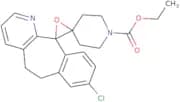
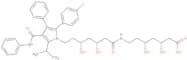
CAS:Loratadine is an antihistamine drug and its metabolite, loratadine epoxide, can be detected in the blood and urine of patients. Loratadine epoxide can be isolated from high-performance liquid chromatography (HPLC) with a spectrometer. The experimental method for the isolation of loratadine epoxide is to add diazomethane to a solution of loratadine in benzene. This experiment yielded a n-oxide that reacts with oxygen to form an aliphatic compound with a shift on the mass spectrum. This n-oxide has been found as an analyte in urine samples.Formula:C22H23ClN2O3Purity:Min. 95%Molecular weight:398.9 g/molAtorvastatinN-(3,5-dihydroxy-7-heptanoic acid)amide
CAS:Atorvastatin is a synthetic drug product. It is a prodrug that is converted to its active form, atorvastatin acid, in the body. Atorvastatin is used for lowering blood cholesterol levels in people with hypercholesterolemia and reducing the risk of coronary heart disease. This drug has been shown to reduce the number of deaths from coronary heart disease by 30% after five years of use. Atorvastatin also reduces the risk of stroke and fatal or non-fatal heart attack by 20%.Formula:C40H48FN3O8Purity:Min. 95%Molecular weight:717.82 g/molPrasugrel hydroxy thiolactone
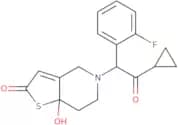
CAS:Prasugrel hydroxy thiolactone is a drug product, analytical and Metabolism studies. It is an impurity standard for Synthetic, Custom synthesis, Drug development, Research and Development of Impurity standard. Prasugrel hydroxy thiolactone is synthesized by acid-catalyzed condensation of 2-aminothiophenol with acetyl chloride in the presence of zinc chloride. The resulting compound can be purified by recrystallization from ethanol/ether or extraction with diethyl ether. Prasugrel hydroxy thiolactone has been used as a reference material for HPLC standards and pharmacopoeia.Formula:C18H18FNO3SPurity:Min. 95%Molecular weight:347.4 g/molEdoxaban 4-carboxylic acid hydrochloride
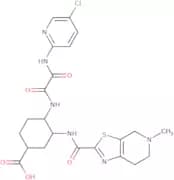
CAS:Edoxaban 4-carboxylic acid hydrochloride is a drug product with high purity. It has been synthesized using natural ingredients and is an analytical standard. The metabolite of edoxaban 4-carboxylic acid hydrochloride is the substance CAS No. 834919-19-6, which is also a metabolite for other drugs. Edoxaban 4-carboxylic acid hydrochloride can be used in drug development and pharmacopoeia research, as well as in niche areas such as HPLC standards and analytical research.Formula:C22H25ClN6O5SPurity:Min. 95%Molecular weight:521 g/mol(2R,3R,11Br)-rel-9-deme-dtbz
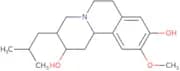
CAS:(2R,3R,11Br)-rel-9-deme-dtbz is an analog of tolvaptan that has potent anticancer properties. It acts as a kinase inhibitor and induces apoptosis in cancer cells. This compound has been shown to inhibit the activity of several kinases, including protein kinase B (AKT), mitogen-activated protein kinase (MAPK), and extracellular signal-regulated kinase (ERK). It also inhibits the growth of human tumor xenografts in Chinese hamsters. Additionally, (2R,3R,11Br)-rel-9-deme-dtbz has been found to be a promising candidate for the treatment of cancer due to its high selectivity towards cancer cells and low toxicity towards normal cells. Its potent anticancer activity makes it a valuable tool for cancer research and drug development.Formula:C18H27NO3Purity:Min. 95%Molecular weight:305.4 g/molEfavirenz-d5
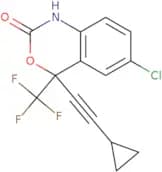
CAS:Please enquire for more information about Efavirenz-d5 including the price, delivery time and more detailed product information at the technical inquiry form on this page
Formula:C14H9ClF3NO2Purity:Min. 95%Molecular weight:320.7 g/molBenzamide-d5
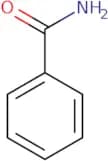
CAS:Please enquire for more information about Benzamide-d5 including the price, delivery time and more detailed product information at the technical inquiry form on this pageFormula:C7H7NOPurity:Min. 95%Molecular weight:126.17 g/mol(R)-2-(3-(1-Aminoethyl)phenyl)-N,8-dimethyl-8H-imidazo[4,5-d]thiazolo[5,4-b]pyridin-5-amine
CAS:(R)-2-(3-(1-Aminoethyl)phenyl)-N,8-dimethyl-8H-imidazo[4,5-d]thiazolo[5,4-b]pyridin-5-amine is a synthetic compound that belongs to the family of drugs for research and development. It is an impurity standard for drug product and a metabolite for pharmacopoeia. This compound has been used in metabolism studies and analytical work. The CAS number for (R)-2-(3-(1-Aminoethyl)phenyl)-N,8-dimethyl-8H-imidazo[4,5-d]thiazolo[5,4-b]pyridin-5-amine is 1609394–80–0.Formula:C17H18N6SPurity:Min. 95%Molecular weight:338.4 g/molQuincarbate
CAS:Quincarbate is a medicinal compound that acts as an inhibitor of kinase enzymes. Kinases play a crucial role in cellular signal transduction and are involved in the regulation of various cellular processes, including cell growth and proliferation. Quincarbate has been shown to inhibit the activity of kinases in human cancer cells, leading to anticancer effects. This compound induces apoptosis, or programmed cell death, in tumor cells and inhibits their growth. Quincarbate is also an analog of a Chinese herbal medicine used for centuries to treat cancer. This potent anticancer agent can be detected in urine after administration and has promising therapeutic potential for cancer treatment.
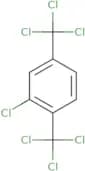
Formula:C17H18ClNO6Purity:Min. 95%Molecular weight:367.8 g/mol1,4-Bis(trichloromethyl)-2-chlorobenzene
CAS:Please enquire for more information about 1,4-Bis(trichloromethyl)-2-chlorobenzene including the price, delivery time and more detailed product information at the technical inquiry form on this pageFormula:C8H3Cl7Purity:Min. 95%Molecular weight:347.3 g/molZanapezil
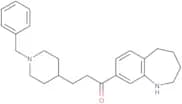
CAS:Zanapezil is a human and Chinese analog of mirtazapine that has been studied for its potential anticancer properties. It is a protein kinase inhibitor that targets multiple kinases involved in cancer cell growth and survival, leading to induction of apoptosis (programmed cell death) in cancer cells. Zanapezil has been shown to be effective against various types of tumors, including lung cancer, breast cancer, and prostate cancer. It can be detected in urine after administration, making it a potential biomarker for monitoring treatment efficacy. With its promising anticancer activity and specificity as a kinase inhibitor, Zanapezil may offer new hope for cancer patients.Formula:C25H32N2OPurity:Min. 95%Molecular weight:376.5 g/molNorchlorprothixene
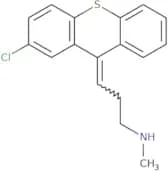
CAS:Norchlorprothixene is a psychoactive drug with hypnotic and sedative effects. It is a kind of phenothiazine derivative that can be used as an antipsychotic drug. Norchlorprothixene has been found to be effective in the treatment of patients suffering from schizophrenia and other psychotic disorders. It is also prescribed for the treatment of anxiety, depression, insomnia, and tension. The death rate of norchlorprothixene is unknown. Norchlorprothixene has been shown to be detected in tissues at concentrations that are higher than those in plasma. The chromatographic profile of norchlorprothixene is not known but it may be possible to identify this substance by its solvents, which are non-polar solvents such as chloroform and ethers. Norchlorprothixene can be quantified by immunoassays or by polypeptide assays using electrospray ionization mass spectromFormula:C17H16ClNSPurity:Min. 95%Color and Shape:Clear LiquidMolecular weight:301.8 g/molDes[2-(1,2,4-triazolyl)] itraconazole-2-isocyanate
CAS:Please enquire for more information about Des[2-(1,2,4-triazolyl)] itraconazole-2-isocyanate including the price, delivery time and more detailed product information at the technical inquiry form on this pageFormula:C34H36Cl2N6O5Purity:Min. 95%Molecular weight:679.6 g/mol2-Ethylpentanoic acid ethyl ester
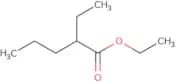
CAS:Please enquire for more information about 2-Ethylpentanoic acid ethyl ester including the price, delivery time and more detailed product information at the technical inquiry form on this pageFormula:C9H18O2Purity:Min. 95%Molecular weight:158.24 g/mol9-Bromo-6,11-dihydro-8-hydroxy-6,6-dimethyl-11-oxo-5H-benzo[b]carbazole-3-carbonitrile
CAS:9-Bromo-6,11-dihydro-8-hydroxy-6,6-dimethyl-11-oxo-5H-benzo[b]carbazole-3-carbonitrile is an analytical standard for HPLC. It is a metabolite of the drug product BROMAZEPAM, CAS No. 1256579-06-2. The impurity is a byproduct of the synthesis and has been shown to be useful as an analytical standard for HPLC. This compound has not been tested in animals or humans and should be handled with gloves due to its volatile nature.Formula:C19H13BrN2O2Purity:Min. 95%Molecular weight:381.2 g/molButenachlor
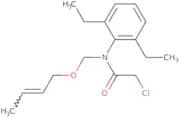
CAS:Butenachlor is a potent anticancer inhibitor that targets tumor kinases. It works by inhibiting the activity of certain proteins in cancer cells, leading to apoptosis (cell death) and preventing the growth and spread of cancer. Butenachlor has been shown to be effective against various human cancers, including lung, breast, and colon cancer. It is an analog of saxagliptin, a drug used to treat type 2 diabetes. Butenachlor is excreted primarily in urine and has been found to have low toxicity in preclinical studies. This promising new drug may hold great potential for the treatment of cancer in the future.Formula:C17H24ClNO2Purity:Min. 95%Molecular weight:309.8 g/molSorafenib impurity 31
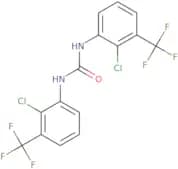
CAS:Sorafenib is a drug that is used to treat cancer. Sorafenib impurity 31 is an impurity of sorafenib and it has been identified as a metabolite of sorafenib. It can be synthesized in the laboratory or found in nature. Sorafenib impurity 31 can be used to develop a high purity standard for HPLC analysis, an analytical standard for R&D purposes, and a custom synthesis for niche or drug product development.Formula:C15H8Cl2F6N2OPurity:Min. 95%Molecular weight:417.1 g/mol1-[(1-Oxotetracosyl)oxy]-2,5-pyrrolidinedione
CAS:Please enquire for more information about 1-[(1-Oxotetracosyl)oxy]-2,5-pyrrolidinedione including the price, delivery time and more detailed product information at the technical inquiry form on this pageFormula:C28H51NO4Purity:Min. 95%Molecular weight:465.7 g/molNonanal-d18
CAS:Please enquire for more information about Nonanal-d18 including the price, delivery time and more detailed product information at the technical inquiry form on this pageFormula:C9H18OPurity:Min. 95%Molecular weight:160.35 g/mol3,5-Dimethyl-2-(ethoxycarbonyl)-4-pyrone
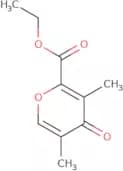
CAS:3,5-Dimethyl-2-(ethoxycarbonyl)-4-pyrone is a drug product that has been used as an HPLC standard. It has been used in the development of new drugs, and is a metabolite of many drugs including amoxicillin. 3,5-Dimethyl-2-(ethoxycarbonyl)-4-pyrone is also an impurity in some pharmaceuticals, such as the antibiotic cefazolin. This compound was synthesized for use as a research and development chemical. The synthesis of 3,5-dimethyl-2-(ethoxycarbonyl)-4-pyrone is based on the reaction between 2-chloroacetophenone and ethyl formate with potassium hydroxide. 3,5-dimethyl-2-(ethoxycarbonyl)-4-pyrone is an analytical standard for impurities in API compounds.Formula:C10H12O4Purity:Min. 95%Molecular weight:196.2 g/molSMS2-IN-1
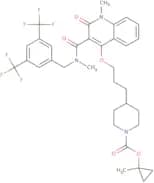
CAS:SMS2-IN-1 is a nuclear ginseng propionate monoester inhibitor that has shown promising antiviral properties. It has been found to inhibit the activity of galacturonic acid, which is crucial for viral replication. Additionally, SMS2-IN-1 has been studied in molecular docking experiments and has shown potential as an inhibitor of tenofovir disoproxil fumarate, a widely used antiviral drug. This compound also exhibits cytotoxic effects on certain cells and has been explored for its potential in recombination studies. It is important to note that SMS2-IN-1 may contain impurities, including the compound ivermectin.
Formula:C34H37F6N3O5Purity:Min. 95%Molecular weight:681.7 g/molSimvastatin 4'-methyl ether
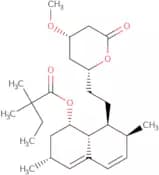
CAS:Simvastatin 4'-methyl ether is a metabolite of simvastatin. It is an impurity in the drug product and can be used as an analytical standard for HPLC. It is not a drug product or a pharmaceutical ingredient, but it can serve as an impurity standard for pharmacopoeia.Formula:C26H40O5Purity:Min. 95%Molecular weight:432.59 g/molBisnonyl dimethyl ammonium chloride
CAS:Bisnonyl dimethyl ammonium chloride (BDAC) is an inorganic, modifying agent that is used as a catalyst for organic reactions. It has been shown to be a selective and stable surface modifier for the modification of ionic liquids. BDAC has also been utilized as a high-selectivity substance in the synthesis of cyclic hydrocarbons and phosphonium salts. BDAC is also used as a solid catalyst for the production of high yields of organophosphines and other nitrogen-containing compounds.
Formula:C20H44ClNPurity:Min. 95%Molecular weight:334 g/mol(2S,2R,Cis)-saxagliptin
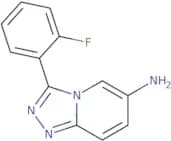
CAS:(2S,2R,Cis)-saxagliptin is a drug product that has been developed for the treatment of type II diabetes. It is an orally active DPP-4 inhibitor that inhibits the degradation of GLP-1 and GIP and lowers blood glucose levels in patients with type II diabetes mellitus. It binds to the serine/threonine protein phosphatase catalytic site of DPP-4. (2S,2R,Cis)-saxagliptin can be used as a standard for HPLC analysis and as a research and development compound in the study of its metabolism. This drug product is not on the World Health Organization's list of essential medicines. (2S,2R,Cis)-saxagliptin is also not on the United States Pharmacopeia’s list of approved drugs.Formula:C18H25N3O2Purity:Min. 95%Molecular weight:315.40 g/mol2-[(E)-[(4-Fluorophenyl)imino]methyl]phenol
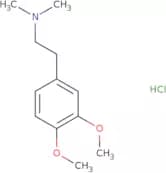
CAS:2-[(E)-[(4-Fluorophenyl)imino]methyl]phenol is a synthetic substance that is used as an analytical reagent, research and development, drug development, and impurity standard. It is an impurity of certain drugs, such as furosemide, which are metabolized to 2-[(E)-[(4-fluorophenyl)imino]methyl]phenol. 2-[(E)-[(4-Fluorophenyl)imino]methyl]phenol is also a metabolite of the drug product erythromycin. This chemical has been identified in the National Institute for Standards and Technology (NIST) mass spectral library. The CAS number for this substance is 252573-77-6.Formula:C13H10FNOPurity:Min. 95%Molecular weight:215.22 g/mol3,4-Dimethoxy-N,N-dimethyl-benzeneethanamine hydrochloride
CAS:Controlled Product3,4-Dimethoxy-N,N-dimethyl-benzeneethanamine hydrochloride is a drug product that is used as an analytical standard. This drug development chemical is not found in nature and has been synthesized in the laboratory. The chemical's structure closely resembles that of amphetamine and methamphetamine. 3,4-Dimethoxy-N,N-dimethyl-benzeneethanamine hydrochloride is used to develop analytical methods for determining impurities in APIs such as 3,4-dimethoxyamphetamine (DMA). It is also used to help identify metabolites of amphetamines. 3,4-Dimethoxy-N,N-dimethyl-benzeneethanamine hydrochloride has been shown to have a half life of approximately 12 hours and is excreted through the urine.
Formula:C12H19NO2·HClPurity:Min. 95%Molecular weight:245.75 g/mol1-[(4-Chlorophenyl)phenylmethyl]-4-(phenylsulfonyl)piperazine
CAS:Please enquire for more information about 1-[(4-Chlorophenyl)phenylmethyl]-4-(phenylsulfonyl)piperazine including the price, delivery time and more detailed product information at the technical inquiry form on this page
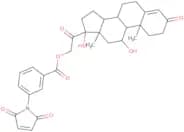
Formula:C23H23ClN2O2SPurity:Min. 95%Molecular weight:427 g/molCortisol 21-M-maleimidobenzoate
CAS:Cortisol 21-M-maleimidobenzoate is a synthetic analog of the human hormone cortisol. It is commonly used as a kinase inhibitor in cancer research and medicinal chemistry. This compound has been shown to induce apoptosis in tumor cells by targeting specific proteins involved in cell cycle regulation, making it a promising candidate for anticancer therapy. Cortisol 21-M-maleimidobenzoate has demonstrated potent activity against various kinases and inhibitors, making it a valuable tool for studying their roles in cancer progression. Its unique chemical structure allows for precise targeting of specific proteins, making it an ideal choice for researchers seeking to develop new treatments for cancer. Additionally, this compound can be detected in urine samples, which makes it useful for monitoring disease progression and response to treatment.Formula:C32H35NO8Purity:Min. 95%Molecular weight:561.62 g/mol4-(1-Hydroxy-1-methylethyl)-2-propyl-1-[[2'-[2-(triphenylmethyl)-2H-tetrazol-5-yl][1,1'-biphenyl]-4-yl]methyl]-(5-methyl-2-oxo-1,3-d ioxol-4-yl)1H-Imidazole-5-carboxylic acid methyl ester
CAS:Medoxomil is a magnetic resonance imaging contrast agent that belongs to the class of organic compounds called tetrazoles. Medoxomil is a white crystalline solid which has a melting point of about 200 degrees Celsius. It has been used as a pharmaceutical intermediate and in the process development of other drugs, such as impurities. Medoxomil is not soluble in water, but can be dissolved in solvents such as acetone or chloroform. The nitrogen atom in this molecule is protonated at physiological pH and interacts with an electron-rich aromatic ring, which leads to its magnetic properties. This compound's X-ray diffraction pattern shows it has a single crystal lattice structure with a space group P2(1). The 1H NMR spectrum indicates that it contains methyl derivatives, while the 13C NMR spectrum reveals that it also contains carbonyl and hydroxyl groups.Formula:C48H44N6O6Purity:Min. 95%Molecular weight:800.9 g/molBusulfan propyl mesylate
Busulfan propyl mesylate is a synthetic drug that is used as an antineoplastic agent. It is a prodrug of busulfan, which is converted to its active form through metabolic processes. Busulfan proplyl mesylate has been shown to be effective in the treatment of several types of cancer, including leukemia and lymphoma. Busulfan proplyl mesylate binds to DNA and prevents RNA synthesis, which prevents protein synthesis and cell division. This drug has been shown to have few side effects when compared with other chemotherapeutic agents.Formula:C10H22O9S3Purity:Min. 95%Molecular weight:382.47 g/mol1-Methoxy amiodarone
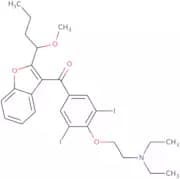
CAS:Controlled Product1-Methoxy amiodarone is a drug product that is a custom synthesis. It has CAS No. 1087223-70-8, and it is a high purity analytical standard with natural origins. Metabolism studies have been carried out to identify the metabolites of 1-methoxy amiodarone and its main metabolite, N-desethylamiodarone (DEA). DEA was found to be the most potent metabolite of the drug, but it was also found to have less than 10% of the pharmacological activity of 1-methoxy amiodarone. Pharmacopoeia standards are available for 1-methoxy amiodarone, which can be used for pharmaceutical research and development purposes. HPLC standards are also available for this compound.
Formula:C26H31I2NO4Purity:Min. 95%Color and Shape:Clear LiquidMolecular weight:675.34 g/molValacyclovir Related Compound D
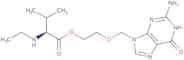
CAS:Valacyclovir Related Compound D is a synthetic metabolite of Valacyclovir. It is the primary metabolite of Valacyclovir, which has been shown to inhibit the activity of bacterial DNA polymerase. Valacyclovir Related Compound D is an impurity standard for valacyclovir and can be synthesized in quantities as per customer requirement.Formula:C15H24N6O4Purity:Min. 95%Molecular weight:352.39 g/molOlsalazine sodium impurity I
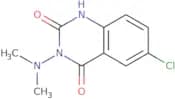
CAS:Olsalazine sodium impurity I is a by-product of the synthesis of olsalazine sodium. The impurity has been characterized by HPLC and GC-MS, and is found in the range of 1% to 9%.Formula:C20H14N4O7Purity:Min. 95%Molecular weight:422.35 g/mol6-Chloro-3-(dimethylamino)-2,4(1H,3H)-quinazolinedione
CAS:Please enquire for more information about 6-Chloro-3-(dimethylamino)-2,4(1H,3H)-quinazolinedione including the price, delivery time and more detailed product information at the technical inquiry form on this pageFormula:C10H10ClN3O2Purity:Min. 95%Molecular weight:239.66 g/molITE analog
CAS:ITE analog is an anticancer agent that works by inhibiting the activity of certain kinases in cancer cells. This inhibitor has been shown to induce apoptosis and inhibit tumor growth in both human and Chinese hamster ovary cell lines. ITE analog is a protein toxin that can be found in urine, but the synthetic analog is more potent and selective than the natural compound. This analog has been tested against a variety of kinases, including those involved in cancer cell proliferation, and has shown promising results as a potential treatment for cancer. Its unique mechanism of action makes it a valuable addition to the arsenal of anticancer drugs available today.Formula:C15H12N2O2SPurity:Min. 95%Molecular weight:284.3 g/molMethapyrilene dihydrochloride
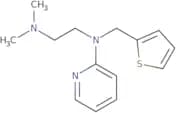
CAS:Methapyrilene dihydrochloride is an anticancer drug that acts as a kinase inhibitor, preventing the activation of protein kinases that are involved in cancer cell growth and survival. It has been shown to induce apoptosis (cell death) in cancer cells by inhibiting the activity of certain kinases. Methapyrilene dihydrochloride is a potent inhibitor of tumor growth in Chinese hamsters, human tumors, and other animal models. It is also an analog of amphetamine and can be detected in urine tests. This drug has shown promising results as a potential treatment for various types of cancer.Formula:C14H19N3SPurity:Min. 95%Molecular weight:261.39 g/molSecophenol
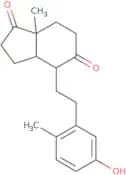
CAS:Secophenol is a potent inhibitor of Chinese hamster ovary (CHO) and human kinases. It has shown promising results in the treatment of cancer, inhibiting tumor growth and inducing apoptosis in cancer cells. Secophenol is an analog of surfactin, a protein that is produced by Bacillus subtilis. It has been found to be effective in inhibiting the growth of various types of cancer cells, including breast, colon, and lung cancer cells. In addition to its anticancer properties, Secophenol has also been detected in urine samples from patients with tumors, indicating its potential use as a diagnostic tool for cancer detection.Formula:C19H24O3Purity:Min. 95%Molecular weight:300.4 g/molIsopropyl (1R)-(+)-camphorsulfate
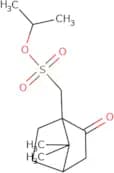
CAS:Please enquire for more information about Isopropyl (1R)-(+)-camphorsulfate including the price, delivery time and more detailed product information at the technical inquiry form on this pageFormula:C13H22O4SPurity:Min. 95%Molecular weight:274.38 g/mol(-)-Wine lactone
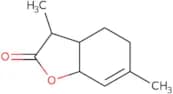
CAS:(-)-Wine lactone is a medicinal compound with potent anticancer properties. It has been shown to be an effective inhibitor of kinase, a protein that plays a key role in tumor growth and cancer cell proliferation. Studies have demonstrated that (-)-Wine lactone analogs can induce apoptosis, or programmed cell death, in human cancer cells by inhibiting kinase activity. This compound has also been found in Chinese medicinal herbs and urine samples from healthy individuals. Its potential as an anticancer agent makes it an exciting area of research for the development of novel cancer therapies.Formula:C10H14O2Purity:Min. 95%Molecular weight:166.22 g/molQuetiapine Impurity 8
CAS:Quetiapine Impurity 8 is a drug product that is used as an analytical standard for drug metabolism studies. It is a natural impurity found in the API Quetiapine, which has the CAS number 1977-09-9. Quetiapine Impurity 8 is also an impurity standard for HPLC and has been shown to be a synthetic compound. This compound can be custom synthesized and is often used in research and development of new drugs. Quetiapine Impurity 8 has high purity and pharmacopoeia grade, making it suitable for use in niche markets such as drug development, research, and analysis.Formula:C18H19N3SPurity:Min. 95%Molecular weight:309.4 g/mol(Nitrosoimino)bisacetic acid diethyl ester
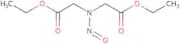
CAS:Please enquire for more information about (Nitrosoimino)bisacetic acid diethyl ester including the price, delivery time and more detailed product information at the technical inquiry form on this pageFormula:C8H14N2O5Purity:Min. 95%Molecular weight:218.21 g/molMontelukast acyl-b-D-glucuronide acetic acid salt
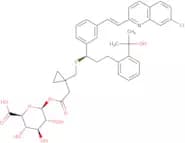
CAS:Metabolite of montelukastFormula:C41H44ClNO9S·CH3CO2HPurity:Min. 95%Color and Shape:Off-White PowderMolecular weight:822.36 g/mol5'-Epi lamivudine
CAS:Lamivudine epimerFormula:C8H11N3O3SPurity:Min. 95%Molecular weight:229.26 g/molAcitretin o-β-D-glucuronide
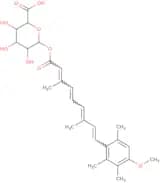
CAS:Controlled ProductAcitretin o-β-D-glucuronide is a potent anticancer agent that induces apoptosis in cancer cells. It is an analog of octreotide, a synthetic hormone used to treat tumors. Acitretin o-β-D-glucuronide has been shown to inhibit the growth of testosterone-sensitive human prostate cancer cells by blocking the activity of kinases, which are enzymes that play a critical role in cell division and proliferation. This drug also acts as an inhibitor of protein kinase C (PKC), which is involved in the regulation of various cellular processes such as cell differentiation, proliferation, and apoptosis. Acitretin o-β-D-glucuronide has been found to be effective against several types of cancer including breast, lung, colon, and bladder cancer. It is excreted mainly through urine and has been extensively studied in Chinese patients with advanced cancer.Formula:C27H34O9Purity:Min. 95%Molecular weight:502.6 g/molEmpagliflozin tetraacetate
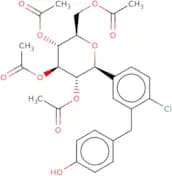
CAS:Empagliflozin tetraacetate is a drug product that has been manufactured by chemical synthesis. It is a white to off-white crystalline powder with a molecular weight of 597.7 and a purity of 98.2%. Empagliflozin tetraacetate has been formulated as the hydrochloride salt, which is soluble in water and alcohols. The USP/BP/EP specifications for this drug are 5% impurity standard, analytical, API impurity, Synthetic, Metabolism studies, niche, High purity>. This drug product can be used in research and development as well as for manufacturing pharmaceutical products. It is not intended for use in humans or animals.Formula:C27H29ClO10Purity:Min. 95%Molecular weight:548.97 g/molNad 299 hydrochloride
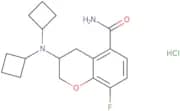
CAS:Nad 299 hydrochloride is a prodrug that is hydrolyzed in vivo to the active drug nadolol. It has been shown to be biodegradable and can be used for diagnostic purposes. Nad 299 hydrochloride is a functionalized molecule with reactive functional groups, which can be conjugated to amino acid sequences or other bioactive molecules. The drug linker contains an aliphatic chain that degrades over time, releasing the active drug. Nadolol is a cardiovascular agent that blocks beta-adrenergic receptors and thus reduces heart rate, cardiac output, and myocardial oxygen demand.Formula:C18H24ClFN2O2Purity:Min. 95%Molecular weight:354.8 g/molBIM 23127
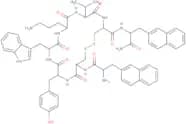
CAS:BIM 23127 is a protein kinase inhibitor that acts as an analog of vitamin K. It has been shown to have anticancer effects by inducing apoptosis in cancer cells. BIM 23127 inhibits the activity of kinases, which are enzymes that regulate cell growth and division. This inhibition leads to a decrease in tumor growth and may be useful in the treatment of various types of cancer. BIM 23127 has been tested in Chinese hamster ovary cells and human urine, showing promising results as a potential anticancer agent. Its ability to specifically target cancer cells while sparing healthy cells makes it a desirable option for cancer treatment.
Formula:C62H71N11O9S2Purity:Min. 95%Molecular weight:1,178.4 g/mol5-(Hydroxymethyl)-N-[4-(trifluoromethyl)phenyl]-4-isoxazolecarboxamide
CAS:5-(Hydroxymethyl)-N-[4-(trifluoromethyl)phenyl]-4-isoxazolecarboxamide is a chemical compound that is used as an analytical reference standard, research and development, drug development and API impurity. 5-(Hydroxymethyl)-N-[4-(trifluoromethyl)phenyl]-4-isoxazolecarboxamide has a purity of 98% or higher and is available for purchase in bulk quantities. This compound can also be purchased as a HPLC standard, niche product, drug product or impurity standard. 5-(Hydroxymethyl)-N-[4-(trifluoromethyl)phenyl]-4-isoxazolecarboxamide can be synthesized naturally or synthetically. The CAS number for this chemical is 1058722-46-5.Formula:C12H9F3N2O3Purity:Min. 95%Molecular weight:286.21 g/molDi-destriazole desmethyl anastrozole dimer impurity
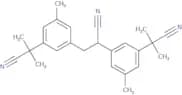
CAS:Please enquire for more information about Di-destriazole desmethyl anastrozole dimer impurity including the price, delivery time and more detailed product information at the technical inquiry form on this pageFormula:C25H27N3Purity:Min. 95%Molecular weight:369.5 g/mol(3S,5S)-Rosuvastatin calcium
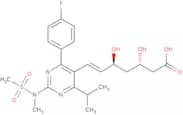
CAS:Rosuvastatin calcium is a statin drug that belongs to the group of HMG-CoA reductase inhibitors. Rosuvastatin is a racemic mixture of 3S,5S and 3R,5R stereoisomers and has been shown to have cholesterol-lowering effect in humans. The sample solution was prepared by dissolving rosuvastatin calcium in methanol and then diluting it with water. The calibration curve was performed using solutions of substances at different concentrations and injecting them into the liquid chromatograph. After running for 2 minutes, the detection wavelength and detection method were used to measure the concentration of rosuvastatin. The result was recorded as mg/mL (molecules per milliliter).Formula:C22H27FN3O6SCaPurity:Min. 95%Molecular weight:480.53 g/molα-Phenyl-α-[3-(phenyl-2-pyridinylmethylene)-2,4-cyclopentadien-1-yl]-2-pyridinemethanol
CAS:α-Phenyl-α-[3-(phenyl-2-pyridinylmethylene)-2,4-cyclopentadien-1-yl]-2-pyridinemethanol is a synthetic compound that is used as an impurity standard in the research and development of drugs. It is also used as a custom synthesis drug product to create a high purity, pharmacopeia grade drug. α-Phenyl-α-[3-(phenyl-2-pyridinylmethylene)-2,4-cyclopentadien-1-yl]-2-pyridinemethanol has been shown to be an active metabolite for the treatment of hypertension. Metabolism studies have shown that this drug is subject to oxidative metabolism by cytochrome P450 enzymes with subsequent oxidation of the pyridine ring. The resulting metabolite can then bind to DNA and inhibit transcription and replication.
Formula:C29H22N2OPurity:Min. 95%Molecular weight:414.5 g/molN-Hydroxy lorcaserin
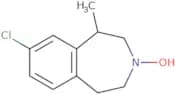
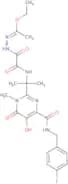
CAS:Lorcaserin is a selective 5-HT2C receptor agonist, which is used for the treatment of obesity. It has been shown to be effective in clinical studies as a weight loss drug. Lorcaserin acts on the serotonin system in the human body by activating the 5-HT2c receptors, which are located in cells with high levels of serotonin. Lorcaserin has shown potential as an anticancer agent and is undergoing clinical development. It inhibits cytochrome P1A enzymes, which are found primarily in liver tissues and may have anti-cancer properties. Lorcaserin is being developed as a treatment for diabetes and obesity due to its ability to suppress appetite and induce satiety.Formula:C11H14ClNOPurity:Min. 95%Molecular weight:211.69 g/molRaltegravir -ethoxyacethydrazone
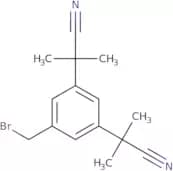
CAS:Please enquire for more information about Raltegravir -ethoxyacethydrazone including the price, delivery time and more detailed product information at the technical inquiry form on this pageFormula:C22H27FN6O6Purity:Min. 95%Molecular weight:490.5 g/mola,a,a',a'-Tetramethyl-5-bromomethyl-1,3-benzenediacetonitrile
CAS:Tetramethyl-5-bromomethyl-1,3-benzenediacetonitrile (TMBDAC) is an impurity standard and a metabolite of the drug product. It is an analytical standard for HPLC. Tetramethyl-5-bromomethyl-1,3-benzenediacetonitrile is a high purity research and development chemical that can be custom synthesized to meet specific needs. This synthetic compound has shown potential as a niche metabolite in metabolism studies. CAS No. 120511-84-4.
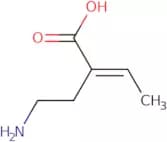
Formula:C15H17BrN2Purity:Min. 95%Molecular weight:305.21 g/molVigabatrin EP Impurity B
CAS:Vigabatrin EP Impurity B is a research and development impurity standard that belongs to the class of drugs. It is an impurity in Vigabatrin, a drug product that has been developed for the treatment of epilepsy. Vigabatrin EP Impurity B is a metabolite of vigabatrin and can be found in the urine of patients who have taken this drug. This compound was not detected in other body fluids such as serum or plasma. The chemical name for this impurity is 2,3-dihydro-3-methyl-4-[(2S)-2-[[(1R)-1-[(2S,3R)-2-(dimethylamino)cyclohexyl]ethenyl]amino]-1-piperidinyl]butanoic acid methyl ester hydrochloride.Formula:C6H11NO2Purity:Min. 95%Molecular weight:129.16 g/molFluazifop-d4
CAS:Please enquire for more information about Fluazifop-d4 including the price, delivery time and more detailed product information at the technical inquiry form on this pageFormula:C15H12F3NO4Purity:Min. 95%Molecular weight:331.28 g/molPemetrexed impurity C
CAS:Pemetrexed is a drug product that belongs to the group of drugs called antifolate agents. It is used in the treatment of cancer and is metabolized through a number of metabolic transformations, including hydrolysis by esterases or glucuronidases, oxidation by cytochrome P450 enzymes, reduction by glutathione reductase, or conjugation with glucuronic acid. The impurity C is a natural metabolite that can be found in urine as well as in plasma. This impurity has not been identified as a major metabolite of pemetrexed.Formula:C40H40N10O13Purity:Min. 95%Molecular weight:868.81 g/molDecarbazolyl desmethyl carvedilol
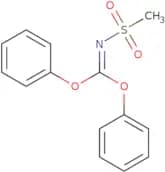
CAS:Decarbazolyl desmethyl carvedilol is a potent anticancer agent that inhibits elastase and protein kinases, which are involved in cancer cell growth and tumor progression. It induces apoptosis, or programmed cell death, in cancer cells by inhibiting the activity of specific kinases. Decarbazolyl desmethyl carvedilol has been shown to be effective against a variety of human cancers, including lung, breast, and prostate cancers. It is also an inhibitor of Chinese hamster ovary (CHO) cell kinase activity and can be detected in urine samples. This analog of carvedilol has potential as a therapeutic agent for the treatment of cancer.Formula:C11H17NO4Purity:Min. 95%Molecular weight:227.26 g/molN-(Diphenoxymethylene)-methanesulfonamide
CAS:N-(Diphenoxymethylene)-methanesulfonamide is a potent cancer kinase inhibitor that has been shown to induce apoptosis in human cancer cells. It is an analog of the anticancer drug staurosporine and inhibits a wide range of kinases, including cyclin-dependent kinases (CDKs) and protein kinase C. N-(Diphenoxymethylene)-methanesulfonamide has demonstrated significant activity against various tumor types in Chinese hamster ovary cells and has been shown to be effective in inhibiting the growth of several different cancer cell lines. This inhibitor can also be found in urine samples, indicating its potential use as a biomarker for cancer diagnosis and treatment monitoring. Overall, N-(Diphenoxymethylene)-methanesulfonamide represents a promising new class of anticancer agents with broad-spectrum kinase inhibition activity.
Formula:C14H13NO4SPurity:Min. 95%Molecular weight:291.32 g/molNUC-7738
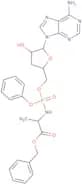
CAS:NUC-7738 is a medicinal compound that has been shown to be an effective inhibitor of cyclin-dependent kinases (CDKs). It has potent anticancer activity and has been studied extensively in Chinese hamster ovary (CHO) cells, human leukemia cells, and other cancer cell lines. NUC-7738 works by selectively inhibiting CDK4/6, which are critical regulators of the cell cycle. This leads to the induction of apoptosis in cancer cells, making it a promising new therapeutic agent for the treatment of various types of cancer. Additionally, NUC-7738 has been shown to have low toxicity and good pharmacokinetic properties in preclinical studies. Overall, this compound holds great promise as a novel anticancer therapy that may help improve outcomes for patients with cancer.
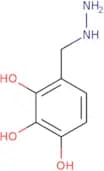
Formula:C26H29N6O7PPurity:Min. 95%Molecular weight:568.5 g/mol2,3,4-Trihydroxybenzylhydrazine oxalic acid salt
CAS:Metabolite of benserazideFormula:C7H10N2O3·C2O4H2Purity:Min. 95%Molecular weight:260.2 g/mol1-[4-(4-Amino-6,7-dimethoxy-2-quinazolinyl)-1-piperazinyl]-2-hydroxy-1-pentanone
CAS:1-[4-(4-Amino-6,7-dimethoxy-2-quinazolinyl)-1-piperazinyl]-2-hydroxy-1-pentanone (DMPP) is an analog of the antiarrhythmic drugs flecainide and propafenone. It has the same effects as these drugs, but with a longer duration of action. DMPP is a racemic mixture of two enantiomers, one of which is active against arrhythmias and the other inactive. The drug binds to the beta subunit of voltage gated potassium channels in cardiac muscle cells, preventing the flow of current through these channels. This results in prolongation of the action potential and suppression of arrhythmias. DMPP also inhibits cellulase activity and may be used as an agent for treatment of bacterial infections caused by methicillin resistant Staphylococcus aureus (MRSA).Formula:C19H27N5O4Purity:Min. 95%Molecular weight:389.45 g/molPBDE 202
CAS:Controlled ProductPBDE 202 is a potent inhibitor of kinases, specifically protein kinases. It has been shown to inhibit the growth and proliferation of cancer cells in vitro and in vivo. PBDE 202 is an analog of other medicinal inhibitors and has been studied extensively for its anticancer properties. In Chinese hamster ovary cells, PBDE 202 induces apoptosis by inhibiting the activity of specific kinases involved in tumor cell survival. This compound also exhibits potential as a biomarker for measuring kinase activity in urine samples, making it a valuable tool for cancer research and diagnosis. Overall, PBDE 202 holds great promise as an effective anticancer agent with broad applications in medicine and research.
Formula:C12H2Br8OPurity:Min. 95%Molecular weight:801.4 g/mol

![1-(RS)-1-[4-hydroxy-3-(hydroxymethylphenyl]-2-[(4-phenylbutyl)aminoethanol (salmeterol ep impurity…](/_next/image/?url=https%3A%2Fstatic.cymitquimica.com%2Fproducts%2F3D%2Fthumb-webp%2FYWC01451.webp&w=3840&q=75)




![N-(2,2,2-Trichloroethoxy)carbonyl] bisnor-(cis)-tilidine](/_next/image/?url=https%3A%2Fstatic.cymitquimica.com%2Fproducts%2F3D%2Fthumb-webp%2FWZB81995.webp&w=3840&q=75)
![1-(3,5-Dihydroxyphenyl)-2-[(1,1-dimethylethyl)amino]-ethanone hydrochloride](/_next/image/?url=https%3A%2Fstatic.cymitquimica.com%2Fproducts%2F3D%2Fthumb-webp%2FWZB81570.webp&w=3840&q=75)
![2-Hydroxy-5-[2-[4-[[(6-methyl-2-pyridinyl)amino]sulfonyl]phenyl]diazenyl]benzoic acid](/_next/image/?url=https%3A%2Fstatic.cymitquimica.com%2Fproducts%2F3D%2Fthumb-webp%2FIH145662.webp&w=3840&q=75)
![2-[[(4-Methoxy-3-methyl-2-pyridinyl)methyl]sulfinyl]-1H-benzimidazole](/_next/image/?url=https%3A%2Fstatic.cymitquimica.com%2Fproducts%2F3D%2Fthumb-webp%2FIM21228.webp&w=3840&q=75)

![(R)-2-(3-(1-Aminoethyl)phenyl)-N,8-dimethyl-8H-imidazo[4,5-d]thiazolo[5,4-b]pyridin-5-amine](/_next/image/?url=https%3A%2Fstatic.cymitquimica.com%2Fproducts%2F3D%2Fthumb-webp%2FJPC39480.webp&w=3840&q=75)
![Des[2-(1,2,4-triazolyl)] itraconazole-2-isocyanate](/_next/image/?url=https%3A%2Fstatic.cymitquimica.com%2Fproducts%2F3D%2Fthumb-webp%2FWZB81237.webp&w=3840&q=75)
![9-Bromo-6,11-dihydro-8-hydroxy-6,6-dimethyl-11-oxo-5H-benzo[b]carbazole-3-carbonitrile](/_next/image/?url=https%3A%2Fstatic.cymitquimica.com%2Fproducts%2F3D%2Fthumb-webp%2FGAC57906.webp&w=3840&q=75)
![1-[(1-Oxotetracosyl)oxy]-2,5-pyrrolidinedione](/_next/image/?url=https%3A%2Fstatic.cymitquimica.com%2Fproducts%2F3D%2Fthumb-webp%2FPBA78275.webp&w=3840&q=75)


![2-[(E)-[(4-Fluorophenyl)imino]methyl]phenol](/_next/image/?url=https%3A%2Fstatic.cymitquimica.com%2Fproducts%2F3D%2Fthumb-webp%2FCKA57377.webp&w=3840&q=75)
![1-[(4-Chlorophenyl)phenylmethyl]-4-(phenylsulfonyl)piperazine](/_next/image/?url=https%3A%2Fstatic.cymitquimica.com%2Fproducts%2F3D%2Fthumb-webp%2FRFC05252.webp&w=3840&q=75)
![4-(1-Hydroxy-1-methylethyl)-2-propyl-1-[[2'-[2-(triphenylmethyl)-2H-tetrazol-5-yl][1,1'-biphenyl]-…](/_next/image/?url=https%3A%2Fstatic.cymitquimica.com%2Fproducts%2F3D%2Fthumb-webp%2FIH139102.webp&w=3840&q=75)
![5-(Hydroxymethyl)-N-[4-(trifluoromethyl)phenyl]-4-isoxazolecarboxamide](/_next/image/?url=https%3A%2Fstatic.cymitquimica.com%2Fproducts%2F3D%2Fthumb-webp%2FISB72246.webp&w=3840&q=75)
![α-Phenyl-α-[3-(phenyl-2-pyridinylmethylene)-2,4-cyclopentadien-1-yl]-2-pyridinemethanol](/_next/image/?url=https%3A%2Fstatic.cymitquimica.com%2Fproducts%2F3D%2Fthumb-webp%2FCAA02658.webp&w=3840&q=75)


![1-[4-(4-Amino-6,7-dimethoxy-2-quinazolinyl)-1-piperazinyl]-2-hydroxy-1-pentanone](/_next/image/?url=https%3A%2Fstatic.cymitquimica.com%2Fproducts%2F3D%2Fthumb-webp%2FIA63849.webp&w=3840&q=75)
