APIs for research and impurities
Subcategories of "APIs for research and impurities"
- Aminoacids and derivatives(12,327 products)
- Anthraquinones and derivatives(402 products)
- Benzimidazole and Imidazole Derivatives(10,413 products)
- Benzodiazepine Derivatives(330 products)
- Carbohydrates and glycoconjugates(5,048 products)
- Esters and Derivatives(42,243 products)
- Fatty Acids and Lypidic Derivatives(32,383 products)
- Flavonoids and Polyphenols(17,077 products)
- Free Radicals and Oxidant/Reducing Agents(212 products)
- Ketones and derivatives(2,399 products)
- Natural and semi-synthetic antibiotics(6,344 products)
- Nitriles and Cyano Derivatives(3,068 products)
- Nitrosamines and Derivatives(55 products)
- Nucleosides and Nucleotides(3,459 products)
- Organic Phosphates and Phosphonates(1,198 products)
- Organic Sulphonates and Sulphates(10,423 products)
- Organometallics(4,419 products)
- Others(6,279 products)
- Peptides and Proteins(3,140 products)
- Polymers and Derivatives(99 products)
- Purines and Pyrimidine Derivatives(8,912 products)
- Quinazoline and Quinoline Derivatives(65,802 products)
- Quinones and Derivatives(24,347 products)
- Salts and Derivatives of Active Pharmaceutical Ingredients (API)(81,002 products)
- Steroids and Derivatives(4,934 products)
- Sulfonamides and Derivatives(2,577 products)
- Terpenoids and Derivatives(3,841 products)
- Thiazolidinediones and Thiopyrans(2,753 products)
- β-Adrenergic Compounds(229 products)
Found 58355 products of "APIs for research and impurities"
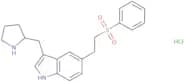
N-Desmethyl eletriptan hydrochloride
CAS:Please enquire for more information about N-Desmethyl eletriptan hydrochloride including the price, delivery time and more detailed product information at the technical inquiry form on this page
Formula:C21H25ClN2O2SPurity:Min. 95%Molecular weight:405 g/molRef: 3D-RFC05478
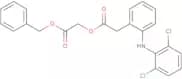
Discontinued productAceclofenac benzyl ester
CAS:Aceclofenac is a nonsteroidal anti-inflammatory drug (NSAID) that belongs to the propionic acid derivative group. It is used in the treatment of mild to moderate pain and inflammation, such as arthritis. Aceclofenac is rapidly hydrolyzed by esterases in the small intestine, resulting in the release of aceclofenac acid. Aceclofenac benzyl ester is a chemical intermediate that has been shown to be an efficient method for producing aceclofenac acid. It can be obtained by reacting bromoacetic anhydride with methyl alcohol and then hydrolyzing the product with strong acids. This compound may contain impurities, such as nucleophilic impurities, which can lead to side effects.
Formula:C23H19Cl2NO4Purity:Min. 95%Molecular weight:444.31 g/molRef: 3D-IA16909
Discontinued productMethyl 2-hydrazinecarboxylate
CAS:Methyl 2-hydrazinecarboxylate, also known as methylene diazohydroxide, is a synthetic compound. It has been used in research and development as an analytical standard and impurity standard for HPLC methods.
Formula:C4H8ClN3O2Purity:Min. 95%Molecular weight:165.58 g/molRef: 3D-KXB50326
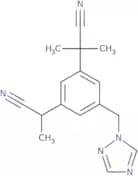
Discontinued productAlpha-Desmethyl anastrozole
CAS:Alpha-Desmethyl anastrozole is a synthetic chemical that has been used as an impurity standard for the drug product, Anastrozole (Arimidex). This compound is metabolized in humans and is a metabolite of Arimidex. Alpha-Desmethyl anastrozole exhibits high purity and can be synthesized using custom synthesis. The CAS number for this compound is 1215780-15-6.
Formula:C16H17N5Purity:Min. 95%Molecular weight:279.34 g/molRef: 3D-ID21236
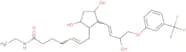
Discontinued productN-Ethyl fluprostenol carboxamide
CAS:N-Ethyl fluprostenol carboxamide is a synthetic compound with a chemical formula of C17H21NO4. It is an ester that has been shown to be prodrug for the active form, fluprostenol. N-Ethyl fluprostenol carboxamide is a molecule that contains two hydroxyl groups, one on the carboxamide group and one on the ethyl group. The chemical structure also contains a halogen atom and an ester group.
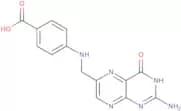
Formula:C25H34F3NO5Purity:Min. 95%Molecular weight:485.5 g/molPteroic acid, min95%
CAS:Pteroic acid is a naturally occurring substance found in plants and animals. It has inhibitory activities against enzymes such as butyrate kinase, acetyl-CoA synthetase, and glutamate dehydrogenase. Pteroic acid is used to synthesize quinoxalines, which are used for the treatment of cancer. Pteroic acid also inhibits cell growth by inhibiting protein synthesis. This is done by conjugating with amino acids and inhibiting their uptake into the ribosome. The inhibition of glutamate dehydrogenase may be due to its ability to reduce levels of glutathione, which is an inhibitor of this enzyme.
Formula:C14H12N6O3Purity:Min. 95%Color and Shape:Slightly Yellow PowderMolecular weight:312.28 g/molDiethyl methylphenylmalonate
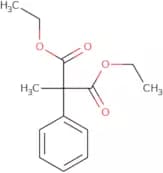
CAS:Diethyl methylphenylmalonate is a halogenated organic compound that can be prepared by the reaction of magnesium with diethyl malonate and methylbromide. Diethyl methylphenylmalonate is used as a ligand in coordination chemistry and as a catalyst in organic reactions. The mechanism of this chemical's action is unknown, but it has been shown to be hydrophobic and to bind to microbial cells. It also has been demonstrated to have an oxidation catalyst activity. Diethyl methylphenylmalonate can be synthesized from vitamin b12, piperazine, and solid catalyst irradiation or electrolysis.
Formula:C14H18O4Purity:Min. 95%Molecular weight:250.29 g/molRef: 3D-JBA00961
Discontinued product22,23-Dihydroavermectin B1b (Ivermectin B1b)
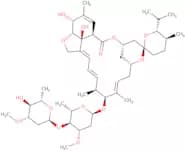
CAS:Ivermectin is a drug that belongs to the anthelmintic class of drugs. It is active against roundworms, pinworms, and hookworms. Ivermectin has been shown to have an effect on autoimmune diseases such as multiple sclerosis, systemic lupus erythematosus, and rheumatoid arthritis by inhibiting the inflammatory response. The drug has been shown to inhibit matrix metalloproteinases in vitro and in vivo. The matrix effect is seen when the drug binds to proteins in the blood plasma or tissue matrix, where it inhibits their activity. This inhibition prevents the degradation of collagen, which can lead to tissue damage or renal failure. Ivermectin also binds to striatal dopamine receptors and inhibits dry weight gain in animals infected with Ostertagia ostertagi. Ivermectin is given orally in a single dose of 200 micrograms/kg body weight for treatment of intestinal worms (roundworm,
Formula:C47H72O14Purity:Min. 95%Molecular weight:861.07 g/molRef: 3D-FD177819
Discontinued productKM91104
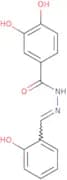
CAS:KM91104 is a potent inhibitor of protein kinases that has been shown to induce apoptosis in cancer cells. It is derived from a traditional Chinese medicinal plant and has demonstrated anticancer activity against various human cancer cell lines. KM91104 specifically targets the cell cycle and inhibits tumor growth by blocking the activity of certain proteins involved in cell division. This compound has also been found in urine samples, indicating that it may have potential as a diagnostic marker for cancer. Overall, KM91104 shows promising potential as an effective and selective inhibitor for the treatment of cancer.
Formula:C14H12N2O4Purity:Min. 95%Molecular weight:272.26 g/molRef: 3D-EMA48160
Discontinued productLysolecithin
CAS:Lysolecithin is an analog of the phospholipid lecithin that has been shown to have anticancer properties. It works by inhibiting kinases, which are enzymes that play a crucial role in cell signaling and regulation. Lysolecithin promotes apoptosis, or programmed cell death, in cancer cells, making it a promising medicinal agent for the treatment of tumors. Studies have also shown that lysolecithin can inhibit protein kinase activity in human urine and inhibit the growth of cancer cells in Chinese hamsters. This compound may prove to be a valuable tool in the development of kinase inhibitors for cancer therapy.
Formula:C24H50NO7PPurity:Min. 95%Molecular weight:495.6 g/molRef: 3D-PAA86327
Discontinued productMoexipril-d5
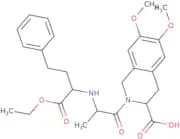
CAS:Please enquire for more information about Moexipril-d5 including the price, delivery time and more detailed product information at the technical inquiry form on this page
Formula:C27H34N2O7Purity:Min. 95%Molecular weight:503.6 g/molRef: 3D-GEC92949
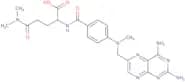
Discontinued productMethotrexate dimethylamide
CAS:Methotrexate dimethylamide is a research and development impurity standard with high purity. It is a synthetic drug product that can be custom synthesized to meet the needs of the customer. Methotrexate dimethylamide has been used as an analytical standard for HPLC analysis and as a natural metabolite in metabolism studies. This compound is also known as 71074-44-7, CAS No. 71074-44-7, or Metabolite.
Formula:C22H27N9O4Purity:Min. 95%Molecular weight:481.51 g/mol(3R,5S,6E)-7-[4-(4-Fluorophenyl)-6-(1-methylethyl)-2-[methyl[(2-hydroxy-2-methylpropyl)sulfonyl]amino]-5-pyrimidinyl]-3,5-dihydroxy- 6-heptenoic acid sodium salt
CAS:(3R,5S,6E)-7-[4-(4-Fluorophenyl)-6-(1-methylethyl)-2-[methyl[(2-hydroxy-2-methylpropyl)sulfonyl]amino]-5-pyrimidinyl]-3,5-dihydroxy- 6-heptenoic acid sodium salt is a synthetic drug product. It is an impurity standard in the synthesis of Metabolism studies. The CAS number is 1714147-50-8 and the chemical name is (3R,5S,6E)-7-[4-(4-fluorophenyl)-6-(1-methylethyl)-2-[methyl[(2-hydroxy-2 methylpropyl)sulfonyl]amino]-5-pyrimidinyl]-3,5dihydroxyheptenoic acid sodium salt. The molecular weight is 781
Formula:C25H33FN3NaO7SPurity:Min. 95%Molecular weight:561.6 g/molRef: 3D-IF156830
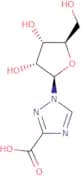
Discontinued product1-b-D-Ribofuranosyl-1,2,4-triazole-3-carboxylic acid
CAS:1-b-D-Ribofuranosyl-1,2,4-triazole-3-carboxylic acid (1bRT) is an amide that inhibits the growth of viruses by inhibiting the viral enzyme thiosemicarbazide. It has been shown to be active against specific viruses such as HIV and retroviruses. 1bRT is used to treat lung diseases caused by viruses, including bronchiolitis, pneumonia, and pulmonary fibrosis. It also has antibacterial properties. Studies have shown that 1bRT reduces the number of bacteria in body fluids and helps to prevent respiratory infections and other bacterial infections in people with weakened immune systems due to AIDS or cancer treatment.
Formula:C8H11N3O5Purity:Min. 95%Molecular weight:229.19 g/molRef: 3D-IR138822
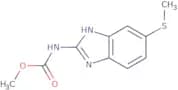
Discontinued productAlbendazole impurity F
CAS:Albendazole is an anti-helminthic drug that is structurally classified as a benzimidazole. It has been shown to be effective against a variety of helminths, including roundworms, pinworms, hookworms, and tapeworms. Albendazole impurity F is an analytical standard for the determination of albendazole in pharmaceutical products by HPLC. It also serves as a reference substance to establish the purity of drug products containing albendazole and its metabolites. Albendazole impurity F is not considered to be a metabolite of albendazole because it has been shown to be stable under acidic conditions and can be synthesized from other starting materials.
Formula:C10H11N3O2SPurity:Min. 95%Molecular weight:237.28 g/mol(3R)-3,6-Dihydro-2H-1,4-thiazine-3,5-dicarboxylic Acid 3-Ethyl Ester
CAS:The chemical name for (3R)-3,6-Dihydro-2H-1,4-thiazine-3,5-dicarboxylic acid 3-ethyl ester-d5 is 2-(2-(pyrrolidin-1-yl)ethoxy)ethanol. This compound is a drug product that has been custom synthesized and purified by HPLC. It is an analytical standard and impurity standard for HPLC. The CAS number for this compound is 944115-20-2.Formula:C8H6D5NO4SPurity:Min. 95%Molecular weight:222.27 g/molCiprofibrate-o-β-glucuronide
CAS:Ciprofibrate-o-β-glucuronide is the major metabolite of ciprofibrate in humans. It can be detected in urine by a variety of analytical methods, including magnetic resonance spectroscopy, voltammetry, and microscopy. Ciprofibrate-o-β-glucuronide is an enantiomer of ciprofibrate and has been shown to have an enzymatic hydrolysis rate of 0.07% per hour. This hydrolysis process is catalyzed by cytochrome P450 enzymes. Ciprofibrate-o-β-glucuronide is also found in pharmaceutical formulations and excreted from the body with a half life of 4 hours.
Formula:C19H22Cl2O9Purity:Min. 95%Molecular weight:465.3 g/molRef: 3D-CEA62315
Discontinued product5-(4-Methoxyphenyl)-3-methyl-1-oxa-3-azaspiro[5.5]undecane
CAS:5-(4-Methoxyphenyl)-3-methyl-1-oxa-3-azaspiro[5.5]undecane is an analytical standard used in HPLC and GC. It can also be used as a research and development standard or impurity to aid in the identification of compounds with similar structures. 5-(4-Methoxyphenyl)-3-methyl-1-oxa-3-azaspiro[5.5]undecane has a purity of 99% and a melting point of 80°C. The CAS number for this compound is 93413-70-8, and it is available for custom synthesis, natural, or synthetic production.
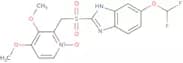
Formula:C17H25NO2Purity:Min. 95%Molecular weight:275.39 g/molPantoprazole sulfone N-oxide
CAS:Pantoprazole sulfone N-oxide is a prodrug that is converted to the active form pantoprazole in the stomach where it inhibits gastric acid secretion. Pantoprazole sulfone N-oxide has been shown to be genotoxic, and can cause polyvinyl chloride to degrade when stored together. Reconstituted solution of this drug should be used within 24 hours after reconstitution, as the chemical stability of this drug decreases rapidly. Validation studies have been conducted on different analytical methods for determining pantoprazole concentrations in reconstituted solutions, and these methods have been harmonized with those published by the United States Pharmacopeia (USP). The pump inhibitor activity of pantoprazole sulfone N-oxide has been demonstrated in dogs, and it is also useful for treating acid reflux disease in humans. Pantoprazole sulfone N-oxide is unstable at high temperatures (>25°C), so should not be refrigerated or
Formula:C16H15F2N3O6SPurity:Min. 95%Molecular weight:415.37 g/molRef: 3D-ID26757
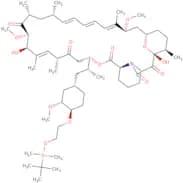
Discontinued product42-o-tert-Butyldimethylsilyloxyethyl rapamycin
CAS:Rapamycin is a natural product from Streptomyces hygroscopicus. It has been shown to inhibit T- and B-lymphocyte proliferation, induce apoptosis of lymphocytes, and suppress both humoral and cell-mediated immune responses. Rapamycin is also an immunosuppressant that decreases the incidence of rejection in organ transplant patients. Rapamycin is used as a drug product in the form of a sterile solution for injection. The purity of rapamycin should be at least 99%, with less than 1% impurities, such as 42-O-tert-butyldimethylsilyloxyethyl rapamycin (TBDMS). Rapamycin is not currently available on the market as an API, but it may be custom synthesized for research purposes or for clinical trials.Formula:C59H97NO14SiPurity:Min. 95%Molecular weight:1,072.49 g/mol


![(3R,5S,6E)-7-[4-(4-Fluorophenyl)-6-(1-methylethyl)-2-[methyl[(2-hydroxy-2-methylpropyl)sulfonyl]am…](/_next/image/?url=https%3A%2Fstatic.cymitquimica.com%2Fproducts%2F3D%2Fthumb-webp%2FIF156830.webp&w=3840&q=75)
![5-(4-Methoxyphenyl)-3-methyl-1-oxa-3-azaspiro[5.5]undecane](/_next/image/?url=https%3A%2Fstatic.cymitquimica.com%2Fproducts%2F3D%2Fthumb-webp%2FIM28679.webp&w=3840&q=75)