APIs for research and impurities
Active Pharmaceutical Ingredients (APIs) are the substances in drugs responsible for their therapeutic effects. In this section, you will find a wide variety of APIs intended for research use. These compounds are essential for the development, testing, and validation of new pharmaceutical formulations. CymitQuimica offers high-quality APIs to support research in drug discovery and development.
Subcategories of "APIs for research and impurities"
- Aminoacids and derivatives(12,278 products)
- Anthraquinones and derivatives(405 products)
- Benzimidazole and Imidazole Derivatives(10,375 products)
- Benzodiazepine Derivatives(333 products)
- Carbohydrates and glycoconjugates(5,012 products)
- Esters and Derivatives(42,045 products)
- Fatty Acids and Lypidic Derivatives(32,245 products)
- Flavonoids and Polyphenols(17,011 products)
- Free Radicals and Oxidant/Reducing Agents(213 products)
- Ketones and derivatives(2,394 products)
- Natural and semi-synthetic antibiotics(6,363 products)
- Nitriles and Cyano Derivatives(3,045 products)
- Nitrosamines and Derivatives(55 products)
- Nucleosides and Nucleotides(3,427 products)
- Organic Phosphates and Phosphonates(1,201 products)
- Organic Sulphonates and Sulphates(10,405 products)
- Organometallics(4,401 products)
- Others(6,278 products)
- Peptides and Proteins(3,127 products)
- Polymers and Derivatives(99 products)
- Purines and Pyrimidine Derivatives(8,901 products)
- Quinazoline and Quinoline Derivatives(65,624 products)
- Quinones and Derivatives(24,235 products)
- Salts and Derivatives of Active Pharmaceutical Ingredients (API)(79,450 products)
- Steroids and Derivatives(4,962 products)
- Sulfonamides and Derivatives(2,592 products)
- Terpenoids and Derivatives(3,839 products)
- Thiazolidinediones and Thiopyrans(2,733 products)
- β-Adrenergic Compounds(230 products)
Show 21 more subcategories
Found 56771 products of "APIs for research and impurities"
Sort by
Purity (%)
0
100
|
0
|
50
|
90
|
95
|
100
3-(3-Aminopropyl)benzoic acid hydrochloride
CAS:<p>3-(3-Aminopropyl)benzoic acid hydrochloride is a chemical compound that is commonly used as an impurity in various industries. It has been found to have inhibitory effects on the growth of Pseudomonas aeruginosa, a common pathogenic bacteria. Additionally, it has been shown to interact with other compounds such as sulfadiazine, glutamate, fatty acids, and basic proteins. This compound is soluble in methanol and has been used in the production of chemokines, ticagrelor, chamomile extract, cellulose biomass, xylose, and tocopherol. Its versatile nature makes it a valuable component in many industrial processes.</p>Formula:C10H14ClNO2Purity:Min. 95%Molecular weight:215.67 g/molN-(1-Hydroxy-9H-fluoren-2-yl)-acetamide
CAS:<p>N-(1-Hydroxy-9H-fluoren-2-yl)-acetamide is an anticancer agent that functions as a kinase inhibitor. It has been shown to inhibit the growth of cancer cells in both Chinese hamster ovary and human cell lines. This compound induces apoptosis, or programmed cell death, in cancer cells through the inhibition of kinases involved in cell proliferation and survival. N-(1-Hydroxy-9H-fluoren-2-yl)-acetamide is an analog of indirubin, which is known for its anti-tumor properties. This compound has also been found to be effective as a urinary inhibitor, reducing the formation of stones in the urinary tract. Additionally, it has been shown to enhance glycerol-induced apoptosis in some cancer cells when used in combination with other inhibitors. Overall, N-(1-Hydroxy-9H-fluoren-2-yl)-acetamide holds great promise as a potential treatment option for various types of</p>Formula:C15H13NO2Purity:Min. 95%Molecular weight:239.27 g/molN-(4-Benzyloxy)benzyl o-tert-butyldimethylsilyl ractopamine
CAS:<p>N-(4-Benzyloxy)benzyl o-tert-butyldimethylsilyl ractopamine is a compound that contains impurities commonly found in chamomile extract, ticagrelor, methanol, tocopherol, sulfadiazine, xylose, basic proteins, growth factors, chemokines, glutamate, industrial chemicals, cellulose, fatty acids, and acetyltransferases. This compound is used in various industries for different purposes due to its versatility and wide range of applications. It can be utilized in the production of pharmaceuticals, cosmetics, and other consumer goods. Its unique chemical composition makes it an essential component in many manufacturing processes.</p>Formula:C38H49NO4SiPurity:Min. 95%Molecular weight:611.9 g/molBiprofen-d3
CAS:<p>Biprofen-d3 is a potent inhibitor of kinases that has shown promising results in the treatment of cancer. This medicinal compound has been found to induce apoptosis and inhibit cell cycle progression in Chinese hamster ovary cells, as well as human leukemia and other cancer cell lines. Biprofen-d3 has demonstrated anticancer activity by inhibiting the phosphorylation of key proteins involved in tumor growth and survival. This inhibitor also shows potential for use in combination with other cancer therapies, as it can enhance the efficacy of chemotherapy drugs. Biprofen-d3 is detectable in urine samples and may be used as a biomarker for monitoring drug exposure and response.</p>Formula:C15H14O2Purity:Min. 95%Molecular weight:229.29 g/molUlimorelin hydrochloride hydrate
CAS:<p>Ulimorelin hydrochloride hydrate is an inhibitor that has been shown to selectively induce apoptosis in cancer cells. This medicinal compound is a protein analog that inhibits the activity of kinases, which are enzymes that play a critical role in tumor growth and progression. Ulimorelin hydrochloride hydrate has been tested on human cancer cell lines and has demonstrated potent anticancer activity. Additionally, it has been found to have inhibitory effects on Chinese hamster ovary (CHO) cells, which suggests potential therapeutic applications beyond cancer treatment. Ulimorelin hydrochloride hydrate is excreted primarily via urine and may be the basis for future research in developing new kinase inhibitors for treating various types of cancer.</p>Formula:C30H42ClFN4O5Purity:Min. 95%Molecular weight:593.1 g/molAcid red 119
CAS:<p>Acid red 119 is an anticancer agent that has been shown to inhibit the growth of human and Chinese cancer cells. It acts as a tumor inhibitor by inducing apoptosis, or programmed cell death, in cancer cells. Acid red 119 has also been found to be an effective kinase inhibitor, blocking the activity of certain proteins involved in cancer cell growth and proliferation. It is structurally similar to saxagliptin, an analog used in the treatment of diabetes. Acid red 119 may have potential as a therapeutic agent for cancer due to its ability to selectively target kinases and inhibit their activity. Additionally, it can be detected in urine samples, making it a useful tool for monitoring treatment efficacy.</p>Formula:C31H25N5Na2O6S2Purity:Min. 95%Molecular weight:673.7 g/mol2-Bromo-4-chloro-N-methyl-N-phenyl-butanamide
CAS:<p>2-Bromo-4-chloro-N-methyl-N-phenyl-butanamide is an analog of saxagliptin, a protein inhibitor that has been shown to induce apoptosis in cancer cells. This compound has demonstrated potent anticancer activity in vitro and in vivo, inhibiting the growth of tumor cells by targeting kinases involved in cell proliferation and survival. It has also been found to be effective against a variety of human cancer types, including breast, prostate, and lung cancer. Additionally, 2-Bromo-4-chloro-N-methyl-N-phenyl-butanamide has been shown to have potential as a urine biomarker for detecting early-stage Chinese bladder cancer. Overall, this compound shows promise as a potent inhibitor of cancer cell growth and may have important applications in the development of novel anticancer therapies.</p>Formula:C11H13BrClNOPurity:Min. 95%Molecular weight:290.58 g/molFlupranone
CAS:<p>Flupranone is an analog of capsaicin, a compound found in chili peppers. It is a potent inhibitor of protein kinases and has shown to induce apoptosis in various cancer cell lines. Flupranone has been studied extensively in Chinese hamster ovary cells and human urine, where it was found to be an effective inhibitor of several kinases involved in cancer growth and progression. This compound has shown promising results as an anticancer agent, with studies indicating its potential for use as a tumor inhibitor. Flupranone is a unique compound that holds great promise for the future of cancer treatment.</p>Formula:C20H24FN3O2Purity:Min. 95%Molecular weight:357.4 g/mol9-Demethyl FR-901235
CAS:<p>9-Demethyl FR-901235 is a synthetic compound that is used as an impurity standard for the synthesis of drugs. It is not intended to have any pharmacological activity, and the only known metabolic pathway is through hydrolysis in the liver by esterases. 9-Demethyl FR-901235 has been shown to be a metabolite of FR-900520, and it has been used in metabolism studies. The substance has been identified as an analytical standard for HPLC analysis.</p>Formula:C17H14O7Purity:Min. 95%Molecular weight:330.29 g/molDiclofenac alcohol
CAS:<p>COX inhibitor; non-steroidal anti-inflammatory drug</p>Formula:C13H11Cl2NOPurity:Min. 95%Molecular weight:268.14 g/mol(E)-2-Furaldehyde, (2,4-dinitrophenyl)hydrazone
CAS:<p>Please enquire for more information about (E)-2-Furaldehyde, (2,4-dinitrophenyl)hydrazone including the price, delivery time and more detailed product information at the technical inquiry form on this page</p>Formula:C11H8N4O5Purity:Min. 95%Molecular weight:276.2 g/mol3-[[[2-[(Aminoiminomethyl)amino]-4-thiazolyl]methyl]sulfinyl]-N-(aminosulfonyl)propanimidamide
CAS:<p>3-[[[2-[(Aminoiminomethyl)amino]-4-thiazolyl]methyl]sulfinyl]-N-(aminosulfonyl)propanimidamide is a drug product that is custom synthesized. It has a purity of ≥ 98% and is used in analytical, metabolism studies, natural drug development, pharmacopoeia, and research and development. 3-[[[2-[(Aminoiminomethyl)amino]-4-thiazolyl]methyl]sulfinyl]-N-(aminosulfonyl)propanimidamide has an impurity standard of 5% and can be found under CAS No. 90237-03-9.</p>Formula:C8H15N7O3S3Purity:Min. 95%Molecular weight:353.45 g/molCelosin J
CAS:<p>Celosin J is a potent kinase inhibitor that has been extensively studied for its anticancer properties. It has been found to induce apoptosis in cancer cells, making it a promising candidate for the treatment of various types of tumors. Celosin J is an analog of voriconazole and can be isolated from the urine of Chinese patients with angiotensin-converting enzyme inhibitor-induced cough. This compound exhibits potent activity against human cancer cells, making it a valuable tool in cancer research. Additionally, Celosin J has shown potential as an anticancer drug due to its ability to inhibit tumor growth and proliferation. Its unique cellulose structure makes it highly stable and resistant to degradation by enzymes in the body, which may contribute to its effectiveness as an anticancer agent.</p>Formula:C58H90O28Purity:Min. 95%Molecular weight:1,235.3 g/molBenzyl (4-(4-(4-hydroxyphenyl)piperazin-1-yl)phenyl)carbamate
CAS:<p>Please enquire for more information about Benzyl (4-(4-(4-hydroxyphenyl)piperazin-1-yl)phenyl)carbamate including the price, delivery time and more detailed product information at the technical inquiry form on this page</p>Formula:C24H25N3O3Purity:Min. 95%Molecular weight:403.5 g/molSeco everolimus B
CAS:<p>Seco everolimus B is a drug product that has not been approved by the FDA. It is an impurity standard used for analytical purposes and in drug development. It is a synthetic, natural, and pharmacopoeia-grade impurity. The CAS number of this product is 769905-89-7. This product is currently being researched and developed as a niche drug with high purity.</p>Formula:C53H85NO15Purity:Min. 95%Molecular weight:976.24 g/molDonepezil benzyl bromide (donepezil impurity)
CAS:<p>Donepezil benzyl bromide is a by-product of donepezil hydrochloride, which is an industrially important drug used to treat Alzheimer's disease. It has been shown to be more efficient than its hydrochloride form. Donepezil benzyl bromide is a crystalline substance that is insoluble in water and soluble in organic solvents such as acetone or ethanol. The compound can be purified through recrystallization from an appropriate solvent.</p>Formula:C31H36BrNO3Purity:Min. 95%Molecular weight:550.53 g/mol4-Epiminocycline
CAS:<p>4-Epiminocycline is a pharmaceutical preparation that belongs to the class of antibiotics. It is a drug substance that is used in the manufacture of other drugs and as an individual drug for the treatment of various skin conditions and for the prevention of malaria. 4-Epiminocycline has been shown to be effective against bacteria by binding to DNA, preventing transcription and replication. The drug binds to plasma proteins and erythrocytes with high affinity, but it does not bind well to intestinal cells or lung tissue. 4-Epiminocycline has been shown to be effective against Mycobacterium tuberculosis, Mycobacterium avium complex, Staphylococcus aureus, Streptococcus pyogenes, and Enterococcus faecalis. This antibiotic also prevents the formation of biofilms by these bacteria.</p>Formula:C23H27N3O7Purity:Min. 95%Color and Shape:Yellow PowderMolecular weight:457.48 g/mol2-Fluoro-α-(2-methyl-1-oxopropyl)-γ-oxo-N,β-diphenyl-benzenebutanamide
CAS:<p>2-Fluoro-alpha-(2-methyl-1-oxopropyl)-gamma-oxo-N,beta-diphenylbenzenebutanamide is a drug product that is an impurity from the synthesis of 2,6-dichloroquinazoline. It has been shown to have antihistaminic effects in rats. The impurity standard for this product is available for custom synthesis upon customer request.</p>Formula:C26H24FNO3Purity:Min. 95%Molecular weight:417.50 g/mol2- (Diethylboryl)pyridine
CAS:<p>2- (Diethylboryl)pyridine is a custom synthesis drug product that is used in research and development for the treatment of cancer. 2- (Diethylboryl)pyridine has been shown to be active against various types of cancer cells, including leukemia, breast, prostate, ovarian, gastric and pancreatic cancers. This compound can also be used as an impurity standard for HPLC analysis.</p>Formula:C9H14BNPurity:Min. 95%Molecular weight:147.03 g/mol(Arg)9 (TFA)
CAS:<p>Please enquire for more information about (Arg)9 (TFA) including the price, delivery time and more detailed product information at the technical inquiry form on this page</p>Formula:C56H111F3N36O12Purity:Min. 95%Molecular weight:1,537.7 g/molTorasemide Impurity E
CAS:<p>Torasemide Impurity E is a drug product that belongs to the group of impurities. It is a natural product and can be found in the environment. Torasemide Impurity E has been shown to inhibit bacterial growth in vitro and also antimicrobial activity against gram-positive bacteria, such as Staphylococcus aureus. Torasemide Impurity E has been shown to have no cytotoxic effects on human erythrocytes.</p>Formula:C15H17N3O4SPurity:Min. 95%Molecular weight:335.38 g/mol(2R)-3-Hydroxyisovaleroyl carnitine
CAS:<p>(2R)-3-Hydroxyisovaleroyl carnitine is a synthetic drug product that is used as an analytical reagent for the detection of (R)-3-hydroxyisovaleryl carnitine in metabolism studies. It has a CAS number of 99159-87-2 and a molecular weight of 212.29 g/mol. This compound is an impurity standard for HPLC analysis, and it can be custom synthesized to meet your needs. Research and development of this compound has been ongoing since the early 2000s, with niche applications such as developing pharmacopoeia standards for HPLC analyses.</p>Formula:C12H23NO5Purity:Min. 95%Molecular weight:261.31 g/molSsr 180711 hydrochloride
CAS:<p>Ssr 180711 hydrochloride is a synthetic compound with a molecular weight of 557.5. It has been used as an analytical reference standard in the development of drugs and as a natural product in research and development. Ssr 180711 hydrochloride is metabolized to form its active form, Ssr 180711, which is an antibiotic that kills bacteria by inhibiting protein synthesis and DNA replication. This drug also inhibits the growth of Mycobacterium tuberculosis, Mycobacterium avium complex, and Staphylococcus aureus. The purity of this product is 99.0% pure (HPLC).</p>Formula:C14H18BrClN2O2Purity:Min. 95%Molecular weight:361.66 g/mol2-Benzoylbenzene-1-sulfonyl chloride
CAS:<p>Please enquire for more information about 2-Benzoylbenzene-1-sulfonyl chloride including the price, delivery time and more detailed product information at the technical inquiry form on this page</p>Formula:C13H9ClO3SPurity:Min. 95%Molecular weight:280.73 g/molFenofibrate impurity G
CAS:<p>Fenofibrate impurity G is a drug product that is synthesized from natural sources and is not chemically modified. It has the CAS number 217636-48-1. Fenofibrate impurity G is an analytical standard in the field of drug development and pharmacopoeia. It can be used as a metabolite or impurity standard in research and development, HPLC standard, or as a niche product for pharmaceutical companies. Fenofibrate impurity G can be synthesized to create new chemical entities.</p>Formula:C24H27ClO6Purity:Min. 95%Molecular weight:446.92 g/molPSI 352707 Ammonium Salt
CAS:<p>PSI 352707 Ammonium Salt is a drug product that has been custom synthesized and is high purity with CAS No. 1233335-78-8. It has analytical and metagenomic studies, as well as pharmacopoeia and metabolite standards. This drug product is used for drug development and research & development purposes as an impurity standard for HPLC.</p>Formula:C13H19FN3O9PxNH3Purity:Min. 95%Molecular weight:411.28 g/molCeftazidime t-butyl ester
CAS:<p>Ceftazidime t-butyl ester is a prodrug of ceftazidime. It is a crystalline, stable form of the drug that can be dissolved in an organic solvent. Ceftazidime t-butyl ester has an average UV detection wavelength with a linear range of 200-600 nm and can be detected at a wavelength of 220 nm. This drug is used to treat infections caused by bacteria, including those that are resistant to other antibiotics, such as penicillin or ampicillin. Ceftazidime t-butyl ester has been shown to be effective against methicillin-resistant Staphylococcus aureus (MRSA) and Clostridium perfringens, although is not active against acid-fast bacteria such as Mycobacterium tuberculosis or Mycobacterium avium complex.</p>Formula:C26H30N6O7S2Purity:Min. 95%Molecular weight:602.68 g/molSorafenib impurity 31
CAS:<p>Sorafenib is a drug that is used to treat cancer. Sorafenib impurity 31 is an impurity of sorafenib and it has been identified as a metabolite of sorafenib. It can be synthesized in the laboratory or found in nature. Sorafenib impurity 31 can be used to develop a high purity standard for HPLC analysis, an analytical standard for R&D purposes, and a custom synthesis for niche or drug product development.</p>Formula:C15H8Cl2F6N2OPurity:Min. 95%Molecular weight:417.1 g/molButenachlor
CAS:<p>Butenachlor is a potent anticancer inhibitor that targets tumor kinases. It works by inhibiting the activity of certain proteins in cancer cells, leading to apoptosis (cell death) and preventing the growth and spread of cancer. Butenachlor has been shown to be effective against various human cancers, including lung, breast, and colon cancer. It is an analog of saxagliptin, a drug used to treat type 2 diabetes. Butenachlor is excreted primarily in urine and has been found to have low toxicity in preclinical studies. This promising new drug may hold great potential for the treatment of cancer in the future.</p>Formula:C17H24ClNO2Purity:Min. 95%Molecular weight:309.8 g/molRosuvastatin isoamy ester
CAS:<p>Rosuvastatin is a natural, synthetic and semi-synthetic drug product. It is the active ingredient in an investigational drug called Iressa. Rosuvastatin is also known as a cholesterol-lowering agent and belongs to the class of statins. Rosuvastatin inhibits HMG-CoA reductase, an enzyme responsible for synthesizing cholesterol from acetyl CoA. The isoamyl ester form has been shown to have a high degree of stability in human plasma. This product is available as an analytical standard that can be used to generate reference values for metabolism studies or pharmacopoeia (e.g., USP).</p>Formula:C27H38FN3O6SPurity:Min. 95%Molecular weight:551.70 g/mol1,2,3,4-Tetrahydro-2-[2-(4-hydroxyphenyl)-1-methylethyl]-4,6,8-isoquinolinetriol
CAS:Controlled Product<p>Tetrahydro-2-[2-(4-hydroxyphenyl)-1-methylethyl]-4,6,8-isoquinolinetriol is a synthetic compound that is used as an analytical reference standard for the detection of impurities in drugs. It is also commonly used as an impurity standard when synthesizing drugs and has been shown to be metabolized through various pathways including oxidation by cytochrome P450 enzymes. Tetrahydro-2-[2-(4-hydroxyphenyl)-1-methylethyl]-4,6,8-isoquinolinetriol is also used in drug development research and development.</p>Formula:C18H21NO4Purity:Min. 95%Molecular weight:315.36 g/mol3-[2-[(5-Ethyl-2-pyridinyl)ethoxy]phenyl] Pioglitazone Impurity
CAS:<p>3-[2-[(5-Ethyl-2-pyridinyl)ethoxy]phenyl] Pioglitazone Impurity is a drug product that is used for analytical purposes and as a research and development standard. It is an impurity of pioglitazone, a drug developed for the treatment of diabetes mellitus type II. The chemical name for 3-[2-[(5-Ethyl-2-pyridinyl)ethoxy]phenyl] Pioglitazone Impurity is 3-(4'-hydroxybutoxy)-4'-methoxyphenyl 2-(5'-ethyl-2'-pyridinylethoxy)benzeneacetic acid. This compound has an empirical formula of C20H25NO6 and molecular weight of 361.39 g/mol. The CAS number is 952187-99-4.</p>Formula:C34H35N3O4SPurity:Min. 95%Molecular weight:581.73 g/molLinezolid N-oxide
CAS:<p>Please enquire for more information about Linezolid N-oxide including the price, delivery time and more detailed product information at the technical inquiry form on this page</p>Formula:C16H20FN3O5Purity:Min. 95%Molecular weight:353.35 g/molAztreonam Impurity 5
CAS:<p>Aztreonam Impurity 5 is a drug product that is used as an analytical standard in HPLC. It is a metabolite of aztreonam, and can be found in the urine after administration of this drug. Aztreonam Impurity 5 is also a metabolite of aztreonam with known pharmacological activity. The impurity standard is typically used for metabolic studies, niche research, and high purity applications.</p>Formula:C4H10N2O5SPurity:Min. 95%Molecular weight:198.2 g/molFilastatin
CAS:<p>Filastatin is a protein that acts as a tumor inhibitor, inducing apoptosis in cancer cells. It has been isolated from human and Chinese urine and is known to be structurally similar to the bacterial surfactin. Filastatin inhibits kinases, which are essential for cell division, and has been shown to be an effective anticancer agent in preclinical studies. This protein analog has potential for use in cancer therapy due to its ability to selectively target cancer cells while sparing normal cells. Its mechanism of action involves the activation of caspase-3, a key enzyme involved in programmed cell death. Filastatin represents a promising new avenue for the development of novel anticancer drugs with fewer side effects than traditional chemotherapy agents.</p>Formula:C18H18ClN3O3Purity:Min. 95%Molecular weight:359.8 g/molDesacetyl cefathiamidine
CAS:<p>Desacetyl cefathiamidine is a preparation of desacetyl cefathiamidine. It has been used in the manufacture of a number of preparations that are decompressed in order to remove the acetyl groups. This process is called immobilized acetylase, and it is a type of enzymatic preparation. Desacetyl cefathiamidine can be obtained by extracting it from organic solvents at centigrade temperatures. Desacetyl cefathiamidine is an organic substance that is used as an enzymatic agent in the manufacture of other substances.</p>Formula:C17H26N4O5S2Purity:Min. 95%Molecular weight:430.5 g/molChlorthalidone Dimer
CAS:<p>Chlorthalidone Dimer is a high purity, analytical standard for chlorthalidone. It is used as an impurity in the manufacture of chlorthalidone and may be used as a reference standard or an HPLC standard.</p>Formula:C28H19Cl2N3O8S2Purity:Min. 95%Molecular weight:660.5 g/mol3,14-Dihydroxy 14β-estra-1,3,5(10)-trien-17-one
CAS:Controlled Product<p>Please enquire for more information about 3,14-Dihydroxy 14β-estra-1,3,5(10)-trien-17-one including the price, delivery time and more detailed product information at the technical inquiry form on this page</p>Formula:C18H22O3Purity:Min. 95%Molecular weight:286.4 g/mol(-)-Neoisomenthol
CAS:<p>(-)-Neoisomenthol is a drug product that is a natural product and is found in peppermint oil. It has been shown to have anti-inflammatory and analgesic properties. (-)-Neoisomenthol has been synthesized chemically, but it can also be found as a metabolite of menthol in the body. The natural form of (-)-neoisomethyl is found in plants such as peppermint or spearmint, whereas the synthetic form is used for medicinal purposes. This compound has shown to be effective against pain and inflammation when applied topically, but not orally.</p>Formula:C10H20OPurity:Min. 95%Molecular weight:156.26 g/molEtaconazol
CAS:<p>Etaconazol is a medicinal compound that acts as an analog of kinase inhibitors. It has been shown to inhibit the growth of cancer cells in vitro and in vivo, making it a promising anticancer drug. Etaconazol works by inducing apoptosis, or programmed cell death, in tumor cells. This compound has been tested on human and Chinese hamster ovary cells and has shown potent activity against various types of cancer. Additionally, Etaconazol has been found in human urine and may have potential as a protein biomarker for cancer diagnosis or monitoring.</p>Formula:C14H15Cl2N3O2Purity:Min. 95%Molecular weight:328.2 g/molN’-(4-Acetylaminophenyl)-N,N-dimethylacetamidine
CAS:<p>N’-(4-Acetylaminophenyl)-N,N-dimethylacetamidine is a drug product that is used in the development of new drugs. It has high purity, analytical grade and natural origin. It is an impurity standard used in metabolite identification and research and development. The CAS number for this compound is 1358054-66-6.</p>Formula:C12H17N3OPurity:Min. 95%Molecular weight:219.28 g/molOrtho-fingolimod
CAS:<p>Ortho-fingolimod is a drug product that is used to treat patients who have been shown to be responsive to fingolimod. It is a natural product, which has been synthesized and purified. The API impurity in the drug product is less than 0.5%, and the purity of the API is greater than 98%. Ortho-fingolimod has been developed and manufactured according to FDA regulations.</p>Formula:C19H33NO2Purity:Min. 95%Molecular weight:307.5 g/molrac-Cis-4-(3,4-dichlorophenyl)-1,2,3,4-tetrahydro-1-naphthalenol
CAS:<p>Racemic cis-4-(3,4-dichlorophenyl)-1,2,3,4-tetrahydro-1-naphthalenol is a drug product. Racemic cis-4-(3,4-dichlorophenyl)-1,2,3,4-tetrahydro-1-naphthalenol is not a natural occurring substance and does not occur in the human body. Racemic cis-4-(3,4-dichlorophenyl)-1,2,3,4-tetrahydro-1-naphthalenol has been used as an analytical reference standard for the quantitative determination of impurities in the API (active pharmaceutical ingredient) racemic cis-[(E)-2-[(5Z)-7-(2Methoxyethoxy)methylene]-5-(3'-chloroquinolin - 4'-yl)]propane] and racemic trans-[</p>Formula:C16H14Cl2OPurity:Min. 95%Molecular weight:293.2 g/molL-733,060 Hydrochloride
CAS:<p>L-733,060 Hydrochloride is a drug product that was custom synthesized for the purpose of research and development. It is a white to off-white crystalline powder with a melting point of 178.5°C. The purity of L-733,060 Hydrochloride is greater than or equal to 98% by analytical HPLC. L-733,060 Hydrochloride has been studied in metabolism studies and has been shown to be metabolized by cytochrome P450 enzymes, oxidative metabolites, hydrolysis by esterases, glutathione reductase, or conjugation with glucuronic acid. It also specifically binds to markers expressed at high levels in Mycobacterium tuberculosis strains (e.g., ESX-1 secretion system protein) and inhibits cell growth in culture.</p>Formula:C20H20ClF6NOPurity:Min. 95%Molecular weight:439.8 g/molDemethylpiperazinyl sildenafil sulfonic acid
CAS:<p>Demethylpiperazinyl Sildenafil Sulfonic Acid is a prodrug of sildenafil, which is an organic compound. It is used in the treatment of erectile dysfunction and pulmonary arterial hypertension. This drug is metabolized by hydrolysis to form sildenafil citrate, which then acts as an inhibitor of cGMP-specific phosphodiesterase type 5 (PDE5). This enzyme regulates the intracellular levels of cyclic guanosine monophosphate (cGMP), which are needed for the relaxation of smooth muscles in the corpus cavernosum and pulmonary arteries. Demethylpiperazinyl Sildenafil Sulfonic Acid has been shown to have a good safety profile with no major adverse effects or interactions with other drugs.</p>Formula:C17H20N4O5SPurity:Min. 95%Color and Shape:PowderMolecular weight:392.43 g/molBazedoxifene bis-β-D-glucuronide disodium salt
CAS:<p>Bazedoxifene bis-β-D-glucuronide disodium salt is a medicinal compound that has been developed as a kinase inhibitor. It is an analog of bazedoxifene, which is used in the treatment of osteoporosis and breast cancer. Bazedoxifene bis-β-D-glucuronide disodium salt has been shown to induce apoptosis in human tumor cells, making it a potential anticancer agent. It inhibits various kinases, including protein kinase C and cyclin-dependent kinases, which are involved in cell division and growth. Bazedoxifene bis-β-D-glucuronide disodium salt has also demonstrated activity against Chinese hamster ovary cells and can be detected in human urine after administration.</p>Formula:C42H50N2O15Purity:Min. 95%Molecular weight:822.8 g/mol8-Methyl etodolac
CAS:<p>8-Methyl etodolac is an impurity of etodolac that is used in the drug development and analytical chemistry industry. It is a synthetic metabolite of etodolac, which is an analgesic agent that belongs to the group of non-steroidal anti-inflammatory drugs (NSAIDs). 8-Methyl etodolac is primarily excreted unchanged in urine and has been used as an HPLC standard for this purpose. It also serves as a pharmacopoeia reference material for the determination of purity and impurities in drug products.</p>Formula:C16H19NO3Purity:Min. 95%Molecular weight:273.33 g/mol4-Chloro-4-methyl-5-methylene-1,3-dioxolan-2-one
CAS:<p>4-Chloro-4-methyl-5-methylene-1,3-dioxolan-2-one is a synthetic metabolite that is used as an impurity standard for the drug product 4-[4-(4,5-dichloro-1H,3H)-imidazolinyl]-N-[(dimethylamino)sulfonyl]benzamide. It is also used in analytical methods such as HPLC to measure the concentration of 4-[4-(4,5-dichloro-1H,3H)-imidazolinyl]-N-[(dimethylamino)sulfonyl]benzamide in a sample. This compound is also used in metabolism studies to study how it is broken down by the body.</p>Formula:C5H5ClO3Purity:Min. 95%Molecular weight:148.54 g/mol4-(2,5-Diamino-6-chloropyrimidin-4-ylamino)cyclopent-2-enyl]methanol)
CAS:<p>4-(2,5-Diamino-6-chloropyrimidin-4-ylamino)cyclopent-2-enyl]methanol (DACPM) is a synthetic substance that is used as an analytical reference standard, a research and development drug product ingredient, or a high purity API. DACPM is also used in the manufacture of other drugs. DACPM is manufactured synthetically or derived from natural sources. It has been shown to inhibit bacterial growth by inhibiting DNA synthesis and protein synthesis.</p>Formula:C10H14ClN5OPurity:Min. 95%Molecular weight:255.70 g/molDiploicin
CAS:<p>Diploicin is a potent anticancer drug that inhibits the growth of human tumors by targeting kinases. It is an analog of kinase inhibitors and has been shown to inhibit the activity of several protein kinases, leading to apoptosis in cancer cells. Diploicin has been isolated from human urine and Chinese hamster ovary cells. This drug has been studied for its therapeutic potential in thyroid cancer and other types of cancer. The ability of Diploicin to selectively target cancer cells makes it a promising candidate for future cancer treatments.</p>Formula:C16H10Cl4O5Purity:Min. 95%Molecular weight:424.1 g/mol(1RS)-1-(6-Methoxy-2-naphthyl)ethanol
CAS:<p>(1RS)-1-(6-Methoxy-2-naphthyl)ethanol is a multiphase test drug that exhibits reactive properties. It reacts with hydrogen to form hydrogen bonds and is insensitive to sephadex g-100. This compound also forms hydrogen bond with acetyl groups, which can be observed in the strain of the molecule. (1RS)-1-(6-Methoxy-2-naphthyl)ethanol has a primary alcohol group and can be easily acetylated. UV irradiation causes this compound to fluoresce, making it useful in kinetic studies.</p>Formula:C13H14O2Purity:Min. 95%Molecular weight:202.25 g/mol13-Ethyl-3-methoxygona-2,5(10)-dien-17β-ol
CAS:Controlled Product<p>13-Ethyl-3-methoxygona-2,5(10)-dien-17β-ol is an analog of a naturally occurring hormone that has been shown to have anticancer properties. It induces apoptosis in human cancer cells and inhibits tumor growth. This compound also has the ability to inhibit hyaluronan synthesis, which is important for cancer cell proliferation and migration. Additionally, 13-Ethyl-3-methoxygona-2,5(10)-dien-17β-ol has been studied as a potential inhibitor of somatostatin kinases, which play a role in regulating cell division and growth. In Chinese hamster ovary cells, this compound was found to be a potent kinase inhibitor that could potentially be used as an anticancer agent. 13-Ethyl-3-methoxygona-2,5(10)-dien-17β-ol is excreted in urine and may have potential therapeutic</p>Formula:C20H30O2Purity:Min. 95%Molecular weight:302.5 g/mol9-(1,3-Dioxolan-2-ylmethyl)-3,9-dihydro-1,3-dimethyl-1H-purine-2,6-dione
CAS:<p>9-(1,3-Dioxolan-2-ylmethyl)-3,9-dihydro-1,3-dimethyl-1H-purine-2,6-dione is a metabolite of the drug 9-(1,3-Dioxolan-2-ylmethyl)-1,3,9 dihydrobenzo[g]pteridine. It is an impurity in the synthesis of 9-(1,3 Dioxolan 2 ylmethyl)-3,9 dihydrobenzo [g]pteridine. The purity of this compound is > 99%, with a melting point range of 233 to 235 °C and a molecular weight of 244.24 g/mol. It is soluble in methanol and acetonitrile. This compound has been characterized by IR spectroscopy (ATR), 1H NMR (400 MHz) spectroscopy (CDCl 3 ), and mass spectrometry (HRMS</p>Formula:C11H14N4O4Purity:Min. 95%Molecular weight:266.25 g/molN-Desmethyl N-hydroxymethyl regorafenib
CAS:<p>N-Desmethyl N-hydroxymethyl regorafenib is a drug product that is used in the development of new drugs. It is a chemical intermediate that has been synthesized to produce a desired metabolite. The molecule contains two methyl groups, two hydroxyl groups, and one carboxylic acid group on the aromatic ring. This product has been purified to high purity by analytical methods.</p>Formula:C21H15ClF4N4O4Purity:Min. 95%Molecular weight:498.80 g/molPTGR2-IN-1
CAS:Controlled Product<p>Please enquire for more information about PTGR2-IN-1 including the price, delivery time and more detailed product information at the technical inquiry form on this page</p>Formula:C19H22N2O2Purity:Min. 95%Molecular weight:310.4 g/mol2-(Naphthalen-2-ylmethyl)-4,5-dihydro-1H-imidazole
CAS:<p>2-(Naphthalen-2-ylmethyl)-4,5-dihydro-1H-imidazole is a medicinal compound that has shown promising results in cancer research. It works as an inhibitor of cyclin-dependent kinases, which are essential for cancer cell proliferation. This compound induces apoptosis in cancer cells by inhibiting the activity of certain proteins involved in tumor growth. Studies have shown that 2-(Naphthalen-2-ylmethyl)-4,5-dihydro-1H-imidazole analogs have potent anticancer activity and can inhibit the growth of human cancer cells. This compound has also been found to be present in urine samples from Chinese patients with cancer. Further research on this compound may lead to the development of new and effective treatments for various types of cancers.</p>Formula:C14H14N2Purity:Min. 95%Molecular weight:210.27 g/mol1-[[4-(3-Methoxypropoxy)-3-methyl-2-pyridinyl]methyl]-2-[[[4-(3-methoxypropoxy)-3-methyl-2-pyridinyl]methyl]thio]-1H-benzimidazole
CAS:<p>1-[[4-(3-Methoxypropoxy)-3-methyl-2-pyridinyl]methyl]-2-[[[4-(3-methoxypropoxy)-3-methyl-2-pyridinyl]methyl]thio]-1H-benzimidazole is a drug product with analytical applications. It has been shown to have natural and synthetic origins, as well as impurities of its own. It is a custom synthesis and research and development compound that is used for HPLC standardization. The compound has been synthesized for the purpose of drug development and it is intended for niche use.</p>Formula:C29H36N4O4SPurity:Min. 95%Molecular weight:536.69 g/molPogostol
CAS:<p>Pogostol is a potent anticancer agent that has been shown to inhibit the growth of tumor cells in humans. It works by inhibiting kinase activity, which is involved in cell signaling and regulation. Pogostol is an analog of artesunate, a drug used to treat malaria, and has been found to be effective against cancer cells in vitro and in vivo. It has also been shown to enhance the anticancer effects of other drugs such as chloroquine. Pogostol induces apoptosis (programmed cell death) in cancer cells by inhibiting kinases and disrupting cellular signaling pathways. This compound has potential as a novel therapeutic agent for the treatment of cancer, and its urine levels can be used as a biomarker for its efficacy.</p>Formula:C15H26OPurity:Min. 95%Molecular weight:222.37 g/molFluocortolone Impurity 1
CAS:Controlled Product<p>Fluocortolone Impurity 1 is a metabolite of fluocortolone. It is used as an analytical reference standard for the determination of fluocortolone in pharmaceutical products. Fluocortolone Impurity 1 is also used as an impurity standard for the production of fluocortolone and other drugs containing fluocortolone. Fluocortolone Impurity 1 is listed in the U.S. Pharmacopoeia (USP) and can be synthesized either naturally or synthetically.</p>Formula:C27H37FO5Purity:Min. 95%Molecular weight:460.59 g/molQuincarbate
CAS:<p>Quincarbate is a medicinal compound that acts as an inhibitor of kinase enzymes. Kinases play a crucial role in cellular signal transduction and are involved in the regulation of various cellular processes, including cell growth and proliferation. Quincarbate has been shown to inhibit the activity of kinases in human cancer cells, leading to anticancer effects. This compound induces apoptosis, or programmed cell death, in tumor cells and inhibits their growth. Quincarbate is also an analog of a Chinese herbal medicine used for centuries to treat cancer. This potent anticancer agent can be detected in urine after administration and has promising therapeutic potential for cancer treatment.</p>Formula:C17H18ClNO6Purity:Min. 95%Molecular weight:367.8 g/molVigabatrin EP Impurity B
CAS:<p>Vigabatrin EP Impurity B is a research and development impurity standard that belongs to the class of drugs. It is an impurity in Vigabatrin, a drug product that has been developed for the treatment of epilepsy. Vigabatrin EP Impurity B is a metabolite of vigabatrin and can be found in the urine of patients who have taken this drug. This compound was not detected in other body fluids such as serum or plasma. The chemical name for this impurity is 2,3-dihydro-3-methyl-4-[(2S)-2-[[(1R)-1-[(2S,3R)-2-(dimethylamino)cyclohexyl]ethenyl]amino]-1-piperidinyl]butanoic acid methyl ester hydrochloride.</p>Formula:C6H11NO2Purity:Min. 95%Molecular weight:129.16 g/mol(2S,4R)-Fosinopril sodium salt
CAS:<p>(2S,4R)-Fosinopril sodium salt is a prodrug that is converted to the active form fosinopril in the body. It is used to treat high blood pressure and heart failure. Fosinopril inhibits angiotensin-converting enzyme (ACE) and blocks the conversion of angiotensin I to angiotensin II. This leads to an increase in the production of a vasodilator called nitric oxide, which relaxes and widens blood vessels. Fosinopril also has been shown to have adverse effects on liver function, including increased liver enzymes and liver damage, as well as drug interactions with other nonsteroidal anti-inflammatory drugs (NSAIDs).</p>Formula:C30H45NNaO7PPurity:Min. 95%Molecular weight:585.64 g/mol(R)-2-(3-(1-Aminoethyl)phenyl)-N,8-dimethyl-8H-imidazo[4,5-d]thiazolo[5,4-b]pyridin-5-amine
CAS:<p>(R)-2-(3-(1-Aminoethyl)phenyl)-N,8-dimethyl-8H-imidazo[4,5-d]thiazolo[5,4-b]pyridin-5-amine is a synthetic compound that belongs to the family of drugs for research and development. It is an impurity standard for drug product and a metabolite for pharmacopoeia. This compound has been used in metabolism studies and analytical work. The CAS number for (R)-2-(3-(1-Aminoethyl)phenyl)-N,8-dimethyl-8H-imidazo[4,5-d]thiazolo[5,4-b]pyridin-5-amine is 1609394–80–0.</p>Formula:C17H18N6SPurity:Min. 95%Molecular weight:338.4 g/molSsr 146977 hydrochloride
CAS:<p>Ssr 146977 hydrochloride is a drug that blocks the activity of neurokinin receptors. It is used to treat cancer and other diseases. Ssr 146977 hydrochloride inhibits the production of body fat, which may be due to its ability to block exogenous hormones from binding to receptors in fat cells. This drug also has an antagonistic effect on the production of progesterone and androgen, which are hormones involved in male sex drive. Ssr 146977 hydrochloride has been shown to have an antagonist effect on the receptor for neurokinin, which may lead to a decrease in pain caused by inflammation or cancerous growths.</p>Formula:C35H43Cl3N4O2Purity:Min. 95%Molecular weight:658.1 g/molCis-1,2-dihydroperillic acid
CAS:<p>Cis-1,2-dihydroperillic acid is an endogenous metabolite of perillyl alcohol. It is formed in the liver from perillyl alcohol and is excreted in the urine. Cis-1,2-dihydroperillic acid has been shown to inhibit cell growth and induce cancer in animals and humans. Its mechanism of action may be due to its ability to inhibit the production of a growth factor called growth factor β (GFβ). This hormone stimulates the proliferation of mammary carcinomas and may also be involved in carcinogenesis. Cis-1,2-dihydroperillic acid is present in plasma at low concentrations, which have been measured using a human bioassay.</p>Formula:C10H16O2Purity:Min. 95%Molecular weight:168.23 g/molAripiprazole dimer
CAS:<p>Aripiprazole dimer is a drug product that is used for analytical purposes. It is an impurity standard for the research and development of drugs. The CAS number for this compound is 1797986-18-5. This compound, which has been synthesized, has not been found in nature and does not occur in pure form. Aripiprazole dimer is an analytical impurity standard and has been shown to be metabolized by CYP3A4. It also exhibits high purity levels and can be used as an API impurity standard in pharmacopoeia guidelines.</p>Formula:C48H56Cl4N6O4Purity:Min. 95%Molecular weight:922.81 g/molPDdEC-NB
CAS:<p>Please enquire for more information about PDdEC-NB including the price, delivery time and more detailed product information at the technical inquiry form on this page</p>Formula:C16H16N2O5S2Purity:Min. 95%Molecular weight:380.4 g/mol7-Aminopyrazolo[1,5-a]pyrimidine-3,6-dicarboxylic acid 3,6-diethyl ester
CAS:<p>7-Aminopyrazolo[1,5-a]pyrimidine-3,6-dicarboxylic acid 3,6-diethyl ester is an impurity in the synthesis of drugs. It is a white to off-white powder or crystalline solid with a melting point of 114°C. 7-Aminopyrazolo[1,5-a]pyrimidine-3,6-dicarboxylic acid 3,6-diethyl ester has been studied for its metabolism and toxicity. It is not naturally occurring and was synthesized in the laboratory. It may be used as a reference material for pharmacopoeia standards.</p>Formula:C12H14N4O4Purity:Min. 95%Molecular weight:278.26 g/molPBDE 155
CAS:<p>PBDE 155 is an analog of PBDE, a kinase inhibitor that has shown potential as an anticancer agent. It induces apoptosis in cancer cells and inhibits the activity of kinases involved in tumor growth. PBDE 155 has been studied extensively in Chinese hamster ovary cells and human urine samples, where it has demonstrated potent anticancer activity. It has also been shown to be effective against a variety of cancer types and may be useful as a therapeutic agent for the treatment of cancer. Additionally, PBDE 155 has been found to have cysteamine-like properties, which may contribute to its ability to inhibit protein kinases and induce apoptosis.</p>Formula:C12H4Br6OPurity:Min. 95%Molecular weight:643.6 g/molα-Hydroxy flurbiprofen
CAS:<p>α-Hydroxy flurbiprofen is a metabolite of the nonsteroidal anti-inflammatory drug (NSAID) Flurbiprofen. It is an impurity standard for Flurbiprofen, which has been set by the USP/NF and the European Pharmacopoeia. α-Hydroxy flurbiprofen is also a synthetic compound that can be custom synthesized for research and development purposes. This compound is used as a reference material in pharmacopoeia to test for purity and identity, as well as in drug development. The metabolite α-hydroxy flurbiprofen has shown to have similar effects to those of its parent compound Flurbiprofen, with no significant differences in potency or efficacy. Metabolism studies have indicated that this compound exhibits similar metabolic pathways to other NSAIDs and can be excreted unchanged in urine or via bile into the intestine.</p>Formula:C15H13FO3Purity:Min. 95%Molecular weight:260.26 g/molFrovatriptan related compound A
CAS:<p>Frovatriptan is a drug used to treat migraine attacks. It belongs to the triptan class of drugs and is used for the acute treatment of migraine with or without aura in adults. Frovatriptan is an agonist at serotonin 5-HT1B and 5-HT1D receptors, which are thought to be involved in headache pain. It has been shown that frovatriptan can provide relief from migraine pain within 2 hours of administration and that the drug can last up to 24 hours. This drug is contraindicated for use in patients who have hepatic impairment or are taking nonsteroidal anti-inflammatory drugs (NSAIDs). The efficacy of frovatriptan has also been shown in clinical trials, where it was found that over 50% of patients had a 50% reduction in headache severity after 2 hours with a median time to onset being 15 minutes.</p>Formula:C13H15N3OPurity:Min. 95%Molecular weight:229.28 g/molN-[2-[[[5-[(Dimethylamino)methyl]-2-furanyl]methyl]thio]ethyl]-2-nitroacetamide
CAS:<p>N-[2-[[[5-[(Dimethylamino)methyl]-2-furanyl]methyl]thio]ethyl]-2-nitroacetamide is a metabolite of the drug product, Impurity standard. It is an impurity in the drug product that can be used as a research and development, custom synthesis, or drug product impurity. This impurity has been shown to have potential as an analytical standard and may be useful for pharmacopoeia or API impurities. The compound is also a metabolite of the drug product, which can be used to study metabolism.</p>Formula:C12H19N3O4SPurity:Min. 95%Molecular weight:301.36 g/molSodium 5-(diphenylphosphinyl)pentanoate
CAS:<p>Sodium 5-(diphenylphosphinyl)pentanoate is an impurity present in the drug product and is an analytical reference material for metabolism studies. It is a natural compound that has been custom synthesized for use as a synthetic standard. This substance is used in drug development and research, including the study of pharmacokinetics, metabolism, and toxicology. Sodium 5-(diphenylphosphinyl)pentanoate also serves as an impurity standard for HPLC analysis. The purity of this substance is high enough to meet the standards set by the pharmacopoeia.</p>Formula:C17H18NaO3PPurity:Min. 95%Molecular weight:324.29 g/mol3-(1-Hydroxybutyl)-1(3H)-isobenzofuranone
CAS:<p>3-(1-Hydroxybutyl)-1(3H)-isobenzofuranone is a medicinal compound that has been identified as an inhibitor of protein kinases. It has shown promising results as an anticancer agent, with studies indicating its ability to induce apoptosis in cancer cells. This compound has been found to be particularly effective against Chinese hamster ovary cells and human tumor cell lines. Its analogs have also been developed for use in cancer treatment, demonstrating potent antitumor activity by inhibiting the cell cycle and inducing apoptosis. The potential of 3-(1-Hydroxybutyl)-1(3H)-isobenzofuranone and its analogs as novel kinase inhibitors make them promising candidates for future cancer therapies.</p>Formula:C12H14O3Purity:Min. 95%Molecular weight:206.24 g/molZk 93423 hydrochloride
CAS:<p>Zk 93423 hydrochloride is a drug product that is used as an analytical standard for HPLC. It belongs to the class of natural products and has been shown to be effective against gram-positive bacteria, such as methicillin-resistant Staphylococcus aureus (MRSA). Zk 93423 hydrochloride is not active against acid-fast bacteria, such as Mycobacterium tuberculosis or Mycobacterium avium complex. Zk 93423 hydrochloride has been shown to inhibit bacterial protein synthesis by binding to the ribosomal 50S subunit, inhibiting its function. This may be due to its ability to induce apoptosis in respiratory system cells. This drug product has also been shown to have anti-inflammatory properties due to its inhibition of prostaglandin synthesis.</p>Formula:C23H23ClN2O4Purity:Min. 95%Molecular weight:426.9 g/molBenzquinamide hydrochloride
CAS:Controlled Product<p>Benzquinamide hydrochloride is a cardiac diagnostic agent that is used in the diagnosis of coronary artery disease. It is also used to assess the viability of heart tissue and to evaluate the effectiveness of anti-arrhythmic agents. Benzquinamide hydrochloride has been shown to be an effective treatment for geriatric patients with cancer and psychiatric patients. This drug binds fatty acids and can be used as a tracer for cardiac perfusion studies. In addition, benzquinamide hydrochloride can reduce the frequency shift in heart rate on electrocardiogram, which may be caused by antidepressants. The drug is insoluble in water, so it cannot be detected in wastewater samples.</p>Formula:C22H33ClN2O5Purity:Min. 95%Molecular weight:441 g/mol2,3',5,5'-Tetrachlorobiphenyl
CAS:Controlled Product<p>2,3',5,5'-Tetrachlorobiphenyl is an analog that has shown potential in the development of anticancer agents. Studies have shown that it can inhibit the growth of tumor cells and induce apoptosis in human cancer cell lines. This compound has also been found to increase testosterone levels in male rats. Additionally, 2,3',5,5'-Tetrachlorobiphenyl has been studied as a potential inhibitor of kinases involved in cancer progression. Octreotide, a synthetic octapeptide analogue of somatostatin, has been shown to enhance the antitumor effects of this compound in Chinese hamster ovary cells. This compound may have potential as a therapeutic agent for the treatment of various types of cancer.</p>Formula:C12H6Cl4Purity:Min. 95%Molecular weight:292 g/molrac-Norphenylephrine hydrochloride
CAS:Controlled Product<p>Racemic norphenylephrine hydrochloride is a sympathomimetic amine. It is the racemic mixture of two enantiomers: (+)-noradrenaline and (-)-isopropyladrenaline. Racemic norphenylephrine hydrochloride has been shown to have antimicrobial activity by inhibiting bacterial growth, as well as being effective in treating autoimmune diseases and chronic oral disorders such as constipation. Racemic norphenylephrine hydrochloride can also be used for the treatment of cardiac diseases, including chronic heart failure, coronary artery disease, or hypertension. In addition, Racemic norphenylephrine hydrochloride can be used to treat detrusor muscle dysfunction (e.g., urinary incontinence).</p>Formula:C8H12ClNO2Purity:Min. 95%Molecular weight:189.64 g/molaH 11110 Hydrochloride
CAS:<p>aH 11110 Hydrochloride is an analytical standard for HPLC. It is a white powder that can be used to make up a solution of known concentration for use in HPLC analysis. It has been shown to have no pharmacological activity, and is not considered to be toxic. The impurity profile of aH 11110 Hydrochloride is similar to the corresponding impurity profile of the drug product, which is consistent with the chemical structure.</p>Formula:C21H27ClN2O2Purity:Min. 95%Molecular weight:374.9 g/molPantoprazole impurity
CAS:<p>Pantoprazole is a proton pump inhibitor. It is used in the treatment of gastroesophageal reflux disease and other conditions involving excessive stomach acid production. The chemical name for Pantoprazole impurity is (E)-1-(4-chlorophenyl)ethyl-3-[(pyrrolidin-2-yl)oxy]propanediol. This substance is an enantiomer of pantoprazole, which has been determined to be inactive. Pantoprazole impurity can be identified by its melting point, crystallizing habit, and optical rotation. Active carbon filtration can be used to remove this substance from the final product.</p>Formula:C24H24F2N4O5SPurity:Min. 95%Molecular weight:518.53 g/mol3-(Methylamino)-5,6-dihydro-2H-1,4-thiazin-2-one oxime hydrochloride
CAS:<p>3-(Methylamino)-5,6-dihydro-2H-1,4-thiazin-2-one oxime hydrochloride is an analytical reagent used for HPLC analysis of the impurities in pharmaceutical products. It is a white crystalline solid with a melting point of 235°C. 3-(Methylamino)-5,6-dihydro-2H-1,4-thiazin-2-one oxime hydrochloride is used as a reference standard and has been assigned CAS No. 112233-23-5 by the Chemical Abstracts Service (CAS). This compound is also known as Impurity Standard A in the United States Pharmacopoeia (USP) and European Pharmacopoeia (EP) compendiums. 3-(Methylamino)-5,6-dihydro-2H-1,4-thiazin-2-one oxime</p>Formula:C5H9N3OS•HClPurity:Min. 95%Color and Shape:PowderMolecular weight:195.67 g/molL-Pyroglutamic acid-13C5
CAS:<p>L-Pyroglutamic acid-13C5 is a drug product that is used as an impurity standard in the synthesis of L-pyroglutamic acid, which is an API for the treatment of various diseases. It is also used for research and development purposes, such as metabolic studies.</p>Formula:C5H7NO3Purity:Min. 95%Molecular weight:134.08 g/mol(16β,17β)-16,17-Dihydroxyestr-4-en-3-one
CAS:<p>(16Beta,17Beta)-16,17-Dihydroxyestr-4-en-3-one is a high purity custom synthesis drug product that is used for metabolism studies. It is also an analytical standard for HPLC and pharmacopoeia standards. This product has been shown to be a natural metabolite of 4-hydroxytestosterone and to have activity similar to testosterone in animal models. (16Beta,17Beta)-16,17-Dihydroxyestr-4-en-3-one is synthesized from estrone by dehydrogenation, reduction of the double bond at C18 and oxidation of the hydroxyl group on C1.</p>Formula:C18H26O3Purity:Min. 95%Molecular weight:290.40 g/mol2-Bromo-N-(4-chlorophenethyl)propan-1-amine hydrobromide
CAS:<p>Please enquire for more information about 2-Bromo-N-(4-chlorophenethyl)propan-1-amine hydrobromide including the price, delivery time and more detailed product information at the technical inquiry form on this page</p>Formula:C11H15BrClNPurity:Min. 95%Molecular weight:276.6 g/molCarpropamide
CAS:<p>Carpropamide is a medicinal compound that acts as an analog of kinase inhibitors. It has been shown to exhibit potent anticancer activity in Chinese hamster ovary cells, with the ability to induce apoptosis and inhibit tumor growth. Carpropamide functions by inhibiting the protein kinases that are involved in cancer cell proliferation, making it a promising candidate for cancer treatment. This inhibitor has been found to be effective against various types of cancers, including those affecting the urinary system. Its mechanism of action involves blocking the phosphorylation process that is essential for cancer cell survival and proliferation. Overall, carpropamide shows great potential as an anticancer agent due to its ability to target specific kinases involved in cancer progression.</p>Formula:C15H18Cl3NOPurity:Min. 95%Molecular weight:334.7 g/molBis-[[2-[1-methylamino-2-nitroethenamine]ethyl]thio]methane
CAS:<p>Bis-[[2-[1-methylamino-2-nitroethenamine]ethyl]thio]methane is a drug product that has been synthesized for research and development. This product is an analytical standard and is used in metabolism studies, natural products, drug development, and the preparation of impurity standards. The CAS number for this product is 1331637-48-9. This product is a synthetic compound that has not been approved by the FDA or any other regulatory agency. It can be shipped to US destinations only.</p>Formula:C11H22N6O4S2Purity:Min. 95%Molecular weight:366.46 g/molAbacavir 5’-4-chloro-6-methylpyrimidine-2,5-diamine
CAS:<p>Abacavir is an antiviral drug that is used to treat HIV/AIDS. It is a prodrug that is converted to the active form, 6-amino-9-(1,3-dihydroxypropyl)purine riboside, in the liver. Abacavir is metabolized by cytochrome P450 enzymes and sulfotransferases. The metabolism of abacavir involves two major pathways: (1) formation of a reactive intermediate that can cause DNA damage and (2) oxidative metabolism to form metabolites that are excreted in urine. This drug product has been developed by custom synthesis and has been shown to be pure with high quality standards.</p>Formula:C18H21ClN10OPurity:Min. 95%Molecular weight:428.9 g/molPNU-248686a
CAS:<p>PNU-248686a is a potent anticancer drug that induces apoptosis in cancer cells. It is an analog of indirubin, a natural protein kinase inhibitor found in Chinese traditional medicine. PNU-248686a has been shown to inhibit the activity of various kinases involved in tumor growth and progression, making it a promising candidate for cancer treatment. This drug has demonstrated significant efficacy against human cancer cell lines and tumors in preclinical studies. PNU-248686a is metabolized and excreted primarily through urine, making it a suitable option for patients with renal impairment. Its ability to selectively target cancer cells while sparing healthy cells makes it an ideal candidate for targeted therapy against various types of cancers.</p>Formula:C22H18ClNaO5S2Purity:Min. 95%Molecular weight:485 g/mol6β-Phthalimidopenicillanic acid
CAS:<p>6β-Phthalimidopenicillanic acid is an analog of penicillin that acts as an inhibitor of cyclin-dependent kinases (CDKs). It has been shown to have potent anticancer activity and induce apoptosis in tumor cells. This medicinal compound specifically targets CDKs, which are important regulators of the cell cycle and have been implicated in cancer development. 6β-Phthalimidopenicillanic acid has been tested in Chinese hamster ovary cells and human cancer cell lines, where it has demonstrated significant inhibition of CDK activity. This inhibitor also exhibits potential as a protein kinase inhibitor, making it a promising candidate for further development as an anticancer agent.</p>Formula:C16H14N2O5SPurity:Min. 95%Molecular weight:346.4 g/molPf 3084014 hydrobromide
CAS:<p>Pf 3084014 hydrobromide is a pluripotent, non-tumorigenic, and self-renewing cell line that can differentiate into cells of all three germ layers. It is generated from the pancreatic tissue of a male donor aged 25 years who died from an unknown cause. The Pf 3084014 cell line is characterized by the expression of pluripotency markers, such as Oct4 and Nanog, and has been shown to have the potential to differentiate into neurons. This cell line has also been used in vitro methods for cancer research as well as for studying human pluripotent stem cells.</p>Formula:C27H43Br2F2N5OPurity:Min. 95%Molecular weight:651.5 g/mol(1R,3S,5S)-3-(2-Hydroxy-2,2-di(thiophen-2-yl)acetoxy)-8,8-dimethyl-8-azabicyclo[3.2.1]oct-6-en bromide
CAS:<p>The human red blood cell (RBC) is a non-nucleated cell in the human blood that carries oxygen to the body's cells. The erythrocyte is characterized by its biconcave shape and its lack of organelles. It has a volume of about 80 fL, and a diameter of about 7 micrometers. The RBCs are produced in bone marrow from precursor cells that differentiate into erythroid progenitor cells. This drug binds to the hemoglobin molecules in the red blood cells and alters their shape, causing an increase in their deformability. In addition, this drug decreases the viscosity of the plasma outside of the red blood cell, which increases its extravascular sensitivity. Evaluations have been performed on low doses to evaluate sensitivities within capillaries with microscopy parameters such as magnification and resolution. These evaluations have shown that this drug can be used for quantifying changes in capillary size due to low doses (</p>Formula:C19H22NO3S2·BrPurity:Min. 95%Molecular weight:456.42 g/molDtpa-bma
CAS:<p>Dtpa-bma is an anticancer agent that acts as a kinase inhibitor. It has been shown to induce apoptosis in cancer cells by inhibiting the activity of kinases, which are enzymes that play a key role in cell signaling pathways. Dtpa-bma is an analog of Chinese hamster ovary (CHO) cell-derived ghrelin and is excreted in urine. This drug is effective against various types of cancer, including human tumors, and has been shown to inhibit tumor growth in vivo. Dtpa-bma is formulated as a cellulose-based resin for use in chromatography purification processes.</p>Formula:C16H29N5O8Purity:Min. 95%Molecular weight:419.43 g/molAllopurinol impurity E
CAS:<p>This product is a synthetic impurity of Allopurinol. It is a cyclization reaction product of dimethylhydrazine and allopurinol in the presence of an organic solvent such as DMF.</p>Formula:C7H9N3O3Purity:Min. 95%Molecular weight:183.16 g/molToremifene-N-oxide
CAS:<p>Toremifene-N-oxide is a drug that has been shown to have genotoxic effects in human liver cells in an incubated system. Toremifene-N-oxide is the active form of toremifene, which is a selective estrogen receptor modulator (SERM). Toremifene-N-oxide is metabolized by peroxidases and can react with reactive oxygen species (ROS) to produce DNA damage. It also binds to DNA at the site of supercoiled DNA, leading to changes in the molecule's structure. Toremifene-N-oxide has been shown to have an optimum pH of 7.4 and ionization mass of 367. This drug binds to lactoperoxidase found in human liver cells and produces reactive molecules that cause oxidative DNA damage.</p>Formula:C26H28ClNO2Purity:Min. 95%Molecular weight:421.96 g/mol(1R,1’R, 2’S)-2-Desmethyl cisatracurium besylate
CAS:<p>Please enquire for more information about (1R,1’R, 2’S)-2-Desmethyl cisatracurium besylate including the price, delivery time and more detailed product information at the technical inquiry form on this page</p>Formula:C52H70N2O12Purity:Min. 95%Molecular weight:915.1 g/mol1-[[2-[(2-Aminophenyl)amino]-5-methyl-3-thienyl]carbonyl]-4-methyl-piperazine
CAS:<p>Please enquire for more information about 1-[[2-[(2-Aminophenyl)amino]-5-methyl-3-thienyl]carbonyl]-4-methyl-piperazine including the price, delivery time and more detailed product information at the technical inquiry form on this page</p>Formula:C17H22N4OSPurity:Min. 95%Molecular weight:330.45 g/mol4-Carboxy nevirapine
CAS:<p>4-Carboxy nevirapine is a synthetic drug product that is used as an analytical reference standard for the impurity 4-carboxynevirapine. It has been shown to have niche applications in pharmacopoeia and natural product research and development. The metabolite 4-carboxynevirapine can be synthesized from nevirapine which is found in the plant Cinchona officinalis. This metabolite has been extensively studied for its role in the metabolism of nevirapine and its possible therapeutic applications, such as its ability to inhibit HIV replication.</p>Formula:C15H12N4O3Purity:Min. 95%Molecular weight:296.28 g/molN-(2,3-Dimethylphenyl) mefenamic acid carboxamide
CAS:<p>2,3-Dimethylphenyl mefenamic acid is a synthetic drug product. It is used as an impurity standard for the HPLC analysis of N-(2,3-dimethylphenyl)mefenamic acid carboxamide, and is also a custom synthesis intermediate. 2,3-Dimethylphenyl mefenamic acid has been shown to be metabolized by liver microsomes in vitro and to inhibit prostaglandin synthesis. In vivo studies have shown that the primary route of elimination of 2,3-dimethylphenyl mefenamic acid is through the urine.<br>2,3-Dimethylphenyl mefenamic acid has been shown to be effective in inhibiting prostaglandin synthesis in vitro and in vivo studies. It has also been shown to be active against gram positive bacteria such as Bacillus subtilis and Staphylococcus aureus (ATCC 25923).</p>Formula:C23H24N2OPurity:Min. 95%Molecular weight:344.4 g/molSacubitril Impurity 19
CAS:<p>Sacubitril Impurity 19 is a drug product that is used as an analytical standard for the purity and concentration of sacubitril. It is also used as an impurity in API manufacture. Sacubitril Impurity 19 is a natural metabolite of sacubitril, which is synthesized from the chemical reaction between sacubitril and hydroxypropyl-beta-cyclodextrin. The impurity has been shown to be eliminated through metabolism studies in rats. Sacubitril Impurity 19 can be found at a concentration of up to 0.2% in commercial samples of sacubitril. It may be present at levels up to 10% in medicinal products containing sacubitril.</p>Purity:Min. 95%N,N-Didesmethyl tamoxifen
CAS:<p>N,N-Didesmethyl tamoxifen is a metabolite of tamoxifen and belongs to the class of estrogen receptor modulators. It has been shown that this drug binds to liver cells and has a carcinogenic potential in animals. N,N-Didesmethyl tamoxifen is a substrate for cytochrome P450 2D6 (CYP2D6) and is converted to endoxifen. Endoxifen inhibits the growth of cancer cells by binding to estrogen receptors on the cell surface and preventing the natural ligand estradiol from binding with these receptors. The clinical response to tamoxifen treatment may be influenced by genetic polymorphisms in CYP2D6.</p>Formula:C24H25NOPurity:Min. 95%Molecular weight:343.5 g/mol4'-(Bromomethyl)-[1,1'-biphenyl]-2-carboxamide
CAS:<p>4'-(Bromomethyl)-[1,1'-biphenyl]-2-carboxamide is a custom synthesis drug product. It is used as an analytical standard and has been shown to be metabolized in vitro. The main metabolites are 4'-hydroxymethyl-[1,1'-biphenyl]-2-carboxamide and 4'-carboxy-[1,1'-biphenyl]-2-carboxamide. The drug product is also a natural product and can be found in the human body.</p>Formula:C14H12BrNOPurity:Min. 95%Molecular weight:290.16 g/molN-Desbispropyl-N-pentyl-2-methyl ropinirole
CAS:<p>N-Desbispropyl-N-pentyl-2-methyl ropinirole is an analytical reference standard. This product is a high purity, drug development, and API impurity. It is a CAS No. 249622-60-4 and has a niche, drug product, and impurity standard. This item is for Research and Development, High purity, Drug development, API impurity, HPLC standard, CAS No. 249622-60-4, niche, drug product, Impurity standard, Metabolite, pharmacopoeia Custom synthesis of natural or synthetic origin.</p>Formula:C16H24N2OPurity:Min. 95%Molecular weight:260.37 g/molα-[4-(2-dimethylaminoethoxy)phenyl]stilbene
CAS:<p>Alpha-[4-(2-dimethylaminoethoxy)phenyl]stilbene (DS) is a synthetic, analytical standard that is used as an impurity in the manufacture of pharmaceutical products. DS is also sold as a reference material for HPLC and GC/MS analysis.</p>Formula:C24H25NOPurity:Min. 95%Molecular weight:343.50 g/mol(2R,2R,Cis)-saxagliptin
CAS:<p>(2R,2R,Cis)-saxagliptin is an analytical research and development (R&D) drug development API impurity HPLC standard that is a metabolite of saxagliptin. Saxagliptin is a drug product that has been approved for the treatment of type 2 diabetes. It has been shown to inhibit the activity of dipeptidyl peptidase-4 (DPP-4) in vitro and in vivo. Saxagliptin is a competitive inhibitor of DPP-4, which prevents it from breaking down incretin hormones such as glucagon-like peptide 1 (GLP-1). This results in increased levels of GLP-1, which improves blood glucose control. The purity level for this API impurity HPLC standard is high. Impurities are less than 0.5% and have been tested at various concentrations to ensure quality standards are met.</p>Formula:C18H25N3O2Purity:Min. 95%Molecular weight:315.40 g/molRotigotine sulfate
CAS:<p>Rotigotine is a drug that belongs to the group of pharmaceutical formulations. It is an unlabeled drug that has been shown to be effective in the treatment of depression. Rotigotine may be administered through a transdermal patch or by iontophoresis, which is a technique used to administer drugs through the skin. The mechanism of action is not known, but it may involve the inhibition of monoamine reuptake and/or alteration of intracellular levels of catecholamines. Rotigotine sulfate has a high affinity for dopamine receptors and increases plasma concentrations of dopamine by inhibiting its reuptake into presynaptic neurons. This leads to increased concentrations of dopamine in synaptic clefts and an increase in postsynaptic receptor binding.</p>Formula:C19H25NO4S2Purity:Min. 95%Molecular weight:395.5 g/molSunitinib impurity G
CAS:<p>Sunitinib impurity G is a research and development impurity that is found in the process of synthesizing sunitinib. Sunitinib impurity G is an analytical standard that is soluble in methanol and is suitable for HPLC analysis. It has been shown to have high purity, excellent stability, and a low level of toxicity.</p>Formula:C18H20ClFN4O2Purity:Min. 95%Molecular weight:378.8 g/molIsoxadifen
CAS:<p>Isoxadifen is a medicinal compound that has been shown to have potent anticancer properties. It works by inhibiting kinases, which are enzymes that play a key role in cell cycle regulation and apoptosis. Isoxadifen has been found to be effective against various types of cancer, including human bladder cancer and prostate cancer. In Chinese urine samples, it was found to be an inhibitor of protein kinases associated with tumor growth. This compound also induces apoptosis in cancer cells, leading to their death. Isoxadifen is a promising candidate for the development of new anticancer drugs due to its potent inhibitory effects on tumor growth and its ability to induce cell death in cancer cells.</p>Formula:C16H13NO3Purity:Min. 95%Molecular weight:267.28 g/molMonophenyl succinate
CAS:<p>Monophenyl succinate is an organic compound that is a derivative of succinic acid. It contains a hydroxyl group, which reacts with hydrogen chloride to form a cross-linking agent. The diameters of the particles are between 1 and 100 nm. Monophenyl succinate can be used as a cross-linking agent in polymers and coatings, as well as an antihypertensive drug. The hydroxy group on the monophenyl group has ester linkages with the methyl and ethoxycarbonyl groups on the phenyl group. This compound also has methoxy groups and chlorine atoms attached to it. The reaction products of this compound are hydrogen chloride, hydroxyl group, and diameter.</p>Formula:C10H10O4Purity:Min. 95%Molecular weight:194.18 g/molOxodesmosine
CAS:<p>Oxodesmosine is an analog of a protein found in Chinese urine that has shown promise as an anticancer agent. It works by inhibiting kinases, which are enzymes that play a key role in cancer cell growth and survival. Oxodesmosine has been shown to induce apoptosis, or programmed cell death, in tumor cells both in vitro and in vivo. This compound may be useful as a therapeutic agent for the treatment of various types of cancer in humans. Additionally, Oxodesmosine has been studied for its potential synergistic effects with other kinase inhibitors such as mirtazapine. Overall, Oxodesmosine represents a promising new avenue for the development of novel anticancer therapies.</p>Formula:C23H37N5O7Purity:Min. 95%Molecular weight:495.6 g/mol2-(Tritylamino)-4-thiazolylacetic acid
CAS:<p>Please enquire for more information about 2-(Tritylamino)-4-thiazolylacetic acid including the price, delivery time and more detailed product information at the technical inquiry form on this page</p>Formula:C24H20N2O2SPurity:Min. 95%Molecular weight:400.5 g/mol(aR)-a-Methyl-N-[3-[4-(trifluoromethyl)phenyl]propyl]-1-naphthalenemethanamine
CAS:<p>(aR)-a-Methyl-N-[3-[4-(trifluoromethyl)phenyl]propyl]-1-naphthalenemethanamine is a synthetic drug product that is used in research and development. It has been shown to have an analytical purity of 99.8%.</p>Formula:C22H22F3NPurity:Min. 95%Molecular weight:357.41 g/molCaptopril EP Impurity N
CAS:<p>Captopril EP Impurity N is a synthetic impurity found in Captopril EP, which is used as a drug product for the treatment of hypertension. The impurity standard for Captopril EP Impurity N is available on request.</p>Formula:C8H14O4S2Purity:Min. 95%Molecular weight:238.33 g/molTrioxifene
CAS:<p>Trioxifene is an analog of tamoxifen, a selective estrogen receptor modulator (SERM) that has been used in breast cancer treatment. Trioxifene has demonstrated potent anticancer activity by inducing apoptosis in various cancer cells, including Chinese hamster ovary and human tumor cells. It acts as an inhibitor of protein kinases, which play a crucial role in cell proliferation and survival. Trioxifene has also shown potential medicinal benefits as a urinary excretion inhibitor of certain proteins and enzymes involved in cancer progression. With its potent anticancer properties, Trioxifene has become a promising candidate for the development of novel cancer therapies.</p>Formula:C30H31NO3Purity:Min. 95%Molecular weight:453.6 g/molUrea nitrate
CAS:<p>Urea nitrate is an analog of urea that has been shown to have potent anticancer activity. It acts as a kinase inhibitor, specifically targeting the chitin kinase pathway, which is involved in cell growth and apoptosis. Urea nitrate has been tested in Chinese hamster ovary cells and has demonstrated significant tumor inhibition. It has also been shown to be effective against various types of cancer cells, including those resistant to other inhibitors such as heparin. Urea nitrate can be found in urine and is a potential candidate for the development of new cancer therapies. However, caution should be taken when handling urea nitrate as it can form explosive mixtures with potassium and other oxidizing agents.</p>Formula:CH4N2O·HNO3Purity:Min. 95%Molecular weight:123.07 g/molAlloc bromoridane
CAS:<p>Alloc bromoridane is a drug product that contains the active ingredient bromoridane. Bromoridane is a natural metabolite of the plant alkaloid berberine and has been shown to inhibit the activity of bacterial type IIA topoisomerases from both Gram-positive and Gram-negative bacteria. The chemical name for Alloc bromoridane is 2-[2-(4-bromobenzoyl)phenyl]dihydropyrimidine, and it has CAS number 117348-70-6. Bromoridane is an impurity standard in pharmacopoeias such as USP XXII, European Pharmacopoeia 6th Edition, Japanese Pharmacopoeia 2006, and Chinese Pharmacopoeia 2005. Alloc bromoridane is used in research and development for pharmaceuticals or as an analytical reference material.</p>Formula:C13H20BrNO4Purity:Min. 95%Molecular weight:334.21 g/molAlverine EP Impurity C
CAS:<p>Alverine EP Impurity C is a by-product of the synthesis of alverine, which is an ammonium salt. The process involves the use of high yield, high purity triflic acid, and organic solvents. The reaction system is typically carried out in a solvent such as toluene or dichloromethane. The organic solvent is then removed by filtration and the desired product can be obtained by crystallization or recrystallization. Alverine EP Impurity C has been shown to have insecticidal properties when applied externally, due to its interaction with insect stereoisomers. It also has anticancer activity and may be used in cancer therapy treatments that involve decompressing tumours and increasing blood supply to the area. Alverine EP Impurity C also has a citric acid binding property that makes it insoluble in water.</p>Formula:C11H17NPurity:Min. 95%Molecular weight:163.26 g/molTetrahydro erlotinib
CAS:<p>Tetrahydro erlotinib is a drug product that is used in the treatment of non-small cell lung cancer. Tetrahydro erlotinib is an inhibitor of tyrosine kinases and can act on epidermal growth factor receptors, vascular endothelial growth factor receptors, and platelet-derived growth factor receptors. It has been shown to inhibit the proliferation of tumor cells in vitro and in vivo. Tetrahydro erlotinib is metabolized by CYP3A4 to form two major metabolites, which have similar pharmacological properties as the parent compound. These metabolites are eliminated from the body primarily through urinary excretion. Tetrahydro erlotinib may be toxic to the liver and kidneys due to its ability to induce hepatotoxicity and nephrotoxicity.</p>Formula:C22H27N3O4Purity:Min. 95%Molecular weight:397.5 g/mol5-(Aminosulfonyl)-2-methoxy-benzoic acid methyl ester
CAS:<p>5-(Aminosulfonyl)-2-methoxy-benzoic acid methyl ester is a synthetic compound that is used for pharmaceutical preparations. It is typically prepared by the reaction of ethylene and chloroacetic acid in the presence of an organic solvent. The reaction time can be adjusted to produce the desired amount of 5-(aminosulfonyl)-2-methoxy-benzoic acid methyl ester. This synthetic compound has been shown to have a high yield, with minimal contaminating impurities. It has also been shown to be effective in both pharmaceutical dosage and calibration.</p>Formula:C9H11NO5SPurity:Min. 95%Molecular weight:245.25 g/molAct 373898 disodium
CAS:<p>Act 373898 disodium (A37) is a custom synthesis drug product that is used as an analytical standard for the metabolism of actiomycin D. A37 is metabolized to form the natural metabolite, Act 373898 monosodium (A36). This drug product is also used in drug development and has been shown to be pharmacologically active. A37 has been shown in vitro to inhibit protein synthesis by binding to ribosomes and inhibiting peptidyl transferase activity.<br>A37 is not a natural compound but it does possess niche properties. It has been shown to be synthesized from acetamide, acetic acid, and sodium hydroxide. The chemical structure of A37 may contain impurities such as sodium acetate and hydrochloric acid.</p>Formula:C15H17BrN4O5SPurity:Min. 95%Molecular weight:445.3 g/molOxybutynin impurity C
CAS:<p>Oxybutynin impurity C is a metabolite of the drug product Oxybutynin (CAS No. 1199574-70-3). It is an analytical standard for HPLC, and a natural impurity in the synthesis of Oxybutynin. This is a synthetic compound that has been shown to be metabolized through oxidation by cytochrome P450 enzymes, reduction by glutathione reductase, or conjugation with glucuronic acid. Oxybutynin impurity C has been used as an analytical reference material for drug development and research and development.</p>Purity:Min. 95%Cy7-azide
CAS:<p>Cy7-azide is an analog that has been shown to be effective against cancer cells. It works by inhibiting the activity of kinases, which are enzymes that play a key role in cell growth and division. This inhibition leads to apoptosis, or programmed cell death, in cancer cells. Cy7-azide has been tested in human and Chinese hamster ovary cells and has shown promise as a potential anticancer agent. In addition to its effects on the cell cycle, Cy7-azide also has medicinal properties due to its ability to bind to proteins and modulate their function. Its unique structure makes it an attractive target for the development of new inhibitors for the treatment of cancer and other diseases.</p>Formula:C40H51N6OPurity:Min. 95%Molecular weight:631.9 g/molN-Desmethyl 3-hydroxy mepivacaine
CAS:<p>N-Desmethyl 3-hydroxy mepivacaine is a metabolite of mepivacaine. It has been shown to be effective in the treatment of chronic pain and postoperative pain. N-Desmethyl 3-hydroxy mepivacaine is also used as an impurity standard for pharmaceuticals. The CAS number for this product is 247061-17-2. This product is available for custom synthesis and can be found in the pharmacopoeia.</p>Formula:C14H20N2O2Purity:Min. 95%Color and Shape:PowderMolecular weight:248.32 g/molRS 39604 hydrochloride
CAS:<p>RS 39604 hydrochloride is a mitochondrial function inhibitor that blocks the uptake of mitochondrial substrates, thereby inhibiting the synthesis of ATP. RS 39604 hydrochloride is also an inhibitor of 5-HT1A receptors, which are found in the striatal membranes and play a role in regulating dopamine release. These properties make RS 39604 hydrochloride a potential therapeutic agent for conditions such as Parkinson's disease and cardiac arrhythmia.</p>Formula:C16H24Cl2N2O3Purity:Min. 95%Molecular weight:363.3 g/molMeropenem EP Impurity B Disodium Salt
CAS:<p>Please enquire for more information about Meropenem EP Impurity B Disodium Salt including the price, delivery time and more detailed product information at the technical inquiry form on this page</p>Formula:C34H48N6O10S2·2NaPurity:Min. 95%Molecular weight:810.26 g/moltrans-4-[[(2-Amino-5-bromophenyl)methyl]amino]cyclohexanol
CAS:<p>Please enquire for more information about trans-4-[[(2-Amino-5-bromophenyl)methyl]amino]cyclohexanol including the price, delivery time and more detailed product information at the technical inquiry form on this page</p>Formula:C13H19BrN2OPurity:Min. 95%Molecular weight:299.21 g/molBLM-IN-1
CAS:<p>Please enquire for more information about BLM-IN-1 including the price, delivery time and more detailed product information at the technical inquiry form on this page</p>Formula:C28H35FN4OPurity:Min. 95%Molecular weight:462.6 g/molDescyclopropyl lenvatinib
CAS:<p>Descyclopropyl lenvatinib is a synthetic drug candidate that is being developed for the treatment of cancer. It is a metabolite of lenvatinib and has shown to have similar pharmacological activity, including inhibition of protein synthesis. Descyclopropyl lenvatinib also has been shown to inhibit the metabolism of other drugs, such as irinotecan, which may be due to its ability to inhibit cytochrome P450 enzymes.</p>Formula:C18H15ClN4O4Purity:Min. 95%Molecular weight:386.80 g/mol7-Hydroxy coumarin-13C
CAS:<p>7-Hydroxy coumarin-13C is a metabolite of the drug 7-hydroxycoumarin, which is used as an impurity standard in the manufacture of some drugs. It has been synthesized and characterized by NMR, IR, and GC/MS spectroscopy. It has a purity of 99.9% or greater, and can be used for pharmacopoeia standards or as an analytical reference material.</p>Formula:C3C)6H6O3Purity:Min. 95%Molecular weight:168.1 g/molRotigotine Impurity 18
CAS:Controlled Product<p>Rotigotine Impurity 18 is a drug product that is an analytical standard for impurities. It is a synthetic impurity that is not found in natural sources. Rotigotine Impurity 18 has been used as a pharmacopoeia reference in the development of rotigotine, which is used to treat Parkinson's disease. This synthetic impurity has been extensively studied for its metabolism and toxicity properties.</p>Formula:C21H27NO2SPurity:Min. 95%Molecular weight:357.5 g/mol(R)-Apremilast
CAS:<p>(R)-Apremilast-d5 is a metabolite of apremilast, which is a small molecule drug that inhibits phosphodiesterase (PDE) enzymes. It has been shown to suppress inflammation in vitro and in vivo. Metabolism studies have shown that the main metabolites of apremilast are the acid form and the glucuronide form. Apremilast-d5 is a synthetic impurity generated by oxidation of an intermediate during synthesis. It can also be found as a natural metabolite in plants such as licorice or black pepper. This product is used for HPLC standards for apremilast and its metabolites.</p>Formula:C22H24N2O7SPurity:Min. 95%Molecular weight:460.5 g/molRS 45041-190 hydrochloride
CAS:<p>RS 45041-190 hydrochloride is a selective antagonist of the imidazoline receptor, which is a type of receptor ligand. RS 45041-190 hydrochloride blocks the binding of dopamine to its receptors in the cerebral cortex and blood pressure regulation. This drug also blocks adrenoceptors and 5-hydroxytryptamine (5-HT) receptors. RS 45041-190 hydrochloride is an equated drug that has been shown to be effective for inflammatory pain caused by nerve injury. It has not been proven to be effective for other types of pain.</p>Formula:C11H13Cl2N3Purity:Min. 95%Molecular weight:258.14 g/mol4',4'''-[(4'-Methyl-2'-propyl[2,6'-bi-1H-benzimidazole]-1,1'-diyl)bis(methylene)]bis[1,1'-biphenyl]-2-carboxylic acid
CAS:<p>4',4'''-[(4'-Methyl-2'-propyl[2,6'-bi-1H-benzimidazole]-1,1'-diyl)bis(methylene)]bis[1,1'-biphenyl]-2-carboxylic acid is an analytical reagent that is used in research and development as a drug product impurity standard. This compound has been shown to be metabolized by cytochrome P450 1A1 and 2C8 to form 4-hydroxybenzoic acid and 4,4''-[(4'-methyl-2' propyl-[2,6']bi-1H-benzimidazol-1,1' diyl)bis(methylene)]bis[3-(4-hydroxyphenyl)-propionic acid], respectively. 4',4''-[(4'-Methyl-2' propyl-[2,6']bi-1</p>Formula:C46H38N4O4Purity:Min. 95%Molecular weight:710.82 g/mol2-Acetamido-N-benzyl-3-hydroxypropanamide
CAS:<p>2-Acetamido-N-benzyl-3-hydroxypropanamide is an analog of a Chinese kinase inhibitor that has been shown to have anticancer properties. This compound induces apoptosis in human cancer cells by inhibiting the activity of protein kinases that are involved in cell growth and division. It has also been shown to inhibit the growth of prostate cancer cells by blocking the synthesis of testosterone, which is a hormone that promotes tumor growth. 2-Acetamido-N-benzyl-3-hydroxypropanamide is a potential candidate for developing new anticancer drugs due to its ability to selectively target cancer cells while sparing healthy cells.</p>Formula:C12H16N2O3Purity:Min. 95%Molecular weight:236.27 g/molChlorpromazine EP Impurity F
CAS:<p>Chlorpromazine EP Impurity F is a research and development impurity standard for the drug product, chlorpromazine. This product is synthesized in high purity and meets pharmacopeia standards. It has been shown to have low toxicity in animals, with no negative effects on the liver or kidneys. The metabolite of chlorpromazine EP Impurity F has been identified as being formed by hydrolysis of the ester linkage. Chlorpromazine EP Impurity F can be used as a reference material to support the quality control of drug products that contain chlorpromazine.</p>Purity:Min. 95%Sambacolignoside
CAS:<p>Sambacolignoside is a natural compound that has been shown to have bioactivities. Sambacolignoside has been shown to inhibit the growth of cancer cells in vitro, including bladder, prostate and breast cancer cells. This compound is also able to induce apoptosis in these cells. Sambacolignoside can be used as a dietary supplement or as part of a profiling study for bladder cancer.</p>Formula:C43H54O22Purity:Min. 95%Molecular weight:922.9 g/molDMAC-PDB
CAS:<p>DMAC-PDB is an aromatic cleavable linker commonly used in protein and drug conjugation. It enables controlled release of payloads under specific chemical conditions.</p>Formula:C12H16N2O3S2Purity:Min. 95%Molecular weight:300.4 g/molMacrophin
CAS:<p>Macrophin is a promising drug candidate for cancer treatment that has shown potent antiproliferative activity against various cancer cell lines, including human lung and ovarian cancer cells. It works by inhibiting the production of proteins vital for cell division, thereby preventing cancer cells from multiplying. Macrophin's molecular mechanisms have been extensively studied, and it has been found to induce apoptosis in cancer cells. In addition to its anti-cancer properties, Macrophin also exhibits antifungal activity and can be used as a potential treatment for fungal infections. This drug is produced in high yield, making it an attractive option for drug development. Its inhibitory activity against cancer cells makes it a valuable tool in the fight against cancer.</p>Formula:C17H20O8Purity:Min. 95%Molecular weight:352.3 g/mol5-Chloro-N-[3-[[(5-chloro-2-thienyl)carbonyl]amino]-2-hydroxypropyl]-N-[4-(3-oxo-4-morpholinyl)phenyl]-2-thiophenecarboxamide
CAS:<p>Please enquire for more information about 5-Chloro-N-[3-[[(5-chloro-2-thienyl)carbonyl]amino]-2-hydroxypropyl]-N-[4-(3-oxo-4-morpholinyl)phenyl]-2-thiophenecarboxamide including the price, delivery time and more detailed product information at the technical inquiry form on this page</p>Formula:C23H21Cl2N3O5S2Purity:Min. 95%Molecular weight:554.47 g/molN-Demethyl-N-(ethylsuccinyl) erythromycin
<p>Please enquire for more information about N-Demethyl-N-(ethylsuccinyl) erythromycin including the price, delivery time and more detailed product information at the technical inquiry form on this page</p>Formula:C42H73NO16Purity:Min. 95%Molecular weight:848.03 g/molSalinamide B
CAS:<p>Salinamide B is an analog of the natural product Salinamide A, which has been shown to have anti-cancer properties. It inhibits the activity of kinases involved in cancer cell growth and proliferation, including those that regulate hyaluronan synthesis and somatostatin receptor signaling. Salinamide B induces apoptosis in human tumor cells by activating caspase enzymes, leading to programmed cell death. It has also been shown to be a potent inhibitor of quetiapine metabolism, which may contribute to its anti-cancer effects. Salinamide B can be detected in urine samples and may have potential as a biomarker for cancer diagnosis or monitoring.</p>Formula:C51H70ClN7O15Purity:Min. 95%Molecular weight:1,056.6 g/molEpinephrine sulfonic acid-d3
CAS:<p>Epinephrine sulfonic acid-d3 is a synthetic, high purity, pharmacopoeia, drug development, analytical standard. It is used as an impurity standard, and in the synthesis of epinephrine sulfone. Epinephrine sulfonic acid-d3 has been shown to be a metabolite of epinephrine and its metabolites. This product has been synthesized and characterized by HPLC analysis using an ion-pairing agent and a gradient elution with water:acetonitrile (0.1% formic acid) (75:25).</p>Formula:C9H10D3NO5SPurity:Min. 95%Molecular weight:250.29 g/mol2-Hydroxy cephalexin
CAS:<p>2-Hydroxy cephalexin is a metabolite of cephalexin. It is an impurity that is present in the final drug product. 2-Hydroxy cephalexin has been used as an analytical standard and as a HPLC standard for quantification of cephalexin. 2-Hydroxy cephalexin is also used as a research and development tool for drug development.</p>Formula:C16H17N3O5SPurity:Min. 95%Molecular weight:363.40 g/molRacecadotril Impurity G
CAS:<p>Racecadotril Impurity G is an analytical impurity found in the drug Racecadotril. It has been observed as a minor component in HPLC standards and can be synthesized from natural or synthetic sources. Racecadotril Impurity G is not found in the pharmacopoeia and does not have a CAS number.</p>Formula:C19H21NO3SPurity:Min. 95%Molecular weight:343.44 g/molRemdesivir impurity 14
<p>Remdesivir impurity 14 is a research and development product that belongs to the class of drugs. It is a synthetic metabolite with high purity. Remdesivir impurity 14 meets the pharmacopoeia standard for drug products and drug development. It has been synthesized to be used as an analytical standard for HPLC analysis of remdesivir. This product also has niche applications in metabolism studies, because it is a natural metabolite with its own metabolic pathway.</p>Formula:C18H18N5O7PPurity:Min. 95%Molecular weight:447.34 g/molImpurity G
<p>Impurity G is an impurity found in the drug Iohexol. It is a synthetic, amide, propylamine, diacetate and methyl anthranilate. Impurity G has been shown to be a catalyst for the production of iodinated contrast media with high yield. This can be used to make the drug Moxifloxacin hydrochloride, which is used to treat bacterial infections such as pneumonia and bronchitis caused by Legionella pneumophila or Mycoplasma pneumoniae. The chemical compound moxifloxacin has anti-inflammatory properties that are due to its ability to inhibit prostaglandin synthesis.</p>Purity:Min. 95%O4-Desmethyl O3-desethyl apremilast
CAS:<p>Please enquire for more information about O4-Desmethyl O3-desethyl apremilast including the price, delivery time and more detailed product information at the technical inquiry form on this page</p>Formula:C19H18N2O7SPurity:Min. 95%Molecular weight:418.4 g/molEplivanserin
CAS:<p>Eplivanserin is a potent tumor inhibitor that belongs to the class of indirubin kinase inhibitors. It has shown great promise as an anticancer agent due to its ability to induce apoptosis in cancer cells and inhibit their growth cycle. Eplivanserin has been found to be effective against a variety of cancers, including breast, lung, and prostate cancer. This medicinal compound is derived from Chinese herbs and has been extensively studied for its potential in cancer treatment. In addition, eplivanserin has been found in urine samples from humans, indicating that it may have potential as a diagnostic tool for cancer detection. Its protein targets are still being investigated, but it is believed that eplivanserin works by inhibiting key enzymes involved in cell signaling pathways that promote cancer cell growth and survival.</p>Formula:C19H21FN2O2Purity:Min. 95%Molecular weight:328.4 g/molSulfo EGS
CAS:<p>Sulfo EGS is a potent analog that has shown promising anticancer activity in various human cancer cell lines. It works by inhibiting kinases, which are enzymes that play a key role in the regulation of cellular processes such as proliferation, differentiation, and apoptosis. Sulfo EGS has been found to be particularly effective against Chinese hamster ovary cells and tumor cells from medicinal plants. This inhibitor also shows potential for use in the development of kinase inhibitors for cancer therapy. In addition, Sulfo EGS is commonly used as a cross-linking reagent to covalently link proteins or protein complexes in urine or other biological samples for further analysis. Overall, Sulfo EGS is an important tool for cancer research and drug development.</p>Formula:C18H18N2Na2O18S2Purity:Min. 95%Molecular weight:660.5 g/molSinalexin
CAS:<p>Sinalexin is an anticancer drug that targets human protein kinases. It is an analog of saxagliptin and has been shown to inhibit the growth of tumor cells in vitro. Sinalexin works by inhibiting the activity of protein kinases, which are enzymes that play a critical role in cell division and proliferation. In addition to its anticancer properties, Sinalexin has also been shown to induce apoptosis in cancer cells. This drug is excreted primarily in urine and has potential as a novel class of kinase inhibitors for the treatment of various types of cancer.</p>Formula:C9H6N2SPurity:Min. 95%Molecular weight:174.22 g/molAnastrozole dimer impurity
CAS:<p>Anastrozole is an aromatase inhibitor that has been used in the treatment of breast cancer. It binds competitively to the heme moiety of aromatase, blocking its access to substrate and thereby inhibiting estrogen production. Anastrozole dimer impurity is an analytical impurity found in drug products that is not a natural component of the API (active pharmaceutical ingredient). CAS No. 1216898-82-6 refers to this impurity standard as well as other synthetic analogues. This impurity is a custom synthesis with no pharmacopoeia standards for purity. The HPLC standard for this product is high purity (99%).</p>Formula:C30H31N9Purity:Min. 95%Molecular weight:517.63 g/mol5-Benzoyl-1,3-dihydro-2H-benzimidazol-2-one
CAS:<p>5-Benzoyl-1,3-dihydro-2H-benzimidazol-2-one is a synthetic compound that has been used as an impurity standard. This substance is also found in the drug product Loxapine (Loxitane) and is metabolized to the active ingredient loxapine. 5-Benzoyl-1,3-dihydro-2H-benzimidazol-2-one has not been shown to have any therapeutic effects.</p>Formula:C14H10N2O2Purity:Min. 95%Molecular weight:238.24 g/molPyrrolcarbonyltaloside
CAS:<p>Pyrrolcarbonyltaloside is a drug product that is used as an HPLC standard for the analysis of impurities in API. It is also used as a synthetic intermediate in the synthesis of other chemical compounds. Pyrrolcarbonyltaloside has been shown to have anti-inflammatory and analgesic properties, and may be useful as a treatment for cancer.</p>Formula:C11H15NO6Purity:Min. 95%Molecular weight:257.24 g/molIferanserin
CAS:<p>Iferanserin is a medicinal analog that has shown promising anticancer activity. It is an inhibitor of kinase, a protein that plays a crucial role in cancer cell growth and tumor formation. Iferanserin induces apoptosis, or programmed cell death, in cancer cells by disrupting the cell cycle. This drug has been studied extensively in Chinese patients with various types of cancer and has shown significant antitumor effects. Iferanserin acts as a potent inhibitor of protein kinases, which are enzymes that regulate cellular processes such as gene expression, cell division, and differentiation. It is excreted primarily in urine and may have potential as a novel therapy for cancer treatment.</p>Formula:C23H28N2OPurity:Min. 95%Molecular weight:348.5 g/molDesloratadine impurity 10
CAS:<p>This is an impurity standard for desloratadine. The purity of the active ingredient is greater than 99%. It is a synthetic drug that has been developed for the treatment of allergic rhinitis and chronic idiopathic urticaria. It has been shown to be metabolized by CYP2D6, CYP3A4, and CYP3A5. Desloratadine impurity 10 is a metabolite of desloratadine. This compound can be detected by HPLC analysis in urine or plasma.</p>Formula:C19H19BrN2Purity:Min. 95%Molecular weight:355.27 g/molN-(4-Hydroxyphenyl)propanamide
CAS:<p>The N-(4-hydroxyphenyl)propionamide (HPPA) is a synthetic drug that binds to the human liver. It has been shown to be effective in preventing implantation of fertilized eggs, and can be used as a diagnostic agent for determining the presence of HPPA in human liver tissue. HPPA is also used as a diluent for other drugs. The HPPA binds to chromatographic components and can be detected using electrochemical detection, which allows it to be used as a targetable probe for cancer research. HPPA is also used to study iontophoretic transport of ions across reconstituted membranes in vitro.</p>Formula:C9H11NO2Purity:(%) Min. 97%Molecular weight:165.19 g/mol(S)-Aspartimide
CAS:<p>(S)-Aspartimide is a drug product that is used in the synthesis of pharmaceuticals. Its purity should be greater than 99% and it should be free from detectable impurities. (S)-Aspartimide is metabolized by esterases, glutathione reductase, cytochrome P450 enzymes, and conjugation with glucuronic acid. It has been shown to inhibit the growth of bacteria that are resistant to penicillin, ampicillin, erythromycin, and gatifloxacin. (S)-Aspartimide has been found to have an anti-inflammatory effect due to its inhibition of prostaglandin synthesis.</p>Formula:C4H6N2O2Purity:Min. 95%Molecular weight:114.10 g/molSolifenacin EP impurity F succinate
CAS:<p>Solifenacin is an anti-cholinergic drug that has been shown to have a potent antagonistic effect on muscarinic receptors. It is used in the treatment of overactive bladder, urinary incontinence, and irritable bowel syndrome. Solifenacin succinate is a metabolite of solifenacin and it has been found to be an antagonist of M3 muscarinic receptors. The presence of solifenacin and its metabolites in wastewater can interfere with treatment processes by inhibiting the removal of other organic chemicals such as tamsulosin hydrochloride. Optimisation studies for solifenacin production have shown that famotidine can be used as a process aid to reduce solifenacin impurities. Famotidine is also an antagonist of M3 muscarinic receptors and can be used to remove solifenacin from wastewater. Analytes detected in wastewater samples include solifenacin, famot</p>Formula:C27H32N2O6Purity:Min. 95%Molecular weight:480.55 g/molPD-166285-d4
CAS:<p>Please enquire for more information about PD-166285-d4 including the price, delivery time and more detailed product information at the technical inquiry form on this page</p>Formula:C26H27Cl2N5O2Purity:Min. 95%Molecular weight:516.5 g/molCarbidopa 4-phosphate trihydrate
CAS:<p>Please enquire for more information about Carbidopa 4-phosphate trihydrate including the price, delivery time and more detailed product information at the technical inquiry form on this page</p>Formula:C10H21N2O10PPurity:Min. 95%Molecular weight:360.25 g/molScirpentriol
CAS:<p>Scirpentriol is an analog of a compound found in Chinese herbal medicine that has been shown to have potent anticancer activity. It inhibits cyclin-dependent kinases, which are enzymes involved in regulating the cell cycle and proliferation. Scirpentriol has been shown to induce apoptosis, or programmed cell death, in human cancer cells. This compound also inhibits the activity of certain protein kinases that are involved in tumor growth, making it a promising candidate for the development of new cancer therapies. Scirpentriol has potential as an inhibitor of urinary tract tumors due to its ability to block kinase activity and promote apoptosis.</p>Formula:C15H22O5Purity:Min. 95%Molecular weight:282.33 g/molPencyclovir Impurity 1
CAS:<p>Pencyclovir Impurity 1 is a drug product that is used as an analytical reference for metabolism studies. It is not a natural product, but it can be custom synthesized and has been shown to inhibit the growth of certain types of viruses. Pencyclovir Impurity 1 binds with DNA and inhibits the synthesis of RNA and protein, which are necessary for cell division. The purity level of this drug product should be at least 98%. This impurity can be found in the CAS number 100199-40-4.</p>Formula:C10H14CIN5O2Purity:Min. 95%Molecular weight:375.17 g/mol3-(Methylamino)-1-(2-thienyl)propan-1-ol
CAS:<p>3-(Methylamino)-1-(2-thienyl)propan-1-ol is a lipase inhibitor that belongs to the group of 1-fluoronaphthalene. It is an efficient method for the demethylation of 1-fluoronaphthalene, which is used in the synthesis of many pharmaceuticals. The synthesis of this compound was achieved through a kinetic study and confirmed by x-ray crystallography. This compound has been shown to be an analytical method for the determination of impurities in other drugs. 3-(Methylamino)-1-(2-thienyl)propan-1-ol can also be used as a drug substance for other pharmaceuticals and has been shown to inhibit the transfer of chiral centers mediated by enzymes and substrates.</p>Formula:C8H13NOSPurity:Min. 95%Molecular weight:171.26 g/molSimotinib
CAS:<p>Simotinib is a kinase inhibitor that has shown promising results in the treatment of various types of cancer. It targets specific proteins that are involved in the growth and survival of tumor cells, leading to apoptosis (cell death) and inhibition of cancer cell proliferation. This medicinal compound is an analog of cyclin-dependent kinases inhibitors and has been extensively studied in Chinese patients with lung cancer. Simotinib works by blocking the activity of certain enzymes that promote tumor growth, making it an effective anticancer agent. It has also been found to have potential therapeutic applications in other types of cancer, including breast and prostate cancer. Overall, Simotinib shows great promise as a targeted therapy for cancer treatment.</p>Formula:C25H26ClFN4O4Purity:Min. 95%Molecular weight:500.9 g/molAZD8848
CAS:<p>AZD8848 is a potent inhibitor of the protein kinase that has been shown to have anticancer properties. This analog of capsaicin has been tested in Chinese hamster ovary (CHO) and human cancer cell lines, where it was found to induce apoptosis and inhibit tumor growth. AZD8848 targets specific kinases involved in cancer cell proliferation and survival, making it a promising candidate for cancer treatment. In addition to its anticancer effects, AZD8848 has also been shown to have potential as a urine protein inhibitor, which could be useful in the diagnosis and monitoring of certain types of cancer. Overall, AZD8848 represents an exciting new avenue for the development of novel anticancer therapies.</p>Formula:C29H43N7O5Purity:Min. 95%Molecular weight:569.7 g/molTortoside A
CAS:<p>Tortoside A is a potent inhibitor of protein kinases and has been found to have anticancer properties. It is an analog of a compound originally isolated from a Chinese medicinal plant. Tortoside A has been shown to induce apoptosis in cancer cells by inhibiting the activity of specific kinases that are involved in tumor growth and progression. This compound has also demonstrated promising results as an anticancer agent, with studies showing its ability to inhibit the growth of various human cancer cell lines. Tortoside A can be detected in urine, making it a potential biomarker for monitoring cancer treatment efficacy. Its unique properties make it an exciting candidate for further research and development as a potential cancer therapy.</p>Formula:C28H36O13Purity:Min. 95%Molecular weight:580.6 g/molL-Piperacillin
<p>Please enquire for more information about L-Piperacillin including the price, delivery time and more detailed product information at the technical inquiry form on this page</p>Formula:C23H27N5O7SPurity:Min. 95%Molecular weight:517.56 g/molDespropylrotigotine
CAS:<p>Despropylrotigotine is a dopamine agonist that is used to treat Parkinson's disease. It is structurally related to rotigotine, which is an active metabolite of the drug. Despropylrotigotine has a long half-life and high potency, making it suitable for once-daily dosing. It has been shown to be well tolerated and effective in clinical trials for the treatment of Parkinson's disease. The pharmacokinetic profile of this drug is similar to that of other drugs in the same class, with despropylrotigotine being able to cross the blood-brain barrier and bind to dopamine receptors in the brain, thereby increasing dopamine levels in Parkinson's patients.</p>Formula:C16H19NOSPurity:Min. 95%Molecular weight:273.4 g/mol2-Ethylpentanoic acid ethyl ester
CAS:<p>Please enquire for more information about 2-Ethylpentanoic acid ethyl ester including the price, delivery time and more detailed product information at the technical inquiry form on this page</p>Formula:C9H18O2Purity:Min. 95%Molecular weight:158.24 g/molITE analog
CAS:<p>ITE analog is an anticancer agent that works by inhibiting the activity of certain kinases in cancer cells. This inhibitor has been shown to induce apoptosis and inhibit tumor growth in both human and Chinese hamster ovary cell lines. ITE analog is a protein toxin that can be found in urine, but the synthetic analog is more potent and selective than the natural compound. This analog has been tested against a variety of kinases, including those involved in cancer cell proliferation, and has shown promising results as a potential treatment for cancer. Its unique mechanism of action makes it a valuable addition to the arsenal of anticancer drugs available today.</p>Formula:C15H12N2O2SPurity:Min. 95%Molecular weight:284.3 g/mol(Nitrosoimino)bisacetic acid diethyl ester
CAS:<p>Please enquire for more information about (Nitrosoimino)bisacetic acid diethyl ester including the price, delivery time and more detailed product information at the technical inquiry form on this page</p>Formula:C8H14N2O5Purity:Min. 95%Molecular weight:218.21 g/mol9-Bromo-6,11-dihydro-8-hydroxy-6,6-dimethyl-11-oxo-5H-benzo[b]carbazole-3-carbonitrile
CAS:<p>9-Bromo-6,11-dihydro-8-hydroxy-6,6-dimethyl-11-oxo-5H-benzo[b]carbazole-3-carbonitrile is an analytical standard for HPLC. It is a metabolite of the drug product BROMAZEPAM, CAS No. 1256579-06-2. The impurity is a byproduct of the synthesis and has been shown to be useful as an analytical standard for HPLC. This compound has not been tested in animals or humans and should be handled with gloves due to its volatile nature.</p>Formula:C19H13BrN2O2Purity:Min. 95%Molecular weight:381.2 g/molAnhydro galanthamine
CAS:Controlled Product<p>Anhydro galanthamine is a drug product that is custom synthesized to meet the needs of researchers. The purity of this compound can range from 99% to 99.99%. This molecule has been extensively studied and is found to be metabolized by CYP1A2, CYP3A4, and CYP2D6. Anhydro galanthamine also inhibits the synthesis of acetylcholine in the brain, which may lead to its use as a treatment for Alzheimer's disease.</p>Formula:C17H19NO2Purity:Min. 95%Molecular weight:269.34 g/molBIM 23127
CAS:<p>BIM 23127 is a protein kinase inhibitor that acts as an analog of vitamin K. It has been shown to have anticancer effects by inducing apoptosis in cancer cells. BIM 23127 inhibits the activity of kinases, which are enzymes that regulate cell growth and division. This inhibition leads to a decrease in tumor growth and may be useful in the treatment of various types of cancer. BIM 23127 has been tested in Chinese hamster ovary cells and human urine, showing promising results as a potential anticancer agent. Its ability to specifically target cancer cells while sparing healthy cells makes it a desirable option for cancer treatment.</p>Formula:C62H71N11O9S2Purity:Min. 95%Molecular weight:1,178.4 g/molCarbofuran N,N-dibutyl-2λ1-disulfan-1-amine
CAS:<p>Please enquire for more information about Carbofuran N,N-dibutyl-2λ1-disulfan-1-amine including the price, delivery time and more detailed product information at the technical inquiry form on this page</p>Formula:C20H32N2O3S2Purity:Min. 95%Molecular weight:412.6 g/molBET-IN-4
CAS:<p>Please enquire for more information about BET-IN-4 including the price, delivery time and more detailed product information at the technical inquiry form on this page</p>Formula:C22H21N3O3Purity:Min. 95%Molecular weight:375.4 g/molAmaroswerin
CAS:<p>Amaroswerin is an analog of a medicinal plant compound that has been shown to have potent anticancer properties. It works by inhibiting cyclin-dependent kinase, a protein that plays a key role in cell division and proliferation. This inhibition leads to apoptosis, or programmed cell death, in cancer cells. Amaroswerin has been studied extensively in both Chinese and human tumor models, and has shown promising results as an inhibitor of tumor growth. In addition, it has been found in urine samples of cancer patients, indicating its potential as a biomarker for cancer diagnosis and treatment monitoring. Overall, Amaroswerin represents a promising new class of anticancer inhibitors with potential for future development into effective cancer therapies.</p>Formula:C29H30O14Purity:Min. 95%Color and Shape:PowderMolecular weight:602.5 g/mol7-Hydroxy warfarin β-D-glucuronide disodium salt
CAS:<p>Please enquire for more information about 7-Hydroxy warfarin β-D-glucuronide disodium salt including the price, delivery time and more detailed product information at the technical inquiry form on this page</p>Formula:C25H24O11Purity:Min. 95%Molecular weight:500.4 g/molThymine-d4
CAS:<p>Thymine-d4 is a medicinal compound that has been found to be an effective inhibitor of cancer cell growth. It is a deuterated analog of thymine, which is a pyrimidine base found in DNA. Thymine-d4 has been shown to induce apoptosis in Chinese hamster ovary (CHO) cells and other cancer cell lines. It is an anticancer agent that works by inhibiting protein kinases, which are enzymes involved in the regulation of cell growth and division. Thymine-d4 has also been detected in human urine, suggesting that it may have potential as a diagnostic marker for certain cancers. This inhibitor has shown promising results in preclinical studies as a potential therapeutic agent for the treatment of tumors.</p>Formula:C5H6N2O2Purity:Min. 95%Molecular weight:130.14 g/molAcetylsalicylic acid sodium salt
CAS:<p>Acetylsalicylic acid sodium salt is a potent inhibitor of kinases in both human and Chinese cells. It is an analog of salicylic acid and has been shown to inhibit the growth of cancer cells in vitro. Acetylsalicylic acid sodium salt also induces apoptosis, or programmed cell death, in cancer cells. Additionally, it has been shown to inhibit heparin-induced platelet aggregation and reduce the risk of blood clots. This drug has potential anticancer properties due to its ability to inhibit chitin synthesis, which is necessary for tumor growth and survival. Acetylsalicylic acid sodium salt may be useful as a therapeutic agent for the treatment of cancer and other diseases associated with abnormal kinase activity.</p>Formula:C9H7NaO4Purity:Min. 95%Molecular weight:202.14 g/molTrans-2'-deoxy-3'-oxa-4'-thiocytidine (apricitabine)
CAS:<p>Please enquire for more information about Trans-2'-deoxy-3'-oxa-4'-thiocytidine (apricitabine) including the price, delivery time and more detailed product information at the technical inquiry form on this page</p>Formula:C8H11N3O3SPurity:Min. 95%Molecular weight:229.26 g/molBrilacidin tetrahydrochloride
CAS:<p>Brilacidin tetrahydrochloride is an analog of a naturally occurring peptide that has been shown to have anticancer properties. It works by inhibiting the activity of kinases, which are enzymes that play a critical role in cancer cell growth and survival. Brilacidin tetrahydrochloride has been shown to induce apoptosis, or programmed cell death, in tumor cells. In addition to its anticancer effects, this compound also has potential as an inhibitor of protein kinase C (PKC), which is involved in a variety of signaling pathways. Brilacidin tetrahydrochloride has been studied in Chinese hamster ovary cells and human urine samples, and it shows promising results as a potential anticancer agent. It may also have potential therapeutic applications for other diseases such as dabigatran-induced nephropathy.</p>Formula:C40H54Cl4F6N14O6Purity:Min. 95%Molecular weight:1,082.7 g/molDesisobutyl-benzylsibutramine Hydrochloride
CAS:<p>Desisobutyl-benzylsibutramine hydrochloride is a medicinal compound that has been shown to have anticancer properties. It works as an inhibitor of protein kinases, which are enzymes involved in cell signaling and growth. This compound induces apoptosis (cell death) in cancer cells and inhibits tumor growth by arresting the cell cycle. Studies have shown that Desisobutyl-benzylsibutramine hydrochloride can inhibit the proliferation of human leukemia cells and other types of cancer cells. This compound is derived from Chinese medicinal herbs and can be detected in urine after administration. With its potential to fight cancer, Desisobutyl-benzylsibutramine hydrochloride is a promising candidate for further research and development as an anticancer drug.</p>Formula:C20H24ClNHClPurity:Min. 95%Color and Shape:PowderMolecular weight:350.33 g/molAzathioprine impurity B
CAS:<p>Azathioprine impurity B is an analog of the immunosuppressant drug azathioprine. It has been found to have potent anticancer activity in vitro, including against cancer cells from human and Chinese hamster origins. Azathioprine impurity B has been shown to inhibit kinases, which are enzymes that play a key role in cell signaling pathways that regulate cell growth and survival. This inhibition induces apoptosis, or programmed cell death, in cancer cells. Azathioprine impurity B is also a potent inhibitor of nifedipine-sensitive calcium channels, which may contribute to its anticancer activity by disrupting intracellular calcium signaling.</p>Formula:C5H4N4SPurity:Min. 95%Molecular weight:152.18 g/molAjoene
CAS:<p>Ajoene is a natural compound that has been shown to have antimicrobial properties, as well as an ability to inhibit the growth of tumor cells. Ajoene is also a potent inhibitor of dextran sulfate proteoglycan synthesis in vitro and has been shown to produce a hypoglycemic effect in vivo. Ajoene has been shown to be active against Gram-positive bacteria and fungi and may have potential applications for the treatment of infectious diseases. Further research is needed to determine whether ajoene may be used as an antioxidant or neuroprotective agent.</p>Formula:C9H14OS3Purity:Min. 95%Molecular weight:234.4 g/mola,a,a',a'-Tetramethyl-5-(dibromomethyl)-1,3-benzenediacetonitrile
CAS:<p>Tetramethyl-1,3-benzenediacetonitrile is a synthetic chemical that is used as an impurity in the synthesis of pharmaceuticals. It can be found in drug products and is used as an analytical standard for HPLC analysis. Tetramethyl-1,3-benzenediacetonitrile can also be found in natural sources such as plants and fungi. The metabolite has been studied for its metabolism and pharmacological properties. Tetramethyl-1,3-benzenediacetonitrile is not regulated by any pharmacopoeia standards.</p>Formula:C15H16Br2N2Purity:Min. 95%Molecular weight:384.11 g/molN-(2,2,2-Trichloroethoxy)carbonyl] bisnor-(cis)-tilidine
CAS:<p>N-(2,2,2-Trichloroethoxy)carbonyl] bisnor-(cis)-tilidine is an analog of dabigatran that has been shown to be a potent inhibitor of human kinases. It has demonstrated anticancer activity by inducing apoptosis in cancer cells and inhibiting tumor growth. This compound has been found in urine samples from Chinese patients with cancer, suggesting that it may have potential as an anticancer agent. N-(2,2,2-Trichloroethoxy)carbonyl] bisnor-(cis)-tilidine acts as a protein kinase inhibitor and may be useful in the development of new cancer therapies. Its mechanism of action is thought to involve the inhibition of various kinases involved in cell proliferation and survival pathways. Overall, this compound holds great promise for its potential use in the treatment of cancer.</p>Formula:C18H20Cl3NO4Purity:Min. 95%Molecular weight:420.7 g/mol5-Methylhexyl orlistat decyl ester
CAS:<p>Please enquire for more information about 5-Methylhexyl orlistat decyl ester including the price, delivery time and more detailed product information at the technical inquiry form on this page</p>Formula:C28H51NO5Purity:Min. 95%Molecular weight:481.7 g/mol4-Deschloro-4-hydroxy clofazimine
CAS:<p>4-Deschloro-4-hydroxy clofazimine is an analog of clofazimine that has been shown to have potent anticancer properties. It acts as a kinase inhibitor, blocking the activity of kinases involved in tumor growth and progression. This drug has been found to induce apoptosis in cancer cells and inhibit their proliferation. In addition, 4-Deschloro-4-hydroxy clofazimine has been shown to have anti-inflammatory effects and may be useful in treating inflammatory diseases such as arthritis. Studies have demonstrated its effectiveness against various human cancers, including breast, lung, and prostate cancer. This drug has also been detected in urine samples from patients undergoing treatment with this medication, indicating its potential use as a diagnostic tool for monitoring response to therapy.</p>Formula:C27H23ClN4OPurity:Min. 95%Molecular weight:454.9 g/molOxydeprofos
CAS:<p>Oxydeprofos is a potent tumor kinase inhibitor that has shown promising results in the treatment of cancer. It works by inhibiting the activity of specific kinases involved in cell growth and survival, leading to apoptosis or programmed cell death. Oxydeprofos is an analog of chloroquine, which is used to treat malaria and has been found to have anticancer properties. In addition, Oxydeprofos has been shown to inhibit the activity of dabigatran, a drug used to prevent blood clots. Studies have demonstrated that Oxydeprofos can effectively inhibit the growth of human cancer cells in vitro and in vivo, making it a promising candidate for further development as an anticancer agent. Its presence can be detected in urine samples following administration.</p>Formula:C7H17O4PS2Purity:Min. 95%Molecular weight:260.3 g/molLiriope muscari saponin C
CAS:<p>Liriope muscari saponin C is a saponin from the roots of Liriope muscari. The stereoisomers of this compound have been shown to be effective in reversing leukemia cells in mice. Moreover, it has been shown to have anticancer properties in a clinical study that was conducted on human subjects. This compound also has antibacterial properties, which are due to its ability to form conjugates with bacterial cell wall proteins and organic solvents. Furthermore, Liriope muscari saponin C has an anti-inflammatory effect that is mediated by inhibition of prostaglandin synthesis.</p>Formula:C44H70O17Purity:Min. 95%Molecular weight:871 g/mol(-)-Anonaine
CAS:<p>(-)-Anonaine is a natural alkaloid with potential anticancer properties. It has been shown to inhibit the growth of tumor cells by blocking the cell cycle and inducing apoptosis. (-)-Anonaine has also been found to inhibit human kinase activity, which plays a key role in cancer cell proliferation. This compound has been isolated from Chinese medicinal plants and can be detected in urine samples after consumption. (-)-Anonaine may have potential as an inhibitor of leukemia and other cancer cells due to its ability to target specific proteins involved in cancer development. Further research is needed to fully understand the mechanisms behind its anticancer effects.</p>Formula:C17H15NO2Purity:Min. 95%Molecular weight:265.31 g/mol3-[4-(Methylsulfonyl)-1-piperazinyl]-1,2-benzisothiazole
CAS:<p>Please enquire for more information about 3-[4-(Methylsulfonyl)-1-piperazinyl]-1,2-benzisothiazole including the price, delivery time and more detailed product information at the technical inquiry form on this page</p>Formula:C12H15N3O2S2Purity:Min. 95%Molecular weight:297.4 g/mol7-o-Benzyl luteolin
CAS:<p>7-o-Benzyl luteolin is a synthetic compound that is used as an impurity standard for the pharmaceutical industry. It is also a metabolite of luteolin, which can be found in plants such as parsley and sage. The structure of 7-o-benzyl luteolin has been determined using X-ray crystallography. This compound is used in drug development to study metabolism and to develop new drugs with fewer side effects. 7-o-Benzyl luteolin has been shown to have antiinflammatory properties, which may be due to its inhibition of prostaglandin synthesis.END></p>Formula:C22H16O6Purity:Min. 95%Molecular weight:376.4 g/molGlyoxime
CAS:<p>Glyoxime is an anticancer agent that inhibits the growth of cancer cells by inducing apoptosis, a process of programmed cell death. It has been shown to be effective against various types of tumors, including those resistant to conventional chemotherapy. Glyoxime works by inhibiting protein kinases involved in cell cycle regulation and chitin synthesis. This leads to the disruption of cancer cell growth and proliferation. Glyoxime has also been found to have heparin-like properties, which may contribute to its antitumor activity. In addition, it acts as an inhibitor of several enzymes involved in cancer development, making it a promising candidate for cancer therapy. Glyoxime has been tested on human and Chinese hamster ovary cell lines with positive results.</p>Formula:C2H4N2O2Purity:Min. 95%Molecular weight:88.07 g/mol3-Nitro-1-(4-octylphenyl)propan-1-ol
CAS:<p>3-Nitro-1-(4-octylphenyl)propan-1-ol is a chemical compound that has been shown to have various characteristics and uses. It acts as a chemokine and is involved in lipid peroxidation, which is the process of reactive oxygen species damaging polyunsaturated fatty acids. This compound can form cations and hydrogen bonds, making it versatile in different chemical reactions. Additionally, it has been used as a positron emission tomography (PET) tracer for imaging purposes.</p>Formula:C17H27NO3Purity:Min. 95%Molecular weight:293.4 g/molHydroxythio acetildenafil
CAS:<p>Hydroxythio acetildenafil is a synthetic drug product with CAS No. 1159977-47-5. It is used as an analytical standard for the examination of Metabolism studies, Natural, API impurity, Custom synthesis, Impurity standard, and Synthetic drugs. Hydroxythio acetildenafil can be custom synthesized in order to meet the needs of Drug development, Research and Development, niche markets, and High purity requirements. This product is also used as an HPLC standard in pharmacopoeia.</p>Formula:C25H34N6O3SPurity:Min. 95%Molecular weight:498.6 g/molParitaprevir
CAS:<p>Paritaprevir is a medicinal compound that acts as an inhibitor of protein kinases. It has been shown to be effective against various types of cancer cells, including those found in the urine and tumors. Paritaprevir is an analog of a Chinese anticancer compound and has been shown to induce apoptosis in human cancer cells. This potent kinase inhibitor selectively targets specific kinases involved in cancer cell proliferation, making it a promising candidate for the treatment of cancer. Its ability to inhibit kinases also makes it an attractive therapeutic option for other diseases that involve aberrant kinase activity.</p>Formula:C40H43N7O7SPurity:Min. 95%Molecular weight:765.9 g/molrac Methotrimeprazine maleate salt
CAS:Controlled Product<p>Rac Methotrimeprazine maleate salt is a potent cancer drug that targets kinases, enzymes involved in regulating cell growth and division. It has been shown to be effective against various types of cancer cells, including those that are resistant to other forms of chemotherapy. Rac Methotrimeprazine maleate salt works by inhibiting the activity of these kinases, which prevents cancer cells from replicating and undergoing apoptosis. This drug is an analog of astaxanthin, a natural compound found in Chinese herbal medicine, and it has been shown to have similar effects on cancer cells. Rac Methotrimeprazine maleate salt is excreted primarily through urine and has minimal side effects compared to other cancer drugs such as methotrexate. This inhibitor is a promising new treatment option for patients with various types of tumors.</p>Formula:C23H28N2O5SPurity:Min. 95%Molecular weight:444.5 g/molLoperamide N-oxide
CAS:<p>Loperamide N-oxide is an analog of loperamide, which is commonly used as an anti-diarrheal medication. It has been shown to have potential anti-cancer properties by inducing apoptosis in cancer cells. Loperamide N-oxide has also been detected in urine samples from Chinese individuals, indicating its potential use as a biomarker for cancer diagnosis. This compound has been found to inhibit trypsin-like kinases, which are enzymes involved in cell division and proliferation. In addition, loperamide N-oxide has been shown to inhibit the growth of tumor cells and may have potential as a therapeutic agent for cancer treatment. However, it should be noted that rifampicin and other inhibitors can reduce the effectiveness of loperamide N-oxide against cancer cells. Further research is needed to fully understand the potential benefits and limitations of this compound.</p>Formula:C29H33ClN2O3Purity:Min. 95%Molecular weight:493 g/molIsoquinine
CAS:<p>Isoquinine is a potent compound with promising anticancer activity. It has been shown to have inhibitory activity against protein kinases, which are enzymes involved in the regulation of cell cycle and proliferation. Isoquinine can act as an inhibitor of kinase inhibitors, leading to a decrease in tumor growth and inducing apoptosis in tumor cells. In addition to its potential as an anticancer agent, Isoquinine has also shown antitumor activity against Alzheimer's disease. This compound is a carboxylic acid that can bind to specific targets within cells and inhibit their function, making it a promising candidate for future drug development. Its unique mechanism of action makes it an attractive target for further study and exploration.</p>Formula:C20H24N2O2Purity:Min. 95%Molecular weight:324.4 g/mol
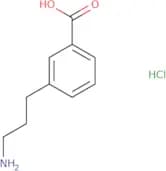

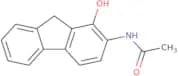
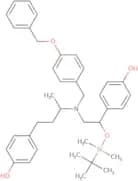
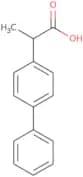
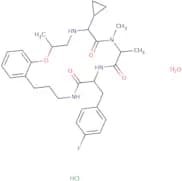
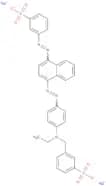
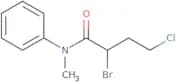
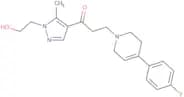
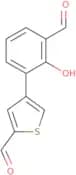
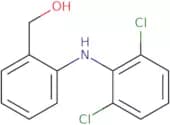

![3-[[[2-[(Aminoiminomethyl)amino]-4-thiazolyl]methyl]sulfinyl]-N-(aminosulfonyl)propanimidamide](/_next/image/?url=https%3A%2Fstatic.cymitquimica.com%2Fproducts%2F3D%2Fthumb-webp%2FIA182983.webp&w=3840&q=75)
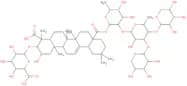
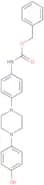

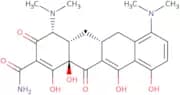
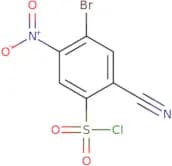
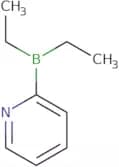
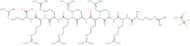
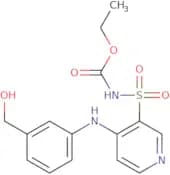
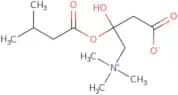

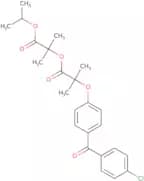
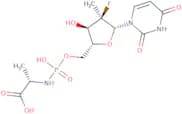
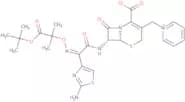
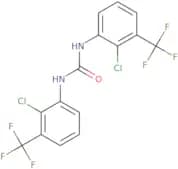
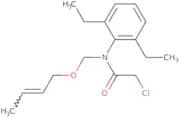
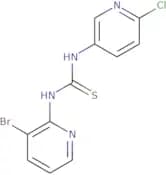
![1,2,3,4-Tetrahydro-2-[2-(4-hydroxyphenyl)-1-methylethyl]-4,6,8-isoquinolinetriol](/_next/image/?url=https%3A%2Fstatic.cymitquimica.com%2Fproducts%2F3D%2Fthumb-webp%2FLGA04025.webp&w=3840&q=75)
![3-[2-[(5-Ethyl-2-pyridinyl)ethoxy]phenyl] Pioglitazone Impurity](/_next/image/?url=https%3A%2Fstatic.cymitquimica.com%2Fproducts%2F3D%2Fthumb-webp%2FIE165312.webp&w=3840&q=75)
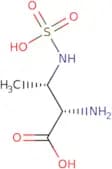
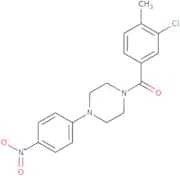
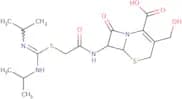
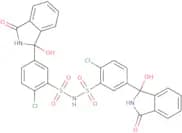
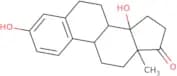
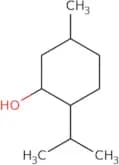
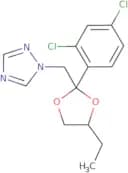
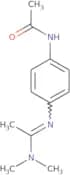
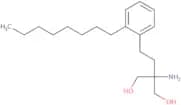
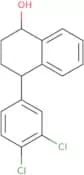
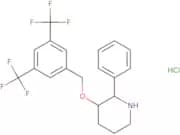
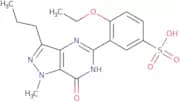
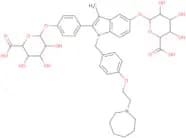
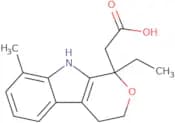
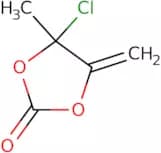
![4-(2,5-Diamino-6-chloropyrimidin-4-ylamino)cyclopent-2-enyl]methanol)](/_next/image/?url=https%3A%2Fstatic.cymitquimica.com%2Fproducts%2F3D%2Fthumb-webp%2FRFA27112.webp&w=3840&q=75)

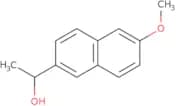

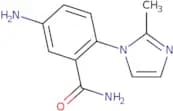
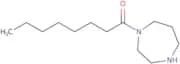
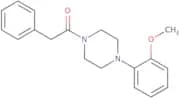
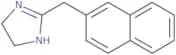
![1-[[4-(3-Methoxypropoxy)-3-methyl-2-pyridinyl]methyl]-2-[[[4-(3-methoxypropoxy)-3-methyl-2-pyridin…](/_next/image/?url=https%3A%2Fstatic.cymitquimica.com%2Fproducts%2F3D%2Fthumb-webp%2FIM25351.webp&w=3840&q=75)
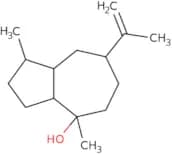
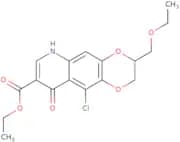
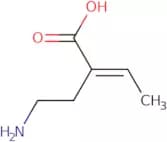
![(R)-2-(3-(1-Aminoethyl)phenyl)-N,8-dimethyl-8H-imidazo[4,5-d]thiazolo[5,4-b]pyridin-5-amine](/_next/image/?url=https%3A%2Fstatic.cymitquimica.com%2Fproducts%2F3D%2Fthumb-webp%2FJPC39480.webp&w=3840&q=75)
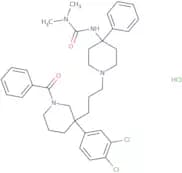
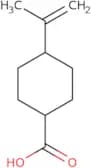

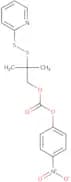
![7-Aminopyrazolo[1,5-a]pyrimidine-3,6-dicarboxylic acid 3,6-diethyl ester](/_next/image/?url=https%3A%2Fstatic.cymitquimica.com%2Fproducts%2F3D%2Fthumb-webp%2FTBA02467.webp&w=3840&q=75)
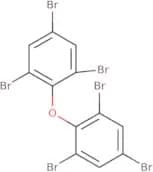
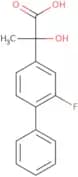
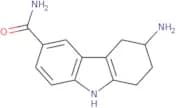
![N-[2-[[[5-[(Dimethylamino)methyl]-2-furanyl]methyl]thio]ethyl]-2-nitroacetamide](/_next/image/?url=https%3A%2Fstatic.cymitquimica.com%2Fproducts%2F3D%2Fthumb-webp%2FSEA84602.webp&w=3840&q=75)
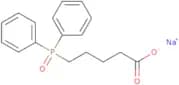
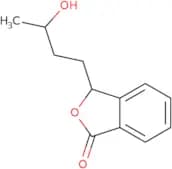
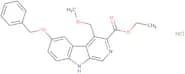
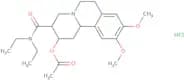
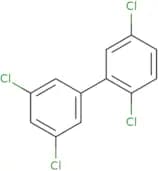
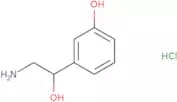
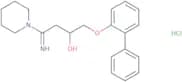
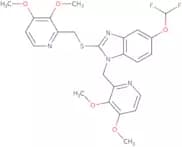
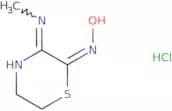

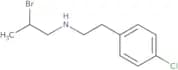
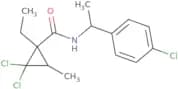
![Bis-[[2-[1-methylamino-2-nitroethenamine]ethyl]thio]methane](/_next/image/?url=https%3A%2Fstatic.cymitquimica.com%2Fproducts%2F3D%2Fthumb-webp%2FIB57853.webp&w=3840&q=75)
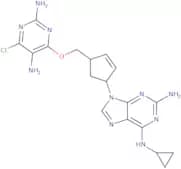
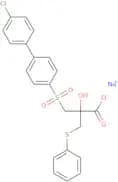
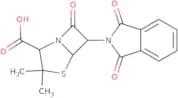
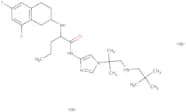
![(1R,3S,5S)-3-(2-Hydroxy-2,2-di(thiophen-2-yl)acetoxy)-8,8-dimethyl-8-azabicyclo[3.2.1]oct-6-en bro…](/_next/image/?url=https%3A%2Fstatic.cymitquimica.com%2Fproducts%2F3D%2Fthumb-webp%2FIH42882.webp&w=3840&q=75)
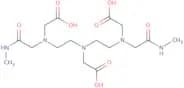
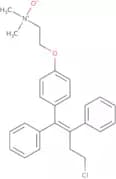
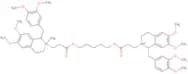
![1-[[2-[(2-Aminophenyl)amino]-5-methyl-3-thienyl]carbonyl]-4-methyl-piperazine](/_next/image/?url=https%3A%2Fstatic.cymitquimica.com%2Fproducts%2F3D%2Fthumb-webp%2FIA183184.webp&w=3840&q=75)
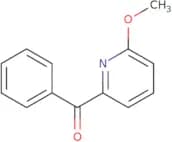
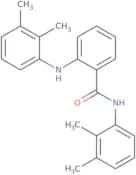
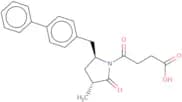
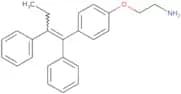
![4'-(Bromomethyl)-[1,1'-biphenyl]-2-carboxamide](/_next/image/?url=https%3A%2Fstatic.cymitquimica.com%2Fproducts%2F3D%2Fthumb-webp%2FIB19246.webp&w=3840&q=75)
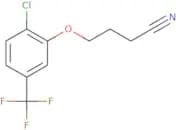
![α-[4-(2-dimethylaminoethoxy)phenyl]stilbene](/_next/image/?url=https%3A%2Fstatic.cymitquimica.com%2Fproducts%2F3D%2Fthumb-webp%2FUAA95751.webp&w=3840&q=75)
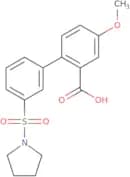
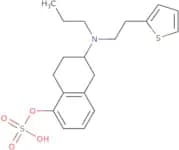
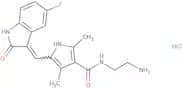
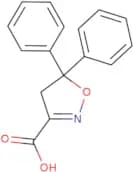
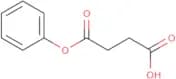
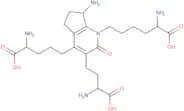
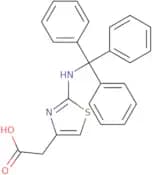
![(aR)-a-Methyl-N-[3-[4-(trifluoromethyl)phenyl]propyl]-1-naphthalenemethanamine](/_next/image/?url=https%3A%2Fstatic.cymitquimica.com%2Fproducts%2F3D%2Fthumb-webp%2FIM101358.webp&w=3840&q=75)
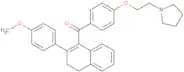
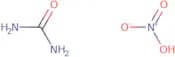
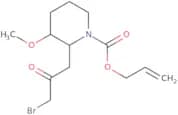
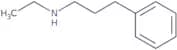
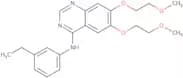
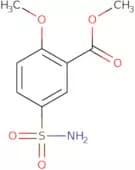

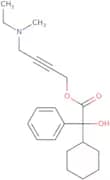
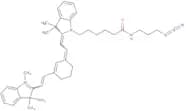
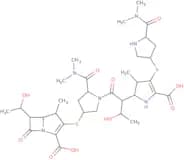
![trans-4-[[(2-Amino-5-bromophenyl)methyl]amino]cyclohexanol](/_next/image/?url=https%3A%2Fstatic.cymitquimica.com%2Fproducts%2F3D%2Fthumb-webp%2FIA183210.webp&w=3840&q=75)
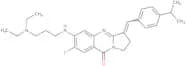
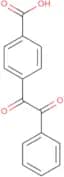
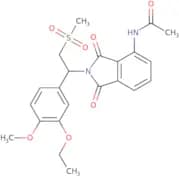
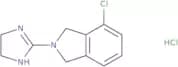
![4',4'''-[(4'-Methyl-2'-propyl[2,6'-bi-1H-benzimidazole]-1,1'-diyl)bis(methylene)]bis[1,1'-biphenyl…](/_next/image/?url=https%3A%2Fstatic.cymitquimica.com%2Fproducts%2F3D%2Fthumb-webp%2FIM28023.webp&w=3840&q=75)
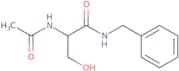
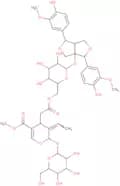
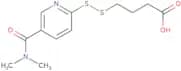
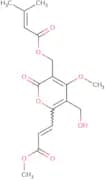
![5-Chloro-N-[3-[[(5-chloro-2-thienyl)carbonyl]amino]-2-hydroxypropyl]-N-[4-(3-oxo-4-morpholinyl)phe…](/_next/image/?url=https%3A%2Fstatic.cymitquimica.com%2Fproducts%2F3D%2Fthumb-webp%2FIC183209.webp&w=3840&q=75)
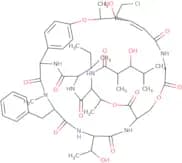
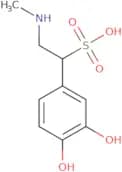

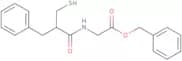

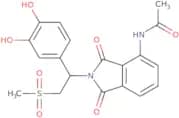
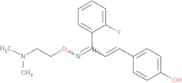

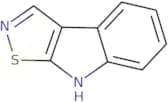
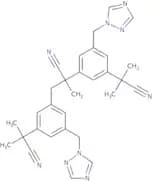
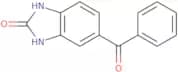
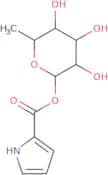

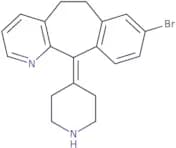

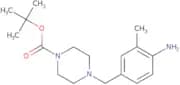

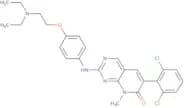
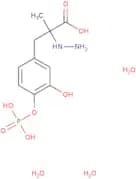
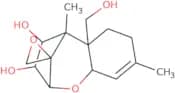
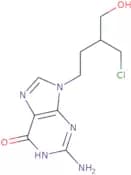
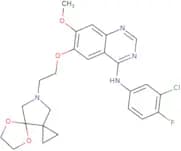
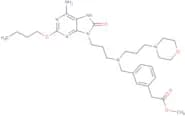
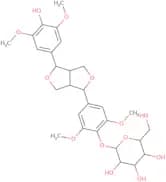
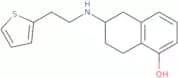
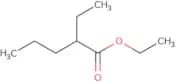
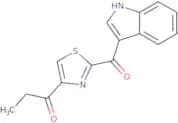
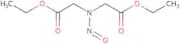
![9-Bromo-6,11-dihydro-8-hydroxy-6,6-dimethyl-11-oxo-5H-benzo[b]carbazole-3-carbonitrile](/_next/image/?url=https%3A%2Fstatic.cymitquimica.com%2Fproducts%2F3D%2Fthumb-webp%2FGAC57906.webp&w=3840&q=75)
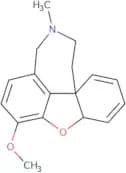
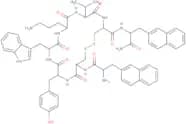
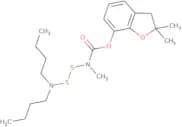
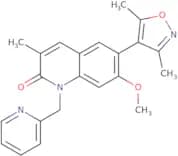
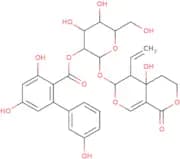

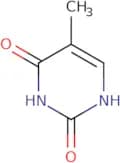
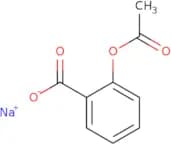
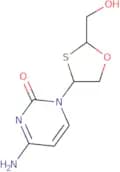



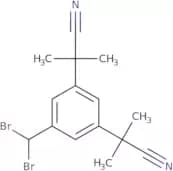
![N-(2,2,2-Trichloroethoxy)carbonyl] bisnor-(cis)-tilidine](/_next/image/?url=https%3A%2Fstatic.cymitquimica.com%2Fproducts%2F3D%2Fthumb-webp%2FWZB81995.webp&w=3840&q=75)
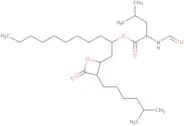
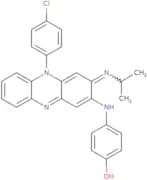
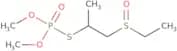
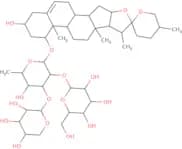

![3-[4-(Methylsulfonyl)-1-piperazinyl]-1,2-benzisothiazole](/_next/image/?url=https%3A%2Fstatic.cymitquimica.com%2Fproducts%2F3D%2Fthumb-webp%2FQMD68018.webp&w=3840&q=75)