APIs for research and impurities
Subcategories of "APIs for research and impurities"
- Aminoacids and derivatives(12,316 products)
- Anthraquinones and derivatives(402 products)
- Benzimidazole and Imidazole Derivatives(10,375 products)
- Benzodiazepine Derivatives(323 products)
- Carbohydrates and glycoconjugates(5,038 products)
- Esters and Derivatives(42,239 products)
- Fatty Acids and Lypidic Derivatives(32,360 products)
- Flavonoids and Polyphenols(17,066 products)
- Free Radicals and Oxidant/Reducing Agents(208 products)
- Ketones and derivatives(2,393 products)
- Natural and semi-synthetic antibiotics(6,307 products)
- Nitriles and Cyano Derivatives(3,068 products)
- Nitrosamines and Derivatives(55 products)
- Nucleosides and Nucleotides(3,409 products)
- Organic Phosphates and Phosphonates(1,192 products)
- Organic Sulphonates and Sulphates(10,415 products)
- Organometallics(4,417 products)
- Others(6,257 products)
- Peptides and Proteins(3,129 products)
- Polymers and Derivatives(99 products)
- Purines and Pyrimidine Derivatives(8,889 products)
- Quinazoline and Quinoline Derivatives(65,574 products)
- Quinones and Derivatives(24,334 products)
- Salts and Derivatives of Active Pharmaceutical Ingredients (API)(81,501 products)
- Steroids and Derivatives(4,905 products)
- Sulfonamides and Derivatives(2,539 products)
- Terpenoids and Derivatives(3,827 products)
- Thiazolidinediones and Thiopyrans(2,752 products)
- β-Adrenergic Compounds(227 products)
Found 58878 products of "APIs for research and impurities"
Ref: 4Z-PS-189063
Discontinued productRef: 4Z-L-3250
Discontinued productRef: 4Z-L-3256
Discontinued productSultamicillin EP Impurity C (Ampicillin, Piperacillin EP Impurity A)
CAS:Formula:C16H19N3O4SMolecular weight:349.41Ref: 4Z-S-081002
Discontinued productRef: 4Z-C-1825
Discontinued productRef: 4Z-E-104013
Discontinued productRef: 4Z-P-0253
Discontinued productRef: 4Z-F-084014
Discontinued productRef: 4Z-L-3218
Discontinued productRef: 4Z-P-0252
Discontinued productRef: 4Z-PS-189040
Discontinued productRef: 4Z-L-3246
Discontinued productAflatoxin B1 8,9-Epoxide
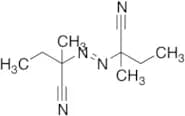
CAS:Controlled ProductFormula:C17H12O7Purity:>80%Color and Shape:NeatMolecular weight:328.272,2'-Azobis-(2-methylbutyronitrile)
CAS:Applications 2,2'-AZOBIS-(2-METHYLBUTYRONITRILE) (cas# 13472-08-7) is a useful research chemical.
Dangerous Goods Info This compound is forbidden to ship by air under IATA regulations.Formula:C10H16N4Color and Shape:White to Off-White SolidMolecular weight:192.27Everolimus O-ethyl impurity
CAS:Everolimus is an immunosuppressant that belongs to the group of rapamycin analogs. It is a synthetic drug and has been shown to be effective in preventing rejection of transplanted organs, such as kidneys, livers, and hearts. Everolimus O-ethyl impurity is a metabolite of everolimus that can be used as a standard for HPLC analysis. The CAS number for this impurity is 1704711-12-5. Everolimus O-ethyl impurity can also be used as a reference material in metabolism studies.
Formula:C54H85NO14Purity:Min. 95%Molecular weight:972.25 g/mol11-Fluoro desloratadine
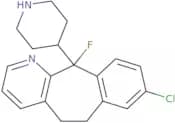
CAS:11-Fluoro desloratadine is a metabolite of the antihistamine, loratadine. It has shown to be an analytical standard for HPLC, and impurity standard for pharmacopoeia. 11-Fluoro desloratadine is typically synthesized by reacting loratadine with fluorinating reagent such as N-fluorosuccinimide (NFSI) in the presence of a base catalyst such as sodium methoxide. 11-Fluoro desloratadine is also found in breast milk at concentrations of up to 1.2% of total loratadine concentration, which has been attributed to incomplete metabolism or passive transfer from mother to child.
Formula:C19H20N2ClFPurity:Min. 95%Color and Shape:PowderMolecular weight:330.83 g/molRef: 3D-IF46257
Discontinued productDicyclopropylamine
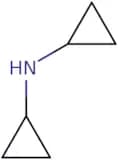
CAS:Dicyclopropylamine is a molecule that has been clinically developed as a drug. It is an inhibitor of the enzyme tyrosinase, which is involved in the production of melanin, and has been shown to have anti-cancer properties. Dicyclopropylamine hydrochloride has been shown to be effective against aliphatic hydrocarbons such as hexane and cyclohexane, as well as aromatic compounds such as benzene and toluene. This drug can also bind to coordination complexes with high kinetic energy, which may be useful for tumor treatment. Dicyclopropylamine hydrochloride can be used for the clinical treatment of human epidermoid carcinoma.
Formula:C6H11NPurity:Min. 95%Molecular weight:97.16 g/molAtorvastatin methyl ester
CAS:Atorvastatin methyl ester is a statin drug that inhibits the synthesis of cholesterol and other lipids in the body. It is used to reduce high levels of low-density lipoprotein (LDL) cholesterol, which may lead to heart disease or stroke. Atorvastatin methyl ester has been shown to be effective in reducing the uptake of LDL cholesterol into cells by preventing the formation of LDL particles. This drug also decreases the production of biphosphate-containing phospholipids, which are essential for dendritic cell maturation. The crystalline polymorphs have been characterized by X-ray diffraction and microscopy. Impurities can be detected using ultraviolet spectroscopy, infrared spectroscopy, or nuclear magnetic resonance spectroscopy.
Formula:C34H37FN2O5Purity:Min. 95%Color and Shape:PowderMolecular weight:572.67 g/molRef: 3D-IA18021
Discontinued productAtropine impurity D
Atropine impurity D is a drug product that is an analytical standard for the metabolism studies of atropine. It is a natural API that belongs to the group of drugs and has CAS number 72-48-0. This drug has been synthesized from the synthetic process and then purified by HPLC. The purity of this drug exceeds 99%. Atropine impurity D is used as an impurity standard in pharmacopoeia, research and development, and drug development.
Purity:Min. 95%Rotigotine Impurity 7
CAS:Rotigotine Impurity 7 is an impurity that has been identified in the synthesis of rotigotine. Rotigotine Impurity 7 is a synthetic compound with a CAS number of 1229620-82-9. It is intended for use as an analytical standard and as a component in the manufacture of rotigotine, which is indicated for the management of Parkinson's disease. This product has not been tested in animals or humans, and it should be handled with care.
Formula:C21H28ClNO2SPurity:Min. 95%Molecular weight:393.97 g/mol(3R)-3-Amino-1-[5,6-dihydro-3-(trifluoromethyl)-1,2,4-triazolo[4,3-α]pyrazin-7(8H)-yl]-4-(2,3,6-trifluorophenyl)-1-butanone
CAS:Please enquire for more information about (3R)-3-Amino-1-[5,6-dihydro-3-(trifluoromethyl)-1,2,4-triazolo[4,3-α]pyrazin-7(8H)-yl]-4-(2,3,6-trifluorophenyl)-1-butanone including the price, delivery time and more detailed product information at the technical inquiry form on this page
Formula:C16H15F6N5OPurity:Min. 95%Molecular weight:407.31 g/molN-[1-(R)-(+)-(2-Naphthyl)ethyl]-3-[3-(trifluoromethyl)phenyl]-1-aminopropane hydrochloride
CAS:N-[1-(R)-(+)-(2-Naphthyl)ethyl]-3-[3-(trifluoromethyl)phenyl]-1-aminopropane hydrochloride is a metabolite that is produced by the metabolism of naphthalene. It is an impurity in the naphthalene standard, which is used as an API to assess the purity of other substances. N-[1-(R)-(+)-(2-Naphthyl)ethyl]-3-[3-(trifluoromethyl)phenyl]-1-aminopropane hydrochloride has been shown to be a substrate for CYP2D6. This metabolite is also found in pharmaceuticals and other drugs.Formula:C22H22F3N•HClPurity:Min. 95%Molecular weight:393.87 g/molRef: 3D-IN58182
Discontinued product15-O-Demethyl Tacrolimus
CAS:Tacrolimus is a macrolide that is used as an immunosuppressive drug. It has been shown to bind to the FK-binding protein, which in turn inhibits calcineurin. This prevents the release of IL-2, TNF-α and other cytokines. The immunosuppressive effects of tacrolimus have been evaluated using analytical methods such as coefficients, affinity, and monitoring techniques such as immunoassays and agglutination. These techniques are used to evaluate the plasma concentration of tacrolimus. Tacrolimus also binds to proteins in the blood samples and can be detected by turbidimetric or electrochemiluminescence immunoassay reagents.
Formula:C43H67NO12Purity:Min. 95%Molecular weight:789.99 g/molNLRP3i
CAS:NLRP3i is a molecule that is orally administered and has been shown to have anti-inflammatory effects in the heart. NLRP3i reduces pro-inflammatory cytokines and protects against cardiac dysfunction in mice with chronic kidney disease. It also protects against heart failure caused by ischemia reperfusion. This drug has been shown to be effective as a therapy for cancer, with some patients being resistant to chemotherapy, although it is not yet approved for this use.
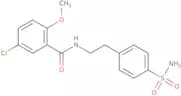
Formula:C16H17ClN2O4SPurity:Min. 95%Molecular weight:368.84 g/molRef: 3D-FC155783
Discontinued productMemantine impurity IV
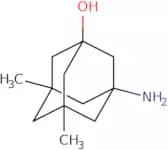
CAS:Memantine impurity IV is a hydrolysis product of memantine. It appears as a white to off-white powder and has a molecular weight of 198.1 g/mol. Memantine impurity IV is an intermediate in the production of memantine and is therefore not used for any other purpose. The compound contains hydroxy groups, hydroxy, alcohols, and bridgehead groups which are efficient at hydrolyzing to form amino acids.
Formula:C12H21NO·HClPurity:Min. 95%Color and Shape:White PowderMolecular weight:231.76 g/molCetirizine propanediol ester impurity
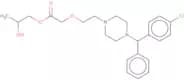
Cetirizine is a drug product that is metabolized to cetirizine propanediol ester. This impurity has been identified in the drug and is not expected to cause any adverse effects in humans. Cetirizine propanediol ester can be synthesized and purified through high-purity, analytical, and natural methods. The pharmacopoeia defines cetirizine propanediol ester as a metabolite of cetirizine. It can also be used as an impurity standard for HPLC analysis.
Formula:C24H31ClN2O4Purity:Min. 95%Molecular weight:446.97 g/molTerbutaline impurity D
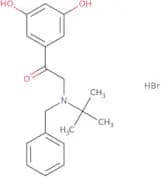
CAS:Controlled ProductTerbutaline Impurity D is a synthetic drug with the CAS number 94109-61-2. This product has been developed as an impurity standard for Terbutaline, which is a drug product that has been approved by the United States Pharmacopoeia (USP). Terbutaline Impurity D can be used to study the metabolism of Terbutaline in animals. It is also used to develop new drugs by chemists and other scientists.
Formula:C19H23NO3Purity:Min. 95%Molecular weight:313.39 g/molN-Hydroxy-11-azaartemisinin
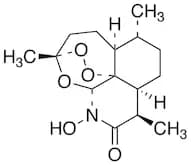
CAS:Controlled ProductFormula:C15H23NO5Color and Shape:WhiteMolecular weight:297.359-(1,3-Dioxolan-2-ylmethyl)-3,9-dihydro-1,3-dimethyl-1H-purine-2,6-dione
CAS:9-(1,3-Dioxolan-2-ylmethyl)-3,9-dihydro-1,3-dimethyl-1H-purine-2,6-dione is a metabolite of the drug 9-(1,3-Dioxolan-2-ylmethyl)-1,3,9 dihydrobenzo[g]pteridine. It is an impurity in the synthesis of 9-(1,3 Dioxolan 2 ylmethyl)-3,9 dihydrobenzo [g]pteridine. The purity of this compound is > 99%, with a melting point range of 233 to 235 °C and a molecular weight of 244.24 g/mol. It is soluble in methanol and acetonitrile. This compound has been characterized by IR spectroscopy (ATR), 1H NMR (400 MHz) spectroscopy (CDCl 3 ), and mass spectrometry (HRMS
Formula:C11H14N4O4Purity:Min. 95%Molecular weight:266.25 g/molRef: 3D-ZWB28918
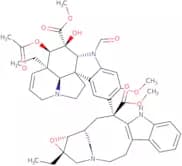
Discontinued productN-Formyl leurosine
CAS:N-Formyl leurosine is an inhibitor of fatty acid synthesis. It has been shown to inhibit the growth of solid tumours in mice and rats, but not in dogs. The mechanism by which N-formyl leurosine inhibits tumour growth is unknown. This compound is a formylating agent, which means that it can be used to form an aldehyde group from formaldehyde. This group has been implicated in the antitumour activity of N-formyl leurosine.
Formula:C46H54N4O10Purity:Min. 95%Molecular weight:822.94 g/molRef: 3D-IF23552
Discontinued product2-[[(4-Chloro-3-methyl-2-pyridinyl)methyl]sulfinyl]-1H-benzimidazole
CAS:2-[[(4-Chloro-3-methyl-2-pyridinyl)methyl]sulfinyl]-1H-benzimidazole (CAS No. 168167-42-8) is a synthetic compound that is used as an analytical reference standard for HPLC. It is also used in the study of drug metabolism, and it has been shown to induce natural oxidation in vitro. 2-[(4-Chloro-3-methylpyridinium)methylsulfinyl]-1Hbenzimidazole is an impurity found in pharmaceutical products that are synthesized from 1-(2,4,6trichlorophenyl)-3-[(4chloromethyl)phenyl]urea.Formula:C14H12ClN3OSPurity:Min. 95 Area-%Color and Shape:Brown PowderMolecular weight:305.78 g/molRef: 3D-IC21226
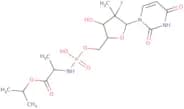
Discontinued producto-Desphenyl sofosbuvir
CAS:o-Desphenyl sofosbuvir is a drug product that has been custom synthesized for research purposes. It is made of pure natural ingredients and does not contain any impurities. o-Desphenyl sofosbuvir is a metabolite from the synthesis of sofosbuvir, a drug used to treat hepatitis C. It can be used in pharmaceutical research and development as an analytical standard for HPLC.
Formula:C16H25FN3O9PPurity:Min. 95%Molecular weight:453.36 g/molDoxorubicin Impurity 15
CAS:Doxorubicin impurity 15 is a natural product that is used as an analytical reference standard in pharmacopoeia. It has been synthesized for use in drug development and research and development, and is available as a high-purity HPLC standard. Doxorubicin impurity 15 has a CAS number of 131086-18-5.
Formula:C31H38BrNO11Purity:Min. 95%Molecular weight:680.54 g/molRef: 3D-ID163220
Discontinued productAlbendazole sulfone
CAS:Albendazole sulfone is a metabolite of the drug albendazole. It is used as an analytical standard to measure the concentration of albendazole in human plasma and urine samples. The concentration-time curve for albendazole sulfone can be determined using a nonlinear regression analysis, with the rate constant being calculated from the slope and intercept. This method has been shown to be accurate for predicting pharmacokinetic parameters in humans. Albendazole sulfone is also used as a probe in wastewater treatment studies, where it binds to colloidal gold particles that are used to visualize the removal of small particles by microorganisms.
Formula:C12H15N3O4SPurity:Min. 95 Area-%Color and Shape:PowderMolecular weight:297.33 g/molRef: 3D-IA17258
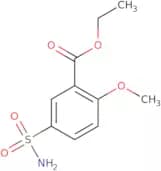
Discontinued productEthyl 2-methoxy-5-sulfamoylbenzoate
CAS:Ethyl 2-methoxy-5-sulfamoylbenzoate is a research and development impurity standard. It is a white to off-white crystalline solid that is soluble in water. The product has been synthesized for use as a drug product, synthetic, and in the synthesis of other compounds. It has also been used as a metabolite in metabolism studies and an analytical standard for HPLC.
Formula:C10H13NO5SPurity:Min. 95%Molecular weight:259.28 g/molRef: 3D-IE140268
Discontinued productN-Desmethyl trimeprazine
CAS:N-Desmethyl trimeprazine is a synthetic compound, which is an impurity of the drug product. It is not active and does not possess any biological activity. It is a metabolite of the parent drug, Trimeprazine. N-Desmethyl trimeprazine has been studied for its pharmacological properties and metabolism in the body, but no conclusive results have been found. The chemical structure and purity of N-Desmethyl trimeprazine are not listed in the USP or BP. This compound can be custom synthesized on request.
Formula:C17H20N2SPurity:Min. 95%Molecular weight:284.40 g/molRef: 3D-XAA73204
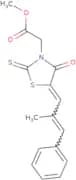
Discontinued product(E,Z)-Epalrestat methyl ester
CAS:(E,Z)-Epalrestat methyl ester is a drug product that is custom-synthesized for research and development purposes. It is a natural metabolite of (E,Z)-epalrestat acid. The chemical name for this compound is 3-[(2-chlorophenyl)methyl]-N-(1H-indol-3-ylmethylene)malonamide. The molecular weight of this compound is 284.87 g/mol and it has an empirical formula of C24H27ClN2O2. It has been found to inhibit the activity of phosphodiesterase (PDE), which plays a role in the breakdown of cyclic nucleotides such as cAMP and cGMP. This product has high purity and analytical data that can be used for metabolism studies or clinical trials.
Formula:C16H15NO3S2Purity:Min. 95%Molecular weight:333.43 g/molRef: 3D-HCB77570
Discontinued product6-o-Desmethyl moxonidine
CAS:6-O-Desmethyl moxonidine is a drug product that is a metabolite of the parent compound, moxonidine. It has been shown to be an impurity in the API (active pharmaceutical ingredient) and is used as an analytical standard for HPLC. 6-O-Desmethyl moxonidine is synthetically prepared and can be found in natural sources, such as plants or animals. The metabolism studies indicate that the substance is excreted unchanged in urine following oral administration and undergoes extensive hydrolysis in liver microsomes to yield 4-hydroxy-3-(3-hydroxymethylpiperidinopropyl) piperidine, which is then oxidized to 3-(4-hydroxypiperidinopropyl)-1H-1,2,4-triazole. This product may cause skin irritation.
Formula:C8H10ClN5OPurity:Min. 95%Molecular weight:227.65 g/molRef: 3D-CPA45733
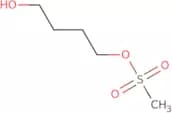
Discontinued product4-Methanesulfonyloxybutanol
CAS:4-Methanesulfonyloxybutanol is a chemical substance with the molecular formula CH3SO2CH(CH2OH)CH2OH. It is used as an intermediate in the synthesis of 4-methanesulfonyloxybutanol, which is a potent inhibitor of busulfan-induced leukopenia and myelosuppression. This substance has been shown to be highly effective in preventing busulfan-induced side effects when administered intravenously. 4-Methanesulfonyloxybutanol is chemically synthesized by intramolecular alkylation of butanol, followed by hydrolysis. The reaction product can be detected using an ionization detector in conjunction with gas chromatography. This product is an alkylation agent that reacts with polypropylene to produce polypropylene glycols.
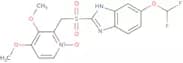
Formula:C5H12O4SPurity:Min. 95%Color and Shape:LiquidMolecular weight:168.21 g/molPantoprazole sulfone N-oxide
CAS:Pantoprazole sulfone N-oxide is a prodrug that is converted to the active form pantoprazole in the stomach where it inhibits gastric acid secretion. Pantoprazole sulfone N-oxide has been shown to be genotoxic, and can cause polyvinyl chloride to degrade when stored together. Reconstituted solution of this drug should be used within 24 hours after reconstitution, as the chemical stability of this drug decreases rapidly. Validation studies have been conducted on different analytical methods for determining pantoprazole concentrations in reconstituted solutions, and these methods have been harmonized with those published by the United States Pharmacopeia (USP). The pump inhibitor activity of pantoprazole sulfone N-oxide has been demonstrated in dogs, and it is also useful for treating acid reflux disease in humans. Pantoprazole sulfone N-oxide is unstable at high temperatures (>25°C), so should not be refrigerated or
Formula:C16H15F2N3O6SPurity:Min. 95%Molecular weight:415.37 g/molRef: 3D-ID26757
Discontinued productTrazodone Hydrochloride BP Impurity A
CAS:Trazodone Hydrochloride BP Impurity A is an unproven impurity of Trazodone. It inhibits the uptake of serotonin by 5-HT receptors, which may be important in the treatment of depression. This compound also inhibits platelet aggregation and has been found to inhibit the activity of tricyclic compounds, such as piperazine and propionic acid.Formula:C19H22CIN5O2Purity:Min. 95%Molecular weight:491.33 g/molRef: 3D-IT171024
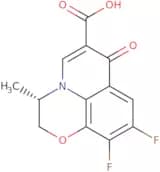
Discontinued productLevofloxacin carboxylic acid
CAS:Levofloxacin is a synthetic molecule with an asymmetric carbon atom in its heterocycle. It is synthesized by reacting chloroform with 2-fluoro-5-nitrobenzaldehyde, which reacts further with sodium hydroxide and hydrochloric acid to form the levofloxacin carboxylic acid. Impurities can be found in the reaction product due to chlorine atoms that are formed during the synthesis. The amount of impurities present in the final product can be determined using a titration method or through HPLC analysis. Levofloxacin has been shown to be effective against methicillin-resistant Staphylococcus aureus (MRSA) and Clostridium perfringens, although is not active against acid-fast bacteria such as Mycobacterium tuberculosis or Mycobacterium avium complex.
Formula:C13H9F2NO4Purity:Min. 95%Color and Shape:PowderMolecular weight:281.21 g/molRef: 3D-IL24882
Discontinued productN-Desbispropyl-N-pentyl-2-methyl ropinirole
CAS:N-Desbispropyl-N-pentyl-2-methyl ropinirole is an analytical reference standard. This product is a high purity, drug development, and API impurity. It is a CAS No. 249622-60-4 and has a niche, drug product, and impurity standard. This item is for Research and Development, High purity, Drug development, API impurity, HPLC standard, CAS No. 249622-60-4, niche, drug product, Impurity standard, Metabolite, pharmacopoeia Custom synthesis of natural or synthetic origin.
Formula:C16H24N2OPurity:Min. 95%Molecular weight:260.37 g/molRef: 3D-ZJA62260
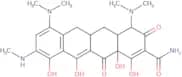
Discontinued product9-Methylamino minocycline
CAS:9-Methylamino minocycline is a semi-synthetic antibiotic with excellent oral bioavailability. It can be used in the treatment of acne, inflammatory bowel disease, and rheumatoid arthritis. 9-Methylamino minocycline is an impurity that occurs during the synthesis of minocycline. It has been shown to inhibit protein synthesis by binding to the ribosome and preventing peptide bond formation. This impurity also inhibits RNA polymerase activity, which may account for its antimicrobial properties.
Formula:C24H30N4O7Purity:Min. 95%Molecular weight:486.52 g/molRef: 3D-HZA40273
Discontinued product(3R)-3,6-Dihydro-2H-1,4-thiazine-3,5-dicarboxylic Acid 3-Ethyl Ester
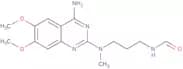
CAS:The chemical name for (3R)-3,6-Dihydro-2H-1,4-thiazine-3,5-dicarboxylic acid 3-ethyl ester-d5 is 2-(2-(pyrrolidin-1-yl)ethoxy)ethanol. This compound is a drug product that has been custom synthesized and purified by HPLC. It is an analytical standard and impurity standard for HPLC. The CAS number for this compound is 944115-20-2.Formula:C8H6D5NO4SPurity:Min. 95%Molecular weight:222.27 g/molN-(4-Amino-6,7-dimethoxyquinazol-2-yl)-N-methylpropylenediamine formamide hydrochloride
CAS:N-(4-Amino-6,7-dimethoxyquinazol-2-yl)-N-methylpropylenediamine formamide hydrochloride is an impurity in the synthesis of N-(4-amino-6,7-dimethoxyquinazol-2-yl)-N'-methylpropylenediamine formamide hydrochloride. It is a white solid that can be used as an analytical reference standard for HPLC. It has been detected in the urine of people taking this drug and can be used to identify the presence of this drug in urine samples.
Formula:C14H17N5O2·HClPurity:Min. 95%Molecular weight:323.78 g/molN-4,5[Acetylamino)methyl]desmopressin
N-4,5[Acetylamino)methyl]desmopressin is a synthetic drug product that is used as an analytical standard for the identification and quantitation of desmopressin in pharmaceutical preparations. It is also used as an impurity standard for HPLC analysis. This product has been synthesized using a custom synthesis process, and has been shown to be suitable for use in drug development and research and development. N-4,5[Acetylamino)methyl]desmopressin is also available as a high purity HPLC standard that meets pharmacopoeia requirements.
Purity:Min. 95%Dexamethasone Impurity A
Impurity A is an impurity of the drug product, dexamethasone. The impurity is a natural metabolite of dexamethasone that is found in the urine of patients taking this medication. Impurity A is chemically identified using HPLC and its purity verified using GC-MS and LC-MS. This impurity can be used as a reference standard for analytical purposes and as an impurity standard for pharmacopoeia testing.
Formula:C22H29FO5Purity:Min. 95 Area-%Color and Shape:White Off-White PowderMolecular weight:392.46 g/molEsomeprazole Impurity Q
Esomeprazole Impurity Q is a drug product. It is an impurity standard of esomeprazole, CAS No. 131428-60-1, which is used in the development of drugs and as an analytical reagent. It is synthesized from natural materials and has a purity of 99%. The metabolite can be found in animal and human metabolism studies. Esomeprazole Impurity Q is used for niche purposes such as HPLC standards, analytical reagents, or pharmacopoeia reference substances.
Purity:Min. 95%






![1-{4-[(4-methyl-1,4-diazepan-1-yl)methyl]phenyl}methanamine](/_next/image/?url=https%3A%2Fstatic.cymitquimica.com%2Fproducts%2F10%2Fthumb-webp%2FF518958.webp&w=3840&q=75)




![(3R)-3-Amino-1-[5,6-dihydro-3-(trifluoromethyl)-1,2,4-triazolo[4,3-α]pyrazin-7(8H)-yl]-4-(2,3,6-tr…](/_next/image/?url=https%3A%2Fstatic.cymitquimica.com%2Fproducts%2F3D%2Fthumb-webp%2FIA183166.webp&w=3840&q=75)
![N-[1-(R)-(+)-(2-Naphthyl)ethyl]-3-[3-(trifluoromethyl)phenyl]-1-aminopropane hydrochloride](/_next/image/?url=https%3A%2Fstatic.cymitquimica.com%2Fproducts%2F3D%2Fthumb-webp%2FIN58182.webp&w=3840&q=75)

![2-[[(4-Chloro-3-methyl-2-pyridinyl)methyl]sulfinyl]-1H-benzimidazole](/_next/image/?url=https%3A%2Fstatic.cymitquimica.com%2Fproducts%2F3D%2Fthumb-webp%2FIC21226.webp&w=3840&q=75)



![N-4,5[Acetylamino)methyl]desmopressin](/_next/image/?url=https%3A%2Fstatic.cymitquimica.com%2Fproducts%2F3D%2Fthumb-webp%2FIA173214.webp&w=3840&q=75)